
Introduction / Hook
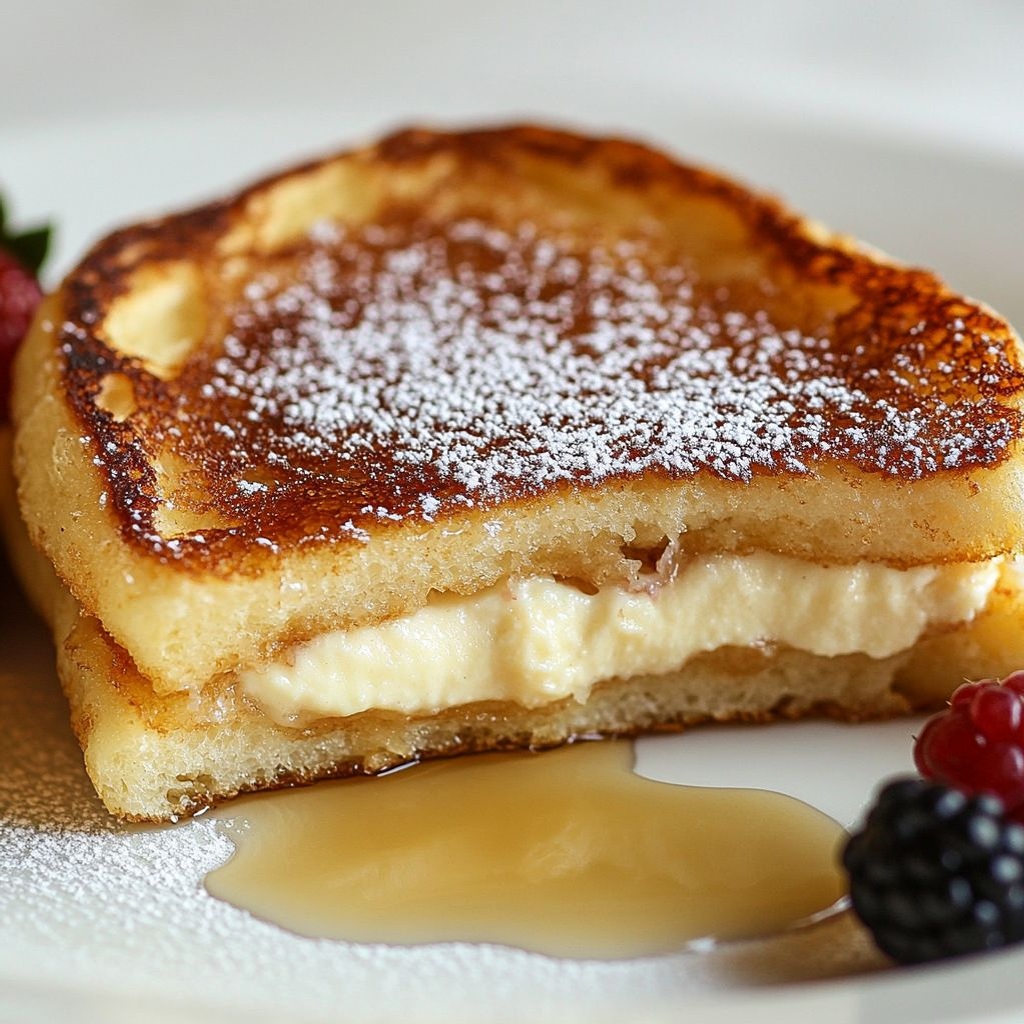
Imagine a Sunday brunch that feels both comforting and decadent at once: thick slices of bread cloaked in a custardy embrace, the surface a kiss of caramelized edges, and a luscious, cheesecake-inspired center that melts into every bite. This is French toast ripieno di cheesecake—a playful, mouthwatering fusion that takes the humble morning staple and elevates it to a celebration. The aroma alone is a sensory invitation: vanilla and warm spices waft through the air, while the bread crisps ever so slightly at the edges, offering a delicate crunch that gives way to a creamy, dreamy interior. It’s the kind of dish that makes customarily ordinary mornings feel like holidays, a comforting indulgence that still feels approachable enough for a family kitchen. Every slice promises a moment of delight: a balancing act between the toasty outside and the smooth, tangy core, like a breakfast dessert that doesn’t pretend to be anything other than irresistibly delicious.
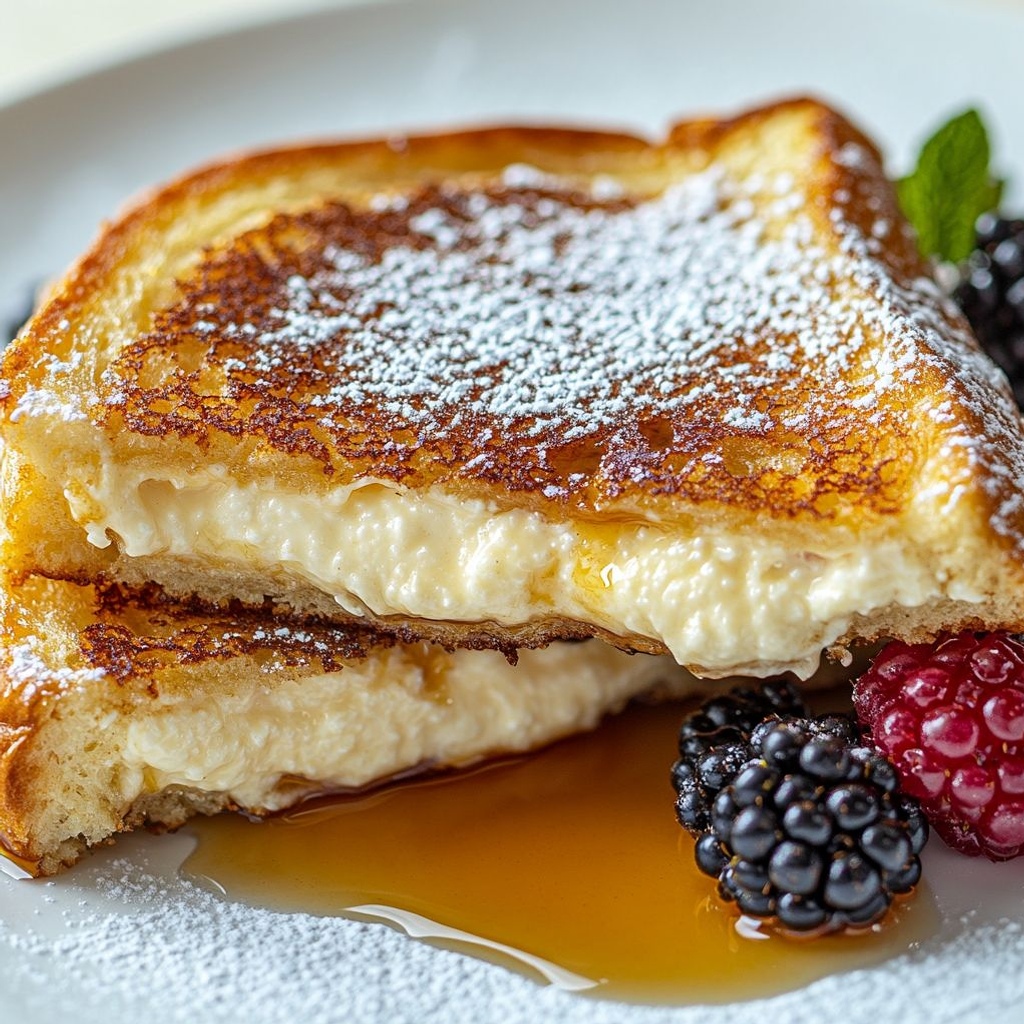
As you cut into the first piece, you’ll hear the subtle sigh of browning sugar and the faint pop of a well-set interior as the cheesecake filling yields to the warmth. The flavors are familiar—vanilla, a touch of citrus zest, a whisper of cinnamon or nutmeg—yet the combination is novel enough to spark curiosity and bring a sense of novelty to a familiar ritual. This is not merely a dish; it’s an experience you can share with loved ones, a brunch ritual that invites conversation, lingering at the table, and a sense of indulgence without guilt. The beauty of this creation lies in its dual personality: a crispy, golden, almost toffee-like exterior that provides structure and contrast, paired with an interior that is creamy, tangy, and irresistibly smooth, reminiscent of a cheesecake’s signature filling.
Whether you’re cooking for a quiet weekend treat, planning a brunch with friends, or wanting to surprise someone with something both comforting and a little flamboyant, this ripieno version of French toast checks all the boxes. It’s the kind of dish that tastes like it required effort, yet is surprisingly simple to assemble in a moment, making it perfect for cooks of all levels who crave a memorable result without a complicated sequence. The name itself—ripieno di cheesecake, or stuffed with cheesecake—hints at the playful spirit of the recipe: a familiar technique reimagined with a luscious, creamy heart. Get ready to fall in love with the texture drama: the crisp crust that crinkles at the edges, the gentle chew of the bread, and the luxurious, cheesecake-inspired center that makes each bite feel like a celebration.
As you read on, you’ll discover the story behind this dish, why it resonates with cooks and eaters alike, and how you can tailor it to your own kitchen, whether you crave a more indulgent weekend treat or a lighter, dairy-conscious brunch option. Prepare to be inspired by a recipe that doesn’t just feed the body but also feeds the imagination—an edible moment that lingers long after the plate is cleared, like the sweet aftertaste of a fond memory.
The Story Behind the Dish
The concept of turning a beloved breakfast staple into a handheld, indulgent centerpiece has roots that wander through time and culture. French toast itself is a global memory—for many, a practical recourse to stale bread transformed by eggs, milk, and a little warmth into something comforting and nourishing. The origins stretch back centuries, with early versions appearing in various cuisines long before the term “French toast” became common. Medieval kitchens praised the use of stale bread, turning it into a luxurious breakfast or dessert by soaking it in a custard and frying it until golden. This lineage of repurposing bread, elevating it with dairy, eggs, and aromatic spices, is precisely what makes a stuffed variation so naturally appealing.
Cheesecake, on the other hand, has its own fascinating journey—an indulgent, creamy creation that has traveled across continents, evolving with regional twists and local ingredients. The idea of merging the melt-in-your-mouth, tangy richness of cheesecake with the familiar, comforting fabric of French toast is like meeting two old friends halfway. Ripieno, the Italian word for “stuffed,” adds a playful sense of theater to the dish. It signals that the dessert-like creaminess is not just an afterthought but an integral, integrated surprise tucked inside each slice. This fusion is not about simply layering flavors; it’s about reimagining texture, temperature, and sensation in a single, harmonious bite.
In many homes, breakfast traditions are anchored in memory: a grandmother’s kitchen, a Sunday morning ritual, a slice of something sweet that signals the start of a special day. This recipe taps into that sentiment, offering a modern twist that respects the warmth and comfort of the classics while inviting curiosity and creativity. The origin story here is less about a precise lineage and more about a culinary conversation—the idea that two iconic concepts can meet at the table to create something that feels both familiar and refreshingly new. The result is a dish that begs to be shared: a platter of slices arranged with care, a brunch served with laughter, and a table that becomes the stage for an edible moment of joy.
Beyond mere taste, this dish is a celebration of textures and contrasts. The outer crust, achieved through careful browning and a touch of sugar, forms a delicate, caramelized shell. Inside, the cheesecake filling provides a serene counterpoint—airy yet dense, tangy yet mellow, smooth as satin and rich as a velvety dream. Each bite becomes a small drama in which temperature, mouthfeel, and aroma collaborate to deliver a memorable sensation. The story of this dish is, in essence, a celebration of culinary alchemy: taking simple ingredients, giving them a gentle transformation, and presenting them in a way that invites ceremony, conversation, and a sense of wonder around the breakfast table.
As with many beloved dishes, the beauty of this recipe also lies in its adaptability. It respects the integrity of its two star components—bread and creamy filling—while inviting you to tailor the experience to your pantry, your dietary preferences, and your sense of style. Whether you lean toward a more indulgent, dessert-like rendition or a lighter, brunch-friendly version, the core idea remains the same: a tapestry of comfort and sophistication, woven together with warmth and a touch of whimsy. The dish is a reminder that the simplest pleasures—bread, cream, vanilla, and a gentle kiss of heat—can yield extraordinary moments when treated with care and imagination.
In embracing this dish, you join a lineage of cooks who believe that breakfast can be a celebration, that morning meals deserve moments of theater and tenderness, and that food can be both familiar and adventurous at the same time. The stuffed French toast embodies a culinary philosophy: take something you know well, elevate it with a whisper of luxury, and present it with love so that every bite feels like a small, blissful indulgence rather than a routine. It’s a reminder that cooking is not just about sustenance; it’s about creating rituals, sharing joy, and making ordinary days feel extraordinary, at least for a little while.
Why You’ll Love This Recipe
- Instant air of indulgence without sacrificing everyday practicality: this dish tastes luxurious but comes together with simple elements you likely already have on hand.
- Contrasting textures that keep every bite exciting: a crisp, caramelized exterior gives way to a creamy, cheesecake-inspired center inside each slice.
- Versatility for different occasions: ideal for leisurely weekend brunches, special celebrations, or a make-ahead crowd-pleaser that can be heated and served with confidence.
- Kid-friendly appeal with sophisticated appeal for adults: a family-friendly treat that still feels special enough for guests.
- Customizable to dietary goals: the concept adapts beautifully to dairy-free, gluten-free, or reduced-sugar versions without losing the essential experience.
- Great for leftovers and meal planning: the components pair well with simple toppings and sides, making it easy to stretch into multiple meals.
- Impressive presentation with minimal effort: arranged slices on a platter with a drizzle of syrup or fruit compote becomes a showstopper at the table.
Flavor Layering You’ll Notice
From the first bite, you’ll sense a gentle caramel sweetness on the crust, a delicate toasted note that comes from the bread’s edges meeting heat. The interior delivers a creamy, tangy richness reminiscent of cheesecake, tempered by vanilla and perhaps a hint of citrus zest or a pinch of cinnamon. The result is a symphony where the familiar comfort of French toast is reinvented with a modern, indulgent center. The flavors are balanced so that neither the bread nor the filling overpowers the other; instead, they dance together—each bite a reminder that two classic comforts can blend into something wonderfully new.
Flavor Profile & Texture
This dish triumphs through contrast. The exterior has a crisp, light crunch, achieved by carefully browning the bread and creating a delicate, golden crust that holds its shape when sliced. Within, the filling is impossibly smooth and rich, delivering the familiar tang of cheesecake with a silken texture that yields to the heat. The combination produces a sensation that is at once comforting and luxurious. Aromas of vanilla, cream, and warm spices rise from the plate, inviting you to lean in and inhale deeply before the first bite.
The bread itself is crucial to the experience. It should be substantial enough to stand up to the filling without becoming soggy, yet tender enough to yield to the teeth with a gentle pull. A good choice might be brioche or challah, whose slight sweetness and airiness complement the luxurious filling. The cheesecake component brings a smooth, luscious mouthfeel with a faint tang that brightens the dish and prevents it from tipping into cloying sweetness. If you decide to add citrus zest, a whisper of lemon or orange can lift the profile, adding a fresh brightness that contrasts beautifully with the warm spices and the creamy center.
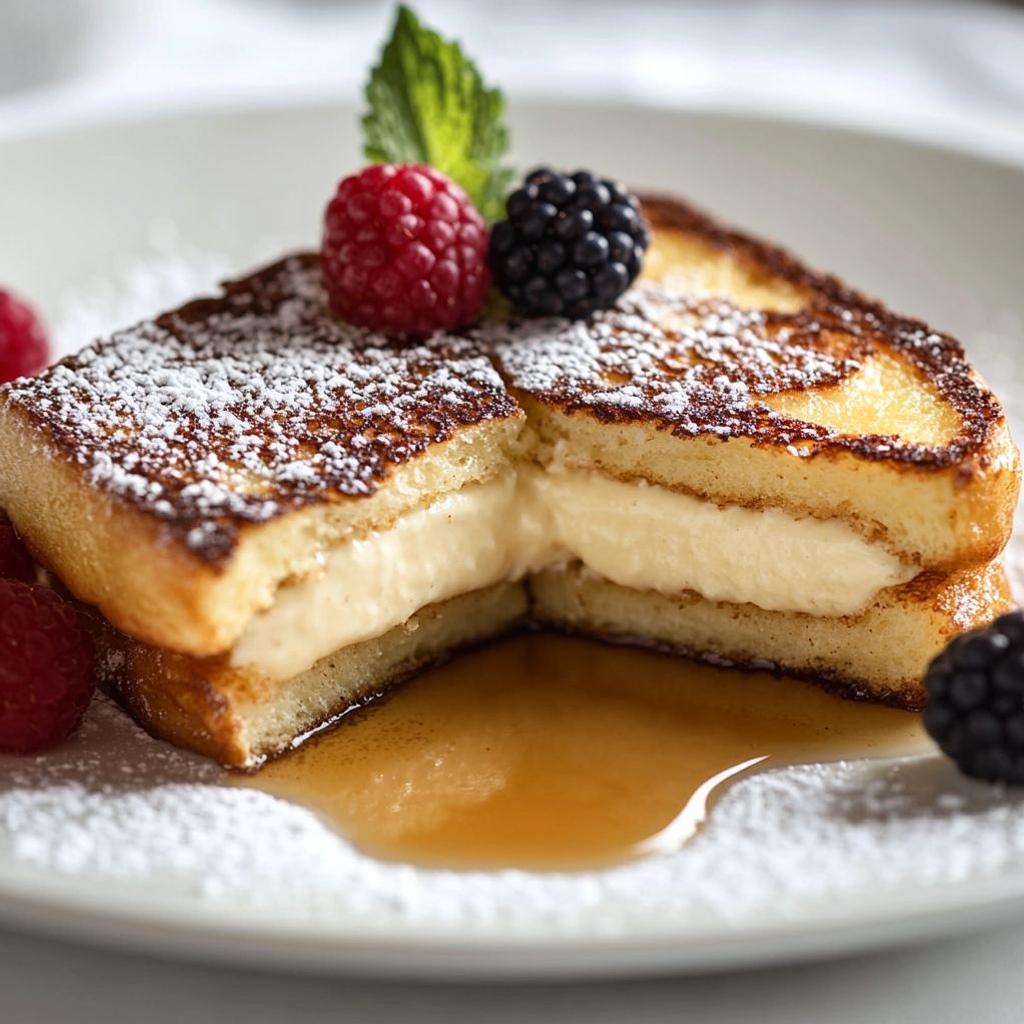
Texture plays the lead here: the outer crunch, the inner silk, and the sauce or syrup that you choose to finish with—perhaps a berry compote, golden maple syrup, or a dusting of powdered sugar. Each element contributes to a mosaic of mouthfeel, ensuring that every bite feels dynamic and satisfying. In sensory terms, you’ll experience a temperature dance as well: the exterior hot and just-crisp, the interior cool to warm and velvety. The overall effect is a comforting luxury that feels indulgent without being pretentious, inviting you to savor slowly and share generously.
Occasions & Pairings
This recipe shines in a variety of settings, from intimate mornings to larger gatherings. Here are some ideas for when and how to serve it, along with thoughtful pairings that enhance the experience.
- Weekend brunch with family or friends: a centerpiece that stimulates conversation and invitations for seconds.
- Holiday mornings: an elevated treat that feels special enough for a festive table while still comforting and familiar.
- Birthday breakfast or celebratory mornings: a playful surprise that doubles as dessert for those who love a sweet start to the day.
- Easy entertaining: serve pre-sliced portions with an array of toppings to allow guests to customize their experience.
Pairings to consider:
- Custard-like syrups: classic maple, vanilla bean syrup, or a light lemon maple drizzle for brightness.
- Fruit accents: fresh berries, berry compote, or sautéed apples with a touch of cinnamon.
- Dairy companions: a dollop of whipped cream or a spoonful of mascarpone to emphasize the cheesecake vibe.
- Beverage partners: a light sparkling wine or a cold brew coffee for a brunch that feels celebratory but balanced; or a strong espresso to cut through the richness.
- Side bites: a small fruit salad, yogurt parfait, or herb-scented greens to contrast with the dish’s sweetness.
Tips, Variations & Substitutions
Here are ways to tailor this recipe to your preferences, dietary needs, or what you have on hand. The core concept remains the same: a bread-based French toast with a creamy, cheesecake-like center. You can adjust textures, flavors, and techniques to suit your kitchen vibe.
- Dairy-free / vegan option: Use a plant-based cream cheese substitute for the filling and a dairy-free milk alternative for soaking. For the bread, ensure it’s dairy-free. You may want to add a touch of lemon zest or vanilla extract to mimic the brightness and richness of dairy-based fillings.
- Gluten-free version: Choose a sturdy gluten-free bread that holds up when soaked. The cheesecake filling can remain the same, or you can use a gluten-free cream cheese product to keep texture consistent.
- Lower-sugar approach: Use a reduced-sugar bread and a lighter syrup or dusting of powdered sugar. Introduce fresh fruit compotes as natural sweetness and brightness without adding heavy sugar.
- Regional twists: Incorporate regional flavors into the filling by adding a hint of orange blossom water, pistachio paste, or a pinch of cardamom for a Mediterranean or Middle Eastern note. Alternatively, blend in roasted almonds or a drizzle of espresso for a coffee-kissed version.
- Texture variations: For a lighter interior, you could mix a bit of whipped cream into the cheesecake filling or swap part of the filling for a ricotta-yogurt blend that still maintains a creamy center.
- Flavor boosters: A touch of citrus zest (lemon, orange, or blood orange) can brighten both the exterior and interior. A pinch of cinnamon, nutmeg, or star anise brings warmth and depth without overpowering the core flavors.
- Make-ahead tips: Prepare the cheesecake filling in advance and refrigerate. Slice the bread a day ahead to speed up assembly. Brûlée the surface with a quick torch blow for a dramatic finish if you want extra caramelization and crunch just before serving.
Storage & Make-Ahead Ideas
One of the most appealing aspects of this dish is how forgiving it can be with prep and storage, making it friendly for entertaining and weekend routines alike. Here are practical ideas to maximize make-ahead potential and keep leftovers fresh.
- Make-ahead: Prepare the cheesecake filling and keep it refrigerated until ready to assemble. If you’re hosting, you can slice the bread in advance and lay out the soaking elements the night before, then finish with browning and plating in the morning.
- Storage: Leftover slices can be stored in the refrigerator for up to 2–3 days. Keep them in an airtight container to maintain texture and prevent the filling from absorbing too much moisture from the bread.
- Freezing: While freezing isn’t ideal for all French toast variants, you can freeze pre-assembled, fried slices (without syrup) for a quick reheat. Reheat gently in a low oven to preserve texture; avoid overheating which can dry out the center.
- Reheating tips: If the center has cooled, a quick reheat in a low oven or a toaster-oven helps restore the crisp exterior while warming the creamy interior. A drizzle of syrup or a spoonful of berry compote can revive the dish after reheating.
Fun Facts & Trivia (Optional)
Delightful morsels of lore can accompany this dish for curious cooks and guests alike. Here are a few tidbits to savor as you cook or serve:
- Pain perdu, the French name for French toast: Literally “lost bread,” a nod to the thrifty ancient practice of rescuing stale bread by soaking it in a custard and frying it until it regains life and flavor.
- Cheesecake’s ancient lineage: Cheesecake has an ancient pedigree spanning Greek and Roman times, with early recipes featuring cheese, honey, and flavorings. The modern cream cheese-based filling is a relatively newer, North American favorite, but the spirit remains—rich, creamy, and comfortingly indulgent.
- Ripieno meaning “stuffed”: In Italian culinary language, ripieno signals a filled, integrated culinary concept—perfect for a dish that hides a luscious center within a golden exterior.
- Texture as a tradition: The progress from a simple fried slice to a stuffed, cheesecake-centered bite mirrors a broader culinary trend: elevating breakfast into a stage for texture and luxury without losing the heart of the dish.
- Pairing philosophy: Classic pairings—vanilla, berries, maple, and a touch of citrus—are not accidents. They are centuries of culinary intuition guiding you to a palate-balanced, crowd-pleasing brunch experience.
As you explore this recipe, you’ll find that it isn’t just about a remarkable dish—it’s about a method of thinking about breakfast: treat it as a canvas, respect the textures, and allow the filling to sing with personality. It’s a format that invites experimentation while preserving the comforting familiarity that makes French toast so beloved. The stuffed cheesecake twist adds a layer of sophistication and novelty, turning a cherished morning staple into a memorable culinary moment that can be shared, discussed, and remembered long after the plates are cleared. Enjoy the journey of bringing this ripieno to life in your kitchen, and relish in the smiles it brings to the table.
Ingredients
Cheesecake-Filled French Toast
- 8 oz cream cheese, softened
→ Cream cheese provides the creamy cheesecake filling that is the centerpiece of the dish. Let it soften at room temperature (about 30–60 minutes) so it blends smoothly with sugar and flavorings; beat until completely smooth with no lumps. For best results, use full-fat cream cheese; if you only have a block that’s stiff, cut into cubes and whisk with a little milk to help emulsify until smooth. - 1/4 cup granulated sugar
→ The sugar sweetens the filling and helps create a silky texture when it dissolves into the cheese. Beat with the softened cheese until smooth and pale; if you want a lighter texture, you can use superfine sugar. Be sure to scrape the bowl and mix until fully dissolved to avoid gritty pockets in the filling. - 1 teaspoon vanilla extract
→ Adds warm, aromatic vanilla that is essential to the cheesecake flavor of the filling. Use pure vanilla extract rather than imitation for the best depth; you can substitute 1/2 teaspoon vanilla paste for a richer vanilla speckle, but extract is fine; whisk into the cheese mixture until evenly incorporated. - 1 teaspoon lemon zest
→ Bright citrus aroma and flavor brighten the rich filling. Use a microplane to grate only the colorful zest, avoiding the white pith which can be bitter. If you prefer a subtler note, reduce to 1/2 teaspoon; pair with the lemon juice to balance richness. - 1 tablespoon lemon juice
→ Adds tang to the filling, balancing the sweetness and enhancing cheesecake flavor. Use freshly squeezed juice from a ripe lemon; strain seeds and pulp if needed. Add gradually and adjust to taste; excessive acidity can curdle the mixture, so mix thoroughly and taste before filling the toast. - 2 tablespoons sour cream or heavy cream
→ Loosens the filling to a spreadable, cheesecake-like consistency and adds a touch of tang (if you choose sour cream). Sour cream yields a lighter tang, while heavy cream gives smooth richness. Whisk into the cheese mixture until just combined; don’t overmix to keep it airy. - 1/8 teaspoon salt
→ Balances sweetness and enhances overall flavor of the filling. Use fine salt; if you are using salted butter elsewhere in the recipe, adjust the amount accordingly. A tiny amount makes a noticeable difference, so measure carefully and taste after mixing.
Egg Mixture for Soaking
- 3 large eggs
→ The eggs form the custard that coats the bread slices as they fry, creating savor and structure. Use eggs at room temperature so they whisk smoothly with milk and spices; whisk until well combined but not overbeaten to avoid foaming; if you see lumps, whisk again or strain the mixture. - 1/2 cup milk (whole milk recommended)
→ Provides the creamy base for the custard soak. Whole milk yields richer, silkier texture; you can use 2% or dairy-free alternatives, but avoid very low-fat milks that will make the French toast drier. If using dairy-free milk, consider adding a teaspoon of cornstarch dissolved in a teaspoon of water to mimic body. - 1/4 teaspoon ground cinnamon
→ Adds warm spice to the soak, complementing the lemon and vanilla in the filling. Use freshly ground cinnamon for maximum aroma; for a stronger flavor, increase to 1/2 teaspoon but add gradually to avoid overpowering the toast. - 1/4 teaspoon salt
→ Enhances the savory balance of the custard and brightens the overall flavor. Salt in the soak helps mellow the sweetness of the filling; adjust to taste after mixing and before soaking the bread. - 1 teaspoon vanilla extract
→ A second dose of vanilla deepens the custard flavor and ties the soaking liquid to the cheesecake filling. Use pure vanilla extract; if you already added vanilla to the filling, this adds contrast; whisk evenly to distribute.
Bread
- 6 slices thick-cut brioche or challah
→ The bread is the vessel that holds the creamy filling; thick-cut, enriched bread like brioche or challah holds up to soaking without tearing. If the slices are very fresh, toast them lightly to dry out and help them absorb the custard without becoming mushy. If using day-old bread, you can skip toasting but ensure it’s not too dry. - 2 tablespoons unsalted butter, for frying
→ Provides rich flavor and a golden-brown crust as the stuffed French toast cooks. Fry in a nonstick pan over medium heat, adding butter and letting it melt before adding the soaked bread. Wipe the pan and add a touch more butter between batches to maintain a consistent browning surface; avoid letting the butter burn.
Optional Add-ins
- 1/4 cup mini chocolate chips (optional)
→ Chocolate chips introduce pockets of melted sweetness that pair beautifully with the lemon cheesecake filling. Fold chips gently into the cheesecake filling or tuck between the bread layers before assembly; distribute evenly to prevent clumping and ensure each bite has chocolate. - 1 tablespoon orange zest (optional)
→ Adds a citrus brightness that complements lemon; zest finely to avoid bitter white pith and distribute aroma evenly. If using both lemon zest in the filling and orange zest here, test balance to avoid overpowering citrus.
Toppings
- Powdered sugar, for dusting
→ Finishing touch for a polished presentation and a light sweetness that doesn’t weigh down the toast. Dust only after the French toast has finished cooking and cooled slightly to prevent melting the coating; use a fine-mesh sifter for a delicate layer. - Fresh berries (strawberries, blueberries, raspberries) for serving
→ Add fresh acidity and color; wash gently and pat dry; serve alongside or on top to brighten the dish. If berries are very tart, a light drizzle of maple syrup can balance flavors just before serving. - Maple syrup or honey, for serving
→ Adds a warm, glossy sweetness that complements the creamy filling. Warm the syrup slightly to pour easily; drizzle over slices just before serving to avoid soggy bread and ensure an even coating.
Instructions
- Soften the cream cheese at room temperature for 30–60 minutes until completely pliable.
→ Softening ensures the cheese blends smoothly with sugar, vanilla, lemon, and cream without lumps, resulting in a luxurious, even cheesecake filling. - In a medium bowl, beat the softened cream cheese with granulated sugar, vanilla, lemon zest, lemon juice, sour cream (or heavy cream), and 1/8 teaspoon salt until completely smooth and pale.
→ Fully incorporating these ingredients creates a balanced cheesecake filling with creamy texture, bright citrus aroma, and gentle sweetness; scrape the bowl occasionally to prevent unmixed pockets. - If using mini chocolate chips, fold in 1/4 cup chips now by hand.
→ Gentle folding distributes chips without breaking them or deflating the filling; too much mixing can break the texture. - Cover the filling and refrigerate for 15–20 minutes to set slightly and firm up for easier filling.
→ Chilling helps the filling hold its shape inside the bread pockets during assembly and while frying. - Whisk together 3 large eggs, 1/2 cup milk, 1/4 teaspoon ground cinnamon, 1/4 teaspoon salt, and 1 teaspoon vanilla extract in a shallow dish until completely combined and smooth.
→ Room-temperature eggs unify with dairy for an even custard; whisk thoroughly but stop as soon as the mixture is uniform to avoid incorporation of air bubbles that can loosen later. - Prepare the bread by slicing pockets in each slice of brioche or challah: insert the tip of a sharp paring knife into the long side of each slice and cut a pocket about 2 inches deep, then widen carefully with your finger without cutting through the crust.
→ Creating a deep but intact pocket lets you load filling securely while preserving the bread’s structure for frying. - Fill each pocket with cheesecake filling using a small spoon or piping bag, pressing gently to fill to about 2/3 full and then seal the edges to prevent leaking.
→ Filling to the right depth ensures generous cheesecake flavor without overflowing; sealing the seams reduces seepage during soaking and frying. - Optionally, pair two slices with filling between them to form a sandwich if pockets are shallow or if you prefer thicker stuffed toast; press edges lightly to seal.
→ A sandwich method gives extra protection and a more uniform cheese-to-bread ratio in every bite, though pockets are traditional and neater. - Heat a large nonstick skillet over medium heat and melt 2 tablespoons unsalted butter, swirling to coat the surface; let the foam subside before adding the bread.
→ Butter contributes browning, flavor, and a barrier to sticking; waiting for the foam to subside prevents burning and promotes even crust formation. - Dip each stuffed slice into the egg mixture, turning to coat all sides and allowing a light coating of custard to cling; let excess drip back into the dish.
→ A thin custard coating seals the exterior, promotes golden crust, and prevents the filling from drying out during frying. - Place the stuffed slices in the warm skillet and cook for 2–3 minutes per side, adjusting the heat to maintain a steady sizzle and prevent scorching; flip carefully with a wide spatula.
→ Proper browning yields a crisp exterior while keeping the interior creamy; even heat ensures the cheesecake filling heats through without burning the bread. - Turn each slice and cook until the second side is golden brown and the filling is warmed through, about 2–3 minutes more; transfer to a warm plate as soon as done.
→ Resting briefly lets the juices settle and prevents molten filling from spilling when cut. - Keep the pan seasoned and wipe away any browned bits; repeat with remaining slices, adding a small amount of butter (about 1 teaspoon) between batches to maintain a consistent browning surface.
→ A clean pan and fresh fat ensure even browning for every slice and prevent sticking or burning in subsequent batches. - Dust generously with powdered sugar and serve with fresh berries and warm maple syrup or honey; present immediately for best texture and contrast.
→ Powdered sugar adds a delicate sweetness and visual finish; berries provide acidity and brightness while syrup enhances the creamy filling’s richness without making the toast soggy if used sparingly.
Notes
These cheesecake-filled French toast are decadently creamy with a lemon-vanilla cheesecake filling and a custardy egg soak. You can customize them by folding in mini chocolate chips or orange zest, or swap the lemon for another citrus to suit your taste. For best results, let the cream cheese soften at room temperature and beat until smooth, then blend with sugar, vanilla, lemon zest, and lemon juice; balance the tang with sour cream or heavy cream as desired. Use thick-cut brioche or challah for the bread; lightly toasting fresh slices helps them absorb the custard without becoming soggy. Whisk together eggs, milk, cinnamon, salt, and vanilla to make the soaking mixture and dip the stuffed bread until well coated. Fry in butter in a hot nonstick skillet until deeply golden on both sides, keeping the heat steady to avoid burning. Make-ahead option: assemble the stuffed toast, cover, and refrigerate up to 8 hours; cook fresh or reheat in a skillet just before serving. Serve with a light dusting of powdered sugar, fresh berries, and warm maple syrup. If you need a gluten-free version, use gluten-free bread; otherwise traditional brioche or challah contains gluten. Leftovers can be stored in the fridge for 1-2 days and reheated in a skillet or toaster oven.
Tips
Tips for Perfect Cheesecake-Filled French Toast
- Softened cream cheese is essential. Let the cheese sit at room temperature for 30–60 minutes, then beat until completely smooth with the sugar. If you have a stiff block, cut into cubes and whisk with a splash of milk to help emulsify before beating until silky.
- Use superfine sugar if you have it. It dissolves more quickly and helps create a lighter, silkier filling. Scrape the bowl and beat until the mixture is pale and completely incorporated to avoid gritty pockets.
- Vanilla depth matters. Use pure vanilla extract for the best aroma, or substitute vanilla paste (about 1/2 teaspoon) for richer vanilla specks. Whisk it into the cheese mixture evenly for uniform flavor.
- Keep citrus bright but balanced. Grate lemon zest with a microplane to avoid the white pith, which is bitter. Use 1 teaspoon for a bright note and pair with 1 tablespoon lemon juice, adding the juice gradually and tasting as you go to prevent curdling.
- Dairy choice shapes texture and tang. Sour cream yields a touch more tang and lightness, while heavy cream makes the filling richer and creamier. Whisk in just until combined to keep the filling airy.
- Salt is your flavor amplifier. A pinch (1/8 teaspoon) in the filling balances sweetness; if you’re using salted butter elsewhere, adjust accordingly and taste before filling the toast.
- Egg soak requires the right temperature. Use eggs at room temperature and whisk the soak until well combined but not foamy. Strain if you see lumps to ensure a smooth coating for the bread.
- Milk choice and thickness. Whole milk yields a silkier custard. For dairy-free options, use a fortified non-dairy milk and add a small cornstarch slurry (1 teaspoon cornstarch dissolved in 1 teaspoon water) to mimic body and prevent sogginess.
- Spice balance in the soak. Ground cinnamon adds warmth; use freshly ground for aroma. If you like a stronger spice, increase gradually to 1/2 teaspoon, tasting as you go to avoid overpowering the filling.
- Bread handling matters. Thick-cut brioche or challah holds up to soaking well. If the slices are very fresh, toast lightly to dry out the surface and help the custard soak in without turning mushy; day-old bread can be used but should not be too dry.
- Seal the filling when assembling. If your filling is layered between slices, spread a thin layer along the edge and press gently to minimize oozing. For stuffed-looking toast, chill the assembled sandwich briefly to help the filling set before frying. Use a toothpick to secure edges if needed and remove before serving.
- Pan and butter management. Preheat a nonstick skillet over medium heat and add butter; let it melt and foam before adding the stuffed slices. Between batches, wipe the pan and add a touch more butter to maintain a crisp, golden crust without scorching the butter.
- Cook to a golden finish. Cook slowly to ensure the filling heats through without burning the exterior. If the outside browns too quickly, lower the heat slightly and cover the pan briefly to finish cooking through.
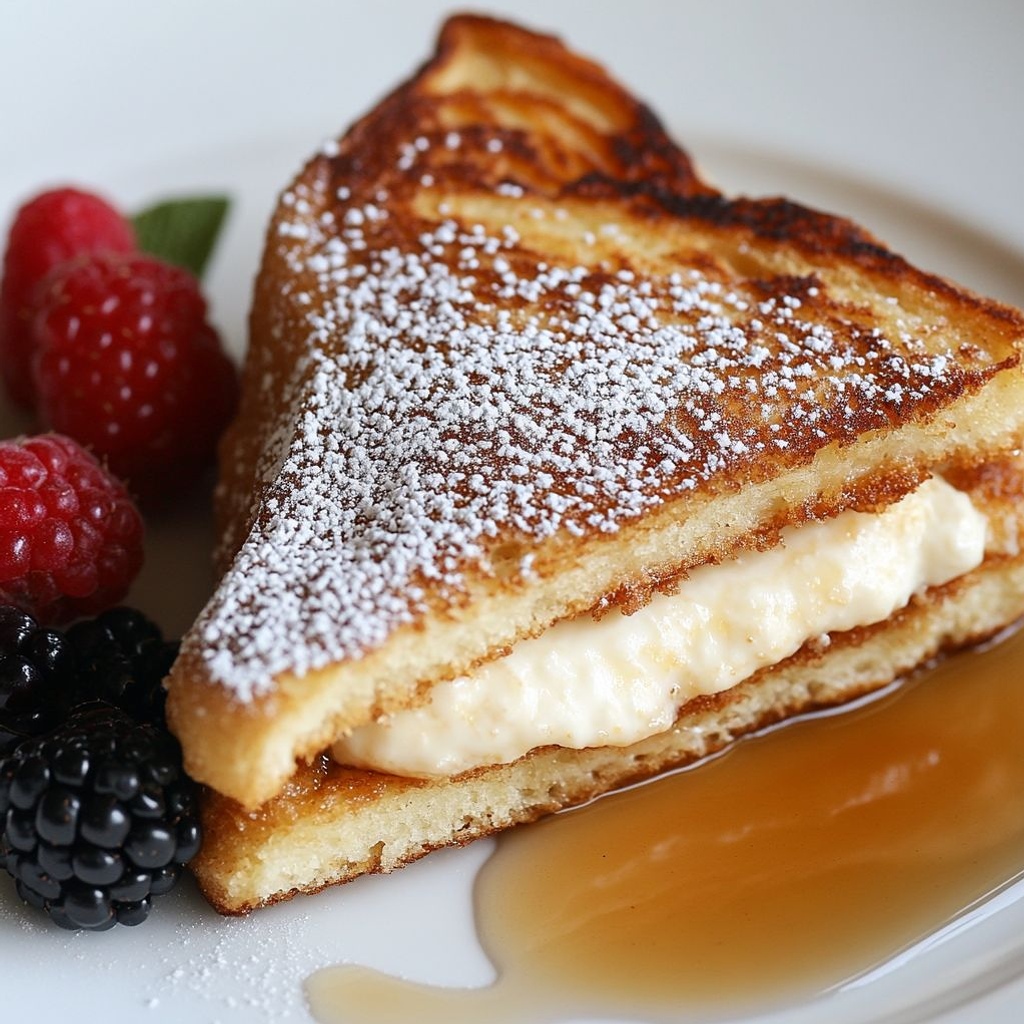
- Best toppings and serving. Dust with powdered sugar after the toast has rested slightly; serve with fresh berries and warm maple syrup or honey. For extra brightness, add a light drizzle of lemon juice over the berries to echo the filling.
- Make-ahead and storage. The filling can be prepared a day ahead and kept refrigerated. Assemble and keep the stuffed slices in the fridge for up to 2 hours before cooking. Leftovers refrigerate well for 2–3 days and reheat gently in a skillet or toaster oven to regain crispness.
FAQ
Cos’è la French toast ripieno di cheesecake?
È una versione dolce della classica French toast: due fette di pane riempite con una crema di cheesecake, immerse in una leggera miscela di uova e latte, poi cotte in padella finché sono dorate all’esterno e cremose all’interno.
Quali ingredienti servono?
Idea di base e quantità consigliate (per 2-4 porzioni):
- Pane tipo brioche o pan brioche spesso
- Crema di formaggio dolce (cream cheese) 150-200 g
- Zucchero 2-3 cucchiai
- Uova 2
- Latte (o latte vegetale) 60-100 ml
- Vaniglia o scorza di limone
- Cannella in polvere
- Burro per cuocere
- Facoltativi: frutta fresca, gocce di cioccolato, sciroppo d’acero
Come si prepara il ripieno di cheesecake?
Preparare una crema liscia mescolando crema di formaggio dolce con zucchero e vaniglia fino a ottenere una consistenza morbida. Puoi aggiungere una punta di scorza di limone per freschezza. Opzionalmente inserisci piccole gocce di cioccolato o un po’ di marmellata per variare il gusto. Riponi in frigorifero mentre prepari il resto.
Come si assemblano le fette e si cuociono?
Idee di assemblaggio:
- Metodo sandwich: spalma una fetta con la crema, aggiungi altra crema se vuoi, copri con una seconda fetta e premi leggermente.
- Metodo classico: prepara una fetta aperta, spalma il ripieno al centro, richiudi con un’altra fetta.
Procedimento di cottura:
- Batti leggermente le uova con latte, vaniglia e cannella.
- Scalda una padella con burro finché è spumeggiante.
- Immergi i panini ripieni nel composto uovo-latte, sciacquando l’eccesso, e cuoci 2-3 minuti per lato finché dorati.
Quanto tempo ci vuole per preparare questa ricetta?
Tempo approssimativo: circa 25-40 minuti totali. Preparazione del ripieno e assemblaggio: 10-15 minuti. Cottura in padella: 8-12 minuti. Tempo variabile in base allo spessore del pane.
Posso fare varianti vegan o senza glutine?
Sì. Suggerimenti:
- Vegana: utilizzare crema di formaggio vegetale, latte vegetale e un sostituto delle uova (ad es. purè di banana o una miscela a base di farina di ceci).
- Senza glutine: scegliere pane senza glutine e assicurarsi che il ripieno non contenga ingredienti contenenti glutine nascosto.
- Personalizzazioni: aggiungere scorza d’arancia, miele o sciroppo d’acero al posto dello zucchero, oppure usare crema di mandorla per un sapore diverso.
Come evitare che il ripieno fuoriesca durante la cottura?
Consigli utili:
- Non esagerare con la quantità di crema nel ripieno.
- Sigilla bene i bordi quando realizzi il sandwich per evitare fuoriuscite.
- Usa pane che non sia troppo secco: una consistenza leggermente morbida aiuta a trattenere il ripieno.
- Cuoci a fuoco medio e controlla la doratura per evitare bruciature esterne prima che il centro sia completamente caldo.
Come servire e con cosa accompagnare?
Conserva al caldo e servi con:
- Sciroppo d’acero, miele o syrup al caramello
- Frutti di bosco freschi o guarnizione di frutta
- Zucchero a velo leggero
- Una spolverata di cannella o cacao in polvere
Come conservare gli avanzi?
Avanzi: si conservano in frigorifero, in un contenitore chiuso, per 1-2 giorni. Per riscaldarli, tostapane o padella antiaderente a fuoco medio finché tornano caldi e croccanti all’esterno.
Quali errori comuni e come risolverli?
Errori comuni e soluzioni:
- Pane troppo secco: usa pane appena acquistato o leggermente raffermo ma non secco.
- Ripieno troppo denso: usa una crema di formaggio morbida e aggiungi latte o panna per ammorbidirla.
- Colla troppo liquida: riduci la quantità di latte nell’uovo e riscalda bene la padella prima della cottura.
- Attenzione agli allergeni: controlla ingredienti, specialmente se servito ad ospiti con allergie.