Introduction / Hook
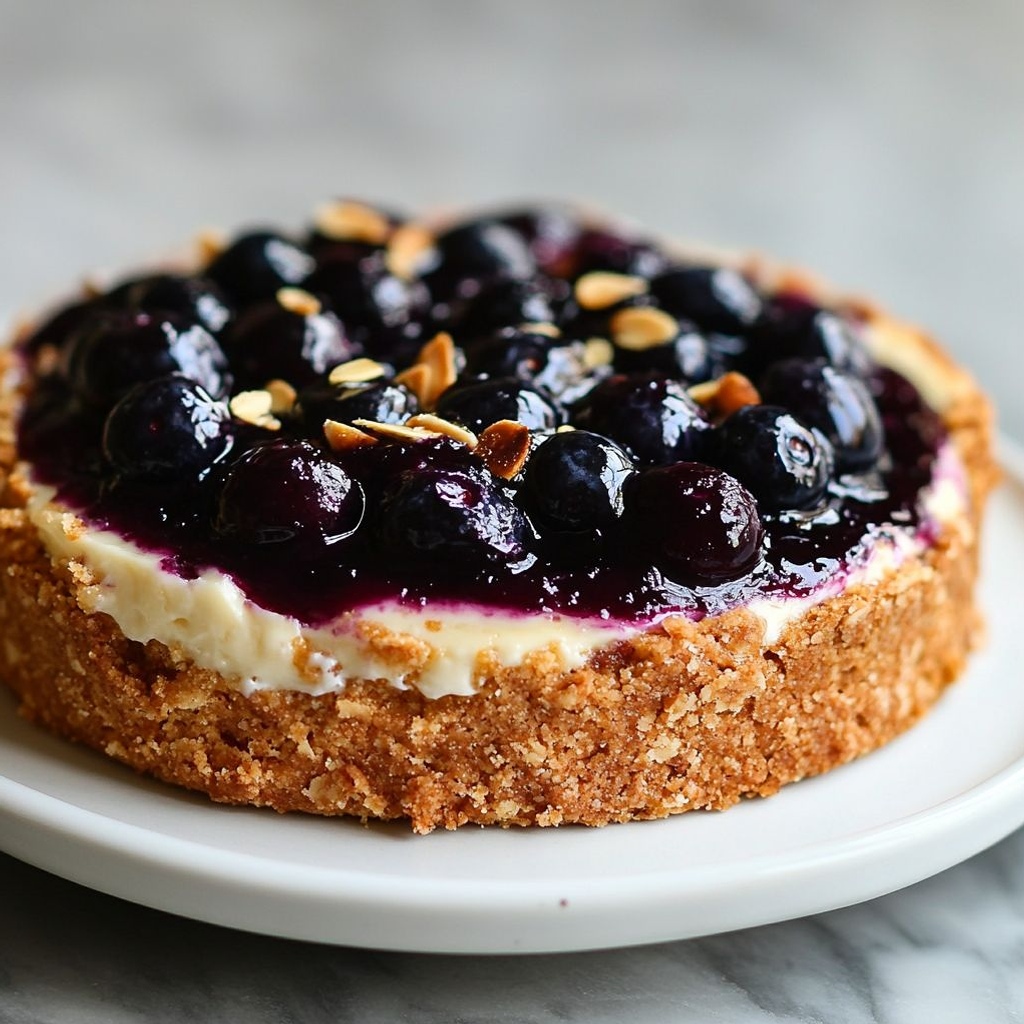
Imagine a dessert that begins with a whisper of coffee and almond, then unfolds into a cheesecake cloud studded with jewel-toned berries. Biscotti cheesecake ai mirtilli is the kind of slice that makes a room pause: a creamy, vanilla-tinged filling swirls softly around a base that crackles with the unmistakable snap of biscotti. The blueberry pockets burst with bright tartness, like little midnight stars scattered through a silky custard. In every bite, you taste an affectionate conversation between two beloved Italian classics—the sturdy, comforting crunch of biscotti and the elegant, lingering richness of cheesecake. The aroma invites you to linger in the kitchen a moment longer: a hint of citrus zest here, a pinch of warm spice there, and the soft glow of vanilla that tells you you’re about to experience something both familiar and wonderfully new. This isn’t just a dessert; it’s a memory in the making—an edible invitation to slow down, to savor, and to share with the people who make ordinary moments feel special.
The Story Behind the Dish
Food, like language, evolves when cultures meet over a table. Biscotti cheesecake ai mirtilli is a modern Italian-American fusion that speaks to the romance of two signatures in one elegant bite. The biscotti, those twice-baked Italian cookies that travel far beyond their homeland’s borders, bring a sturdy, toasty backbone to the crust-like base. They carry whispers of almond, vanilla, and coffee that have charmed generations, from sunlit Tuscan mornings to bustling city kitchens in New York and beyond. Cheesecake, meanwhile, is a universal comfort: a smooth, velvety canvas—its custard richness balancing sweetness with tang. In this recipe, the two worlds kiss at the center, producing a dessert that is both grounded in traditional flavors and liberated by creative boldness. The blueberries—native to many regions of Europe and the Americas—introduce a seasonal brightness that turns the dish into a celebration of fresh fruit, a reminder that sometimes the simplest ingredients, treated with care, yield the most mesmerizing results.
Beyond the flavors, there’s a tale of hospitality. In Italian culture, dessert is often a shared ritual rather than a finale. The biscotti’s sturdy character makes it ideal for party gatherings, accompanying a strong espresso or a glass of wine as guests linger over conversations. Layer a tangy blueberry finish over a creamy cheesecake, and you create a dessert that invites storytelling—a dish that says: sit down, relax, and enjoy the moment. For me, this combination also carries personal nostalgia: the crisp bite of biscotti dipping into a creamy slice mirrors afternoons spent in sunlit kitchens, watching a grandmother craft something that would become a favorite family memory. The legend of this dessert is not carved in stone but chiseled by experience—small rituals like dusting the plate with powdered sugar, slicing the cheesecake with a gentle sawing motion, and letting the blueberries fracture on the surface to reveal their purple-blue innocence. It’s a dessert that respects tradition while inviting experimentation, a bridge between the comforting familiarity of Italian cookies and the indulgent, crowd-pleasing allure of cheesecake.
Why You’ll Love This Recipe
- Indulgent yet approachable: a sophisticated dessert that feels special without being intimidating.
- Harmonious flavor balance: the earthy almond notes from biscotti, the tangy creaminess of cheesecake, and the bright, juicy blueberries create a multi-layered taste profile.
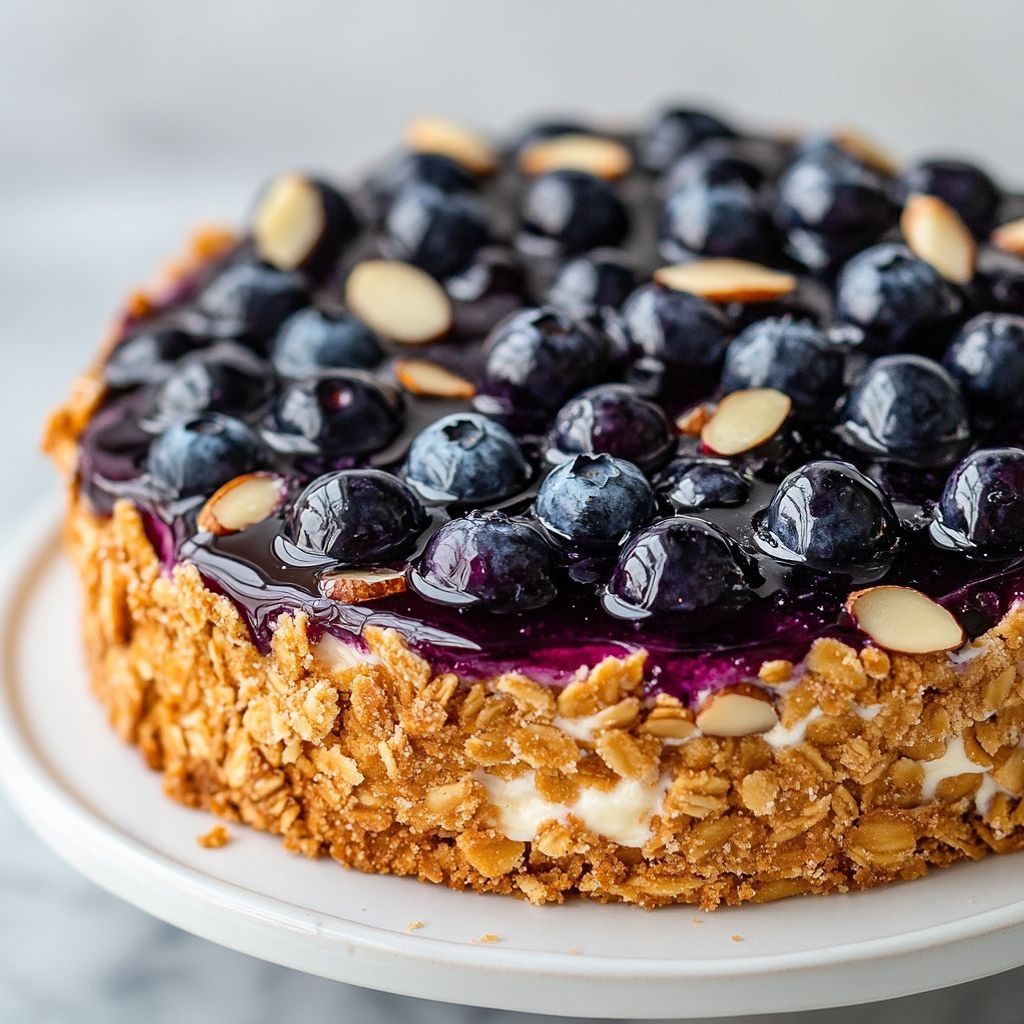
- Textural contrast: a biscotti-crisp base or crust-like layer provides a satisfying snap against the lush, creamy cheesecake filling, finished with a glossy berry sheen on top.
- Versatile for occasions: perfect for dinner parties, festive holidays, weekend family gatherings, or a refined weekend treat with coffee after dinner.
- Make-ahead friendly: this dessert can be prepared in advance and served chilled, allowing flavors to meld and the texture to set beautifully.
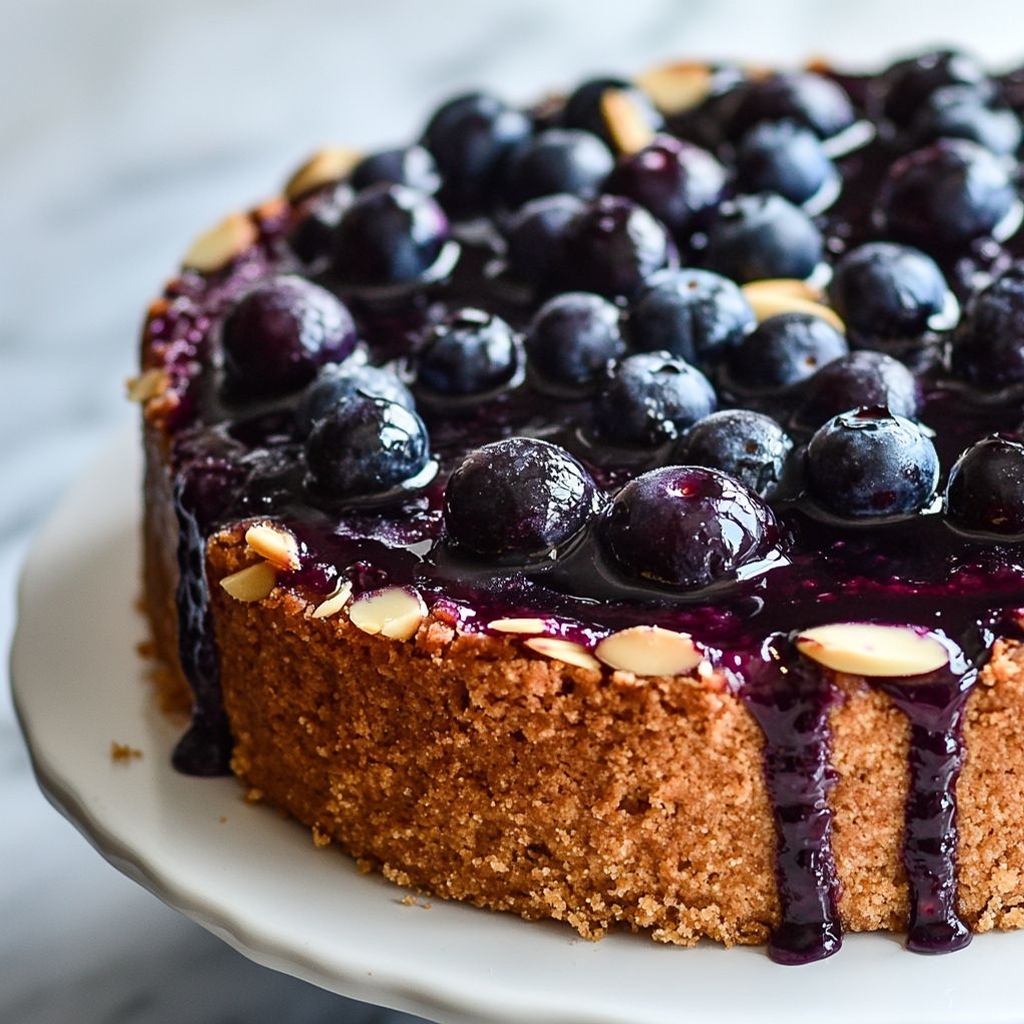
- Visually captivating: the purple-blue blueberries punctuating a pale, velvety canvas make for a stunning dessert that photographs beautifully and garnishes well with citrus zest or mint.
- Adaptable for dietary preferences: with easy substitutions, you can craft a gluten-free or dairy-free version without sacrificing the spirit of the dish.
Flavor Profile & Texture
The flavor journey begins with the biscotti component: a warm, toasty almond aroma that hints at coffee grounds and subtle vanilla. This base adds a crunchy, brittle texture that remains pleasantly chewy in places, especially where the biscotti has softened just enough against the creamy filling. The cheesecake itself is delicately sweet, with a gentle tang that acts as a counterpoint to the sweetness of the blueberries. The cheese layer—creamy, smooth, and luxuriously rich—carries a whisper of vanilla and a touch of citrus zest, creating brightness without acidity hijacking the palate. The blueberries introduce a fruity acidity and a floral note that brighten the entire slice, while their fresh, juicy pop provides a delightful contrast to the silkiness of the cheese.
Texture-wise, you encounter a three-act experience: the initial crisp snap of the biscotti, the indulgent silken mouthfeel of the cheesecake, and the burst of juicy blueberry that lingers after swallowing. The crust, or the baked biscuit base, offers a rustic bite that evolves as the filling warms slightly in the mouth, releasing extra aromas of almond and citrus. There’s a subtle, almost imperceptible layer of lemon zest or orange peel mingling with the filling, yanking the flavors upward with a citrusy lift that makes the dessert feel lighter and more refreshed, even as it remains deeply indulgent. The overall effect is a harmonious blend of textures and tastes—crunchy, creamy, tart, and sweet all at once, with a flavor arc that invites you to take another forkful, then another, until the plate is nearly empty and the memory of the last bite lingers in the jaw and the heart.
Occasions & Pairings
This blueberry biscotti cheesecake shines in a variety of settings, from intimate weeknight desserts to show-stopping party desserts. Consider serving it after a Mediterranean-inspired dinner with a light salad and a glass of sparkling wine. It also fits naturally into holiday spreads, where its rich yet approachable profile can please guests of all ages. For brunch gatherings, it complements coffee and a citrusy mimosa, offering a decadent option that still feels special but not heavy. The presentation alone lends itself to a celebratory moment: a clean, neat slice on a cool plate, a dusting of powdered sugar, a few fresh blueberries or a delicate mint leaf as a garnish, and perhaps a thin citrus zest curl to add a pop of color.
Pairings to consider:
– Beverages: a glass of Moscato d’Asti, Prosecco, a late-harvest Riesling, or a rich espresso. For non-alcoholic options, a chilled black tea with a splash of lemon or a shimmering blueberry cordial can be delightful.
– Sides and accompaniments: a light citrus salad with a mint vinaigrette, a dollop of herb-scented whipped cream, or a scoop of vanilla-flavored Greek yogurt folded with a hint of lemon zest for a tangy contrast.
– Desserts to follow: a simple berry tart, almond biscotti on the side, or a small square of dark chocolate to extend the chocolate-berry-nut theme in a balanced way.
This dessert also adapts beautifully to seasonal menus. In late summer and early fall, you can swap in other stone fruits—peach or plum—alongside blueberries for a seasonal twist, keeping the almond-biscotti base and cheesecake foundation intact. The result remains a crowd-pleasing option that travels well to potlucks, picnics, or intimate family dinners, becoming a signature dish that friends and family begin to request by name.
Tips, Variations & Substitutions
- Make-ahead tricks: bake the cheesecake portion, allow it to set fully in the refrigerator, and then top with a blueberry compote just before serving for a fresh, glossy finish. The base can be prepared a day ahead and kept in an airtight container to maintain crispness until assembly.
- Crust alternatives: if you prefer a traditional crust, crush biscotti and mix with a little melted butter to press into a shallow dish or springform base. For a gluten-free version, use gluten-free biscotti or crushed gluten-free cookies with a small amount of almond flour to mimic texture.
- Dairy-free option: opt for a plant-based cream cheese alternative and a dairy-free cream cheese substitute with a splash of lemon juice or apple cider to mimic tang. Use a non-dairy yogurt or coconut cream to achieve the filling’s creaminess, and keep the blueberries as they are for a burst of color and flavor.
- Flavor twists: add a touch of lemon or orange zest to the filling to brighten the cheesecake. A pinch of cinnamon or cardamom can offer warmth and complexity that pairs beautifully with the almond notes.
- Blueberry substitution: if blueberries aren’t available, swap with blackberries, raspberries, or a mixed berry compote. Each berry produces a slightly different balance of sweetness and tartness, but the overall effect remains delightful.
- Texture variations: instead of a fully creamy filling, you can bake a lighter cheesecake with a mousse-like texture by folding in whipped cream toward the end of mixing. This reduces density while preserving creaminess and adding a refreshing lightness.
- Presentation ideas: serve chilled slices on a plate with a small dollop of lemon curd or a light whipped cream, and finish with a few whole berries, a sprinkle of powdered sugar, and a micro-thin lemon twist for color and aroma.
Storage & Make-Ahead Ideas
Storage and make-ahead approaches help you plan ahead for holidays, gatherings, or simply a week of indulgence without last-minute stress. If you’ve prepared the cheesecake part in advance, you can keep it tightly wrapped in plastic wrap or a resealable container in the refrigerator for up to 3–4 days before topping with blueberries or serving. The biscotti crust can also be prepared early and kept in an airtight container for up to a week; reassemble once you’re ready to serve, letting the cheesecake come to a comfortable serving temperature from the fridge for about 20–30 minutes.
For longer storage, freeze slices after they’re fully set. Wrap each piece tightly in plastic wrap and place in a freezer-safe container or bag. Frozen cheesecake slices can be kept for up to 2–3 months. Thaw overnight in the refrigerator and bring to room temperature for optimal texture and flavor. If the biscotti layer has softened a bit due to freezing, a quick refreshment under a low oven for a few minutes can restore the pleasant snap just before serving.
Make-ahead party plan: assemble the base and the filling on separate days. Bake the biscotti base, allow to cool completely, and store sealed. Prepare and chill the cheesecake filling, then pour over the base and refrigerate until ready to serve. Just before serving, top with a fresh blueberry compote or scatter whole berries for a vibrant finish. This approach not only simplifies hosting but also ensures you bring a freshly composed, restaurant-quality moment to the table with minimal last-minute effort.
Fun Facts & Trivia (Optional)
Did you know that the term biscotto literally translates to “twice baked” in Italian? The biscotti’s double-bake method dates back centuries and was originally used to preserve bread for longer journeys, including long flights of trade and sea travel. The crisp texture made biscotti ideal for dunking in a hot beverage, which is a beloved tradition in Italian culture—coffee and tea become part of the flavor experience rather than mere accompaniments. Cheesecake itself has ancient roots, with early variations traced to ancient Greece; the modern velvety rendition flourished in New York and beyond, where cream cheese found its perfect partner in a dense, smooth filling. Marrying these two classics becomes a playful reminder that culinary innovation often arises from the simplest desire—to make something familiar feel new again.
Blueberries, of course, have their own storied pasts. In addition to their culinary versatility, they’re celebrated for their vibrant hue and antioxidant properties, making a dessert like this not just delicious but an instant mood-lifter. In many Mediterranean regions, citrus zest is a timeless flourish that brightens rich dairy and nutty flavors; a hint of lemon or orange in desserts is more than aroma—it’s a nudge that lifts the dessert from indulgence to refined pleasure. And in the end, this biscotti cheesecake ai mirtilli is a small celebration of memory and discovery: a dessert that respects tradition, welcomes modern twists, and invites you to gather, savor, and share without a rush.
Ingredients
Crust
- 1 ¾ cups finely crushed biscotti cookies (about 14–16 cookies)
→ The biscotti crumbs form the crust: they provide a crisp, nutty base that contrasts nicely with the creamy filling. Crush the cookies very finely for even texture; if very hard, pulse in a processor or seal in a bag and crush with a rolling pin. Measuring crumbs after crushing ensures the correct crust density. - 3 tablespoons unsalted butter, melted
→ The melted butter binds the crust together so it holds when pressed into the pan. Let the butter cool slightly before mixing to avoid making the crumbs greasy; mix until the mixture resembles wet sand and press firmly into the pan. For best results, chill briefly before baking to set the crust. - 1 tablespoon granulated sugar (optional)
→ Adds a touch of sweetness to the crust and helps with browning. If your biscotti are already sweet, you can omit this; otherwise it helps balance flavors and yields a pleasantly crisp edge.
Cheesecake Filling
- 24 oz (680 g) cream cheese, softened
→ The creamy base of the cheesecake; soften to room temperature to avoid lumps and ensure a silky batter. Beat on low speed until smooth, then proceed with the rest of the batter. Avoid over-mixing after eggs are added to prevent air pockets that can cause cracking. - 3/4 cup granulated sugar
→ Provides the primary sweetness and contributes to a creamy, smooth texture when beaten with the cream cheese. Add gradually and taste; this helps prevent graininess and ensures a balanced flavor. - 3 large eggs, room temperature
→ Structure and richness for the cheesecake. Add eggs one at a time, mixing just until incorporated to keep batter smooth and to reduce air incorporation that can lead to cracks during baking. - 1/2 cup sour cream, room temperature
→ Adds tang, moisture, and a luxuriously creamy mouthfeel. Whisk until smooth before folding into the batter to prevent lumps and ensure an even texture. - 1 teaspoon vanilla extract
→ Deepens overall flavor; use pure vanilla for best aroma. If possible, scrape a vanilla bean or use bean paste for a more intense vanilla note. - 1 tablespoon lemon zest
→ Provides a bright citrus note that pairs beautifully with blueberries and balances richness. Use a fine grater and avoid the white pith, which can impart bitterness. - 1 tablespoon lemon juice
→ Adds slight acidity to balance sweetness and enhances overall brightness. Use freshly squeezed juice and add gradually, especially if using very sweet berries in the swirl. - 1/4 cup all-purpose flour
→ Helps the cheesecake set and reduces cracking. If you’re avoiding gluten, substitute with 1–2 tablespoons cornstarch or potato starch and adjust the batter consistency accordingly. - 1/4 teaspoon kosher salt
→ Sharpen flavors and balance sweetness; salt is essential for a well-rounded cheesecake flavor.
Blueberry Swirl
- 1 cup fresh blueberries
→ Adds vibrant color and fruity flavor to the swirl. Rinse, pat dry, and remove stems. If using frozen berries, thaw and drain well to avoid excess liquid; lightly crush some berries to release color while preserving some whole berries for texture. - 2 tablespoons granulated sugar
→ Macerates the berries, drawing out juices to create a vivid swirl. Adjust to your sweetness preference and the natural sweetness of the berries. - 1 tablespoon lemon juice
→ Brightens the blueberry flavor and helps balance richness. Use fresh juice for best flavor; add gradually and taste as you go. - 1 teaspoon cornstarch (optional)
→ Helps thicken the blueberry mixture so the swirl holds its shape inside the batter. Mix with a tiny amount of water to make a slurry before incorporating into the berries.
Optional Toppings
- 1/2 cup fresh blueberries for topping
→ Scatter on top after the cheesecake has cooled for extra color and bursts of fruit. Rinse and pat dry; you can arrange in a decorative pattern or scatter randomly for a rustic look. - 1 teaspoon lemon zest, for finishing
→ A final zing of citrus aroma sprinkled over the chilled cheesecake enhances the blueberry theme.
Instructions
- Preheat your oven to 325°F (165°C) and prepare a 9-inch (23 cm) springform pan by greasing the interior and lining the bottom with a parchment circle, then wrap the exterior with heavy-duty foil to protect against water bath leakage if you choose to bake the cheesecake in a pan of water.
→ A stable, non-stick pan and proper insulation prevent sticking, ensure even heat distribution, and help maintain a smooth edge around the crust. - Crush the biscotti cookies into very fine crumbs, aiming for a consistent texture that will form a compact crust; pulse in a processor or place in a sealed bag and crush with a rolling pin until there are no large lumps.
→ Fine crumbs bind more evenly with the butter, creating a cohesive crust that stays intact when sliced. - Combine the 1 ¾ cups biscotti crumbs with the 3 tablespoons melted unsalted butter and the 1 tablespoon granulated sugar (if using) in a bowl, then mix until the mixture resembles wet sand and holds together when pressed.
→ The butter provides fat to bind the crust, while sugar can help with browning and flavor balance; ensuring even moisture prevents a crumbly crust. - Transfer the crust mixture to the prepared pan and press it firmly into an even layer on the bottom and about 1/4 inch (6 mm) up the sides using the flat side of a measuring cup or the back of a spoon.
→ A compact, evenly distributed crust prevents gaps and cracking, and the raised edges contain the filling for a cleaner slice. - Chill the crust in the freezer or refrigerator for 15–20 minutes so it firms up before baking.
→ Chilled crust holds its shape, prevents sliding when the hot filling is added, and yields a crisper final texture after baking. - Bake the crust for 10 minutes until it just begins to color and set, then remove from the oven and let it cool on a rack while you prepare the filling.
→ A brief prebake sets the crust, enhances flavor through toasting, and prevents a soggy bottom once the filling is added. - In a stand mixer or large bowl, beat the 24 oz (680 g) cream cheese on low speed until smooth and free of lumps, about 1–2 minutes, then scrape the bowl.
→ Softened cream cheese merges more easily, producing a silky filling without gritty spots; scraping ensures even mixing and prevents overdeveloping air pockets. - Gradually add the 3/4 cup granulated sugar to the cream cheese and beat on low speed until fully incorporated and lightened in color, approximately 2–3 minutes.
→ Slow addition prevents graininess from undissolved sugar and yields a creamy, glossy filling. - Introduce the eggs one at a time, beating on low speed and scraping the bowl after each addition to maintain a smooth batter and minimize air pockets that can cause cracks.
→ Adding eggs individually reduces turbulence in the batter, helping it set evenly without cracking as it bakes. - Beat in the 1/2 cup sour cream, then add the 1 teaspoon vanilla extract, 1 tablespoon lemon zest, and 1 tablespoon lemon juice, mixing just until combined and smooth.
→ Sour cream adds moisture and tang; lemon zest and juice brighten the filling and balance richness without thinning the batter. - Stir in the 1/4 cup all-purpose flour and the 1/4 teaspoon kosher salt until just incorporated, taking care not to over-mix.
→ Flour helps stabilize the cheesecake, reduce cracking, and contribute to a creamy, sliceable texture when the filling sets. - Prepare the blueberry swirl by combining 1 cup fresh blueberries, 2 tablespoons granulated sugar, and 1 tablespoon lemon juice in a small bowl; lightly mash a portion of the berries to release color while leaving some whole berries for texture. If desired, whisk 1 teaspoon cornstarch with a splash of water into a slurry and gently fold it in.
→ Macerating the berries concentrates flavor and creates a vibrant swirl; cornstarch helps the swirl hold its shape during baking. - Pour one-third of the filling over the cooled crust, then spoon several dollops of the blueberry mixture on top and use a knife to swirl it through the batter in gentle, broad strokes.
→ Layering and swirling distributes color and fruity notes without overwhelming the cheesecake’s structure, creating a marbled appearance. - Pour the remaining filling over the blueberry layer, ensuring the surface is smooth and level, then give the pan a few gentle taps on the counter to release any air pockets.
→ A smooth, level surface ensures even baking and a professional-looking finish; tapping removes trapped air that could cause cracks. - Set the springform pan in a larger roasting pan and pour hot water into the outside pan until it reaches about halfway up the sides, creating a water bath; then bake at 325°F (165°C) for 60–70 minutes until the center jiggles only slightly when the pan is nudged.
→ The water bath provides gentle, uniform heat that minimizes cracking and helps the cheesecake set with a creamy, uniform texture. - Turn off the oven, leave the cheesecake inside with the door ajar for 1 hour to cool gradually, which reduces thermal shock and prevents cracks from forming as it cools.
→ A controlled cooling process minimizes surface cracking and preserves a smooth, even surface throughout the cake. - Remove the cheesecake from the water bath, discard the foil, and chill the cheesecake in the refrigerator for at least 4 hours or preferably overnight for optimum flavor and a clean slice.
→ Chilling firms the filling, enhances flavor concentration, and makes slicing neat and effortless. - Before serving, optional: top with 1/2 cup fresh blueberries and finish with 1 teaspoon lemon zest scattered over the surface to brighten the presentation and aroma.
→ Fresh toppings add color, contrast, and a fresh citrus aroma that complements the blueberry swirl and biscotti crust. - To slice cleanly, run a knife warmed under hot water around the edge of the cake, wipe the blade, and slice with long, smooth strokes; wipe between cuts for the sharpest edges.
→ A warmed, clean knife minimizes tearing and yields perfectly neat portions that show the swirl and crust clearly.

Notes
These biscotti cheesecake ai mirtilli offer a crisp biscotti crust, a creamy lemon-kissed filling, and a vibrant blueberry swirl. For best results, prepare the crust and filling ahead and bake the cheesecake in a water bath to minimize cracking. The recipe is adaptable for gluten-free diets by using gluten-free biscotti and, if desired, a cornstarch-based substitute for the all-purpose flour in the filling.
Finely crush the biscotti cookies so the crust binds evenly. Mix the crumbs with the melted butter until the texture resembles wet sand, then press firmly into a 9-inch springform pan. If the crumbs feel dry, add a touch more melted butter. Chill briefly before baking to help set the crust. Soften the cream cheese to room temperature to avoid lumps. Beat with the sugar on low speed until smooth, then add eggs one at a time, mixing just until incorporated to keep the batter creamy and crack-free. Whisk in sour cream, vanilla, lemon zest, and lemon juice. Add the flour (or substitute with 1–2 tablespoons cornstarch or potato starch for gluten-free) and salt, mixing until just combined. Do not over-mix after the eggs are added. Combine blueberries with sugar and lemon juice. If using frozen berries, thaw and drain well. Optional: add 1 teaspoon cornstarch to thicken the mixture. Spoon several dollops of the blueberry mixture onto the filled batter and use a knife or skewer to swirl in a marbled pattern for a bright, fruity ribbon. Wrap the springform pan in heavy-duty foil and place it in a larger pan with hot water to create a shallow water bath. Bake until the center is just set and the edges are lightly puffed (center should jiggle slightly). After baking, run a thin knife around the edge to release it from the pan and let it cool gradually before refrigerating. Chill for at least 4 hours, preferably overnight, to achieve clean slices. Slice chilled cheesecake and garnish with fresh blueberries and a light dusting of lemon zest for extra brightness. A dollop of whipped cream or a drizzle of lemon glaze can be added if desired. Covered tightly, the cheesecake keeps well in the refrigerator for up to 4–5 days. It also freezes well; wrap slices individually and freeze for up to 2–3 months. Thaw overnight in the refrigerator before serving. To make gluten-free, use gluten-free biscotti for the crust and replace all-purpose flour with cornstarch or potato starch in the filling (1–2 tablespoons, adjusting for batter thickness). Ensure all other ingredients are labeled gluten-free if serving to those with gluten intolerance.
Tips
Consigli utili per la crosta
- Macina i biscotti finemente: briciole piccole e uniformi garantiscono una crosta liscia e compatta.
- Misura le briciole dopo averle ridotte in polvere: una densità calibrata evita una crosta troppo secca o troppo morbida.
- Se i biscotti sono molto duri, pulse in un processore o chiudi in un sacchetto e passa con un mattarello: evita grumi grandi.
- Lascia raffreddare leggermente il burro fuso prima di mescolarlo con le briciole: così la crosta non risulta unta o oleosa.
- Premi la crosta in modo uniforme sul fondo e sui lati della teglia; usa un fondo piatto (es. un bicchiere o una spatola) per livellare bene.
- Raffredda brevemente la crosta prima di infornare: aiuta a mantenere la forma durante la cottura.
- Se usi una teglia a cerniera, rivesti fondo e lati con carta forno o imburrala bene: una crosta ben aderente facilita la rimozione.
- Se i biscotti sono già dolci, puoi omettere lo zucchero; altrimenti, uno spuntino di 1 cucchiaio aiuta a bilanciare i sapori e a dare una leggera croccantezza in superficie.
Consigli per la crema al formaggio
- Lascia ammorbidire il formaggio cremoso a temperatura ambiente per evitare grumi e ottenere una crema liscia.
- Mescola il formaggio con lo zucchero a bassa velocità fino a ottenere una texture soffice; evita di lavorare troppo una volta aggiunti gli aromi.
- Aggiungi le uova una per volta, mescolando solo fino all’incorporazione per mantenere una crema vellutata e ridurre le crepe in cottura.
- La panna acida va incorporata liscia; se è fredda, riscaldala leggermente o lascia che torni a temperatura ambiente per facilitarne l’emulsione.
- La scorza e il succo di limone donano vivacità: usa solo la parte gialla della scorza e spremi succo fresco, aggiungendolo poco per volta e assaggiando.
- La farina aiuta a stabilizzare la crema; se preferisci una versione senza glutine, sostituiscila con 1–2 cucchiai di amido di mais o di patate e regola la densità dell’impasto.
- Un pizzico di sale enfatizza i sapori; non esagerare per non contrastare la dolcezza.
Consigli per la swirl ai mirtilli
- Preferisci mirtilli freschi per colore intenso e sapore brillante; se usi quelli congelati, scongelali e scola bene per evitare liquidi in eccesso.
- Macerali con lo zucchero per estrarne i succhi e ottenere una salsa vivace; aggiungi succo di limone per un tocco di acidità.
- Per una swirl più densa, sciogli 1 cucchiaino di amido di mais in poca acqua fredda e aggiungilo al composto di mirtilli prima di inserirlo nell’impasto.
- Distribuisci la swirl a cucchiaiate sulla crema livellata e usa un coltello o uno stecchino per creare motivi a vortice o serpentine senza mescolare troppo.
Consigli per la finitura e il servizio
- Per una cottura uniforme, valuta la cottura a bagnomaria: avvolgi la teglia con carta stagnola e posizionala in una teglia più grande riempita di acqua calda a metà altezza.
- Cotta la cheesecake finché il centro è appena tremolante; i bordi devono essere fermi e definiti mentre il centro resta setoso.
- Lascia raffreddare lentamente nel forno con lo sportello leggermente aperto per evitare crepe causate da cambiamenti drastici di temperatura.
- Una volta a temperatura ambiente, trasferisci in frigorifero per almeno 4 ore o preferibilmente tutta la notte: il freddo aiuta a tagliare fette pulite e a consolidare la crema.
- Per fette nette, scalda rapidamente il coltello tra una fetta e l’altra (acqua calda e asciugato) per una separazione precisa.
Preparazione in anticipo e conservazione
- La base può essere preparata in anticipo e conservata in frigorifero fino al momento di aggiungere la crema.
- La cheesecake cotta si conserva in frigorifero per 3–4 giorni; per la conservazione a lungo termine, può essere congelata (fette singole) e scongelata in frigorifero.
- Per un sapore ancora più intenso, lascia riposare la torta aromatizzando leggermente i mirtilli con il tempo in frigorifero prima di servire.
FAQ
Cos’è Biscotti cheesecake ai mirtilli?
È un dolce freddo a base di una crosta di biscotti burrosi, una crema vellutata al formaggio e mirtilli freschi o in salsa, raffreddata in frigorifero fino a solidificazione.
Quali sono gli ingredienti principali?
Per la base: biscotti tipo digestive o graham, burro fuso. Per la crema: formaggio cremoso (tipo Philadelphia o mascarpone), zucchero, vaniglia, panna fresca o yogurt greco. Per la guarnizione: mirtilli freschi e succo di limone. Puoi usare gelatina o agar-agar per rassodare se preferisci.
Come si prepara la crosta di biscotti?
Frantuma i biscotti, mescola con burro fuso e premi sul fondo di una teglia a cerniera. Lascia rassodare in frigorifero per 20–30 minuti prima di aggiungere la crema.
Come si prepara la crema al formaggio?
Montare il formaggio cremoso con zucchero e vaniglia, poi aggiungere panna o yogurt fino a ottenere una crema liscia. Versa sulla base e livella.
Come si combina con i mirtilli?
Aggiungi mirtilli freschi interi o una salsa di mirtilli sulla crema. In alternativa, mescola una piccola quantità di mirtilli frullati nella crema o usa gelatina per creare una salsa gelatinata sopra la torta.
Qual è il tempo di preparazione e la difficoltà?
Tempo attivo circa 30–40 minuti. Raffreddamento in frigorifero consigliato 4–6 ore o durante tutta la notte. Difficoltà: facile.
Come conservare e servire?
Conservare in frigorifero, coperta, per 3–4 giorni. Per servire, togli dal frigorifero 10–15 minuti prima e tagliare a fette; guarnire con mirtilli freschi o scorza di limone.
Posso prepararlo in anticipo?
Sì, è ideale da preparare il giorno prima o anche 1–2 giorni in anticipo per permettere ai sapori di fondersi e facilitare la tagliatura al momento di servire.
Versioni alternative: senza glutine o vegane?
Versione senza glutine: usa biscotti senza glutine. Versione vegana: sostituisci il formaggio cremoso con una crema vegana (es. formaggio cremoso vegetale o anacardi) e usa panna vegetale; sostituisci la gelatina con agar-agar o pectina secondo le istruzioni.
Posso congelare questa cheesecake?
Sì. Puoi congelarla intera o a fette. Avvolgila bene e conserva in freezer fino a 1–2 mesi. Scongela in frigo e, se vuoi, aggiungi una salsa di mirtilli fresca prima di servire.
Quali varianti di gusto si sposano bene con i mirtilli?
Fragole, lamponi o more si accompagnano bene ai mirtilli. Aggiungi una punta di scorza di limone o arancia per un tocco agrumato, oppure una leggera marmellata di mirtilli tra la base e la crema per intensificare il sapore.