Introduction / Hook
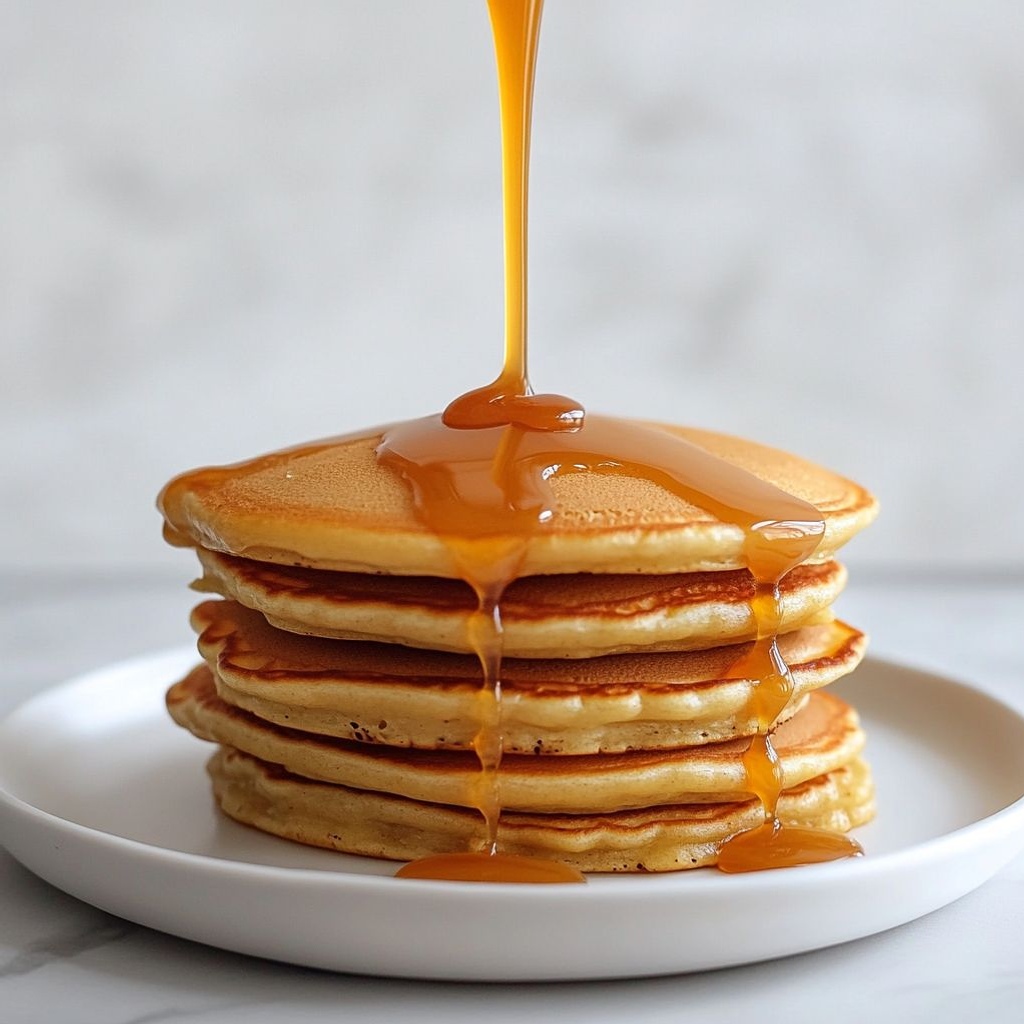
Caramel sauce is the liquid gold of desserts: a silky, sun-warmed cascade that makes everything feel a little more indulgent and a lot more comforting. Imagine a glossy ribbon that clings to the side of a spoon, the amber color catching the light like a miniature sunset. The aroma is intimate and irresistible—a gentle mix of cream, butter, vanilla, and a whisper of toasty sugar that invites you to slow down and savor. This is the kind of sauce that transforms simple treats into celebrations, from plain vanilla ice cream to crisp apples or a stack of buttery pancakes. It’s not just a topping; it’s an invitation to drape, drizzle, and dream. The magic here lies in simplicity: a handful of ingredients, a patient moment, and a result that tastes like a warm hug you can pour over your day.
The Story Behind the Dish
The concept behind caramel sauce is as old as sugar itself, a testament to how a single color change can unlock a world of flavor. Caramel emerges when sugar is heated to a specific temperature, a process known to cooks for centuries as caramelization. In many Western kitchens, caramel sauce as we know it took shape as confectioners and home cooks experimented with combining caramelized sugar with dairy to temper sweetness and add creaminess. The result is an elegant, versatile sauce that can be finished with a pinch of salt, a splash of vanilla, or a hint of spice to suit the moment. In France, the tradition of rich, buttery caramel found a luminous expression in salted varieties that balance sweetness with a savory undercurrent—the kind of nuance that elevates a dessert from good to unforgettable. Across cultures, caramel appears in countless forms—from toffee sauces that glisten on puddings to the looser, more pourable sauces that answer to ice cream and fruit. The essence remains the same: heat a sugar-rich universe until it softens into something deeply flavored, then soften the edges with cream, butter, and a touch of salt or vanilla. This humble sauce has traveled with bakers and home cooks alike, becoming a familiar friend in countless kitchens around the world.
Why You’ll Love This Recipe
- Versatility that fits many desserts and occasions—sweet, creamy, and a touch salty when you want it.
- Luxurious texture with a glossy finish that makes desserts look as good as they taste.
- Quick to prepare when you need a last-minute upgrade for a weeknight treat or a weekend indulgence.
- Rich yet balanced flavor: the dairy cream rounds the sugar’s edge, while butter provides depth and silkiness.
- Room for customization: vanilla, sea salt, espresso, or a hint of cinnamon can shift the mood in delightful ways.
- Comforting nostalgia without complexity—perfect for sharing with family and friends.
Flavor Profile & Texture
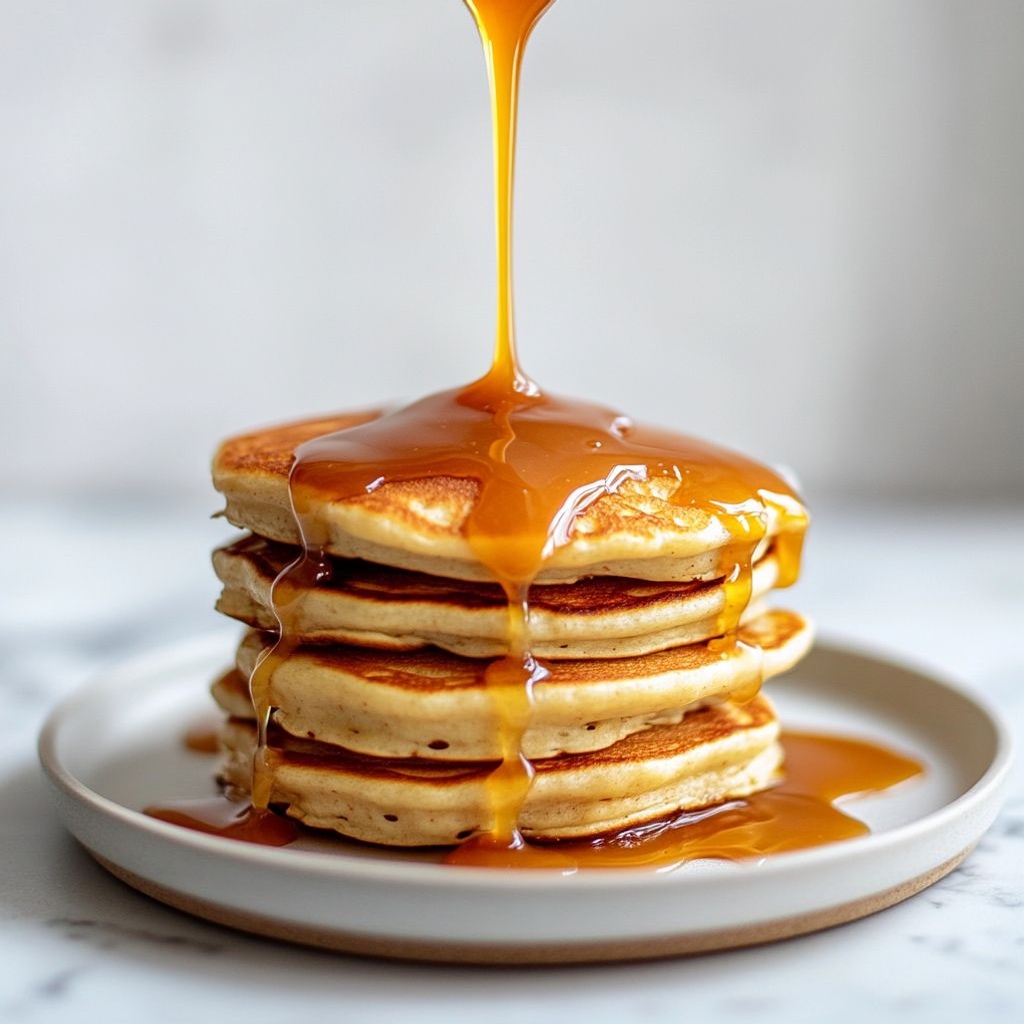
At its core, caramel sauce is a dance of balance. The base sweetness comes from sugar that has been coaxed into a warm, toasty sweetness, a caramel that carries the scent of amber, honeyed notes, and a faint hint of roasted sugar crystals. The dairy elements—cream and butter—mingle with the caramel to create a velvet, pourable texture that glides over the tongue. Vanilla adds a gentle aromatic lift, while a pinch of salt can awaken the flavors, helping the caramel taste both richer and brighter at the same time. The texture is the star: a smooth, glossy surface that holds its sheen when draped over a dessert, a gentle thickness that coats without clumping, and a mouthfeel that sings with richness without heaviness. When warm, it flows like satin; when cooled, it becomes a silky, spoonable syrup that still maintains a luxurious glide. The overall effect is one of indulgence that remains approachable—a true comfort sauce that elevates rather than overwhelms.
Occasions & Pairings
Caramel sauce is an all-purpose companion, equally at home for everyday indulgence and special-occasion desserts. Here are some thoughtful pairing ideas and moments when it shines.
- Classic pairings: vanilla ice cream, warm apple slices, and a sprinkle of flaky sea salt to amplify the sweetness.
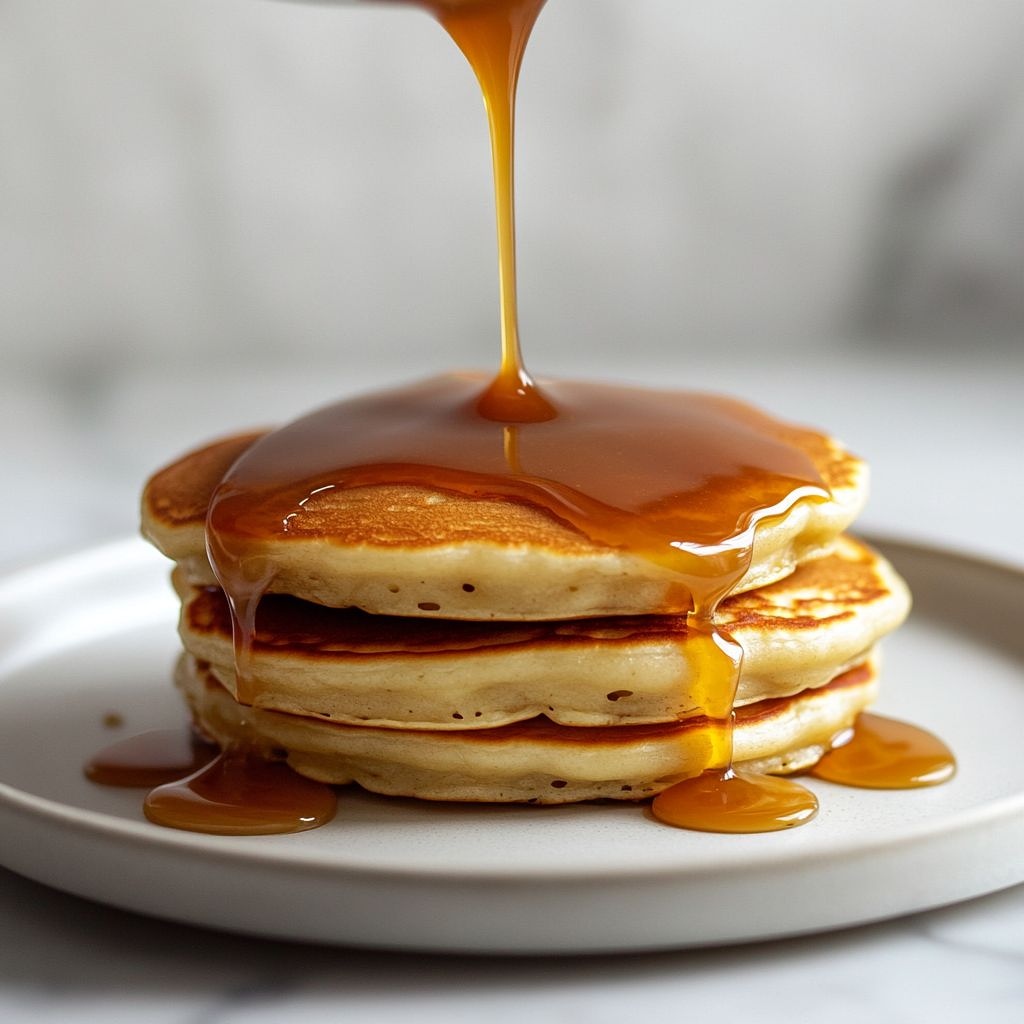
- Breakfast and brunch: spooned over pancakes, waffles, or French toast for a decadent start to the day.
- Sweet endings: drizzle on bread pudding, sponge cake, or a slice of banana bread to add a glossy finish.
- Fruit-forward options: over roasted pears, grilled peaches, or apples sautéed with a touch of cinnamon.
- Dessert redesigns: swirl into whipped cream for a quick topping on puddings or custards; pair with chocolate desserts for a contrasting bite.
- Warm beverages: a ribbon on top of hot chocolate or coffee drinks (think salted caramel mochas) for cozy comfort.
Serving Ideas
Consider offering a small carafe of caramel alongside a dessert table so guests can tailor their sweetness. A tiny drizzle over a fresh fruit plate can transform a simple platter into an elegant treat. For celebrations, a light dusting of salt near the rim of the serving dish can heighten anticipation and add a touch of sophistication.
Tips, Variations & Substitutions
Caramel sauce invites experimentation, and small tweaks can yield big flavor shifts without turning it into a new recipe. Here are ideas and options to tailor the sauce to your taste, dietary needs, or pantry constraints.
- Classic flavor boosters: a splash of vanilla extract or a pinch of sea salt enhances aroma and balance. A tiny amount of flaky salt added just before serving can create a delightful contrast.
- Texture and consistency: for a thicker sauce, enjoy it at a slightly cooler temperature or adjust with a touch less cream; for a runnier finish, add a little more cream and warm gently in a serving vessel.
- Vegan or dairy-free option: use coconut cream or almond milk with a plant-based butter substitute. The result still offers a luscious, pourable texture, though the flavor profile shifts slightly toward the dairy-free realm.
- Different dairy experiences: substitute half-and-half or milk for a lighter caramel with a subtler body, if you prefer a less rich finish.
- Flavor twists: a pinch of smoked salt for a modern twist, or add a dash of espresso powder to deepen the caramel’s coffee-like bitterness for a mocha vibe.
- Spice accents: ground cinnamon or cardamom can add warmth, while a touch of vanilla bean paste can intensify aroma for a more pronounced vanilla note.
- Regional twists: incorporate a swirl of dulce de leche for a denser, milkier caramel, or finish with a touch of brown butter to introduce toasty, nutty notes.
- Health-forward ideas: reduce the sugar by using a portion of brown sugar to introduce molasses-like depth or swap some of the cream for a fortified dairy-free option if desired.
- Make-ahead flavor enhancements: a short rest before serving can mellow and unify flavors—allowing the sauce to rest can make the aroma more pronounced when re-warmed.
Storage & Make-Ahead Ideas
Caramel sauce benefits from a bit of patience in storage and a little planning for make-ahead use. When stored properly, it retains its glow and smoothness for several days to a couple of weeks, depending on the dairy or non-dairy components used. The sauce can become thicker as it cools, so you may find it easiest to portion it into small containers or jars for easy access over several days. If your container is cold, a gentle stir or a brief warm-up (in a water bath or over a low heat) can restore a pourable consistency without compromising flavor. For longer-term storage, freezing in a portioned format—ice cube trays or small jars—works well, and you can thaw chunks as needed, giving them a quick stir to re-emulsify if they separate slightly. When re-emulsifying, a gentle whisk or a light stir can bring the gloss back and restore the silky texture. If you’re preparing a make-ahead dessert, consider preparing the sauce a day or two in advance and refrigerating it; the aroma and depth often deepen with a short rest, making your final serving even more luxurious. Always check for any changes in texture or scent before serving, as the sauce should remain fragrant, smooth, and inviting.
Fun Facts & Trivia
Caramel carries a little history in its depth and a few curious tidbits that can delight your guests as you serve. Here are some nuggets to tuck into your conversation about this beloved sauce.
- The word “caramel” derives from the French word caramel, which itself comes from the late Latin caramellis, meaning a sugar confection; the term spread widely as caramel-based sweets gained popularity in Western cuisines.
- Caramelization is a chemical process distinct from the Maillard reaction. While Maillard involves amino acids and sugars (giving browned flavors in many roasted foods), caramelization focuses on the sugars themselves as they break down and oxidize when heated, yielding the deep, toasty flavors we associate with caramel.
- Salted caramel is a relatively modern sensation that emerged when chefs began pairing the sweet intensity of caramel with salt’s mineral brightness, producing a complex, multi-layered finish.
- Caramel sauces are a common feature in many cultures’ desserts, but the idea of pouring a glossy caramel over a simple fruit or cake is a universal gesture of hospitality and comfort around the world.
- In some cuisines, caramel is used as a glaze or finishing sauce not only for sweets but for savory dishes as well, where balanced sweetness can highlight roasted vegetables or roasted meats in delicate, nuanced ways.
- Caramel has a long shelf life when kept properly sealed and stored cool, which is part of why it’s a staple in both professional kitchens and home pantries alike.
- Even the color of caramel can tell a story: lighter caramels carry delicate, fresh sweetness, while darker caramels bring roasted, nutty, and slightly bitter notes that speak of depth and maturity.
Caramel sauce, though simple in its idea, carries a world of texture, aroma, and emotion. It is a reminder that the best desserts often come from humble beginnings—sugar, cream, butter—transformed by patience and the gentle heat of a quiet kitchen. Whether you’re pairing it with an everyday bowl of ice cream or presenting it as the finishing touch on a special dessert for guests, this sauce possesses a timeless appeal: it promises warmth, it delivers luxury, and it invites you to slow down and savor the moment.
Ingredients
Caramel Sauce
- 1 cup granulated sugar
→ Role: the base of caramel, providing the characteristic sweetness, color, and toasty flavor. Preparation: place in a heavy-bottom saucepan and melt over medium heat, allowing the edges to liquefy first while periodically swirling the pan to promote even melting; do not stir vigorously, which can encourage crystallization. If crystals form, brush them down with a damp pastry brush. Stop cooking when the sugar reaches a rich amber color (not too dark) to avoid a bitter aftertaste. This sugar will become the caramel base for the sauce; proceed with the liquids once melted. - 1/4 cup water
→ Role: used in the wet caramel method to dissolve sugar and control caramelization, helping to prevent scorching and crystallization. Preparation: add water to the pan with the sugar before heating; allow the sugar to dissolve completely with gentle swirls, then continue cooking until the mixture caramelizes. Handling: avoid stirring aggressively once the sugar has begun to dissolve; as the water evaporates, keep an eye on color and remove from heat at the desired amber shade. Tip: if crystals reform, a quick swirl or a splash of water can help re-dissolve them without seizing the caramel. - 1 cup heavy cream, warm
→ Role: provides the dairy richness and the creamy texture of the sauce; also cools the hot caramel to help emulsification. Preparation: warm the cream until steaming (not boiling) and have it ready to pour. Handling: slowly whisk the warm cream into the caramel off the heat to prevent sizzling and splattering; pour gradually and whisk continuously to form a smooth emulsion. If lumps form, return to very gentle heat and whisk until smooth. Tips: using heavy cream yields a thicker, silkier sauce; for a lighter version, substitute with half-and-half, understanding the final texture will be thinner. - 4 tablespoons unsalted butter, cut into pieces, at room temperature
→ Role: enriches flavor, contributes to a glossy, velvety finish, and helps emulsify the caramel into a sauce. Preparation: remove butter from the fridge ahead of time; add a few pieces at a time off the heat after the caramel and cream have combined, whisking until each addition is melted before adding the next. Handling: if the caramel is too hot, butter can separate; maintain a gentle, off-heat whisk to keep it smooth. Tips: for a mirror-like shine, avoid vigorous stirring after the butter is added and whisk just until smooth. If small lumps remain, whisk vigorously off heat until incorporated. - 1/4 teaspoon fine sea salt
→ Role: enhances caramel sweetness and depth, balancing richness. Preparation: add with the final whisk after the butter is fully incorporated; taste and adjust to preference. Handling: if you plan to finish with flaky salt, reserve a portion to sprinkle on top just before serving. Tips: start with a pinch and increase gradually; salt level can dramatically affect perceived sweetness and aroma. - 1 teaspoon pure vanilla extract
→ Role: adds warm, aromatic depth to the caramel; amplifies the toffee-like flavor. Preparation: stir in off the heat after the cream and butter have emulsified, so the vanilla preserves its aroma. Handling: high-quality vanilla extract makes a noticeable difference; if using vanilla bean paste, you can scrape seeds in or add paste for a richer speckled effect. Tips: do not boil after adding vanilla to maximize aroma.
Optional Add-ins
- Pinch of flaky sea salt for finishing
→ Finishing salt provides a bright, salty contrast and a tactile crunch; sprinkle a light pinch onto the surface of the warm sauce just before serving to enhance flavor and aroma. Use flaky salt rather than fine, so it distributes evenly and remains noticeable without dissolving quickly. - 1–2 tablespoons bourbon, rum, or vanilla liqueur (optional)
→ Adds warm, complex notes to the caramel; handle: whisk in off the heat after emulsification, allowing the alcohol to blend and mellow. Tip: the alcohol will mostly cook off if simmered briefly thereafter, but a small amount remains for flavor; omit entirely if avoiding alcohol.
Instructions
- Assemble and organize your mise en place by measuring 1 cup granulated sugar, 1/4 cup water, 1 cup warm heavy cream, 4 tablespoons unsalted butter cut into pieces, 1/4 teaspoon fine sea salt, and 1 teaspoon vanilla extract; place a heavy-bottom saucepan, a whisk, and a heatproof spatula within easy reach.
→ This preparation ensures you can execute each step smoothly, maintain even heat, and react quickly if crystallization begins during caramelization. - Combine the sugar and water in a clean, dry heavy-bottom saucepan to form a wet caramel base; avoid splashing water onto the sides, which can cause splatter, and keep the utensils dry to prevent premature crystallization.
→ The wet method helps dissolve sugar evenly and controls caramelization, producing a smoother sauce and reducing graininess. - Place the pan over medium heat and swirl the pan gently to distribute heat as the edges begin to melt and the sugar dissolves; do not stir vigorously, as stirring can encourage crystallization and a gritty texture.
→ Gentle swirling promotes even melting and prevents sugar crystals from forming into clumps that would ruin the velvet texture of the sauce. - Continue cooking until the syrup reaches a rich amber color (not dark brown) and remove the pan from the heat as soon as the desired shade is achieved; color is your primary guide for timing, and overheating will impart a bitter note.
→ Amber caramel reflects optimal flavor development; stopping at the right shade yields a balanced sweetness and toasty aroma. - Warm the heavy cream until steaming (not boiling) in a separate vessel and have it ready to pour; keeping the cream hot ensures a smooth, rapid emulsification when added to the caramel.
→ Adding hot cream prevents the caramel from seizing and helps form a glossy, stable emulsion instead of lumps. - Off the heat, slowly pour the warm cream into the caramel in a thin, steady stream while whisking vigorously to form a smooth emulsion; pour gradually and maintain constant motion to integrate the liquids without splattering.
→ A controlled, gradual incorporation prevents separation and yields a satin-smooth sauce. - If lumps form, return the pan to very low heat and whisk gently until the mixture becomes completely smooth; do not boil, as excessive heat can break the emulsion.
→ Gentle heating and steady whisking retexturize the sauce without scorching. - Add the room-temperature butter pieces a few at a time off the heat, whisking after each addition until fully melted before adding the next; this emulsifies the fat into the caramel for a glossy finish.
→ Butter enriches flavor, contributes to a velvety mouthfeel, and helps stabilize the sauce’s sheen when fully incorporated. - Stir in 1/4 teaspoon fine sea salt and then whisk in 1 teaspoon vanilla extract off the heat; allow the vanilla aroma to remain prominent by avoiding prolonged simmering after addition.
→ Salt deepens the caramel’s sweetness and enhances its overall balance, while vanilla adds warm aromatic lift. - Optionally finish with a pinch of flaky sea salt for texture and brightness, or whisk in 1–2 tablespoons bourbon, rum, or vanilla liqueur off the heat to add depth and warmth; add slowly and taste as you go.
→ Finishing salt amplifies contrast and aroma, while the liquor introduces nuanced, aged notes without overwhelming the caramel. - Cool the caramel sauce briefly and transfer to a clean jar or container; once cooled to a safe handling temperature, refrigerate for storage and rewarm gently before use if needed; the sauce will thicken as it cools.
→ Proper cooling and storage prevent contamination, maintain quality, and allow convenient portioning for later use; rewarming restores pourable consistency.
Notes
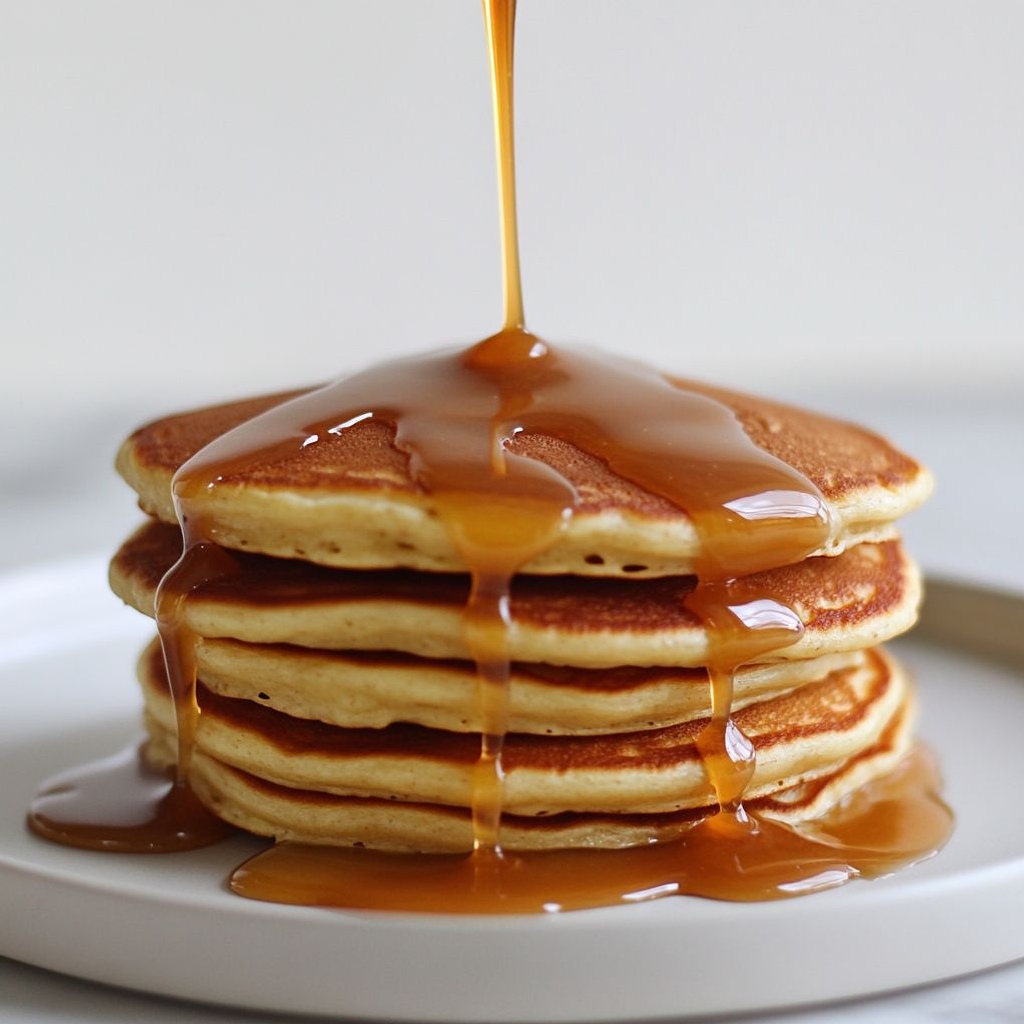
This caramel sauce is silky, rich, and deeply flavorful, made by melting sugar to a deep amber and then whisking in warm cream and butter to create a glossy, luscious finish. You can customize it by adding a pinch of flaky sea salt for salted caramel, or a splash of bourbon, rum, or vanilla liqueur for warmth and complexity. It stores well in the fridge for up to two weeks and reheats gently with a splash of cream if it thickens. For an ultra-smooth result, whisk the warm cream into the caramel off the heat and continue whisking until fully emulsified; if lumps form, return to very low heat and whisk until smooth. Always use unsalted butter and check that your cream and vanilla extract are gluten-free if you have gluten intolerance.
Tips
Tips for Making Caramel Sauce
- Equipment and preparation: use a heavy-bottom, preferably light-colored saucepan to monitor color easily; keep all ingredients measured and ready; have a damp pastry brush handy to brush down any crystallized sugar on the sides.
- Melting the sugar: add the granulated sugar to the pan and melt over medium heat, allowing the edges to liquefy first; swirl the pan gently rather than stirring vigorously to prevent crystallization; if crystals form, brush them down with the damp brush.
- Color and timing: stop cooking when the sugar reaches a rich amber color (not too dark) to avoid a bitter aftertaste; if you overshoot, it can be difficult to fix, so watch closely as the color changes.
- Using the water method: adding 1/4 cup water helps dissolve sugar and control caramelization; swirl until the sugar fully dissolves, then continue cooking to the amber stage; if crystals reform, a quick swirl or a splash of water can re-dissolve them without seizing the caramel.
- Temperature control for emulsification: have warm cream ready (steaming, not boiling) and pour slowly off the heat. Whisk continuously to form a smooth emulsion and avoid splattering; if lumps form, return to very gentle heat and whisk until smooth.
- Cream addition technique: pour the warm cream into the caramel in a slow, steady stream while whisking; this helps prevent separation and ensures a silky sauce; keep the mixture off the direct heat while combining initially.
- Butter incorporation: add the 4 tablespoons of unsalted butter a few pieces at a time off the heat, whisking until each addition melts before adding the next; if the caramel is too hot, butter may separate—maintain a gentle, off-heat whisk to keep the sauce smooth.
- Finishing with salt: add 1/4 teaspoon fine sea salt with the final whisk after the butter is fully incorporated; taste and adjust; if you plan to finish with flaky salt, reserve some to sprinkle on top just before serving.
- Vanilla or flavor add-ins: stir in 1 teaspoon pure vanilla extract off the heat after emulsification to preserve aroma; for vanilla bean paste, you can add seeds or paste for extra depth; avoid boiling after adding vanilla to keep the aroma intact.
- Consistency checks and adjustments: if the sauce becomes too thick, whisk in small amounts of warm cream or water; if too thin, simmer gently to reduce; continue whisking to maintain a smooth texture and prevent crystallization.
- Storage and reheating: transfer to a clean jar and refrigerate up to 2 weeks; reheat gently on the stove or in short bursts in the microwave, adding a splash of cream if needed to loosen; whisk until smooth before serving.
- Optional flavor variations: finish with a pinch of flaky sea salt for contrast; for a boozy note, whisk in 1–2 tablespoons bourbon, rum, or vanilla liqueur off the heat after emulsification; note that some alcohol will cook off during brief simmering if you choose to reduce.
- Safety reminders: hot sugar burns are severe—keep sleeves rolled up, use long-handled utensils, and work on a stable surface; never leave caramel unattended while heating.
FAQ
What is caramel sauce?
Caramel sauce is a smooth, pourable topping made by melting sugar until it turns amber, then whisking in butter and cream to create a rich, glossy sauce. It’s perfect on ice cream, brownies, apples, and pancakes.
What ingredients do I need to make classic caramel sauce?
Granulated sugar, unsalted butter, heavy cream, a pinch of salt, and vanilla extract. Optional: flaky salt for salted caramel, or a pinch of espresso powder for depth.
Can I make a dairy-free or vegan caramel sauce?
Yes. Use coconut milk or full-fat coconut cream in place of dairy cream and a plant-based butter substitute. Use dairy-free vanilla and a pinch of salt. The texture will be slightly different, but it’s still delicious.
How do I make caramel sauce on the stove?
1) In a heavy-bottom saucepan, melt sugar over medium heat without stirring, swirling the pan to distribute heat. 2) Once the sugar turns a deep amber, remove from heat and whisk in the butter until melted. 3) Slowly whisk in warm cream; the mixture will bubble vigorously. 4) Return to low heat and whisk until smooth. 5) Remove from heat, whisk in salt and vanilla, and let cool slightly before serving; the sauce will thicken as it cools.
Can I make caramel sauce in the microwave?
Microwave can work if you’re careful. Heat sugar in a microwave-safe bowl with a little water to melt and caramelize, then whisk in warmed dairy and butter. This method requires frequent stirring and watching to avoid scorching. For best results, use the stovetop method above.
How should I store caramel sauce, and how long does it keep?
Store in a clean jar or container in the refrigerator for up to 1–2 weeks. It will thicken when cold; rewarm gently in a water bath, microwave in short bursts, or on the stovetop while stirring. You can freeze for up to 3 months in a freezer-safe container.
What should I do if my caramel is grainy or crystallized?
Graininess usually means sugar recrystallized. Gently rewarm the sauce, whisk in a small splash of cream or water until smooth. You can also strain out any undissolved sugar crystals. Avoid stirring too vigorously while the sugar is melting to prevent crystallization.
What if my caramel separated or looks oily?
This can happen if the fat separates from the sugar syrup. Reheat gently and whisk in extra cream or a little butter until emulsified. If stubborn, strain and whisk in a teaspoon of hot water or cream to bring it back together.
How can I flavor caramel sauce?
Options include: salted caramel by increasing salt; vanilla extract for aroma; espresso or coffee for depth; a splash of rum or brandy; or a pinch of cinnamon for warmth. Add flavors after removing from heat to preserve aroma.
What are common uses for caramel sauce?
Poor over vanilla ice cream, drizzle on brownies, apple slices, pancakes, waffles, breads, cheesecakes, or use as a dip for fruit. It can also be folded into whipped cream for a quick caramel topping.