Introduzione / Gancio
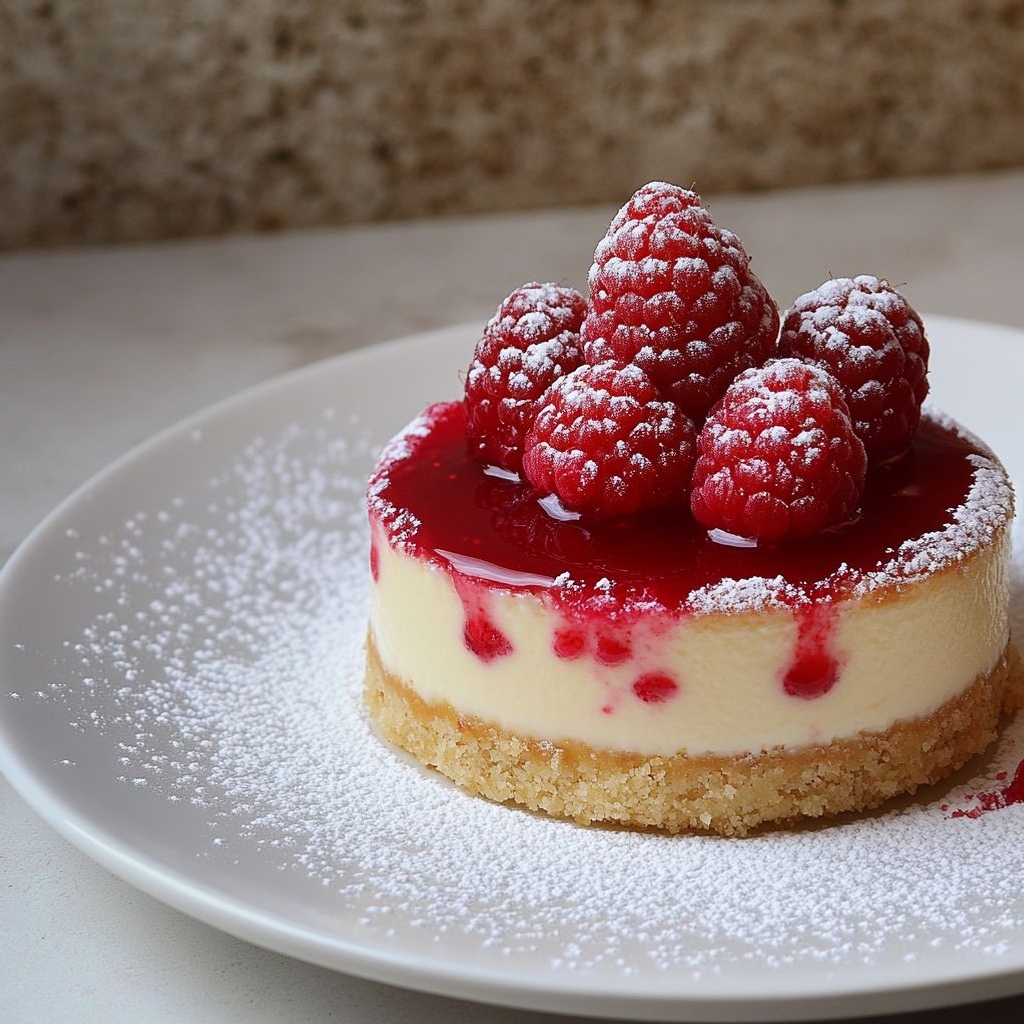
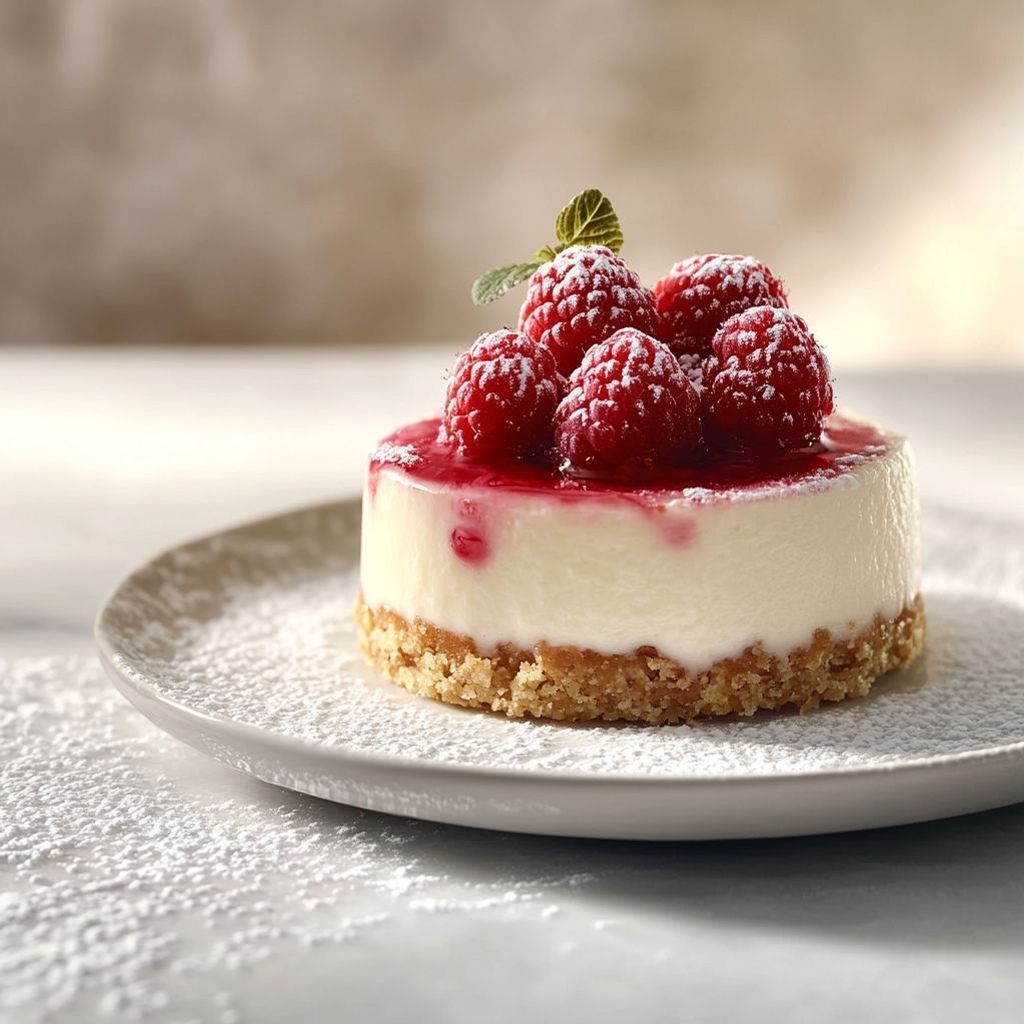
Immagina una piccola gioia lacustre di primavera, pronta a conquistarti al primo morso: bocconcini soffici, lucidi come perle, che scoprono una crema vellutata al cuore e una leggera nota agrumata di lampone. Bocconcini cheesecake ai lamponi è una danza di contrasti fertilissimi per il palato: la croccantezza delicata della base, la dolcezza cremosa che si scioglie subito, l’acidità frizzante dei lamponi che tira su il sapore e la freschezza di una scorza di limone zestata. È un dessert da gustare in qualsiasi stagione, ma particolarmente irresistibile nelle serate estive, quando vuoi offrire qualcosa di raffinato ma semplice da realizzare. Non è un dolce da forno pesante, ma una coccola leggera che si presenta come un piccolo gioiello: perfetto per un brunch elegante, una festa tra amici o una cena romantica a due, dove l’attenzione ai dettagli conta quanto il sapore. I bocconcini si tendono a una perfezione compiuta: freddi, setosi e profumati, pronti a conquistare il palato senza appesantire il pasto. Se stai cercando un dessert che unisca estetica e gusto, che possa essere preparato in anticipo e servito a tavola con un tocco di magia, questo è il piatto giusto.
La storia dietro il piatto
La ricetta dei bocconcini cheesecake ai lamponi nasce dall’idea di trasformare un classico dolce di crema in una versione mini, pronta da mordere in una sola mano, come piccoli diamanti da offrire agli ospiti. In molte cucine italiane, i dessert freddi e leggeri hanno una tradizione molto sentita: parfaits, cheesecake no-bake e dolci di formaggio serviti in porzioni individuali sono spesso presenti nelle tavolate delle feste, perché permettono di accontentare gusti diversi senza rinunciare all’eleganza. Il termine “bocconcini” richiama proprio l’idea di piccole porzioni da degustare con la stessa gioia di una prelibatezza servita in una degustazione. A questa ricetta si abbinano storie di estati trascorse in giardino, mani sporche di zucchero a velo e risate che riecheggiano tra le pareti di una casa accogliente. L’uso dei lamponi, frutti numerosi nelle campagne italiane, aggiunge un tocco romantico: rosso vivo, profumo intenso e una nota leggermente acidula che si sposa con la ricotta o il mascarpone tipico della crema. È una celebrazione della semplicità, della convivialità e dell’arte di trasformare pochi ingredienti in qualcosa di meraviglioso. Se stai pensando a una storia da raccontare mentre serviamo i bocconcini, potresti ricordare una merenda d’infanzia, quando la cucina profumava di vaniglia e limone e ogni boccone era una piccola scoperta sensoriale.
Perché adorerai questa ricetta
- Facile da realizzare: non serve una lunga mise en place né tempi di cottura estesi; è una ricetta no-bake che si presta a essere preparata in anticipo.
- Porzioni singole e impeccabili: le presentazioni in stile boccone regalano eleganza a ogni tavola, facilitando la condivisione tra gli ospiti.
- Versatilità: si adatta a diversi regimi alimentari con semplici sostituzioni, mantenendo sempre una qualità sorprendente.
- Equilibrio di sapori: la crema cremosa incontra la freschezza dei lamponi, la nota agrumata dello zest di limone e una base croccante che aggiunge struttura.
- Allineato con la stagione: i lamponi maturi regalano una nota fruttata vivace che si esalta quando accostata a formaggi dolci e al profumo di vaniglia.
- Ideale per l’anteprima di una cena: perfetto per aperitivi o fine pasto, aggiunge colore e raffinatezza senza appesantire.
- Adatto a una varietà di gusti: dalla versione classica a quella con varianti cioccolatose o fruttate, offre infinite possibilità creative.
Profilo di sapore e consistenza
Questo dolce è una sinfonia di texture e contrasti. La base, spesso composta da biscotti sbriciolati mescolati con burro fuso, offre una croccantezza delicata che funge da fondale stabile per la crema. La crema di formaggio, vellutata e setosa, è una nuvola leggera che si scioglie in bocca, avvolgendo i sensi con note lattiche morbide e una leggera dolcezza. L’acidità dei lamponi, sia in purea sia come guarnizione fresca, stimola l’anima e rinforza il carattere del dessert senza sovrastarlo. Lo zest di limone, finemente grattugiato, aggiunge zing e luminosità, come un soffio di aria fresca in una giornata afosa. L’equilibrio tra dolcezza e acidità crea una scia aromatica che resta in memoria: una combinazione che invita a chiudere gli occhi e respirare profondamente il profumo della frutta rossa maturata al sole. Quando mordi, la crema si avvolge intorno al crumble, offrendo una texture complessa: prima una lieve friabilità della base, poi la crema liscia che scende morbida e avvolgente, infine la lucentezza brillante del lampone fresco che aggiunge una nota fresca e leggermente pungente. È un dessert in cui ogni boccone racconta una piccola storia di armonia: il calore della vaniglia, la freschezza del lampone, la cremosità del formaggio, e la possibile puntura citrus che rinforza l’esperienza sensoriale.
Occasioni & Abbinamenti
Questo dolce si presta a numerose situazioni. È ideale per:
- Pranzi estivi all’aperto, dove un dessert freddo e non pesante è preferibile;
- Feste di compleanno, che richiedono una presentazione chic ma praticabile;
- Brunch domenicali, dove un tocco goloso e fresco rompe la routine mattutina;
- Cene romantiche o anniversari, accompagnati da un bicchiere di Prosecco, Moscato d’Asti o un passito leggero;
- Degustazioni tra amici, come finger dessert che stimolano la conversazione senza appesantire la sera.
Per quanto riguarda gli abbinamenti, pensa a bevande frizzanti che non sovrastino la crema: uno spumante secco, un vino dolce leggero o una limonata al basilico per una nota erbacea. In accompagnamento, piccole sculture di cioccolato bianco o scaglie di cioccolato fondente possono offrire un contrappunto goloso senza oscurare la fragranza principale dei lamponi. Puoi anche optare per un tocco di erbe: una fogliolina di menta o di basilico al momento di servire aggiunge una freschezza insolita che eleva l’intera esperienza sensoriale. Se vuoi variare la base, una versione al cacao leggero o una base alle mandorle può dare profondità diversa senza togliere equilibrio al piatto.
Consigli, Varianti & Sostituzioni
- Sostituzioni per diete vegane o senza latticini: sostituisci la crema di formaggio con una crema a base di anacardi o anacardi ammollati lavorati con latte di mandorla e un pizzico di succo di limone. Per la base, usa burro di cacao o olio di cocco al posto del burro tradizionale. Aggiungi agar-agar o agar per solidificare la crema; lavora con dosi leggere per mantenere una consistenza cremosa.
- Versione senza glutine: scegli biscotti privi di glutine per la base e controlla l’etichetta degli ingredienti per evitare contaminazioni. Puoi usare noci macinate e cacao per una base diversa ma altrettanto croccante.
- Varianti di sapore: sostituisci i lamponi con fragole, mirtilli o frutti di bosco misti. Aggiungi una piccola purea di frutti di bosco all’interno della crema per un effetto marmorizzato. Puoi anche mixare scorza di lime per una nota più agrumata o un filo di puro sciroppo di vaniglia per una dolcezza più intensa.
- Versione al cioccolato: aggiungi un sottile strato di ganache al cioccolato bianco tra la base e la crema, oppure incorpora cacao amaro nella base per un profilo al cioccolato leggero. In superficie, cospargi con scaglie di cioccolato fondente per contrasto.
- Varianti regionali: apporta un tocco di liquore all’amaretto o limoncello per un aroma speziato e fine, tipico delle tradizioni dolci italiane. Oppure utilizza miele di sambuco per una scorza dolce e floreale che rende il dessert ancora più aromatico.
- Preparazione in anticipo: i bocconcini si prestano a essere preparati con 1–2 giorni di anticipo. Conserva in frigorifero, ben coperti, fino al momento di servire. Se vuoi accelerare la presentazione, crea le basi in anticipo e aggiungi la crema al momento di assemblare.
Conservazione & Idee per preparare in anticipo
Per conservare al meglio i bocconcini cheesecake ai lamponi, disponili in un contenitore ermetico e riponili in frigorifero. La crema a base di formaggio tende a mantenere una consistenza liscia per 2–3 giorni, ma è consigliabile consumare entro 48–72 ore per preservare la freschezza dei lamponi e la brillantezza della base. Se vuoi congelarli, rimuovi eventuali decorazioni fresche (lamponi interi) e congela senza sovrapposizioni che possano far attaccare tra loro. Per risvegliare la cremosità dopo la congelazione, lasciali scongelare lentamente in frigorifero per diverse ore o durante la notte. Se hai intenzione di servire a una festa, prepara la base con largo anticipo, congela, e al momento di servirla adagia la crema e i lamponi freschi per una presentazione impeccabile.
Un’altra strategia utile è fare una prestazione in due fasi: prima prepara la base e la crema, quindi congela la crema in piccole porzioni all’interno di stampi o cilindri individuali. Quando è ora di servirli, spalma o versa la crema sui gusci di base e aggiungi lamponi freschi. In questo modo si risparmia tempo e puoi replicare la ricetta per un grande numero di ospiti senza perdere di vista la consistenza perfetta.
Curiosità & Trivia (Opzionale)
Lo yogurt di lamponi e la cucina italiana hanno una storia intrecciata con i dessert freddi. I lamponi, appartenenti alla famiglia delle Rosaceae, hanno una storia antica che risale all’Europa del Nord, ma hanno trovato una casa perfetta nel Mediterraneo dove la dolce acidità dei frutti rossi si sposa magnificamente con formaggi cremosi e aromi agrumati. Il termine “bocconcini” richiama l’idea del boccone prezioso: in cucina italiana è usato per indicare piccole porzioni di formaggi, stuzzichini o dolcetti, ideali come presentazione elegante ma informale. In molte cucine regionali, i dessert di formaggio freddi hanno origini monastiche o contadine: l’arte di trasformare latte, formaggio cremoso e dolcificanti naturali in una dolce esperienza da condividere è stata una parte vitale della convivialità familiare. Un altro aneddoto divertente è che, per alcuni, i bocconcini cheesecake ai lamponi sembrano un’immagine di estate eterna: la dolcezza soffice dentro, la brillantezza rossa dei lamponi all’esterno, e l’idea di una piccola fortuna da gustare in un sol boccone possono ricordare la gioia semplice di una tavola piena di colori e risate.
Ingredients
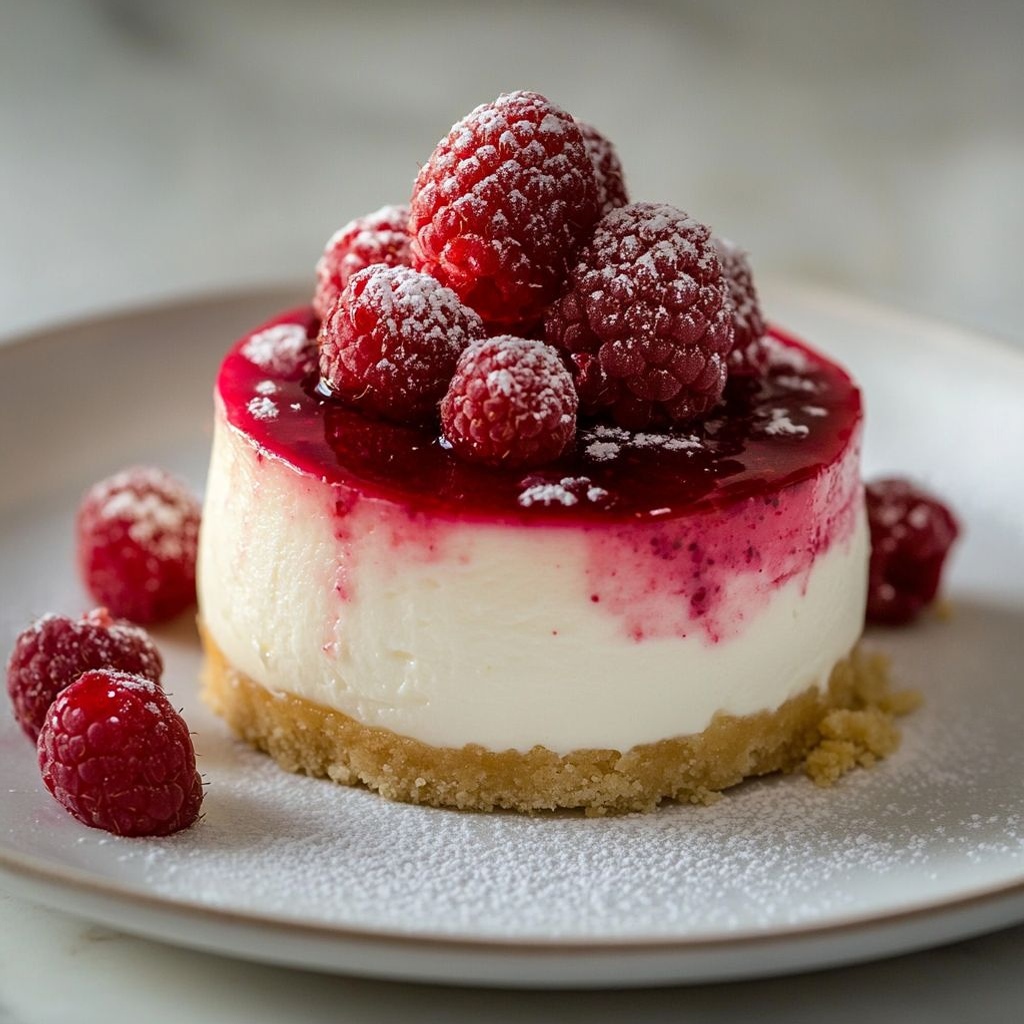
- – 200 g digestive biscuits or graham crackers, finely crushed
→ Crust base provides structure and flavor. Crush the cookies to a consistent, fine crumb for an even press into the pan. Mix with melted butter until evenly moistened, then press firmly into the base and slightly up the sides. Chill briefly to set before filling for a clean separation between crust and filling. - – 80 g unsalted butter, melted
→ Binds the crust together and gives a crisp, pastry-like texture when baked. Ensure the butter is fully melted and smooth before mixing with crumbs; pour into the crumbs and mix until uniform; press into the pan and chill to set.
- – 250 g bocconcini (bocconcini mozzarella), well drained and softened to room temperature before blending
→ Adds a velvety, ultra-creamy texture with a mild, milky flavor that pairs beautifully with raspberries. To avoid a watery filling, blot the bocconcini thoroughly to remove excess whey and blend until completely smooth. If the mixture seems grainy, pass through a fine sieve after blending or blend with a small amount of cream cheese to improve texture. - – 450 g cream cheese, softened to room temperature
→ Provides body, tang, and stability to the cheesecake. Soften thoroughly to prevent lumps; beat on medium speed until completely smooth and airy, scraping down the bowl a few times. This base allows the flavors to emulsify with bocconcini for a luxurious filling. - – 180 g ricotta cheese, well drained (optional for extra creaminess)
→ Lightens the filling and adds moisture without making it feel heavy. Drain well to minimize extra moisture; whisk until smooth before folding into the main mixture to maintain a silky texture. - – 150 g granulated sugar
→ Balances the tang of dairy and enhances the creamy mouthfeel. If you prefer a less sweet cheesecake, reduce to 120 g. For a deeper caramel note, a small amount of light brown sugar can be used, but this will alter flavor. - – 3 large eggs, at room temperature
→ Provide structure and help the filling set during baking. Add one at a time on low speed to avoid incorporating excess air, which can cause cracks. If you bake at a lower temperature, you may reduce cracking further. - – 1 large egg yolk, at room temperature
→ Adds richness and glossy texture to the cheesecake, helping to create a smoother finish. - – 1 tsp vanilla extract
→ Enhances overall flavor; use pure vanilla for best aroma. If using vanilla bean, scrape the seeds and add them with the vanilla extract for intensified fragrance. - – Zest of 1 lemon
→ Lifts the filling with a bright citrus note that complements raspberries. Use finely grated zest, avoiding the white pith, which can introduce bitterness. - – 1–2 tbsp fresh lemon juice
→ Adds acidity to balance sweetness and helps activate the setting of the filling; taste and adjust to your preference. - – 2 tbsp cornstarch
→ Acts as a thickener and helps stabilize the filling during baking for a smooth, crack-free surface. Whisk with a splash of the milk or cream to create a lump-free slurry before adding. If you prefer a creamier texture, you may reduce to 1 tbsp. - – 60 ml heavy cream (optional) or milk
→ Adds extra creaminess and a softer crumb; use heavy cream for a richer mouthfeel, or milk for a lighter result. Add gradually to reach the desired consistency of the batter. - – 1/4 tsp salt
→ Enhances the dairy flavors and balances sweetness; especially important when using sweetened dairy products.
- – 300 g fresh raspberries (reserve some for topping)
→ The star ingredient; provides tartness to contrast the creamy filling. If using frozen raspberries, thaw and drain thoroughly to minimize excess moisture; pat dry before use to avoid a soggy cheesecake base. - – 40–60 g granulated sugar (adjust to taste)
→ Sweetens the raspberries; macerating with a pinch of salt can enhance depth. Adjust amount depending on raspberry sweetness. - – 1 tablespoon fresh lemon juice
→ Brightens the raspberry flavor and helps maintain vibrant color. Add gradually and taste; lemon juice also helps prevent browning of the fruit. - – 1 teaspoon cornstarch (optional)
→ Thickens the raspberry swirl for a glossy ribbon effect. Mix with a teaspoon of water to form a slurry if you cook a quick raspberry coulis, or skip if you prefer a fresh, uncooked swirl.
- – Fresh raspberries for topping
→ Adds color, texture, and a fresh-taceted contrast. Place gently on top after chilling to prevent squashing the filling. - – Fresh mint leaves (optional)
→ Provides a pop of color and an aromatic finish; gently tear leaves or leave whole as a delicate garnish. - – Icing sugar for dusting (optional)
→ Finishes the surface with a subtle sweetness and a professional look. Dust lightly just before serving to avoid soaking into the filling.
Instructions
- Preheat your oven to 325°F (165°C) and prepare a 9-inch (23 cm) springform pan: grease the sides with melted butter and line the bottom with parchment if you like; wrap the exterior of the pan with two layers of foil if you plan a water bath.
→ This setup prevents sticking, protects the crust from sogginess, and helps the cheesecake bake evenly without leaks. - Process the digestive biscuits or graham crackers until they become fine crumbs using a food processor, or place them in a sealed bag and crush with a rolling pin; transfer to a bowl and whisk in the melted butter until the crumbs are evenly moistened and hold together when pressed.
→ Achieve an even texture for uniform pressing and a cohesive crust that holds its shape during baking. - Press the crumb mixture into the bottom of the prepared pan and gently up the sides to form a compact, even crust about 1–2 cm high; use the flat bottom of a glass or a small offset spatula to press firmly and evenly.
→ A dense, even press prevents the crust from crumbling and ensures clean edges when sliced. - Chill the crust in the freezer or refrigerator for 15–20 minutes to set the butter and firm the crust before filling.
→ Chilled crust holds its shape during baking and makes sealing the filling easier without sliding. - Bake the crust briefly in the preheated oven at 325°F (165°C) for 8–10 minutes until it looks just set and fragrant; remove and let cool completely on a rack before filling.
→ Lightly baking the crust sets the butter and dries the crumb, creating a better barrier against moisture from the filling. - Meanwhile, drain the bocconcini thoroughly and blot with paper towels to remove excess whey, then allow them to come to room temperature so they blend smoothly without creating lumps.
→ Room temperature ingredients emulsify more readily, yielding a silkier, ultra-creamy filling without watery pockets. - Place the drained bocconcini in a high-powered blender or food processor and blend until completely smooth and velvety, scraping the bowl as needed to incorporate stray pieces.
→ A perfectly smooth base prevents graininess and ensures the distinctive bocconcini creaminess shines through the cheesecake. - In a large mixing bowl, beat the softened cream cheese on medium speed until it is completely smooth and fluffy, scraping the bowl down several times to avoid lumps.
→ Air-free, smooth cream cheese creates a stable, creamy matrix that supports the delicate texture of the filling. - If using the optional ricotta, whisk the well-drained ricotta until smooth before folding it into the main mixture; this step helps prevent clumps and creates an even creaminess.
→ Properly whisked ricotta integrates with the bocconcini and cream cheese for a lighter mouthfeel without stringiness. - Beat in the granulated sugar until fully incorporated and the mixture is light and creamy, about 2–3 minutes; this helps dissolve sugars and prevents a gritty texture.
→ Properly aerated, sweet filling supports a balanced flavor with the tang of dairy and the brightness of lemon. - With the mixer on low speed, add the eggs one at a time, allowing each to fully incorporate before adding the next; this minimizes the development of large air pockets that can cause cracks.
→ Gentle addition prevents overbeating and keeps a smooth, crack-free surface after baking. - Blend in the large egg yolk to enrich the batter and give a glossy finish, beating just until combined.
→ The yolk adds richness and helps create a silkier cheesecake structure. - Stir in the vanilla extract and the lemon zest using a spatula, distributing the bright aroma evenly without overworking the batter.
→ Pure vanilla and fresh zest amplify fragrance and balance the richness with citrus lift. - Add the lemon juice in small amounts, tasting as you go to reach the desired acidity that balances sweetness without curdling; whisk just to combine.
→ The acidity helps set the filling and heightens flavor without making the mixture too loose. - Whisk the cornstarch with a splash of the milk or cream to form a smooth slurry, then whisk it into the filling to help stabilize and prevent cracking during baking.
→ The starch thickens slightly, producing a smoother surface and reducing seepage of moisture from the dairy. - Stir in the heavy cream (or milk) gradually, aiming for a pourable but thick batter; add just enough to achieve a silky, spoonable consistency without thinning too much.
→ The dairy ratio affects the texture: heavy cream yields richer mouthfeel; milk yields lighter texture. - Beat in the pinch of salt to enhance the dairy flavors and balance sweetness; distribute evenly by scraping the bowl and mixing briefly.
→ Salt sharpens flavors and prevents the filling from tasting flat, especially with sweet raspberries. - Pour the smooth bocconcini–cream cheese filling into the cooled crust, smoothing the top with a spatula to a uniform level, and tap the pan gently on the counter to release any trapped air.
→ A level, bubble-free filling bakes evenly and yields a clean edge for slicing. - Prepare the raspberry layer by rinsing and patting the raspberries dry; reserve a handful for topping and place the rest in a bowl with the sugar and lemon juice; macerate for 10–15 minutes to release juices.
→ Maceration softens the fruit, concentrates flavor, and creates a vibrant swirl with the creamy filling. - If you prefer a cooked raspberry swirl, simmer the macerated raspberries with a pinch of salt until slightly thickened, then whisk in a slurry of cornstarch and water; cook 1–2 minutes until glossy, then cool completely before swirling. If you prefer raw swirl, skip cooking and proceed to assembly.
→ Cooking creates a glossy, stable swirl that holds its shape; raw fruit yields a fresh, tart ribbon within the cheesecake. - Pour the cheesecake filling over the crust, then spoon the prepared raspberry mixture in dollops over the surface; using a thin skewer or knife, swirl the raspberry into the batter with gentle figure-eight motions to create a marbled pattern.
→ The swirl adds tart brightness and visual contrast without compromising the structural integrity of the filling. - Bake the assembled cheesecake in the center of a preheated oven at 325°F (165°C) for 50–60 minutes, or until the edges are set and the center wobbles slightly when the pan is gently nudged; avoid overbaking to prevent cracking.
→ A gentle bake sets the filling while preserving a creamy center; a slight jiggle indicates proper set as it cools. - Turn off the oven, crack the door open, and let the cheesecake rest in the warm oven for 60 minutes to gradually reduce temperature and minimize cracking from a sudden temperature shift. Then transfer to a rack to cool completely at room temperature.
→ Slow cooling minimizes surface cracks and helps the center set with a smooth finish. - Chill the cheesecake in the refrigerator for at least 4 hours, or overnight, to fully set the flavors and stabilise the structure before slicing.
→ Chilling firms the filling so each slice holds its shape and the flavors meld for an indulgent bite. - Once chilled, run a thin knife around the inner edge of the pan before releasing the springform; remove the ring carefully to avoid damaging the crust.
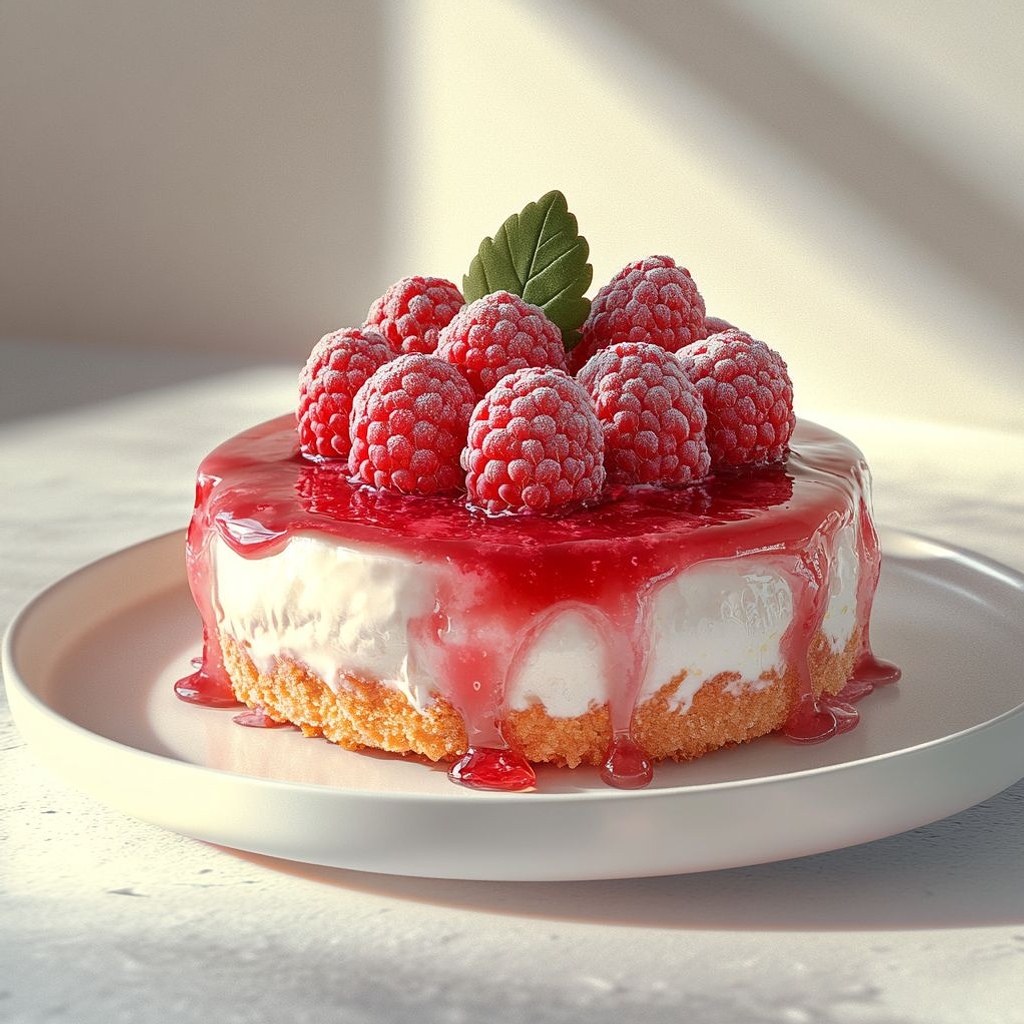
→ This prevents fragments from pulling away and ensures clean slices and a neat presentation. - Garnish with the reserved fresh raspberries and optional mint leaves just before serving, and dust lightly with icing sugar if desired for a professional, photogenic finish.
→ Fresh berries provide a bright contrast in color and flavor; light sugar dusting adds a polished look without saturating the filling.
Notes
These bocconcini cheesecake ai lamponi are a creamy, luxurious dessert with a crisp biscuit crust and a bright raspberry swirl. For the smoothest filling, drain the bocconcini thoroughly and blend them with the softened cream cheese until completely silky; if the mixture feels grainy, pass it through a fine sieve and fold in the ricotta if using. Chill the crust briefly before adding the filling to help it cut cleanly. When mixing the eggs, add them one at a time on low speed to avoid incorporating air that can cause cracks. Finish the batter with lemon zest and juice to lift the flavors and help setting; 1–2 tablespoons of lemon juice can be adjusted to taste. The cornstarch helps stabilize the bake and keep the surface crack-free; whisk it with a little milk or cream to make a smooth slurry before adding. For the raspberry layer, macerate berries with granulated sugar and lemon juice to draw out juices; if you want a glossy swirl, cook a quick coulis with optional cornstarch, otherwise fold in the fresh raspberries as is. Bake gently, ideally in a water bath, and wrap the pan with foil to prevent water seepage; cool completely then refrigerate for several hours or overnight to allow the cheesecake to set. Garnish with fresh raspberries, mint leaves, and a light dusting of icing sugar just before serving. These notes assume you are using standard gluten-containing digestive biscuits; if you are gluten-sensitive, choose gluten-free biscuits and verify that all other ingredients are gluten-free. Always use room-temperature dairy ingredients for a smoother batter and chill the finished cheesecake well before slicing.
Tips
Consigli utili per la preparazione
- Porta formaggi e uova a temperatura ambiente prima di iniziare: renderà la crema molto più liscia e facile da lavorare senza grumi.
- Asciuga bene i bocconcini di mozzarella (bocconcini) con carta assorbente prima di frullarli: troppa umidità renderà la crema meno stabile.
- Frulla i bocconcini e il formaggio cremoso in ordine: lavora prima i formaggi fino a cremosità, poi aggiungi zucchero e aromi poco per volta per evitare grumi.
- Per evitare crepe, aggiungi le uova una alla volta a velocità bassa e non sbattere troppo; incorpora solo quanto basta per amalgamare gli ingredienti.
- Utilizza solo la scorza gialla del limone e, se possibile, aggiungi il succo gradualmente: assaggia per bilanciare l’acidità senza coprire gli altri sapori.
- La cornstarch aiuta a rassodare la crema. Se ti sembra troppo spessa, riduci da 2 a 1 cucchiaio; se vuoi una texture ancora più vellutata, prosciuga l’amido con una piccola quantità di latte o crema prima di aggiungerlo.
- Assicura la base ben pressata: premi la base in modo uniforme e alzala leggermente sui bordi per una separazione pulita tra crosta e ripieno. Raffredda la crosta prima di aggiungere la crema.
- Per una salsa di lamponi lucida e aromatica, macera i lamponi con zucchero e succo di limone; se vuoi una salsa più spessa, aggiungi un cucchiaino di amido di mais sciolto in poca acqua e scalda brevemente.
- Lamponi freschi sono ideali per topping. Se usi lamponi congelati, scongelali e tampona l’umidità in eccesso per evitare una base molle.
- Cuocere in forno a bassa temperatura aiuta a evitare crepe: se possibile, usa un bagno di acqua (water bath) posizionando lo stampo in una teglia più grande con acqua calda; chiudi la porta del forno e spegni quando è quasi pronta, poi lascia raffreddare lentamente.
- Lascia raffreddare completamente il cheesecake a temperatura ambiente prima di trasferirlo in frigorifero; quindi riponi in frigo minimo 4 ore, meglio tutta la notte, per una consistenza ferma e liscia.
- Per una fetta pulita, usa un coltello molto affilato e scotta la lama tra una fetta e l’altra. Puliscilo tra una porzione e l’altra per evitare sbavature.
- Conservazione: il dolce si mantiene in frigorifero 3–4 giorni; per congelarlo, avvolgilo bene e consumalo entro 1 mese. Scongelalo in frigorifero durante la notte prima di servirlo.
- Varianti: se vuoi una versione meno ricca, riduci il formaggio morbido o sostituiscilo parzialmente con morella di ricotta leggera; per un sapore più intenso di limone, aumenta leggermente la scorza o il succo.
FAQ
Che cosa sono i Bocconcini cheesecake ai lamponi?
Sono piccoli dessert freddi a base di una base croccante di biscotti, crema cremosa al formaggio e lamponi freschi in cima. Vengono realizzati in formine da muffin o in bicchierini, ideali per dessert da buffet o per accompagnare una tazza di caffè.
Quali ingredienti servono (per circa 12-14 bocconcini)?
Base:
– 200 g biscotti digestive (o altri biscotti secchi)
– 80 g burro fuso
Crema:
– 300 g formaggio spalmabile (tipo philadelphia)
– 150 g mascarpone
– 100 g zucchero a velo
– 1 cucchiaino estratto di vaniglia
– scorza grattugiata di 1 limone
– 200 ml panna fresca da montare
Guarnizione:
– lamponi freschi
– foglie di menta (facoltali)
Quali strumenti sono utili per prepararli?
– stampi per muffin o pirottini in carta/riutilizzabili
– frullatore o sacchetto per tritare i biscotti
– una ciotola capiente e una frusta o mixer
– spatola da cucina per livellare
– frigorifero o frigo per far rassodare
Come preparo la base dei bocconcini?
1) Tritare finemente i biscotti. 2) Mescolarli con burro fuso fino a ottenere un composto lavorabile. 3) Distribuire il composto nelle cavità degli stampi, premendo bene per formare una base compatta. 4) Mettere in frigo per almeno 15-30 minuti per far rassodare.
Come preparo la crema di formaggio?
1) In una ciotola, mescolare formaggio spalmabile, mascarpone e zucchero a velo fino a ottenere una crema liscia. 2) Aggiungere vaniglia, scorza di limone e mescolare bene. 3) Montare la panna e incorporarla delicatamente alla crema con una spatola, in modo da non smontarla.
Come si assemblano i bocconcini?
1) Estrarre le basi dal frigo. 2) Versare o adagiare la crema sopra ciascuna base, livellando con una spatola. 3) Decorare con un lamponi su ogni bocconcino e, se desiderato, una fogliolina di menta. 4) Rimettere in frigo per rassodare, per almeno 3-4 ore (meglio tutta la notte).
Quanto tempo richiede l’intero procedimento?
Tempo attivo: circa 30-40 minuti. Temperatura e riposo: almeno 3-4 ore in frigorifero (preferibilmente overnight) per una consistenza ben soda.
Posso preparare i Bocconcini in anticipo?
Sì. Sono ideali da preparare in anticipo. Si conservano in frigorifero, coperti, fino a 2-3 giorni. Più a lungo restano, più i lamponi sulla superficie rischiano di rilasciare liquido; è consigliabile decorarli solo poco prima di servirli.
Posso variare la frutta o rendere il dolce più green/leggero?
Certo. Puoi sostituire i lamponi con fragole, lamponi gialli, mirtilli o frutti di bosco misti. Per una versione più leggera, riduci la quantità di zucchero a velo e usa una crema di formaggio meno dolce; puoi anche aggiungere una spruzzata di succo di limone per bilanciare la dolcezza.
Come conservare e quali sono le alternative di decorazione?
Conservazione: in frigorifero, coperti, per 2-3 giorni. Per decorare, oltre ai lamponi, puoi usare scorza di limone, foglioline di menta, scaglie di cioccolato bianco o una leggera polvere di zucchero a velo. Evita decorazioni che ossidano o marciscono rapidamente.
Posso rendere la ricetta senza lattosio o vegana?
Per una versione senza lattosio, usa formaggio spalmabile e mascarpone senza lattosio e panna senza lattosio. Per una versione vegana, occorrono alternative plant-based: crema di anacardi o altro formaggio cremoso vegano, biscotti senza burro animale e panna vegetale. Le proporzioni andranno adattate per ottenere una crema stabile e gustosa.