Author

Ocean Nightleaf

Browsing

Introduction: A Warm Hearth in Every Bowl

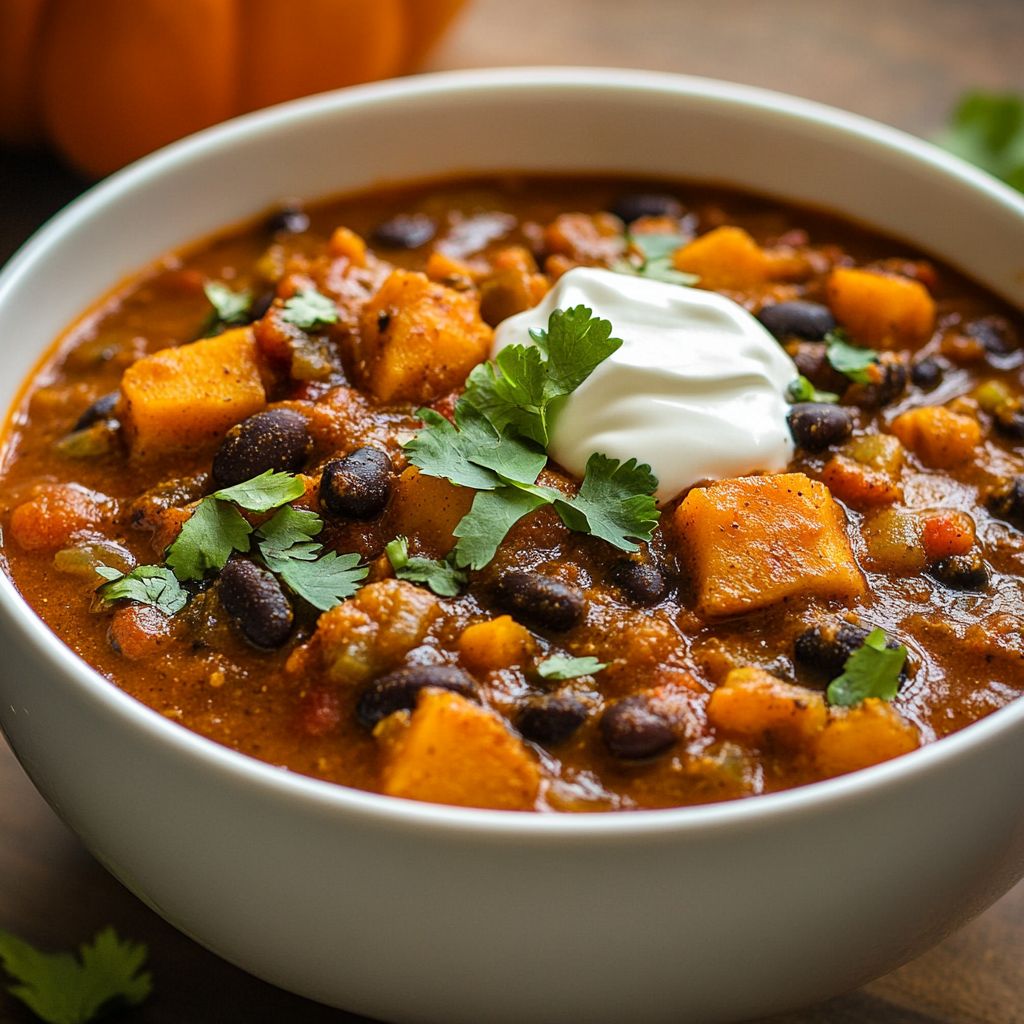
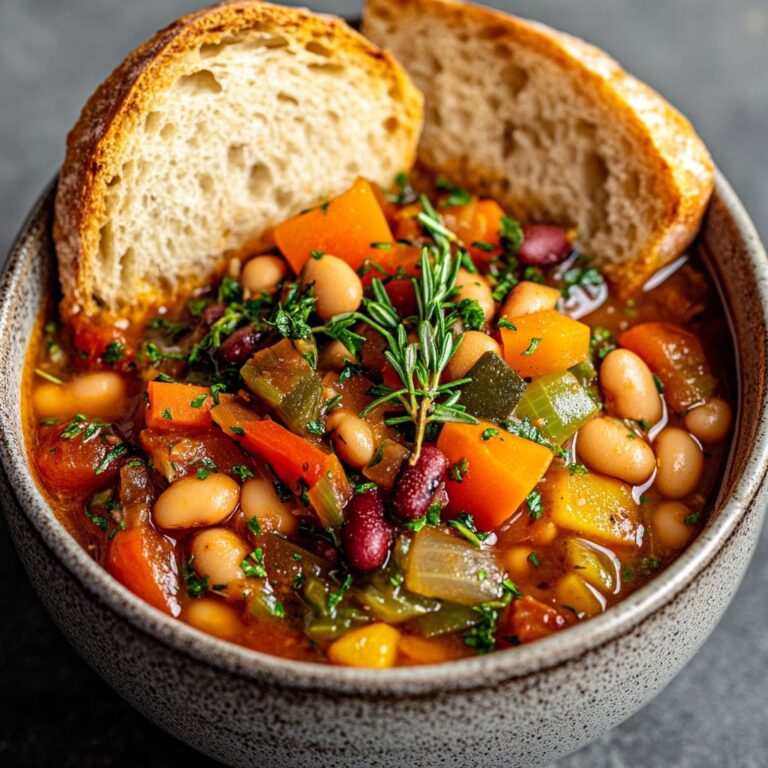
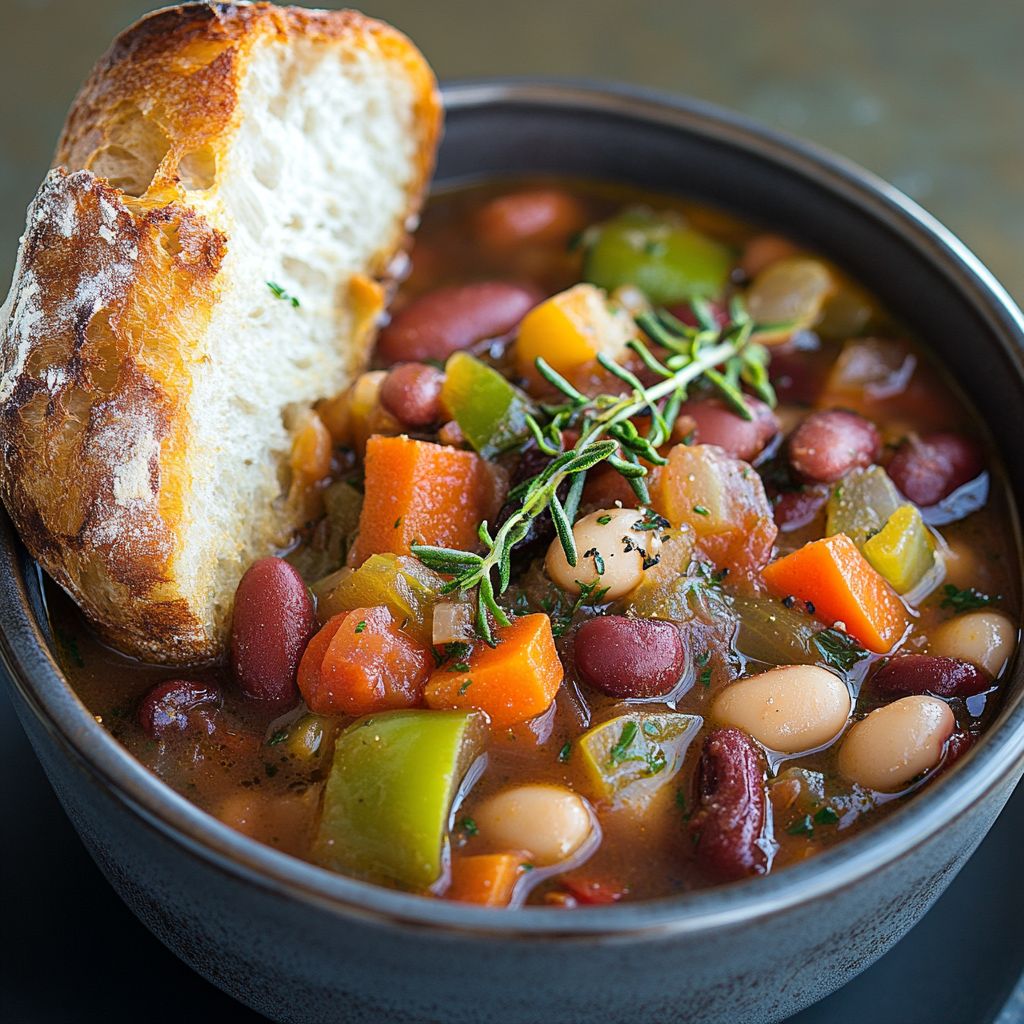
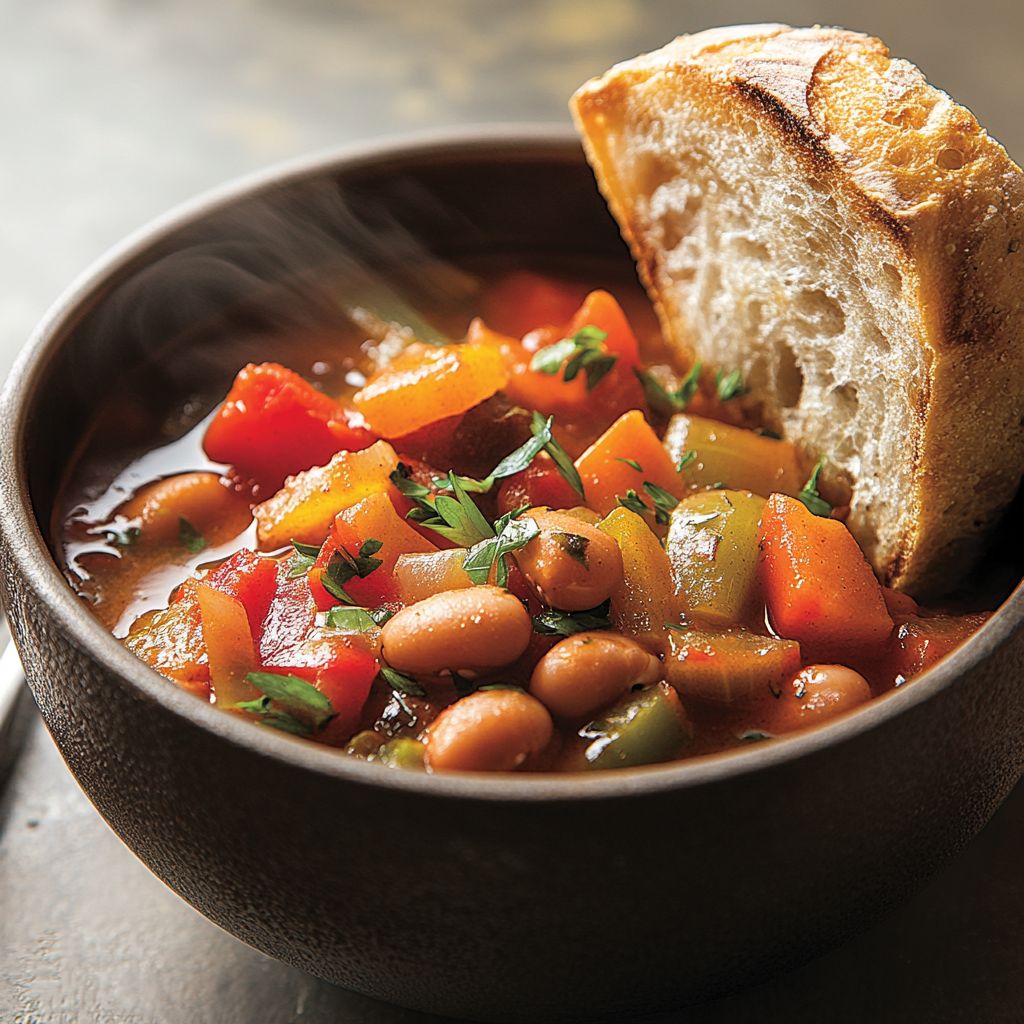
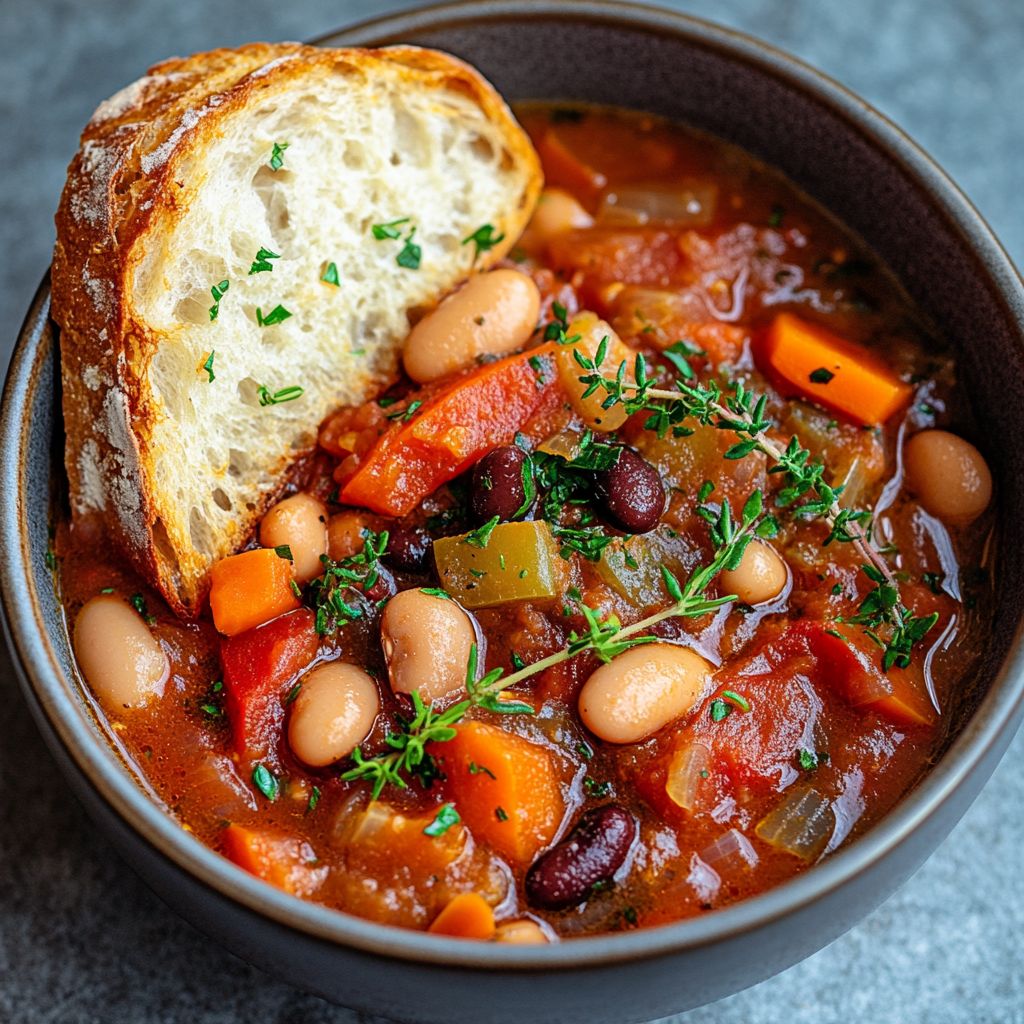
Imagine a brisk evening after a long day, the air crisp with a hint of wood smoke, and the comfort of home awaiting you. There’s nothing quite like returning to a warm and rustic meal that envelops you in its aromatic embrace. Enter the Rustic Veggie and Bean Stew with Crusty Bread, a hearty dish that transcends mere sustenance and becomes an experience of culinary warmth and nourishment. Each spoonful reveals layers of flavors that evoke images of rolling hills and bountiful gardens, while the accompanying crusty bread serves as the perfect vessel for soaking up every last drop.

The Story Behind the Dish: A Tale of Tradition and Comfort

This stew traces its roots back to the humble homes of rural Europe, where every meal was a testament to the land’s bounty and the hands that tended it. Originally, such stews were crafted from whatever vegetables were in season, complemented by beans and grains that formed the backbone of rural diets. Over time, this dish has become a beloved staple across many cultures, each adding its local twist, yet always maintaining its heartwarming simplicity and rustic charm.

In contemporary kitchens, this stew offers a nod to the past, inviting us to slow down and savor. It’s a dish that tells the story of harvests past and present, where each ingredient serves a purpose and adds to the overall tapestry of flavors. Whether shared around the family table or enjoyed in solitude, every serving is a reminder of culinary heritage and the joy of simple, real food.

Why You’ll Love This Recipe

  • Hearty and Filling: Packed with protein-rich beans and fiber-filled vegetables, this stew satisfies even the most prodigious of appetites.
  • Easy to Prepare: With straightforward steps and minimal preparation, this dish can be on the table with little fuss, making it ideal for weeknight dinners.
  • Healthy and Nutritious: Full of vitamins, minerals, and antioxidants, it aligns with a variety of dietary preferences, including vegetarian and vegan diets.
  • Versatile and Adaptable: Whether you have a surplus of root vegetables in winter or fresh greens in summer, this stew is easily adaptable to whatever produce is at hand.

Flavor Profile & Texture: Layers of Earthy Goodness

The Rustic Veggie and Bean Stew presents a symphony of flavors that dance around the palate. The earthy notes of potatoes and carrots meet the sweetness of slow-cooked onions and tomatoes, creating a deep, caramelized flavor base. Beans introduce a creamy texture contrasted by the crispness of tender vegetables. Each mouthful offers a complex interplay – the robustness of garlic and herbs mingling with a subtle smoky undertone, often enhanced by a splash of wine or a hint of chili for those who desire a touch of heat.

The accompanying crusty bread, whether a dense sourdough or a light baguette, provides the perfect contrast with its crunchy exterior and tender crumb, enhancing the overall experience by offering a satisfying texture and flavor complement.

Occasions & Pairings: Perfect for Every Gathering

This stew is as versatile in its service occasions as it is in flavor. It’s ideal for:

  • Family Dinners: Serve it on weeknights for a quick yet satiating meal.
  • Winter Gatherings: Its hearty nature warms up any cold night, perfectly suitable for festive get-togethers during the holiday season.
  • Picnics and Potlucks: Easy to transport, it can be a star attraction at outdoor gatherings.
  • Pairings: Enjoy it with a robust red wine or a crisp, chilled cider, and consider pairing it with a simple green salad dressed with vinaigrette for a complete meal.

Tips, Variations & Substitutions

This stew invites creativity and adaptation, allowing you to tailor it to individual tastes or dietary needs:

  • Vegetarian/Vegan: Naturally vegan, add nutritional yeast for an extra umami touch or incorporate greens like spinach or kale for a nutritional boost.
  • Protein Variants: Substitute beans with lentils or chickpeas for different textures or add cubed tofu for extra protein.
  • Flavor Enhancers: Experiment with spices such as smoked paprika or cumin for a more robust flavor profile.
  • Regional Twists: Add curry powders for an Indian twist or incorporate olives and artichokes for a Mediterranean feel.
  • Thickening Options: For a creamier stew, consider blending a portion of the beans to serve as a thickener.

Storage & Make-Ahead Ideas

One of the beauties of this stew is its excellent storage capability, which lets it shine as a make-ahead meal:

  • Refrigeration: Keep it in an airtight container in the fridge for up to four days, allowing the flavors to deepen over time.
  • Freezing: Store in portion-sized containers for up to three months. Defrost in the fridge overnight and reheat on the stovetop until piping hot.
  • Make-Ahead: Prepare the stew up to two days in advance, allowing flavors to meld, and reheat before serving, ensuring it remains the texture you prefer.

Fun Facts & Trivia (Optional)

The concept of bean and vegetable stews dates back to ancient times when communal pots simmered over open fires. As a dish that nourished both body and soul, it’s said that such stews represented the earliest form of true slow cooking. Across Africa, similar stews are prepared in huge pots over outdoor fires during festivals, symbolizing unity and community gathering, offers a culinary connection with our forebearers, whose ingenuity laid the groundwork for the rich culinary diversity we enjoy today.

In the context of today’s climate-conscious society, stews like these serve as a perfect example of sustainable eating. Utilizing both fresh and leftover ingredients, they exemplify a zero-waste philosophy. As you ladle this aromatic stew into your bowl, you’re not just partaking in a meal but a time-honored tradition of frugal innovation and savory satisfaction, resilient through the ages.
Ingredients

Rustic Veggie and Bean Stew Base

  • 2 tablespoons olive oil
    → Olive oil serves as the primary cooking fat in this stew, providing richness and depth of flavor. Use extra virgin olive oil for the best taste, and heat it gently to avoid burning, which can impart a bitter flavor to the dish.
  • 1 medium onion (diced)
    → Onions are essential for building the flavor base of the stew. Dice them finely to ensure they cook evenly and soften quickly, releasing their sweetness in the process, which enhances the overall taste of the dish.
  • 3 cloves garlic (minced)
    → Garlic adds a fragrant and savory element to the stew. Mince the garlic to a fine consistency so it blends seamlessly into the dish, maximizing its aromatic qualities and ensuring it doesn’t overpower the stew.
  • 2 medium carrots (chopped)
    → Carrots add sweetness and a slight crunch to the stew. Chop them into uniform pieces to promote even cooking. Young, tender carrots are preferred for their sweetness and vibrant color; however, any variety can be used.
  • 2 medium potatoes (diced)
    → Potatoes help to thicken the stew and provide heartiness. Dice them into even cubes so they cook at the same rate as other vegetables. Use starchy varieties, like Russets, for a creamier texture or waxy types for more bite.
  • 1 bell pepper (chopped)
    → Bell peppers add a pop of color and a sweet, earthy flavor. Choose any color you prefer and chop them into bite-sized pieces. For added flavor, consider roasting them before adding to the stew.
  • 1 can (15 oz) diced tomatoes (with juice)
    → Diced tomatoes provide acidity and moisture to the stew, balancing the flavors of the other ingredients. Use them directly from the can without draining for a chunky, rich addition. Opt for fire-roasted varieties for added depth of flavor.
  • 1 can (15 oz) cannellini beans (drained and rinsed)
    → Cannellini beans offer a creamy texture and serve as a protein source, making the stew hearty and satisfying. Rinse them thoroughly to remove excess sodium and enhance their flavor. They can also be substituted with other beans, like kidney or black beans, as per preference.
  • 4 cups vegetable broth
    → Vegetable broth serves as the liquid base for the stew, infusing it with savory flavors. For the best results, use low-sodium broth to control the salt level in the stew. You can also use homemade broth for an added depth of flavor.
  • 1 teaspoon dried thyme
    → Thyme adds an herbal aroma and pairs well with the vegetables. Use dried thyme for convenience, but fresh thyme can be used if available — just increase the quantity slightly as fresh herbs are less concentrated.
  • 1 teaspoon smoked paprika
    → Smoked paprika imparts a warm, smoky flavor to the stew. Use it sparingly, as it can be strong; start with a small amount and adjust to taste based on your preference for smokiness.
  • Salt and pepper to taste
    → Salt enhances the natural flavors of the ingredients, while pepper brings a hint of heat. Add salt gradually during the cooking process, tasting frequently to avoid oversalting. Freshly cracked black pepper adds the best flavor.

Crusty Bread

  • 1 loaf crusty bread (preferably sourdough or baguette)
    → A crusty loaf provides the perfect vessel for soaking up the flavorful stew. Choose a loaf with a firm crust and a soft interior for a satisfying contrast. Allow the bread to sit for a few hours at room temperature before serving for the best crust.

Instructions

  • Heat 2 tablespoons of olive oil in a large pot over medium heat until shimmering.

    → Heating the oil properly allows you to sauté the vegetables without them sticking or burning. You should see faint wisps of smoke rising from the oil before adding anything to the pot, signaling that it’s at the right temperature.
  • Add 1 medium diced onion to the pot and sauté for about 5 minutes or until it becomes translucent and soft.

    → Cooking the onion first helps develop the base flavor for your stew. Stir frequently to prevent it from browning too much; caramelized bits can add depth but should not dominate the base flavor.
  • Stir in 3 minced garlic cloves and sauté for an additional 1-2 minutes until fragrant.

    → Garlic can burn quickly, which can impart a bitter taste, so it’s added after the onion. Stir continuously just until you can smell its aroma, ensuring it becomes aromatic without darkening.
  • Add 2 medium chopped carrots to the pot and cook for about 3-5 minutes until they start to soften.

    → The carrots bring a nice sweetness to the stew. Ensure they are chopped uniformly so they cook at the same rate as the other vegetables, providing a more consistent texture in the stew.
  • Incorporate 2 diced medium potatoes and 1 chopped bell pepper into the pot, stirring well to combine.

    → The potatoes add heartiness, while bell peppers offer sweetness and color. Uniform dicing is crucial for even cooking; that way, everything reaches tenderness simultaneously.
  • Add 1 can of diced tomatoes (with juice) to the mixture and stir thoroughly.

    → The tomatoes will create a rich base for your stew, adding acidity and depth. Use the juice from the can as it helpsintegrate the flavors of the stew and balances the sweetness of the vegetables.
  • Add 1 can of drained and rinsed cannellini beans to the pot, followed by 4 cups of vegetable broth.

    → Rinsing the beans is essential for reducing sodium content and removing any metallic taste from the can. The broth is the liquid foundation of your stew, bringing all ingredients together; it should fully cover the vegetables for proper cooking.
  • Sprinkle in 1 teaspoon of dried thyme and 1 teaspoon of smoked paprika, then season with salt and pepper to taste.

    → Thyme and smoked paprika should be added now to infuse the stew as it cooks. Salt enhances the natural flavors, while freshly cracked black pepper adds a layer of complexity; add gradually, as it’s easier to adjust than to fix an oversalted dish.
  • Bring the stew to a gentle boil, then reduce the heat to low to let it simmer. Cover the pot, leaving a small crack for steam to escape, and cook for about 30-40 minutes.

    → Simmering allows the flavors to meld beautifully, while the covered pot helps retain moisture. Check periodically; you want it simmering gently, with small bubbles breaking the surface — not boiling vigorously.
  • After 30-40 minutes, check the doneness of the vegetables by piercing them with a fork; they should be tender but not mushy.

    → This step ensures all vegetables have cooked properly. Taste the stew at this point, checking for seasoning, and adjust salt and pepper as needed for balance.
  • While the stew finishes simmering, prepare your crusty bread by slicing it into thick pieces.

    → Thick slices are ideal for soaking up the stew, creating a satisfying experience when eaten together. If using sourdough or baguette, a diagonal cut gives larger surface area for dipping and enhances the visual appeal.
  • Toast the sliced bread in a toaster or under a broiler for a couple of minutes until golden brown and crispy.

    → Toasting the bread adds a delightful crunch and warmth, enhancing the textural contrast when served with the stew. Monitor closely to prevent burning.
  • Serve the rustic veggie and bean stew in bowls, garnishing with additional pepper or fresh herbs if desired, alongside the crusty bread.

    → Presentation is key; a sprinkle of fresh herbs not only adds color but also freshens the dish. Offer crusty bread on the side for an authentic rustic experience, allowing diners to enjoy both components together.
Notes

This Rustic Veggie and Bean Stew is a nourishing and hearty dish that makes perfect use of seasonal vegetables and pantry staples. The combination of fresh produce and canned beans creates a deliciously satisfying meal. Consider using a variety of vegetables based on availability — zucchini, spinach, or green beans work wonderfully as well.

For the perfect depth of flavor, allow the stew to simmer gently to let the ingredients meld together fully. If you prefer a thicker stew, mash a few of the beans against the side of the pot while cooking, or you can blend a portion of the stew and return it to the pot.

To enjoy this stew to the fullest, serve it hot alongside a slice of crusty bread, which will soak up the rich flavors, making every bite delightful. Adding a sprinkle of fresh herbs like parsley or basil right before serving can elevate the dish even further with a pop of freshness.

Leftovers can be stored in an airtight container in the refrigerator for 3 to 4 days or frozen for up to 3 months. Reheat gently on the stove, adding a splash of vegetable broth if necessary. This stew also works wonderfully as meal prep, allowing for easy lunches throughout the week!
Tips

Cooking Tips for Rustic Veggie and Bean Stew

  • Prepare Your Ingredients Ahead: Before you start cooking, chop and measure all your ingredients. Having everything ready to go will streamline the cooking process and help avoid any last-minute scrambles.
  • Use a Large Pot: Since this is a stew, make sure to use a large, heavy-bottomed pot or Dutch oven. This ensures even cooking and prevents the ingredients from overcrowding, which can lead to uneven flavors and textures.
  • Layer the Flavors: Start by sautéing the onions, garlic, and bell pepper in olive oil until they are soft and translucent. This will create a rich flavor base for your stew. Add the carrots and potatoes next, allowing them to cook for a few minutes before adding the tomatoes and beans.
  • Adjust the Consistency: If the stew is too thick for your liking, you can add more vegetable broth a little at a time. If it’s too thin, let it simmer uncovered for a while to allow some of the liquid to evaporate and thicken the stew.
  • Season Gradually: Since different broth and ingredient types can vary in saltiness, it’s best to start with less salt and gradually add more to taste after the stew has cooked for a while. This prevents oversalting.
  • Let It Simmer: Allow the stew to simmer for at least 30-40 minutes. This not only helps the flavors meld together but also ensures the vegetables are tender. If time allows, longer simmering can intensify the flavors even more.
  • Serve with Fresh Herbs: Consider garnishing your stew with fresh parsley or basil before serving. This adds a fresh note to the dish and enhances its visual appeal.
  • Perfectly Pair with Bread: When serving the crusty bread, consider toasting it lightly for an extra crunch. This provides a delightful contrast to the hearty stew. Serve butter or olive oil on the side for dipping.
  • Store Leftovers Properly: Any leftover stew can be stored in an airtight container in the refrigerator for up to five days. Reheat gently on the stove, adding a splash of broth if it has thickened too much.

FAQ

What ingredients are needed for the Rustic Veggie and Bean Stew?

The main ingredients include mixed vegetables such as carrots, bell peppers, and zucchini, canned beans (like kidney and black beans), vegetable broth, tomatoes, onions, garlic, and your choice of herbs and spices. Don’t forget the crusty bread for serving!

How long does it take to prepare the Rustic Veggie and Bean Stew?

The preparation time is approximately 15 minutes, and the cooking time is about 30-40 minutes, making the total time around 55 minutes to 1 hour.

Can I use frozen vegetables instead of fresh?

Yes, frozen vegetables can be used in place of fresh ones. They’re convenient and can save time while still being nutritious.

What type of bread pairs well with this stew?

A crusty baguette, sourdough, or ciabatta are excellent choices to complement the Rustic Veggie and Bean Stew, perfect for dipping into the broth.

Is this stew suitable for vegans?

Yes, the Rustic Veggie and Bean Stew is entirely plant-based and suitable for vegans, as it is made with vegetables and beans without any animal products.

Can I add meat to the stew?

Absolutely! You can add cooked chicken, sausage, or beef for a heartier version of the stew, but it will alter the dish’s rustic vegetarian character.

How can I store leftover stew?

Leftover stew can be stored in an airtight container in the refrigerator for up to 3-4 days. It can also be frozen for longer storage, lasting up to 2-3 months.

What spices work well in this stew?

Common spices include cumin, paprika, thyme, and bay leaves. Feel free to experiment with your favorite herbs and spices to customize the flavor to your liking.


Introduction / Hook

Imagine sinking your teeth into a perfectly tender piece of chicken, enveloped in a glossy, amber glaze that dances between sweetness and tang. The succulence of well-cooked thighs, combined with the rich, golden hue of honey and mustard, promises an experience that’s not just a meal, but a memory in the making. This is the magic of Honey Mustard Glazed Chicken Thighs — a dish that sings with simplicity yet dazzles with its complexity. As the savory aroma fills your kitchen, it invites not just the senses but stirs the soul, offering a perfect balance between comfort and luxury. With just a handful of ingredients and an uncomplicated approach, this dish promises to be a superstar in your culinary repertoire.

The Story Behind the Dish

The origins of honey mustard, as a flavor combination, trace back to ancient times where honey, often considered a precious commodity, was used alongside mustard seeds in various cuisines. For both Ancient Egyptians and Romans, using mustard with meats was common, and the sweetness of honey was a favored pairing to create balance. Through the centuries, this combination navigated through various culinary traditions, ultimately emerging in Europe as a popular condiment accompanying meats, especially in French cuisine.

Over time, honey mustard transcended the traditional confines of a dipping sauce or dressing, finding new life as a glaze that accentuates and complements the natural flavors of the meat. Chicken thighs, known for their juicy and forgiving nature, emerge as an ideal canvas for this vibrant glaze, creating a marriage of flavors that transcends cultures and traditions. This dish, though modern in its execution, rests upon centuries of culinary evolution, making each bite a celebration of history.

Why You’ll Love This Recipe

  • Easy to Prepare: Requiring minimal prep and simple ingredients, this recipe is perfect for weeknight dinners yet special enough for gatherings.
  • Rich Flavor: The unique blend of honey and mustard creates a striking contrast that elevates the natural taste of the chicken.
  • Family-Friendly: The sweet notes of honey combined with the mild zing of mustard make it a hit with both kids and adults.
  • Versatile: Serve it as a main dish, use leftovers for sandwiches, or toss it into a salad for a complete meal.
  • Budget-Conscious: Chicken thighs are not only more affordable than breasts but deliver superior flavor and moisture.

Flavor Profile & Texture

The interplay of flavors in Honey Mustard Glazed Chicken Thighs is a symphony for the palate. The initial sweetness of the honey caresses the taste buds, soon followed by the warmth and slight sharpness of mustard that cuts through the sugar’s richness to offer a balanced bite. The glaze’s aromatic undertones are complemented by the savory backdrop of chicken, enhancing its natural flavors while adding depth.

As for the texture, the glaze forms a sticky, luscious coating that seals in the juiciness of the chicken thighs. Each bite presents a tender and succulent inside contrasted by the slightly crisp, caramelized exterior, offering a satisfying mouthfeel. The end result is not just delicious but texturally rewarding, making it a favorite among those who savor a perfect bite.

Occasions & Pairings

Honey Mustard Glazed Chicken Thighs shine on any occasion, be it a cozy family dinner or a festive holiday gathering. Their alluring appearance and flavor-packed profile make them a delightful centerpiece. For weekday meals, they are a quick solution that won’t compromise taste.

When it comes to pairings, these chicken thighs are as versatile as they are delicious. Serve them with a refreshing summer salad to lighten the meal, or accompany them with roasted vegetables for a hearty feast. For beverage pairings, consider a chilled glass of white wine such as Chardonnay or Sauvignon Blanc, which will complement the dish’s sweet and tangy notes. A crisp apple cider or a smooth, full-bodied ale can also enhance the meal wonderfully.

Tips, Variations & Substitutions

To elevate this dish or adapt it to dietary requirements, consider some of these tips and variations:

  • Spicy Kick: For those who enjoy a bit of heat, add a dash of cayenne pepper or a spoonful of your favorite hot sauce to the glaze.
  • Herbal Infusion: Enhance the aromatic quality by introducing herbs like rosemary or thyme into the glaze or as a garnish.
  • Sweet Variations: Swap out the honey for maple syrup or agave syrup for a subtly different sweetness.
  • Vegan & Vegetarian Options: Replace chicken with tofu or tempeh. Marinate the substitute in the glaze before grilling for a similar experience.
  • Gluten-Free Alternative: Ensure all components, particularly mustard and any additional sauces, are certified gluten-free.

Storage & Make-Ahead Ideas

Honey Mustard Glazed Chicken Thighs store exceptionally well, making them a practical option for meal prep. To refrigerate, place the leftovers in an airtight container and consume within three days for optimal freshness. When reheating, do so gently to keep the chicken moist.

For those who love planning ahead, prepare the glaze a day or two prior and store it in the fridge. This allows the flavors to meld beautifully, intensifying the dish’s overall taste when cooked. Leftover chicken can also be shredded and turned into a delectable filling for sandwiches or wraps, perfect for lunchboxes or quick meals. If freezing, wrap the individual thighs tightly and use within two months, reheating straight from frozen or after thawing overnight in the refrigerator.

Fun Facts & Trivia

Did you know that the Ancient Egyptians were among the first civilizations to cultivate mustard for culinary uses? Meanwhile, honey’s entrenchment in culinary history is marked by its use not only as a sweetener but also as a gift in Egyptian tombs to accompany pharaohs into the afterlife. This historical context adds a fascinating layer to our humble honey mustard glaze, showcasing how ingredients can connect us across millennia.

Ingredients

  • Chicken Thighs
    → Chicken thighs are the star of this dish, providing a juicy and flavorful protein base. Choose bone-in, skin-on thighs for added richness and moisture; the skin will help keep the meat tender during cooking. If you prefer a healthier option, skinless thighs can also be used, but the cooking time may need slight adjustments to ensure they remain moist.
  • Salt
    → Salt is essential for enhancing the natural flavors of the chicken and the glaze. Use kosher salt for even distribution and to avoid over-salting. Season the chicken thighs generously before cooking to ensure the flavor penetrates the meat.
  • Black Pepper
    → Freshly ground black pepper adds a warm, peppery kick that complements the sweetness of the honey and the tang of the mustard. Grind your own if possible for a more robust flavor. Adjust the amount to your preferred spice level.
  • Honey
    → Honey is the sweet component of the glaze, helping to caramelize the chicken and create a shiny, sticky coating when cooked. Use a good quality, pure honey for the best flavor. If your honey is crystallized, gently warm it to return it to a liquid state for easy mixing.
  • Mustard (Dijon or Yellow)
    → Mustard brings tanginess and depth to the glaze, balancing the sweetness of honey. Dijon mustard offers a sharper flavor, while yellow mustard is milder. Whisk the mustard into the honey until fully combined for a smooth glaze. Adjust the quantity if you desire a stronger mustard flavor.
  • Garlic (minced)
    → Minced garlic infuses the chicken with aromatic flavors and enhances the overall taste of the dish. Use fresh garlic cloves for the best aroma; crush and mince them finely before adding to the glaze. Be careful not to overcook garlic, as it can turn bitter if burned.
  • Olive Oil
    → Olive oil is used to coat the chicken thighs before seasoning, helping the spices adhere better and improving the overall texture during cooking. Use extra virgin olive oil for its rich flavor and health benefits. Coat the thighs evenly to prevent sticking.
  • Fresh Herbs (optional, e.g., thyme or rosemary)
    → Fresh herbs can be added for an extra layer of flavor, with thyme or rosemary being excellent choices that pair well with chicken. Chop the herbs finely and sprinkle them over the chicken before baking. Use fresh herbs for the brightest flavor; if using dried herbs, halve the amount as they are more concentrated.

Instructions

  • Begin by preheating your oven to 400°F (200°C) to ensure that the chicken thighs cook evenly and thoroughly when placed inside.

    → Starting with a preheated oven allows for the proper caramelization of the glaze, enhancing the overall flavor and texture of the chicken.
  • While the oven heats, prepare a baking dish by lightly greasing it with a cooking spray or olive oil.

    → This prevents the chicken from sticking to the dish, making it easier to serve and clean up afterward.
  • In a small bowl, combine the honey, mustard, and minced garlic. Whisk thoroughly until the ingredients are well blended into a smooth glaze.

    → This creates a cohesive sauce that will coat the chicken. Adjust the ratio of honey to mustard based on your taste preference for sweetness or tanginess.
  • Take the chicken thighs and pat them dry with paper towels to remove excess moisture.

    → Drying the chicken helps the skin crisp up during cooking and allows the seasoning to adhere better, amplifying the flavor.
  • Place the dried chicken thighs in a large bowl or directly on a cutting board. Drizzle olive oil over the chicken, ensuring each piece is coated evenly.

    → The olive oil not only adds flavor but also promotes better browning and reduces sticking during the cooking process.
  • Sprinkle a generous amount of kosher salt and freshly ground black pepper over both sides of each chicken thigh, making sure to season them thoroughly.

    → This is crucial for enhancing the flavor of the chicken. A well-seasoned exterior ensures that the flavor penetrates the meat throughout cooking.
  • Transfer the seasoned chicken thighs into the prepared baking dish, skin-side up if using skin-on thighs.

    → Positioning the chicken this way allows the skin to crisp up nicely as it bakes and helps to retain moisture in the meat beneath.
  • Pour the honey mustard glaze over the chicken thighs, using a brush or spoon to coat them thoroughly and evenly.

    → Coating the chicken with glaze ensures every bite is flavorful, and the sugar in the honey will help caramelize, forming a beautiful crust.
  • If desired, sprinkle chopped fresh herbs over the glazed chicken for added flavor and aroma.

    → Fresh herbs can elevate the dish, providing a touch of brightness and complexity that complements the main flavors.
  • Place the baking dish in the preheated oven and bake for 35 to 45 minutes, or until the chicken reaches an internal temperature of 165°F (74°C) and the glaze is bubbly and caramelized.

    → Monitoring the internal temperature with a meat thermometer ensures food safety while preventing overcooking that can dry out the chicken.
  • Once cooked, remove the chicken from the oven and let it rest for 5 minutes before serving.

    → Resting allows the juices to redistribute within the meat, resulting in juicy and tender chicken. This step enhances the overall eating experience.
  • Serve the honey mustard glazed chicken thighs warm, spooning any leftover glaze from the baking dish over the top for extra flavor.

    → Using the glaze as a finishing touch amplifies the dish’s flavors and adds a beautiful glossy finish that is visually appealing.

Notes

These Honey Mustard Glazed Chicken Thighs are a delightful combination of sweet and tangy flavors, making them a crowd-pleaser for family dinners or gatherings. The chicken thighs, known for their juicy and rich flavor, are perfectly complemented by the glaze made from honey and mustard. This recipe can easily be customized by adding your favorite fresh herbs, such as thyme or rosemary, for an aromatic touch.

When preparing the chicken, make sure to season it well with salt and freshly ground black pepper to enhance the overall flavor. Using high-quality honey is essential for achieving that beautiful glaze, so opt for a pure variety. Remember to mince fresh garlic to infuse a warm aroma into the dish, but keep an eye on it to prevent bitterness from overcooking.

This dish is great served with a side of roasted vegetables or over a bed of rice to soak up the delicious glaze. For meal prep enthusiasts, cooked chicken thighs can be stored in the refrigerator for a few days or frozen for future meals. Just be sure to reheat them gently to maintain their tenderness. Enjoy your cooking!

Tips

Cooking Tips for Honey Mustard Glazed Chicken Thighs

  • Marinate Ahead: For even more flavor, consider marinating the chicken thighs in the honey mustard mixture for at least 30 minutes or up to 4 hours in the refrigerator. This allows the flavors to penetrate the meat, resulting in a more flavorful dish.
  • Preheat the Oven: Ensure your oven is preheated to the correct temperature before placing the chicken inside. This ensures even cooking and optimal glaze caramelization. An oven thermometer can help verify accuracy.
  • Baste for Best Results: While baking, occasionally baste the chicken thighs with the glaze to keep them moist and add an extra layer of flavor. This step is particularly helpful if you prefer a thicker glaze.
  • Check for Doneness: Use a meat thermometer to check the internal temperature of the chicken. When it reaches 165°F (75°C), it is safe to eat. This helps prevent overcooking, which can lead to dry chicken.
  • Let it Rest: After removing the chicken from the oven, let it rest for about 5-10 minutes before serving. This allows the juices to redistribute, ensuring juicy chicken when you cut into it.
  • Serving Suggestions: Pair your honey mustard glazed chicken thighs with a side salad, roasted vegetables, or fluffy rice to soak up the delicious glaze. This will create a balanced meal and enhance your dining experience.
  • Storing Leftovers: Allow any leftovers to cool completely before storing them in an airtight container in the refrigerator. They can be enjoyed for up to 3 days. Reheat in the oven to retain the glaze’s texture.

FAQ

What ingredients do I need for Honey Mustard Glazed Chicken Thighs?

You will need chicken thighs, honey, Dijon mustard, olive oil, garlic, salt, pepper, and optional herbs like rosemary or thyme.

How long does it take to prepare Honey Mustard Glazed Chicken Thighs?

The preparation time is approximately 10 minutes, and the cooking time is around 30-35 minutes, making it a total of about 45-50 minutes from start to finish.

Can I use chicken breasts instead of thighs?

Yes, you can use chicken breasts instead of thighs. However, keep in mind that cooking times may vary, as breasts cook faster and can become dry if overcooked.

Is it possible to make this recipe in the oven?

Absolutely! You can bake the glazed chicken thighs in the oven at 375°F (190°C) for about 30-35 minutes or until fully cooked and the internal temperature reaches 165°F (75°C).

What can I serve with Honey Mustard Glazed Chicken Thighs?

This dish pairs well with a variety of sides, such as roasted vegetables, mashed potatoes, rice, or a fresh salad.

Can I store leftovers? If so, how?

Yes, leftovers can be stored in an airtight container in the refrigerator for up to 3-4 days. You can also freeze them for longer storage, up to 2 months.

Is this recipe suitable for meal prep?

Yes, Honey Mustard Glazed Chicken Thighs are great for meal prep. You can cook a batch ahead of time and portion them out for lunches or dinners throughout the week.

Can I use a different type of mustard?

Yes, you can experiment with different types of mustard, such as whole grain or honey mustard. Each type will provide a unique flavor profile to the dish.

Introduction: A Savory Journey with Creamy Garlic Herb Chicken Bake

Imagine yourself walking into your kitchen, the air rich with the warm, irresistible aroma of garlic and herbs mingling in perfect harmony. A glossy, golden chicken dish awaits you, bubbling gently in its creamy sauce, whispering promises of comfort and satisfaction. The Creamy Garlic Herb Chicken Bake is not just another chicken recipe; it’s a symphony of flavors and textures that dance on your palate, inviting you into a realm of culinary delight. Ideal for any occasion, whether it’s a family dinner or a special get-together, this dish brings an ethereal experience to your dining table through its simplicity and elegance.

The Story Behind the Dish

This dish has roots that dig deep into the hearty, rustic cooking traditions of Europe, where using fresh ingredients like garlic and a bouquet of herbs become the cornerstone of culinary arts. The combination of chicken, garlic, and herbs has long been hailed as a triumphant trio in both Italian and French cuisines. The method of baking originated as a way to conserve heat and ensure every dish was cooked evenly. Over time, it became a beloved technique, cherished for the rich, deep flavors it produces. The creamy garlic herb chicken bake retains this timeless charm, encasing tradition with a modern touch—bringing that cozy, old-world appeal right into your kitchen.

Why You’ll Love This Recipe

  • Quick and Simple: On busy weeknights or when you want something easy yet delectable, this recipe comes together without hassle, transforming simple ingredients into a gourmet meal.
  • Comforting and Wholesome: With its rich, creamy sauce and savory chicken, this dish is a heartwarming dinner option, perfect for the colder months when you crave warmth in every bite.
  • Family Friendly: The mild and creamy flavors appeal to all ages, making it an instant favorite among both adults and children alike.
  • Customizable: With several options for variations in herbs and spices, it lends itself easily to personal touches and adaptations.

Flavor Profile & Texture

At the heart of this dish is its remarkable flavor profile. The garlic, gently sautéed, releases its sweet, nutty undertones which resonate throughout the dish. Freshly chopped herbs contribute their aromatic allure, while the cream brings everything together in a luscious, opulent blanket. The chicken, when baked, achieves a tender, juicy consistency that contrasts beautifully with the richness of the sauce. Each bite is a nuanced blend of smooth and savory, with a hint of herby brightness that provides a persistent, inviting complexity.

Occasions & Pairings

This versatile dish is suitable for a range of occasions:

  • Weeknight Dinners: Quick enough to prepare after a long day, it provides a stress-free dinner solution with extreme satisfaction.
  • Festive Celebrations: Its elegant presentation and rich taste make it an exceptional choice for holiday feasts or an intimate dinner party.
  • Comfort Meals: The creamy, heartwarming nature of this dish makes it a perfect go-to for those cozy, stay-in evenings.

As for pairings, this dish pairs seamlessly with a fresh green salad dressed in a light vinaigrette, garlic mashed potatoes, or steamed asparagus. For a delightful wine pairing, a chilled glass of Chardonnay or a light Pinot Noir complements the creamy herb flavors exquisitely.

Tips, Variations & Substitutions

While the classic creamy garlic herb chicken bake is a masterpiece on its own, there are myriad ways to make it your own:

  • Herb Variations: Experiment with different herbs like rosemary, parsley, or even a pinch of dried thyme for a unique twist.
  • Dietary Alternatives: Substitute cream with coconut milk for a dairy-free version. For a low-carb option, serve it with cauliflower rice instead of traditional sides.
  • Spicy Kick: For those who enjoy a little heat, a pinch of red pepper flakes or a dash of paprika can elevate the taste experience.

Storage & Make-Ahead Ideas

The flexibility of this dish extends to its storage and make-ahead possibilities. To store leftovers, simply cover the dish tightly and refrigerate for up to three days. The dish can also be prepared ahead of time—assemble the chicken and sauce in the baking dish up to a day in advance, keeping it covered in the refrigerator until you’re ready to bake. When reheating, gently warm in the oven at a low temperature to maintain its moisture and fantastic flavor. For a freezer-friendly option, portion the dish and freeze for up to two months, then thaw in the refrigerator overnight before reheating.

Fun Facts & Trivia

Did you know that the combination of garlic and herbs has been used since antiquity not just for flavor, but also for their medicinal properties? Garlic is renowned for its antioxidant attributes and cardiovascular benefits, while various herbs have been celebrated for their soothing and restorative qualities across cultures globally. This culinary practice evolved from the idea that food is not just a source of nourishment, but also a means to well-being.

Overall, the Creamy Garlic Herb Chicken Bake is more than just a meal—it’s a journey through history, flavor, and the comforting essence of home-cooked goodness. With each bite, you’re indulging in a rich tradition of culinary excellence that promises to delight and comfort, turning any dining experience into a cherished memory.

Ingredients

  • Chicken
    → Use 4 boneless, skinless chicken breasts for this recipe, as they provide a lean source of protein and absorb the flavors of the creamy garlic herb sauce well. Ensure the chicken is fresh or properly thawed if previously frozen, and pat them dry with a paper towel to encourage browning during cooking.
  • Olive Oil
    → 2 tablespoons of extra virgin olive oil are recommended for sautéing the chicken and creating a rich flavor base. Olive oil adds healthy fats and helps to ensure the chicken cooks evenly. Warm the oil in a skillet before adding the chicken to help seal in moisture.
  • Garlic
    → Use 4 cloves of fresh garlic, minced, to deliver robust flavor to the sauce. Fresh garlic offers a more pungent taste compared to pre-minced or powdered alternatives. Make sure to mince finely to release its aromatic oils, which infuse the dish with a rich aroma.
  • Heavy Cream
    → 1 cup of heavy cream creates the rich, creamy base of the sauce. Heavy cream has a high fat content, allowing the sauce to thicken beautifully and coat the chicken. Always use cold cream for the best results, as it incorporates more easily with other ingredients.
  • Chicken Broth
    → 1/2 cup of low-sodium chicken broth helps to create a flavorful sauce while keeping the dish moist. Low-sodium is preferred to maintain control over the saltiness of the dish. Add the broth to the pan gradually to scrape up any crispy bits from the chicken for added flavor.
  • Fresh Herbs
    → A mix of 1 tablespoon each of chopped fresh parsley, thyme, and rosemary adds freshness to the dish. Chop the herbs finely to distribute their flavors throughout the sauce. Opt for fresh over dried herbs for a brighter taste, and add them towards the end of cooking to preserve their flavor.
  • Salt
    → 1 teaspoon of salt enhances all the flavors in the dish. Use kosher salt for its texture, which is easy to control when seasoning. Remember to taste the sauce before adding more salt, as the chicken broth contributes saltiness as well.
  • Black Pepper
    → Freshly ground black pepper (to taste) adds a slight heat and depth to the dish. Grind the pepper just before adding it to release essential oils and ensure maximum flavor. Adjust according to your personal heat preference.
  • Parmesan Cheese
    → 1/2 cup of grated Parmesan cheese for a rich, savory finish. Use freshly grated cheese for a more intense flavor and better melting qualities. Add the cheese last to the sauce, stirring until melted and gooey for the best texture.

Instructions

  • Preheat your oven to 375°F (190°C) and prepare a 9×13-inch baking dish by lightly greasing it with cooking spray or butter.

    → Preheating the oven ensures that the chicken will cook evenly and thoroughly once it’s placed inside. Greasing the dish helps prevent the chicken from sticking and facilitates easy serving.
  • Pat the chicken breasts dry with paper towels to remove any excess moisture.

    → This step is crucial for achieving a golden-brown sear on the chicken when sautéing. The lack of moisture allows the chicken to brown rather than steam, enhancing flavor and texture.
  • Heat 2 tablespoons of olive oil in a large skillet over medium-high heat until it shimmers.

    → Warming the olive oil properly before adding the chicken is essential—this creates a non-stick surface in the skillet and helps to sear the chicken, locking in its natural juices.
  • Carefully add the chicken breasts to the hot skillet, making sure they are not overcrowded, and sear for 4-5 minutes on each side until golden brown.

    → This technique introduces a beautiful crust and enhances flavor through the Maillard reaction. Avoid moving the chicken around too much to ensure an even sear. You can check for doneness by looking for a golden color and checking if they release easily from the pan.
  • Once browned, transfer the chicken to the prepared baking dish and cover loosely with aluminum foil to keep warm.

    → This helps retain heat and moisture until the dish is ready to bake. Keeping the chicken covered prevents it from losing juices and drying out.
  • In the same skillet, add the minced garlic and sauté for about 30 seconds, or until fragrant, being careful not to burn it.

    → Sautéing garlic releases its essential oils and enhances its flavor. Garlic cooks quickly, so stirring constantly prevents burning, which can introduce bitterness.
  • Pour in 1/2 cup of chicken broth, scraping the bottom of the skillet with a wooden spoon to deglaze it and incorporate the savory brown bits.

    → Deglazing adds depth of flavor to the sauce, as those bits are full of concentrated chicken flavor. This step is key for creating a rich sauce that clings beautifully to the chicken.
  • Add 1 cup of cold heavy cream to the skillet, stirring gently to combine with the broth and garlic.

    → Cold cream helps it mix smoothly without curdling. Stirring well ensures a creamy consistency without lumps, forming the basis of the sauce.
  • Stir in 1 tablespoon each of chopped fresh parsley, thyme, and rosemary, along with 1 teaspoon of salt and freshly ground black pepper to taste.

    → Fresh herbs enhance the aroma and flavor profile of the dish, while the salt balances the richness. Taste before adjusting seasoning, as the broth provides some saltiness.
  • Bring the cream mixture to a gentle simmer and let it cook for about 3-5 minutes, stirring constantly to prevent sticking.

    → This allows the sauce to thicken slightly and the flavors to meld together. Keep the heat moderate to avoid boiling, which can split the cream.
  • Finally, remove the skillet from heat and stir in 1/2 cup of grated Parmesan cheese until melted and smoothly incorporated.

    → Adding the cheese last creates a velvety texture in the sauce, and freshly grated cheese melts more evenly, providing a richer flavor. Stir until fully blended to achieve a creamy finish.
  • Pour the creamy garlic herb sauce evenly over the seared chicken in the baking dish.

    → This ensures that every piece of chicken is coated in flavor, resulting in a succulent finish. Use a spatula to ensure even distribution of sauce.
  • Bake the dish in your preheated oven for 25-30 minutes or until the chicken reaches an internal temperature of 165°F (75°C) and is cooked through.

    → Baking allows the flavors to meld and the chicken to become tender. Use a meat thermometer to check for doneness, inserting it into the thickest part of the chicken to avoid undercooking.
  • After removing the dish from the oven, allow it to rest for 5 minutes before serving.

    → Resting helps redistribute the juices throughout the chicken, ensuring that it remains moist and tender when sliced.
  • Serve the creamy garlic herb chicken with your choice of sides, spooning extra sauce over the top.

    → This dish pairs wonderfully with pasta, rice, or a side of vegetables. The extra sauce enhances the flavor of the sides and makes for a delightful presentation.

Notes

These Creamy Garlic Herb Chicken Bakes are a delightful and comforting dish that combines succulent chicken with a rich creamy sauce infused with fragrant herbs and garlic. Start by ensuring your chicken is fresh or properly thawed and patted dry to achieve a nice sear. The use of heavy cream creates an indulgent base, while the chicken broth adds depth without overwhelming the dish with salt. Opt for fresh herbs like parsley, thyme, and rosemary for a pop of color and flavor; add them at the end of cooking to keep their bright essence. Always taste the sauce for seasoning during preparation, adjusting the salt and black pepper to your liking. For a luxurious finish, include freshly grated Parmesan cheese, stirring it into the sauce for added creaminess and a savory kick. This dish pairs perfectly with a side of steamed vegetables or over pasta or rice to soak up the delicious sauce. Enjoy the comforting flavors of this easy-to-make recipe, perfect for weeknight dinners or impressing guests.
Tips

  • Preparation Tips:
    • Start by preheating your oven to 375°F (190°C) to ensure an even cooking temperature for the chicken.
    • Before cooking, let the chicken breasts come to room temperature for about 15-20 minutes to promote even cooking.
    • Use a meat mallet to gently pound the chicken breasts to an even thickness; this helps them to cook uniformly without drying out.
  • Sautéing Tips:
    • When heating the olive oil, make sure it’s hot but not smoking before adding the chicken to achieve a nice sear and prevent sticking.
    • Don’t overcrowd the skillet; cook the chicken in batches if necessary to allow for proper browning.
    • After cooking the chicken, let it rest for a few minutes before slicing to retain the juices.
  • Garlic and Cream Sauce Tips:
    • Be careful not to burn the garlic; add it to the pan after the chicken has been removed and sauté for just 1-2 minutes until fragrant.
    • When adding the heavy cream and chicken broth, whisk continuously to keep the sauce smooth and prevent curdling.
    • Gradually adjust the thickness of the sauce by adding more chicken broth if needed, based on your desired consistency.
  • Herb and Seasoning Tips:
    • Add the fresh herbs to the sauce just before serving to maintain their vibrant color and fresh flavor, making the dish more aromatic.
    • For those who enjoy a little heat, consider adding a pinch of red pepper flakes alongside the black pepper for extra kick.
  • Serving Suggestions:
    • Pair this creamy garlic herb chicken with pasta, rice, or a crusty bread to soak up the delicious sauce.
    • Garnish with additional fresh herbs or a sprinkle of extra Parmesan before serving for a beautiful presentation.

FAQ

What ingredients are needed for the Creamy Garlic Herb Chicken Bake?

The main ingredients include chicken breasts, garlic, fresh herbs (like thyme and parsley), heavy cream, chicken broth, cheese, and seasonings such as salt and pepper.

How long does it take to prepare the Creamy Garlic Herb Chicken Bake?

Preparation time is approximately 15 minutes, and the baking time is around 30-35 minutes, totaling about 50 minutes to an hour.

Can I use boneless chicken thighs instead of chicken breasts?

Yes, boneless chicken thighs can be used as a substitute for chicken breasts, and they will add extra flavor and moisture to the dish.

What type of cheese works best in this recipe?

Parmesan cheese is typically used for its strong flavor, but you can also use mozzarella or a blend of Italian cheeses for a creamier texture.

Is this recipe suitable for meal prep?

Yes, the Creamy Garlic Herb Chicken Bake is great for meal prep. You can store leftovers in an airtight container in the refrigerator for up to 3-4 days.

Can I make this dish dairy-free?

Yes, you can substitute the heavy cream with a dairy-free alternative, such as coconut cream or almond milk, and use a dairy-free cheese option.

What side dishes pair well with Creamy Garlic Herb Chicken Bake?

This dish goes well with a side of steamed vegetables, rice, mashed potatoes, or a fresh green salad.

Can I freeze the Creamy Garlic Herb Chicken Bake?

Yes, you can freeze the dish before or after baking. Just make sure to store it in a freezer-safe container, and it can be kept for up to 3 months.

Introduction

Imagine the fragrant aroma of bubbling tomato sauce, mingling with the irresistible scent of melted cheese, wafting through your kitchen. Picture sinking your fork into layers of perfectly cooked pasta, laden with a velvety combination of ricotta and mozzarella, and punctuated by bursts of tender, vibrant spinach. This, dear friends, is the delightful experience of enjoying Cheesy Baked Ziti with Spinach—a dish that not only warms the heart but also embodies the essence of comfort food at its very best. Whether you’re gathering with family for a hearty dinner or seeking a satisfying and wholesome meal on a busy weeknight, this recipe promises a culinary experience that is as soothing as it is delicious.

The Story Behind the Dish

Ziti cuddlings surrounded by cheese and sauce hail from the Italian-American kitchens, a sought-after staple for generations. Baked ziti—a close cousin of lasagna—makes its mark with fewer layers and a less time-consuming preparation, while still delivering the same level of decadence. Its roots can be traced back to Southern Italy, where baked pasta dishes have been served for centuries as a testament to the Italian love for simple, yet flavorful, cooking.

Cheesy Baked Ziti with Spinach is a twist on the classic version, offering a nutritious pop of green that not only elevates its nutritional profile but also adds a layer of refinement. Spinach, steeped in history as a symbol of health and vitality, is seamlessly woven into the traditional tapestry of rich marinara and luxurious cheese, creating a dish that is both delightful and soul-satisfying.

Why You’ll Love This Recipe

  • Quick and Convenient: It’s an easy recipe that comes together with minimal fuss, perfect for weeknight dinners.
  • Nutritious and Delicious: The addition of spinach not only boosts the dish’s nutritional value, but also adds texture and flavor.
  • Family-Friendly: A universally appealing dish that caters to a wide range of palates—from the youngest family members to the most discerning taste buds.
  • Make-Ahead Friendly: Prepare in advance and simply bake when needed—ideal for meal prepping or busy weeknights.

Flavor Profile & Texture

Cheesy Baked Ziti with Spinach is a tribute to hearty flavors and delightful textures. The primary element is the pasta itself—ziti tubes perfectly capturing the rich tomato sauce within their hollow insides, ensuring each bite is drenched in flavor. The sauce, rich in tangy, sweet notes from ripe tomatoes and a hint of garlic, is the heart of the recipe.

Cheese serves as the crown jewel of this dish. Creamy ricotta provides a luscious base, while mozzarella melts across the top, forming a golden, bubbly crust that is both visually enticing and deliciously gooey. Spinach weaves its magic through the layers, providing earthy notes and bright pops of color and texture that punctuate every forkful.

Occasions & Pairings

This dish is a chameleon of sorts, easily transitioning between a comforting weeknight meal to a show-stopping main course at a holiday gathering. Its universal appeal makes it a hit at casual potlucks, family barbecues, or even intimate date nights.

Pair Cheesy Baked Ziti with Spinach with a crisp, green salad dressed lightly with lemon vinaigrette to balance the richness. For a delightful beverage pairing, consider a medium-bodied red wine like Chianti or a refreshing glass of iced herbal tea. Round out the meal with a simple dessert like lemon sorbet or panna cotta to complete the Italian-themed feast.

Tips, Variations & Substitutions

Every cook has the chance to make this dish their own. Here are some ideas to add your personal twist or adapt it to dietary needs:

  • Make It Meaty: Add cooked ground sausage, beef, or turkey for an extra layer of flavor and protein.
  • Gluten-Free Adaptation: Substitute regular ziti with gluten-free pasta to cater to dietary restrictions.
  • Vegan Version: Use plant-based cheese alternatives and tofu or cashew ricotta to transform this into a vegan delight.
  • Herb Infusions: Consider adding fresh basil, oregano, or parsley to enhance the flavor profile.

Storage & Make-Ahead Ideas

To enjoy Cheesy Baked Ziti with Spinach at its best, consider these storage and make-ahead tips:

  • Prepare and assemble the dish a day ahead and refrigerate unbaked. When ready to serve, simply pop it into the oven until hot and bubbly.
  • For leftovers, cover the dish tightly with foil and refrigerate for up to three days. Reheat individual servings in a microwave or the whole dish in the oven to maintain its texture and flavor.
  • If freezing, cover the unbaked dish with plastic wrap and foil. It can be stored in the freezer for up to two months. When ready to eat, thaw in the refrigerator overnight and bake as directed.

Fun Facts & Trivia

Did you know that the word “ziti” comes from the Italian term “zita,” meaning bride? Traditionally, “zita” was served as the first course of a wedding lunch in Southern Italy, its name forever linked to celebrations and new beginnings. This dish’s association with weddings and family gatherings has made it a symbol of togetherness and joy, providing not only sustenance but a shared experience that brings people closer with every forkful.

Whether you’re revisiting childhood memories or creating new ones, Cheesy Baked Ziti with Spinach brings more than just a meal to the table—it offers an enduring taste of tradition and the heartwarming flavors of home.

Ingredients

  • Pasta
    → Use 12 ounces of ziti pasta, boiled until al dente, as it will hold up well during baking and absorb the sauce without becoming mushy. Ensure to salt the water generously for flavor. After draining, toss the pasta with a splash of olive oil to prevent sticking while you prepare the other ingredients.
  • Spinach
    → Incorporate 4 cups of fresh spinach, washed and chopped. Spinach adds nutritional value and a pop of color to the dish. Sauté briefly in olive oil until wilted to enhance the flavor and reduce its volume, which helps the ziti hold together better.
  • Ricotta Cheese
    → Utilize 15 ounces of ricotta cheese for its creamy texture and flavor. It serves as a rich base that binds the pasta and spinach together. Mix with a bit of salt, pepper, and a pinch of nutmeg for extra flavor. Aim for a full-fat variety for the creamiest results.
  • Marinara Sauce
    → Use 4 cups of marinara sauce to provide moisture and flavor to the baked ziti. Choose a high-quality store-bought or homemade sauce that features rich tomato and herb flavors. Heat the sauce slightly before mixing for even distribution and to keep the dish warm during assembly.
  • Shredded Mozzarella Cheese
    → Incorporate 2 cups of shredded mozzarella cheese for a gooey, melty topping. Opt for whole milk mozzarella for the best flavor. Sprinkle generously on top and throughout the layers to create that irresistible cheese pull upon serving.
  • Parmesan Cheese
    → Use 1/2 cup of grated Parmesan cheese, mixed into the ricotta and sprinkled on top before baking for an additional layer of flavor. This cheese adds a salty, nutty taste that complements the other ingredients. Use freshly grated Parmesan for a more robust flavor contrast.
  • Olive Oil
    → Drizzle 1 tablespoon of olive oil for sautéing the spinach and greasing the baking dish. Olive oil adds flavor and helps prevent the pasta from sticking. Use extra virgin olive oil for the best taste.
  • Garlic
    → Add 2 cloves of garlic, minced, to enhance the dish’s overall flavor profile. Sauté with the spinach until fragrant but not burnt, as burnt garlic can impart a bitter taste. Fresh garlic is preferred for maximum flavor.
  • Salt and Pepper
    → Season with salt and pepper to taste, noting that these enhance all the flavors in the dish. Adjust after combining the ingredients to achieve a balanced flavor, taking into account the saltiness of the cheese and the marinara sauce.

Instructions

  • Begin by preheating your oven to 375°F (190°C) and greasing a 9×13 inch baking dish with a light coating of olive oil.

    → Preheating the oven ensures that your dish cooks evenly and at the correct temperature from the start, while greasing the dish helps prevent the ziti from sticking and makes cleanup easier.
  • In a large pot of salted boiling water, cook 12 ounces of ziti pasta until al dente, according to package instructions.

    → Cooking the pasta al dente allows for a firm texture that will hold up during baking without becoming mushy. Adding salt to the water enhances the pasta’s flavor; it should taste like the sea.
  • Once cooked, drain the pasta and transfer it back to the pot. Drizzle with a splash of olive oil and toss gently to coat.

    → Tossing the pasta with oil helps prevent it from sticking together as it cools and keeps it moist while you prepare the other ingredients for layering.
  • In a large skillet, heat 1 tablespoon of olive oil over medium heat. Add 2 cloves of minced garlic and sauté until fragrant, about 30 seconds.

    → Sautéing garlic releases its essential oils, enhancing the dish’s overall flavor. Keep a close eye on it to prevent burning, which causes bitterness.
  • Add 4 cups of washed and chopped fresh spinach to the skillet with the garlic, stirring until it wilts, about 2-3 minutes.

    → Cooking the spinach until wilted reduces its volume and intensifies its flavor. Once wilted, remove from heat and set aside to cool slightly.
  • In a large mixing bowl, combine 15 ounces of ricotta cheese, 1/2 cup of grated Parmesan cheese, a pinch of nutmeg, salt, and pepper to taste. Mix until smooth.

    → Mixing the cheeses together creates a uniform texture that helps bind the pasta and spinach. Nutmeg enhances the flavor of the ricotta, adding warmth.
  • Stir in the sautéed spinach and garlic into the ricotta mixture until well combined.

    → This incorporates the spinach’s flavor throughout the ricotta, ensuring every bite has a balanced taste.
  • In the same pot with the drained ziti, pour in 4 cups of warmed marinara sauce and mix thoroughly to coat the pasta evenly.

    → Warming the sauce before mixing allows it to heat the dish’s components more effectively and keeps the layers from cooling while being assembled.
  • Next, add the ricotta-spinach mixture to the pasta and sauce. Stir gently until the pasta is evenly combined with the cheese and sauce.

    → Using a gentle folding motion preserves the structure of the ziti, ensuring it doesn’t break apart while mixing.
  • Transfer half of the pasta mixture into the greased baking dish, spreading it out evenly across the bottom.

    → Layering the pasta ensures that the dish cooks evenly, and the creamy cheese mixture can be distributed throughout for optimal flavor.
  • Sprinkle 1 cup of shredded mozzarella cheese over the pasta layer before adding the remaining half of the pasta mixture on top.

    → Incorporating cheese into the layers creates a gooey texture throughout while still allowing for a delicious cheese pull on top.
  • Top the remaining pasta with the remaining 1 cup of shredded mozzarella and an additional sprinkle of Parmesan cheese.

    → The mozzarella will melt to form a golden-brown and bubbling crust, adding to the aesthetic appeal and texture of the dish.
  • Cover the baking dish loosely with aluminum foil to prevent excessive browning and bake in the preheated oven for 25 minutes.

    → Covering the dish allows it to steam and heat through without burning the cheese on top, ensuring the ziti is warm and properly cooked.
  • Remove the foil and bake for an additional 10-15 minutes or until the cheese is bubbly and golden brown.

    → Uncovering to bake gives you that coveted crispy top while ensuring everything underneath is cooked through and flavorful.
  • Once finished, remove the baking dish from the oven and let it cool for 10 minutes before serving.

    → Allowing the ziti to rest helps it set, making it easier to serve in square portions without falling apart, and the cooling enhances flavor absorption.
  • Serve hot, garnished with a sprinkle of freshly chopped parsley if desired, for an added touch of freshness.

    → Garnishing with fresh herbs adds color and an aromatic element that complements the cheesy flavors of the dish.

Notes

  • Preparation Tips
    → Before starting, preheat your oven to 375°F (190°C) to ensure it’s ready for baking once you assemble the dish. Gathering all your ingredients beforehand will make the cooking process smoother and more enjoyable.
  • Cooking the Pasta
    → Boil the ziti pasta according to the package instructions until al dente. This is crucial as it will continue to cook in the oven. Remember to reserve about 1/2 cup of pasta water before draining; it can be used to adjust the consistency of your sauce later, if needed.
  • Sautéing the Spinach
    → In a large skillet, heat the olive oil over medium heat. Add minced garlic and sauté for about 30 seconds until fragrant, then add the chopped spinach. Cook until just wilted, which should only take a few minutes. This process boosts the flavor and reduces the spinach’s bulk.
  • Combining Ingredients
    → In a large mixing bowl, combine the sautéed spinach, cooked pasta, ricotta cheese, marinara sauce, salt, and pepper. Mix thoroughly to ensure everything is evenly coated. Consider adding a splash of the reserved pasta water if the mixture seems too dry.
  • Layering the Dish
    → Lightly grease a baking dish with olive oil. Begin by spreading a thin layer of marinara sauce on the bottom to prevent sticking. Then, transfer half of the pasta mixture into the dish, sprinkle with half of the mozzarella and Parmesan cheese, and repeat with the remaining mixture and cheeses.
  • Baking
    → Cover the dish with aluminum foil and bake in the preheated oven for about 25 minutes. This will help the flavors meld together. After that, remove the foil and bake for an additional 10-15 minutes until the cheese is bubbling and golden brown. If you like a crispier top, broil for a minute or two while keeping an eye on it to avoid burning.
  • Serving Suggestions
    → Allow the baked ziti to cool for about 10 minutes before serving, making it easier to cut portions. Garnish with fresh basil or parsley for a touch of color and freshness. Pair with a side salad and garlic bread for a complete meal.
  • Storage and Reheating
    → Leftovers can be stored in an airtight container in the fridge for up to 3-4 days. To reheat, cover with foil in a baking dish and heat in the oven at 350°F (175°C) until warmed through. You can also microwave individual portions for convenience.

Tips

Cooking Tips for Cheesy Baked Ziti with Spinach

  • Perfect Pasta: Ensure that your ziti is cooked al dente, or slightly firm, to the bite. This is crucial as it will continue to cook while baking. Remember to salt the pasta water generously; it should taste a little like the sea.
  • Vitamin Boost: Don’t skip sautéeing the spinach! It not only enhances the flavor but also reduces its volume, making it easier to incorporate into the dish without overwhelming the pasta.
  • Ricotta Magic: For the best flavor, mix your ricotta with a little salt, pepper, and nutmeg. The nutmeg adds a warm spice note that complements the savory elements beautifully.
  • Marinara Sauce Tip: Heating your marinara sauce before mixing can help it blend better with the other ingredients. It also prevents temperature discrepancies that can cause uneven cooking.
  • Cheesy Goodness: Use a mixture of mozzarella and Parmesan cheeses. Layering them throughout the dish will ensure a melty, gooey texture that’s both satisfying and delicious.
  • Oiling Up: Lightly oiling your baking dish is key to ensuring that your ziti doesn’t stick. Make sure to use olive oil not just for sautéing but also for greasing the dish to enhance the bake.
  • Garlic Flavoring: Keep an eye on the garlic while it cooks; you want it to soften and become aromatic without burning. Burnt garlic can ruin the dish’s flavor balance.
  • Season Gradually: Taste your mixture before baking, as the cheeses and sauce add saltiness. Adjust with more salt and pepper if necessary, as you want every bite to be perfectly seasoned.
  • Even Layering: When assembling the ziti, consider layering the ingredients rather than just mixing everything together. This helps to distribute flavors evenly and ensures that every serving has a little of everything.
  • Rest Before Serving: Allow your baked ziti to sit for about 10-15 minutes before serving. This helps it set up better, making it easier to cut into portions without falling apart.

FAQ

What ingredients do I need for Cheesy Baked Ziti with Spinach?

You will need ziti pasta, ricotta cheese, mozzarella cheese, parmesan cheese, spinach, marinara sauce, garlic, onion, and Italian seasoning.

Can I use a different type of pasta?

Yes, you can substitute ziti with other types of pasta such as penne, fusilli, or even shells for a different texture.

Is it possible to make this recipe vegetarian?

Absolutely! This recipe is already vegetarian-friendly as it includes spinach and cheese without meat.

How long does it take to prepare Cheesy Baked Ziti with Spinach?

The preparation time is about 15-20 minutes, and the baking time is around 30-35 minutes.

Can I make this dish ahead of time?

Yes, you can assemble the ziti in advance, cover it, and store it in the refrigerator. Just bake it when you’re ready to serve!

What can I serve with Cheesy Baked Ziti?

This dish pairs well with a simple green salad, garlic bread, or roasted vegetables for a complete meal.

Can I freeze leftovers of Cheesy Baked Ziti?

Yes, you can freeze leftovers. Just ensure they are stored in an airtight container and consumed within 2-3 months for the best quality.

What can I substitute for ricotta cheese?

You can use cottage cheese or a vegan ricotta alternative if you’re looking for a dairy-free option.

Introduction

Imagine a dish that is both a feast for the eyes and a delight to the senses, offering a burst of flavors and textures with every bite! Welcome to the world of the Festive Cauliflower Rice Bowl, a culinary marvel that brings together the wholesomeness of cauliflower with a medley of vibrant ingredients to create a symphony of taste. This dish is nothing short of a celebration on a plate, with its vivid colors and aromatic flair enticing you to dig in.

In a world where health-consciousness is at the forefront of our dining choices, this recipe stands out by transforming the humble cauliflower into a low-carb alternative to traditional rice, without compromising on flavor. As you prepare this dish, you’ll find yourself immersed in a sensory journey where the fresh aroma of spices wafts through the air, and the enticing textures promise a culinary adventure like no other. Let’s embark on this delightful journey together!

The Story Behind the Dish

The Festive Cauliflower Rice Bowl has its roots in the quest for nutritious yet delicious meals that cater to a variety of dietary preferences. Cauliflower as a versatile vegetable has been a part of global cuisines for decades. From the cobblestone streets of medieval Italy where cauliflower first gained popularity to contemporary tables worldwide, it has long been admired for its adaptability and nutritional value.

In recent years, cauliflower has been celebrated as a food chameleon within the culinary world, transforming into all sorts of delightful foods — from pizza crusts to creamy soups and now, as a charming rice substitute in our bowl. This dish may not boast an ancient history, but it reflects a modern lifestyle shift towards mindful eating without sacrificing taste and satisfaction. It’s a bridge between tradition and innovation, embodying the essence of seasonal celebrations with a touch of health.

Why You’ll Love This Recipe

  • Health-Focused: It’s a perfect low-carb, gluten-free option that fits seamlessly into many diet plans, offering a guilt-free indulgence.
  • Quick and Easy: In under 30 minutes, you can have a gourmet meal ready with minimal effort, making it ideal for busy weeknight dinners or last-minute holiday gatherings.
  • Flavorful: Experience a complex array of flavors from earthy spices to the refreshing zestiness of herbs, every bite bursts with taste.
  • Visual Appeal: The vibrant colors of the ingredients make this dish a visual masterpiece, perfect for impressing guests or enhancing your meal’s presentation.
  • Customizable: Easily adapted to personal preferences with numerous variations and toppings, making it a versatile dish for any palate.
  • Wholesome and Satisfying: Despite being light, the dish is incredibly filling, leaving you satisfied without feeling heavy.

Flavor Profile & Texture

The Festive Cauliflower Rice Bowl is a delightful amalgamation of flavors and textures that truly resonate with the essence of celebration. The cauliflower rice, subtly nutty and tender, acts as the perfect canvas showcasing bold spices such as cumin, coriander, and turmeric that imbue it with warmth and depth. Oh, the aromatic basil and parsley elevate the dish with their herbal freshness, marrying the flavors exquisitely.

Beyond the spices, the toppings play a crucial role in the flavor profile. The tangy burst of lemon juice brightens each spoonful, while a sprinkle of toasted nuts or seeds adds a satisfying crunch. These components work together to create a rounded dish that is as pleasing to eat as it is to behold.

Occasions & Pairings

The Festive Cauliflower Rice Bowl is versatile enough for a myriad of occasions. Whether you’re hosting a health-focused fête, looking for a wholesome lunch option, or need a quick yet festive weeknight dinner, this recipe has you covered.

Here’s how you can complement this dish for various occasions:

  • Holiday Gatherings: Serve this bowl as a side dish alongside roasted meats or a vegan main like grilled portobello mushrooms for a complete feast.
  • Weeknight Dinners: Pair it with a simple mixed green salad and a glass of crisp white wine for a balanced meal.
  • Casual Luncheons: Complement it with a refreshing citrus-infused iced tea or a sparkling water infused with fresh herbs.
  • Family Brunch: Accompany it with a selection of freshly baked breads or savory muffins for an indulgent, health-conscious spread.

Tips, Variations & Substitutions

Customization is at the heart of the Festive Cauliflower Rice Bowl, making it adaptable to suit personal tastes and dietary requirements. Here are some tips and variations to consider:

  • Adding Protein: Consider adding grilled chicken, tofu, or chickpeas for an additional source of protein. These options blend seamlessly with the dish’s flavors.
  • Spice It Up: For those who crave heat, add a pinch of chili flakes or drizzle some hot sauce to elevate the spice level.
  • Dietary Substitutes: Use coconut aminos instead of soy sauce for a gluten-free alternative, or replace nuts with sunflower seeds to make it nut-free.
  • Flavor Variations: Experiment with different herbs like cilantro or mint for a unique take, and try incorporating seasonal vegetables like roasted squash or sweet peppers for added depth.
  • Regional Twists: Infuse a Mediterranean flair by garnishing with olives and feta cheese, or go for an Asian-inspired version with soy sauce and sesame seeds.

Storage & Make-Ahead Ideas

One of the wonderful aspects of the Festive Cauliflower Rice Bowl is its suitability for advance preparation and storage, making it a perfect solution for meal prep enthusiasts or those planning ahead for holiday feasts.

Here’s how you can manage your make-ahead strategy:

  • Preparing in Advance: You can prepare the cauliflower rice a day or two in advance and refrigerate it, making it a breeze to assemble on busy days.
  • Storage Tips: Store leftovers in an airtight container in the refrigerator for up to three days. Before serving, reheat gently on the stovetop or in a microwave to maintain its delightful texture.
  • Freezing Option: For longer storage, consider freezing the cauliflower rice without the toppings. Ensure it’s cooled down before placing it in sealed freezer bags. It can be frozen for up to a month.
  • Reheating Advice: Defrost frozen cauliflower rice in the refrigerator overnight or use the defrost function in your microwave. Reheat on low heat to retain flavor and texture.

With its rich tapestry of flavors and wholesome goodness, the Festive Cauliflower Rice Bowl promises to be more than just a meal — it’s an experience, an adventure in mindful eating that is both nourishing and utterly delicious. Ready to start your culinary journey with this delightful dish?

Ingredients

  • Cauliflower Rice Base
    – 1 large head of cauliflower (for ricing)
    → The star of this bowl, cauliflower serves as the low-carb, nutrient-dense base. To prepare it, remove the leaves and stem, then cut it into florets. Use a food processor to pulse the florets until they resemble rice grains. This method keeps the texture light and fluffy instead of mushy. Fresh cauliflower is preferred, ensuring maximum flavor and nutritional value.
  • – 1 tablespoon olive oil
    → Olive oil is used to sauté the cauliflower rice, adding richness and helping to bring out the vegetable’s natural flavors. Use extra virgin olive oil for the best quality and taste. Heat the oil in a large skillet over medium heat before adding the riced cauliflower to ensure even cooking.
  • – Salt and pepper to taste
    → Salt enhances the flavors of the ingredients while pepper adds a subtle heat. Use kosher or sea salt for a cleaner taste. Adjust according to personal preference, adding more as necessary during cooking to achieve the desired seasoning level.
  • Vegetable Mix
    – 1 red bell pepper (diced)
    → The red bell pepper adds sweet, crisp texture and vibrant color to the bowl. Dice it into small, uniform pieces to ensure even cooking and distribution throughout the dish. Look for peppers that are firm and shiny without soft spots for the best flavor.
  • – 1 cup cherry tomatoes (halved)
    → Cherry tomatoes provide a burst of juicy sweetness and acidity to balance the dish. Halve them before adding to the mix to expose their pulp and juices, which slightly caramelize when cooked. Use ripe tomatoes for the best flavor—look for a deep, rich color.
  • – 1 cup corn kernels (fresh, frozen, or canned)
    → Corn adds a pop of sweetness and color. If using fresh corn, remove the kernels from the cob. Frozen corn should be thawed and drained, while canned corn should be rinsed to remove excess salt. Corn also contributes fiber and a satisfying crunch to the dish.
  • – 1 teaspoon garlic powder
    → Garlic powder enhances the overall flavor profile with its warm, savory notes. It’s easy to use and evenly distributes throughout the dish. For the best results, opt for a high-quality brand and adjust the amount to taste, depending on your love for garlic.
  • Protein
    – 1 can black beans (drained and rinsed)
    → Black beans provide a hearty source of plant-based protein and fiber, making the dish filling and satisfying. Drain and rinse the beans to remove excess sodium and enhance their flavor before adding them to the bowl. Look for low-sodium varieties for a healthier option.
  • – 1 avocado (sliced)
    → Avocado contributes creamy texture and healthy fats to the bowl. Use a ripe avocado that yields slightly when pressed for maximum creaminess. Slice just before serving to keep it fresh and vibrant. Avoid any that have dark spots indicating overripeness.
  • – 1/2 cup feta cheese (crumbled, optional)
    → Feta cheese adds a salty, tangy flair that elevates the dish. Crumble the feta by hand or use a fork for even distribution. Opt for block feta for the best texture and flavor, and add it just before serving to maintain its freshness.
  • Toppings
    – 1/4 cup fresh cilantro (chopped)
    → Fresh cilantro brightens the dish with its herby flavor and vibrant color. Rinse the leaves before chopping, and use only the leaves for the best taste. Sprinkle it liberally over the bowl before serving for added freshness.
  • – Lime wedges (for serving)
    → Fresh lime wedges provide an acidic kick when squeezed over the dish, enhancing all the flavors. Use fresh limes for the most intense flavor, and serve alongside the bowl so everyone can adjust to their taste.

Instructions

  • Begin by preparing the cauliflower for the rice.

    → Remove the leaves and stem from the large head of cauliflower, then cut it into florets approximately 1-2 inches in size. This uniform size will ensure they blend evenly into rice-sized pieces.
  • Use a food processor to rice the cauliflower.

    → Working in batches, pulse the cauliflower florets in the food processor until they resemble rice grains. Avoid over-processing to prevent a mushy consistency; around 5-7 pulses should suffice. This provides a light and fluffy base for your dish.
  • Heat a large skillet over medium heat and add 1 tablespoon of olive oil.

    → The olive oil should shimmer slightly when heated, indicating it’s ready for cooking. This fat will help to sauté the cauliflower rice and capture flavor, so be patient and allow the oil to reach the right temperature before proceeding.
  • Add the riced cauliflower to the skillet and stir it well to coat in the olive oil.

    → This ensures even cooking and helps prevent the cauliflower from sticking to the skillet. Stirring also distributes the oil, which is crucial for achieving a tender, yet firm texture.
  • Season the cauliflower rice with salt and pepper to taste.

    → Start with a pinch of salt and a few cracks of pepper, then taste and adjust as necessary. Adding salt at this stage enhances the natural flavors of the cauliflower and will become more pronounced as it cooks.
  • Continue to sauté the cauliflower rice for 5-7 minutes, stirring occasionally.

    → The goal here is to cook the cauliflower until it’s tender but not mushy. It should have a slight crunch remaining. If it’s browning too quickly, reduce the heat slightly.
  • As the cauliflower rice cooks, prepare your vegetable mix. Start by dicing 1 red bell pepper.

    → Cut the bell pepper in half, remove the seeds and core, then slice it into thin strips. Finally, dice the strips into small, uniform pieces to ensure they cook evenly and integrate well into the dish.
  • Halve 1 cup of cherry tomatoes.

    → Holding each tomato securely, slice them in half with a sharp knife. This exposes the interior, which will caramelize during cooking, enhancing the flavor and sweetness. Look for ripe tomatoes for the best results.
  • If using fresh corn, cut the kernels from the cob. If using frozen or canned, ensure they are thawed or rinsed as needed.

    → Fresh corn provides a crisp texture; run a sharp knife down each side of the cob to remove the kernels. If using canned corn, rinse thoroughly under cool water to remove excess salt, which could overpower the dish.
  • Add the diced red bell pepper, halved cherry tomatoes, and corn to the skillet with the cauliflower rice.

    → Stir everything together to combine the flavors. The tomatoes will release juices as they cook, adding moisture and more flavor to the cauliflower rice. Allow this mixture to cook for another 5 minutes, stirring occasionally.
  • Sprinkle 1 teaspoon of garlic powder over the vegetable mix and stir well.

    → Garlic powder will distribute evenly throughout the dish, imparting its savory flavor without the risk of burning that fresh garlic can have. Stirring helps the garlic powder to bloom and release its oils.
  • While the vegetable blend cooks, rinse and drain 1 can of black beans.

    → This step removes excess sodium and enhances the flavor of the beans. Pat them lightly with a paper towel after rinsing to remove any moisture before adding them to the dish.
  • Add the black beans to the skillet and mix until all ingredients are well combined.

    → This addition boosts the protein content and gives the dish more body. Cook for an additional 2-3 minutes, just until everything is heated through. Ensure the mixture is steaming, which indicates it’s ready.
  • Prepare to serve by slicing 1 ripe avocado.

    → Cut the avocado in half, twist to separate, and remove the pit. Use a sharp knife to score the flesh into slices without cutting through the skin; then use a spoon to scoop it out carefully.
  • If using, crumble 1/2 cup of feta cheese and set aside.

    → Feta should be crumbled just before serving to maintain its texture. Using block feta gives a better flavor than pre-crumbled varieties, which can be drier.
  • Chop 1/4 cup of fresh cilantro leaves.

    → Rinse the cilantro under cool water, then pat dry. Remove the leaves by pinching off the stems, then chop finely. This fresh herb will add a burst of flavor to the dish, enhancing the overall brightness.
  • Serve your festive cauliflower rice bowl by arranging the cooked cauliflower and vegetable mix in bowls.

    → Create a vibrant display by adding sliced avocado on top and sprinkling with crumbled feta (if using) and fresh cilantro. This presentation elevates the dish, making it visually appealing.
  • Provide lime wedges for each serving.

    → The fresh lime juice will enhance all the flavors in the bowl when squeezed over just before eating, balancing the richness of the avocado and feta with its bright acidity.

Notes

These festive cauliflower rice bowls are a colorful and nutritious option, perfect for holiday gatherings or a hearty weeknight meal. The cauliflower rice serves as a light and healthy base, packed with vitamins, while the vegetable mix adds a wonderful variety of textures and flavors. Feel free to customize your bowl by adding your favorite proteins, such as grilled chicken or shrimp, or swap the black beans for chickpeas for a different twist.

For an even more festive touch, consider adding seasonal spices like cumin or paprika for warmth. This dish is versatile and can be served warm or cold, making it ideal for meal prep. The black beans and avocado not only provide a creamy richness but also ensure a fulfilling blend of protein and healthy fats. Top it off with fresh cilantro and a squeeze of lime for a zesty finish.

Remember, you can easily adjust the ingredients based on what you have on hand or to suit personal taste preferences. If you’re preparing this for a larger group, double the recipe and present it as a beautiful buffet-style bowl, allowing guests to customize their own servings. Enjoy your festive creation!

Tips

Cooking Tips for Festive Cauliflower Rice Bowl

  • Ricing Cauliflower: When processing the cauliflower, do it in batches if necessary to avoid overcrowding the food processor. This will help achieve a consistent rice-like texture. Additionally, consider using a box grater if you don’t have a food processor; just be sure to grate finely for the best results.
  • Sautéing the Cauliflower Rice: For an even better flavor, consider adding aromatics such as diced onions or shallots to the olive oil before adding the cauliflower rice. Sauté these for a couple of minutes until softened for a deeper flavor base.
  • Seasoning: Taste your cauliflower rice after sautéing for seasoning. It’s easier to adjust the salt and pepper levels while cooking than after the bowl is assembled. Remember that the added toppings (like feta) may also contribute some saltiness.
  • Vegetable Prep: To save time, you can prep the bell pepper and tomatoes ahead of time. Store them in the refrigerator until you’re ready to use them. Fresh, evenly diced vegetables will ensure a consistent cooking time and a lovely presentation.
  • Cooking Method: You can also roast the vegetables instead of sautéing them for a different flavor profile. Simply toss them in olive oil, salt, and pepper, and roast in a preheated oven at 400°F (200°C) for about 15-20 minutes until tender and slightly charred.
  • Bean Preparation: If you have time, soak and cook dry black beans for the most flavor; canned beans are still a great time-saver. Just make sure to rinse them thoroughly to improve taste and reduce sodium content.
  • Avocado Handling: To slice an avocado, cut it in half, remove the pit, and use a spoon to scoop the flesh out before slicing. This helps keep the slices intact and looking beautiful in your bowl.
  • Feta Cheese Alternatives: If you want a creamier option, consider using goat cheese or even a dollop of Greek yogurt instead of feta. Both will add a rich creaminess that complements the dish beautifully.
  • Cilantro Use: If you’re averse to cilantro, feel free to substitute it with fresh parsley or green onions for a different but equally fresh flavor profile.
  • Lime Zest: For an extra zing, add some lime zest along with the juice for a more intense citrus flavor. Just be sure to wash the lime thoroughly to avoid any pesticide residue.

FAQ

What is a Festive Cauliflower Rice Bowl?

A Festive Cauliflower Rice Bowl is a healthy, colorful dish made with finely chopped cauliflower that resembles rice, combined with a variety of festive vegetables, herbs, and spices, creating a flavorful and nutritious meal.

How do you prepare the cauliflower rice?

To prepare cauliflower rice, simply remove the leaves and stem from a head of cauliflower, cut it into florets, and pulse in a food processor until it resembles rice grains. Alternatively, you can grate the cauliflower using a box grater.

Can I use frozen cauliflower rice?

Yes, frozen cauliflower rice is a convenient option that can be used in place of fresh cauliflower. Just be sure to thaw it and drain any excess moisture before cooking.

What ingredients are typically included in a Festive Cauliflower Rice Bowl?

Common ingredients include cauliflower rice, roasted vegetables (like bell peppers and carrots), chickpeas or beans, fresh herbs (like parsley or cilantro), nuts or seeds, and a zesty dressing or sauce to tie it all together.

How can I make the bowl more filling?

To make your bowl more filling, consider adding protein-rich ingredients such as grilled chicken, tofu, tempeh, or quinoa, as well as healthy fats like avocado or a sprinkle of cheese.

Is this recipe suitable for meal prep?

Yes, the Festive Cauliflower Rice Bowl is great for meal prep! You can prepare the cauliflower rice and other ingredients in advance and assemble the bowls right before eating, ensuring freshness.

What are some dressing options for the bowl?

Popular dressing options include tahini dressing, lemon vinaigrette, creamy avocado dressing, or a spicy sriracha sauce, which can enhance the flavors of the bowl.

Is the Festive Cauliflower Rice Bowl gluten-free?

Yes, this dish is naturally gluten-free as it primarily consists of vegetables and cauliflower rice. Just ensure that any condiments or additional ingredients you use (like sauces) are also gluten-free.

Introduction: A Hauntingly Delicious Chili

Get ready to immerse yourself in a cauldron of flavors with our Pumpkin & Black Bean Halloween Chili. This dish is an enchanting fusion of autumnal tastes that will captivate your senses and leave you spellbound. Imagine the aroma of roasted pumpkin wafting through the air, mingling with the earthiness of hearty black beans and the warmth of spicy chili. This bewitching chili is perfect for celebrating the spookiest night of the year or simply warming up on a crisp fall evening.

Why is this chili special, you ask? It’s the perfect blend of sweet, savory, and spicy, with a complexity that belies its simplicity. This isn’t just another pot of chili—it’s an experience, an invitation to savor each bite as the flavors dance and swirl on your palate. Whether you’re serving it at a festive Halloween gathering or enjoying it wrapped in a cozy blanket by the fire, this chili is sure to become a seasonal favorite.

The Story Behind the Dish: A Seasonal Transformation

Every great dish has a story, and our Pumpkin & Black Bean Halloween Chili is no different. While chili is a beloved comfort food with roots deeply intertwined in various culinary traditions, this version with pumpkin adds a delightful twist that embraces the bounty of the harvest season. Pumpkins, often associated with Halloween and autumn, offer a rich history that dates back thousands of years to when they were first cultivated in Central America.

Incorporating pumpkin into chili is not only a nod to its historical significance but also a celebration of its versatile nature. The natural sweetness of pumpkin pairs beautifully with the peppery spices of chili, creating a harmonious blend that’s both nourishing and delectable. Adding black beans introduces a staple of many Southwestern dishes, contributing a creamy texture and depth of flavor that complements the pumpkin perfectly. Together, they create a dish that celebrates community, warmth, and seasonal abundance.

Why You’ll Love This Recipe

  • Delightfully Festive: Perfect for Halloween parties or fall gatherings, this chili embodies the spirit of the season.
  • Nutritious and Filling: Rich in fiber and packed with vitamins, this dish is both satisfying and wholesome.
  • Easy to Prepare: With minimal prep required, you can enjoy more time celebrating and less time in the kitchen.
  • Versatile Crowd-Pleaser: Suitable for various dietary preferences, with simple adaptations for vegetarians and vegans.
  • Make-Ahead Marvel: Tastes even better the next day, making it an ideal candidate for meal prepping.

Flavor Profile & Texture: A Symphony of Tastes

Each spoonful of our Pumpkin & Black Bean Halloween Chili offers a complex yet comforting flavor profile, where sweet, spicy, and savory elements harmonize in a delightful dance. The earthy sweetness of the pumpkin is enhanced by a blend of spices, including smoky paprika, fiery cayenne, and fragrant cumin, which add layers of warmth and depth. The black beans provide a satisfying, creamy texture, balancing the softer chunks of pumpkin with their robust presence.

The chili’s silky, stewed consistency invites you to savor its riches slowly, while the occasional bite of tender vegetables and spices releases a burst of flavor that keeps your taste buds guessing. This is a dish that invites you to explore its nuances with each bite, promising both comfort and intrigue.

Occasions & Pairings: When and How to Serve

Our Pumpkin & Black Bean Halloween Chili is a versatile dish that shines in various settings. Here are some occasions when you might serve it:

  • Halloween Parties: Set the stage with a pot of this chili at your Halloween gathering, served alongside a selection of toppings like sour cream, cheese, and avocado.
  • Family Dinners: Warm up a stormy weeknight by sharing this chili with loved ones for a cozy, comforting meal.
  • Potluck Gatherings: Impress friends and colleagues at potluck events, contributing a visually appealing and delicious dish.

As for pairings, this chili is wonderfully complemented by:

  • Crusty Bread: Perfect for mopping up the rich, flavorful sauce.
  • Cornbread: A classic Southern side that pairs naturally with the spices in the chili.
  • Seasonal Beverages: Consider pairing with a warm apple cider or a rich stout beer to enhance the autumnal themes.

Tips, Variations & Substitutions

Our Pumpkin & Black Bean Halloween Chili is delightfully adaptable. Here are some tips and creative variations to consider:

  • Spice Level: Adjust the heat to your liking by increasing or reducing the amount of chili powder or cayenne pepper.
  • Vegan Option: This recipe is naturally vegan, but feel free to enhance its richness by adding nutritional yeast or coconut milk for creaminess.
  • Protein Boost: Add cooked quinoa or chickpeas for an extra dose of plant-based protein.
  • Flavor Twist: Introduce some chipotle peppers for a smoky heat, or incorporate cinnamon for an exotic undertone.
  • Seasonal Vegetables: Feel free to add or substitute other autumn vegetables like sweet potatoes, butternut squash, or bell peppers for additional texture and flavor.

Storage & Make-Ahead Ideas

This chili is an excellent make-ahead option, and it often tastes better the next day as the flavors continue to meld and develop. Here are some storage and reheating tips:

  • Storage: Store leftovers in an airtight container in the refrigerator for up to five days.
  • Freezing: Freeze in individual portions for up to three months. Thaw overnight in the refrigerator before reheating.
  • Reheating: Reheat on the stovetop over medium heat, adding a splash of water or broth if needed to reach the desired consistency.

Fun Facts & Trivia

Did you know that pumpkins are incredibly nutrient-dense? They are rich in vitamin A, which is important for vision, immunity, and overall health. Moreover, black beans boast a wealth of fiber and protein, making them an excellent staple in various culinary traditions around the globe. This combination not only makes our Pumpkin & Black Bean Halloween Chili delicious but also a nourishing, satisfying meal.

Beyond nutrition, Halloween has a rich history that dates back to the ancient Celtic festival of Samhain, where people would light bonfires and wear costumes to ward off ghosts. Today, Halloween is celebrated with a variety of customs, including the enjoyment of themed foods like our spooky yet satisfying chili.

Whether you’re crafting costumes, carving pumpkins, or simply reveling in cooler weather, a bowl of this delicious chili is sure to bring warmth, joy, and a touch of magic to your celebrations.

Ingredients

  • Pumpkin Base
    • 1 can (15 oz) pumpkin puree
      → Pumpkin puree gives the chili a smooth texture and a subtle sweetness, while also contributing to its bright orange color. Make sure to use 100% pure pumpkin and not pumpkin pie filling, which contains added sugars and spices. The puree helps thicken the chili, creating a hearty consistency that is perfect for fall.
    • 1 can (15 oz) black beans (drained and rinsed)
      → Black beans are a fantastic source of plant-based protein and fiber, making this chili filling and nutritious. Rinse and drain the beans to remove excess sodium and ensure they’re ready to absorb the flavors of the chili. Their creamy texture complements the pumpkin and adds richness to the dish.
    • 1 medium onion (chopped)
      → Chopped onion adds depth of flavor and sweetness to the chili, enhancing the overall taste. Sauté the chopped onion until translucent to bring out its natural sweetness and improve its digestibility. For a milder flavor, you can use a yellow or white onion, while a red onion will add a bit of color.
    • 2 cloves garlic (minced)
      → Minced garlic contributes a robust aroma and flavor, introducing an essential aromatic quality to the chili. Crush and mince the garlic to release its natural oils and flavors. Be careful not to burn the garlic when cooking, as this can create a bitter taste.
  • Spices & Herbs
    • 1 tablespoon chili powder
      → Chili powder is the backbone of this dish, providing warmth and spice. Adjust the amount to your heat preference, keeping in mind that different chili powders vary in spiciness. For a more complex flavor, consider using a combination of chili powders or adding smoked paprika.
    • 1 teaspoon cumin
      → Cumin adds a warm, earthy aroma that enhances the flavor profile of the chili. Ground cumin is preferred for easy mixing, but if you have whole seeds, toast them lightly and grind them for a fresh and vibrant taste. Use a measuring spoon to ensure consistent flavor.
    • 1/2 teaspoon smoked paprika
      → Smoked paprika imparts a subtle smokiness that brings depth to the chili. This spice balances the sweetness of the pumpkin and enriches the overall flavor. Look for high-quality smoked paprika for the best results, as it adds a unique character to the dish.
    • Salt and pepper to taste
      → Salt enhances the flavors of all the other ingredients, while black pepper gives a bit of spiciness. Adjust these to your taste preferences, starting with a small amount and tasting as you go to avoid over-seasoning.
  • Liquid Components
    • 2 cups vegetable broth
      → Vegetable broth adds moisture and depth of flavor to the chili, keeping it from being too thick. Use low-sodium broth to have better control over the overall saltiness of the dish. For a richer taste, you can also use homemade broth or swap part of it with beer.
    • 1 can (14.5 oz) diced tomatoes (with juices)
      → Diced tomatoes provide acidity and a chunkiness that contrasts beautifully with the smooth pumpkin. They help to balance the sweetness of the pumpkin while creating a rich and hearty base. Choose fire-roasted tomatoes for a more robust flavor.
  • Optional Toppings
    • Sour cream or yogurt (for serving, optional)
      → A dollop of sour cream or yogurt adds creaminess and a tangy flavor that complements the spice of the chili. Greek yogurt is a healthier alternative that offers additional protein. Serve it on the side for guests to add to their bowls as desired.
    • Chopped fresh cilantro (for garnish, optional)
      → Fresh cilantro provides a burst of freshness that brightens the flavors of the chili. Chop it finely and sprinkle it on top just before serving. If you’re cilantro-averse, consider substituting with fresh parsley instead.
    • Crushed tortilla chips (for topping, optional)
      → Crushed tortilla chips add a satisfying crunch and a touch of saltiness that contrasts well with the soft chili. Serve them on the side or sprinkle on top before serving to maintain their texture.

Instructions

  • Gather all your ingredients and ensure you have a sturdy pot or Dutch oven ready.

    → Having everything organized and within reach allows for a smooth cooking process, preventing any interruptions or misunderstandings about what ingredients you have on hand.
  • Chop the medium onion into small, even pieces, aiming for a uniform size.

    → Uniform chopping ensures that the onion cooks evenly and melds well with the other ingredients, creating a harmonious flavor throughout the dish. Use a sharp knife for clean cuts and faster preparation.
  • Minced the two cloves of garlic finely.

    → Crushing and then mincing the garlic releases its essential oils and maximizes its flavor. A good technique is to sprinkle a little salt on the chopped garlic, which helps break it down further while also seasoning it.
  • In your pot or Dutch oven, heat a tablespoon of oil over medium heat.

    → Heating the oil properly allows you to sauté the onions and garlic without burning them, leading to a base that’s full of flavor. You can use olive oil, sunflower oil, or any neutral oil you prefer.
  • Add the chopped onion to the heated oil and sauté for about 5 minutes, or until it turns translucent.

    → Sautéing the onions at medium heat allows them to soften and caramelize gently. This process enhances their natural sweetness and improves the overall flavor of your chili.
  • Add the minced garlic to the pot and sauté for an additional 1-2 minutes, stirring frequently.

    → Adding garlic after the onion ensures it doesn’t burn, which can create a bitter taste. You want the garlic to become fragrant but not browned; this will keep its bright flavor profile intact.
  • Stir in 1 tablespoon of chili powder, 1 teaspoon of cumin, and 1/2 teaspoon of smoked paprika into the onion and garlic mixture.

    → Adding spices at this stage allows them to toast slightly in the oil, which releases their essential oils and intensifies their flavors. Stirring them in ensures that they are evenly distributed throughout the mixture.
  • Incorporate 1 can of pumpkin puree into the spice mixture and stir thoroughly.

    → Mixing the pumpkin puree ensures it blends well with the spices and aromatics, creating a seamless flavor profile for your chili. This step is crucial for achieving the desired creamy texture.
  • Pour in 2 cups of vegetable broth and 1 can of diced tomatoes (with their juices), mixing well.

    → Adding liquid components helps deglaze the pot, ensuring that any caramelized bits stuck to the bottom are incorporated into the chili, further enhancing its flavor. It also adjusts the consistency for a perfect simmer.
  • Add the drained and rinsed black beans to the pot, stirring to combine all ingredients.

    → Ensuring the black beans are rinsed removes excess sodium and impurities, allowing them to better absorb the chili’s flavors. Stirring them in at this stage integrates them into the overall texture.
  • Season the chili with salt and pepper to taste, starting with a small amount.

    → Proper seasoning is essential; taste as you go to find the perfect balance. Remember that flavors will develop as the chili simmers, so adjust accordingly after cooking.
  • Bring the chili to a gentle simmer over medium heat, then reduce the heat to low and cover the pot.

    → Simmering allows the flavors to meld and develop fully. Keeping the pot covered retains moisture and encourages a richer taste. Stir occasionally to prevent sticking and ensure even cooking.
  • Simmer the chili for 20-30 minutes, stirring occasionally.

    → Continue stirring to monitor the consistency and prevent any unwanted sticking to the pot. This simmering time allows the dish to thicken appropriately and the flavors to combine beautifully.
  • Once finished, taste the chili and adjust the seasoning if necessary.

    → Tasting at the end allows for final adjustments to the flavor, ensuring your chili is just right before serving. Consider adding a squeeze of lime for acidity or more chili powder for heat.
  • Serve hot, ladling the chili into bowls with optional toppings: a dollop of sour cream or yogurt, a sprinkle of chopped fresh cilantro, and crushed tortilla chips.

    → Toppings can enhance the texture and flavor, providing creaminess, freshness, and crunch. Serving toppings on the side allows guests to customize their bowls to their liking.

Notes

  • These Pumpkin & Black Bean Halloween Chili is a delightful and hearty dish that perfectly captures the flavors of fall. The pumpkin adds a lovely creaminess and a subtle sweetness to the chili, making it warm and comforting for chilly nights.
  • Ensure to use quality ingredients, especially the pumpkin puree, as this will be the star of the show. Remember, you want 100% pure pumpkin to avoid any unwanted added sugars from pie fillings.
  • When preparing your black beans, rinsing and draining them not only helps reduce sodium but also allows them to better integrate with the other flavors in the chili. Their rich creaminess pairs beautifully with the pumpkin.
  • For the best flavor, sauté the onion until it is translucent; this step is crucial as it enhances the natural sweetness and aroma that will elevate your chili.
  • Feel free to adjust the spices according to your taste; chili powders can range in heat. If you prefer a smoky depth, complement the chili powder with smoked paprika.
  • Using low-sodium vegetable broth helps to maintain control over the overall saltiness, so you can tailor the flavor to your preference. Incorporating diced tomatoes with their juices adds chunkiness and balances the sweetness of the pumpkin.
  • This chili is versatile—consider serving it with optional toppings like sour cream or yogurt for creaminess, fresh cilantro for a herbal note, or crushed tortilla chips for added crunch.
  • For a fun Halloween twist, consider adding some spooky garnishes or serving it in themed bowls. This dish not only satisfies the appetite but also brings a festive touch to your table.
  • Lastly, leftovers keep well in the fridge and can be a quick reheating meal for busy days, making this chili perfect for meal prep.

Tips

Cooking Tips for Pumpkin & Black Bean Halloween Chili

  • Prep Your Ingredients: Before you start cooking, chop all your vegetables and measure your spices. This mise en place will make the cooking process smoother and more enjoyable.
  • Flavor Development: Take your time sautéing the onions and garlic to develop their flavors fully. A medium heat allows them to soften without burning, which can affect the final taste of your chili.
  • Layer the Spices: When adding spices, consider layering them rather than adding all at once. For example, add the chili powder and cumin first, then add the smoked paprika later in the cooking process to preserve its flavor.
  • Control Consistency: If your chili is too thick, add a little more vegetable broth or water to reach your desired consistency. If too thin, let it simmer uncovered for a while to let excess liquid evaporate.
  • Tasting as You Go: Always taste the chili as it cooks. Adjust the seasoning gradually. A little more salt or pepper can make a big difference in flavor.
  • Let It Sit: For the best flavor, let the chili sit for at least 30 minutes after cooking. This resting time allows the flavors to meld together. Reheat gently before serving.
  • Customize Your Heat: If you prefer extra heat, consider adding finely chopped jalapeños or a dash of hot sauce to your chili. Adjust according to your spice preference.
  • Make it Vegan: This chili is naturally vegan, but be sure to check any toppings you use, like sour cream, opting for dairy-free alternatives if needed.
  • Storage Tips: Store any leftovers in an airtight container in the refrigerator for up to 5 days. Chili often tastes even better the next day as the flavors continue to develop.
  • Freezing Chili: This chili freezes well, making it a great meal prep option. Freeze in portions for easy reheating during busy weeks.

FAQ

What ingredients are needed for Pumpkin & Black Bean Halloween Chili?

The main ingredients include pumpkin puree, black beans, diced tomatoes, onion, garlic, bell peppers, chili powder, cumin, and vegetable broth, along with optional toppings like avocado and cilantro.

How long does it take to prepare and cook the chili?

The total time for preparing and cooking Pumpkin & Black Bean Halloween Chili is approximately 45 minutes, with about 15 minutes for preparation and 30 minutes for cooking.

Can I make this chili in advance?

Yes, you can make this chili in advance. It actually tastes better the next day as the flavors meld together. Store it in an airtight container in the refrigerator for up to 3 days.

Is this recipe suitable for vegans?

Yes, Pumpkin & Black Bean Halloween Chili is entirely vegan as it does not contain any animal products, making it perfect for vegan diets.

Can I freeze the chili?

Absolutely! This chili can be frozen for up to 3 months. Just make sure to let it cool completely before transferring it to a freezer-safe container.

What can I serve with this chili?

You can serve this chili with cornbread, tortilla chips, or over rice. Additionally, toppings like shredded cheese, sour cream, and chopped green onions complement the dish well.

How spicy is this chili?

The spiciness of the chili can be adjusted based on personal preference. You can add more chili powder or diced jalapeños for additional heat, or reduce the amount of chili powder for a milder flavor.

Can I substitute black beans with another type of bean?

Yes, you can substitute black beans with other beans like kidney beans or pinto beans, though this may change the flavor slightly.

Introduction: A Festive Culinary Delight

Imagine the enticing aroma of roasted vegetables mingling with fragrant spices wafting through your home during the holiday season. The “Holiday Lentil & Veggie Loaf” is not just a meal; it’s a culinary experience that embodies the warmth, love, and joy of the season. This dish is a masterpiece of flavors and textures that will not only tempt your taste buds but also captivate your senses. The combination of earthy lentils, vibrant vegetables, and aromatic herbs create a symphony of flavors that is both comforting and nutritious, ensuring it’s an instant hit at your festive table.

The Story Behind the Dish

The concept of a lentil loaf, particularly during the holidays, stems from a blend of tradition and innovation. Historically, lentils have been a dietary staple in many cultures worldwide due to their nutritional value and adaptability. The idea of a “loaf” echoes the association of meatloaves with family gatherings and warm home-cooked meals. As more people embrace plant-based eating, the Holiday Lentil & Veggie Loaf comes as a delightful alternative that pays homage to these traditional roots while embracing contemporary dietary preferences. This dish captures the spirit of togetherness and shared experiences inherent in holiday meals across the globe.

Why You’ll Love This Recipe

  • Versatile and Nutritious: Packed with protein-rich lentils and a medley of vegetables, this loaf is both healthy and satisfying.
  • A Festive Twist: Perfect for holiday gatherings, offering a plant-based centerpiece that everyone will enjoy.
  • Rich in Flavor: The intricate blend of herbs and spices makes each bite a delightful experience.
  • Family-Friendly: Appeals to all ages with its inviting aroma and hearty texture.
  • Eco-Conscious: A sustainable choice that aligns with conscious eating habits.

Flavor Profile & Texture

This Holiday Lentil & Veggie Loaf is a delectable combination of flavors and textures that will make you savor every bite. The main component, lentils, brings an earthy and nutty depth that serves as a perfect backdrop for the vibrant flavors of roasted vegetables and spices. Add to that the subtle sweetness of seasonal squash or carrots, and a hint of umami from mushrooms, and you’ve got a loaf that’s both complex and comforting. A touch of fresh herbs brightens the dish, while the crispy crust and tender interior provide the perfect textural contrast, making this dish a joy to eat.

Occasions & Pairings

This dish shines not only during the holidays but at any gathering where a special meal is called for. Whether it’s Thanksgiving, Christmas, or a cozy family dinner, this lentil loaf serves as a wonderful main dish that invites conversation and connection. Pair it with wholesome sides such as garlic mashed potatoes or a vibrant cranberry salad to complete the meal. For drinks, a rich red wine or a spiced apple cider would enhance the flavors beautifully. And for dessert, a classic apple pie or a vegan chocolate mousse would be the perfect end to a remarkable meal.

Tips, Variations & Substitutions

  • Vegetable Variations: Feel free to swap or add vegetables like sweet potatoes, parsnips, or bell peppers for a customized taste.
  • Dietary Alternatives: To make it gluten-free, use gluten-free breadcrumbs or oats. For a nut-free option, simply omit any nut ingredients and replace them with additional seeds or grains.
  • Spice It Up: Adjust herbs and spices to fit your palate. A pinch of chili powder can add an exciting kick, while herbs like rosemary or sage can bring a deeper flavor dimension.

Storage & Make-Ahead Ideas

One of the great advantages of the Holiday Lentil & Veggie Loaf is its suitability for both making ahead and storing leftovers. To store, wrap the loaf tightly in aluminum foil or place it in an airtight container and refrigerate for up to four days. For freezing, slice the loaf into portions, then wrap each piece in plastic wrap and place in a freezer-safe bag; it can be frozen for up to three months. When reheating, it’s best to do so in the oven to maintain its texture, using a low temperature to warm through without drying out.

Fun Facts & Trivia

Did you know lentils have a storied history and are considered to be one of the first foods ever cultivated? Archaeological evidence suggests that lentils were part of human diets as far back as 9,500 to 13,000 years ago! Known for their health benefits, they are a symbol of prosperity commonly featured in New Year celebrations in Italy and Brazil. Embracing this dish during holidays is a nod to both ancient traditions and contemporary culinary trends, bridging cultural histories with modern innovation.

In summary, the Holiday Lentil & Veggie Loaf is much more than just a main course. It’s a dish steeped in culinary tradition, brimming with nutrition, adaptable to various dietary needs, and most importantly, designed to bring people together in celebration and joy during the holiday season.

Ingredients

  • Lentils
    → Lentils are the main protein source in this loaf, providing a hearty texture and earthy flavor. Use green or brown lentils for best results. Cook them until tender but not mushy; this usually takes about 20-25 minutes. Rinse them well after cooking to remove any residual starch.
  • Carrots (finely grated)
    → Finely grating the carrots ensures they integrate well into the loaf, adding moisture and natural sweetness. Use fresh, vibrant carrots, and be sure to remove any blemishes before grating. This not only enhances flavor but also contributes to the loaf’s overall texture.
  • Onion (diced)
    → Onions add savory depth and aromatic flavor to the loaf. Dice them finely to ensure they cook evenly and blend well within the mixture. Sauté them in olive oil until soft and translucent for the best flavor profile before adding to the rest of the ingredients.
  • Celery (finely chopped)
    → Celery brings a crunchy texture and subtle flavor to the loaf, balancing the heartiness of the lentils. Chop the celery finely to allow for even cooking and distribution throughout the mixture. Use fresh celery stalks that are firm and crisp for the best crunch.
  • Bell Pepper (diced)
    → Adding diced bell pepper not only enhances the flavor but also contributes vibrant color to the loaf. Use a mix of colors (red, yellow, green) for visual appeal. Dice them finely and sauté along with the onions for a sweet and savory base.
  • Garlic (minced)
    → Garlic infuses the loaf with aromatic flavors and enhances the overall taste profile. Mince the garlic finely and add it in the last minute of sautéing the vegetables to preserve its pungency and prevent burning.
  • Rolled Oats
    → Rolled oats help bind the ingredients together while adding texture and heartiness to the loaf. Use old-fashioned rolled oats and pulse them in a blender or food processor to break them down slightly for better integration into the mixture.
  • Ground Flaxseed
    → Ground flaxseed serves as a natural egg replacer, adding moisture and binding properties. Mix it with water and let it sit for a few minutes until it becomes gel-like before adding it to the mixture. This helps to hold the loaf together and adds omega-3 fatty acids.
  • Vegetable broth
    → Vegetable broth adds moisture and enhances the flavor of the loaf. Use low-sodium broth to control salt levels. Ensure it is warmed before mixing in with the other ingredients to promote even cooking.
  • Herbs & Spices (thyme, basil, oregano)
    → A blend of dried herbs and spices amplifies the flavor complexity of the loaf. Use a combination of thyme, basil, and oregano for an aromatic touch. Dried herbs should be gently crushed before adding to release their essential oils, ensuring maximum flavor infusion.
  • Soy sauce or Tamari
    → Soy sauce adds umami depth and a savory kick, enhancing the overall taste. For a gluten-free option, use tamari. Measure carefully to avoid overpowering the dish, and mix it in thoroughly with the wet ingredients for even flavoring.
  • Tomato paste
    → Tomato paste contributes natural sweetness and acidity, balancing the earthiness of the lentils. Stir in the tomato paste until fully incorporated with the other ingredients for a cohesive flavor. Choose a good-quality tomato paste for the best taste.
  • Salt and Pepper
    → Seasoning with salt and pepper is crucial for elevating the flavors of the loaf. Taste the mixture before baking and adjust seasoning as needed. Use kosher salt for better control or sea salt for added minerals.
  • Olive Oil
    → Olive oil provides moisture and richness to the loaf, helping to keep it from drying out during baking. Use extra virgin olive oil for the best flavor. Drizzle it over the sautéed vegetables during cooking to enhance their flavor while softening them.

Instructions

  • Begin by cooking the lentils. Add 1 cup of rinsed green or brown lentils to a pot with 3 cups of water and a pinch of salt. Bring to a boil over medium-high heat, then reduce to a simmer.

    → Cooking the lentils until they are tender but not mushy usually takes about 20-25 minutes. This step is crucial as the lentils provide the foundation for the loaf’s texture and protein.
  • While the lentils are cooking, finely grate 2 medium-sized fresh carrots using a box grater or a food processor.

    → Finely grating the carrots helps them integrate smoothly into the mixture, adding both sweetness and moisture. Ensure there are no blemishes on the carrots to keep flavors fresh.
  • Next, prepare the aromatics; dice 1 medium onion finely. Heat 1 tablespoon of olive oil in a skillet over medium heat, then add the diced onion.

    → Sauté the onion until it’s soft and translucent, about 5-7 minutes, allowing its natural sweetness to develop, which will enhance the overall flavor of the loaf.
  • While the onion cooks, finely chop 1-2 stalks of fresh celery. Add the chopped celery to the skillet and cook for an additional 2-3 minutes until slightly softened.

    → Celery adds a delightful crunch and a subtle depth to the flavor profile, making it significant in balancing the loaf’s texture.
  • Diced bell peppers will add color and flavor to your loaf. Choose a mix of colors for visual appeal, then dice 1 cup total of bell peppers and add them to the skillet.

    → Cook for another 3-4 minutes along with the onion and celery, ensuring they become tender but maintain texture. This step creates a sweet and savory base for the loaf.
  • Minced 2-3 cloves of garlic and add them to the skillet just before turning off the heat. Stir for 1 minute until fragrant.

    → This timing helps maintain the garlic’s pungency and prevents it from burning, which could result in bitterness.
  • After the lentils have cooked, drain and rinse them under cold water to remove excess starch. Set aside to cool slightly.

    → Rinsing the lentils stops the cooking process and prevents them from becoming mushy, ensuring a better texture in the final loaf.
  • In a blender or food processor, pulse 1 cup of old-fashioned rolled oats until they are coarsely ground.

    → This creates a finer texture that helps bind the loaf, making it less crumbly while still providing a hearty stoic base.
  • Prepare a flaxseed mixture as a binding agent by combining 3 tablespoons of ground flaxseed with 9 tablespoons of water. Stir and let sit for about 5-10 minutes until it thickens.

    → Flaxseed mimics the binding properties of eggs, crucial for holding the loaf together, and adds nutritional benefits.
  • In a large mixing bowl, combine the cooled lentils, sautéed vegetables (onion, celery, bell pepper, and garlic), ground oats, and the thickened flaxseed mixture.

    → Mixing everything in this way ensures even distribution of flavors and textures, creating a hearty and cohesive loaf.
  • Then, add 1 cup of warmed vegetable broth, 2 tablespoons of soy sauce or tamari, and 2 tablespoons of tomato paste to the mixture.

    → Adding these liquids not only infuses moisture but also layers in lots of flavor, creating a well-rounded taste experience.
  • Sprinkle in a blend of dried herbs and spices — 1 teaspoon each of thyme, basil, and oregano — and season with salt and pepper to taste. Mix thoroughly.

    → Crushing the dried herbs between your fingers before adding will release their essential oils, thus maximizing the aroma and flavor in your loaf.
  • Preheat your oven to 350°F (175°C) and line a standard loaf pan with parchment paper, leaving some overhang for easy removal.

    → This helps prevent sticking and provides a clean edge, making it easier to slice the loaf once it’s baked.
  • Transfer the lentil and vegetable mixture into the prepared loaf pan, pressing it down firmly with the back of a spatula to ensure it’s well-compressed.

    → A tight packing is important as it allows the loaf to hold its shape during baking and prevents crumbling.
  • Finally, bake the loaf in the preheated oven for 45-55 minutes, or until the top is golden brown and the edges begin to pull away from the sides of the pan.

    → This ensures proper cooking throughout and develops a nice crust that adds flavor and texture. A toothpick inserted into the centre should come out clean.
  • Once baked, allow the loaf to cool in the pan for 10 minutes before gently lifting it out using the parchment overhang and transferring it to a wire rack to cool completely before slicing.

    → Cooling allows the loaf to set properly, making it easier to slice without falling apart. Enjoy your Holiday Lentil & Veggie Loaf!

Notes

This Holiday Lentil & Veggie Loaf is a delicious and nutritious alternative to traditional loaves, packed with wholesome ingredients. The base of lentils not only provides a good source of protein but also gives the loaf a satisfying texture. Be sure to cook the lentils properly; they should be tender yet firm, preventing the loaf from becoming mushy. Rinsing the lentils after cooking helps remove excess starch, improving the overall texture.

When preparing the vegetables, finely grating the carrots will ensure that they blend seamlessly into the loaf, adding moisture and a touch of sweetness. Dicing onions properly allows them to cook evenly and infuse the dish with a deep aroma when sautéed. Similarly, finely chopping celery and bell peppers enhances the texture and flavor, contributing to a more balanced loaf.

Garlic is a crucial flavor booster; make sure to add it towards the end of cooking the other vegetables to maintain its strong flavor without burning it. The inclusion of rolled oats as a binding agent helps hold the loaf together while adding nutritional value. Using old-fashioned rolled oats and breaking them down slightly makes for better integration.

The ground flaxseed acts as an excellent egg substitute, providing moisture and binding without the use of animal products. Let it sit with water until it becomes gel-like to achieve the best results in holding the loaf together.

Using warmed vegetable broth in your mixture aids in even cooking and ensures that the flavors meld beautifully. A blend of dried herbs and spices elevates the flavor, so lightly crushing the dried herbs before adding them releases their essential oils, enhancing the overall aroma.

For additional flavor, incorporate soy sauce or tamari for a gluten-free option. Be cautious with the quantity to ensure it complements rather than overwhelms the dish. The tomato paste not only balances flavors but also adds natural sweetness and acidity, making it an essential ingredient.

Lastly, don’t forget to season adequately with salt and pepper; taste the mixture before baking to adjust the seasoning as needed. A drizzle of extra virgin olive oil not only adds richness to your loaf but also contributes to a moist texture. Bake until golden brown, and let it rest before slicing to enhance the flavors and make it easier to cut. This veggie loaf makes a perfect centerpiece for any holiday meal!

Tips

  • Choosing Lentils: For the best texture and flavor, opt for green or brown lentils. Avoid red lentils as they break down too much during cooking and can make the loaf mushy.
  • Preparation of Vegetables: Make sure to finely chop or grate all vegetables to ensure even cooking and a cohesive texture. Larger pieces can lead to uneven cooking and a less pleasant eating experience.
  • Sauteing for Flavor: Always sauté your aromatics (onion, garlic, bell pepper) before adding them to the loaf mixture. This step enhances their flavors through caramelization, adding depth to your dish.
  • Binding with Oats: If your loaf mixture feels too wet after combining all the ingredients, you can add more rolled oats to help absorb some of the moisture, ensuring the loaf holds together better during baking.
  • Mixing Flaxseed: Remember to let the ground flaxseed sit in water for about 5 minutes until it thickens up. This ensures it binds the loaf effectively, making it hold together well after baking.
  • Adjusting Flavor: Don’t be afraid to taste your mixture before baking. This is your opportunity to adjust seasoning. Add more salt, pepper, or herbs as needed to ensure the loaf is flavorful.
  • Choosing a Baking Dish: Use a loaf pan lined with parchment paper for easy removal after baking. This helps retain the shape and makes cleanup much easier.
  • Baking Time and Temperature: Bake your loaf at 350°F (175°C) for about 45-60 minutes. Check for doneness by inserting a toothpick in the center; it should come out clean when the loaf is done.
  • Resting Period: Allow the loaf to cool in the pan for about 10 minutes before transferring it to a wire rack. This resting period helps it firm up, making it easier to slice.
  • Serving Suggestions: Serve your lentil loaf with a side of mashed potatoes or a fresh salad. It also pairs well with a tangy tomato sauce or a savory mushroom gravy.
  • Storage Tips: Store leftover lentil loaf in an airtight container in the refrigerator for up to a week. It also freezes well—slice it before freezing for easy reheating later!
  • Experiment with Add-Ins: Feel free to customize your lentil loaf by adding in other vegetables, nuts, or seeds. Chopped nuts can add a delightful crunch and extra nutrition.

FAQ

What ingredients do I need to make the Holiday Lentil & Veggie Loaf?

You will need lentils, assorted vegetables (such as carrots, celery, and bell peppers), onions, garlic, oats or breadcrumbs, vegetable broth, herbs, and spices.

How long does it take to prepare the Holiday Lentil & Veggie Loaf?

The preparation time typically takes about 20-30 minutes, and the baking time is around 45-55 minutes.

Can I substitute lentils with other legumes?

Yes, you can substitute lentils with other legumes such as black beans, chickpeas, or kidney beans, but this may alter the flavor and texture slightly.

Is the Holiday Lentil & Veggie Loaf vegan?

Yes, the Holiday Lentil & Veggie Loaf is vegan as long as you use plant-based ingredients and avoid any animal products in the recipe.

Can I freeze the leftovers of the Lentil & Veggie Loaf?

Absolutely! You can freeze leftover slices or the whole loaf. Make sure to wrap it tightly in plastic wrap and then in foil to preserve its freshness.

What can I serve with the Holiday Lentil & Veggie Loaf?

It pairs well with mashed potatoes, a refreshing salad, or steamed vegetables. You can also serve it with a homemade or store-bought sauce or gravy.

How do I know when the loaf is fully cooked?

The loaf should be firm to the touch and a toothpick inserted into the center should come out clean. The edges may start to pull away from the sides of the pan as well.

Can I add nuts or seeds to the loaf for extra texture?

Yes! Adding chopped nuts or seeds like walnuts or pumpkin seeds can enhance the texture and add a nice crunch to your loaf.

Introduction: A Festive Delight Awaits

As the chill of winter fills the air, the aroma of a simmering pot of Christmas Eve Mushroom Risotto fills your kitchen with warmth and comfort. This exquisite dish transforms the humble grain into a creamy, soul-soothing delicacy that’s rich in umami and elegance, perfectly suited for the magical night before Christmas. With its velvety texture and earthy flavors, this risotto captivates the senses, leaving a lasting impression on those gathered around the table.

The Story Behind the Dish

The tradition of preparing a special meal on Christmas Eve is cherished across many cultures. In Italy, where risotto originates, this ritual holds particular significance, and mushroom risotto is a popular choice for its luxurious taste and comforting qualities. The dish’s origins date back to the 19th century in Northern Italy, particularly the Piedmont and Lombardy regions, known for their rice paddies and rich culinary traditions. The marriage of creamy risotto with mushrooms celebrates the abundance of winter and the joy of sharing a hearty meal with loved ones.

A personal story I fondly recall is gathering around the warm glow of the kitchen with my family on Christmas Eve, watching my grandmother meticulously stir the risotto, each ladle of broth methodically added, as she shared stories of our ancestors who did the same. This dish, thus, carries a legacy of love, care, and the spirit of togetherness that defines the season.

Why You’ll Love This Recipe

  • Infused with Rich Flavors: The combination of wild mushrooms and quality Parmesan cheese creates a depth of flavor that is both earthy and savory.
  • Aromatic Appeal: Freshly chopped garlic and shallots infuse the dish with a fragrant aroma that will entice any guest.
  • Perfect for Special Occasions: Its elegance makes it a perfect centerpiece for Christmas Eve dinners, impressing even the most discerning palates.
  • Comfort Food at its Best: The creamy consistency offers warmth and comfort during cold winter nights.
  • Versatile and Adaptable: Suitable for vegetarians, and with easy adaptations for vegan diets.

Flavor Profile & Texture: A Symphony on the Palate

The sensory experience of Christmas Eve Mushroom Risotto is a delight from the first bite. The soft, creamy rice, cooked to perfection in flavorful stock, melds seamlessly with the tender, slightly chewy texture of the mushrooms. Each mouthful offers a blend of savory and subtly sweet notes, with a hint of nuttiness from the Parmesan. The flavors are further elevated by aromatic herbs that lend a fresh, vibrant brightness, harmonizing beautifully with the deep earthiness of the mushrooms. The contrast between the smooth, creamy risotto and the textured mushrooms offers dynamic satisfaction.

Occasions & Pairings: Enhancing Your Holiday Table

A dish as elegant as Christmas Eve Mushroom Risotto deserves a central place on your holiday table. It pairs beautifully with a variety of accompaniments:

  • Wine Pairing: Consider serving this risotto with a light, oaky Chardonnay or a medium-bodied Barolo to complement its earthy tones.
  • Side Dishes: A simple crisp salad with arugula and a tangy vinaigrette will provide a refreshing contrast to the richness of the risotto.
  • Perfect Desserts: To cap off the meal, a light panna cotta or a slice of Panettone would provide a sweet conclusion.

This dish is ideal for an intimate family gathering or a sophisticated dinner party, making it a versatile choice for any festive occasion.

Tips, Variations & Substitutions

Creative Customizations

One of the beauties of risotto is its versatility. Here are some ways to make it your own:

  • For Meat Lovers: Add crisp prosciutto or pancetta during the final stages of cooking to infuse the risotto with smoky flavors.
  • Herbal Dynamics: Experiment with herbs like thyme or rosemary to add a different dimension of aroma and taste.

Dietary Alternatives

Easily modify the risotto to suit dietary preferences. For a vegan version, replace Parmesan with nutritional yeast and ensure the stock used is vegetable-based. Also, including assorted vegetables like spinach or peas can add extra nutritional value and color.

Storage & Make-Ahead Ideas

Risotto is best enjoyed fresh, but if you have leftovers, store them in an airtight container in the refrigerator for up to 3 days. To reheat, add a splash of water or stock to restore the creamy texture and heat gently on the stove. Avoid freezing, as it can alter the texture and consistency. Make-ahead strategies involve prepping the ingredients in advance, such as cleaning and slicing the mushrooms and finely chopping the aromatics, ensuring swift assembly when needed.

Fun Facts & Trivia

Did you know that the name “risotto” comes from the Italian word “riso,” meaning rice? Risotto is emblematic of Italian cuisine and has, over centuries, become a canvas for showcasing local produce and regional flavors. The technique of making risotto involves slow cooking, a method that reflects the Italian approach to cooking — one that prioritizes patience, quality ingredients, and love.

Interestingly, risotto was initially viewed as a luxurious dish due to the labor intensity involved in its preparation and the need for high-quality ingredients. It has since evolved and is now a beloved classic in Italian households, serving as a testament to the evolution of culinary traditions.

Embrace the warmth and joy of the holiday season by bringing this dish to your Christmas Eve celebration. Each spoonful of Christmas Eve Mushroom Risotto tell a story of tradition, flavor, and love, making it an unforgettable part of your festive dining experience.

Ingredients

Mushroom Risotto Base

  • 1 ½ cups Arborio rice
    → Arborio rice is essential for risotto due to its high starch content, which contributes to the creamy texture of the finished dish. When cooked, the rice releases its starch, allowing the dish to achieve that signature risotto consistency. Avoid rinsing the rice, as this removes some of the starch needed for creaminess.
  • 4 cups vegetable broth
    → Use a high-quality vegetable broth as the base for the risotto. It should be kept warm but not boiling as you stir it into the rice. The broth infuses the risotto with flavor, so consider using homemade broth or a low-sodium store-bought option to control the seasoning in your dish.
  • 1 medium onion (finely chopped)
    → A finely chopped onion adds a sweet and aromatic base to the risotto. It should be sautéed gently until translucent, allowing it to soften and release its flavors without browning too much. Opt for a yellow onion for a balance of sweetness and robustness.
  • 2 tablespoons olive oil
    → Olive oil is used to sauté the onion and mushrooms, imparting richness and a hint of fruitiness. Look for a good quality extra virgin olive oil for the best flavor. Heat it gently to avoid burning the oil and to enhance its flavor.
  • 2 cups assorted mushrooms (e.g., cremini, shiitake, or button, sliced)
    → Mushrooms bring an earthy flavor and meaty texture to the risotto. Clean them with a damp cloth to avoid waterlogging and slice them for even cooking. Sauté until golden to intensify their flavor and caramelize their natural sugars.
  • 1/2 cup dry white wine (optional)
    → White wine adds acidity and complexity to the flavor profile of the risotto. Choose a dry wine, such as Sauvignon Blanc, and make sure to let it simmer and reduce to infuse the dish without leaving overtly alcoholic taste.
  • 1 cup grated Parmesan cheese
    → Freshly grated Parmesan is ideal for adding creaminess and a salty, nutty flavor to the risotto. Stir it in at the end of cooking to melt seamlessly into the dish. For the best texture and flavor, avoid pre-grated cheese as it may contain anti-caking agents that affect melting.
  • 2 tablespoons unsalted butter
    → Butter contributes to the richness and creaminess of the risotto. It should be added at the end of cooking for a glossy finish and enhanced flavor. Use high-quality unsalted butter for better control over the overall saltiness of the dish.
  • Salt and black pepper to taste
    → Seasoning is crucial to bring out all the flavors in the risotto. Add salt slowly during cooking, especially since the broth and cheese contain salt, and adjust with freshly cracked black pepper for an added kick.

Garnishes

  • Fresh parsley (chopped, for garnish)
    → Chopped parsley adds a fresh, bright finish to the dish. Sprinkle it on top just before serving to enhance the presentation and flavor. Use flat-leaf parsley for a sharper taste.
  • Extra grated Parmesan cheese (for serving)
    → Serving with extra grated Parmesan allows guests to customize the flavor of their risotto. Offer it on the side for those who love a cheesy finish or want to balance out the dish according to personal taste.

Instructions

  • Gather all your ingredients and tools before starting the risotto.

    → Having everything ready allows you to focus on cooking rather than searching for ingredients or equipment, which ensures that the process flows smoothly.
  • In a medium saucepan, heat 4 cups of vegetable broth over low heat and keep warm.

    → Keeping the broth warm is essential because if you add cold broth to the risotto, it interrupts the cooking process and affects the final texture of the dish. Stir occasionally to prevent it from simmering, as you want a steady temperature without boiling.
  • Finely chop 1 medium onion and set it aside.

    → Finely chopping the onion ensures it cooks evenly and integrates well into the risotto, providing a smooth flavor base. Use a sharp knife and a stable cutting board for safety and precision.
  • In a large skillet or saucepan, heat 2 tablespoons of olive oil over medium heat until shimmering.

    → Heating the oil properly ensures it reaches the right temperature to sauté the onion effectively. If the oil is too hot, it can burn quickly; a shimmering surface indicates it’s ready for cooking.
  • Add the chopped onion to the skillet and sauté until translucent, about 5-7 minutes.

    → Sautéing the onion gently allows it to soften and sweeten without browning, which can create bitterness. Stir occasionally to promote even cooking and prevent sticking.
  • While the onion is cooking, clean and slice 2 cups of assorted mushrooms.

    → Use a damp cloth to wipe off any dirt on the mushrooms instead of rinsing them under water, as moisture can prevent them from sautéing properly. Slicing uniformly helps them cook evenly.
  • Add the sliced mushrooms to the skillet with the onions and cook until golden brown, about 8-10 minutes.

    → Cooking the mushrooms until golden caramelizes their natural sugars, intensifying their flavor. Ensure there’s space in the pan for the mushrooms to brown; overcrowding can lead to steaming instead of sautéing.
  • If using, pour in 1/2 cup of dry white wine and allow it to simmer for about 2-3 minutes until it reduces slightly.

    → The white wine adds depth and acidity to the risotto. Letting it simmer ensures the alcohol evaporates while leaving behind the flavors, enriching your dish.
  • Stir in 1 ½ cups of Arborio rice and toast it for 2-3 minutes, stirring frequently until the grains are slightly translucent around the edges.

    → Toasting the rice helps to enhance its nutty flavor and prepares it to absorb the broth, promoting a creamy texture. Stirring frequently prevents the rice from sticking and ensures even toasting.
  • Begin adding the warm vegetable broth, one ladle at a time, stirring continuously until the liquid is mostly absorbed before adding more.

    → Adding broth gradually allows the rice to release its starch slowly, resulting in a creamy consistency. Stirring continuously helps maintain even cooking and prevents sticking.
  • Continue this process for about 18-20 minutes, or until the rice is al dente and creamy.

    → The outer layer of the rice should be tender while the center remains slightly firm, which is indicative of perfect risotto. Test a grain during cooking to achieve the desired doneness.
  • Remove the skillet from heat and stir in 1 cup of grated Parmesan cheese and 2 tablespoons of unsalted butter.

    → Incorporating cheese and butter at the end adds richness, creaminess, and depth of flavor to the dish. Stir well until melted and fully combined for a silky texture.
  • Season the risotto with salt and freshly cracked black pepper to taste.

    → Taste before adding salt, as the broth and cheese contribute to the seasoning. Start with a small amount of salt, adjusting as necessary to complement the flavors without overpowering them.
  • Let the risotto rest for a minute before serving to allow the flavors to meld.

    → Allowing the dish to rest slightly improves flavor integration, creating a more harmonious taste with every bite.
  • Chop fresh parsley and set aside for garnish.

    → Using fresh parsley adds a pop of color and a bright flavor contrast to the rich risotto. Use a sharp knife and a clean cutting board for safety and neatness.
  • Spoon the risotto into bowls or serve directly from the skillet.

    → Serving immediately preserves the creamy texture and warmth of the risotto. If using bowls, make sure to create a small well in the center for garnish.
  • Sprinkle with chopped parsley and extra grated Parmesan cheese just before serving.

    → These garnishes enhance presentation and allow guests to customize their dish according to personal preference, adding freshness and additional cheesiness.

Notes

This Christmas Eve Mushroom Risotto is a creamy and flavorful dish that captures the essence of comfort food during the festive season. The use of Arborio rice is key, as its high starch content results in a rich, creamy texture without the need for heavy cream. As you begin preparing the risotto, it’s essential to keep your vegetable broth warm; this will make it easier to incorporate into the rice gradually.

Start by gently sautéing the finely chopped onion in olive oil until translucent; this builds a flavorful base. When adding the assorted mushrooms, allow them to caramelize nicely—this enhances their earthy flavor. If you choose to include dry white wine, add it after sautéing the mushrooms and let it simmer down to concentrate the flavors before proceeding with the broth.

As you add the broth, do so gradually, stirring frequently. This technique allows the rice to absorb the liquid slowly while releasing its starch, resulting in the perfect creamy consistency. You’ll know the risotto is done when the rice is al dente yet creamy. Incorporate the grated Parmesan and butter right before serving; they not only enrich the dish but also add a lovely sheen.

For a festive touch, garnish the risotto with freshly chopped parsley which adds a splash of color and brightness. Offer extra grated Parmesan on the side for those who desire more flavor. This dish pairs excellently with a crisp green salad or some roasted vegetables, making it a wonderful centerpiece for your Christmas Eve dinner!

Enjoy the harmonious blend of flavors and the warm, cozy atmosphere that this Mushroom Risotto creates in your holiday gathering.

Tips

Cooking Tips for Christmas Eve Mushroom Risotto

  • Prepare Your Broth in Advance: Before you start cooking, have your vegetable broth ready and warm on the stove. This ensures a smooth cooking process without interruptions. Cold broth can shock the rice and disrupt the cooking process.
  • Sautéing Technique: When sautéing the onion and mushrooms, keep the heat at medium-low. This allows the vegetables to soften gradually, developing sweetness without browning too much. Stir occasionally to prevent sticking.
  • Gradual Liquid Addition: Stir in the broth gradually, allowing the rice to absorb it before adding more. This slow addition helps to release the starch from the rice, ensuring a creamy texture. Aim to add about 1/2 cup of broth at a time.
  • Don’t Rush the Cooking Process: Risotto requires patience; cooking it too quickly can lead to unevenly cooked rice. It should be creamy but al dente. Test the rice frequently towards the end of cooking to achieve the perfect texture.
  • Finishing Touches: Stir in the butter and Parmesan cheese off the heat for a velvety finish. The residual heat will melt these ingredients into the risotto without overcooking them. This step is crucial for a rich and luxurious mouthfeel.
  • Adjust Seasoning Last: Always taste and adjust the seasoning at the very end of cooking. This prevents over-salting, especially since both the broth and cheese can be salty. A final sprinkle of black pepper can elevate the dish further!
  • Rest Before Serving: Let the risotto rest for a minute or two after cooking. This allows the flavors to meld together while keeping the risotto creamy. Serve immediately for the best texture and warmth.
  • Garnish for Presentation: For a festive touch, add a sprinkle of chopped parsley and extra Parmesan just before serving. This not only enhances the dish’s visual appeal but also adds fresh flavor!

FAQ

What ingredients do I need to make Christmas Eve Mushroom Risotto?

To make Christmas Eve Mushroom Risotto, you’ll need Arborio rice, a variety of mushrooms (like cremini, shiitake, or button), vegetable or chicken broth, onion, garlic, white wine, Parmesan cheese, butter, olive oil, and fresh parsley for garnish.

How long does it take to prepare and cook the risotto?

The preparation time for Christmas Eve Mushroom Risotto is about 10 minutes, and the cooking time is approximately 25-30 minutes, totaling around 40 minutes from start to finish.

Can I make this risotto ahead of time?

While risotto is best served fresh, you can prepare the broth and sauté the mushrooms ahead of time. You can also slightly undercook the risotto and finish cooking it just before serving.

What type of mushrooms should I use?

You can use a mix of mushrooms such as cremini, shiitake, and button mushrooms for added flavor and texture. Feel free to experiment with your favorite varieties!

Can I use a non-alcoholic substitute for the white wine?

Yes, you can use an equal amount of vegetable broth or a splash of apple cider vinegar mixed with water as a substitute for white wine in the recipe.

Is it possible to make this risotto vegan?

Yes, you can make it vegan by using vegetable broth, omitting the cheese or replacing it with nutritional yeast, and using plant-based butter or olive oil instead of regular butter.

How do I achieve the perfect creamy texture in risotto?

The key to a creamy risotto is to add the broth gradually and stir frequently. This releases the starch from the Arborio rice, creating a luscious, creamy texture.

What can I serve with Christmas Eve Mushroom Risotto?

This risotto pairs well with a light salad, roasted vegetables, or a simple grilled protein such as chicken or fish. It’s also delicious on its own!

Introduction

Imagine sitting at a sun-drenched picnic table, the air buzzing with laughter and the aroma of something both sweet and savory wafting through the air. This culinary delight is none other than Roasted Carrot & Parsnip Fries. These fries are a testament to the beauty of simple, wholesome ingredients turned into something extraordinary. With a caramelized exterior that gives way to a tender, sweet bite, these fries are more than just a side dish; they’re a revelation. Perfectly seasoned and roasted to golden perfection, each fry bursts with a delightful combination of earthy, nutty, and sweet flavors that captivates the senses. Let me take you on a journey through this delectable dish that promises not only to tantalize your taste buds but to enrich your culinary adventures.

The Story Behind the Dish

The humble beginnings of roasted carrot and parsnip fries trace back to the humble root vegetables’ robust history. Carrots, with their vibrant colors ranging from orange to purple, have been staples in kitchens since the 10th century, primarily revered for their sweetness and nutritional value. Meanwhile, parsnips, cousins to the carrot, have dotted European tables since antiquity, cherished for their rich, aromatic flavor and versatility.

In cultural cuisines across the globe, these roots have been central to hearty, comforting meals. The notion of transforming them into fries emerged as food cultures evolved to embrace healthier yet equally satisfying alternatives to traditional potato fries. Today, these fries symbolize a confluence of history and modern culinary innovation, showcasing how past and present can blend to create a dish both timeless and contemporary.

Why You’ll Love This Recipe

  • Health-Conscious Alternative: They offer a nourishing option high in vitamins and fiber, without compromising on flavor.
  • Easy to Prepare: Simple ingredients and straightforward roasting make this a no-fuss recipe that anyone can tackle.
  • Versatile: Perfect for any occasion, be it a casual weeknight dinner or a festive holiday feast.
  • Family-Friendly: Even the pickiest eaters will be tempted by their sweet, caramelized edges and soft centers.
  • Dietary Inclusive: Naturally gluten-free, vegan, and fit effortlessly into a myriad of dietary plans.

Flavor Profile & Texture

Roasted carrot and parsnip fries are a symphony of flavors and textures that delights the palate. Carrots bring a familiar sweetness intensified by the roasting process, coaxing out their natural sugars into a thin, crispy crust. Meanwhile, parsnips lend their unique earthiness and nuttiness, balancing the sweet notes of carrots with a subtly spicy undertone reminiscent of nutmeg. Together, they create a harmonious blend of sweetness and spice, coupled with a texture that is at once crisp and tender.

Occasions & Pairings

The versatility of roasted carrot and parsnip fries makes them a splendid addition to a wide range of dining experiences. Serve them as a wholesome side dish during festive gatherings or cozy up on a quiet evening with a snack that both comforts and nourishes.

Pairing Suggestions:

  • Main Courses: These fries pair beautifully with roasted meats such as chicken or lamb, and with plant-based dishes like grilled portobello mushrooms.
  • Drinks: Complement them with a crisp white wine or a refreshing herbal tea to create a harmonious dining experience.
  • Desserts: Follow up their subtle sweetness with a light dessert like a lemon tart or a bowl of fresh berries.

Tips, Variations & Substitutions

One of the best things about roasted carrot and parsnip fries is their flexibility and adaptability to different tastes and dietary needs.

Creative Variations:

  • Add a dash of cinnamon or smoked paprika for a spiced twist that adds depth to their flavor.
  • Experiment with herb coatings like rosemary or thyme for a fragrant, aromatic bite.
  • Substitute carrots or parsnips with sweet potatoes or beets for a colorful, nutrient-rich variation.

Dietary Alternatives:

  • Make them keto-friendly by incorporating turnips instead of higher-carb vegetables.
  • For an extra kick, drizzle with a spiced yogurt or tahini dressing.

Storage & Make-Ahead Ideas

Wondering about leftovers or how to prepare in advance? Roasted carrot and parsnip fries are just as accommodating when it comes to storage.

  • Storing Leftovers: Place them in an airtight container and refrigerate for up to three days. To reheat, spread on a baking sheet and warm up in the oven until crisp.
  • Make-Ahead Tips: Peel and cut the vegetables in advance, storing them in cold water in the refrigerator to maintain freshness until you’re ready to roast.
  • Freezing Tips: Blanche the fries briefly, let them cool, and then freeze them in a single layer before storing in a freezer bag. Roast directly from the freezer without thawing to retain crispness.

Fun Facts & Trivia

Did you know that carrots were originally purple and not orange as we commonly see today? The orange variety was selectively bred to appeal to Dutch royalty in the 17th century and quickly became the dominant variety due to its sweeter taste and aesthetic appeal.

As for parsnips, they were a popular sweetener in Europe before the arrival of sugar cane. Their high flavor potential and natural sweetness still make them a delightful stand-in for more calorie-dense ingredients even today.

In conclusion, Roasted Carrot & Parsnip Fries are not just a simple dish—they are a vibrant, flavorful culinary celebration of root vegetables at their finest. Perfectly balancing ease and elegance, they are a testament to the magic that happens when humble ingredients meet a transformative cooking technique. Whether you’re a seasoned cook or a culinary newcomer, these fries invite you to explore a world of taste and texture that is as comforting as it is exhilarating.

Ingredients

  • Carrots
    → Carrots are the star of this dish, bringing natural sweetness and a vibrant color. Choose firm, medium-sized carrots that are straight rather than curved for easier cutting. They should be peeled and cut into evenly sized fries to ensure uniform cooking and crispiness.
  • Parsnips
    → Parsnips should be fresh and firm with a smooth skin. Their earthy flavor complements the sweetness of the carrots. Peel and slice them into similar-sized strips as the carrots to achieve consistent roasting results.
  • Olive Oil
    → Olive oil acts as a cooking medium and helps to achieve a crispy exterior for the fries. Use extra virgin olive oil for the best flavor. Toss the cut carrots and parsnips in the oil to coat evenly, but avoid over-oiling them to prevent sogginess.
  • Salt
    → Salt is essential for enhancing the flavors of the vegetables. A generous sprinkling of sea salt before roasting helps draw out moisture and intensify the natural sweetness of the carrots and parsnips.
  • Pepper
    → Freshly ground black pepper adds a subtle heat and complexity to the dish. Adjust the amount according to your taste preference, but a good pinch will enhance the overall flavor without overwhelming the natural sweetness of the vegetables.
  • Garlic Powder (optional)
    → Garlic powder adds a savory depth and richness to the fries. Use a light sprinkle for understated flavor, or increase according to your preference. This ingredient can be adjusted to make it more pronounced without the risk of raw garlic bitterness.
  • Fresh Herbs (optional, such as thyme or rosemary)
    → Fresh herbs add a fragrant element and a burst of freshness to the fries. If using rosemary or thyme, chop them finely and toss them with the fries before roasting, ensuring an even distribution of flavor throughout the dish.

Instructions

  • Preheat your oven to 425°F (220°C) and prepare a large baking sheet by lining it with parchment paper or lightly greasing it with cooking spray.

    → Preheating the oven ensures that the fries will begin roasting immediately upon placement, leading to a crispy texture. The parchment or grease prevents sticking and makes cleaning easier afterwards.
  • Wash the carrots and parsnips under running water to remove any dirt or residue.

    → Thoroughly washing the vegetables ensures they are clean and ready for cooking. This step is crucial for food safety and enhances the overall quality of the dish.
  • Peel the carrots and parsnips using a vegetable peeler, removing the outer skin to expose the tender flesh.

    → Peeling enhances the appearance and taste of the fries by removing the fibrous skin, which can be tough. Ensure you have a stable grip on the vegetable and peel away from your body for safety.
  • Cut the peeled carrots and parsnips into even-sized strips, approximately 1/4 to 1/2 inch thick.

    → Ensuring that the fries are uniform in size allows for even cooking and prevents some pieces from overcooking while others remain underdone. A sharp knife will help you achieve clean cuts.
  • Place the cut carrots and parsnips into a large mixing bowl.

    → Using a bowl makes it easy to toss the vegetables with oil and seasonings, allowing for better flavor distribution.
  • Drizzle the extra virgin olive oil over the carrot and parsnip strips.

    → The oil not only helps the fries achieve a crispy exterior but also enhances the dish’s flavor. Aim for just enough to coat all surfaces without pooling at the bottom of the bowl.
  • Add a generous sprinkle of salt and freshly ground black pepper to the bowl.

    → This seasoning step is crucial for flavor. Salt enhances the natural sweetness of the vegetables, while pepper adds a subtle spiciness that complements the dish. Toss well to ensure even coverage.
  • If using, sprinkle in a light dusting of garlic powder and chop your fresh herbs (if applicable), adding them now.

    → Garlic powder offers a savory note without the pungency of fresh garlic, allowing for a more controlled flavor profile. Fresh herbs should be finely chopped to release their oils and flavors more effectively.
  • Toss the carrots and parsnips thoroughly to ensure each piece is fully coated with oil and seasonings.

    → Properly tossing the vegetables ensures that the flavorings bind well and will be distributed evenly during roasting, preventing bland bites.
  • Spread the vegetables in a single layer on the prepared baking sheet, making sure they are not overcrowded.

    → Giving space between the fries allows for proper airflow and even roasting, which helps them achieve that desirable crispiness. Overcrowding can lead to steaming rather than roasting.
  • Place the baking sheet in the preheated oven and roast for 25-30 minutes, flipping the fries halfway through the cooking time.

    → Flipping ensures that all sides of the fries get evenly roasted and helps achieve a consistent golden color and crispiness. Keep an eye on them; if they start to brown too quickly, you can reduce the oven temperature slightly.
  • Check for doneness by inserting a fork into a fry; it should be tender inside and slightly crisp on the outside.

    → Testing for doneness ensures that you achieve the perfect texture. If they still feel firm, continue roasting for an additional 5-7 minutes, checking regularly.
  • Once roasted to your liking, remove the baking sheet from the oven, and let the fries cool for a few minutes.

    → Allowing the fries to cool slightly helps them firm up and become even crisper. This step also allows them to be handled safely without burning your hands.
  • Serve your roasted carrot and parsnip fries warm, optionally garnishing with extra herbs or a sprinkle of sea salt.

    → Presentation enhances the dining experience; serving them warm keeps them at their crispiest, and extra salt or herbs help elevate the dish further.

Notes

These roasted carrot and parsnip fries are a delicious and healthier alternative to traditional French fries, combining the natural sweetness of carrots with the earthy flavor of parsnips. When preparing this dish, selecting fresh, firm vegetables is key to achieving the perfect texture and flavor. Make sure to cut the carrots and parsnips into evenly sized strips to ensure they roast evenly. Tossing them in high-quality extra virgin olive oil will help create a crispy exterior, while sea salt and freshly ground black pepper will enhance their natural sweetness.

If you want to elevate the flavors even further, consider adding garlic powder for a hint of savory richness, and fresh herbs like thyme or rosemary to introduce aromatic notes that complement the root vegetables. These fries can be served as a side dish or enjoyed on their own as a healthy snack. They’re also versatile; feel free to adjust the seasoning to your liking.
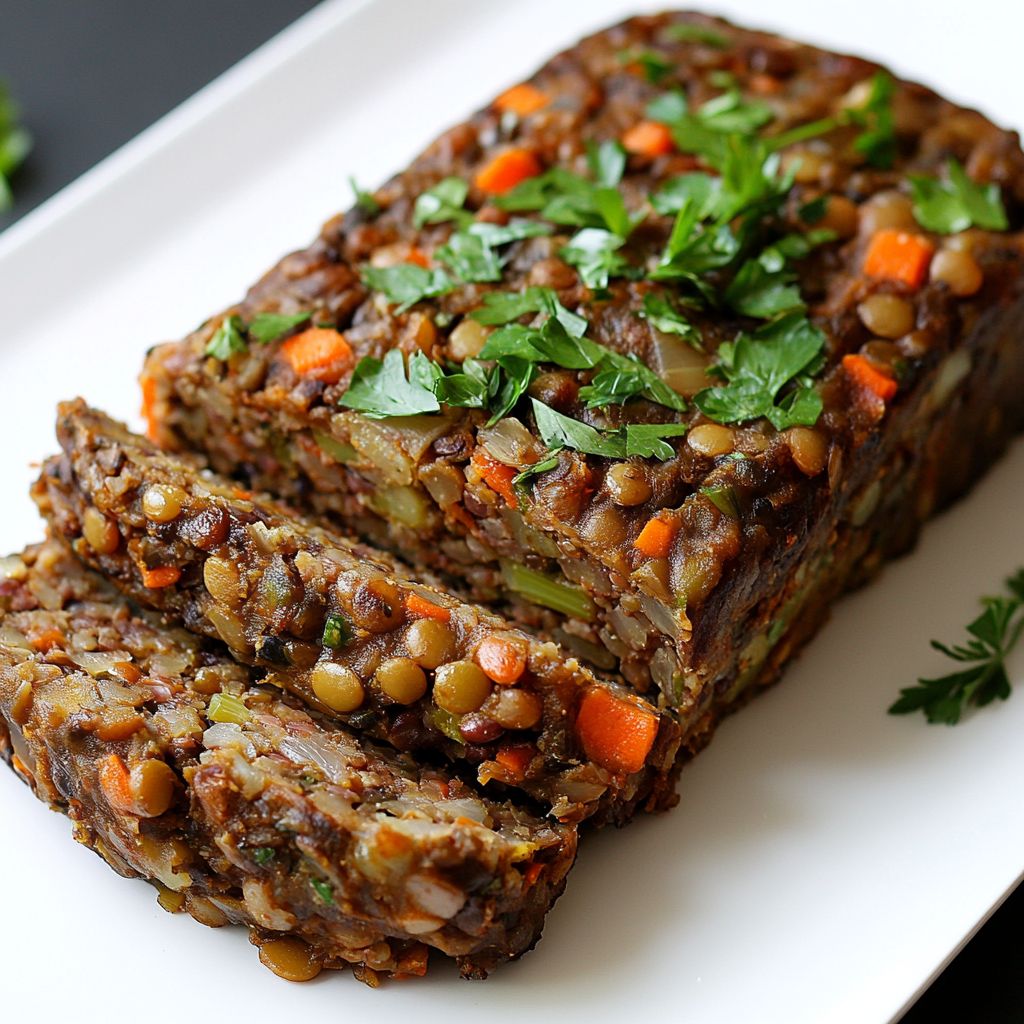
For optimal results, roast them until they are golden brown and crispy, checking them periodically to prevent burning. Enjoy these flavorful fries fresh out of the oven for the best texture, but they can also be stored in the refrigerator and reheated for later snacking. Pair them with your favorite dipping sauce for a satisfying treat!

Tips

  • Preparation Tips: Ensuring your carrots and parsnips are cut into uniform sizes is key for even cooking. This helps them roast evenly, giving you that perfect crispy texture on every fry. Consider using a mandoline slicer for consistent thickness.
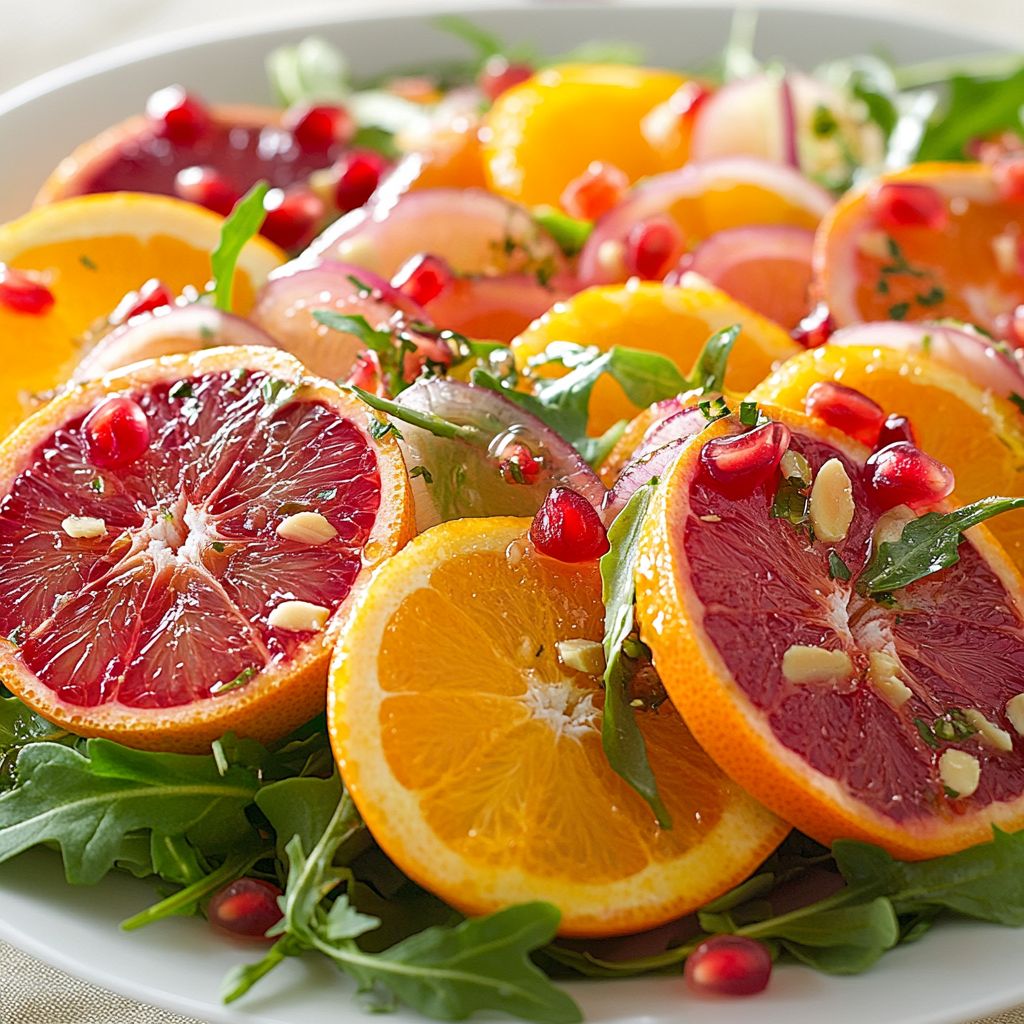
  • Roasting Technique: Preheat your oven to a high temperature, around 425°F (220°C). A hot oven is essential for achieving that crispy outer texture. Make sure to spread the fries out in a single layer on the baking sheet—overcrowding can cause steaming, which prevents crispiness.
  • Coating for Crispiness: When tossing the vegetables with olive oil, make sure each fry is lightly coated. Too much oil can lead to soggy fries. A helpful tip is to use just enough oil to make a thin film over the vegetables—this will promote browning and crispiness.
  • Seasoning Recommendations: For best flavor, season the fries before roasting. Be generous with the salt and pepper, as this will enhance the natural sweetness of the carrots and parsnips. Taste test after baking and adjust if necessary.
  • Flavor Enhancements: If using garlic powder, consider adding it halfway through roasting instead of at the start to avoid burning and maintaining its flavor profile. Adding fresh herbs like thyme or rosemary can elevate the dish—add them in the last 5-10 minutes of roasting for the best flavor infusion.
  • Storage and Reheating: If you have leftovers, store them in an airtight container in the refrigerator. When reheating, place them on a baking sheet in a preheated oven instead of the microwave to retain their crispiness. A quick 5-10 minute roast should do the trick!
  • Serving Suggestions: These roasted fries can serve as a fantastic side dish or a healthy snack. Pair them with dips like hummus, yogurt sauce, or your favorite condiment for added flavor. A sprinkle of fresh herbs before serving can also enhance the presentation and flavor!

FAQ

What are roasted carrot and parsnip fries?

Roasted carrot and parsnip fries are a healthier alternative to traditional potato fries, made by slicing carrots and parsnips into thin strips, seasoning them, and roasting until crispy.

How do I prepare the carrots and parsnips for roasting?

Begin by peeling the carrots and parsnips, then cut them into evenly sized sticks to ensure they cook uniformly. Aim for similar thickness to achieve an even crispiness.

What seasonings can I use for roasted carrot and parsnip fries?

You can use a variety of seasonings, such as olive oil, salt, pepper, garlic powder, paprika, or even fresh herbs like rosemary or thyme for added flavor.

What temperature should I roast the fries at?

Preheat your oven to 425°F (220°C) for optimal roasting. This higher temperature helps achieve a crispy exterior while keeping the inside tender.

How long should I roast the carrot and parsnip fries?

Roast the fries for about 25-30 minutes, flipping them halfway through to ensure even cooking and browning.

Can I make roasted carrot and parsnip fries in an air fryer?

Yes, you can! To air fry, cook them at 400°F (200°C) for about 15-20 minutes, shaking the basket halfway through for even crispiness.

Are roasted carrot and parsnip fries suitable for a vegan diet?

Absolutely! This recipe is naturally vegan, as it only includes vegetables and seasonings, making it a great option for plant-based diets.

What can I serve with roasted carrot and parsnip fries?

These fries pair wonderfully with dips like hummus or aioli, and make a great side dish for burgers, grilled vegetables, or salads.

Introduction / Hook

A Burst of Sunshine: Winter Citrus Salad

Imagine a crisp, colorful blend of nature’s most vibrant offerings, bursting with flavor and refreshing zest. Introducing the Winter Citrus Salad — a dish that’s as visually striking as it is delightful to your palate. With each bite, you experience an awakening of taste and texture, from the sharp, tangy depth of grapefruit and oranges to the delicate crunch of fresh greens and the nutty finish of toasted almonds. This salad isn’t just a side dish; it’s an invigorating exploration of contrasting ingredients thoughtfully combined to brighten even the chilliest winter day. Whether you’re hosting a gathering or seeking comfort from the seasonal slump, this Winter Citrus Salad is your perfect partner, a genuine ray of sunshine on a cold afternoon.

The Story Behind the Dish

The Winter Citrus Salad boasts a history as flavorful as its ingredients. Citrus fruits have long been cultivated in regions around the Mediterranean, where the warm climates allow for vibrant growth even during the cooler months. In parts of Italy, Spain, and North Africa, citrus trees laden with fruit become symbols of resilience and abundance against winter’s harsh grip. The salad itself finds its roots in seasonal eating, a practice cherished by cultures that value using what’s fresh and available at different times of the year. Historically, this meant a reliance on citrus fruits in winter, bringing brightness and essential vitamins to the table during times when other fresh produce was scarce.

Over the centuries, this practice evolved, blending Mediterranean influences with modern culinary trends to create variations like the Winter Citrus Salad. Today, this dish is cherished not only for its health benefits and taste but also for its cultural richness, representing a marriage of tradition and modernity. With each preparation, it tells stories of warmth, nourishment, and a celebration of seasonal bounty.

Why You’ll Love This Recipe

  • Bright and Refreshing: Every bite offers a symphony of flavors, from the piquant citrus to the soothing greens.
  • Health Boost: Packed with Vitamin C, fiber, and antioxidants, it’s a wholesome addition to any meal.
  • Visual Appeal: The vibrant hues of citrus slices are not only attractive but also uplifting during dreary winter days.
  • Simplicity Meets Sophistication: Easy to prepare yet elegant enough for special occasions.
  • Versatile: Can be adapted with various toppings or served alongside numerous entrees.

Flavor Profile & Texture

The Winter Citrus Salad is a testament to the saying that contrasts create harmony. Dominated by the zesty, juicy citrus fruits, the flavor profile is energetic and awakening. Oranges deliver sweetness with a hint of acidity, while pink grapefruit offers a sharper, more textured citrus note. Combined, they create a vibrant top note that’s softened and rounded out by the mellow bitterness of fresh greens like arugula or spinach.

The texture is another dimension altogether. Each forkful is an intriguing play of contrasts: the smooth, juicy burst of citrus meat combines with the delicate crackle of sliced almonds or seeds. A possible drizzle of honey or a light vinaigrette introduces a silky texture, enveloping the ingredients in a subtle, sweet tang. With every mouthful, the salad transports you to a sun-dappled orchard, even in the heart of winter.

Occasions & Pairings

This salad is as versatile as it is delicious. It’s the perfect starter for a holiday meal, bringing brightness and an open palette to a festive menu. It’s equally at home on a casual weeknight dinner table or as part of a weekend brunch spread.

As for pairings, consider serving it alongside roasted meats, particularly poultry or pork, where its crisp texture and zesty notes can cut through richness. For a lighter meal, enjoy it with toasted rustic bread and a selection of cheeses. When it comes to beverages, a chilled glass of crisp white wine, prosecco, or a citrus-infused iced tea complements the salad wonderfully.

Tips, Variations & Substitutions

The beauty of the Winter Citrus Salad lies in its flexibility. Here are some ideas to customize it to your liking:

  • Change Your Greens: Swap out arugula for spinach or mixed salad greens for a varied texture and taste.
  • Nuts and Seeds: Toasted almonds elevate this salad, but pistachios or sunflower seeds also work excellently.
  • Dress It Up: Try a creamy avocado or yogurt-based dressing for a more luxuriant feel.
  • Diversify Citrus: Add blood oranges or even segments of clementines for a sweeter note.
  • Dietary Needs: For a vegan option, ensure the dressing is plant-based, and for a nut-free salad, simply exclude the almonds or use seeds instead.

Storage & Make-Ahead Ideas

The Winter Citrus Salad is best enjoyed fresh to preserve the integrity of its crisp ingredients. However, you can prepare it a few hours in advance if you’re planning a get-together. Simply store the citrus slices and greens separately, assembling them just before serving to prevent wilting.

If storing leftovers, keep the salad in an airtight container in the refrigerator for up to two days. Be sure to remove the peel from citrus segments, as this prevents any bitter flavors from developing. Avoid adding dressing until you’re ready to eat, as this ensures the greens remain fresh and not soggy.

For those who like to plan ahead, consider cutting the citrus slices the night before and storing them chilled, so everything comes together quickly when it’s time to serve.

Fun Facts & Trivia

Did you know that citrus fruits were once considered luxury items? In the 15th Century, sailors carried them on long voyages to prevent scurvy, a disease caused by a lack of Vitamin C. Today, while readily available, they remain a cherished symbol of good health and prosperity.

Another interesting tidbit: beyond their nutritional prowess, citrus fruits also played a role in art and symbolism, often depicted in paintings as signs of wealth and opulence.

The Winter Citrus Salad is more than a dish; it’s a bridge to a rich tapestry of history and tradition, inviting everyone to enjoy a slice of the sun, even in the depths of winter.

Ingredients

  • Mixed Greens
    → A combination of baby spinach, arugula, and mesclun greens forms the base of the salad, providing a fresh, crisp texture and vibrant color. Rinse the greens thoroughly and spin dry to avoid adding excess water to the salad. Choose organic greens when possible for the best flavor and to avoid pesticides.
  • 2 oranges (peeled and segmented)
    → Oranges add a burst of sweetness and juiciness to the salad, balancing the bitterness of the greens. Peel the oranges completely and segment them to remove any membranes for a clean, easy-to-eat addition. Choose juicy, ripe oranges for optimal flavor, and consider using a mix of blood oranges and navel oranges for added color.
  • 1 grapefruit (peeled and segmented)
    → Grapefruit introduces a tart, zesty contrast that enhances the salad’s flavor profile. Similar to the oranges, ensure to fully peel and segment the grapefruit, discarding any bitter pith. Use ruby red grapefruit for a sweeter taste, and be careful while slicing to retain the juice.
  • 1 small fennel bulb (thinly sliced)
    → Fennel adds a unique anise flavor and a crunchy texture to the salad. Trim the fennel bulb and slice it thinly using a mandoline for uniform pieces. Include fronds for garnish to enhance both visual appeal and flavor. Fennel can be somewhat strong, so adjust the quantity to taste.
  • 1/4 cup pomegranate seeds
    → Pomegranate seeds provide a pop of color and a sweet, tart flavor, as well as a delightful crunch. Use fresh pomegranate seeds for the best taste, and consider gently pressing the pomegranate to loosen the seeds before removing them. If using a whole pomegranate, cut it in half and tap the back with a wooden spoon to release the seeds easily.
  • 1/4 cup sliced almonds (toasted)
    → Toasted almonds offer a nutty flavor and additional crunch, complementing the other textures in the salad. Toast the almonds in a dry skillet over medium heat, stirring frequently, until golden brown and fragrant. This step enhances their flavor and makes them extra crunchy. Be careful not to burn them, as they can char quickly.
  • Dressing
    → A light citrus vinaigrette perfectly complements the fresh ingredients in this salad.
  • 1/4 cup extra virgin olive oil
    → Olive oil provides a rich, silky base for the dressing and melds all the flavors together. Use high-quality extra virgin olive oil for the best taste. It should be at room temperature to ensure it emulsifies well with the vinegar.
  • 1 tablespoon honey or maple syrup
    → Honey or maple syrup adds a touch of natural sweetness to balance the acidity of the citrus. If using honey, consider warming it slightly to make it easier to whisk into the dressing. Maple syrup is a great vegan alternative and adds a different flavor profile.
  • 2 tablespoons apple cider vinegar
    → Apple cider vinegar provides tanginess that enhances the salad’s overall flavor. Use good quality, unfiltered apple cider vinegar for the best taste. Adjust the amount to your palate; some may prefer a zestier dressing.
  • Salt and pepper to taste
    → Seasoning with salt and fresh ground pepper will elevate the flavors of the salad. Start with a small pinch of salt and a few cracks of pepper, then adjust as needed according to your taste preferences.

Instructions

  • Prepare your ingredients by ensuring everything is fresh and clean.

    → This includes rinsing the mixed greens, oranges, grapefruit, fennel, and almonds. Handling fresh ingredients ensures a better taste and presentation in the final dish.
  • Rinse the mixed greens thoroughly under cold water and spin dry using a salad spinner.

    → This step removes any dirt or pesticides left on the greens and helps maintain their crispness by preventing excess water from diluting the salad dressing.
  • Peel the oranges using a sharp knife, ensuring to remove all the white pith.

    → The pith can be bitter, so be thorough in your peeling; this will allow for sweet and juicier segments that enhance the overall flavor of the salad.
  • Segment the oranges by cutting between the membranes with a knife to release the individual sections.

    → This technique not only makes the segments easy to eat but also visually appealing and clean in presentation.
  • Peel the grapefruit and segment it in the same manner as the oranges.

    → This adds a burst of tartness to the salad and balances the sweetness from the oranges, creating a well-rounded flavor profile.
  • Trim the fennel bulb by removing the stalks and cutting off the bottom root section.

    → This ensures that only the tender, edible parts of the bulb are used in the salad, enhancing its texture and flavor.
  • Thinly slice the fennel using a sharp knife or a mandoline for uniform slices.

    → Even slices offer a consistent crunch throughout the salad and allow for an even distribution of flavor and texture.
  • Prepare the pomegranate seeds by either using fresh seeds or tapping a halved pomegranate on the back to release the seeds.

    → Fresh seeds provide better flavor and texture; this technique minimizes mess and maximizes seed release, allowing you to add a pop of color to the salad.
  • Toast the sliced almonds in a dry skillet over medium heat, stirring frequently until they turn golden brown.

    → Toasting enhances the natural oils, flavors, and crunchiness of the nuts; keep an eye on them to prevent burning, as they can get charred quickly.
  • In a medium bowl, prepare the dressing by combining the extra virgin olive oil, honey (or maple syrup), and apple cider vinegar.

    → Whisking these ingredients together creates an emulsion that will coat your salad evenly, providing a balance of flavors in every bite.
  • Adjust the sweetness of the dressing by adding honey or maple syrup to taste, and then season with salt and pepper.

    → Tasting the dressing before adding it to the salad ensures it meets your flavor preference; always start with less salt and pepper, and adjust as needed.
  • In a large salad bowl, combine the mixed greens, orange segments, grapefruit segments, sliced fennel, pomegranate seeds, and toasted almonds.

    → Gently toss them together to ensure even distribution of ingredients without crushing the delicate greens or fruit.
  • Drizzle the prepared dressing over the salad just before serving, and toss lightly to coat.

    → This prevents the greens from wilting, helping maintain their freshness and crunch while ensuring every ingredient is flavored adequately.
  • Serve immediately on chilled plates to enhance the freshness of the salad.

    → Chilled serving dishes keep the salad crisp longer and provide a refreshing experience with each bite.

Notes

This Winter Citrus Salad is a refreshing and vibrant dish that combines the brightness of seasonal fruits with the crispness of mixed greens. The use of both oranges and grapefruit introduces a delightful mix of sweetness and tartness, while the fennel adds a unique anise flavor and crunchy texture that beautifully contrasts the softness of the fruits. The addition of pomegranate seeds and toasted almonds not only offers a pop of color but also a satisfying crunch.

When preparing this salad, your choice of mixed greens is essential for achieving a well-balanced base. Ensure they are washed and dried properly to keep the salad crisp and fresh. For the citrus fruits, using a variety will enhance both flavor and visual appeal; consider mixing different types of oranges and grapefruits for diverse tastes and colors.

As for the dressing, a light citrus vinaigrette made with high-quality extra virgin olive oil, apple cider vinegar, and a touch of sweetness from honey or maple syrup perfectly accents the fresh ingredients. Make sure to taste and adjust seasoning with salt and pepper for the best flavor. Whisking the ingredients together until well combined ensures a smooth and well-emulsified dressing.

This salad is not only beautiful but also nutritious, making it an excellent option for holiday gatherings or as a refreshing side at any meal. You can make it ahead of time by preparing the ingredients separately and assembling it just before serving to keep everything fresh and crisp. Enjoy this delightful Winter Citrus Salad as a standout dish that captures the essence of the season!

Tips

Tips for Preparing Winter Citrus Salad

  • Greens Preparation: Ensure you wash the mixed greens thoroughly, and using a salad spinner is ideal to remove excess moisture. Wet greens can dilute the dressing and make the salad soggy.
  • Optimal Citrus Segmentation: To easily peel and segment oranges and grapefruit, use a sharp knife and cut off the top and bottom ends first. Then, slice down the sides to remove the peel and pith. For segmenting, carefully cut between the membranes for clean sections.
  • Fennel Slicing Techniques: When slicing the fennel, a mandoline creates perfectly uniform slices, which enhances the salad’s presentation. If you don’t have a mandoline, a sharp knife will work as well; just try to keep the slices as thin as possible.
  • Pomegranate Preparation: If you’re using a whole pomegranate, cut it in half horizontally to easily remove the seeds. Hold it over a bowl and tap the back with a wooden spoon, letting the seeds fall into the bowl, minimizing mess and maximizing yield.
  • Toasting Almonds: Toasting sliced almonds enhances their flavor significantly. Keep an eye on them as they can burn quickly; stir them frequently for even toasting. Once they’re golden and fragrant, transfer them immediately to a plate to prevent further cooking.
  • Dressing Emulsification: When making the dressing, start by whisking the vinegar and honey (or maple syrup) together before gradually adding the olive oil. Whisking continuously helps to emulsify the mixture, resulting in a smooth dressing.
  • Adjusting Flavor: Taste the dressing before adding it to your salad. You might like a bit more acidity or sweetness depending on personal preference. Don’t be afraid to adjust the vinegar or honey to find the perfect balance.
  • Serving Suggestions: This salad is best served immediately after dressing to ensure the greens remain crisp. If you’re preparing it in advance, consider storing the dressing separately and tossing just before serving.

FAQ

What ingredients are needed for a Winter Citrus Salad?

The main ingredients for a Winter Citrus Salad typically include various citrus fruits like oranges, grapefruits, and tangerines, along with leafy greens, avocado, nuts, and a light vinaigrette dressing.

How do I prepare the citrus fruits for the salad?

To prepare the citrus fruits, peel them and remove the pith. Segment the fruits using a knife to cut between the membranes, allowing the juicy segments to separate easily.

Can I use any type of greens for this salad?

Yes, you can use a variety of greens such as arugula, spinach, or mixed salad greens. Choose the type of greens based on your personal preference and availability.

What nuts are best for adding crunch to the Winter Citrus Salad?

Good choices for nuts include toasted almonds, walnuts, or pistachios. These add a nice crunch and complimentary flavor to the citrus fruits.

Is there a recommended dressing for this salad?

A simple vinaigrette made with olive oil, lemon juice, honey, salt, and pepper works well. You can also experiment with flavored oils or balsamic vinegar for added depth.

Can I make this salad ahead of time?

It’s best to assemble the salad shortly before serving to keep the greens fresh and prevent them from wilting. However, you can prepare the citrus fruits and dressing in advance.

Is Winter Citrus Salad suitable for a gluten-free diet?

Yes, Winter Citrus Salad is naturally gluten-free. Just be sure to check any store-bought dressings or toppings to ensure they do not contain gluten.

What can I add to make this salad heartier?

To make the salad heartier, you can add protein sources such as grilled chicken, shrimp, chickpeas, or quinoa. These additions will make it a complete meal.