Author

Ocean Nightleaf

Browsing

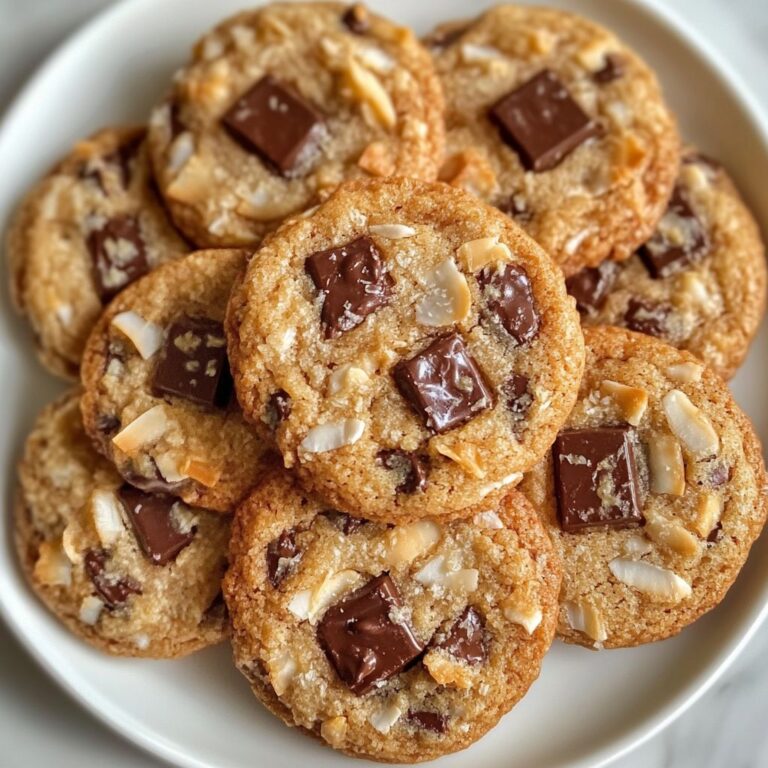
Introduction: Indulge in the Irresistible Charm of Chocolate Coconut Chunk Cookies

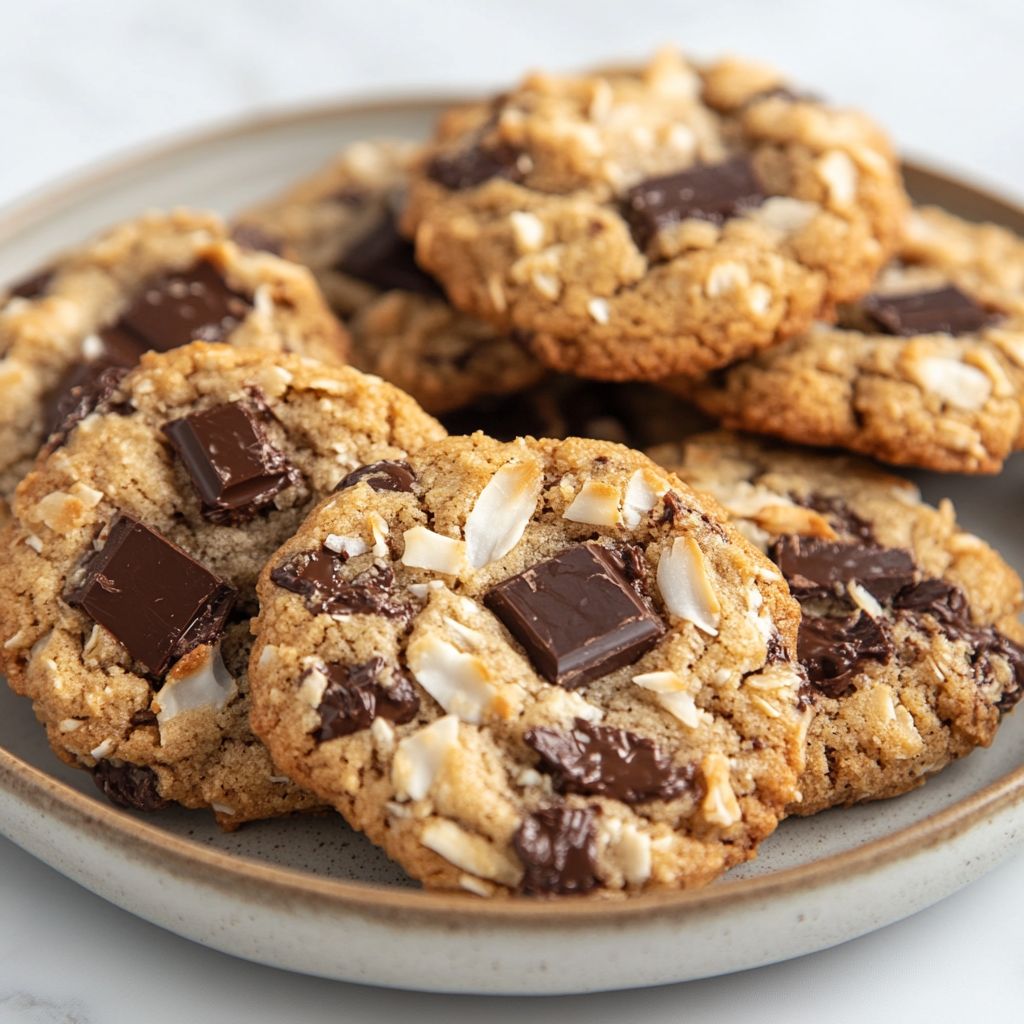
Imagine the soft, sweet melody of coconut intertwined with the rich, deep notes of chocolate dancing on your taste buds. Chocolate Coconut Chunk Cookies are more than just a treat—they’re a symphony of flavors bringing together the luxurious depth of chocolate with the tropical hint of coconut, all bound together in a soft, chewy cookie. These cookies are the ultimate dessert to uplift your mood, satisfy your sweet tooth, and make any moment special. Whether you’re enjoying them straight from the oven while they’re still warm and gooey, or as a deliciously indulgent snack in the middle of the day, they are guaranteed to delight your senses.

The Story Behind the Dish: A Sweet Fusion of Flavors

The origins of cookies as a dessert trace back millennia, but the delightful fusion that is the Chocolate Coconut Chunk Cookie is a relatively modern invention, born at the intersection of cultures and culinary innovation. The inspiration behind these cookies springs from the American love affair with chocolate chip cookies, introduced by Ruth Wakefield in the 1930s, combined with the tropical allure of coconut, a staple in many tropical cuisines around the world.

Coconut has been treasured for centuries, especially in Southeast Asian and Caribbean cooking, where its natural sweetness and creaminess have been used in both sweet and savory dishes. Pairing it with chocolate, a delight discovered by the Mesoamericans and later embraced globally, brings a delightful balance of earthiness and sweetness, making every bite of these cookies an experience worth savoring.

Why You’ll Love This Recipe

  • Easy to Make: These cookies require simple ingredients and a straightforward process perfect for even novice bakers.
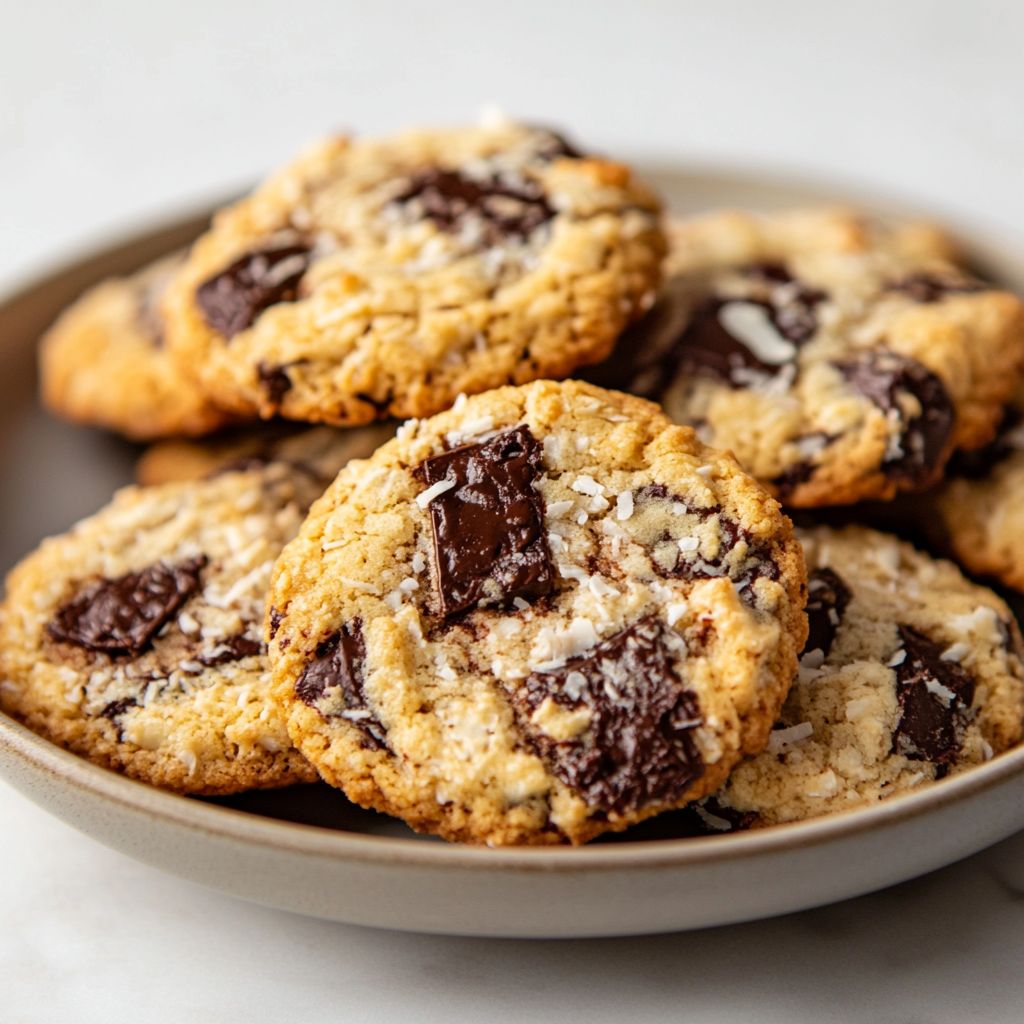
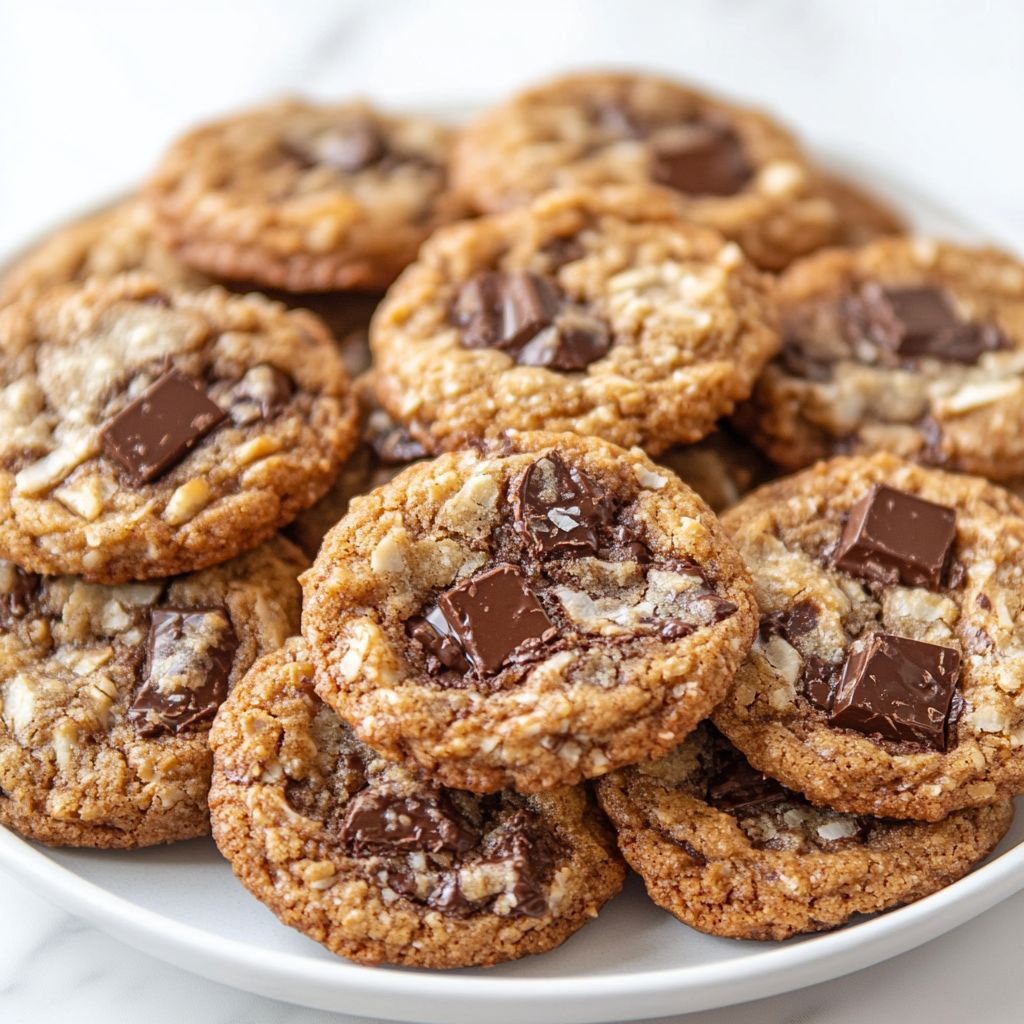
  • Rich and Chewy Texture: Each cookie offers a perfect combination of a chewy bite with a slightly crispy exterior.
  • Perfect for All Occasions: Whether it’s a family gathering, a bake sale, or just a rich dessert after dinner, these cookies fit any scenario.
  • Customizable: Adapt the recipe to suit dietary preferences or simply to try new flavor combinations (more on this below).
  • Comforting and Nostalgic: The combination of chocolate and coconut plays on familiar tastes while providing a unique twist.

Flavor Profile & Texture: A Dance of Chocolate and Coconut

The magic of the Chocolate Coconut Chunk Cookie lies in its unique flavor profile. The deep, rich taste of semi-sweet chocolate chunks punctuates every bite, melting smoothly as you chew. The coconut adds a contrasting sweetness and lightness, offering an almost caramel-like flavor that seamlessly blends with the chocolate to create a harmoniously balanced taste.

The texture is equally appealing; a perfect bite consists of a slightly crisp edge that gives way to a soft, cakey center. As you bite into a cookie, the chunks of chocolate might still be melting, infusing each mouthful with their indulgent depth. The coconut, often toasted slightly during baking, adds a subtle crunch and a pleasing contrast to the overall chewiness of the cookie.

Occasions & Pairings: The Versatile Delight

Chocolate Coconut Chunk Cookies are exceedingly versatile and can be served at virtually any occasion. Bake a batch for a weekend treat with family or bring them to holiday gatherings and watch them disappear. They’re a crowd-pleaser at parties and ideal for filling up a cookie platter.

Pair these cookies with a creamy glass of cold milk or a rich hot chocolate for a true indulgence. Alternatively, they make an excellent complement to a scoop of vanilla or coconut ice cream. For beverage pairings, look no further than a robust coffee or a chai latte, both of which enhance the chocolatey notes while balancing the coconut’s sweetness.

Tips, Variations & Substitutions: Crafting Your Perfect Cookie

Creative Variations

  • Nutritional Boost: Add chopped nuts like almonds or pecans for an added crunch and a nutritional twist.
  • Vegan Alternative: Substitute butter with coconut oil and use flaxseed meal instead of eggs for a vegan-friendly version.
  • Gluten-Free Option: Try using a 1:1 gluten-free flour blend to make these cookies suitable for gluten intolerant friends and family.
  • Adding Zest: A hint of fresh orange zest can add a bright pop of flavor that complements the chocolate and coconut beautifully.

Making it Your Own

Feel free to adjust the sugar levels to your taste, or switch out semi-sweet chocolate for dark or even white chocolate if that’s your preference! Want them less sweet? Go for unsweetened shredded coconut or swap half of the chocolate chunks with cacao nibs for a more sophisticated taste.

Storage & Make-Ahead Ideas

One of the wonderful things about these cookies is their ability to stay delectable even after baking. To store these cookies, simply place them in an airtight container at room temperature. They’ll remain fresh for up to a week, although they rarely last that long once people get a taste!

If you wish to prepare them in advance, consider freezing the uncooked dough balls on a baking sheet before transferring them to a freezer bag. This way, you can have fresh cookies anytime you’d like—just bake them straight from the freezer, adding a couple of extra minutes to the baking time. Alternatively, you can freeze the baked cookies, and reheat in the oven to refresh them.

Fun Facts & Trivia

Did you know that coconut is often referred to as the “tree of life” in many cultures? Not only is it an excellent food source, but it also has myriad uses ranging from its fiber for ropes to its wood for building materials. Similarly, chocolate has a time-honored legacy, once so prized that the Mesoamerican civilizations used cacao beans as currency. These historical tidbits add a rich tapestry to the already diverse, engaging experience of enjoying a Chocolate Coconut Chunk Cookie.

So next time you’re craving something sweet, remember that these cookies are not just a treat for the taste buds but also a slice of history and culture, all wrapped up in one delicious bite. Sink your teeth into one, and let the flavors take you on a journey from aromatic coconut groves to lush chocolate plantations. Savor the decadence—because every cookie is a mini celebration of delicious synergy.
Ingredients

  • Cookie Base
    • 1 cup unsalted butter (softened)
      → Softened butter is crucial as it helps create a creamy texture when mixed with sugars. Ensure the butter is at room temperature so that it combines seamlessly with the other ingredients, resulting in a rich, flavorful cookie dough.
    • 1 cup brown sugar (packed)
      → Brown sugar adds moisture and a rich flavor due to its molasses content. Pack it firmly into the measuring cup to get an accurate measurement, as this will ensure the cookies maintain their chewy texture.
    • 1/2 cup granulated sugar
      → Granulated sugar is essential for sweetness and helps to achieve a crisp exterior. Using a combination of sugars creates a balanced flavor profile and texture in the cookies.
    • 2 large eggs
      → Eggs provide structure and moisture to the cookie dough. Use eggs at room temperature to ensure even mixing and better incorporation of the ingredients. This will yield a more uniform texture in the baked cookies.
    • 1 teaspoon pure vanilla extract
      → Pure vanilla extract enhances the overall flavor of the cookies. It’s recommended to use pure extract over imitation for a more authentic and aromatic taste, contributing to the deliciousness of the final product.
    • 2 cups all-purpose flour
      → This provides the structure and body of the dough. For best results, measure the flour using the spoon-and-level method rather than scooping directly with the measuring cup, which can lead to excess flour and dense cookies.
    • 1/2 teaspoon baking soda
      → Baking soda acts as a leavening agent, helping the cookies rise and create a tender texture. Make sure it’s fresh for optimal effectiveness, and mix it well with the dry ingredients to ensure even distribution throughout the dough.
    • 1/4 teaspoon salt
      → Salt balances out the sweetness and enhances the flavors in the cookies. Use fine sea salt for an even distribution without grittiness, ensuring that every bite is well-seasoned.
  • Chocolate and Coconut Add-ins
    • 1 cup semisweet chocolate chunks
      → Chocolate chunks add rich, melty pockets of chocolate throughout the cookies. Use high-quality chocolate for the best flavor. Consider chopping a chocolate bar into chunks for a rustic look and varied texture.
    • 1 cup shredded coconut (unsweetened)
      → Shredded coconut adds a delightful chewiness and a tropical flavor. Use unsweetened coconut for a less sugary cookie and to prevent overpowering the other flavors. Toasting the coconut slightly before adding it to the dough can enhance its natural flavor.

Instructions

  • Preheat your oven to 350°F (175°C) and line a baking sheet with parchment paper.

    → Preheating ensures that the cookies start baking immediately once placed in the oven, resulting in an even bake and a desirable texture. The parchment paper prevents sticking and allows for easy cleanup.
  • In a large mixing bowl, beat 1 cup of softened unsalted butter with 1 cup of packed brown sugar and 1/2 cup of granulated sugar using an electric mixer on medium speed until the mixture is creamy and light in color.

    → Creaming the butter and sugars incorporates air, which is essential for a light cookie. This process also dissolves the sugars, contributing to the cookie’s overall flavor and texture.
  • Add 2 large eggs, one at a time, to the butter and sugar mixture, mixing on low speed until each egg is fully incorporated before adding the next.

    → This gradual addition of eggs helps to emulsify the mixture, ensuring a uniform texture throughout the dough. Room temperature eggs blend better with the butter, creating a smooth batter.
  • Mix in 1 teaspoon of pure vanilla extract until evenly distributed.

    → The vanilla extract adds depth and warmth to the flavor profile of the cookies. Real extract has a more complex flavor than imitation versions, enhancing the overall taste of your cookies.
  • In a separate bowl, whisk together 2 cups of all-purpose flour, 1/2 teaspoon of baking soda, and 1/4 teaspoon of salt to combine the dry ingredients.

    → Whisking aerates the flour and evenly distributes the baking soda and salt, preventing any clumping when they are added to the wet ingredients. This step is crucial to ensure a consistent flavor and rise in the cookies.
  • Gradually add the dry mixture to the wet mixture, mixing on low speed until just combined.

    → Mixing at a low speed prevents overworking the dough, which can lead to tough cookies. Only mixing until combined ensures that the ingredients are evenly distributed while maintaining a tender texture.
  • Fold in 1 cup of semisweet chocolate chunks and 1 cup of unsweetened shredded coconut using a spatula or wooden spoon until evenly distributed throughout the dough.

    → Folding gently preserves the airiness of the dough while incorporating the chocolate and coconut. Ensure an even distribution so that each cookie gets some chocolate and coconut, enhancing the overall flavor.
  • Using a cookie scoop or tablespoon, drop rounded tablespoonfuls of dough onto the prepared baking sheet, spacing them about 2 inches apart.

    → Proper spacing allows for even baking and prevents the cookies from merging together. Aim for a generous scoop size to achieve a thick and chewy cookie.
  • Bake the cookies in the preheated oven for 10-12 minutes or until the edges are lightly golden, and the centers look soft but set.

    → The baking time can vary, so checking for doneness is important. The cookies will continue to cook slightly after removal, resulting in a chewy center with crisp edges.
  • Remove the baking sheet from the oven and let the cookies cool on the sheet for about 5 minutes before transferring them to a wire rack to cool completely.

    → Allowing cookies to cool slightly on the baking sheet helps them firm up and makes them easier to transfer without breaking. The wire rack aids in even cooling, preventing sogginess from steam.
  • Enjoy your freshly baked Chocolate Coconut Chunk Cookies with a glass of milk or your favorite beverage!

    → The combination of crispy edges and soft centers, along with the melty chocolate and chewy coconut, creates a delightful treat that is perfect for any occasion.
Notes

These Chocolate Coconut Chunk Cookies are a delightful treat that brings together the rich flavors of chocolate and the tropical essence of coconut. The combination of brown and granulated sugars creates a perfect balance of sweetness while ensuring a chewy texture. Always remember to use softened butter to achieve a creamy cookie dough, as this is key to their deliciousness. The use of both semisweet chocolate chunks and unsweetened shredded coconut not only adds flavor but also contributes to a wonderful texture.

When measuring your flour, it’s essential to use the spoon-and-level method to avoid dense cookies. Don’t forget to use room temperature eggs; they mix better and help create a more uniform dough. Ensure your baking soda is fresh for the best rise. You can also customize these cookies with additional add-ins like nuts or other types of chocolate to suit your taste.

These cookies can be stored in an airtight container for several days, and they also freeze beautifully, making them a great option for meal prep or unexpected guests. For an extra touch, consider drizzling them with melted chocolate or adding a pinch of sea salt on top right before they cool for a gourmet finish.
Tips

  • Preparation Tips:
    • Before starting, gather all your ingredients and measuring tools. This will streamline the cooking process and ensure you don’t miss any components.
    • Preheat your oven to 350°F (175°C) before mixing the dough so it’s hot and ready to go as soon as you finish mixing.
    • When softening the butter, you can cut it into small pieces and let it sit out for about 15-20 minutes. Alternatively, microwave it in short bursts of 10 seconds to bring it to room temperature without melting.
  • Mixing Tips:
    • When creaming the butter and sugars, beat them together for at least 3-5 minutes until the mixture is light and fluffy. This process incorporates air, which is essential for a light texture in the cookies.
    • Add the eggs one at a time, mixing well after each addition to ensure they are fully incorporated into the batter.
    • When adding the dry ingredients (flour, baking soda, and salt), mix them in just until combined. Over-mixing can lead to tougher cookies due to gluten development.
  • Baking Tips:
    • Use parchment paper or a silicone baking mat on your baking sheets to prevent sticking and promote even cooking.
    • Bake the cookies in the center of the oven for even heat distribution. If baking multiple trays, rotate them halfway through for consistent results.
    • Check cookies for doneness around the 10-minute mark. They should be lightly golden around the edges but soft in the center, as they will continue to set while cooling.
  • Storage Tips:
    • Store the cookies in an airtight container at room temperature for up to a week. For longer storage, consider freezing them. Place layers of parchment paper between the cookies to prevent sticking.
    • If you prefer warm cookies throughout the week, heat them in the microwave for a few seconds before enjoying to revive their freshness.

FAQ

What are Chocolate Coconut Chunk Cookies?

Chocolate Coconut Chunk Cookies are delicious, chewy cookies made with chocolate chunks and shredded coconut, providing a perfect blend of flavors and textures in each bite.

What ingredients do I need to make Chocolate Coconut Chunk Cookies?

You will need the following ingredients: all-purpose flour, baking soda, salt, unsalted butter, brown sugar, granulated sugar, vanilla extract, eggs, shredded coconut, and chocolate chunks.

Can I use sweetened or unsweetened coconut in the recipe?

You can use either type of coconut, but sweetened coconut will add extra sweetness to the cookies. Unsweetened coconut is a healthier option if you prefer less sugar.

How do I store the Chocolate Coconut Chunk Cookies?

Store the cookies in an airtight container at room temperature for up to one week or freeze them for longer storage. Make sure to separate layers with parchment paper if stacking.

Can I substitute the chocolate chunks with chocolate chips?

Yes, you can substitute chocolate chunks with chocolate chips. Both will give a similar chocolate flavor, though chunks may provide a slightly different texture.

Are these cookies suitable for gluten-free diets?

To make these cookies gluten-free, use a gluten-free all-purpose flour blend instead of regular flour. Ensure that the other ingredients are also certified gluten-free.

How long does it take to bake Chocolate Coconut Chunk Cookies?

The cookies typically take about 10-12 minutes to bake in a preheated oven at 350°F (175°C). Keep an eye on them as baking times may vary depending on your oven.

Can I add nuts to the Chocolate Coconut Chunk Cookies?

Yes, you can add nuts such as chopped walnuts or pecans for added texture and flavor. Just be sure to adjust the quantity of chocolate chunks accordingly to keep a balanced recipe.
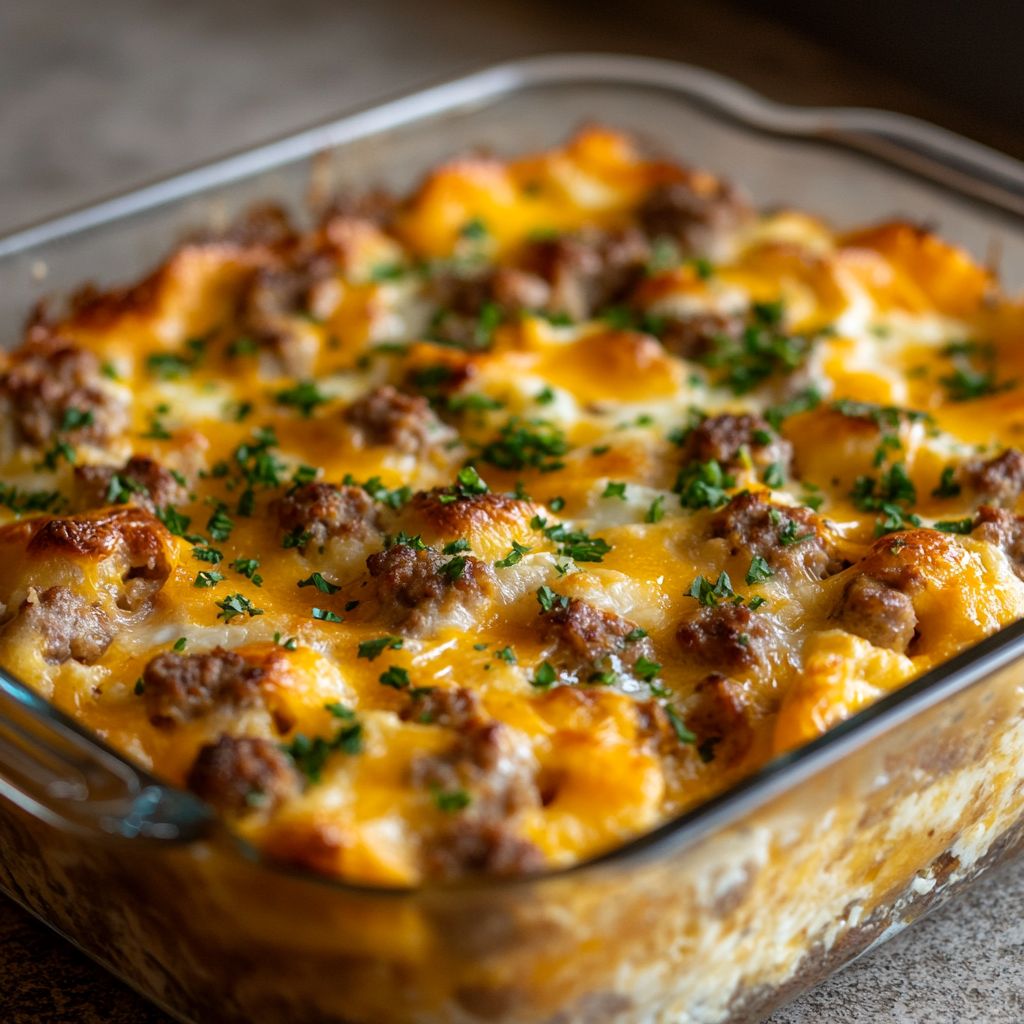
Introduction: A Cozy Hug in a Dish

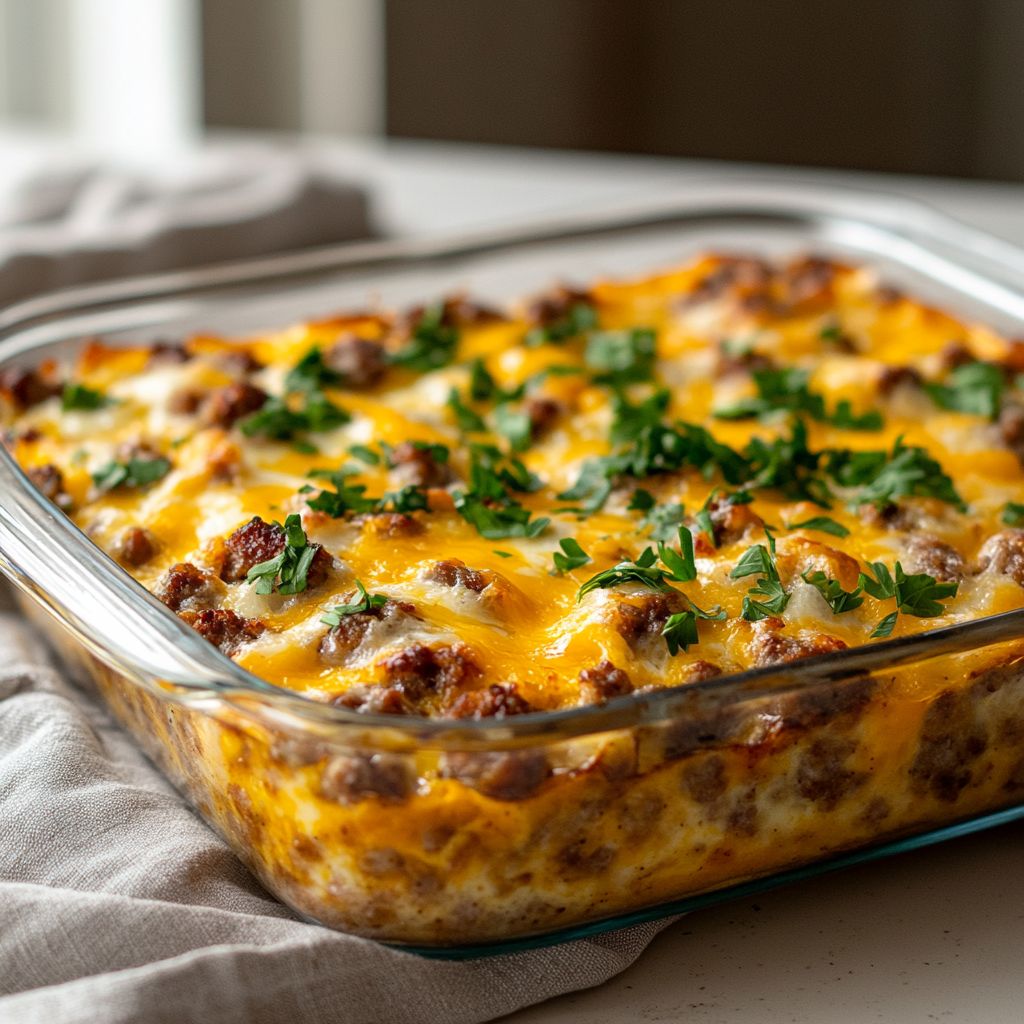
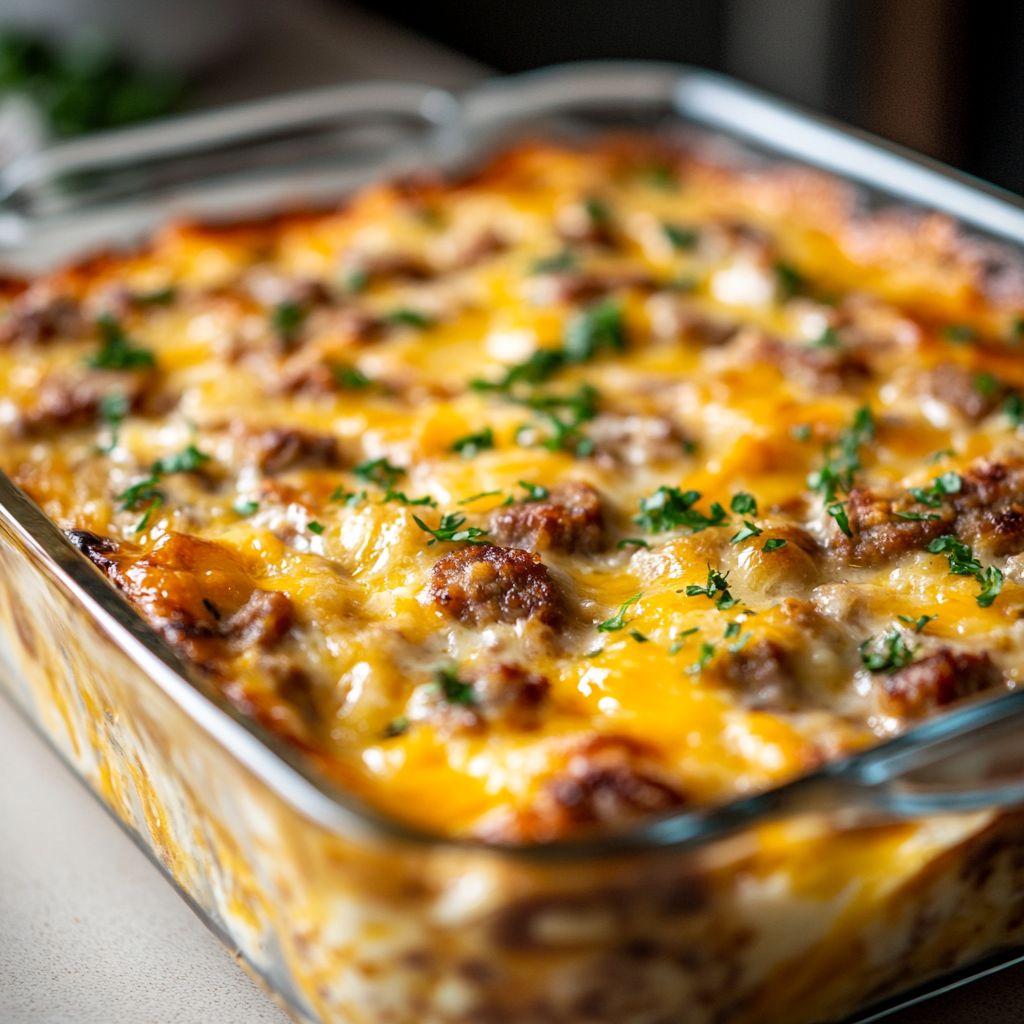
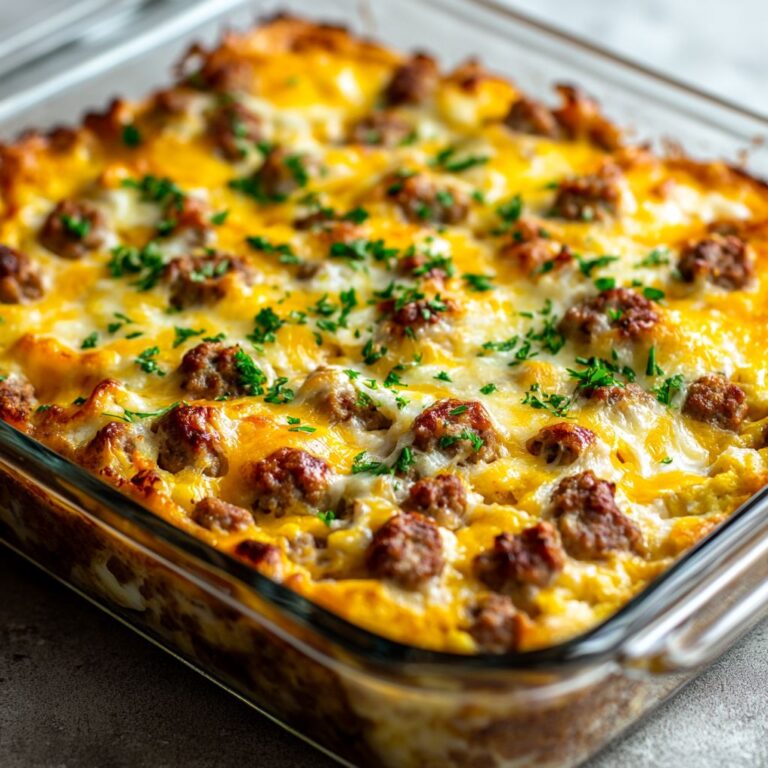
Imagine waking up on a crisp, lazy Sunday morning to the aroma of sizzling sausage melding with the comforting scent of eggs slowly baking in the oven. This Sausage and Egg Casserole is more than just a breakfast dish; it’s an experience. Offering a symphony of flavors wrapped in a blanket of heartwarming familiarity, this casserole is like a morning hug in a dish. With each bite, you are greeted by the savory richness of seasoned sausage, the creamy texture of perfectly baked eggs, and the subtle, yet delightful crunch of golden brown edges. By the time it reaches your taste buds, this dish has already filled your home with warmth and a sense of coziness, inviting everyone to gather around the table for a shared moment of pure culinary joy.

The Story Behind the Dish: From Humble Beginnings to Breakfast Champion

The Sausage and Egg Casserole might seem like a simple concoction, yet its roots are deeply embedded in a tradition of home cooking that finds its origins in rustic kitchens worldwide. This dish epitomizes the concept of a one-bowl meal — a principle stemming from necessity during eras when meals needed to be hearty, inexpensive, and easy to prepare. In rural America, casseroles became particularly popular during the mid-20th century when homemakers looked for innovative ways to serve nutritious meals without spending the whole day in the kitchen.

This particular variant — pairing sausage and eggs — celebrates typical breakfast staples, reformulating them into a dish that can be prepped ahead and feeds a crowd effortlessly. Every culture has its own adaptation, whether it’s mingling with regional sausages or including additional local ingredients. Its worldwide adaptability has elevated it from a simple sustenance meal to a culinary gem, cherished and celebrated in numerous households across generations.

Why You’ll Love This Recipe

  • Easy to Prepare: This is a one-dish wonder that requires minimal effort. Great for beginner cooks or those in a hurry.
  • Make-Ahead Magic: Prepare it the night before and simply pop it in the oven the next morning, making it perfect for stress-free entertaining.
  • Feeds a Crowd: Whether it’s a brunch with friends or a family breakfast, this casserole can easily satisfy a large group without needing multiples dishes.
  • Adaptable: Tailor to your taste with different sausage flavors, cheeses, or even add veggies for a potent nutritional boost.
  • Hearty and Satisfying: A slice of this casserole offers comfort, warmth, and satiety to start your day right.

Flavor Profile & Texture: A Dance of Savory Delights

Each forkful of Sausage and Egg Casserole is a delightful burst of balanced flavors and textures. The sausage contributes a spicy and savory richness, which is often enhanced by herbs and spices infusing throughout the dish. The eggs provide a creamy backdrop that holds the flavors together in a custard-like embrace. Depending on your choice of add-ons—be it cheese, onions, or bell peppers—the flavor dynamics shift from basic to complex in an instant.

Texture is another centerpiece of this dish. The softness of the eggs contrasts beautifully against the chewiness of the sausage. If baked to perfection, the edges will present a slight crispness that adds an element of intrigue with each bite.

Occasions & Pairings: Perfect for Any Gathering

The versatility of this casserole makes it suitable for a variety of occasions. It shines as a centerpiece during a weekend brunch, pairs beautifully with lighter salads for a balanced breakfast, or serves as a satisfying protein dish on holiday mornings when tradition calls for indulgence.

For beverage pairings, consider light, fresh options like orange juice or a mimosa for brunch. As an evening meal, pairing with a dry, crisp white wine or a sparkling water with citrus garnishes can elevate the dining experience.

Suitable Pairings

  • Crisp green or arugula salad with a lemon vinaigrette
  • Buttery croissants or toasted sourdough bread
  • A side of roasted seasonal vegetables
  • Fruit salads, particularly with berry and melon combinations

Tips, Variations & Substitutions

Explore the endless possibilities with variations and substitutions:

  • Vegetarian Version: Replace sausage with a plant-based alternative or a combination of mushrooms, spinach, and cheese for a meatless option.
  • Spice It Up: Add some jalapeños or red pepper flakes for a punch of heat.
  • Cheese Choices: Swap out cheddar for feta, mozzarella, or Gruyère to reinvent the casserole’s flavor profile.
  • Gluten-Free: Ensure any additions like pre-cooked potatoes or breadcrumb toppings are gluten-free friendly.

Storage & Make-Ahead Ideas

One of the standout features of the Sausage and Egg Casserole is its convenience in terms of preparation and storage. This dish is an absolute time-saver:

  • Make Ahead: Assemble the casserole the night before, cover and refrigerate. This allows flavors to meld beautifully overnight, enhancing the taste.
  • Storage: Store leftovers in the refrigerator for up to 3 days. Individual servings can also be wrapped tightly and frozen for up to 2 months, making them an excellent choice for meal prep.
  • Reheating: Reheat slices in the oven to ensure they have that fresh-baked flavor. A microwave can be used for quick heating, although it may affect the texture slightly.

Fun Facts & Trivia

The concept of a casserole, a dish where ingredients are baked together, dates back to prehistoric times when casseroles were cooked using hot stones. The word “casserole” comes from the French term for “saucepan,” but today it symbolizes culinary creativity, allowing endless possibilities of ingredients to come together in harmony. The humble combination of sausage and eggs has transcended various cultures, each layering their traditions into this simple yet marvelous dish.

The Sausage and Egg Casserole is not just a recipe; it’s a tradition in many families, often becoming a beloved dish for special gatherings or as a heartwarming treat just when comfort is needed most. Engaging with this dish means being a part of its rich history and enjoying its simple pleasures.

Ingredients

  • Casserole Base
    • 1 lb breakfast sausage (mild or spicy)
      → Breakfast sausage adds savory flavor and protein to the dish. Choose between mild or spicy based on your preference. Break it into small pieces as you cook to ensure even distribution throughout the casserole and a more cohesive texture.
    • 6 large eggs
      → Eggs provide structure, moisture, and richness to the casserole. For best results, use large eggs that are at room temperature, as this helps them whisk more easily and create a fluffier texture in the final dish. Be sure to whisk them thoroughly to incorporate air for a light finish.
    • 2 cups milk (whole or 2%)
      → Milk adds creaminess and moisture to the casserole. Using whole or 2% milk will enhance the richness of the dish. Be sure to measure it accurately, and you can warm it slightly before mixing with the eggs to create a smoother mixture.
    • 2 cups diced bread (day-old or toasted)
      → Cubed bread acts as a base that soaks up the egg and milk mixture, providing texture. Day-old bread is ideal as it’s drier and absorbs the liquid better, preventing a soggy casserole. Toasting the bread lightly before adding it helps it hold its shape during baking.
    • 1 cup shredded cheese (cheddar or your choice)
      → Cheese adds flavor, creaminess, and a gooey texture. Choose a sharp cheddar for a robust flavor or a milder cheese for a softer taste. Shred your cheese fresh from a block for the best melting properties and flavor. Fold it into the mixture and reserve some for topping.
    • 1/2 cup chopped bell peppers (red, green, or yellow)
      → Bell peppers contribute sweetness and a slight crunch. Chop them into small, even pieces to ensure they cook evenly. You can use a mix of colors for visual appeal and added flavor diversity in the casserole.
    • 1/4 cup sliced green onions (scallions)
      → Green onions add a fresh, mild onion flavor. Use both the white and green parts for a flavorful kick. Slice them thinly and fold them into the mixture, saving a few for garnish once the casserole is baked for a burst of color.
    • 1 teaspoon garlic powder
      → Garlic powder infuses a rich flavor into the casserole without the texture of fresh garlic. It can be mixed directly into the egg mixture. Use good-quality garlic powder for a more pronounced flavor profile.
    • 1 teaspoon salt
      → Salt enhances all the flavors in the casserole. Adjust the amount based on your sausage’s saltiness – taste the mixture before baking. Use kosher salt for even distribution.
    • 1/2 teaspoon black pepper
      → Black pepper adds warmth and a mild spice. Freshly ground pepper is preferred for its robust flavor. Adjust the amount to suit your taste preferences and balance the flavor profile of the dish.
  • Optional Add-ins
    • 1/2 cup cooked spinach (chopped, fresh or frozen)
      → Spinach adds nutritional value and color to the casserole. If using frozen spinach, thaw and drain it well to avoid excess moisture. Fresh spinach can be wilted in a pan before adding. Chop it into small pieces for even distribution.
    • 1/2 cup diced tomatoes (fresh or canned)
      → Diced tomatoes provide moisture and a slight acidity to balance the richness of the sausage and cheese. If using canned tomatoes, ensure they are well-drained. Fresh tomatoes should be finely chopped. Consider using seasonings to flavor them if using plain canned.

Instructions

  • Preheat your oven to 350°F (175°C) and grease a 9×13-inch baking dish thoroughly.

    → Preheating the oven allows for even cooking once the casserole is placed inside. Greasing the dish prevents sticking, making it easier to serve and clean up afterward.
  • In a large skillet over medium heat, add 1 lb of breakfast sausage and cook until browned and crumbled, about 6-8 minutes.

    → Cooking the sausage first helps render its fat and develop flavor. Break it into small pieces with a spatula to ensure even cooking and to make sure each bite of the casserole has a balanced taste.
  • Once the sausage is cooked, drain excess fat if necessary and transfer it to a large mixing bowl to cool slightly.

    → Allowing the sausage to cool slightly before mixing with the eggs prevents them from cooking prematurely, which would result in unwanted clumps instead of a smooth mixture.
  • In a separate bowl, whisk together 6 large eggs until fully combined and slightly frothy.

    → Whisking the eggs thoroughly incorporates air, resulting in a fluffier casserole. Ensure no yolk or whites remain uncombined for a uniform texture.
  • Add 2 cups of milk to the eggs and mix until well combined. You might slightly warm the milk beforehand for easier blending.

    → Combining the milk with the eggs creates the custard base of the casserole, ensuring a creamy and moist final dish. Warm milk also helps prevent clumping.
  • Stir in 2 cups of diced or toasted bread into the egg and milk mixture, folding gently to evenly distribute without smashing the bread.

    → Folding rather than stirring preserves the bread’s structure, allowing it to absorb the liquid evenly while ensuring the casserole maintains its overall texture.
  • Next, add 1 cup of shredded cheese, 1/2 cup chopped bell peppers, 1/4 cup sliced green onions, 1 teaspoon garlic powder, 1 teaspoon salt, and 1/2 teaspoon black pepper to the mixing bowl.

    → These ingredients contribute flavors, color, and texture to the casserole. Make sure to fold everything together gently to ensure an even distribution of ingredients throughout the mixture.
  • If using optional add-ins like spinach or tomatoes, mix them into the batter at this stage, ensuring they are well combined.

    → Optional ingredients can enhance flavor and nutrition. If you’re using frozen spinach, make sure it’s well-drained to prevent excess moisture in the casserole.
  • Pour the entire mixture into the prepared baking dish, spreading it evenly with a spatula.

    → Spreading the mixture evenly ensures that it cooks uniformly, promoting consistent texture and flavor across the casserole.
  • Sprinkle additional cheese on top for a flavorful, golden crust while baking.

    → The cheese melts and forms a delicious, bubbly topping that adds visual appeal as well as flavor to the dish.
  • Bake in the preheated oven for 35-45 minutes, or until the center is set and a knife inserted into the center comes out clean.

    → Baking until set ensures the eggs are fully cooked, which is crucial for food safety. If the top starts to brown too quickly, you can cover it loosely with foil.
  • Once baked, allow the casserole to cool for 10-15 minutes before slicing into squares.

    → Cooling helps to firm up the casserole, making it easier to cut and preventing it from falling apart when serving.
  • Garnish with reserved green onions for a fresh touch before serving.

    → Garnishing not only adds color but also enhances the overall flavor with the fresh onion taste that contrasts with the richness of the casserole.

Notes

These hearty sausage and egg casseroles are perfect for breakfast or brunch, offering a warm, comforting dish that’s easy to prepare. The combination of breakfast sausage, eggs, and cheese creates a rich and satisfying meal that can be customized based on your preferences. Feel free to experiment with different vegetables like spinach or tomatoes for added nutrition and flavor. This casserole can be made ahead of time and stored in the refrigerator, making it an excellent option for meal prep. To reheat, simply cut individual portions and warm them in the microwave or oven until heated through. Serve with a side of fresh fruit or a simple green salad for a balanced meal.

For added flavor, consider incorporating your favorite herbs or spices, such as paprika or Italian seasoning. This dish is also great for feeding a crowd; simply double the recipe and bake in a larger dish. Always ensure that you adjust the seasoning according to your taste preferences, particularly considering the saltiness of the sausage.

Enjoy your delicious sausage and egg casserole fresh from the oven, and don’t hesitate to share it with family and friends!

Tips

Tips for Cooking Sausage and Egg Casserole

  • Choose the Right Sausage: Depending on your flavor preference, select a mild or spicy breakfast sausage. Browning the sausage until fully cooked will not only ensure safety but will also intensify its flavor, enriching the overall dish.
  • Prepare Ingredients Ahead: To save time, chop your vegetables and shred your cheese before you start. This will streamline the cooking process and ensure you have everything ready to go when you need it.
  • Room Temperature Eggs: Always allow your eggs to sit at room temperature for about 30 minutes before you start cooking. This aids in achieving a lighter texture when whisked and combined with the other ingredients.
  • Day-Old Bread is Key: Using day-old or toasted bread is essential, as it absorbs liquid without becoming mushy. If your bread is fresh, consider lightly toasting it in the oven or skillet for better results.
  • Don’t Skip the Cheese Topping: Save some cheese to sprinkle on top of the casserole before baking. This creates a deliciously bubbly, golden crust that adds to the delight of each serving.
  • Season as You Go: It’s important to taste your mixture before baking. Adjust the seasoning as needed, particularly if using a saltier sausage. This ensures that every bite is perfectly seasoned.
  • Be Mindful of Baking Time: Keep an eye on the casserole as it bakes. Different ovens may have slight variations, so check for a firm set in the center and a golden color on top, typically around 30-40 minutes.
  • Rest Before Serving: Let the casserole sit for about 10 minutes after baking. This resting period allows it to set up, making it easier to cut and serve without falling apart.
  • Customization is Key: Feel free to mix in additional ingredients that you enjoy or need to use up, such as different herbs, meats, or vegetables. This dish is highly versatile and can adapt to your tastes.
  • Storage Tips: Leftovers can be stored in an airtight container in the refrigerator for up to 3-4 days. Reheat in the microwave or oven until warmed through for a quick and satisfying meal.

FAQ

What ingredients do I need for the Sausage and Egg Casserole?

You will need sausage, eggs, milk, cheese, bread (or a bread substitute), salt, pepper, and optional vegetables like bell peppers or onions.

How long does it take to prepare the Sausage and Egg Casserole?

The preparation time is about 15-20 minutes, and the baking time is typically around 30-40 minutes.

Can I make the casserole in advance?

Yes! You can prepare it a day ahead, cover it, and refrigerate it overnight. Just add a few extra minutes to the baking time if you bake it straight from the fridge.

Can I use different types of sausage for this recipe?

Absolutely! Feel free to use any type of sausage you prefer, such as turkey sausage, chicken sausage, or even vegetarian options.

Is the Sausage and Egg Casserole suitable for freezing?

Yes, you can freeze the casserole. Just make sure to cool it completely before wrapping it tightly and placing it in the freezer. It can be stored for up to three months.

What can I serve with the Sausage and Egg Casserole?

This casserole pairs well with a fresh salad, fruit, or toasted bread. It’s also great on its own as a hearty breakfast or brunch dish.

Can I customize the flavors in the casserole?

Yes, you can customize it by adding your favorite spices, herbs, or additional ingredients, such as spinach, mushrooms, or jalapeños.

How do I know when the casserole is done baking?

The casserole is done when it is puffed up and golden brown on top, and a toothpick inserted in the center comes out clean.

Introduction: Unveiling the Magic of Rotisserie Chicken Casserole

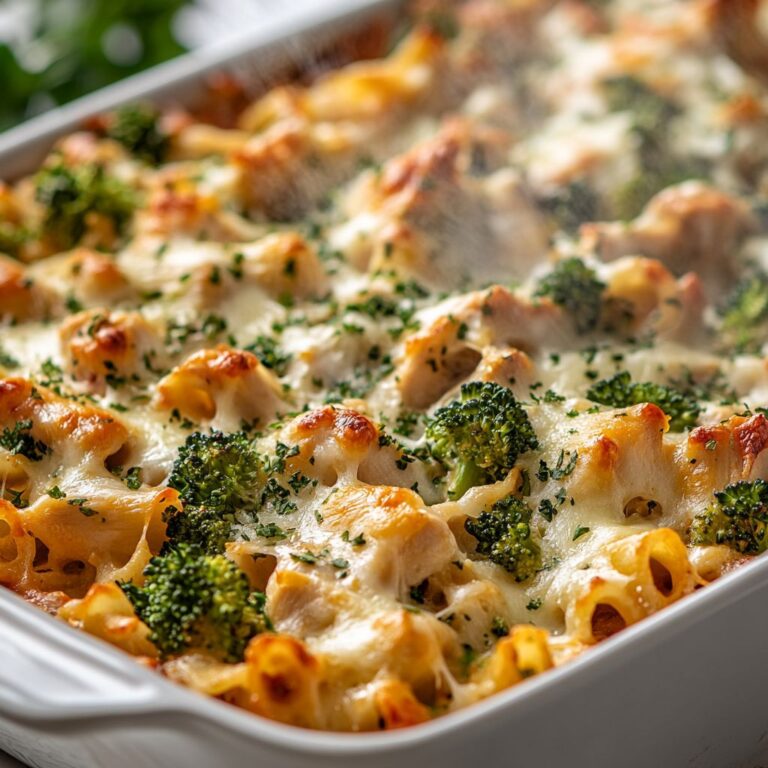
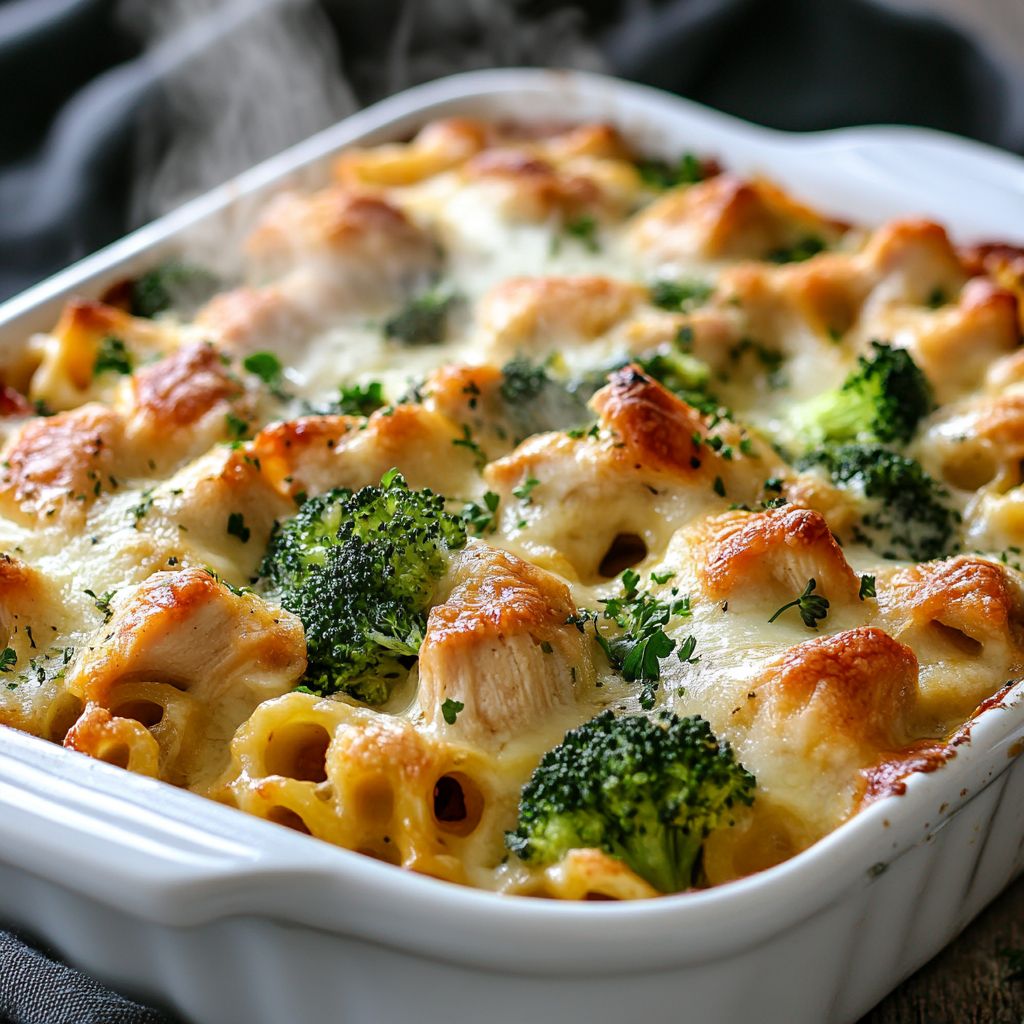
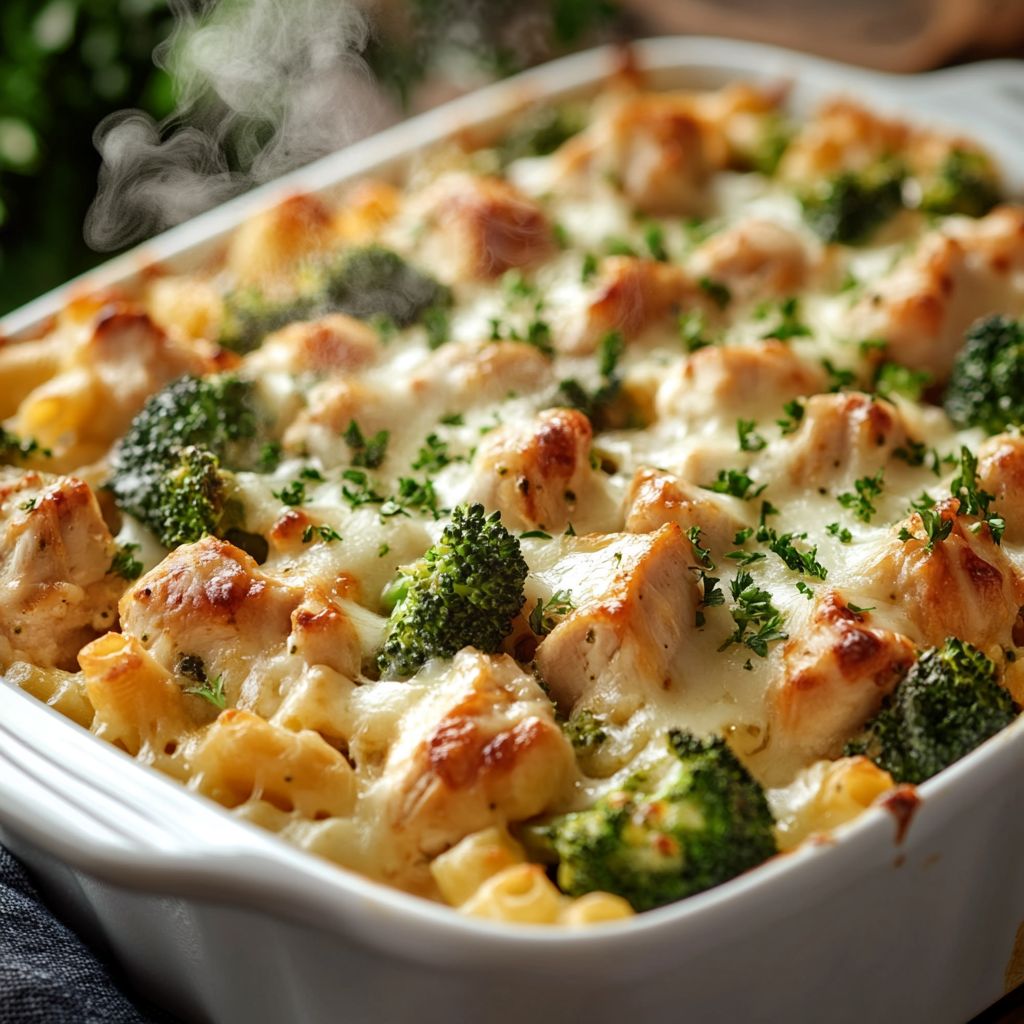
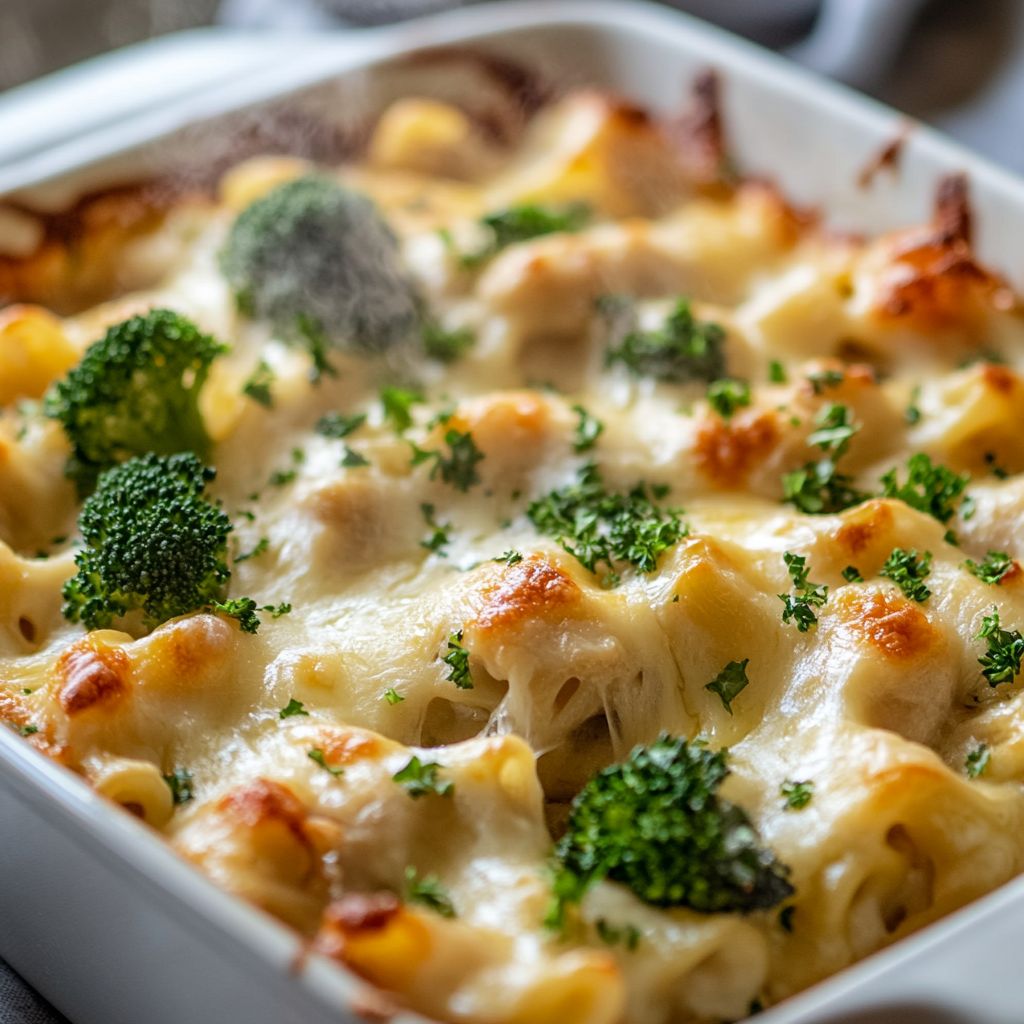
Imagine the rich aroma of succulent chicken enveloping your kitchen, melding seamlessly with the creamy, cheesy backdrop of a homemade casserole. This is what awaits you each time you dive into the world of rotisserie chicken casserole recipes. These dishes aren’t just meals; they are a loving embrace, a comforting whisper that lingers long after the meal ends. Whether you’re a seasoned chef or a kitchen novice, the ease of creating these hearty affairs makes them accessible and delightful, ensuring you’ll want to add them to your culinary repertoire time and again.

The Story Behind the Dish: A Fusion of Tradition and Convenience

The humble casserole has long held a place of honor in households around the world. Its roots are buried deeply in tradition, evolving through centuries from the rich stews of yore that simmered contentedly over open fires. Fast forward to the present day, and the rotisserie chicken casserole stands as a testament to culinary evolution, marrying convenience with nostalgia. While the technique has evolved, the principle remains the same: a hearty, one-dish wonder that brings people together.

Rotisserie chicken, with its tender and flavorful flesh, came into prominent home use as supermarkets began offering these pre-cooked delights. This convenience, marrying perfectly with the heartiness of a casserole, offers a modern twist on a culinary classic. Together, they’ve become an international symbol of family unity and culinary magic.

A Legacy of Love in Every Bite

In many cultures, casseroles embody love and comfort, often becoming the beacon of warmth when families gather. The addition of rotisserie chicken enhances this feeling, providing both convenience and robust flavor. This fusion celebrates the fine balance between tradition and modernity, representing intimate family dinners, festive gatherings, and a unifying comfort that transcends borders.

Why You’ll Love This Recipe

  • Effortless Elegance: Quick and simple preparation leverages pre-cooked chicken, enabling a nurturing home-cooked meal with minimal effort.
  • Flavor Elevation: The combination of juicy chicken and rich, cheesy sauce creates a delightful harmony that dances on your palate.
  • Perfect for Any Occasion: Whether it’s a weeknight dinner or a special family gathering, this casserole rises to the occasion.
  • Versatile and Adaptable: With countless variations, you can customize ingredients to cater to dietary needs or personal preferences.

Flavor Profile & Texture: A Culinary Symphony

The rotisserie chicken casserole is more than just a dish; it’s an exploration of textures and flavors that promise satisfaction with every bite. The succulent rotisserie chicken provides a savory foundation, each piece packed with its own innate seasonings. Layered over this is a blanket of creamy sauces, often enhanced with cheese, creating a velvety mouthfeel that envelops the palate.

Imagine breaking through a golden, bubbling cheese crust to uncover tender chunks of chicken immersed in a luscious sauce. The flavor profile is complex yet familiar, resonating with notes of smokiness, earthy herbs, and rich dairy goodness, culminating in a dish that’s both comforting and intriguing.

Occasions & Pairings: A Dish for Every Celebration

Versatility is perhaps the rotisserie chicken casserole’s greatest virtue, making it an ideal participant in any dining setting. It can transform a regular weeknight dinner into a sensational affair, or grace your holiday table with its warm, inviting presence. Sunday family gatherings, potluck dinners, or simply a cozy night in are all perfect occasions for this comforting delight.

Pairing Potentials

Beyond satisfying as a standalone dish, the casserole pairs beautifully with a side salad of fresh, crunchy greens, elevating each bite with a refreshing contrast. Consider pairing it with a chilled glass of Chardonnay or Sauvignon Blanc to complement the savory richness with crisp, citrusy notes. For dessert, a classic apple pie or a warm, cinnamon-laden tart brings the meal full circle, ensuring a memorable dining experience.

Tips, Variations & Substitutions: Tailor Your Culinary Adventure

The beauty of the rotisserie chicken casserole lies in its adaptability. With a few creative adjustments, you can transform this dish to suit your needs or whims.

Creative Customizations

  • Dietary Modifications: To make it gluten-free, swap the regular noodles or flour with gluten-free alternatives. For a lighter version, consider using Greek yogurt instead of heavy cream.
  • Flavor Variations: Experiment with international flavors by incorporating curry powder for an Indian twist or chili flakes and salsa for a Mexican-inspired version.
  • Vegetable Enhancements: Add depth and nutrience with spinach, mushrooms, or bell peppers, seamlessly blending health with flavor.

Regional Twists

Try infusing the dish with regional flavors for an intriguing twist. Incorporate local cheeses or spices endemic to specific cultures, broadening the casserole’s horizons and offering a taste of the global culinary landscape.

Storage & Make-Ahead Ideas: Enjoying the Casserole at Your Leisure

The forgiving nature of this dish extends to its storage capacities. In a busy world, the ability to prepare meals ahead of time allows you the luxury of enjoying your creation whenever you choose.

Make it in Advance

Casseroles are famously forgiving when it comes to preparation. Construct the dish a day in advance, allowing the flavors to meld together overnight in the refrigerator. Simply pop it in the oven when you’re ready to serve, reducing both preparation time and stress.

Proper Storage Techniques

Leftovers, should they remain, can be stored in an airtight container in the fridge for up to three days. For longer-lasting preservation, consider freezing individual portions, ensuring you have comforting meals at your fingertips.

Reheating Tips

To reheat, thaw the casserole overnight in the refrigerator and warm it in an oven preheated to 350°F. Cover it with foil to prevent the top from over-crisping, maintaining that perfect level of creamy, saucy indulgence you expect.

Fun Facts & Trivia: Casseroles and Cultural Connections

Did you know that casseroles were initially named after the dish they were cooked in? This age-old comfort food derived its name from the French word “casse,” meaning pan or saucepan. Today, casseroles continue to embody cultural connections, uniting flavors and providing a snapshot into diverse culinary traditions.

Whether it’s baked with bread crumbs for a crunch or topped with herbs for an aromatic finish, the rotisserie chicken casserole stands as a tribute to global unity through food. With each dish, you not only nourish your body but also celebrate the shared joy and creativity that food brings to our lives.

The enduring appeal of the rotisserie chicken casserole is its ability to adapt and evolve while never losing sight of its comforting core. Each variation brings with it a story, an opportunity to explore new tastes and celebrate beloved traditions. As you embark on this culinary journey, let the cascade of flavors and aromas guide you through the ever-enchanting world of casseroles.

Ingredients

  • Rotisserie Chicken
    → The star ingredient of the casserole, rotisserie chicken adds a savory and hearty flavor. Use a pre-cooked rotisserie chicken to save time. When ready, shred the chicken into bite-sized pieces, ensuring that you remove the skin and bones. This shredded chicken serves as the protein base for the casserole and will absorb the surrounding flavors from the other ingredients.
  • Egg Noodles
    → Egg noodles provide a comforting and chewy texture that complements the rest of the dish. Cook the egg noodles according to package instructions until al dente before adding them to the casserole. This prevents them from becoming mushy during baking. Drain them well and give them a quick rinse in cold water to stop the cooking process.
  • Cream of Chicken Soup
    → This canned soup acts as a creamy binder that holds the casserole together. It adds moisture, flavor, and richness to the dish. Empty the can into a mixing bowl and stir to combine with other ingredients. If you prefer a from-scratch version, you can blend together broth, heavy cream, and seasonings to achieve a similar creamy consistency.
  • Shredded Cheese
    → Cheese brings a deliciously creamy and melty element to the casserole, making it extra indulgent. Use a blend of your favorite cheeses, such as cheddar, mozzarella, or Monterey Jack. For the best melting results, shred the cheese yourself from a block as pre-shredded cheese often contains anti-caking agents that can prevent smooth melting.
  • Frozen Mixed Vegetables
    → Adding mixed vegetables not only boosts the nutritional content but also provides color and texture. Use a blend of carrots, peas, corn, and green beans. No need to thaw before adding to the casserole; just pour them in directly from the freezer, allowing them to cook during the baking process.
  • Garlic Powder
    → This seasoning enhances the overall flavor of the casserole with its aromatic qualities. Add garlic powder according to your taste preference, starting with about 1 teaspoon. It’s best to sprinkle it directly into the mixing bowl as you combine the other ingredients to ensure an even distribution of flavor throughout the dish.
  • Onion Powder
    → Similar to garlic powder, onion powder adds depth and savory notes without the texture of fresh onions. Begin with about 1 teaspoon and adjust based on your taste. It blends seamlessly with the other ingredients, providing a subtle onion flavor that complements the chicken and vegetables beautifully.
  • Salt and Pepper
    → Essential for enhancing all the flavors in the casserole, salt and pepper should be added to taste. Start with 1/2 teaspoon of salt and a few cracks of black pepper, stirring well before tasting. Adjust to your personal preference; remember that the rotisserie chicken may already be salted, so adjust accordingly.
  • Breadcrumbs (optional)
    → Breadcrumbs create a crunchy topping that contrasts nicely with the creamy filling. If desired, mix about 1 cup of plain or seasoned breadcrumbs with a little melted butter before sprinkling them over the top of the casserole before baking. This will create a lovely golden crust that adds both color and texture.
  • Fresh Parsley (optional)
    → Chopped fresh parsley adds a pop of color and a fresh herbal flavor to the casserole. Use about 1/4 cup of finely chopped parsley for garnish. Sprinkle it over the casserole after it comes out of the oven to maintain its vibrant color and bright flavor.

Instructions

  • Shred the rotisserie chicken into bite-sized pieces, ensuring to remove skin and bones.

    → Start by placing the rotisserie chicken on a clean cutting board. Using two forks or your hands, carefully pull apart the chicken into small, manageable pieces. Removing the skin prevents excess greasiness in the casserole, while ensuring no bones are left behind guarantees a safe dining experience.
  • Cook the egg noodles according to the package instructions until al dente.

    → Boil water in a large pot and generously salt it before adding the egg noodles. Stir the noodles occasionally and taste them a minute or two before the package’s recommended cook time to ensure they are firm yet tender. Once cooked, drain and rinse them under cold water to stop further cooking, which preserves their texture in the final dish.
  • In a mixing bowl, combine the cream of chicken soup with half a can of water or broth for consistency.

    → This helps to lighten the soup and makes it easier to mix with the other ingredients. Stir well to create a smooth base that binds the casserole together, ensuring every ingredient is coated in creamy goodness.
  • Shred your chosen cheeses from a block and measure approximately 2 cups for mixing.

    → Use a box grater or food processor to shred the cheese. Shredding your own cheese prevents any anti-caking agents from affecting the melting process, resulting in a creamier texture in your casserole. Set aside some for topping if you like it extra cheesy.
  • Add the frozen mixed vegetables directly into the mixing bowl.

    → There’s no need to thaw them; simply pour the vegetables in from the freezer. This allows the vegetables to retain their crispness and bright colors while they cook in the hot casserole, contributing to both flavor and nutrition.
  • Sprinkle in the garlic powder, onion powder, salt, and pepper to the mixing bowl.

    → Start with 1 teaspoon each of garlic powder and onion powder, along with 1/2 teaspoon of salt. Mix these seasonings in thoroughly to ensure even distribution of flavor throughout the casserole. Adjust to taste after mixing; remember that some seasoning may already be in the rotisserie chicken.
  • Incorporate the shredded rotisserie chicken and cooked egg noodles into the mixing bowl.

    → Toss the shredded chicken and egg noodles into the mixture gently. Use a large spatula or wooden spoon to fold them in, ensuring that every noodle and piece of chicken is coated in the creamy mixture. This step is crucial as it ensures uniformity in flavor and texture throughout the casserole.
  • If using, melt 2 tablespoons of butter and mix it with breadcrumbs in a small bowl before setting aside.

    → This will create a crunchy topping. Combine the breadcrumbs and butter until all crumbs are coated; this step enhances flavor and results in a beautifully golden crust once baked.
  • Preheat your oven to 350°F (175°C) and grease a 9×13-inch baking dish.

    → Greasing the dish prevents the casserole from sticking during baking, allowing for easy serving later. Wait for the oven to fully reach temperature before placing the casserole inside, as even cooking is essential.
  • Transfer the mixture into the prepared casserole dish and spread it evenly.

    → Use a spatula to smooth the surface for even baking, ensuring no air pockets exist. Creating an even layer allows the casserole to cook uniformly, eliminating any spots that may come out undercooked.
  • If using breadcrumbs, evenly sprinkle the mixture over the top of the casserole now.

    → Spread the buttered breadcrumbs in a thin, even layer, which will give your casserole a delightful crunch. This step is optional, but it enhances both texture and visual appeal.
  • Bake in the preheated oven for 30-35 minutes until the casserole is hot and bubbling at the edges.

    → Keep a close eye during baking; you want to create a bubbling effect, which indicates the internal temperature has reached the right level. If it begins to brown too quickly, cover loosely with aluminum foil to prevent burning.
  • Remove the casserole from the oven and let it sit for about 5 minutes before serving.

    → This resting time allows the casserole to cool slightly and firm up, making it easier to serve without it falling apart. It also enhances the flavors as they meld together.
  • Garnish with chopped fresh parsley before serving.

    → This step adds a fresh, vibrant touch both visually and in flavor. Sprinkle it evenly to decorate the casserole, ensuring that each serving has a hint of freshness to balance the rich, creamy filling.

Notes

  • These rotisserie chicken casserole recipes are the perfect solution for a quick and comforting meal, utilizing shredded rotisserie chicken to simplify preparation. This allows you to enjoy the savory flavor without the hassle of cooking chicken from scratch.
  • Egg noodles are the ideal base for this casserole due to their satisfying texture. Be sure to cook them just until al dente to maintain their structure during baking. Rinsing them in cold water will also help prevent overcooking.
  • The cream of chicken soup not only binds the casserole ingredients together but also enhances the overall flavor and creaminess. For those who prefer homemade options, consider making a simple roux with broth, cream, and seasonings for a fresh take on the classic flavor.
  • Choosing a mix of cheeses can elevate the dish’s flavor profile—experiment with different combinations to suit your taste. Shredding cheese yourself will yield better melting results and a creamier texture in the final casserole.
  • Incorporating frozen mixed vegetables is a great time-saver, contributing both nutrients and color. There’s no need to thaw them; simply add them directly into the mix, allowing them to cook thoroughly in the oven.
  • Seasonings like garlic and onion powder significantly enhance the flavor of the casserole without added complexity. Adjusting these to your taste ensures a personalized touch to each batch.
  • Salt and pepper are important for flavor enhancement, so make sure to taste as you go, especially given that the chicken might already have some seasoning. Keeping these to your preference will elevate the entire dish.
  • If you’re looking for a delightful crunch, consider adding breadcrumbs on top of your casserole. Mix them with butter for a golden crust that contrasts wonderfully with the creamy mixture beneath.
  • Fresh parsley is not just a garnish—it adds a refreshing hint of herbal flavor and a beautiful finishing touch. Add it after baking to maintain its vibrant green color and bright taste, making your casserole visually appealing as well.

Tips

Cooking Tips for Rotisserie Chicken Casserole

  • Shredding Chicken: Make sure to let the rotisserie chicken cool slightly before shredding to avoid burns. Use forks or your hands to shred the chicken evenly. Store any leftovers in an airtight container for up to 3 days to use in other meals.
  • Perfect Egg Noodles: For the best results, boil the egg noodles in a large pot of salted water. This enhances their flavor. Remember not to overcook them, as they will continue cooking in the oven.
  • Customizing the Cream: If using from-scratch cream of chicken soup, consider adding herbs like thyme or rosemary to elevate the flavor. Adjust the consistency by adding more broth or cream until you reach your desired thickness.
  • Cheese Selection: Experiment with different cheese blends to find your favorite combination. Mixing different meltiness can add depth to the flavor. You can also incorporate some cream cheese for an extra creamy texture.
  • Using Frozen Vegetables: If using fresh vegetables, chop them into uniform pieces and sauté them briefly to soften before adding them to the casserole. This will help the casserole bake evenly.
  • Seasoning Balance: Always taste your mixture before baking. It’s easier to add seasoning now than to alter the dish once it’s in the oven. If you prefer a more intense flavor, try adding herbs such as thyme or oregano.
  • Breadcrumb Tips: Combine breadcrumbs with melted butter for added flavor and richness. For an extra kick, mix in grated Parmesan cheese with the breadcrumbs before sprinkling on top.
  • Timing for Golden Topping: If the breadcrumbs are browning too quickly while baking, cover the casserole with aluminum foil for the first half of the baking time and remove it to let the topping crisp up for the last 10-15 minutes.
  • Garnishing in Style: Fresh herbs like parsley not only enhance the presentation but can also be switched out for other herbs like basil or chives if desired, offering a different flavor profile.
  • Storing Leftovers: Cool the casserole completely before storing it in the refrigerator. Use airtight containers for best results, and be sure to reheat gently to maintain the texture of the cheese and noodles.

FAQ

What ingredients do I need for rotisserie chicken casserole?

You will typically need rotisserie chicken, pasta, cream of chicken soup, cheese, vegetables (like broccoli or peas), and seasonings. Variations might include breadcrumbs or different types of cheese based on your preference.

How long does it take to prepare rotisserie chicken casserole?

The preparation time for rotisserie chicken casserole is usually around 15-20 minutes, while baking typically takes about 25-30 minutes, making the total time approximately 45-50 minutes.

Can I use leftover chicken instead of rotisserie chicken?

Yes, you can absolutely use leftover chicken or any other cooked chicken you have on hand. Just ensure that the chicken is shredded or chopped into bite-sized pieces.

Can I make rotisserie chicken casserole ahead of time?

Yes, you can assemble the casserole ahead of time and store it in the refrigerator for up to 24 hours. Just cover it tightly with foil or plastic wrap. You may need to adjust the baking time if it goes into the oven cold.

What are some variations of rotisserie chicken casserole?

Some popular variations include adding different vegetables like spinach or bell peppers, using different types of pasta or grains, or incorporating different sauces or spices to change up the flavor profile.

Is rotisserie chicken casserole suitable for freezing?

Yes, rotisserie chicken casserole can be frozen. Just allow it to cool completely before wrapping it tightly in foil or plastic wrap. It can be frozen for up to 2-3 months. To reheat, thaw overnight in the refrigerator and bake until heated through.

What type of cheese works best in rotisserie chicken casserole?

Cheddar cheese is a popular choice for rotisserie chicken casserole, but you can also use mozzarella, Monterey Jack, or a combination of cheeses for extra flavor and creaminess.

Can I make a gluten-free version of rotisserie chicken casserole?

Yes, you can make a gluten-free version by using gluten-free pasta and ensuring that the cream of chicken soup and other ingredients are certified gluten-free. Many brands offer gluten-free options, or you can make a homemade sauce.

Introduction: A Flavor Fiesta for the Senses

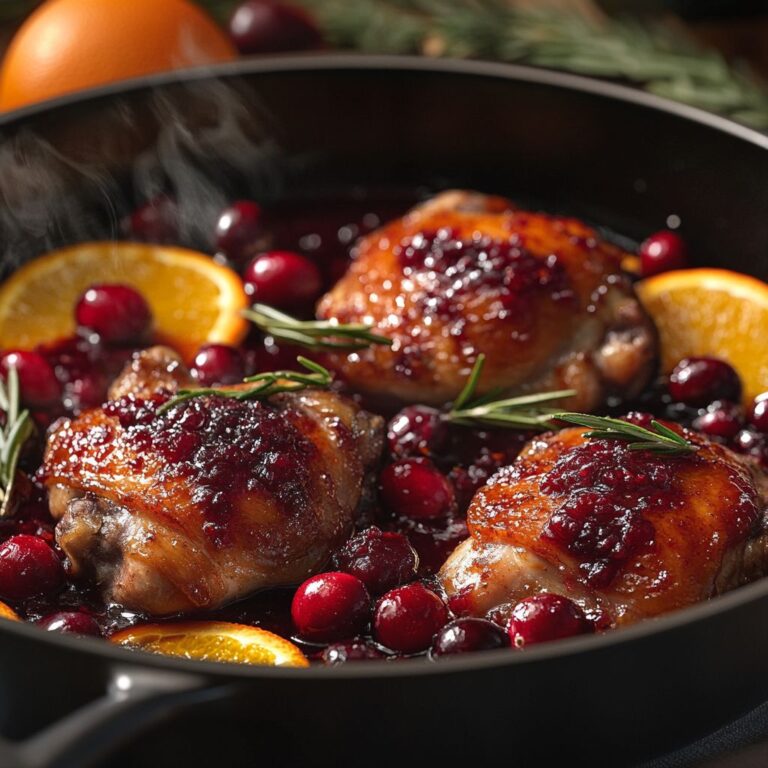
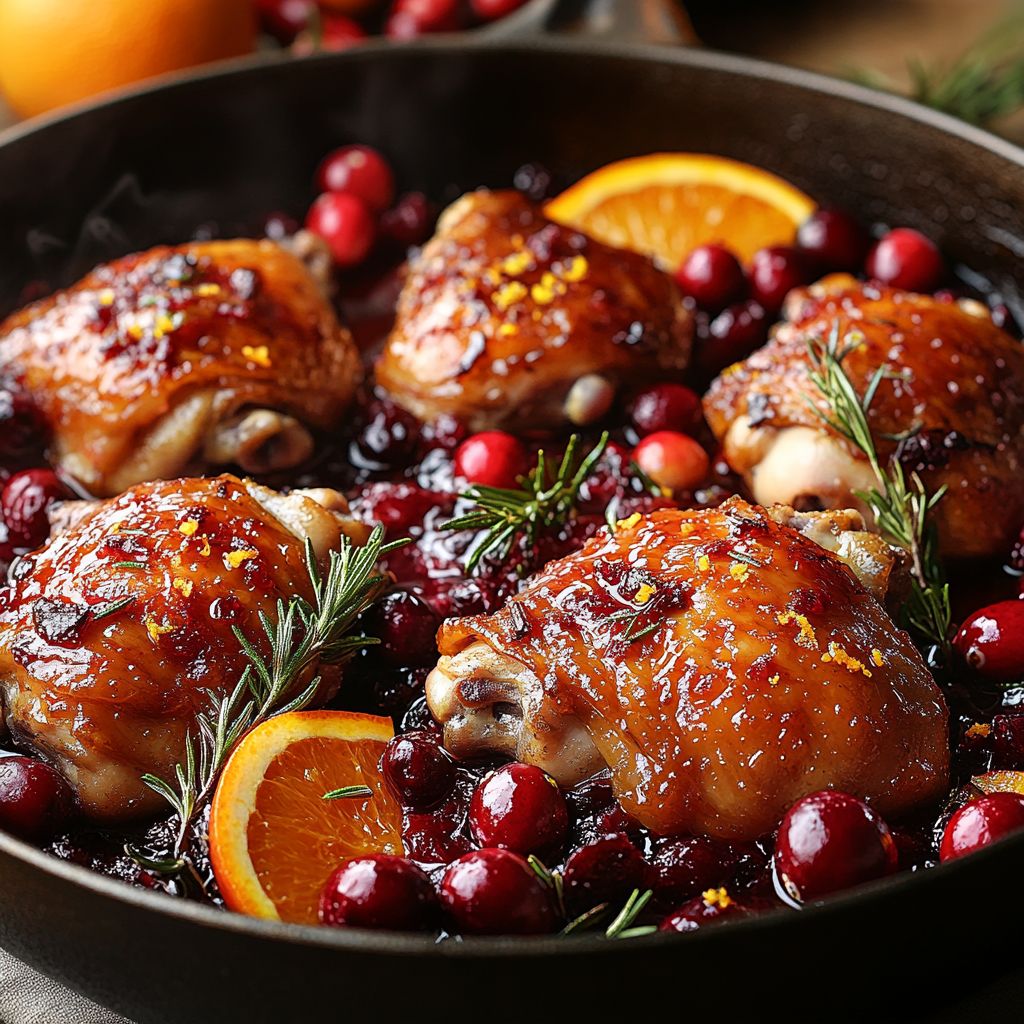
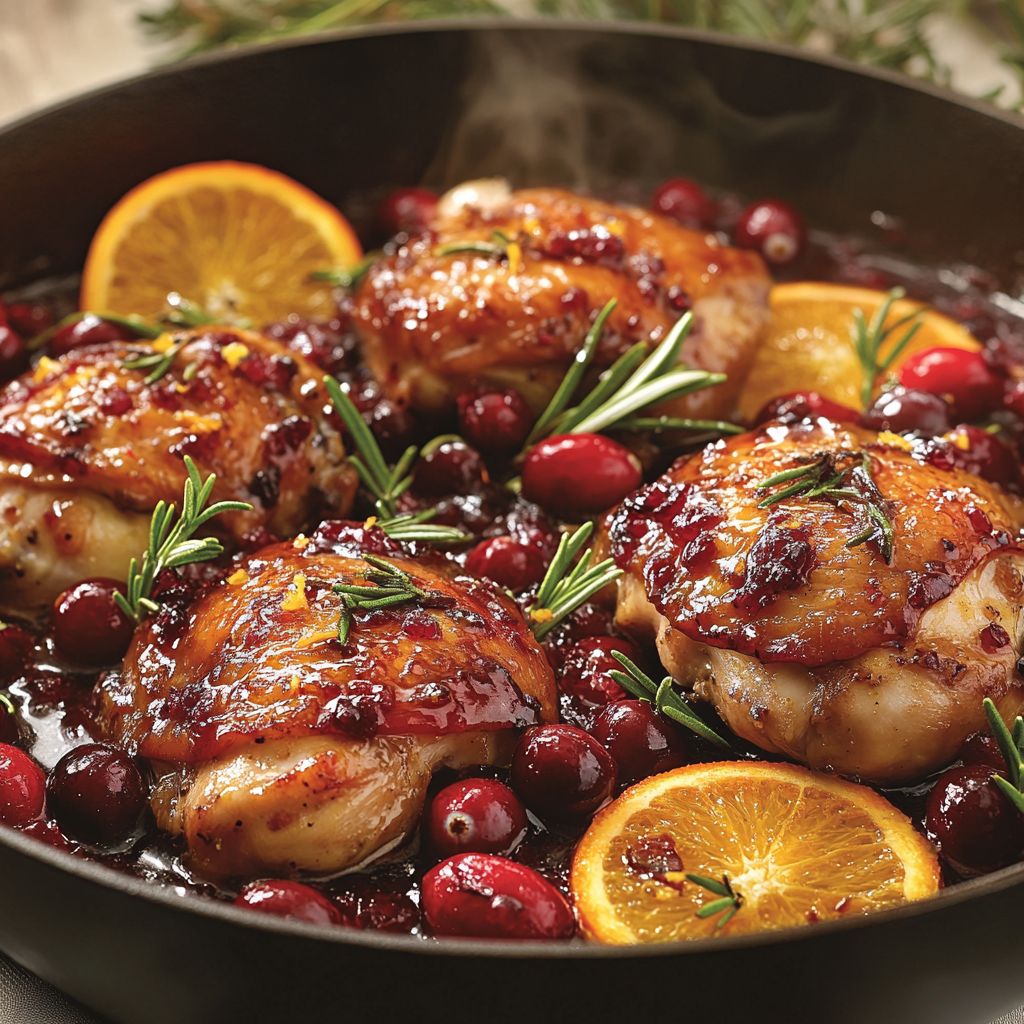
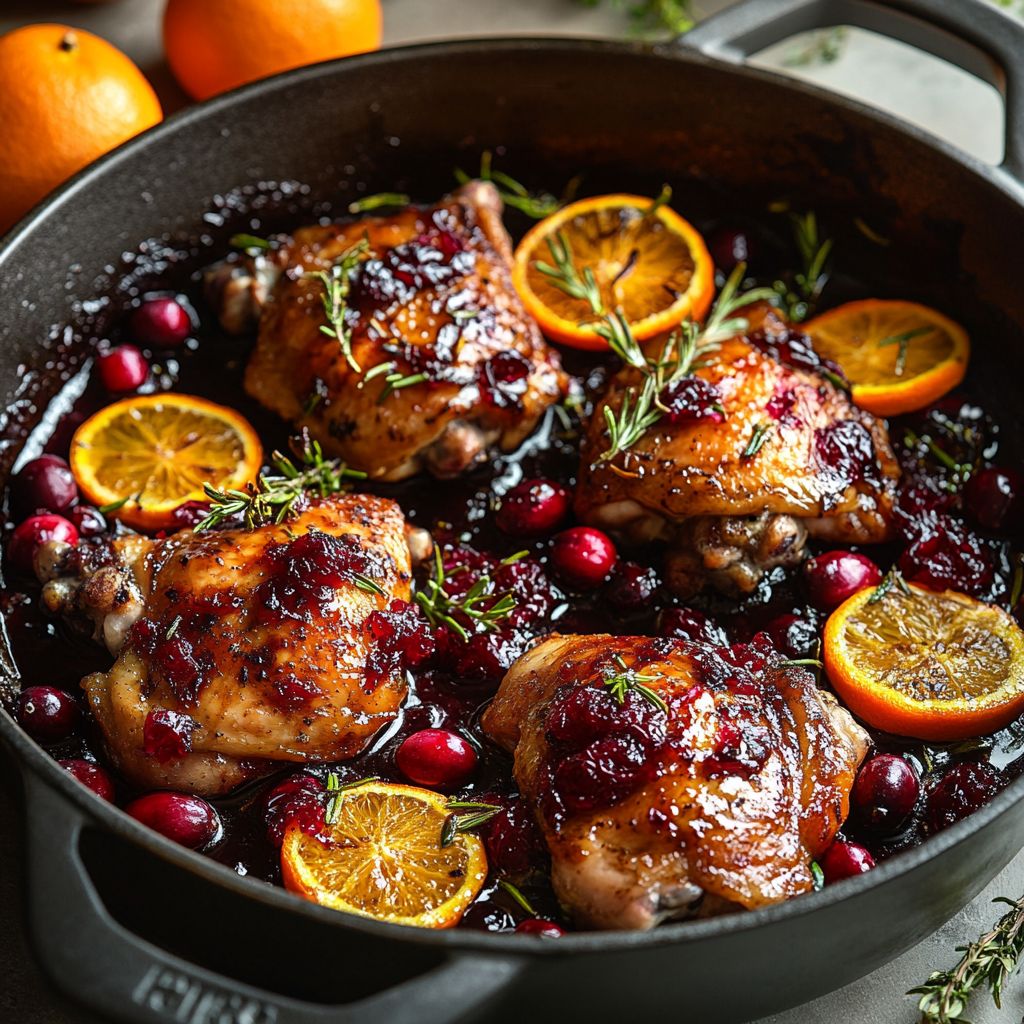
Prepare to embark on a culinary journey that will tantalize your taste buds and enliven your dining experience. Our Skillet Cranberry Orange Chicken is more than just a meal; it’s an orchestration of vibrant flavors and textures designed to please the senses. Imagine succulent chicken, seared to golden perfection, bathed in a tantalizing sauce infused with the zest of fresh oranges and the tart sweetness of cranberries. The aroma alone is enough to make you swoon, filling your kitchen with the warm, inviting scent of citrus mingling with rosemary’s earthy undertones. This dish is a celebration of contrasts — sweet and tart, soft and crispy, familiar yet exotic — promising to transform any mealtime into an event worth savoring.

The Story Behind the Dish: Roots in Tradition and Innovation

Skillet Cranberry Orange Chicken is a dish that draws its inspiration from the vibrant tapestry of culinary traditions across America. Historically, cranberries are a quintessential part of New England’s culinary landscape, harvested by Native Americans long before the settlers arrived. They would use these rich, ruby-red berries in pemmican and other traditional recipes, cherishing their robustness and preservative qualities. The combination of cranberries with oranges is a nod to the age-old trade connections, where exotic fruits would be shipped from sunny groves at the peak of their sweetness to markets where they were cherished as a winter luxury.

This recipe also hints at the American penchant for skillet dishes, valued for their simplicity and practicality. Skillet cooking, with its roots in Southern culinary practices, offers the modern home chef an easy and efficient way to bring a symphony of flavors to the table. In this dish, the fusion of cranberries and oranges symbolizes a marriage between the old and the new, tradition, and innovation.

Why You’ll Love This Recipe

  • Simplicity at Its Finest: With most preparations accomplished in a single pan, the recipe minimizes cleanup, ensuring you can spend more time enjoying your meal and less time washing up.
  • A Nutritious Feast: Packed with vitamin C from oranges and antioxidants from cranberries, this dish not only tastes divine but also supports a healthy lifestyle.
  • Versatile and Adaptable: Whether you’re serving this at a casual weeknight dinner or a festive holiday gathering, it’s sure to impress with minimal effort.
  • Flavor Explosion: Every bite is a dance of contrasting flavors — the subtle sweetness of the oranges balances the tartness of the cranberries, while herbs add a complexity and depth that elevate the dish.

Flavor Profile & Texture: A Symphony of Tastes

The Skillet Cranberry Orange Chicken is defined by its masterful blend of flavors. At its core, the dish is slightly sweet, courtesy of the marmalade-like consistency of the cooked oranges. This sugary essence is artfully balanced by the natural tartness of fresh cranberries, creating a melody of flavors that linger with every bite. Dotted with fragrant hints of rosemary and thyme, the dish offers herbaceous notes that elevate the sweet-tart pairing to gourmet status.

Texture plays an equally vital role, with the chicken boasting a crispy exterior, thanks to the initial searing process. This golden crust provides an exquisite contrast to the tender, juicy meat within. Meanwhile, the sauce remains silky yet thick enough to cling to the chicken, ensuring each morsel is packed with concentrated flavor.

Occasions & Pairings: Elevating Every Meal

This dish is remarkably versatile, making it suitable for various occasions. It holds its own as an elegant centerpiece during festive holidays such as Thanksgiving, Christmas, or New Year’s celebrations. Yet, its ease of preparation ensures it’s just as fitting for a simple weekday family dinner. Pair it with creamy mashed potatoes or a wild rice pilaf for a hearty meal, or opt for a fresh mixed greens salad for a lighter touch.

When it comes to beverages, a crisp white wine, such as a Sauvignon Blanc, accentuates the citrus notes, while a light-bodied red, like a Pinot Noir, complements the cranberry’s tartness. For non-alcoholic options, consider a sparkling cranberry or orange juice concoction that ties in beautifully with the dish’s core flavors.

Tips, Variations & Substitutions

This adaptable recipe allows for numerous creative twists:

  • Spice It Up: Add a pinch of cayenne or red pepper flakes to give the dish an exciting kick.
  • Herbal Variations: Swap rosemary and thyme for basil and oregano for a Mediterranean twist.
  • Make It Veggie: Replace the chicken with hearty vegetables like cauliflower or eggplant to create a vegetarian alternative that still delivers on flavor.
  • Dietary Alternatives: Substitute honey for a touch of natural sweetness if you need to cut down on sugar, or use agave syrup for a vegan-friendly option.

Storage & Make-Ahead Ideas: Keeping it Fresh

Our Skillet Cranberry Orange Chicken is just as delightful the next day as it is fresh from the pan. Store leftovers in an airtight container in the refrigerator for up to three days. The flavors will deepen over time, making for a tasty quick-lunch option. If you’re looking to freeze it, simply place it in a freezer-safe container for up to three months. When you’re ready to savor it again, thaw overnight in the fridge and reheat gently on the stove to maintain its delightful texture and flavor.

For those who enjoy planning ahead, this dish can be prepped a day in advance. Complete all steps except for the final bake, then cover and refrigerate. When mealtime arrives, simply allow the dish to come to room temperature before proceeding with the final cook to enjoy a freshly prepared taste with half the effort.

Fun Facts & Trivia: Discover More

Did you know that cranberries can bounce? These buoyant berries are often called “bounceberries” because ripe cranberries will bounce if dropped. This unique characteristic is even used in sorting machines to separate ripe berries from unripe ones.

Also, the principle of combining fruit with poultry isn’t new; ancient culinary practices often incorporated fruit to tenderize meat and complement richer flavors. This age-old technique has transcended cultures and eras, blending into the fabric of modern cooking to create dishes as delightful as our Skillet Cranberry Orange Chicken.

This recipe is more than just a meal; it’s a culinary embrace, inviting you to explore and enjoy the rich symphony of flavors that nature has to offer. Whether you’re sharing it with family during a festive gathering or treating yourself to an exquisitely simple dinner, this dish promises to be an enduring favorite every time it graces your table.

Ingredients

  • Chicken
    → Use 1.5 pounds of boneless, skinless chicken thighs or breasts. Thighs are preferred for their juiciness and rich flavor. Trim any excess fat and pat dry with paper towels to ensure a good sear in the skillet, which enhances the overall flavor of the dish.
  • Fresh Cranberries
    → 2 cups of fresh cranberries are essential, as they provide a tart contrast to the sweet elements of the dish. Rinse them thoroughly and pick through to remove any that are soft or shriveled. Fresh cranberries will burst during cooking, adding a lovely texture to the sauce.
  • Orange Juice
    → Use 1/2 cup of freshly squeezed orange juice to add brightness and depth of flavor. Freshly squeezed juice is preferred over bottled for its fresher taste. Strain the juice to remove any pulp if you desire a smoother sauce.
  • Orange Zest
    → The zest of one medium orange will add an aromatic and slightly bitter flavor that enhances the dish. Use a microplane to grate the outer zest without including the bitter white pith. Zest should be added near the end of cooking to preserve its fragrant oils.
  • Garlic
    → 4 cloves of garlic, minced, will lend a robust aroma and savory depth to the sauce. Freshly minced garlic is best; let it sit for a few minutes after chopping to enhance its flavor. Be careful not to burn the garlic in the skillet, as it can turn bitter.
  • Olive Oil
    → 2 tablespoons of extra virgin olive oil are needed to sear the chicken and build flavor. Preheat the oil in the skillet until shimmering, which indicates it’s hot enough for searing. This step is crucial to developing a golden-brown crust on the chicken.
  • Honey
    → Use 2 tablespoons of honey to balance the tartness of the cranberries. Choose a mild honey to avoid overpowering the dish. You can warm the honey slightly to make it easier to drizzle into the sauce.
  • Salt
    → 1 teaspoon of sea salt enhances the overall flavor of the dish. Adjust to taste, as the salt will help draw out moisture and flavors from the chicken and cranberries. Use kosher salt for an even texture if desired.
  • Black Pepper
    → 1/2 teaspoon of freshly cracked black pepper adds warmth and a hint of spice. Grinding your own peppercorns just before use will give the best flavor. Adjust to your preference for heat.
  • Thyme
    → 1-2 teaspoons of fresh thyme or 1 teaspoon of dried thyme will contribute a wonderful herbal note. If using fresh, add it towards the end of cooking to maintain its delicate flavor. Dried thyme can be added earlier in the cooking process to release its oils.

Instructions

  • Prepare your chicken by trimming excess fat and patting it dry with paper towels.

    → This is crucial for ensuring that the chicken gets a nice sear when cooked. A dry surface allows the chicken to brown properly, enhancing flavor and texture.
  • Preheat a large skillet over medium-high heat and add 2 tablespoons of extra virgin olive oil.

    → Allow the oil to heat until it shimmers, which indicates that it’s hot enough for searing. This step is vital for developing a golden crust on the chicken.
  • Carefully place the chicken thighs or breasts in the hot skillet in a single layer, ensuring not to overcrowd the pan.

    → Crowding can lead to steaming rather than searing. If needed, cook the chicken in batches, allowing space for the piece to brown evenly.
  • Cook the chicken for about 6-7 minutes on the first side without moving it, allowing it to form a golden crust.

    → This browning adds flavor through the Maillard reaction, which enhances the overall taste of the dish.
  • Flip the chicken over and reduce the heat to medium. Cook for another 5-7 minutes or until the internal temperature reaches 165°F (74°C).

    → This step ensures that the chicken is safely cooked through. Use a meat thermometer to check for doneness accurately.
  • Remove the cooked chicken from the skillet and set it aside on a plate, covering it loosely with foil to keep warm.

    → Covering the chicken helps maintain its moisture while you prepare the sauce, preventing it from drying out.
  • Add 4 minced garlic cloves to the skillet and sauté for about 30 seconds until fragrant.

    → Be careful not to burn the garlic, as it can become bitter; stirring constantly ensures it cooks evenly.
  • Pour in 1/2 cup of freshly squeezed orange juice, scraping the bottom of the skillet with a wooden spoon to deglaze it.

    → Deglazing lifts the flavorful browned bits stuck to the pan, incorporating them into the sauce for added depth of flavor.
  • Add 2 cups of fresh cranberries, 2 tablespoons of honey, 1 teaspoon of sea salt, and 1/2 teaspoon of freshly cracked black pepper into the skillet.

    → The honey will balance the tartness of the cranberries and contribute to the sauce’s glossy texture.
  • Bring the mixture to a simmer and cook until the cranberries begin to burst and the sauce thickens, about 5-8 minutes.

    → This process not only cooks the cranberries but also releases their juices, creating a flavorful sauce.
  • Stir in 1-2 teaspoons of fresh thyme or 1 teaspoon of dried thyme and the zest of one medium orange.

    → Adding the thyme and zest at this stage helps to preserve their delicate flavors and aromatic qualities.
  • Return the chicken to the skillet, spooning the sauce over the pieces to coat them well.

    → This step allows the chicken to absorb the flavors of the sauce, enhancing its taste and texture.
  • Let everything simmer together for an additional 2-3 minutes to meld the flavors.

    → A brief simmer at this stage ensures that the chicken is heated through and the flavors marry, yielding a harmonious dish.
  • Adjust seasoning with more salt, pepper, or honey if desired, then remove from heat.

    → Tasting and adjusting the seasoning at the end is important to achieve the perfect balance of flavors.
  • Serve the Chicken Cranberry Orange hot, garnished with additional thyme or orange slices if desired.

    → Garnishing not only adds aesthetic appeal but also enhances the freshness and flavor of the dish, creating a stunning presentation.

Notes

These Skillet Cranberry Orange Chicken are not only vibrant in color but also offer a delightful balance of sweet and tart flavors. The chosen chicken thighs retain moisture, creating a succulent base for the dish. Make sure to allow the cranberries to burst during cooking for that beautiful sauce. The addition of freshly squeezed orange juice and zest elevates the dish with a zesty brightness that complements the overall flavor profile.

When preparing the garlic, be careful to let it gently sauté without burning, as this can impart an undesirable bitterness. Using extra virgin olive oil is ideal for sautéing, creating a golden crust on the chicken that enhances texture and taste.

Honey not only sweetens the dish but helps to create a luscious glaze as it cooks. Feel free to tweak the level of salt and pepper to suit your personal palate—this is crucial for enhancing the natural flavors of the ingredients.

Lastly, thyme adds an aromatic touch that pairs wonderfully with the citrus and cranberry flavors. If you have fresh thyme, add it towards the end for a bright herbal note. This dish can be served over rice or with a side of roasted vegetables to soak up the delicious sauce. It’s not only perfect for a weeknight dinner but also impressive enough for guests!

Tips

Cooking Tips for Skillet Cranberry Orange Chicken

  • Choosing the Right Chicken: Opt for thigh meat for more flavor and moisture. If using chicken breasts, be mindful not to overcook them to prevent dryness.
  • Prepping the Cranberries: Fresh cranberries may vary in ripeness. Always taste a few before cooking to gauge their tartness, adjusting your honey if necessary.
  • Fresh Juice Advantage: To get the most juice from your oranges, roll them on the counter with your palm before cutting them. This helps break down the cell walls inside the fruit, maximizing juice yield.
  • Zesting Tips: When zesting, be gentle and avoid the white pith. It’s bitter and can ruin the flavor profile of your dish. Adding zest in the final stages helps the oils stay fragrant.
  • Aromatics Timing: Add garlic just afteryou’ve seared the chicken and before adding the cranberries and other liquids. This will prevent burning while also infusing the oil with flavor.
  • Oil Temperature: Ensure your skillet and oil are hot enough before adding chicken. A good test is to sprinkle a few drops of water into the skillet: if they sizzle, it’s ready!
  • Honey Handling: If using thick or crystallized honey, warm it slightly in a microwave for a few seconds to make it easier to blend into the sauce.
  • Salt Usage: Start with the suggested salt amount and taste as you go, especially after the sauce has thickened. Adjusting salt while cooking can help create the perfect flavor balance.
  • Balancing Spice: When adding black pepper, start with less than you might think and incrementally adjust based on your taste preference. Freshly cracked pepper delivers the best flavor punch.
  • Thyme Seasoning: If using fresh thyme, remember that it’s potent; add it towards the end of cooking to keep its flavor vibrant. For dried thyme, allow it to steep in the sauce for the full cooking time to maximize its taste.

FAQ

What are the main ingredients in Skillet Cranberry Orange Chicken?

The main ingredients include chicken breasts, fresh cranberries, orange juice, orange zest, garlic, onion, and various seasonings like salt and pepper.

How long does it take to prepare Skillet Cranberry Orange Chicken?

Preparation typically takes about 10 minutes, and cooking time is around 20-25 minutes, making the total time approximately 35-40 minutes.

Can I use frozen cranberries for this recipe?

Yes, you can use frozen cranberries. Just be sure to thaw them before cooking to ensure even cooking and flavor distribution.

What type of chicken is best for this recipe?

Boneless, skinless chicken breasts work best for this recipe, but you can also use chicken thighs if you prefer dark meat.

Is Skillet Cranberry Orange Chicken healthy?

Yes, this dish is relatively healthy as it is made with lean protein and fresh fruits, and it can be part of a balanced meal when served with vegetables or whole grains.

Can I make this dish ahead of time?

While it’s best enjoyed fresh, you can prepare the sauce ahead of time and store it in the refrigerator for up to 2 days before cooking the chicken.

What sides pair well with Skillet Cranberry Orange Chicken?

Some great side options include wild rice, quinoa, steamed broccoli, or a simple green salad to complement the flavors of the chicken.

How can I store leftovers of Skillet Cranberry Orange Chicken?

Store leftovers in an airtight container in the refrigerator for up to 3-4 days. Reheat in the microwave or on the stovetop before serving.

Introduction

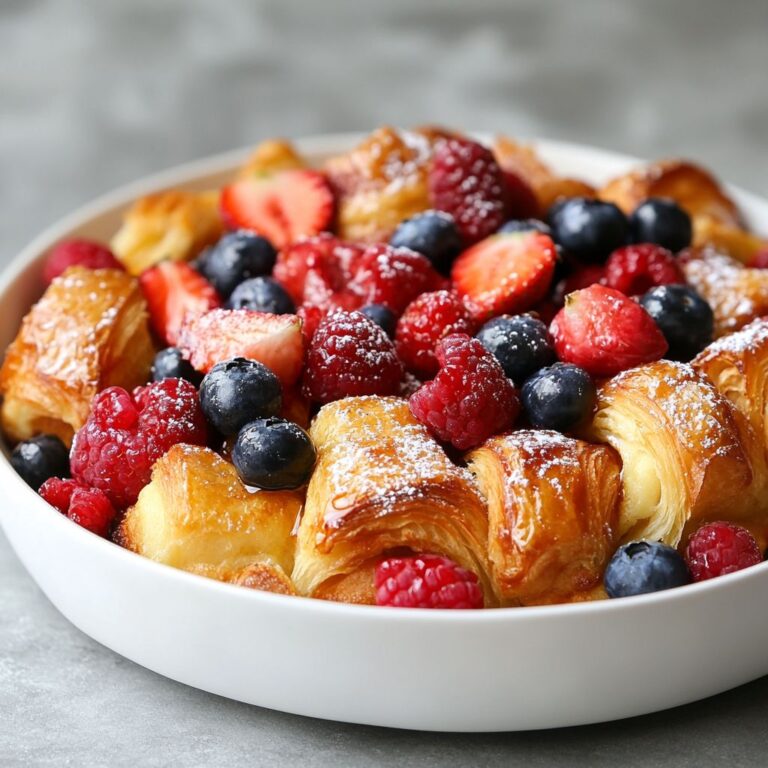
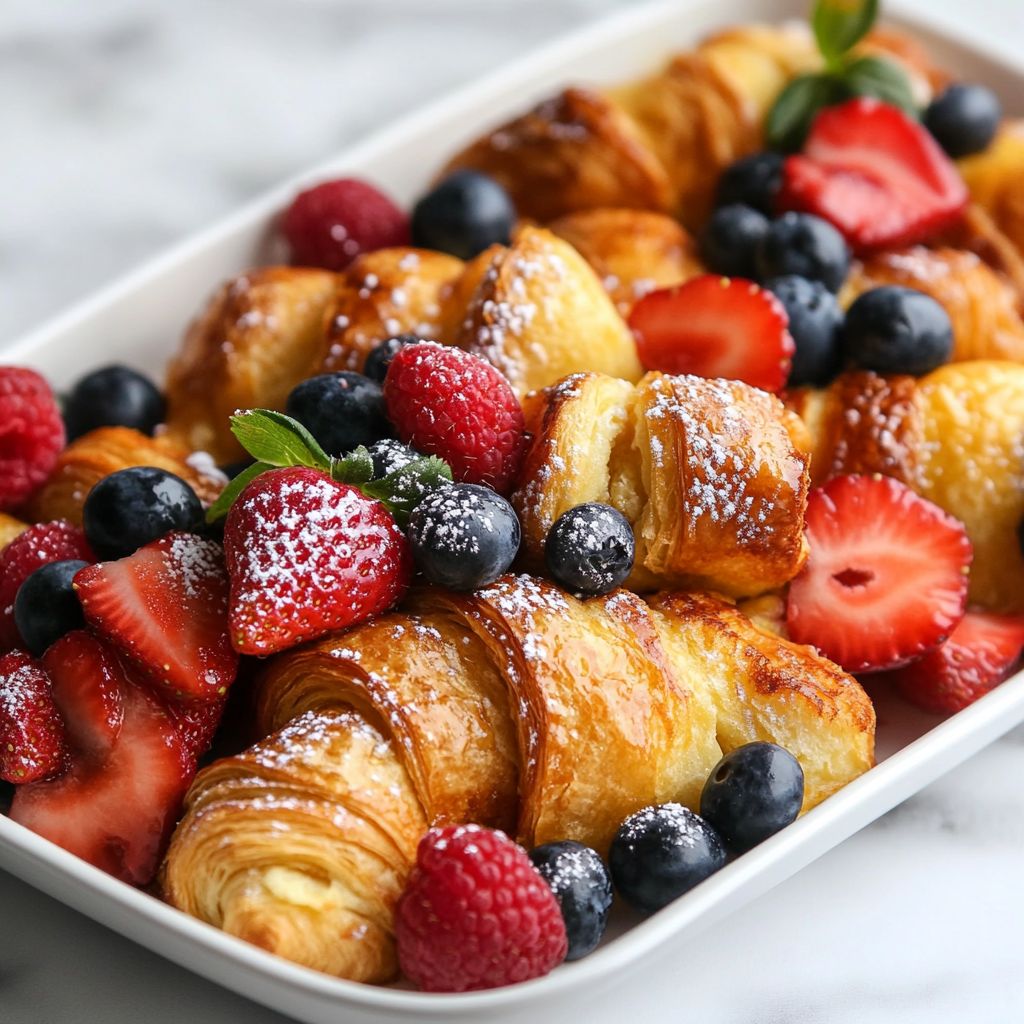
Imagine waking up to the intoxicating aroma of a freshly baked dish that promises to delight your taste buds right from the start. Welcome to the world of Berry Croissant Bake, a scrumptious breakfast and brunch delight that combines the buttery flakiness of croissants with the juicy burst of fresh berries. This heavenly concoction is not just a feast for the palate but also a visual delight with its vibrant berry colors gleaming through a custard-soaked croissant layer. It’s a dish that invites you to indulge in a symphony of tastes, offering a perfect balance of sweetness and texture. Whether you’re planning an intimate brunch with family or hosting a lively breakfast get-together, the Berry Croissant Bake is bound to steal the show and win hearts.

The Story Behind the Dish

The origin of the Berry Croissant Bake is a beautiful amalgamation of French and American influences. Croissants, with their iconic crescent shape, are a staple of French patisserie, beloved for their layers of flaky, buttery goodness. They were introduced to the world by an Austrian artillery officer named August Zang, who opened the first Viennese bakery in Paris in the 1830s. Over time, French bakers adopted and refined the technique, making croissants a quintessential part of French culture.

Fast forward to today, where American culinary creativity has transformed these croissants into a stunning breakfast bake by marrying them with a custard mix and berries. This dish carries a charming blend of European elegance and American comfort, a perfect representation of culinary adaptation at its finest. It’s not just a meal; it’s an experience that brings together diverse flavors and traditions on one plate.

Why You’ll Love This Recipe

  • Simple Yet Elegant: This recipe transforms simple ingredients into an elegant dish effortlessly, showcasing the magic of good food.
  • Quick Preparation: With only a few ingredients and minimal prep time, you can whip up this breakfast goodness with ease.
  • Perfect for Gatherings: Its visual appeal and delightful taste make it an ideal centerpiece for any brunch or breakfast occasion.
  • Customizable: The recipe allows for numerous variations to suit different tastes and dietary needs.
  • Kid-Friendly: The sweet, buttery concoction is sure to be a hit with the younger crowd, encouraging them to start their day on a cheerful note.
  • Make-Ahead: Prepare it the night before to soak up the flavors, and pop it in the oven for a worry-free breakfast morning.

Flavor Profile & Texture

The Berry Croissant Bake teases your palate with a dynamic blend of creamy, fruity, and buttery notes. At its core, the dish boasts the rich, buttery taste of croissants that have absorbed a luxurious custard of eggs, cream, and a hint of vanilla. The results are irresistibly soft and tender layers, punctuated with occasional crispy bites from the perfectly toasted edges.

The intertwining of different berries, such as blueberries, raspberries, and strawberries, introduces a burst of sweetness, tartness, and a touch of acidity. Each berry adds its own unique texture and flavor, creating a harmonious blend that complements the soft, eggy baseline. The subtle play of textures—from the crispy top to the custard-rich middle—creates a mouthfeel that is exciting and comforting with every bite.

Occasions & Pairings

The Berry Croissant Bake lends itself beautifully to a range of occasions. Whether you’re planning a leisurely weekend brunch, a holiday breakfast, or an intimate breakfast-in-bed setting, this dish provides the perfect start. Its vibrant appearance and delectable taste make it a fitting choice for celebratory gatherings like Easter or Mother’s Day brunches.

To elevate your dining experience, consider pairing the bake with a side of freshly whipped cream or a dollop of Greek yogurt to balance the sweetness. For an upscale brunch, serve it alongside an assortment of artisanal cheeses and cold cuts. As for drinks, a glass of chilled mimosa or a warm cup of freshly brewed coffee will complement the bake’s rich flavor profile, enhancing the overall meal experience.

Tips, Variations & Substitutions

Customization is key to making the Berry Croissant Bake your own, and there are several ways to adapt the recipe:

  • Berries: Mix and match different berries or stick to your favorites. Consider adding blackberries for an extra touch of tartness.
  • Dairy Alternatives: Swap the cream for coconut milk or almond milk for a lighter, dairy-free version.
  • Sweetener Variations: Use honey or maple syrup instead of sugar for a natural sweetness and a hint of caramel complexity.
  • Nutty Crumble: Add a topping of crushed almonds or walnuts mixed with brown sugar and butter for additional texture and flavor.
  • Spiced Twist: Incorporate ground cinnamon or nutmeg into the custard mix for a fragrant, spicy kick.

These options allow you to adapt the dish to suit your personal preferences or dietary requirements, ensuring each serving is just as enjoyable and satisfying.

Storage & Make-Ahead Ideas

If you have leftovers of the Berry Croissant Bake, fret not! Store it in the refrigerator in an airtight container, and it will remain fresh for up to three days. When you’re ready to enjoy it again, simply reheat it in the oven at a low temperature, which will help retain its soft texture without overcooking. Alternatively, a few seconds in the microwave can do the trick if you’re short on time, though a microwave may not preserve the crispy edges.

To make this dish ahead, assemble the dish the night before, allowing the croissants to soak in the custard overnight. This method enhances flavor infusion and helps save time on the morning of your breakfast or brunch. When ready to serve, pop it into the oven and let the alluring aroma set the mood for your gathering.

Fun Facts & Trivia

Croissants, while quintessentially French, find their origins in the Austrian kipferl—an alpine pastoral snack dating back to at least the 13th century, often comprising a glazed and lime-spiked bread roll. The shape of a crescent, inspired by the Islamic crescent moon, also has a historical tale tied to the defeat of Turkish forces during the Siege of Vienna in 1683, symbolizing triumph and unity against warring invasions. Berries, on the other hand, have long been revered not only for their fresh and nourishing qualities but also for their symbolic representation of abundance and health in many cultures.

Ingredients

Berry Croissant Bake Ingredients

  • Bread Base
    • 4 large croissants
      → Flaky and buttery, croissants provide a rich base for this dish. Use day-old or slightly stale croissants, as they will absorb the custard mixture better without becoming too soggy. Tear them into chunks to create an uneven texture that soaks up every bite of flavor.
    • 1 cup whole milk
      → Whole milk adds creaminess and richness to the custard mixture. Allow it to come to room temperature before mixing to promote even blending. If a lighter version is desired, you can substitute with low-fat milk, but the result will be less creamy.
    • 1 cup heavy cream
      → Heavy cream contributes a luxurious texture and depth of flavor to the custard. It’s essential for creating a soft and custardy center in the bake. Make sure to use fresh cream to ensure the best taste and consistency.
    • 4 large eggs
      → Eggs provide structure, richness, and act as a binding agent in the custard. Use large eggs at room temperature for optimal mixing and to achieve a fluffy texture. Whisk them well to incorporate air before adding to the other ingredients.
    • 1/2 cup granulated sugar
      → Sugar sweetens the custard and balances the tartness of the berries. For best results, whisk the sugar into the egg mixture until dissolved. You can adjust the amount based on your sweetness preference; consider using brown sugar for a deeper flavor.
    • 1 tablespoon vanilla extract
      → Pure vanilla extract enhances the overall flavor of the croissant bake. Avoid imitation vanilla as it lacks the depth of flavor. Add this to the mixture while whisking to ensure even distribution throughout the custard.
  • Berries
    • 2 cups mixed berries (strawberries, blueberries, raspberries)
      → Fresh or frozen mixed berries add a burst of flavor and sweetness. If using fresh, wash and slice strawberries; if using frozen, allow them to thaw slightly before incorporating. The variety adds visual appeal and a complex taste to the dish, while the natural juices create a delightful sauce during baking.
  • Toppings (Optional)
    • Powdered sugar (for dusting)
      → Powdered sugar is used for a sweet finishing touch and decorative element. Dust it lightly over the baked dish just before serving for an elegant presentation. Ensure that the croissant bake has slightly cooled to avoid the sugar melting into the dish.
    • Maple syrup (for serving)
      → Maple syrup complements the rich flavors of the croissants and berries beautifully. Serve warm on the side for drizzling over individual portions. Choose pure maple syrup for the best taste and avoid artificially flavored syrups.

Instructions

  • Preheat your oven to 350°F (175°C) and grease a 9×13 inch baking dish.

    → Preheating the oven ensures that the croissant bake starts cooking immediately, helping it to rise properly. Greasing the baking dish prevents sticking, making it easier to serve after baking.
  • Tear the croissants into bite-sized pieces and place them in the prepared baking dish.

    → Tearing the croissants instead of cutting them creates a more rustic texture that allows the custard to soak in beautifully, ensuring every piece is infused with flavor. Aim for uneven chunks for varied texture and crunch.
  • In a large mixing bowl, combine the whole milk and heavy cream.

    → Mixing the whole milk and heavy cream together provides a perfect balance of creaminess and body for the custard. Using room-temperature ingredients is essential; it prevents the cold milk from cooling the eggs too quickly, which could lead to curdling.
  • Add the eggs to the milk and cream mixture, and whisk thoroughly until well combined.

    → Whisking the eggs vigorously incorporates air, which helps achieve a light and fluffy texture in the custard. Make sure to break the yolks completely and blend them fully with the liquids.
  • Stir in the granulated sugar and vanilla extract, whisking until the sugar is completely dissolved.

    → Dissolving the sugar in the egg mixture is crucial for sweetness distribution, ensuring that no grainy texture remains in the final bake. The vanilla extract enhances the overall flavor profile, making the dish more aromatic and appealing.
  • Carefully pour the custard mixture over the torn croissants in the baking dish, making sure all pieces are coated.

    → Pouring the custard mixture evenly over the croissant pieces ensures each chunk has time to soak up the custard flavor. Use a spatula to gently press down on the croissants if necessary, allowing them to absorb the liquid.
  • Sprinkle the mixed berries evenly across the top of the custard-coated croissants.

    → Evenly distributing the berries ensures a burst of flavor in every bite, while also providing a visually appealing presentation. If using frozen berries, make sure they are somewhat thawed to avoid excess water being released during baking.
  • Optionally, cover the baking dish with foil and let it rest for 15-30 minutes before baking.

    → Allowing the croissant bake to rest gives the croissants time to absorb more of the custard, resulting in a creamier, custard-like texture after baking. This step is particularly beneficial if you’re using fresh croissants.
  • Bake in the preheated oven for 35-45 minutes, or until the top is golden brown and the custard is set.

    → Baking time may vary depending on your oven. Check for doneness by inserting a knife into the center; it should come out clean. A golden top indicates a nicely heated and baked dish that will be both crispy and tender.
  • Remove from the oven and let cool for about 10 minutes before serving.

    → Allowing the croissant bake to cool slightly helps it firm up, making it easier to slice and serve. This resting period also allows the flavors to meld beautifully.
  • Dust with powdered sugar just before serving, and serve warm with maple syrup on the side.

    → Dusting with powdered sugar adds a touch of elegance and sweetness that enhances presentation. Serving warm maple syrup allows each guest to customize their serving, further enriching the flavors of the croissant bake.

Notes

These Berry Croissant Bake French Toast muffins are an indulgent twist on a classic breakfast dish, perfect for brunch or as a special breakfast treat. The flaky croissants soak up the rich custard, creating a wonderfully soft texture that contrasts beautifully with the fresh berries. You can easily customize this recipe by using your favorite berries or even adding nuts for extra crunch. It’s best served warm, and for an extra touch of decadence, consider adding a dollop of whipped cream or a scoop of vanilla ice cream on top. If you have any leftovers, this dish can be refrigerated and enjoyed the next day, though the texture is best when freshly baked. Always remember to keep an eye on the baking time, as ovens can vary. It’s done when the custard is set and golden brown on top.

Tips

Cooking Tips for Berry Croissant Bake

  • Preparing Croissants: If your croissants are not stale, consider leaving them out overnight or lightly toasting them to dry them out slightly. This will ensure they absorb the custard without becoming overly soggy.
  • Mixing Custard: To achieve a smooth custard mixture, whisk the eggs separately before adding in the sugar and vanilla. This prevents any lumps from forming and ensures even flavor distribution.
  • Let it Soak: After assembling your croissant bake, allow it to soak in the custard mixture for at least 30 minutes. For best results, cover and refrigerate it for a few hours or overnight. This will allow the croissants to fully absorb the custard and result in a creamier bake.
  • Baking Temperature: Bake the croissant bake in a preheated oven at 350°F (175°C) for optimal cooking. This temperature allows the custard to set while ensuring that the croissants get golden and slightly crisp on top.
  • Checking Doneness: To check if your croissant bake is done, insert a knife into the center. It should come out clean or with a few custard clinging to it. If it’s too wet, give it a few more minutes in the oven.
  • Allow to Rest: Once removed from the oven, let the bake rest for about 10-15 minutes before serving. This resting period allows the custard to firm up slightly, making it easier to cut into portions.
  • Serving Suggestions: Garnish each portion with fresh berries and a light dusting of powdered sugar for presentation. Serve warm with a side of maple syrup for drizzling.
  • Storing Leftovers: If you have leftovers, cover them tightly and refrigerate. Reheat gently in the microwave or oven before serving to maintain the texture.

FAQ

What ingredients do I need for the Berry Croissant Bake?

You will need croissants, mixed berries (such as strawberries, blueberries, and raspberries), eggs, milk, vanilla extract, sugar, and a pinch of salt.

Can I use frozen berries instead of fresh ones?

Yes, you can use frozen berries. Just make sure to thaw and drain them before adding to the bake to avoid excess moisture.

How can I make this recipe healthier?

You can use whole grain croissants, reduce the amount of sugar, and substitute almond milk or another non-dairy milk for regular milk.

How long does it take to prepare the Berry Croissant Bake?

Preparation usually takes about 15-20 minutes, followed by a baking time of around 30-35 minutes.

Can I make the Berry Croissant Bake ahead of time?

Yes, you can assemble the dish the night before and refrigerate it. Just add a few extra minutes of baking time if baking straight from the fridge.

What can I serve with the Berry Croissant Bake?

It pairs well with maple syrup, powdered sugar, or a dollop of whipped cream. Freshly brewed coffee or tea is also a nice addition for brunch.

Is this recipe suitable for a large gathering?

Absolutely! This recipe can be easily doubled or even tripled, making it perfect for serving a crowd at brunch parties or family gatherings.

Can I substitute croissants with another type of bread?

Yes, you can use other types of bread like brioche or challah for a similar texture and taste, although the flavor will vary slightly.

Introduction / Hook

Immerse yourself in a culinary experience that tantalizes all your senses: meet our Harissa Chickpeas. A delightful amalgamation of spicy, savory, and earthy flavors, this dish brings a burst of North African flair right to your kitchen. Imagine spoonfuls of tender chickpeas bathed in a fiery red sauce that teases your taste buds with layers of complex spices, offset by the tangy sweetness of tomatoes. Harissa chickpeas are not just a meal; they are an excursion into the vibrant world of exotic cuisine, perfect for those times when you want a dish to be both nourishing and tantalizing.

The Story Behind the Dish

Harissa, a fiery paste cherished in North African cooking, particularly in Tunisia, is the cornerstone of this dish. The origins of harissa can be traced back to the Berber communities, whose love for spice and tradition brought this delightful blend into being. Over centuries, harissa has made its mark from Morocco to the Levant, elevating myriad dishes with its smoky heat. Chickpeas, or garbanzo beans, meanwhile, lay claim to an illustrious history dating back 7,500 years. Hailing from the Mediterranean basin, chickpeas have been traded and cherished for their nutritional potency and versatility. This dish is a marriage of ancient practices and flavors, combining the rich culinary heritages of both North Africa and the Middle Eastern regions.

Why You’ll Love This Recipe

  • Bursting with Flavor: Each bite offers a harmonious balance of spices, warmth, and subtle sweetness.
  • Wholesome and Nourishing: Packed with plant-based protein and fiber, this is a delightful addition to any diet.
  • Quick to Prepare: Whether you’re rushed on a weeknight or preparing a feast, this dish comes together in under 30 minutes.
  • Customizable Intensity: Tailor the heat level to your preference, making it suitable for every palate.
  • Winter Comfort and Summer Lightness: This dish is perfect year-round, providing warmth in the colder months and a light, spicy bite in the heat.

Flavor Profile & Texture

Harissa Chickpeas are a symphony of spices and aromas. The heat of harissa is thrilling yet smooth, while the garlic lends an aromatic depth that is simply irresistible. The chickpeas bring an earthy, nutty backdrop, with a subtle creaminess that satisfies the palate. When combined, they create a sauce that’s lush and velvety, coating each bean with a burst of rich flavor. The dish, while bold and vibrant, offers a gentle warmth that yields to a pleasant, lingering spice with every bite.

Occasions & Pairings

This dish is versatile enough for a variety of occasions. Serve it as a hearty main dish on busy weeknights, accompanied by a fragrant rice pilaf or a loaf of crusty bread. For holidays and special gatherings, Harissa Chickpeas can be transformed into an elegant centerpiece served with roasted vegetables or tender grilled fish. Quench the robust spice with a cooling yogurt dip or pair with a crisp, refreshing salad. For beverages, opt for a robust red wine or a chilled beer to balance the flavors.

Tips, Variations & Substitutions

Make this dish your own with these inspired tweaks:

  • Heat Levels: Control the spice by adjusting the amount of harissa paste. For a milder version, add a splash of cream or coconut milk.
  • Dietary Alternatives: For a gluten-free option, serve over quinoa or enjoy as is. Vegetarians will love the depth of flavor this dish packs without any meat.
  • Regional Variations: Incorporate coriander leaves for a fresh garnish, or add a sprinkle of za’atar for an extra layer of flavor.
  • Texture Balancers: Add a handful of spinach or kale at the end to introduce a pop of color and nutrients.

Storage & Make-Ahead Ideas

Harissa Chickpeas store wonderfully, making them an excellent candidate for meal prep. Refrigerate in an airtight container for up to 5 days to enjoy quick lunches or dinners later in the week. The flavors meld beautifully over time, enhancing the dish’s complexity. To reheat, simply warm on the stove or microwave, stirring occasionally, and add a splash of water if necessary to adjust the consistency. This dish can also be frozen for up to three months. For best results, thaw in the refrigerator overnight before reheating.

Fun Facts & Trivia

Did you know that chickpeas have been found in archaeological sites dating back to the 9th millennium BC? These humble legumes have been nourishing humans since the dawn of civilization! And harissa? Its name is rooted in Arabic, meaning ‘to crush’ or ‘to pound’, reflective of its traditional preparation method—using a mortar and pestle to blend the chillies and spices. These ancient traditions culminate in a dish that’s not only steeped in history but brimming with too many flavors to count.

Ingredients

  • Chickpeas
    → The base of this dish, chickpeas provide a hearty, protein-packed foundation. Use canned chickpeas for convenience; simply drain and rinse them to reduce sodium. If you prefer dried chickpeas, soak them overnight and boil until tender before using.
  • Harissa Paste
    → This North African chili paste infuses the chickpeas with a complex flavor profile that includes spice, heat, and smokiness. Ensure to use a high-quality harissa for the best flavor. Adjust the quantity based on your heat preference; start with a smaller amount and add more as desired.
  • Olive Oil
    → Olive oil adds richness and helps in roasting the chickpeas evenly. Use extra virgin olive oil for superior flavor. Drizzle the oil over the chickpeas before mixing in the spices to ensure an even coating and to achieve a crispy texture when baked.
  • Lemon Juice
    → Fresh lemon juice brightens the dish and balances the richness of the chickpeas and oil. Always use freshly squeezed lemon juice for the best flavor. Add it at the end of the cooking process to enhance the flavor without cooking off its freshness.
  • Garlic
    → Minced garlic adds a pungent aroma and depth of flavor to the chickpeas. Use fresh garlic cloves for the best impact; minced garlic will distribute its flavor more effectively throughout the dish. Be cautious not to burn the garlic while cooking, as it can become bitter.
  • Cumin
    → Ground cumin provides earthy, warm notes that complement the harissa. Toast the cumin seeds before grinding them for enhanced flavor, or use pre-ground cumin. Adjust the amount based on your preference, but a teaspoon is a good starting point for balance.
  • Coriander
    → Ground coriander adds a citrusy undertone that brightens the overall flavor. Freshly ground coriander seeds provide the best aroma and taste. Like cumin, coriander can be adjusted in quantity based on personal preference, but it should remain a supporting note.
  • Salt
    → Essential for enhancing all the other flavors in the dish, use kosher salt for even seasoning. Adjust the salt level according to taste, especially if using canned chickpeas, which may already have added salt.
  • Black Pepper
    → Freshly cracked black pepper provides a bit of heat and complexity. Use a pepper mill for the best freshness, and adjust according to your spice tolerance. It works well to accentuate the harissa flavors.
  • Fresh Herbs (Cilantro or Parsley)
    → Chopped fresh herbs add color and a burst of freshness at the end. Use cilantro for its distinct flavor or parsley for a milder option. Add the herbs after cooking to retain freshness and bright color.

Instructions

  • Begin by preheating your oven to 400°F (200°C).

    → A high temperature is essential for roasting the chickpeas to achieve a crispy texture. Preheating ensures that they cook evenly from the moment they go into the oven.
  • Drain and rinse the canned chickpeas under cold water in a fine-mesh sieve.

    → Rinsing canned chickpeas removes excess sodium and any canned flavors, resulting in a fresher taste for your dish. Ensure they are well-drained to avoid excess moisture, which can hinder crisping.
  • Spread the drained chickpeas out on a clean kitchen towel and pat them dry gently.

    → Removing excess moisture from the chickpeas is crucial, as it allows them to roast properly and become crispy rather than steam. Be gentle to avoid mashing them.
  • Transfer the dried chickpeas to a large mixing bowl.

    → Using a larger bowl gives you enough space to mix the chickpeas evenly with the other ingredients without spilling.
  • Add 2 tablespoons of extra virgin olive oil to the chickpeas.

    → Olive oil not only enhances flavor but also helps to form a crispy coating on the chickpeas during roasting. Ensure they are well-coated for even cooking.
  • In a small mixing bowl, combine 2 tablespoons of harissa paste, 1 teaspoon of ground cumin, 1 teaspoon of ground coriander, ½ teaspoon of kosher salt, and ¼ teaspoon of freshly cracked black pepper.

    → Mixing these spices together before adding them to the chickpeas ensures that the flavors meld and distribute evenly, enhancing the overall taste and consistency.
  • Pour the spice mixture over the chickpeas and toss them well until the chickpeas are uniformly coated.

    → Use a spatula or your hands to ensure even distribution. This step is vital for achieving a balanced flavor in every bite, ensuring that no chickpea is left untouched.
  • Spread the seasoned chickpeas out on a parchment-lined baking sheet in a single layer.

    → Spacing the chickpeas ensures they roast properly rather than steaming each other. This maximizes exposure to heat for achieving a nice crispness.
  • Roast in the preheated oven for 25 to 30 minutes, stirring halfway through.

    → Stirring allows the chickpeas to cook evenly and helps to achieve a consistent golden exterior. Keep an eye on them towards the end to prevent burning.
  • While the chickpeas are roasting, prepare your garlic by mincing it finely.

    → Finely minced garlic will release its flavor more effectively, permeating the dish evenly. Be careful to avoid browning the garlic, as it can turn bitter if overcooked.
  • Once the chickpeas are golden and crispy, remove them from the oven and immediately stir in the minced garlic.

    → Adding garlic at this stage allows it to cook slightly from the residual heat of the chickpeas without turning bitter, enhancing its aroma and flavor in the dish.
  • Return the chickpeas to the oven for an additional 5 minutes to lightly toast the garlic.

    → This short roasting time will cook the garlic just enough to mellow its flavor while allowing it to meld with the chickpeas, creating a delicious aromatic experience.
  • Remove the baking sheet from the oven and squeeze fresh lemon juice over the roasted chickpeas.

    → Fresh lemon juice brightens the flavor and provides a nice contrast to the richness of the chickpeas and olive oil. Squeezing it at the end preserves its freshness and enhances the dish.
  • Toss in freshly chopped herbs like cilantro or parsley, depending on your choice.

    → Adding fresh herbs brings color, a burst of flavor, and freshness to the dish. Incorporating them after cooking retains their vibrant color and essential oils.
  • Serve the harissa chickpeas warm, either as a main dish or a snack.

    → Enjoying them warm maximizes their crispy texture and intense flavor. They can be served over a salad, grain bowl, or enjoyed on their own as a delicious, protein-rich snack.

Notes

These harissa chickpeas make for a vibrant and flavorful dish that can be served as a hearty entrée or a zesty side. The chickpeas serve as an excellent source of protein and fiber, making this meal both nutritious and satisfying. When preparing the dish, consider using canned chickpeas for speed, but if you’re up for it, dried chickpeas will deliver an even better texture after soaking and cooking.

Harissa paste is the star ingredient here, bringing a delightful kick and complex flavors. Experiment with the amount to suit your taste, particularly if you’re serving it to guests with varying tolerance for spicy foods. Remember, you can always start with a smaller quantity and adjust as needed.

Olive oil is crucial for achieving that perfect roasting finish on the chickpeas. A good drizzle before mixing will ensure they’re evenly coated with both oil and spices, which leads to a crispy exterior.

Fresh lemon juice will give your dish a punch of brightness, so don’t skip it at the end of your cooking process. The same goes for the garlic—it adds a fantastic depth of flavor, and using fresh garlic ensures that boldness remains in the dish without bitterness from overcooking.

Both cumin and coriander round out the flavor profile beautifully; toasting cumin seeds before grinding can elevate the dish significantly. Adjust these spices based on your preferences, but aim for a harmonious balance where neither overpowers the other.

Salt and freshly cracked black pepper are essentials for seasoning—make sure to taste as you go to achieve the perfect balance.

Finally, finish off your dish with a sprinkle of fresh herbs like cilantro or parsley. Not only do they add a pop of color, but they also enhance the freshness of the chickpeas. Serve your harissa chickpeas warm, and they can be accompanied by grains, wraps, or enjoyed on their own!

Enjoy this dish as a nutritious lunch, a filling dinner, or a delightful party snack.

Tips

Cooking Tips for Harissa Chickpeas

  • Choosing Chickpeas: If you opt for dried chickpeas, remember to soak them for at least 8 hours, preferably overnight. This not only reduces cooking time but also makes them easier to digest. Boil them until tender before using to ensure they blend well with your spices.
  • Handling Harissa Paste: The spice level of harissa can vary greatly depending on the brand. Start with a teaspoon and taste as you go, adjusting the amount based on your preference for heat and flavor intensity. Mixing it with olive oil before adding it to the chickpeas can also help distribute the flavors evenly.
  • Perfectly Roasted Chickpeas: For a crispier texture, spread the chickpeas in a single layer on a baking sheet, ensuring they’re not overcrowded. Bake at a high temperature (around 400°F or 200°C) to achieve that desirable crunch, tossing halfway through for even cooking.
  • Integrating Lemon Juice: To maximize the zing of the lemon juice, roll the lemon on the countertop before cutting to release more juice. Adding lemon juice towards the end of the cooking process preserves its fresh flavor, making the dish vibrant without overwhelming the other spices.
  • Garlic Tips: To prevent burning, add minced garlic during the last few minutes of cooking or after removing the chickpeas from the oven. If you want a deeper garlic flavor, you can roast whole garlic cloves until soft and mash them into a paste to mix with the chickpeas.
  • Cumin and Coriander Preparation: For maximum flavor, toast whole cumin and coriander seeds in a dry pan over medium heat until fragrant before grinding. This simple step enhances their natural oils and gives your dish a richer flavor profile.
  • Seasoning Wisdom: When salting your dish, remember that flavors deepen as they cook. It’s easier to add salt than to correct an overly salty dish, so season gradually, tasting as you go to avoid overpowering the more subtle flavors.
  • Finishing Touches: For a final touch, drizzle a little extra virgin olive oil over the chickpeas just before serving and sprinkle with fresh herbs. This not only enhances the flavor but also adds an appealing glossy finish to your dish.
  • Serving Suggestions: Harissa chickpeas can be served on their own, as a sandwich filling, or tossed into salads. Pair them with yogurt or tahini for added creaminess, which beautifully balances the spiciness of the harissa.

FAQ

What are harissa chickpeas?

Harissa chickpeas are a flavorful dish made by combining cooked chickpeas with harissa, a North African chili paste, along with various spices and ingredients, creating a spicy, aromatic vegan meal or side dish.

How do I cook the chickpeas for this recipe?

You can use canned chickpeas for convenience; simply drain and rinse them. If using dried chickpeas, soak them overnight and cook them in boiling water until tender, which usually takes about 1-2 hours.

What is harissa made of?

Harissa is a North African condiment made from a blend of hot chili peppers, garlic, spices (like cumin and coriander), and olive oil. There are many variations depending on the region and personal taste.

Can I adjust the spiciness of the harissa chickpeas?

Yes, you can adjust the spiciness by adding more or less harissa based on your heat preference. You can also dilute it with additional olive oil or add yogurt for creaminess and reduced heat.

Is this recipe suitable for meal prep?

Absolutely! Harissa chickpeas are perfect for meal prep. They can be stored in the fridge for up to a week and can be easily added to salads, wraps, or grain bowls throughout the week.

What can I serve with harissa chickpeas?

Harissa chickpeas pair well with rice, quinoa, couscous, salads, or as a topping for toast. They can also be served alongside roasted vegetables or as part of a mezze platter.

Are harissa chickpeas gluten-free?

Yes, when using gluten-free ingredients, harissa chickpeas are a naturally gluten-free dish. Always ensure that any additional ingredients used are also gluten-free.

Can I freeze harissa chickpeas?

Yes, you can freeze harissa chickpeas! Allow them to cool completely, then transfer them to an airtight container or freezer bag. They can be frozen for up to three months.

Introduction to Chicken Tetrazzini

Delve into the creamy, savory world of Chicken Tetrazzini, a dish that promises comfort with every bite. Imagine tender pieces of chicken swimming in a luxurious cream sauce, nestled amongst perfectly cooked pasta. The aroma of earthy mushrooms and a hint of sherry will envelop your senses, creating a dining experience both satisfying and memorable. This dish is more than a meal; it’s a journey to indulgence, imbued with rich flavors and delightful textures that will captivate your tastebuds and leave you longing for more.

The Story Behind the Dish

Chicken Tetrazzini is a dish steeped in rich history and unexpected origins. Named after the renowned Italian opera singer Luisa Tetrazzini, this dish boasts an unexpectedly American origin. It is said that the recipe was first developed in San Francisco at the Palace Hotel, where Tetrazzini often stayed. It was created as a tribute to her dazzling personality and vocal talent, with its rich, luscious flavors mirroring her talent’s depth. Over time, the dish gained popularity and has been adapted in various regions, each with a slight twist that reflects local tastes and ingredients.

Why You’ll Love This Recipe

  • Comforting and indulgent: The creamy sauce and tender chicken create a heartwarming dish perfect for a cozy night in.
  • Versatile and customizable: Adapt the recipe to suit your taste or dietary needs with ease.
  • Family-friendly: A surefire hit with adults and kids alike, making it a go-to for family gatherings.
  • Great for leftovers: The flavors intensify as it sits, making leftovers even more enjoyable.

Flavor Profile & Texture

Chicken Tetrazzini is a harmonious blend of flavors and textures. The cream sauce, rich with butter and parmesan, is the star of the dish, offering a smooth and velvety texture that coats the pasta beautifully. The chicken, cooked to perfection, remains juicy and tender. Earthy mushrooms add depth and slight umami, while a dash of sherry imparts a subtle sweetness and complexity. Each bite is a dance of creamy, cheesy indulgence, punctuated by the satisfying bite of perfectly cooked pasta.

Occasions & Pairings

Whether you’re preparing a sophisticated dinner for friends or seeking a comforting weeknight meal for your family, Chicken Tetrazzini fits the bill. Serve it during holidays or special occasions to impress guests with minimal effort. Pair this dish with a crisp green salad with a light vinaigrette to cut through the creaminess, or serve with garlic bread for a classic combination. As for beverages, a dry white wine like Chardonnay or Sauvignon Blanc complements the dish’s flavors beautifully.

Tips, Variations & Substitutions

One of the joys of Chicken Tetrazzini is its adaptability. Here are some tips and ideas to make this dish your own:

  • Dietary alternatives: For a gluten-free version, use gluten-free pasta. For a lower-calorie dish, consider using half-and-half instead of heavy cream.
  • Vegetarian twist: Substitute the chicken with tofu or your favorite seasonal vegetables like asparagus or spinach for a vegetarian version.
  • Cheesy upgrades: Enhance the dish with different cheeses such as Gruyère or Fontina for an added layer of flavor.
  • Regional variations: Add chopped bell peppers or a splash of hot sauce for a Southern touch.

Storage & Make-Ahead Ideas

Chicken Tetrazzini is a meal prep dream. To make ahead, cover the assembled but uncooked dish and refrigerate for up to 24 hours before baking. If you have leftovers, store them in an airtight container for up to 3 days in the fridge. For longer storage, portion the tetrazzini into freezer-friendly containers and freeze for up to 3 months. When ready to eat, thaw overnight in the refrigerator and reheat in the oven until warmed through, retaining its original creamy texture and robust flavor.

Fun Facts & Trivia

Despite its Italian opera inspiration and name, Chicken Tetrazzini is predominantly an American invention. It subtly represents culinary globalization, where cultural influences blend to create something truly special. It’s interesting to note that Luisa Tetrazzini herself might never have tasted her eponymous dish, as she spent most of her life adhering to a strict diet suitable for an opera singer.

Whether you’re new to Chicken Tetrazzini or it’s a cherished staple in your home, this dish remains a testament to culinary innovation and the joy of sharing delicious food with loved ones. With every bite, you take in not just the flavors and textures but also the symphony of history, culture, and personal enjoyment that Chicken Tetrazzini offers every eager palate.

Ingredients

  • Pasta
    → For this recipe, use 8 ounces of cooked spaghetti or fettuccine to create the base of the dish. The pasta should be al dente when cooked, as it will continue to absorb moisture from the sauce during baking. This helps to ensure that the final dish maintains its structure without becoming overly mushy.
  • Chicken
    → You’ll need 2 cups of cooked and shredded chicken. Rotisserie chicken works well as it adds flavor and saves time. Make sure to remove any skin or bones and shred the meat into bite-sized pieces for even distribution throughout the dish. The chicken adds protein and makes the dish hearty and satisfying.
  • Vegetables
    → Use 1 cup of frozen peas and 1 cup of sliced mushrooms. The peas should be thawed before adding them to the mixture; they add a pop of color and slight sweetness. Sliced mushrooms bring an earthy flavor and moisture to the tetrazzini. Sauté them briefly in a little oil to enhance their taste before mixing them in.
  • Cream Sauce
    → Prepare a creamy sauce using 2 cups of chicken broth and 1 cup of heavy cream. The chicken broth provides a flavorful base while the heavy cream adds richness and a luscious texture. Combine them in a saucepan and heat gently, being careful not to boil, as this could affect the cream’s consistency.
  • Cheese
    → Incorporate 1 cup of grated Parmesan cheese and 1 cup of shredded mozzarella cheese. The Parmesan adds a nutty flavor and depth, while the mozzarella provides meltiness that binds the dish together. For best flavor, freshly grate the cheese rather than using pre-shredded varieties, which often contain anti-caking agents that interfere with melting.
  • Seasonings
    → Season the dish with 1 teaspoon of garlic powder, 1 teaspoon of onion powder, and salt and pepper to taste. Garlic and onion powder enhance the overall flavor and aroma of the dish without adding moisture. Adjust the salt and pepper according to personal preference, and consider adding fresh herbs like thyme or parsley for an extra layer of flavor.
  • Topping
    → For added texture and flavor, top the dish with 1/2 cup of breadcrumbs mixed with 2 tablespoons of melted butter. The breadcrumbs should be seasoned or panko for extra crunch. Mix them with melted butter before sprinkling on top to create a golden and crispy topping that contrasts beautifully with the creamy base.

Instructions

  • Cook the pasta in a large pot of boiling, salted water for about 8-10 minutes until al dente, then drain and set aside.

    → Cooking the pasta al dente is crucial since it will absorb additional moisture from the sauce while baking, preventing it from becoming mushy. Salted water enhances the pasta’s flavor.
  • Shred the cooked chicken into bite-sized pieces and place it in a large mixing bowl.

    → If using rotisserie chicken, ensure you remove any skin and bones first. Shredding the chicken allows for more even distribution throughout the dish, ensuring every bite has a balance of protein and flavor.
  • Thaw the frozen peas by placing them in a colander and running them under warm water for a couple of minutes.

    → Thawing peas before adding them prevents them from cooling down the dish and ensures they are tender when mixed in. This adds a sweet taste and bright color that enhances the overall presentation.
  • In a skillet over medium heat, add a tablespoon of oil and sauté the sliced mushrooms until they are golden and have released their moisture, about 5-7 minutes.

    → Sautéing mushrooms enhances their flavor and texture by concentrating their natural umami while also reducing their moisture content, which is important for maintaining the right consistency in the final dish.
  • In a medium saucepan, combine 2 cups of chicken broth and 1 cup of heavy cream over low heat, stirring frequently until warmed through but not boiling.

    → Heating gently prevents the cream from curdling, ensuring a smooth and creamy sauce. The chicken broth provides a savory foundation, while the cream adds richness.
  • Add the sautéed mushrooms, thawed peas, shredded chicken, cooked pasta, 1 cup of grated Parmesan cheese, 1 cup of shredded mozzarella cheese, 1 teaspoon garlic powder, 1 teaspoon onion powder, salt, and pepper to the saucepan. Stir until all ingredients are well combined.

    → Mixing the ingredients together at this stage ensures that the flavors meld, and the cheeses help bind the entire mixture, creating a cohesive dish. Adjust salt and pepper according to taste preferences at this point.
  • Preheat your oven to 375°F (190°C) while you prepare the topping.

    → Preheating the oven ensures that the dish cooks evenly and achieves a golden-brown topping. This temperature allows the dish to heat through while creating a crust on top.
  • In a small bowl, melt 2 tablespoons of butter and mix in 1/2 cup of breadcrumbs until they are well coated.

    → This mixture will give your topping a deliciously crispy texture. Using melted butter helps the breadcrumbs adhere to each other and promotes browning in the oven.
  • Transfer the chicken mixture into a greased 9×13-inch baking dish, spreading it out evenly.

    → Spreading the mixture into an even layer helps ensure uniform cooking and allows the topping to achieve a crisp texture across the entire dish.
  • Sprinkle the breadcrumb and butter mixture evenly over the top of the chicken tetrazzini.

    → An even distribution of the topping maximizes the crunchy texture and flavor contrast with the creamy mixture below.
  • Bake in the preheated oven for 25-30 minutes until the top is golden brown and the sauce is bubbling around the edges.

    → Checking for bubbling sauce confirms that the dish is heated through, while a golden crust indicates that the dish is ready to be removed from the oven for serving.
  • Allow the chicken tetrazzini to cool for about 10 minutes before serving.

    → Letting it sit allows the ingredients to set a bit, making it easier to serve slices without the mixture falling apart. It also enhances the flavors as they continue melding while cooling.

Notes

Chicken Tetrazzini is a comforting, creamy pasta dish that combines tender chicken with a delightful mix of vegetables and a rich sauce. Here are some notes to help you prepare this delicious meal:

Start by ensuring your pasta is perfectly cooked to al dente, as this will prevent it from becoming soggy when combined with the creamy sauce and baked. Rotisserie chicken is a fantastic option for this dish, as it saves time and infuses the tetrazzini with additional flavor; just be sure to shred it into uniform pieces so that it distributes evenly throughout the dish.

When incorporating the vegetables, thaw your frozen peas beforehand for the best texture and flavor. Sauté the sliced mushrooms before adding them to the mix, which helps to enhance their natural earthiness and draw out moisture that will enrich the sauce.

The cream sauce is the heart of this dish; take care to heat the chicken broth and heavy cream gently. Avoid boiling to prevent curdling, which can happen if the cream reaches too high of a temperature. Once combined, you can adjust the richness and flavor levels with the cheese, as freshly grated Parmesan adds both flavor and a great melting quality, while mozzarella provides that desirable gooey texture.

Don’t forget to season the dish well with garlic and onion powders; these aromatics elevate the overall taste without introducing extra moisture. A sprinkle of fresh herbs can enhance the flavor profile beautifully if you want to add a fresh twist.

For the topping, mixing breadcrumbs with melted butter creates a golden and crispy layer that contrasts perfectly with the creamy pasta below. Panko breadcrumbs are a great option for extra crunch, so feel free to use them if you have them on hand.

Once assembled, bake until bubbly and golden on top. Chicken Tetrazzini is not only a hearty meal but also makes fantastic leftovers, as the flavors meld even more after a day in the fridge. Enjoy this cozy dish with your loved ones!

Tips

Tips for Preparing Chicken Tetrazzini

  • Choosing the Pasta: Opt for pasta shapes like spaghetti or fettuccine, as they hold sauce well. If possible, cook the pasta just to al dente; this ensures it won’t become mushy during baking.
  • Preparing Chicken: Using rotisserie chicken not only saves time but also enhances the flavor of the dish. Be sure to shred the chicken evenly so every bite contains a bit of chicken.
  • Sauté the Vegetables: Briefly sautéing the mushrooms in a little olive oil before adding them to the dish brings out their flavor and makes them extra tender. This step also helps eliminate excess moisture, preventing a watery tetrazzini.
  • Making the Creamy Sauce: When mixing the chicken broth and heavy cream, heat the mixture on low to ensure it is warmed through without boiling. Boiling can cause the cream to curdle, which will affect the sauce’s texture.
  • Choosing the Right Cheese: For the best flavor and texture, always grate your cheese fresh. If you have the option, use full-fat cheese for creaminess; low-fat options may not melt as well.
  • Adjust Seasoning: Once your tetrazzini is mixed, taste the mixture prior to baking. This is the perfect opportunity to adjust the seasonings, making sure the flavors suit your preferences.
  • Creating a Perfect Topping: Mixing the breadcrumbs with melted butter ensures even coverage and a golden-brown finish. Consider adding grated Parmesan or Italian seasoning to the breadcrumb mixture for added flavor.
  • Baking Instructions: Bake the tetrazzini in a preheated oven until bubbly and golden on top, about 25-30 minutes. If the top is browning too quickly, cover it loosely with foil to prevent burning.

FAQ

What is Chicken Tetrazzini?

Chicken Tetrazzini is a creamy pasta dish made with chicken, mushrooms, and a rich sauce, typically baked with cheese and topped with breadcrumbs for a crispy finish.

What ingredients are needed to make Chicken Tetrazzini?

Main ingredients include cooked chicken, spaghetti or another pasta, cream or a creamy sauce, mushrooms, parmesan cheese, and various seasonings such as garlic, onion, and paprika.

Can I use leftover chicken for this recipe?

Yes, using leftover rotisserie or cooked chicken is a great way to save time and add flavor to your Chicken Tetrazzini.

Is there a vegetarian version of Chicken Tetrazzini?

Absolutely! You can substitute the chicken with vegetables such as mushrooms, zucchini, and bell peppers, and use vegetable broth instead of chicken broth.

How can I make Chicken Tetrazzini healthier?

To make it healthier, consider using whole wheat or gluten-free pasta, low-fat dairy options, and incorporating more vegetables while reducing the amount of cheese and cream.

What is the best way to store leftovers?

Store leftover Chicken Tetrazzini in an airtight container in the refrigerator for up to 3-4 days. You can also freeze it for longer storage, but the texture may change upon reheating.

Can I make Chicken Tetrazzini ahead of time?

Yes, you can prepare Chicken Tetrazzini ahead of time by assembling the dish, covering it tightly, and refrigerating or freezing it until ready to bake.

What are some good side dishes to serve with Chicken Tetrazzini?

Pair Chicken Tetrazzini with a fresh green salad, garlic bread, or steamed vegetables for a balanced meal.

Introduction / Hook

Imagine a warm slice of freshly baked Chocolate Hazelnut Loaf in your hands. Its delightful aroma filling your senses with the promise of sweet indulgence. There is something inherently comforting about this rich, moist treat that beckons you to savor each bite. Picture a perfect blend of velvety chocolate intertwined with the earthy, nutty flavor of roasted hazelnuts, crafting a melt-in-your-mouth experience that is both luxurious and heartwarming. This isn’t just any dessert—it’s a moment of pure bliss that can be enjoyed any time of the day. A slice of this delectable loaf may very well become your new guilty pleasure, promising a taste that’s both familiar and utterly captivating.

The Story Behind the Dish

Chocolate Hazelnut Loaf holds more than just deliciousness; it’s steeped in a tradition of European culinary heritage. The hazelnut-chocolate combination, widely popularized by the Italian spread, Nutella, has a long history that dates back to early 19th century France and Italy. Known as Gianduja, this initially difficult-to-find delicacy emerged when cocoa was scarce, and resourceful chocolatiers substituted hazelnuts to stretch their cocoa supplies. Since then, the chocolate hazelnut duo has become iconic, synonymous with indulgent treats like tortes, bars, and pastries.

Our loaf celebrates this historic pairing by combining the smooth richness of chocolate with the delightful crunch of hazelnuts, bringing a timeless classic to your kitchen. Bask in the storied depths of European tradition as you enjoy this delightful loaf, where every bite serves as a tribute to creative resilience in the face of scarcity.

Why You’ll Love This Recipe

  • Quick and Easy: This Chocolate Hazelnut Loaf comes together with minimal prep time, making it perfect for quick dessert fixes or unexpected guests.
  • Versatile Treat: Whether served at breakfast with coffee or as an after-dinner dessert, it fits perfectly into any occasion.
  • Indulgent Yet Simple: With straightforward ingredients readily available in most pantries, enjoy indulgence without fuss.
  • Aromatic Ambience: While baking, your home will be filled with the irresistible scent of melting chocolate and roasted hazelnuts.
  • Perfectly Balanced Flavors: Experience sweetness tempered by just the right amount of nutty undertones, striking the perfect balance on your palate.

Flavor Profile & Texture

The Chocolate Hazelnut Loaf offers a complex yet comforting flavor profile featuring a symphony of tastes and textures. The rich, dark chocolate imparts a luscious, robust depth, wrapping around your taste buds like a warm hug. This silkiness is contrasted beautifully with the distinct flavor of toasted hazelnuts, adding a hint of rustic tradition to each mouthful. Every slice is a combination of melt-in-the-mouth softness punctuated with delightful crunches, thanks to the nuts interspersed throughout and perhaps scattered on top.

The loaf’s interior is soft and tender, providing a satisfying yet subtle sponge-like quality that holds its own in any setting. Meanwhile, the exterior bakes to a delicate, slightly crispy crust, encapsulating the flavors and textures in every delectable slice.

Occasions & Pairings

This loaf is as versatile as it is delicious, making it suitable for a variety of occasions:

When to Serve:

  • Afternoon Tea: Pair with a hot cup of Earl Grey to enhance the hazelnut notes subtly.
  • Brunch Gathering: Introduce a sweet touch to your assortment of savory delights at a weekend brunch.
  • Holiday Celebrations: A show-stopping addition to the festive table during seasonal festivities.

Suggested Pairings:

  • Ice Cream: Accompany with a scoop of vanilla or hazelnut ice cream for an ultimate dessert experience.
  • Cheese: For an adventurous palate, serve with soft cheeses to juxtapose the sweetness with creamy tanginess.
  • Wine: Complement with a glass of Pinot Noir or a soft-bodied Merlot to enhance the chocolate notes.

Tips, Variations & Substitutions

Embrace customization with this recipe to suit your dietary preferences or exploratory taste:

Creative Customizations:

  • Nut Variations: Swap hazelnuts with almonds or walnuts for a different nutty undertone.
  • Add Spices: Introduce a pinch of cinnamon or nutmeg for a warm, aromatic twist.
  • Extra Chocolate: Fold in chocolate chips or chunks for an extra dose of cocoa indulgence.

Dietary Alternatives:

  • Vegan Version: Use plant-based milk and a flaxseed meal egg replacement for an animal product-free loaf.
  • Gluten-Free: Substitute all-purpose flour with a gluten-free flour blend to accommodate dietary restrictions.
  • Low Sugar Option: Reduce sugar quantities and consider using natural sweeteners like honey or stevia.

Storage & Make-Ahead Ideas

One beauty of this Chocolate Hazelnut Loaf is its convenience when it comes to longer utilization:

Storing Leftovers:

  • Room Temperature: Keep in an airtight container at room temperature for up to 3 days.
  • Refrigeration: For an extended lifespan, refrigerate for up to one week, ensuring it is tightly wrapped or in a sealed container.

Freezing & Reheating:

  • Freeze: Wrap in plastic wrap and aluminum foil before freezing to maintain moisture and avoid freezer burn. It can be frozen for up to three months.
  • Reheat: Thaw overnight in the refrigerator, or warm individual slices in a toaster oven for a freshly-baked taste.

Make-Ahead Tips:

  • Batter Preparation: Prepare the batter ahead of time and store it in the refrigerator for up to a day before baking.
  • Partial Baking: Par-bake and freeze to complete baking upon serving to always deliver a fresh loaf.

Fun Facts & Trivia

Dive into a little bit of fun while enjoying your Chocolate Hazelnut Loaf:

  • Hazelnut Kingdom – Turkey reigns as the world’s largest producer of hazelnuts, providing approximately 72% of the global supply.
  • Chocolate Health Boost – Dark chocolate is not just a treat; it is loaded with antioxidants and has been shown to have various health benefits when consumed in moderation.
  • World Record Loaf – The largest chocolate and hazelnut loaf ever made weighed over a hefty 2,000 pounds and was constructed in Italy, highlighting the nation’s love for this iconic flavor combination.

With these insights, you’ll appreciate each bite of your Chocolate Hazelnut Loaf even more, connecting past, present, and tastefully-crafted excellence.

Ingredients

Chocolate Hazelnut Loaf

Muffin Base

  • 2 cups all-purpose flour
    → All-purpose flour provides the bulk and structure of the loaf. It creates the perfect balance between a tender crumb and adequate support for the loaf. Make sure to measure the flour properly by spooning it into a measuring cup and leveling it off to avoid a dense loaf.
  • 1 cup granulated sugar
    → Sugar not only sweetens the loaf but also contributes to the moisture and tenderness by creating a chemical reaction during baking. Using granulated sugar will ensure a nice even sweetness without altering the texture. Feel free to adjust the amount of sugar according to your taste preference.
  • 1/2 cup unsweetened cocoa powder
    → Cocoa powder adds rich chocolate flavor and depth to the loaf. Sift it before measuring to ensure no lumps and to allow for an even distribution throughout the batter. Opt for high-quality cocoa for the best flavor outcome.
  • 1 teaspoon baking powder
    → Baking powder acts as a leavening agent, helping the loaf rise and become fluffy. Be sure to use a fresh product, as old baking powder may result in a dense loaf. Mix it into the dry ingredients to distribute it evenly before adding wet ingredients.
  • 1/2 teaspoon baking soda
    → Baking soda works in conjunction with the acidic components, such as cocoa or buttermilk, to help the loaf rise. It’s essential to use this in proper proportions as too much can lead to a metallic taste. Verify the expiration date to ensure effectiveness.
  • 1/2 teaspoon salt
    → Salt enhances the flavors of the other ingredients and balances the sweetness. It also strengthens the gluten structure. Use fine sea salt for a subtle flavor that dissolves quickly in the batter.
  • 1/2 cup unsalted butter (melted)
    → Butter adds richness, flavor, and moisture to the loaf. Melt it gently and allow it to cool slightly before incorporating it into the batter. This ensures a smoother mixture and helps to prevent the eggs from cooking when added.
  • 3 large eggs
    → Eggs provide structure, moisture, and richness to the loaf. Use eggs at room temperature for better incorporation into the batter. Whisk them lightly before adding to the mixture to ensure even distribution and better aeration.
  • 1 teaspoon vanilla extract
    → Pure vanilla extract enhances the flavors in the loaf, lending a delightful aroma and overall depth. Avoid imitation vanilla, as it lacks the rich flavor profile that works wonderfully with chocolate.
  • 1 cup buttermilk
    → Buttermilk not only adds moisture and a slight tang but also activates the baking soda for leavening. If you don’t have buttermilk, you can substitute with milk mixed with a tablespoon of vinegar or lemon juice, letting it sit for a few minutes before using.

Add-ins

  • 1 cup chocolate hazelnut spread
    → This ingredient adds intense chocolate flavor and a creamy texture. Swirl it through the batter for delicious pockets of flavor. Warm it slightly to make it easier to incorporate into the batter. Choose a high-quality spread for the richest taste.
  • 1/2 cup chopped hazelnuts (toasted)
    → Chopped hazelnuts provide a crunchy texture and nutty flavor that complements the chocolate. Toast them in a dry skillet or the oven to enhance their flavor before chopping. Allow them to cool to maintain their crunch.
  • 1/2 cup mini chocolate chips (optional)
    → Mini chocolate chips add bursts of extra chocolate flavor and sweetness throughout the loaf. Toss them in a little bit of flour before adding to the batter to prevent them from sinking to the bottom. Choose semi-sweet or dark chocolate chips depending on your preference.

Instructions

  • Preheat your oven to 350°F (175°C) and line a 9×5-inch loaf pan with parchment paper or grease it lightly.

    → Preheating the oven ensures that the loaf bakes evenly from the start, resulting in a perfectly risen loaf. Lining or greasing the pan makes removal hassle-free.
  • In a large mixing bowl, combine 2 cups of all-purpose flour, 1 cup of granulated sugar, 1/2 cup of unsweetened cocoa powder, 1 teaspoon of baking powder, 1/2 teaspoon of baking soda, and 1/2 teaspoon of salt.

    → Whisk these dry ingredients together thoroughly to ensure even distribution of the leavening agents and cocoa powder, which leads to a uniform texture and flavor throughout the loaf.
  • In a separate bowl, melt 1/2 cup of unsalted butter in the microwave or on the stove until fully liquid, then let it cool slightly.

    → Cooling the melted butter prevents it from cooking the eggs when mixed into the batter. Use low heat to avoid boiling the butter, which can cause it to separate.
  • Once the butter is cooled, whisk in 3 large eggs one at a time, ensuring each is fully incorporated before adding the next.

    → This method helps to aerate the batter, crucial for a light texture, and also ensures a uniform mix of ingredients.
  • Add 1 teaspoon of vanilla extract and 1 cup of buttermilk to the wet mixture, whisking until smooth.

    → The buttermilk adds moisture and acts to activate the baking soda in the batter, while vanilla enhances the overall flavor profile of the loaf.
  • Gradually pour the wet mixture into the bowl of dry ingredients, folding gently with a spatula until just combined.

    → This gentle folding method prevents overmixing, which can lead to a dense loaf. Stop mixing when the flour is barely incorporated to achieve a light texture.
  • Warm 1 cup of chocolate hazelnut spread slightly in the microwave for about 10-15 seconds and then swirl it into the batter without fully mixing it in.

    → Swirling the spread creates pockets of flavor, enhancing the loaf with rich chocolate hazelnut flavor. Be careful not to overmix to keep distinct swirls visible.
  • Fold in 1/2 cup of chopped, toasted hazelnuts and optionally, 1/2 cup of mini chocolate chips, tossing the chips in a little flour before adding.

    → Toasting the hazelnuts intensifies their flavor and tossing the chocolate chips in flour prevents them from sinking, ensuring even distribution throughout the loaf.
  • Pour the batter into the prepared loaf pan, smoothing the top with a spatula for an even bake.

    → Smoothing the surface helps ensure an even rise and finish during baking, which contributes to a pleasing appearance.
  • Bake in the preheated oven for 50-60 minutes, or until a toothpick inserted into the center comes out clean or with a few moist crumbs.

    → Checking for doneness with a toothpick avoids overbaking, which can lead to a dry loaf. Remember that the loaf will continue to cook slightly after being removed from the oven.
  • Once baked, remove the loaf from the oven and let it cool in the pan for about 10 minutes before transferring it to a wire rack to cool completely.

    → Cooling in the pan prevents the loaf from collapsing and helps it set properly, while moving it to a wire rack allows air to circulate around the loaf, avoiding a soggy bottom.
  • Slice and serve once the loaf has cooled fully, enjoying its rich flavors and textures.

    → Allowing the loaf to cool completely enhances the flavor as the loaf continues to firm up, making it easier to slice without crumbling.

Notes

This Chocolate Hazelnut Loaf is a decadent treat that combines rich cocoa with creamy hazelnut spread for an indulgent dessert or snack. The base is made from a blend of all-purpose flour, sugar, and cocoa powder, creating a wonderfully moist and tender loaf. Be careful to properly measure your flour to avoid any dense texture. If you’re looking for additional flavors, feel free to add in mini chocolate chips, which are optional but definitely recommended for those who can’t get enough chocolate!

For the best results, make sure your ingredients are at room temperature—especially the eggs and buttermilk—as this helps them blend more easily into the batter. You will want to melt the unsalted butter gently and let it cool slightly before adding it to the mix, to achieve a smoother batter and to avoid scrambling the eggs when combined. Toasting the hazelnuts will bring out their flavor, enhancing the overall richness of the loaf.

When adding the chocolate hazelnut spread, consider warming it up slightly for easier mixing. Swirl it through the batter gently rather than fully blending, which will create delightful pockets of flavor throughout the loaf. Baking your loaf in a preheated oven ensures even cooking, so don’t skip that step! Allow the loaf to cool in the pan for a few minutes before transferring it to a wire rack; this helps maintain its structure while cooling. This loaf is perfect for serving with a cup of coffee or tea, and it also freezes well, making it a great option for meal prep or unexpected guests.

Enjoy this Chocolate Hazelnut Loaf as a fantastic dessert, a sweet breakfast, or a delightful afternoon snack!

Tips

Cooking Tips for Chocolate Hazelnut Loaf

  • Preheat Your Oven: Always preheat your oven to the specified temperature before placing your loaf inside. This ensures even cooking and helps the loaf to rise properly from the start.
  • Use Room Temperature Ingredients: For best results, make sure your eggs, butter, and buttermilk are at room temperature. Room temperature ingredients blend together more easily, leading to a smoother batter.
  • Mix Gently: When combining the wet and dry ingredients, mix until just combined to avoid overmixing. Overmixing can lead to a tougher texture due to gluten development.
  • Check for Doneness: Baking times can vary based on your oven and the size of the loaf pan. Check for doneness by inserting a toothpick into the center of the loaf; it should come out clean or with a few moist crumbs attached.
  • Let It Cool: Allow the loaf to cool in the pan for about 10-15 minutes before transferring it to a wire rack. This prevents it from becoming soggy and helps maintain its structure.
  • Storage Tips: Store any leftover loaf in an airtight container at room temperature for up to 3 days. For longer storage, wrap it well and freeze for up to 2 months. Thaw at room temperature before serving.
  • Experiment with Flavors: Feel free to experiment with different add-ins like chopped dried fruits or other nuts. Just keep the total amount of mix-ins to about 2 cups to maintain the loaf’s structure.
  • Serving Suggestions: Serve slices warm with a dollop of whipped cream or a scoop of ice cream for an indulgent dessert. You can also drizzle with extra chocolate hazelnut spread for added flavor.

FAQ

What ingredients are needed to make Chocolate Hazelnut Loaf?

The main ingredients include flour, sugar, cocoa powder, eggs, butter, hazelnuts, baking powder, and chocolate. You may also need vanilla extract and a pinch of salt.

How long does it take to bake Chocolate Hazelnut Loaf?

The baking time typically ranges from 50 to 65 minutes, depending on your oven and the size of the loaf. It’s best to check for doneness using a toothpick.

Can I use chocolate chips instead of cocoa powder?

While cocoa powder is essential for the chocolate flavor, you can fold in chocolate chips for added texture and richness. Just reduce the amount of sugar slightly to balance the sweetness.

Is it necessary to use hazelnuts in this recipe?

Hazelnuts are a key ingredient that contributes to the unique flavor of the loaf. However, if you’re allergic or prefer not to use them, you can substitute with other nuts or omit them entirely.

Can I make this recipe gluten-free?

Yes, you can substitute the all-purpose flour with a gluten-free flour blend. Ensure that the baking powder is also gluten-free for the best results.

How should I store the Chocolate Hazelnut Loaf?

Store the loaf in an airtight container at room temperature for up to 3 days. For longer storage, you can wrap it tightly in plastic wrap and freeze it for up to 2 months.

Can I reduce the sugar in the recipe?

Yes, you can reduce the sugar to your taste, but keep in mind that it may affect the texture and moistness of the loaf. Start by reducing it by 1/4 cup and adjust from there.

Can I add fruit or other flavors to the Chocolate Hazelnut Loaf?

Absolutely! Dried fruits like cherries or raspberries can complement the chocolate flavor. You can also add spices like cinnamon or espresso powder for an extra depth of flavor.

Introduction / Hook

Delight in Delectable Baked Chocolate Pancakes

Imagine biting into a warm, fluffy pancake with a delightful, chocolatey aroma that invites you to savor its rich and comforting taste. That’s exactly what baked chocolate pancakes offer—an indulgence that transforms a simple breakfast into an exquisite culinary experience. Perfectly infused with decadent cocoa flavor and baked to perfection, these pancakes bring a satisfying twist on the classic morning treat, making it an irresistible choice for those who love to start their day on a sweet note.

The Story Behind the Dish

Baked chocolate pancakes are a delightful twist on the traditional stovetop pancake, drawing inspiration from a variety of culinary traditions. Pancakes have a long history, dating back to ancient times where every culture seemed to have its version—from the Russian blini to the French crêpe. However, the baked version was influenced by the modern cooking trend of simplifying and optimizing breakfast dishes, giving home cooks the flexibility of preparing a delicious breakfast without the constant attention required for stovetop cooking. By baking the pancakes, the process becomes more hands-off, allowing the cook to simply pour the batter into a pan and let the oven work its magic.

Why You’ll Love This Recipe

  • Easy to Make: With minimal preparation, this dish is perfect for busy mornings or relaxed weekend brunches.
  • Indulgently Chocolatey: Made with rich cocoa powder, these pancakes are perfect for chocolate lovers.
  • Less Mess: Baked in a single pan, it reduces the mess created by flipping individual pancakes on a skillet.
  • Batch Cooking: Ideal for serving a crowd, as you can bake many servings at once without having to attend to them individually.

Flavor Profile & Texture

The baked chocolate pancakes offer an exquisite balance of flavors and textures. The intense, chocolaty goodness instantly pleases the palate, while the soft, fluffy texture provides that quintessential pancake mouthfeel we all love, amplified by the baking process which allows the flavours to meld beautifully. As they bake, a slight crust forms on the exterior adding a subtle crunch that contrasts with the moist and tender interior. Each bite offers a burst of rich, yet not overpowering sweetness, making these pancakes a decadent treat that feels indulgent yet sophisticated.

Occasions & Pairings

These baked chocolate pancakes are perfectly versatile, suitable for a wide range of occasions. They make an excellent choice for brunch gatherings, where guests can enjoy them fresh out of the oven, and they are equally perfect for an indulgent weekend breakfast in bed. For the ultimate pairing, consider serving them with fresh berries like strawberries or raspberries, which add a refreshing tartness. A dollop of whipped cream, a drizzle of warm maple syrup, or a sprinkle of powdered sugar further enhances their chocolatey charm. To complete the meal, serve alongside a steaming cup of coffee or a glass of milk, adding a comforting touch to the overall experience.

Tips, Variations & Substitutions

  • Customization: Add nuts like almonds or walnuts for a crunchy texture.
  • Dietary Options: Use almond flour and a plant-based milk alternative for a gluten-free and vegan version.
  • Flavor Enhancements: For a mocha twist, incorporate a teaspoon of instant coffee granules into the batter.
  • Regional Twists: Incorporate spices such as cinnamon or nutmeg for a warming, spiced version suitable for cold mornings.

Storage & Make-Ahead Ideas

Baked chocolate pancakes are fantastic for meal prepping or enjoying as leftovers. Once they have completely cooled, store them in an airtight container in the refrigerator for up to four days. They can also be frozen for up to a month—just layer parchment paper between individual pancakes to prevent them from sticking together. When ready to enjoy, reheat in the oven at a low temperature to maintain their texture, or use a microwave for a quick option. For make-ahead mornings, prepare the batter in advance and store it in the fridge overnight; this not only saves time but also allows the flavors to develop further.

Fun Facts & Trivia

Did you know that pancakes, in their various forms, are one of the oldest breakfast dishes known to man? Records of pancake-like dishes can be traced back to the Ancient Romans, who called them “Alita Dolcia,” meaning “another sweet.” Their baked chocolate variant, while modern, continues this rich tradition, combining the enduring appeal of pancakes with the universal love for chocolate. This dish symbolizes the evolution of breakfast cuisine, demonstrating how simple ingredients can be transformed into an extraordinary experience.

Baked chocolate pancakes offer more than just a meal—they are a testament to culinary innovation, perfectly blending convenience and indulgence. Prepare to fall in love with this delectable dish that promises to elevate your breakfast or brunch game to deliciously new heights.

Ingredients

  • Batter Base
    • 1 cup all-purpose flour
      → All-purpose flour acts as the main structure of the pancakes, providing bulk and texture. For best results, spoon the flour into the measuring cup and level it off without packing it down to avoid dense pancakes.
    • 1/4 cup unsweetened cocoa powder
      → Cocoa powder provides a rich chocolate flavor and dark color. Use good quality, unsweetened cocoa for the best flavor. Sift the cocoa powder if it’s clumpy to ensure it evenly incorporates into the batter.
    • 2 tablespoons granulated sugar
      → Sugar adds sweetness to the pancakes, balancing the bitterness of the cocoa. Adjust the amount to your taste preference, keeping in mind that too much can affect the texture.
    • 1 teaspoon baking powder
      → Baking powder is the leavening agent that creates a light and fluffy texture in the pancakes. Ensure it’s fresh for optimal rise; check the expiration date before use and store it in a cool, dry place.
    • 1/2 teaspoon baking soda
      → Baking soda contributes to the browning and rise of the pancakes. It reacts with acidic ingredients in the batter, so make sure to mix it well with the flour to ensure even distribution.
    • 1/4 teaspoon salt
      → Salt enhances flavor by balancing sweetness and can also strengthen the structure of the pancakes. Use fine sea salt for the best results, ensuring it evenly dissolves into the batter.
    • 1 cup milk (dairy or non-dairy)
      → Milk provides moisture and helps achieve the right batter consistency. If using non-dairy milk, such as almond or oat, choose a plain unsweetened variety for the best flavor.
    • 1 large egg
      → The egg acts as a binder, bringing the ingredients together and providing structure. Make sure it’s at room temperature for better incorporation into the batter.
    • 2 tablespoons melted butter or coconut oil
      → Melted butter or coconut oil adds richness and flavor while helping to keep the pancakes moist. Allow it to cool slightly before adding to the batter to prevent cooking the egg.
  • Optional Mix-ins
    • 1/2 cup chocolate chips (optional)
      → Chocolate chips offer an extra chocolatey experience and melty goodness. Choose semi-sweet or dark chocolate chips for added richness, and sprinkle them on top of the batter just before baking for a beautiful finish.
    • 1/2 cup chopped nuts (optional)
      → Nuts like walnuts or pecans add crunch and healthy fats. Chop them into small pieces to ensure they are evenly distributed in the batter. Toasting the nuts lightly will enhance their flavor and crunch.

Instructions

  • Preheat your oven to 350°F (175°C) and lightly grease a 9×9-inch baking pan.

    → This step is crucial as it ensures your pancakes bake evenly and do not stick to the pan. Greasing the pan can be done with a cooking spray or a thin layer of melted butter, as it helps in easy removal after baking.
  • In a large mixing bowl, combine 1 cup of all-purpose flour, 1/4 cup of unsweetened cocoa powder, 2 tablespoons of granulated sugar, 1 teaspoon of baking powder, 1/2 teaspoon of baking soda, and 1/4 teaspoon of salt.

    → Mixing the dry ingredients thoroughly at this stage ensures even distribution of leavening agents and flavors, preventing pockets of flour or cocoa in the batter. Use a whisk to combine these ingredients to break up any clumps and create a uniform dry mixture.
  • In a separate bowl, whisk together 1 cup of milk, 1 large egg, and 2 tablespoons of melted butter or coconut oil until fully combined.

    → Combining the wet ingredients is essential for creating a smooth batter. Make sure the melted butter or coconut oil has cooled slightly so it doesn’t cook the egg, which can lead to an undesirable texture in your pancakes.
  • Gradually pour the wet mixture into the bowl of dry ingredients, stirring gently to combine.

    → It’s important not to overmix the batter; a few lumps are okay. Overmixing can lead to dense pancakes instead of light and fluffy ones. Use a spatula to fold the ingredients together until just combined.
  • If desired, fold in 1/2 cup of chocolate chips or 1/2 cup of chopped nuts into the batter.

    → Adding mix-ins enhances the flavor and texture of your pancakes, creating an extra chocolatey or crunchy experience. Ensure the mix-ins are evenly distributed without overmixing the batter.
  • Pour the pancake batter into the prepared baking pan, smoothing the top with a spatula for an even bake.

    → Smoothing the top helps the pancakes rise uniformly, which results in a better texture. Make sure the batter reaches all corners of the pan for consistent cooking.
  • Bake in the preheated oven for 15-20 minutes, or until a toothpick inserted into the center comes out clean.

    → This step is critical for ensuring the pancakes are cooked through. Begin checking for doneness at around 15 minutes to avoid overbaking, which could result in dry pancakes. The toothpick should come out with a few moist crumbs but not wet batter.
  • Once baked, remove the pan from the oven and let it cool in the pan for about 5 minutes.

    → Allowing it to cool slightly can help the pancakes set and makes it easier to cut them into squares or wedges without falling apart.
  • Carefully cut the baked chocolate pancakes into squares or wedges, and serve warm with your choice of toppings like syrup, whipped cream, or additional chocolate chips.

    → Cutting them while warm ensures clean edges. Serve immediately to enjoy the melty chocolate chips and warm flavor, or keep them warm in an oven set to low until ready to serve.

Notes

  • These baked chocolate pancakes are a delightful twist on the traditional pancake breakfast. They are fluffy and rich in chocolate flavor, making them a favorite among both kids and adults alike. The cocoa powder not only enhances the taste but also gives the pancakes a gorgeous color. Serve them warm with your favorite toppings, such as fresh berries, whipped cream, or a dusting of powdered sugar for an indulgent treat.
  • If you’re looking to make this recipe dairy-free, simply substitute the milk with a non-dairy alternative and use coconut oil instead of butter. The pancakes will still turn out rich and delicious!
  • The optional mix-ins, such as chocolate chips or nuts, can be varied based on your preferences. Feel free to use white chocolate chips for a change or add in dried fruit like cherries or cranberries for a tart contrast to the sweetness.
  • Store any leftover pancakes in an airtight container in the refrigerator for up to 3 days. Reheat them in a toaster or microwave for a quick breakfast option during the week.
  • For meal prep, you can also freeze the pancakes. Layer them with parchment paper in an airtight container; they will keep well for up to 2 months. Simply reheat directly from frozen – they’ll taste just as good!
  • For an extra touch, consider adding a pinch of cinnamon or vanilla extract to the batter to enhance the flavor profile even more. Top your pancakes with a drizzle of syrup or a dollop of yogurt to round out the meal.

Tips

Cooking Tips for Baked Chocolate Pancakes

  • Mixing the Batter: When combining the wet and dry ingredients, do not overmix. Stir until just combined; a few lumps are okay. Overmixing can lead to tough pancakes.
  • Proper Baking Dish: Use a greased or parchment-lined baking dish to prevent the pancakes from sticking. A round or square dish works well, depending on your preference.
  • Preheating the Oven: Make sure your oven is fully preheated before placing the batter in. This ensures even cooking and helps the pancakes rise properly.
  • Baking Time: Keep an eye on your pancakes towards the end of the baking time. They are done when the edges look set and the center is slightly jiggly but not wet.
  • Serving Suggestions: Serve warm with your favorite toppings, such as whipped cream, fresh berries, or a drizzle of chocolate sauce for an indulgent treat.
  • Storing Leftovers: If you have leftovers, store them in an airtight container in the refrigerator for up to 3 days. Reheat in the oven or microwave before serving.
  • Baking Variations: Feel free to add different flavors to the batter, such as a teaspoon of vanilla extract or a hint of espresso powder for a mocha twist.
  • Testing for Doneness: Insert a toothpick into the center; it should come out clean or with a few moist crumbs to ensure they are baked through.

FAQ

What ingredients are needed for Baked Chocolate Pancakes?

You will need flour, cocoa powder, baking powder, sugar, milk, eggs, vanilla extract, and chocolate chips.

How long does it take to prepare Baked Chocolate Pancakes?

The prep time is about 10 minutes, and the baking time is approximately 20-25 minutes.

Can I make Baked Chocolate Pancakes ahead of time?

Yes, you can prepare the batter and refrigerate it overnight. Just give it a good stir before baking.

What can I use as a substitute for flour?

You can use almond flour, oat flour, or a gluten-free flour blend as a substitute for regular flour.

Can I make these pancakes vegan?

Yes, you can use plant-based milk and replace eggs with flax eggs to make the recipe vegan.

How should I store leftover Baked Chocolate Pancakes?

Store them in an airtight container in the refrigerator for up to 3 days or freeze for longer storage.

What toppings pair well with Baked Chocolate Pancakes?

Delicious toppings include whipped cream, fresh fruits, maple syrup, or even peanut butter.

Can I add nuts or fruits to the pancake batter?

Absolutely! Chopped nuts, banana slices, or berries can be added to the batter for extra flavor and texture.

Introduction: Triple Chocolate Delight

Imagine sinking your teeth into a velvety-soft cupcake, where each bite embodies layers of chocolatey decadence. The robust cocoa flavor seduces your taste buds from the first encounter, unveiling a rich, fudgy center that promises pure indulgence. Welcome to the world of Triple Chocolate Cupcakes — a treat for true chocolate aficionados. With each mouthful, you’re not just enjoying a dessert; you’re embarking on a cocoa-immersed journey. The mesmerizing aroma of chocolate and the cupcake’s moist, tender crumb make this delicacy an unforgettable experience. This is more than a cupcake; it’s a celebration of chocolate, elevated to sublime perfection.

The Story Behind the Dish

Chocolate has been celebrated since ancient times, revered by the Aztecs and Mayans as the “food of the gods.” Fast forward to the modern era, and chocolate remains one of the world’s most beloved flavors. The Triple Chocolate Cupcake is an evolution of a classic dessert that hails from the bustling bakeries of America, where creativity knows no bounds. The idea was simple yet revolutionary: instead of settling for a single chocolate entity, why not triple the pleasure? By combining cocoa powder, chocolate chips, and chocolate frosting, bakers enchanted cupcake lovers worldwide. This trifecta not only pays homage to chocolate’s storied history but also showcases the artistry of contemporary baking. Each component is a tribute to the versatility of chocolate, bringing a new dimension to this bakery staple.

Why You’ll Love This Recipe

  • Triple Chocolate Intensity: Three layers of chocolate — cocoa powder, chocolate chips, and a luscious chocolate frosting — culminate in an ultimate chocolate lover’s dream.
  • Simple Elegance: Despite its gourmet taste, this recipe is surprisingly straightforward, making it perfect for both novice and seasoned bakers.
  • Incredible Moistness: Incorporating specific ingredients ensures that each cupcake remains moist and tender, melting in your mouth with every bite.
  • Show-Stopping Presentation: The rich, glossy chocolate frosting provides a glamorous finish that will impress at any gathering.
  • Customizable: Options abound for tweaking the recipe to suit dietary preferences or to add a unique personal touch.

Flavor Profile & Texture

The Triple Chocolate Cupcake offers a harmonious trifecta of taste and texture. The cupcake base features a deep cocoa flavor, enhanced by a smooth, unfaltering richness that isn’t overly sweet. This is accented by the distinctive notes of chocolate chips that introduce a hint of crunch amidst the smoothness. The crowning glory is the frosting, a velvety infusion that spreads thickly, balancing the boldness of the cocoa with its creamy texture. Together, these components create a symphony in your mouth, capturing the pure essence of chocolate in every single bite.

Occasions & Pairings

Wondering when to serve such an exquisite treat? The answer: practically any time chocolate cravings strike, which is always! However, these cupcakes are particularly suited for special occasions:

  • Birthdays: These cupcakes serve as the perfect centerpiece for any birthday celebration, small or large.
  • Holidays: Triple Chocolate Cupcakes fit seamlessly into holiday dessert tables where indulgence is welcomed.
  • Parties and Gatherings: Easy to make in batches, they’re excellent for entertaining and are sure to captivate your guests with their rich flavor.

As for pairings, complement these cupcakes with a glass of cold milk, which enhances the chocolate’s depth. Alternatively, serve them with a scoop of vanilla or mint chocolate chip ice cream for a delightful contrast in temperatures and flavors.

Tips, Variations & Substitutions

While the classic recipe is divine on its own, customization can add a personal touch or cater to dietary needs:

  • Dietary Substitutes: To make these cupcakes vegan, replace eggs with flaxseed meal and use plant-based milk and butter. Opt for dark chocolate chips without dairy content.
  • Flavor Variations: Introduce a hint of coffee by mixing a teaspoon of espresso powder with the cocoa. This will enhance the chocolate flavor without overpowering it.
  • Gluten-Free Option: Substitute the all-purpose flour with a high-quality gluten-free blend. This ensures the texture remains impeccable.
  • Regional Twists: Infuse a bit of spice with a sprinkle of cinnamon or chili powder to add a warmth reminiscent of traditional Mexican chocolate.

Storage & Make-Ahead Ideas

These cupcakes can be efficiently prepared in advance, making life easier during the hustle and bustle of event planning:

  • Storing: Keep them in an airtight container at room temperature for up to 3 days. For longer storage, refrigerate and ensure they are brought to room temperature before serving.
  • Freezing: Cupcakes freeze wonderfully. Wrap them individually and store them in a freezer-safe bag. When ready to serve, thaw them in the refrigerator overnight, frost upon defrosting for optimal freshness.
  • Make-Ahead Strategy: Prepare the cupcakes and freeze the unfrosted base. Prepare the frosting on the day of serving for the freshest experience.

Fun Facts & Trivia

Did you know that cupcakes have an intriguing history themselves? Their origin dates to the 19th century when they were baked in small cups, hence their name. They were an American innovation designed for efficiency — fast baking, easily portable, and effortlessly portion-controlled. Today, these charming treats have evolved from simple vanilla or chocolate to include a spectrum of inventive flavors, yet the allure of Triple Chocolate remains eternal, embodying the timeless appeal of rich, satisfying chocolate indulgence.

Another fun tidbit: in the world of confectionery, combining chocolate in various forms (solid, liquid, powdered) to achieve a multi-layered experience is a testament to the ingredient’s versatility and universal love. This ancient delight has journeyed through time and cultures to become the star of the modern culinary world. Triple Chocolate Cupcakes not only celebrate this but also deliver an unforgettable sensory experience that cements chocolate’s place as a beloved treat across the globe.

Ingredients

  • Chocolate Cupcake Base
    • 1 1/2 cups all-purpose flour
      → All-purpose flour provides the structure and stability needed for a good cupcake. Make sure to spoon the flour into the measuring cup and level it off to avoid packing it down, which could lead to dense cupcakes.
    • 1 cup granulated sugar
      → Granulated sugar sweetens the cupcakes and helps to create a nice crumb. It also aids in the leavening process by retaining air when creamed with butter. For an even more moist cupcake, consider using a fine sugar for better integration into the batter.
    • 1/2 cup unsweetened cocoa powder
      → Cocoa powder provides the rich chocolate flavor. Opt for a high-quality Dutch-processed cocoa for deeper flavor, and sift it before adding to eliminate any lumps that could affect the texture of the batter.
    • 1 teaspoon baking soda
      → Baking soda is the leavening agent that will help the cupcakes rise. Make sure it is fresh to ensure effective leavening. You can test its potency by adding a little vinegar to see if it bubbles—this indicates it’s still active.
    • 1/2 teaspoon salt
      → Salt enhances the flavors in the cupcakes and balances the sweetness. It’s best to use fine salt, as it will dissolve easily into the batter before baking.
    • 1/2 cup unsalted butter (melted)
      → Melted butter adds richness and moisture to the cupcakes. Allow it to cool slightly after melting before mixing with sugars to avoid cooking the eggs, which can result in a curdled batter.
    • 2 large eggs (room temperature)
      → Eggs bind the ingredients together and provide moisture. For best results, use eggs at room temperature, as they will mix more smoothly into the batter and help create a lighter texture.
    • 1 teaspoon pure vanilla extract
      → Vanilla extract adds an essential depth of flavor to the cupcakes. Always opt for pure vanilla over artificial versions for better taste and aroma.
    • 1/2 cup buttermilk (room temperature)
      → Buttermilk adds moisture and acidity, which reacts with the baking soda to create a tender crumb. If you don’t have buttermilk, you can make a substitute by adding one tablespoon of vinegar to a half cup of regular milk and letting it sit for a few minutes.
  • Chocolate Chip Filling
    • 1 cup semi-sweet chocolate chips
      → These chocolate chips are melted into the batter or sprinkled throughout for bursts of chocolate flavor and texture. Use high-quality chocolate chips for the best results, and consider using mini chips for better distribution.
    • 1/2 cup dark chocolate chips
      → Dark chocolate chips add richness and depth to the chocolate flavor of the cupcakes. Choose a dark chocolate with at least 60% cocoa solids for a more intense taste.
  • Chocolate Frosting
    • 1/2 cup unsalted butter (softened)
      → Softened butter provides the perfect base for a creamy frosting. Ensure it is at room temperature for easy mixing; it should be soft but not melted.
    • 2/3 cup unsweetened cocoa powder
      → Unsweetened cocoa powder gives the frosting its rich chocolate flavor. Similar to above, sifting it before use will help prevent lumps in the final frosting.
    • 3 cups powdered sugar
      → Powdered sugar sweetens the frosting and provides its signature fluffy texture. For best incorporation and to avoid graininess, gradually add the powdered sugar to the wet ingredients during mixing.
    • 1/4 cup heavy cream
      → Heavy cream adds richness and helps to achieve a smooth, spreadable consistency. You can adjust the amount according to your desired frosting thickness.
    • 1 teaspoon pure vanilla extract
      → The vanilla extract in the frosting complements the chocolate and enhances the overall flavor. Always use pure vanilla for the best outcome.
  • Optional Toppings
    • Chocolate shavings or curls (for garnish)
      → Chocolate shavings or curls add a decorative touch and enhance the chocolate flavor. Use a vegetable peeler to create curls from a chocolate bar, and keep them chilled before using, as they can warm up and become soft and difficult to manage.
    • Whipped cream (optional)
      → Whipped cream adds a light, airy contrast to the rich chocolate cupcakes. For stability, use heavy cream and whip until soft peaks form, and consider stabilizing it with a little powdered sugar if you want it to hold up longer.

Instructions

  • Preheat your oven to 350°F (175°C) and line a 12-cup muffin tin with paper liners or grease it well.

    → This ensures the cupcakes do not stick to the tin and makes them easier to remove after baking. Properly preheating the oven also helps achieve an even bake and a good rise.
  • In a large mixing bowl, whisk together the all-purpose flour, granulated sugar, cocoa powder, baking soda, and salt until evenly combined.

    → This step allows the dry ingredients to mix thoroughly, ensuring an even distribution of leavening agents and flavoring. Whisking incorporates air, which is important for the texture of the cupcakes.
  • In another bowl, combine the melted unsalted butter, room temperature eggs, vanilla extract, and buttermilk, and whisk until the mixture is smooth and well blended.

    → Whisking these ingredients together creates an emulsion that aids in moisture retention. Ensure the melted butter is not too hot to prevent cooking the eggs, which can result in a curdled batter.
  • Slowly pour the wet ingredients into the dry ingredient mixture and gently fold them together using a rubber spatula or wooden spoon until just combined.

    → Folding helps to maintain the air incorporated into the batter, avoiding overmixing which can lead to dense cupcakes. Stop mixing as soon as you no longer see dry flour.
  • Add the semi-sweet and dark chocolate chips to the batter, and fold them in gently to distribute them evenly.

    → This step introduces pockets of chocolate flavor and texture into the cupcakes. Ensure they are incorporated without overmixing the batter further.
  • Scoop the batter into the prepared muffin tin, filling each cup about 2/3 full to allow room for rising.

    → Filling the cups appropriately ensures that the cupcakes have enough space to rise without overflowing, leading to a neat finish. Use a cookie scoop for uniformity.
  • Bake the cupcakes in the preheated oven for 18-22 minutes or until a toothpick inserted into the center comes out clean or with a few moist crumbs.

    → Checking for doneness with a toothpick avoids the risk of underbaking and ensures that they are perfectly moist. Start checking a couple of minutes before the suggested time.
  • Remove the cupcakes from the oven and allow them to cool in the tin for about 5 minutes, then transfer them to a wire rack to cool completely.

    → Cooling them in the tin briefly allows them to set but transferring to a wire rack ensures they cool evenly and prevents a soggy bottom.
  • Meanwhile, prepare the chocolate frosting by beating the softened unsalted butter in a mixing bowl until creamy and smooth.

    → Creaming the butter creates a light texture in the frosting and improves its ability to incorporate other ingredients easily.
  • Gradually add the sifted cocoa powder and powdered sugar to the creamed butter, mixing on low speed to avoid a sugar cloud.

    → Gradually adding the sugar prevents overwhelming the mixture and allows for smoother incorporation. Sifting the cocoa also helps to avoid lumps.
  • Once combined, pour in the heavy cream and add the vanilla extract to the frosting, then beat at medium speed until the frosting is light and fluffy.

    → Beating at this stage incorporates air into the frosting, achieving a desirable texture. Adjust the heavy cream amount to achieve your preferred frosting thickness.
  • Once the cupcakes are completely cooled, use a knife or an offset spatula to frost each cupcake generously with the chocolate frosting.

    → Using an offset spatula allows for even, smooth spreading of frosting. This not only enhances appearance but also ensures every bite has a balanced chocolate flavor.
  • For an optional finish, garnish the frosted cupcakes with chocolate shavings or curls and add a dollop of whipped cream if desired.

    → Decorating the cupcakes adds an appealing visual element and elevates the dessert’s richness. Lightly refrigerate the curls before use to make them easier to handle.

Notes

These triple chocolate cupcakes are the ultimate treat for any chocolate lover, providing a rich and decadent flavor with every bite. The combination of semi-sweet and dark chocolate chips not only enhances the chocolatey goodness but also adds delightful texture throughout the cupcakes. For the frosting, make sure your butter is softened to room temperature to achieve the smoothest consistency. Remember to sift the cocoa powder to avoid lumps in the frosting and to ensure that everything blends seamlessly.
You can get creative with your chocolate decorations! For a beautiful presentation, top the cupcakes with chocolate shavings or curls—and don’t forget the whipped cream for a touch of lightness to balance the rich, chocolate base. These cupcakes are perfect for parties, special occasions, or as an indulgent dessert after dinner. Store leftovers in an airtight container; they typically stay fresh for a couple of days. Enjoy your sweet creation!

Tips

Cooking Tips for Triple Chocolate Cupcakes

  • Preheat Your Oven: Always preheat the oven to the exact temperature before baking to ensure even cooking. This is crucial for the success of your cupcake rise.
  • Mixing Ingredients: When mixing wet and dry ingredients, do so just until combined to avoid overmixing, which can lead to tough cupcakes. A few lumps are okay!
  • Cupcake Liners: Use high-quality cupcake liners or lightly grease the cupcake pans for easy removal after baking. For extra fun, consider using themed liners to match occasions.
  • Filling the Cups: When filling the cupcake liners, aim to fill them about 2/3 full. This allows room for rising without overflowing.
  • Cooling Time: Allow the cupcakes to cool in the pan for about 5 minutes before transferring them to a wire rack. This prevents them from becoming soggy and helps maintain their structure.
  • Frosting Consistency: For the frosting, ensure that the butter is softened properly. If your frosting is too thick, gradually add more heavy cream until the desired consistency is reached.
  • Chill the Frosting: If the frosting seems too soft to pipe, chill it in the refrigerator for about 15-20 minutes until it firms up slightly before decorating.
  • Storing Cupcakes: Store the cooled cupcakes in an airtight container at room temperature to keep them fresh. If frosting ahead of time, consider refrigerating to maintain optimal texture.
  • Customizing Flavors: Feel free to customize the cupcake by adding spices or extracts, such as a dash of cinnamon or peppermint for a festive twist.
  • Experimenting with Fillings: If you want to get creative, try adding a spoonful of peanut butter or raspberry jam as a filling for an extra flavor dimension.

FAQ

What are Triple Chocolate Cupcakes?

Triple Chocolate Cupcakes are rich and decadent chocolate cupcakes made with three types of chocolate: cocoa powder, melted chocolate, and chocolate chips, offering a delightful and intense chocolate flavor in every bite.

What type of chocolate should I use?

It’s best to use high-quality cocoa powder for the batter, semisweet or dark chocolate for melting, and chocolate chips for added texture. Feel free to experiment with different chocolate varieties for a unique flavor profile.

Can I substitute ingredients in the recipe?

Yes, you can make substitutions such as using almond flour for a gluten-free option, or swapping out regular sugar for coconut sugar. Be mindful that substitutions may affect the texture and flavor of the final product.

How do I store leftover cupcakes?

Store leftover Triple Chocolate Cupcakes in an airtight container at room temperature for 1-2 days, or in the refrigerator for up to a week. You can also freeze them for longer storage; just make sure to wrap them well to prevent freezer burn.

Can I make these cupcakes in advance?

Absolutely! You can bake the cupcakes a day or two in advance. Just make sure to store them properly. You can also freeze them and frost them later when you are ready to serve.

How can I make the cupcakes more visually appealing?

You can enhance the visual appeal by using chocolate ganache or a chocolate buttercream frosting, and adding decorative toppings like chocolate shavings, sprinkles, or fresh berries.

Are Triple Chocolate Cupcakes suitable for special dietary requirements?

Yes, you can adjust the recipe to accommodate dietary needs. There are dairy-free and egg-free substitutes available, such as using almond milk, coconut milk, or flax eggs, to make them suitable for vegans or those with lactose intolerance.

How do I prevent the cupcakes from sinking in the middle?

To prevent sinking, avoid overmixing the batter, and ensure that ingredients are measured accurately. Also, ensure the oven is preheated properly before baking, and consider checking for doneness a few minutes early to avoid overbaking.