
Introduction / Hook
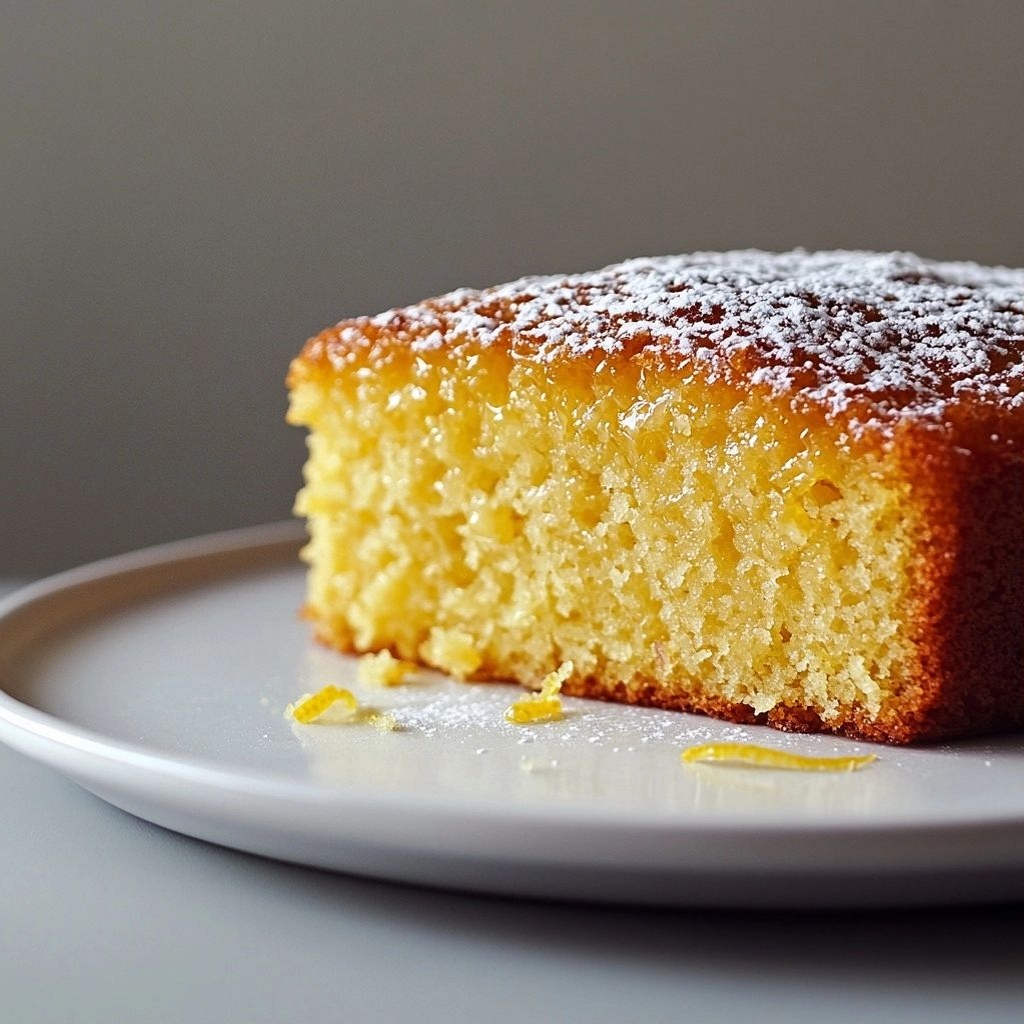
There is something sunlit and memory-rich about a Sicilian lemon cake—the bright tang of lemons, the softness of a crumb that holds a kiss of olive oil, and a fragrance that seems to summon warm seaside towns and citrus groves in full bloom. Imagine slicing into a cake that carries the very spirit of Sicily: a thin, delicate crust that yields to a moist interior, the citrus notes clean and uplifting, and a glaze that glimmering like morning dew on Mediterranean lemons. This is not merely dessert; it is sunlight baked in batter. Each bite delivers a balance of sweetness and acidity, a whisper of almond or vanilla, and a finish that lingers with citrus zest and a touch of olive oil richness. If you’re seeking a cake that feels like a vacation you can take any Sunday afternoon, you’ve just found it. The Sicilian lemon cake is an edible postcard from the island’s coast, a testament to restraint and brightness, and a celebration of simplicity elevated by quality ingredients. It’s the kind of cake that makes guests pause, breathe in the aroma, and exhale with a contented smile—the kind you’ll want to bake again and again for gatherings, celebrations, or quiet moments when you deserve a little sunshine in a slice.
The Story Behind the Dish
In Sicily, citrus groves stretch along sun-warm hillsides, and lemon trees are as common as olive trees, each bearing fruit with a perfume that travels far beyond the orchard. The island’s cuisine is a narrative of sea and land, of bright, clean flavors that honor ingredients rather than mask them. The Sicilian lemon cake embodies this philosophy: it is a slice that lets the lemons shine. Historically, many Mediterranean desserts lean on olive oil instead of butter, a practice that creates a moist, tender crumb with a distinctive own-coin flavor. The lemon cake, as practiced in home kitchens and family bakeries around Palermo, Catania, and Trapani, often uses lemon juice and zest to brighten the fat-heavy batter, with a delicate glaze or dusting of sugar to lend a gentle sweetness that doesn’t overpower the lemon’s palate-cleansing tang.
There are variations across coastal towns. Some recipes rely on almond meal to give a nutty fragrance and a moist, almost marzipan-like texture. Others prefer the classic combination of flour, sugar, eggs, and olive oil with a splash of vanilla or a whisper of ricotta to heighten creaminess. A generous splash of orange blossom water or a hint of tarragon can be found in regional riffs, each adding a new layer to the cake’s aroma. Yet no matter the version, the essence remains the same: a cake that captures the coastal sun, the memory of a lemon grove, and the comforting ritual of sharing something baked with loved ones.
Why this particular rendition matters
What makes this Sicilian lemon cake stand out is its balance of elements. The lemon is not merely lemony; it is aromatic and fresh, with zestiness that hints at the zest’s oils being released during mixing and baking. Olive oil adds a fruity, silky texture and a subtle peppery finish—very different from butter, but equally indulgent. The batter tends to be lighter than a denser pound cake, allowing the citrus brightness to carry through without becoming overly sweet. There is harmony in the ratio of sweetness to acidity, and the glaze—if included—provides a gentle gloss and a final lemony kiss that ties the entire experience together. This is a cake that travels well—from afternoon tea to celebratory dessert—without losing its character.
Why You’ll Love This Recipe
- Bright, refreshing flavor: lemon zest and juice deliver a sunny tang that is not overpowering.
- Moist, tender crumb: the olive oil creates a luxurious texture that stays luscious for days.
- Simple pantry ingredients: you probably have most of what you need on hand.
- Elegant yet approachable: perfect for both casual weeknights and special occasions.
- Versatile serving options: glaze, dusting of powdered sugar, or a light yogurt-lemon topping work beautifully.
- Make-ahead-friendly: the flavors deepen after a day or two, making it ideal for entertaining.
Flavor Profile & Texture
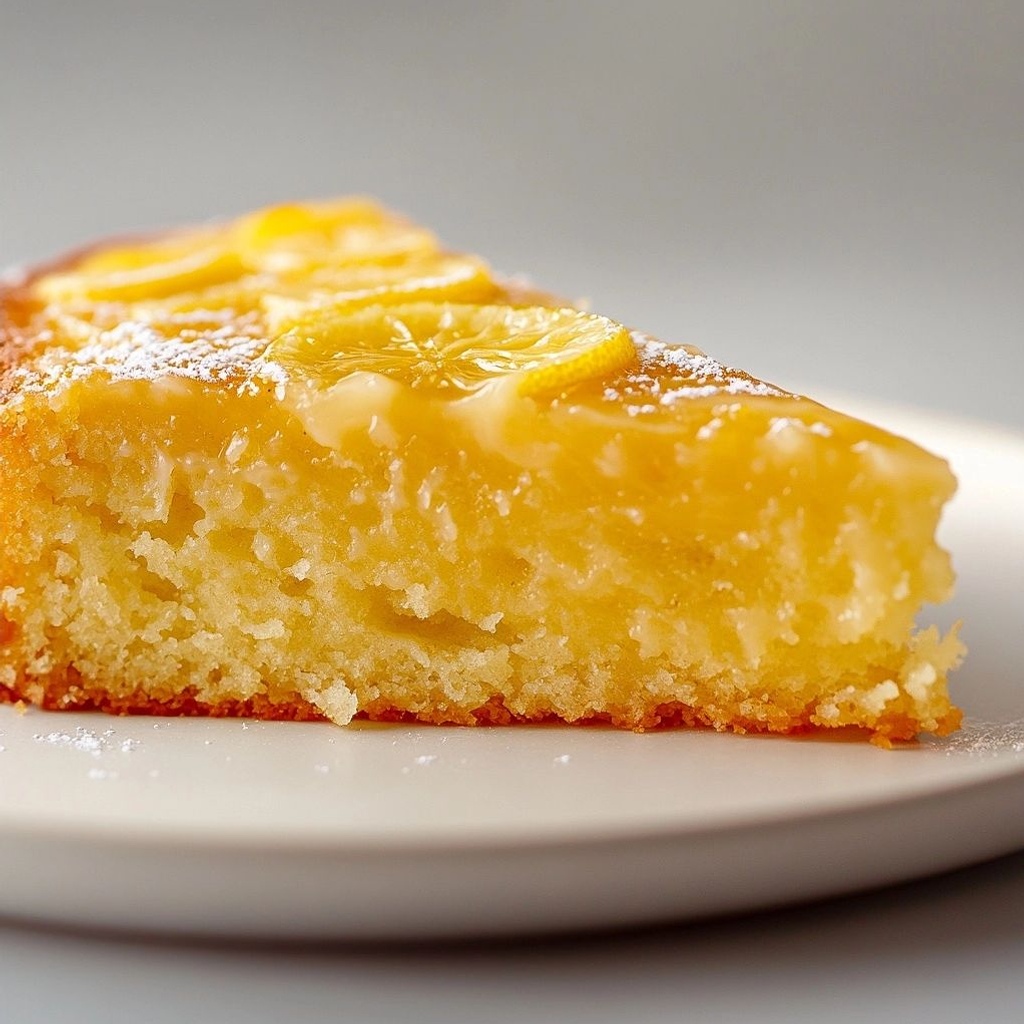
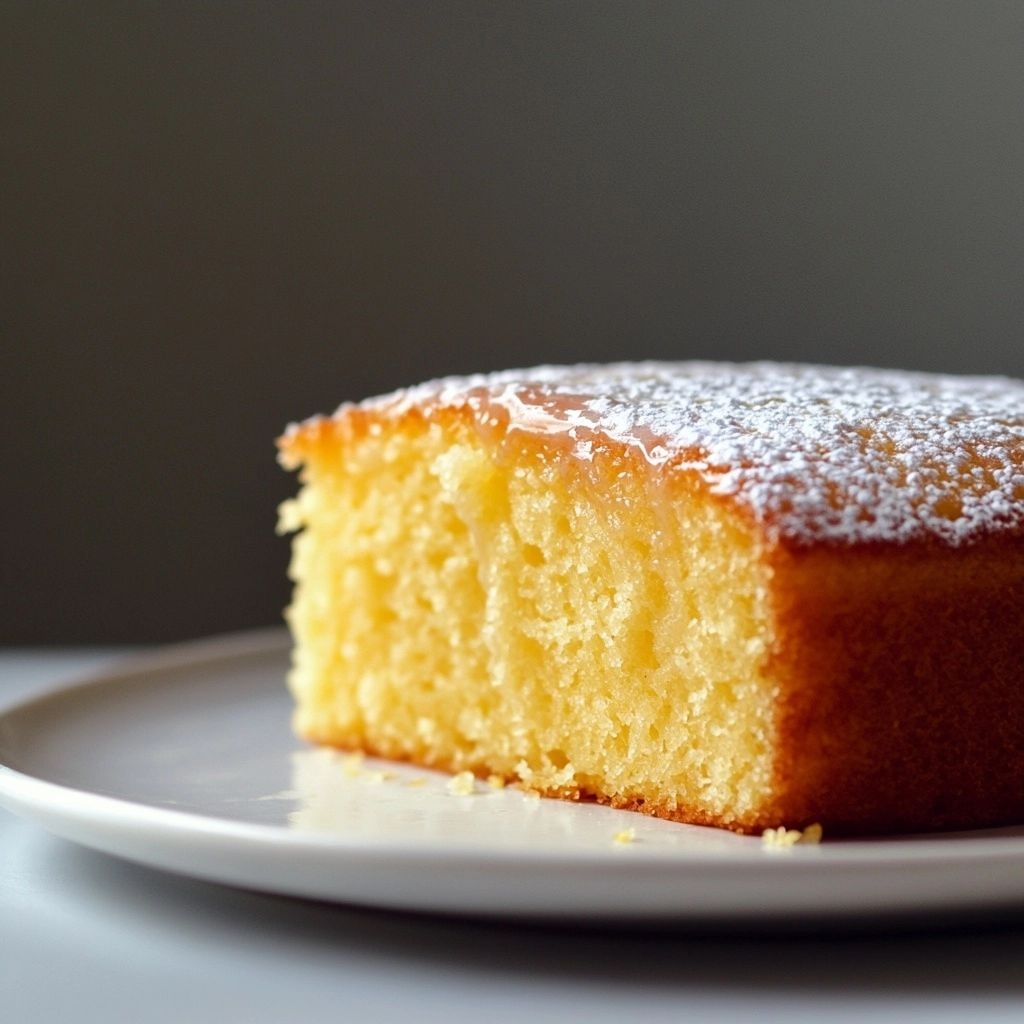
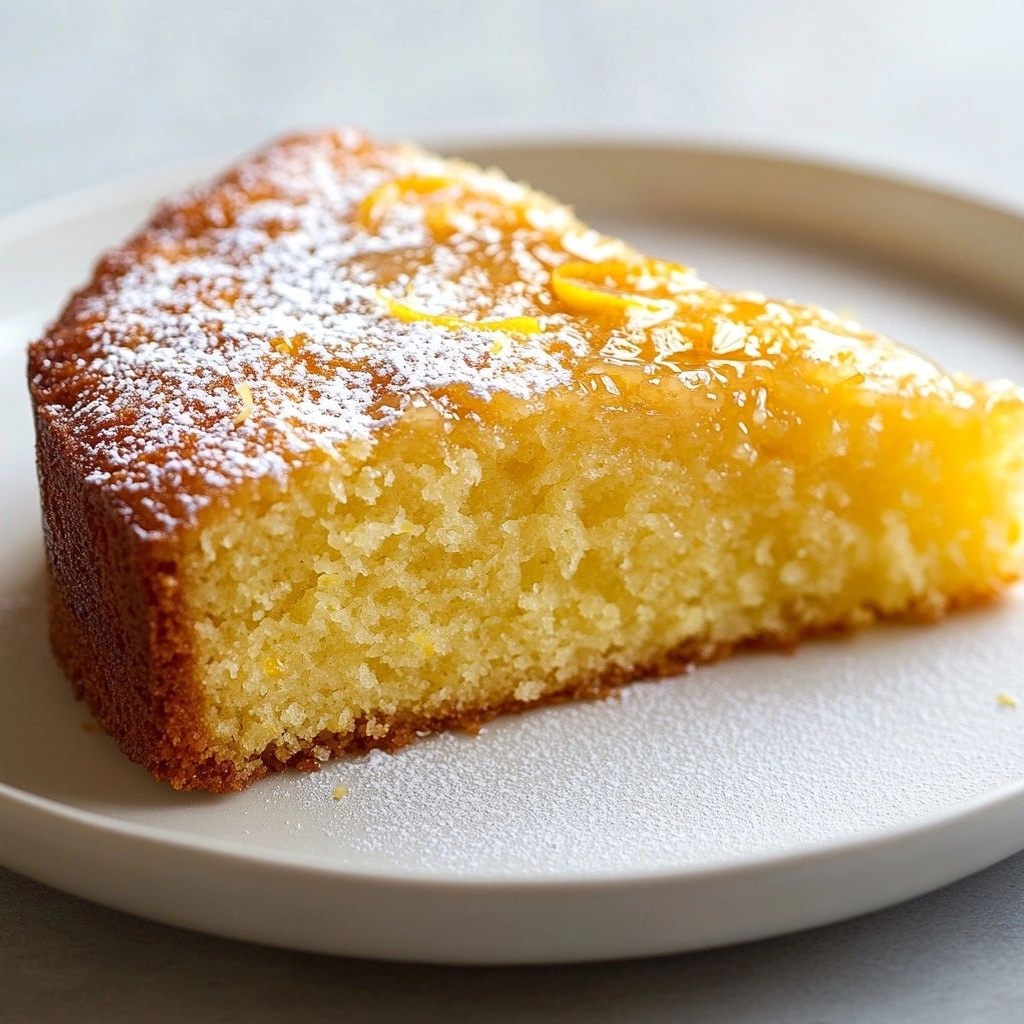
The cake offers a delicate balance between the aromatic brightness of lemons and the soft, comforting mouthfeel of a moist crumb. The citrus notes come in layers—there’s the immediate lemon tang from the juice, the perfume from the zest, and an almost candied brightness from a glaze or syrup sometimes incorporated between the crust and the interior. The texture is typically tender and springy, with a slight elasticity that suggests the presence of olive oil or yogurt in the batter. In some versions, a touch of almond flour or ground almonds contributes a faint nutty note and a more crumbly, sandier texture that contrasts nicely with the smooth cake. The sweetness level is gentle, designed to highlight the lemon’s aromatic oils rather than overwhelm them, so that each bite feels clean, mouth-watering, and refined. The finish is often crisp at the edges where the cake meets the pan, caramelized lightly during baking, and then soothed by the interior’s softness as you chew.
When served with a simple glaze—made from powdered sugar and lemon juice—the cake gains a glossy sheen and an extra lemon lift that mirrors the brightness inside. Alternatively, a dusting of confectioners’ sugar provides a delicate sweetness and a visual contrast that makes the cake look as inviting as it tastes. A dollop of lightly sweetened whipped cream, a spoonful of lemon curd, or a tangy yogurt-based topping can add a complementary texture and acidity, transforming the cake into a versatile dessert suitable for different palates and occasions.
Occasions & Pairings
This Sicilian lemon cake is a versatile guest for a wide range of events and moments:
- Weeknight indulgence: a quick bake after a long day to lift spirits and satisfy the sweet tooth without heaviness.
- Family gatherings: a bright centerpiece that travels well and slices evenly for a crowd.
- Tea time or brunch: pairs beautifully with a hot cup of tea, sparkling water with lemon, or a glass of chilled dessert wine.
- Celebrations: a lighter, citrus-forward alternative to more decadent cakes for birthdays, anniversaries, or summer parties.
Pairings to consider:
- Drinks: a sparkling Moscato or Prosecco, a crisp Sauvignon Blanc, or a light, non-offensive hot tea like Earl Grey.
- Side dishes: a fresh berry compote, citrus segments, or a yogurt-mint sauce for a cooling contrast.
- Desserts: complementary fruit-based desserts, olive oil-based shortbread cookies, or a light ricotta cream.
Tips, Variations & Substitutions
Here are ways to tailor the Sicilian lemon cake to different diets, flavors, and occasions:
- Gluten-free: use a high-quality gluten-free all-purpose flour blend. If you want a lighter texture, consider adding a tablespoon of cornstarch or using almond flour in combination with gluten-free flour.
- Vegan: replace eggs with a flax egg (1 tablespoon ground flaxseed mixed with 3 tablespoons water per egg) or a commercial egg replacer. Use a plant-based yogurt or applesauce to maintain moisture, and substitute olive oil for dairy butter if desired.
- Low-fat: reduce the olive oil slightly and substitute a non-dairy yogurt to maintain moisture while lowering total fat.
- Orange variation: add a little orange zest or a tablespoon of orange juice to amplify a citrus mix and bring a new aroma.
- Herbal accents: a teaspoon of thyme, rosemary, or basil can impart an herbaceous note that pairs nicely with lemon; use sparingly so the herbs don’t overwhelm the citrus.
- Almond-forward version: incorporate a small amount of finely ground almonds or almond flour to give a faint nutty flavor and a tender crumb.
- Glaze options: a simple glaze with powdered sugar and lemon juice works beautifully; for a more luxurious glaze, whisk in a splash of limoncello, a splash of almond extract, or a few drops of vanilla.
- Texture tweaks: if you prefer a slightly crustier exterior, bake a few minutes longer at a slightly lower temperature to encourage even browning.
Storage & Make-Ahead Ideas
The Sicilian lemon cake is forgiving and forgivingly delicious when stored properly. Here are practical tips to maximize freshness and flavor:
- Room temperature: store in an airtight container or under a cake dome for up to 3 days. The cake tends to become more flavorful as the lemon fragrance matures, but avoid exposing it to direct sunlight or heat, which can dry it out.
- Refrigeration: if you’re in a warm climate or want to extend shelf life, refrigerate for up to 5 days. Bring to room temperature before serving for best texture and aroma.
- Freezing: the cake freezes well, especially without a heavy glaze. Wrap tightly in plastic wrap and foil, then freeze for up to 2 months. Thaw overnight in the refrigerator and rewarm gently if desired; a light glaze can be refreshed after thawing.
- Make-ahead strategy: this cake benefits from resting for a few hours or overnight, which allows flavors to meld. Bake it ahead for gatherings and glaze or finish just before serving for the brightest lemon aroma.
Fun Facts & Trivia (Optional)
– Sicily’s lemon varieties often include the popular “Sfusato” lemons, prized for their balanced acidity and sweet, fragrant zest. They are a characterful counterpart to the island’s olive oil and almonds, frequently used in both sweet and savory preparations.
– In some Sicilian households, a tiny amount of lemon zest is sprinkled into the batter just before pouring it into the pan, a detail that helps release the essential oils, maximizing the lemon fragrance in every slice.
– The tradition of olive oil in dessert batters reflects a longer Mediterranean culinary culture that emphasizes exploring the boundaries between savory and sweet with pantry staples, rather than relying solely on butter and sugar to deliver richness.
Make It Your Own
As you prepare this Sicilian lemon cake, think about what makes lemon—the fruit that is both bright and comforting—so inviting. Whether you keep it classic, infuse it with a botanical note, or tailor it to dietary needs, you can maintain the cake’s essence while making it your own. The beauty of this cake is its ability to feel timeless and modern at the same time. It is both a nod to generations of home bakers and a fresh, contemporary indulgence that suits today’s kitchens and tables. So gather your lemons, zest generously, embrace the aroma, and let the oven do the storytelling. The first cut, releasing the citrus steam, will tell you you’ve chosen a recipe with real character and unmistakable heart.
A Final Thought
When you bake a Sicilian lemon cake, you are not just making dessert—you are inviting a piece of the island into your home. The scent of lemon and olive oil will drift through the room, the glaze catching the light as the cake rests on the plate, and the first slice will deliver a memory you can revisit with every subsequent bake. It is a cake that tastes like sunshine and family gatherings, like summer days that stretch a little longer, and like the comforting ritual of sharing something made with care. Bake this cake, and you bake a little sunshine into your day.
Ingredients
- Cake Base (Batter)
- 2 cups all-purpose flour
→ Provides the structure for the cake. Sift lightly to remove lumps and ensure an even crumb. If you prefer a lighter texture, you can substitute with 1 cup all-purpose flour and 1 cup cake flour for a more delicate crumb. - 1/2 cup granulated sugar
→ Sweetens the batter and helps with browning. For a tangier cake, you can reduce to 1/3 cup or replace a portion with a golden sugar. Ensure the sugar is evenly distributed by creaming with the wet ingredients if needed. - 3 large eggs
→ Bind the ingredients and provide structure and moisture. Use eggs at room temperature for better emulsification and volume when whisking or beating. If substituting, you can use 1/4 cup applesauce plus 1/4 cup yogurt per egg for a lighter texture. - 1/2 cup unsalted butter, melted and cooled
→ Contributes richness, tenderness, and moisture. Use melted and cooled butter to evenly incorporate into the batter without scrambling the eggs. If you prefer a lighter, more tender crumb, substitute with 1/2 cup extra virgin olive oil and reduce the butter slightly to 2 tablespoons. - 1/2 cup plain yogurt (full-fat or Greek)
→ Adds moisture and a slight tang, improving crumb and tenderness. Use yogurt at room temperature; if you don’t have yogurt, you can swap in 1/2 cup sour cream or equal amount of milk plus 1 teaspoon lemon juice to mimic acidity. - Zest of 2 lemons
→ Imparts a bright lemon aroma and flavor throughout the cake. Use a microplane to avoid the bitter white pith; zest before juicing the lemons for efficiency. Avoid zesting too deeply into the white pith which can taste bitter. - 1/4 cup fresh lemon juice
→ Provides lemon brightness and a touch of acidity that helps balance sweetness and tighten the crumb. Use freshly squeezed juice for best flavor; strain if seeds are present. - 1 1/2 tsp baking powder
→ Leavening agent that helps the cake rise and become light and airy. Sift with flour to ensure even distribution and avoid clumps that can cause uneven rising. - 1/2 tsp baking soda
→ Adds additional lift and a tender crumb when paired with the yogurt and lemon juice. Ensure the acid from yogurt and lemon juice activates it for proper leavening; don’t mix with dairy close to the baking time to prevent premature reaction. - 1/4 tsp salt
→ Balances sweetness and enhances lemon flavor, improving overall depth. Salt also strengthens the structure by tightening gluten just slightly, so measure accurately. - 1-2 tbsp poppy seeds (optional)
→ Adds subtle crunch and a traditional lemon cake texture. If using, fold seeds into the batter gently at the end to prevent sinking. Store seeds in a cool, dry place to maintain crunch. - Lemon Syrup / Glaze (Optional)
- 1 cup powdered sugar
→ Creates a smooth, glossy glaze that enhances lemon flavor and adds a finish without making the cake overly sweet. Sift to remove any lumps; adjust thickness by adding more sugar or lemon juice as needed. - 2-3 tablespoons fresh lemon juice
→ Thin the glaze to a pourable consistency and intensify lemon brightness. Start with 2 tablespoons and adjust to reach your desired glaze thickness. If you want a thicker glaze, use less juice; for a runnier glaze, add a touch more. - Optional Garnish
- Lemon zest, extra for dusting
→ For a fresh aroma and visual appeal, dusting with extra lemon zest adds perfume and contrast against the pale cake. Use zest finely grated just before serving to maximize fragrance.
Instructions
- Preheat your oven to 350°F (175°C) and lightly grease a 9-inch round cake pan or line it with parchment, ensuring the sides are coated to prevent sticking and the parchment is tucked neatly against the pan for easy removal.
→ A steady, moderate temperature yields an even rise and a uniform crumb without cracking or doming excessively. - Sift the all-purpose flour with the baking powder and salt into a medium bowl, then whisk to combine and aerate the dry ingredients for an even distribution of leavening.
→ Sifting breaks up clumps and helps achieve a delicate, uniform crumb while ensuring the baking powder is evenly distributed to prevent dense pockets. - Cream the granulated sugar with the eggs in a large mixing bowl until the mixture is pale, thick, and slightly ribbons off the whisk, indicating good emulsification.
→ Creaming incorporates air for lift and creates a light, tender crumb; room-temperature eggs help maximize volume and stability during whisking. - Whisk in the zest of two lemons and the fresh lemon juice into the egg-sugar mixture, ensuring the citrus oils are dispersed evenly for a bright, fragrant lemon flavor throughout.
→ The acidity from the juice also begins to activate the baking soda slightly, contributing to tenderness and lift when combined with the yogurt later in the batter. - Pour in the melted and cooled butter and the plain yogurt, then whisk until the batter is smooth and homogeneous, with no streaks of fat or curdled appearance.
→ Thoroughly incorporating fat and dairy creates a tender crumb and prevents oil pockets that can make the cake feel greasy. - Fold the sifted flour mixture into the wet batter in three additions, using a gentle, folding motion with a spatula to maintain air you’ve incorporated, stopping as soon as no streaks of dry flour remain.
→ Overmixing develops gluten, resulting in a tougher texture; folding keeps the crumb light and tender while evenly distributing the batter. - Stir in the 1/2 cup of yogurt and the 1/4 teaspoon salt, followed by the 1/2 teaspoon baking soda and 1 1/2 teaspoons baking powder, ensuring there are no hidden pockets of leavening so the cake rises evenly.
→ The yogurt provides acidity to activate the soda, while the extra leavening agents create a soft, airy interior; even distribution avoids uneven doming. - If using poppy seeds, fold in 1-2 tablespoons of them now, distributing evenly without overworking the batter to prevent sinking or clumping.
→ The seeds add subtle texture and a traditional lemon-cake note; folding at the end preserves their crunch and visual appeal. - Pour the batter into the prepared pan, smoothing the top with a spatula and tapping the pan firmly on the counter a few times to release any trapped air bubbles.
→ Even surface yields uniform baking and prevents large air pockets; tapping aids in a flat, level cake that rises coherently. - Bake in the preheated oven for 38-45 minutes, or until a toothpick inserted into the center comes out with a few moist crumbs and the cake springs back when gently pressed.
→ Proper baking time ensures a fully set center without dryness; tests like toothpick checks help confirm doneness without overbaking. - While the cake bakes, prepare the lemon syrup by whisking 1 cup powdered sugar with 2-3 tablespoons fresh lemon juice in a small bowl until smooth and pourable; adjust thickness with more sugar or juice as needed.
→ A balanced glaze adds brightness and moisture, enhancing lemon aroma without overpowering the cake’s delicate crumb. - Cool the cake in the pan for 10-15 minutes, then invert onto a wire rack and allow to cool completely before glazing, ensuring the surface is dry to maximize glaze adhesion.
→ Cooling stabilizes the crumb, preventing it from sliding or cracking when sliced and allowing the glaze to set evenly. - Once cooled, drizzle or brush the lemon glaze over the top in a thin, even layer, letting it soak slightly into the surface for a glossy finish and intensified lemon flavor.
→ A light glaze enhances appearance and adds a citrusy sweetness that complements the tang of yogurt and zest while keeping the cake moist. - If desired, finish with lemon zest finely grated over the top and lightly dust with zest just before serving to maximize aroma and provide a visual contrast against the pale cake.
→ Fresh zest releases essential oils when grated, delivering an immediate lemon perfume that enhances the eating experience. - Slice with a warmed knife by cleaning the blade between cuts to maintain clean edges and prevent tearing through the glaze, then serve slices with a final light dusting of zest if using.
→ A warmed knife ensures clean, professional slices through the moist crumb without dragging or smearing the glaze.
Notes
These Sicilian Lemon Cake notes guide you to bake a bright, tender cake with a tangy, aromatic lemon presence. Start by weighing or lightly spooning the flour to avoid dense, heavy crumb, and consider a 1:1 substitution with a light cake flour or a gluten-free all-purpose blend if you prefer a gluten-free version. Bring all ingredients to room temperature to improve emulsion and rise, especially the eggs and yogurt. Zest the lemons before juicing to maximize aroma, and strain the juice to remove seeds and pulp for a clean, vibrant glaze or batter. When mixing, cream the sugar with the wet ingredients first to help achieve a fine crumb, then fold in the dry ingredients gently to keep the cake light; overmixing can cause a tougher texture. For a lighter, more delicate crumb, you can substitute 1/2 cup of the all-purpose flour with 1/2 cup cake flour. The lemon syrup or glaze is optional but highly recommended for an extra citrus punch; if you prefer a thicker glaze, reduce the lemon juice or add a touch more powdered sugar until you reach the desired pourable consistency. If you like a traditional texture, fold in 1-2 tablespoons of poppy seeds at the end and bake until a toothpick comes out with a few moist crumbs. Storage: once cooled, keep the cake wrapped or in an airtight container for up to 3 days at room temperature, or freeze slices for a quick dessert; glaze or dust with extra lemon zest just before serving for a fresh finish. To personalize, consider a dollop of whipped cream, a spoon of citrus curd, or a scoop of vanilla yogurt on the side. Always ensure your ingredients (especially flour and leaveners) are fresh and within their best-by dates for best results.
Tips
Tips for preparing Sicilian Lemon Cake:
- Line your pans or prepare a cake ring with parchment to prevent sticking, especially if you’re using a lighter crumb from cake flour substitution or a gentler batter overall.
- When zesting lemons, rotate the fruit as you zest to keep the zest thin and avoid the bitter white pith. Fresh zest releases essential oils best when added to the sugar or butter early in the mixing process.
- Use room-temperature ingredients (eggs, yogurt, butter) to maximize emulsification and ensure a smooth, even batter with better volume. If any ingredient is cold, give it a few minutes to come to room temp.
- Whisk eggs with sugar until the mixture is pale and airy before adding the butter to create a lighter crumb. If you’re short on time, use an electric mixer on medium-high for 2–3 minutes.
- When adding the melted butter, whisk slowly into the batter to prevent the eggs from scrambling. Tempering the butter by adding a small amount first helps maintain a smooth emulsion.
- Balance moisture and tenderness with yogurt; if the batter seems very thick, you can add a tablespoon or two of milk to loosen it slightly without thinning the structure.
- Leavening should be evenly distributed for a uniform rise. Sift baking powder (and baking soda) with the flour to avoid lumps that can create tunnels in the crumb.
- If using poppy seeds, fold them in gently at the end to avoid sinking. A light coating of flour on the seeds helps them stay suspended in the batter.
- For the lemon syrup glaze, start with a thick yet pourable consistency. If you want a glaze that clings to the cake, use less juice; for a lighter glaze, add a little more juice until it flows smoothly.
- Warm glaze slightly if it thickens too much, and stir in a pinch of lemon zest for extra brightness right before pouring.
- To finish like a bakery-style cake, brush the warm cake with a thin layer of the lemon syrup while it’s still hot, then drizzle the glaze once the cake cools to set a glossy finish.
- Storage: keep the cake covered at room temperature for up to 2 days, or refrigerate for up to a week. Lemon glaze can harden when chilled, so gently rewarm or re-glaze before serving if needed.
- Variations: swap a portion of yogurt for sour cream for a deeper tang, or substitute part of the flour with almond flour for a nuttier, denser crumb (note: this will change texture and may require slight adjustments to liquid).
Optional garnishes offer aroma and color: a light dusting of extra lemon zest just before serving enhances fragrance and provides a pleasant visual contrast against the pale cake.
FAQ
What is Sicilian Lemon Cake?
A light, olive oil-based cake from Sicily, studded with fresh lemon zest and often finished with a bright lemon glaze. It’s aromatic, moist, and citrus-forward with a distinct Mediterranean twist.
What ingredients are typical for this cake?
Common ingredients include all-purpose flour, granulated sugar, eggs, extra-virgin olive oil, lemon zest, lemon juice, baking powder, salt, and sometimes yogurt or sour cream for extra moisture. A lemon glaze made from lemon juice and powdered sugar is a popular finishing touch.
How do I make the lemon glaze?
Mix lemon juice with powdered sugar until smooth and pourable. Adjust consistency with more sugar for a thicker glaze or more juice for a runnier glaze. Drizzle over the cooled cake for a glossy finish.
Can I adapt this recipe to be dairy-free?
Yes. Replace dairy ingredients as needed: use dairy-free yogurt or omit it, and substitute butter with extra-virgin olive oil or a neutral oil. The cake remains moist due to the oil and lemon zest.
Is this cake the same as a traditional Sicilian olive oil cake?
It shares the olive oil base and bright lemon flavor with many Sicilian olive oil cakes, but some variations include yogurt, ricotta, or a touch of orange blossom water. The lemon-forward version is a classic, especially in Sicily.
What texture should I expect?
Moist, tender crumb with delicate crumb structure. The olive oil gives a juicy mouthfeel, while lemon zest provides aromatic brightness. A glaze adds a slight sweetness and sheen.
How should I bake and test doneness?
Pour batter into a greased bake pan and bake at around 350°F (175°C) until a toothpick inserted into the center comes out clean or with a few crumbs. Start checking at 25–30 minutes for small pans, and 35–45 minutes for larger loaf pans. Let it cool in the pan briefly before transferring to a rack.
How should I store leftovers?
Store at room temperature in a covered container for up to 2 days, or refrigerate for up to 5 days. The flavor deepens with time, and the cake can be enjoyed cold or gently warmed.
Can I freeze Sicilian Lemon Cake?
Yes. Wrap slices or the whole cake tightly in plastic wrap and foil, then freeze for up to 2–3 months. Thaw in the fridge or at room temperature and re-glaze if desired for extra brightness.
What are good variations or add-ins?
Add a teaspoon of vanilla extract, a pinch of almond extract, or substitute orange juice for part of the lemon juice for a different citrus profile. Some bakers fold in lemon curd swirls, or top with sliced lemons for a decorative finish.