Introduction / Hook
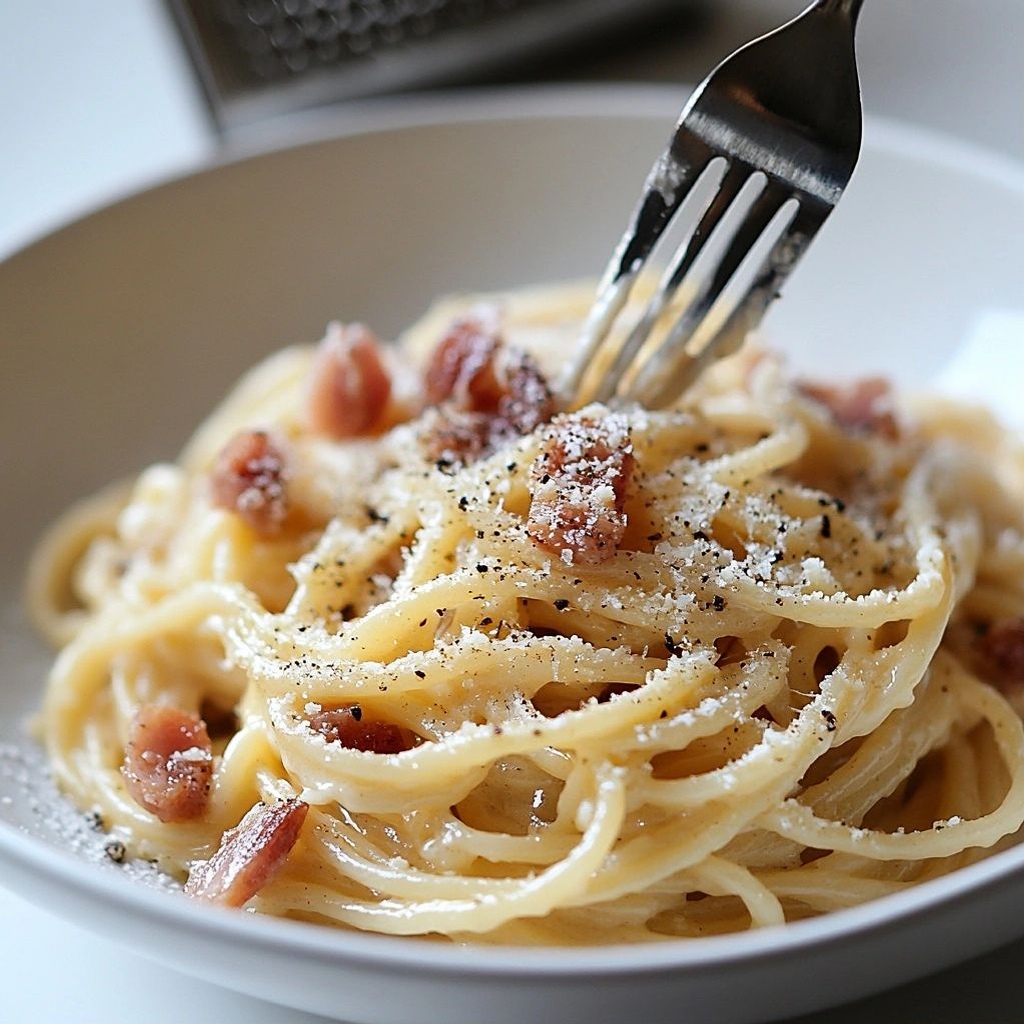
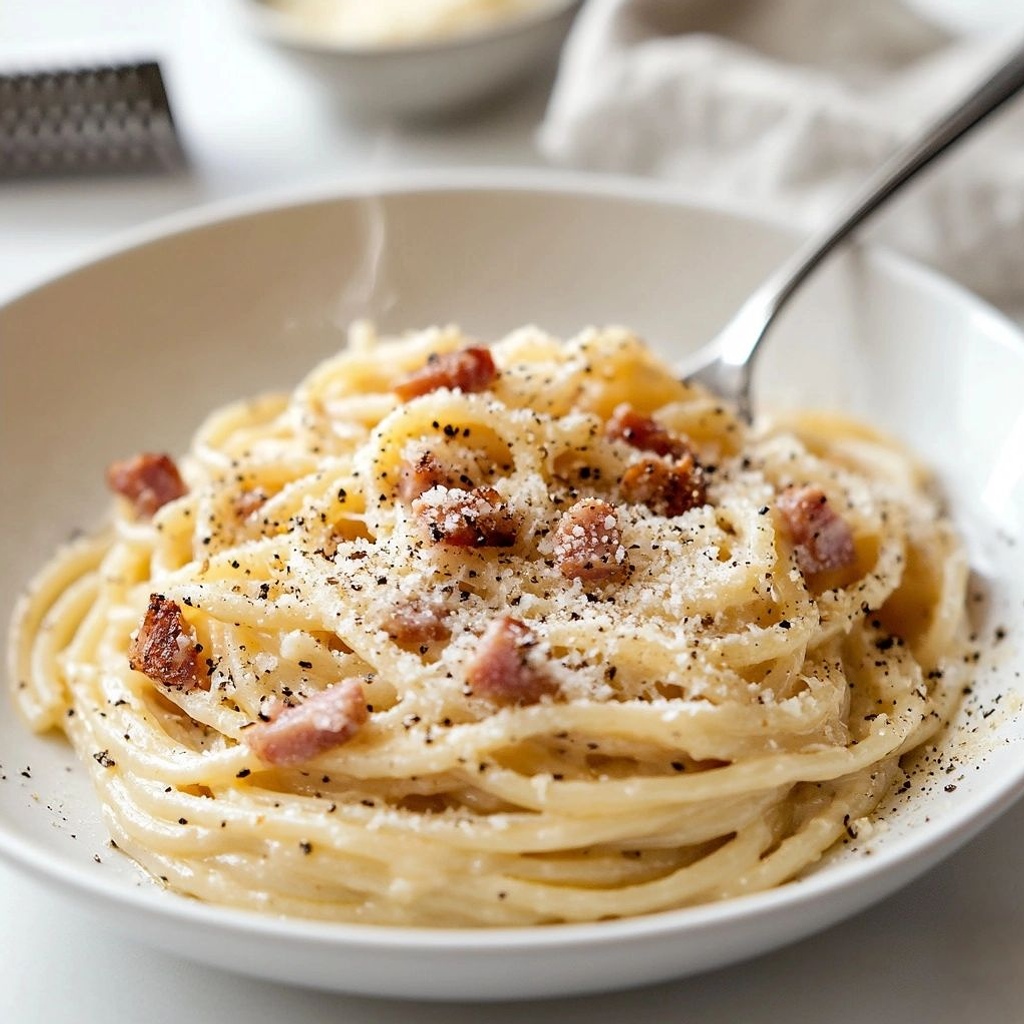
Picture a plate of Roman Carbonara arriving at your table with timeworn elegance: ribbons of glossy, glossy pasta cloaked in a velvety, sun-kissed sauce that shimmers with glossy sheen. There are no heavy cream cliches here, only a tender balance of silken eggs, cheese, and the warmth of pancetta or guanciale that glows like a tiny Italian sunset. The aroma is a captivating invitation—porky savoriness, kissed with pepper, and a gentle kiss of nutty pecorino that lingers on the palate. This is not just a pasta dish; it’s a memory in the making, a ritual of quick, comforting cooking that rewards you with a profound simplicity. Welcome to Roman Carbonara, a dish that embodies the spirit of Italy’s kitchens: practical, precise, and absolutely delicious when treated with care. If you’ve ever wanted a weeknight hero that feels luxurious without requiring a long, fussy mise en place, you’ve found it. The moment the sauce thickens around the hot pasta and the eggs quietly set, you’ll understand why this dish has endured for generations and still feels exciting in today’s modern pantry. Let this be your invitation to slow down, whisk with intention, and savor a plate that tastes like a storytelling tradition shared around a family table.
The Story Behind the Dish
Carbonara is a dish with a storied, debated past, wrapped in the lore of Roman kitchens and the romance of Italian regional pride. Its origins are the subject of lively conversation among food historians, with theories that range from shepherds on the Apennine trails to coal workers in Rome who relied on simple, sturdy ingredients for sustenance. What everyone tends to agree on is this: carbonara emerged from a time when pantry staples—pasta, cured pork, hard cheese, and eggs—could be transformed into something luxurious and comforting in a matter of minutes. The technique is a dance of temperature and timing, a delicate balance that prevents the eggs from scrambling while coaxing a satin-like cream without cream. The choice of ingredients matters deeply: guanciale (cured pork jowl) is traditionally preferred for its richer, porkier fat compared to pancetta, while pecorino romano provides that distinctive sharp, tangy bite that cuts through the fat and brightens the dish. Over the years, regional interpretations have appeared—some scholars insist on a black pepper draw that’s almost a perfume, others savor the punch of a long, glossy finish—yet the essence remains constant: a humble, say, four-ingredient marriage that becomes something magical. In Rome, the dish is a feel-good symbol of everyday elegance, served in trattorie that make you feel instantly transported to sunlit piazzas, with steam rising from copper pots and the clatter of dishes, laughter, and the crackle of pancetta fat echoing in the air. For many cooks, carbonara is a rite of passage—an opportunity to trust technique, to respect the harmony of simple ingredients, and to savor the moment when glossy strands meet a glossy, worth-the-wait sauce. The dish invites you to cook with your instincts, but also with restraint: a quick temper in the pan, a careful pinch of salt, a mindful turn of the spoon, and a final flourish of cheese and pepper that feels inevitable and earned.
Why You’ll Love This Recipe
- Fast and unfussy: A satisfying, restaurant-quality plate that comes together in minutes with pantry staples.
- Comforting yet refined: The creamy texture is achieved without cream, relying on eggs and cheese for depth and silkiness.
- Versatile and forgiving: Works with guanciale or pancetta, and adapts to substitute ingredients with confidence.
- Classic flavor balance: Salty, savory pork, tangy cheese, peppery brightness, and perfectly al dente pasta in harmony.
- Entronched in tradition, yet modern in execution: A timeless dish that still feels fresh and exciting on today’s table.
Flavor Profile & Texture
The flavor of Roman Carbonara is a study in balance. The saltiness of the cured pork provides a savory backbone, while the pecorino Romano lends a sharp, slightly tangy bite that sparkles against the richness of the eggs. The sauce is not merely creamy; it’s satin-smooth, glossy, and enveloping in a way that makes the pasta feel luxuriously coated without being heavy. Black pepper is the secret bright note, a peppery zing that lightens the dish and adds a hint of warmth that lingers on the tongue. The texture is a concert of contrasts: al dente pasta offers a firm bite, the rendered fat from the guanciale or pancetta adds a delicate melt-in-mouth richness, and the sauce clings to each strand in a way that makes every mouthful feel cohesive and indulgent. There is no need for heavy creams or gimmicks; the magic comes from timing, temperature, and the quality of ingredients. When you toss the hot pasta with the egg-cheese mixture off the flame, the residual heat gently cooks the eggs, creating a velvety emulsion that captures the essence of the dish. The final forkful should feel lush and harmonious, with the savory pork and cheese delivering a kiss of saltiness and a whisper of fat, balanced by pepper and a citrusy spark if you choose to introduce a small splash of pasta water. It’s a flavor profile that feels both rustic and refined—a dish you can offer to a family member after a long day and watch them light up with every bite.
Occasions & Pairings
Roman Carbonara is remarkably adaptable for many occasions, making it a go-to for weeknights, special family suppers, or even casual entertaining when you want something comforting yet impressive. It shines on a simple weeknight when you crave something richly satisfying but quick enough to prepare after work. It also suits a weekend dinner where conversation runs as smoothly as the sauce, perhaps accompanied by a bright green salad to cut the richness and a crisp white wine or light-bodied red that won’t overwhelm the dish. For a more celebratory feel, serve Carbonara with a glass of dry sparkling wine or a minerally white, such as Friulano or Verdicchio, which can boost the dish’s savoriness and peppery notes. Side dish ideas include blistered tomatoes with garlic and herbs for a pop of acidity, sautéed greens such as spinach or broccoli rabe for a contrast in texture, or a simple loaf of crusty bread to mop up any luscious sauce. If you’re hosting a cozy dinner party, pair with a light antipasto platter featuring olives, marinated artichokes, and a few slices of aged pecorino to echo the dish’s cheese-forward character. For leftovers, Carbonara is surprisingly versatile: reheat gently with a splash of pasta water to restore gloss and looseness without overcooking the eggs.
Tips, Variations & Substitutions
Mastering Carbonara comes down to technique and attention to temperature. Here are practical ways to tailor the dish to your kitchen, dietary needs, or mood:
- Classic vs. modern: Use guanciale if you have access to it for a richer, more traditional flavor. Pancetta works beautifully as a reliable substitute with a slightly different fat profile.
- Egg technique: The eggs should be whisked with the cheese before combining with the pasta. The heat of the pasta gently cooks the eggs, so avoid adding hot sauce or adding to a pan already too hot, which can scramble the eggs.
- Cheese options: Pecorino Romano is traditional for its sharp, tangy punch. If you prefer a milder profile, blend in a portion of Parmigiano-Reggiano, but keep some Pecorino for authenticity and brightness.
- Make it lighter or dairy-free: For a dairy-light version, substitute a portion of the cheese with nutritional yeast or a dairy-free pecorino alternative, though this will alter flavor and texture.
- Gluten-free approach: Choose gluten-free pasta shaped similarly to traditional long strands to preserve texture and sauce cling.
- Texture variations: If you like a silkier sauce, emulsify with a splash of pasta water and a tiny amount of extra-virgin olive oil at the end; if you want a firmer bite, reduce water slightly for a thicker, more concentrated coating.
- Herbal and pepper tweaks: A small pinch of crushed red pepper can add a gentle warmth, or finish with finely chopped flat-leaf parsley for color and a fresh herbal lift if you like.
- Regional twists: Use smoked pancetta for a deeper, smoky note or add a dollop of chili for a modern, spicy carbonara twist.
Storage & Make-Ahead Ideas
Carbonara is best enjoyed freshly, with the sauce at the right temperature and emulsified just so. However, you can plan ahead and store components to speed up future dinners:
- Leftover sauce: If you have extra egg-cheese mixture, freeze it in a labeled container and reheat gently with a little pasta water, whisking to restore the emulsified texture. Note that the texture may differ slightly from freshly made.
- Pancetta/guanciale: Cooked pork bits can be chilled and used to start a future batch with minimal effort, adding a boost of flavor to any quick pasta dish.
- Pasta: If you cook the pasta ahead of time, toss it with a tiny amount of olive oil to prevent sticking, then reheat briefly in salted boiling water or a pan with a splash of water to revive texture before mixing with the sauce.
- Make-ahead tip: For a truly streamlined weeknight version, pre-grate the cheeses and portion the cured pork, so on the day you want Carbonara, you only need to boil pasta and combine with the ready-to-go components off the heat.
Fun Facts & Trivia (Optional)
Carbonara is a dish that tends to provoke curiosity and delight in equal measure. Here are a few tidbits that enthusiasts enjoy sharing:
- Contrasting myths: Some stories link carbonara to coal miners (carbonari) or to early, resourceful Roman kitchens using what was available. The exact origin remains debated, which is part of the dish’s enduring charm.
- Cheese choice matters: Pecorino Romano is a defining ingredient; its distinctive tang is what gives carbonara its characteristic bite. Substituting it with milder cheeses changes the signature flavor perceptibly.
- Technique matters: The hallmark of a true carbonara is a sauce that clings to the pasta without appearing gloopy or scrambled. The heat of the pasta and the whisking of cheese-egg blend are essential to achieving that glossy emulsion.
- Regional variations exist: Though the Roman version is well-defined, many households around the world enjoy their own tweaks—some add garlic, wine, or cream, while purists argue for strict adherence to the original four ingredients: pasta, guanciale, eggs, and pecorino.
Conclusion / Final Thoughts
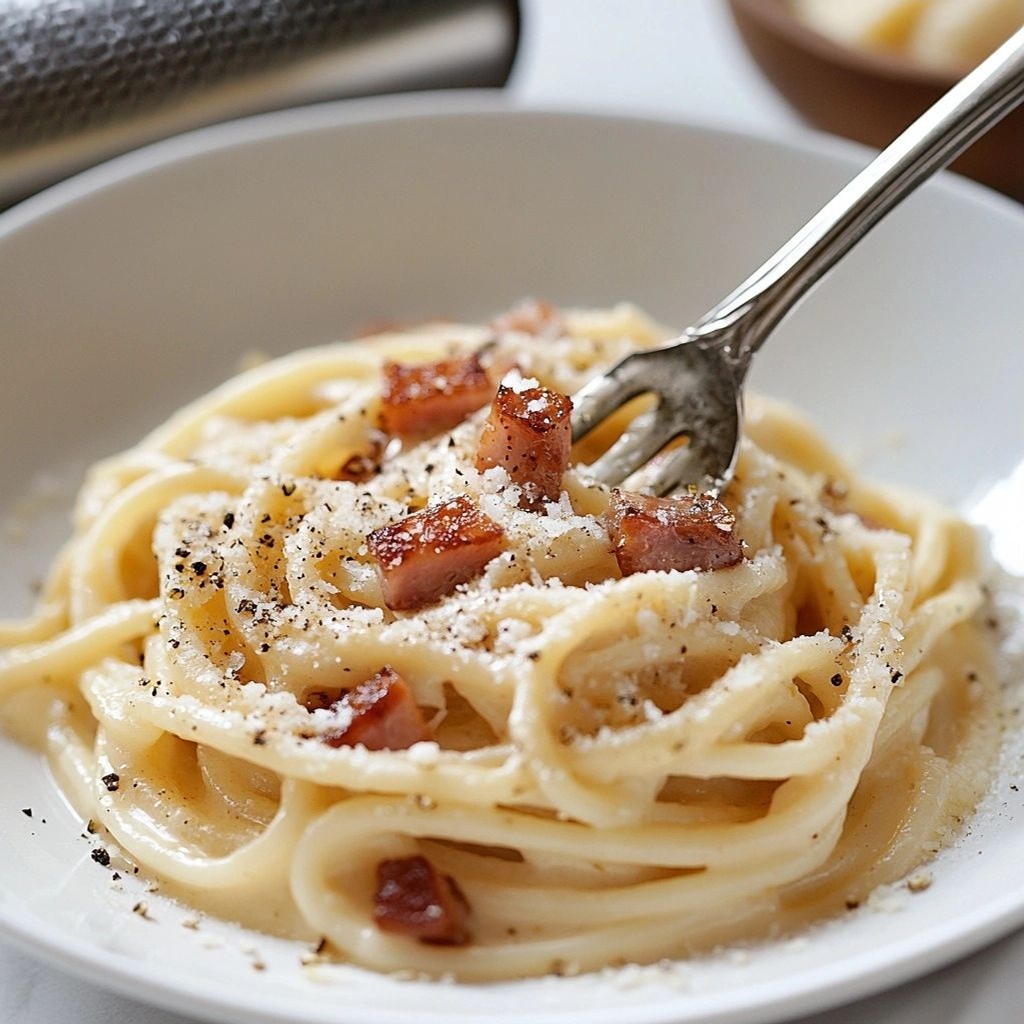
Roman Carbonara stands as a testament to the beauty of simplicity in cooking. It teaches us that a few well-chosen ingredients, handled with care, can deliver a sensation that feels luxurious yet unpretentious. The moment you lift the fork and twirl the strands, coated in a silky, pepper-kissed, egg- and cheese-rich sauce, you’re stepping into a culinary tradition that spans generations. It’s a dish that invites you to cook with intention, savor every step, and share a moment of warmth with those you love. Whether you’re revisiting a cherished family recipe or discovering carbonara for the first time, embrace the rhythm of the technique, trust the ingredients you have on hand, and let the sauce thank you for your patience and attention. The result is more than a plate of pasta; it’s a memory you can carry to the table again and again.
Ingredients
-
– Pasta (spaghetti, bucatini, or your preferred shape; 400 g / 14 oz)
→ The backbone of the dish. Use a long, dry pasta for a traditional, toothsome bite that will hold the creamy sauce when tossed. Cook until al dente in generously salted water, reserving a cup of pasta water to adjust the sauce consistency later. The starch in the pasta water helps emulsify the sauce for a silky, clingy coating on every strand.
– Guanciale (or pancetta), diced (200 g / 7 oz)
→ Provides the rich, savory fat that flavors the sauce and renders crisp bits for texture. Cut into small, even cubes or batons so it renders evenly. Render slowly over medium heat until the fat is melted and the meat is crisp—the crispy edges add crunch and a deep porky aroma without overpowering the dish. If using pancetta, compensate for slightly different fat content and adjust cooking time accordingly.
– Eggs: yolks and whole eggs (4 large yolks + 1 whole egg; about 250 g total)
→ The creamy emulsion base of the sauce. Use a mix of yolks and one whole egg to balance richness and set the sauce without scrambling. Whisk with the cheese off the heat to create a glossy, silky coating that clings to the hot pasta. Do not add eggs directly to very hot pan; remove heat to prevent curdling.
– Pecorino Romano, finely grated (100 g / 3.5 oz)
→ Contributes sharp, salty tang that defines authentic carbonara. Use finely grated Pecorino Romano for smooth incorporation into the egg mixture. Grate just before using to maximize aroma; adjust the amount to taste if you prefer a milder or more intense bite. If needed, supplement with a small amount of Parmigiano-Reggiano for a gentler profile.
– Freshly ground black pepper (to taste; start with 1–2 tsp)
→ Essential heat and complexity that cuts through the richness. Grind generously just before mixing with the eggs and cheese to release volatile oils. For a traditional bite, grind with a pepper mill as the sauce comes together; adjust after tasting the final dish to avoid overpowering the sauce.
– Salt for pasta water (to taste; typically 1–2 tablespoons per 4–6 quarts of water)
→ Builds the baseline seasoning that tastes on the palate once the sauce is assembled. The guanciale and Pecorino are quite salty, so rely on tasting rather than over-salting. Add salt to the boiling water to ensure the pasta itself is seasoned as it cooks, which helps the sauce cling and balance with the meat fats.
Optional Add-ins
– Fresh flat-leaf parsley, chopped (optional; 1–2 tablespoons)
→ Adds a touch of color and a fleeting herbal brightness that complements the rich, salty sauce. Use sparingly to avoid competing with the pizza/pork flavors. Chop finely and sprinkle on top just before serving for a clean, fresh finish.
Instructions
- Fill a large pot with water, bring to a rolling boil, and salt generously to taste before adding the pasta so the noodles season evenly as they cook and the starch helps the sauce cling; cook until al dente according to package instructions for a firm bite that remains saucy when mixed, then reserve about 1 cup of the cooking water and drain the pasta; this starchy water will loosen and emulsify the sauce later.
- Place a heavy skillet over medium heat and add the diced guanciale, allowing the fat to render slowly while the meat cooks; render until the fat is shimmering, the edges are crispy, and the pieces are caramelized to deepen the porky aroma; render slowly to avoid scorching and to extract maximum flavor without burning the meat.
- In a medium bowl whisk the 4 large yolks and 1 whole egg with the finely grated Pecorino Romano and freshly ground black pepper until the mixture is smooth and homogenous; this creates a glossy emulsified base that will coat the hot pasta without scrambling when combined off the heat.
- Once the guanciale is crisp, remove the pan from heat to ensure the residual heat will not curdle the eggs; if there is excess rendered fat, tilt the pan and spoon off some of it so the sauce isn’t overly greasy and the pasta remains nicely coated.
- Add the hot, drained pasta directly to the skillet with the guanciale, tossing quickly to coat each strand in the rendered fat; this step allows the starch on the pasta and the fat to begin forming a cohesive base for the sauce and ensures even heat distribution for emulsification.
- Pour the egg-and-cheese mixture over the pasta off the heat, then vigorously toss or stir with tongs to create a creamy emulsion; move fast to prevent the eggs from scrambling and to ensure the heat of the pasta gently cooks the eggs into a silky coating.
- Gradually add reserved pasta water, a few tablespoons at a time, while tossing, until the sauce reaches a silky, clingy consistency that lightly coats each noodle; the starch in the water helps emulsify and smooth the sauce for a proper carbonara texture.
- Taste and adjust the seasoning by adding a small pinch of salt if needed and more pepper to your preferred heat level; remember the guanciale and Pecorino are salty, so err on the side of cautious seasoning and finish with pepper for brightness.
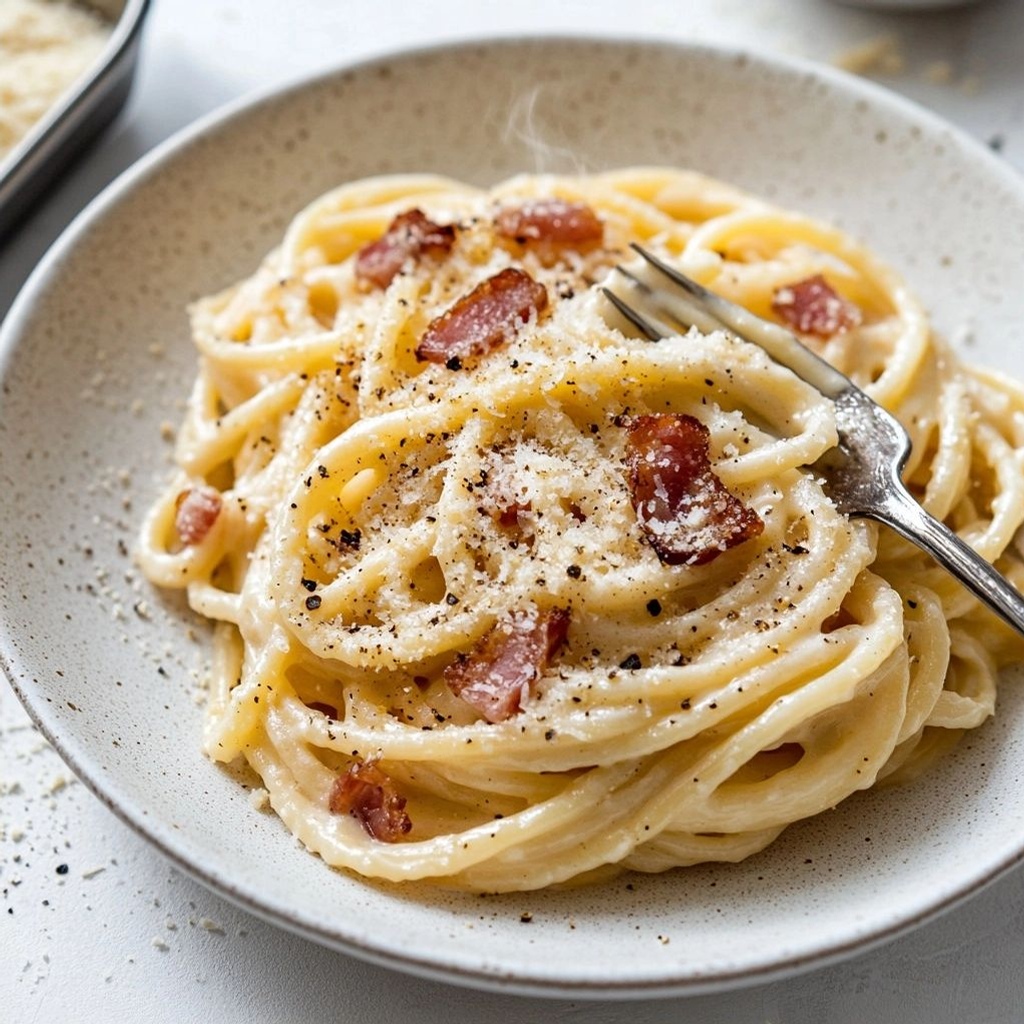
- Plate immediately, finishing with a light dusting of finely grated Pecorino Romano and, if desired, a sprinkle of chopped fresh flat-leaf parsley for color and a subtle herbal lift; parsley should be added just before serving to preserve its color and fresh aroma.
Notes
These classic Roman carbonara are a creamy, comforting dish built on guanciale, eggs, Pecorino Romano, and black pepper. To start, cook long dry pasta (spaghetti or bucatini) in generously salted water until al dente and reserve about a cup of the starchy cooking water to loosen the sauce later. Render the guanciale slowly over medium heat until the fat is melted and the meat is crisp; the rendered fat is what gives the sauce its rich, porky depth and the crispy bits add texture. Cool slightly so the eggs don’t scramble when they meet the heat. In a bowl, whisk 4 large yolks and 1 whole egg with finely grated Pecorino Romano (about 100 g) and a generous pinch of freshly ground black pepper until smooth. Off the heat, toss the hot, drained pasta with the egg mixture, adding a splash of the reserved pasta water at a time to create a glossy, silky emulsion that clings to each strand. The heat from the pasta will gently cook the eggs; avoid returning the pan to high heat to prevent curdling. If the mixture looks too thick, add more pasta water a little at a time until you reach a creamy coating. Taste and adjust salt carefully, remembering that guanciale and Pecorino are quite salty on their own. Optional fresh flat-leaf parsley can be sprinkled on top just before serving for a bright contrast, but keep it light so it doesn’t compete with the rich flavors. If you prefer pancetta instead of guanciale, render it similarly and adjust cooking time for the slightly different fat content. For best results, serve immediately while the sauce is velvety and clingy to the pasta. Note: traditional carbonara does not include cream; the creamy texture comes from the eggs, cheese, and sauce emulsion.
Tips
- Use a long, dry pasta (spaghetti or bucatini) to maximize surface area for the creamy coating. Cook until al dente in generously salted water, and reserve at least 1 cup of pasta water before draining.
- Keep the heat low when mixing the eggs and cheese. Whisk the yolks, whole egg, and Pecorino Romano off the heat to create a glossy emulsion; this prevents curdling when it meets the hot pasta.
- Render guanciale slowly over medium heat until the fat is melted and the meat is crisp, but not burnt. The rendered fat is the flavor backbone of the sauce; don’t rush this step.
- Grate Pecorino Romano just before use to maximize aroma and flavor. If you prefer a milder profile, mix in a small amount of Parmigiano-Reggiano.
- Season the pasta water well. Since guanciale and cheese are salty, taste and adjust the seasoning later rather than over-salting from the start.
- When combining pasta and sauce, remove the pot from heat and add the egg-cheese mixture gradually, tossing vigorously to create a silky emulsion. If needed, splash in reserved pasta water to reach the desired consistency.
- A quick stir with the peeled-back heat source (off the burner) helps prevent scrambling. If the sauce looks too thick, loosen with a little hot pasta water; if too thin, add a bit more cheese and simmer very briefly off the heat.
- Freshly ground black pepper should be added just before serving or during mixing to preserve its aromatic oils. Start with 1–2 tsp and adjust to taste.
- Maintain the classic balance: the sauce should cling to the pasta strands with a luxurious sheen, not puddle at the bottom of the bowl. The starch in the pasta water is your ally for reaching this texture.
- For a smoother texture, whisk the egg mixture in a warm, not hot, bowl and then fold into the pasta off the heat rather than pouring directly from the pan.
- Optional add-ins: a light sprinkle of freshly chopped flat-leaf parsley can add color and a hint of brightness without overpowering the porky flavors; add just before serving.
FAQ
What is traditional Roman Carbonara?
Traditional Roman Carbonara is a pasta dish made with guanciale (cured pork cheek), eggs, Pecorino Romano cheese, black pepper, and spaghetti or tonnarelli. No cream or milk is used in the classic version.
What ingredients are needed for a traditional Roman Carbonara?
Guanciale, eggs (usually whole eggs and/or yolks), Pecorino Romano cheese, freshly ground black pepper, and spaghetti or tonnarelli pasta. Optional salt for the pasta water, but the dish is usually salty enough from the Pecorino and guanciale.
Can I use pancetta or bacon instead of guanciale?
You can substitute pancetta or bacon, but the flavor and texture will differ. Guanciale is traditional and renders a richer fat with a more delicate texture. If using pancetta or bacon, cut into small pieces and render slowly until crisp.
Should I or can I add cream to Carbonara?
No. Cream is not part of the traditional Roman Carbonara. The creamy texture comes from the emulsification of hot pasta, guanciale fat, and eggs/cheese. Cream alters the authenticity of the dish.
What cheese should I use?
Traditional Carbonara uses Pecorino Romano. Some cooks mix Pecorino with a little Parmigiano-Reggiano. Freshly grated cheese yields the best flavor and a smooth sauce.
What kind of eggs should I use, and how many?
Use large eggs. A common ratio is 2 whole eggs plus 2 yolks for about 400 g (14 oz) of pasta, but you can adjust to taste. Some prefer all yolks for a richer sauce, while others use more whole eggs for lightness.
How do I prevent the eggs from scrambling?
Two key steps: first, remove the pan from direct heat before adding the egg mixture; second, whisk vigorously and add a splash of hot pasta water to temper the eggs, creating a smooth emulsion with the cheese and guanciale fat.
What is the proper technique to emulsify the sauce?
Cook the guanciale until crisp and fat is rendered. Toss hot, drained pasta in the pan with the guanciale off the heat, add the egg-cheese mixture, and quickly toss or stir to create a glossy sauce that coats the pasta. Add reserved pasta water a little at a time as needed.
Can Carbonara be refrigerated and reheated?
Carbonara is best served fresh. Reheating can cause the eggs to scramble or the sauce to split. If you must store leftovers, keep the components separate (pasta and sauce) and reheat gently, then mix just before serving. You may need to whisk in a little warm water or extra cheese to restore texture.
What pasta shape works best for Carbonara?
Traditional Italian practice often uses tonnarelli or spaghetti. Any long strand pasta like spaghetti, bucatini, or linguine can work well, provided you cut or twist the pasta to help sauces cling.
Are there common mistakes to avoid when making Carbonara?
Common missteps include using cream, overheating the eggs, not saving enough pasta water for emulsification, adding cheese before tempering, or not rendering enough fat from the guanciale. Following the tempering and off-heat steps helps achieve a silky sauce.