Introduction / Hook
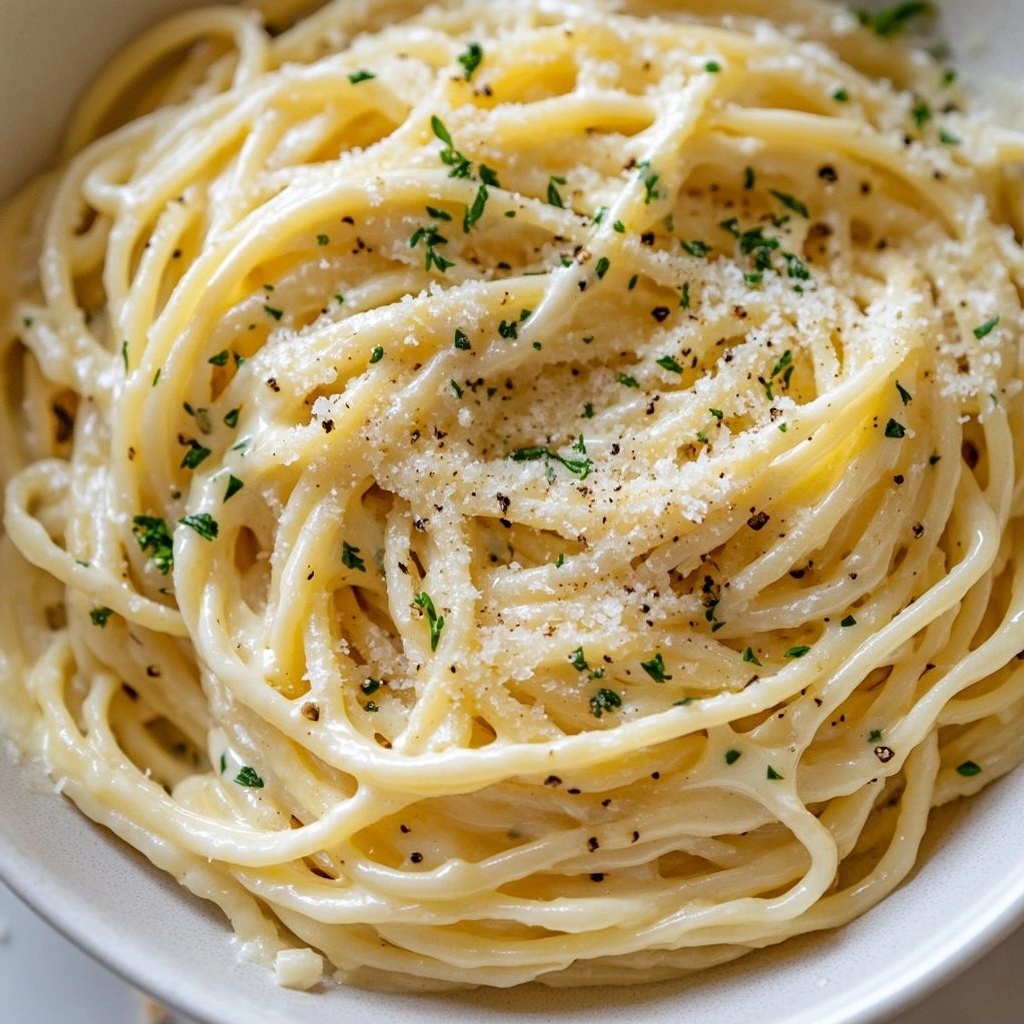
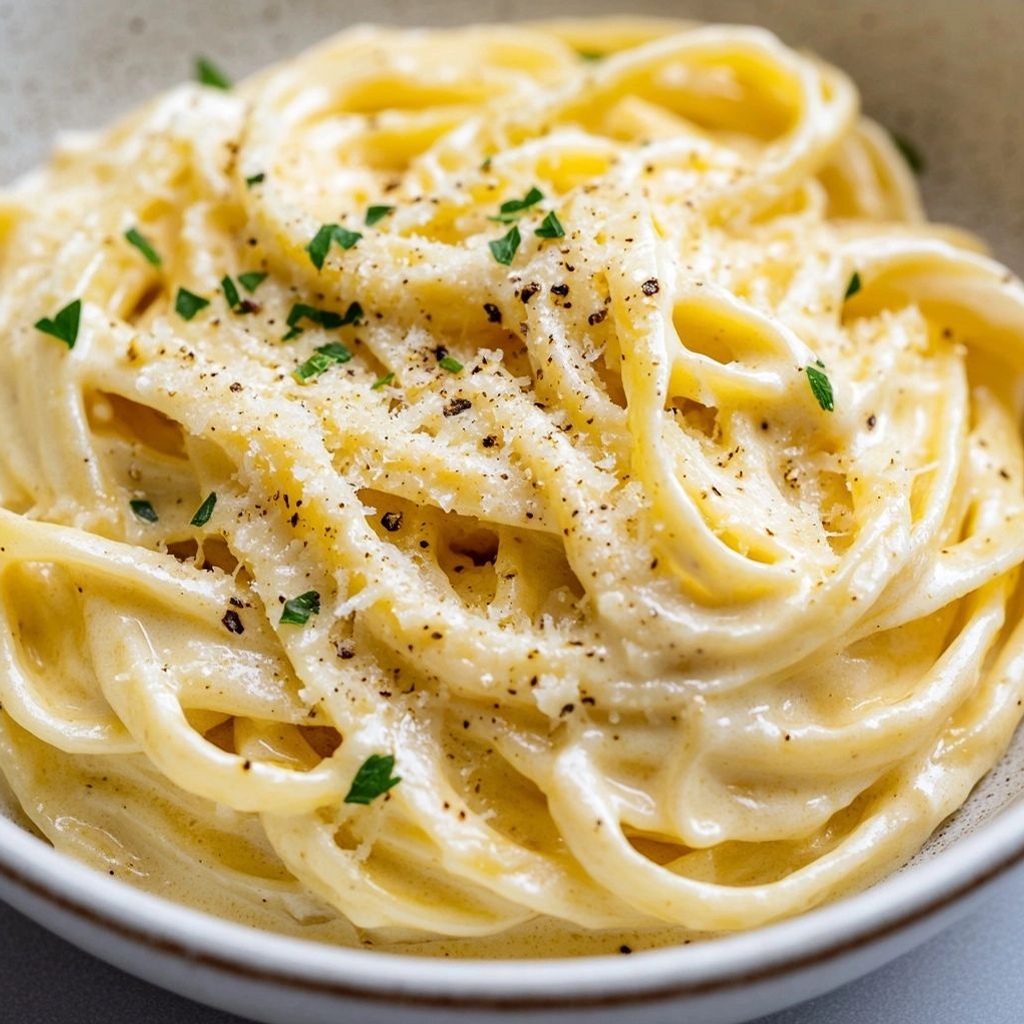
Imagine a steaming bowl of pasta that wraps you in a warm, savory cloud—the kind that forgives the moments of a busy day and turns them into a small celebration. Creamy Garlic Parmesan Pasta is that comforting ritual you’ll want to return to again and again. The moment you lift the first forkful, you’re greeted by the scent of sizzling garlic, toasty parmesan, and a silky sauce that clings to every ribbon of noodle. It’s not just a dish; it’s an invitation to slow down, savor, and share. This recipe is deceptively simple—a weeknight hero with a luxurious texture and a depth of flavor that tastes like you spent hours in the kitchen—but it comes together in a fraction of the time. Picture velvety cream kissing perfectly al dente pasta, the sharp brightness of freshly cracked black pepper, and a kiss of lemon that brightens without overpowering. It’s comfort food perfected for modern life: quick, satisfying, and endlessly adaptable.
The Story Behind the Dish
Creamy garlic and Parmesan sauces have roots that wind through Italian home kitchens and the broader Mediterranean culinary landscape. The humble combination of garlic, dairy, and cheese has proven to be a timeless trio, capable of elevating even the simplest strands of pasta into something special. In many homes, this style of sauce emerged as a family staple—an easy weeknight solution that could be dressed up with a handful of herbs or a splash of white wine. The beauty of this dish lies in its universality: garlic lends warmth, Parmesan adds a sharp, nutty edge, and creaminess ties everything into a luxurious, spoonable harmony.
Legends and anecdotes drift through kitchen doors: grandmothers teaching the art of gently sweating garlic without letting it scorch, parents teaching the trick of emulsifying the sauce so it coats each noodle evenly, and friends swapping secret tips for ensuring the cheese melts smoothly into the pan. Though the exact origins are a mosaic of regional tweaks, what endures is the shared memory of a kitchen filled with laughter and the whisper of a simmering sauce. This dish is a modern tribute to those timeless moments—a bridge between the old world of simple, accessible ingredients and the contemporary desire for dishes that feel indulgent without requiring a marathon of prep and technique.
Why You’ll Love This Recipe
- Speed and ease: It comes together in one skillet, with pantry staples you likely already have on hand.
- Silky texture: The cream creates a luscious coating that clings to each noodle, delivering comfort in every bite.
- Cheesy, garlicky brightness: Parmesan delivers that sharp, nutty note, while garlic brings warmth and aroma that perfume the kitchen.
- Versatile base: This sauce is a blank canvas—customize with herbs, proteins, or vegetables to suit your mood and pantry.
- Family-friendly: A crowd-pleaser that satisfies both kids and adults without fuss.
- Room for improvisation: It’s forgiving—adjust thickness, salt, and tang to your liking with simple tweaks.
Flavor Profile & Texture
Think of the dish as a symphony of contrasts that come together in creamy harmony. The first sensation is the aroma: toasted garlic releasing its mellow, almost nutty fragrance as it sizzles in butter or olive oil. Then the sauce arrives—silky, pale, and rich—carrying a delicate acidity from a splash of pasta water or a touch of lemon. The Parmesan builds the backbone: a sharp, savory bite with a touch of umami that deepens as it melts. The cream softens the intensity, turning bold notes into a satin-coated finish that makes every strand glisten.
Texture-wise, you’ll experience a balance between the tender chew of al dente pasta and the luxurious gloss of the sauce. There’s a light, almost velvety coating on the mouth, followed by tiny bursts of peppery brightness from cracked black pepper. If you add a handful of spinach, sun-dried tomatoes, or sautéed mushrooms, you introduce new textures—soft greens, chewy tomatoes, or silky fungi—that amplify the contrast between creamy and crisp. The result is a dish that feels indulgent yet approachable, with a comforting warmth that lingers long after the last bite.
Key Flavor Notes to Expect
- Garlic: mellowed through gentle sweating, never burnt, providing warmth and fragrance.
- Parmesan: a salty, nutty backbone that deepens the sauce and adds body.
- Cream: contributes silkiness and a luxurious mouthfeel, balancing acidity and salt.
- Black pepper: a spark of heat and dimension that brightens the overall flavor.
- Acidic lift (optional): a touch of lemon or a small amount of pasta water to keep the sauce vibrant.
Occasions & Pairings
This dish shines in a variety of settings, from casual weeknights to more polished gatherings. Its simplicity makes it ideal for solo dinners when you want something comforting but not fussy, yet it’s sophisticated enough to serve to guests with a bit of refinement. Here are some occasions and pairing ideas to inspire your menu planning.
Occasions
- Weeknights: a quick, comforting staple that feels special without demanding hours in the kitchen.
- Family dinners: a crowd-pleasing main that both kids and adults will reach for seconds of.
- Romantic dinners at home: serve with a crisp salad and a glass of white wine for a cozy, intimate meal.
- Casual gatherings: pair with a simple Italian-inspired antipasto for a relaxed, crowd-friendly spread.
- Meal-prep midweek boost: double the batch and reheat with a splash of pasta water to re-emulsify.
Pairings
- Side dishes: garlic-roasted broccoli, sautéed asparagus, or a bright arugula salad with lemon vinaigrette.
- Proteins: grilled chicken slices, pan-seared shrimp, or crispy pancetta for a savory crunch.
- Drinks: a crisp white like Pinot Grigio, Sauvignon Blanc, or a lightly chilled Chardonnay pairs beautifully.
- Desserts: a light citrus sorbet or almond biscotti that echoes the nutty Parmesan without stealing the show.
Tips, Variations & Substitutions
Here are practical tips to tailor the dish to your preferences, dietary needs, or what you have in the fridge. A few small changes can transform the flavor profile while preserving the essence of Creamy Garlic Parmesan Pasta.
Tips for Perfect Results
- Use freshly grated Parmesan for the best melt and flavor; pre-grated cheese can be drier and less flavorful.
- Reserve some pasta cooking water. Its starch helps emulsify the sauce, making it silkier and helping it cling to the noodles.
- Don’t overcook the garlic. Sweat it gently in butter or olive oil until fragrant and lightly golden—this is where the magic begins.
- Finish with a final stir off the heat to prevent the sauce from breaking and to maintain creaminess.
- Season gradually: cheese and pasta water add salt, so taste before adding more salt.
Variations & Substitutions
- Vegan version: use olive oil to sauté garlic, non-dairy cream (such as coconut cream or oat cream), and a vegan Parmesan substitute or nutritional yeast for cheesy notes.
- Gluten-free: use gluten-free pasta and ensure any added toppings (like breadcrumbs) are gluten-free if used.
- Low-fat: substitute half-and-half or milk with a lower-fat cream alternative and increase the amount of pasta water to maintain creaminess.
- Herb-forward: add chopped fresh parsley, chives, or basil for brightness and color at the end.
- Umami twist: stir in a touch of sun-dried tomatoes, mushrooms, or a small amount of truffle oil to elevate depth.
- Spice note: crushed red pepper flakes can be added for a subtle heat that complements the garlic.
- Protein boost: fold in pan-seared chicken, shrimp, or roasted mushrooms for textural variety.
Storage & Make-Ahead Ideas
While this dish truly shines when served fresh, there are practical ways to store and repurpose leftovers without compromising flavor or texture.
Storage
- Refrigerate leftovers in an airtight container for up to 3-4 days.
- Separate sauce and pasta if possible to prevent sogginess; reheat gently with a splash of milk or pasta water to restore silkiness.
Make-Ahead & Freezing
- You can prepare the sauce in advance and store it in the fridge for up to 2 days. Reheat gently and toss with freshly cooked pasta.
- For freezing, keep the sauce separate from the pasta. Freeze the sauce for up to 2 months. Thaw and reheat slowly, adding a bit of cream or pasta water to regain creaminess.
Fun Facts & Trivia (Optional)
Beyond its comforting flavor, Creamy Garlic Parmesan Pasta carries little-known culinary tidbits. Parmesan cheese, or Parmigiano-Reggiano, is often aged for up to 24 months or more, developing a complex nutty flavor that intensifies with time. The technique of emulsifying cream with cheese and starchy pasta water is a classic Italian approach to achieving a cohesive sauce that doesn’t separate, a hallmark of traditional Alfredo-like preparations that rely on quality dairy and careful heat management. Garlic has been used in Mediterranean cooking for millennia, valued not only for its bold taste but also for its aroma that signals a flavorful, heartwarming meal on the horizon. The presence of Parmesan in sauces has also historically signaled a touch of luxury in humble dishes—one reason this pasta feels indulgent without requiring extravagant ingredients.
Conclusion: A Dish for Any Table
Creamy Garlic Parmesan Pasta is more than just a recipe; it’s a comforting ritual that adapts to your life, your pantry, and your cravings. It invites you to play with textures, to experiment with herbs, and to savor that first, glossy mouthful that arrives with a whisper of garlic and the sting of pepper. Whether you’re feeding a family, impressing guests, or simply rewarding yourself after a long day, this dish promises satisfaction with minimal effort and maximum heart. In a world of fast meals and fleeting flavors, it stands out as a dependable classic—versatile, elegant, and warm enough to feel like a hug in a bowl. So gather your ingredients, set a pot to boil, and let the kitchen fill with that irresistible garlic perfume. Your table—and your senses—are about to get beautifully, deliciously spoiled.
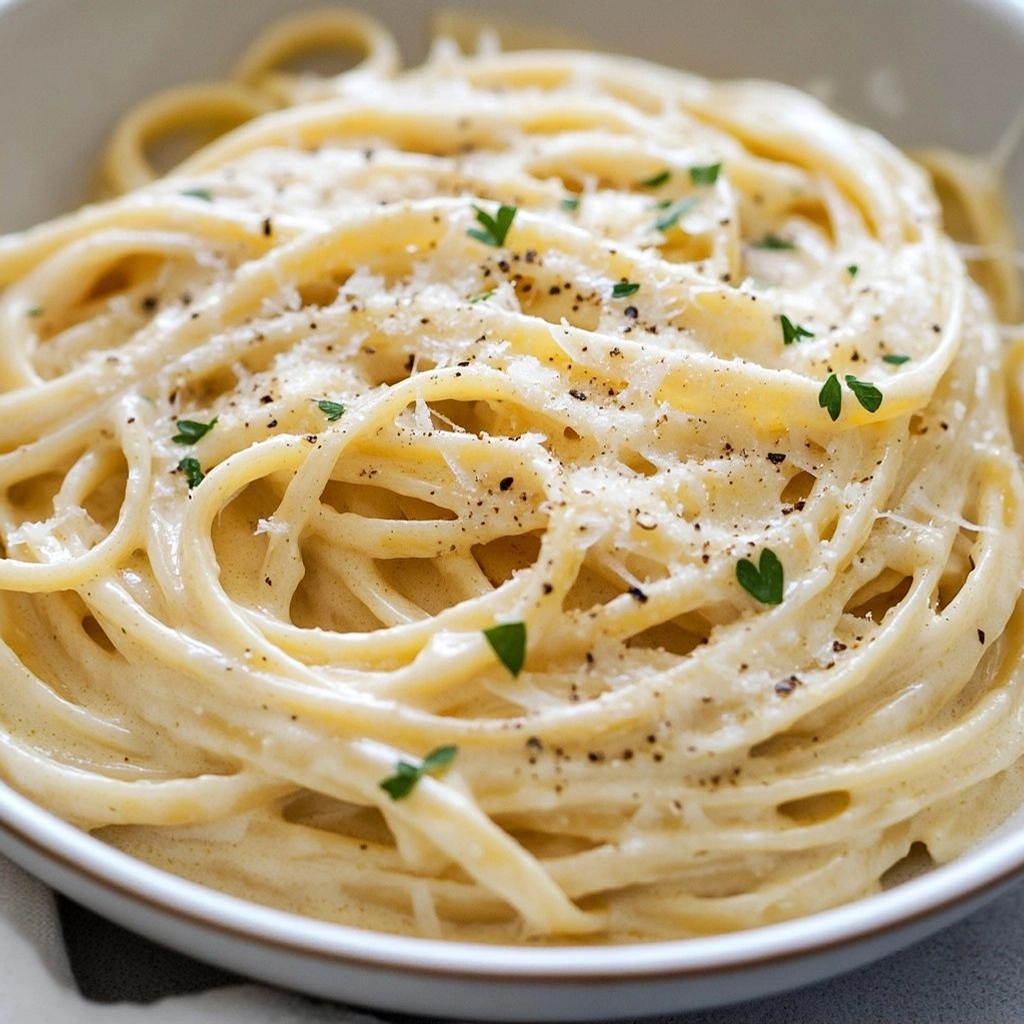
Ingredients
- Pasta Base
- 2 tablespoons unsalted butter
→ Butter adds a silky base and helps create a smooth roux when combined with flour or with the garlic and cream. Use unsalted to control salt levels, and let it melt gently over low heat to avoid browning, which could alter the flavor profile. - 1 tablespoon olive oil
→ Olive oil provides a sheen and helps sauté the garlic without burning. Use extra-virgin for a fruity note, and keep the heat medium-low to prevent the garlic from browning too quickly, which can introduce bitterness. - 4 cloves garlic, finely minced
→ Garlic is the aromatic foundation of this dish. Mincing ensures even dispersal and quick, uniform release of flavor. For a milder profile, crush the cloves lightly and sauté at a lower heat; for a stronger bite, sauté slightly longer until fragrant and just starting to color. - 1 cup heavy cream (or half-and-half for lighter)
→ The creamy base carries the cheese and garlic. Heavy cream yields a rich, velvety sauce; half-and-half produces a lighter version with slightly less thickness. If you prefer, whisk in a small amount of cream cheese to boost tang and richness. - 1/2 cup chicken or vegetable stock
→ Stock thins the sauce to a coatable consistency and adds depth of flavor. Use warm stock to prevent temperature shock in the sauce; for a vegetarian version, use a well-seasoned vegetable stock and adjust salt accordingly. - 1 cup freshly grated Parmesan cheese
→ Parmesan provides the signature sharp, nutty tang and acts as a key emulsifying agent when whisked into the hot sauce. Grate fresh for the best flavor and melt; avoid pre-grated varieties which may have anti-caking agents that affect melting quality. - 1/2 teaspoon salt, or to taste
→ Salt enhances all components; since Parmesan is salty, add gradually and taste as you go. If using salted butter or prepared stock, adjust accordingly to avoid over-salting. - 1/4 teaspoon black pepper, plus more to taste
→ Freshly ground black pepper adds a subtle bite that cuts through the richness. Freshly grind just before serving for maximum aroma; adjust for personal heat tolerance. - 1/4 teaspoon red pepper flakes (optional)
→ A gentle kick of heat contrasts the creamy sauce. Omit if you prefer a milder dish, or increase slightly for more spice; seeds should be evenly dispersed for consistent heat in every bite. - 2 tablespoons finely chopped fresh parsley (plus extra for garnish)
→ Parsley adds brightness and color to finish the dish. It also provides a fresh contrast to the rich sauce. Chop just before using to maximize aroma and sprinkle over the top at the end for a clean presentation. - 2 tablespoons cream cheese (optional, for extra silkiness)
→ Cream cheese can deepen the creaminess and create a silkier texture without adding too much liquid. Soften at room temperature and whisk in gradually to prevent lumps; use if you want a richer, more indulgent sauce. - Note on starch and texture: Reserve 1/4 cup of the pasta cooking water
→ Starch-rich water helps loosen the sauce and allows it to emulsify with the Parmesan, achieving a glossier, clingier coating on the pasta. Add gradually as needed after the sauce comes together to reach your preferred consistency.
– 12 oz (340 g) spaghetti, fettuccine, or your favorite long pasta, dry
→ The starch-packed pasta forms the heart of the dish. Choose a shape that soaks up the creamy sauce nicely; long strands like spaghetti or fettuccine are traditional for creamy sauces and provide ample surface area for sauce adhesion. Cook until al dente in generously salted water, reserving a splash of the starchy cooking water to adjust the sauce if needed.
Instructions
- Fill a large pot with water and bring it to a vigorous boil before cooking the pasta to ensure even cooking and proper texture.
→ A rolling boil prevents sticking, ensures the pasta cooks evenly, and creates enough space for the noodles to move freely for al dente results. - Add a generous amount of kosher salt to the boiling water, aiming for about 1 tablespoon per gallon, to season the pasta from the inside out.
→ Salting the water flavors the pasta as it absorbs water during cooking, which helps balance the final sauce without needing excessive salt later. - Add 12 oz (340 g) of your chosen long pasta to the boiling water and cook until al dente according to package directions, stirring occasionally to prevent sticking.
→ Al dente delivers a pleasing bite that holds up to the creamy sauce and prevents the pasta from turning mushy as it finishes cooking in the sauce. - Reserve 1/4 cup of the pasta cooking water before draining the pasta to use later for emulsifying the sauce.
→ The starchy water helps the sauce cling to the pasta and smooths out the emulsion when adjusting consistency. - In a large skillet or wide sauté pan, melt 2 tablespoons unsalted butter with 1 tablespoon olive oil over medium-low heat, ensuring the fat coats the pan without browning.
→ Butter provides a silky base while olive oil raises the smoke point; gentle heat prevents browning which could impart bitterness to the dish. - Add 4 cloves finely minced garlic to the fat and sauté until fragrant, about 30 to 45 seconds, keeping the heat low to avoid browning.
→ Finely minced garlic distributes flavor evenly and cooks quickly; overheating can cause sharp, burnt notes that overpower the sauce. - Pour in 1 cup heavy cream (or half-and-half for a lighter version) and bring it to a gentle simmer over medium-low heat, stirring to prevent scorching.
→ Gentle simmer allows the cream to reduce slightly and meld with the garlic without breaking or separating, creating a smooth base. - Stir in 1/2 cup warm chicken or vegetable stock to loosen the cream and deepen flavor, continuing to simmer for 2–3 minutes.
→ Warm stock integrates smoothly with the cream, preventing a cold shock that would slow emulsification and ensuring a balanced, cohesive sauce. - Whisk in 1 cup freshly grated Parmesan cheese gradually until fully melted and the sauce is glossy, ensuring there are no lumps.
→ Freshly grated Parmesan melts best and provides critical emulsification; add gradually to maintain a smooth texture and even cheese distribution. - Season the sauce with 1/4 teaspoon black pepper and 1/4 teaspoon red pepper flakes (optional) and taste before adding salt, adjusting with 1/2 teaspoon salt or to taste as needed.
→ Pepper adds a subtle bite that balances richness; red pepper flakes give gentle heat, while salted cheese may require less additional salt. - If using, whisk in 2 tablespoons softened cream cheese until completely integrated to boost silkiness, then remove from heat.
→ Cream cheese enriches the sauce, providing an even silkier mouthfeel and a slightly tangy depth when fully incorporated. - Add the drained pasta to the sauce along with any reserved 1/4 cup cooking water, tossing vigorously to coat each strand and emulsify the sauce around the pasta.
→ Tossing with the sauce over low heat helps the starches release and form a glossy coating that clings to the pasta for a creamy finish. - If the sauce is too thick, gradually add more reserved pasta water a tablespoon at a time until the desired consistency is reached, then adjust seasoning as needed.
→ The starchy water allows you to fine-tune the sauce; a little at a time prevents oversaturation and preserves the sauce’s emulsification. - Remove from heat and fold in 2 tablespoons finely chopped fresh parsley, reserving a little for garnish, to brighten the dish and provide color contrast.
→ Fresh parsley adds a lively aroma and a clean finish that complements the richness of the sauce and cheese. - Serve immediately with extra grated Parmesan and a light sprinkle of fresh parsley on top for a polished presentation.
→ Serving right away ensures the sauce stays silky and prevents the pasta from absorbing too much sauce as it cools.
Notes
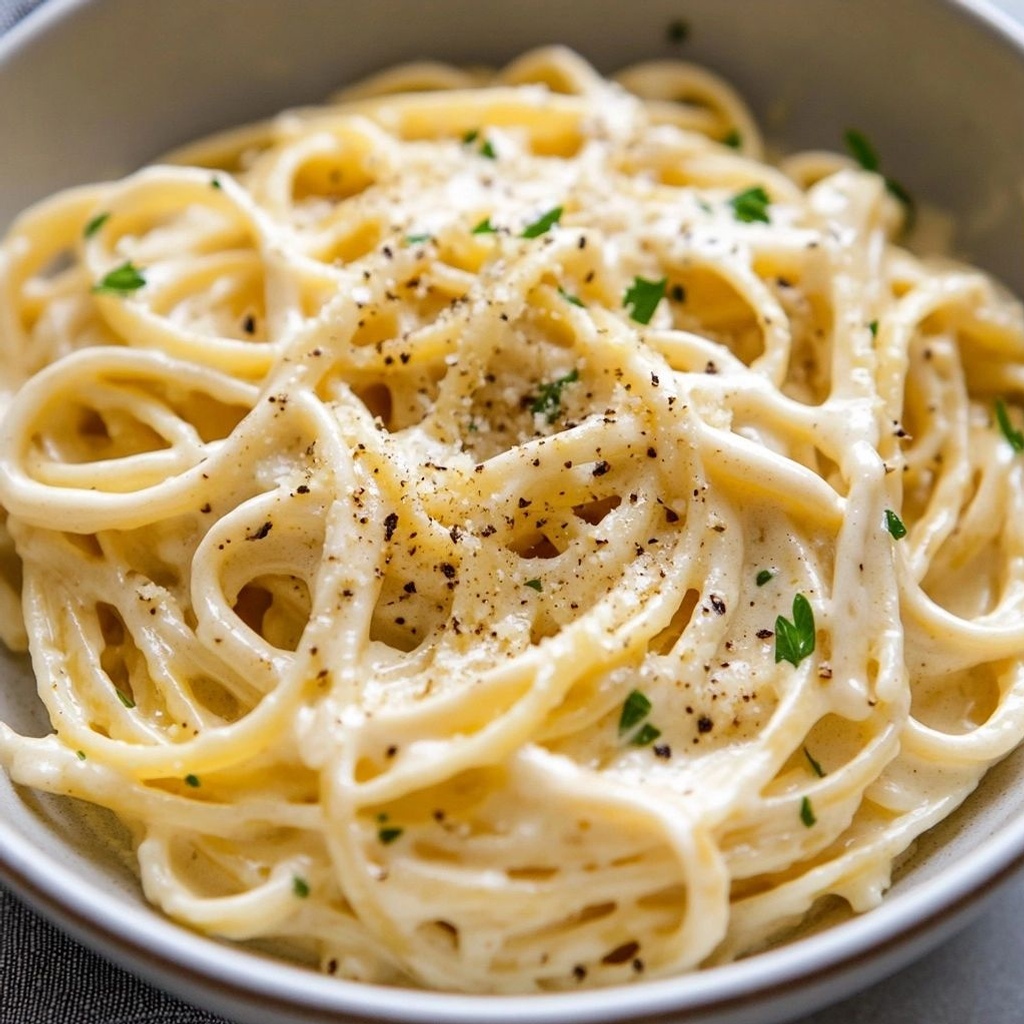
These Creamy Garlic Parmesan Pasta notes guide you to a silky, crowd-pleasing sauce: cook the pasta in well-salted water until al dente, reserve 1/4 cup of the starchy water, and melt butter with olive oil on low heat to sauté the garlic without browning; whisk in the heavy cream (or half-and-half for a lighter version) and stock to loosen and flavor the sauce, then temper with warm pasta water and fold in freshly grated Parmesan until glossy; season gradually with salt and freshly ground black pepper, and finish with optional red pepper flakes for a gentle kick and chopped parsley for brightness; add optional cream cheese for extra silkiness and a lighter veggie-friendly stock option; for gluten-free needs, substitute with gluten-free pasta and ensure stock and any helpers are gluten-free; always taste and adjust salt after the cheese is added since Parmesan can be salty, and grate cheese fresh for best melt and tang; reheat gently if needed to maintain a creamy texture, and reserve a little pasta water to regain sauciness if the sauce thickens as it sits; finish with a final toss of pasta directly in the pan to emulsify the sauce for a glossy, cohesive coating.
Tips
Tips for Perfect Creamy Garlic Parmesan Pasta
- Salt the pasta water well: A well-seasoned, salty boiling water is the baseline for a flavorful pasta that carries the sauce well. Aim for the same salinity as lightly salted sea water.
- Mind the garlic temperature: Sauté garlic gently over low to medium-low heat. High heat will brown and bitter the garlic, which can overpower the creaminess of the sauce.
- Use warm stock: Warm or simmer stock before adding to the sauce to maintain a steady sauce temperature and avoid breaking the emulsion.
- Reserve starchy water strategically: Keep the 1/4 cup of pasta water reserved, then add a splash at a time to loosen and emulsify the sauce if it seems too thick.
- Whisk for a silky texture: Off the heat, gradually whisk in Parmesan and cream cheese (if using) to create a smooth, glossy sauce that clings to the pasta.
- Emulsify with patience: If the sauce starts to separate, whisk vigorously and add a bit more hot water or stock to re-emulsify before tossing with the pasta.
- Choose the right pasta shape: Long pasta (spaghetti, fettuccine) provides the best sauce coating due to surface area; you can still use shapes like penne or fusilli for variation, but adjust cooking time accordingly.
- Balance salt and cheese: Parmesan is salty, so taste the sauce before adding extra salt. Add salt gradually, tasting after each addition.
- Finish with brightness: A squeeze of lemon juice or a small amount of zest can brighten the rich sauce if desired, or simply rely on fresh parsley for color and lift.
- Parmesan handling: Use freshly grated Parmesan for melting quality and a sharper flavor. Grated from a block melts more evenly than pre-grated varieties.
- Texture variations: For lighter sauce, substitute half-and-half for heavy cream, or omit the cream cheese. For extra richness, whisk in a small amount of cream cheese or a pat of butter off the heat.
- Herbly finish: Add parsley to the hot sauce off the heat and toss with the pasta just before serving to preserve its fresh aroma and color.
- Make-ahead note: Sauce can be prepared up to the point of adding pasta. Reheat gently over low heat, whisking in a splash of warm stock or pasta water to re-emulsify before tossing with hot pasta.
FAQ
What is Creamy Garlic Parmesan Pasta?
A rich, silky pasta dish made with garlic, cream, and plenty of grated Parmesan cheese, creating a luxurious sauce that clings to each strand of pasta.
What pasta shapes work best for this recipe?
Fettuccine, linguine, penne, or spaghetti all work well. Flat, wide noodles like fettuccine hold the sauce nicely, while shorter shapes like penne make it easy to grab with a fork.
Can I use half-and-half or milk instead of heavy cream?
Yes, you can substitute half-and-half or whole milk, but the sauce will be thinner. For a thicker sauce, use a combination: 2/3 cup milk with 1/3 cup heavy cream, or simmer longer to reduce.
Do I need to add chicken or vegetables?
The dish is versatile. You can add grilled chicken, sautéed shrimp, mushrooms, spinach, or broccoli to boost protein and veggies. Sauté them first, then mix with the pasta and sauce.
How do I prevent the sauce from curdling?
– Add the parmesan gradually off the heat or on very low heat.
– Use freshly grated Parmesan (not the pre-grated kind).
– If the sauce seems too thick, whisk in a splash of pasta water or milk to loosen it.
Can I make this sauce ahead of time?
The sauce is best made fresh. You can prepare components (garlic, cream, parmesan) ahead of time and rewarm gently in a skillet, adding pasta water to loosen as needed. Do not boil after adding cheese.
What fresh herbs pair well with Creamy Garlic Parmesan Pasta?
Parsley is classic for brightness. Other good options include chives, basil, or a pinch of oregano. Add herbs at the end to preserve color and flavor.
What’s the best way to cook the garlic?
Sauté minced garlic in a little butter or olive oil over medium heat until fragrant (about 30–60 seconds). Avoid browning it too much to prevent a bitter taste.
How long does it take to make this recipe?
Approximately 20–25 minutes from start to finish: boil pasta, cook the garlic briefly, whisk in cream and parmesan to make the sauce, then toss with the pasta.