
Introduction / Hook
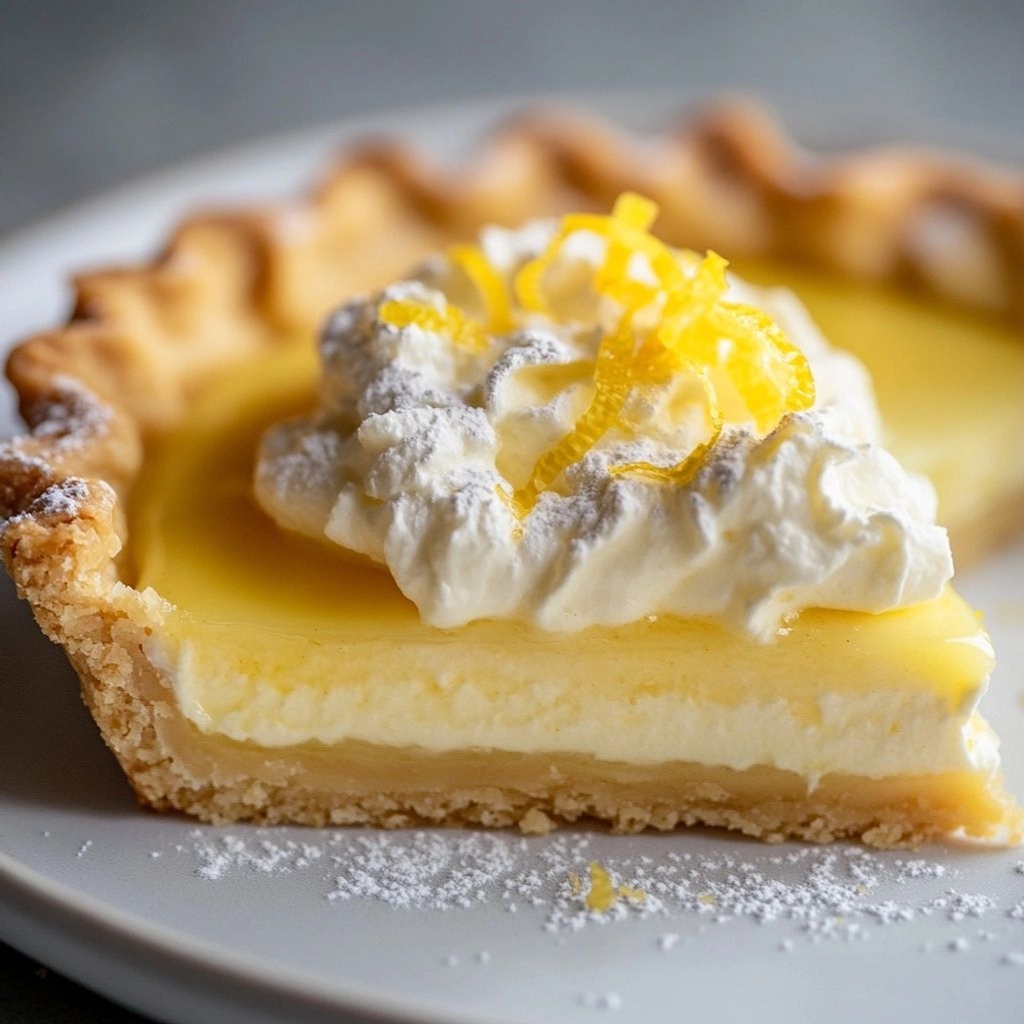
Step into a bright, sunlit moment with every bite of this Ricotta Lemon Tart. Imagine a crust that gives with a delicate snap, a silky, almost cloud-like ricotta filling, and a zing of lemon that dances across the palate—not too tart, not too sweet, but perfectly balanced in between. The aroma alone can transport you to a breezy piazza in late afternoon, where citrus groves perfume the air and conversations drift as softly as flour-dusted countertops. This tart is a celebration of contrasts: tangy citrus cutting through the creamy richness of ricotta, a whisper of vanilla rounding the edges, and a buttery crust that provides a comforting foundation. It’s a dessert that feels elegant enough for a dinner party, yet approachable enough for a casual weekend bake. From the first bite to the last, you’ll discover layers of texture and brightness that make this dessert memorable, the kind that sparks conversation and leaves guests asking for seconds—and perhaps the recipe.
The Story Behind the Dish
Ricotta Lemon Tart sits at the crossroads of bright citrus and Italian-inspired simplicity. Ricotta, historically a pantry staple in many Mediterranean kitchens, brings a soft, creamy texture that resembles a custard yet remains sustainably light. Its delicate flavor makes it a versatile partner for citrus, vanilla, and light sweeteners. The lemon, with its vibrant zest and sunny juice, has long been the anchor of desserts in Italian and coastal cuisines, where lemons are prized for their ability to lift a dish without overpowering it. This tart embodies a culinary philosophy: use few, excellent ingredients in harmony, let them sing in concert, and avoid masking their natural brightness with heavy creams or artificial flavors. The result is a dessert that honors tradition while feeling fresh and modern—a nod to convivial Mediterranean gatherings and the universal joy of sharing a well-made treat with people you love. If you’ve ever wondered how to achieve a dessert that tastes like sunshine yet feels indulgent, this tart is your answer.
In a broader kitchen lore, tarts and pies built around ricotta have appeared in many regional menus, from Sicilian stracchino-based desserts to French-style cheesecakes that lean on soft cheeses for their silkiness. The Ricotta Lemon Tart distills that cross-cultural conversation into a single, elegant slice: a crust that crackles with a touch of sweetness, a filling that glides smoothly on the tongue, and a bright citrus finish that lingers. It’s the kind of dessert you can bake in a standard oven, present on a platter with a dusting of powdered sugar, and watch as guests close their eyes to savor every nuanced note. The lemon’s acidity is tempered by the ricotta’s richness, while a hint of zest intensifies the perfume of the crust—an arithmetic of flavors that feels almost magical in its balance.
Why You’ll Love This Recipe
- Effortless elegance: A dessert that looks refined but is surprisingly straightforward to assemble.
- Versatile sweetness: The balance between tart lemon and creamy ricotta makes it appealing to a wide range of palates, including those who prefer lighter desserts after a hearty meal.
- Texture harmony: A crisp, buttery crust supports a airy-velvety filling that melts in the mouth.
- Make-ahead friendly: The tart can be prepared ahead of time and chilled, letting the flavors mature.
- Bright flavor with a soft finish: Lemon zest and juice deliver sunshine, while vanilla and a touch of sugar keep the finish soothing.
- Customizable: Easily adapted for dairy-free or gluten-free diets with simple substitutions.
- Perfect for celebrations: A standout dessert for birthdays, spring gatherings, bridal showers, or a refined weeknight treat.
Flavor Profile & Texture
This tart is a symphony of bright and mellow notes. The crust is buttery and finely crumbly, not heavy, with a delicate crunch that yields to the filling. The ricotta-based center is creamy yet light, similar to a refined cheesecake but smoother and less dense. The lemon contributes acidity and aromatics that lift the whole dish, with lemon zest adding a fragrant citrus perfume and lemon juice providing a crisp tang. A touch of vanilla adds warmth and depth, while a modest amount of sugar keeps the profile balanced rather than cloying. Each bite begins with a crisp edge, slides into a custard-like center, and finishes with a lingering lemon glow that invites another forkful. The texture contrast—crisp crust versus airy, creamy filling—delights the palate, making the tart feel indulgent without being heavy. If you’re looking for a dessert that feels special yet returns comfort in every mouthful, this ricotta lemon tart delivers in spades.
Occasions & Pairings
This lemon-touched tart shines in a variety of settings. It’s equally at home gracing a refined dinner party as it is brightening a casual weekend brunch. Consider these occasions and pairing ideas to maximize impact:
- Spring and summer celebrations: A citrus-forward centerpiece that pairs beautifully with sparkling wines, Prosecco, or a dry rosé.
- Afternoon tea or coffee gatherings: Serve with a dollop of lightly whipped cream or a spoonful of lemon curd for extra brightness.
- Bridal or baby showers: Elegant presentation on a simple white platter, with edible flowers for a touch of whimsy.
- Weeknight dessert: A quick bake that finishes the meal on a refreshing note after a comforting dinner.
- Pairings: A light dessert wine, a basil- or mint-forward cocktail, or even a warm berry compote on the side to complement the lemon’s zing.
Tips, Variations & Substitutions
Here are practical ways to tailor the Ricotta Lemon Tart to your tastes, dietary needs, or what’s in your pantry:
- Crust variations: Use almond flour or half almond flour/half all-purpose flour for a nuttier crust. For gluten-free, substitute with a gluten-free flour blend designed for pastry crusts.
- Ricotta choices: Full-fat ricotta yields the richest texture; part-skim can lighten the filling. For a dairy-free option, blend silken tofu with a bit of dairy-free cream cheese or coconut yogurt to approximate the filling’s creaminess (note: this will alter flavor slightly).
- Flavor twists: Add a tablespoon of lavender infusion or a small pinch of cardamom with the lemon for a floral or spiced note. A hint of lemon zest in the crust itself can intensify citrus aroma.
- Sweetness level: Adjust sugar to your taste. A touch more sugar yields a custardier, sweeter filling; reduce for a tarter finish that highlights lemon’s brightness.
- Rhythms of acidity: If you love a more pronounced tang, increase lemon juice by a teaspoon or two, but compensate with a bit more ricotta to keep the filling cohesive.
- Make-ahead: Bake the tart and chill for at least 2 hours to set fully; the filling can benefit from resting overnight in the fridge to allow flavors to mingle.
- Vegan option: Use a vegan custard base by combining almond milk with a plant-based ricotta substitute and a vegan butter crust. Replace eggs with a small amount of cornstarch slurry to help set the filling.
- Texture tune: If the filling seems too dense, whisk in a tablespoon of heavy cream or a splash of milk to loosen before pouring into the crust.
- Seasonal substitutions: Swap lemon for orange or yuzu for a different citrus profile while retaining the same cheese-based custard concept.
Storage & Make-Ahead Ideas
The Ricotta Lemon Tart is particularly friendly to advance planning. Here are best practices to keep it tasting its best:
- Storage: Refrigerate any leftover tart, tightly covered, for up to 3–4 days. The flavor intensifies with a short rest in the fridge.
- Make-ahead strategy: Bake the crust and filling a day ahead, then assemble and chill. Alternatively, bake the entire tart, cool completely, slice, and freeze individual portions wrapped well in plastic and foil for up to 1 month. Thaw in the refrigerator before serving and dust with powdered sugar for a fresh finish.
- Reheating: If you prefer a warmer bite, gently reheat individual slices in a low oven (around 300°F / 150°C) for 6–8 minutes to revive the crust’s crispness without melting the filling.
- Moisture management: Store slices with parchment between them to prevent sticking; if the filling starts to weep slightly, a light dusting of powdered sugar can restore a glossy, inviting surface.
Fun Facts & Trivia (Optional)
Delightful tidbits to enrich your appreciation for this dessert:
- Ricotta’s name literally means “re-cooked” in Italian, reflecting its origin as a second cheese made from whey that results from making other cheeses.
- The lemon in Italian baking is often a star, with zest emphasized to release essential oils that perfume the air as the tart bakes.
- In some traditional Italian desserts, ricotta is sweetened lightly and accented with citrus zest to produce a delicate, almost custard-like filling that pairs seamlessly with pastry crusts.
- Micro-traditions: A pinch of salt in the filling is a small trick that enhances sweetness and keeps the lemon’s tartness in check—this is a common technique in custard-based desserts across many cuisines.
While you won’t find the recipe steps here, think of the process as a dance of textures and aromas. Begin with a crust that’s chilled and ready to roll, then prepare a filling that comes together with gentle whisking—airy but cohesive, with the ricotta and lemon harmonizing as the base. The bake should be steady and calm: a gentle heat that sets the filling without browning it, allowing the top to gleam with a pale, custard-like sheen. Once cooled, the tart reveals its inner light: a pale, creamy center that glows softly as if backlit by sunshine. A light dusting of powdered sugar, a few lemon zest curls, or a tiny mint leaf can transform the presentation into a centerpiece worthy of celebration. The aim is balance and grace—the kind of dessert that invites conversation and rewards patience with every accurate slice and each whisper of zest.
Ingredient-Free Inspiration for Crafting Your Experience
Even though this section won’t list a single ingredient, you can still plan your sensory journey. Consider the textures you want to deliver, the contrasts you wish to highlight, and the moods you want your guests to feel when they cut into the first slice. Visualize the pale, velvety interior cradled by a pale-gold crust, the lemon’s bright aroma wafting up as you lift the first slice, and the final, satisfying finish that lingers. With this vision in mind, you’re ready to explore variations, adjust to dietary needs, and tailor the tart to your season or the occasion—without compromising the essence of the dish: simplicity elevated by quality ingredients and thoughtful technique.
Ingredients
-
– 1 1/4 cups all-purpose flour (for the crust)
→ Provides structure for the tart crust. Use cold ingredients and mix just until combined to keep the crust tender and not crumbly. If you prefer a crisper crust, lightly chill the dough before rolling and blind-bake as directed.
– 1/2 cup unsalted butter, cold and cubed (for the crust)
→ Cold butter creates a flaky texture when the dough is cut in with the flour. Do not overwork; cut the butter into small pieces and blend until the mixture resembles coarse crumbs.
– 2 tablespoons granulated sugar (for the crust)
→ Adds a touch of sweetness and helps with browning. You can reduce slightly if you want a more savory crust.
– 1/4 teaspoon salt (for the crust)
→ Enhances flavor and balances sweetness. If using salted butter, reduce or omit this amount.
– 1 large egg yolk (for the crust)
→ Binds the dough and adds richness. Use just the yolk rather than the whole egg to keep the crust tender.
– 1-2 tablespoons cold water (as needed for the crust)
→ Helps bring the dough together without overheating it. Add gradually; you want a cohesive, not sticky, dough.
– 1 cup ricotta cheese (full-fat recommended) (for the filling)
→ Provides rich, creamy body and moisture. Full-fat ricotta yields a silkier custard-like texture. If very watery, drain briefly in a sieve.
– 1/2 cup granulated sugar (for the filling)
→ Sweetens the custard base. Adjust to taste; lemon uses acidity to balance sweetness, so start with this amount and taste after baking.
– 2 large eggs (for the filling)
→ Add structure and stability to the tart filling. Room-temperature eggs mix more smoothly and prevent crackling during baking.
– 2 tablespoons lemon zest (from about 2 lemons) (for the filling)
→ Zest provides aromatic citrus oils that intensify lemon flavor; avoid the white pith which is bitter.
– 3 tablespoons lemon juice (for the filling)
→ Adds bright acidity to balance richness. Strain seeds if any to keep the filling silky.
– 1 teaspoon vanilla extract (for the filling)
→ Subtle depth that enhances the ricotta’s creaminess and complements lemon. Use real vanilla for best flavor; paste or extract both work.
– 1 tablespoon cornstarch (optional, for thickness and stability) (for the filling)
→ Helps the filling set and prevents a loose texture. If using, whisk well to avoid lumps and ensure smooth custard.
– Pinch of salt (for the filling)
→ Enhances sweetness and lemon brightness; balances the filling.
– Powdered sugar (for dusting, optional) (for serving)
→ Finishes the tart with a delicate sweetness and a clean look. Sift lightly just before serving to avoid clumping.
– Lemon zest or thin lemon slices (for garnish, optional) (for serving)
→ Adds visual appeal and a fresh aroma when served. Use very thinly sliced lemons or microplaned zest for a refined finish.
Instructions
- Preheat your oven to 375°F (190°C) and prepare a 9-inch tart pan by greasing it well or lining with parchment; this ensures easy removal and prevents sticking during unmolding.
→ A consistent oven temperature helps the crust bake evenly and prevents soggy or underbaked edges. - In a mixing bowl, combine 1 1/4 cups all-purpose flour, 2 tablespoons granulated sugar, and 1/4 teaspoon salt; whisk to distribute the leavening and salt evenly before fat incorporation.
→ Uniform dry ingredients create a tender, cohesive crust rather than a crumbly one. - Scatter 1/2 cup cold unsalted butter, cut into small cubes, over the flour mixture and cut in with a pastry blender or two knives until the mixture resembles coarse crumbs with some pea-sized bits; keep the butter cold to maximize flakiness.
→ Cold butter creates steam pockets that yield a tender, flaky crust when baked. - Stir in 1 large egg yolk and 1-2 tablespoons cold water, adding just enough liquid to form a cohesive dough without wetting it; handle the dough as little as possible to prevent gluten overdevelopment.
→ The yolk provides richness and binding without making the crust tough. - Turn the dough onto a lightly floured surface and gently press it into a disc; wrap tightly in plastic and refrigerate for at least 30 minutes to rest and relax the gluten.
→ Chilling makes the dough easier to roll and helps maintain a tender crust during blind baking. - Roll the chilled dough on a lightly floured surface into a circle about 12 inches in diameter; carefully transfer to the 9-inch tart pan, easing it into the corners without stretching, then trim excess edges.
→ A properly sized crust prevents shrinkage and ensures even baking around the rim. - Dock the dough all over with a fork and chill in the freezer for 10 minutes to set the shape; this reduces puffing and helps the crust bake evenly.
→ Docking and chilling minimize air pockets and shrinkage during baking. - Line the crust with parchment paper and fill with pie weights or dried beans; blind bake in the preheated oven for 15 minutes, then remove weights and parchment and bake an additional 8-10 minutes until the edges are lightly golden.
→ Blind baking sets the crust structure and prevents a soggy bottom under the moist filling. - While the crust bakes, prepare the filling: combine 1 cup ricotta cheese, 1/2 cup granulated sugar, 2 large eggs, 2 tablespoons lemon zest, 3 tablespoons lemon juice, 1 teaspoon vanilla extract, 1 tablespoon cornstarch (if using), and a pinch of salt in a medium bowl; whisk until all components are fully integrated and smooth.
→ Whisking ensures a uniform custard texture and helps prevent separation during baking. - Pour the ricotta-lemon filling into the pre-baked crust, smoothing the top with a spatula and tapping the pan on the counter to release any air bubbles.
→ Even distribution prevents pockets and cracks, yielding a silky surface after baking. - Bake the tart in a 350°F (175°C) oven for 25-30 minutes, or until the filling is set with a slight wobble in the center and the crust is golden; avoid overbaking to prevent a dry, crumbly texture.
→ The center should set but still be tender; residual heat will continue to thicken the filling as it cools. - Cool the tart on a rack for at least 1 hour to allow the filling to fully set and for flavors to meld before serving.
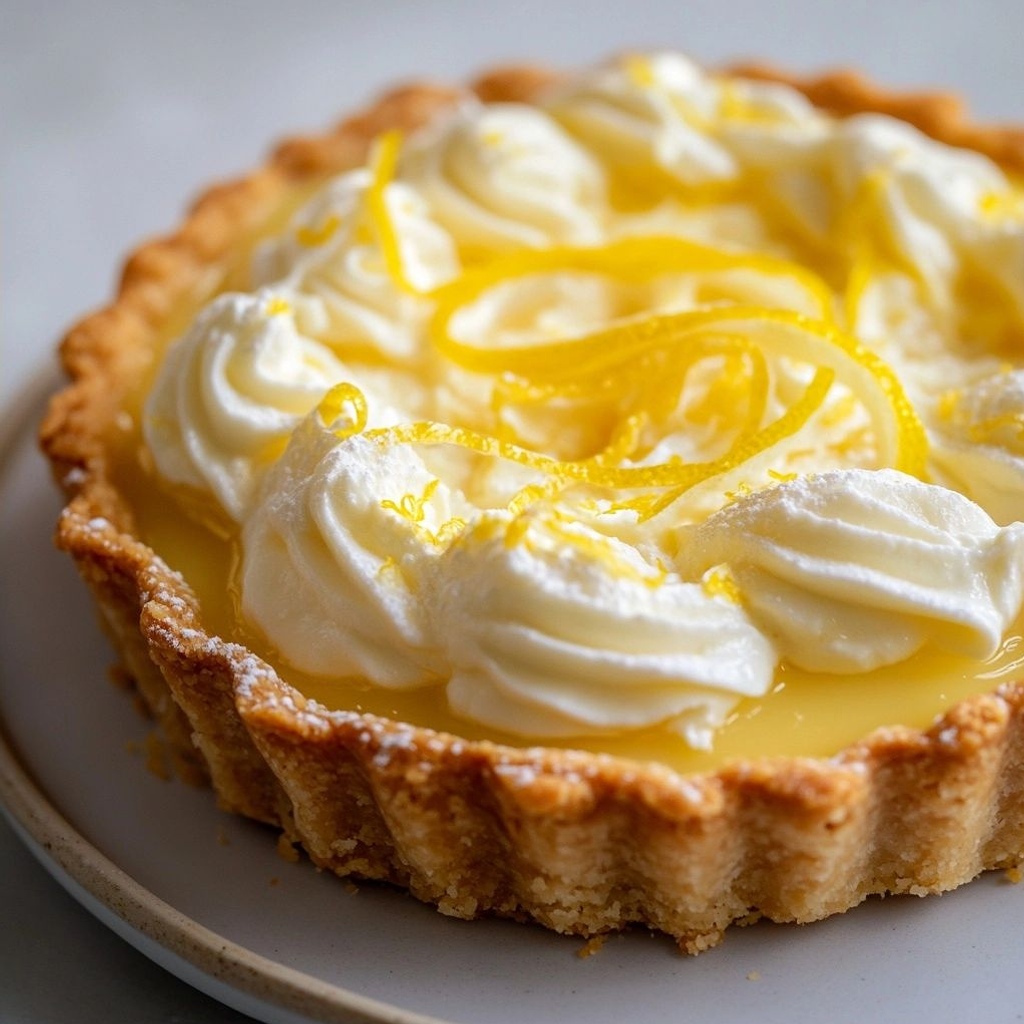
→ Resting ensures clean slices and a firmer custard, preventing runny cuts. - Dust with powdered sugar just before serving and garnish with lemon zest or very thin lemon slices if desired; this adds a bright aroma and a polished presentation.
→ Finishing with a delicate sugar dust and citrus accents enhances the lemon profile and visual appeal.
Notes
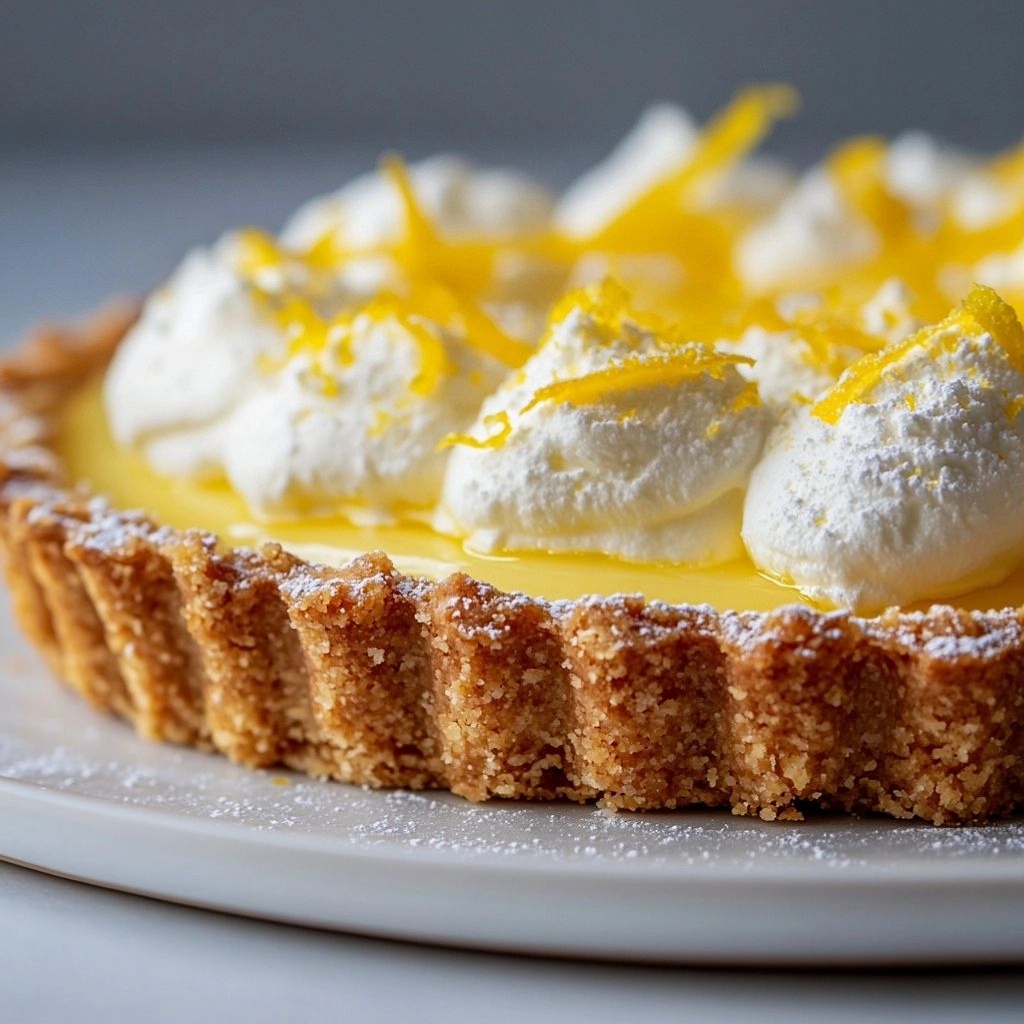
These ricotta lemon tarts deliver a creamy, citrus-bright filling in a buttery crust. The filling relies on full-fat ricotta for richness and lemon balance, while the crust benefit from cold ingredients and minimal mixing to stay tender and flaky. For best results, keep ingredients cold, measure accurately, and avoid overworking the dough.
- Crust tips: use cold butter, cut into small pieces, blend until crumbly, add just enough water to form a cohesive dough. Chill the dough before rolling for a crisper crust, and blind-bake if your recipe directs it to prevent a soggy base.
- Ricotta handling: if the ricotta is very watery, drain briefly in a sieve or press gently to minimize moisture that can make the filling pale or loose.
- Flavor balance: lemon zest provides perfume; avoid the bitter white pith by zesting only the yellow portion. Strain lemon juice if seeds or pulp are present.
- Filling stability: room-temperature eggs mix smoothly; whisk cornstarch (if using) with sugar to avoid lumps. A gentle whisk ensures a silkier custard.
- Texture and sweetness: you can adjust sugar to taste, especially if the lemons are very sweet or tart. Add vanilla for depth.
- Make ahead: the tart can be made a day ahead; keep refrigerated and dust with powdered sugar just before serving. The flavor develops with chilling.
- Serving ideas: dust with powdered sugar, garnish with lemon zest or thin slices, and serve with fresh berries or a dollop of lightly sweetened cream if desired.
Tips
- Keep ingredients cold for the crust: refrigerate the butter and flour before mixing, and chill the dough once formed before rolling. This helps create a lighter, flakier crust and prevents the butter from melting too quickly.
- Do not overwork the crust dough. Mix just until the ingredients come together and the dough forms a cohesive ball. Overworking releases gluten and makes the crust tougher.
- Blind-bake the crust for a crisper base. Line the chilled crust with parchment or foil and fill with pie weights or dried beans. Bake until the edges are set, then remove weights and bake until the bottom is lightly golden.
- Use cold water sparingly to bring the dough together. Add just enough for cohesion; a sticky dough will be hard to roll and will shrink during baking.
- Drain ricotta if very watery: gently press through a sieve to remove excess moisture. This helps prevent a runny filling and ensures a silky set custard.
- Room-temperature eggs blend into the ricotta more smoothly and reduce cracking during baking. If your eggs are cold, warm them by holding them in your hands for a minute before mixing.
- Balance sweetness with lemon acidity. Start with the stated sugar and adjust after baking by tasting the set filling. The lemon should come through without being sour or cloying.
- Whisk cornstarch thoroughly if using. Whisk it with the lemon juice or a small amount of the filling to prevent lumps and ensure an even, stable custard.
- Careful zesting: avoid the white pith, which is bitter. Use only the bright yellow zest to maximize aroma without bitterness.
- Strain lemon juice if possible to remove pulp and seeds for a ultra-smooth filling. Any bits can affect texture and color.
- Taste and adjust during baking: the filling may color slightly and set differently depending on the oven. If it seems too loose when jiggled, bake a few minutes longer and test for a gentle shake without wobbles.
- Cool completely before slicing: a fully cooled tart will slice cleaner and prevent crumbling. If you’re in a hurry, chill the tart briefly to set the filling faster.
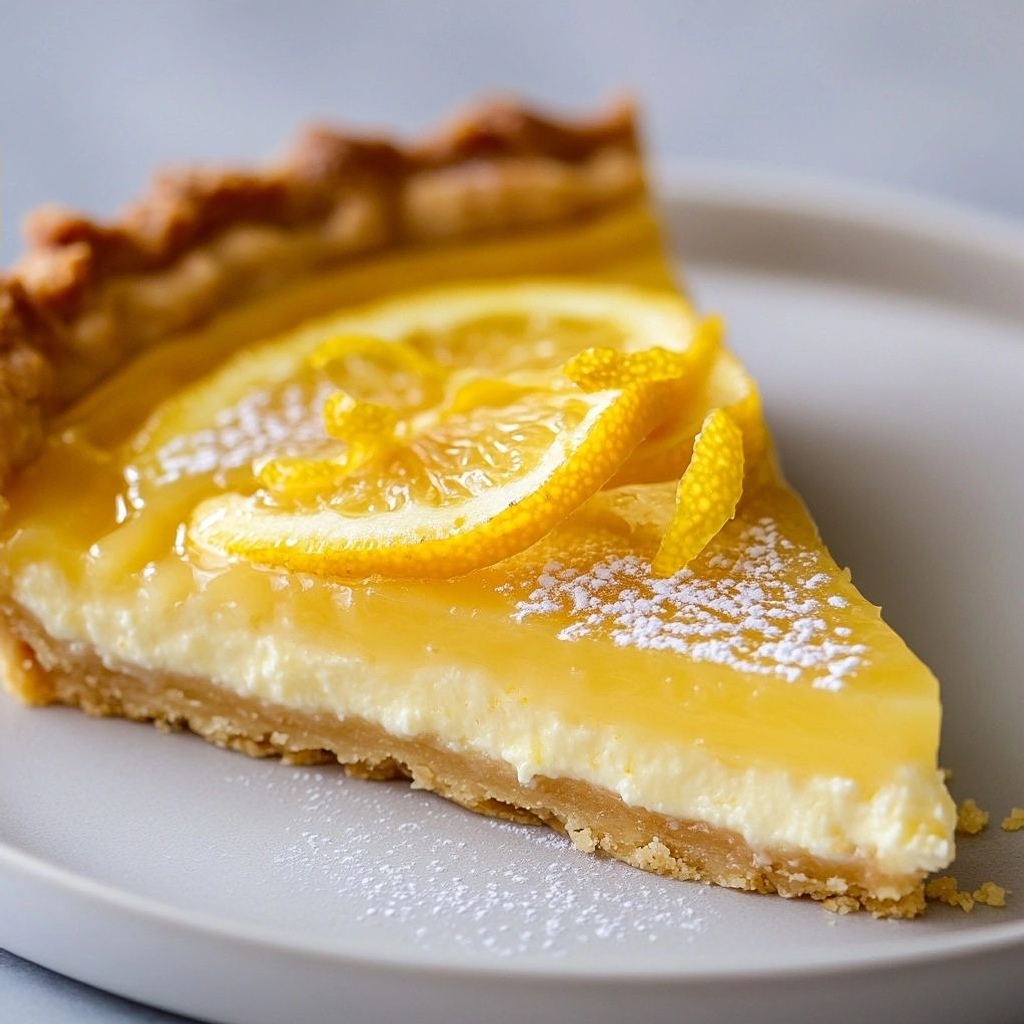
- Dust with powdered sugar just before serving for a delicate finish. Lightly sift to avoid clumps and keep the surface smooth.
- Add fresh lemon garnish only at service time to preserve brightness and aroma. Very thin lemon slices or microplane zest will look elegant and add fragrance as you cut into the tart.
- Store leftovers in the refrigerator covered tightly for up to 2–3 days. The filling can soften when cold, so a brief return to room temperature or a gentle rewarm can improve texture if desired.
FAQ
What is Ricotta Lemon Tart?
A dessert tart featuring a creamy ricotta filling with bright lemon zest and juice, baked in a buttery crust for a light, tangy finish.
What crust is used for this tart?
A classic butter shortcrust pastry (pâte sucrée or pâte sablée) works well, providing a crisp, lightly sweet base that complements the tangy filling.
Can I make the crust ahead of time?
Yes. Chill the dough for at least 1 hour, roll it out, and blind bake (with pie weights) until lightly golden. This helps prevent sogginess.
What ingredients are in the filling?
The filling typically includes ricotta, sugar, lemon zest, lemon juice, eggs, and sometimes a splash of cream or vanilla for depth.
Is ricotta sweetened or plain?
Use sweetened ricotta for a balanced taste, or plain ricotta with added sugar to taste. If using plain, compensate with a touch more sugar.
How do I prevent the filling from curdling?
Bake the tart in a moderate oven (around 325–350°F / 160–175°C) and avoid over-mixing the filling. Use room-temperature ingredients and bake until just set with a slight jiggle.
How long does it take to bake?
The filling typically bakes for about 25–35 minutes, or until the center is set but still gently wobbly. The crust should be fully baked and golden.
Can I make this tart ahead?
Yes. It can be made 1–2 days in advance and stored in the refrigerator. Bring to room temperature before serving for best texture and flavor.
What toppings pair well with Ricotta Lemon Tart?
Fresh berries, lemon zest curls, a dusting of powdered sugar, or a light drizzle of honey or lemon glaze complement the tart nicely.
How can I adapt this for a dairy-free or vegan version?
Use a dairy-free crust (almond or gluten-free crust) and replace ricotta with a blended silken tofu or vegan ricotta substitute, along with a plant-based lemon custard. Note: texture and flavor will differ slightly.
What should I serve this with?
A dollop of whipped cream or vanilla yogurt, or a scoop of lemon sorbet can elevate the lemony brightness. A sprig of mint also adds a fresh touch.