Introduction / Hook
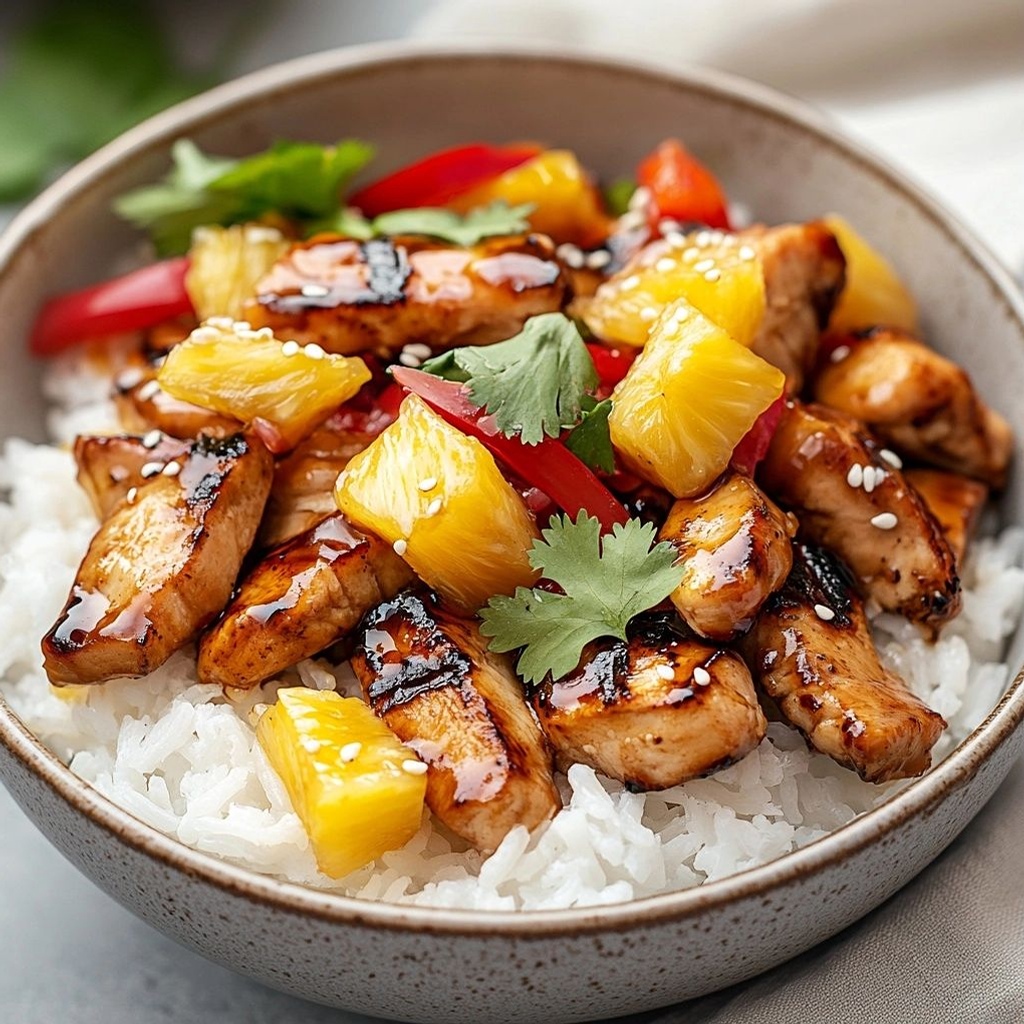
Imagine a bowl that feels like a tropical vacation but still delivers the comforting familiarity of a hearty, home-cooked meal. The Pineapple Chicken Bowl is that transportive dish: bright, zesty, and deeply satisfying, with caramelized edges that sing with roasted sweetness and a kiss of tangy brightness. Each bite delivers a chorus of flavors — tropical pineapple sweetness, savory chicken depth, a whisper of soy and ginger, and a touch of heat or savoriness depending on your mood. It’s the kind of dish that makes weeknights feel indulgent without requiring a long, elaborate process. The aroma alone, wafting through the kitchen, promises a satisfying dinner and a smile that lingers long after the last bite. If you’re after something vibrant, flexible, and foolproof, this Pineapple Chicken Bowl is your new weeknight hero, your weekend crowd-pleaser, and your easy-dish-to-pack-for-office lunches all in one.
The Story Behind the Dish
There’s a little magic in combining bright fruit with savory protein, a pairing that has deep roots in many culinary traditions around the world. The concept of pairing pineapple with chicken is a modern nod to global flavors that celebrate contrast — the sweet-sour balance that wakes up the palate and the protein that provides substance. In tropical regions and coastal cities, fruit glazes and pan sauces that mingle citrus or pineapple with soy, garlic, and ginger are common, offering a quick way to create a complete meal without fuss. This Pineapple Chicken Bowl draws inspiration from that synergetic pairing, tempered by contemporary tastes and a preference for bowls as a casual, satisfying way to eat well. It’s a dish that invites customization, so you can honor family favorites or pantry constraints while keeping the core idea intact: a nourishing bowl that feels bright, balanced, and utterly comforting. The preparation mirrors the way many kitchens improvise — a quick sear for depth, a splash of tang, a simmer to meld flavors, and a final toss with vegetables that add color, crunch, and nutrition. If you grew up with citrusy glazes or soy-based marinades, you’ll recognize the flavor family here, but the pineapple adds a sunny, vacation-ready twist that makes the dish feel celebratory rather than routine.
Origin Moments and Cultural Footnotes
While the exact origins of pineapple-glazed chicken are not tied to a single country, the fusion reflects a broader trend in modern cooking: taking bright, accessible ingredients and combining them with everyday proteins to create complete, flavorful meals in a single bowl. Pineapple, with its tropical sweetness and slight tang, has a storied history in cuisines across the globe, from Southeast Asia to the Caribbean, where it’s used in a variety of marinades, salsas, and sauces. Chickens’ universal popularity makes it the perfect canvas for such a glaze. The result is a dish that nods to sun-drenched produce and worldly flavors while staying rooted in home-cooked simplicity. In essence, Pineapple Chicken Bowl is comfort with a dash of sunshine — a reminder that great flavor can be quick, approachable, and universally appealing.
Why You’ll Love This Recipe
- Fast and forgiving: a weeknight favorite that comes together in minutes and scales easily for a crowd.
- Bright flavor profile: pineapple brings tropical brightness that complements savory, garlicky, and gingery notes without overpowering them.
- Balanced texture: caramelized chicken with a glossy glaze, crisp-edged vegetables, and fluffy bowls of rice or grains provide a satisfying mix of textures.
- Customizable: switch up proteins (tofu, shrimp, or chicken thighs), swap vegetables, or adjust heat to suit your palate.
- One-bowl convenience: all components come together harmoniously, reducing the need for multiple sides and sauces.
- Make-ahead-friendly: elements can be prepared in advance and assembled later for a quick meal.
- Family-friendly and crowd-pleasing: familiar flavors with a zing of brightness make it a dish kids and adults alike gravitate toward.
Flavor Profile & Texture
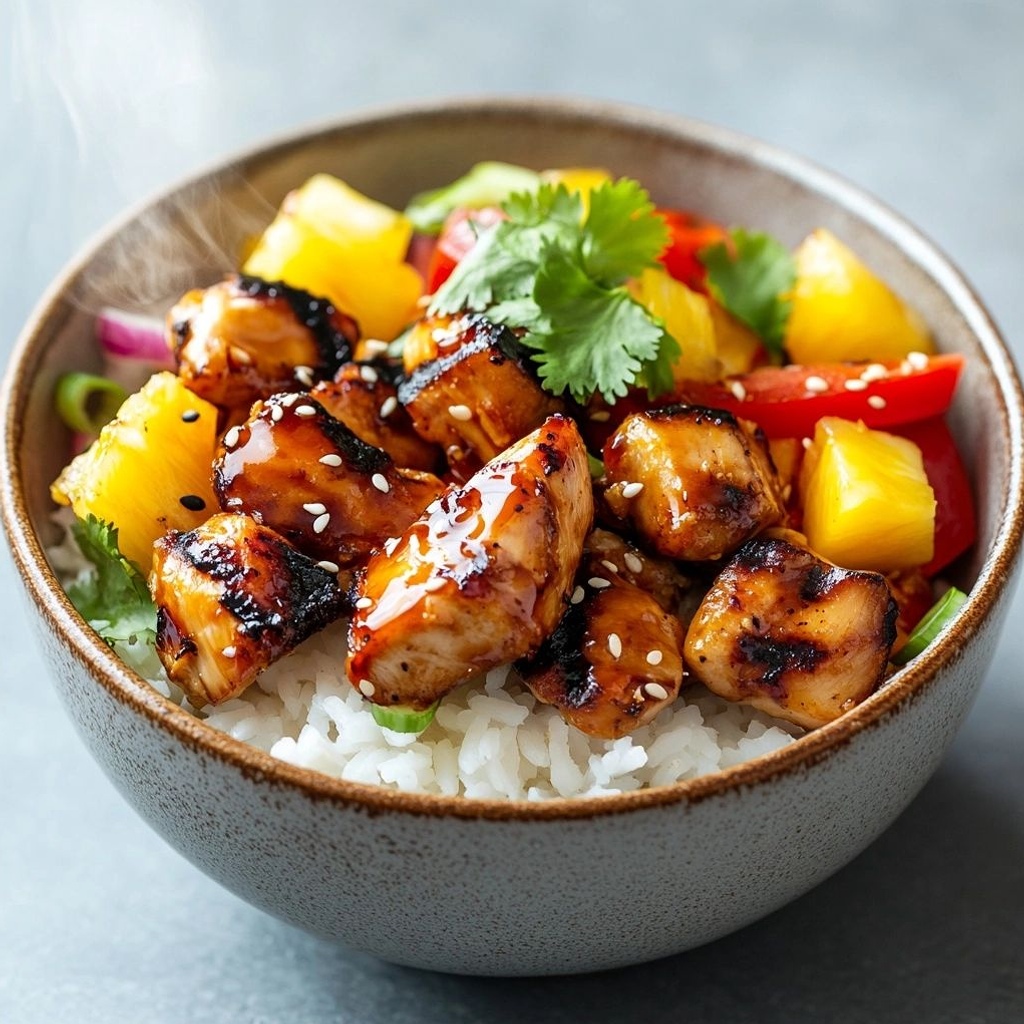
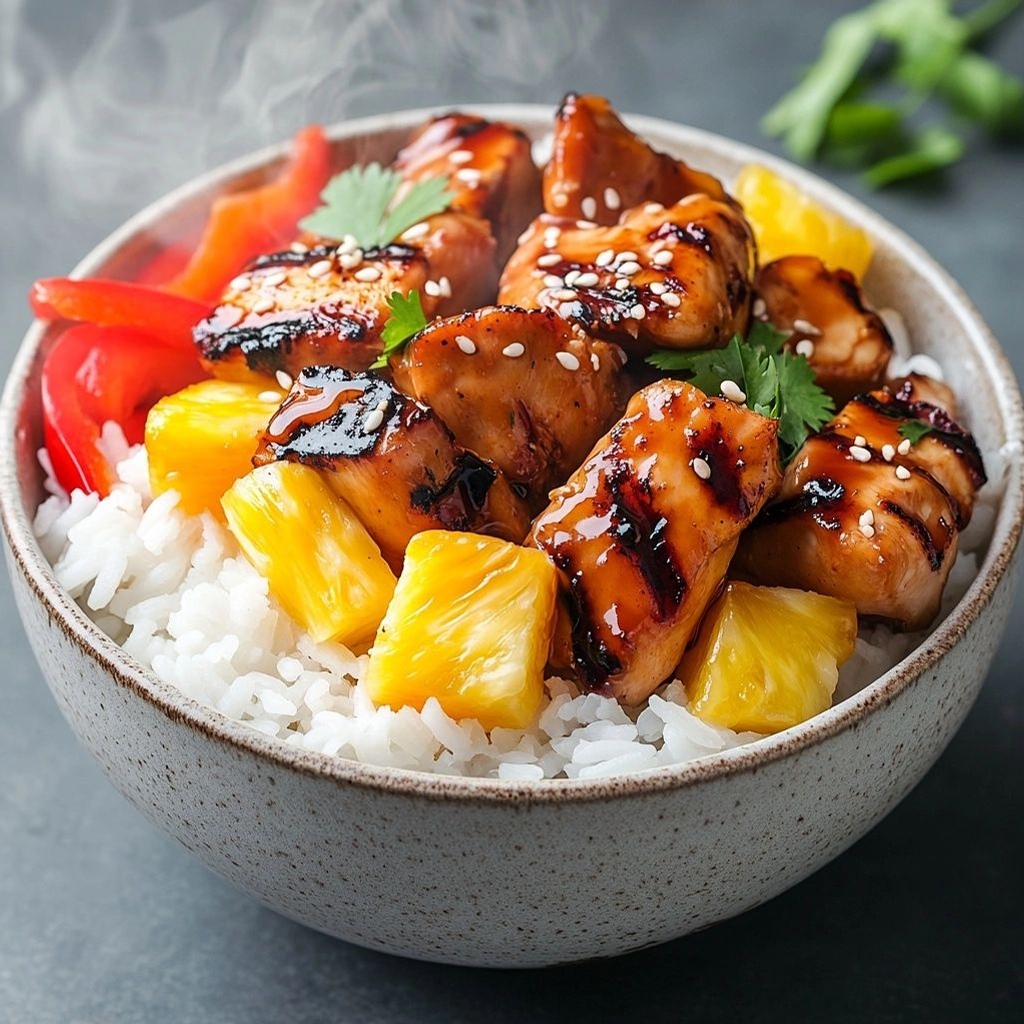
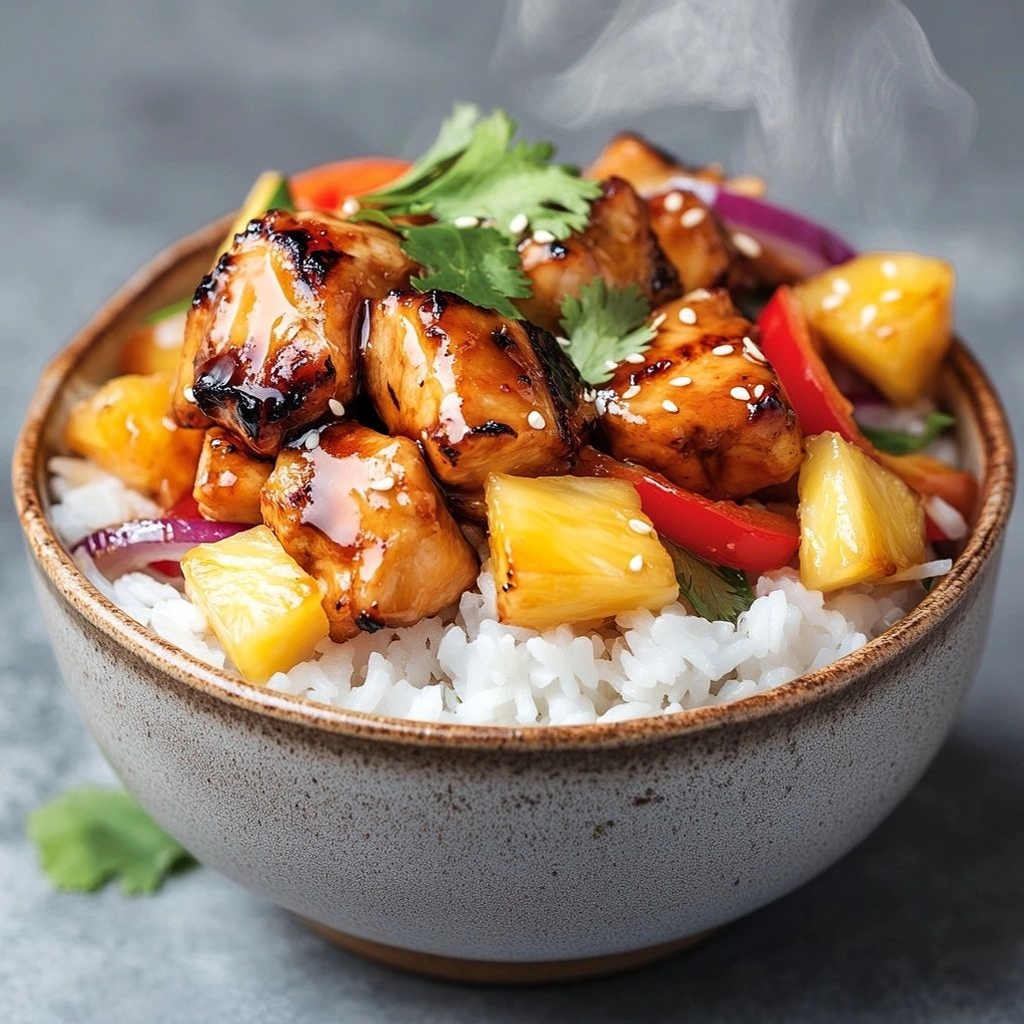
Think of the Pineapple Chicken Bowl as a symphony of contrasts that still harmonize. The chicken is often seared to develop a caramelized crust, which adds a subtle smokiness and a pleasing chew. The glaze, usually a balance of pineapple juice or chunks, soy sauce, garlic, and ginger, offers a glossy, sticky glaze that clings to every morsel, delivering a savory-sweet wave with a hint of fermented depth from the soy. The pineapple itself contributes a juicy, almost candy-like brightness that punctuates the dish and helps cut through richness—creating a refreshing finish with every bite. Vegetables, whether they’re bell peppers, snap peas, or cabbage, provide crisp-tender texture and a pop of color that makes the bowl feel joyful and inviting. The grain beneath—whether fluffy white rice, nutty brown rice, or a zesty quinoa—serves as a neutral, absorbing base that soaks up the glaze without getting soggy, ensuring each mouthful remains balanced rather than overwhelmed. A final squeeze of lime or a sprinkle of sesame seeds can elevate the brightness or add a toasty nuance. In short, the flavor profile is a well-rounded, bright, and comforting experience: sweet-tart pineapple, savory chicken and glaze, crisp vegetables, and a soft, satisfying base that brings everything together in a single, spoon-ready bite.
Occasions & Pairings
This dish shines in a variety of settings, from weeknight dinners to weekend gatherings. It’s equally at home in casual family meals, meal-prep days, or a sunny patio dinner when the weather invites bright flavors. For occasions, consider:
- Weeknight dinners when you want something quick, tasty, and a little special.
- Meal-prep lunches that stay fresh in the fridge, with flavors that improve as they mingle.
- Casual gatherings where a single-pot or single-bowl option keeps things relaxed and easy to serve.
- Bright summer meals that pair well with light cocktails, sparkling water with citrus, or a crisp white wine like Sauvignon Blanc or a dry Riesling.
Pairings to consider:
- Side options: a quick cucumber-mint salad, roasted broccoli, or steamed jasmine rice to soothe the glaze.
- Drinks: citrusy spritzes, a light beer with tropical notes, or a chilled white wine that complements fruit-forward flavors.
- Desserts: a light coconut yogurt parfait, citrus sorbet, or pineapple upside-down cake to echo the fruit’s tropical notes.
Tips, Variations & Substitutions
Here are practical ways to tailor the Pineapple Chicken Bowl to your pantry, dietary needs, or flavor ambitions:
- Protein swaps: use chicken thighs for juicier meat, or substitute firm tofu or tempeh for a vegetarian version. Shrimp also works beautifully if added at the end to avoid overcooking.
- Glaze variations: amp up brightness with a splash of rice vinegar or lime juice; add a pinch of chili flakes for heat; or stir in a tablespoon of honey or maple for a deeper caramelization.
- Vegetable options: swap in bell peppers, snow peas, shredded carrots, or broccoli florets. Sauté quickly to keep them crisp-t tender and colorful.
- Rice/base alternatives: cauliflower rice for a low-carb option, quinoa for extra protein, or a simple bed of mashed sweet potato for a comforting twist.
- Gluten-free version: use gluten-free soy sauce or tamari and ensure any add-ins are gluten-free.
- Make-ahead ideas: marinate the chicken (without cooking) for up to 24 hours, keep the glaze separate, and assemble bowls just before serving to maintain texture and color.
- Spice level: adjust heat by adding jalapeño slices, chili paste, or a dash of hot sauce to the glaze, or omit for a milder version.
- Vegan-friendly glaze: use a plant-based protein and a glaze built from pineapple juice, tamari or coconut aminos, ginger, garlic, and a touch of maple syrup or agave to maintain caramelization.
Storage & Make-Ahead Ideas
To keep the Pineapple Chicken Bowl fresh and delicious, think about how flavors develop over time. The key is to manage the components so they don’t over-marinate or become soggy. Here are practical guidelines:
- Meal-prep bowls: cook and cool rice ahead of time, sear the chicken, and keep the glaze and vegetables separate. When ready to eat, rewarm the chicken and vegetables, reheat the rice, and toss everything together with a quick re-glaze if needed.
- Leftovers: store in an airtight container in the refrigerator for up to 3 days. Reheat gently to prevent drying out the chicken; you can add a splash of stock or water to loosen the glaze.
- Freezing: rice and chicken can be frozen separately for longer storage. Reheat thoroughly and reassemble with fresh pineapple or a quick re-glaze to revive brightness.
- Make-ahead glaze: keep the glaze ready in the fridge for up to 4 days; caramelize the chicken fresh when serving and simply toss with the warmed glaze and pineapple for a quick finish.
- Texture tricks: to preserve crisp-tender vegetables, consider adding them to the pan at the very end of reheating or serving them on the side for crunch and color.
Fun Facts & Trivia (Optional)
Did you know that pineapple is not just a delicious fruit but also a symbol of hospitality and warmth in many cultures? Its bright, tropical sweetness can instantly transport you to a sunlit market or a seaside town. The fruit’s natural acidity helps balance rich sauces, making it an ideal partner for savory proteins. In modern kitchens, pineapple is celebrated for its versatility: it can be caramelized, roasted, grilled, or canned into a glaze that brings both brightness and depth to dishes. When paired with chicken, the contrast between sweet and savory becomes a familiar favorite, a testament to the joy of balancing flavors. The Pineapple Chicken Bowl is a small homage to that balance — a simple, approachable recipe that invites you to savor the sunshine in every bite.
FAQ & Quick Troubleshooting
To help you get the most from this dish, here are a few quick tips you can keep in mind:
- If the glaze isn’t sticking: turn the heat up briefly to develop a glaze-ready surface, or add a tiny splash of cornstarch slurry (1 teaspoon cornstarch mixed with 1 tablespoon water) to thicken the sauce.
- If you want more caramelization: pat the chicken dry before searing and let it sit undisturbed in a hot pan to form a crust before flipping.
- If you’re avoiding pineapple chunks: use crushed pineapple for a more uniform glaze, or reduce the pineapple juice until it reaches a syrupy consistency before mixing with the other glaze components.
Closing Thoughts
The Pineapple Chicken Bowl is more than a recipe; it’s a celebration of contrasts that come together with ease. It invites you to play with textures, adjust flavors to your liking, and enjoy a meal that feels both vibrant and comforting at the same time. It’s a dish that makes everyday dinners feel special, a bowl you can customize to your kitchen, your schedule, and your guest list. So gather your favorite toppings, pick your preferred grain, and let the pineapple do the talking. Your taste buds are in for a bright, satisfying treat that’s as nourishing as it is delicious, and as flexible as your week ahead demands.
Ingredients
Pineapple Chicken Bowl
Protein & Base
-
– 1 lb boneless, skinless chicken breasts, cut into bite-sized pieces
→ Provides lean protein to form the heart of the bowl. Cutting into even pieces ensures uniform cooking. For juicier chicken, pat dry before cooking and avoid overcrowding the pan to promote proper sear.
– 2 cups fresh pineapple chunks, cut into bite-sized pieces
→ Adds bright tropical sweetness and acidity that pairs with the savory glaze. Use freshly cut pineapple for best texture; if using canned, drain well and reserve the juice to adjust sweetness and acidity.
Vegetables & Aromatics
-
– 1 red bell pepper, seeded and thinly sliced
→ Provides color, sweetness, and crisp texture. Slice uniformly so pieces cook evenly with the chicken. If you prefer softer peppers, sauté a bit longer or use an additional 1/2 cup of onion.
– 1 cup red onion, thinly sliced
→ Adds sharpness and depth to balance the sweetness of pineapple. Slice uniformly to ensure even cooking; grill or sauté until just tender for a bit of bite.
– 3 garlic cloves, minced
→ Delivers aromatic warmth that builds the sauce; mince finely for even distribution and faster release of flavor during cooking.
– 1 tablespoon fresh ginger, grated
→ Introduces bright, zesty heat and depth. Grate finely to maximize surface area and prevent fibrous strands in the final dish.
Sauce & Marinade
-
– 1/4 cup low-sodium soy sauce or tamari (gluten-free)
→ Provides salt and umami to the glaze; using low-sodium helps control overall saltiness. If gluten-free is required, ensure tamari is labeled gluten-free.
– 2 tablespoons honey or maple syrup
→ Adds mellow sweetness to balance acidity and heat. Adjust to taste based on pineapple sweetness and personal preference; melt gently if using honey to prevent crystallization.
– 1 tablespoon rice vinegar or lime juice
→ Introduces tanginess to brighten the dish. Rice vinegar is milder; lime juice gives a more pronounced citrus note that complements pineapple.
– 1 tablespoon lime juice (optional for extra brightness)
→ Heightens tropical flavors and enhances acidity to cut through richness. Freshly squeezed is best; avoid bottled concentrate for a cleaner taste.
– 1 teaspoon sesame oil (optional, for finish)
→ Adds a toasty, nutty aroma. Use sparingly as it is potent; drizzle just before serving for the best aroma.
Grains/Base
-
– 3 cups cooked rice (jasmine or basmati) or cooked quinoa
→ Serves as the comforting base to soak up sauce and juices. For best texture, prepare grains a few hours ahead and reheat with a splash of water if needed; fluffy grains work best with bowls.
Garnish & Finish
-
– Fresh cilantro leaves or sliced green onions for serving
→ Adds fresh herbal brightness and color. If you dislike cilantro, substitute with chopped parsley or chives for a milder note.
– Salt and pepper to taste
→ Essential for balancing sweetness, acidity, and savoriness. Always start with a small amount and adjust after tasting the sauce and chicken.
– Optional: 1–2 teaspoons sesame seeds or chopped peanuts for crunch
→ Provides a contrasting texture and nutty flavor. Toast sesame seeds in a dry pan for 1–2 minutes until fragrant to maximize aroma.
– Optional: 1 small jalapeño or pinch of chili flakes for heat
→ If you like heat, add finely sliced jalapeño or a pinch of chili flakes to your sauce or garnish. Remove seeds for milder heat or keep them for extra spice.
– Optional: lime wedges for serving
→ Fresh lime wedges let each eater adjust brightness at the table; squeezing right before biting brightens flavors and adds zesty aroma.
Instructions
- Pat dry the chicken pieces and season them lightly with salt and pepper before cooking.
→ Dry chicken sears properly, developing a flavorful crust and preventing steaming in the pan. - Whisk together the soy sauce, honey, rice vinegar, and lime juice to create a glossy marinade and glaze.
→ This balance of salty, sweet, and acidic flavors forms the base of the glaze that coats the chicken and pineapple. - Toss the chicken pieces with half of the prepared glaze and let them marinate for 15 to 20 minutes at room temperature, turning once.
→ Allows flavors to permeate the meat; shorter times still work, but marinating yields deeper color and aroma. - Meanwhile, prep the vegetables by slicing the red bell pepper into uniform thin strips and finely mincing the garlic while keeping the onion sliced evenly.
→ Uniform cuts ensure even cooking and consistent texture throughout the dish. - Grate the fresh ginger on a fine microplane to obtain aromatic pulp without fibrous bits, then set aside.
→ Finely grated ginger releases maximum flavor quickly during cooking and avoids stringy pieces in the sauce. - Heat a large skillet or wok over medium-high heat and add a thin film of oil; when shimmering, add the chicken in a single layer and sear until browned on one side, about 2–3 minutes.
→ A good sear locks in juices and creates depth of flavor; avoid overcrowding the pan to maintain high heat and proper browning. - Flip the chicken pieces and continue cooking until just cooked through and lightly caramelized, then remove them to rest on a plate.
→ Resting prevents carryover cooking and preserves moisture for juicy bites in the bowl. - In the same pan, add a touch more oil if needed and sauté the red onion and red bell pepper until they are just tender and still bright, about 3–4 minutes.
→ Retains color and crunch, providing textural contrast to the tender chicken and pineapple. - Push the vegetables to the side, add the minced garlic and grated ginger to the center, and cook briefly until fragrant, about 30 seconds.
→ Quick aromatics bloom in hot oil, infusing the dish with savory warmth without burning the garlic. - Add the pineapple chunks and the remaining half of the glaze to the pan; simmer for 2–3 minutes until the sauce thickens slightly and the pineapple is heated through.
→ The heat and glaze cling to the fruit and vegetables, creating a cohesive, glossy sauce with balanced acidity and sweetness. - Return the chicken to the pan, tossing to coat evenly in the glaze and heat through for 1–2 minutes.
→ Reheating with the sauce ensures all pieces are lacquered with flavor and warmed through without drying. - Prepare the grains base: fluff the cooked rice or cooked quinoa and season lightly with salt if desired.
→ A light seasoning helps the base absorb sauces without overwhelming the dish’s delicate balance. - Assemble the bowls by portioning a base of grains into each bowl, topping with the pineapple-chicken mixture, and spooning extra sauce over the top.
→ The grains anchor the dish, while the saucy chicken and pineapple create a cohesive, spoonable bite each time. - Garnish with cilantro or green onions, and season with salt and pepper to taste; optionally sprinkle sesame seeds or chopped peanuts for crunch.
→ Fresh herbs brighten the dish and add color; nuts or seeds introduce a contrasting texture that enhances overall enjoyment. - Offer lime wedges on the side for each bowl, allowing din ers to squeeze fresh juice just before eating.
→ A final brightness at the table elevates the tropical flavors and helps cut through richness as you bite.
Notes
These Pineapple Chicken Bowls are a bright, savory-sweet meal powered by lean chicken, caramelized pineapple, and a zingy ginger-garlic glaze. They come together quickly for a weeknight dinner and scale up for meal prepping. For gluten-free diets, use certified gluten-free soy sauce or tamari and ensure your sesame oil is pure. You can customize with different proteins or swap the base to quinoa or brown rice for variety.
- Make-ahead tip: Marinate the chicken in the soy sauce, garlic, and ginger for 30 minutes to deepen flavor, then cook and assemble bowls just before serving.
- Sauce balance: If your pineapple is very sweet, add an extra splash of rice vinegar or a squeeze of lime to brighten the glaze; if it’s tart, a touch more honey can round the acidity.
- Texture play: Sear the chicken in a hot pan in batches to achieve a good golden crust. Avoid overcrowding the pan to prevent steaming the pieces.
- Vegetable swap: Swap red peppers for bell peppers of any color or add snap peas, broccoli florets, or sliced carrots for extra crunch and color.
- Grain swaps: Use jasmine or basmati rice, cooked quinoa, or even cauliflower rice for a lighter base. Reheat grains with a splash of water to keep them fluffy.
- Serving notes: Garnish with fresh cilantro or green onions and a sprinkle of sesame seeds or crushed peanuts for texture. Serve lime wedges on the side for individual brightness at the table.
- Storage: Refrigerate leftovers in an airtight container for up to 3 days. Reheat gently on the stove or in the microwave, adding a splash of water or pineapple juice to revive the sauce.
- Diet-friendly variations: Substitute chicken with firm tofu or shrimp for different protein options; these also pair beautifully with the same glaze.
Tips
Tips for preparing Pineapple Chicken Bowl
- Chicken prep: Pat the chicken pieces dry with paper towels before seasoning and cooking. This helps achieve a better sear and reduces splatter. If time allows, marinate 15–30 minutes in a portion of the sauce to deepen flavor without overpowering the glaze.
- Even cutting: Aim for bite-sized, uniformly sized pieces (about 1 inch). Uniform pieces ensure even cooking and glaze absorption, so there are no overcooked edges or undercooked centers.
- Forethought on pineapple: Use fresh pineapple for the best texture and brightness. If using canned, drain well and reserve juice to adjust the glaze’s sweetness and acidity later.
- Vegetable texture: Slice peppers and onions uniformly to ensure they cook in the same time as the chicken. For crisper vegetables, add them later in the sauté or stir-fry; for softer textures, cook a bit longer or cover briefly with a lid.
- Aromatics handling: Mince garlic and grate ginger finely to maximize surface area and quick flavor release. If you prefer a milder ginger note, smash the ginger with a knife first to release oils, then mince.
- Sauce balance: Taste the sauce mixture before cooking. If your pineapple is very sweet, add a touch more rice vinegar or lime juice. If it’s tart, a bit more honey can round the acidity.
- Marinade and glaze timing: If you reserve some sauce for later, simmer the reserved portion separately to thicken slightly, then toss with the chicken at the end to avoid thinning the glaze.
- Heat management: Cook the chicken over medium-high heat in a hot pan, working in batches to avoid crowding. Crowding lowers the pan temperature and can lead to steaming rather than searing.
- Grains prep: Cook rice or quinoa to be fluffy and not mushy. Rinse grains if needed (especially rice) and fluff with a fork after resting. Reheat with a splash of water to restore texture if prepared ahead.
- Flavor layering: Add a light splash of soy sauce to the skillet after searing the chicken to lift fond from the pan, then incorporate it into the glaze for deeper umami.
- Finish with aroma: Drizzle sesame oil at the very end (or skip) to preserve its toasty aroma. If using sesame seeds, toast them just before serving to maximize crunch and scent.
- Freshness finish: Add fresh cilantro or green onions right before serving to preserve bright flavor and color. If cilantro is not preferred, parsley or chives provide a milder herbal note.
- Salt judiciously: Start with the lower end of salt guidance and adjust after tasting the glaze and vegetables, since soy sauce can vary in saltiness between brands.
- Heat level: If including jalapeño or chili flakes, add to taste and consider removing seeds for less heat. For a milder version, add hot sauce in small increments at the table.
- Serving tips: Offer lime wedges at the table for bright finishing notes. A quick squeeze right before biting enhances aroma and can help balance sweetness.
FAQ
What is a Pineapple Chicken Bowl?
A Pineapple Chicken Bowl is a balanced, single-bowl meal featuring tender chicken, sweet pineapple, colorful vegetables, and a savory sauce served over rice or quinoa. It’s a tropical, protein-packed dish that’s quick to prepare.
What ingredients do I need?
Common ingredients include chicken breast or thighs, pineapple chunks, bell peppers, onions, garlic, ginger, soy sauce (or tamari for gluten-free), honey or brown sugar, rice or quinoa, and a simple cornstarch slurry to thicken the sauce. Optional toppings: green onions, sesame seeds, cilantro.
Is this dish gluten-free?
It can be gluten-free if you use gluten-free soy sauce or tamari and ensure any processed ingredients (like sauces or broths) are certified gluten-free. Use Jasmine or basmati rice for a straightforward option.
How do I make it step by step?
1) Sauté diced chicken until cooked through. 2) Remove and sauté garlic, ginger, onions, and bell peppers. 3) Add pineapple and sauce (soy/tamari, honey, and a splash of rice vinegar). 4) Return chicken, simmer with a cornstarch slurry to thicken. 5) Serve over rice or quinoa and garnish with optional toppings.
What is the sauce made of?
The sauce typically combines soy sauce (or tamari), honey or brown sugar for sweetness, minced garlic and ginger for aroma, and a touch of rice vinegar or lime juice for brightness. A cornstarch slurry helps thicken the sauce.
How long does it take to cook?
From start to finish, about 25–35 minutes. Sautéing vegetables and chicken takes roughly 15–20 minutes, with a few minutes to simmer the sauce and thicken.
How many servings does this make?
A typical Pineapple Chicken Bowl serves 4, but you can scale ingredients up or down to fit your needs.
Can I make this ahead or meal-prep?
Yes. Cook the chicken and sauce separately, then combine with reheated rice. The dish stores well in an airtight container in the fridge for up to 3–4 days. Reheat on the stove or in the microwave, adding a splash of water to loosen the sauce if needed.
What are good substitutions or variations?
Variations include swapping chicken for tofu or shrimp, using pineapple juice to intensify sweetness, adding vegetables like snap peas or broccoli, or using cauliflower rice for a low-carb option. For heat, add red pepper flakes or a dash of sriracha.