Introduction / Hook
Imagine a dish that sings with brightness and comfort at the same time: lemon zest dancing with piney herbs, sizzling chicken skin crackling to a golden perfection, and a citrusy aroma that fills your kitchen like a warm welcome. Lemon Herb Chicken is that timeless staple that feels everyday and special all at once. It’s the kind of recipe that makes weeknights feel celebratory, yet it still carries the simplicity of pantry staples transformed into something memorable. The aroma alone invites you to slow down, breathe in the sunny citrus, and savor the moment before you even take the first bite. It’s a dish that pairs clean, vibrant flavors with a comforting, home-cooked finish, leaving you with a sense of satisfaction that lingers long after the plates are cleared. Whether you’re cooking for a busy family, an intimate date night at home, or a casual gathering with friends, this lemon herb chicken brings a bright spark to the table with minimal fuss and maximal appeal.
In this description you’ll travel through the story of how a few bright ingredients can elevate a humble chicken into something that tastes like sunshine on a plate. We’ll explore the balance between tart citrus, fragrant herbs, and savory poultry, and how technique—especially careful searing and mindful resting—can make every bite juicy, juicy, juicy. From the first scent to the final bite, Lemon Herb Chicken is a versatile canvas: it can be plated simply with a side of greens, dressed up with a buttery pan sauce, or transformed into a crowd-pleasing centerpiece with a few thoughtful inclusions. If you’ve ever wished for a dinner that feels both effortless and impressive, you’ve found it.
The Story Behind the Dish
Lemon and chicken is a pairing that travels through many kitchens and continents, a classic duet rooted in the bright Mediterranean light and the comforting farmhouse sensibilities found in Southern and coastal cuisines alike. The lemon’s acidity brightens the meat’s richness, while herbs—like thyme, rosemary, parsley, and a hint of oregano—echo the fresh aromas of a sunny garden. This combination has a long history in culinary traditions where citrus was used not only to flavor but to tenderize and preserve, creating a balance between tang and savor. In many households, this dish grew from the idea of using what’s readily available: a lemon from the windowsill, a handful of fresh or dried herbs, and a chicken that feeds a family with warmth and sustenance.
In folk kitchens, a skillet was more than a tool; it was a stage for aroma and anticipation. The sizzling sound of chicken skin meeting hot fat tells a story of patience and craft. A splash of lemon juice at the right moment can lift a sauce from simple to glossy and bright, an alchemy that makes the ordinary feel celebratory. The enduring appeal of Lemon Herb Chicken lies in its ability to evoke memory—family dinners, Sunday roasts, weeknight rituals—while remaining adaptable to your pantry and preference. It’s a dish that invites you to put your own stamp on it: the herbs you choose, the level of sear you prefer, and the final touch of citrus that reflects your mood for the day.
Why You’ll Love This Recipe
- Quick and practical: A weeknight-friendly dish that comes together with confidence in under an hour.
- Bright yet comforting: The lemon provides an uplifting acidity that balances with savory chicken and aromatic herbs.
- Versatile and forgiving: Works with boneless skin-on thighs or breasts, and adapts easily to different sauces or sides.
- Make-ahead friendly: The flavors deepen with a little resting time and can be rehearsed for future meals.
- Family-friendly: Gentle flavors that appeal to both kids and adults, with room for customization.
- One-pan practicality: Minimal cleanup, maximum flavor—perfect for busy evenings or simple gatherings.
Flavor Profile & Texture
This dish melds bright citrus with earthy herbs and savory poultry, creating a layered flavor that feels both lively and grounded. The chicken skin, when seared properly, develops a crisp, caramelized edge that adds texture and a touch of indulgence to each bite. Inside, the meat remains juicy and tender, marbled with the natural sweetness of the poultry. The lemon contributes a lively tartness and a subtle sweetness depending on the lemon’s ripeness, while the zest releases fragrant oils that perfume the kitchen long after the plate is cleared. Fresh herbs—think thyme and rosemary for piney notes, parsley for a peppery freshness, and a hint of oregano or marjoram for warmth—provide a green, aromatic backbone that complements the citrus without overpowering it. The result is a balance of bright, zesty, herbaceous, and savory flavors with a satisfying mouthfeel that lingers pleasantly.
Texturally, you’ll experience a beautiful contrast: a crisp, lightly crisped exterior on the chicken, a tender, succulent interior, and a silky pan sauce that coats each piece with a glossy sheen. The optional finishing touch of a butter-burst or a splash of stock creates a slight, velvety finish that makes the sauce cling to the surface, inviting a spoonful with every bite. The aroma—the lemon’s zing, the herbs’ fragrance, and the caramel note from the seared skin—creates an olfactory prelude that makes you anticipate the first sample with a smile.
Occasions & Pairings
Lemon Herb Chicken is incredibly adaptable for various occasions:
- Weeknights: A reliable, quick dinner that’s both comforting and elevated.
- Family dinners: A crowd-pleasing classic that feels special without being fussy.
- Bright holiday meals: A lighter main that pairs well with roasted vegetables and seasonal salads.
- Meal prep and entertaining: Scales well for gatherings when served with a few sides.
Pair this dish with bright, complementary sides to enhance the citrus-herb theme:
- Side salads: A crisp arugula or mixed greens salad with a light vinaigrette to echo citrus brightness.
- Roasted vegetables: Asparagus, green beans, or carrots with a touch of olive oil and lemon zest.
- Grains: Quinoa, couscous, or a fluffy pilaf to soak up the pan sauce.
- Potatoes: Roasted baby potatoes or a lemon-herb roasted potato variation for a comforting, hearty option.
- Wine and drinks: A crisp white wine such as Sauvignon Blanc, Pinot Grigio, or a lightly chilled Chardonnay; or a sparkling water with a lemon twist for a non-alcoholic pairing.
Seasonal Notes
In summer, keep things light with a bright herb salad and a cucumber-lemon yogurt sauce to accompany the chicken; in cooler months, add a dash of garlic and a touch of cream in the pan sauce for a comforting, cozy finish. Fresh herbs thrive in spring and summer but can be stored and dried to keep the dish vibrant year-round. If you have a garden, sniffing fresh thyme and rosemary as you prep will set the mood for a fragrant, homey cooking session.
Tips, Variations & Substitutions
Here are practical ideas to tailor Lemon Herb Chicken to your taste and dietary needs:
- Herb swaps: If you don’t have thyme or rosemary, try marjoram, tarragon, parsley, or a pinch of dried oregano for a different aromatic profile. Each herb brings its own whisper of flavor—experiment to see which you love most.
- Protein options: Substitute bone-in, skin-on chicken thighs for a juicier, more forgiving cut, or go with boneless, skinless chicken breasts if you want a leaner option. Adjust cooking time accordingly to prevent drying out the breast meat.
- Vegan/vegetarian adaptation: Use thick slices of firm tofu or hearty mushrooms (like cremini or portobello) and swap butter with olive oil; finish with a citrus-herb glaze made from lemon juice, zest, and a splash of vegetable stock.
- Gluten-free: The recipe as written is naturally gluten-free if you use stock that’s gluten-free and avoid thickening with flour; if you need a thicker sauce, whisk a small amount of cornstarch slurry into the pan at the end and simmer briefly.
- Low-carb or keto: Pair with non-starchy vegetables (greens, zucchini, cauliflower mash) and skip any starchy sides. The citrus and herb flavors still shine.
- Make-ahead tips: Mix the herb, lemon zest, and olive oil marinade a day ahead and coat the chicken. Searing should be done close to serving time to maintain crispness.
- Flavor boosters: A splash of white wine in the pan deglaze, a small pat of cold butter at the end, or a pinch of red pepper flakes for a subtle kick can elevate the dish without overpowering the lemon-herb balance.
Storage & Make-Ahead Ideas
Leftover Lemon Herb Chicken stores beautifully in the refrigerator for up to 3 days when kept in an airtight container. The flavors can actually deepen after a night in the fridge, making it an ideal candidate for meal-prep lunches or next-day dinners. If you want to freeze, portion the cooked chicken with some sauce in freezer-safe containers for up to 2–3 months; defrost in the refrigerator overnight and reheat gently on the stove to avoid drying the meat.
To reheat, warm over low to medium heat with a splash of broth or water to loosen the sauce and keep the chicken moist. If the chicken has lost some crispness, you can re-sear it quickly in a hot skillet for a minute on each side to restore texture. The lemon-herb aroma will still waft out as you reheat, making the next plate feel almost freshly cooked.
Fun Facts & Trivia (Optional)
– Lemon has been used in cooking for centuries, valued not only for its bright flavor but also for its natural acidity, which can help balance richer ingredients and tenderize proteins.
– The combination of lemon and herbs is a staple in many coastal cuisines where citrus and fresh greenery thrive in abundance, reflecting a lifestyle that values fresh, vibrant, and seasonal ingredients.
– The technique of searing meat to develop a flavorful crust before finishing with a citrus-herb sauce is a time-honored approach in many kitchens, allowing cooks to showcase both technique and ingredient quality.
Conclusion
Lemon Herb Chicken embodies the essence of great weeknight cooking: simple, bright, and deeply satisfying. It’s a dish that makes the everyday feel a little bit special, inviting you to savor the aroma, the sizzle, and the first bite that reveals a harmony of citrus, herb, and succulent poultry. Whether you’re feeding a busy family, entertaining a handful of friends, or simply treating yourself to a comforting, flavorful meal, this recipe offers a reliable path to a delicious, well-balanced dinner. So grab a lemon, pluck a few herbs, and heat up the pan—this is one of those dishes that proves the simplest ingredients, treated with a little care and attention, can create something truly memorable.
Ingredients
Lemon Herb Chicken
– 4 boneless, skinless chicken breasts (about 1.5 pounds)
→ This is the main protein of the dish. Choose evenly sized breasts for uniform cooking. If your breasts are thick, consider pounding them to an even 1/2–3/4 inch thickness to promote quick, juicier cooking and to prevent drying out the center.
– 2 tablespoons olive oil
→ Olive oil serves as the cooking fat to prevent sticking and to help create a light, golden sear on the chicken. Use extra-virgin olive oil for better flavor; if using a nonstick pan, you can reduce to 1–1.5 tablespoons.
– 2 cloves garlic, minced
→ Garlic adds aromatic, savory depth that complements lemon and herbs. For a milder garlic flavor, smash the cloves and remove the germ before mincing; for stronger aroma, mince finely and let it sit in the oil for 10–15 seconds before adding chicken.
– Zest and juice of 1 large lemon
→ Lemon zest provides bright citrus oils that perfume the dish, while the juice adds acidic brightness and a light tang. Zest before juicing to avoid missing zest; strain juice if possible to remove seeds and excessive pulp.
– 1 tablespoon fresh thyme, chopped (or 1 teaspoon dried)
→ Thyme adds a subtle, earthy citrus note that pairs beautifully with lemon. Fresh herbs yield more vibrant flavor; if using dried, add earlier in the cooking process to rehydrate and release aromatics.
– 1 tablespoon fresh rosemary, chopped (or 1 teaspoon dried)
→ Rosemary contributes a piney, aromatic backdrop that holds up well with lemon. Chop finely to distribute evenly; dried rosemary is potent, so adjust to taste and consider crushing slightly to release oils.
– 1 teaspoon dried oregano (optional)
→ Oregano adds a warm, Mediterranean nuance that harmonizes with lemon and herbs. If using fresh oregano, use about 1 tablespoon chopped.
– 1/2 teaspoon salt (adjust to taste)
→ Salt helps season the chicken and enhances lemon-herb flavors. Add gradually and taste near the end of cooking, especially if using salted broth later.
– 1/4 teaspoon black pepper
→ Black pepper adds a gentle heat and depth. Freshly ground pepper is preferred for a more vibrant aroma; adjust to your spice tolerance.
Herb-Infused Pan Sauce
– 1/4 cup chicken broth or dry white wine (for deglazing)
→ The liquid helps lift browned bits from the pan to form a light sauce that coats the chicken. White wine will add acidity and brightness; broth keeps it non-alcoholic and savory. If you skip this, you can finish with a squeeze of lemon and a pat of butter.
– 1 tablespoon butter (optional, finish)
→ Butter finishes the sauce, adding silkiness and sheen. Swirl in at the end off the heat to avoid separating, and adjust with extra lemon juice if too rich.
– Fresh parsley for garnish (optional)
→ Parsley adds a pop of color and a fresh herbal note as a finishing touch. Chop finely and sprinkle just before serving to preserve its bright aroma and color.
Instructions
- Pat the chicken breasts dry with paper towels and patience to ensure even browning, then season all over with 1/2 teaspoon salt and 1/4 teaspoon black pepper so the surface can develop a flavorful crust rather than steaming.
- If the chicken breasts are thick, gently pound them to an even 1/2 to 3/4 inch thickness using a flat-breaking mallet or the bottom of a heavy skillet, placing a piece of plastic wrap over to keep the meat from tearing; this promotes uniform cooking and juiciness through the center.
- Zest the lemon first, then juice it; scatter the zest over the chicken and set the juice aside, because the fragrant oils in the zest will perfume the dish while the juice provides bright acidity, and zesting first prevents missing the essential citrus oils.
- Mince the garlic cloves finely and set them near the stove; minced garlic distributes quickly and evenly, but if left in large pieces it can burn and impart bitterness, so keep it ready to add just as you sear the chicken.
- Coat the chicken with 1 tablespoon olive oil by drizzling over the surface and rubbing it in with clean hands or a spatula, which helps create a golden sear and prevents sticking; olive oil also carries the lemon-herb aromas into the crust during browning.
- Press the seasoned chicken into a hot, wide skillet over medium-high heat and sear about 3 to 4 minutes per side until each side develops a deep golden crust and internal temperature reaches 165°F (74°C); avoid moving the meat too soon to let the crust form, which will release cleanly when flipped.
- Transfer the chicken to a plate and reduce the heat to medium; add 1/4 cup chicken broth or dry white wine to deglaze, scraping up the browned bits with a wooden spoon to form a flavorful foundation for the sauce; this boosts depth and prevents waste of the fond on the pan.
- Add the minced garlic to the pan and cook for 30 seconds until just fragrant, then return the chicken to the pan with any accumulated juices; this layers the garlic flavor into the dish without overcooking it.
- Pour in the lemon juice along with the reserved zest, sprinkle in 1 tablespoon chopped thyme and 1 tablespoon chopped rosemary, and simmer gently for 2 to 3 minutes to meld the citrus with the herbs and to finish cooking the chicken in a fragrant, bright pan sauce; keep the heat medium-low to avoid boiling away the aromatics.
- If using, swirl in 1 tablespoon butter off the heat to finish the sauce, which adds a silky sheen and rounds the acidity; then taste and adjust with a pinch more salt or a squeeze of lemon if desired for balance.
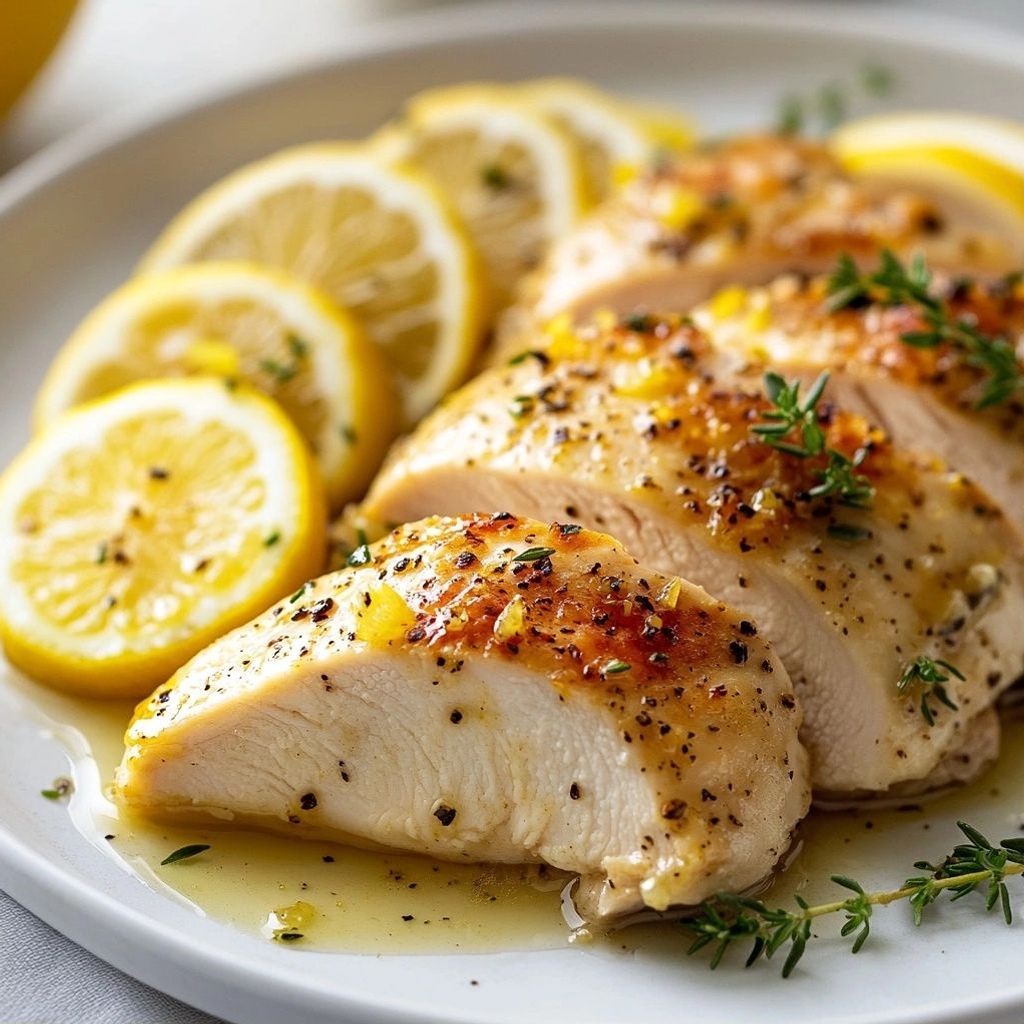
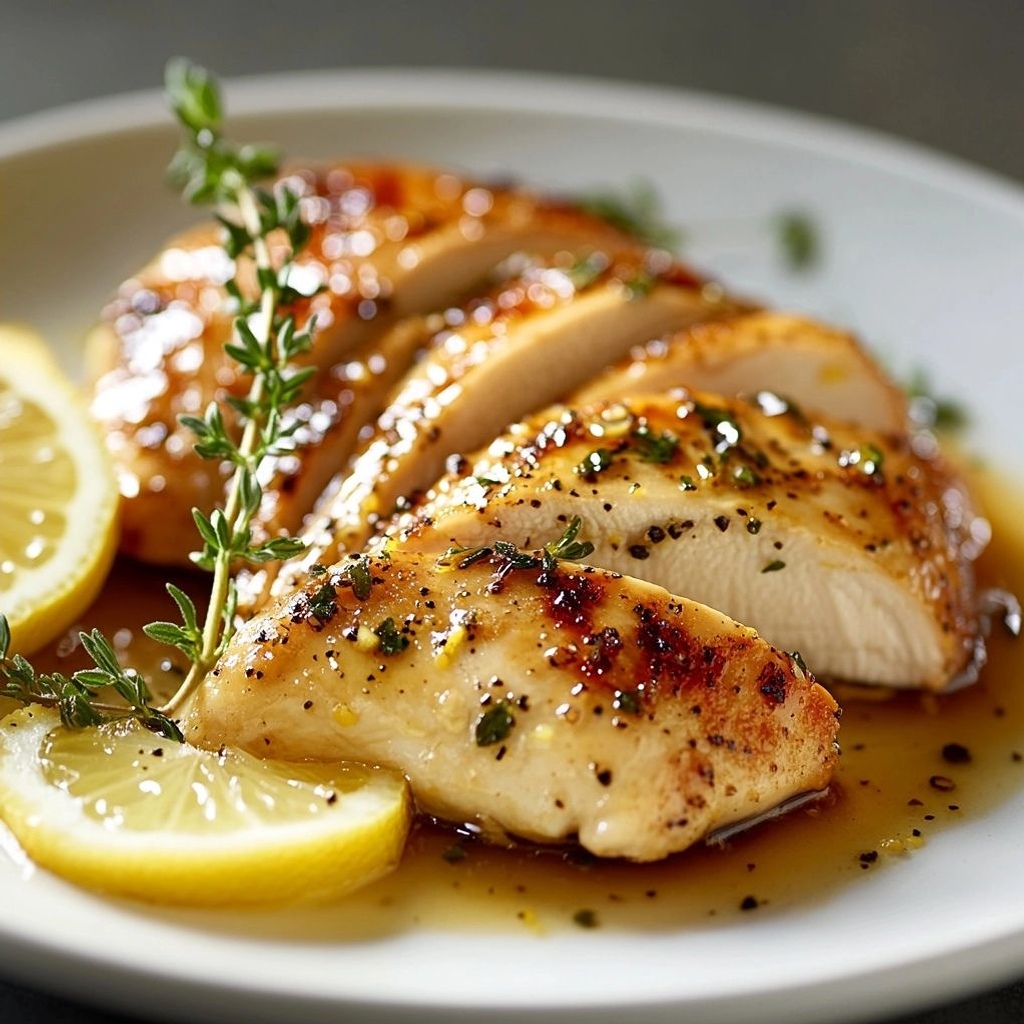
- Spoon the pan sauce over the rested chicken, garnish with chopped fresh parsley for a final pop of color and freshness, and serve immediately to enjoy the bright lemon-herb aroma and juicy chicken.
Notes
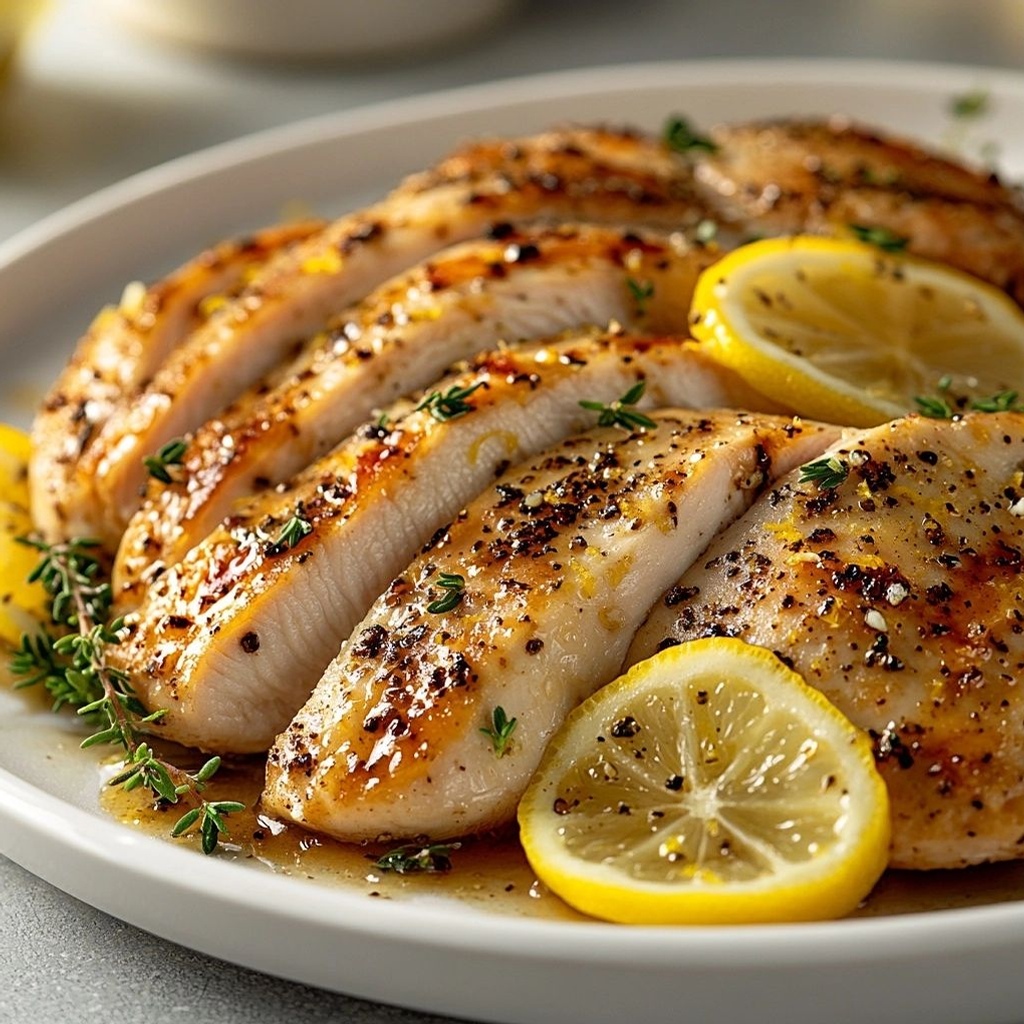
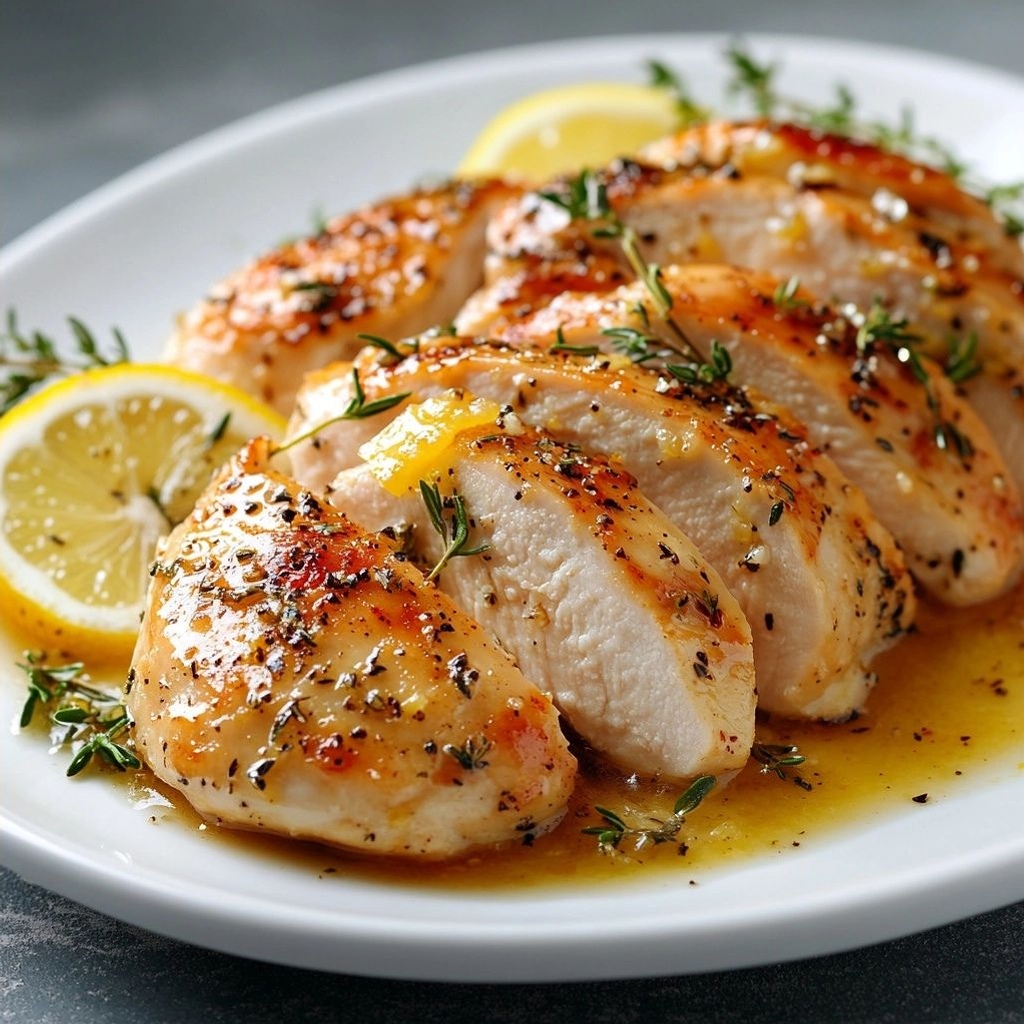
“These lemon herb chicken breasts are bright, juicy, and herby, pan-seared to a golden crust and finished with a light lemon-olive oil pan sauce. For best results, pound thicker breasts to an even 1/2–3/4 inch thickness so they cook through without drying. Pat the meat dry before seasoning to promote browning, and let the pan heat fully before adding the chicken. Use extra-virgin olive oil for richer flavor, and keep the heat moderate once you add the aromatics to prevent scorching the garlic. Mince the garlic evenly and avoid adding it too early if you’re cooking over very high heat, or it may burn and impart bitterness. Zest the lemon before juicing to capture the oils, and strain the juice to limit seeds and pulp; the fresh zest will perfume the entire dish. Fresh thyme and rosemary deliver the most vibrant aroma; if you must substitute dried herbs, add them early in cooking to rehydrate and release flavor. Salt in stages, tasting toward the end to avoid overdosing, especially if your broth or lemon juice contribute salt. A splash of white wine or broth during deglazing lifts the browned bits from the pan for a glossy, flavorful sauce; finish with a pat of butter off the heat for gloss and richness, but avoid boiling the sauce after butter is added to prevent separating. Garnish with chopped fresh parsley for color and a fresh bite. Leftovers reheat well in a skillet over low heat or in the oven covered to prevent drying. For a lighter version, skip the optional butter and just finish with a squeeze of lemon and a drizzle of olive oil. Always taste and adjust seasoning at the end, since lemon and herbs can vary in intensity.
Tips
- Chicken prep tips: Pat the chicken breasts dry with paper towels before seasoning to help them sear properly. If breasts are very thick, consider pounding to 1/2–3/4 inch for even cooking and juicier results.
- Seasoning flow: Mix salt, pepper, thyme, rosemary, and oregano in a small bowl and sprinkle evenly over both sides of the chicken for balanced flavor. If using dried oregano, add a touch earlier to unlock its aroma.
- Garlic handling: For a milder garlic, smash and remove the germ before mincing. For a stronger aroma, finely mince and let the minced garlic sit in the oil for 10–15 seconds before adding the chicken.
- Pan searing technique: Use medium-high heat and let the pan preheat before adding olive oil. Place chicken in a hot pan without crowding; work in batches if needed to prevent steaming.
- Oil amount adjustment: Use 2 tablespoons olive oil for a standard pan; if using a nonstick pan, you can reduce to 1–1.5 tablespoons to avoid excess fat.
- Zest and juice handling: Zest the lemon before juicing to capture all essential oils. Strain juice if possible to remove seeds and large pulp pieces, ensuring a bright, smooth sauce.
- Deglazing options: For the herb-infused pan sauce, deglaze with 1/4 cup chicken broth or dry white wine after searing the chicken to lift flavorful browned bits; broth keeps it non-alcoholic, wine adds brightness.
- Finishing the sauce: If using butter, swirl in off the heat at the very end to create a glossy finish. Do not boil after adding butter, or the emulsion may break.
- Herb freshness: Fresh thyme and rosemary yield the most vibrant flavor; if you must use dried, add them earlier in cooking to rehydrate and release aromatics, then taste and adjust at the end.
- Sauce balance tips: Taste the sauce after deglazing and adjust with lemon juice or a pinch of salt if needed. A small pat of butter can mellow acidity, so add gradually.
- Parsley garnish: Add chopped parsley right before serving to preserve color and brightness; it also enhances aroma without overpowering the lemon-herb profile.
- Make-ahead option: You can marinate the chicken (with zest, juice, garlic, and herbs) for up to 2 hours in the refrigerator to intensify flavor before cooking, but keep the lemon out if marinating too long to avoid bitterness.
- Storage and leftovers: Store leftovers in a shallow container in the fridge for up to 3 days. Reheat gently in a skillet with a splash of broth to recreate a cohesive sauce.
FAQ
What is Lemon Herb Chicken?
A simple, flavorful dish made by marinating or rubbing chicken with lemon juice, zest, and fresh herbs, then cooking until tender and juicy.
What ingredients do I need for Lemon Herb Chicken?
Main ingredients: chicken (breasts or thighs), lemons (juice and zest), fresh herbs (such as thyme, rosemary, parsley), garlic, olive oil, salt, and pepper. Optional: chicken stock, butter, and vegetables for roasting.
How long does it take to cook?
Prep time is about 10–15 minutes. Cook time varies: 15–25 minutes for boneless, skinless breasts; 35–45 minutes for bone-in cuts or if roasting with vegetables. Total time typically 25–60 minutes.
What’s the best way to cook Lemon Herb Chicken?
Options include: pan-searing then finishing in the oven, or skillet-roasting with lemon slices and herbs. Both methods yield juicy chicken with bright lemon aroma. Bake at 400°F (200°C) for even results if preferred.
Can I use dried herbs instead of fresh?
Yes, but use about half the amount of dried herbs. Fresh herbs provide brighter flavor, but dried thyme, rosemary, and parsley work well in a pinch—add early in cooking to release aroma.
Can I make this ahead or meal-prep it?
Yes. You can marinate the chicken up to 24 hours in the fridge to deepen flavor. Sear and store cooked chicken in the fridge for 3–4 days, or freeze for up to 3 months. Reheat gently to avoid dryness.
What are good side dishes for Lemon Herb Chicken?
Roasted vegetables (asparagus, broccoli, or carrots), mashed or roasted potatoes, quinoa, or a light greens salad. A simple lemony sauce or pan sauce pairs nicely with greens.
How can I make this dish dairy-free or lower in fat?
Use only olive oil, skip butter, and rely on lemon juice for brightness. Choose lean chicken cuts and avoid heavy sauces. Add a splash of chicken stock for moisture if needed.
How long does it keep after cooking?
Stored in an airtight container in the fridge, it will last 3–4 days. Reheat gently on the stove or in the microwave. For longer storage, freeze for up to 3 months.