
Introduction / Hook
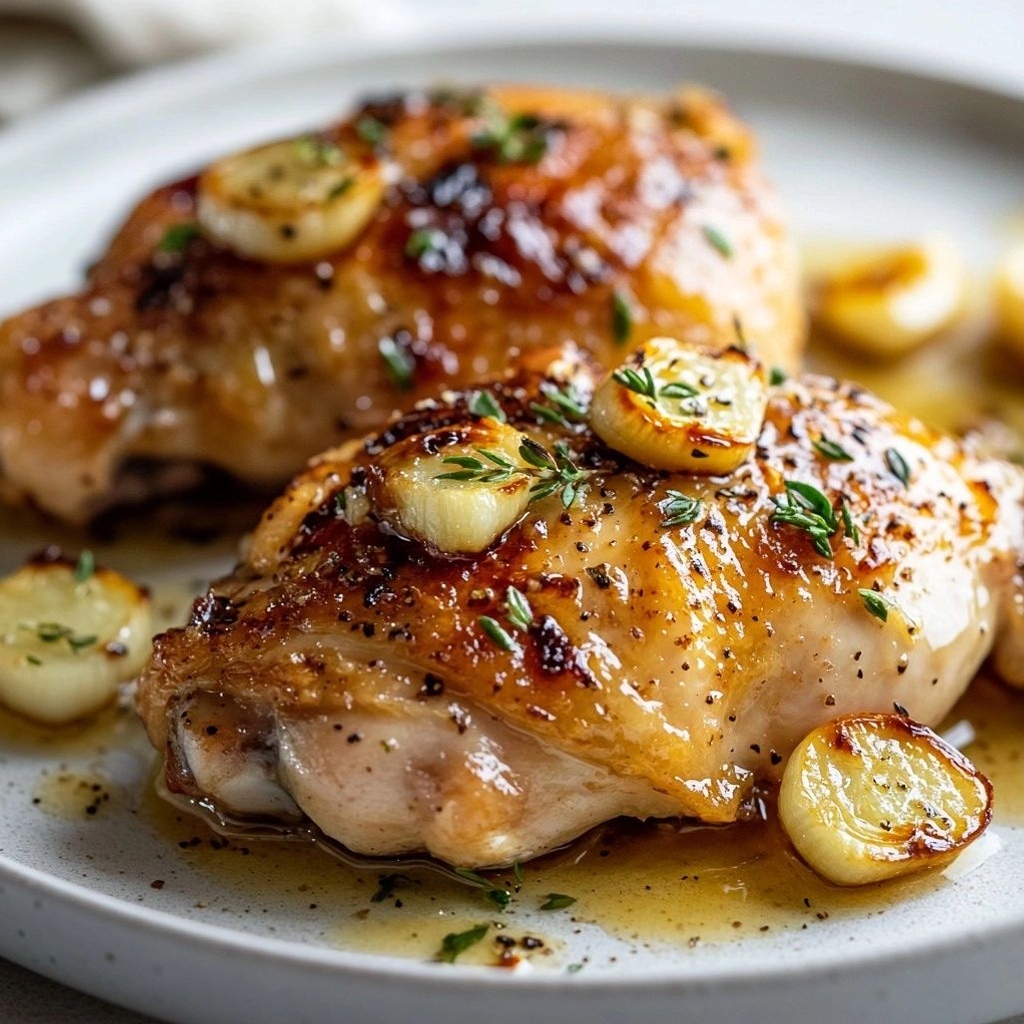
Imagine a skillet kissed with golden butter and kissed again by garlic, the scent wrapping around the kitchen like a warm, comforting embrace. Garlic Butter Chicken is the kind of dish that welcomes you home after a long day, promising simplicity without sacrificing flavor. It’s a tender, juicy centerpiece that comes together in minutes, yet feels like a chef’s kiss—rich, aromatic, and deeply satisfying. The first bite delivers a delicate sweetness from caramelized garlic, a lush butteriness that coats every bite, and a faint, savory finish from a perfectly seasoned pan. It’s the kind of universal crowd-pleaser that makes weeknight dinners feel like a celebration, and weekend meals feel a touch more luxurious. Whether you’re cooking for one or feeding a hungry family, this dish proves that uncomplicated ingredients can yield extraordinary comfort. As the butter sizzles and the garlic perfumes the air, you’ll understand why this garlic butter chicken has earned its place in many home cooks’ weekly menus: reliable, flavorful, and utterly crave-worthy.
The Story Behind the Dish
Garlic Butter Chicken, in its simplest form, is a testament to the beauty of pantry staples transformed into something extraordinary. Butter, garlic, and chicken—three humble ingredients—become a harmonious trio when treated with intention. The dish echoes a timeless technique found in countless cuisines: searing meat in fat to develop a flavorful crust, then finishing with aromatics that perfume the sauce. The concept is universal, yet the execution carries its own personality dependent on the cook’s touch. In many households, garlic butter is a symbol of home-cooked nourishment—something learned from a grandmother, a neighbor, or a favorite cookbook. The creamy richness of butter paired with the sharp, pungent brightness of garlic reflects a culinary rhythm that resonates across cultures: fat + heat + aromatics = comfort. The story of this dish also reflects a modern dining ethos—fast, achievable meals that don’t compromise on depth of flavor. It’s the kind of recipe that travels well: from a bustling family kitchen to a cozy apartment, from a weekday supper to a celebratory skillet for company. The history behind garlic butter itself is a reminder that good things often happen when ingredients meet the right temperatures and timing. In essence, this dish carries a narrative of simplicity guiding flavor to its most confident, satisfying form.
Why You’ll Love This Recipe
- Quick to prepare: A complete meal that comes together in well under 30 minutes, ideal for busy weeknights or a last-minute dinner party.
- Few ingredients, big flavor: Butter, garlic, lemon (optional), herbs, and chicken create a luxurious taste without a long pantry list.
- Versatile and forgiving: Works with boneless skinless chicken breasts or thighs, and you can customize the herbs to suit your pantry.
- One-pan wonder: Minimal cleanup, with a delicious pan sauce that doubles as a light sauce for sides.
- Comforting yet elegant: The dish strikes a balance between homey comfort and a restaurant-like finish, making it suitable for everyday meals and special occasions alike.
- Kid-friendly and crowd-pleasing: Mild, buttery, garlicky notes are accessible to younger palates while still appealing to adults.
- Make-ahead friendly in parts: You can season the chicken ahead of time or prepare the sauce in advance and finish quickly when ready to serve.
Flavor Profile & Texture
The flavor journey begins with a sizzle—the butter creates a shallow, shimmering pool that browns ever so gently, producing a nutty, toasty aroma. The garlic is the star performer, releasing its sweetness and warmth as it caramelizes, infusing the pan with a savory perfume. The chicken itself—sealed with a light crust—offers a delicate contrast: a crisp, lightly browned exterior that gives way to juicy, tender meat inside. The sauce, a glossy, velvety sheen enriched by melted butter, carries the garlic’s pungency and rounds it with a luxurious roundness. If you finish the dish with a squeeze of lemon juice or a handful of fresh herbs, you add a bright, tangy note that lifts the whole plate without overpowering the butter’s richness. Texture-wise, you’ll experience a satisfying bite from the chicken, followed by the creamy, silken sauce that clings to every morsel. The combination is profoundly comforting: savory, buttery, garlicky, with a touch of brightness that makes each mouthful feel polished rather than heavy. The mouthfeel is smooth and luscious, yet the technique keeps it approachable—the kind of dish that feels indulgent without veering into indulgence, perfect for recreating a comforting, restaurant-like experience at home.
Occasions & Pairings
This dish is incredibly versatile and shines in a variety of settings:
- Weeknight dinners: A quick, satisfying option when time is tight but flavor still matters.
- Family gatherings: A crowd-pleaser that requires little fuss but delivers big smiles.
- Special occasions: Elevated enough to feel festive, especially when plated with a simple, elegant side like roasted vegetables or mashed potatoes.
- Casual date night: A cozy, intimate meal that makes the kitchen feel like a haven.
Suggested pairings to complete the meal:
- Side dishes: Creamy mashed potatoes, buttery mashed cauliflower, roasted asparagus, or a crisp green salad with a lemon vinaigrette.
- Carb companions: Crusty bread for sopping up the garlic butter sauce, saffron rice, or herbed couscous.
- Drinks: A dry white wine such as Chardonnay or Sauvignon Blanc; non-alcoholic options like a sparkling lemonade or a chilled cucumber-mint agua fresca.
- Desserts: A light fruit-based dessert, such as lemon sorbet or vanilla yogurt parfait, to cleanse the palate after the rich profile of the main dish.
Tips, Variations & Substitutions
Want to tailor this garlic butter chicken to your taste or dietary needs? Here are practical ideas and variations to consider:
- Healthier version: Use light butter or a mix of butter with olive oil to reduce saturated fat. Add extra lemon zest for brightness to compensate for richness.
- Herb variations: Replace or supplement parsley with thyme, rosemary, or tarragon for different aromatic notes. A pinch of dried oregano can evoke Mediterranean vibes.
- Garlic intensity: If you’re garlic-averse or cooking for kids, reduce the garlic to 2 cloves per pound of chicken or start with 1 clove and taste as you go, balancing with a touch of lemon.
- Protein swaps: This technique works beautifully with chicken thighs for more tenderness and flavor, or with pork chops for a similar silhouette and juicy results.
- One-pan variation: If you want extra texture, briefly sear on the stovetop, then finish in a hot oven to maintain juiciness and ensure even cooking.
- Spice it up: A pinch of crushed red pepper flakes adds a gentle heat that pairs nicely with the garlic butter base.
- Gluten-free and dairy-free options: Use a dairy-free butter substitute and a gluten-free flour or cornstarch slurry for thickening if a sauce is desired. For dairy-free, you can also finish with olive oil and fresh lemon for a bright, lighter finish.
- Regional twists: Swap parsley for cilantro and add a squeeze of lime for a zesty, Latin-inspired version; add smoked paprika and a splash of white wine for a Spanish-inspired profile.
Storage & Make-Ahead Ideas
This dish stores well and can be prepped in steps to streamline busy days. Here are practical tips to keep the flavors at their best:
- Storage: Refrigerate leftovers in an airtight container for up to 3 days. Reheat gently on the stove or in a low oven to preserve moisture and sauce consistency.
- Freezing: While chicken may dry slightly after freezing, you can freeze the prepared sauce separately and combine with freshly seared chicken upon reheating to restore freshness and silkiness.
- Make-ahead: You can marinate the chicken with a light salt, pepper, and garlic mixture up to a day ahead. Alternatively, you can pre-mutter the garlic butter sauce (without the butter fully emulsified) and store in the fridge, then reheat and finish with butter at the last moment for a quick finish.
- Reheating tips: Add a splash of chicken broth or water when reheating to loosen the sauce and prevent it from becoming too thick or greasy. Stir constantly to recreate a glossy, cohesive texture.
Fun Facts & Trivia (Optional)
Did you know that garlic has been used for culinary and medicinal purposes for thousands of years? Ancient civilizations valued garlic for its purported health benefits and bold flavor. Butter, on the other hand, has long been celebrated for its ability to carry and mellow flavors while adding a luxurious mouthfeel. When these two ingredients meet a gentle sear on chicken, they unlock a cooking magic: a sauce that shines with sheen, a finish that clings to meat with a kiss of richness, and a aroma that lingers pleasantly in the kitchen long after the last bite. The simple act of basting chicken with garlic butter is a nod to classic French technique, where precision and patience yield a deeply satisfying sauce. In many households, the ritual of sautéing garlic in butter is a comforting reminder of home—an everyday luxury that never feels excessive. Some cooks like to finish with a splash of wine or a squeeze of citrus to brighten the dish, a small homage to the balance between indulgence and freshness. The story behind this dish is, in its essence, a celebration of how modest ingredients can come together to create something that feels special without demanding a culinary degree. It’s the kind of dish that invites experimentation while staying faithful to its roots, a bridge between rustic comfort and refined flavor.
Ingredients
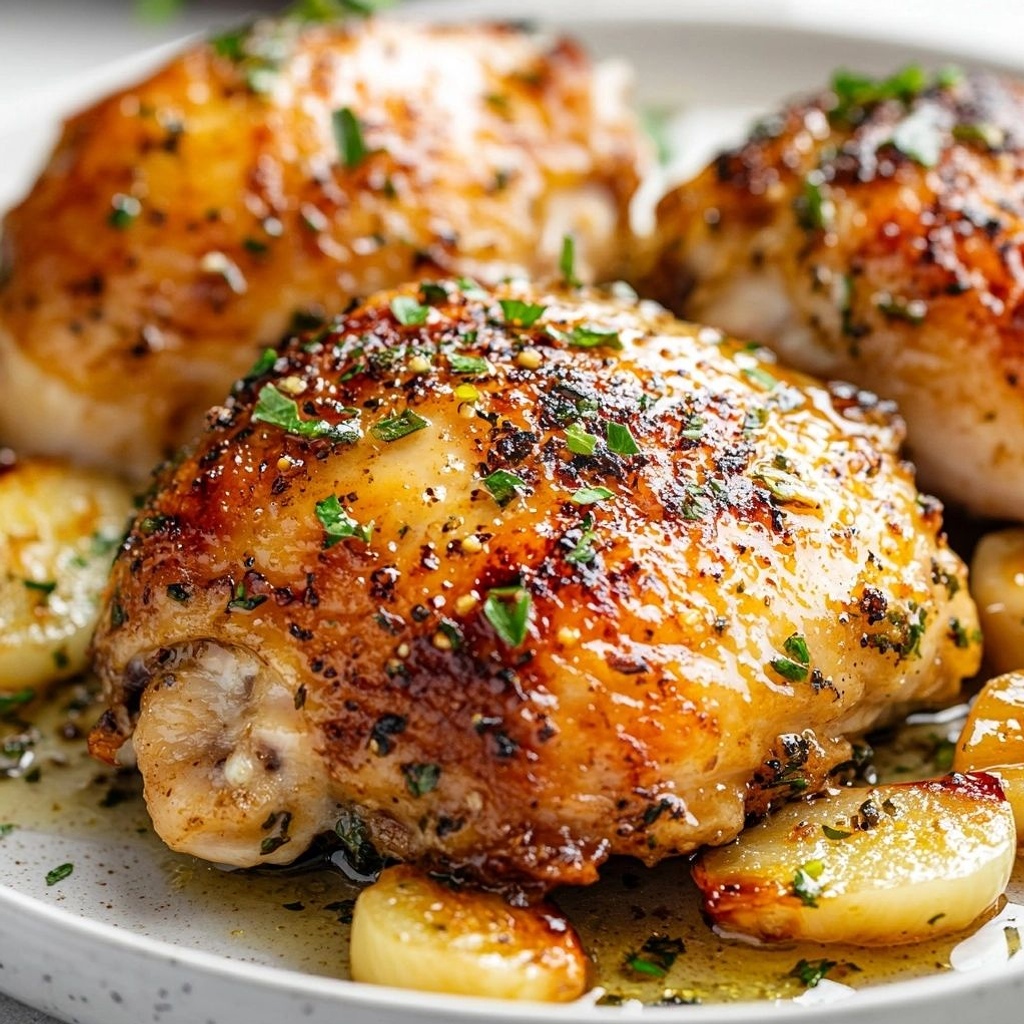
- Garlic Butter Chicken
- 4 boneless skinless chicken breasts (1.5–2 lb / 680–900 g total)
→ This protein will form the main body of the dish. If your breasts are uneven in thickness, pound them to an even 1/2–3/4 inch (1.25–2 cm) to ensure uniform searing and cooking. Dry the surface with paper towels before cooking to promote a good crust. - 3–4 tablespoons unsalted butter, divided
→ Butter creates a rich, glossy sauce and helps baste the chicken as it cooks, adding flavor and moisture. Use part for the initial sear and part for the finishing sauce. Let the butter melt gently to avoid browning or burning; simmer on medium-low if using for basting. - 2 tablespoons olive oil (extra-virgin preferred)
→ Olive oil raises the smoke point and helps create a crisp, golden crust on the chicken during searing. It also contributes a subtle fruity flavor. If using butter for the entire fat, you can reduce this slightly. - 3 cloves garlic, finely minced (about 1 tablespoon)
→ Fresh garlic provides a bright, aromatic foundation for the sauce. Mince finely to maximize surface area for quick flavor release; add garlic after a quick sear to avoid burning and bitterness. - 1 teaspoon dried thyme or 1 tablespoon fresh thyme leaves (roughly chopped)
→ Thyme adds earthy herbaceous notes that pair beautifully with garlic and butter. If using dried thyme, crush between fingers to release essential oils; fresh thyme should be added closer to the end of searing to retain bright aroma. - 1/2 teaspoon paprika (optional)
→ Paprika adds color and a subtle smoky sweetness. For a milder flavor, use sweet paprika; for a bit more warmth, use smoked paprika. Do not add too early if using as it can burn; add with garlic when sautéing. - 1/4 teaspoon ground black pepper, plus extra to taste
→ Pepper enhances the savory profile and provides a gentle kick. Freshly ground pepper offers more aroma; season lightly at first and adjust after the sauce reduces. - 1/2 teaspoon kosher salt, plus to taste
→ Salt elevates all flavors and helps form a proper crust during searing. It’s best to season the chicken generously on both sides just before cooking, then adjust at the end as butter-based sauces can concentrate flavors. - 1 tablespoon lemon juice or white wine (optional)
→ Acid brightens the dish and balances richness. If using lemon juice, add after searing and before finishing to preserve brightness; wine should be reduced slightly to concentrate flavor. - 1/4 cup chicken broth or water (to finish the sauce)
→ Adds moisture and helps deglaze the pan, creating a silky pan sauce that coats the chicken. Start with less and add more if you want a looser sauce. If using stock, choose a low-sodium option to control salt. - 2 tablespoons chopped fresh parsley (for garnish)
→ Parsley provides a fresh, green note and color contrast. Add at the very end off the heat to preserve its bright flavor and lively appearance.
Instructions
- Preheat your oven to 200°C (400°F) and position a rack in the middle if you plan to finish the chicken in the oven after searing for extra color and thorough cooking.
→ This ensures the chicken finishes evenly without overcooking the exterior while the interior reaches the proper temperature. - Pound the chicken breasts to an even thickness of 1/2–3/4 inch (1.25–2 cm) and pat dry with paper towels before cooking to promote a uniform sear and a crisp crust.
→ An even thickness prevents some parts from overcooking while others remain underdone, and dry surfaces promote better browning. - Season both sides of the chicken generously with half of the kosher salt and half of the black pepper just before searing to enhance crust formation and flavor.
→ Salt helps draw moisture to the surface for a better sear, while pepper adds depth to the savory crust. - Heat a large skillet over medium-high heat and add the olive oil and 1–2 tablespoons of butter, swirling to coat the pan; wait until the fat shimmers and the butter foams but does not brown.
→ The oil raises the smoke point for a robust sear, and the butter adds aroma and richness; together they create a glossy, flavorful crust. - Place the chicken in the hot pan and sear without moving for 3–4 minutes per side until a deep golden crust forms and the internal temperature approaches 140–145°F (60–63°C).
→ A good crust anchors flavor and prevents sticking; avoid moving the meat too soon to allow proper crust development. - Flip the chicken and sear the other side for 3–4 minutes, then remove to a plate and loosely cover to rest while you build the sauce.
→ Resting relaxes muscle fibers, improving juiciness; this also prevents the crust from steaming when you reintroduce it to the pan. - Pour off any excess fat, leaving about 1–2 tablespoons in the skillet, then add the minced garlic and dried thyme or fresh thyme leaves; sauté for 30–60 seconds until fragrant but not browned.
→ Garlic burns quickly and becomes bitter; toasting it briefly unlocks aroma without compromising flavor, and thyme infuses the fat with herbaceous notes. - Sprinkle the paprika over the garlic and thyme and stir to evenly distribute the spice; cook for another 15–20 seconds to bloom the paprika’s aroma.
→ Blooming spices releases deeper flavor and color; adding paprika here avoids burning while still imparting its subtle sweetness. - Return the chicken to the skillet, then add the remaining 2 tablespoons of butter to melt and coat the pieces as you baste the chicken; tilt the pan slightly and spoon the hot butter over the tops repeatedly for 1–2 minutes.
→ Basting ensures an even crust, infuses butter flavor, and helps keep the chicken moist during the final seconds of searing. - Deglaze with the lemon juice or white wine (if using) and simmer for 1–2 minutes to reduce slightly, scraping up any browned bits from the pan with a wooden spoon.
→ Deglazing captures fond (the browned bits) which are flavor gold; reducing concentrates the acidity and aromatics for balance. - Pour in the chicken broth, bring to a gentle simmer, and cook the chicken in the pan for 2–4 minutes more, turning once, until the sauce thickens slightly and the chicken reaches 165°F (74°C).
→ A short gentle simmer finishes the chicken while the sauce reduces to a glossy coating; use a thermometer to ensure safe internal temperature. - Taste the sauce and adjust seasoning with remaining salt and extra pepper if needed; optionally add a squeeze of lemon or a splash more wine for brightness.
→ Final seasoning balances richness with acidity; adjustments at this stage prevent an over-salted finish after reduction. - Transfer the chicken to a warm plate, spoon the pan sauce over the pieces, and sprinkle with chopped fresh parsley just before serving for color and a fresh finish.
→ Parsley adds vibrant color and a fresh contrast to the rich sauce; adding off heat preserves its bright flavor and appearance. - If desired, finish the dish under a hot broiler for 1–2 minutes to intensify the crust, watching closely to prevent burning.
→ A brief broil locks in color and adds a final crisp edge without overcooking the interior.
Notes
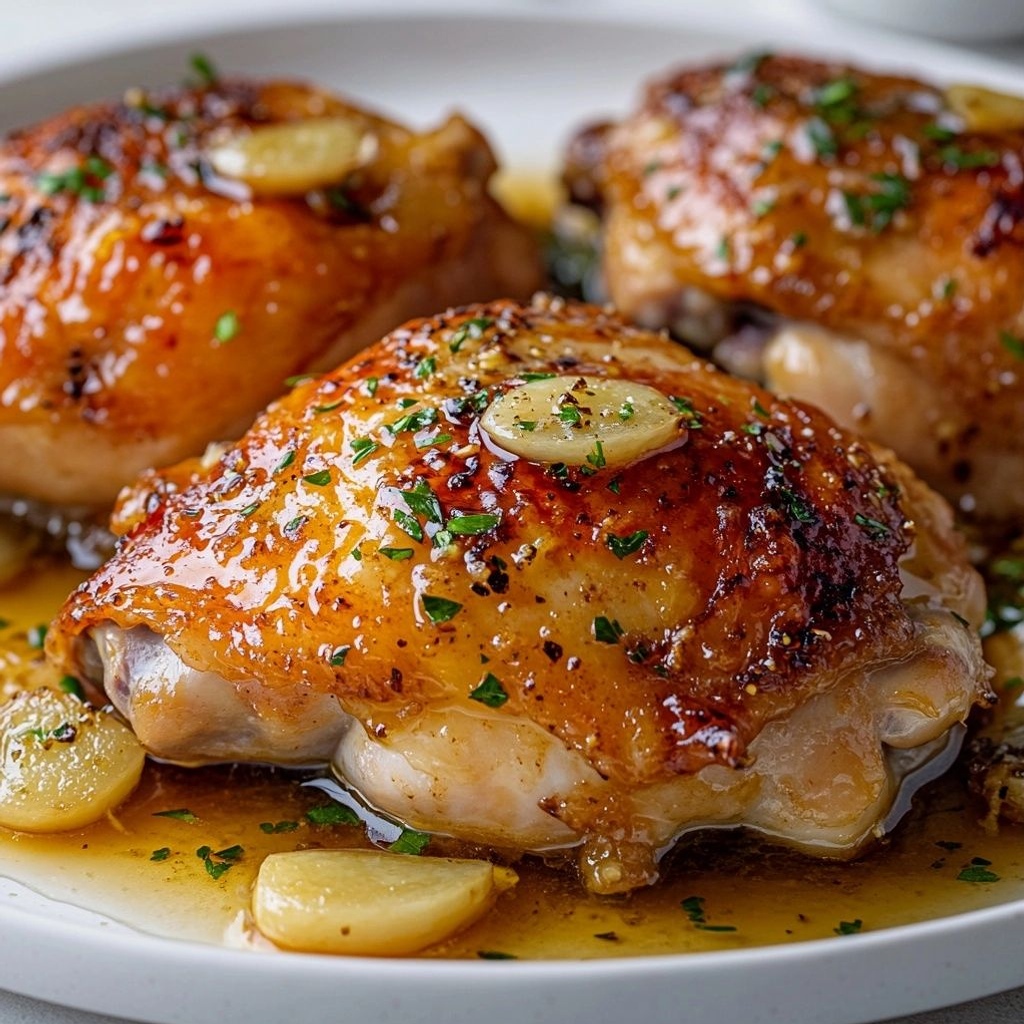
These garlic butter chicken breasts are deeply savory with a glossy pan sauce, thanks to a quick sear in olive oil and butter and a finish with garlic, lemon or wine, and fresh parsley. For best results, pound the chicken to an even thickness, pat dry, and avoid overcrowding the pan to build a golden crust.
- Technique tips: Sear the chicken in a hot pan until a rich crust forms, then flip and baste with melted butter to lock in moisture. Add garlic after the first flip to prevent bitterness, and keep the heat steady to avoid burning.
- Flavor balance: If using lemon juice or white wine, add after searing and simmer briefly to concentrate acidity before finishing the sauce. Use low-sodium chicken broth to control overall saltiness and help create a silky sauce.
- Herbs and spices: Fresh thyme leaves provide bright, earthy notes—add them toward the end of searing to retain aroma. Paprika adds color and a hint of sweetness; if using, incorporate with garlic for even cooking and to prevent burning.
- Seasoning: Salt generously on both sides just before cooking, then adjust at the end as the sauce concentrates. Freshly ground black pepper enhances the savory profile—taste and adjust to preference.
- Sauce texture: Start with 1/4 cup broth and add more if you prefer a looser sauce. The goal is a glossy pan sauce that lightly coats the chicken rather than pooling heavily.
- Finish and garnish: Remove from heat and sprinkle chopped fresh parsley for a bright, green contrast and final aroma. Rest the chicken briefly after searing to keep it juicy before serving.
- Make-ahead and storage: The dish stores well in the refrigerator for up to 3 days. Reheat gently in a skillet with a splash of broth or water to loosen the sauce and rewarm evenly.
- Diet notes: Gluten-free as written; if using stock, confirm it is certified gluten-free to suit gluten intolerance.
Tips
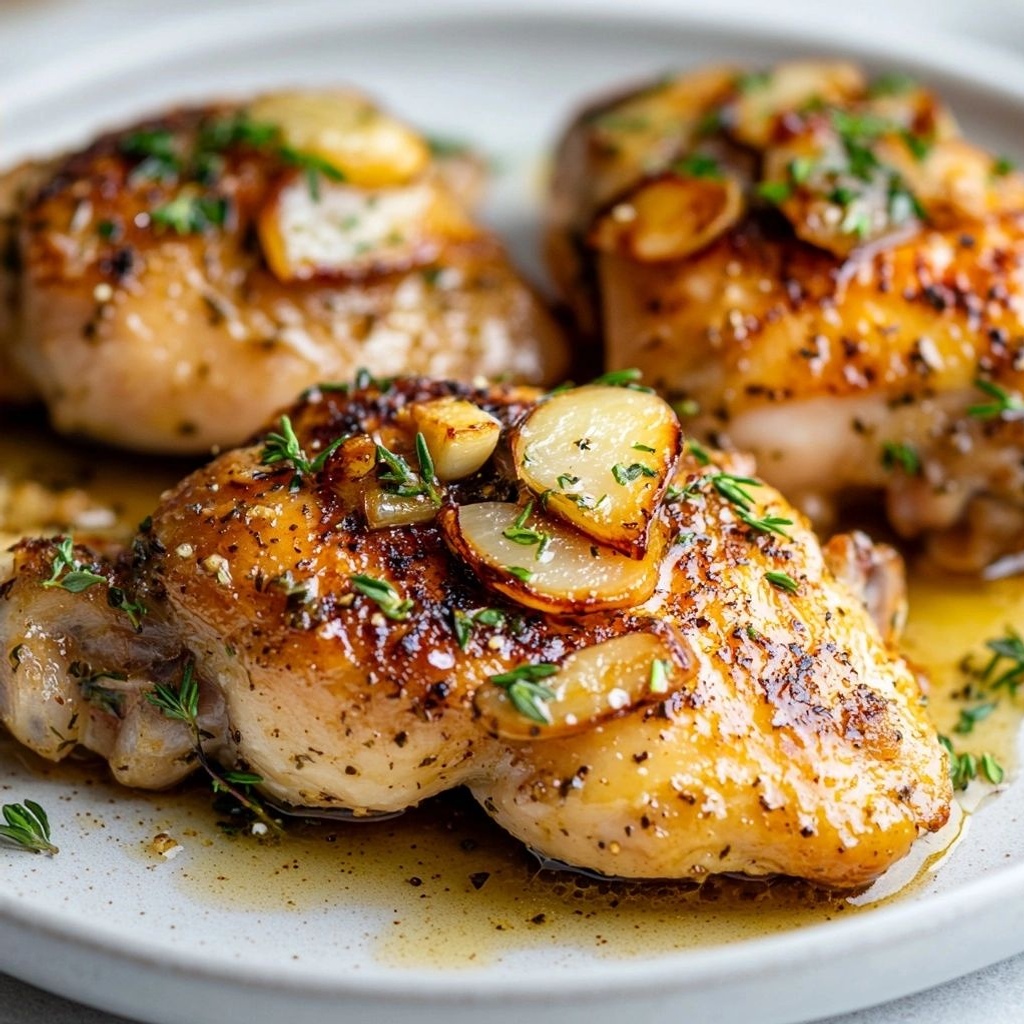
Tips for Garlic Butter Chicken
- Even out chicken breasts by pounding to a uniform thickness (1/2–3/4 inch / 1.25–2 cm) for even searing and don’t skip patting dry with paper towels; moisture can prevent a good crust.
- Use a two-stage fat plan: begin with a combination of olive oil and a portion of butter for searing, then finish with the remaining butter to create a glossy, flavorful pan sauce.
- Keep butter on medium-low when basting or finishing the sauce to prevent browning or burning; gentle simmer helps emulsify the sauce and retain a rich sheen.
- Preheat the pan well and avoid overcrowding; sear in batches if needed to maintain a crisp crust and proper browning.
- Minced garlic should be added after a brief sear or once the pan is hot but not smoking; this prevents bitterness from burnt garlic and infuses the oil quickly.
- Crush or finely chop thyme to release essential oils; if using dried thyme, crush between fingers to maximize flavor.
- Choose the paprika based on your preference: sweet for milder color and flavor, smoked for a subtle smokiness; add with garlic to ensure it cooks evenly and does not burn.
- Season generously with salt just before searing; season again lightly after the sauce reduces, since butter-based sauces intensify flavors.
- Deglaze with lemon juice or white wine after searing to lift fond from the pan; let it reduce briefly to concentrate acidity and balance richness.
- Start the sauce with a modest amount of broth or water to control thickness; add more if you desire a looser sauce, and prefer a low-sodium stock to manage salt levels.
- Finish with chopped fresh parsley off the heat to preserve color and bright herbaceous notes; add just before serving for maximum freshness.
- Rest the chicken for a couple of minutes after cooking to allow juices to redistribute, ensuring moist and tender slices when served.
- For a thicker pan sauce, simmer a few minutes longer after adding any acidic component; if the sauce reduces too much, whisk in a small knob of cold butter to emulsify and smooth it.
FAQ
What is Garlic Butter Chicken?
Garlic Butter Chicken is a skillet-cooked dish where juicy chicken breasts or thighs are seared and finished in a rich garlic butter sauce. It’s creamy, flavorful, and quick to make.
What ingredients are needed?
Typical ingredients include chicken breasts or thighs, unsalted butter, garlic, olive oil, salt, pepper, fresh parsley (optional), and chicken broth or cream for the sauce. Optional lemon juice or herbs can brighten the dish.
Can I use chicken thighs instead of breasts?
Yes. Chicken thighs stay tender and flavorful. They may require a slightly longer cooking time. Ensure internal temperature reaches 165°F (74°C).
Is this recipe gluten-free?
As written, it can be gluten-free if you use gluten-free stock or broth and ensure any sauces or thickeners are gluten-free. If using flour to thicken the sauce, substitute with cornstarch or a gluten-free thickener.
Can I make this dairy-free?
Yes. Replace butter with dairy-free butter or olive oil. Use dairy-free cream or more broth to achieve a saucy consistency. You may lose some creaminess, but the garlic flavor remains strong.
How long does it take to cook?
Prep about 5–10 minutes. Searing the chicken takes 6–8 minutes per side (depending on thickness), then simmering in the sauce for 2–5 minutes. Total time is roughly 20–30 minutes.
What are tips for perfectly seared chicken?
Pat the chicken dry before seasoning, use a hot skillet with a mix of oil and butter, avoid overcrowding, and let the chicken rest a few minutes after searing. This helps the juices stay in and creates a nice crust.
How do I make the garlic butter sauce creamy?
After searing the chicken, add minced garlic to the pan and cook briefly, then deglaze with broth or wine. Stir in butter (off heat or on low) until melted and glossy. Finish with fresh herbs if desired.
Can I add lemon or herbs to brighten the dish?
Yes. A splash of lemon juice or zest at the end brightens the sauce. Fresh parsley, thyme, or rosemary also adds aroma and color.
How should I store leftovers?
Cool and refrigerate in an airtight container for up to 3–4 days. Reheat gently on the stove or in a microwave, adding a splash of broth or water to loosen the sauce.