Introduction / Hook
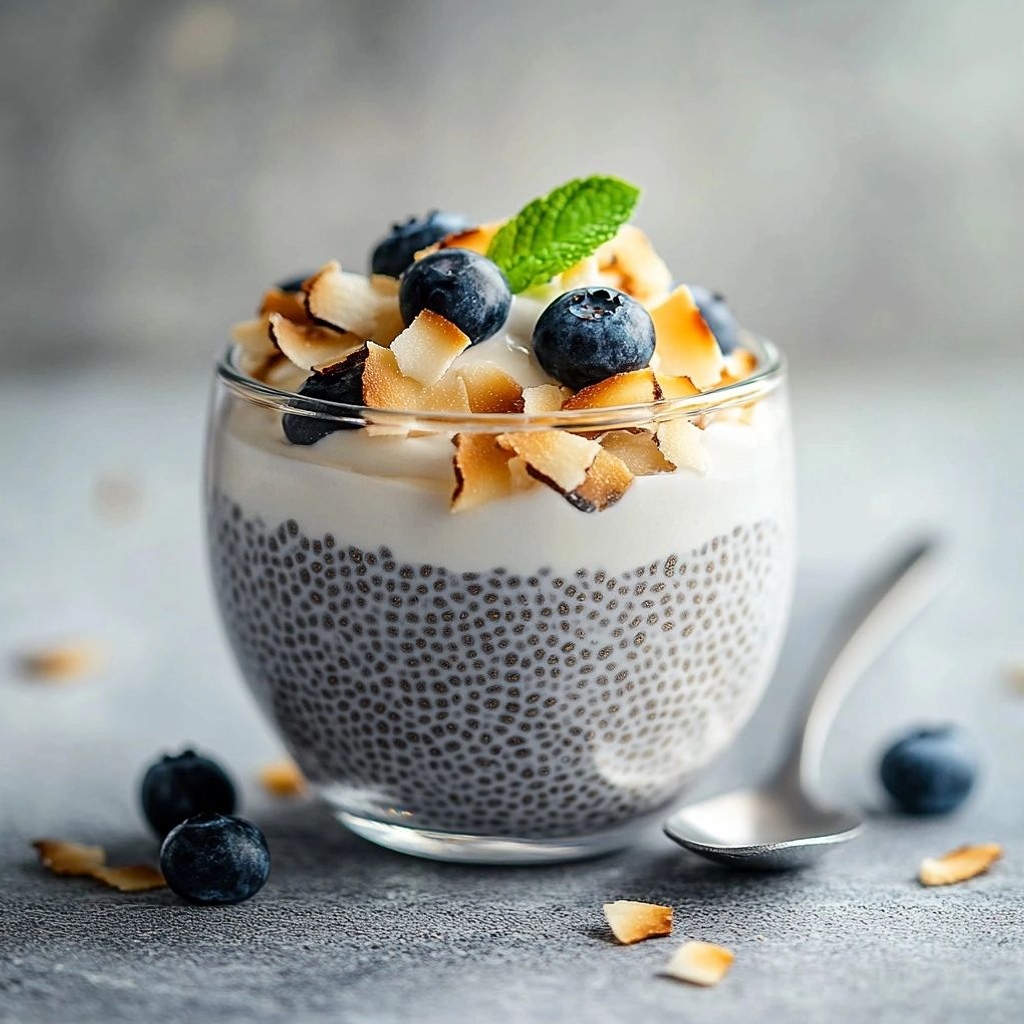
Imagine waking up to a bowl that tastes like a tropical morning: creamy, faintly sweet, and quietly luxurious in its simplicity. Coconut chia pudding is the kind of breakfast (or dessert) that feels indulgent without being heavy, glamorous without fuss, and comforting enough to feel like a warm hug on a busy day. The first spoonful delivers a silky texture—plump chia seeds swollen with patience, soaking up the lush aroma of coconut—followed by gentle vanilla notes and a hint of natural sweetness that doesn’t shout, but lingers. It’s the kind of dish that wakes your senses: the subtle crack of chia as you scoop, the tide of creaminess on your palate, and the tropical whisper of coconut that transports you to sunlit shores even if you’re in a kitchen in the middle of winter.
What makes coconut chia pudding truly special is its balance between simplicity and depth. It tastes like a vacation, yet it’s a staple you can pull together in minutes and customize endlessly. Whether you crave something dairy-free, plant-powered, or gluten-free, this pudding adapts with grace. It’s a canvas for your favorite flavors—fruity brightenings, spice warmth, or chocolatey decadence—so you can tailor a bowl that reflects your mood, season, and dietary needs. And because it’s easy to batch, it’s perfect for meal prep, a quick work-from-home breakfast, or a crowd-pleasing brunch option that feels a touch romantic without demanding a culinary orchestra to execute.
The Story Behind the Dish
Chia seeds have traveled long distances with culinary civilizations, from ancient Mesoamerican cultures to modern health-conscious kitchens. Historically valued for their stamina-boosting properties and protein-rich profile, chia seeds lent their tiny yet mighty texture to puddings and drinks long before Instagram meal-shots became a thing. Coconut, with its fragrant creaminess and tropical aura, has a similar universal appeal—its popularity spanning countless cuisines and continents. When these two ingredients meet, they create a harmony that feels both timeless and contemporary: a dairy-free pudding that mimics the luxurious mouthfeel of traditional dairy desserts, yet stays light, fresh, and nourishing.
The concept of overnight or chilled puddings is not new, but coconut chia pudding embodies a modern approach to texture and flavor layering. You begin with a simple base—the seed and milk relationship that grows into a custardy, gel-like dessert. Then you invite the senses to participate with toppings and add-ins that echo regional flavors: a kiss of lime zest for a Caribbean vibe, a dash of cardamom for an Indian-inspired twist, or a drizzle of maple for a North American comfort note. The dish invites your own culinary story to unfold in your kitchen, turning everyday ingredients into something that feels special, personal, and nourishing.
Why You’ll Love This Recipe
- Quick to prepare and incredibly forgiving: mix, refrigerate, and wake up to pudding in the morning or serve it as a make-ahead treat.
- Fully dairy-free and vegan-friendly, yet decadently creamy thanks to the natural thickening power of chia seeds and coconut milk.
- Versatile flavor base: the coconut aroma pairs magnificently with fruits, nuts, seeds, spices, and a touch of sweetness—allowing you to customize every bowl.
- Great for meal prep and portion control: single-serving cups or jars make grabbing a healthy breakfast or snack a breeze.
- Kid-friendly and wholesome: a gentle texture that’s easy to eat, with the option to add fun toppings that kids will love.
- Balanced nutrition: chia seeds deliver omega-3 fatty acids, fiber, and protein, while coconut adds healthy fats, resulting in a satisfying, energy-sustaining dish.
Flavor Profile & Texture
The flavor of coconut chia pudding is a delicate symphony rather than a loud siren. The coconut milk provides a creamy, slightly tropical backbone—rich, aromatic, and mellow—while the chia seeds contribute a faint nuttiness and a signature, pleasing gelatinous bite. The overall flavor is gently sweet, often tasting of vanilla, with an undertone that invites opportunities for accent flavors. The texture is the star here: soft and spoonable, with chia seeds that have plumped to a delicate bead-like consistency, creating a subtle crunch as you work through the bowl. When you add toppings such as toasted coconut flakes, fresh fruit, or a swirl of fruit compote, you introduce contrasting textures—crunch from nuts, juiciness from berries, brightness from citrus—that lift the pudding into a more complex, restaurant-like experience.
Pair this with a splash of lime zest, a whisper of cinnamon, or a hint of espresso for a more grown-up dessert. The coconut aroma carries beautifully with citrusy citrus wheels, tropical pineapple, or berry compotes. If you’re going for a creamy indulgence, a dollop of almond butter or a spoonful of cacao nibs can turn the bowl into a refined treat while staying naturally wholesome.
Occasions & Pairings
Coconut chia pudding shines in several scenarios, making it a versatile addition to your recipe repertoire:
- Holiday breakfasts: a light, festive start to mornings during celebrations, especially when you top with pomegranate seeds or edible gold dust.
- Weekday mornings: a grab-and-go breakfast that’s ready when you are, ideal for busy schedules and early starts.
- Brunch gathering: offer a make-ahead dish that’s inclusive and elegant, topped with seasonal fruits and a drizzle of honey or maple.
- Dessert course: surprisingly satisfying as a light end to a meal, especially when served with a chocolate drizzle or tropical fruit compote.
Pairings to consider:
- Fresh fruits: mango, pineapple, kiwi, berries, or citrus segments.
- Crunchy accents: toasted coconut, sliced almonds, chia seeds, granola clusters.
- Flavor boosters: vanilla bean, cinnamon, cardamom, lime zest, orange zest, a splash of rose water or almond extract.
- Drizzles: honey, maple syrup, agave, or a vegan caramel for a rich finish.
- Side options: a small bowl of chia seed jam or a portion of fruit compote to swirl in just before serving.
Tips, Variations & Substitutions
Here are practical ideas to tailor coconut chia pudding to your pantry, dietary needs, and flavor preferences:
- Creaminess adjustments: for a richer texture, use a blend of light coconut milk and coconut cream. For a lighter version, use more almond milk or even oat milk with less fat.
- Sweetening options: start with a small amount of sweetener (maple syrup, agave, honey if not vegan) and adjust to taste. For a natural boost, add ripe mashed banana or vanilla bean paste.
- Flavor twists: experiment with citrus zests (orange, lime, lemon), cinnamon, cardamom, ginger, or matcha powder to shift the flavor profile entirely.
- Texture tweaks: if you like a smoother consistency, blend the mixture briefly before chilling, then refrigerate. If you prefer more texture, leave it as is and stir before serving to redistribute the chia seeds.
- Vegan and dairy-free variations: use coconut milk or any plant-based milk. For a nut-free version, choose hemp milk or oat milk that keeps the mixture creamy.
- Gluten-free: naturally gluten-free, but ensure any toppings or add-ins (granola, cookies) are certified gluten-free if you have celiac disease or gluten sensitivity.
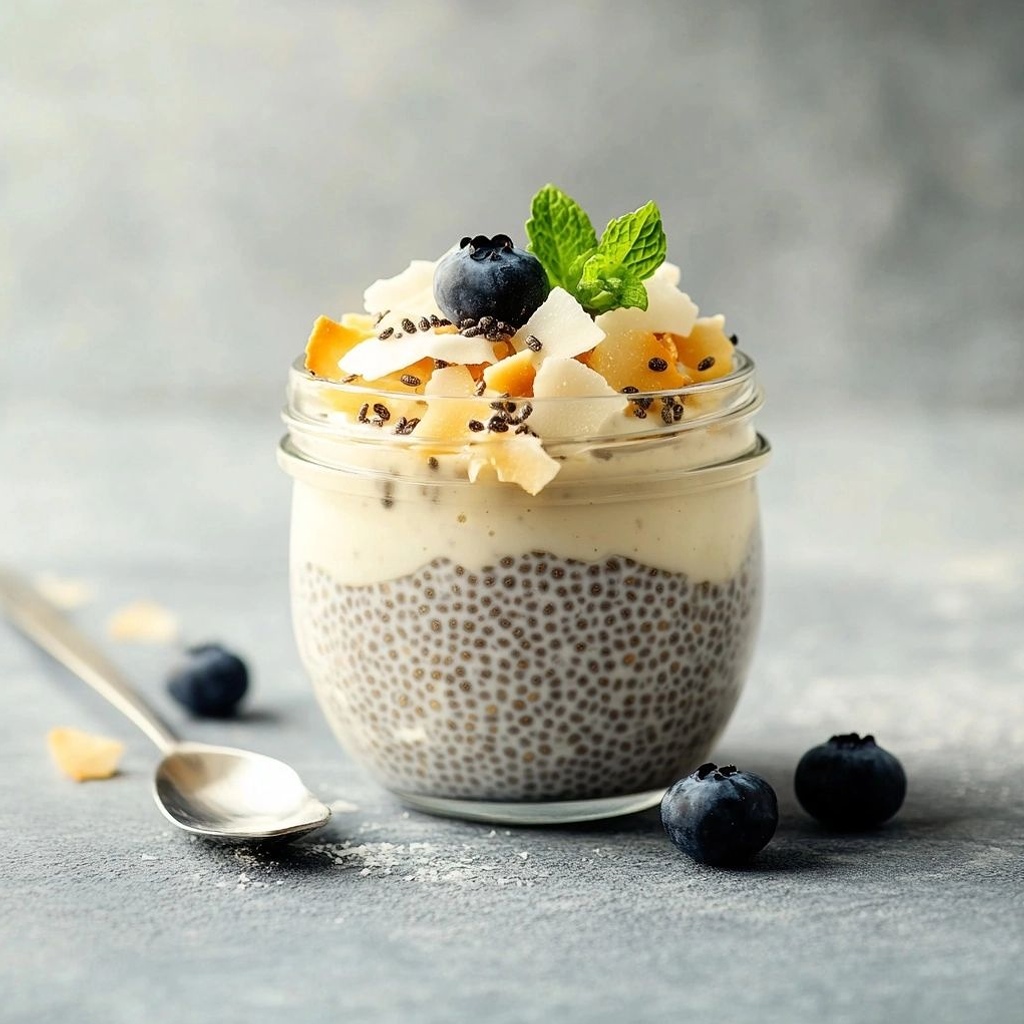
- Fruit-forward versions: layer with fruit purées or compotes for a visually appealing parfait-style serving in mason jars or cups.
- Spice-forward twists: a pinch of chili powder or cayenne can wake up the flavor for a tropical-chocolate-spice vibe.
- Make-ahead options: this pudding improves with time as chia seeds hydrate more. Prepare a larger batch and portion into single servings for an instant grab-and-go breakfast.
Storage & Make-Ahead Ideas
Chia pudding is exceptionally well-suited for make-ahead planning and meal prep. To store:
- Refrigerate in an airtight container for up to 5 days. Stir or whisk before serving to redistribute the chia seeds and ensure a uniform texture.
- For best texture, keep toppings and base separate until serving. If you’re bringing the pudding to work or school, pack toppings in small containers to maintain contrast and freshness.
- If you prefer freezing, you can freeze the pudding in individual portions for up to 1 month. Thaw overnight in the fridge and stir until smooth. A splash of plant milk during reheating (or when mixing after thaw) helps restore creaminess.
- Make-ahead flavor boosters: add vanilla extract or a cinnamon stick to the base at the time of mixing, then remove before chilling to keep the aroma strong and clean upon serving.
Fun Facts & Trivia (Optional)
– Chia seeds were historically used by ancient civilizations not only as a staple but as a source of energy; athletes and travelers prized their long shelf-life and hydrophilic properties, which helped maintain hydration and endurance. Modern science confirms that chia seeds absorb significant amounts of liquid, forming a gel that can slow digestion and help with fullness.
– Coconut is part of a broader plant family that includes many regional varieties such as coconut milk, cream, and oil. The idea of using coconut in desserts spans many cultures—from Southeast Asian desserts to Caribbean-inspired sweet treats—demonstrating the versatility of this fruit in both savory and sweet applications.
– The term “chia” in chia pudding has its roots in the seeds’ reputation for providing energy. In some languages, the word for “strength” or “power” is closely related to chia seeds because of their nutrient density and historical associations with endurance.
Flavor Pairing Ideas by Theme
Bright & Breezy
Combine with fresh pineapple, lime zest, a touch of coconut sugar, and a sprinkle of mint. The tang of citrus lightens the pudding and makes it feel refreshing for warm mornings or tropical-inspired brunches.
Warm & Cozy
Add a pinch of cinnamon and a drop of vanilla extract, paired with dark chocolate shavings or cacao nibs for a comforting, dessert-like experience that still feels light and healthful.
Fruity Celebration
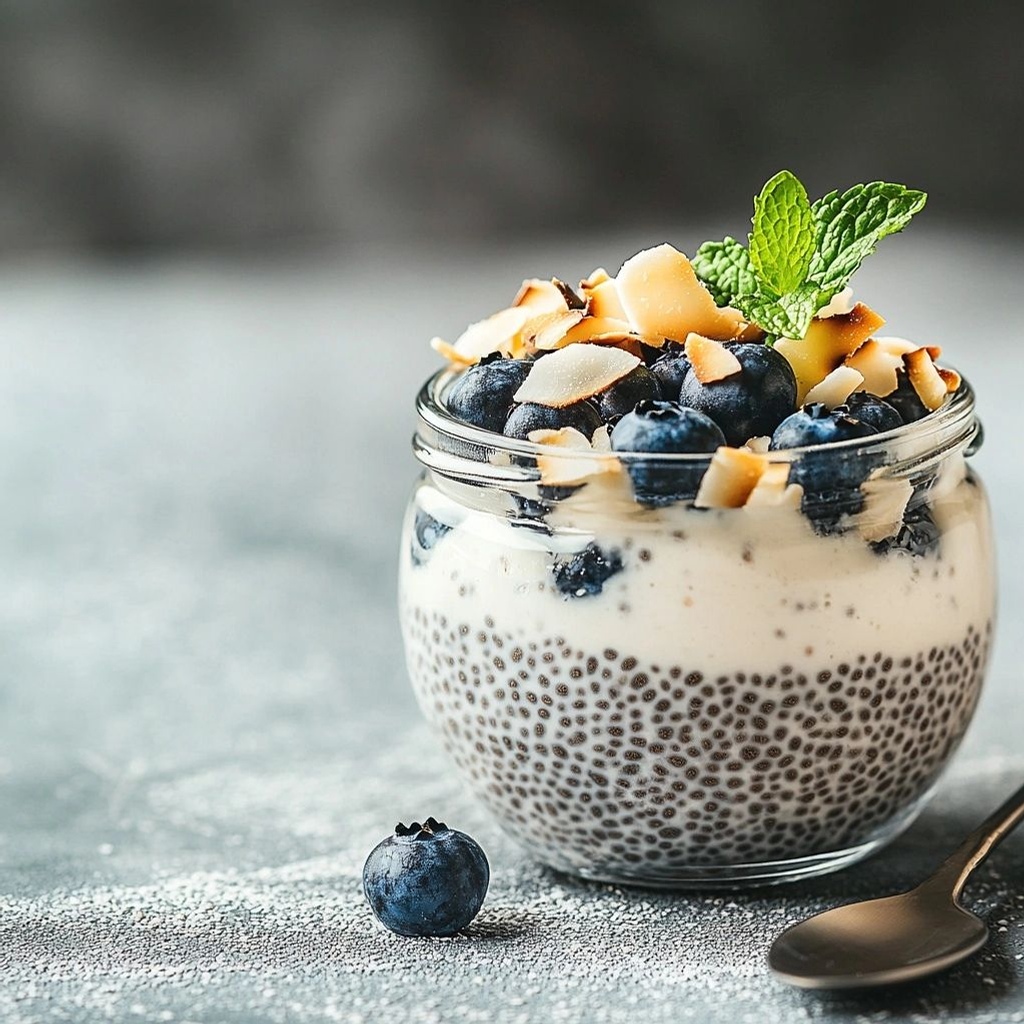
Layer with berry compote or mango puree, then top with miniature fruit slices, chia seeds, and toasted coconut flakes for a celebratory, colorful presentation.
Serving Suggestions
To present coconut chia pudding in an appealing way, consider the following:
- Serve in clear glass jars or small bowls to showcase the layered toppings and the creamy texture.
- Top with a few fresh fruit slices, a drizzle of nectar or syrup, and a handful of crunchy toppings for a textural contrast.
- Offer a toppings bar: provide options such as sliced almonds, shredded coconut, cacao nibs, crushed pistachios, berries, and a variety of fruit compotes so guests tailor their bowls.
- For a celebratory feel, garnish with edible flowers or a light dusting of cocoa powder and a sprig of mint.
Conclusion
Coconut chia pudding is more than a recipe; it’s a template for creativity, nourishment, and everyday delight. It embodies the principle that simple, plant-based ingredients—when combined with patience, texture, and thoughtful pairings—can yield a dish that feels both comforting and contemporary. It’s a dish you can make in advance, share with friends and family, and adapt to any season or mood. Whether you’re craving a wholesome breakfast to fuel your morning or a quiet, satisfying dessert after a long day, this pudding answers the call with grace and versatility. Embrace the coconut’s tropical whisper, invite the chia’s gentle gel to the party, and let your toppings tell your culinary story. In the end, every spoonful is a small celebration of flavor, texture, and nourishment—an invitation to slow down, savor the moment, and enjoy something truly delightful.
Ingredients
-
Coconut Chia Pudding Base
– 1/4 cup chia seeds (black or white)
→ Chia seeds are the key thickening agent for this pudding. When soaked in liquid, they swell and create a gel-like texture that gives the pudding its signature creamy consistency without dairy. For best results, use a 1:4 ratio of chia to liquid and allow at least 4 hours, or overnight, for the mixture to fully thicken. If you prefer a smoother texture, you can blend the mixture briefly before chilling, though some people enjoy the extra texture from whole seeds.
– 1 cup full-fat coconut milk (use canned for richness)
→ Provides a rich, dairy-free creaminess and a subtle coconut flavor. Shake or stir the can well before measuring to ensure consistency, and choose full-fat coconut milk for a thicker, creamier pudding. If you want a lighter version, use light coconut milk but expect a thinner texture and adjust by using a bit more chia or letting it set longer.
– 1-2 tablespoons maple syrup or honey (to taste)
→ Adds gentle sweetness to balance the coconut flavor. Start with a smaller amount and adjust after the mixture thickens, since chia can mask sweetness. If making a vegan version, maple syrup is preferred; for a non-vegan option, honey works well too. You can also use agave or date syrup as alternatives.
– 1 teaspoon pure vanilla extract
→ Enhances the overall aroma and depth of flavor. Pure vanilla is recommended over imitation for a richer, more natural vanilla note. If you have vanilla beans, a quick paste from scraped bean seeds can elevate the flavor further.
– Pinch of fine sea salt
→ A small pinch of salt enhances sweetness and balances the richness of coconut. It also helps to brighten the flavors and prevent the pudding from tasting flat. If you’re using salted coconut milk, adjust or omit this accordingly.
Optional Add-ins (choose as desired)
– 2 tablespoons shredded coconut (unsweetened)
→ Adds texture and a more pronounced coconut profile. Toast the shredded coconut lightly in a dry skillet over medium heat until golden to deepen flavor before stirring into the pudding. For extra crunch, reserve a portion to sprinkle on top just before serving.
– Fresh fruit for topping (e.g., mango, pineapple, berries)
→ Fresh fruit brightens the dish with color, acidity, and natural sweetness. Dice fruit into uniform pieces and add just before serving to avoid soggy pudding. If your fruit is very juicy, consider patting it dry to prevent thinning the pudding.
– Coconut yogurt (dairy-free) or plain yogurt (optional)
→ A dollop of yogurt on top adds tangy contrast and extra creaminess. Use unsweetened varieties to control sweetness. Stirring a spoonful into the pudding can also create a lighter, silkier texture as it thickens.
– 1/2 teaspoon ground cinnamon or cardamom (optional)
→ Adds warm spice notes that pair beautifully with coconut. Add it to the base before chilling for an evenly distributed flavor, or sprinkle lightly on top as a finishing touch.
– 1 tablespoon chia seeds (additional, for extra thickness)
→ If you prefer a firmer pudding, an extra tablespoon of chia seeds will help achieve a denser, more pudding-like texture. Allow extra time for the mixture to thickens after adding more chia.
Instructions
- Combine the base ingredients by whisking together the chia seeds, full-fat coconut milk, maple syrup or honey, vanilla extract, and a pinch of fine sea salt in a medium bowl until the mixture is smooth and the chia seeds are evenly dispersed.
- Let the mixture rest for 5 minutes, then whisk again vigorously to break up any clumps and ensure an even distribution of seeds; this prevents the pudding from having gritty pockets and promotes uniform thickening as the chia swells.
- Cover the bowl and refrigerate for at least 4 hours or, for best results, overnight; this chilling time allows the chia to absorb liquid, swell into a gel, and develop a creamy, pudding-like texture without dairy.
- If you prefer a smoother texture, briefly blend the chilled mixture in a blender for 10 to 15 seconds and then chill again for 1 hour to set; blending helps break up any remaining seed fragments while maintaining the gel structure.
- Adjust texture and sweetness after the initial chill by tasting; if the pudding is too thick, whisk in a little more coconut milk or water until it reaches your desired consistency, and if it’s not sweet enough, whisk in an additional 1/2 teaspoon maple syrup or honey and let it rest for 15 minutes to meld the flavors.
- Stir in optional add-ins such as 2 tablespoons shredded coconut (toasted first for deeper flavor) or 1/2 teaspoon ground cinnamon; distribute evenly so every bite experiences the enhanced coconut profile and warmth without sinking to the bottom.
- To serve, spoon the pudding into serving glasses or bowls, top with fresh fruit or a dollop of coconut yogurt as desired, and present immediately or refrigerate up to 2 more days; topping right before serving preserves texture and visual appeal.
Notes
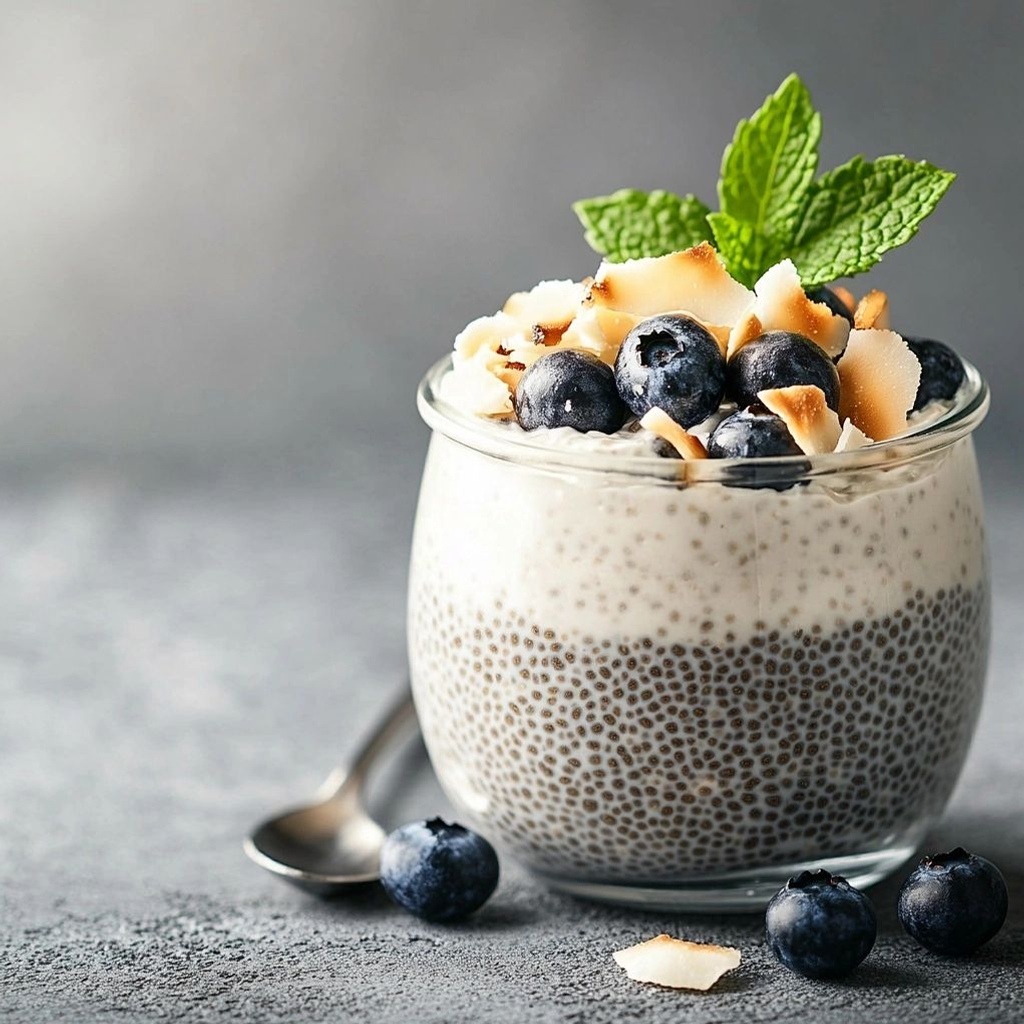
These coconut chia puddings are dairy-free, naturally creamy, and lightly sweetened with ripe coconut milk and a touch of maple syrup. The chia seeds act as the thickening agent, so proper soaking time is essential for a luscious texture—aim for 4 hours or overnight. If you prefer a smoother mouthfeel, blend briefly before chilling. For a richer pudding, use full-fat canned coconut milk; for lighter, use light coconut milk and compensate with a touch more chia.
To customize, try adding optional add-ins: toasted shredded coconut, fresh tropical fruit, a swirl of coconut yogurt, warm spices like cinnamon or cardamom, or an extra tablespoon of chia seeds for extra thickness. When using toppings, add fresh fruit just before serving to maintain texture. Portion and refrigerate in airtight jars for easy grab-and-go breakfasts or desserts; the pudding will keep 3-4 days in the fridge. If you refrigerate leftovers, give it a good stir or re-blend to refresh the texture before serving.
Tips
- Chia soaking technique: For a smoother set, whisk the chia seeds into the coconut milk vigorously at first to prevent clumping, then cover and refrigerate. After 15–20 minutes, whisk again to break any lumps, then let it rest for several hours or overnight.
- Thickening time and texture: If you prefer a very creamy pudding, aim for at least 4 hours of chilling (overnight is best). If you like more texture, you can blend the mixture briefly before chilling to break up the chia into a finer gel.
- Sweetness balance: Start with 1 tablespoon of maple syrup or honey and adjust after the mixture thickens. Chia can dull sweetness, so taste and add more if needed after it sets.
- Fat and mouthfeel: Use full-fat coconut milk for a richer pudding. If you use light coconut milk, you may need to add an extra teaspoon of vanilla or a bit more chia to achieve a similar mouthfeel.
- Flavor depth: Add vanilla extract early to let it bloom. If using vanilla beans, infuse the mixture with scraped bean seeds for a deeper aroma before chilling.
- Salt balance: A pinch of fine sea salt helps brighten flavors. If your coconut milk is salted, taste before adding extra salt.
- Texture variation with add-ins: Toasted shredded coconut adds a warm, nutty crunch. If you want extra texture, reserve some toasted coconut to sprinkle on top just before serving.
- Fruit timing: Add fresh fruit toppings only just before serving to prevent sogginess. Pat juicy fruit dry if it’s very wet to avoid thinning the pudding.
- Creamy contrast options: A dollop of dairy-free coconut yogurt or plain yogurt on top provides tang and silkiness. Stir a spoonful into the pudding for a lighter texture during set.
- Spice and aroma: Ground cinnamon or cardamom can be added to the base for warmth. Start with 1/2 teaspoon and adjust in subsequent batches to taste; you can sprinkle extra on serving for a finish.
- How to fix a too-thin pudding: If the mixture is runny after chilling, whisk in an extra tablespoon of chia seeds, then refrigerate again for 30–60 minutes to thicken. If it’s too thick, thin with a splash of coconut milk and whisk well.
- Storing: Keep leftovers covered in the refrigerator for up to 3–4 days. The texture will continue to thicken slightly as it sits, so you may want to whisk before serving or add a splash of coconut milk to loosen if needed.
FAQ
What is coconut chia pudding?
A creamy breakfast or dessert made by soaking chia seeds in coconut milk (or coconut milk + water) until the seeds thicken into a pudding-like texture.
What ingredients do I need?
Main ingredients typically include chia seeds and coconut milk (full-fat for creaminess), a sweetener (like maple syrup or honey), and vanilla extract. Optional toppings: fresh fruit, shredded coconut, nuts, or cacao nibs.
How do I make it?
Whisk chia seeds, coconut milk, sweetener, and vanilla. Let sit 10–15 minutes, whisk again to break clumps, then refrigerate for at least 2 hours or overnight until thickened.
How long does it take to set?
Most recipes set after 4–6 hours in the fridge, but overnight yields the best texture and flavor.
Is it dairy-free and vegan?
Yes. Using coconut milk keeps it dairy-free and suitable for vegan diets.
Can I use canned coconut milk or must I use coconut milk beverage?
You can use full-fat canned coconut milk for richer flavor, but you may want to dilute it with an equal amount of water if it seems too thick. Coconut milk beverages (carton) also work well and are convenient.
How do I customize the flavor?
Add spices like cinnamon or cardamom, citrus zest, or a pinch of salt. Swap vanilla for almond extract, or mix in cocoa powder for a chocolate version. Use different sweeteners to suit taste and dietary needs.
What toppings pair well?
Fresh berries, sliced banana, pineapple, mango, shredded coconut, chopped nuts, cacao nibs, granola, or a drizzle of nut butter.
Can I make it ahead for meal prep?
Yes. Prepare a larger batch and divide into individual containers. It will keep in the fridge for up to 3–5 days. For longer storage, you can freeze portions for up to 1 month (thaw before eating).
What if the pudding is too thick or too thin?
If too thick, whisk in a little more coconut milk gradually until reaching desired consistency. If too thin, add an extra teaspoon of chia seeds and refrigerate for 30 minutes to thicken.