Introduction / Hook
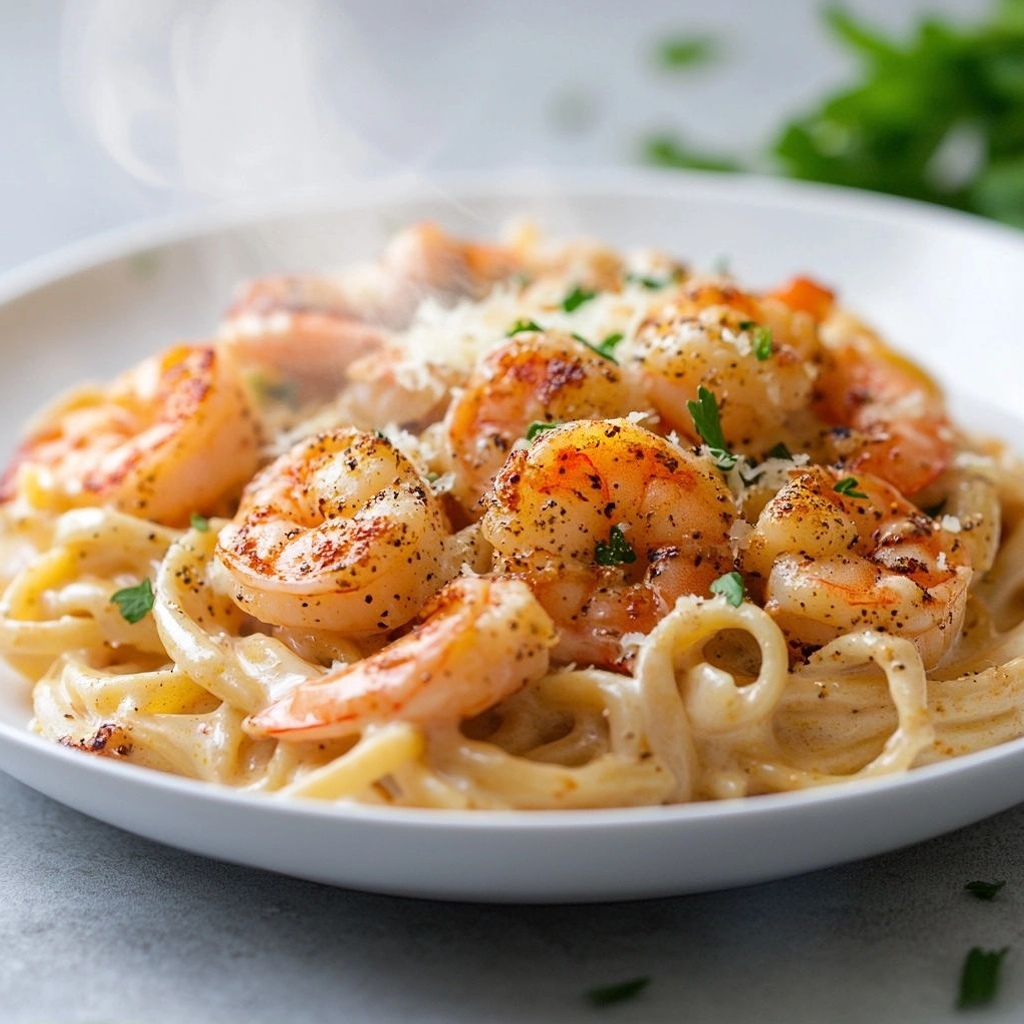
Imagine a plate that sizzles with bold spice, velvety cream, and the bright, briny sweetness of shrimp—all wrapped in a lush bed of al dente pasta. Cajun Shrimp Alfredo is where Southern heat meets classic Italian comfort, a marriage of two culinary worlds that feels both familiar and thrilling with every bite. The dish carries the heartbeat of Louisiana crawfish boils and the romance of a Tuscan trattoria, blending smoky paprika, cayenne, and garlic with a silken, buttery Alfredo sauce that clings to each strand of pasta like a warm embrace. The aroma alone—garlic sautéed in butter, the peppery warmth of the Cajun blend, and the subtle nuttiness of white wine—will draw anyone to the kitchen and prompt eager questions: What’s that scent? When will we eat? And how soon can we have seconds?
This is not just a recipe; it’s an invitation to celebrate contrasts—the heat and the cream, the quick weeknight practicality and the indulgent, restaurant-worthy finish. It’s a dish built for sharing: a family supper that becomes a memory, a date-night favorite that’s ready in a flash, and a crowd-pleaser that makes even the pickiest eaters nod in satisfied approval. The Cajun Shrimp Alfredo takes the elegance of a classic Alfredo and infuses it with the soul of Cajun seasoning, producing a sauce that is rich yet bright, creamy yet lively, and entirely irresistible from first bite to last lick of the plate.
Beyond its irresistible flavor, this dish offers a practical appeal. It comes together quickly, making it ideal for busy weeknights or spontaneous weekend dinners with friends. The ingredients are pantry-friendly, often finding their way into a well-stocked kitchen, and the prep is forgiving: you can adjust the spice level, the thickness of the sauce, or the amount of shrimp to suit your mood and your guests. Whether you’re cooking for a family of four, planning a date-night-in, or entertaining a small gathering, Cajun Shrimp Alfredo delivers a satisfying, comforting, and deeply satisfying experience that feels special without demanding a long, laborious kitchen marathon.
As you read on, you’ll discover not just how to achieve that glossy, luxurious Alfredo with a kick, but also how to tailor the dish to your dietary preferences, regional tastes, and occasion. From the crackle of sizzling shrimp to the satin-smooth sauce that clings to each noodle, this dish promises a memorable meal that will quickly become a staple in your culinary repertoire.
The Story Behind the Dish
Cajun Shrimp Alfredo is a modern fusion of culinary aesthetics that reflects how food travels, adapts, and evolves. Cajun cuisine originated in the gumbo-soaked, bayou-scented landscapes of Louisiana, born from the ingenuity of Acadian exiles and their neighbors who learned to turn humble ingredients into bold, comforting meals. The hallmark of Cajun cooking is a confident, layered spice profile—garlic, onion, peppers, and a swath of paprika and cayenne—often conjured in a single, flavor-packed roux or a quick skillet bloom. Shrimp, readily available on the Gulf Coast and beloved in seafood-forward dishes, is a natural partner for Cajun seasoning. The result is a dish that dances with heat and savor in a way that feels instantly jubilant and familiar to anyone who has had a good Cajun feast before.
On the Italian side, Alfredo sauce—traditionally a simple blend of butter, cream, and Parmigiano-Reggiano—represents comfort, luxury, and a certain restraint. It is the kind of sauce that a home cook reaches for when they want to cradle noodles in a satin-like coating that whispers of richness rather than shouts of opulence. The union of Cajun intensity with Italian creaminess creates a dish that respects both legacies: the robust spice profile of Cajun cooking and the indulgent, glossy allure of a classic Alfredo. The idea of marrying these two influences is less about forcing a collision and more about inviting a conversation between two culinary cultures, letting the heat from the Cajun seasoning wake up the cream, and letting the shrimp lend briny brightness to every mouthful.
There is also a personal note to this dish for many cooks: Cajun Shrimp Alfredo often becomes a kitchen shorthand for hospitality. It’s the kind of meal that welcomes friends around the table, that signals “you’re home” with the first waft of garlic and pepper. It’s a dish that travels well in a weekend meal prep, yet remains a centerpiece that you’d proudly plate with a flourish. The story is not just about flavors; it’s about shared moments—filling plates, laughter around a dinner table, and the satisfying sense that a simple skillet can deliver restaurant-caliber comfort with a wink of spice.
Origins with a Modern Twist
While the dish doesn’t belong to a single country, it carries the spirit of two culinary traditions colliding in a skillet. The Cajun angle tends to emphasize a hot, peppery profile with a touch of earthiness from paprika and seasoned salt, often enriched by the browned bits left in the pan. The Alfredo influence softens that heat with a luxurious cream base that coats every noodle perfectly. The modern interpretation, particularly in home kitchens, thrives on accessibility: you can assemble it with everyday staples—pasta, shrimp, butter, cream, cheese, garlic, and a robust Cajun seasoning. There is a sense of culinary play here: respect the source ingredients, but don’t be afraid to adapt the heat, the density of the sauce, or the types of pasta to fit your mood and your pantry.
Why You’ll Love This Recipe
- Bold yet balanced flavor: A harmonious blend of Cajun spices with creamy Alfredo, delivering a comforting, luxurious texture without sacrificing a spicy kick.
- Quick and weeknight-friendly: The dish comes together in a short time, making it feasible for busy schedules while still feeling special.
- One-skillet efficiency (with a quick boil): Sauté the shrimp in one pan, whisk a creamy sauce in another or in the same pan after the shrimp are done—less cleanup, more dining time.
- Customizable heat: Adjust the Cajun seasoning to mild, medium, or hot, catering to children, guests with varying spice tolerance, or you simply feeling adventurous.
- Impressive but approachable: It tastes restaurant-worthy but relies on pantry staples, so you can confidently cook it for guests or a special family meal.
- Versatile serving options: Works with fettuccine, linguine, or even penne; pair it with a bright green salad, crusty garlic bread, or roasted vegetables for a complete feast.
- Make-ahead potential: Sauce can be prepared ahead of time and finished with fresh shrimp for a quick weeknight repurpose.
Flavor Profile & Texture
Expect a symphony of sensations in every bite. The shrimp deliver a delicate sweetness and a satisfying snap, especially when they’re cooked just until they curl and turn pink. The Cajun seasoning layers a peppery, slightly smoky heat that tingles the palate without overpowering the dish. The Alfredo sauce provides a glossy, satin-like coat—rich, creamy, and voluptuous—without becoming heavy when balanced with a touch of wine or a splash of pasta water to loosen it to a perfect, clingy consistency. Garlic offers a warm, aromatic base note, while a hint of lemon or a dusting of zest can brighten the finish if you like a citrusy lift. The texture contrast between the tender shrimp, the juicy al dente pasta, and the velvety sauce makes every mouthful dynamic: creamy, a touch chewy, and just the right amount of pepper kick to keep you coming back for more.
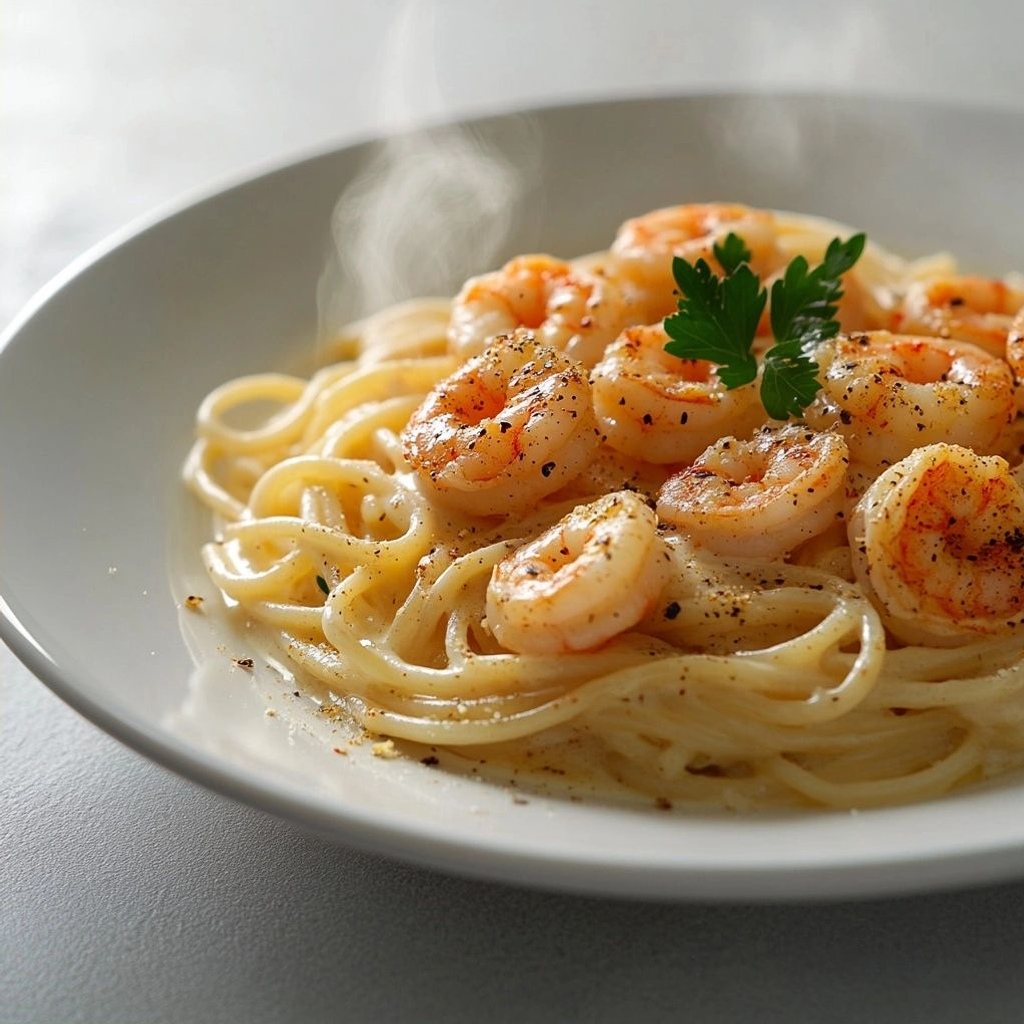
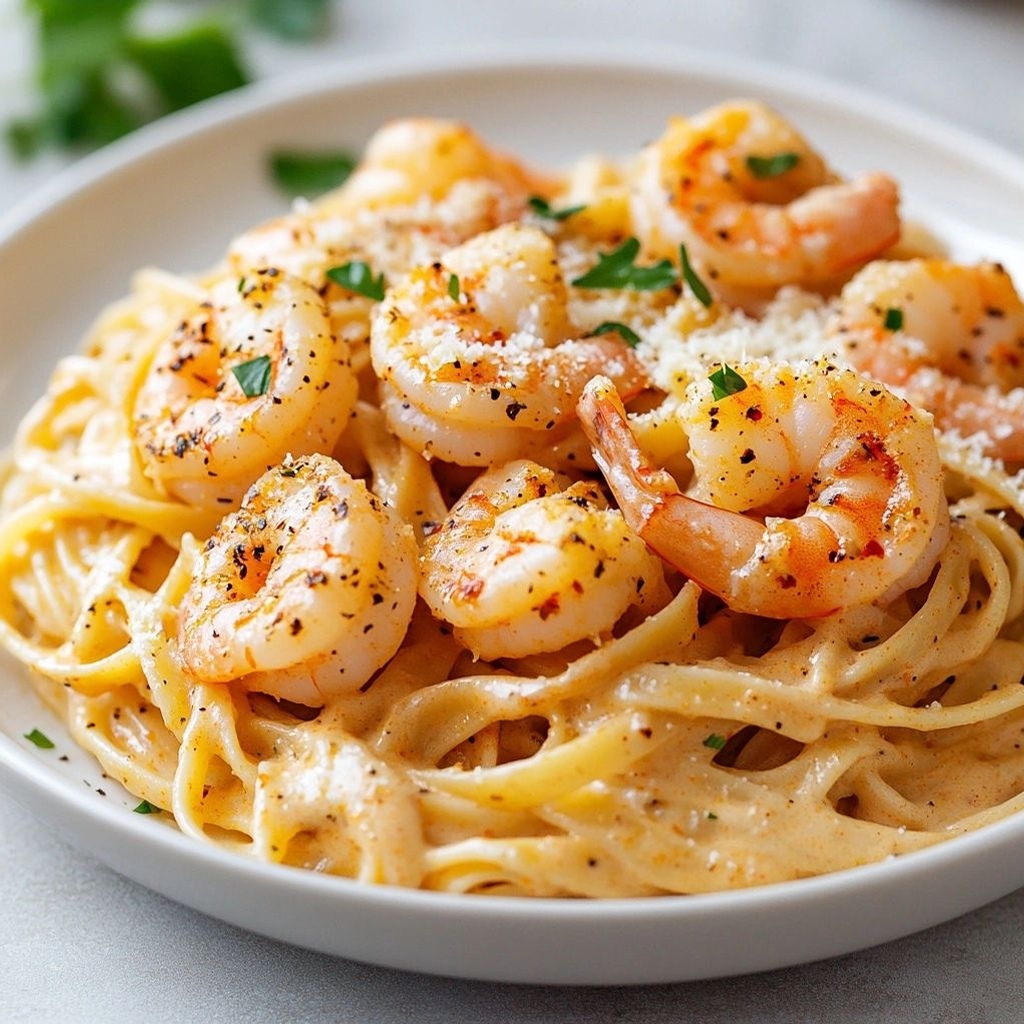
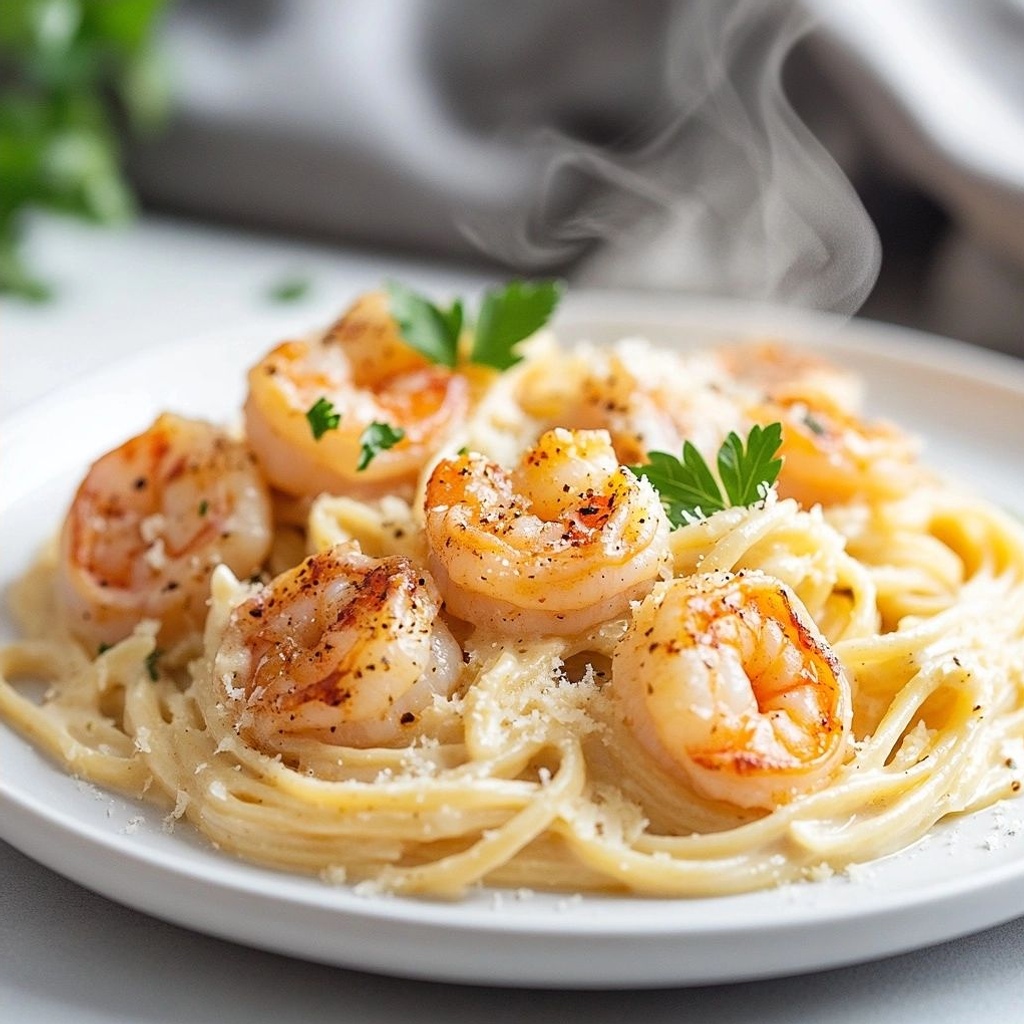
The air around the dish is inviting long before the first bite: the smell of minced garlic sautéing in butter mingles with paprika and cayenne, a faint smoky perfume from the Cajun blend, and the subtle, nutty aroma of parmesan and cream. When plated, the sauce clings to each noodle with a satisfying sheen, while the shrimp rest like precious little pink jewels atop the pasta. The finish often carries a gentle brightness from a squeeze of lemon or a handful of chopped fresh parsley, which not only adds color but also lifts the finish with a clean, herbaceous note.
Occasions & Pairings
This dish shines on a variety of occasions, from weeknight dinners to weekend entertaining. It’s equally at home on a birthday table, a special-occasion date night, or a casual family feast. Its comforting creaminess makes it a natural crowd-pleaser, while the Cajun heat keeps it exciting for adults and adventurous eaters alike. For seasonal suitability, Cajun Shrimp Alfredo workswonderfully in cooler months when creamy warmth is most comforting, yet it can be brightened with fresh herbs and al fresco-side dishes for spring and summer gatherings.
Pairings to consider:
- Greens and vegetables: A crisp arugula salad with lemon vinaigrette, sautéed spinach, or roasted asparagus to balance the richness.
- Bread: Crusty garlic bread or warm, soft dinner rolls to mop up every last bit of sauce.
- Wine: A chilled, dry white such as Sauvignon Blanc, Pinot Grigio, or a light Chardonnay; for those who prefer red, a Pinot Noir or a lighter-bodied red with enough acidity to cut through the cream.
- Non-alcoholic: Sparkling lemonade or a citrus-infused ice tea provide a refreshing counterpoint to the dish’s richness.
- Side dishes: A simple cucumber tomato salad, blistered cherry tomatoes, or roasted bell peppers add brightness and color to the plate.
Occasionally, this dish is a star in a casual weeknight plan—set the pasta to boil, keep the shrimp in the pan for a quick sear, and within minutes you have a complete, satisfying dinner. For a more formal setting, you can elevate the plating with a light dusting of fresh herbs, a strand of roasted garlic confit on top, or a few delicate curls of Parmigiano-Reggiano to finish.
Tips, Variations & Substitutions
Here are ideas to customize the dish to your taste, dietary preferences, or pantry constraints:
- Heat level: Control the Cajun heat by adjusting the amount of Cajun seasoning, adding a pinch of cayenne, or introducing a dash of hot sauce to the sauce at the end.
- Protein variations: Swap shrimp for chicken, scallops, or a mix of seafood. For a vegetarian version, use cremini mushrooms or artichoke hearts for a savory punch and keep the sauce creamy with extra dairy or vegan cheese substitutes.
- Gluten-free option: Use gluten-free pasta and ensure the Cajun seasoning is gluten-free. The sauce remains naturally dairy-based, but check cheese options if lactose sensitivities are a concern.
- Dairy-free option: Use a dairy-free butter substitute and a thickened non-dairy cream (coconut or cashew cream) along with a dairy-free parmesan alternative. You may need to adjust thickness with non-dairy milk and a cornstarch slurry.
- Low-carb approach: Swap pasta for zucchini noodles or shirataki noodles, and increase the amount of shrimp to keep the meal filling while reducing carbs.
- Flavor twists: Add chopped sun-dried tomatoes for a tangy sweetness, or toss in a handful of chopped fresh parsley and a little lemon zest for a brighter finish. A splash of white wine in the sauté pan enhances acidity and depth.
- Regional twists: Use andouille sausage for a bolder Cajun character or incorporate smoked paprika for a deeper smoky note.
Storage & Make-Ahead Ideas
The beauty of Cajun Shrimp Alfredo is that you can plan ahead without losing its appeal. Here are practical tips for storage and reheating:
- Make-ahead sauce: Prepare the Alfredo base (butter, cream, cheese) a day ahead and refrigerate. Reheat gently in a saucepan, adding a splash of milk or stock to reach desired consistency before adding freshly seared shrimp at the end.
- Shrimp prep: If you’re planning ahead, you can marinate shrimp briefly in a little lemon juice, salt, and paprika for extra flavor before cooking, though fresh shrimp will always yield the best texture.
- Storage: Leftovers will keep in an airtight container in the refrigerator for up to 3 days. Reheat gently on the stovetop—low heat, with a splash of cream or milk to loosen the sauce if needed—so the sauce doesn’t separate.
- Freezing: The sauce may separate after freezing and thawing. If you must freeze, freeze the sauce separately from the shrimp and pasta, then reassemble with freshly cooked pasta and shrimp when reheating. For best results, cook the shrimp fresh and add to a warmed sauce.
- Make-ahead meals: Consider prepping the components ahead: boil pasta in advance (slightly undercooked), refrigerate the shrimp, and mix everything together just before serving for a near-instant, impressive dinner.
Fun Facts & Trivia (Optional)
• The word “Cajun” itself has a history rooted in the Acadian people who were exiled from present-day Canada and settled in Louisiana, where their culinary traditions were adapted to local ingredients and climate. The fusion of these techniques with local seafood produced a cuisine known for bold flavors and resourceful cooking.
• Alfredo sauce, named after the Italian restaurateur Alfredo di Lelio, gained global fame for its simple, creamy elegance. In many kitchens outside Italy, it is a starting point for creative sauces that pair beautifully with seafood, chicken, or vegetables.
• The magic of pan sauces lies in deglazing the pan to lift up browned bits left behind by proteins. Those fond bits carry concentrated flavor that elevates any sauce. In Cajun Shrimp Alfredo, a quick deglaze with white wine or stock reintroduces that depth after searing the shrimp, making the sauce taste layered and complete.
• Combining Cajun seasoning with cream-based sauces is a delightful example of cross-cultural comfort food—a reminder that fusion isn’t about losing identity, but about harmonizing techniques to create something new, comforting, and deeply satisfying.
Chef’s Notes & Final Thoughts
Think of Cajun Shrimp Alfredo as a canvas for your culinary personality. If you like a lighter approach, scale back the cream slightly and add a touch more stock to maintain sauce cohesion. If you crave a richer finish, allow the sauce to reduce a touch longer for a silkier texture. The trick to a glossy, clingy sauce is to finish with a little pasta water to loosen gently and to avoid overheating the sauce after combining, which can cause it to break. A quick toss in the skillet with the al dente pasta ensures every strand is lovingly coated with the emerald sheen of the sauce and flecks of ruby shrimp perched like jewels.
As you plate, consider a final flourish: a dusting of finely chopped parsley or chives for color, a delicate grating of Parmigiano-Reggiano, and a lemon twist to spark the cream with a bright, zesty note. The result is a dish that looks as inviting as it tastes—an emblem of how powerful, comforting flavors can be achieved with thoughtful technique and a little creativity. Cajun Shrimp Alfredo isn’t merely sustenance; it’s an edible celebration of flavor, texture, and memory, inviting you to gather, savor, and share.
Ingredients
Mains
- 1 lb shrimp, large, peeled and deveined
→ The shrimp provide the protein and focal point of the dish. Pat them dry thoroughly before cooking to ensure a good sear. Keep tails on if desired for presentation, but remove if serving as a sauce-based dish. Season lightly with salt after peeling for even flavor. Cook quickly in a hot pan to avoid becoming rubbery. - 2-3 tablespoons Cajun seasoning (store-bought or homemade)
→ This is the spicy, smoky backbone of the dish. Use a balanced Cajun blend with paprika, cayenne, garlic powder, onion powder, and dried herbs. If your blend is very salty, reduce added salt later. Freshly measuring the spice helps maintain consistent heat from batch to batch. - 1 tablespoon neutral oil (such as canola or grapeseed)
→ Used to quickly sear the shrimp for a crisp exterior. Choose a high-smoke-point oil to prevent burning the spices. Add just before the shrimp hit the pan so the surface sizzles immediately.
Sauce
- 2 cups heavy cream
→ The rich base of the Alfredo sauce; it emulsifies with cheese to create a velvety, luxurious texture. Do not boil vigorously; simmer gently to avoid breaking the emulsion. For a lighter version, substitute with half-and-half, but expect a thinner sauce and slightly less richness. - 2 tablespoons unsalted butter
→ Provides a glossy foundation for the sauce, enriching flavor and helping to emulsify the cream with cheese. Use cold butter cut into chunks for easier incorporation. Do not overheat to prevent separating the sauce. - 3-4 garlic cloves, minced
→ Garlic adds aromatic depth that complements Cajun heat. Sauté gently in the butter at the start just until fragrant; avoid browning to prevent a bitter taste. If you prefer milder garlic notes, grate the garlic instead of mincing. - 1 cup freshly grated Parmesan cheese
→ The classic Alfredo cheese that thickens and flavors the sauce. Grate finely so it melts smoothly. For extra creaminess, whisk in a splash of the sauce reserved starchy pasta water to emulsify the cheese fully. - Salt and freshly ground black pepper to taste
→ Seasoning layers are essential. Add a pinch of salt after tasting the sauce, then finish with pepper to brighten the dish. If the Cajun seasoning is salty, adjust salt accordingly. - Optional: 1/4 cup dry white wine or chicken stock
→ Adds acidity and depth to balance the richness. If using wine, reduce by half after adding to the pan to concentrate flavor; if using stock, choose a low-sodium version to control saltiness. - Optional: a pinch of red pepper flakes
→ For extra heat, sprinkle in a small amount during simmering. Start with a tiny pinch and adjust to taste to avoid overpowering the dish.
Pasta & Finish
- 12 oz (340 g) fettuccine or linguine, cooked al dente
→ The pasta provides the vehicle for the sauce. Cook in well-salted water until just shy of done since it will finish cooking in the sauce. Reserve 1/2 cup of the starchy pasta water to adjust sauce consistency if needed. - 2 tablespoons pasta water (reserved)
→ The starch in this water helps emulsify the sauce and helps it cling to each strand of pasta. Add gradually as needed to reach a silky, coat-rich finish. Do not over-add; you want a cohesive sauce, not a soupy one. - Chopped fresh parsley or green onions, for garnish
→ Adds color and a fresh finish that complements the creamy richness. Chop finely and sprinkle just before serving to retain vibrant color and aroma.
Garnish & Optional
- Extra grated Parmesan for finishing
→ A final sprinkle elevates the cheesy aroma and flavor at plating. Use finely grated cheese so it melts quickly over the hot sauce and pasta. - Juice of 1/2 lemon (optional)
→ A bright acidity to cut through heaviness and heighten flavors. Add a few drops at plating or whisk into the sauce off heat to avoid curdling the cream.
Instructions
- Preheat your oven to 350°F (175°C) and line a baking sheet with parchment or lightly grease it, so the shrimp can stay warm if you prefer to serve them on the side and to keep the finished dish cohesive.
→ This ensures consistent cooking temperature and prevents sticking, allowing you to maintain control over the shrimp’s texture while the sauce finishes. - Pat the large shrimp dry thoroughly with paper towels and season them lightly with salt after peeling, so they sear evenly and develop a crisp exterior without steaming in moisture.
→ Moisture on the surface can create steaming rather than a good sear, which would dull the Cajun crust and affect flavor. - Toss the shrimp with 2-3 tablespoons Cajun seasoning in a medium bowl until evenly coated, distributing the spices thoroughly to every piece for balanced heat.
→ A uniform coating ensures each shrimp delivers the intended bite and heat, preventing pockets of blandness. - Heat 1 tablespoon neutral oil in a large skillet over high heat until shimmering, then add the seasoned shrimp in a single layer to sear rather than crowding the pan.
→ Searing in a hot pan creates a flavorful crust via Maillard reactions, while avoiding steaming the shrimp if crowded. - Cook the shrimp for 1-2 minutes per side until opaque and just cooked through, then remove to a plate and rest; do not overcook as they will tighten and become rubbery.
→ Resting lets residual heat finish cooking gently and preserves a tender texture for the final sauce.
- In the same skillet, melt 2 tablespoons unsalted butter over medium heat, then add 3-4 minced garlic cloves and sauté gently until fragrant, about 30-60 seconds, to build a fragrant base without browning.
→ Butter carries the garlic’s sweetness and flavors the sauce; overheating can cause bitterness from burnt garlic. - Pour in 2 cups heavy cream and bring to a simmer, then reduce the heat to maintain a gentle simmer and whisk occasionally to prevent scorching or separation.
→ Gentle simmering thickens the sauce without breaking the emulsion, preserving a silky texture. - Grate 1 cup freshly grated Parmesan finely and whisk it into the simmering sauce in small additions, ensuring each addition fully incorporates before adding more to avoid graininess.
→ Finely grated cheese melts smoothly and creates a luxurious Alfredo texture; add gradually to maintain a cohesive sauce. - If using, stir in 1/4 cup dry white wine or chicken stock, simmering to reduce by about half to concentrate flavor and balance richness; if using stock, use a low-sodium version to control salt.
→ The acidity or savory depth brightens and balances the fat of the cream, preventing the dish from tasting flat. - Season the sauce with salt and freshly ground black pepper to taste, starting with a small amount and adjusting after tasting, since Cajun seasoning may contribute salt.
→ Layering seasoning prevents oversalting and ensures the final dish tastes harmonious. - Optional: add a pinch of red pepper flakes to taste, allowing the sauce to mellow slightly as it simmers so the heat integrates evenly.
→ A measured amount of heat complements the Cajun profile without overwhelming the other flavors.
- Meanwhile, cook 12 oz (340 g) of fettuccine or linguine in well-salted water until just al dente, then drain, reserving 1/2 cup of the starchy pasta water for adjusting the sauce consistency.
→ Cooking pasta to the edge of doneness ensures it finishes cooking in the sauce and the starch helps emulsify the sauce later. - Return the sauce to a gentle simmer and whisk in the reserved pasta water a little at a time until the sauce coats the back of a spoon; stop when it reaches a glossy, clingy consistency.
→ The starch in the pasta water helps emulsify the dairy-based sauce, yielding a cohesive coating without heaviness. - Add the cooked pasta to the sauce, tossing with tongs over low heat to coat evenly and allow the pasta to finish absorbing some sauce without breaking apart.
→ Gentle tossing ensures even distribution and prevents the pasta from shredding while integrating the sauce. - Return the seared shrimp to the skillet and toss to combine with the sauce and pasta, warming the shrimp briefly and letting flavors mingle for 1-2 minutes.
→ Returning the shrimp to the sauce recreates the dish’s cohesion and ensures all components are heated to a safe eating temperature.
- Taste and adjust seasoning, adding more Cajun seasoning, salt, or pepper as needed, then finish with a light sprinkling of chopped parsley or green onions for color and brightness.
→ Fresh herbs provide a contrast to the rich sauce and help lift the dish’s aroma and appearance. - Transfer to warmed plates, spooning extra sauce over the pasta, and offer extra grated Parmesan on the side for guests who desire more cheese, keeping presentation neat.
→ A tidy plating with a cheesy finish elevates the dining experience and allows diners to customize tang and saltiness.
- Optional garnish: add a squeeze of lemon juice (about 1/2 lemon) at plating or whisk a few drops into the sauce off heat to impart bright acidity that cuts richness without curdling the cream.
→ The acidity balances fat, brightening flavors and enhancing the overall finish.
Notes
These Cajun Shrimp Alfredo notes highlight key techniques and substitutions to help you achieve restaurant-quality results at home. The dish comes together quickly, so having all mise en place ready—shrimp peeled and dried, garlic minced, cheese grated, and pasta cooked to al dente—will keep you from overcooking the shrimp or breaking the sauce.
- Shrimp: Pat shrimp completely dry before searing to maximize the crust. If using tails on for presentation, remove them before serving the sauce as a main; otherwise, keep tails on for a dramatic look in photos. For a lighter finish, you can use a mix of shrimp and chicken, but the flavor profile shifts.
- Cajun seasoning: Use a balanced blend with paprika, garlic and onion powders, and dried herbs. If your Cajun mix is very salty, reduce salt in the sauce and finish with a light hand. Freshly grind some pepper to brighten the spice without overpowering the dish.
- Searing: Use a high-smoke-point oil and heat the pan hot before adding shrimp. Do not overcrowd the pan. Sear in batches if needed to get a crisp exterior before saucing.
- Sauce base: Simmer the cream gently; vigorous boiling can cause the sauce to break. For a lighter version, substitute half-and-half, but expect a thinner, less rich result. Whisk in Parmesan slowly to prevent clumping.
- Garlic and aromatics: Add minced garlic once the butter has melted to release aroma without scorching. If you prefer milder garlic, grate it or add after the initial sauté to control intensity.
- Cheese emulsification: Finely grate Parmesan to help it melt evenly. If the sauce looks thick, whisk in a little reserved pasta water to loosen and emulsify the sauce for a glossy finish.
- Seasoning: Start with light salt and pepper; adjust after tasting, especially if the Cajun seasoning is salty. A squeeze of lemon at the end brightens richness and balances heaviness.
- Optional liquids: White wine adds acidity and depth; if using wine, simmer to reduce after adding to concentrate flavors. If using stock, opt for low-sodium to manage saltiness.
- Pasta water: Reserve 1/2 cup of starchy water. It’s your best friend for emulsifying the sauce and helping it cling to the pasta; add gradually as needed.
- Finishing touches: Garnish with parsley or green onions for color and freshness. A final sprinkle of extra Parmesan enhances aroma and finish at plating.
Serving suggestions: Pair with a simple green salad and crusty bread for dipping. If you want a lighter sides option, serve over zucchini noodles or spaghetti squash to keep the meal balanced. Always taste and adjust salt and spice at the end to suit your preference.
Tips
General tips for Cajun Shrimp Alfredo
- Pat shrimp very dry after thawing or peeling. Excess moisture causes steaming instead of searing, which can dull the crust and flavor. Use paper towels and a quick tap-tap to remove moisture.
- Measure Cajun seasoning by spoon and level it for consistent heat. If you’re unsure about spice, start with 1 tablespoon and adjust after tasting the sauce.
- Choose a high-smoke-point oil (like grapeseed or canola) to prevent scorching of spices. Heat the pan until it just begins to shimmer before adding shrimp.
Searing and cooking the shrimp
- Cook shrimp in a single layer without crowding the pan. If needed, work in batches to maintain a hot surface and a crisp exterior.
- Let the shrimp form a golden crust before flipping; avoid moving them too often. They’ll cook quickly and finish in the sauce. Overcooked shrimp become rubbery.
- If tails are on for presentation, remove them just before serving to make plating cleaner. If you’re serving the sauce on pasta, tails can remain off for easier eating.
Sauce foundation and emulsification
- Keep the cream at a gentle simmer, not a rolling boil. Vigorous boiling can separate or break the emulsion.
- Cold butter chunks help emulsify the sauce smoothly. Add butter gradually and swirl the pan to incorporate for a glossy finish.
- Grate Parmesan finely so it melts evenly. If the sauce thickens too quickly, whisk in a splash of pasta water to reincorporate the cheese smoothly.
Garlic and flavor balance
- Sauté garlic gently in butter just until fragrant. Browning garlic can introduce bitterness; remove from heat if you notice color changing.
- For lighter garlic notes, grate instead of mincing to diffuse flavor more evenly.
Wine, stock, and seasoning
- If using wine, let it reduce by half after adding to the pan to concentrate acidity and flavor before adding cream. If using stock, pick a low-sodium version to control salt.
- Season gradually. Start with a modest amount of salt and pepper and adjust after tasting the sauce. Cajun seasoning can already contribute saltiness.
Pasta handling and finishing
- Cook pasta to just al dente, since it will finish cooking in the sauce. Reserve pasta water before draining; you’ll use it to adjust the sauce if needed.
- Use the reserved starchy water sparingly to loosen or bind the sauce. Start with 2 tablespoons and add in small increments until you reach the desired consistency.
- Keep pasta warm and ready to toss with the sauce immediately after it’s drained to prevent clumping or overcooking.
Garnish and final touches
- Chopped parsley or green onions add color and a fresh contrast. Add just before serving to preserve vibrant green hues.
- Finish with extra grated Parmesan for a richer aroma and flavor. Finely grated cheese melts quickly over the hot sauce.
- If you like a bright finish, add a squeeze of lemon juice right before serving or whisk a few drops into the sauce off heat to brighten the creaminess.
Make-ahead and storage tips
- Prepare Cajun seasoning mix in advance. Store in an airtight container away from heat to maintain potency.
- Prepare sauce components separately and combine with hot pasta just before serving to avoid a thick, clumpy sauce.
- Leftovers can be stored in a refrigerated container for up to 2 days. Reheat gently over low heat, adding a splash of cream or pasta water to restore creaminess.
FAQ
What is Cajun Shrimp Alfredo?
A Cajun Shrimp Alfredo blends creamy Alfredo sauce with spicy Cajun-seasoned shrimp. It pairs rich, smooth pasta with a kick of heat from Cajun seasoning, creating a comforting, flavorful dish.
What ingredients do I need?
Common ingredients include large shrimp (peeled and deveined), fettuccine or your preferred pasta, Cajun seasoning, butter, heavy cream, garlic, grated Parmesan, salt, pepper, and olive oil. Optional additions: chopped parsley, red pepper flakes for extra heat, and a splash of lemon juice for brightness.
Can I make this dish ahead or meal prep?
You can prepare the sauce and shrimp ahead and refrigerate for up to 1 day. Reheat gently in a skillet with a splash of cream or broth, then toss with freshly cooked pasta. Cook shrimp just before serving for best texture.
How do I adjust the spice level?
Control heat by adjusting the Cajun seasoning amount or choosing a mild, medium, or hot Cajun spice blend. You can also add crushed red pepper flakes gradually while cooking, tasting as you go.
Are there substitutions for dietary needs (gluten-free or dairy-free)?
Gluten-free option: use gluten-free pasta. Dairy-free option: substitute heavy cream with a dairy-free cream (e.g., coconut cream or cashew cream) and use a dairy-free Parmesan alternative or skip cheese. For extra creaminess, blended silken tofu can be added in small amounts.
How should I store leftovers?
Store leftovers in an airtight container in the refrigerator for up to 3 days. Reheat gently on the stove with a splash of milk or broth to restore the sauce’s consistency. Do not reheat shrimp more than once to preserve texture.
What equipment do I need and what is the basic method?
You’ll need a large skillet or frying pan and a pot for pasta. Basic method: cook pasta until al dente, sear Cajun-seasoned shrimp in butter/oil, set aside, make alfredo sauce in the same pan with garlic and cream, return shrimp, toss with pasta, and finish with Parmesan and seasoning.
Why might my Alfredo sauce separate or curdle, and how can I prevent it?
Overheating or adding cold cream to hot pan can cause separation. To prevent this, warm the cream gradually, whisk in grated Parmesan off the heat, and avoid boiling after the Parmesan is added. Use medium-low heat and stir continuously until smooth.
What are good serving suggestions and pairings?
Serve with a simple green salad or roasted vegetables like broccoli or asparagus. Garlic bread or crusty baguette is great for dipping. For beverages, a crisp white wine such as Pinot Grigio or Sauvignon Blanc pairs well; a light beer or sparkling water also complements the dish nicely.