Introduction / Hook
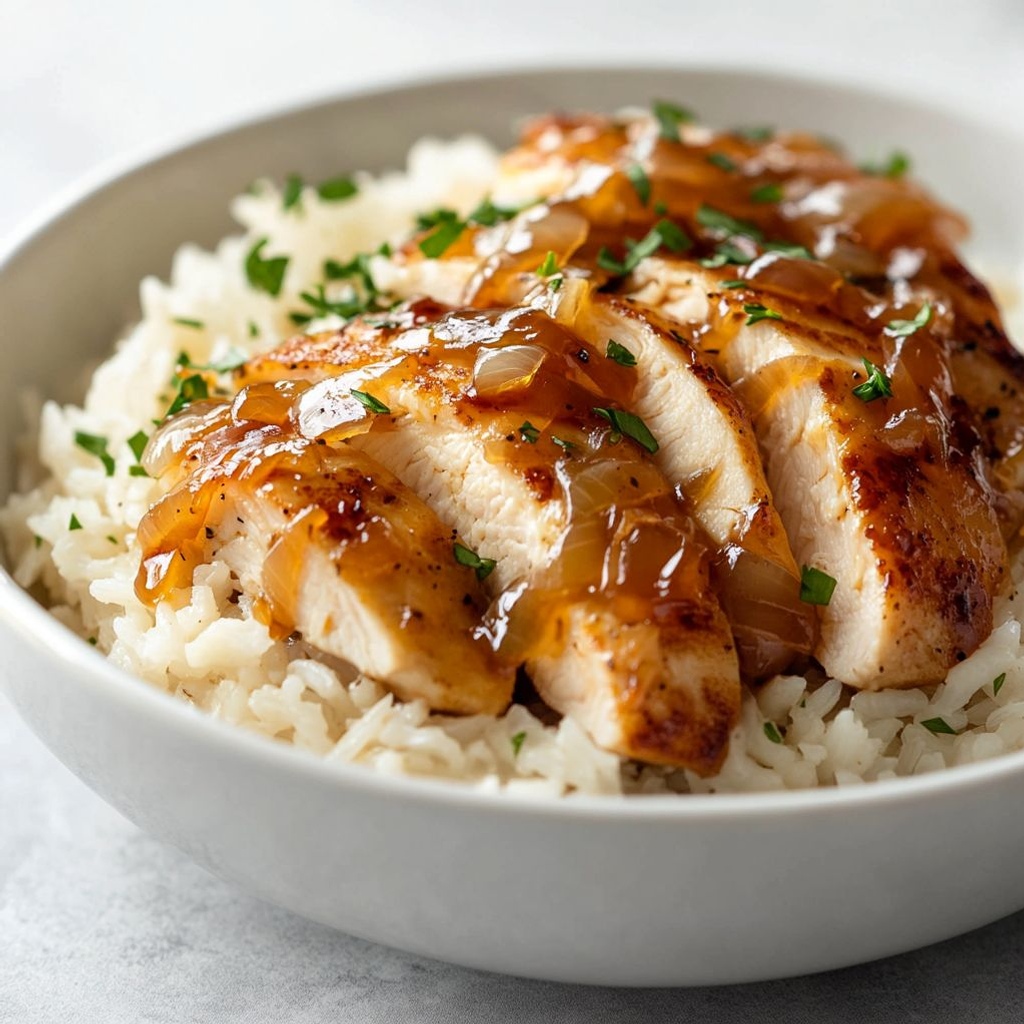
Imagine a dish that wraps you in a warm, savory hug the moment the lid lifts. French Onion Chicken Rice takes the timeless comfort of caramelized onions and the heartiness of a well-savored rice dish and folds them into a single, satisfying plate. The kitchen fills with the scent of onions bronzing to a deep, amber sweetness, a chorus of thyme and garlic mingling with the natural richness of chicken stock, and the gentle fragrance of rice that promises a soft, tender bite. It’s the kind of meal that makes weeknights feel special without demanding hours at the stove. The beauty lies in how simple ingredients come alive through technique—low, slow caramelization that unlocks the onions’ sweetness, then a confident simmer that makes the whole pan taste like a well-loved, family-made classic.
In every bite, you’ll notice a balance of comfort and sophistication: the onion’s savory sweetness cutting through the savory depth of the cooking liquid; the chicken lending gentle protein that doesn’t overpower the dish; and the rice acting as a blank canvas that soaks up the flavor without becoming mush. There’s a subtle crust forming around the edges—part toasted, part creamy—where flavor concentrates and the aroma intensifies. It’s the kind of dish you want to share with your favorite people, a plate that invites conversation and a little lingering at the table. And because it’s versatile, you can tailor it to your mood, your pantry, and the season without losing that signature French onion charm.
What makes French Onion Chicken Rice special is how it translates a cherished concept—French onion soup’s depth and sweetness—into a complete, plated experience. You get the same onion-driven sweetness, the same comforting warmth, and the same sense of nourishment, but in a form that feels fresh and modern. It’s a dish that respects tradition while making room for your personal twists, substitutions, and favorite pantry staples. If you’re new to this flavor profile, you’ll be surprised by how quickly it becomes a go-to, not just for a special night but for weeknights when timing is tight and cravings are loud.
The Story Behind the Dish
Every kitchen has its own origin story, and French Onion Chicken Rice is the product of many small inspirations converging into one comforting dish. The idea begins with the timeless allure of caramelized onions—the slow, patient browning that releases a mellow sweetness and a touch of burnt-sugar complexity. This kitchen alchemy is a universal language; it speaks of home, of Sunday dinners, and of the simple joy of a well-loved pot doing the work for you while you focus on the company around the table.
From there, the dish reaches outward, drawing on two culinary traditions that treat starch with tenderness and respect. Rice—humble, versatile, and hungry for flavor—serves as a practical canvas, soaking up the savory-sweet sauce and carrying it with a soft, comforting bite. The chicken adds a reliable protein that keeps the dish hearty yet approachable, ensuring that every spoonful feels substantial without being heavy. The result is a fusion of flavors reminiscent of a Sunday roast and a rustic French onion soup, reimagined as a complete, one-pan meal that delivers both depth and ease.
Locally, this dish has whispered through kitchens as a favorite weeknight rescue: a recipe that looks impressive without demanding a complicated routine, something you can improvise with pantry staples and still feel like you mastered something elegant. It’s the kind of dish that becomes a memory of laughter at the table, the sizzle of a hot pan, and the aroma of browned onions that lingers long after the last bite has disappeared. In many households, it’s a celebration of how simple ingredients, treated with intention, can transform into something deeply comforting and universally pleasing.
Why You’ll Love This Recipe
- One-pan practicality with big, layered flavor: a dish that feels special but is forgiving enough for busy days.
- Deep, caramelized onion sweetness that anchors the meal and sings through every bite.
- Balanced richness from the cooking liquid that keeps the chicken juicy and the rice perfectly flavored.
- Versatile base that adapts to what you have on hand—different cuts of chicken, various rice varieties, or vegetarian substitutions.
- Comfort-food appeal without heaviness—filling, satisfying, and easy to customize for dietary needs.
- Great for family dinners, potlucks, or casual gatherings where you want a crowd-pleaser that isn’t fussy to make.
- Low maintenance technique that teaches patience in the kitchen—the payoff is a deeply flavorful dish with a gentle golden crust around the edges.
- Excellent foundation for experimentation: add mushrooms for earthiness, finish with a splash of wine or citrus for brightness, or top with a sprinkle of herbs for color.
Flavor Profile & Texture
At the core of this dish is the onion, caramelized to a rich amber that carries with it a whisper of sweetness and a trace of savory depth. The slow browning unlocks a nuanced flavor profile—less sharpness, more rounded, almost molasses-like notes that pair beautifully with the natural savor of chicken. The chicken itself yields a tender bite, its flavor gently amplified by the aromatic base and a simmering bath that keeps it moist and succulent.
The rice acts as a generous canvas: light and fluffy with each grain distinct, yet united by the sauce that clings in a gentle, almost creamy way. The starch from the rice creates a comforting body, helping to bind the dish into a coherent mouthful rather than a collection of separate components. You’ll notice a subtle savoriness that anchors the sweetness of the onions, a balance that keeps every bite from tipping too far into either direction. If you enjoy depth, you may detect a hint of herbs—thyme or bay, and possibly garlic—lending an herbal lift that makes the dish feel bright and polished rather than plain or flat.
Texture-wise, there’s a pleasing contrast: the edges of the rice and, if present, a light crust where the liquid reduces and the surface caramelizes, offering a delicate crunch against the tender interior. The chicken pieces remain juicy, with their fibers softened by gentle braising in the shared cooking liquid. The overall mouthfeel is comforting and cohesive—like a well-worn sweater you reach for when you crave familiarity, but with enough aromatics and brightness to keep it from feeling dull. The aroma is a big part of the experience: the scent of onions gradually releasing their sweetness, mingled with garlicky warmth and a touch of herbal perfume, invites you to linger at the stove and savor the moment before the first bite.
Occasions & Pairings
This dish shines at many occasions, from weeknight dinners that deserve a touch of celebration to casual gatherings where you want something that feels special without adding stress. Serve it as a comforting centerpiece on a chilly night, or as a satisfying weeknight option when you’re feeding a crowd with diverse tastes. It also lends itself to easy entertaining—pair it with a simple green salad, a bright citrusy side, or roasted vegetables that add color and texture to the plates.
Pairing ideas to elevate the experience:
- Greens with a light vinaigrette or a crisp cucumber salad to contrast the softness of the dish.
- Roasted or steamed green beans, asparagus, or Brussels sprouts for color and crunch.
- A crusty loaf of bread or a warm baguette to scoop up every last bit of the flavorful sauce.
- Wine options: a dry white such as Sauvignon Blanc or Chardonnay, which can lift the sweetness of the onions and brighten the overall balance; or a light, fruit-forward red if you prefer.
- Non-alcoholic pairing: apple cider, pear spritz, or a sparkling water with a splash of lemon for a refreshing contrast.
Tips, Variations & Substitutions
One of the joys of a dish like French Onion Chicken Rice is how forgiving it can be while still delivering a signature flavor. Here are ideas to tailor the dish to your preferences, dietary needs, or pantry situation.
- Protein variations: swap chicken for turkey cutlets, bone-in chicken thighs for deeper flavor, or use chickpeas/tofu for a vegetarian version. If you prefer, you can even add mushrooms for an extra earthy note that complements the onion sweetness.
- Rice options: white rice is classic, but brown rice or a mixed-grain blend adds nutty flavor and extra texture. If you’re using a long-grain variety, you’ll maintain a lighter, fluffier texture; for a stickier result, short-grain can work well.
- Broth and dairy: use a rich chicken or vegetable broth; a splash of cream or a dollop of yogurt at the end can add gentle tang and silkiness if you like a creamier finish. For a lighter version, reduce or omit dairy; the dish will stay flavorful with the onion’s natural sweetness intact.
- Herbal notes: thyme is a natural fit, but bay leaves, a pinch of rosemary, or a few sprigs of parsley added toward the end can brighten the dish. Fresh herbs on top right before serving add vibrant color and aroma.
- Gluten-free adaptability: ensure broths or stock are gluten-free if you need to avoid gluten; most simple stocks are naturally gluten-free, but it’s worth checking labels if sensitivities require it.
- Alcohol-free boost: if you like a slight wine-like brightness, use a tablespoon of white wine vinegar or a splash of white grape juice during cooking. It adds acidity that cuts through the richness.
- Texture variation: for a crispier top, finish under a hot broiler for a minute or two, watching carefully to prevent burning, until the top gains a delicate edge of caramelization.
- Make-ahead-friendly: cook the onions a day in advance to deepen their flavor; assemble with the rice and chicken closer to serving time to preserve texture, or gently reheat in a covered pan with a splash of broth.
Storage & Make-Ahead Ideas
This dish travels well in flavors and in practicality. It stores nicely, reheats evenly, and is forgiving enough to be prepared ahead when you’re entertaining or simply planning for busy days.
- Storage: refrigerate leftovers in airtight containers for up to 3–4 days. The flavors often deepen with time, making the dish tastier the day after.
- Freezing: while rice can sometimes become a touch firm after freezing and thawing, you can freeze individual portions for a quick future lunch. Reheat gently with a little added broth or water to loosen the texture.
- Reheating tips: rewarm in a covered pan over low to medium heat, stirring occasionally, until heated through. A splash of broth or water helps restore moisture and prevents sticking.
- Make-ahead strategy: caramelize onions up to the point of adding any liquids the day before, refrigerate, and then finish with the remaining steps when you’re ready to serve. This can dramatically cut down on weeknight time while preserving that onion-rich flavor.
Fun Facts & Trivia (Optional)
- Caramelized onions are a culinary technique that dates back centuries and appears in many classic dishes around the world. The science behind caramelization is simple: sugars break down and brown when heated, creating complex, sweet-savory flavors without added sugar.
- Rice, in many cuisines, is a universal comfort starch because it soaks up sauces and blends with other flavors without overpowering them. Its adaptability makes it an ideal companion for onion-forward dishes that require a soft, comforting base.
- French onion soup itself is a historic staple in French cuisine, with roots tracing back to ancient times and evolving into a beloved, iconic dish in the 18th and 19th centuries. Translating its essence into a chicken rice dish is a contemporary homage to that tradition, preserving the spirit while making it accessible and family-friendly.
- Herbs like thyme and bay leaves are not just aromatic; they have a long history in cuisine as aroma-enhancers that elevate the perception of the dish’s depth. The way herbs bloom in the steam of a hot pan is a small, joyful moment for cooks of all levels.
- One-pan meals have become popular for their efficiency and reduced cleanup. This concept taps into that practicality while delivering a dish that feels special enough for a sit-down dinner, all in the comfort of a single pot or pan.
Ingredients
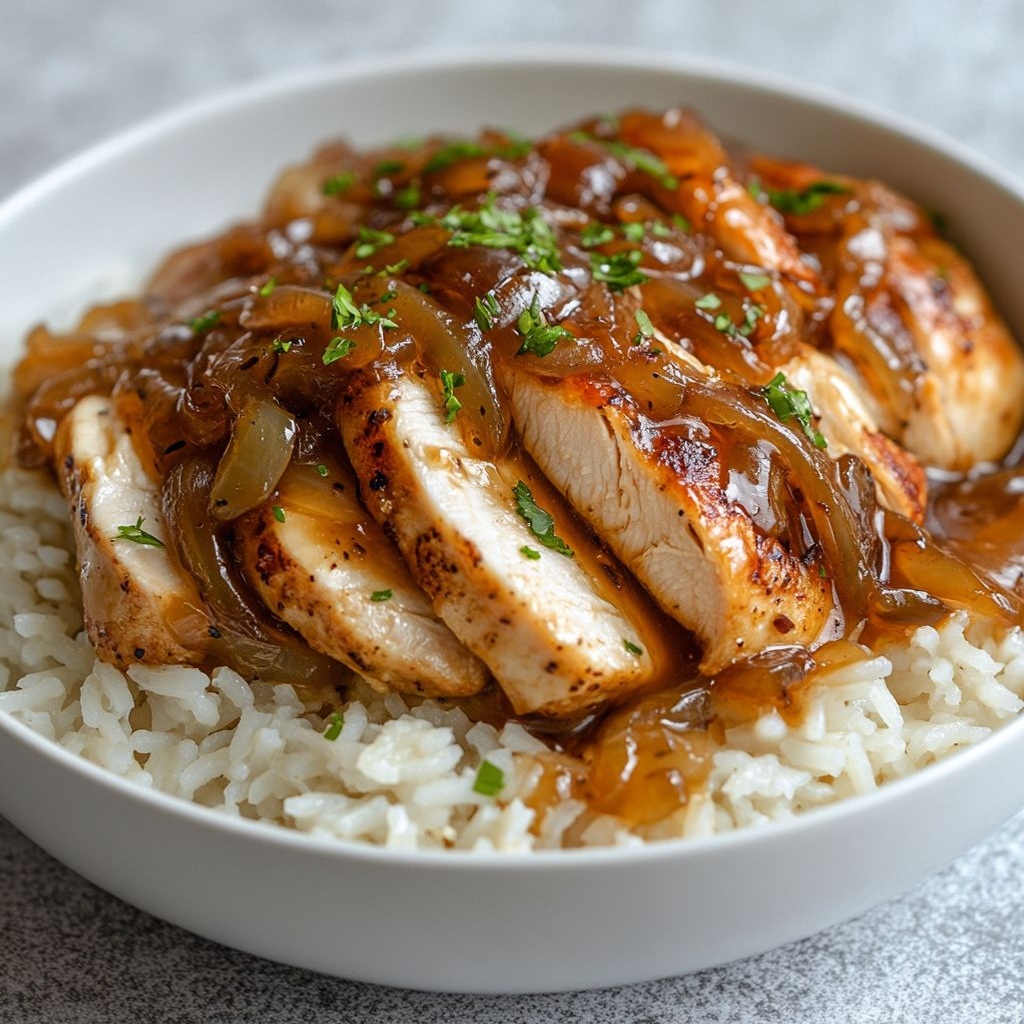
- 2 large yellow onions, thinly sliced
→ Onions are the flavor foundation of this dish. They will be slowly caramelized in fat to create a deep, savory sweetness that concentrates in the pan and imbues the chicken and rice with rich flavor. For best results, slice them evenly so they brown uniformly, and cook over medium-low heat with the butter (and a touch of oil) until they are deeply golden and jammy. A light pinch of salt helps draw out moisture and speeds browning; if they begin to steam rather than caramelize, turn the heat down and give them more time. - 2 tablespoons unsalted butter
→ Butter provides richness and helps the onions develop a silky, caramelized texture. Using unsalted butter lets you control the dish’s final salt level. Melt the butter with the onions (and a little oil) to coat them evenly and prevent scorching; avoid rushing the browning by keeping the heat steady and low. - 1 tablespoon extra-virgin olive oil
→ Olive oil raises the pan’s thermal ceiling and contributes a subtle fruitiness that complements the onions and chicken. It also helps prevent the butter from burning during caramelization. Use it in combination with the butter for even browning and to facilitate later searing of the chicken. - 2 cloves garlic, minced
→ Garlic adds aromatic depth and complexity. Mince finely so it distributes evenly and releases its fragrance without clumping. Add after the onions have started to soften to avoid burning; sauté just until fragrant, about 30 seconds, then proceed with the recipe. - 1 pinch granulated sugar (optional)
→ A touch of sugar can encourage faster browning and deeper caramelization, especially if onions are not very sweet. Use sparingly; if your onions are already sweet and browning well, you can omit this.
- 4 boneless skinless chicken thighs (about 1.5–2 lb)
→ Searing the chicken adds color, flavor, and a bit of texture that contrasts nicely with the tender rice. Pat the thighs dry before cooking to ensure they brown rather than steam. Sear them on a hot pan until golden on both sides, then nestle them back into the pan as the rice cooks to finish cooking through in the flavorful liquids. - Salt, to taste
→ Season the chicken with salt to ensure even flavor distribution and to help form a savory crust during searing. Salt the surface just before searing; you can adjust later when simmering with the rice if needed. - Freshly ground black pepper, to taste
→ Adds savory heat and aroma. Grind fresh for maximum aroma and bite. Season generously on the chicken edges for balanced flavor throughout the dish. - 1 tablespoon olive oil (for searing the chicken)
→ Used to achieve an even, golden crust on the chicken after patting dry. If your pan has a thin coating of fat from the butter used for onions, you may still need a small amount of oil to prevent sticking and ensure proper browning.
- 1 1/2 cups long-grain white rice, rinsed until the water runs clear
→ Rinsing removes excess surface starch, helping the grains stay fluffy and separate as they cook with the broth. For best texture, option to soak 10–15 minutes and drain well; drain thoroughly to avoid adding extra moisture that could make the dish gummy. - 3 cups chicken broth (low-sodium preferred)
→ The cooking liquid that flavors the rice and braises the chicken. Using low-sodium broth lets you control the final salt level more precisely; warm it before adding to the pan to avoid cooling the pan temperature and slowing simmering. - 1/2 cup dry white wine (optional)
→ Deglazes the pan, lifts the browned bits, and adds acidity and depth to the dish. Allow it to simmer and reduce by about half to concentrate the flavors before adding the rice and broth. If you prefer not to cook with alcohol, omit and substitute an equal amount of broth. - 1/2 teaspoon dried thyme or 2 teaspoons fresh thyme leaves
→ Provides classic French aromatics that pair with caramelized onions and chicken. If using dried thyme, crush it between fingers to release essential oils; for fresh thyme, strip the leaves from the stems and scatter them through the cooking liquid. Remove any woody stems before serving if using fresh thyme. - 1 bay leaf (optional)
→ Adds a subtle, perfumed note that complements the onion-sweetness and chicken. Remove the bay leaf before serving to avoid imparting a bitter taste if it remains in the dish.
- 1/2 cup grated Gruyère cheese or Swiss cheese (optional)
→ A melted cheese topping creates a creamy, gratin-like finish reminiscent of French onion soup’s cheesy crust. Sprinkle over the dish during the final minutes of cooking and, if you like a browned top, place under a broiler for 1–2 minutes until melted and lightly golden. If avoiding dairy, you can skip this entirely. - 2 tablespoons chopped fresh parsley
→ Provides a fresh, verdant finish and a pop of color that brightens the rich flavors. Add at the very end to preserve its vibrant green appearance and aromatic oils. - 1 tablespoon lemon juice or lemon zest (optional)
→ A small amount of acidity helps balance the sweetness from the caramelized onions and rounds out the dish. Add to taste after cooking, or whisk into a finishing sauce if you prefer a lighter, brighter note.
- 1 cup frozen peas, thawed (optional)
→ Peas add color and a touch of sweetness. Stir in during the last 5–7 minutes of cooking to heat through without losing vibrant green color. - 1 cup sliced mushrooms (optional)
→ Mushrooms contribute earthiness and umami. Sauté with the onions or before searing the chicken to render moisture and brown nicely; ensure they cook until their moisture evaporates and they brown for maximum flavor. - 1 tablespoon chopped fresh chives (optional)
→ A mild onion character that works nicely as a finishing touch. Sprinkle just before serving for a delicate herbal note and attractive presentation.
Instructions
- Warm a large, heavy skillet over medium-low heat and melt 2 tablespoons unsalted butter with 1 tablespoon extra-virgin olive oil until the foam subsides and the fat shimmers.
→ This fat combination prevents the butter from scorching while giving the onions a rich, even caramelization that forms the dish’s flavor foundation. - Add 2 large yellow onions, thinly sliced, to the pan, season with a pinch of salt, and spread them into an even layer.
→ Salt draws out moisture to start browning and keeping the onions in a single layer promotes uniform caramelization instead of steaming. - Cook the onions slowly, stirring only every 7–9 minutes, until they are deeply caramelized, amber in color, and jammy, about 30–40 minutes.
→ Slow, patient browning concentrates their natural sugars for sweet depth; if the onions begin to steam, lower the heat and give them more time to develop flavor. - Add 2 cloves minced garlic to the onions once they have softened and started to brown; cook for about 30 seconds until fragrant, then immediately proceed.
→ Garlic releases aroma quickly but can burn if added too early; a brief sauté ensures a rounded aromatics without bitterness. - Pat 4 boneless skinless chicken thighs dry with paper towels and season generously on all sides with salt and freshly ground black pepper.
→ Drying the surface aids a crisp, golden sear; even seasoning ensures the chicken tastes savory throughout the braise. - Heat 1 tablespoon olive oil in the same pan and sear the chicken thighs in batches until golden on both sides, about 4–5 minutes per side, then transfer them to a plate to rest.
→ A proper sear locks in juices and develops color that adds complexity to the finished dish; resting prevents juices from running out when you braise. - Return the chicken to the pan, nestling the pieces among the onions, and add 1 1/2 cups rinsed long-grain white rice; toast the rice with the aromatics for 1–2 minutes until the edges look translucent and fragrant.
→ Light toasting wakes the rice starch, adds nutty notes, and helps prevent the grains from becoming gluey as they cook in the braise. - Deglaze with 1/2 cup dry white wine, scraping up the browned bits with a wooden spoon, then simmer until the wine reduces by about half and intensifies in flavor.
→ The fondful sweetness and acidity from the wine deepen the sauce; reducing concentrates those flavors so they don’t water down the dish. - Stir in 3 cups warm chicken broth, 1/2 teaspoon dried thyme (or 2 teaspoons fresh thyme leaves), and 1 bay leaf; bring the liquid to a gentle simmer, taking care to avoid a boil that could toughen the chicken.
→ Warm broth preserves the pan’s temperature for steady braising, thyme imparts classic herbal notes, and the bay leaf adds subtle aroma; remove the leaf before serving to avoid bitterness. - Cover the pan, reduce heat to low, and simmer gently for 20–25 minutes, or until the rice is tender and the chicken thighs reach an internal temperature of 165°F (74°C).
→ A low, steady simmer ensures even cooking and a cohesive meld of flavors; check near the end to prevent overcooking and starchy mush. - Remove the pan from heat and let it rest, covered, for 5 minutes to finish cooking and to allow the rice to firm slightly; taste and adjust salt as needed.
→ Resting stabilizes texture and concentrates flavors, while a final salt check ensures balanced seasoning after the braise. - If using peas, add 1 cup thawed frozen peas to the pan during the last 5–7 minutes of cooking to heat through while maintaining their bright color.
→ Peas introduce color and a touch of sweetness; adding them late preserves their texture and vibrant green. - If using mushrooms, separately sauté 1 cup sliced mushrooms in a small amount of butter until browned and their moisture evaporates, then fold into the braise at the end for depth and umami.
→ Browning mushrooms concentrates flavor and avoids a soggy texture; folding in at the end ensures they stay meaty and flavorful. - Sprinkle 1/2 cup grated Gruyère cheese over the hot dish (optional) and, if you desire a gratin-like top, preheat your oven to broil and broil on high for 1–2 minutes until melted and lightly golden.
→ The cheese adds a creamy, caramelized crust reminiscent of French onion soup; watch closely to prevent burning. - Finish with 2 tablespoons chopped fresh parsley and, if desired, 1 tablespoon lemon juice or zest to brighten the richness; toss gently to combine and adjust seasoning as needed.
→ Fresh herbs lift the dish’s appearance and aroma, while a touch of acidity balances the sweetness from the onions. - Serve the French Onion Chicken Rice hot, spooning the braised rice and chicken onto plates with generous spoonfuls of sauce and onions on top for a cohesive, comforting presentation.
→ This ensures the textures—tender chicken, fluffy rice, and glossy onion sauce—are enjoyed together in every bite.
Notes
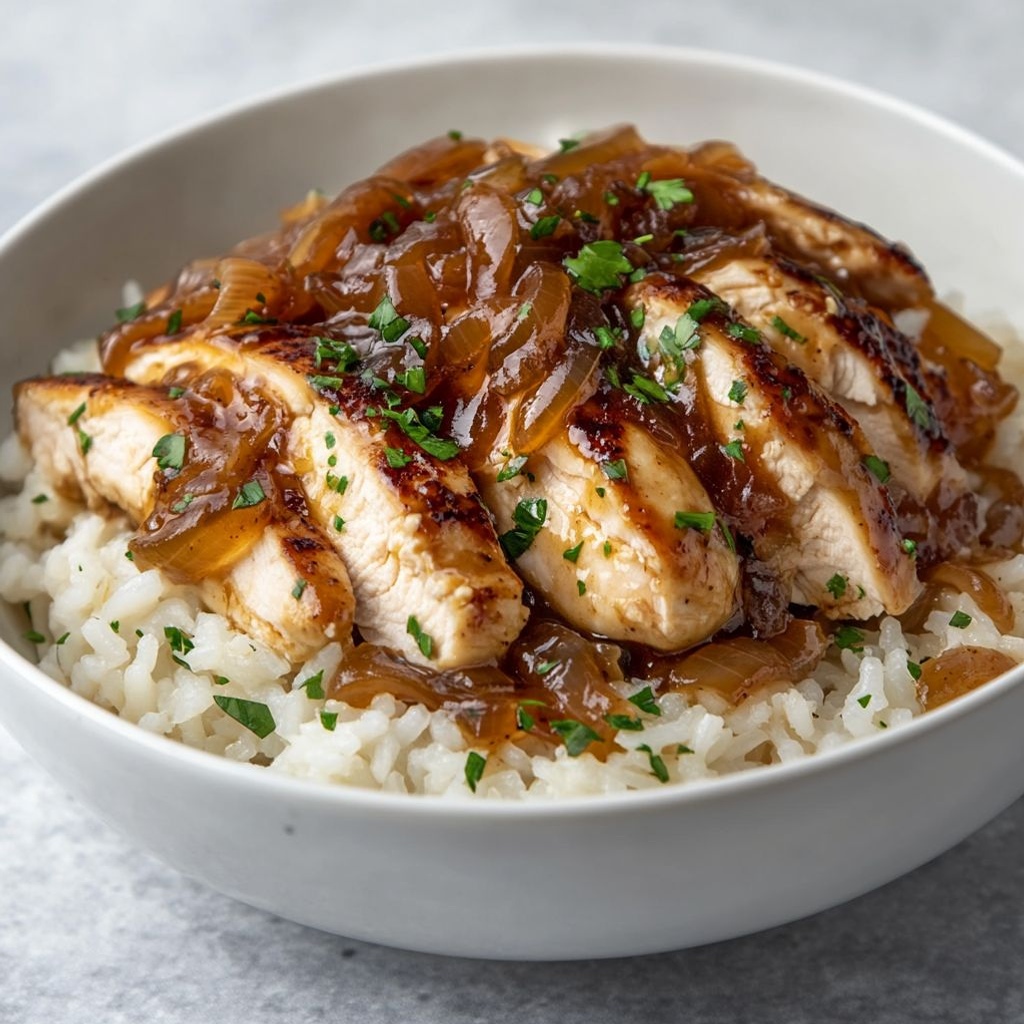
This French Onion Chicken Rice is a cozy, one-pan dish in which slowly caramelized onions create a deep, savory sweetness that braises chicken thighs to tender perfection while the rice soaks up the rich flavors. You can customize it by adding peas, sautéed mushrooms, or chopped fresh chives for color and freshness, and you can finish with a Gruyère or Swiss cheese topping for a creamy, gratin-like finish; for a dairy-free version simply skip the cheese or use a dairy-free alternative. The dish shines when prepared in stages: caramelize the onions with butter and a splash of olive oil, pat the chicken dry and sear until golden, deglaze with dry white wine and reduce, then stir in rinsed rice and hot broth and simmer until the rice is tender and the chicken is cooked through. Thyme and a bay leaf give classic French aromatics; remove the bay leaf before serving. For brightness, finish with lemon juice or zest and scatter chopped parsley. Always use low-sodium broth and, if using wine, allow it to reduce by half to concentrate flavors; if you avoid alcohol, substitute with extra broth and a touch more lemon.
Tips
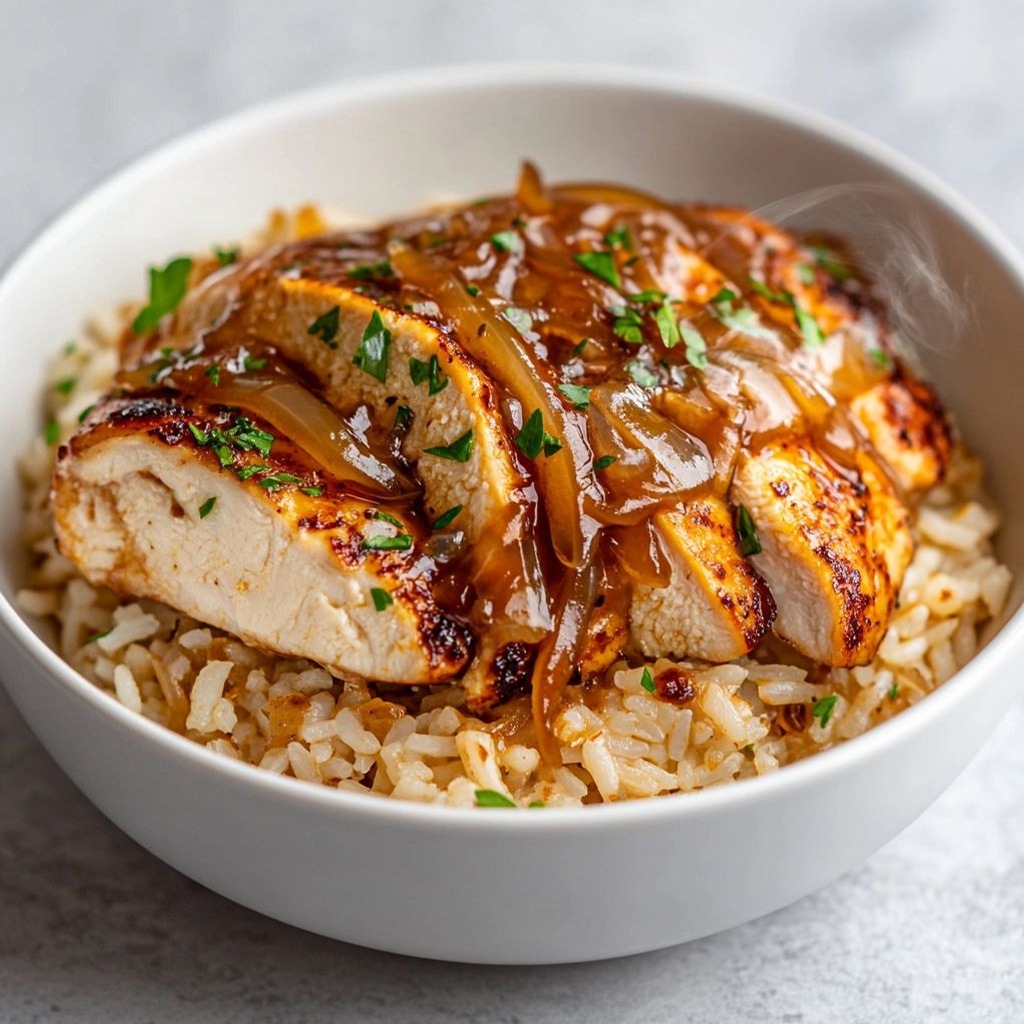
- Do not rush the onions. Cook them over medium-low heat, stirring occasionally, until they are deeply golden and jammy—this can take 25–30 minutes. If they start to steam or stiffen, lower the heat and give them more time.
- Season with a light pinch of salt early to draw out moisture and promote browning. Taste near the end and adjust salt as needed to balance the dish.
- Keep the onions in an even layer and scrape up any browned fond from the pan as you go; this helps build a richer flavor base for the dish.
- For extra depth, deglaze briefly with a splash of the chicken broth or wine after they brown, then stir the liquid back into the onions to incorporate the browned bits.
- Garlic should be added after the onions soften; sauté about 20–30 seconds until fragrant to avoid burning, which can introduce bitterness.
- If you like a deeper caramelization, a tiny pinch of granulated sugar can help—but use it sparingly to avoid oversweetening the onions.
- Pat the chicken thighs dry thoroughly to promote a golden crust; season with salt and pepper just before searing to maximize surface flavor.
- Do not overcrowd the pan. If necessary, sear the chicken in batches so each piece browns evenly instead of steaming.
- Use a tablespoon of olive oil in the pan to help achieve an even, deeply golden crust on the thighs.
- Sear until well colored on both sides (about 3–4 minutes per side, depending on thickness), then nestle the browned thighs back into the pan with the onions to finish cooking in the flavorful liquids.
- If the pan is dry during searing, add a splash more oil to prevent sticking and promote clean browning. Scrape up any fond to incorporate into the sauce later.
- Rinse the rice until the water runs clear to remove surface starch; this helps keep the grains fluffy and separated as they cook.
- Warm the chicken broth before adding so you don’t drop the pan temperature and slow the simmer.
- Deglazing with wine (optional) adds acidity and depth; simmer until reduced by about half to concentrate the flavors before adding the rice.
- Maintain the proper rice-to-liquid ratio: 1.5 cups rice to about 3.5 cups total liquid (broth plus wine). Do not stir too vigorously once the rice is in the pan; a gentle stir to distribute will do, then cover and simmer.
- When using dried thyme, crush it between your fingers to release essential oils; and if you used a bay leaf, remove it before serving to avoid a bitter aftertaste.
- Cheese topping (Gruyère or Swiss) adds a creamy, gratin-like finish. Add it in the final minutes of cooking and, if you like extra color, broil briefly (1–2 minutes) until melted and lightly golden.
- Chopped parsley provides brightness and color. Add it off the heat to preserve its vibrant green and fresh aroma.
- A small amount of lemon juice or zest can balance the sweetness from the onions; add to taste after cooking or whisk into a finishing sauce if you prefer a brighter note.
- Frozen peas: Thaw and stir in during the last 5–7 minutes of cooking so they heat through without losing their bright color.
- Mushrooms: Sauté separately until browned to maximize umami before adding to the dish, or sauté with the onions to render moisture and deepen flavor.
- Fresh chives: Scatter over the finished dish for a mild onion note and a delicate finish; add just before serving.
FAQ
What is French Onion Chicken Rice?
A comforting one‑pan dish that blends tender chicken with deeply caramelized onions and fluffy rice cooked in seasoned stock, capturing the savory, slightly sweet flavors of French onion soup.
What ingredients do I need?
Core ingredients:
- Chicken thighs (bone-in or boneless) or breasts
- Yellow onions
- Garlic
- Olive oil and butter (or dairy-free alternatives)
- Rice (long-grain or basmati, uncooked)
- Chicken stock or broth
- White wine (optional)
- Fresh thyme and a bay leaf
- Salt and pepper
- Optional: grated Gruyère or Parmesan for topping
- Optional add-ins: mushrooms, peas, carrots
Can I substitute rice types?
Yes. Royal options include basmati or long-grain rice. If using brown rice, allow extra cooking time and more liquid. Risotto rice can be used for a creamier texture, but adjust liquid and cooking time accordingly.
How do I caramelize the onions properly?
Slice onions thinly. Cook slowly in a mix of olive oil and a small knob of butter over medium-low heat, stirring often. After 15–20 minutes, sprinkle a pinch of salt and optional sugar to help browning. Continue cooking until onions are deeply golden and sweet, about 25–35 minutes total.
What are the basic cooking steps?
1) Sear the chicken until browned. 2) Remove and set aside. 3) Caramelize onions. 4) Add garlic and deglaze with white wine (if using). 5) Return chicken, stir in rice, and pour in stock. 6) Add thyme and bay leaf. 7) Simmer, covered, until rice is tender and chicken is cooked through. 8) Optional: finish with cheese and a quick broil for a bubbly top.
Can I use chicken breast or thighs?
Both work. Chicken thighs stay juicier and more forgiving if simmered, while chicken breasts cook faster but can dry out. If using breasts, consider keeping them slightly undercooked and letting residual heat finish cooking off the stove.
Is this dish dairy-free or gluten-free?
Glassware-free: Yes for gluten-free if you use gluten-free stock and ensure no gluten-containing additives. Dairy-free: Yes if you skip butter or cheese and use dairy-free butter/oil. You can still get a rich flavor from the caramelized onions and stock.
How long does it take and how many servings does it yield?
Approximate total time: 60–75 minutes. Servings: about 4–6, depending on portion size and whether you include cheese topping.
Can I make this ahead or freeze it?
Yes. You can prepare and refrigerate for up to 1 day before cooking, or fully cook and refrigerate for 2–3 days. It freezes well after cooking—cool completely, transfer to an airtight container, and freeze for up to 2–3 months. Thaw before reheating.
How should I store and reheat leftovers?
Store in an airtight container in the fridge for 3–4 days. Reheat gently on the stove or in the microwave, adding a splash of stock if it looks dry. For a crisper top, re-broil briefly with cheese (if using) after reheating.
What should I serve this with or garnish?
Serve as is or with a simple side salad or crusty bread. Garnish with chopped parsley or extra thyme. If you added cheese, a light grating on top just before serving enhances the dish’s richness.