Introduction / Hook
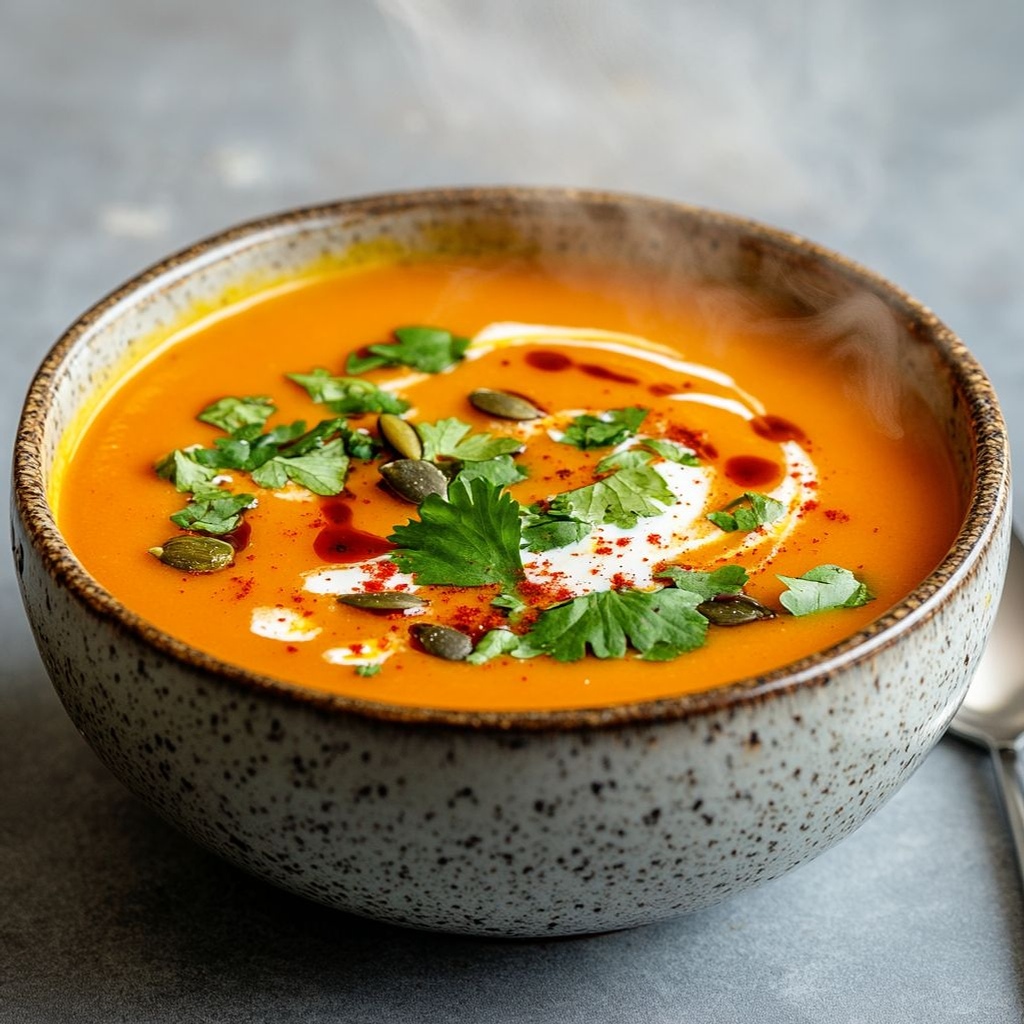
Imagine a bowl cradled in your hands, the surface gleaming like molten sunset as steam rises in soft curls. The first sip carries a gentle sweetness—roasted pumpkin, mellow and sun-warmed—followed by a whisper of heat that blooms from within. Spicy pumpkin soup is not merely nourishment; it’s an invitation to slow down, inhale deeply, and let the world melt away for a few comforting minutes. The aroma alone is a memory in the making: caramelized edges kissing the pumpkin, toasted aromatics filling the air with promise, and a swirl of cream or coconut that makes the texture satin-smooth on the tongue. There’s something deeply seasonally satisfying about this dish—a cozy fusion of autumn harvest and global warmth—that makes it the kind of soup you reach for when the days get shorter and the evenings call for something that tastes like home, but with a wink of adventure.
What makes this spicy pumpkin soup special is how it balances sweetness with fire, comfort with brightness, and rustic simplicity with a touch of culinary curiosity. It begins with a humble pumpkin, transformed through roasting or simmering into a velvety foundation. Spices—think fragrant cumin, coriander, a hint of smoked paprika, and a lively kick of chili or chipotle—wake up the dish without overpowering the pumpkin’s natural orchard-gold sweetness. A splash of stock or simmered dairy (or a plant-based alternative) smooths the texture, while a final drizzle or dollop invites you to explore layers of flavor with every spoonful. It’s both everyday weeknight-friendly and special enough to serve on a holiday table—proof that a single pot can deliver both ease and elegance.
Beyond its taste, spicy pumpkin soup has a tactile charm. The first spoonful slides over the tongue with a silken body, then gains personality as the spices take hold and leave a warm, lingering glow. You’ll notice notes of roasted squash, a whisper of caramel, a peppery zing that lingers just long enough to keep you reaching for another bite. If you love contrast—heat tempered by creaminess, brightness balanced by earthiness—this soup delivers, making it ideal for dipping crusty bread, swirls of yogurt, or a handful of toasted seeds that crackle with every crunch.
The Story Behind the Dish
Soup has always been a canvas for seasonal abundance, a practical method to preserve the harvest and coax flavor from humble produce. Pumpkins have been cherished in many cultures for centuries, celebrated in festivals and traded across continents as a symbol of harvest and abundance. The idea of a spicy pumpkin soup brings together two threads of culinary history: the regional warmth of spices that traveled with explorers and traders, and the rustic, comforting tradition of pumpkin soups found in kitchens around the world. This dish, at its core, is a dialogue between autumn fields and global spice routes.
In many households, pumpkins—whether a sweet sugar pumpkin or a robust field pumpkin—are roasted to coax out their deepest flavors. The caramelization that occurs at the edges of the squash is not just a culinary technique; it’s a memory trigger. It conjures autumn fairs, farmers markets, and family gatherings where the kitchen is the hub of laughter and shared stories. To this venerable foundation, the introduction of heat and spice signals a modern twist: a nod to the meals of markets in the southern hemisphere or stalls along sun-drenched lanes where chili peppers perfumed the air. The result is a soup that honors tradition while inviting a contemporary palate to explore, tinker, and make it your own.
Numerous culinary lineages contribute to the flavor they call spicy pumpkin soup. There’s the creamy, dairy-forward approach that whispers of comfort—perfect for a cold night—paired with a bright citrus note or coriander for lift. There’s the vegan variant that relies on coconut or cashew cream to deliver silkiness while letting the pumpkin shine. There’s a smoky edge you can coax from chipotle or smoked paprika, a tang from a splash of yogurt or lemon, and a herbaceous note from fresh cilantro or parsley. Each cultural thread adds a layer to the dish’s tapestry, and each household adds its own personality through tweaks and preferences. The dish becomes less a fixed recipe and more a living story you tell in your kitchen with every batch you make.
As you stir the pot, you’re participating in a lineage of cooks who used heat and spice to transform simple ingredients into something soulful. The soup’s spicy kick is not a mere jolt; it’s a way to awaken flavor memory, a cue that says, “Here is nourishment with a spark.” And because pumpkins are so forgiving and eager to mingle with other ingredients, this soup can be a culinary jumping-off point—an invitation to experiment with accoutrements, garnishes, and textures while still preserving the heart of what makes it so comforting and inviting.
Why You’ll Love This Recipe
- Fast to prepare, yet deeply satisfying: It delivers restaurant-like depth without requiring long simmer times or a plethora of ingredients.
- Versatile for dietary needs: You can make it dairy-free, vegan, gluten-free, or subtly dairy-laden to suit various preferences.
- Perfect for autumn and winter: The roasted pumpkin’s sweet, caramelized notes pair beautifully with warming spices, making it a seasonal favorite.
- Adjustable heat level: Start with a gentle warmth and ramp up the spice to suit your crowd—kids, adults, or spice lovers alike can enjoy it.
- Silky texture with bright accents: A smooth, creamy base punctuated by a zesty finish or aromatic swirl keeps every spoonful exciting.
- Comforting yet sophisticated: It feels wholesome and homey while still feeling special enough to serve guests.
- Great for leftovers or meal prep: It stores well, reheats beautifully, and can be repurposed into bowls with toppings for variety.
Flavor Profile & Texture
The flavor profile of spicy pumpkin soup is a carefully tuned balance of sweetness, earthiness, and heat. The pumpkin itself supplies a mellow, almost honeyed sweetness with a subtle nutty undertone, which is amplified by roasting or slow simmering. This natural sweetness acts as a foil for the other characters in the pot—the spices and aromatics that give the soup its personality. Typical flavor notes emerge from the blend of garlic, onions, and sometimes shallots, which create a savory foundation that anchors the dish. Cumin and coriander offer warm, earthy tones with a hint of citrusy brightness, while paprika or smoked paprika adds a shallow, smoky depth that echoes autumn campfires and hearthside meals.
The spicy element is where the dish reveals its lively spirit. You can dial in heat with red chili flakes, a touch of chili paste, chipotle in adobo, or fresh jalapeño. The kick should feel like a spark that enlivens the palate without overpowering the pumpkin’s inherent sweetness. When used judiciously, heat acts like a conductor, guiding your taste buds through a spectrum of sensations—from the initial sweetness to the mid-palate warmth to a lingering glow at the finish.
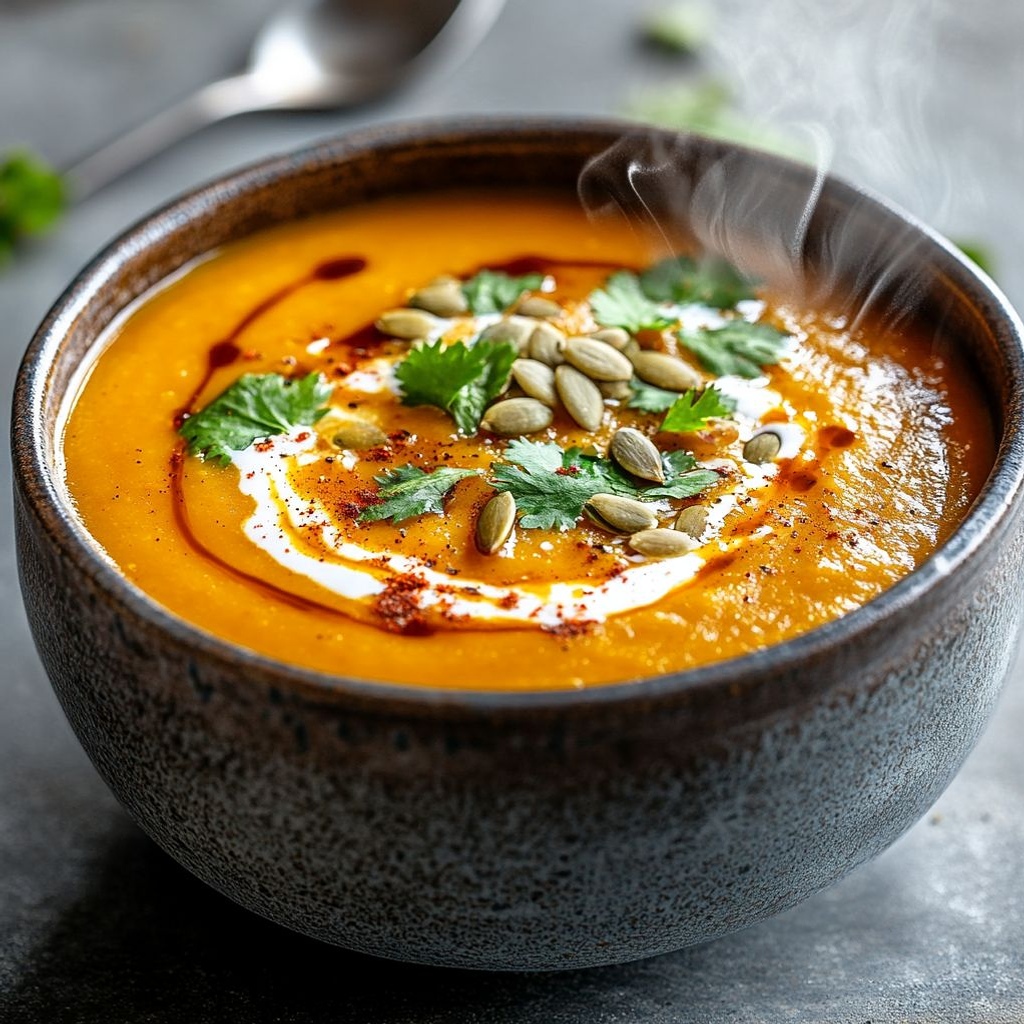
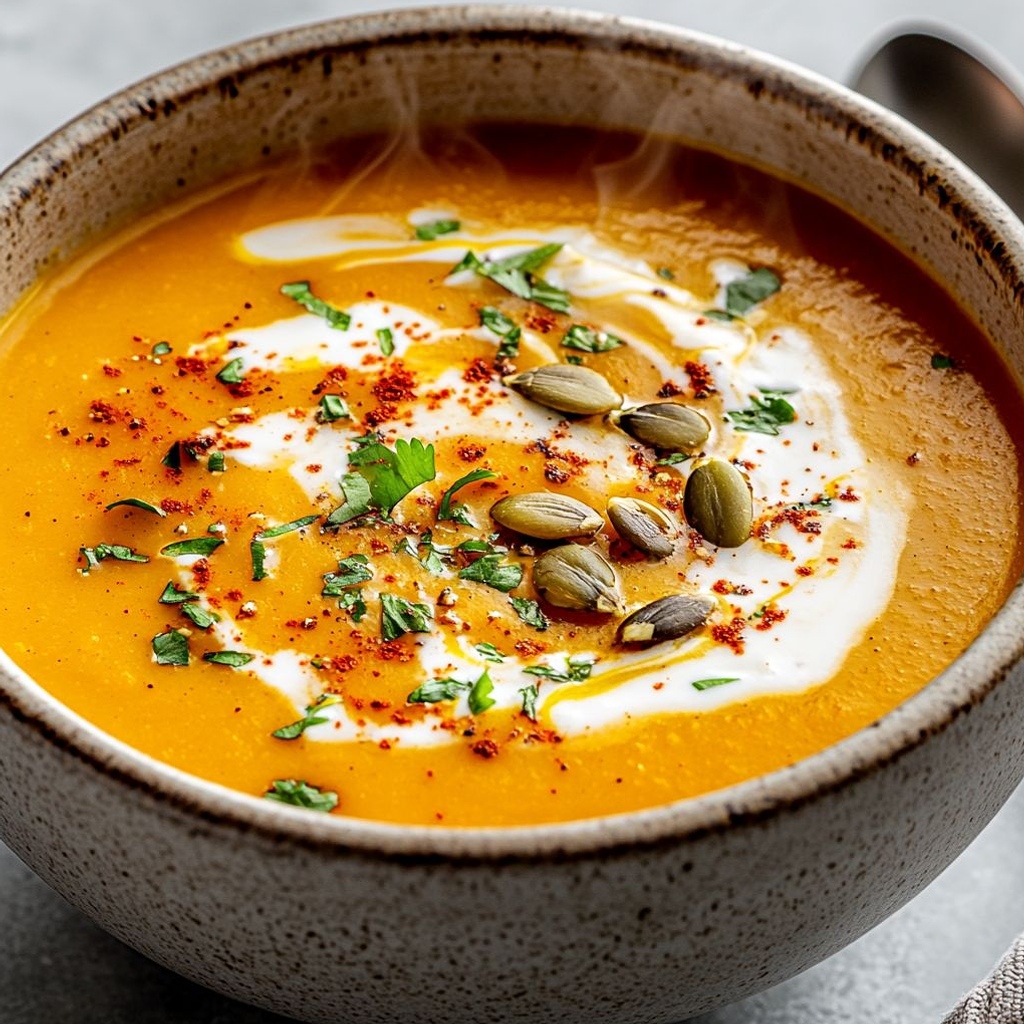
Texture-wise, this soup aims for a satin-smooth body with a gentle body that clings to the spoon. A well-blended base should feel lush, not thick or heavy; it’s often achieved with a touch of cream or coconut milk, which adds silkiness and a lip-smacking roundness. For those who prefer a lighter version, a splash of stock or water can loosen the texture while preserving the flavor. Some versions include a small amount of cream cheese, yogurt, or a swirl of cashew cream as a finishing touch to amplify richness without dulling the spices. Toppings—roasted pumpkin seeds, a drizzle of olive oil, a dollop of yogurt or coconut cream, and fresh herbs—provide contrasting textures and a fresh lift, turning each spoonful into a mini tasting menu.
In sum, you’re experiencing a symphony of flavors: the soft sweetness of pumpkin, the toasty warmth of spices, the comforting creaminess, and a bright, sometimes citrusy finish. It’s not merely a soup; it’s an edible autumn memory in a bowl, ready to warm you from the inside out.
Occasions & Pairings
Spicy pumpkin soup is incredibly versatile, making it a trusty companion for many occasions. Here are some ideas to help you decide when and how to serve it—and what to pair with it for a complete meal.
- Weeknight comfort: A simple, nourishing starter or even a light main course for chilly evenings.
- Sunday lunch or a casual dinner party: Pair with crusty bread, toasty baguettes, or warm pita wedges for dipping.
- Autumn celebrations and holidays: Serve as a comforting prelude to a festive meal, especially around Halloween, Thanksgiving, or Christmas menus when roasted vegetables and warm spices are in season.
- Pairings:
- Accompaniments: Crusty bread, herb butter, roasted seeds, a dollop of yogurt or coconut cream, and a handful of chopped herbs.
- Proteins: Grilled chicken, pan-seared tofu, or a poached egg can be added to make the dish more substantial.
- Beverages: Apple cider (still or sparkling), a light white wine with orchard notes, or a spiced tea can complement the soup’s warmth.
- Sides: A crisp salad with citrusy vinaigrette to balance the richness, or a simple grain like quinoa or farro as a heartier accompaniment.
Tips, Variations & Substitutions
One of the joys of a soup like this is how forgiving it is. Here are numerous ways to customize, tweak, or adapt the recipe to suit you, your guests, or dietary needs.
- Dietary-friendly twists:
- Vegan: Use coconut milk, almond milk, or cashew cream for creaminess instead of dairy.
- Gluten-free: The soup naturally contains no gluten, but ensure any garnishes (croutons, crumbled crackers) are gluten-free if needed.
- Low-fat: Reduce or omit dairy; use a splash of olive oil and extra stock to keep the texture light.
- Heat customization:
- Light: Use a pinch of chili flakes or a small amount of milder peppers.
- Medium to hot: Add chipotle in adobo, a diced jalapeño, or cayenne to taste.
- Smoky: Add a small amount of smoked paprika or a few drops of liquid smoke for depth.
- Flavor boosters:
- Acidity: A squeeze of lemon or lime juice at the end brightens the flavors.
- Umami: A teaspoon of miso or a splash of soy sauce can deepen the savoriness without stealing sweetness.
- Regional twists:
- Thai influence: Add a hint of coconut milk, a splash of lime juice, and a whisper of lemongrass or kaffir lime leaf.
- Indian influence: Use garam masala, ground coriander, and a touch of turmeric for glow and warmth.
- Mexican influence: Finish with a cilantro-linished crema, cotija, or a handful of charred corn for texture.
- Texture variations:
- For a chunkier texture, reserve some roasted pumpkin pieces to fold in at the end.
- For extra silkiness, pass the soup through a fine-mesh sieve after blending once, then re-blend with a touch more liquid.
- Seasonal substitutions:
- If pumpkin isn’t available, but squash is, swap in roasted butternut or kabocha for a deeper, richer flavor.
- In summer, you can use roasted sweet potato or carrot as a complementary base while keeping the spice profile intact.
Storage & Make-Ahead Ideas
Spicy pumpkin soup stores remarkably well, which makes it a valuable addition to meal-prep menus. Here are practical tips for keeping your soup fresh, flavorful, and ready when you need it.
- Refrigeration: Store in an airtight container for up to 4–5 days. Reheat gently over low heat, stirring frequently to prevent scorching and to maintain a smooth texture.
- Freezing: The soup freezes beautifully. Cool completely, then freeze in a freezer-safe container or heavy-duty bag for up to 3 months. Thaw overnight in the fridge before reheating, adding a splash of stock or cream to loosen if needed after thawing.
- Make-ahead strategy: Prepare the base (pumpkin and aromatics) and hold off on finishing touches like cream or final garnishes until reheating. This makes it easy to adjust consistency and heat level when serving later.
- Garnishes for later: Have toppings ready to go on demand—roasted seeds, a swirl of yogurt or coconut cream, fresh herbs, and a drizzle of olive oil—to keep the final presentation bright and fresh.
- Texture preservation: If you like a very silky soup, purée and strain once, then store. If you prefer a little body, hold back a few roasted pumpkin chunks to fold in upon reheating.
Fun Facts & Trivia (Optional)
- Pumpkins are botanically fruits, though they’re culinarily treated as vegetables in most recipes. They’re part of the Cucurbita pepo species and come in a rainbow of sizes and colors.
- In many cuisines, pumpkin soups are celebrated as a symbol of harvest abundance and seasonal welcome, appearing in festive menus that mark transitions from late summer to autumn.
- Chili peppers in soups have a long history, serving as a bridge between warmth, taste, and comfort. The heat can stimulate endorphins, which adds to the sense of coziness that a bowl of spicy soup brings on cold days.
- Texture can be manipulated to mimic a cream-based soup or a lighter, brothier version, which makes this recipe adaptable for various preferences and diets without sacrificing flavor.
- Roasting pumpkin before blending enhances natural sugars, creating a deeper, caramelized flavor that’s central to this soup’s character.
- Leftover soup can be distorted into a comforting sauce for grains or roasted vegetables, turning a simple pot of soup into a versatile base for other meals.
- Spices used in this soup—cumin, coriander, and paprika—are among the most versatile pantry stars worldwide, able to bridge culinary cultures while maintaining a distinctly cozy profile.
Ingredients
Soup Base
- – 2 cups pumpkin puree (canned 100% pumpkin puree or roasted fresh)
→ Pumpkin puree provides the body and natural sweetness of the soup. If using canned, choose 100% pumpkin puree; if using fresh, roast the pumpkin and blend until smooth to create a velvety base. It acts as the primary thickener and flavor carrier for the dish. - – 4 cups vegetable stock (low-sodium)
→ The stock forms the savory liquid foundation of the soup. Low-sodium stock helps control salt and lets you adjust seasoning at the end. If you prefer a richer or non-vegetarian option, chicken stock can be used instead. - – 1 cup water (optional to adjust thickness)
→ Water is used to fine-tune the consistency after simmering. Start with a small amount and add more only if the soup seems too thick; this helps achieve your desired mouthfeel without diluting flavor.
Aromatics & Spice
- – 1 tablespoon olive oil
→ Oils serve as the medium to sauté aromatics, carrying flavor into the soup and preventing sticking. Use extra-virgin olive oil for a richer aroma; heat until shimmering but not smoking to avoid bitterness. - – 1 medium onion, finely chopped
→ Onions provide sweetness and a savory foundation that builds depth. Finely chopping ensures they melt into the soup, contributing body without noticeable chunks. Sauté until translucent for a gentle base or lightly caramelize for deeper flavor. - – 3 cloves garlic, minced
→ Garlic adds pungent, savory depth. Mince finely to release its oils and bloom with the onions; avoid burning to prevent bitterness. - – 1 teaspoon grated fresh ginger (optional)
→ Ginger introduces warmth and brightness that complements pumpkin and heat. Grate finely so it distributes evenly; omit if you prefer a milder profile. - – 1 teaspoon ground cumin
→ Cumin provides earthy warmth that pairs well with pumpkin. Toast briefly with onions to wake the spice’s aroma for a deeper flavor. - – 1/2 teaspoon smoked paprika
→ Adds a gentle smoky sweetness and rich color. If unavailable, regular paprika works; for more depth, a touch of chipotle powder can be used. - – 1/4 to 1/2 teaspoon cayenne pepper (adjust to desired heat)
→ Provides the spicy kick. Start with 1/4 teaspoon and gradually increase to reach your preferred heat level while balancing sweetness. Reduce if serving a milder crowd. - – 1/4 teaspoon ground cinnamon (optional)
→ A hint of warmth that complements pumpkin; use sparingly to avoid overpowering the other flavors. Omit if you want a more savory profile. - – Salt to taste
→ Essential for balancing sweet pumpkin, heat, and acidity. Add gradually, tasting as you go, especially after stock is added. - – Black pepper to taste
→ Freshly ground pepper adds a sharp note that brightens the overall flavor. Pepper towards the end after flavors meld to judge seasoning accurately.
Creaminess & Balance
- – 1/2 cup coconut milk (full-fat) or heavy cream
→ Adds creamy richness and a silky mouthfeel. Coconut milk is dairy-free and lends a subtle sweetness; heavy cream yields a richer, neutral richness. Shake the coconut milk before measuring and stir in at the end to prevent separation. - – 2 tablespoons lime juice (from about 1 lime)
→ Brightens the soup and balances pumpkin’s sweetness with acidity. Add at the end and adjust to taste; citrus flavor fades if cooked too long. - – 1 teaspoon maple syrup or honey (optional)
→ A touch of sweetness can mellow the heat and highlight pumpkin’s natural flavor. Use sparingly and taste; omit if you prefer a sharper, spicier finish. This is particularly helpful when using very spicy cayenne.
Garnishes
- – 2 tablespoons toasted pumpkin seeds (pepitas)
→ Adds a crunchy contrast and nutty flavor. Toast seeds in a dry skillet over medium heat until fragrant and popping; sprinkle over bowls just before serving to preserve crunch. Lightly salt if desired. - – Fresh cilantro or parsley, chopped (to garnish)
→ Fresh herbs add color and bright, aromatic notes. Chop finely for even distribution; hold a small amount to sprinkle on top for a vibrant finish. - – Optional chili oil or red pepper flakes to finish (1 teaspoon chili oil or a pinch of flakes)
→ Provides a final layer of heat and a glossy finish. Drizzle chili oil at the end to control intensity; offer extra at the table for those who want more heat.
Instructions
- Warm 1 tablespoon olive oil in a large heavy-bottomed pot over medium heat until shimmering.
→ Heating the oil to this temperature creates a glossy surface that shortens the time for aromatics to release their flavors, preventing soggy or undercooked vegetables. - Add 1 medium onion, finely chopped, and sauté until translucent and soft, about 5–7 minutes, stirring occasionally to promote even cooking.
→ Finely chopping ensures the onion blends smoothly into the soup, giving sweetness without chunky texture while protecting the final velvety mouthfeel. - Stir in 3 cloves garlic, minced, and 1 teaspoon grated fresh ginger, cooking until fragrant, about 30–60 seconds, then reduce heat if they begin to smell scorched.
→ Blooming garlic and ginger unlocks their essential oils, infusing the base with warmth without turning bitter from overcooking. - Toast 1 teaspoon ground cumin, 1/2 teaspoon smoked paprika, 1/4 to 1/2 teaspoon cayenne, and 1/4 teaspoon ground cinnamon in the pot with the aromatics for 30 seconds, stirring constantly.
→ Toasting wakes the spices, concentrating their aroma and helping them dissolve evenly into the liquid for cohesive pumpkin flavor with subtle heat. - Stir in 2 cups pumpkin puree (canned 100% pumpkin puree or roasted fresh) and cook for 2–3 minutes to integrate the pumpkin with the spiced base. If using roasted fresh pumpkin, ensure the puree is silky smooth before adding.
→ The pumpkin provides the soup’s body and natural sweetness; heating it with spices helps aromas marry and prevents a raw pumpkin taste. - Pour in 4 cups vegetable stock and 1 cup water, bring to a gentle simmer, and season with salt to taste as you go.
→ The stock supplies savory depth while the added water lets you adjust thickness; salting gradually prevents over-seasoning early in the process. - Simmer uncovered for 15–20 minutes, allowing flavors to meld and the soup to thicken slightly, stirring once or twice to prevent sticking.
→ Gentle simmering blends pumpkin, onions, and spice evenly; this also softens any remaining texture in the puree for a velvety finish. - Turn off the heat and whisk in 1/2 cup coconut milk (shake the can first) or heavy cream until fully incorporated, then return to very low heat if needed to warm through without boiling.
→ Adding dairy at the end preserves creaminess and prevents separation; coconut milk gives dairy-free richness with a hint of sweetness. - Stir in 2 tablespoons lime juice and, if desired, 1 teaspoon maple syrup or honey; adjust acidity and sweetness to balance pumpkin’s natural sugars and the peppers’ heat.
→ Lime brightens the soup and cuts the pumpkin’s sweetness; sweetener is optional and should be used sparingly to maintain contrast with spice. - Taste and adjust the final seasoning with salt and black pepper, adding a pinch more if needed after the lime and sweetness have been balanced.
→ Salt and pepper at the end corrects any early under-seasoning and ensures the flavors arrive clearly on the palate. - Prepare garnishes: toast 2 tablespoons pumpkin seeds (pepitas) in a dry skillet over medium heat until fragrant and popping, then finely chop fresh cilantro or parsley.
→ Toasted pepitas add a crunchy contrast and nutty note, while fresh herbs provide color and a bright finishing aroma that lifts the soup’s presence. - Finish with a drizzle of optional chili oil or a pinch of red pepper flakes at the table for guests who want extra heat; otherwise, serve as is for a balanced spicy pumpkin soup.
→ Finishing heat at the table lets each person control intensity, maintaining a smooth, comforting base for those who prefer milder flavors.
Notes
This spicy pumpkin soup is naturally comforting, with velvety pumpkin, a warm spice profile, and a bright finish from lime and herbs. You can customize the heat level and creamy texture to suit your palate.
Flavor foundations come from sautéing the onion in olive oil until translucent, then blooming garlic, fresh ginger (optional), cumin, smoked paprika, and a touch of cayenne to wake the spices. Toasting the spices briefly intensifies their aroma and deepens the overall flavor.
Simmer the pumpkin puree with vegetable stock (low-sodium for better salt control) and water as needed to achieve your preferred thickness. Let the flavors meld for about 15–20 minutes; if you like a richer base, you can stir in a splash more stock or water to reach the desired consistency.
Creaminess and balance come from stirring in coconut milk (full-fat) or heavy cream at the end of cooking. Shake the coconut milk before measuring to prevent separation, and fold it in just before serving to preserve its silky texture.
Finish with brightness and sweetness to balance the heat. Add lime juice at the end and adjust with maple syrup or honey if you want a touch of sweetness to mellow the cayenne. Season with salt and black pepper to taste, tasting after the stock has been added to get the balance right.
Texture and heat adjustments: For a smoother soup, blend with an immersion blender directly in the pot until silky. For a chunkier, rustic vibe, blend only partially or leave some pumpkin pieces visible. If the soup tastes flat, a quick squeeze of lime and a pinch more salt can elevate the flavors.
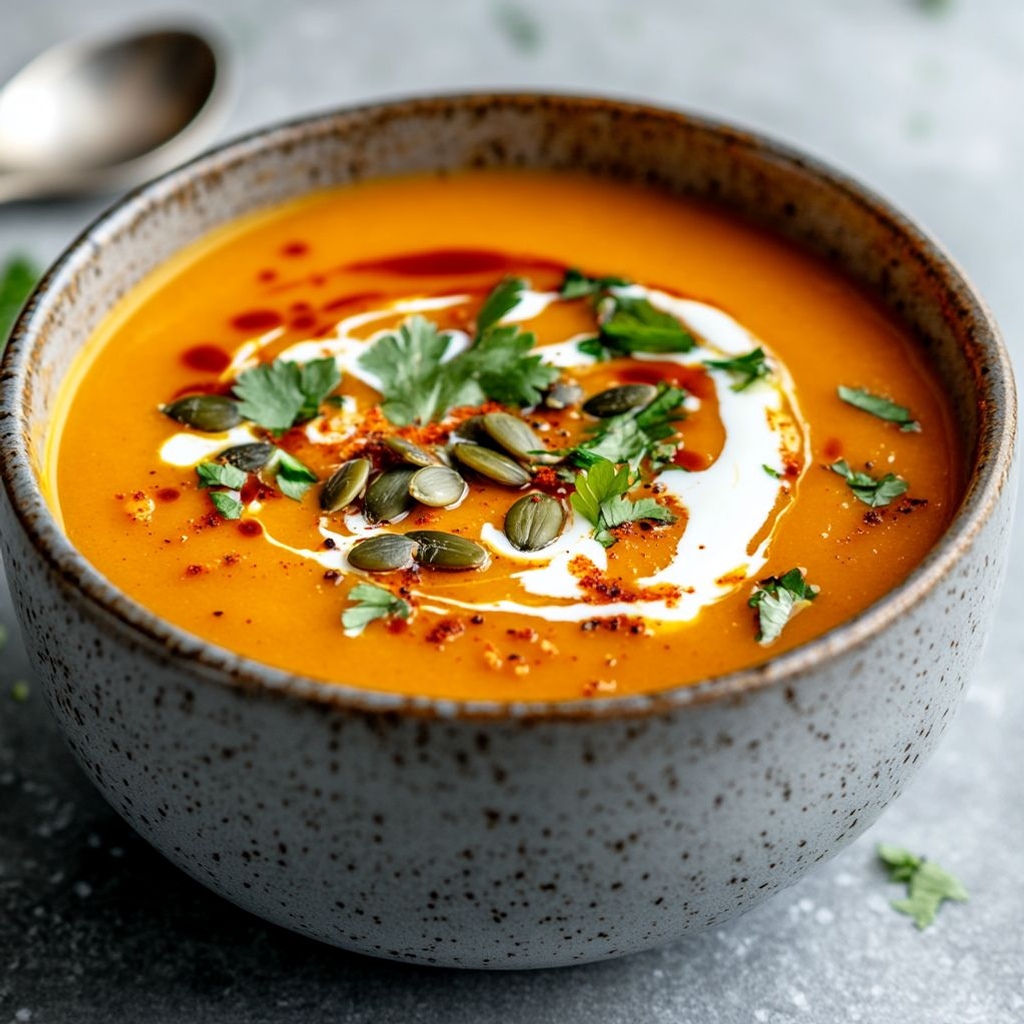
Garnishes offer texture and color: scatter toasted pumpkin seeds (pepitas) for crunch, sprinkle chopped fresh cilantro or parsley for a bright finish, and consider a drizzle of chili oil or a pinch of red pepper flakes for extra heat and gloss at the table.
Storage and make-ahead: This soup keeps well in the fridge for several days and freezes nicely for longer storage. Reheat gently on the stove, adding a splash of stock or water if it thickens. For an ultra-silky look, reheat with a small amount of coconut milk stirred in after warming.
Allergen and substitution notes: If you need a dairy-free option, use full-fat coconut milk; for dairy versions use heavy cream. Ensure your stock is gluten-free if needed. You can swap roasted fresh pumpkin for canned 100% pumpkin puree depending on availability and preference.
Tips
Tips for Spicy Pumpkin Soup
- Roast when possible: If you have time, roast fresh pumpkin chunks until deeply caramelized. This enhances sweetness and adds a richer vanilla note to the soup. If using canned puree, whisk it smoothly before adding to the pot to avoid lumps.
- Layer salt strategically: Add salt in stages—one dose with the onions, then adjust after the stock is added. This helps prevent under- or over-seasoning as the flavors concentrate during simmering.
- Sauté technique matters: Sweat onions in olive oil until translucent, then add garlic and ginger (if using) and cook just until fragrant. Avoid browning the garlic to prevent bitterness.
- Bloom your spices: Toast cumin and smoked paprika in the pot with the onions for 30–60 seconds to awaken their aromas before adding liquids.
- Control heat thoughtfully: Start with 1/4 teaspoon cayenne and taste as you go. You can always add more at the end, but you can’t take heat away once mixed in.
- Balance acidity at the end: Add lime juice off the heat after blending to preserve brightness. Taste and adjust acidity to complement sweetness without overpowering pumpkin.
- Creaminess tips: Stir in coconut milk or heavy cream at the very end to prevent separation. If using coconut milk from a can, shake well before measuring and add slowly while stirring.
- Texture preference: Use an immersion blender for a silky, uniform texture, or blend part of the soup and leave the rest with some body for a rustic feel.
- Thickness control: If too thick, thin with a splash of warm stock or water. If too thin, simmer uncovered for a few minutes to reduce and intensify flavors.
- Finish with brightness: A squeeze of lime and a pinch of fresh pepper right before serving brightens the flavors and keeps them vibrant.
- Garnish for contrast: Toasted pumpkin seeds add crunch and nutty aroma; keep them on hand to sprinkle over bowls just before serving.
- Herb garnish: Fresh cilantro or parsley brings color and a clean note. Chop finely and scatter just before serving for maximum aroma.
- Heat the oil properly: Use extra-virgin olive oil and heat until shimmering, not smoking, to avoid bitter notes and to carry aroma into the soup.
- Make ahead: The soup develops flavor after resting. Reheat gently and adjust seasoning; a second quick simmer can meld flavors even more.
- Vegan option: Keep it dairy-free by using coconut milk. If you want extra richness, blend a portion of roasted pumpkin with a little stock and stir back in.
- Storage and freezing: Refrigerate up to 4 days or freeze up to 3 months. Thaw in the fridge overnight and reheat gently, adjusting consistency with a bit of hot stock.
FAQ
What ingredients do I need for spicy pumpkin soup?
Base ingredients (serves 4):
- 2 cups pumpkin puree (or roasted, cooled pumpkin)
- 1 onion, chopped
- 2 cloves garlic, minced
- 1 carrot, diced
- 1 inch piece fresh ginger, grated (optional)
- 3 cups vegetable broth
- 1/2 cup coconut milk (or dairy cream for a richer soup)
- 2 tablespoons olive oil
- Spices: 1 teaspoon ground cumin, 1/2 teaspoon coriander, 1/2 teaspoon smoked paprika, 1/4–1/2 teaspoon cayenne or red pepper flakes (adjust to taste)
- Salt and pepper to taste
Optional garnishes: lime juice, cilantro, roasted pumpkin seeds, a swirl of coconut milk.
How do I make the soup spicy?
Control the heat by adjusting cayenne or red pepper flakes. Start with 1/4 teaspoon and taste as you go. For extra heat, add finely chopped jalapeño or a pinch of chili powder. You can also finish with a small drizzle of chili oil at serving.
Is this soup vegan and dairy-free?
Yes. Use vegetable broth and coconut milk or a dairy-free alternative. Avoid butter; cook in olive oil or another plant-based fat.
Is this soup gluten-free?
Yes. The recipe uses naturally gluten-free ingredients. Just ensure your vegetable broth and any spice blends are certified gluten-free if you’re avoiding gluten.
How do I achieve a smooth, creamy texture?
Simmer until vegetables are tender, then blend with an immersion blender directly in the pot or in batches in a countertop blender. For extra creaminess, whisk in coconut milk after blending and reheat gently. Do not boil after adding dairy or coconut milk to prevent separation.
How long does it take to cook?
About 35–40 minutes total: 10–15 minutes to sauté aromatics, 15–20 minutes to simmer with pumpkin and broth, then blending and finishing with coconut milk takes a few more minutes.
How should I store leftovers?
Cool the soup to room temperature, then refrigerate in airtight containers for up to 4–5 days. Reheat gently on the stove over low heat, stirring often. You can freeze in freezer-safe containers for up to 3 months; thaw overnight in the fridge before reheating.
What toppings or toppings pair well with this soup?
Great options include:
- Roasted pumpkin seeds or sesame seeds
- A swirl of coconut milk or dairy-free yogurt
- Chopped cilantro or parsley
- Drizzle of chili oil or a squeeze of lime juice
- Croutons (gluten-free if needed)
What variations can I try?
Try these simple twists:
- Add a splash of orange juice or zest for brightness
- Use coconut milk curry for a Thai-inspired version
- Stir in a small potato for extra body, or swap pumpkin for roasted sweet potato
- Include a pinch of garam masala for a warm, spicy note
Can I make this soup ahead of time?
Yes. It keeps well in the fridge for 4–5 days and can be reheated gently. Freezing is also fine; just thaw and reheat slowly and adjust seasoning with a pinch of salt or spices if needed.
Nutrition notes?
Nutrition varies with ingredients used. A typical serving (about 1 cup) with oil and coconut milk can range from 150–240 calories, with fiber from the pumpkin and a modest amount of healthy fats from coconut milk. Swap in lighter coconut milk or broth to adjust calories as desired.