Introduction / Hook
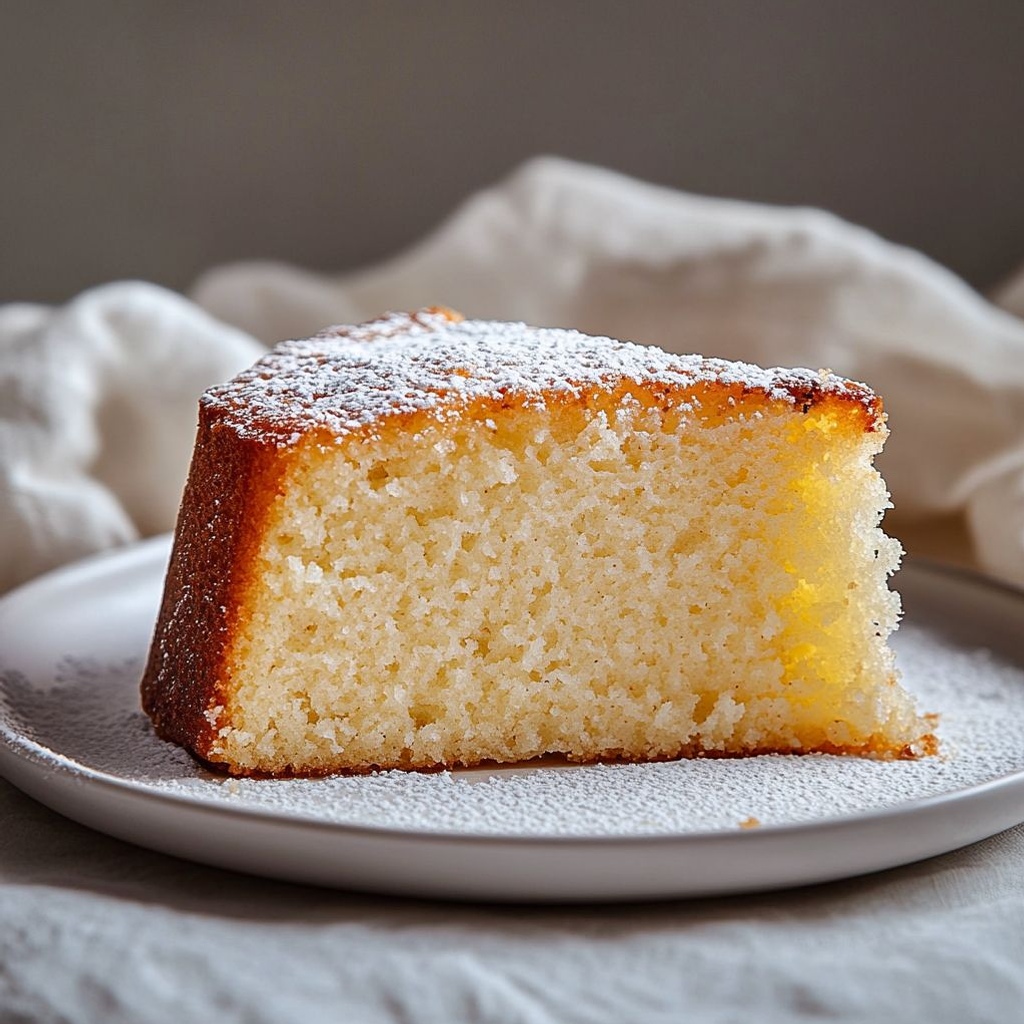
Imagine a cake that feels like a soft cloud, with a whisper of tang that keeps things lively rather than cloying. A Light yogurt cake is exactly that—an airy, gently sweet confection that whispers of sunshine and brunches while remaining perfectly everyday friendly. The moment you slice into it, you’ll hear the faint sigh of a crumb that gives way, a delicate fragrance of vanilla mingling with bright citrus, and a lingering, velvet-soft mouthfeel. It’s the kind of cake that asks you to slow down, pour a cup of tea or coffee, and savor each bite with a sense of quiet celebration. Though it’s deceptively simple, this cake carries the confidence of a well-kept secret: yogurt brings moisture, acidity tenderizes, and a light touch of oil or butter keeps the crumb feather-light without weighing it down. Whether you’re baking for a weekday treat, a weekend gathering, or a post-dinner dessert that won’t feel heavy after a rich meal, a Light yogurt cake checks all the boxes—and then some. The recipe is friendly to bakers of all levels, forgiving enough to adapt, but refined enough to feel special when served to guests. It’s a comforting staple that can travel from a cozy kitchen to a sunny picnic blanket and still taste like a celebration of simple ingredients elevated by technique and care.
What makes this cake truly sing is the way yogurt participates in the texture and flavor. The tang acts as a natural counterpoint to sweetness, brightening the crumb and giving the impression of a lighter slice even when you’ve enjoyed multiple servings. If you’ve ever found a cake a touch dry or heavy after a day in the fridge, a yogurt-based version can be a revelation—moist but not dense, with a tender bite that holds its shape without clinging to the tooth. The versatility is another win: a classic vanilla base is a canvas for citrus zest, almonds, berries, or a gentle glaze. You can keep it effortlessly simple for a casual afternoon or lift it with a glaze that glimmers under the kitchen lights for a more polished dessert. It’s a recipe that invites you to celebrate texture, aroma, and balance in every forkful.
The Story Behind the Dish
Yogurt has a storied place in many culinary traditions around the world. From the creamy swirls of Balkan yogurt to the tangy tzatziki that cools a spicy plate, cultured dairy products have long been cherished for their flavor, fermentation-driven aroma, and remarkable ability to transform baked goods. The concept of a yogurt cake—cake bathed in the gentle tang of yogurt—emerges from kitchens that value moisture, tenderness, and quick, approachable baking. In some regions, yogurt is treasured as a daily staple, mixed into smoothies, poured over grains, or folded into batters to ensure tenderness. In others, bakers discovered that yogurt’s acidity does more than flavor: it interacts with baking soda or powder to help leaven, resulting in a crumb that feels light as air.
This Light yogurt cake owes its charm to that heritage: it’s a modern interpretation of a classic technique, designed to be accessible yet celebratory. It echoes the timeless adage that simple ingredients—yogurt, flour, sugar, eggs, a touch of oil or butter—combined with a little know-how can yield something greater than the sum of its parts. The texture you’ll achieve is a balance between the moistness of dairy and the lift from leavening agents, with the crumb staying tender long after the last slice has disappeared. The flavor story is equally appealing: a gentle sweetness, a whisper of vanilla, perhaps a hint of citrus zest that awakens the palate as the scent fills the room. In many kitchens, this cake becomes a family favorite not because it’s flashy, but because it’s reliable, comforting, and adaptable—perfect for celebrating small moments or elevating everyday tea-time rituals.
Beyond its practical appeal, this cake reflects a culinary philosophy: let’s honor dairy’s natural role in baking, respect the balance of acidity and sweetness, and craft something that tastes like home while still feeling special enough for company. The yogurt’s presence is a nod to tradition, yet the cake’s clean, uncluttered flavor profile makes it a blank canvas for personal touches. A lemon zest sparkle, a pop of blueberry, or a sprinkling of toasted nuts—these touches become meaningful without transforming the essence. In short, the Light yogurt cake sits at the delicious crossroads of practicality and nuance, a dessert that is as comforting as it is capable of charming a crowd.
Why You’ll Love This Recipe
- Effortless mise en place: The batter comes together quickly with simple steps, making it approachable for beginners while still satisfying for seasoned bakers.
- Moist, tender crumb: Yogurt provides moisture and a delicate acidity that keeps the cake from drying out, ensuring every slice remains soft and fresh.
- Versatile flavor base: The basic concept accepts a wide range of flavor accents—citrus, vanilla, almond, berries, spices—without turning heavy.
- Light but satisfying: It feels indulgent without feeling indulgent; you can enjoy a couple of slices without a heavy aftertaste.
- Make-ahead friendly: The cake often tastes better after a day or two as flavors mingle, and it freezes well for later enjoyment.
- Diet-friendly options: With the right substitutions, you can adapt it to dairy-free, gluten-free, or lower-sugar preferences without compromising texture.
- Pairing playground: Serves as a perfect companion to fruit compotes, light glazes, whipped cream, or a simple dusting of powdered sugar for an elegant finish.
Flavor Profile & Texture
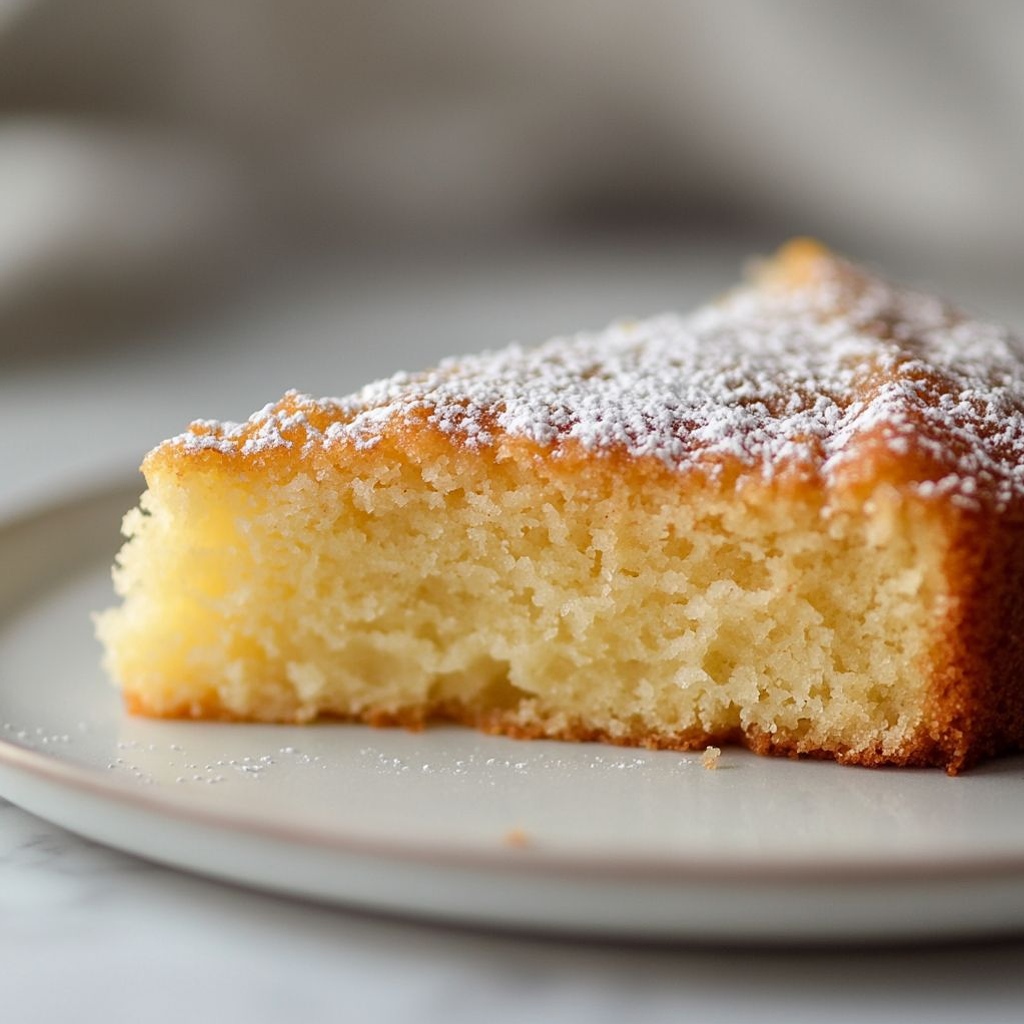
The flavor profile of a Light yogurt cake centers on balance. The dominant notes are gentle sweetness and a subtle tang from yogurt, which acts as both a flavor element and a tenderizing agent for the crumb. Vanilla sweetness threads through the batter, providing a familiar warmth that makes the cake inviting straight from the oven. Depending on the additions you choose, you might encounter citrus brightness from lemon or orange zest, a floral whisper from almond extract, or a fruity depth from berries folded into the mix. When baked, the surface often develops a pale golden crust with a delicate aroma—a combination of warm batter, toasted vanilla, and the citrus oils releasing their perfume.
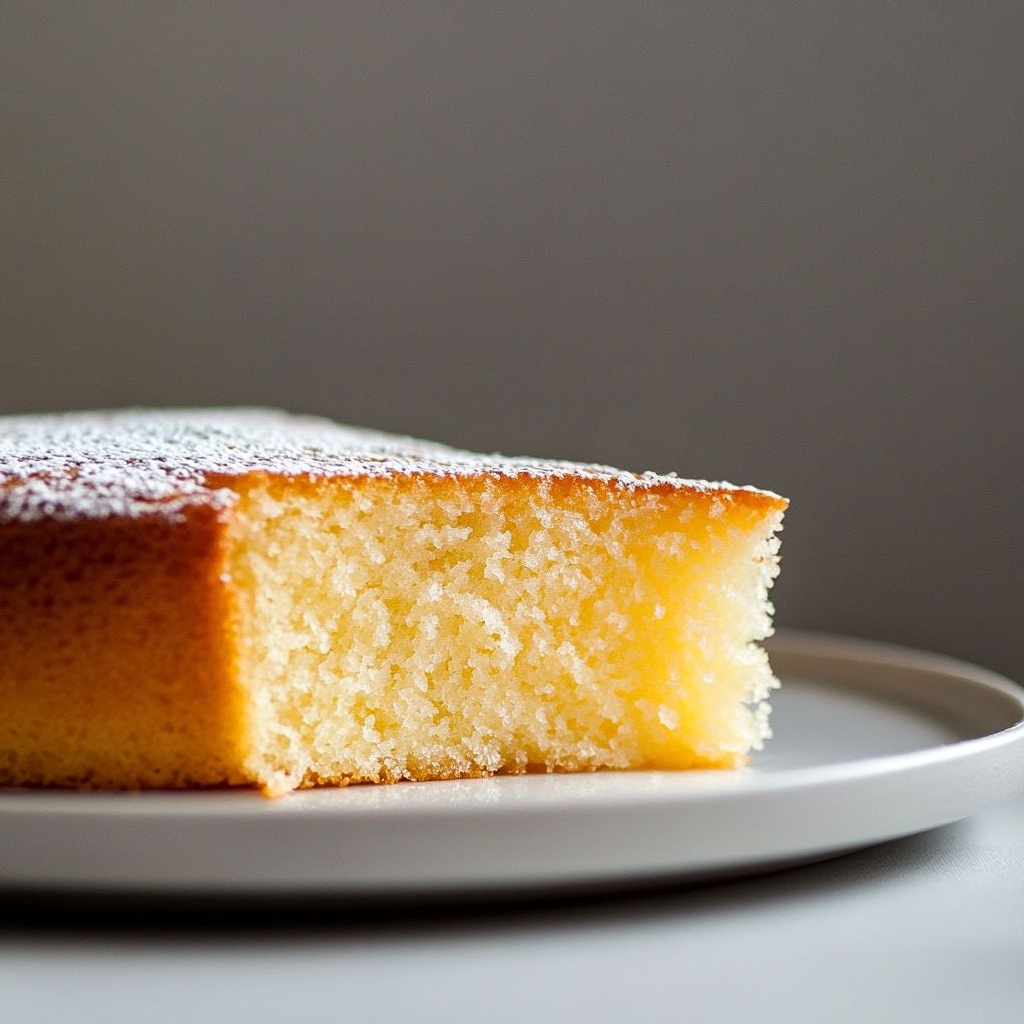
Texture-wise, expect a crumb that is soft, almost cottony, with enough structure to hold its shape when cut. The yogurt ensures a high degree of tenderness, similar to a sponge with a hint of bread-like crumb, but never dense or dry. The interior should feel moist but not wet, with a light spring that yields under the knife and then settles back into place. If a glaze is added, it introduces a gentle gloss and a thin, crisp layer to contrast with the cake’s softness. If you opt for a citrus zest or a nut topping, you’ll create a mosaic of textures: the crumb’s tenderness pairs with the snap of zest oils or the crunch of toasted nuts, offering sensory play from bite to bite. For those who love a more pronounced, almost custardy mouthfeel, you can adjust the balance by using a touch more yogurt or a dash of yogurt plus oil in the batter—without tipping into heaviness.
In terms of aroma, the kitchen fills with a sweet-vanilla and citrus perfume that lingers even after the cake cools. The scent invites you to pause, to savor the moment as you watch the cake rise and set. The flavor journey is uncomplicated in the best way: a comforting sweetness, a bright note of yogurt tang, and a clean finish that invites you to go back for another slice. It’s the kind of cake that seems humbly simple yet delivers a refined, confident taste that can stand up to subtle pairings or gilded toppings—no loud contrasts required to make it memorable.
Occasions & Pairings
This Light yogurt cake is a versatile guest at many occasions. Here are some ideas for when and how to serve it, along with thoughtful pairings that elevate the experience:
- Weekday tea-time: A delicate, not-too-sweet slice with a cup of Earl Grey or Darjeeling. The tea’s tannins balance the cake’s slight tang, creating a harmonious moment in the afternoon.
- Brunch centerpiece: Slice it beside fresh berries, a dollop of light whipped cream, or a lemon-curd drizzle for a morning-to-midday treat that feels celebratory but relaxed.
- Afternoon dessert: Serve with a berry compote or a handful of pistachios and a light dusting of powdered sugar for an elegant, easy dessert after a meal.
- Picnic or potluck: Bake a loaf, cool, slice, and package with parchment; the lightness travels well and pairs beautifully with fruit salads or yogurt-based dips.
- Special occasions: Elevate with a glaze (lemon or orange) and a scattering of edible flowers or citrus zest. It remains refined without becoming fussy.
Pairing ideas to consider, depending on your flavor direction:
- Fruit compotes: blueberry, strawberry, or rhubarb compotes add a tangy-sweet pop that complements the yogurt base.
- Glazes: a thin lemon glaze or orange glaze brightens the cake and adds a subtle gloss—great for a party or a finish that looks as inviting as it tastes.
- Whipped toppings: a light whipped cream or a dollop of Greek yogurt sweetened with a touch of honey creates a creamy counterpart without heaviness.
- Pairings with beverages: tea, coffee, light sparkling drinks, or a glass of brut sparkling wine for a festive touch (if serving as a dessert).
Tips, Variations & Substitutions
Here are practical ideas to tailor the Light yogurt cake to your preferences, dietary needs, or pantry constraints. Each suggestion aims to keep the cake tender, bright, and easy to make.
Texture and sweetness tweaks
- To keep the crumb extra light, you can swap part of the oil for additional yogurt or reduce sugar by a few tablespoons; the cake will stay moist and delicate.
- For a slightly richer crumb, replace a portion of the yogurt with a mild-flavored yogurt-based yogurt-blend or a small amount of melted butter, keeping the overall quantity the same.
- Using whole milk yogurt lends a richer flavor, while 2% or fat-free yogurt yields a lighter result. Choose based on your preference for richness vs. clarity of tang.
Flavor variations
- Classic vanilla: keep it simple with good-quality vanilla extract and a touch of zest from lemon or orange.
- Citrus boost: add finely grated lemon or orange zest for a more pronounced citrus perfume; pair with a citrus glaze for finishing.
- Nutty and fragrant: fold in a small amount of almond extract and top with toasted almond slivers for a warm, toasty aroma.
- Berry swirl: gently fold in fresh or frozen berries to create ribbons of color and bursts of juicy flavor within the crumb (beware of too much moisture if frozen berries are used without thawing and draining).
Diet-friendly substitutions
- Gluten-free: use a gluten-free all-purpose flour blend with a tiny amount of xanthan gum if your blend requires it; consider adding a pinch more leavening to compensate for the different protein content.
- Vegan: replace yogurt with dairy-free yogurt alternatives (unsweetened or lightly sweetened depending on your taste) and swap eggs for a reliable vegan binder such as flax eggs (1 tablespoon flaxseed meal + 3 tablespoons water per egg, mix and let thicken) or aquafaba. Use a neutral oil like light olive oil or refined coconut oil. If the recipe relies heavily on eggs for structure, you may need a small amount more binder or a different ratio.
- Low-sugar: reduce sugar by 1/4 to 1/3, add a touch more vanilla and citrus zest to maintain aroma, and consider topping with a dusting of powdered sugar rather than a glaze.
Regional twists
- Turkish-inspired: incorporate a splash of rose water and a handful of chopped pistachios for a fragrant, Middle Eastern twist that pairs well with tea.
- Mediterranean citrus: use a mix of lemon and orange zest, and finish with an orange glaze and crushed pistachios for a bright, colorful finish.
- Spiced warmth: add a pinch of cinnamon and cardamom to the batter for a cozy, autumnal version that feels comforting during cooler months.
Storage & Make-Ahead Ideas
Make-ahead viability is one of this cake’s strongest suits. Here are practical guidelines to keep the cake fresh, flavorful, and ready when you need it.
- Room temperature: Light yogurt cake can be stored covered at room temperature for up to two days, though it’s best enjoyed within the first day or two for peak tenderness.
- Refrigeration: For longer life, store in an airtight container in the refrigerator for up to five days. The cake will continue to develop flavor and stay moist, but you may notice a firmer crumb, which some people actually prefer.
- Freezing: Slice the cake and wrap individual slices or the whole cake tightly in plastic wrap, then seal in a freezer bag. Freeze for up to 2–3 months. Thaw at room temperature or rehear gently in the oven or microwave until warm and fragrant again. A light glaze or dusting can be added after thawing if desired.
- Make-ahead strategies: If you’re planning ahead for a party, bake the cake a day in advance, cool completely, wrap, and refrigerate. A day of resting can actually improve the crumb, letting flavors settle and mellow into a more cohesive sweetness.
Fun Facts & Trivia (Optional)
Did you know that yogurt’s lactic tang is a natural flavor booster in baked goods? The acidity from yogurt can sharpen the perception of sweetness in a controlled way, which means you can often dial back sugar slightly without compromising taste. Yogurt has been used in baking for centuries across many cultures, from European pastries to Middle Eastern sweets, because it helps achieve a tender crumb with less fat than some traditional cakes require. In some recipes, bakers rely on yogurt to substitute part of the dairy and eggs, creating a moist, airy texture that’s more forgiving for those with busy schedules or budget-conscious bakers. The trend toward lighter, yogurt-based cakes reflects modern cravings for desserts that feel celebratory yet everyday-friendly—a sweet compromise between indulgence and practicality. And because yogurt pairs naturally with citrus, nuts, and berries, it’s an especially versatile foundation for seasonal variations, making it as fitting for a spring brunch as for a winter dessert table.
Historically, yogurt’s role in baking has often aligned with regional flavors. In the Balkans and parts of the Mediterranean, tangy dairy products appear in both savory and sweet dishes, balancing richness with brightness. The light yogurt cake embodies that spirit: a simple, accessible batter that welcomes a chorus of flavors, textures, and toppings without becoming overwhelmed. The result is a bake that is at once humble and refined, a surefire way to bring a little brightness to any table.
Conclusion (A Gentle Send-Off)
At its heart, a Light yogurt cake is about balance: moisture without heaviness, tang without sharpness, simplicity without dullness. It’s the kind of recipe you reach for when you want something comforting that also feels a touch special—perfect for tea-time rituals, family gatherings, or a quiet moment of self-care with a good book. The cake’s adaptability means you can tailor it to the season, your mood, or whatever pantry you have on hand, without starting from scratch each time. As you bake, you’ll notice how yogurt harmonizes with vanilla, how lemon zest perfumes the air, and how the aroma invites you to pause and savor. When you finally share a slice, you’ll understand why this cake has a lasting appeal: it’s not just dessert; it’s a warm invitation to enjoy the small pleasures of everyday life, one tender bite at a time.
Ingredients
Light yogurt cake
Cake Batter
-
– 1 1/2 cups all-purpose flour (190 g)
→ Provides the structure and crumb of the cake. Sift with the baking powder and salt to ensure even distribution and a uniform rise. If you prefer a lighter crumb, you can whisk the flour with the leaveners and then fold into the batter gently to avoid overworking sugar and fat.
– 3/4 cup granulated sugar (150 g)
→ Sweetness level sets the overall flavor and helps with browning and moisture retention. For a lighter cake, you can reduce by a tablespoon or two. Ensure the sugar is whisked evenly into the wet ingredients for a smooth batter.
– 2 large eggs
→ Act as binders and contribute richness and lift. Bring eggs to room temperature for better emulsification and volume. If avoiding eggs, you can replace with 1/4 cup unsweetened applesauce per egg, but note the texture will be denser.
– 3/4 cup plain yogurt (unsweetened) (170 g)
→ The yogurt adds moisture, tenderness, and a slight tang that complements the lemon. Use plain yogurt; if using Greek yogurt, whisk in a tablespoon of milk to loosen, as Greek can be thicker and drier. Room-temperature yogurt blends more smoothly into the batter.
– 1/3 cup neutral oil (76 ml)
→ Provides moisture and a tender crumb without masking flavors. Choose a light oil such as canola, sunflower, or grapeseed. Avoid strong-flavored oils like extra-virgin olive oil which can overpower the cake’s delicate taste.
– 1 1/2 teaspoons baking powder
→ Primary leavening agent that gives lift and a soft crumb. Use fresh baking powder for best rise; sift with flour to distribute evenly and prevent lumps that could create uneven pockets.
– 1/2 teaspoon baking soda
→ Works with the yogurt’s acidity (and lemon zest/juice) to produce extra lift and a finer texture. Ensure there’s enough acid in the batter (yogurt + citrus) for the soda to react properly.
– 1/4 teaspoon salt
→ Enhances flavor and strengthens the batter’s structure. A pinch helps balance sweetness and keep the cake from tasting flat.
– 1 teaspoon vanilla extract
→ Adds warmth and aroma that round out the yogurt’s tang. Use pure vanilla for the best fragrance; if using imitation vanilla, the flavor will be less nuanced but works in a pinch.
– Zest of 1 lemon (optional)
→ Infuses bright citrus aroma and pairs beautifully with yogurt. Grate only the yellow part of the rind, avoiding the bitter white pith. If you prefer, you can swap with orange or add a mix of citrus zest for depth.
– 1 tablespoon lemon juice (optional)
→ Adds a touch more acidity to boost the leavening and a fresh lemony brightness. Use freshly squeezed juice; avoid bottled juice which can be sweeter or bottled blends that alter flavor. If your batter seems too thick, add a teaspoon of milk instead of more lemon juice.
– 1 teaspoon neutral oil for greasing the pan (for pan release)
→ Ensures the cake lifts cleanly from the pan after baking. Lightly oil the pan and line with parchment if desired; this helps prevent sticking and makes cleanup easier. A thin coat is all you need—avoid pooling oil in corners.
Optional Add-ins
-
– 1/2 cup fresh blueberries (optional)
→ Adds bursts of juicy flavor and color. To prevent sinking, toss the berries with 1 tablespoon of flour before folding them into the batter, and fold in gently at the end to minimize bruising. If using frozen berries, thaw and pat dry to prevent extra moisture from thinning the batter.
– 1/4 cup chopped almonds (optional)
→ Introduces a pleasant crunch and nutty note. Lightly toast the almonds to deepen flavor; chop small and fold in just before the final mix to distribute evenly without breaking the batter. Nuts will also help with satiety and texture.
– 1 tablespoon poppy seeds (optional)
→ Subtle crunch and a delicate speckled appearance. Add to the dry ingredients or whisk into the wet mix for even distribution. They hydrate quickly in the batter, so ensure they’re mixed thoroughly to prevent clumping.
Glaze (Optional)
-
– 1/2 cup powdered sugar (60 g)
→ Creates a quick, glossy glaze that complements the tanginess of yogurt. Sift to remove lumps before whisking with liquids. Adjust the amount to reach desired thickness; more sugar yields a thicker glaze, less yields a lighter drizzle.
– 1-2 tablespoons lemon juice
→ Provides bright, citrusy tang in the glaze and balances sweetness. Start with 1 tablespoon and add more small increments until you reach the desired consistency and tartness. If the glaze is too thick, add a teaspoon of water or more lemon juice as needed.
Instructions
- Preheat your oven to 350°F (175°C) and grease an 8-inch round cake pan with 1 teaspoon neutral oil, then line the bottom with parchment for easy release; this prevents sticking and helps the cake come out intact after baking.
→ A well-greased and parchment-lined pan promotes clean, uniform edges and makes unmolding simple without tearing the crumb. - Sift together the all-purpose flour, baking powder, baking soda, and salt in a medium bowl to ensure even distribution of leavening and to break up any clumps; this yields a light, uniform crumb and prevents tunneled or uneven rise.
→ Sifting integrates the leaveners evenly so every bite rises consistently rather than sinking in pockets. - In a separate large bowl, whisk the eggs with the granulated sugar until the mixture is pale, thick, and forms slow ribbons when you lift the whisk; bring the eggs to room temperature beforehand to improve emulsification and volume.
→ Properly aerated eggs trap air during mixing, which translates to a lighter cake with a soft, tender crumb. - Whisk in the plain yogurt, neutral oil, and vanilla extract to the egg-sugar mixture, then add lemon zest (if using) and lemon juice (if using) and whisk until the batter is smooth and uniformly combined; room-temperature dairy and citrus integrate more evenly and prevent curdling.
→ The yogurt provides moisture and tenderness, while oil contributes a silky crumb; citrus aromatics brighten the yogurt flavor. - Gently fold the sifted dry ingredients into the wet ingredients in three additions using a wide spatula, turning the batter over just until each addition is incorporated; stop as soon as you see no visible flour to preserve a tender crumb.
→ Overmixing develops gluten, which can make the cake tougher and denser. - If using fresh blueberries, toss them with 1 tablespoon of flour to coat and fold them in gently at the end to prevent color bleed and sinking; scatter small, even patches so the berries distribute without breaking.
→ Coating helps berries stay suspended and reduces the chance of bursting and sinking in the batter. - If using chopped almonds, lightly toast the nuts until fragrant, cool, chop finely, and fold them in with the final mix to introduce a toasted almond aroma and a pleasant crunch.
→ Toasting intensifies flavor, and small chop size ensures even distribution without overpowering the batter’s texture. - If using poppy seeds, whisk them into the dry ingredients or sprinkle into the wet and fold evenly; ensure even distribution to prevent clumping and to achieve a delicate speckled appearance.
→ Poppy seeds hydrate quickly; even distribution prevents concentrated specks and inconsistent texture. - Pour the batter into the prepared pan and smooth the top with a spatula to create an even surface for uniform baking; tapping the pan lightly on the counter helps remove air pockets.
→ A level batter bakes evenly, ensuring the center finishes at the same time as the edges. - Bake on the center rack at 350°F (175°C) for about 25–35 minutes, or until the top is golden and a toothpick inserted into the center comes out with a few moist crumbs; rotate the pan once if your oven has hot spots to ensure even browning.
→ Checking with a toothpick confirms doneness without overbaking, which would dry the cake. - Allow the cake to cool in the pan for 10–15 minutes, then run a small knife around the edge and invert onto a rack to cool completely; this resting period helps set the crumb and prevents tearing during release.
→ Cooling fully is essential before glazing or slicing to maintain clean cuts and preserve moisture. - Prepare the glaze by whisking 1/2 cup powdered sugar with 1–2 tablespoons lemon juice in a small bowl until smooth and pourable; adjust with more sugar for thickness or more juice for brightness, then drizzle over the cooled cake for a glossy finish.
→ A lemon glaze complements the yogurt tang and adds a bright, finishing sweetness without masking the crumb.
Notes
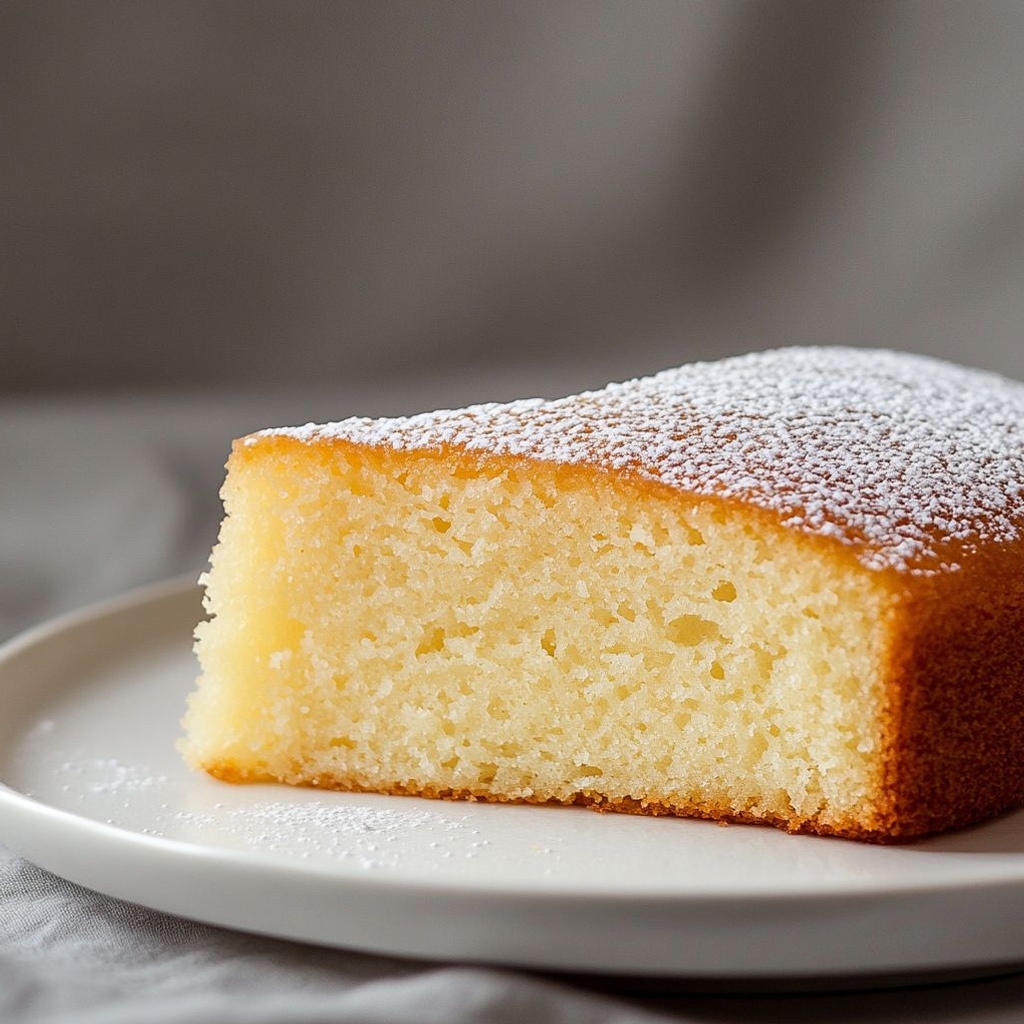
These light yogurt cake slices are a tender, citrus-kissed dessert that stays moist thanks to yogurt and a touch of oil. You can customize them by folding in fresh blueberries, chopped almonds, or a tablespoon of poppy seeds for texture and aroma. For a lighter crumb, sift the flour with the baking powder and salt and fold the dry ingredients into the wet mixture just until combined to avoid overmixing. Bring eggs and yogurt to room temperature for better emulsification and lift. If you prefer fewer eggs, you can replace each egg with 1/4 cup unsweetened applesauce, noting the crumb will be slightly denser. If using Greek yogurt, whisk in a tablespoon of milk to loosen. If using lemon zest, grate only the yellow part of the rind; the lemon juice can be added to taste for brightness without thinning batter. Bake in a greased pan at 350°F (175°C) until a toothpick comes out with a few moist crumbs (about 30–40 minutes). Let cool in the pan for 10 minutes, then unmold and cool completely on a rack. If you like, glaze with a simple lemon glaze made from powdered sugar and lemon juice, adjusting thickness to your preference. Store leftovers in an airtight container at room temperature for up to 2 days or refrigerate for up to 5 days; the cake also freezes well when wrapped tightly. Use fresh baking powder and ensure your flour is measured accurately for a tender crumb and even rise.
Tips
Tips for Perfect Light Yogurt Cake
- Bring ingredients to room temperature: eggs, yogurt, and lemon zest at room temperature help the batter emulsify and bake more evenly, resulting in a lighter, tender crumb.
- Dry ingredients distribution: Sift or whisk flour with baking powder and salt to ensure even leavening. If you prefer an even lighter crumb, whisk the dry ingredients with the leaveners first, then fold into the wet mixture gently to avoid overworking the batter.
- Mixing technique: Combine wet and dry ingredients just until blended. A few small lumps are fine. Overmixing creates gluten and can make the cake tougher and denser.
- Leavening balance: Use fresh baking powder for the best rise. Baking soda works with the yogurt’s acidity and lemon to boost lift; ensure there’s enough acid (yogurt plus lemon) for the soda to react properly.
- Flavor and aroma: Use real vanilla extract for warmth. Grate lemon zest finely, avoiding the bitter white pith. If you like, a touch of orange zest can add depth. Fresh lemon juice brightens the batter; add gradually to maintain the right batter thickness.
- Oil choice: Choose a neutral oil (canola, sunflower, or grapeseed). Avoid strong-flavored oils that can clash with the cake’s delicate yogurt flavor.
- Yogurt note: Plain yogurt keeps the cake moist and tangy. If you substitute Greek yogurt, whisk in a tablespoon of milk to loosen it so it blends smoothly into the batter.
- Pan prep and release: Lightly grease the pan and consider lining with parchment for easy release. A thin, even coating helps the cake lift cleanly and makes cleanup simpler.
- citrus balance: If using lemon juice, start with a small amount and assess batter thickness; if it looks too thick, whisk in a teaspoon of milk rather than more juice to maintain texture.
- Optional add-ins handling:
– Blueberries: toss with 1 tablespoon flour to prevent sinking, fold in gently at the end. For frozen berries, thaw and pat dry before mixing.
– Almonds: lightly toast for more flavor, chop finely, and fold in just before the final mix.
– Poppy seeds: whisk into dry ingredients to distribute evenly, or mix into the wet; ensure even distribution to avoid clumps. - Baking and doneness: Bake until a toothpick inserted in the center comes out with a few moist crumbs or clean; if the top browns too quickly, loosely tent with foil to finish baking without scorching.
- Glaze tips: Sift powdered sugar before whisking with lemon juice. Start with 1 tablespoon lemon juice and add more for desired tang and thickness; if too thick, thin with a teaspoon of water or more lemon juice, and if too thin, whisk in a bit more sugar.
- Cooling and storage: Let the cake cool in the pan for about 10-15 minutes before turning out onto a rack. Store covered at room temperature for 1-2 days or refrigerate for longer; glaze (if using) is best added after the cake has cooled completely.
FAQ
What is a light yogurt cake?
It’s a moist, tender cake made with yogurt, oil, sugar and flour. The yogurt adds moisture and tang without heavy fats, giving a lighter texture than butter-heavy cakes.
What ingredients do I need for light yogurt cake?
Common version (about 8-inch pan):
- Plain yogurt (about 1 cup / 240 ml)
- Sugar (¾ to 1 cup, to taste)
- Neutral oil (⅓ cup / 80 ml) or olive oil
- Large eggs (2)
- Vanilla extract (1 tsp)
- All-purpose flour (1 ½ cups / 190 g)
- Baking powder (1 ½ tsp)
- A pinch of salt
- Optional: lemon zest or orange zest for brightness
Can I use any yogurt?
Plain yogurt works best. Full-fat yogurt yields a richer crumb; low-fat or Greek yogurt makes the batter thicker. If using Greek yogurt, you may add a splash of milk to loosen the batter slightly. If using flavored yogurt, reduce/add sugar accordingly.
Can I make this gluten-free?
Yes. Use a gluten-free all-purpose flour blend. Use 1:1 substitution, and add ¼ teaspoon xanthan gum if your blend lacks it. Check that baking powder is gluten-free. You may also add 1–2 tablespoons extra yogurt or milk if the batter seems stiff.
How do I prevent the cake from sinking or becoming dense?
Tips: measure flour by scooping and sweeping; don’t overmix once you add flour; have all ingredients at room temperature; bake in a preheated oven; don’t open the oven door during the first 20 minutes; use fresh baking powder; ensure proper pan size; fill pan about ⅔ full; test with a toothpick near the center.
What pan size and how long to bake?
Common option: 8-inch (20 cm) round cake pan or loaf pan. Bake at 350°F (175°C) for about 30–40 minutes, until the top is golden and a toothpick comes out clean. Ovens vary, so start checking at 28 minutes.
How should I store leftovers?
Let the cake cool completely, then store in an airtight container. At room temperature, it stays moist for 2–3 days. Refrigerate for up to 5 days. You can freeze slices wrapped tightly for 1–3 months; thaw overnight in the fridge or at room temp.
Can I add flavors or mix-ins?
Yes. Add lemon or orange zest, vanilla, or a swirl of fruit. Fold in berries (blueberries, raspberries), chopped nuts, or chocolate chips. For a citrus glaze, whisk powdered sugar with a little lemon juice and drizzle on top after cooling.
Is it possible to make this dairy-free or vegan?
Yes with substitutions: use plant-based yogurt (almond, soy, coconut), and replace eggs with 1 flax egg (1 tablespoon ground flaxseed + 3 tablespoons water per egg) or applesauce. Use a neutral oil. Ensure your sugar is vegan if needed. Baking powder must be vegan-friendly.
What are common issues and quick fixes?
If the cake is too dense: add 1–2 tablespoons extra yogurt or milk next time and avoid over mixing. If it’s dry: check baking time; cover with a glaze or dust with sugar. If it’s too pale: increase bake time by a few minutes but watch so it doesn’t dry out. If it sticks to the pan: grease and flour or line with parchment.