Introduction / Hook
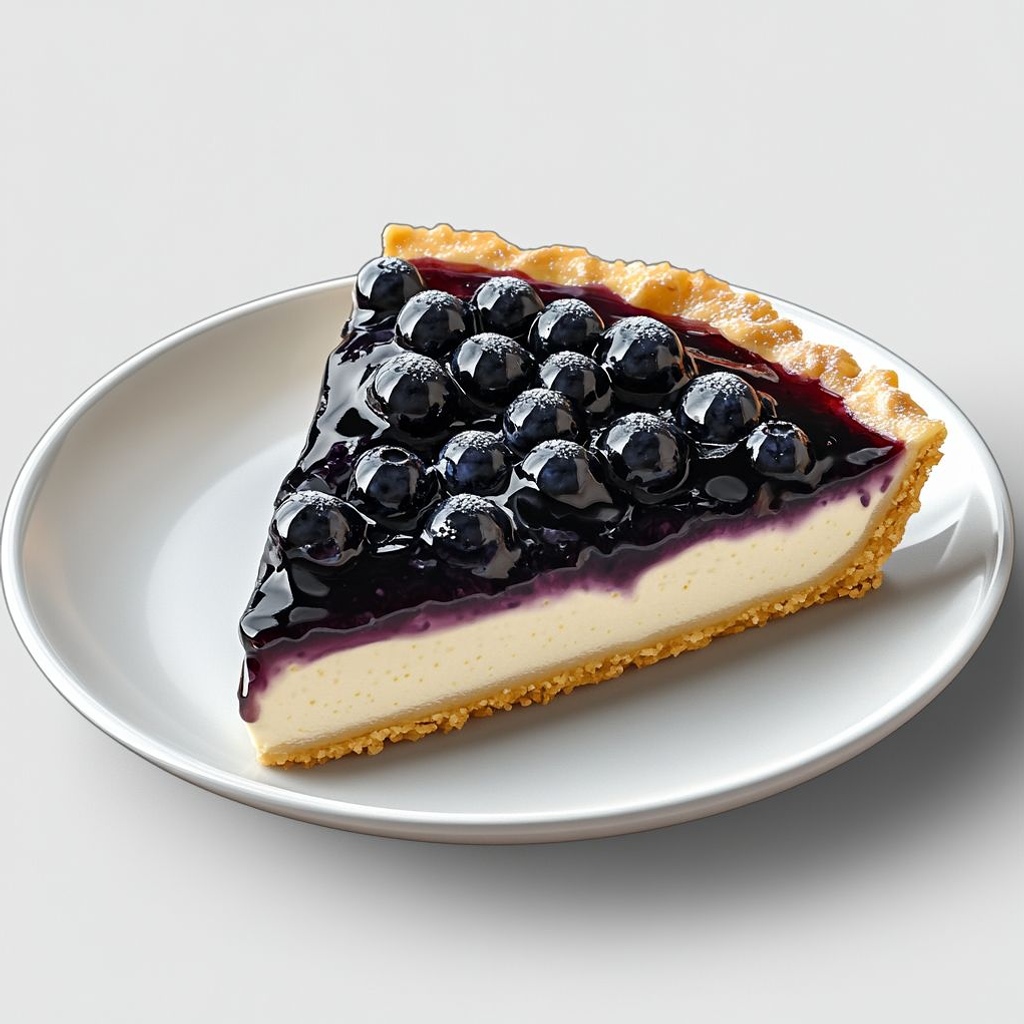
Imagine a slice of cheesecake so light it feels like a sweet breeze on a warm afternoon, yet bold enough to satisfy a dessert craving with a single bite. Picture the creamy tang of whipped goodness meeting the bright warmth of vanilla and lemon, then exploding into a deep, sun-kissed blueberry surge in every forkful. This is not about depriving yourself; it’s about redefining decadence for the modern palate. The Fit blueberry cheesecake is where balance meets indulgence, where a careful balance of lighter ingredients and bold flavors creates a dessert that feels indulgent without tipping the scales.
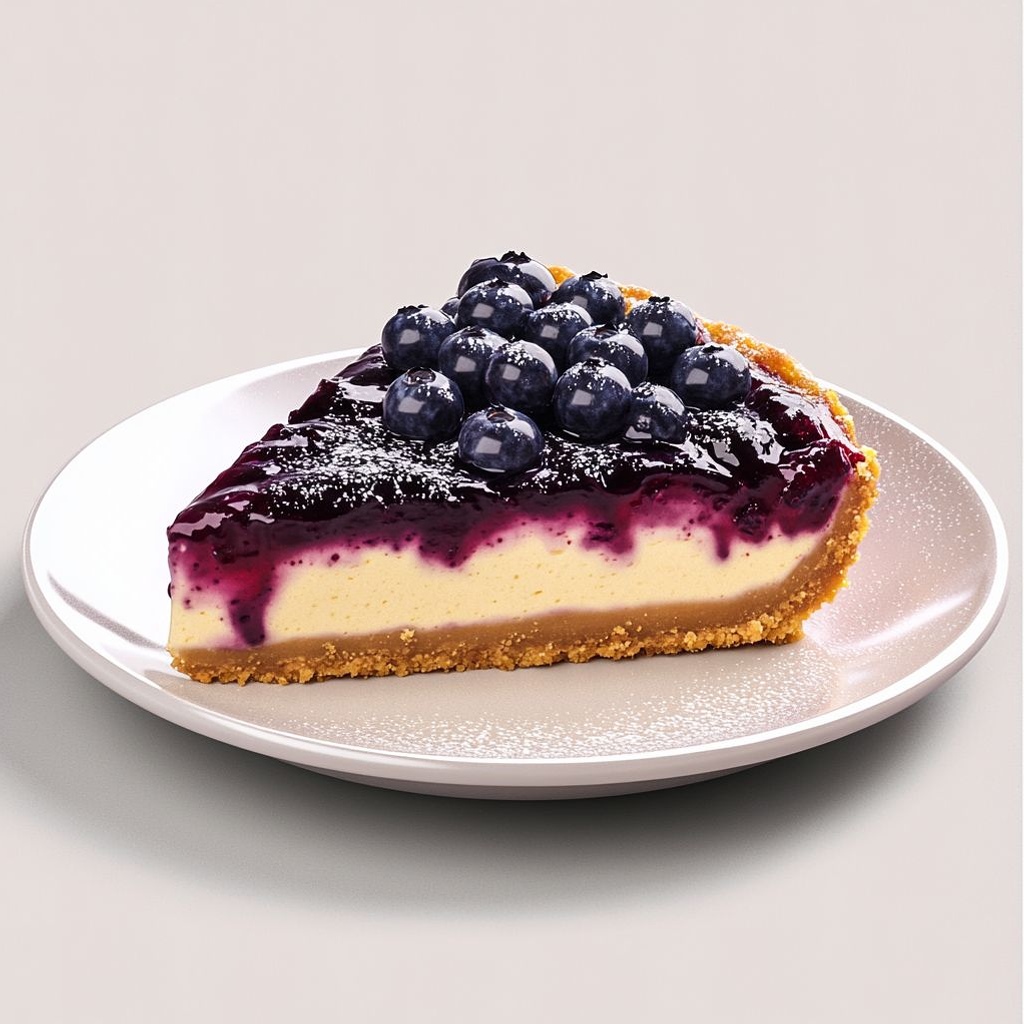
In every bite, you’ll discover a harmony of textures: a crust that offers a gentle crunch, a filling that glides smoothly across the tongue, and blueberries that pop with fresh sweetness and a touch of tartness. It’s the kind of dessert you imagine serving at a dinner party, then realize you can whip up on a weeknight because it’s friendly to the diet-conscious without compromising on satisfaction. The scent alone—cream cheese softened with vanilla, citrus zest lifting the aroma, and blueberries simmered to a jewel-like glaze—will draw people to the kitchen, where conversations slow and smiles widen as the first slice disappears.
What makes this fit blueberry cheesecake distinctive isn’t just the lighter approach; it’s the thoughtful interplay of ingredients that honor traditional cheesecake’s soul while inviting modern tweaks. Think Greek yogurt for a tangy brightness that doesn’t overwhelm, a crust that uses wholesome grains or almond meal for a satisfying bite with less heaviness, and blueberries that shine with natural sweetness, captured at peak freshness. It’s a dessert that travels well—from the casual family dinner to a celebratory weekend gathering—and it proves that goodness can be comforting without being indulgent in excess.
The Story Behind the Dish
Cheesecake has a long, storied history that crosses borders and centuries. Its origins are often traced to ancient Greece, where a similar cheesecake was served to athletes during the first Olympic games. The original versions were simple—curdled cheese, a touch of honey, and perhaps a handful of flour to bind everything together. Fast forward through Roman kitchens, European bake shops, and the bustling New York-style cheesecake you’ve likely encountered in countless diners; the essence remains the same: a luxurious, velvety filling that contrasts with a crisp crust and a bright glaze of fruit or a touch of citrus.
But as modern dining evolved, so did the appetite for lighter, more balanced desserts that still delivered on flavor. The idea of a “fit” cheesecake emerged from the desire to treat yourself without the heavy feeling that sometimes follows a traditional slice. The concept isn’t about compromising on taste; it’s about redefining richness. Restaurants, home cooks, and wellness-minded bakers started experimenting with substitutions—lower-fat dairy, Greek yogurt, nut-based crusts, and flavor boosters that amplify brightness rather than weigh things down. The result is a cheesecake that retains its signature silkiness while leaning into a lighter, fresher profile.
The blueberry twist is particularly soulful. Blueberries are not only delicious; they’re a symbol of health and vitality in many culinary traditions. They glow with pigment and flavor, offering a natural sweetness balanced by a gentle tartness. When folded into a cheesecake that’s intentionally lighter, blueberries become the star without overpowering the harmony of the filling. A touch of lemon zest or vanilla helps lift the berries’ sweetness, and a drizzle or glaze of blueberry reduction can finish the plate with a glossy, inviting sheen. This story—of heritage meeting modern wellness—gives the Fit blueberry cheesecake its unique character: familiar comfort with a contemporary, health-conscious twist.
Why You’ll Love This Recipe
- Quick to prepare, with a forgiving method that suits busy days and weekend cravings alike.
- Balanced indulgence: creamy texture and bright fruit without heavy cream overload or excessive sugar.
- Versatile crust options that accommodate gluten-free, lower-carb, or fiber-rich preferences.
- High flavor impact from simple ingredients—no need for extravagant components to achieve a stunning dessert.
- Show-stopping finish with blueberry goodness and a gentle, glossy appearance that’s restaurant-quality at home.
- Perfect for any occasion, from weeknight treats to celebrating milestones with a lighter footprint.
- Adaptable to enhancements—swap berries for other seasonal fruits or add a hint of spice for a surprising twist.
The essence of this recipe lies in the balance between creamy richness and a refreshing fruit note. You’ll notice how the filling remains luxuriously smooth while the crust offers a satisfying crunch that doesn’t feel heavy. It’s the kind of dish that invites second helpings not out of guilt, but out of sheer enjoyment. The fit label doesn’t mean “less tasty” here; it signals a thoughtful approach to pleasure—one that respects both desire and well-being.
Flavor Profile & Texture
From the first bite, you experience a symphony of flavors and textures. The filling presents a mellow, silky creaminess with a subtle tang—the kind that makes you pause and smile as you recognize the familiar comfort of cheesecake, but with a lighter mouthfeel that feels almost cloud-like. Vanilla notes linger, accompanied by a gentle citrus lift from lemon zest that brightens the richness without turning it sour or heavy.
Blueberries bring a concentrated sweetness and a hint of tartness, reminiscent of a sun-warmed berry patch. When they’re integrated, they release tiny bursts of juice that pop with every mouthful, creating little moments of surprise that keep the palate engaged. If a glaze is used, it offers a delicate, glossy sheen that enhances the berry’s color and amplifies the fruity aroma—subtle enough to maintain elegance without feeling sugary or cloying.
The crust offers a different kind of pleasure. Depending on your choice, it can be a crumbly, nutty crust with almond meal and a touch of butter, or a crisp grahamagonal base that provides the classic cheesecake foundation. The texture contrast between crust and filling is deliberate: a sturdy edge that gives way to a tender center, with the crumb consistently offering a satisfying bite that anchors the creamy interior. This contrast is essential to the overall experience, making each slice feel complete and satisfying rather than simply soft and soft again.
In terms of aroma, expect a chorus of scents: warm dairy and vanilla, citrus zest floating above, toasted nut notes from the crust, and the fruit’s natural perfume. The fragrance primes the senses, so when you finally taste it, the flavors arrive in a layered, harmonious sequence—a gentle opening, a mid-palate warmth, and a crisp, refreshing berry finish that lingers pleasantly on the tongue.
Occasions & Pairings
This Fit blueberry cheesecake is versatile enough to star in a range of settings. It’s ideal for weeknight desserts after a wholesome dinner, when you want something comforting but not heavy. It also shines on weekend brunch menus—imagine slices served with a dollop of lightly sweetened whipped cream and a few fresh blueberries on top for a brunch-ready presentation. For celebrations, it offers a lighter alternative to the traditional heavy cake, allowing you to extend dessert offerings across a broader audience without sacrificing satisfaction.
Pairings elevate the experience without overpowering the dessert’s character. Consider these options:
- Fresh berry ensembles (strawberries, raspberries, or a blueberry compote) to echo the fruit notes.
- A bright, unsweetened herbal tea or a light sparkling wine for contrast with the creamy richness.
- Rotations of citrus zest or a subtle mint garnish to accentuate the freshness.
- A drizzle of blueberry glaze or reduction to amplify shine and fruit intensity when presenting to guests.
- Complementary sides like almond-topped shortbread cookies or a crisp granola crumble for added texture.
Tips, Variations & Substitutions
Great desserts adapt to tastes, dietary needs, and seasonal ingredients. Here are ideas to customize your Fit blueberry cheesecake while preserving its light, balanced essence:
- Crust options: Use a mix of crushed graham crackers with ground almonds for a nutty, lower-carb crust; or try a gluten-free oat crust to up the fiber and add a chewy bite.
- Dairy substitutions: Swap part of the cream cheese with thick Greek yogurt for extra tang and a lighter mouthfeel; use fat-free or low-fat dairy where you’re comfortable, keeping an eye on texture balance.
- Sweetness control: Choose a sugar substitute suitable for baking (like a monk fruit blend) or reduce the sugar quantity slightly and let the fruit’s natural sweetness carry the dish.
- Flavor boosters: Add a pinch of vanilla bean, a whisper of almond extract, or a light lemon zest to intensify brightness without overwhelming the creamy base.
- Berry variations: Use ripe raspberries or blackberries for a tart twist, or a mixed berry swirl to create ribbons of color and flavor.
- Glazing options: A thin blueberry glaze or coulis creates a glossy finish and a pop of color; otherwise, a light dusting of powdered sugar can be enough for a clean finish.
- Make-ahead strategy: Bake the cheesecake and chill thoroughly, then cover tightly. It will hold well for up to 3–4 days in the fridge; for freezing, wrap in parchment and foil and freeze for up to 2 months, then thaw slowly in the fridge.
Storage & Make-Ahead Ideas
One of the practical pleasures of this cheesecake is its resilience when you need to prepare ahead. The filling maintains its smooth texture even after chilling, and the flavors develop a touch more as it rests. Here are practical tips to maximize freshness and convenience:
- Refrigeration: Store covered in the fridge for up to 4 days. Use a cake dome or wrap tightly to prevent drying out and to protect against absorbing other aromas from the fridge.
- Freezing: Freeze individual slices or the whole cheesecake (well wrapped). Thaw in the fridge overnight for best texture. Freezing helps maintain the cake’s structure, especially if you plan to share it later or portion for convenient desserts.
- Make-ahead sequencing: Prepare the crust a day ahead and bake it when ready. The filling can be prepared a day in advance and kept in the fridge until you’re ready to bake and chill the cheesecake, reducing active prep time on the day of serving.
- Presentation tips: If serving later, keep the top free of glaze until just before serving to preserve the glossy finish; otherwise, a light glaze applied just before plating can brighten the dish with minimal prep.
Fun Facts & Trivia
Delightful tidbits can add flavor to your cooking conversations and deepen appreciation for a seemingly simple dessert:
- Blueberries are one of the few natural blue-colored foods; their pigment comes from anthocyanins, compounds associated with various health benefits and a vibrant hue that holds beautifully when baked or chilled.
- Cheesecake’s cross-cultural journey reveals a shared love of tangy, creamy desserts across continents—from ancient Greece to modern American classics to European variations—each adding its own distinctive twist.
- Greek yogurt’s popularity in lighter cheesecakes reflects a broader culinary trend toward incorporating protein-rich dairy for texture and balance, transforming what dessert can be in a nutrition-conscious kitchen.
- Texture contrast—crisp crust vs. creamy filling—is a hallmark of cheesecake that keeps the dessert engaging without relying on sweetness alone for impact.
- Seasonal adaptability: This cheesecake aligns with seasonal fruit harvests. In summer, blueberries reign supreme; in other seasons, you can swap in berries that are at their peak or layer in compotes to maintain brightness year-round.
Ingredients
- 1 cup almond flour
→ Provides the firm, gluten-free base for the cheesecake. Use finely milled almond flour (not almond meal) for a smooth, cohesive crust. Mix with 2 tablespoons melted coconut oil and 1/4 teaspoon salt, then press firmly into a 9-inch springform pan. Bake briefly to set the crust before adding the filling. Cool before filling to prevent sogginess. - 2 tablespoons coconut oil, melted
→ Acts as the binding fat to hold the crust together and help it crisp as it bakes. Ensure the oil is fully melted and warm when mixing with the almond flour; the oil helps distribute fat evenly and creates a pliable crust that slices neatly. If the dough feels dry, add a tiny splash of water or another teaspoon of oil. - 1 tablespoon maple syrup (optional)
→ Adds a touch of sweetness and helps bind the crust, contributing to a slightly crisper edge. Omit for a lower-sugar crust or if using a sweeter almond flour. If using, whisk into the crust mixture before pressing into the pan. - 1/4 teaspoon fine sea salt
→ Enhances the nutty flavor of the almonds and balances sweetness. Use a fine grain salt so it distributes evenly; adjust if your almond flour is salted.
- 16 oz (450 g) light cream cheese, softened
→ The creamy base of the cheesecake; soft at room temperature ensures a smooth, lump-free filling. For the best texture, beat on medium speed until creamy before adding other ingredients, then scrape the bowl and beat again briefly after each addition. - 1 cup nonfat Greek yogurt, strained
→ Adds moisture, tang, and extra protein while reducing fat. Strain the yogurt to remove excess whey (1 hour or overnight in cheesecloth) to prevent a runny filling and to help it set more firmly. - 2 large eggs, room temperature
→ Provide structure and help the cheesecake set properly. Add one at a time, mixing just until incorporated to avoid curdling or a dense texture; do not overmix after eggs are added. - 1 large egg white, room temperature (optional)
→ Lightens the texture by introducing a touch of air into the filling. If using, whisk into the filling after the eggs, then fold in gently to preserve a creamy, not airy, crumb. - 1/3 cup granulated sugar (or monk fruit sweetener)
→ Provides sweetness and helps with slight browning of the top. If using a sugar substitute, choose one that measures like sugar and adjust to taste. Balance with the tartness of the Greek yogurt and cream cheese. - 1 teaspoon vanilla extract
→ Classic cheesecake flavor enhancer. Use pure vanilla extract rather than imitation for a richer aroma. If you have vanilla beans, scrape in the seeds for extra depth. - 1/2 teaspoon lemon zest (optional)
→ Brightens the filling and pairs beautifully with blueberries. Zest, not juice, to avoid adding extra liquid that could affect setting; zest finely so it evenly distributes.
- 1 cup blueberries (fresh or frozen)
→ Provides the blueberry flavor for the swirl. If using frozen berries, thaw completely and pat dry to prevent extra moisture from weakening the set. Reserve a portion for topping if desired. - 1 tablespoon lemon juice
→ Lightens and brightens the blueberry mixture, helping to balance sweetness and prevent color dulling during cooking. - 1 teaspoon cornstarch
→ Thickens the blueberry swirl so it holds shape when swirled into the batter. Dissolve in a small amount of cold water before adding to the blueberries to avoid lumps. Substitute with arrowroot for a gluten-free option if preferred. - 1-2 teaspoons maple syrup or honey (optional)
→ Sweetens the blueberry sauce to taste, especially if using tart or unsweetened berries. Add gradually and taste; you can swap with your preferred low-glycemic sweetener if desired. - 1/2 cup additional fresh blueberries for topping (optional)
→ Finishes the cheesecake with bright color and fresh texture. Rinse, pat dry, and scatter evenly over the top after the cheesecake has cooled; keep whole or halve for a decorative look.
Instructions
- Preheat your oven to 350°F (175°C) and line a 9-inch springform pan with parchment or grease it well to ensure the crust releases cleanly and does not stick during slicing.
→ A properly prepared pan prevents the crust from tearing and ensures neat edges when you unmold the cheesecake. - Whisk 1 cup almond flour and 1/4 teaspoon fine sea salt in a medium bowl to distribute the salt evenly and break up any clumps for a uniform crust.
→ Even salt distribution enhances the nutty flavor of the almonds and prevents pockets of saltiness in the finished crust. - Stir in 2 tablespoons melted coconut oil and 1 tablespoon maple syrup until the mixture resembles damp sand and just holds together when pressed.
→ The fat and sweetener bind the crumbs into a cohesive layer that bakes into a crisp, flavorful base. - Press crust firmly into the bottom and up the sides of the prepared pan using the back of a flat-bottomed measuring cup or your fingertips, ensuring an even, compact layer with no gaps.
→ A tight, uniform crust bakes evenly and prevents air pockets that could cause cracking or soggy patches. - Bake the crust for 8–10 minutes until it is lightly golden, then transfer to a rack to cool completely before adding the filling.
→ A brief bake sets the crust and the cooling prevents steam from re-softening it when the filling goes in. - Meanwhile, strain the 1 cup Greek yogurt by spooning it into a fine-mesh sieve set over a bowl and refrigerate for about 60 minutes to remove excess whey, yielding a thicker filling.
→ Removing whey concentrates the yogurt, giving the cheesecake a creamier, less runny texture once baked. - In a large mixer bowl, beat 16 oz (450 g) softened cream cheese on medium speed for 2–3 minutes until smooth and lump-free.
→ Properly softened cream cheese ensures a silky filling without graininess; scraping the bowl mid-way prevents pockets of unmixed cheese. - Fold in the strained Greek yogurt until fully incorporated and smooth, using a spatula or low-speed mixer to preserve a gentle, airy texture.
→ The yogurt adds moisture and tang while reducing fat and helping the filling hold together without being overly heavy. - Add 1 cup granulated sugar (or monk fruit sweetener) and 1 teaspoon vanilla extract; mix on low speed just until combined to avoid incorporating excessive air.
→ Sweetness and vanilla enrich the cheesecake flavor; overmixing can lead to cracks in the finished cake. - If using, add 1/2 teaspoon lemon zest and mix briefly to distribute the bright citrus notes without introducing excess liquid.
→ Lemon zest provides a clean, aromatic brightness that pairs beautifully with blueberries without souring the batter. - With mixer on low, add 2 large eggs one at a time, mixing until just incorporated after each addition to maintain a tender texture; do not overbeat.
→ Overmixing eggs can trap too much air and cause cracks or a dense crumb; gradual incorporation preserves silkiness. - Optional: whisk 1 additional large egg white separately and fold in gently after the eggs to further lighten the batter without collapsing the filling.
→ A lightened filling yields a softer, creamier center while maintaining structure during baking. - Prepare the blueberry swirl: in a small saucepan, combine 1 cup blueberries with 1 tablespoon lemon juice; simmer briefly to release juice and flavor. In a separate cup, dissolve 1 teaspoon cornstarch in a tablespoon cold water and whisk into the blueberries; continue simmering until thickened, then remove from heat and cool to room temperature; taste and add 1–2 teaspoons maple syrup or honey if desired.
→ The cornstarch thickens the swirl so it holds its shape when swirled into batter, while lemon juice brightens the berry flavor and balances sweetness. - Pour half of the filling into the cooled crust, dollop spoonfuls of the cooled blueberry swirl across the batter, then pour the remaining filling over the top and use a knife or skewer to swirl the blueberry through in a marbled pattern.
→ Layering and swirling distribute blueberry flavor evenly and create an attractive, marbled appearance without fully mixing the colors. - Scatter up to 1/2 cup additional fresh blueberries on top if desired for a bright, decorative finish before baking.
→ Fresh berries atop the batter provide visual appeal and a burst of fresh fruit aroma once sliced. - Bake the cheesecake at 325°F (165°C) for 50–60 minutes, or until the edges are set and the center still has a gentle jiggle; avoid overbaking to prevent a dry texture.
→ Gentle heat allows the center to set gradually while retaining a creamy interior; a slight jiggle is an indicator of doneness. - Turn off the oven, crack the door, and let the cheesecake cool in the oven for about 60 minutes to minimize cracking from rapid temperature change, then transfer to a rack to finish cooling at room temperature.
→ Slow cooling reduces stress on the custard, preventing cracks and promoting even setting. - Once cooled, refrigerate the cheesecake for at least 4 hours or ideally overnight to allow full setting and flavors to develop before slicing.
→ Chilling firms the filling for clean, neat slices and enhances the blueberry contrast in flavor and texture. - Release the cheesecake from the springform pan and, if desired, top with the remaining fresh blueberries for a vibrant finish; slice with a clean, warmed knife for precise portions.
→ A warm blade reduces sticking and yields clean cuts, while fresh berries provide a bright contrast to the creamy filling.
Notes
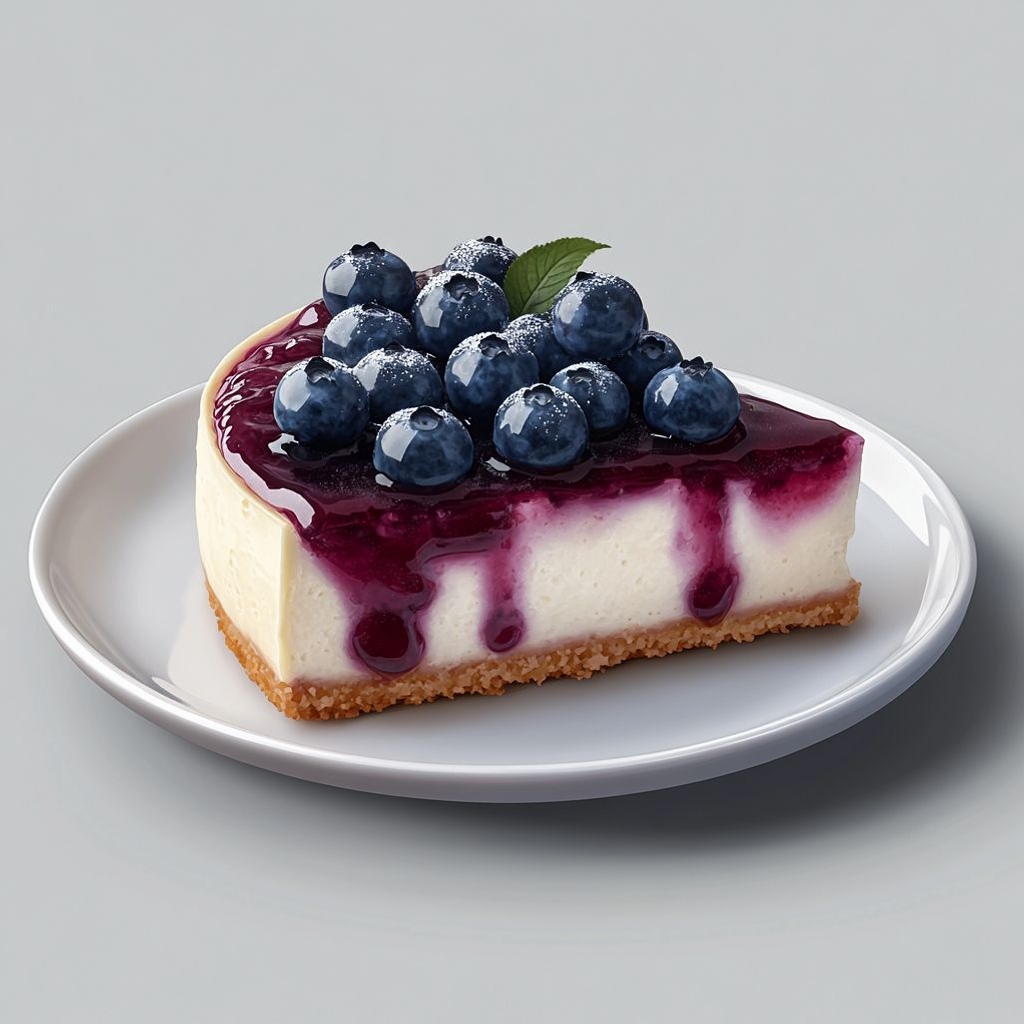
This gluten-free blueberry cheesecake starts with a crisp almond crust, made from finely milled almond flour, melted coconut oil, a touch of maple syrup, and a pinch of salt, pressed into a 9-inch springform pan and partially baked to set its edge before the creamy filling is added. For best texture, use softened full-fat cream cheese and strain the Greek yogurt to remove excess whey, which keeps the filling smooth and prevents a runny swirl. Bring the cream cheese and yogurt to room temperature, then beat until fluffy before folding in the eggs, vanilla, and optional lemon zest. If you prefer a lighter filling, you can omit one egg but the extra air from the whole eggs helps with a lighter crumb; add the optional egg white after the eggs and fold in gently to preserve creaminess. The blueberry swirl comes from simmering blueberries with lemon juice, a touch of cornstarch (or arrowroot) to thickening, and a drizzle of maple syrup or honey to taste; dissolve the starch in a little cold water before adding to the berries to avoid lumps. Keep the swirl thick enough to hold shape when swirled into the batter but loose enough to ripple through the filling. Chill the assembled cheesecake until set, ideally overnight, to help flavors meld and texture firm up. When ready to serve, top with extra fresh blueberries for color and brightness. These desserts are great make-ahead options; after cooling, refrigerate overnight or freeze slices for longer storage, then thaw in the fridge before serving. Always ensure your almond flour, cornstarch (or arrowroot), and vanilla extract are certified gluten-free if you have gluten intolerance, and use pasteurized eggs for safety. For a dairy-free version, substitute with dairy-free cream cheese and yogurt and use a dairy-free butter substitute in the crust, though expect a slightly different texture. You can customize the topping by swirling in a little lemon zest with the blueberry compote or finish with a dollop of whipped coconut cream for a dairy-free finish.
Tips
Crust/Base tips
- Use finely milled almond flour (not almond meal) for a smoother, cohesive crust. If you only have almond meal, process it briefly in a blender to achieve a finer texture, but expect a slightly crumblier crust.
- Ensure the melted coconut oil is warm but not hot when mixing with the almond flour so the crust binds evenly without clumping.
- Press the crust mixture firmly into the 9-inch springform pan, using the bottom of a glass or measuring cup to create an even, compact layer. This helps prevent a crumbly crust and ensures clean slices.
- Chill the pressed crust for 15–20 minutes or freeze for 5–10 minutes before baking to prevent shrinking and to help the crust set quickly.
- Pre-bake the crust briefly (until it looks set and slightly golden at the edges) to prevent sogginess once the filling is added. Let it cool completely before pouring in the filling.
- Lightly grease or line the pan bottom with parchment to prevent sticking and make removing the cheesecake easier after chilling.
- If the dough feels too dry or crumbly, whisk in a tiny splash of water or an extra teaspoon of coconut oil until it just comes together.
Filling tips
- Let softened cream cheese come to room temperature, then beat on medium speed until creamy and smooth. This avoids lumps and ensures a silky filling.
- Drain the strained Greek yogurt well (about 1 hour or overnight in cheesecloth) to remove excess moisture. Too much moisture can cause the filling to be runny.
- Add eggs one at a time, mixing just until incorporated. Overmixing after eggs are added can incorporate too much air, leading to cracks or a dense texture.
- If using the optional egg white, whisk it separately to soft peaks and fold in gently to lighten the filling without making it airy.
- Choose your sugar substitute carefully. If using monk fruit, use a product that measures like sugar and adjust to taste. Balance sweetness with the tang of the cream cheese and yogurt.
- Use pure vanilla extract for a richer aroma. If you have vanilla beans, scrape in the seeds for extra depth.
- Opt for lemon zest (not juice) to brighten the filling without adding extra liquid. Zest finely so it distributes evenly.
- For a smoother texture and even bake, consider baking the cheesecake in a water bath. Wrap the pan securely in foil to prevent leaks and place in a larger pan with hot water.
- To prevent cracking, bake at a moderate temperature and avoid opening the oven door during the first 30–40 minutes of baking. The center should jiggle slightly when finished; it will firm up as it cools.
- After baking, cool the cheesecake gradually on a rack, then refrigerate for at least 4 hours or overnight for best set and slicing.
Blueberry Swirl & Topping tips
- Thaw frozen berries completely and pat dry to minimize extra moisture that can weaken the set. Reserve a portion for topping if desired.
- Lighten and brighten the swirl with lemon juice, but avoid adding too much liquid. The cornstarch will help the swirl hold its shape as it bakes.
- Stir cornstarch with a small amount of cold water to create a smooth slurry before adding to the blueberries. This prevents lumps and ensures a glossy, stable swirl.
- If using maple syrup or honey, start with a small amount and taste. You can adjust to your preferred sweetness, especially with tart berries.
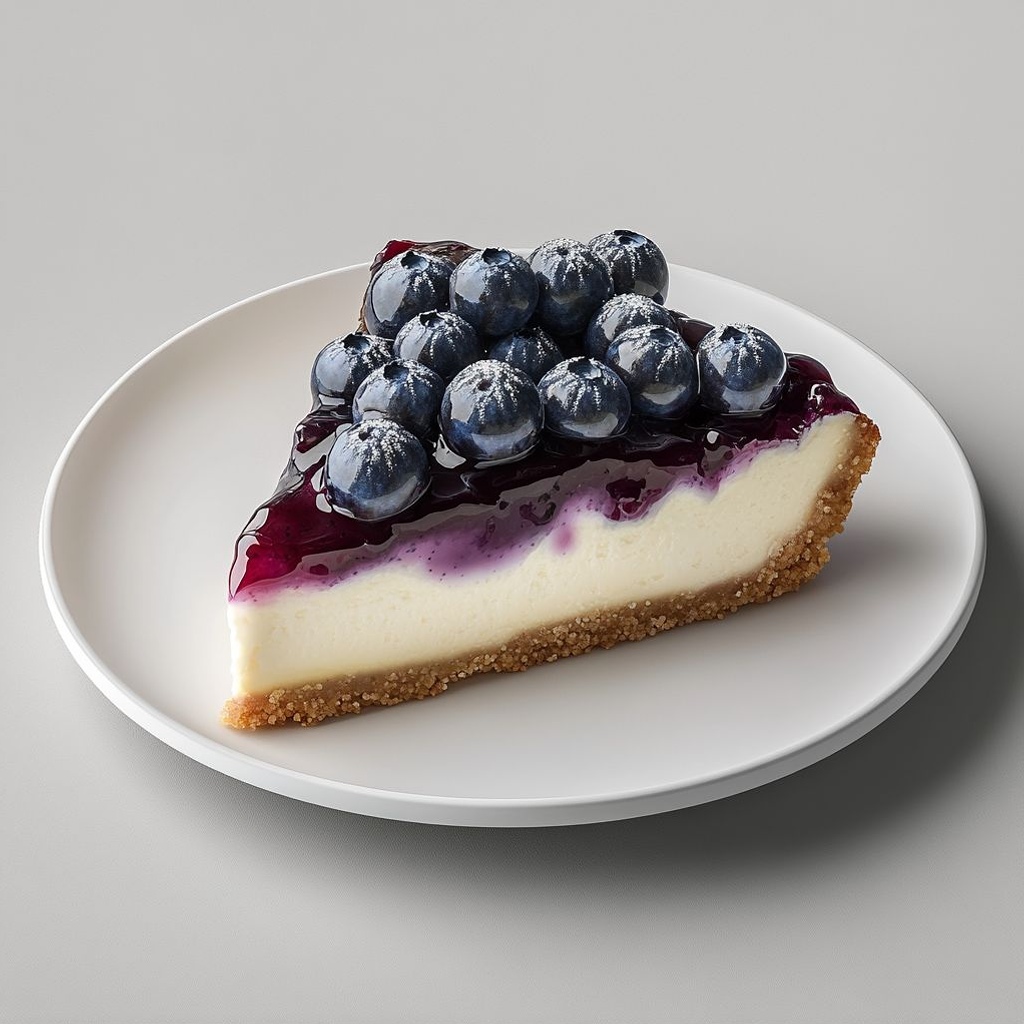
- Use 1/2 cup additional fresh blueberries for topping for a bright, decorative finish. Rinse and pat dry before scattering over the chilled cheesecake.
- When layering, drop spoonfuls of the blueberry sauce onto the filling in a few spots, then swirl gently with a knife or skewer. Avoid over-swimming the batter, which can bleed the edges too much.
- Scatter the extra blueberries on top after the cheesecake has cooled to maintain a fresh texture and vibrant color.
- Keep the assembled cheesecake refrigerated and slice with a warmed knife (wipe between cuts) for clean, neat wedges.
FAQ
What is a Fit blueberry cheesecake?
Fit blueberry cheesecake is a lighter take on the classic dessert. It typically uses lower-fat ingredients like Greek yogurt or reduced-fat cream cheese, reduced sugar or sugar substitutes, and a crust made from almond flour or a crustless base. Fresh blueberries or a blueberry topping keep the flavor bright while keeping calories in check.
Is it baked or no-bake?
Both versions exist. For baked: bake in a water bath at about 325°F (165°C) for 35–45 minutes, then cool slowly. For no-bake: set the filling with gelatin or agar and chill in the fridge for at least 4–6 hours (overnight works well).
How many calories are in a slice?
Calories vary by ingredients and slice size. A typical 8-slice version made with light cream cheese and yogurt is roughly 180–230 kcal per slice. Using full-fat ingredients or more sugar will raise the count.
Can I make it gluten-free?
Yes. Use an almond flour crust or crustless base. If you want a crust, ensure any oats or crust components are certified gluten-free; all toppings should be gluten-free as well.
Can I make it dairy-free or vegan?
Yes. Substitute dairy-free cream cheese or use silken tofu/yogurt for the filling. Use agar-agar (not gelatin) to set if making it vegan. For the crust, choose dairy-free butter alternatives with almond or oat flour.
What sweeteners can I use?
Options include erythritol, xylitol, monk fruit blends, or stevia. You can also use a small amount of maple syrup or honey if not strictly vegan or sugar-free, but adjust the filling to avoid a runny texture.
How do I prevent cracks in the cheesecake?
Cracks happen when overbaked or cooled too quickly. Tips: bake in a water bath, avoid overmixing the filling, bake until just set, then cool in the oven with the door ajar before refrigerating. Chill thoroughly overnight for best texture.
How should I store and serve it?
Keep refrigerated in an airtight container for 4–5 days. For longer storage, freeze slices (wrap tightly) for 1–2 months. Serve chilled, with fresh blueberries or a light blueberry sauce.
Can I add a blueberry swirl or topping?
Yes. For a swirl, dollop blueberry sauce into the filling before baking and swirl with a knife. For topping, spoon fresh blueberries on top or serve with a blueberry compote. A touch of lemon zest brightens the flavor.
What equipment do I need?
Common tools include a springform pan, a mixer or whisk, parchment paper, and a blender if you’re making a blueberry sauce. A thermometer helps check doneness for baked versions.
Can I make it crustless?
Yes. A crustless version reduces carbs and fat. If you skip the crust, you might increase the filling slightly with yogurt/cheese for texture, or add a tiny bit of almond flour to mimic a crust’s bite. Chill well to help set the filling.