
Introduction / Hook
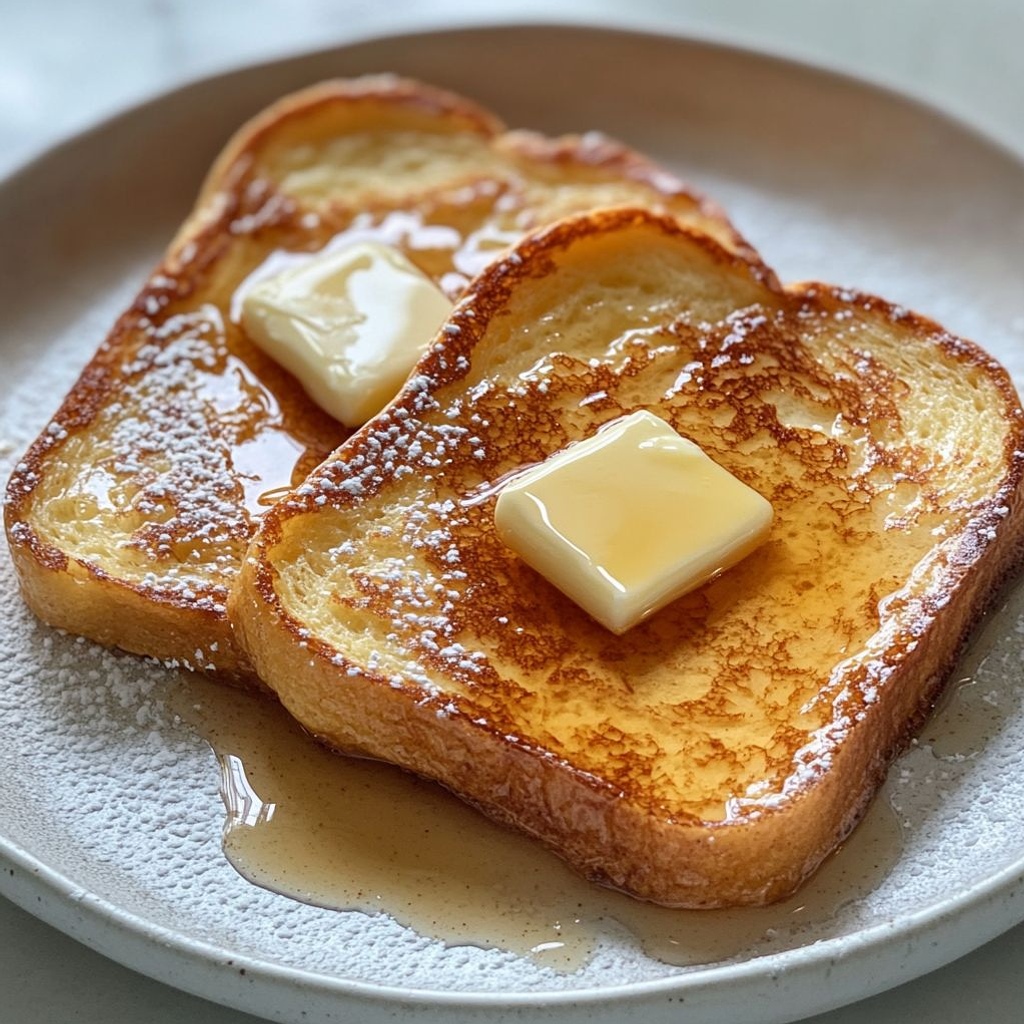
Close your eyes for a moment and imagine the perfect Sunday morning: the warmth of the kitchen, the soft chorus of a gentle sizzle, and that first inhale of sweet vanilla, cinnamon, and butter meeting the air. Easy French Toast is the culinary embrace you’ve been seeking—simple, cozy, and wonderfully satisfying. It’s the kind of dish that makes leftovers feel like a treasure and a busy weekday morning feel like a mini celebration. Picture thick slices of bread reviving from a light, creamy bath, then meeting a hot pan until their edges caramelize to a honeyed amber. The outside turns crisp and bronzed, while the inside stays luxuriously custardy—fragrant with vanilla, a kiss of citrus zest or a hint of nutmeg, and just the right amount of sweetness to wake up the senses. This is comfort food with a touch of elegance, doable in minutes, and endlessly adaptable to your mood, your pantry, and your guests. If you’ve ever wished for a brunch classic that is as forgiving as it is delicious, this Easy French Toast will become a staple in your home—an inviting promise on busy mornings and a nostalgic favorite for leisurely weekends.
The Story Behind the Dish
The origins of French toast are as old as bread itself. It isn’t confined to France, nor does it ride on a single, precise recipe. Across cultures and generations, families have revived stale or leftover bread by soaking it in a custard of eggs and milk and then cooking it until golden and tender. In France, the dish is often known as “pain perdu,” which translates to “lost bread”—a nod to its double purpose: rescuing bread that might otherwise go to waste and transforming it into something irresistible. The idea is refreshingly simple: you give day-old bread another life by letting it soak up a custard, then you fry it to create a crisp, caramelly exterior and a soft, luscious interior.
Over the centuries, this humble technique traveled far and wide, evolving with regional ingredients and tastes. In the United Kingdom, you’ll find versions of eggy bread that lean into buttered toast happiness with a touch of nutmeg and a dusting of sugar. In Spain and Portugal, variations like torrijas or rabanadas appear during Holy Week, often bathed in wine or citrus and sometimes fried in olive oil. In the United States, French toast blossomed into a breakfast hero with its own charming adaptations—thick slices of brioche or challah, a dash of vanilla, a whisper of cinnamon, and the kind of syrup that makes mornings feel indulgent without requiring a grand culinary performance. The story of French toast is less about a singular recipe and more about a universal, time-honored instinct: use what you have, treat it with warmth, and turn everyday ingredients into something comforting and memorable.
There’s beauty in the simplicity of Easy French Toast. It honors tradition while inviting modern twists: a quick soak that doesn’t overwhelm the bread, the option to use everyday pantry staples, and room to tailor the flavor to your family’s favorite tastes. It’s a dish that carries the nostalgia of family breakfasts and the promise of new memories—perfect for those mornings when you want something special but also want to keep the prep light and relaxed. In many households, French toast has become a weekend ritual—a warm, welcoming aroma that signals together time, shared bites, and the slow joy of waking up with flavor on the plate. This version embraces that spirit and invites you to savor each step—whether you’re making a quick solo breakfast or feeding a hungry crowd with little stress and maximum comfort.
Why You’ll Love This Recipe
- Quick and forgiving: a speedy routine that yields a plush, restaurant-worthy result in minutes.
- Versatile and forgiving: adapt with whatever bread you have on hand, plus a spectrum of toppings—from fresh fruit to maple glaze, whipped cream, or a dusting of cocoa.
- Budget-friendly: makes the most of pantry staples and stale bread, turning it into a crowd-pleasing dish without fuss.
- Comforting and familiar: a cozy, nostalgic treat that feels like a warm hug on a plate.
- Customizable: adjust sweetness, spice, and dairy to suit dietary needs or preferences—vegan, dairy-free, or gluten-free options can be explored with thoughtful substitutions.
- Perfect for any occasion: weekday mornings, weekend brunches, holiday mornings, or a comforting late-night treat when you crave something sweet and cozy.
Flavor Profile & Texture
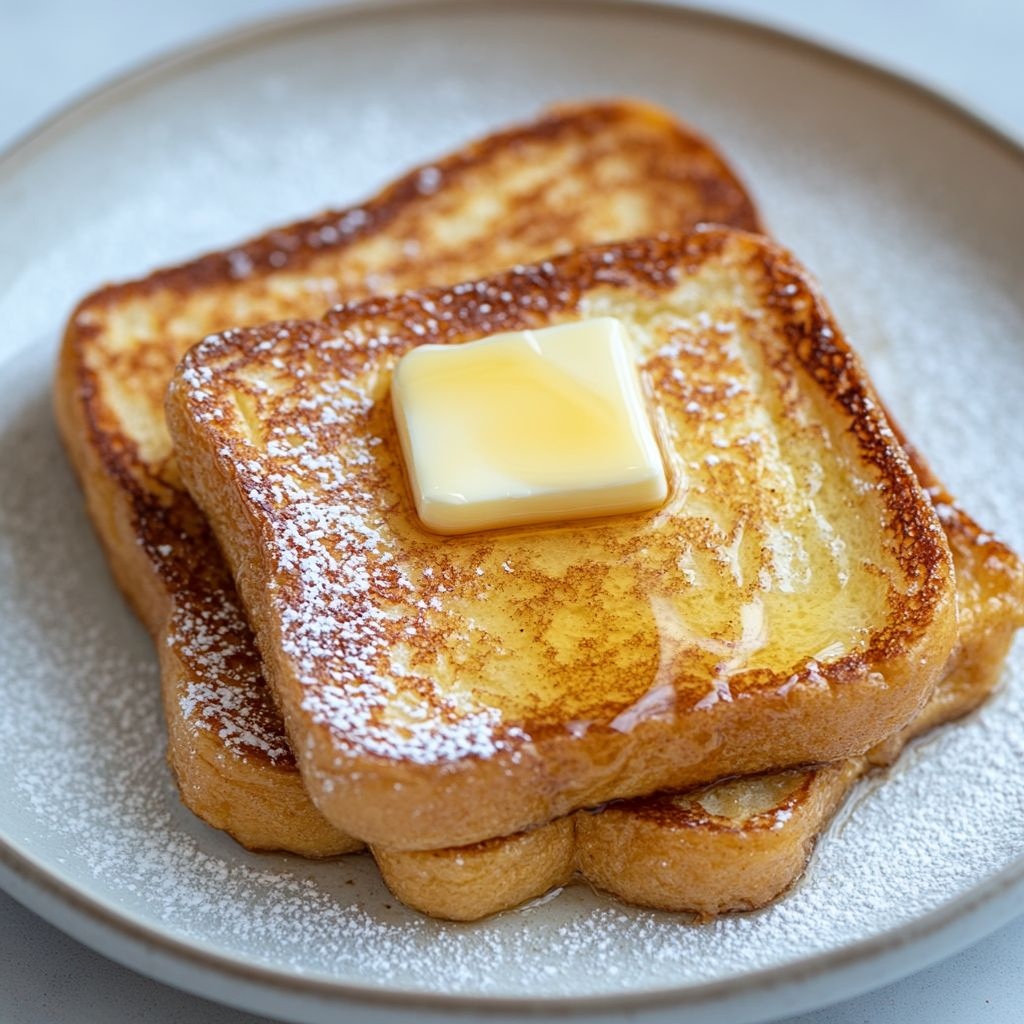
This Easy French Toast delivers a symphony of textures and flavors that play off each other in delightful harmony. The exterior is a caramelized exoskeleton—thin, crisp, and a touch glossy from the butter’s sheen and the natural sugars browning in the pan. It gives way to a tender, almost bread-pudding-like interior that remains soft and custardy under the gentle pressure of a fork. The scent alone is intoxicating: vanilla’s creamy warmth mingling with cinnamon’s woodsy sweetness, with a subtle whisper of nutmeg or citrus if you choose to introduce it. The bread acts as the canvas—thick slices, like brioche or challah, yield a richer, silkier bite, while sturdier loaves give you more bite and texture.
As you take a bite, the rich, eggy custard envelopes your palate, delivering a delicate sweetness that never becomes cloying when balanced by a pinch of salt and a splash of vanilla. The dairy mingles with the bread’s crumb, producing a creamy mouthfeel that lingers pleasantly. If you pair it with maple syrup, a spoonful of fruit compote, or a dollop of yogurt, you introduce bright, fruity tangs or creamy tang to cut through the sweetness, creating a balanced, multi-layer tasting experience. You can also experiment with citrus zest—orange or lemon—zinging through the custard to elevate brightness, especially in the morning when you crave a sunnier start. The texture contrast—crisp edges against a pillowy center—invites you to enjoy the best of both worlds in a single bite, making Easy French Toast feel both luxurious and accessible.
The beauty of this recipe lies in its gentle soaking and careful cooking. Soaking long enough to let the bread take up the custard is key, but it should never be so saturated that it breaks apart. The pan should be hot enough to deliver immediate sizzle, which helps form that irresistible crust without overdrying the interior. And if you prefer a dairy-free or lighter version, you can swap in plant-based milks and even use less fat without sacrificing the comforting richness—though for a classic experience, a touch of butter does wonders for flavor and the color of the crust. Finally, the flavor profile is remarkably forgiving; even a modest change—such as a splash of vanilla, a pinch of cinnamon, or a dusting of sugar—can transform the dish from everyday to celebratory, without ever straying from its essence: a simple, satisfying, soul-nourishing breakfast.
Occasions & Pairings
Easy French Toast fits a wide range of occasions, from everyday breakfasts to leisurely weekend brunches. It’s particularly magical when you’re treating a loved one to something comforting yet effortless, or when you’re entertaining guests and want to serve something that looks and tastes special without requiring a lot of time in the kitchen. It’s also an ideal make-ahead option: you can prepare a portion the night before and either let it sit and soak briefly or simply reheat slices that morning for a fast, satisfying meal.
Pairing ideas elevate the experience. Classic maple syrup is a timeless companion, offering warmth and sweetness that enhances the dish’s custardy interior. A fresh fruit compote—stewed berries, peaches, or apples—brings a bright, tangy counterpoint that lightens the richness. A dollop of yogurt or a spoonful of whipped cream can add creaminess and a touch of tang, depending on your mood. For savory contrasts, serve with crispy bacon or sausages; a simple herb scramble or a light arugula salad can turn this into a balanced brunch plate with color and freshness. Beverages can mirror the mood: a strong cup of coffee, a glass of cold-pressed orange juice, or even a sparkling beverage with a splash of citrus adds a celebratory edge. Seasonal variations shine here too: autumn calls for apples and cinnamon, winter loves a drizzle of maple with cranberry—spring might enjoy lemon zest and berries, while summer pairs beautifully with stone fruits and a dollop of greek yogurt. No matter the audience, Easy French Toast invites a shared experience—easy to make, endlessly adaptable, and wonderfully comforting to savor together.
In family settings, this dish often becomes a canvas for personalization. Children might top their slices with a light dusting of powdered sugar and a sprinkle of cinnamon; adults might opt for a classy drizzle of caramel or a citrusy fruit glaze. The versatility is part of the charm: you can keep it simple when you’re in a rush or create a brunch spread around it by adding a few complementary dishes, like a crisp fruit salad, a yogurt parfait station, or a warm, spiced beverage bar. The result is a welcoming table—a place where everyone can serve themselves, tailor each bite to their preference, and feel a little bit special without the stress that sometimes accompanies a more elaborate brunch menu.
Tips, Variations & Substitutions
Here are ideas to keep Easy French Toast fresh, inclusive, and adaptable to what your kitchen has on hand. Use these as a starting point and let your creativity guide you.
- Bread choices: For a luxurious custard bath, opt for brioche or challah. If you’re making it on a budget, sturdy white bread or sandwich loaves work well, too; slightly stale bread soaks up more custard and yields a richer texture.
- Milk and cream: Whole milk yields a creamy interior; for an extra indulgent version, use a splash of heavy cream or half-and-half, paired with a bit of vanilla.
- Eggs and dairy-free option: If you’re avoiding eggs, you can experiment with a vegan version using a combination of plant milk, a thickener like almond flour or a flax/chia egg substitute, and a touch of coconut milk for richness. The texture will differ slightly, but it can be delightful and satisfying.
- Flavor boosters: Vanilla extract is classic, but orange zest, lemon zest, or a pinch of cardamom can add brightness or warmth. A pinch of salt heightens sweetness and depth; a little nutmeg adds a cozy spice note.
- Sugar variations: You can reduce sugar for a lighter breakfast or add a drizzle of maple syrup or a fruit compote to bring sweetness and complexity at the end.
- Toppings and accompaniments: Fresh berries, sliced bananas, diced apples sautéed with cinnamon, yogurt, whipped cream, or a light dusting of powdered sugar all work beautifully. For a richer finish, a spoonful of ricotta or mascarpone can be spooned on top.
- Savory twist: If you’d like a savory version, consider adding a pinch of smoked paprika or black pepper to the custard and serving with a fried egg and a bit of crisp bacon or sautéed mushrooms.
- Gluten-free angle: Use gluten-free bread and ensure all add-ins are gluten-free. The custard base remains the same, and the method translates well to a gluten-free version.
- Make-ahead ideas: You can soak slices in the custard mixture the night before and refrigerate in a covered dish. In the morning, simply cook the slices as you would, for a faster, more leisurely start to the day.
- Texture tweaks: For crisper edges, ensure the pan is adequately hot before adding the soaked bread and don’t overcrowd the pan. A brief rest after dipping can help the bread hold its shape while cooking.
Storage & Make-Ahead Ideas
Leftovers can be a rare gift with Easy French Toast, but when they occur, they’re often just as delicious reheated. Store any cooled slices in an airtight container in the refrigerator for up to 2 days. If you want to extend the life, you can freeze fully cooked slices in a single layer on a parchment-lined tray, then transfer to a freezer bag for longer storage. Reheat from frozen in a toaster oven or a skillet over medium heat; you may want to add a splash of butter or a teaspoon of water to help restore moisture and rehydrate the interior, then re-crisp the edges to your liking.
Make-ahead strategies can streamline weekend mornings. One approach is to pre-slice the bread and whisk a custard base in the evening, keep it covered in the fridge, and dip the slices in the morning. Another approach is to prepare a larger batch of bread slices, soak them briefly in the egg-math mixture, and refrigerate on a sheet pan; in the morning, you can cook them all in two skillets, creating a ready-to-serve brunch for a crowd. If you’re feeding a group, keep the finished slices warm in a low oven (about 200°F / 93°C) on a baking sheet, arranged in a single layer with a light cover of foil to retain moisture without steaming away the crispness.
When serving, consider keeping syrup separate and offering a few different topping choices—berries, yogurt, a light dusting of cinnamon, a little lemon zest, or a dollop of whipped cream. This not only keeps each slice from becoming overly sweet but also creates a lively, interactive breakfast experience that guests love. The key to make-ahead magic is balance: prepare what you can in advance, keep the rest simple, and let the table do the rest—everyone builds their own perfect bite.
Fun Facts & Trivia (Optional)
The story of French toast is filled with curious tidbits. For one, recipes resembling French toast show up in ancient Roman texts, suggesting that the technique of soaking bread in a mixture of eggs and milk long predates modern cuisine. The term “French toast” surfaced in the United States in the 17th century, but the dish’s name is something of a misnomer—people around the world have been reviving stale bread in this comforting way for centuries, and many cultures have their own beloved names and twists.
Pain perdu, the French name for similar dishes, translates to “lost bread,” a nod to preventing waste and turning what might be thrown away into something noble. In Victorian England, a version was affectionately called the “Poor Knights of Windsor.” Across continents, versions of this humble method have become brunch staples, with regional tweaks that reflect local tastes and ingredients. The enduring appeal of French toast lies in its adaptability: it can be a simple, comforting weekday breakfast or a luxe weekend treat, and it invites cooks of all skill levels to improvise and enjoy the process as much as the result.
Beyond its history, French toast is a playground for flavor experimentation. The base technique—soaked bread cooked until golden—serves as a versatile canvas. You can infuse the custard with citrus zest, swap in different milks, or crown each slice with anything from a light dusting of powdered sugar to an indulgent caramel drizzle. The dish’s enduring charm is not just in its taste, but in its ability to gather people around the table, creating a small ritual that signals care, sharing, and the simple joy of starting the day with something delicious.
Ingredients
-
– Bread
– 6 thick-sliced brioche or challah bread slices (1 to 1.5 inches thick; preferably day-old)
→ The bread provides the structure and soaking capacity for the custard. Thick slices hold up to wetting without disintegrating, giving you a plush, custard-soaked interior with a lightly crisp exterior once fried. If your bread is very fresh, air-dry or lightly toast to remove excess moisture so it soaks evenly.
– Eggs
– 4 large eggs
→ Eggs are the binding and structure agent for the custard. They trap air and set as the bread cooks, creating a cohesive, sliceable French toast. Whisk until fully combined to avoid a patchy texture; for a richer texture, whisk thoroughly but avoid overbeating to prevent too much air in the mixture.
– Milk
– 3/4 cup whole milk
→ Milk provides moisture and carries the custard flavors into the bread. Whole milk gives a creamier, richer texture; if using lighter dairy or non-dairy milk, you may add 1–2 tablespoons of cream or a splash of half-and-half to maintain richness. For dairy-free versions, use a thick plant-based milk (e.g., almond or oat) with a bit of coconut cream.
– Vanilla extract
– 1 teaspoon vanilla extract
→ Vanilla enhances sweetness and aroma, elevating the overall flavor of the custard. Use pure vanilla extract rather than imitation for a deeper, more fragrant note; if you have vanilla bean, scrape the seeds for extra depth.
– Sugar
– 1 tablespoon granulated sugar
→ A touch of sugar helps create a gentle caramelization on the exterior and balances the eggy custard. Adjust to taste or omit if you’re serving with very sweet toppings like maple syrup.
– Ground cinnamon
– 1/2 teaspoon ground cinnamon
→ Cinnamon adds warmth and classic French toast character. If you want a stronger spice presence, you can increase to 3/4 teaspoon, but bloom it briefly by whisking with the eggs to release more flavor.
– Nutmeg
– Pinch ground nutmeg (optional)
→ A hint of nutmeg provides a subtle, earthy warmth that complements the cinnamon. Use sparingly to avoid overpowering the custard’s vanilla notes.
– Salt
– Pinch salt
→ Salt enhances the sweetness and depth of flavor in the custard, helping the flavors read clearly. A tiny amount goes a long way—don’t skip this even if you’re using sweet toppings later.
– Butter for frying
– 2 tablespoons unsalted butter (or a neutral oil)
→ Butter adds rich flavor and a crisp, golden crust when frying the soaked bread. Use medium-low to medium heat to prevent burning; you can alternate with a neutral oil if you want a crisper finish without the risk of scorching the butter.
Optional Toppings
– Powdered sugar
– 2 teaspoons powdered sugar for dusting
→ Finishes the dish with a delicate sweetness and clean presentation. Dust just before serving to prevent clumping and sogginess.
– Maple syrup
– 3–4 tablespoons maple syrup
→ A classic pairing that brings sweetness and a comforting syrupy gloss to each bite. Warm the syrup slightly for easier pouring and better aroma release.
– Fresh berries or sliced banana
– 1/2 cup fresh berries (e.g., blueberries, raspberries, sliced strawberries) or 1 banana, sliced
→ Fresh fruit adds brightness, acidity, and texture contrast to the rich custard. Add right before serving to keep fruit vibrant and prevent it from becoming mushy.
Instructions
- Prepare the bread slices for soaking by ensuring all six pieces are uniformly thick (1 to 1.5 inches) and, if very fresh, air-dry or lightly toast to remove surface moisture so they soak evenly.
- Whisk the custard mixture by beating together the eggs, whole milk, vanilla extract, granulated sugar, ground cinnamon, a pinch of ground nutmeg (optional), and a pinch of salt until completely smooth and well combined.
- Dip each bread slice into the custard, turning once and soaking for about 20 to 30 seconds per side to allow absorption without oversaturation, then lift and let excess custard drain back into the dish before setting on a rack or plate.
- Warm a heavy skillet over medium-low heat and melt the 2 tablespoons unsalted butter, swirling to coat the surface evenly; maintain steady heat to prevent scorching while forming a crisp, flavorful crust.
- Cook the soaked bread slices in the buttered skillet until the undersides are golden and crisp, about 2 to 3 minutes; flip carefully with a wide spatula and cook the second side for another 2 to 3 minutes until deeply golden and the custard is set through the center.
- Keep the finished French toast warm while cooking remaining slices by transferring to a warm rack in a low oven (around 200°F/93°C) or by placing on a plate kept in a warm, low-heat area; avoid stacking to prevent sogginess.
- Serve immediately with optional toppings: dust lightly with powdered sugar, drizzle warm maple syrup, and crown with fresh berries or banana slices.
→ Uniform thickness and a dry surface prevent uneven absorption and a gummy center, while a controlled soak yields a plush interior and crisp exterior.
→ Thorough whisking emulsifies the fat and dairy, distributes spices evenly, and prevents scrambled-looking custard in the final dish.
→ Controlled soaking ensures a custardy interior without collapsing the crumb, and draining excess custard minimizes soggy crusts during frying.
→ Butter provides rich flavor and promotes Maillard browning; too high heat can burn the fat and darken the crust prematurely, so moderate temperature is essential.
→ Proper browning indicates caramelization and flavor development; avoid moving the slices too soon to prevent tearing, and adjust heat as needed to keep a steady sizzle without burning.
→ Gentle heat maintains texture and crisp edges for all slices, ensuring they arrive at the table hot and evenly cooked.
→ Finishing with a light sugar dusting prevents clumping, warming syrup releases aroma and sweetness, and fresh fruit provides brightness and textural contrast to the custard-rich toast.

Notes
These easy French toast slices are a cozy brunch classic built on thick-sliced brioche or challah soaked in a vanilla-cinnamon custard. Use day-old bread or lightly air-dry fresh slices so they soak without falling apart, and whisk the custard thoroughly to avoid patchy texture. For best flavor, combine 4 large eggs with ¾ cup whole milk, 1 teaspoon vanilla, 1 tablespoon granulated sugar, ½ teaspoon ground cinnamon, a pinch of nutmeg, and a pinch of salt until smooth, then dip each bread slice for 15–30 seconds per side and let them rest briefly before frying. Fry in a skillet over medium‑low to medium heat with 2 tablespoons unsalted butter (or a neutral oil) until golden on the outside and custardy in the center, about 2–3 minutes per side; adjust the heat so the bread browns evenly without burning. For crisper edges, you can add a touch more fat or use a mix of butter and oil, and serve immediately with a dusting of powdered sugar, warm maple syrup, and fresh berries or sliced banana for brightness and texture contrast. If you’re making ahead, reheat leftovers in a low oven or toaster oven, or prepare and store the components separately for quick assembly; dairy-free options work with a thick plant-based milk plus a splash of coconut cream.
Tips
Tips for Easy French Toast
- Bread selection matters: use 6 thick-sliced brioche or challah about 1 to 1.5 inches thick. Day-old bread soaks up the custard without falling apart. If your bread is very fresh, air-dry or lightly toast to remove excess moisture for even soaking.
- Whisking the custard well: beat the eggs with the milk, vanilla, sugar, cinnamon, nutmeg (if using), and a pinch of salt until completely smooth. Bloom the cinnamon briefly by whisking it with the eggs to release more aroma.
- Soak time guidance: dip each bread slice into the custard for about 20–60 seconds per side, depending on thickness. Avoid oversoaking thick slices or they can become mushy. If bread is very fresh, a quick dry or light toast helps.
- Rest after soaking: let the soaked slices sit for about a minute before frying to let the custard thicken slightly and reduce leakage into the pan.
- Pan setup and fat: preheat a heavy skillet or cast-iron pan over medium-low heat. Use 1–2 tablespoons unsalted butter per batch and consider adding a splash of neutral oil to prevent butter from burning and to enhance browning.
- Frying technique: cook until the underside is golden brown, about 2–3 minutes per side for thick slices. Flip gently with a spatula, press lightly to ensure contact, and adjust the heat as needed to avoid scorching.
- Texture tricks: for crisper edges, maintain a steady mid heat and give the slices a brief second flip for even browning. For a softer interior, cook a bit longer at lower heat.
- Keep leftovers warm: if making a batch, place finished slices on a baking sheet in a low oven (around 200°F/95°C) to stay warm without getting soggy before serving.
- Dairy-free or richer options: if avoiding dairy, use a thicker plant-based milk (like almond or oat) with a small amount of coconut cream, and consider a touch more sugar to balance flavors. If using dairy, keep the milk amount the same for texture; you can add 1–2 tablespoons cream for extra richness.
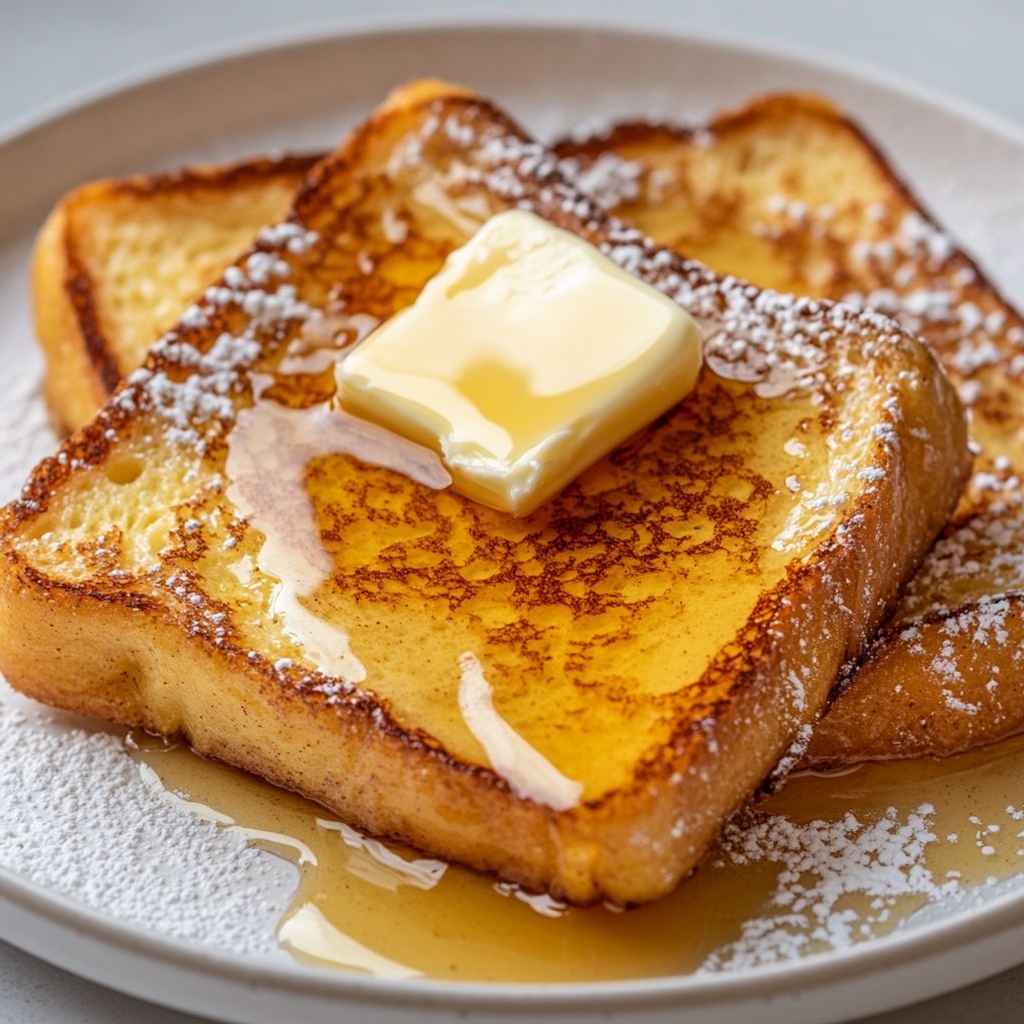
- Toppings and finishing: warm maple syrup slightly before pouring for better aroma and pourability. Dust with powdered sugar just before serving to avoid sogginess, and add fresh berries or sliced banana right before serving for brightness and texture.
- Storage and reheating: refrigerate cooked slices for up to 2 days; reheat in a skillet with a little butter or in a toaster oven to regain crispness. Uncooked custard can be prepared ahead and refrigerated for up to 24 hours; dip bread just before frying for best results.
FAQ
Easy French Toast
What is Easy French Toast?
Easy French toast is a quick breakfast where slices of bread are soaked in a custard-like mixture of eggs, milk, vanilla, and spices, then fried until golden. It’s creamy on the inside with a crisp exterior and highly customizable with toppings.
What ingredients do I need?
Common ingredients (serves 2–4):
- 4 thick slices of bread (day-old brioche, challah, or Texas toast work best)
- 2 large eggs
- ¾ cup milk (180 ml) or dairy-free milk
- 1 teaspoon vanilla extract
- ½ teaspoon ground cinnamon (optional)
- Pinch of salt
- Butter or oil for frying
- Sugars/toppings: maple syrup, powdered sugar, fresh fruit
How do I make Easy French Toast?
Whisk eggs, milk, vanilla, cinnamon (if using), and salt in a shallow dish. Soak each bread slice for about 20–30 seconds per side, letting the bread absorb the custard. Heat a skillet over medium heat and melt a small amount of butter or a drizzle of oil. Cook the slices 2–3 minutes per side, until the exterior is golden and the center is set. Serve warm with your favorite toppings.
How long does it take to make?
From start to finish, about 15–20 minutes. Soaking time is short, so you can make it quickly for a weekday breakfast.
What bread works best for French toast?
Thick-cut bread (about 1 inch / 2.5 cm) that isn’t too fresh works best. Day-old brioche, challah, Portuguese bread, or Texas toast hold up well and soak up the custard without falling apart. Avoid very soft sandwich bread unless you toast it first.
Tips for perfect results
- Use thick-cut bread and bread that’s not too fresh for better soaking.
- Don’t soak too long—about 20–30 seconds per side is enough.
- Preheat the pan to medium heat and maintain steady heat to avoid burning.
- Use enough butter or oil to achieve a golden crust without making the slices soggy.
- Cook in batches to avoid overcrowding the pan.
- Keep cooked slices warm in a low oven (200°F / 90°C) on a rack while finishing the rest.
Variations and add-ins
- Spice it up with nutmeg, cardamom, or orange zest
- Splash of almond or additional vanilla extract for extra flavor
- Dust with cinnamon sugar or serve with a fruit compote
- Use richer bread like brioche or challah for a fluffier texture
- Top with berries, sliced bananas, or a dollop of yogurt
Make-ahead and storage
The custard can be prepared ahead and refrigerated for up to 24 hours. You can soak slices in the custard and refrigerate on a parchment-lined tray until ready to cook. Leftover French toast can be stored in the fridge for 2–3 days. Reheat in a skillet over medium heat for 1–2 minutes per side or in a 350°F (175°C) oven for about 5–7 minutes.
Vegan and dairy-free versions
Use dairy-free milk (almond, soy, oat) and a vegan egg substitute (flax egg or chickpea flour mixture). Fry with oil or vegan butter. For the custard, substitute 1 flax egg (1 tablespoon ground flaxseed + 3 tablespoons water) per egg or use a vegan egg replacer according to package directions. Choose sturdy bread like thick-cut sourdough or white bread for best results.
Can I freeze leftovers?
Yes. Freeze cooked French toast in a single layer on a baking sheet, then transfer to a freezer bag. Reheat directly from frozen in a toaster oven or 350°F (175°C) for 5–7 minutes until heated through and crisp. You can also reheat thawed leftovers in a skillet with a little butter.