
Introduction / Hook
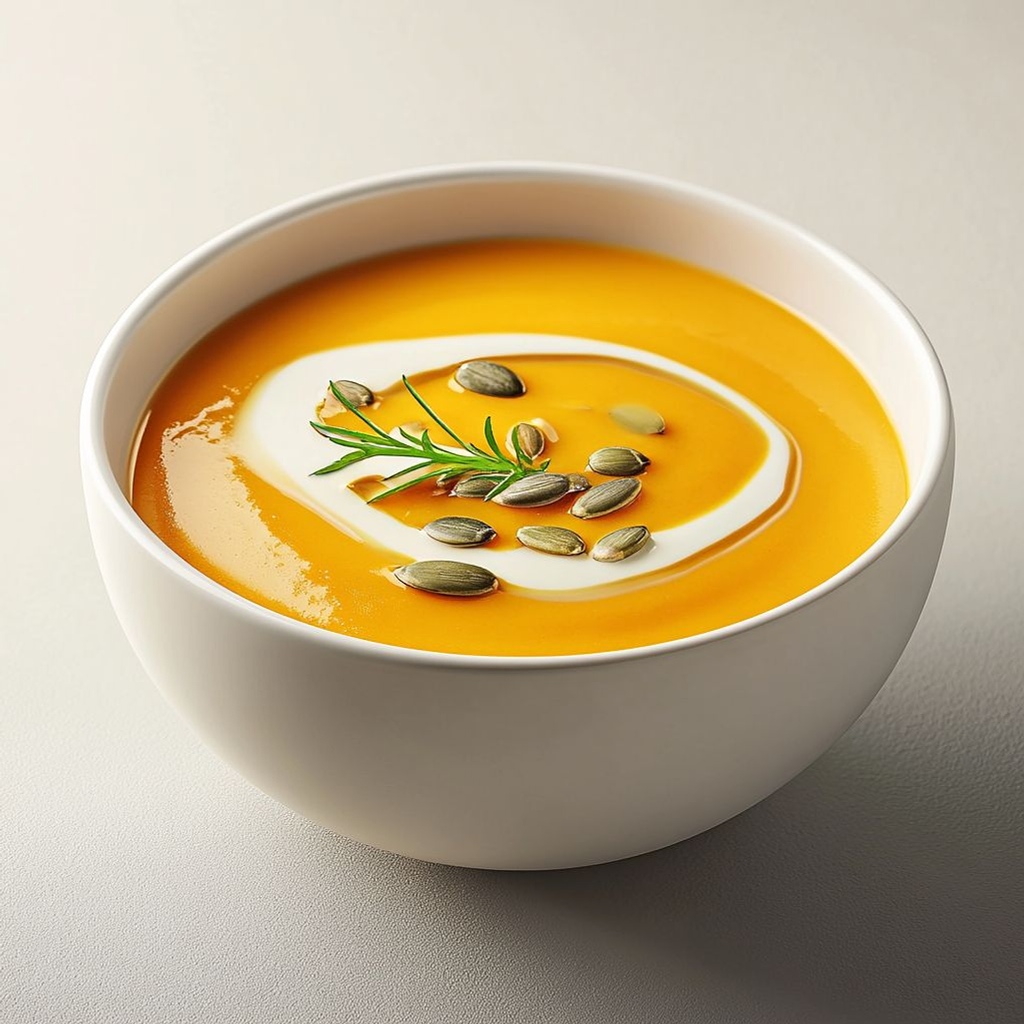
Imagine a steaming bowl that glows with the warm, honeyed color of autumn sunshine. A swirl of cream catching the light, the aroma of roasted pumpkin mingling with toasted onion, garlic, and a kiss of cinnamon, nutmeg, and smoky paprika. This is Creamy Pumpkin Soup: simple comfort that feels like a hug from the kitchen. It’s the kind of dish that asks for a cozy sweater, a quiet afternoon, and the satisfying moment when you lift the spoon and the velvety-smooth texture coats your tongue with a gentle sweetness and savory depth. Each spoonful feels like a postcard from harvest season—quietly indulgent, reassuringly familiar, and inviting you to linger a little longer at the table.
Creamy Pumpkin Soup is more than a bowl of nourishment; it’s an experience. The pumpkin’s natural sweetness anchors the broth, while aromatics add layers of warmth that bloom as the soup rests on the palate. The texture is silk-soft, yet it carries a subtle, comforting heft that makes you want another bite. It’s the kind of soup that can be dressed up for a holiday feast or dressed down for a weeknight meal, proving that simplicity and depth can coexist in one velvety cup. Whether you’re cooking for family, friends, or a quiet solo supper, this dish invites you to slow down, breathe in the season, and savor the small, delicious things.
The Story Behind the Dish
Pumpkins have long stood as symbols of harvest, abundance, and seasonal cooking across many cultures. In North America, pumpkins are more than a Halloween icon; they’re a canvas for comforting, heartwarming foods that bring people together as the days grow cooler. The idea of turning squash into a creamy soup has roots that stretch across kitchens worldwide—from the rustic soups of Central Europe to the delicate, velvety blends found in Mediterranean cuisine. What makes Creamy Pumpkin Soup feel timeless is its balance between rustic charm and modern smoothness: the roasted pumpkin offers a natural sweetness and depth, while the Cream or alternative dairy-free base lends a luxurious mouthfeel that transforms a simple bowl into a small celebration.
The dish is also a thread that connects generations. In many homes, a pot of pumpkin soup signals a shared table, a way to use seasonal produce at its freshest, and a moment to slow down before the busyness of the holidays. The practice of roasting pumpkins before turning them into soup is a favorite technique because it concentrates sweetness and develops caramelized edges that whisper of autumn walks, orchard visits, and the smell of spices simmering softly on the stove. As you ladle this soup into bowls, you’re tasting a tradition of comfort and careful cooking, where every ingredient has a purpose and every minute of simmering is a promise of warmth.
Why You’ll Love This Recipe
- Ultra-silky texture: A well-balanced blend that feels luxurious without being heavy.
- Versatile sweetness: Natural pumpkin sweetness enhanced by warm spices, without needing to rely on heavy cream or sugar.
- Quick to come together: Perfect for weeknights when you crave something cozy but don’t want to spend hours in the kitchen.
- Adaptable for dietary preferences: Easily made dairy-free or vegetarian with simple substitutions.
- Make-ahead friendly: Can be prepared in advance and reheated with excellent results, saving time for busy days.
- Family-friendly comfort: A recipe that both kids and adults tend to enjoy, with room for optional garnishes to tailor the experience.
- Balanced flavor profile: A gentle blend of pumpkin, aromatics, and spices that feels cozy yet bright, suitable for pairing with a variety of sides and mains.
Flavor Profile & Texture
Creamy Pumpkin Soup delivers a harmonious chorus of flavors. The pumpkin provides a mellow, subtly sweet foundation with earthy undertones that evoke roasted squash and autumn soil. Onion and garlic contribute a savory backbone, their sweetness amplified by gentle caramelization. Spices—cinnamon, nutmeg, and a whisper of smoked paprika or ground allspice—bring warmth and a hint of nostalgia, reminiscent of pumpkin pies and warm spice blends. A touch of cream or plant-based alternative adds luxury, creating a satin-smooth mouthfeel that coats the palate without weighing it down.
The texture is the star here: a rich, velvety consistency that glides across the tongue, with a slight body that remains spoonable rather than soupy. If you like a little texture, a few roasted pumpkin cubes or toasted pepitas sprinkled on top can provide a pleasing contrast. The flavor journey moves from a gentle sweetness to a savory, savory-sweet balance, finishing with a clean, comforting finish that begs for another sip.
For those who enjoy depth, a splash of nutty olive oil or a drizzle of cream swirling through the surface can create a marbled, restaurant-like effect. Fresh herbs—such as a pinch of chopped sage or chives—can brighten the profile right before serving, adding a note of green freshness that cuts through the mellow richness.
Occasions & Pairings
This Creamy Pumpkin Soup shines in a variety of settings, from quiet weeknights to festive gatherings. It’s equally at home served as a starter to a larger autumn supper or enjoyed as a light main paired with a crusty loaf and a crisp salad. The soup’s adaptability makes it a go-to recipe for holiday menus, casual get-togethers, and inventive weeknight dinners when you want something comforting yet sophisticated.
- Holidays & celebrations: A warm, crowd-pleasing starter that evokes seasonal flavors without heavy richness.
- Weeknights: Quick, comforting, and satisfying after a long day.
- Casual gatherings: Pairs well with rustic breads, crusty baguettes, or a small cheese board.
- Fall and winter menus: A staple that highlights seasonal produce in a simple, elegant way.
Suggested pairings:
- Crusty bread or rustic croutons for texture and dipping.
- Fresh herbs such as sage or chives to brighten the surface.
- A dollop of yogurt, crème fraîche, or coconut cream for additional richness.
- A light salad with citrusy notes to cut through the soup’s creaminess.
- Accompaniments like roasted squash with a drizzle of olive oil or a simple grain salad for a balanced meal.
- Warm beverages that echo the spice notes, such as spiced apple cider or a mellow white wine.
Tips, Variations & Substitutions
Here are thoughtful twists and practical adjustments to tailor Creamy Pumpkin Soup to your pantry, dietary needs, or mood. The goal is to preserve the soup’s signature silkiness while inviting creativity and personalization.
Vegan & Dairy-Free Options
Trade the dairy for plant-based milks or coconut cream to maintain a rich texture. Coconut milk adds creaminess with a hint of tropical aroma that pairs beautifully with the pumpkin’s sweetness. If you’re aiming for a lighter version, use a splash of almond or cashew milk and finish with a drizzle of olive oil to simulate richness.
Gluten-Free & Aware Substitutions
The base pumpkin soup is naturally gluten-free; simply ensure any garnishes or bread served alongside are certified gluten-free. For a heartier feel without gluten, stir in gluten-free grains such as quinoa or buckwheat after reheating, or serve with gluten-free croutons.
Spice & Flavor Variations
If you love a deeper spices profile, increase the warmth with a pinch of ground coriander, cardamom, or a dash of cayenne for a subtle kick. For a more savory edge, add a small amount of smoked paprika or a drop of soy sauce or tamari to enhance umami without overshadowing pumpkin’s sweetness. A touch of orange zest can introduce a bright citrus note that lifts the whole dish.
Texture Tweaks
For a smoother, restaurant-style finish, blend the soup until utterly smooth, then strain through a fine-mesh sieve. If you prefer a bit more body, reserve a few roasted pumpkin chunks to fold back into the puree right before serving.
Regional Twists
A splash of coconut milk for a Southeast Asian-inspired version pairs nicely with curry leaves and a hint of ginger. In a Mediterranean twist, finish with a swipe of olive oil, a pinch of sumac for tang, and a handful of chopped parsley.
Storage & Make-Ahead Ideas
This soup lends itself to make-ahead magic. The flavors deepen as they rest, and the velvety texture remains forgiving when reheated gently. Here are practical ways to store and reheat without losing quality.
- Refrigeration: Store in an airtight container for up to 3–4 days. Reheat gently on the stove over medium-low heat, stirring occasionally to prevent scorching. A splash of stock, water, or dairy-free milk can restore looseness if it thickens with time.
- Freezing: Freeze in individual portions for quick meals later. Thaw overnight in the fridge and rewarm slowly on the stove, adjusting consistency with a splash of liquid as needed.
- Make-ahead note: If you know you’ll be busy, prepare roasted pumpkin and aromatics in advance, then blend and finish with cream or dairy-free alternative when you’re ready to serve.
To keep the soup tasting fresh after storage, consider brightening with a quick final garnish—something green like chopped parsley or a drizzle of olive oil—to restore vibrancy to the surface.
Fun Facts & Trivia (Optional)
– Pumpkins are fruits in botanical terms because they contain seeds, but they’re commonly treated as vegetables in culinary contexts. The distinction is not always clear-cut in the kitchen, which is one reason pumpkin soups feel both comforting and versatile.
– The idea of pumpkin in soups travels well beyond autumn menus: different cultures use squash-based soups as nourishing staples in colder months, often with regional spice profiles that tell a story about their climate and pantry.
– In many American households, pumpkin is associated with the harvest season and Thanksgiving. A creamy pumpkin soup can serve as a lighter alternative to heavier holiday starters while still delivering the warmth and seasonal flavor that guests expect.
– If you’re curious about the aroma alone, the combination of roasted pumpkin with garlic and onion creates a natural caramelization that perfumes the kitchen long before the first spoonful, making the act of cooking itself part of the celebration.
Ingredients
- Soup Base
- 2 cups roasted pumpkin puree (unsweetened)
→ The pumpkin puree forms the silky, pumpkin-flavored base of the soup. Use unsweetened puree (canned or homemade) to control sweetness. If using canned puree, choose 100% pumpkin with no added sugar or spice; roasting fresh pumpkin before puréeing will deepen flavor and aroma. Measure after roasting and puréeing to ensure correct consistency. - 1 medium yellow onion, finely chopped
→ The onion creates the foundational savory sweetness. Sauté until translucent and lightly caramelized to maximize flavor; uniform dice help it melt evenly into the soup. - 2 cloves garlic, minced
→ Garlic adds aromatic depth and brightness. Mince finely and add after onions soften to avoid bitterness; cook briefly until fragrant. - 1 tablespoon olive oil (or 1 tablespoon butter)
→ Fat helps extract and carry flavors from the aromatics, contributing to a smoother mouthfeel. If using butter, you can mix with a splash of oil to prevent burning. - 1 cup vegetable stock (low-sodium)
→ Liquid that builds the soup’s body and helps achieve the right consistency. Low-sodium stock lets you control the final salt level. Substitute with chicken stock if not vegetarian and you want a richer flavor. - 1 cup water (optional, to adjust thickness)
→ If the soup is too thick after blending, dilute with water to reach your desired creaminess. Add gradually and taste as you go. - 1/2 cup heavy cream or full-fat coconut milk (for dairy-free)
→ This is the primary source of creaminess, giving a velvety texture and balanced richness. Use dairy if you want a traditional rich finish, or coconut milk for a dairy-free option. Add toward the end to prevent separation, and adjust to taste. - 1/2 teaspoon ground cumin
→ Warm, earthy notes that complement pumpkin’s sweetness. Toast briefly in the pot before adding liquids to awaken the spice, and adjust to taste; omit if you don’t want cumin flavor. - 1/4 teaspoon ground cinnamon
→ Cinnamon adds autumnal spice that harmonizes with pumpkin. Use sparingly to avoid overpowering pumpkin; consider a pinch more if you prefer a spicier profile. - 1/8 teaspoon ground nutmeg (or a pinch freshly grated)
→ Nutmeg delivers a subtle, cozy warmth. Grate fresh if possible for maximum aroma; store ground nutmeg in a cool, dark place and renew every 6-12 months for best flavor. - Salt to taste (start with 1/2 teaspoon)
→ Salt enhances pumpkin’s flavors and balances sweetness. Add in stages, tasting after each addition; be mindful of salt in stock used. - Freshly ground black pepper to taste
→ Provides a gentle bite and brightness. Grind just before serving for the strongest aroma and taste; adjust after tasting. - Pinch of cayenne pepper or red pepper flakes (optional)
→ A tiny amount adds a subtle heat that contrasts the sweetness. Start with a pinch and increase slowly if you like more warmth. - Fresh thyme leaves (optional) or 1/2 teaspoon dried thyme
→ Thyme contributes a herbaceous note that blends well with pumpkin. Add early in simmering so the flavor infuses; remove leaves before blending if using fresh thyme stems. - Bay leaf (optional)
→ Bay leaf adds a subtle depth to the simmering base. Remove before blending to avoid any gritty texture. - 1 tablespoon maple syrup or honey (optional)
→ A touch of sweetness can balance acidity and highlight pumpkin sweetness. Start with a small amount and adjust based on taste and the sweetness of your pumpkin or stock. - Garnishes (optional)
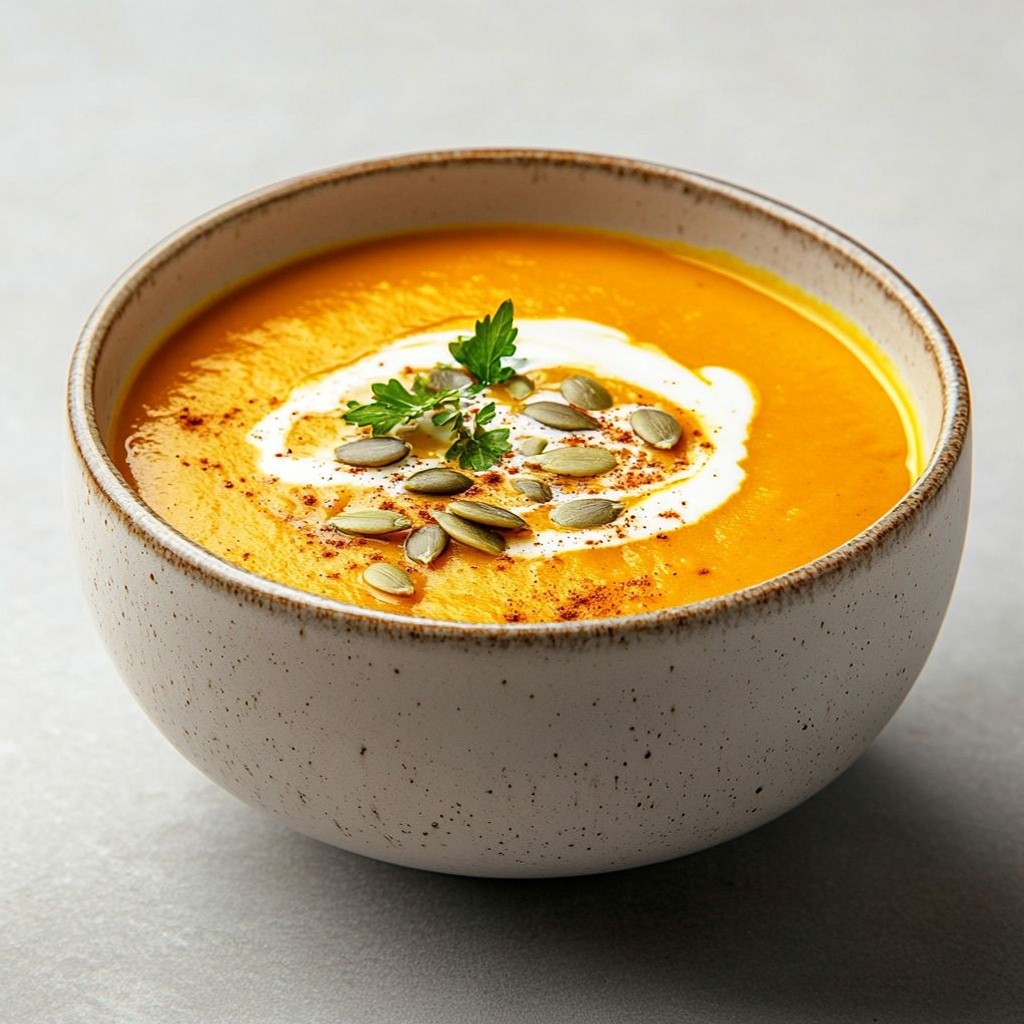
→ Garnishes add texture and visual appeal. Choose one or more: roasted pumpkin seeds (pepitas) for crunch, a swirl of cream or coconut milk for decoration, and chopped fresh parsley or chives for color. Toast pepitas lightly to enhance nuttiness; add garnishes just before serving to preserve texture and color. - Roasted pumpkin seeds (pepitas), lightly salted and toasted (optional garnish)
→ Pepitas give a crunchy contrast and complementary flavor. Toast in a dry skillet over medium heat until they pop and become golden, then season with a pinch of salt and let cool before topping the soup. - Fresh parsley or chives, chopped (optional garnish)
→ Fresh herbs add color and a bright finish. Sprinkle on top right before serving to preserve vibrant color and fresh aroma. - Croutons (optional garnish)
→ Adds a satisfying crunch and textural variety. Use crusty bread cut into cubes, tossed with a little oil and seasonings, then baked until crisp.
Instructions
- Measure 2 cups roasted pumpkin puree (unsweetened) and set aside; if you are using canned pumpkin, confirm it is 100% pumpkin with no added sugar or spice; if you roasted fresh pumpkin, purée until silky smooth and measure 2 cups.
→ This establishes a consistent pumpkin base and prevents unexpected sweetness from added ingredients. - Place a large, heavy-bottomed pot over medium heat and add 1 tablespoon olive oil (or 1 tablespoon butter) to warm; allow the fat to shimmer without smoking to carry aromatics without burning.
→ Fat helps dissolve and carry flavors from onions and garlic, contributing to a smooth texture and rich mouthfeel. - Add the finely chopped yellow onion and sauté, stirring frequently, until translucent and lightly caramelized, about 6–8 minutes; adjust the heat to avoid burning the edges while encouraging natural sweetness.
→ Caramelized onion depth develops a savory sweetness that forms the soup’s foundational flavor base. - Stir in 2 cloves minced garlic and cook 30–60 seconds until fragrant, then immediately remove from direct heat or reduce heat to low to prevent browning; garlic should bloom, not scorch.
→ Gentle heating releases garlic’s aroma without bitterness, enhancing the soup’s brightness. - Sprinkle in 1/2 teaspoon ground cumin, 1/4 teaspoon ground cinnamon, and 1/8 teaspoon ground nutmeg; toss with the aromatics and cook for 1–2 minutes to bloom the spices, stirring continuously.
→ Blooming spices releases essential oils for deeper pumpkin warmth and autumnal character. - Pour in 1 cup vegetable stock and use a wooden spoon to scrape up any browned bits from the bottom of the pot; simmer 2–3 minutes to start building body and integrate all flavors.
→ Deglazing lifts fond, enriching the base with concentrated savory notes. - Whisk in 2 cups pumpkin puree until completely smooth, then add 1 cup vegetable stock and 1 cup water (optional, to adjust thickness); bring to a gentle simmer while stirring to prevent lumps and scorching.
→ A smooth incorporation prevents stringiness and yields a uniform, velvety texture. - Add fresh thyme leaves (or 1/2 teaspoon dried thyme) and an optional bay leaf; simmer the soup for 15–20 minutes to allow flavors to meld and develop depth.
→ Slow simmering concentrates pumpkin sweetness and spice notes; remove bay leaf before blending for a clean texture. - If using fresh thyme, remove thyme sprigs and bay leaf from the pot before blending; this prevents woody chunks from marring the final texture.
→ Leaves and stems left in the blender can create gritty or unpleasant textures and alter aroma. - Use an immersion blender to purée the soup directly in the pot until it is completely smooth and velvety; alternatively, carefully transfer in batches to a countertop blender, venting steam and blending on low until smooth.
→ Proper blending achieves a luxurious, lump-free consistency and coats the palate evenly with pumpkin flavor. - If the soup is too thick, whisk in additional hot vegetable stock or water a little at a time and rewarm gently; adjust until the desired creamy consistency is reached.
→ Controlling thickness ensures a silky mouthfeel without masking pumpkin sweetness or spice. - Reduce the heat to low and stir in 1/2 cup heavy cream or full-fat coconut milk; heat just until warmed through, avoiding a boil to prevent separation and curdling.
→ Cream or coconut milk provides the signature silky finish and balanced richness; overheating can cause separation. - Season to taste with salt (start at 1/2 teaspoon) and freshly ground black pepper, tasting and adjusting in small increments; add a pinch of cayenne pepper or red pepper flakes if you desire a subtle lift.
→ Proper seasoning brings forward pumpkin sweetness and spices while balancing acidity and richness. - Optionally whisk in 1 tablespoon maple syrup or honey to balance sweetness and echo autumn flavors; adjust sweetness to your preference by tasting after the addition.
→ A touch of sweetness can brighten pumpkin and harmonize with cinnamon and nutmeg. - Prepare garnishes: lightly toast roasted pumpkin seeds (pepitas) in a dry skillet over medium heat until golden and popping, then season with a pinch of salt; finely chop fresh parsley or chives for color.
→ Toasted pepitas provide crunch and nutty aroma that complements the creamy soup; fresh herbs add visual contrast. - Ladle the hot soup into warmed bowls, then finish with a swirl of cream or coconut milk, a scatter of pepitas, a few chopped herbs, and optional croutons for crunch just before serving.
→ Finishing touches enhance presentation and provide textural variety; serve immediately for best aroma and texture.
Notes
This creamy pumpkin soup is silky, comforting, and naturally gluten-free when prepared with gluten-free stock and dairy-free options if desired. It shines with roasted pumpkin flavor, a hint of warm spices, and a velvety finish from cream or coconut milk. You can customize it with toppings and adjust texture to your liking. It freezes well and reheats beautifully for quick lunches.
- Roast the pumpkin or use a high‑quality unsweetened purée to deepen flavor; if using canned purée, choose 100% pumpkin with no added sugar or spice. Measure after puréeing to ensure the correct thickness.
- Sauté the onion until translucent and lightly caramelized to build sweetness; add garlic toward the end to prevent bitterness.
- Briefly toast the cumin in the pot with the aromatics to wake its aroma before adding liquids. You can adjust or omit if you prefer a milder pumpkin flavor.
- Start with 1 cup vegetable stock and 1 cup water and add more as needed to reach your desired consistency. Use low‑sodium stock to control salt levels.
- Finish with 1/2 cup heavy cream or full‑fat coconut milk for a velvety texture; add toward the end to prevent separation, or use dairy-free alternatives for a fully dairy-free version.
- Season gradually: begin with about 1/2 teaspoon salt and taste after blending. Finish with freshly ground black pepper and adjust to your preference.
- Optional heat: a pinch of cayenne or red pepper flakes adds a subtle warmth—start small and increase slowly if you like more heat.
- Herbs: add fresh thyme leaves or a bay leaf during simmering; remove the bay leaf before blending to avoid gritty texture.
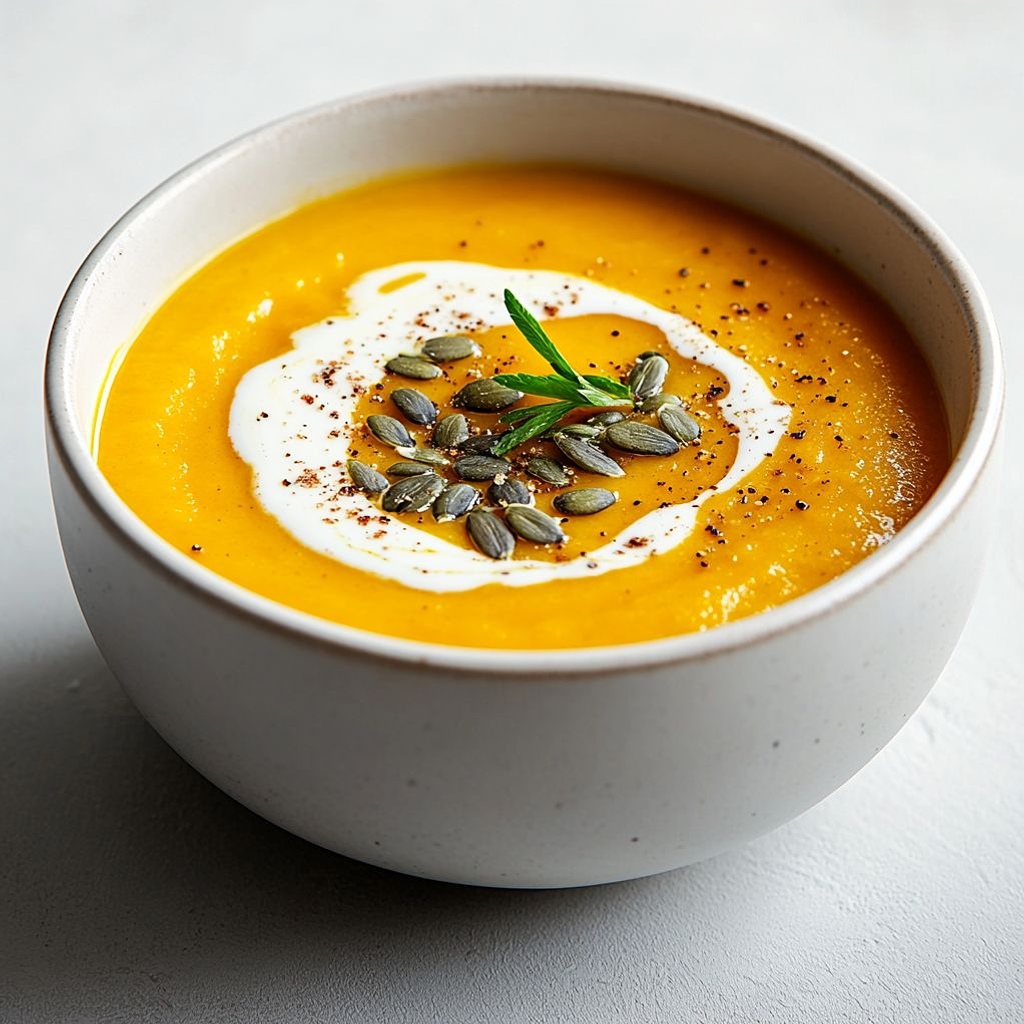
- Garnishes add texture and color: roasted pepitas, a swirl of cream or coconut milk, and chopped parsley or chives. Add garnishes just before serving.
- Storage and reheating: store leftovers in the refrigerator for up to 4 days or freeze for longer. Reheat gently on the stove, stirring well.
Tips
Tips for Creamy Pumpkin Soup
- Roasting enhances flavor: Use roasted pumpkin puree (unsweetened) or roast fresh pumpkin before puréeing to deepen aroma and sweetness. If using canned puree, choose 100% pumpkin with no added sugar.
- Aromatics done right: Sauté finely chopped yellow onion until translucent and lightly caramelized to build a rich base; add garlic after onions soften to avoid bitterness.
- Fat choice matters: Use olive oil or butter (or a combination) to help extract flavors and give a smoother mouthfeel. If using butter, add a splash of oil to prevent burning.
- Stock and liquid balance: Start with low-sodium vegetable stock to control salt; add water gradually to adjust thickness after blending. Substitute chicken stock for a richer flavor if not vegetarian.
- Creaminess trick: Add heavy cream or full-fat coconut milk toward the end to prevent separation; dairy for a traditional finish, coconut milk for a dairy-free option.
- Spice it right: Toast ground cumin briefly to wake its aroma before adding liquids; cinnamon and nutmeg bring warmth—use sparingly and grate fresh nutmeg when possible.
- Seasoning strategy: Salt to taste in stages (start around 1/2 teaspoon and adjust); freshly ground black pepper should be added at the end for brightness; a pinch of cayenne or red pepper flakes is optional for a gentle kick.
- Texture control: For a silky texture, blend with an immersion blender directly in the pot or in batches in a blender; if you prefer some texture, blend only part of the soup.
- Thickness adjustments: If too thick, whisk in a little more stock or water; if too thin, simmer uncovered to reduce or add a spoonful of extra puréed pumpkin for body.
- Herbs and aromatics: Fresh thyme (or dried thyme) adds depth; add early in simmering and remove fresh stems before blending. A bay leaf adds subtle depth—remove before blending.
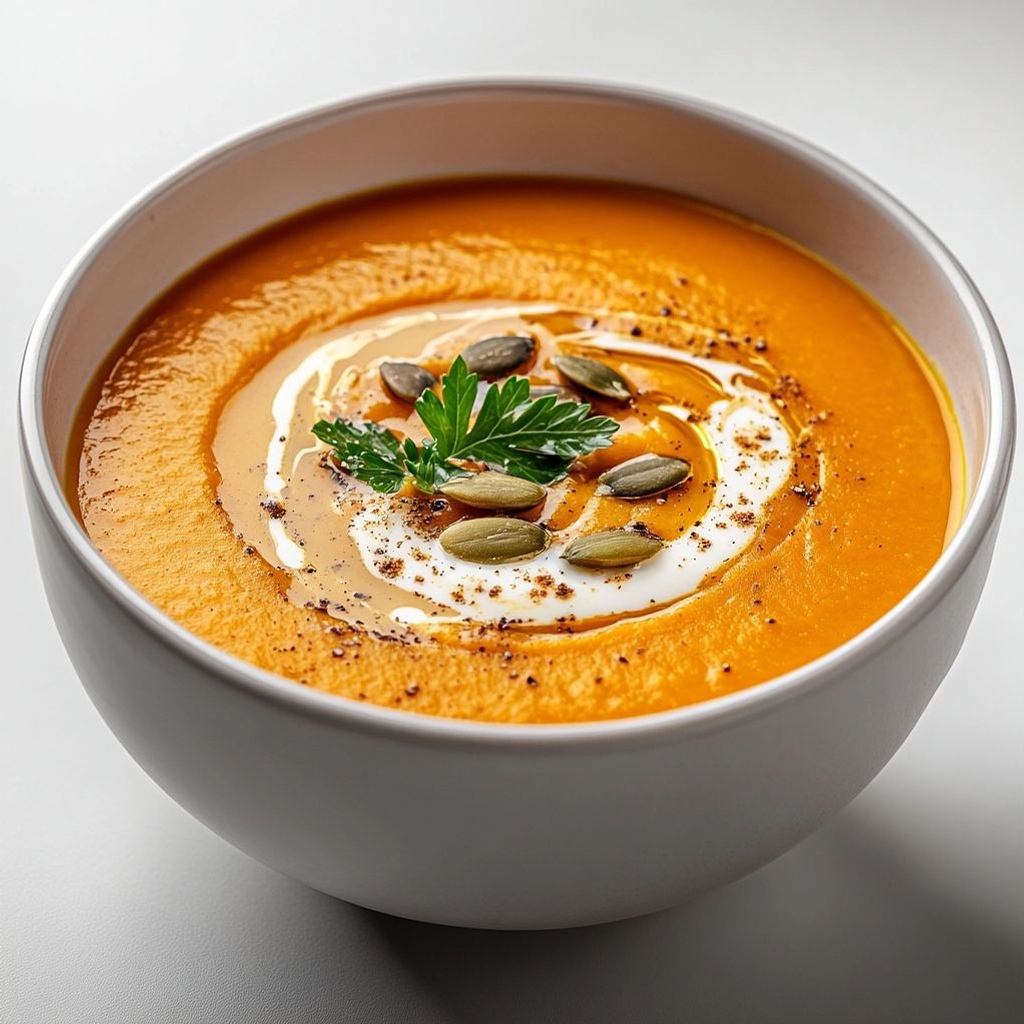
- Garnish ideas: Toasted pepitas for crunch, a swirl of cream or coconut milk for decoration, and chopped fresh parsley or chives for color. Add garnishes just before serving to preserve texture.
- Make-ahead and storage: Refrigerate leftovers 3–4 days; reheat gently over low heat and adjust thickness with stock or water as needed. Freeze portions if desired, then thaw and reheat slowly.
FAQ
Creamy Pumpkin Soup – Frequently Asked Questions
What is Creamy Pumpkin Soup?
A velvety, comforting soup made from pumpkin purée, onions, garlic, stock, and cream (or a dairy-free alternative), seasoned with warm spices like cinnamon and nutmeg for a cozy autumn flavor.
What ingredients do I need to make Creamy Pumpkin Soup?
- 1 tablespoon olive oil
- 1 medium onion, chopped
- 2 garlic cloves, minced
- 3 cups pumpkin purée (cue fresh or canned)
- 4 cups vegetable or chicken stock
- 1 cup heavy cream or coconut cream (or dairy-free milk)
- 1/2 teaspoon salt (to taste)
- 1/4 teaspoon black pepper
- Optional: 1/2 teaspoon ground cumin, 1/4 teaspoon cinnamon or nutmeg, pinch of chili flakes for heat
Is this soup vegan or dairy-free-friendly?
Yes. To keep it vegan or dairy-free, use vegetable stock and substitute the cream with coconut milk, almond milk, or a dairy-free cream alternative. Adjust seasonings to taste.
How do I make Creamy Pumpkin Soup from scratch?
- Heat olive oil in a large pot over medium heat. Sauté onion until translucent, about 5 minutes.
- Add garlic and cook for 1 minute more, stirring to prevent browning.
- Stir in pumpkin purée and stock. Add salt, pepper, and optional spices.
- Bring to a gentle simmer and cook for 15–20 minutes to meld flavors.
- Puree the soup with an immersion blender until smooth (or carefully blend in batches).
- Stir in cream (or dairy-free alternative) and warm through. Adjust consistency with more stock if needed.
- Season to taste and serve hot with toppings of your choice.
How can I adjust the thickness or consistency?
For a thinner soup, add more stock or water and simmer briefly. For a thicker, richer soup, use less stock or blend in more pumpkin and cream. A small amount of potatoes blended in also thickens nicely.
How should I store and reheat leftovers?
Cool completely and refrigerate in an airtight container for 3–4 days. Reheat gently on the stove over low heat, stirring often. Add a splash of stock or cream if it has thickened.
Can I freeze Creamy Pumpkin Soup?
Yes. Freeze in individual or family portions in freezer-safe containers for up to 3 months. Thaw overnight in the fridge and reheat on the stove, adding more stock if needed.
What toppings go well with Creamy Pumpkin Soup?
Try toasted pumpkin seeds, a swirl of cream or coconut cream, chopped fresh herbs (parsley or chives), a drizzle of olive oil, cracked pepper, a pinch of chili flakes, or a dusting of cinnamon or nutmeg.
What spice variations work well with this soup?
Classic warm notes come from cinnamon, nutmeg, and a touch of cumin. For a more savory profile, try smoked paprika or a pinch of curry powder. Adjust amounts to suit your taste and heat tolerance.