Introduction / Hook
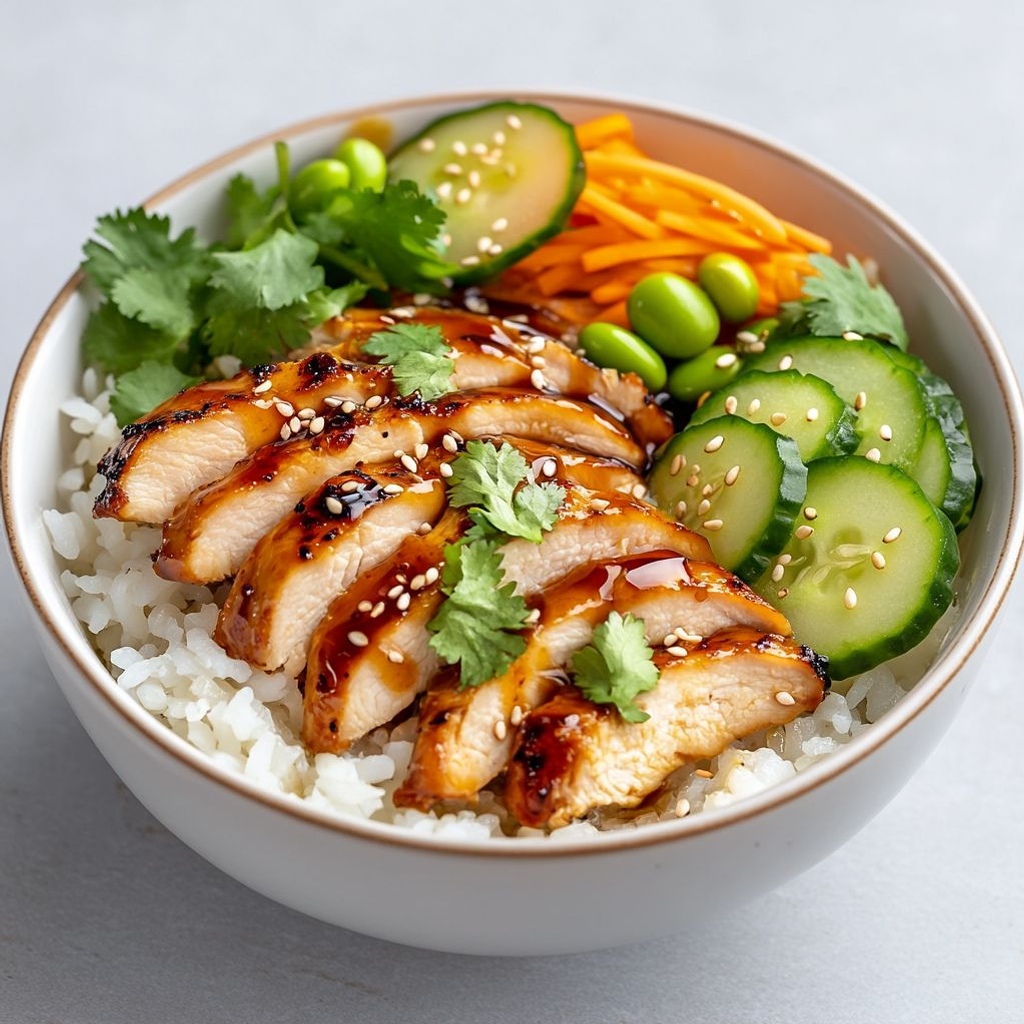
Picture a glistening bowl where steam rises like a friendly invitation—aromas weaving through the kitchen air, inviting you to pause the busyness of the day and settle into something warm, comforting, and surprisingly bright. A chicken rice bowl is more than a meal; it’s an edible invitation to balance and bounty. The first bite is a chorus of textures and flavors: tender chicken that has taken on a subtle, savory sweetness, grains or rice that yield just the right amount of chew, and a chorus of vegetables or toppings that introduce color, crunch, and a fresh lift of brightness. It’s a dish that knows how to be both quick and celebratory, casual enough for weeknights and elegant enough to serve to guests who appreciate a little texture and aroma in every mouthful. In a single bowl, you get protein, starch, and vegetables harmonized with a glaze, a zing of citrus or tang, and a whisper of herbs. And because bowls are inherently generous, you can tailor this one to your mood, your pantry, or the seasons—keeping it bright in the summer with citrusy notes and crisp cucumbers, or cozy in the winter with roasted vegetables and a hint of warmth from ginger and garlic. Let this chicken rice bowl become your go-to culinary canvas: a technique you can lean on, a flavor profile you’ll adore, and a dish that feels comforting without weighing you down.
The Story Behind the Dish
Bowls of rice with protein are a global homage to nourishment, seasonality, and the art of turning humble pantry staples into something comforting and memorable. The concept of a “rice bowl” has many face names around the world: donburi in Japan, a simple and elegant form of a meal-in-a-bowl; arroz con pollo in many Spanish-speaking countries, where the dish blends rice with chicken in a way that feels familial and celebratory; bibimbap in Korea, a colorful mosaic of vegetables, protein, and gochujang-lueled sauce stirred together at the table; and even the humble family bowl that appears in countless homes, where leftovers become a creative, satisfying lunch the next day. The charm of a chicken rice bowl lies in its accessibility and adaptability. It allows cooks to honor different culinary traditions while making something that feels contemporary and fresh. The kitchen becomes a studio where a few core elements—protein, starch, and vegetables—are unified with a vibrant glaze or dressing, a squeeze of citrus, and a handful of herbs. There’s a quiet joy in combining a seared piece of chicken with a glossy surface that hints at a kitchen fire and a bowl of fragrant, steaming grain that carries the day’s flavors forward into a comforting finish. For many, the bowl signals a return to home-cooked meals after a long day, a plate that satisfies without fuss, and a dish that travels well if you’re feeding friends, family, or colleagues who appreciate a well-rounded, satisfying meal.
Why You’ll Love This Recipe
- Quick to assemble: A chicken rice bowl is designed for speed without sacrificing depth of flavor. With smart preps and pantry-friendly components, you can have a balanced, satisfying meal on the table in no time.
- Highly adaptable: The beauty of a bowl-style dish is its flexibility. Swap proteins, switch up vegetables, and adjust sauces to suit your cravings, dietary needs, or what’s in the fridge.
- Balanced nourishment: It offers protein for fullness, carbohydrates for energy, and a generous dose of vegetables or greens for color, fiber, and micronutrients. It’s a complete meal in a single vessel.
- Meal-prep friendly: Build a weekly rotation with batch-cooked chicken, rice, and vegetables. Assemble bowls in the morning or the night before, and you’re nearly ready for the day ahead.
- Comforting but vibrant: The aroma of caramelized chicken, the warmth of perfectly cooked rice, and the crisp freshness of toppings deliver a satisfying, uplifting eating experience at any time of year.
- Economical and versatile: You can stretch ingredients to feed a crowd or keep portions modest for a lighter day. It’s friendly to budgets and big on flavor.
- Customizable textures: From velvety sauces to crunchy vegetables, from a fluffy bed of rice to a crisp-skinned chicken or lightly seared edges, the textural play makes every bite interesting.
Flavor Profile & Texture
A well-made chicken rice bowl achieves harmony through contrast. The chicken carries a savory, umami-rich note with a glossy finish that clings to the meat, offering a slow-release of depth as you chew. The surface might have a gentle caramelization that adds a whisper of sweetness and a desirable chew, balanced by a glaze or dressing that tangles with the natural richness of the poultry. The rice acts as a comforting canvas—light and fluffy in some bites, with a satisfyingly chewy bite in others depending on the grain and cooking method. It remains the reliable anchor that carries the sauce, herbs, and toppings, absorbing flavor without becoming gluey or dull. Alongside the chicken and rice, vegetables deliver a crisp, bright counterpoint. Think herbs that pop with scent and color—cilantro or scallions that release their aroma just as you bring the bowl to your mouth; cucumbers or pickled vegetables that provide a refreshing snap; perhaps an avocado creaminess or a squeeze of citrus that lifts the entire ensemble. Texture becomes a map of sensation: the soft succulence of chicken meeting the pliable, steamy grains; the final forkful offering a delicate crunch from lightly toasted vegetables or seeds; and the first bite opening with warmth and a gleam of glossy glaze that hints at something indulgent. The flavor profile is a dance of salty umami, bright acidity, toasty notes, and a gentle sweetness—balanced, never overpowering—so that every component complements the others rather than competing for attention. In a well-rounded chicken rice bowl, the savory, the tangy, and the fresh herbaceous notes form a chorus that lingers pleasantly on the palate, inviting another mouthful and another, until you realize you’ve eaten with intention and satisfaction without realizing how much time has passed.
Occasions & Pairings
This dish shines in a spectrum of moments, from simple weeknights to casual entertaining. It’s equally at home as a satisfying solo dinner or as a flexible option for potlucks and family gatherings. On busy days, a chicken rice bowl can be plated quickly and neatly, offering comfort without heaviness. For weekends or meal-prep days, it becomes a canvas you can customize in multiple variations, letting each bowl tell a slightly different story while maintaining the same comforting core.
When to Serve
- Weeknights when you want something warm, nourishing, and relatively quick.
- Casual gatherings where guests can customize toppings and sauces to their liking.
- Meal-prep sessions, where you batch components and assemble bowls in the morning or evening for the week ahead.
- Seasonal dinners where you lean into fresh produce: spring greens, summer cucumbers and herbs, autumn root vegetables, or even winter roasted vegetables for heartier bowls.
- Lunches that feel more satisfying than a sandwich or salad, with the benefit of reheating without losing texture.
Pairings to Elevate the Meal
- Light soups or broths—think a gently seasoned miso soup or a clear vegetable broth—to start, which complements the bowl without competing with its flavors.
- Salads with bright acidity, such as citrusy greens or a quick sesame-ginger slaw, to echo the fresh notes in the bowl.
- Simple pickles or quick-pickled vegetables for a crunchy, tangy contrast that cuts through richness.
- Accompaniments like a crisp salad, a yogurt-based raita or a light herb yogurt drizzle, or a citrus-ginger drizzle to lift the dish.
- Bevvies that suit the plate: a chilled green tea for balance, a light sparkling beverage, or a dry white wine for a more festive dinner.
Tips, Variations & Substitutions
One of the greatest strengths of a chicken rice bowl is its adaptability. Here are ideas to tailor the concept to your kitchen, dietary preferences, or what’s in season. You can use these guidelines to craft a personal favorite or to surprise guests with a few inspired twists.
Tips for Flavor and Texture
- Choose a chicken cut that suits your time and preference. Thighs stay juicy and flavorful; breasts cook quickly and remain lean. A mix of both is also delicious for contrast in texture.
- Brown the chicken well for a deeper, caramelized crust that adds both flavor and color. A brief sear with a touch of oil at a high heat can seal in juices and create a pleasant outer bite.
- Balance acidity and sweetness with a glaze or dressing that includes a citrus note, a little sweetness, and a savory backbone. The right glaze can tie the dish together and make every bite feel cohesive.
- Translucent aromatics like lightly sautéed garlic, ginger, or scallions add a perfume to the dish without overpowering the main components.
- Rice choice matters: if you want a lighter bowl, opt for jasmine or basmati. For heartier bowls with more fiber and a nutty character, try brown rice or a blend with quinoa.
Proteins & Substitutions
- To keep things non-meat or to accommodate dietary needs, swap in tofu, tempeh, or a hearty mushroom like king oyster or portobello for a satisfying alternative.
- Other proteins that work beautifully in bowls include salmon, shrimp, or a lean cut of beef. Each brings a different texture and flavor profile that can elevate the dish.
- For a plant-based glaze, use a sesame-soy mixture with heat from ginger and a splash of citrus to achieve a similar balance of savoriness and brightness.
Rice & Grains Variations
- Experiment with different grains such as brown rice, white rice, or a fragrant fragrant rice blend. Each grain carries its own personality and texture that can transform the bowl.
- For a gluten-free option, ensure any sauces or dressings use tamari or gluten-free soy products rather than conventional soy sauce if needed.
- Quinoa, farro, or a barley mix can be used as the base for a more robust, fiber-rich bowl with a distinct bite.
Sauces, Dressings & Toppings
- Build a few signature dressings: a tangy sesame-ginger sauce, a garlicky citrus glaze, a smoky chili-lime drizzle, or a creamy yogurt-herb finish.
- Top with fresh herbs, creamy avocado, crunchy seeds, pickled vegetables, or roasted nuts for texture and color.
- Spice it up with a touch of chili oil, gochujang, or a prepared hot sauce if you crave heat—start with a small amount and adjust to taste.
Dietary-Friendly Tweaks
- Make it gluten-free by choosing gluten-free sauces and ensuring that flavor enhancers do not contain gluten.
- Make it vegan by using plant-based proteins and dairy-free sauces or dressings crafted from nuts, seeds, and soy products.
- For lower-carb options, switch to cauliflower rice or a mix of cauliflower rice and whole grains, depending on your preference for texture and fullness.
Storage & Make-Ahead Ideas
The beauty of a chicken rice bowl lies in its flexibility for storage and reheating. You can prepare components in advance and assemble bowls when you’re ready to eat, making it an ideal choice for meal prep, lunch boxes, or a quick weeknight dinner. Here are practical tips to keep the dish vibrant and delicious across multiple days.
Storage Tips
- Store cooked chicken, rice, and vegetables separately in airtight containers to preserve texture and prevent sogginess. Keeping components separate helps maintain the integrity of flavors and textures when you reheat.
- Refrigerate leftovers within two hours of cooking. Use within 3–4 days for optimal taste and safety.
- When you’re ready to dine, rewarm components gently: reheating chicken with a light splash of water or stock can keep it moist; reheat rice until steaming hot but not dried out; crisp vegetables or toppings can be refreshed with a quick toss in a hot pan or a brief broil to restore a bit of crunch.
Make-Ahead Strategies
- Batch-cook proteins and grains separately in advance. Keep them in the refrigerator and assemble bowls fresh when needed, finishing with a bright dressing and toppings just before serving.
- Prepare a few glaze or dressing options in jarred sauces to keep your flavor palette varied throughout the week—one day you might reach for a citrus-ginger glaze; another day, go for a smoky chili-lime version.
- Slice vegetables ahead of time for quick assembly. If you’re using delicate greens or herbs, add them just before serving to preserve color and aroma.
Fun Facts & Trivia (Optional)
Curious culinary culture nuggets often enrich the dining experience. Here are a few bite-sized truths about bowls and their place in food history:
- The term “donburi” in Japanese cuisine refers to a bowlful of rice topped with ingredients. It’s a flexible, ever-changing dish that reflects the season and the cook’s imagination.
- Bibimbap, a beloved Korean bowl, literally translates to “mixed rice,” capturing the ritual of combining rice with vegetables, protein, and gochujang just before eating.
- Rice has historically served as a universal carrier of flavor in many edible cultures; it’s the blank canvas that makes it possible to layer seasonings, textures, and colors in countless regional variations.
- Pairing a bright citrus note with a savory glaze is a classic way to wake up the palate in a bowl-based dish, lifting richness and bringing balance to the plate.
- Leftovers, when transformed into bowls, become a new culinary experience, giving life to flavors that might seem familiar but feel refreshed and exciting once again.
In creating a chicken rice bowl, you’re crafting a meal that’s adaptable, comforting, and deeply personal. It’s a dish that invites you to experiment with textures, colors, and flavors while providing a reliable structure: a protein that’s flavorful and juicy, a starchy base that’s soothing, and an array of toppings that offer brightness, crunch, and variety. Whether you’re cooking for one or feeding a family, the chicken rice bowl stands ready to become a beloved staple in your weeknight repertoire or your next culinary gathering. Embrace the opportunity to tailor the dish to your pantry, your preferences, and the season, and you’ll discover that a simple bowl can carry a world of flavor with elegance and ease. Enjoy the process, savor the aroma, and let each bite remind you that nourishment can be both nourishing and delightfully indulgent at the same time.
Ingredients
Chicken Protein
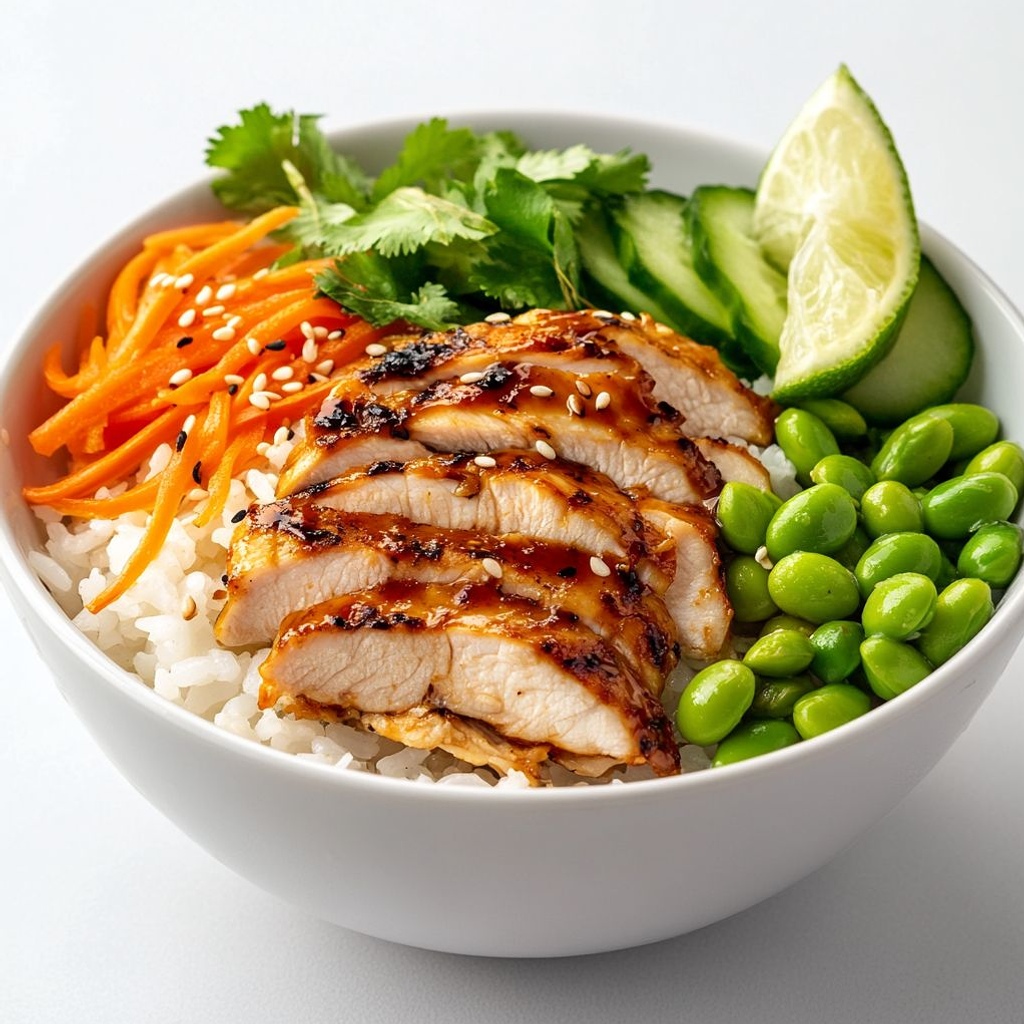
- – 1.5 lb boneless, skinless chicken thighs
→ Chicken thighs provide a juicy, forgiving texture and rich flavor that holds up well to a savory, soy-based marinade. Trim any excess fat and cut into roughly 1-inch pieces to ensure even cooking. For best results, toss with the marinade ingredients (below) and let sit 15 minutes to 2 hours in the fridge to maximize flavor and moisture retention. - – 3 tablespoons low-sodium soy sauce (or tamari for gluten-free)
→ Soy sauce adds salt and umami depth to the chicken, helping to season the meat evenly from the inside out. Use low-sodium to control overall saltiness, especially since the sauce and garnishes will also contribute saltiness. Marinate the chicken in this with the other marinade components to infuse flavor deeply. - – 1 tablespoon honey
→ Honey provides a touch of sweetness that balances the savory and tangy notes, and also helps create a light glaze as the chicken sears. If you prefer a stronger caramelization, slightly increase the amount or substitute maple syrup. Ensure honey is well mixed into the marinade so it coats the pieces evenly. - – 1 tablespoon rice vinegar
→ Rice vinegar adds a gentle acidity that brightens the rich chicken and helps balance the sauce. It also helps tenderize the meat a bit during marinating. Use plain rice vinegar for a clean, mild tang; avoid overpowering flavors with overly aggressive vinegars. - – 2 cloves garlic, minced
→ Garlic provides a foundational savory aroma and depth. Mince finely to distribute flavor evenly; if you prefer a milder profile, crush and then finely chop, or press through a garlic press for a uniform texture. - – 1 teaspoon grated fresh ginger
→ Ginger brings a warm, slightly spicy note that complements the soy and garlic. Grate fresh to release maximum aroma and drop any fibrous bits; this keeps the bite evenly distributed throughout the dish. - – 1 teaspoon toasted sesame oil
→ Sesame oil adds a nutty, aromatic finish that rounds out the marinade. Use a small amount due to its strong flavor; drizzle into the marinade and reserve a few drops to finish the dish if desired for extra aroma. - – 1 tablespoon cornstarch (for coating)
→ Cornstarch helps create a light crust when the chicken is seared and also helps the sauce cling to the pieces. Toss the marinated chicken in a thin dusting of cornstarch just before cooking for best texture. If you prefer a crisper finish, skip the coating and sauté directly.
Rice
- – 2 cups jasmine rice, rinsed until the water runs clear
→ Rinsing removes surface starch, yielding fluffier, separating grains rather than a gummy texture. For an even lighter result, you can soak the rinsed rice for 15–20 minutes before cooking, then drain and cook as directed. Use jasmine rice for a fragrant, slightly perfumed aroma that pairs well with savory bowls. - – 4 cups water or chicken broth (for cooking)
→ The cooking liquid determines the final flavor and texture of the rice. Water yields a neutral base, while chicken broth adds depth. If using broth, reduce added salt in the recipe accordingly to avoid over-salting. - – 1/4 teaspoon salt (optional)
→ A small amount of salt enhances rice flavor, especially when using plain water. If you’re using salted broth, omit this to prevent saltiness from overpowering the dish. Taste and adjust after cooking.
Stir-Fry Sauce
- – 3 tablespoons low-sodium soy sauce
→ This sauce component builds the savory backbone of the bowl, tying together the chicken, vegetables, and rice. A low-sodium version helps you control overall saltiness as you balance sweetness and acidity from the other components. Keep remaining seasoning modest to avoid oversalting. - – 2 tablespoons rice vinegar
→ Adds brightness and a gentle tang that cuts through the richness of the meat and oils. The vinegar should be mild and fresh, not harsh; adjust by adding a splash at a time to taste. - – 1 tablespoon honey or maple syrup
→ Provides sweetness that counteracts soy’s saltiness and helps glaze the chicken for a cohesive flavor. You can adjust sweetness to your preference; balance with acidity from the vinegar to maintain harmony in the sauce. - – 1 teaspoon toasted sesame oil
→ A final drizzle of sesame oil enriches the sauce with a delicate nutty aroma. Use sparingly; a little goes a long way in delivering depth without overpowering other flavors. - – 1/2 cup chicken broth or water
→ Liquids in the sauce loosen the glaze so it coats the chicken and vegetables evenly. Use broth for extra flavor, or water for a lighter finish. If you like a thicker sauce, increase the cornstarch slightly and whisk smooth. - – 1 teaspoon cornstarch (for thickening)
→ Cornstarch is used to thicken the sauce into a glossy glaze that clings to the chicken and vegetables. Dissolve in a small amount of cold liquid before whisking into the hot sauce to prevent lumps. Adjust quantity to reach your preferred consistency. - – 1 teaspoon chili paste or Sriracha (optional)
→ Adds a customizable level of heat. Start with a small amount, taste, and increase gradually to your preferred spiciness. If you’re serving a family with different heat tolerances, offer chili paste on the side as a garnish.
Vegetables
- – 1 cup broccoli florets, cut into small bite-sized pieces
→ Broccoli provides color, crunch, and nutrition. Slice into even pieces to promote uniform cooking; blanch briefly for a brighter green and crisper texture, or stir-fry with a light sear to preserve snap and vibrant color. - – 1 cup red bell pepper strips (assorted colors)
→ Bell peppers add sweetness, color, and a crisp bite that contrasts with the tender chicken and rice. Slice evenly to ensure uniform cooking; sauté until just tender to maintain crispness and brightness. - – 1/2 cup shredded carrot
→ Carrots bring sweetness and a pop of orange, plus gentle crunch. Use fresh carrots and shred to thin ribbons for quick cooking and even distribution in the bowl. Toss with a little salt or a splash of sauce if desired to enhance flavor. - – 1/2 cup snap peas
→ Snap peas contribute a crisp, refreshing bite and a fresh green color. Trim ends and discard string if present; stir-fry briefly to keep their snap and vibrant look. They pair well with the sesame notes in the sauce. - – 1 tablespoon vegetable oil
→ A high-heat oil helps to sear the proteins and vegetables quickly without sticking. Use a neutral oil with a high smoke point, such as canola or grapeseed, and swirl in the pan to coat evenly. - – Salt and pepper to taste
→ Season vegetables lightly as they cook to build overall harmony in the bowl. Add progressively toward the end of cooking to avoid oversalting and to preserve the vegetables’ natural sweetness.
Garnish / Optional Add-ins
- – 2 tablespoons sesame seeds, toasted
→ Toasted sesame seeds add a final crunchy texture and a warm nutty aroma that complements the sesame oil in the sauce. Lightly toast in a dry skillet until fragrant, then stir in just before serving to keep their crunch. - – 2 green onions, thinly sliced
→ Green onions provide a fresh, bright finish with mild onion flavor. Add the white and green parts at the end for color and fragrance, enhancing aroma without overpowering the main flavors. - – Fresh cilantro leaves (optional)
→ Cilantro adds a fresh, citrusy lift that pairs well with the Asian-inspired notes. Use if you enjoy its distinctive brightness; it doesn’t suit everyone, so include on the side or omit as desired. - – Lime wedges (optional)
→ A squeeze of lime adds a zesty acidity that brightens the entire bowl. Serve wedges on the side so each person can adjust tang to taste, especially when balancing sweeter elements. - – Optional: chili flakes (to taste)
→ For extra heat, chili flakes offer a quick, controllable option that guests can tailor to their spice preference. Sprinkle lightly and adjust after tasting the bowl.
Instructions
- Trim excess fat from the chicken thighs and cut into roughly 1-inch pieces so they cook evenly and yield uniform bites.
→ Uniform pieces promote even searing and moisture retention, preventing undercooked centers and overcooked edges. - In a large bowl, whisk together 3 tablespoons low-sodium soy sauce, 1 tablespoon honey, 1 tablespoon rice vinegar, 2 cloves minced garlic, 1 teaspoon grated fresh ginger, and 1 teaspoon toasted sesame oil to form a balanced marinade.
→ Mixing the marinade thoroughly ensures the garlic, ginger, and sesame aroma are evenly distributed before coating the chicken for uniform flavor. - Add the chicken pieces to the marinade and toss to coat every surface; cover and refrigerate for 15 minutes to 2 hours to maximize flavor penetration and moisture retention.
→ Allowing time for the flavors to permeate the meat yields more pronounced savory notes and helps keep the chicken juicy during cooking. - Remove the chicken from the marinade, letting excess liquid drip off, and dust the pieces with a light coating of 1 tablespoon cornstarch to create a subtle crust and help the sauce cling.
→ A light starching improves browning during searing and helps emulsify the glaze so it coats the chicken evenly. - Rinse jasmine rice under cool running water until the water runs clear to remove surface starch and achieve fluffy, separated grains.
→ This prevents a gummy texture and ensures a light, fragrant base for the bowl. - In a medium saucepan, combine the rinsed rice with 4 cups water or chicken broth and 1/4 teaspoon salt if using plain water; bring to a boil over medium-high heat.
→ Using broth adds depth, while plain water keeps flavors neutral; salting lightly helps the rice taste present without oversalting the dish. - Once boiling, reduce the heat to a gentle simmer, cover tightly, and cook for about 15 minutes; turn off the heat and let the rice rest, still covered, for 10 minutes to finish steaming.
→ Resting allows moisture to distribute evenly and prevents the grains from tearing apart when fluffed. - Fluff the cooked rice with a fork, then portion into bowls as the base for your chicken and vegetables.
→ Fluffing helps separate grains for each bite and prevents a dense, clumpy texture when assembling bowls. - Prepare the vegetables by separating broccoli florets into bite-sized pieces, slicing red bell pepper into uniform strips, shredding carrot into thin ribbons, and trimming snap peas; have them ready for quick stir-frying.
→ Uniform pieces ensure even cooking and crisp-tender texture that contrasts with the tender chicken and fluffy rice. - Heat a large skillet or wok over high heat and add 1 tablespoon vegetable oil; swirl to coat the surface and let the oil shimmer.
→ A hot, oiled surface promotes rapid searing and prevents sticking, creating a flavorful crust on the chicken and vibrant vegetables. - Add the marinated chicken (the cornstarch-coated pieces) to the hot pan in a single layer and sear without moving for 2 minutes, then flip and cook until the chicken is browned and just cooked through, about 3–5 minutes total; transfer to a plate and set aside.
→ Searing quickly builds flavor through browning (the Maillard reaction) and prevents the chicken from stewing in its own juices. - In the same pan, add a bit more oil if needed and stir-fry broccoli, red pepper, carrot, and snap peas over high heat until just tender-crisp, about 2–4 minutes; season lightly with salt and pepper as they cook.
→ Quick high-heat cooking preserves color, crunch, and nutrients while integrating flavors from the pan. - Return the chicken to the pan with the vegetables and pour in the stir-fry sauce: whisk together 3 tablespoons low-sodium soy sauce, 2 tablespoons rice vinegar, 1 tablespoon honey, 1 teaspoon toasted sesame oil, 1/2 cup chicken broth or water, and 1 teaspoon cornstarch; simmer until the sauce has thickened to a glossy glaze, about 1–2 minutes.
→ The cornstarch slurry thickens the sauce so it clings to the chicken and vegetables, creating a cohesive coating rather than a loose glaze. - Taste and adjust seasoning by adding a touch more soy sauce or honey if needed, and stir in a small amount of chili paste or Sriracha (optional) to reach your preferred heat level.
→ Balancing salt, sweetness, and heat ensures a harmonious flavor profile that suits your palate and guests. - Divide the hot rice among bowls, top with the sauced chicken and vegetables, and drizzle any remaining glaze over the top for an appetizing sheen.
→ Plating with a glossy glaze enhances visual appeal and ensures each bite picks up the full flavor of the sauce. - Finish with garnish options: sprinkle toasted sesame seeds and thinly sliced green onions, add cilantro leaves if desired, place lime wedges on the side, and offer chili flakes for extra heat.
→ Garnishes provide contrasting texture, color, and brightness, and let each diner customize the bowl to their taste. - Serve immediately while hot and enjoy the balanced combination of protein, starch, and vegetables in a cohesive, flavorful chicken rice bowl.
→ Immediate serving preserves the texture of the crisp-tender vegetables and keeps the glaze caramelized and glossy for the best eating experience.
Notes
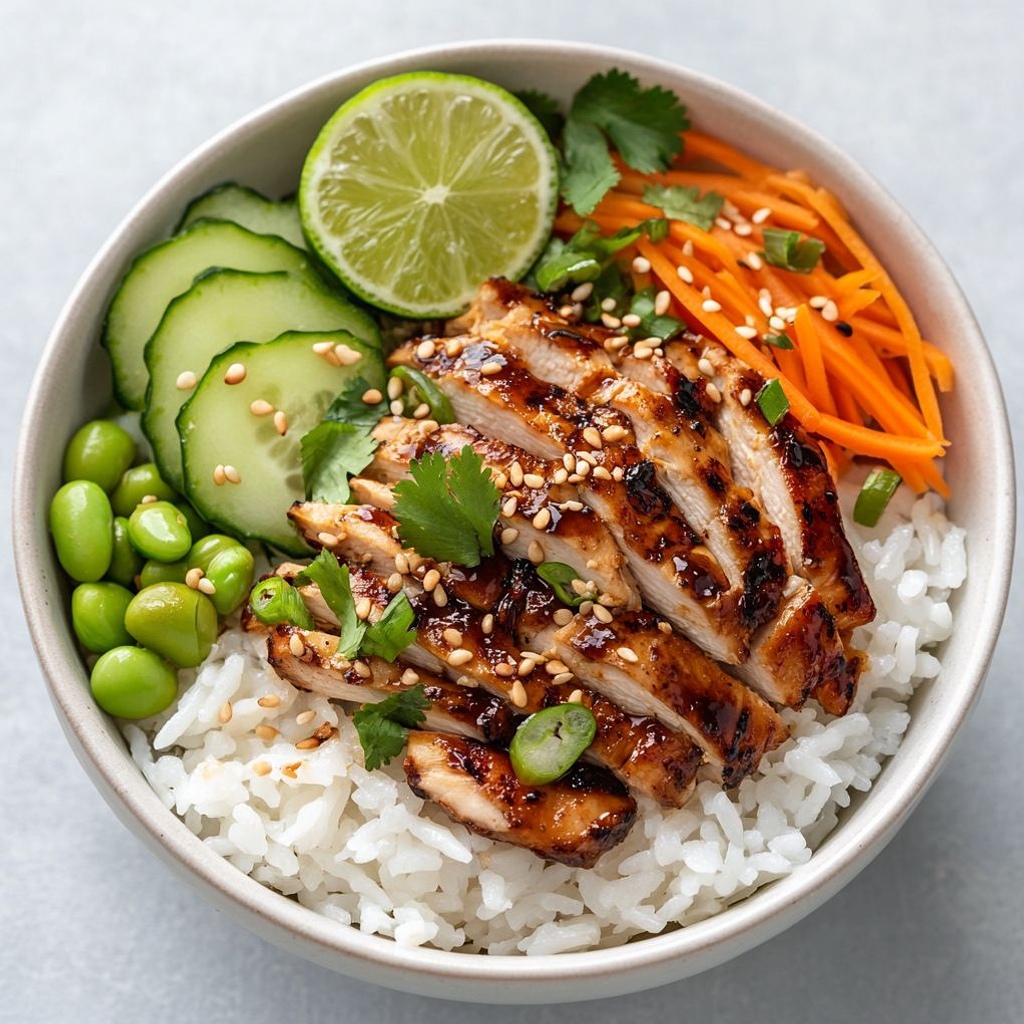
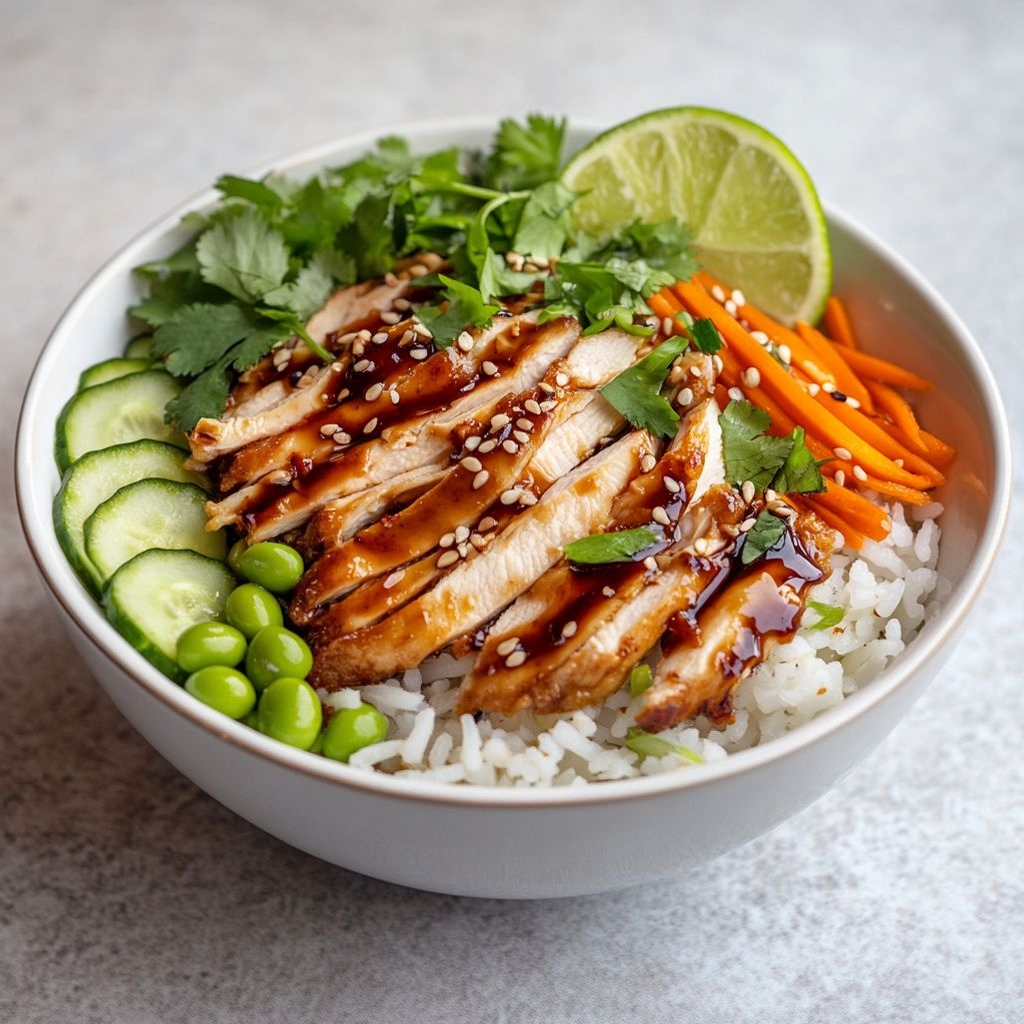
These chicken rice bowls are a savory, satisfying combination of juicy marinated chicken, fluffy jasmine rice, colorful vegetables, and a glossy, flavorful glaze. You can customize them by swapping chicken thighs for chicken breast, using shrimp or tofu for different textures, or rotating vegetables like broccoli, bell peppers, carrots, and snap peas to suit your preferences. For meal prep, marinate and sear the chicken ahead of time, cook the rice in advance, and refrigerate the components separately so everything comes together quickly when you’re ready to eat. Finish with toasted sesame seeds, thinly sliced green onions, and a squeeze of lime for brightness; a drizzle of hot sauce or chili paste on the side lets each person tailor the heat. If gluten-free is needed, use tamari or gluten-free soy sauce and verify all ingredients (stock, vinegar, and sauces) are gluten-free. Leftovers refrigerate well for 3–4 days; you can reheat the chicken and vegetables in a skillet or microwave and fluff the rice just before serving.
Tips
Tips for Perfecting the Chicken Rice Bowl
Marinade and chicken prep
- Pat the chicken pieces dry after trimming excess fat to promote even browning and better searing.
- Lightly coat the marinated chicken in a thin dusting of cornstarch just before cooking to create a delicate crust and help the glaze cling.
- Marinate for 15 minutes to 2 hours in the fridge to maximize flavor and moisture; if you’re short on time, a 15–30 minute marination still yields noticeable improvement.
- For gluten-free dishes, substitute tamari for soy sauce. Keep an eye on salt levels, since tamari can be saltier than light soy.
Searing and cooking the chicken
- Use a hot skillet and avoid overcrowding the pan; cook in batches if needed to maintain a good sear instead of steaming the meat.
- Let the chicken form a crust before turning; resist constant turning to maximize browning and flavor development.
- Finish with a light glaze of marinade or sauce in the last minute to achieve a glossy surface without burning the sugars.
Rice perfection
- Rinse jasmine rice until the water runs clear to remove surface starch and yield fluffy grains that stay separate.
- Consider soaking rinsed rice for 15–20 minutes, then drain and cook as directed for an even texture; rest the cooked rice for 5–10 minutes and fluff with a fork.
- If using broth, reduce added salt and adjust seasoning afterward to avoid oversalting the final dish.
Sauce balance and thickness
- Whisk the cornstarch slurry into the hot sauce gradually to reach your desired glaze thickness without clumps.
- Taste as you go: start with less sweetness and sweetness can be added in increments to balance acidity from vinegar and salt from soy.
- Keep sesame oil for finishing; a little goes a long way to provide aroma without overpowering other flavors.
- If the sauce needs more body, whisk in a slightly larger slurry or simmer a bit longer to reduce and thicken.
Vegetables and texture
- Cut vegetables into uniform sizes for even cooking; blanch broccoli briefly for vibrant color and crisp-tender texture, or stir-fry quickly to preserve snap.
- Cook harder vegetables (like broccoli and carrots) first, adding quicker-cooking items (like peppers and peas) later to maintain bite.
- Taste and season vegetables lightly toward the end to preserve their natural sweetness and color.
Garnish, finishing, and make-ahead tips
- Toast sesame seeds in a dry skillet until fragrant and sprinkle on just before serving for added crunch.
- Thinly slice green onions and cilantro leaves; add greens at the end for color and aroma.
- Serve lime wedges on the side for a bright finish, and offer extra chili paste or flakes for guests who want more heat.
- Leftovers store in the fridge for 2–3 days; reheat gently and fluff rice with a small amount of water to refresh texture.
Variations and substitutions
- For a lighter glaze, reduce honey or substitute with a touch of maple syrup; balance with additional vinegar if needed.
- To keep the dish gluten-free, use tamari or coconut aminos instead of soy sauce and ensure all components are gluten-free.
- Offer extra heat on the side with chili paste or chili flakes so each guest can customize their bowl.
FAQ
What ingredients do I need for Chicken Rice Bowl?
- Protein: 1 lb (450 g) chicken breast or thighs, cut into bite-sized pieces
- Rice: 1 cup uncooked jasmine or basmati rice (yields about 3 cups cooked)
- Vegetables: 2 cups mixed such as broccoli florets, bell peppers, shredded carrots, and peas
- Flavor base: 2 cloves garlic (minced), 1-inch piece fresh ginger (minced)
- Sauce components: 3–4 tablespoons soy sauce or tamari, 1–2 tablespoons honey or brown sugar, 1 tablespoon rice vinegar or lime juice, 1 teaspoon sesame oil
- Garnishes: sliced green onions, sesame seeds, fresh cilantro (optional)
- Optional extras: avocado slices, chili flakes or Sriracha, pickled ginger, boiled egg
How do I cook the chicken?
- Marinate (optional but flavorful): 2–3 Tbsp soy sauce, 1 clove minced garlic, 1 tsp grated ginger, 1 tsp oil; toss with chicken and marinate 15–30 minutes.
- Stovetop method: heat 1 Tbsp oil in a skillet over medium-high heat. Add chicken and cook 4–6 minutes, stirring occasionally, until no pink remains and internal temperature reaches 165°F (74°C).
- Oven method: preheat to 400°F (200°C). Spread marinated chicken on a lined sheet pan and bake 15–20 minutes until cooked through. Let rest before serving.
How do I cook the rice?
- Rinse 1 cup of rice under cold water until the water runs clear to remove excess starch.
- Combine rinsed rice with 1 1/2 cups water in a pot. Bring to a boil, then reduce heat to low, cover, and simmer 15–18 minutes (or follow package directions).
- Remove from heat, let steam 5 minutes, then fluff with a fork.
What sauce or seasonings work best for a Chicken Rice Bowl?
- Quick soy-honey glaze: 3–4 Tbsp soy sauce, 1–2 Tbsp honey, 1–2 tsp rice vinegar, 1 tsp sesame oil. Simmer 1–2 minutes to thicken slightly.
- Teriyaki-style: soy sauce, brown sugar or honey, minced garlic, grated ginger, a splash of mirin or rice vinegar; optionally thicken with a tiny cornstarch slurry.
- Spicy option: add Sriracha or chili garlic sauce to the glaze for heat.
How do I assemble the bowl?
- Start with a base of fluffy rice in bowls.
- Top with evenly distributed chicken and sautéed vegetables.
- Drizzle with the sauce and toss gently to coat.
- Finish with garnishes like green onions, sesame seeds, and fresh herbs.
Can I make this ahead or meal-prep it?
- Yes. Cook the rice and chicken in advance, and chop vegetables ahead of time. Store components separately in airtight containers in the fridge for up to 3 days.
- When ready to eat, reheat chicken and veggies in a skillet or microwave, reheat rice gently with a splash of water to keep it fluffy, then combine and serve with fresh sauce.
How can I adapt this recipe for different diets?
- Gluten-free: use tamari or coconut aminos instead of soy sauce; check all sauces for gluten.
- Dairy-free: this recipe is dairy-free as written, but double-check any pre-made sauces.
- Vegetarian/vegan option: substitute chicken with tofu, tempeh, or chickpeas; use vegetable broth for cooking rice if desired; add more veggies.
- Low-carb option: serve over cauliflower rice instead of grain rice.
How long does it take to make a Chicken Rice Bowl?
With all components prepared, it typically takes about 25–40 minutes from start to finish. If you marinate the chicken, add 15–30 minutes of marinating time; you can reduce total time by cooking rice and chicken concurrently.
How should I store and reheat leftovers?
- Store leftovers in airtight containers in the refrigerator for up to 3–4 days.
- Reheat in the microwave covered, or in a skillet with a splash of water to keep rice fluffy and prevent drying out.
- If the sauce has separated, re-toss or drizzle fresh sauce before serving.
What are some flavor variations and toppings I can try?
- Try a sesame-ginger peanut sauce or a citrus ponzu for a bright twist.
- Add roasted veggies like Brussels sprouts, zucchini, or mushrooms.
- Swap vegetables based on seasonality: corn, peas, or green beans work well.
- Top with a fried or soft-boiled egg for extra protein and richness.