Introduction / Hook
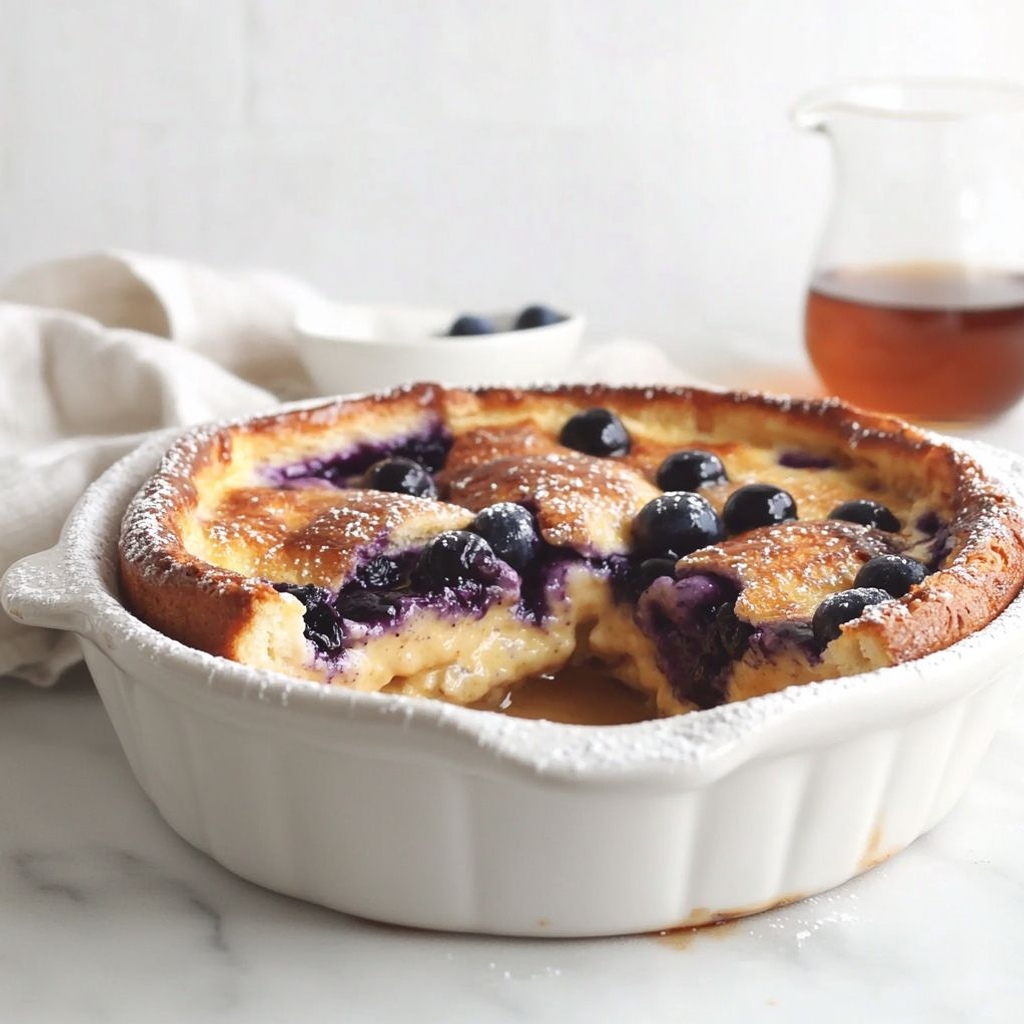
Imagine a cozy morning where the scent of vanilla and cinnamon wafts through the kitchen, mingling with the bright scent of blueberries bursting with sweetness. The edges of a golden-brown casserole crackle softly as you lift the lid, revealing a custardy, comforting interior that glows with pockets of ruby fruit. This Blueberry French Toast Casserole isn’t just breakfast—it’s a warm hug you can pull from the oven and share with whoever gathers at the table. It’s the kind of dish that invites slow mornings, lingering conversations, and the kind of brunching joy that makes weekend plans feel like tiny celebrations. Each bite delivers a harmony of textures: creamy, custardy center with a tender, pull-apart crumb, and a caramelized top that offers a gentle crunch, all brightened by the sunlit sweetness of blueberries. It’s a dish that sounds fancy enough for a crowd-pleasing brunch, yet simple enough to assemble the night before and bake in the morning with minimal fuss. If you’ve ever wanted a recipe that marries the nostalgic comfort of French toast with the ease of a casserole, you’ve just found it. The magic of this recipe is how it balances indulgence with practicality, creating a moment you’ll want to repeat again and again.
The Story Behind the Dish
French toast is one of those time-honored comfort foods that travels well through history, adapting to the pantry of every era. Its simplest version, a bread-stale rescue mission, has been a pantry staple across cultures for generations. The idea is timeless: stale bread becomes a vehicle for a rich, eggy custard that wakes up the bread, softening its texture while adding depth of flavor. Blueberries, meanwhile, have a long relationship with celebrations of summer and the garden. They are a symbol of sunlit mornings, herb-strewn breakfast nooks, and farmers’ markets where baskets of blue jewels tempt more than a few curious hands. When you marry these two classics—French toast and blueberries—in a casserole, you’re honoring the lineage of home-cooked breakfasts that bring people together. The casserole format, in particular, grew out of the need for a generous morning dispatch: assemble once, bake once, feed many. It’s the culinary equivalent of a warm embrace you can share with family, friends, or neighbors without standing over a hot skillet for hours. The result is a dish that feels timeless and cozy, yet modern enough to suit gatherings, lazy Sundays, and weekend celebrations alike. The blueberry notes add brightness to the custard and a lively contrast to the comforting bread, turning every slice into a little celebration of summer’s fruit during any season.
Why You’ll Love This Recipe
- Effortless brunch classic: The casserole format means you can assemble ahead and bake when you’re ready, freeing you to mingle with guests instead of tending a stove.
- Comfort with a bright twist: Creamy, custardy center punctuated by bursts of juicy blueberries creates a comforting yet uplifting flavor profile.
- Family-friendly and crowd-pleasing: It feeds a crowd without sacrificing a sense of indulgence, making it ideal for weekend gatherings, holidays, or simple make-ahead breakfasts.
- Versatile and forgiving: The dish adapts to pantry staples and seasonal produce, inviting customization without sacrificing its core charm.
- Make-ahead magic: The enriched bread-soaking method allows the flavors to meld overnight, delivering a cohesive, well-balanced slice every time.
- Make-it-now or save-it-for-later: Perfect for busy mornings or leisurely weekends, with reheating suggestions that keep the texture and flavor intact.
Flavor Profile & Texture
This Blueberry French Toast Casserole is a study in contrasts—soft, custardy interior with a lightly crisped, caramelized top. The base carries a warm, comforting note from spices like vanilla and cinnamon, which coax the bread to a rich, almost custard-like texture as it bakes. Within the soft, pillowy bites, blueberry bursts offer tart sweetness and a juicy pop, creating tiny flavor explosions that surprise and delight. The bread soaks up a creamy custard that binds the casserole into a cohesive whole, yet each slice still holds its own personality: a gentle sweetness that isn’t cloying, a subtle tang from the berries, and a hint of citrus or zest depending on how you season. The crust that forms around the edges is golden and slightly crisp, offering a delightful contrast to the inner tenderness. Texture-wise, you’ll experience a playful balance—creamy richness that coats the palate, complemented by the fruit’s brightness and a delicate crunch on the top. Aromas of vanilla, cinnamon, and baked bread fill the room, turning a simple morning into a sensory memory. The aroma alone has a way of inviting conversation, and the first bite seals the moment with comfort and satisfaction.
Occasions & Pairings
This dish shines in a variety of settings, from intimate weekend breakfasts to bustling holiday brunches. It’s equally at home for a Mother’s Day morning, a Christmas morning treat, or a casual Sunday with friends. Because it’s inherently forgiving and feed-a-crowd friendly, it’s ideal for planning ahead when you know you’ll have guests or a larger family gathering. For serving, you can keep the presentation simple and rustic or dress it up with a drizzle of maple syrup, a dollop of whipped cream, or a light dusting of powdered sugar. A squeeze of lemon zest or a whisper of orange zest can brighten the dish if you’re aiming for a citrusy note that complements the blueberries. Pairings can elevate the experience: a hot cup of coffee or a lightly brewed tea pairs beautifully with the warm spices, while a sparkling beverage (like a lightly sweetened mimosa or a citrusy soda) can add a celebratory touch. For desserts or later in the meal, a spoonful of vanilla yogurt or a small scoop of vanilla bean ice cream can contrast with the oat-topped crust and keep the flavors balanced and satisfying. If you’re serving this for a brunch menu, consider offering a side of crisp fruit salad or a savory spinach and cheese bake to provide a gentle counterpoint and keep the spread feeling complete.
Tips, Variations & Substitutions
One of the joys of a casserole like this is how forgiving it can be, so feel free to adapt it to your preferences or dietary needs. Here are ideas to customize, lighten, or elevate the dish while preserving its core charm.
- Vegan or dairy-free option: Use a plant-based milk (such as almond, soy, or oat) and a vegan egg replacement (such as flax eggs or a commercial egg replacer). For richness, add a touch of dairy-free cream or coconut cream. Consider a little neutral-tavored oil or dairy-free butter to help the top brown and stay crisp.
- Gluten-free or alternative bread: Choose a hearty gluten-free bread or a brioche-style gluten-free loaf that can soak up the custard without becoming soggy. The goal is to maintain a sturdy but tender crumb that holds its shape after baking.
- Fruit variations: Blueberries are delightful, but you can substitute or mix in blackberries, raspberries, sliced peaches, or diced apples for different seasonal vibes. Stone fruits in particular pair beautifully with warm spices.
- Flavor boosters: A pinch of orange or lemon zest brightens the dish, and a splash of orange blossom water or vanilla bean can deepen the aroma. A touch of almond extract can add a nutty dimension if it’s used sparingly.
- Texture variations: If you want a crisper top, increase the oven temperature for the final 5–7 minutes of baking or broil very briefly—watch closely to prevent burning. A light sprinkle of chopped nuts (like almonds or pecans) can add crunch and contrast.
- Nutty toppings: A crumble made from oats, chopped nuts, a bit of flour, brown sugar, and melted butter can be scattered on top before baking for a bakery-style topping. Keep it subtle so it doesn’t overwhelm the blueberries’ brightness.
- Make-ahead strategy: Assemble the casserole, cover tightly, and refrigerate overnight. The bread will continue to absorb the custard, resulting in an even richer, more cohesive texture the next day. Bake it when you’re ready to serve.
- Portion-friendly options: If you’re feeding kids or a crowd with varying appetites, you can bake the casserole in a smaller dish for a starting point and reserve extra fruit for topping, letting guests customize their servings.
- Balance with dairy or non-dairy toppings: A light dollop of whipped cream or a swirl of yogurt can balance the sweetness for some palates. For dairy-free versions, opt for coconut whipped topping or a dairy-free yogurt.
- Health-forward tweaks: If you’re aiming for lighter fare, consider whole-grain or thinner-sliced bread and a slightly reduced sweetener, while keeping the essential custard richness intact.
Storage & Make-Ahead Ideas
Great casseroles are built with flexibility in mind, and this one is no exception. Properly stored, you can enjoy leftovers without losing texture or flavor, and you can also seize the opportunity to plan ahead for busy mornings.
- Make-ahead storage: Assembled but unbaked casseroles can be refrigerated overnight. Ensure it is covered tightly to prevent the surface from drying and to minimize odor transfer from the fridge. In the morning, bake as directed, allowing a few extra minutes if it’s coming straight from the fridge.
- Baked leftovers: Refrigerate baked slices in a covered container for up to 3–4 days. Reheat gently in the oven or toaster oven to restore some of the crustiness on top. A quick 10–15 minute reheat usually suffices for a cozy breakfast, keeping the center creamy and satisfying.
- Freezing options: You can freeze baked portions for longer storage. Wrap individual slices tightly and store in a freezer-safe container. When ready to enjoy, reheat in the oven or toaster oven, covered with foil to prevent over-browning. Freezing may alter the texture slightly, but the flavor remains comforting and delicious.
- Prep tips: If you’re uncertain about timing, you can prep the fruity filling or custard mixture a day ahead (without assembling) and then combine and bake when ready. This approach keeps the morning activity to a minimum without compromising the final texture and taste.
- Make-ahead flavor development: Allowing the bread to soak overnight is a tiny magic trick that makes the dish even more luscious. The custard seeps into every layer, creating a cohesive slice that slices cleanly and stays luscious when served.
Fun Facts & Trivia
Blueberries aren’t just pretty to look at; they’re powerful little berries with a history and chemistry worth noting. They’re native to North America and have long been celebrated for their antioxidant properties, contributing not only to flavor but also to energy and vitality on brisk mornings. In culinary lore, French toast has a lineage that spans ancient civilizations and European kitchens, often surfacing in regions where quick, economical breakfasts were essential for busy households. The pairing of blueberries with a custard-filled breakfast dish is a modern homage to the idea that simple pantry staples—bread, fruit, eggs, and dairy—can combine to produce something that feels like a special occasion. The name “French toast” is a nod to its French inspiration and technique, but the dish’s heart belongs to the universal concept of transforming yesterday’s bread into something comforting and new. The blueberries’ color, a vivid blue-purple, hints at the fruit’s high anthocyanin content, a class of compounds associated with healthful benefits and a vibrant, natural hue that stays beautifully within a warm dish after baking. This combination of heritage, science, and taste makes Blueberry French Toast Casserole a delightful bridge between tradition and modern brunch culture.
Final Thoughts
Blueberry French Toast Casserole is more than a recipe; it’s an invitation. An invitation to gather, to savor, and to savor together. It offers the luxury of a baked dish that still feels like a kiss of childhood mornings, a reminder that sometimes the simplest ingredients—bread, fruit, and a light custard—can come together to create a moment you’ll want to repeat again and again. Whether you’re cooking for a family weekend, hosting friends for a lazy Sunday, or planning a festive brunch, this casserole celebrates the warmth of home with every slice. Let the aroma fill your kitchen, let the blueberries pop with brightness in each bite, and let the satisfaction of a well-made breakfast linger long after the plate is clean. This is the kind of dish that doesn’t demand a special occasion to shine; it creates its own special moments, one slice at a time.
Ingredients
- Casserole Base
- – 1 loaf brioche or challah bread, cut into 1-inch cubes (stale or day-old)
→ The bread should be slightly stale to absorb the custard without turning mushy. Brioche or challah adds richness and a tender crumb. For gluten-free needs, use a sturdy gluten-free sandwich bread cut into cubes and adjust the soaking time accordingly. - – 4 large eggs
→ Eggs are the binding and setting agent for the casserole. Use at room temperature for a smoother custard and better incorporation; whisk thoroughly to avoid streaks. - – 2 cups whole milk (or 1 3/4 cups milk + 1/4 cup heavy cream)
→ The milk forms the base of the custard. Whole milk yields a creamier result, while using a portion of heavy cream increases richness. Do not overheat; whisk into the eggs gradually to prevent curdling. - – 1 cup heavy cream
→ Adds luxurious richness and a velvety texture to the custard. If you prefer a lighter bake, reduce the amount or substitute with additional milk. - – 1/2 cup granulated sugar
→ Sweetens the custard and assists with browning on top. You can adjust to taste or substitute with maple syrup for a hint of maple flavor. - – 2 teaspoons pure vanilla extract
→ Pure vanilla enhances overall sweetness and depth of flavor. For extra aroma, consider vanilla bean paste or the seeds from a vanilla bean in addition to the extract. - – 1 teaspoon ground cinnamon
→ Provides warm spice that complements blueberries. Use freshly ground for the strongest aroma; you can reduce to 1/2 teaspoon if you prefer subtle spice. - – 1/4 teaspoon kosher salt
→ Balances sweetness and heightens the other flavors. If using fine table salt, halve the amount to 1/8 teaspoon. - – 1 tablespoon lemon zest (optional)
→ Brightens the custard and pairs beautifully with blueberries. Zest before juicing to maximize citrus oils; avoid the white pith which can be bitter. - Blueberry Filling
- – 2 cups fresh blueberries, washed and patted dry
→ Fresh berries provide vibrant color and bursts of sweetness. If using frozen berries, thaw completely and pat very dry to minimize extra moisture; fold gently to avoid breaking berries. - – 2 tablespoons granulated sugar (to toss berries)
→ Lightly sweetens the berries and helps draw out juices as the casserole bakes. Adjust to taste depending on berry sweetness. - – 1 tablespoon fresh lemon juice
→ Adds brightness and enhances blueberry flavor. Add gradually and taste; too much acidity can overpower the dish. - Crumb Topping (optional)
- – 1/2 cup all-purpose flour
→ Forms the base of a crisp streusel topping that bakes into a flaky crust on top. For gluten-free versions, use a 1:1 gluten-free flour blend and adjust the amount slightly for a crumbly texture. - – 1/2 cup packed brown sugar
→ Imparts caramel-like sweetness and moisture to the topping. You can substitute coconut sugar for a different flavor and color. - – 1/4 cup unsalted butter, cold and cubed
→ Cold butter cut into the dry ingredients creates a crumbly, flaky topping that browns nicely. Do not melt; keep chilled until mixing for best texture. - – 1/2 teaspoon ground cinnamon
→ Echoes the custard spice and adds warmth to the topping. Optional: add a pinch of nutmeg or allspice for more depth. - Pan Prep
- – 2 tablespoons unsalted butter, for greasing the baking dish
→ Properly greasing the dish ensures clean release of slices after baking. You can also use a light coating of oil plus butter for extra protection. - Finishing Touches (for serving)
- – Powdered sugar, for dusting (optional)
→ A delicate dusting adds a touch of sweetness and a polished look when serving. If dairy-free is preferred, skip and serve with maple syrup or fruit compote. - – Maple syrup or blueberry sauce, for serving (optional)
→ A warm syrup enhances each slice; maple pairs beautifully with blueberry. Serve warm so it seeps into the casserole as you cut slices.
Instructions
- Preheat your oven to 350°F (175°C) and grease a 9×13-inch baking dish with 2 tablespoons unsalted butter, ensuring an even coat that prevents sticking and browning irregularities.
→ Preheating ensures the casserole begins cooking immediately for a cohesive texture; a well-greased dish prevents stubborn slices from tearing and makes clean removal easy. - Cut the brioche or challah bread into 1-inch cubes and spread them in a single layer on a large sheet pan to dry out slightly if fresh; let stale or day-old bread rest for 20–30 minutes to dry further.
→ Dry, slightly stale bread will absorb the custard without turning mushy, giving a custard-soaked exterior with a firm interior. - In a large bowl, whisk 4 eggs until pale yellow and fully emulsified; slowly whisk in 2 cups whole milk and 1 cup heavy cream, then whisk in 1/2 cup granulated sugar, 2 teaspoons pure vanilla extract, 1 teaspoon ground cinnamon, 1/4 teaspoon kosher salt, and optional 1 tablespoon lemon zest until the mixture is smooth and cohesive.
→ Room-temperature eggs blend more evenly; adding dairy gradually helps prevent curdling and ensures an even custard with a glossy texture. - Pour the custard over the bread cubes and gently press with a spatula to ensure all pieces soak up liquid; let soak for 15–30 minutes, turning the bread once or twice for even absorption.
→ Soaking time allows the bread to hydrate without becoming soggy; pressing helps saturate the interior and distributes flavor throughout the casserole. - In a separate bowl, toss 2 cups fresh blueberries with 2 tablespoons granulated sugar and 1 tablespoon fresh lemon juice until evenly coated; set aside to macerate while the bread soaks.
→ Sugar draws out juices and enhances berry flavor; lemon juice brightens the fruit notes but should be balanced to avoid overpowering the custard. - Spread half of the soaked bread in the prepared baking dish, then sprinkle half of the macerated blueberries over the top; layer the remaining soaked bread on top and scatter the remaining blueberries evenly, pressing down gently to help the layers settle and make an even surface.
→ Layering creates distinct berry pockets and ensures every slice gets fruit; pressing reduces air pockets that could cause uneven baking. - If you are using the optional crumb topping, combine 1/2 cup all-purpose flour, 1/2 cup packed brown sugar, 1/4 cup cold cubed unsalted butter, and 1/2 teaspoon ground cinnamon in a small bowl; rub with fingertips or a pastry blender until the mixture resembles coarse crumbs, then evenly sprinkle over the casserole.
→ The cold butter cuts into the dry ingredients to form a crisp, flaky streusel that browns evenly; the cinnamon echoes the custard spice for cohesive flavor. - Transfer the casserole to the oven and bake at 350°F (175°C) for 45–55 minutes, rotating the dish midway if your oven has hot spots; bake until the custard is just set in the center and the top is golden brown; a toothpick inserted near the center should come out with a few moist crumbs.
→ The center should be set but still tender; rotating ensures even heat distribution and prevents uneven browning; the topping browns for texture contrast. - Remove the casserole from the oven and allow it to rest for 10–15 minutes before cutting; this rest period lets the custard finish setting and makes slicing clean without the pieces falling apart.
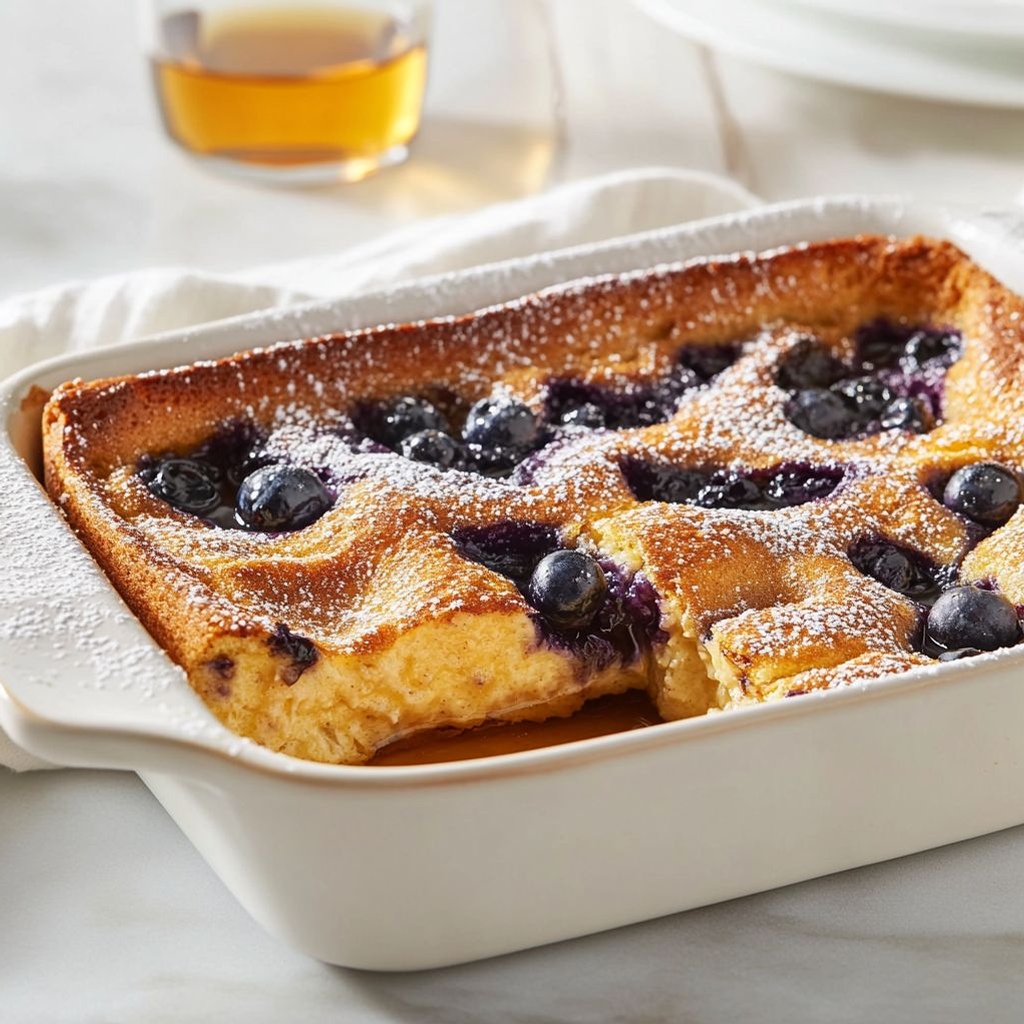
→ Resting improves portion integrity and helps the flavors meld as the dish cools slightly. - Dust lightly with powdered sugar if desired and serve with warm maple syrup or blueberry sauce; arrange slices on plates and drizzle a small amount of syrup around the edge to accent the berry notes.
→ The sugar adds a touch of sweetness and a polished presentation; warm syrup soaks into the hot casserole for a luscious finish.
Notes
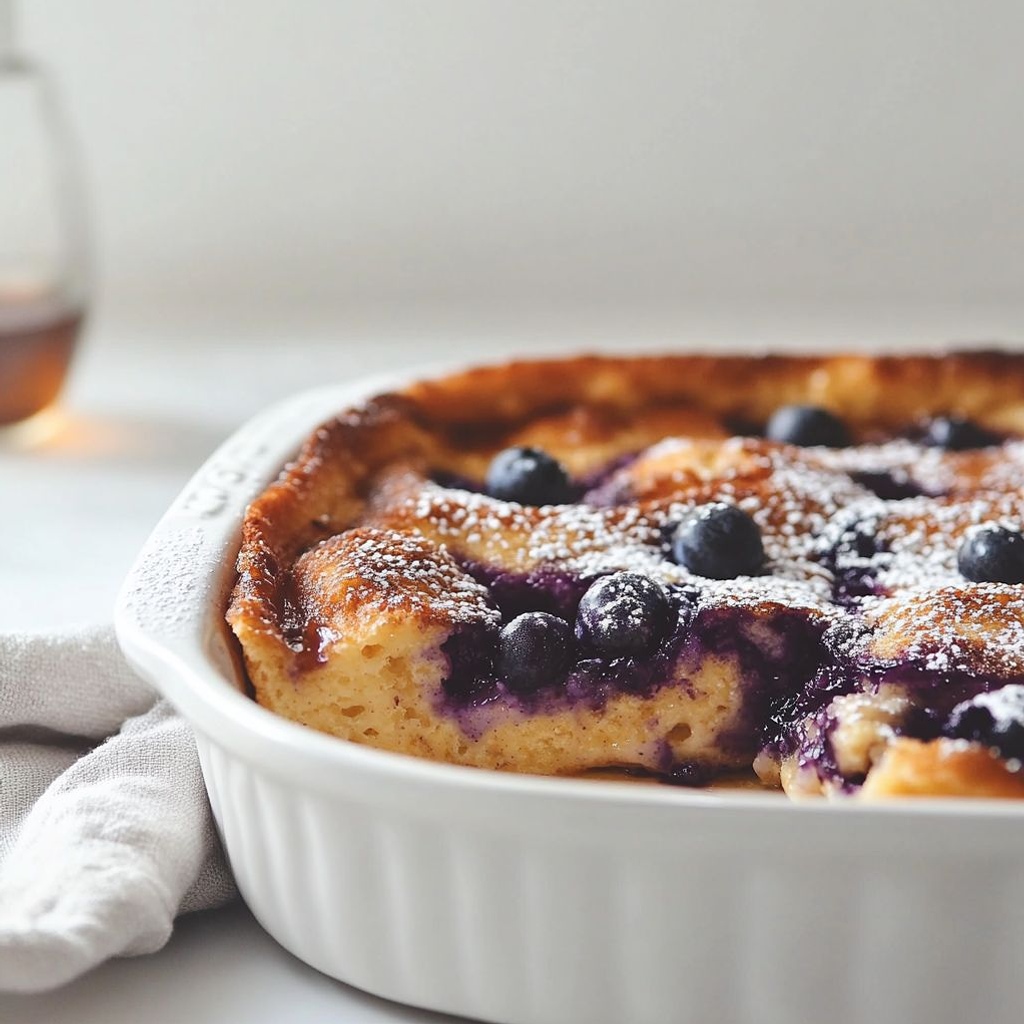
Blueberry French Toast Casserole is a comforting weekend brunch dish that bakes day-old brioche or challah into a creamy custard with bursts of blueberry sweetness. The custard is enriched with eggs, whole milk and heavy cream, scented with vanilla and cinnamon, and brightened with lemon zest and juice. Assemble the casserole the night before and bake it in the morning for a hands-off, crowd-pleasing dish. If you prefer dairy-free or lighter flavors, you can adapt with lighter milk and a dairy-free butter substitute, and you can omit the crumb topping or use a gluten-free crumb.
- Use slightly stale bread, cut into 1-inch cubes, so the custard soaks in without becoming soggy. For gluten-free needs, select a sturdy gluten-free sandwich bread and adjust soaking time accordingly.
- Whisk eggs with milk, cream, sugar, vanilla, cinnamon, salt, and optional lemon zest until very smooth to prevent streaks in the custard.
- Toss blueberries with a little extra sugar and lemon juice to help release their juices as the casserole bakes, then fold them gently into the filling to avoid bruising the berries.
- Prepare the crumb topping only if you want a crisp top: mix flour, brown sugar, cinnamon and cold butter until it forms coarse crumbs. If avoiding gluten, use a 1:1 gluten-free flour blend and adjust with a bit more butter for crumbliness.
- Grease your baking dish well with butter to ensure clean slicing. If you like, you can scatter a thin layer of sugar on the bottom to further promote browning.
- Bake covered at first to set the custard, then uncover toward the end to brown the top; times vary by pan size, but start with 35–45 minutes for a shallow casserole and 50–60 minutes for a deeper one. The center should be just set with a slight jiggle.
- Let the casserole rest 10–15 minutes before slicing to allow the custard to finish setting and to make serving easier.
- Serving ideas: dust with powdered sugar, drizzle with maple syrup or warm blueberry sauce, or top with a dollop of yogurt or whipped cream for extra richness.
- Storage and make-ahead: refrigerate leftovers for 3–4 days. The casserole can be cooled, sliced and frozen in individual portions for quick breakfasts; reheat gently in the oven or microwave.
- Flavor tweaks: swap blueberries for other berries or stone fruit, add a pinch of nutmeg or cardamom for different spice notes, or stir in a teaspoon of orange zest for a citrus twist.
Tips
Tips for Blueberry French Toast Casserole
- Stale bread is key: If your brioche or challah is very fresh, cube and spread on a sheet pan and toast in a 300°F oven for 10–15 minutes to dry out slightly. This helps the custard soak in without turning the bread mushy.
- Eggs at room temperature: Let eggs sit out 30–60 minutes before mixing to achieve a smoother custard and better incorporation; this reduces the chance of streaks.
- Slowly temper the custard: Warm the milk slightly and gradually whisk into the eggs in a thin steady stream to prevent curdling and ensure a silky, cohesive custard.
- Blueberry filling prep: Toss berries with the 2 tablespoons sugar and 1 tablespoon lemon juice just before assembling; fold lightly into the custard or scatter evenly so every slice has berry pockets.
- Make-ahead approach: Assemble the casserole, cover tightly, and refrigerate overnight. Bake at 350°F the next day for 50–60 minutes; if you bake from chilled, allow an extra 5–10 minutes.
- Crumb topping texture: For a crisper top, chill the butter cubes briefly before mixing into the crumb, then bake uncovered for the last 15 minutes to achieve a golden, flaky crust.
- Prevent over-browning: If the top browns too quickly, loosely tent the dish with foil during the middle of baking and remove the foil for the final 10–15 minutes.
- Doneness check: The center should be set with only a slight jiggle; a toothpick should come out with a few moist crumbs. Avoid a completely liquid center.
- Dairy and richness options: To lighten, reduce the heavy cream to 3/4 cup or substitute with additional milk. For dairy-free, use full-fat coconut or almond milk and dairy-free butter; note that texture will be slightly different.
- Flavor enhancements: Add a pinch of nutmeg or allspice for depth; orange zest can substitute lemon zest for a brighter citrus note.
- Gluten-free version: Use a sturdy gluten-free bread and a 1:1 gluten-free flour blend if making the crumb topping; ensure other ingredients are gluten-free to maintain texture.
- Storing and reheating leftovers: Refrigerate baked slices for up to 3–4 days. Reheat in a 325–350°F oven until warmed through (about 10–15 minutes) for best texture; microwaving can make the topping soggy.
- Freezer-friendly option: Assemble unbaked and freeze tightly wrapped for up to 2–3 months. Thaw overnight in the fridge and bake as directed, adding 5–15 minutes to the bake time if necessary.
- Serving ideas: Dust with powdered sugar just before serving; serve warm with maple syrup or blueberry sauce. A dollop of yogurt or whipped cream can add a nice contrast for a richer finish.
FAQ
Blueberry French Toast Casserole – FAQ
What is Blueberry French Toast Casserole?
A comforting baked breakfast or brunch dish. It combines bread cubes with a custard of eggs, milk, vanilla and cinnamon, folded with blueberries, then baked until set and golden. It’s perfect served warm with maple syrup and extra berries.
What ingredients do I need?
Common ingredients include:
- Bread: 12–16 cups cubed (about 1 loaf of day-old French or sandwich bread)
- Eggs: 4–6
- Milk or cream (or dairy-free alternatives): 2 cups
- Blueberries: 2 cups (fresh or frozen)
- Sugar: 1/2 cup (adjust to taste)
- Vanilla extract: 2 teaspoons
- Cinnamon: 1–2 teaspoons
- Pinch of salt
- Melted butter or dairy-free butter: 2–4 tablespoons
- Optional: cream cheese for a creamy center
- Optional: lemon zest or juice for brightness
Can I make it ahead?
Yes. Assemble the casserole the night before, cover, and refrigerate. In the morning, bake as directed (you may need a few extra minutes). If you bake from cold, plan for a slightly longer bake time. You can also bake it ahead and reheat portions later.
How do I bake it and how long does it take?
Preheat to 350°F (175°C). Bake uncovered for about 45–55 minutes, until the center is set and the top is golden. If the top browns too quickly, tent with foil for the last 10–15 minutes. Let it rest 5–10 minutes before serving.
Can I freeze leftovers or the assembled casserole?
Both options work:
- Assembled but uncooked: Freeze up to 2 months in a tightly wrapped dish; bake from frozen, adding 20–30 minutes to the bake time.
- Baked casserole: Freeze baked portions for up to 2–3 months; reheat in the oven at 350°F (175°C) for 15–25 minutes, or until warmed through.
Can I make this dairy-free or gluten-free?
Yes:
- Dairy-free: Use dairy-free milk (almond, soy, oat, etc.) and dairy-free butter. If using cream cheese, choose a dairy-free version or omit it.
- Gluten-free: Use gluten-free bread you enjoy. Most other ingredients are naturally gluten-free, but always check labels.
How many servings does it yield?
A typical 9×13-inch pan yields about 8–12 servings, depending on how large you cut the pieces.
How can I intensify or brighten the blueberry flavor?
Tips to boost blueberry flavor:
- Toss the berries with a teaspoon of lemon zest or a small squeeze of lemon juice.
- Stir a tablespoon of sugar with the berries to help release juices.
- Add a pinch of extra vanilla or a dash of almond extract for depth.
What toppings go well with it?
Serve with:
- Pure maple syrup or honey
- Powdered sugar
- Extra blueberries or a dollop of whipped cream or yogurt