
Introduction / Hook
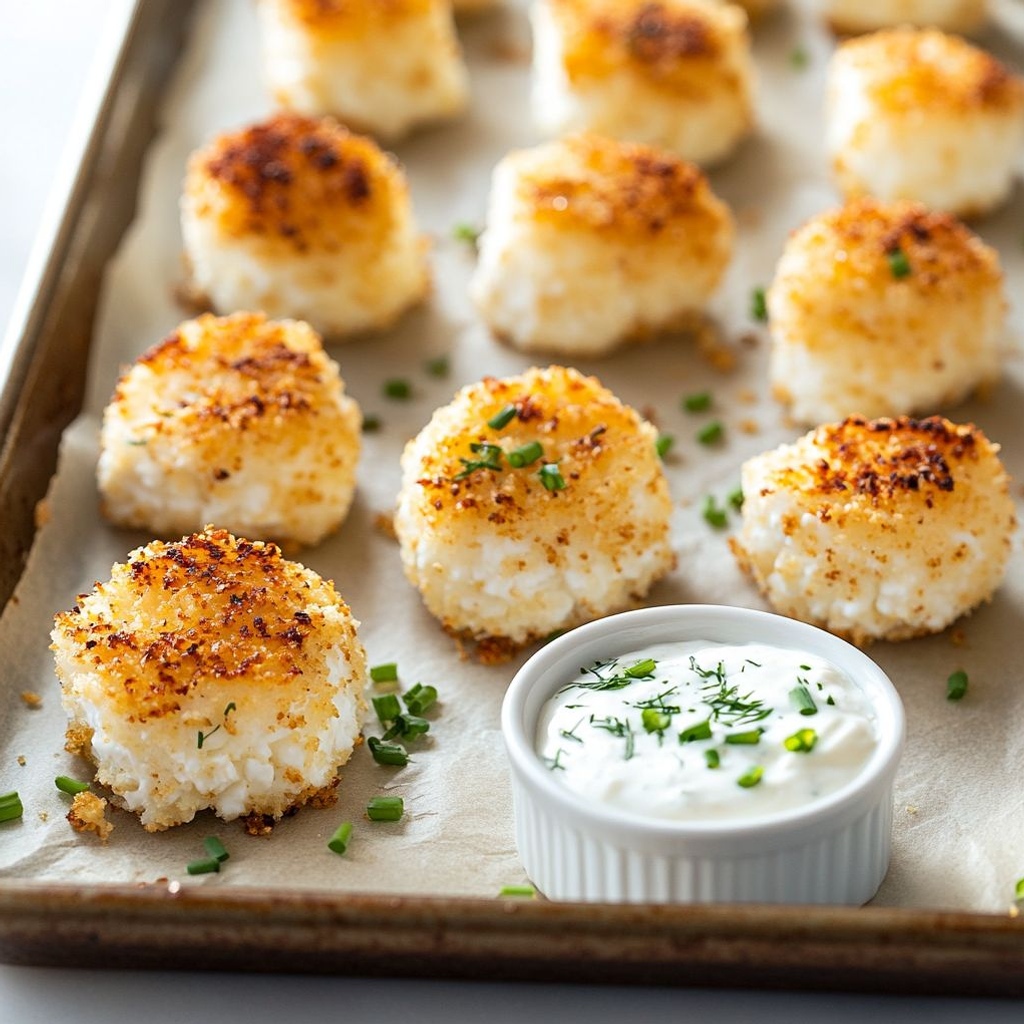
There’s something irresistibly comforting about tiny moons of crisp-edged goodness that melt softly on the tongue. Baked cottage cheese bites sit at the intersection of comfort and creativity: they’re a snack that whispers of picnics and late-night kitchen raids, yet they feel elegant enough to star in a weekend gathering or a casual party platter. Imagine a tray glistening with little rounds, their surfaces bronzed to a delicate crust, releasing a warm, dairy-sweet perfume with hints of garlic, lemon zest, and herbs as soon as you lift one. The first bite delivers a cloud of creamy, tangy cheese tempered by a savory crust that delivers just enough bite to keep you reaching for another. They’re light enough to nibble before a main course, yet substantial enough to stand alone as a simple, satisfying bite. And the beauty of these little morsels is that their charm lies not in complexity but in balance: a gentle tang from cottage cheese, a whisper of nuttiness from the crust, and a bright lift from zingy herbs and citrus. If you’ve ever wanted a snack that feels fancy without demanding a full culinary production, these baked cottage cheese bites are your new go-to friend.
The Story Behind the Dish
Cottage cheese has traveled far and wide, quietly amassing fans in kitchens around the world as a versatile canvas for both savory and sweet experiments. Its mild flavor and creamy texture make it an ideal partner for herbs, spices, and a crust that becomes perfectly crisp in the heat of the oven. The concept of forming small, baked curd morsels likely grew from a practical kitchen habit: shaping soft dairy into easy-to-haver bites that could be shared, stored, and transported with confidence. Think of cottage cheese as a blank slate—the kind of ingredient that invites play: a pinch of garlic here, a splash of lemon zest there, a handful of herbs sprinkled like confetti. The result is a snack that feels both timeless and modern, familiar enough to evoke homestyle comfort, yet refined enough to make you pause and savor it with a glass of sparkling water, a crisp white wine, or a light, citrusy cocktail.
In many cultures, cheese-based bites have long been a staple at gatherings: small portions that can be prepared ahead and offered to guests as a warm welcome. Our take on baked cottage cheese bites nods to that tradition while leaning into contemporary textures and dietary sensibilities. You’ll notice a nod to Mediterranean and Eastern European snack trays in the use of fresh herbs, lemon, and a crisp, breaded crust; a nod to Italian antipasti in the way the bites invite a dip or a drizzle. The dish also embodies the joy of simplicity: a handful of ingredients, transformed through heat into something that feels celebratory without being fussy. The concept is as much about shared moments as it is about the bite itself—the moment when the tray comes out of the oven, the steam rising, and friends or family instinctively gather for seconds, thirds, or a taste-test of dipping sauces and twists of flavor.
As you read about them, you might recall other memories of kitchen experiments that started with a humble block of cheese or a stray herb in the crisper. These bites are a bridge between those memories and the present—an edible reminder that good food doesn’t always require a long list of ingredients or a complex technique. Sometimes, it’s about coaxing a little extra flavor and texture from what you already have, and allowing that warmth to carry you from conversation to conversation as the tray empties slowly but happily.
Why You’ll Love This Recipe
- Quick and unfussy: These bites come together with pantry-friendly ingredients and a method that doesn’t demand culinary gymnastics, making them ideal for weeknights, spontaneous gatherings, or last-minute snacks.
- Comforting yet light: The creamy interior contrasts with a crisp outer crust, delivering a satisfying bite without weighing you down.
- Customizable to taste and diet: You can tailor herbs, spices, and crust to suit dietary needs (gluten-free, vegetarian, lower-sodium options) while keeping the same fundamental magic.
- Make-ahead versatility: They freeze well and reheat beautifully, turning a simple ingredient into a reliable party file that you can pull from the freezer when guests arrive.
- Bright, pantry-friendly flavors: Lemon zest, garlic, and fresh herbs brighten the mild tang of cottage cheese, creating a snack that feels fresh and modern.
- Great for any occasion: From kids’ lunches and after-school snacks to elegant appetizers, these bites adapt to the mood of the moment.
- Kid-friendly appeal: The creamy center and gentle seasoning make them a hit with younger palates, while adults appreciate the sophisticated crust and aroma.
Flavor Profile & Texture
The essence of baked cottage cheese bites rests on a delicate balance between creamy, tangy interior and a savory, golden crust. Inside, the cottage cheese offers a soft, airy, almost pillowy texture—like curds that have decided to take a nap in a warm oven. Its mild tang acts as a perfect counterpoint to the aromatic herbs and zesty citrus that lift the bite from simple to memorable. The crust, formed by a light coating of breadcrumbs or a nutty alternative, becomes crisp and bronzed as it bakes. It adds a satisfying crunch that contrasts with the smooth interior, creating that delightful “crisp outside, creamy center” sensation that snacks crave.
Flavor-wise, think of three layers working in harmony: the gentle dairy sweetness, the herby-green lift of parsley, chives, or dill; and the citrusy brightness from lemon or a whisper of orange zest. Depending on your choices, you might catch whispers of garlic, pepper, paprika, or a subtle heat that lingers on the palate. Each bite invites you to explore textures—the way the crust shatters lightly on impact, the way the middle yields to pressure, the way the cheese’s milky sweetness mingles with the aromatic herbs. If you’re dipping, sauces like a light yogurt-herb dip, a tangy tomato relish, or a crisp, tangy vinaigrette can amplify the flavors without overpowering the cheese.
Texture is the star here: the initial snap of the crust, followed by the melt-in-your-mouth interior, and then a lingering, subtle crumb that doesn’t crumble away. The bite should feel substantial enough to satisfy a snack craving, yet delicate enough to enjoy alongside a bright beverage. The balance of salt, tang, and herbaceous freshness makes these bites versatile enough to pair with a wide range of flavor directions—from a simple herb olive oil drizzle to a more robust, peppery dipping sauce. The aroma is equally inviting: a warm, toasty perfume from the crust, mingled with the comforting tang of cottage cheese and the crisp green of herbs, all rising to greet you as soon as the tray is opened or lifted from the oven momentarily before serving.
Occasions & Pairings
These baked cottage cheese bites are at home on many stages. They’re ideal for an elegant yet cozy party spread, served with a light yogurt-herb dip or a bright marinara for dunking. They work wonderfully as a weeknight appetizer for a simple dinner, offering guests something comforting and satisfying without a heavy or fussy preparation. They’re also a clever addition to holiday trays when you want something that feels celebratory but not overly indulgent. For kids’ parties or school lunches, they’re a friendly, non-messy option that travels well and can be eaten easily with hands or a small fork.
Pairing ideas to consider:
- Herbed yogurt dip or tzatziki for a cool, creamy counterpoint to the warm bites.
- Marinara or a light tomato-basil sauce for a touch of Italian comfort.
- Lemon-dill aioli or garlic-lemon olive oil drizzle to amplify brightness.
- Fresh salad or crudités on the side to balance richness and add crunch.
- Simple sparkling wine, crisp white, or a light rosé to complement the tang and crust without overwhelming the flavors.
- Sweet-savory dips like honey-mustard or a balsamic glaze for a surprising contrast.
Occasionally, these bites shine in a more casual context—picnics, potlucks, or game nights—where their portability and ease of sharing make them a star without demanding a heavy kitchen commitment. They can serve as a gentle bridge between a larger meal and dessert, offering something savory, satisfying, and easily enjoyed in small bites between conversations and laughs.
Tips, Variations & Substitutions
- Herb and flavor versatility: Swap in chives, dill, parsley, or basil based on what you have on hand. Fresh herbs brighten the bites, while dried herbs can provide a concentrated aroma if you’re short on fresh greens.
- Crust options: Use breadcrumbs for a classic crunch, panko for an extra-crispy finish, or crushed nuts (almonds, walnuts) for a nuttier texture and flavor. For a gluten-free version, choose gluten-free breadcrumbs or finely ground oats with a touch of grated cheese to help the crust bind.
- Flavor boosters: Add a pinch of smoked paprika, cayenne, or black pepper to the crust for a gentle warmth. A touch of lemon zest in the cheese mixture or a dash of garlic powder can elevate the overall brightness.
- Vegan or dairy-free twist: Use a plant-based cream cheese or blended firm tofu to mimic the creamy interior, then coat with a dairy-free crust. Keep in mind that the texture may shift slightly and may require a different binding approach.
- Regional twists: For a Mediterranean vibe, fold in chopped olives and sun-dried tomatoes into the interior and finish with a sprinkling of oregano. For a herby French twist, include tarragon and chives with a hint of Dijon in the crust.
- Salt considerations: Cottage cheese varies in saltiness by brand. If you’re using a salted cheese, adjust any additional salt in the crust accordingly to avoid overpowering seasoning.
- Make-ahead idea: Form the bites on a baking sheet and refrigerate for up to several hours before baking, or freeze formed bites on the sheet and transfer to a bag for longer storage. Bake straight from the freezer, adding a few minutes to the bake time as needed.
Storage & Make-Ahead Ideas
One of the most appealing aspects of these bites is their friendly make-ahead nature. You can prepare the batched dough or formed bites in advance, refrigerate, and then bake when you’re ready to serve. If you’re planning to store baked bites, here are practical tips to maintain texture and flavor:
- Storage: Refrigerate baked bites in an airtight container for up to 3–4 days. Let them cool completely before storing to preserve the crust’s crispness.
- Reheating: Reheat in a 350°F (175°C) oven for about 8–12 minutes, or until the crust crisps again and the center warms through. If you’re in a rush, a short stint in a toaster oven also works well.
- Freezing: Freeze formed bites on a parchment-lined tray, then transfer to a freezer-safe bag or container. They can be baked from frozen; you may need to add a few extra minutes to the bake time and monitor for the crust’s doneness.
- Make-ahead serving: Assemble dough or formed bites a day ahead of a gathering, keeping them chilled. Bake just before guests arrive so the aroma fills the room and the bites are perfectly hot and fresh.
- Dipping accompaniments: Prepare dips separately and refrigerate, bringing them to room temperature just before serving for best texture and flavor.
Fun Facts & Trivia (Optional)
- Cottage cheese has a long history as a pantry staple in many cultures due to its simple production process: curdled milk formed into curds and separated from whey. Its light, milky flavor makes it an ideal canvas for a wide range of flavors.
- In some regions, cottage cheese is known for its role in easy, budget-conscious meals. A modern twist like baked cottage cheese bites shows how traditional ingredients can be repurposed into contemporary favorites.
- The term “curds and whey” evokes classic dairy imagery and even appears in literature and folk songs, reminding us of the humble origins of these everyday ingredients.
- Texture plays a crucial role in the experience of this dish. The contrast between a crisp crust and a creamy interior mirrors the classic Italian antipasti concept, which often emphasizes texture as much as flavor.
- Small, shareable bites have become a hallmark of social dining in many cultures. They encourage conversation, allow guests to try a variety of flavors, and create a sense of warmth and hospitality around the table.
With baked cottage cheese bites, you’re not just making a snack—you’re inviting a moment of warmth, a sense of comfort, and a dash of playful culinary exploration that can adapt to any table, any crowd, and any season. Whether you’re hosting a festive gathering or simply craving something savory and soothing after a long day, these bites offer a balanced, delicious, and adaptable option that honors tradition while embracing modern, make-ahead practicality. So preheat your imagination as you preheat your oven, gather a few fresh herbs, and prepare to watch those little morsels transform into crowd-pleasing bites that disappear almost before your eyes. Enjoy the aroma, the texture, and the happy reactions as guests discover this humble yet irresistible snack.

Ingredients
Bite Mixture
- Cottage cheese, small-curd, well drained (2 cups)
→ Provides moisture and body to the bites and contributes most of the creaminess. Drain thoroughly using a fine-mesh sieve or cheesecloth to remove as much whey as possible; press gently with the back of a spoon to extract moisture. If you want a smoother texture, briefly pulse the drained cheese in a processor, but avoid puréeing, which can make the mixture too pasty. For best results, use full-fat or 1-2% cottage cheese for flavor balance. - Eggs, large, lightly beaten (2)
→ Bind the mixture and help it set during baking. Beating ensures even distribution of fats and proteins. Let eggs come closer to room temperature before mixing for smoother incorporation; avoid overmixing after adding eggs to prevent a tough texture. If you’re avoiding cholesterol, you can substitute 1 egg with 2 tablespoons of aquafaba, but texture may vary. - Grated Parmesan cheese (1/2 cup)
→ Adds savory depth and assists binding while promoting browning of the crust. Use finely grated cheese to distribute evenly; avoid large shreds that create dry pockets. If you don’t have Parmesan, Pecorino Romano provides a sharper flavor but is saltier—adjust salt accordingly. - Breadcrumbs (1/3 cup)
→ Builds structure and helps the bites hold their shape. If using gluten-free breadcrumbs, they’ll flavor the same; you can replace with almond flour (1/4 cup) for a lower-carb version, but you may need an extra tablespoon of eggs to maintain moisture. - Fresh parsley, finely chopped (2 tablespoons)
→ Adds color and a fresh herbal note; distribute evenly so each bite has some herb. If you don’t have fresh parsley, substitute with chives or dill (use equal quantity) but note the flavor shift. For best aroma, add at the end of mixing to preserve brightness. - Garlic, minced (1 clove)
→ Provides savory depth and aroma; distribute evenly to avoid one bite overpowering others. For a milder flavor, briefly sauté the minced garlic in 1 teaspoon of the oil used for coating before adding to the mixture, then cool. - Dried oregano (1/2 teaspoon)
→ Gives Italian herb backbone; crumble between fingers to release oils before mixing. If using a Italian seasoning blend, you can substitute with 1 teaspoon of that mix. - Red pepper flakes (1/4 teaspoon)
→ Optional heat; adjust to taste. Omit for milder bites or increase to 1/2 teaspoon for more heat; balance with extra parsley or lemon zest if desired. - Salt (1/2 teaspoon)
→ Essential for balancing the richness of cheese; remember cheese is salty, so taste before adding more. Start conservatively and adjust after mixing the batter. - Black pepper, freshly ground (1/4 teaspoon)
→ Adds a subtle bite that complements the cheese; grind just before use for maximum aroma. - Lemon zest, finely grated (1 teaspoon)
→ Brightens the dish and cuts the richness; zest before juicing any lemon to preserve aroma. If you don’t have lemon, a splash of lemon juice can substitute, but zest provides stronger fragrance.
Coating for Crust
- Breadcrumbs for coating (1/2 cup)
→ Creates a crisp, golden crust when baked. Use gluten-free breadcrumbs if needed; you can mix in 1 tablespoon grated Parmesan and a pinch of paprika for extra flavor and color. - Grated Parmesan cheese (2 tablespoons)
→ Adds an extra crusty layer with umami and promotes browning. - Garlic powder (1/4 teaspoon)
→ Provides even garlic flavor in the crust without rawness; distribute uniformly in the crumb mixture. - Paprika or chili powder (1/4 teaspoon)
→ Adds color and a gentle warmth; optional depending on desired heat level. - Fresh parsley, chopped (1 tablespoon)
→ Finishes crust with color and aroma; omit if you prefer a plainer crust. - Olive oil (1 tablespoon)
→ Helps the crust cling to the bites and promotes browning; brush bites lightly with oil after shaping or mix the oil into the crumb coating.
Optional Dipping Sauce
- Marinara sauce (1/2 cup)
→ Classic dipping option that adds acidity and sweetness to balance the richness of the bites. Warm gently before serving; can be seasoned with a pinch of salt and a dash of olive oil if desired.
Instructions
- Preheat your oven to 350°F (175°C) and line a baking sheet with parchment paper or lightly grease it.
→ This ensures even browning and prevents the bites from sticking, simplifying release after baking. - Thoroughly drain cottage cheese using a fine-mesh sieve or cheesecloth, pressing with the back of a spoon to remove as much whey as possible.
→ Removing excess moisture yields a firmer batter that holds shape during baking and prevents soggy crusts. - If a smoother texture is desired, briefly pulse the drained cottage cheese in a processor just until almost smooth; avoid puréeing to preserve some structure.
→ A smoother base helps the bites feel creamier without turning pasty, but over-processing can break down the curds and make the mixture too soft. - Whisk the large eggs until lightly beaten and emulsified, and allow them to come closer to room temperature before adding to the mixture.
→ Room-temperature eggs blend evenly with the cheese base and help with binding; cold eggs can shock the mixture and cause uneven texture. - In a large bowl, combine the cottage cheese, grated Parmesan, breadcrumbs, chopped parsley, minced garlic, dried oregano, red pepper flakes, salt, pepper, and lemon zest; mix gently until all components are evenly distributed.
→ Even distribution ensures each bite has balanced flavor, aroma, and moisture; use a light folding motion to avoid crushing the cheese. - Fold in the eggs with a spatula until the batter just comes together and shows even distribution, then stop to prevent overworking.
→ The eggs act as a binder, but overmixing can develop toughness; stop when you see uniform texture with visible herbs and cheese. - Scoop or pinch off portions and roll them between your palms into compact 1-inch bites, placing them on the prepared sheet with space between.
→ Uniform size ensures even baking and consistent texture; avoid packing too tightly which can squeeze moisture out. - In a shallow dish, whisk together the coating breadcrumbs, grated Parmesan, garlic powder, paprika, and chopped parsley to create an evenly seasoned crust.
→ A well-seasoned crust adheres evenly and browns uniformly; breaking up clumps ensures consistent coating. - Drizzle or scatter olive oil over the crumb mixture and mix until the crumbs are lightly moistened and cohesive.
→ Oil helps the crust cling to the bites and promotes crisp browning; too much oil yields greasiness, so aim for a sandy, clinging texture. - Roll each cheese bite in the crumb coating, pressing gently to ensure the coating adheres all around; place coated bites back on the baking sheet.
→ A uniform crust prevents cracking during baking and yields a crisp exterior with even color. - Bake the bites in the preheated oven on the middle rack until the crust is golden brown and the bites are set, about 18 to 22 minutes, rotating the sheet halfway through for even browning.
→ Rotation ensures even heat distribution; color indicates doneness and a firm center confirms they are cooked through. - Remove the sheet from the oven and let the bites rest on the pan for 5 minutes to finish setting before transferring to a serving platter.
→ Resting allows internal moisture to reabsorb and helps the bites hold their shape when moved. - Arrange the bites on a platter and serve with warmed marinara sauce on the side; if desired, garnish with extra chopped parsley for brightness.
→ Marinara provides acidity to balance richness; warming enhances aroma and makes dipping more enjoyable. - Optional: Gently warm the marinara sauce in a small saucepan over low heat, stirring occasionally, until just steaming; transfer to a small bowl for dipping.
→ A warmed sauce offers a more immediate, complementary contrast to the hot, creamy bites.
Notes
These baked cottage cheese bites are creamy, savory, and perfect for a snack, appetizer, or light protein boost. They rely on well-drained cottage cheese for moisture and body, with Parmesan adding depth and helping the crust brown. Drain the cheese thoroughly using a fine-mesh sieve or cheesecloth to remove as much whey as possible; if you want a smoother texture, briefly pulse the drained cheese in a processor, but avoid puréeing, which can make the mixture pasty.
Eggs act as binders and help the bites set during baking. Let the eggs come to room temperature before mixing for smoother incorporation; avoid overmixing after adding eggs to prevent a tough texture. If you’re avoiding cholesterol, you can substitute 1 egg with 2 tablespoons of aquafaba, but texture may vary. Stir in the garlic, parsley, oregano, red pepper flakes, salt, black pepper, and lemon zest to distribute flavor evenly; crumble oregano between your fingers to release its oils for a more aromatic bite.
Coating for crust is what gives the bites their crisp, golden exterior. The crumb coating combines breadcrumbs, grated Parmesan, garlic powder, paprika, and chopped parsley, then is moistened with olive oil to help it cling and brown beautifully. Use gluten-free breadcrumbs if needed; you can also replace part of the breadcrumbs with almond flour (1/4 cup) for a lower‑carb option, but you may need an extra tablespoon of eggs to maintain moisture. For extra flavor and color, mix in a pinch of paprika with the crumb mixture.
Optional dipping sauce, such as marinara, provides a bright counterpoint to the richness of the bites. Warm the sauce gently before serving and season lightly with salt or a drizzle of olive oil if desired.
To shape and bake: preheat your oven to 375°F (190°C). Line a baking sheet with parchment or lightly oiled foil. Shape the mixture into small, evenly sized bites or rounds, then optionally chill 15–20 minutes to help them hold their shape. Brush or spritz the bites with a little olive oil, then roll in the crust coating. Bake until the bites are set and deeply golden, about 18–22 minutes, turning once halfway through for even browning. If you prefer a crisper crust, bake a few minutes longer and watch closely to prevent burning.
Make ahead and storage: these bites freeze well—either freeze shaped on a tray and transfer to a bag, or freeze after baking for quick reheats. Reheat in a 350°F (175°C) oven until warmed through and the crust is crisp again, about 8–12 minutes. Refrigerate leftovers in an airtight container for up to 3 days.
Flavor variations and notes: you can customize with finely chopped sun-dried tomatoes, sliced olives, or chopped fresh herbs. For a stronger cheesy bite, increase Parmesan by a few tablespoons or substitute Pecorino Romano. If you prefer a lighter crust, reduce the oil and breadcrumbs slightly and use a dusting of Parmesan instead.
Gluten-free note: if you have gluten intolerance, always ensure your breadcrumbs and any coating mix are certified gluten-free. You can substitute with almond flour or finely ground almonds for the crust, but this may alter texture and moisture slightly; adjust with an extra teaspoon of oil or egg as needed.

Tips
Bite Mixture tips
- Drain cottage cheese very well: use a fine-mesh sieve or cheesecloth and press with the back of a spoon to remove as much whey as possible. Extra moisture makes the bites sag in the oven.
- Texture control: after draining, if you want a smoother result, pulse the cheese briefly in a processor, but avoid puréeing. Too paste-like mixture will spread and lose shape.
- Cheese choice: full-fat or 1-2% cottage cheese gives the best balance of creaminess and flavor. Lower-fat versions can be drier and may need a touch more egg or moisture.
- Eggs: bring eggs to room temperature before mixing for easy emulsification. Beat well, then fold evenly to distribute fats and proteins; overmixing after eggs are added can make the bites tough.
- Binders for structure: Parmesan helps binding and browning; if you’re short on parmesan, Pecorino Romano is acceptable but saltier—adjust salt accordingly.
- Breadcrumbs and alternative binders: breadcrumbs build structure; gluten-free breadcrumbs work fine. For a lower-carb option, substitute almond flour (1/4 cup) in place of part of the breadcrumbs, but you may need an extra egg to maintain moisture.
- Herb and flavor balance: parsley adds color and fresh notes; if fresh herbs aren’t available, chives or dill are acceptable substitutes (same quantity) but note the flavor shift. Add herbs at the end of mixing to preserve brightness.
- Garlic and aromatics: minced garlic gives depth. To mellow raw garlic, briefly sauté it in 1 teaspoon of the oil you’ll use for coating, then cool before mixing.
- Seasoning: crumble oregano between your fingers to release oils. If using Italian seasoning, you can swap with 1 teaspoon of the blend. Start with 1/2 teaspoon salt and adjust after mixing when tasting the batter, since cheese is salty.
- Spice level: red pepper flakes are optional. For more heat, use up to 1/2 teaspoon; balance with extra parsley or a touch of lemon zest.
- Acidity and brightness: lemon zest adds fragrance and cuts richness. Zest before juicing the lemon to trap essential oils; if you don’t have zest, a little lemon juice can substitute but without the perfume.
Coating for Crust tips
- Coating ratio and texture: keep the crust mix of breadcrumbs (1/2 cup) and grated Parmesan (2 Tbsp) for a crisp, golden crust. For extra color and flavor, add garlic powder (1/4 tsp) and paprika (1/4 tsp).
- Crust adhesion: for even coverage, press the bites gently into the coating and roll to coat all sides; you can also toss the formed bites in the coating to ensure even coverage.
- Herb finishing: scatter chopped fresh parsley on the crust (1 Tbsp) for color. If you prefer a plainer crust, omit parsley.
- Oil helps browning: drizzle or brush 1 Tbsp olive oil over the coated bites or mix the oil into the crumb mix. This aids adhesion and browning.
- Chill before baking: to help bites hold shape, refrigerate formed bites for 15-30 minutes before coating and baking. This reduces spreading.
- Alternate crunch: gluten-free breadcrumbs work fine; you can mix in 1 Tbsp grated Parmesan to boost flavor and aid browning. If using almond flour as a crumb substitute, plan for a slightly moister coating and you may need a touch more oil for browning.
- Oven browning tips: bake on a parchment-lined sheet in a preheated oven. If your bites brown too quickly, reduce heat by 25°F/15°C or tent with foil for the last few minutes, then finish uncovered.
- Even cooking: position the oven rack in the middle for uniform heat; rotate the pan halfway through baking for even browning.
Optional Dipping Sauce tips
- Marinara dipping: gently warm marinara before serving to accentuate flavor; season with a pinch of salt and a drizzle of olive oil if desired. A pinch of sugar can balance high acidity from canned tomatoes.
- Alternate dips: a yogurt-lemon-dill sauce or garlic yogurt dip pairs well with the bites. Mix Greek yogurt with lemon juice, minced garlic, salt, and chopped dill for a creamy contrast.
- Make-ahead dips: if making yogurt-based dips, keep them refrigerated and serve chilled or at room temperature, not hot.
Make-ahead and storage tips
- Unbaked make-ahead: assemble the bites on a tray, freeze until solid, then transfer to a bag or container. Bake directly from frozen, adding a few extra minutes to the cooking time.
- Baked leftovers: store cooled bites in an airtight container in the refrigerator for up to 3 days. Reheat in a 350°F (175°C) oven until hot, about 8-12 minutes, or crisp in an air fryer for 3-5 minutes.
- Freezing after baking: freeze baked bites on a sheet, then transfer to a bag; reheat from frozen at 350°F (175°C) for 8-12 minutes until hot and crisp.
FAQ
What are Baked Cottage Cheese Bites?
Baked cottage cheese bites are small, savory snacks made by combining cottage cheese with eggs, a binding agent, and seasonings, then baking until golden and set. They’re soft inside with a light crust and pair well with dips or a simple salad.
What ingredients do I need?
- 1 cup cottage cheese, well drained
- 1 large egg
- ¼ cup grated parmesan or cheddar (optional for extra flavor)
- 2–3 tablespoons breadcrumbs or almond flour (use gluten-free if needed)
- 1 tablespoon chopped fresh herbs (parsley, dill, or chives)
- ¼ teaspoon garlic powder
- ¼ teaspoon onion powder
- Salt and pepper to taste
- Optional add-ins: finely chopped spinach (squeeze dry), chopped sun-dried tomatoes
- Oil spray or a light coating of olive oil for baking
How do I make baked cottage cheese bites?
- Preheat the oven to 375°F (190°C). Line a baking sheet with parchment paper and lightly spray with oil.
- Drain the cottage cheese very well to remove excess moisture.
- In a bowl, whisk the egg, then mix in the cottage cheese, optional grated cheese, herbs, garlic powder, onion powder, salt, and pepper.
- Stir in breadcrumbs or almond flour until the mixture is thick and scoopable. If it’s too wet, add a bit more flour.
- Chill the mixture for 15 minutes to help it hold its shape.
- Scoop about 1 tablespoon per bite, roll into balls or flatten into small discs, and space them on the prepared sheet. Lightly spray or brush with a little oil.
- Bake for 15–20 minutes, until the edges are golden and the centers are set.
- Let cool a few minutes before serving. Enjoy with your favorite dip.
How long and at what temperature should I bake them?
Bake at 375°F (190°C) for 15–20 minutes, until the edges are golden and the centers are set. If you prefer crisper bites, bake an additional 2–3 minutes, watching closely to avoid burning.
How should I store leftovers?
Store baked cottage cheese bites in an airtight container in the refrigerator for up to 3–4 days. Reheat in a 350°F (175°C) oven for 5–8 minutes for best texture, or microwave briefly if you’re short on time.
Can I freeze baked cottage cheese bites?
Yes. You can freeze baked bites on a tray until solid, then transfer to a freezer bag. They keep well for up to 2–3 months. Reheat directly from frozen in a 350°F (175°C) oven for 10–12 minutes, or until warmed through.
Are they gluten-free or can I make them vegan?
Gluten-free: Use gluten-free breadcrumbs or almond flour in place of regular breadcrumbs. You can also omit them entirely for a softer texture. Vegan: Cottage cheese is dairy-based, but you can substitute with firm tofu or vegan ricotta and use a flax egg as binder. Note that texture and flavor will vary.
What flavor variations can I try?
Try these easy swaps:
- Herbs: switch parsley for dill or chives
- Cheese: use grated parmesan, mozzarella, or cheddar
- Add-ins: chopped spinach, minced bell pepper, or sun-dried tomatoes
- Spices: smoked paprika, cumin, or red pepper flakes for a kick
What dipping sauces pair well with these bites?
Great options include:
- Marinara or tomato sauce
- Tzatziki or garlic yogurt sauce
- Pesto
- Ranch or honey mustard
Troubleshooting: my bites are too crumbly or too soft
If the mixture is too loose, add a little more breadcrumbs/almond flour. If too crumbly, whisk in a splash of milk or a bit more egg to help bind, then chill again before shaping. For a firmer bite, give them a longer bake time or a quick broil at the end for color, watching closely.
How many bites does this make and how should I serve them?
The recipe yields about 24 small bites (roughly 1 inch in diameter). Serve warm or at room temperature as an appetizer, snack, or added to a kid-friendly lunchbox with a veggie dip or yogurt-based sauce.