
Introduction / Hook
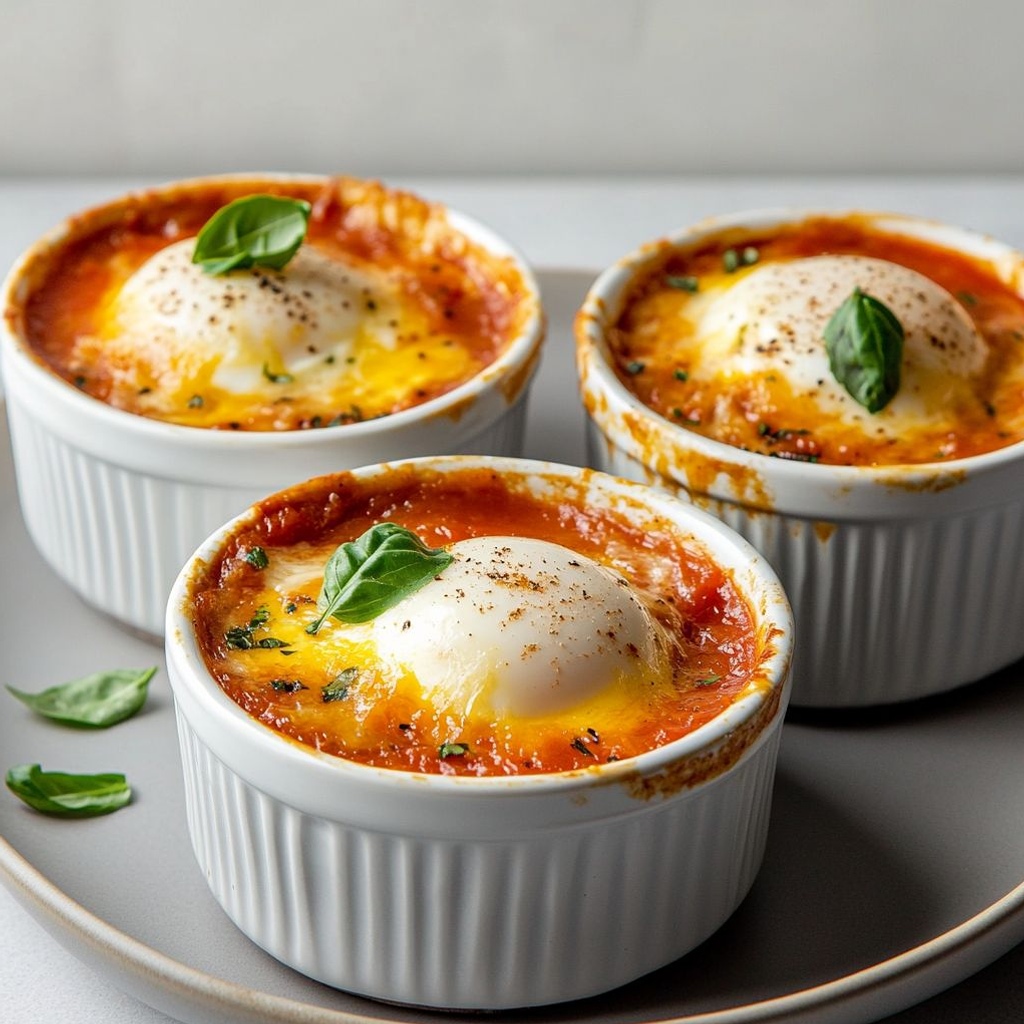
Imagine a cozy morning where sunlight drapes a rustic kitchen in gold, and the scent of olive oil, garlic, and herbs threads softly through the air. In the heart of this scene sits a humble dish that feels both everyday and extraordinary: Uova al forno, eggs baked to silky perfection in a warm, welcoming cocotte. This is comfort food that slips into your memory as easily as it melts on your tongue. The edges become gently crisp, the yolks stay luxuriously runny, and every bite carries a whisper of the Italian countryside—tomatoes sun-kissed in the heat, herbs gathered from a sunny windowsill, cheese that lends a creamy, indulgent note, and a kiss of peppery green garnish. It’s breakfast with character, lunch that feels like a hug, and a dinner starter that somehow tastes like Sunday morning all week long. Whether you’re cooking for one or sharing with family, Uova al forno offers a moment of warmth, elegance, and approachable sophistication that turns a simple pantry into a feast for the senses.
The Story Behind the Dish
Uova al forno is a dish born from the Italian kitchen’s instinct to improvise with what’s at hand. In many Italian homes, the pantry is a mosaic of seasonal vegetables, a few cheeses, and a dependable reserve of eggs—the kind of ingredients that speak of late breakfasts and leisurely Saturdays. The concept of baking eggs in small, individual vessels—often called cocotte-style in modern kitchens—hails from a broader tradition of cucina povera: making the most of humble staples to create something comforting and satisfying. This is not a flashy, fast-food moment; it’s a slow, soul-nourishing practice that invites you to pause, savor, and coax flavors from simple ingredients. As ovens warmed homes across the peninsula for generations, cooks learned to layer texture and aroma: the tenderness of a slowly set egg, the brightness of a tomato-rich sauce or a few roasted vegetables, the fragrant lift of fresh herbs, and the savory embrace of cheeses that melt into creamy ribbons. The dish embodies the Italian belief that great meals emerge from restraint and imagination, from the quiet ceremony of putting a few things together with care and letting the oven do the rest. In today’s kitchens, Uova al forno is a bridge between rustic tradition and contemporary comfort—a nod to childhood memories and a nod to the present moment, where a quick bake can become a memorable centerpiece for a relaxed brunch or a casual weeknight supper.
Why You’ll Love This Recipe
- Effortless elegance: A single, simple preparation yields a dish that feels special enough for company but is easy enough for a weeknight.
- Versatility by design: The dish adapts to what you have—tomatoes, greens, mushrooms, cheese—each ingredient adds its own personality.
- Texture play: The contrast between a gently set yolk and a velvety interior, with a lightly crisped edge, creates a memorable bite every time.
- Brunch-friendly: Perfect for a leisurely weekend spread, paired with crusty bread, a bright green salad, and a sparkling drink or strong coffee.
- Comforting and nourishing: Rich, satisfying, and deeply satisfying, this dish nourishes the body and steadies the mood.
- Make-ahead potential: A smart choice for entertaining or meal-prep Sundays; you can prep components ahead and finish them in the oven when guests arrive.
- Kid-friendly and crowd-pleasing: Gentle flavors, appealing textures, and a familiar, comforting profile that appeals to all ages.
Flavor Profile & Texture
Uova al forno is a study in harmony. The base is a soft, comforting canvas of eggs that gently set in the warmth of the oven, offering a silky, custard-like yolk that mirrors a mellow richness without heaviness. Surrounding this indulgent core, there is often a fragrant, simmered embrace of vegetables or a light tomato sauce that provides brightness, a touch of acidity, and a gentle sweetness. The cheese—whether it’s a delicate mozzarella that melts into creamy ribbons or a sharper pecorino or parmesan that adds a savory bite—helps to form a delicate crust along the top and yields a creamy finish when you cut into the dish. Herbs—basil, parsley, a hint of thyme—contribute a fresh, aromatic lift, while a drizzle of high-quality olive oil lends a fruity, peppery echo that ties all the elements together. Texture-wise, you encounter a pleasing sandwich of contrasts: the exterior may have a slight crispness from browning, while the interior remains luxuriously soft and custardy, almost indulgently glossy around the yolk. The finish is airy, savory, and comforting, with a gentle saltiness that lingers without overpowering the palate. When you combine the warmth of the baked eggs with the vibrancy of tomatoes or greens, you create a flavor spectrum that feels both rustic and refined—the kind of dish that makes you slow down, breathe, and savor the moment.
Occasions & Pairings
Uova al forno shines in a handful of moments and settings. It’s ideally suited for a relaxed weekend breakfast or a leisurely brunch when friends and family linger over coffee, juice, and conversation. It also works beautifully as a light, satisfying lunch—paired with a crisp salad and perhaps a shard of rustic bread to scoop up the yolk-rich goodness. For a simple dinner, it can stand on its own as a comforting main course, especially when it’s accompanied by a zesty green salad or a steamed vegetable medley. If you’re entertaining, this dish offers a sophisticated touch without demanding elaborate timing or multiple pans; the individual portions bake in the oven, making for an elegant table presentation.
Pairings to consider:
– Bread and/or crostini: a crackly crust to dipped into the yolk, perfect for soaking up every last bit.
– A bright green salad: arugula with lemon, or a simple peppery mix to balance the richness.
– Beverages: a dry white wine such as Verdicchio or a light Prosecco; for non-alcohol options, a sparkling water with citrus, or a subtle coffee to finish the meal.
– Side dishes: roasted peppers, sautéed mushrooms, or a few slices of roasted eggplant for a Mediterranean touch.
– Dessert: something light and simple, like citrus-scented yogurt or a fruit compote, to end on a fresh note.
Tips, Variations & Substitutions
Uova al forno invites a garden of variations. Here are ideas to tailor the dish to your tastes, dietary needs, or the seasons:
- Herb and cheese variations: Use a mix of shredded mozzarella for a melty top, or fold in soft goat cheese for tang. Finish with grated Parmesan or Pecorino for a sharp, nutty finish.
- Vegetable riffs: Layer in thinly sliced zucchini, sautéed mushrooms, roasted peppers, spinach, or tomatoes. A handful of leeks or shallots can add a delicate sweetness and aroma.
- Tomato-forward version: Create a shallow tomato base by gently simmering crushed tomatoes with garlic and a pinch of sugar; spoon a spoonful into the bottom of each ramekin before adding the eggs for a vibrant, saucy foundation.
- Protein boosts: Add a touch of Italian-style cured meat or smoked ham for a savory depth; ensure any meat is lightly pre-cooked to the desired tenderness.
- Vegan version: Use firm tofu or chickpea flour “eggs” and dairy-free cheese; a tomato-based sauce and olive oil provide rich flavor without animal products.
- Gluten-free and lighter options: Serve with gluten-free bread or skip bread entirely in favor of a vegetable-forward platter to keep portion sizes satisfying while staying gluten-free.
- Regional twists: North Italian touches might include a dusting of aged Parmesan with a few ribbons of speck or prosciutto; southern accents could bring roasted peppers, olives, and a drizzle of olive oil from a local olive grove.
- Make-ahead and storage-wise: Some components can be prepped ahead: chop vegetables, shred cheese, and whisk eggs in advance, then assemble in ramekins just before baking for speed on busy mornings.
- Flavor boosters: A pinch of chili flakes for warmth, a squeeze of lemon zest for brightness, or a splash of aged balsamic to finish can elevate the dish with little effort.
Storage & Make-Ahead Ideas
Leftovers, if you’re fortunate enough to have any, can be a pleasant improvement on the next day’s plate. Store baked portions in an airtight container in the refrigerator for up to two days. To reheat, warm gently in a low oven or delicate microwave cycle to preserve the delicate texture and prevent overcooking the yolk. If you prepared a tomato-based base or a vegetable layer separately, you can reheat those components gently and combine with fresh eggs at serving time to refresh the dish’s brightness. For those who like to plan ahead, you can assemble the components in ramekins, cover tightly, and refrigerate; when ready to bake, simply remove the cover and place in a moderate oven to rewarm and finish achieving a light browning on top. Freezing baked eggs is generally not recommended because the texture can change after thawing; instead, consider freezing only the base vegetables or sauce and assembling fresh eggs when you’re ready to cook.
Fun Facts & Trivia (Optional)
Eggs have long held a place of comfort and versatility in kitchens around the world, and Italy is no exception. The term “uova al forno” translates simply to “eggs in the oven,” but the idea appears in countless regional variations across the peninsula. In Italy, eggs are often celebrated for their ability to bring richness without heaviness, especially when joined with tomatoes, greens, and cheese—a triad that resonates with the colors and flavors of the Mediterranean. The ramekin or small terrine used in baked egg preparations evokes a simple, almost rustic elegance—proof that great flavor does not require elaborate equipment. In some Italian households, these dishes are a Sunday morning ritual, a “brunch” before the day’s activities begin, while others enjoy them as a comforting weeknight supper after a long day. The fusion of technique—soft-set yolk, lightly browned edges, a fragrant herb finish—echoes a culinary philosophy that values balance and restraint: heat is embraced gently, ingredients are allowed to speak for themselves, and a handful of pantry staples can become a dish that feels celebratory. A tiny bite of Uova al forno can transport you from a quiet kitchen to a sunlit Italian hillside, reminding us that simplicity can carry depth, and a small oven can create a moment of universal warmth.
Ingredients
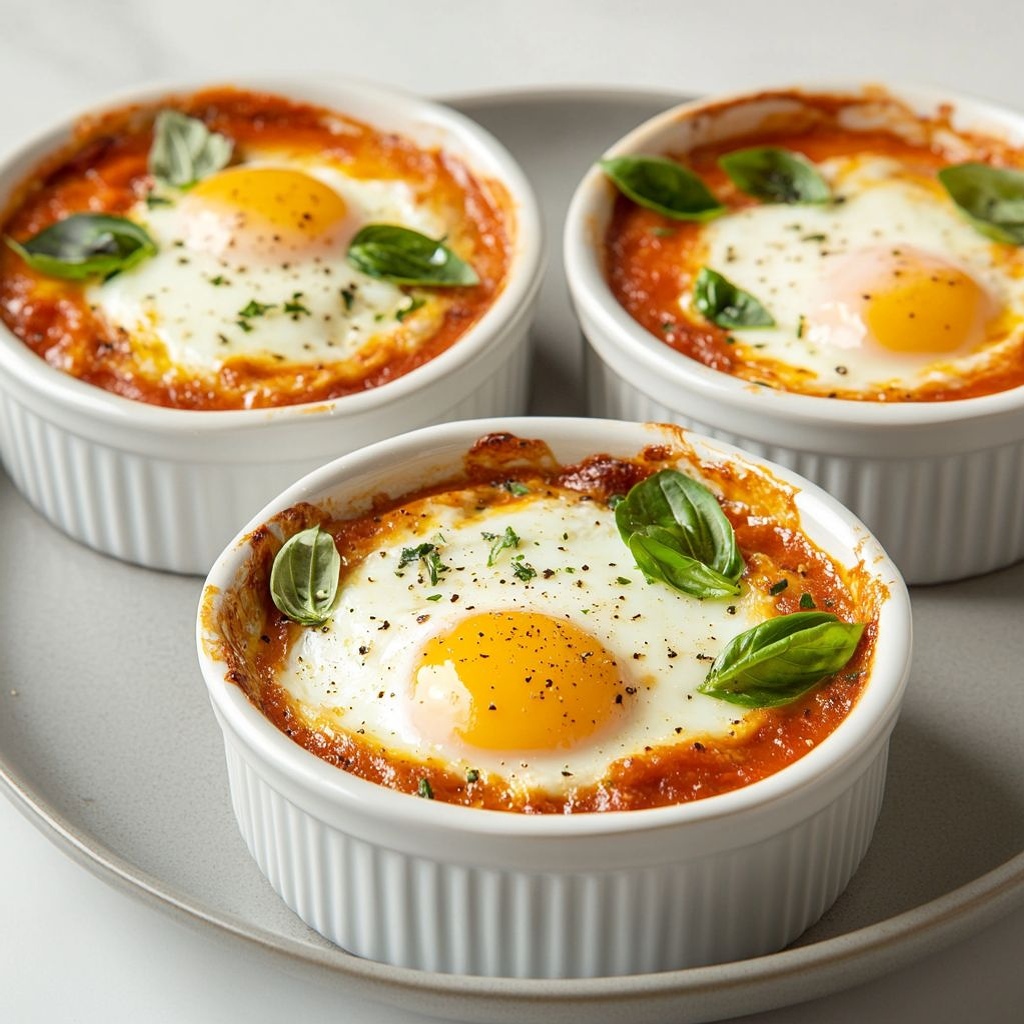
Uova al forno Base
- 4 large eggs (room temperature)
→ Core of the dish: the baked eggs provide the primary protein and set the structure of the finished dish. Handling: for best results, let eggs sit at room temperature for about 15–20 minutes before cracking into ramekins to ensure even cooking. If you prefer a richer, creamier center, lightly whisk the eggs with a splash of dairy before pouring into the ramekins, then bake until the whites are set but the yolks remain slightly runny. Tip: for multiple servings, crack one egg per ramekin or bake all in a single shallow tray for faster, even heat distribution. - 1/4 cup heavy cream or whole milk
→ Adds moisture and a creamy, custard-like texture to the bake. Preparation: whisk into the eggs or whisk separately and fold in; heavy cream yields silkier, more luxurious results, while whole milk keeps things lighter. Tip: adjust quantity to desired richness; if using milk, consider increasing the cheese slightly to maintain depth of flavor, and avoid ultra-pasteurized dairy which can alter texture. - 1/2 cup shredded mozzarella or fontina cheese (or a mix)
→ Provides melt and a gooey, cohesive layer that helps bind the eggs together. Preparation: distribute evenly in the ramekins and/or fold a portion into the egg mixture; reserve some to sprinkle on top for a golden finish. Tip: choose a low-moisture mozzarella to reduce excess liquid; fontina adds a buttery, creamy note that complements tomato and herbs. - 1/4 cup grated Parmigiano-Reggiano or Pecorino Romano
→ Adds sharp, nutty umami and a finishing salty kick. Preparation: grate finely just before use for maximum aroma; you can mix some into the egg mixture or sprinkle on top before baking. Tip: taste the overall salt level, especially if other ingredients (like olives or cured meat) are included. - 1/2 cup crushed tomatoes or tomato passata (optional base)
→ Creates a gentle sauce under the eggs and helps prevent sticking to the ramekins while enhancing tomato brightness. Preparation: if using, simmer briefly with a little onion and garlic in olive oil to bloom flavors before spooning into ramekins. Tip: drain excess liquid if very watery to avoid diluting the eggs; this base works well with fresh basil after baking. - 1 small onion, finely chopped (optional)
→ Adds sweetness and depth to the base. Preparation: sauté in olive oil until translucent and lightly caramelized to develop flavor; incorporate into the tomato base or spoon into the bottom of the ramekins. Tip: cook until moisture evaporates to avoid soggy layers; this ingredient pairs nicely with garlic and tomato. - 2 garlic cloves, minced
→ Aromatic backbone that enhances overall savoriness. Preparation: mince finely and sauté with the onion until fragrant without browning too aggressively. Tip: crush garlic with the side of a knife before mincing to release more oils for a richer aroma. - 1 tablespoon extra-virgin olive oil
→ Used to sauté vegetables and lightly grease the ramekins; contributes a fruity base flavor. Preparation: heat and use to soften onion and garlic; brush a thin film onto ramekins to prevent sticking. Tip: choose a high-quality EVOO for better depth of flavor; avoid over-heating to prevent bitterness. - Salt to taste
→ Essential for extracting flavors from cheese, tomatoes, and meats; calibrate after considering cheese and any cured ingredients. Preparation: add a small amount at a time and taste before serving. Tip: cheese can be salty, so you may need less additional salt. - Freshly ground black pepper to taste
→ Adds a gentle bite that lifts the dish; enhances the aromatics of garlic and herbs. Preparation: grind just before use for strongest aroma. Tip: white pepper is an option if you prefer a milder appearance. - Pinch of red pepper flakes (optional)
→ Subtle heat to balance richness and tomatoes. Preparation: sprinkle into the tomato base or egg mixture according to heat tolerance. Tip: increase for more heat, or omit for a milder, family-friendly bake. - Fresh herbs (basil, parsley or chives), chopped
→ Fresh aromatics brighten the finished dish; adds color and freshness. Preparation: wash, dry, and finely chop; fold into the eggs or sprinkle on top after baking. Tip: basil pairs particularly well with tomato-based flavors, while parsley or chives offer a crisp, green finish. - Butter or softened butter or nonstick spray to grease ramekins
→ Ensures easy release and prevents sticking; contributes a hint of richness. Preparation: grease evenly with a light film, then wipe away any excess for a smooth surface. Tip: using parchment lids or ramekins with removable lids can simplify serving and cleanup.
Optional Add-ins
- Spinach leaves, torn or chopped (about 1/2 cup)
→ Adds color, nutrients, and a gentle earthiness. Preparation: wilt briefly in a hot skillet to remove moisture before adding; squeeze out excess liquid to prevent sogginess. Tip: drain well; a small amount of spinach goes a long way in flavor and color. - Mushrooms, sliced (about 1/2 cup)
→ Introduces umami and texture. Preparation: sauté in a little oil until browned and moisture has evaporated; pat dry before mixing to reduce moisture in the bake. Tip: allow mushrooms to cool slightly before adding to prevent steam from making the eggs watery. - Cherry tomatoes, halved (about 1/2 cup)
→ Fresh sweetness and a hint of acidity to balance richness. Preparation: pat dry to limit added moisture; you can roast briefly to intensify sweetness before adding. Tip: remove seeds if very juicy to minimize liquid in the final bake. - Prosciutto, pancetta or cooked ham, diced (about 1/4 cup)
→ Adds savory depth and a meaty bite. Preparation: lightly sauté to render fat and remove excess oil; crumble into the mixture or place on top for distribution. Tip: reduces need for additional salt; use lean cuts to avoid greasiness. - Olives, sliced (about 2–3 tablespoons)
→ Briny, salty notes that complement cheese and tomato. Preparation: pit if needed and slice evenly; distribute in the dish for a balanced bite. Tip: choose milder olives if you’re concerned about overpowering the egg flavor. - Artichoke hearts, quartered or chopped (about 1/4 cup)
→ Adds an earthy tang and a pleasant texture. Preparation: drain well and pat dry; chop into small pieces for even distribution. Tip: marinated artichokes can introduce extra salt, so adjust salt in the recipe accordingly or rinse lightly.
Instructions
- Let the eggs sit at room temperature for 15 to 20 minutes before cracking them into the ramekins to ensure even cooking and a uniform set.
→ Room-temperature eggs emulsify more evenly with dairy and bake more predictably, preventing dense centers or undercooked yolks. - Preheat your oven to 350°F (175°C) and lightly grease six 4-ounce ramekins with butter or a neutral oil, then set them on a rimmed baking sheet for easy transport.
→ Greasing prevents sticking and elevates the ramekins to catch heat more evenly, while the baking sheet makes it simple to move the dishes in and out of the oven without spills. - Heat the olive oil in a small skillet over medium heat and sauté the finely chopped onion until translucent and just beginning to caramelize, then add minced garlic and cook until fragrant without browning.
→ Softly sweating the onion builds sweetness and depth; adding garlic at the end prevents bitterness from overcooking the garlic. - Add the crushed tomatoes to the skillet with the onions and garlic, simmer briefly to bloom the flavors, and season with salt, pepper, and a pinch of red pepper flakes.
→ Brief simmer concentrates tomato flavor and helps the sauce marry with the eggs, while pepper flakes add a gentle heat that balances richness. - Spoon about 1–2 tablespoons of the tomato base into the bottom of each ramekin to prevent sticking and to form a flavorful foundation.
→ A thin layer of base ensures the eggs release cleanly and provides a savory bed for the bake. - In a medium bowl, whisk the eggs with the heavy cream or whole milk until the mixture is smooth and evenly pale; this creates a silky custard texture when baked.
→ Whisking thoroughly incorporates air and emulsifies dairy with eggs, which yields a tender, cohesive bake rather than a dense one. - Stir 1/2 cup shredded mozzarella or fontina into the egg mixture until evenly distributed, then fold in 1/4 cup grated Parmigiano-Reggiano for sharp, nutty notes.
→ Melted cheese provides meltability and body; the Parmigiano adds depth and a finishing savory kick. - Evenly distribute your chosen add-ins across the ramekins: spinach, mushrooms (sautéed until moisture evaporates), olives, cherry tomatoes, artichokes, or prosciutto.
→ Uniform distribution prevents pockets of moisture or overly salty bites and ensures each bite has balanced flavor and texture. - Pour the egg-cheese mixture into each ramekin over the base and add-ins, filling to about three-quarters full to leave room for the eggs to puff and set.
→ Filling to this level avoids overflow and allows a light rise without spilling over the sides during baking. - Sprinkle the remaining cheese atop each filled ramekin for a golden, bubbly crust at the finish.
→ The top layer of cheese melts into the custard, creating an appealing crust and a more cohesive slice when served. - Bake the ramekins in the center of the preheated oven until the whites are set and the yolks are still slightly runny in the center, about 12–16 minutes; start checking at 12 minutes for desired doneness.
→ The goal is a tender custard with yolks that remain glossy; overbaking yields a dull, solid center, while underbaking risks a loose, liquid center. - Remove the ramekins from the oven and let them rest for 2–3 minutes before serving to allow the residual heat to finish cooking the yolks and to set the structure for easy unmolding.
→ Resting stabilizes the texture and prevents the eggs from sliding apart when plated, making slicing neat and clean. - Finish with a scattering of fresh herbs (basil, parsley, or chives) and serve immediately, optionally with a light drizzle of extra-virgin olive oil for extra aroma and shine.
→ Fresh herbs brighten the dish’s aroma and color; a final drizzle of olive oil adds gloss and a touch of fruity richness that complements the tomato base.
Notes
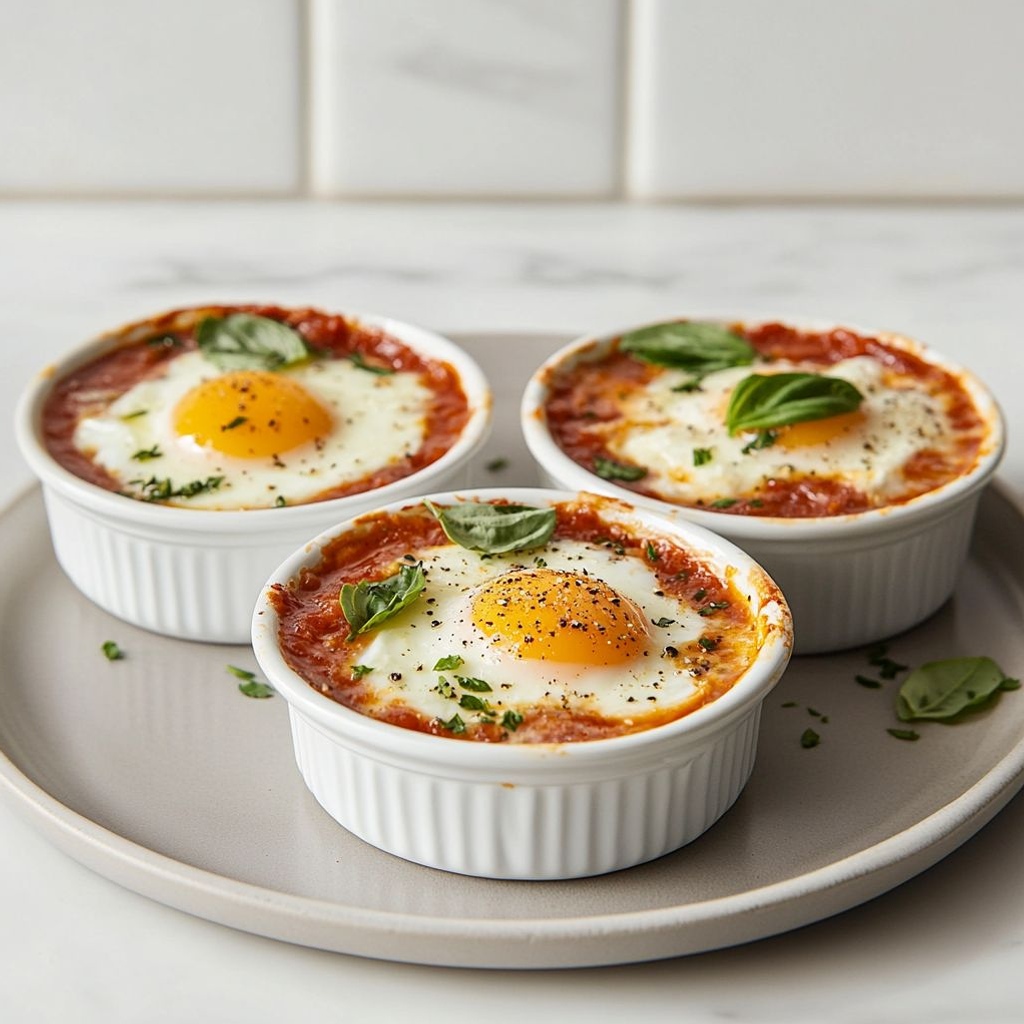
These baked eggs al forno are a comforting, protein-rich dish with softly set yolks resting on a fragrant tomato, onion and garlic base, all crowned with melted cheese. For best results, bring the eggs to room temperature for about 15–20 minutes before cracking into ramekins to ensure even cooking; if you prefer a richer center, lightly whisk the eggs with a splash of cream before pouring. Use 1/4 cup heavy cream or whole milk to adjust moisture; heavier dairy yields silkier texture while milk keeps it lighter, and you can compensate with a little extra cheese. Grease ramekins well with butter, olive oil, or nonstick spray; a light film helps prevent sticking. Sauté finely chopped onion and minced garlic in extra-virgin olive oil until translucent and fragrant, then simmer crushed tomatoes or passata briefly to bloom flavors. Season with salt and freshly ground pepper, and a pinch of red pepper flakes if you like a hint of heat. Layer in shredded mozzarella or fontina and finish with grated Parmigiano-Reggiano or Pecorino Romano for a savory crust. Bake until the whites are set and the yolks reach your preferred doneness; cooking time will vary with ramekin size and oven, so check at 12–15 minutes and then adjust. Finish with fresh chopped basil, parsley, or chives for brightness. This dish is naturally gluten-free, and you can customize with optional add-ins such as spinach, mushrooms, cherry tomatoes, olives, artichokes, prosciutto or pancetta; add these after sautéing to prevent soggy layers and taste for salt as salty add-ins will heighten saltiness. Leftovers reheat well in the oven or a skillet, and serve alongside crusty bread or a light salad for a complete meal.
Tips
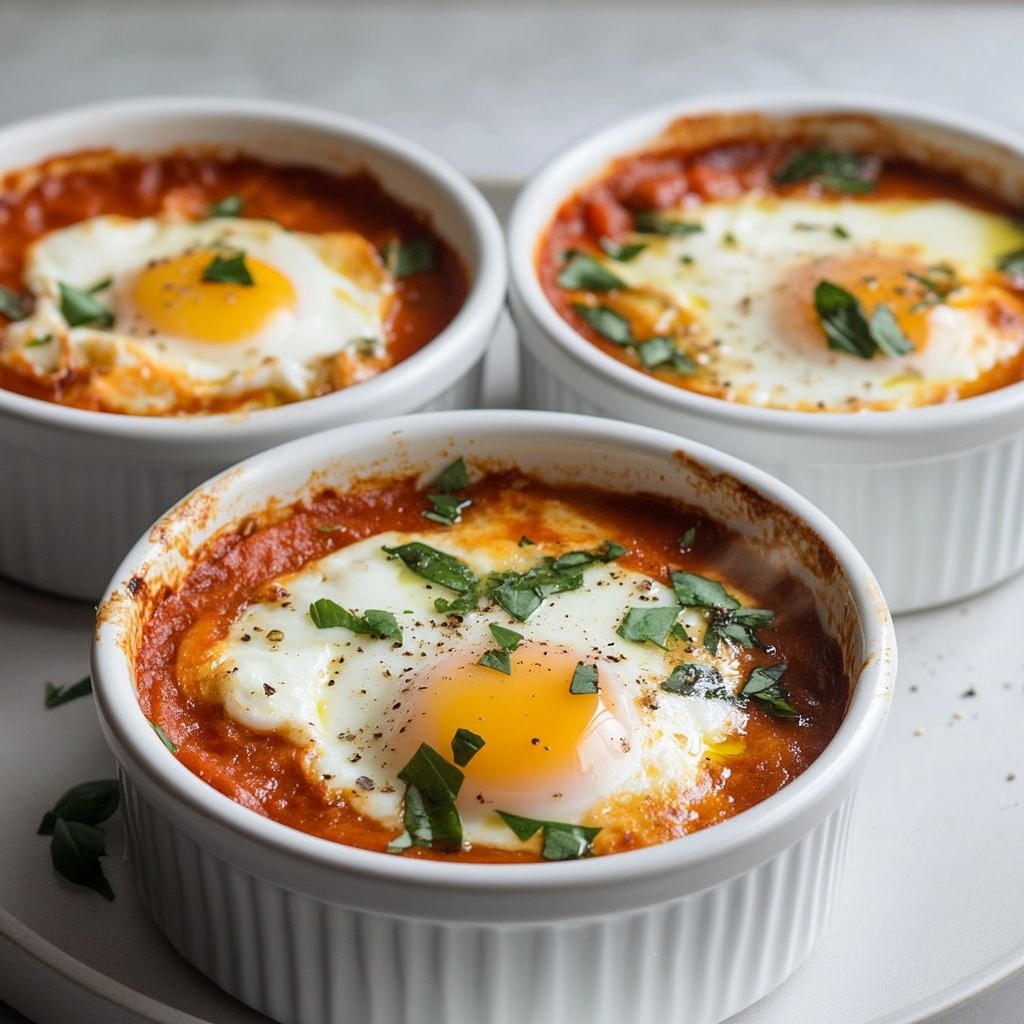
Tips for Uova al forno
- Egg temperature and texture: Let the eggs come to room temperature (about 15–20 minutes) before cracking into the ramekins. This promotes even cooking and a smoother texture. If you want a richer, creamier center, lightly whisk the eggs with a splash of dairy before baking, then bake until the whites are set but the yolks remain slightly runny.
- Ramekins and preparation: Grease the ramekins evenly with a thin film of extra-virgin olive oil or butter, then wipe away any excess for a smooth surface. For extra ease of release, you can line the bottom with a small circle of parchment.
- Managing the tomato base: If you’re using crushed tomatoes, passata, or tomato sauce, simmer briefly with a little onion and garlic in olive oil to bloom the flavors and reduce excess moisture. Drain or cook off liquid if very watery to avoid diluting the eggs.
- Sautéed aromatics: Sauté the onion until translucent and lightly caramelized, then add garlic just until fragrant. Over-browning can lend bitterness; keep the heat moderate so flavors bloom without scorching.
- Cheese strategy: Distribute the shredded mozzarella or fontina evenly to create a cohesive melt, and reserve a portion to sprinkle on top for a golden finish. Grate the Parmigiano-Reggiano or Pecorino Romano finely just before use to maximize aroma and saltiness.
- Salt and seasoning balance: Remember that cheeses and cured meats contribute salt. Start with a modest amount of salt, then taste and adjust after layering the ingredients. You can always add but can’t remove salt once baked.
- Heat and chilies: The optional red pepper flakes add warmth to balance richness. Start with a pinch and increase if you like more heat; omit for a family-friendly version.
- Fresh herbs: Fold chopped basil, parsley, or chives into the egg mixture or sprinkle on top after baking for bright, fresh notes. Basil pairs beautifully with tomato, while parsley or chives add a crisp finish.
- Layering technique: Consider a thin base layer of tomato or sautéed vegetables at the bottom of each ramekin to create a core that flavors the eggs without overwhelming them. Avoid a thick layer that may prevent even heat distribution.
- Optional add-ins – spinach: If using spinach, briefly wilt or sauté until completely dry, then squeeze out excess moisture before adding. This prevents soggy layers and preserves color.
- Optional add-ins – mushrooms: Sauté mushrooms until browned and all moisture has evaporated; pat them dry before mixing to reduce extra liquid in the bake and avoid watery eggs.
- Optional add-ins – cherry tomatoes: Pat dry and, if desired, roast briefly to concentrate sweetness before adding. Remove seeds if very juicy to minimize liquid in the final bake.
- Optional add-ins – meats and briney accents: Diced prosciutto, pancetta, or cooked ham should be lightly sautéed to render fat and reduce greasiness; crumble into the mixture or arrange on top for even distribution. They add savory depth and can reduce the need for extra salt.
- Other briny elements: Olives (sliced) and artichoke hearts introduce savory, salty notes. Pit olives if needed and trim artichokes into small pieces for even distribution. If using marinated artichokes, adjust salt accordingly or rinse lightly to reduce extra saltiness.
- Baking time and temperature: A common baseline is around 180°C (350°F). Bake until the egg whites are set and the yolk reaches your preferred doneness: about 12–14 minutes for a soft yolk, 15–20 minutes for a firmer yolk in standard ramekins. Check early and adjust for your oven and ramekin size.
- Rest and serving: Let the dish rest for 2–3 minutes after removing from the oven to let the eggs finish settling. Garnish with fresh herbs and a light drizzle of good olive oil. Serve with crusty bread or a simple green salad for a complete brunch or light meal.
- Make-ahead and reheating: You can prep the base and toppings ahead of time and fill the ramekins shortly before baking. Baked Uova al forno reheat well; warm gently in a low oven if leftovers are desired, but avoid overcooking to keep the yolks from firming up too much.
- Variations and dietary tweaks: For a lighter version, use less cheese or swap some dairy for a splash of milk with a touch of yogurt. To make it vegetarian, omit meat and increase vegetables or greens. This dish is naturally gluten-free when served with bread on the side.
FAQ
Che cosa sono le Uova al forno?
Le Uova al forno sono un piatto semplice e versatile in cui le uova vengono cotte al forno, spesso arricchite con latte o panna, formaggi, verdure o altri ingredienti, fino a ottenere una crema morbida all’interno e una leggera crosticina all’esterno.
Quali ingredienti di base servono?
Ingredienti essenziali: uova, un liquido per legare (latte, panna o crema), sale e pepe, e una base grassa per ungere la teglia (burro o olio). Opzionali: formaggi, verdure, erbe aromatiche e altri condimenti a piacere.
Come si preparano in forno? Passaggi base
Preriscalda il forno a 180–200°C. Ungi una teglia o stampini singoli, sbatti le uova con latte/panna, aggiungi sale/pepe e gli ingredienti scelti, versa nelle teglie e cuoci finché le uova si rapprendono e la superficie è dorata, circa 12–20 minuti a seconda della quantità.
Quanta temperatura e tempo di cottura sono consigliati?
Per una consistenza cremosa: 180–190°C per 12–15 minuti. Se aggiungi ingredienti molto cremosi o formaggi, cuoci 15–20 minuti. Controlla la deliziosa crosticina e la fermezza al centro per evitare che diventino secchi.
Quante uova servire per una porzione?
In una porzione singola in una pirofila da forno: 2 uova con una piccola quantità di liquido. Per una porzione più ricca o da condividere, 3–4 uova. In teglie grandi, è possibile usare 4–6 uova per una porzione familiae.
Si possono aggiungere ingredienti extra? quali e come?
Sì. Verdure precotte o soffritte (spinaci, pomodori, funghi), prosciutto, formaggi (parmigiano, cheddar, fontina), erbe aromatiche e spezie. Aggiungi gli ingredienti in strati o mescolali con le uova prima di versare nelle teglie per una cottura uniforme.
Latte o panna: quale scegliere?
Latte rende il preparato più leggero; la panna o crema di latte lo rende più ricco e cremoso. Puoi mescolare entrambe le opzioni o utilizzare latte vegetale se vuoi una versione senza lattosio. Le consistenze variano a seconda della quantità di liquido utilizzata.
Si può preparare in anticipo o conservare?
Si può preparare in anticipo e scaldare delicatamente prima di servire. Conserva in frigorifero per 1–2 giorni in contenitore chiuso. Non è consigliabile congelare le uova cotte, poiché la texture può deteriorarsi una volta scongelate.
Come servire e quali abbinamenti consigli?
Servi subito caldo, accompagnando con pane tostato, una semplice insalata o contorno di pomodori. Abbinamenti classici: pane croccante, salsa di pomodoro fresco, erbe verdi fresche, o una spolverata di parmigiano. Puoi anche aggiungere una salsa leggera a base di pomodoro o peperoncino per dare vivacità.
Quali sono gli errori comuni da evitare?
Non cuocere troppo a lungo, altrimenti le uova diventano secche e gommosi. Non usare teglie troppo piccole che impediscono una cottura uniforme. Assicurati di ungere bene le teglie e di tagliare gli ingredienti a pezzi di dimensione simile per una cottura omogenea.