
Introduction / Hook
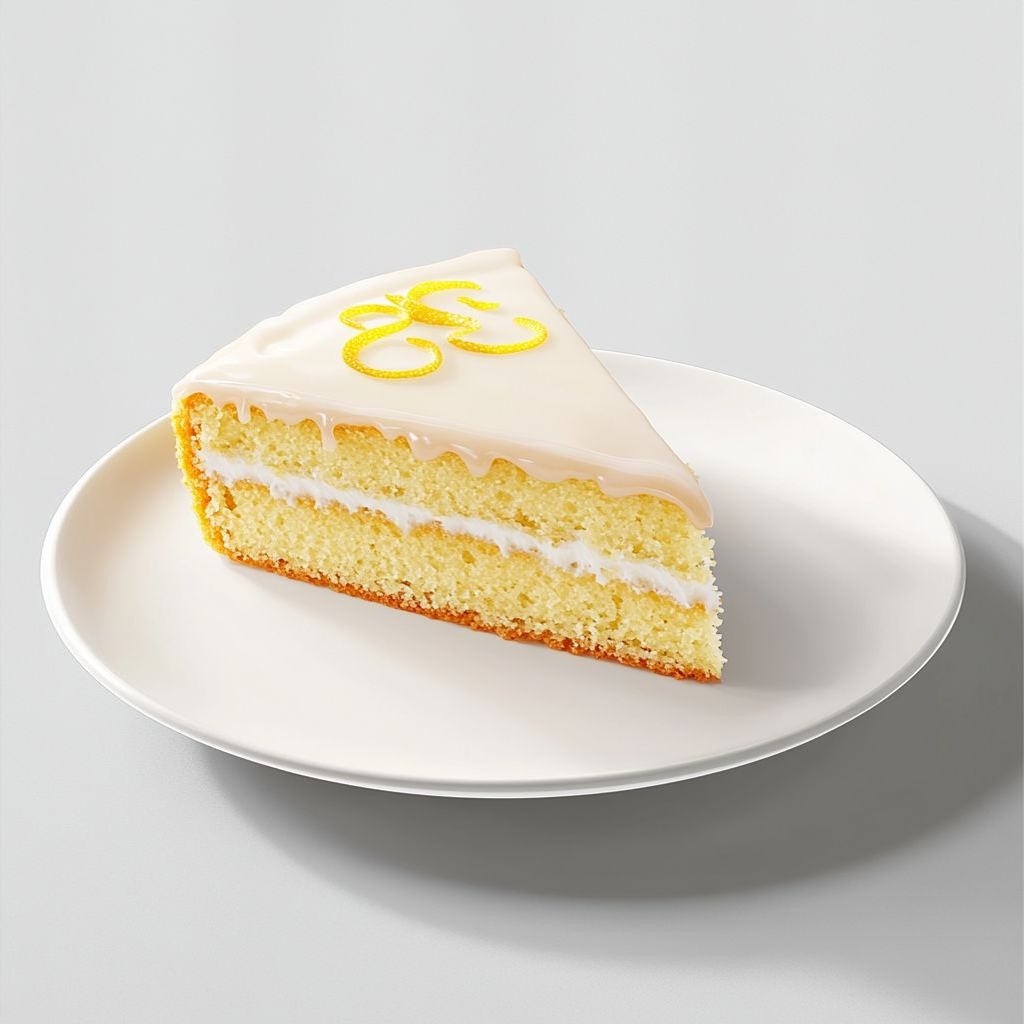
There are desserts that bloom with sunshine the moment you slice into them, and Torta al limone glassata is nothing if not a sunbeam wrapped in a tender crumb. Imagine a cake so pale and inviting that it gleams with a glossy lemon glaze like a walled citrus orchard after a fresh rain. The aroma—the bright whisper of lemon zest, the buttery warmth of a soft crumb, the kiss of sweetness sealing the tang—fills the kitchen with a sense of afternoon light and slow, comforting joy. This is not just a dessert; it’s a hospitable invitation, a small celebration you can carry to a busy week or a lazy weekend alike. When you bite in, you taste the citrus-sweet balance that makes you pause, smile, and perhaps want to share a slice or two more with someone you love.
Torta al limone glassata is the kind of cake that seems simple on the surface but carries a quiet elegance beneath: a refined citrus brightness, a glaze that catches the light and makes each piece glow, and a texture that remains soft and tender even as it sits on a plate. It’s the kind of dessert that can be served with coffee after a long day, or plated with fresh berries and whipped cream for a festive brunch. The magic lies in how approachable and crowd-pleasing it is, while still feeling special enough for celebrations or little rituals alike. If you’ve ever chased the sun with a slice of lemon cake, you’ll recognize the familiar, comforting contentment this recipe delivers—no fuss, just pure, joyful citrus delight.
In many kitchens around the Mediterranean and particularly along the Italian coast, lemon and sunshine are almost inseparable companions. The Torta al limone glassata draws from that heritage—a simple lemon cake elevated by a glossy glaze that gleams like morning dew on a lemon tree and a crumb that stays moist and light. It invites you to slow down, savor the aroma, and let the flavors transport you to sun-drenched terraces where conversations drift with the breeze. This description isn’t just about eating a dessert; it’s about experiencing a moment: a quiet pause in a busy day, a reminder that happiness can be bright, clean, and comforting all at once.
The Story Behind the Dish
To understand Torta al limone glassata is to listen for the whispers of sunlit citrus and family kitchens. Lemon cakes have long peppered Italian pastry traditions, with Amalfi lemons in particular becoming almost legendary for their perfume—sharp, fragrant zest that feels both tart and sweet, like a memory of summer trapped in zest. The idea of glazing the cake—pale, glassy, almost caramelly in its shine—comes from a desire to preserve moisture and add a final, luminous touch that makes the cake feel almost jewel-like when served. The glaze behaves like a wearable sunshine, a thin, glossy coat that catches the light and gives the cake a playful, celebratory aura. It’s a dessert that travels well in memory too: a bake shared in a sunlit kitchen, a slice passed from hand to hand during a long afternoon, a treat that tastes of easy conversations, cheerful moments, and the promise of sweetness to come.
In telling the story of this cake, one can imagine a grandmother or a devoted home cook who wanted a dessert that could be both everyday pleasure and something a bit more special for guests. The lemon’s brightness pairs with a gentle butteriness that speaks of comforting, familiar flavors, while the glaze brings in an almost magical finish—transparent, delicate, and irresistibly glossy. This cake embodies a bridge between simple technique and sophisticated flavor, a reminder that elegance can be found in a single bowl, a few pantry staples, and a handful of patient minutes. The legacy is not in grand gestures but in the quiet confidence of a well-made lemon cake that brings joy to any table, whether it’s a quick weeknight treat or a centerpiece at a festive gathering.
Why You’ll Love This Recipe
- Bright, uplifting lemon flavor: The zest and juice awaken the senses without overpowering the crumb, delivering a balanced citrus experience.
- Glossy, inviting glaze: The glassy finish adds a touch of sophistication and makes the cake look as good as it tastes, perfect for sharing photos with friends and family.
- Moist, tender crumb: A gentle balance of structure and softness ensures slices that hold together beautifully and stay delicious for days.
- Versatile texture for many occasions: Suitable for casual afternoons, tea-time elegance, or a dessert that doubles as a brunch highlight.
- Safety for a range of diets with smart substitutions: The base recipe lends itself to gluten-free or dairy-free tweaks without sacrificing charm.
- Effortless elegance: You don’t need fussy techniques or elaborate equipment to achieve a cake that feels sunny and refined.
- Make-ahead friendliness: The cake stores well, so you can bake ahead for gatherings or busy weeks and glaze close to serving time for maximum shine.
Flavor Profile & Texture
The flavor profile of Torta al limone glassata is a bright play of tart and sweet, anchored by a soft, almost custardy crumb. The lemon zest contributes an aromatic, floral citrus perfume that lingers on the palate, while the lemon juice provides a clean, crisp acidity that cuts through the sweetness just enough to keep the dessert lively. The butter or chosen fat in the base lends a creamy mouthfeel, rounding the citrus’s edge and creating a luxurious, comforting bite. When you reach the glaze—thin, glossy, and pale—the bite is transformed into a delicate finish that coats the palate with a whisper of citrus-sugar brilliance. The glaze’s sweetness is restrained so that the lemon remains the star, but the glaze elevates the experience, giving the cake a celebratory sheen that invites you to cut another slice and share it around the table.
The texture is the quiet hero: not dry, not heavy, but with a tender crumb that gives just enough spring under the teeth. The crumb is refined, not coarse, suggesting a cake that knows how to be refined without pretense. The glaze adds a slight snap and a luminous surface that catches the eye. When the cake rests a little after baking, the flavors settle in, and the crumb becomes even more cohesive, making each subsequent slice more satisfying than the last. It’s the kind of cake that feels comforting in the most elegant way: simple ingredients, mindful balance, and a finish that makes every bite feel like a tiny celebration of citrus sunshine.
Occasions & Pairings
This lemon-glazed cake is a versatile companion for many occasions. It shines as a bright centerpiece at afternoon tea, a light dessert after a hearty meal, or a cheerful addition to a weekend brunch with friends. It also makes a thoughtful gift when wrapped with a ribbon and shared with neighbors, teachers, or coworkers who appreciate a slice of sun on a plate. The cake’s cheerful appearance and universal appeal make it appropriate for birthdays, spring celebrations, or just a spontaneous moment of indulgence after a long day.
Suggested pairings to elevate the experience:
- Aged sparkling wine or a light Prosecco to echo the citrusy brightness.
- Fresh berries or a handful of pistachios for textural contrast and color.
- Whipped cream or a dollop of yogurt for a creamy, tangy counterpoint.
- A simple citrus-infused yogurt or cream cheese spread as an alternate glaze or topping.
- Herbal notes like thyme or mint can be brushed lightly on the plate as a fragrant accent.
- Pairs well with light, sunny desserts such as a citrus panna cotta or a tart fruit compote.
Tips, Variations & Substitutions
Tips for a flawless glaze
The glaze should shine, but not be too thick or opaque. A light, glassy coating crowns the cake and enhances flavor without overpowering the lemon’s brightness. If the glaze thickens too much, whisk in a few drops of lemon juice or a tiny splash of water to loosen it to a satin finish. Aim for a consistency that flows slowly off the spoon and coats the surface evenly with a delicate sheen. Let the cake cool slightly before glazing to prevent a dull finish; a still-warm cake can encourage the glaze to self-level into a beautiful, even coat.
Diet-friendly substitutions
- Gluten-free: Use a blend of gluten-free all-purpose flour with a touch of almond flour for moisture and tenderness. A small amount of xanthan gum helps mimic the elasticity of gluten if your blend doesn’t already contain it.
- Dairy-free: Replace butter with a neutral-tavored olive oil or a light vegetable oil. The texture remains tender, and the citrus carries the glaze’s brightness beautifully. If using oil, consider adding a teaspoon of vanilla to enrich the aroma.
- Vegan: Use a dairy-free butter substitute or olive oil, and ensure the glaze uses a dairy-free sugar glaze base (powdered sugar with lemon juice and a splash of plant milk if needed).
Flavor variations
- Orange or Meyer lemon variation: Swap part of the lemon zest and juice for orange zest and juice for a warmer, sweeter citrus profile with a hint of floral aroma.
- Herbal citrus twist: Infuse a teaspoon of finely chopped fresh thyme or rosemary into the glaze for a surprising, fragrant note that pairs especially well with berries.
- Poppy seed or vanilla: Add a tablespoon of poppy seeds for a delightful crunch and visual contrast. A touch of vanilla extract in the batter adds depth without masking the lemon.
Regional twists
- Coastal Italian bakery style: A touch of extra zest and a slightly thicker glaze to mimic the gleam of seaside pastries.
- Homey Italian kitchen classic: Slightly denser crumb with a gentle kiss of almond extract for a distinct southern European flair.
Storage & Make-Ahead Ideas
The beauty of this cake is its readiness for make-ahead moments. It can be baked a day or two in advance and glazed just before serving for an impressive finish. Proper storage helps maintain its texture and freshness, ensuring that the glaze remains radiant and the crumb stays moist.
- Room temperature storage: Wrap the cooled cake loosely in plastic wrap or store it in an airtight container for up to 2 days. Keep it away from direct heat or sunlight to preserve the glaze’s shine and the crumb’s tenderness.
- Refrigeration: If you live in a warm climate or need to extend freshness, you can refrigerate the cake, but do so in a well-sealed container to preserve moisture. Bring the cake back to room temperature before serving to restore its softness and fragrance.
- Make-ahead for events: Bake the base a day ahead, wrap well, and glaze shortly before serving. The glaze will still look pristine if applied close to serving time.
- Freezing: Individual slices freeze well. Wrap slices tightly in plastic wrap and store in an airtight container or freezer bag. Thaw at room temperature and optionally re-torch with a quick glaze touch-up to refresh the sheen.
Fun Facts & Trivia (Optional)
- Lemons have a long-standing association with freshness in Italian cuisine, often used to brighten both savory dishes and desserts.
- The gleam of a lemon glaze is not merely aesthetic; it helps seal moisture and adds a gentle sweetness that enhances the fruit’s natural acidity.
- Traditionally, lemon desserts in Italy are enjoyed across regions, with each kitchen adding its own subtle twist—whether through zest intensity, glaze thickness, or paired accompaniments.
- Amalfi lemons, famous for their perfume, have inspired countless lemon-focused desserts and beverages, highlighting how a single citrus variety can shape a regional dessert identity.
- The concept of a “glassata” glaze in Italian pastry culture often signals a celebratory note—glossy, refined, and ready for sharing with friends and family.
As you consider making Torta al limone glassata, envision a moment when the kitchen fills with brightness and the table glows with the pale sheen of a perfectly glazed cake. It’s a dessert that rewards patience, loves to be shared, and invites a gentle smile with every bite. Whether you’re baking for a quiet evening at home, a weekend gathering, or an impromptu tea party, this cake promises to deliver a little slice of sun—delicate, elegant, and unforgettable in its simplicity. If you’re seeking a recipe with classic charm, a modern polish, and a universal appeal, this lemon-glazed treasure is ready to take a place on your dessert repertoire, bringing warmth and brightness to every occasion. Enjoy, savor, and share the sunshine.
Ingredients
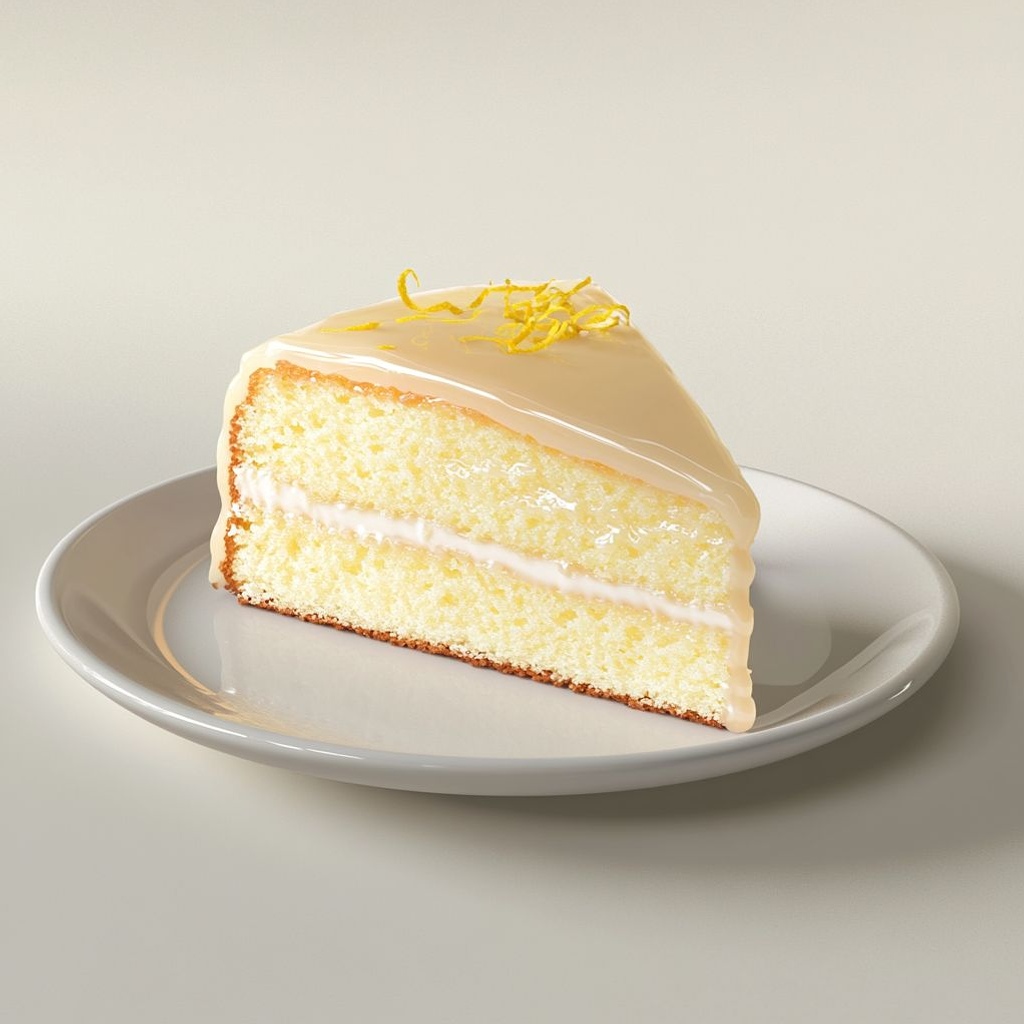
Torta al limone glassata
- 2 cups all-purpose flour (sifted)
→ Provides the cake’s structure and crumb; sift before measuring to ensure a light, even crumb. If you prefer a lighter cake, substitute with 2/3 cup cake flour and 1 1/3 cup all-purpose. - 1 1/2 cups granulated sugar
→ Sweetness and moisture retention; creaming with butter creates air pockets that help tenderize the crumb. You can reduce to 1 cup if you prefer a less sweet cake. - 1/2 cup unsalted butter, softened
→ Creaming with sugar develops air in the batter, helping the cake rise and stay tender. Use butter at room temperature (softened but not melted). If using salted butter, omit the extra salt in the recipe. - 3 large eggs, at room temperature
→ Provide structure, moisture, and binding; room-temperature eggs mix more evenly and trap air when beaten with the sugar. Beat lightly before adding to batter. - 1/2 cup whole milk
→ Adds moisture and tenderness to the crumb; use whole milk for richness. If dairy-free, substitute with a fortified plant milk, adjusting fats with a bit of extra oil or yogurt substitute. - 1/2 cup fresh lemon juice
→ Provides bright lemon acidity to balance sweetness and activates a gentle rise along with baking powder. Use freshly squeezed juice and strain to remove pulp and seeds. - Zest of 2 lemons
→ Zest contains essential oils that deliver intense lemon aroma. Grate finely, avoiding the white pith, and fold into the batter near the end of mixing for a strong citrus fragrance. - 2 tsp baking powder
→ Leavening that helps the batter rise into a light, tender crumb. Ensure it is fresh and evenly distributed by whisking with the flour. - 1/4 tsp fine sea salt
→ Enhances overall flavor and helps balance the sweetness; use fine grain to dissolve quickly; adjust if you are using salted butter. - 1 tsp vanilla extract
→ Adds depth and warmth to the lemon flavor; use pure vanilla for best aroma. If you love stronger vanilla, increase to 1 1/2 tsp.
Glassa al limone
- 1 cup confectioners’ sugar
→ Forms the base of the lemon glaze; sift to avoid lumps and ensure a smooth, glossy finish when whisked with lemon juice. If it’s too thick, thin with a little extra juice or a splash of water. - 2-3 tbsp fresh lemon juice
→ Adds tartness and helps dissolve the sugar; start with 2 tbsp and add more as needed to reach a pourable glaze. Use strained juice to keep glaze clear. - 1 tsp lemon zest (optional)
→ Intensifies lemon aroma in the glaze; zest finely and whisk into the glaze for extra fragrance. This is optional but highly recommended for a bright finish.
Optional Add-ins
- 1/2 cup poppy seeds (optional)
→ Classic lemon poppy seed combination that adds texture and visual appeal to the crumb. If using, toss seeds with a small amount of flour (about 1–2 tsp) before folding to help even distribution and prevent sinking. - 1/4 cup sliced almonds (optional)
→ Adds a toasty crunch and elegant appearance. Lightly toast the almonds in a dry skillet until fragrant to maximize flavor, and sprinkle on top after glazing if you want a decorative finish.
Instructions
- Preheat your oven to 350°F (175°C) and prepare a 9-inch round cake pan by greasing the sides and bottom and lining the base with parchment for easy release.
→ Proper pan preparation prevents sticking and ensures the cake pulls away from the sides evenly for clean slices. - Sift together the flour, baking powder, and fine sea salt in a medium bowl, then whisk to aerate and distribute the leavening evenly.
→ Sifting guarantees a light, uniform crumb and prevents dense pockets from forming where dry ingredients clump. - In a large bowl, cream the softened butter and granulated sugar on medium-high until light and pale, about 3–5 minutes, then beat in the vanilla extract.
→ Creaming creates air pockets that leaven the cake and yield a tender crumb; do not rush this step or skip the stage where the mixture increases in volume. - Beat in the eggs one at a time on medium speed, ensuring each egg is fully incorporated before adding the next, and scrape the bowl to recompose the mixture if needed.
→ Room-temperature eggs emulsify better with the sugar and butter, trapping air for lift and moisture distribution throughout the batter. - Zest the two lemons with a fine grater, taking only the yellow zest and avoiding the white pith, then set the zest aside for folding near the end of mixing.
→ The zest provides intense citrus aroma that amplifies the lemon flavor without adding acidity that could thin the batter. - Whisk 2–3 tablespoons of the fresh lemon juice and enough of the milk to make a tangy liquid, then set aside for later use; reserve the remaining lemon juice for the glaze and keep it separate in a small cup.
→ Splitting the lemon juice ensures the glaze has the correct tartness while the batter gains brightness and moisture from the lemon-milk mixture. - In three additions, alternate folding the dry flour mixture and the lemon-milk mixture into the butter–sugar–egg base, beginning and ending with the dry ingredients, just until the batter comes together; do not overmix.
→ Gentle integration preserves the tender crumb and prevents gluten from developing too much, which would make the cake dense. - Fold in the lemon zest and, if using, toss the optional poppy seeds with 1–2 teaspoons of flour before folding to evenly distribute and prevent sinking. If using sliced almonds, toast them in a dry skillet until fragrant and fold them in now.
→ Zest reinforces lemon aroma; flour-coated poppy seeds float more evenly; toasted almonds add texture and aroma without soggy pockets. - Pour the batter into the prepared pan, smoothing the top with a spatula, and bake until the cake is golden and a toothpick inserted into the center comes out with only a few moist crumbs, approximately 28–38 minutes, rotating the pan halfway for even browning.
→ Proper oven placement and rotation promote uniform rise and color; testing with a toothpick confirms doneness without overbaking. - Meanwhile, make the lemon glaze by whisking the confectioners’ sugar with 2–3 tablespoons of the reserved lemon juice (start with 2 tablespoons and add more to reach a smooth, pourable consistency), and fold in the optional lemon zest if using.
→ The glaze should be bright, glossy, and able to set without being too thick; adding zest intensifies fragrance. - Allow the cake to cool in the pan for 10–15 minutes, then transfer to a wire rack to cool completely before glazing for a smooth, even finish; once cooled, drizzle or spoon the glaze over the top and sides, letting it cascade naturally.
→ Cooling stabilizes the crumb so the glaze adheres evenly and won’t slide off a warm cake, while a thin layer of glaze adds a professional sheen. - Let the glaze set for about 15–30 minutes before slicing, and finish with a light dusting of additional lemon zest or toasted almonds if desired for a decorative and aromatic touch.
→ A fully set glaze yields clean slices and a polished appearance, while enhancements like zest or almonds provide fragrance and texture.
Notes
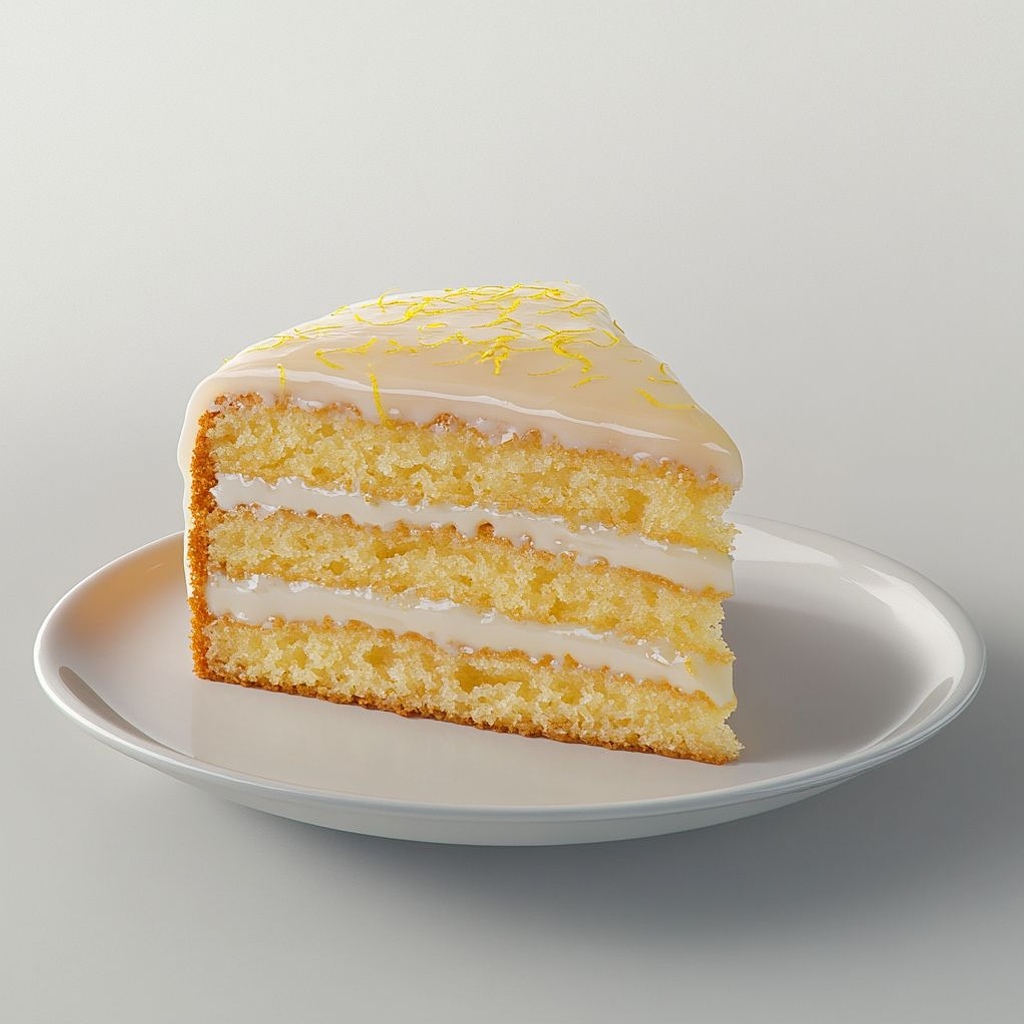
These lemon-glazed torta al limone slices are a bright, tender treat with a glossy lemon finish. The batter relies on creaming butter with sugar to trap air for a light crumb, while fresh lemon juice and zest deliver vibrant acidity and fragrance. For best results, bring all ingredients to room temperature, sift the flour, and whisk in the baking powder to ensure even lift throughout the batter.
To prep and bake, preheat your oven to 350°F (175°C). Grease and flour a 9-inch round cake pan (or line with parchment). Beat the softened butter and sugar until pale and fluffy, then add the eggs one at a time and blend well. Mix in vanilla, then alternately add the dry ingredients and milk, finishing with the lemon zest folded in near the end of mixing for a strong citrus aroma. Bake until a toothpick inserted into the center comes out clean, typically about 30–35 minutes, depending on your pan and oven. Allow the cake to cool in the pan briefly before turning out onto a rack.
Glaze guidelines: whisk confectioners’ sugar with 2–3 tablespoons fresh lemon juice to create a smooth, pourable glaze. If the glaze is too thick, add a splash more juice or a tiny amount of water; if too thin, add a little more sugar. Stir in lemon zest if you want an extra burst of aroma. Drizzle generously over the cooled cake for a glossy finish that sets as it stands.
Optional add-ins: 1/2 cup poppy seeds for a classic lemon poppy seed texture, or 1/4 cup sliced almonds for a toasty crunch. If using seeds, toss them with a small amount of flour (about 1–2 teaspoons) before folding to help even distribution and prevent sinking.
Storage, serving, and variations: serve with a light dollop of whipped cream or lemon yogurt for extra tang. The cake keeps well for 2–3 days at room temperature or up to 5 days refrigerated. Freeze slices (well wrapped) for up to 2–3 months. For a gluten-free version, substitute with 2 cups gluten-free all-purpose flour and 2 teaspoons baking powder, and verify that both the flour blend and baking powder are certified gluten-free if needed.
Tips
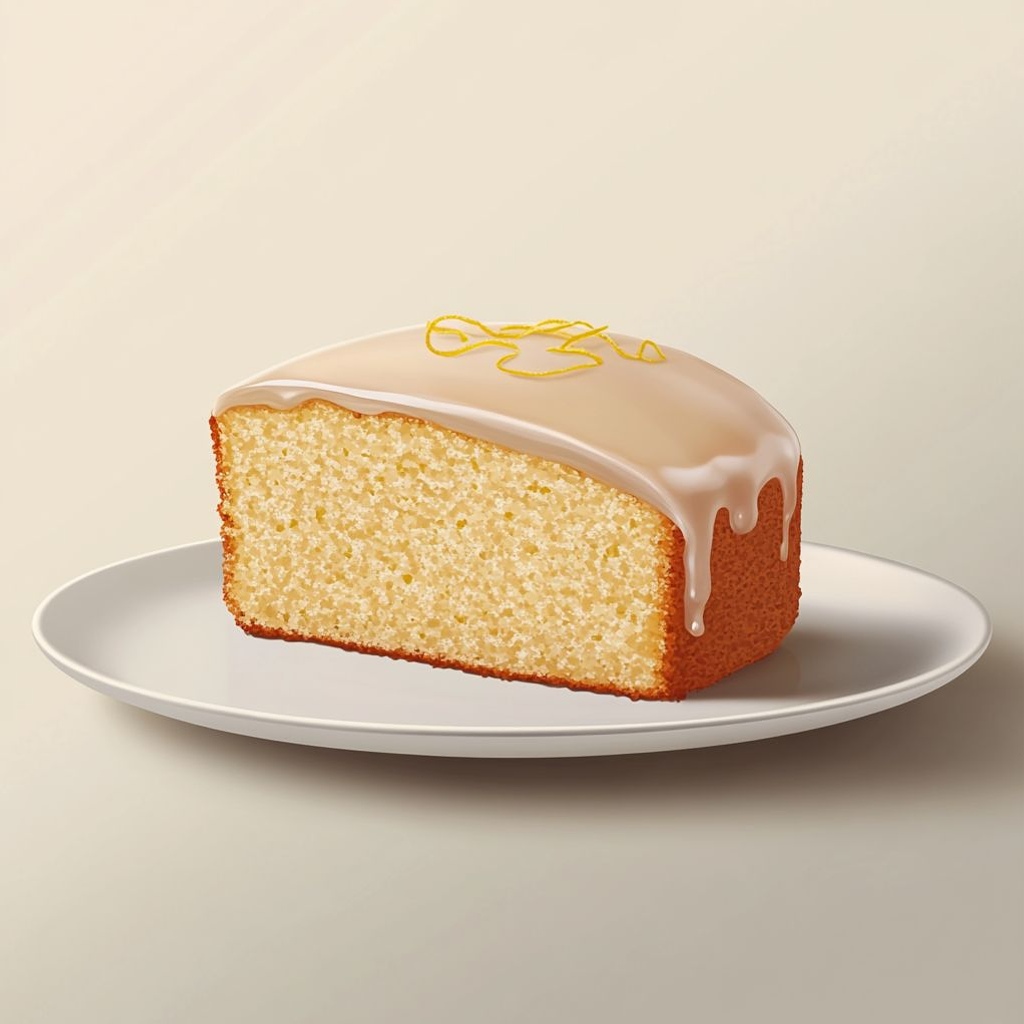
Consigli utili per la Torta al limone glassata
- Preparazione degli ingredienti: porta burro, uova e latte a temperatura ambiente prima di iniziare. In questo modo l’impasto si emulsiona facilmente e risulta più morbido.
- Misurazione e setaccio: setaccia la farina con il lievito in modo che siano ben distribuiti. Se vuoi una torta ancora più leggera, segui l’indicazione di sostituzione con farina per torta come descritto nelle note.
- Zest di limone: risalta molto l’aroma. Grattugia solo la parte gialla, evita la parte bianca (più amara), e aggiungi la scorza agli ultimi minuti di impasto per conservare l’aroma.
- Evita di lavorare eccessivamente l’impasto: mescola solo fino a incorporare gli ingredienti secchi. Una miscelazione eccessiva può rendere la mollica meno soffice.
- Aggiunta di grassi: mantecare il burro morbido con lo zucchero fino a ottenere una crema chiara aiuta a inserire aria nell’impasto, favorendo una torta soffice e ben lievitata.
Consigli sull’impasto e tecnica di montaggio
- Aggiungi le uova una alla volta, mescolando bene tra un’aggiunta e l’altra per una migliore emulsione e struttura.
- Alterna l’aggiunta di ingredienti secchi e liquidi: in tre volte, iniziando con la parte secca, terminando con quella secca. Questo aiuta a mantenere una consistenza uniforme.
- Zest e succo di limone: aggiungi la scorza agli ultimi minuti di mescolamento per preservare l’aroma; inserisci il succo poco a poco se vuoi controllare l’acidità e l’umidità dell’impasto.
- Controllo lievito: assicurati che il baking powder sia fresco; un lievito inattivo renderà la torta meno soffice. Se sospetti, sostituiscilo o verifica con una piccola prova.
Consigli per la glassa al limone
- Per una glassa lucida e vellutata, setaccia lo zucchero a velo e aggiungi il succo di limone poco alla volta. Se è troppo densa, aggiungi un cucchiaino di succo o acqua fino a ottenere una consistenza scorrevole ma stabile.
- Il tocco di aroma: aggiungi 1 cucchiaino di scorza di limone grattugiata alla glassa per una nota ancora più intensa. È facoltativo ma altamente consigliato.
- Rumore di freddo: versa la glassa quando la torta è ancora tiepida per farla aderire meglio e asciugare con una finitura lucida. Se vuoi una glassa più disciplinata, lasciala raffreddare prima di colarla completamente.
Opzioni di aggiunte (Optional Add-ins)
- Semi di papavero: se decidi di usarli, mescolali con una piccola quantità di farina prima di aggiungerli all’impasto per evitare che affondino sul fondo.
- Mandorle affettate: tostale leggermente in una padella asciutta fino a doratura per sprigionare il profumo. Aggiungile alla surface dell’impasto o usale come decorazione dopo la glassa.
Stoccaggio, presentazione e consigli finali
- Dopo la cottura, lascia raffreddare la torta nello stampo per 10-15 minuti prima di sformarla, poi trasferiscila su una griglia per raffreddare completamente prima di glassarla.
- Conservazione: una torta al limone glassata si conserva coperta a temperatura ambiente per 2-3 giorni; se vuoi conservarla più a lungo, è meglio fette e conservare in frigorifero in contenitore ermetico (la glassa può perdere lucentezza, ma resta gustosa).
- Presentazione: spolvera con un po’ di zucchero a velo o scorza di limone grattugiata fresca per un tocco finale brillante; servila con una tazza di tè o caffè per un dessert perfetto.
FAQ
Che cos’è la Torta al limone glassata?
Una torta soffice al limone, aromatizzata con scorza e succo di limone, ricoperta da una glassa lucida al limone. Ideale per colazione, merenda o dessert.
Quali ingredienti servono per la torta al limone glassata?
Ingredienti base:
- 200 g di farina 00
- 150 g di zucchero
- 100 g di burro morbido (o olio di semi per una versione leggera)
- 3 uova
- 120 ml di latte (o latte vegetale)
- 1 cucchiaino di lievito per dolci
- scorza grattugiata di 1-2 limoni
- succo di 1 limone (circa 2-3 cucchiai)
- un pizzico di sale
Per la glassa:
- 200 g di zucchero a velo
- 2-3 cucchiai di succo di limone
- scorza grattugiata di mezzo limone (opzionale)
Come si prepara l’impasto?
- Preriscalda il forno a 180°C (statico) oppure 160°C (forno ventilato). Ungi e infarina una teglia (24 cm).
- In una ciotola, mescola farina, lievito e sale.
- In un’altra ciotola, lavora burro morbido con lo zucchero fino a ottenere una crema soffice.
- Aggiungi le uova, una alla volta, mescolando bene dopo ogni aggiunta.
- Unisci scorza e succo di limone.
- Aggiungi alternando latte e miscela di farina, mescolando fino a ottenere un impasto omogeneo.
- Versa l’impasto nella teglia e cuoci per circa 40-45 minuti. Fai la prova stecchino; se esce asciutto, è pronto.
- Lascia raffreddare completamente prima di glassare.
Come si prepara la glassa al limone?
- In una ciotola, setaccia lo zucchero a velo.
- Aggiungi il succo di limone poco alla volta, mescolando, fino a ottenere una glassa lucida e leggermente fluida.
- Se la glassa è troppo densa, aggiungi poche gocce d’acqua o altro succo; se è troppo liquida, aggiungi altro zucchero a velo.
- Versa o spalma la glassa sulla torta fredda. Lascia rapprendere qualche minuto prima di servire.
Qual è la temperatura e il tempo di cottura?
Cuoci in forno preriscaldato a 180°C per circa 40-45 minuti. Controlla la cottura con uno stecchino: se esce asciutto, la torta è pronta. Se serve, copri con carta stagnola verso la fine per evitare che la superficie bruci.
Come glassare una torta una volta raffreddata?
Versa la glassa uniformemente sulla superficie della torta raffreddata. Se vuoi un effetto lucido, muovi delicatamente lo stecchino o un dorso di cucchiaio per distribuire la glassa. Lascia asciugare prima di tagliare.
Come conservare la torta?
Conserva la torta a temperatura ambiente, coperta o in contenitore ermetico, per 2-3 giorni. In frigorifero dura circa 4-5 giorni. Può essere congelata una volta raffreddata, tagliata a fette e sigillata in contenitori o sacchetti per congelatore.
Posso preparare una versione senza glutine?
Sì. Sostituisci la farina 00 con una miscela per torte senza glutine (circa 240 g). Potrebbe essere utile aggiungere 1 cucchiaino di xantano se non presente nella miscela. Segui le stesse istruzioni: impasto, forno e glassa.
Posso preparare una versione senza lattosio?
Sì. Usa burro non lattosato o olio di semi al posto del burro, e latte vegetale (mandorla, soia, avena, ecc.). La glassa può essere preparata con zucchero a velo e succo di limone senza latte; eventuali aggiunte di liquido si adattano di conseguenza.
Suggerimenti per una torta ancora più soffice?
- Aggiungi 1 cucchiaio di yogurt naturale o yogurt vegetale all’impasto per morbidezza extra.
- Non lavorare troppo l’impasto dopo l’aggiunta della farina per evitare una torta gommosa.
- Per una consistenza ancora più soffice, puoi montare gli albumi a neve e incorporarli delicatamente nell’ultima fase (solo se l’impasto lo permette).
- Usa scorza di limone fresca per un aroma più intenso.