Introduction / Hook
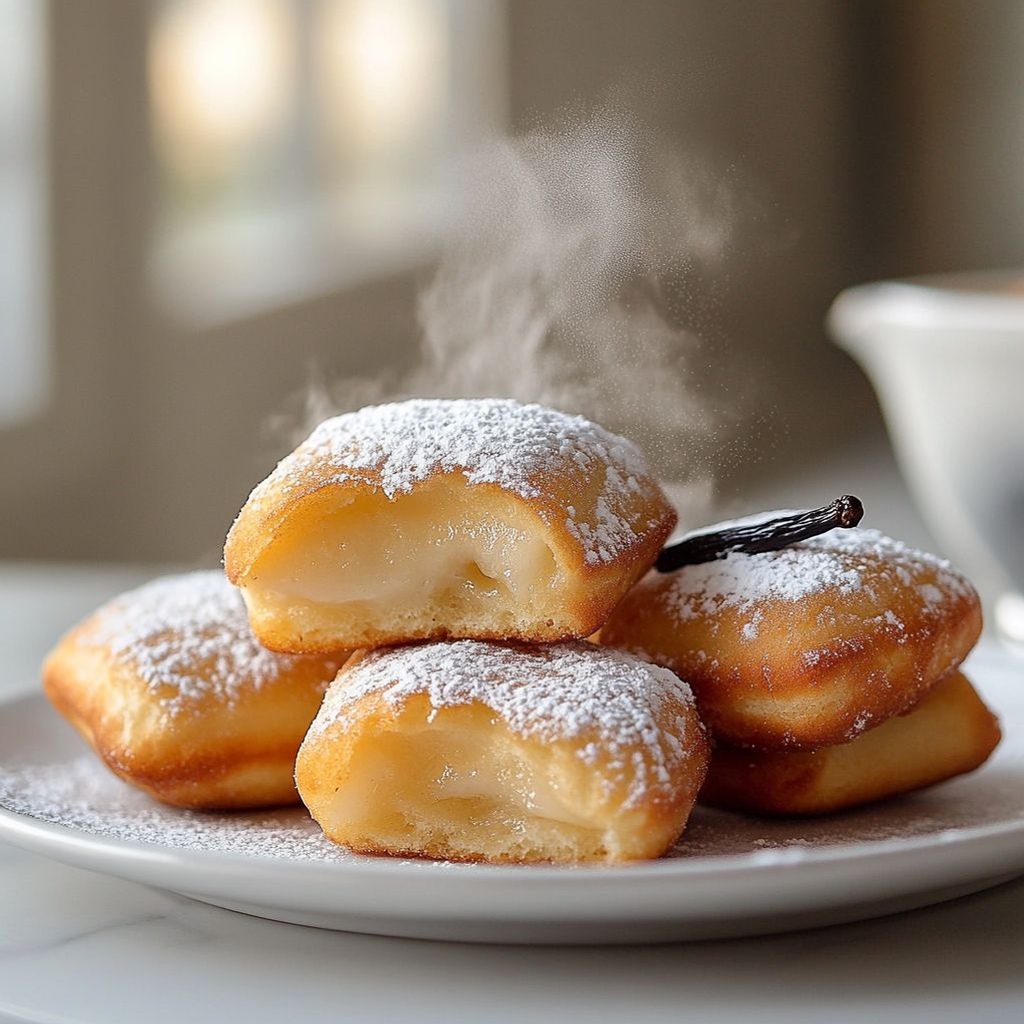
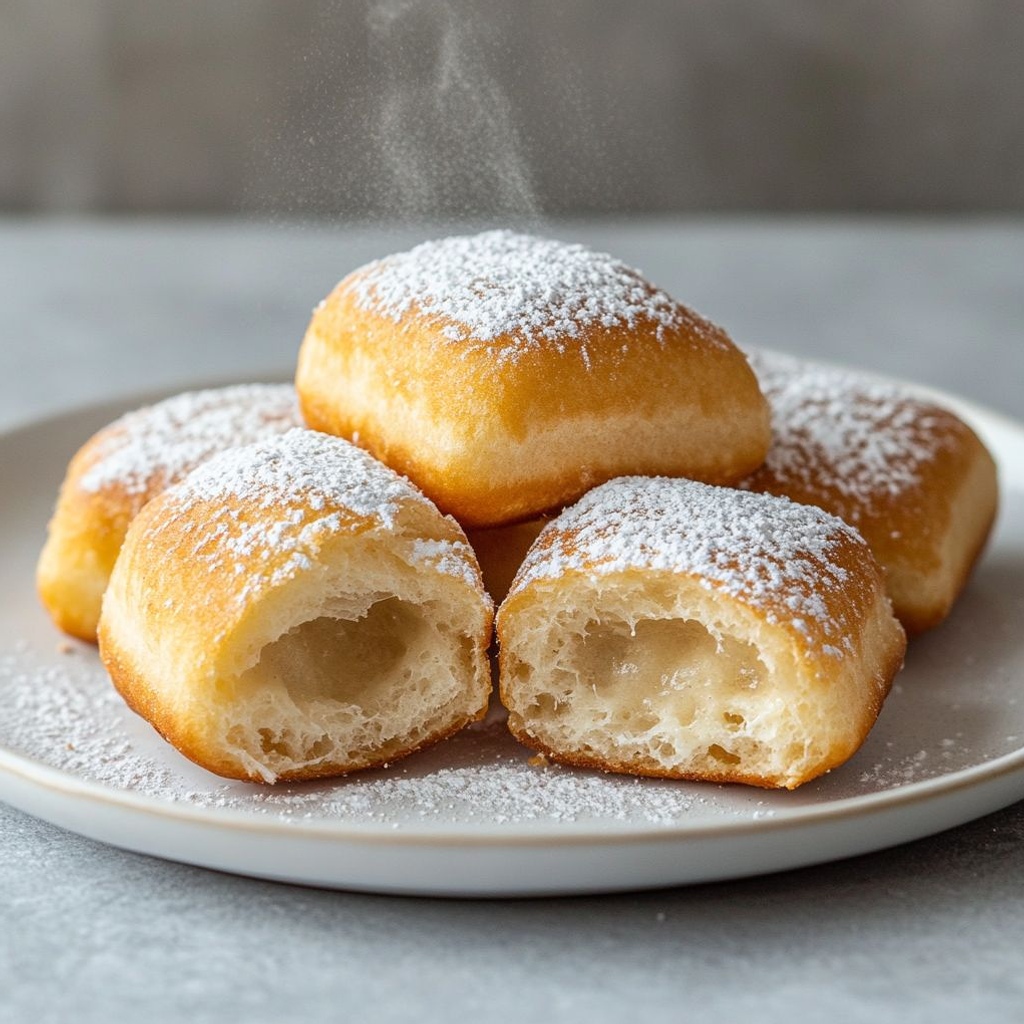
Imagine a tray of golden pillows, each one cloaked in a delicate whisper of powdered sugar, the aroma of vanilla drifting through the kitchen like a warm invitation. Beignets alla vaniglia are not just a dessert or a breakfast treat; they are a sensory celebration. The moment you bite in, a crisp crack gives way to a soft, airy interior that melts on your tongue, leaving a subtle kiss of vanilla that lingers with comforting sweetness. The vanilla specks, tiny suns of flavor, glisten within the light crumb, hinting at the careful balance of richness and simplicity. This dish invites you to slow down, to savor the steam rising from the beignet’s heart, and to share a moment of delight with family and friends around a sunlit table or a café-lined street after a long day. Beignets alla vaniglia are the kind of treat that makes ordinary mornings feel like a small celebration and ordinary evenings feel like a tiny vacation—cheerful, elegant, and deeply satisfying in every bite.
The Story Behind the Dish
Beignets have a storied lineage that stretches from France to New Orleans, where the doughy, deep-fried pastries became a beloved staple of Creole and Cajun kitchens. The beignet, in its classic form, is a humble paste—enriched with eggs and milk, coaxed into a supple dough, and fried until the exterior is crisp and the interior stays light and tender. The New Orleans version—square or diamond-shaped, often shaken in a curtain of powdered sugar—has become an iconic symbol of hospitality and festive gatherings, especially during Mardi Gras. But every culture has its own voice within the same idea: a pillow of fried dough that bursts with warmth and sweetness and a simple elegance that makes it feel both timeless and modern.
In the case of Beignets alla vaniglia, that traditional French spirit meets a bright Italian-inspired twist. Vanilla, the most cherished of all aromatics, acts as a bridge between continents. Vanilla beans—mets of fragrant complexity—offer a lush vanilla perfume that elevates the dough without overpowering it. The Italian phrase alla vaniglia evokes a geographical fusion: techniques and textures rooted in European pastry culture, finished with a note of vanilla that feels sun-bright and creamy at once. Some stories say that vanilla was once a rare treasure, traded along grand maritime routes, turning everyday pastries into small luxuries. In this version, vanilla becomes the star—subtle, refined, and accessible—turning a beloved beignet into a sensorial travelogue that invites you to explore the familiar with new nuance.
As you read about this dish, you might imagine a bright kitchen in a seaside town, the windows open to a gentle breeze, a plate of beignets cooling on a linen-dusted rack, and a mug of something steaming on the side. The reality is often cozier: a home kitchen, a bowl of batter resting briefly, and a skillet ready to welcome a batch that fills the room with warmth. The story behind Beignets alla vaniglia is a celebration of cross-cultural kindness—the shared language of butter, milk, eggs, and vanilla that transcends borders and brings people together around the table to enjoy a simple, radiant dessert that feels like a hug in edible form.
Why You’ll Love This Recipe
- Elegant simplicity: a short list of ingredients, yet a result that feels luxurious and celebratory.
- Fresh vanilla aroma: vanilla bean seeds or vanilla extract infuse the dough with a warm, creamy fragrance that elevates everyday beignets.
- Textural magic: a crisp exterior that gives way to an irresistibly airy, melt-in-the-mouth interior.
- Versatile serving ideas: perfect with a cup of coffee, a glass of dessert wine, or a warm chocolate sauce for dipping; also delightful with a light dusting of cinnamon sugar.
- Adaptable for many diets: with thoughtful substitutions, you can tailor this recipe to vegan, gluten-free, or dairy-free needs without losing character or charm.
- Make-ahead friendly: the batter can rest and bloom, making it a convenient option for weekend gatherings or spontaneous entertaining.
Beyond the surface beauty, what truly makes Beignets alla vaniglia special is the way they invite you to slow down and savor. The vanilla note lingers with grace, not overpowering the dough but rather guiding you through a layered experience—crisp shell, cloud-like center, a touch of sweetness, and a comforting warmth that feels like a beloved memory being newly minted with every bite. This dish is a crowd-pleaser yet intimate enough for small, quiet moments of indulgence, a reminder that sometimes the simplest pleasures—fluffy pastry, vanilla, sugar—are the ones most capable of sparking delight across generations.
Flavor Profile & Texture
Beignets alla vaniglia deliver a dance of contrasts that keeps the palate engaged from the first bite to the last crumb. The exterior carries a gentle, almost caramelly crisp—the kind of surface that crackles softly when touched by a fork or a dusting of sugar. This crust is not aggressively crunchy; it’s delicate and perfectly tuned to give way to the interior, which is the true heart of the beignet. Inside, you’ll find a light and tender crumb, airy and almost cloud-like in its softness. The vanilla permeates the dough with a velvety warmth, a creamy undertone that whispers rather than shouts, allowing the pastry to feel refined and comforting at the same time.
The vanilla notes can vary depending on the form you choose—vanilla bean seeds provide dark flecks and a more vivid, aromatic punch, while vanilla extract offers a cleaner, bright sweetness. If you opt for vanilla bean, you’ll notice the tiny specks embedded within the dough, which hints at the extra care and craftsmanship behind each beignet. The subtle sweetness is balanced, never cloying, enabling you to pair the pastry with both a bold coffee and a delicate dessert wine without any one element overpowering the other. The aroma is a layered experience as well: first a perfume of vanilla that seems to envelop the room, then a warm, toasty scent from the fried exterior as the beignets cool slightly and develop that irresistible, lightly sugared crust.
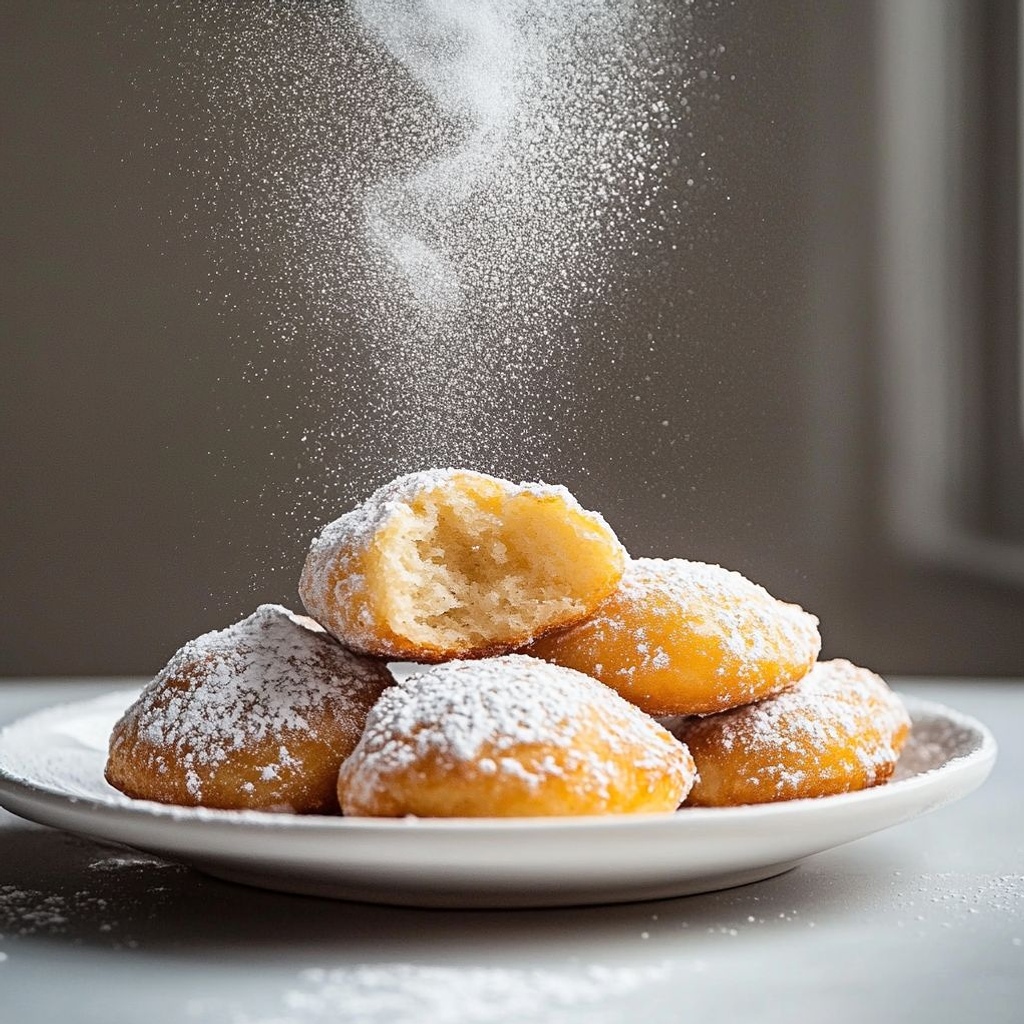
Texture storytelling matters here. The contrast is what makes the dish unforgettable: a crisp, crackly bite giving way to a supple, melt-in-your-mouth interior. Each bite reveals an airy pocket within, proof that the dough has risen enough to create tenderness without becoming heavy. The balance of moisture and air is key; you want a beignet that feels nearly feather-light, with a whisper of richness that lingers after the final bite. When paired with a light dusting of powdered sugar, the sweetness feels buoyant and playful, like a snow-kissed morning in a city where coffee steam mingles with the scent of warm pastry. The end result is more than taste—it’s an experience of texture, aroma, and emotion wrapped in a single, delectable bite.
Occasions & Pairings
Beignets alla vaniglia are versatile enough to shine in a variety of settings, transforming any moment into a small celebration. Here are some ideas for when to serve them and how to pair them to enhance the experience.
- Weekday breakfast or a lazy Sunday brunch: serve warm with a cup of strong coffee, a dollop of whipped cream, or a drizzle of honey to accentuate the vanilla notes.
- Bridal or baby showers: their elegant simplicity pairs well with floral décor and soft music, while the vanilla aroma adds a refined sweetness to the ambiance.
- Holiday mornings or intimate gatherings: dust with powdered sugar and serve with seasonal fruits like berries or citrus segments to brighten the plate.
- Dessert course: pair with a glass of late-harvest dessert wine, a chocolate dipping sauce, or a fresh fruit coulis to introduce a bright contrast.
- Kids’ party or weekend treat: set up a dipping station with a couple of enticing sides—vanilla yogurt, chocolate sauce, or berry compote—to make the experience interactive and fun.
Pairings that elevate Beignets alla vaniglia include:
- Beverages: rich, dark coffee, espresso, chai, or a light, sparkling wine for adults.
- Sauces and accompaniments: chocolate ganache, vanilla cream, light fruit coulis, or a spoonful of lemon curd for a brightness that counters the sweetness.
- Garnishes: fresh berries, a few citrus zest shavings, edible flowers for a festive presentation, and a light dusting of cinnamon or nutmeg for warmth.
Tips, Variations & Substitutions
Beignets alla vaniglia are wonderfully forgiving and adaptable. Here are thoughtful ways to customize, accommodate dietary needs, and put your own spin on this classic-inspired treat.
- Vanilla options: Use vanilla bean seeds for a speckled, intense vanilla flavor or high-quality vanilla extract for a clean, bright aroma. For an extra depth, you can combine both, adding a spoon of vanilla paste to the dough if available.
- Gluten-free twist: A gluten-free version can be achieved with a blend of gluten-free flours designed for baking, combined with a touch of xantham gum to mimic gluten’s structure. Keep in mind texture may shift slightly, so you may want to adjust resting times or leavening approach to maintain tenderness.
- Vegan adaptation: Replace dairy with a plant-based milk (almond, soy, oat, or coconut) and use an egg substitute suitable for baking. A small amount of apple sauce or mashed banana can help with moisture and binding, while maintaining the light, airy interior characteristic of a beignet.
- Flavor variations: Add a citrus twist by including a zest of lemon or orange to the dough, which brightens the vanilla and adds a citrus perfume that cuts through the sweetness. A whisper of almond extract can also complement vanilla beautifully if you enjoy a more aromatic profile.
- Regional twists: Try incorporating spices such as ground cardamom, a hint of nutmeg, or a pinch of cinnamon for a spiced version that evokes both North African and Mediterranean spice notes while keeping the vanilla core intact.
- Texture play: If you like a crisper exterior, ensure the oil is sufficiently hot and maintain the right balance of moisture in the dough. If you prefer a lighter crust, a little more resting time in a cool place can help the dough relax and become tender without becoming heavy.
- Sweetness balance: Dusting with powdered sugar is classic, but you can also finish with a light glaze made from powdered sugar and cream or dairy-free milk for a glossier, more delicate sweetness that lingers pleasantly after each bite.
- Presentation: For a festive touch, pipe the dough into decorative shapes or squares and dust with a mix of powdered sugar and edible glitter for a celebratory finish at special occasions.
Storage & Make-Ahead Ideas
To make entertaining easier and to preserve the best possible texture and aroma, consider these tips for storage and make-ahead options. The goal is to keep the beignets as fresh and as close to their peak as possible when you serve them.
- Make-ahead dough considerations: If you’re preparing dough ahead of time, a gentle refrigeration period can help the flavors meld and the dough relax. This can result in a more tender crumb when fried or baked. Allow the dough to come to room temperature before cooking to ensure even texture and proper puffing.
- Storing cooked beignets: Fresh beignets are best enjoyed the day they’re made. If you have leftovers, store them in an airtight container at room temperature for a short period. Reheat gently in a warm oven or toaster oven to revive some crispness. Avoid microwaving, which can soften the exterior and dull the texture.
- Storing fried dough for later: If you anticipate making a large batch, you can fry in batches and reheat later. Reheating in a warm oven helps recapture some of the original crispness and warmth while preserving the interior’s tenderness.
- Freezing: For longer-term storage, you can freeze un-fried dough portions (or fully formed, cooled beignets) and fry from frozen. This requires a bit longer cooking time and careful temperature control to ensure the exterior crisps while the interior remains soft.
- Make-ahead serving ideas: Prepare toppings and accompaniments in advance. A light dusting of sugar, a small bowl of whipped cream or vanilla cream, and a fruit compote can all be prepped ahead, then assembled right before serving for a beautiful, ready-to-serve plate.
Fun Facts & Trivia (Optional)
Vanilla is one of the world’s most beloved flavorings, with a history as rich as its aroma. Here are a few tidbits that add context and flavor to Beignets alla vaniglia:
- Vanilla beans come from several species of orchids, with vanilla planifolia being the most common for culinary use. The beans are hand-pollinated in many traditional regions, which contributes to their prized status and, historically, their high price.
- The scent of vanilla is a sensory memory trigger for many people; its warm, comforting profile is often associated with holidays, family recipes, and cozy mornings.
- Beignets themselves are a testament to the era of culinary exchange—French pastry that found a second home in Louisiana, where local ingredients, culture, and festive spirit shaped a beloved staple.
- In Italy, vanilla has a long-standing presence in desserts and pastries, and incorporating vanilla into a beignet fits nicely with Italian sensibilities of fragrance, balance, and light sweetness in pastry.
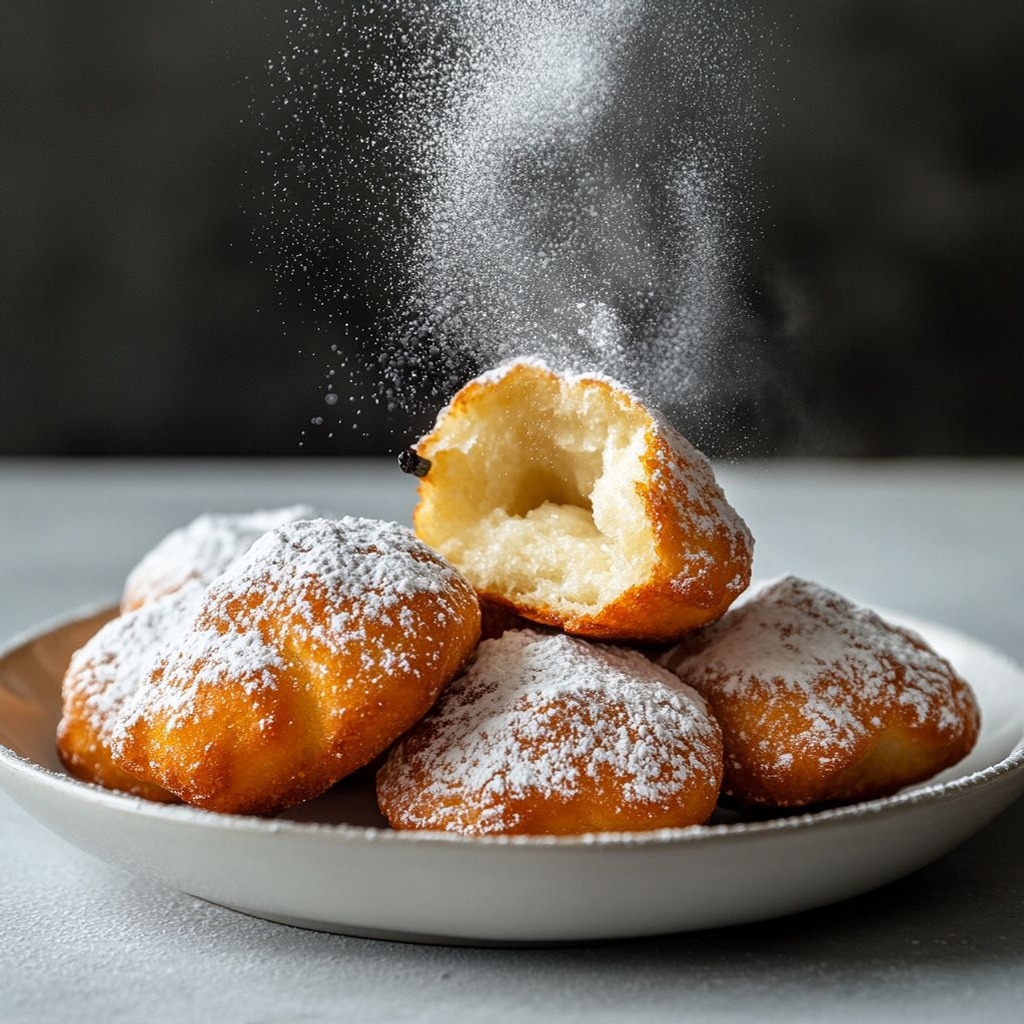
- Powdered sugar on beignets is more than decoration; it provides a gentle sweetness that complements the vanilla without overpowering the aroma. It also adds a subtle texture with every bite.
Conclusion: A Celebration of Warmth, Texture, and Vanilla
Beignets alla vaniglia are more than a recipe; they are an invitation to gather, to breathe in the creamy scent of vanilla, and to indulge in a moment of simple, heartfelt pleasure. The marriage of French fried pastry with a vanilla kiss echoes a global conversation about how food travels and evolves, how cultures borrow and blend to create something both familiar and new. This dish holds a promise: that a kitchen can become a stage where we pay homage to tradition while allowing ourselves the delight of subtle, modern touches. Whether you’re cooking for a quiet weekend morning, a family celebration, or a festive brunch with friends, these beignets offer a comforting, luxurious texture and a vanilla glow that lingers long after the last bite. Enjoy them hot, enjoy them with companions, and let the experience remind you of why we bake and fry—why we mix, rest, rest again, and finally share something delicious with the people we love.
Ingredients
Beignets alla vaniglia
Dough Base
- – 2 1/4 teaspoons active dry yeast (about 1 packet)
→ Yeast is the leavening agent that makes the dough rise and yields the beignets’ light, airy crumb. Dissolve the yeast in the warm milk with a pinch of sugar and let it bloom until foamy, about 5-10 minutes. The milk should be around 105-110°F (40-43°C); if it’s too hot, it will kill the yeast. If it doesn’t foam after 10 minutes, start again with fresh yeast. - – 1 1/4 cups warm milk (around 110°F/43°C)
→ Used to dissolve the yeast and hydrate the flour during mixing. Keep the milk warm but not hot to maintain yeast activity. If you mix the dough by hand, warm milk helps; with a stand mixer, it aids even hydration and a softer crumb. - – 1/4 cup granulated sugar
→ Provides sweetness and feeds the yeast to promote a good rise. Dissolve a portion of this sugar in the warm milk to help fermentation; you can reduce slightly if you prefer a less sweet dough. - – 3 1/2 cups all-purpose flour, plus more as needed
→ Forms the structure of the dough. Sift before use to aerate and yield a lighter crumb. Begin with 3 1/2 cups and add flour gradually if the dough is too sticky; aim for a soft, slightly tacky dough that is still workable. - – 2 large eggs, room temperature
→ Add moisture, richness, and help emulsify the dough for tenderness. Beat lightly before adding and ensure they are tempered with the dough to prevent curdling; room-temperature eggs incorporate more smoothly for even distribution. - – 1/4 cup unsalted butter, melted and cooled
→ Adds richness and a tender crumb by shortening gluten development. The butter should be cooled to roughly room temperature before mixing to avoid scrambling the eggs; for extra vanilla flavour, infuse the butter with a scraped vanilla bean during melting and strain. - – 1 teaspoon pure vanilla extract
→ Key aroma that defines vanilla beignets. If desired, you can substitute with vanilla bean paste or scrape seeds from a vanilla bean for a deeper, more complex vanilla note. Add with the eggs or to the melted butter to ensure even distribution. - – 1/2 teaspoon fine salt
→ Enhances overall flavour, balances sweetness, and strengthens dough structure by controlling yeast fermentation. Distribute evenly with the dry ingredients to ensure uniform seasoning.
Frying
- – Neutral oil for frying (such as canola, peanut, or sunflower)
→ Used for deep frying the dough until puffed and golden. Fill a heavy pot with about 2-3 inches of oil and heat to 360°F (182°C). Maintain the temperature for even cooking; overcrowding the pan drops oil temperature and can result in greasy beignets. Dry the formed dough pieces briefly on a rack before frying to minimize spatter and ensure crisp exteriors.
Toppings
- – Powdered sugar for dusting
→ Classic finishing touch that adheres best to beignets while they’re still warm. Dust generously right after frying so the sugar clings; sift to avoid clumps. For variation, lightly mix with a pinch of cinnamon or a hint of vanilla sugar to add warmth.
Optional Add-ins
- – 1/2 teaspoon orange blossom water (optional)
→ Adds a delicate floral aroma that pairs nicely with vanilla. Use sparingly since the scent is potent; a few drops can be whisked into the milk during activation or whisked into the dusting sugar for a fragrance boost. If using vanilla bean paste, balance so the orange note remains subtle.
Instructions
- Bloom the yeast in the warm milk with a pinch of sugar: In a small bowl, warm 1 1/4 cups milk to about 105-110°F (43°C); whisk in 1/4 cup granulated sugar, then sprinkle 2 1/4 teaspoons active dry yeast over the surface and stir gently. Let sit 5-10 minutes until the mixture is foamy and active.
→ This activates the yeast so it can leaven the dough; if the mixture does not foam within 10 minutes, discard and start again with fresh yeast. Keep the milk warm but not hot to avoid killing the yeast. - Sift and whisk the dry ingredients: In a large bowl, sift 3 1/2 cups all-purpose flour with 1/2 teaspoon fine salt to aerate and distribute evenly, then whisk to combine.
→ Sifting introduces air into the flour for a lighter crumb and ensures even seasoning across the dough; this step helps prevent clumps of salt or flour later. - Beat the eggs and vanilla: In a separate bowl, lightly beat 2 large eggs until just combined, then whisk in 1 teaspoon pure vanilla extract.
→ Eggs supply moisture and emulsification for tenderness, while vanilla provides the aromatic backbone of vanilla beignets; beating lightly avoids overdeveloping gluten prematurely. - Whisk in the cooled melted butter with the eggs: Pour 1/4 cup unsalted butter, melted and cooled to roughly room temperature, into the eggs and vanilla and whisk until the mixture looks uniform and emulsified.
→ Adding fat here helps tenderize the crumb and prevents the dough from becoming dry; ensure the butter is not hot to avoid scrambling the eggs. - Combine the wet ingredients with the yeast mixture and dry ingredients: In a large mixing bowl, pour the foamy yeast mixture, then add the egg–butter–vanilla mixture; gradually fold in the dry flour mixture, using a wooden spoon or mixer on low until a shaggy dough forms.
→ This gradual incorporation prevents flour from flying everywhere and helps the dough hydrate evenly for a cohesive structure. - Knead the dough to the desired texture: Turn the shaggy dough onto a lightly floured surface and knead for 6–8 minutes, or knead with a stand mixer on low speed with a dough hook for about 5–6 minutes until smooth, supple, and just slightly tacky. If the dough sticks excessively, sprinkle in small amounts of flour; if it feels dry, dampen with a teaspoon of milk.
→ Proper kneading develops gluten just enough to give structure while keeping the beignets tender; a soft, slightly tacky dough yields the light crumb characteristic of beignets. - First rise (proof): Lightly oil a clean bowl, place the dough inside, cover with plastic wrap or a damp towel, and let rise in a warm, draft-free spot until doubled in size, about 60–90 minutes. Gently press the dough to check: it should spring back slowly and retain a dome.
→ The first rise creates air pockets and volume; warmth and humidity aid fermentation and the dough’s eventual puff during frying. - Deflate, roll out, and cut into shapes: Punch the dough to release built-up gas, then turn it onto a lightly floured surface and roll to about 1/4 inch (6 mm) thickness; trim uneven edges and cut into 2-inch (5 cm) squares or diamonds for uniform frying.
→ A consistent thickness ensures even cooking and color; use a bench scraper to lift and move pieces to prevent sticking, and try to keep shapes uniform for even puffing. - Second rise on the cut pieces: Arrange the cut dough pieces on a lightly floured sheet or parchment, cover loosely with a towel, and let rest 20–30 minutes to relax gluten and promote a gentle rise before frying.
→ This short rest minimizes shrinkage during frying and helps the dough puff quickly in hot oil for a tender interior. - Prepare the frying setup and heat the oil: In a heavy, deep pot or Dutch oven, pour 2–3 inches of neutral oil (such as canola, peanut, or sunflower) and attach a thermometer; heat to 360°F (182°C) and maintain this temperature while frying.
→ A stable, hot oil temperature ensures immediate puffing and golden color without greasy interiors; too low a temperature causes soggy beignets, too high can burn them. - Fry the beignets in batches: Gently slide 4–6 dough pieces at a time into the hot oil, turning occasionally with a slotted spoon; fry about 1–2 minutes per side until puffed and golden brown, then remove and drain on a rack or paper towels.
→ Frying in small batches prevents temperature drop and ensures even browning; turning helps achieve a uniform shell and fully cooked centers. - Dust with powdered sugar while still warm: Transfer the fried beignets to a rack and dust generously with powdered sugar, allowing the sugar to cling to the warm surfaces; sift to break up clumps if needed.
→ Powdered sugar adheres best when the pastry is hot, forming a sweet shell that contrasts with the tender interior. - Optional vanilla-orange aroma addition: If using orange blossom water, add 1/2 teaspoon to the warm milk during yeast bloom or whisk a few drops into the dusting sugar for a delicate fragrance; use sparingly to avoid overpowering the vanilla.
→ The floral note complements vanilla but can quickly overwhelm the beignets, so balance carefully for a subtle perfume.
Notes
These vanilla beignets are light and airy thanks to properly activated yeast and careful frying, making them a festive treat to enjoy with coffee or hot chocolate. To start, bloom the yeast: dissolve 2 1/4 teaspoons active dry yeast in 1 1/4 cups warm milk (about 110°F/43°C) with a pinch of sugar and let it foam 5–10 minutes; if there is no foam, discard and begin again with fresh yeast. Whisk together 3 1/2 cups all-purpose flour with 1/2 teaspoon fine salt and 1/4 cup granulated sugar; add 2 large eggs at room temperature, 1/4 cup melted and cooled unsalted butter, and 1 teaspoon pure vanilla extract; pour in the bloomed yeast mixture and mix until a soft, slightly tacky dough forms; if it’s too sticky, sprinkle in a little more flour. Knead gently until the dough is smooth and elastic, then cover and let rise in a warm spot until doubled, about 60–90 minutes. Turn the dough out on a lightly floured surface, roll to about 1/4 inch thickness, and cut into rectangles or squares. Heat neutral oil to 360°F (182°C) in a heavy pot; fry the dough pieces in batches until puffed and golden on both sides, about 2–3 minutes per batch; use a slotted spoon to transfer to a rack and drain. Dust with powdered sugar while still warm; for extra warmth, dust with a pinch of cinnamon or vanilla sugar. Optional add-ins: 1/2 teaspoon orange blossom water can be whisked into the milk or added to the dusting sugar for a floral note, and vanilla bean paste or seeds can be used for a deeper vanilla aroma. For gluten-free variants, substitute with a certified gluten-free all-purpose flour blend and adjust with a little xanthan gum if your blend lacks elasticity. Make-ahead and storage: the dough can be prepared a day in advance and refrigerated; beignets fry best fresh but you can freeze shaped dough rounds un-fried on a tray, then transfer to a bag and fry from frozen, adding 1–2 minutes to cooking; fried beignets can be reheated in a 350°F oven for 3–4 minutes. Finish with a drizzle of warm vanilla yogurt or serve with a side of citrus marmalade if desired. Always ensure any gluten-containing ingredients are certified gluten-free if you have gluten intolerance.
Tips
Consejos para Beignets alla vaniglia
- Activación de la levadura: disuelve la levadura en la leche templada (105–110°F / 40–43°C) con una pizca de azúcar y deja reposar 5–10 minutos hasta que haga espuma. Si no espumea, inicia con levadura fresca.
- Control de temperatura: usa un termómetro para asegurar que la leche y la mezcla estén a la temperatura adecuada; demasiada calor podría matar la levadura y afectar el levado.
- Preparación de ingredientes: los huevos deben estar a temperatura ambiente para favorecer una emulsión suave; bate ligeramente antes de agregarlos para una distribución uniforme.
- Hidratación de la masa: la harina debe sugarse previamente y la masa debe quedar suave y ligeramente pegajosa pero manejable; si está muy pegajosa, añade harina en pequeñas cantidades.
- Mantequilla y aroma: deja la mantequilla derretida a temperatura ambiente o ligeramente fría antes de incorporarla; para un sabor extra, infunde la mantequilla con vainilla o una vainilla en rama durante su fusión y cuela.
- Vaina de vainilla: usa extracto, pasta o semillas de vainilla para un aroma intenso; añade con los huevos o a la mantequilla para una distribución homogénea.
- Sal como saborizante: la sal realza la dulzura y ayuda a controlar la fermentación; mézclala con los ingredientes secos para una distribución uniforme.
- Amasado y estructura: por tratarse de una masa enriquecida, evita amasar en exceso; busca una masa cohesiva y suave para obtener un interior tierno y ligero.
- Primera fermentación: coloca la masa en un lugar cálido y sin corrientes hasta que doble su tamaño; si la cocina está fría, usa un horno apagado con luz encendida para acelerar.
- Desgasificado y porciones: desgasifica ligeramente la masa y córtala en piezas uniformes para una cocción pareja; un poco de harina en la superficie evita que se pegue al cortar.
- Freído adecuado: utiliza aceite neutro y mantén la temperatura a 360°F (182°C); evita amontonar las piezas para no bajar la temperatura del aceite y lograr un exterior crujiente.
- Secado previo al freír: seca brevemente las piezas de masa en una rejilla para reducir vapor y obtener una corteza más crujiente.
- Extremo crujiente y azúcar: espolvorea azúcar glas mientras aún estén tibios para que se adhiera mejor; para variar, añade una pizca de canela o azúcar vainillada.
- Notas aromáticas opcionales: 1/2 cucharadita de agua de flor de naranja o 1/2 cucharadita de agua de azahar pueden aportar un toque floral; añade con moderación para que la vainilla siga siendo protagonista.
- Almacenamiento y recalentamiento: lo ideal es comerlos el mismo día; si sobran, congelar los beignets cocidos y recalentarlos en el horno a 180°C durante 5–8 minutos para recuperar la crocancia.
FAQ
Qual è la ricetta base per Beignets alla vaniglia?
Ingredienti per circa 12-16 pezzi:
- 250 g di farina 00
- 60 g di zucchero
- 1 cucchiaino di lievito in polvere (baking powder)
- ¼ cucchiaino di sale
- 1 uovo
- 180 ml di latte
- 50 g di burro fuso, leggermente raffreddato
- 1 cucchiaino di estratto di vaniglia (o 1 bustina di vanillina)
- Olio di semi per friggere
- Zucchero a velo per spolverare
Procedimento: mescola farina, zucchero, lievito e sale. In una seconda ciotola sbatti uovo, latte e vaniglia, poi incorpora il burro fuso. Unisci i due impasti finché non è liscio. Lascia riposare 15-30 minuti. Stendi l’impasto a circa 1 cm di spessore, taglia in rombi o quadrati. Friggi in olio caldo a 170–180°C finché dorati, rosolando circa 2–3 minuti per lato. Scola su carta assorbente e spolvera con zucchero a velo prima di servire.
Quali ingredienti servono per la versione classica? Posso variare?
Ingredienti base: farina, zucchero, lievito in polvere, sale, uovo, latte, burro, vaniglia. Varianti comuni:
- Aggiungere scorza di limone o arancia per un profumo agrumato.
- Usare rum o liquore all’arancia al posto di una parte di latte per un tocco alcolico.
- Per una versione più leggera, sostituire una parte del latte con yogurt neutro.
Nota: evitare di cambiare drasticamente le proporzioni altrimenti l’impasto potrebbe non lievitare correttamente.
Qual è la temperatura ideale dell’olio e quanto tempo vanno fritti?
Olio sufficiente per coprire i pezzi in una pentola profonda. Temperatura ideale: 170–180°C. Friggi 2–3 minuti per lato o finché dorati. Friggi pochi pezzi alla volta per mantenere la temperatura stabile.
Posso preparare l’impasto in anticipo?
Sì. Puoi preparare l’impasto e lasciarlo riposare in frigorifero per 12–24 ore prima di stenderlo e friggere. Se usi lievito in polvere, non è necessaria una lenta lievitazione; il riposo aiuta solo a rendere l’impasto più elastico.
Come evitare che i Beignets assorbano troppo olio?
Assicurati che l’olio sia alla giusta temperatura (170–180°C) prima di friggere. Non sovraffollare la pentola. Dopo la frittura, adagiali su carta assorbente per eliminare l’olio in eccesso e spolvera subito con zucchero a velo.
Come si conservano e come si riscaldano?
Conservali in contenitore ermetico a temperatura ambiente 1–2 giorni al massimo. Non refrigerare i Beignets fritti, potrebbero diventare molli. Per riscaldarli, disponili su una teglia in forno a 150°C per 5–7 minuti fino a renderli di nuovo croccanti.
Quali varianti di sapore si possono provare oltre la vaniglia?
Prova:
- Arancia o limone: scorza grattugiata al posto o insieme della vaniglia.
- Rum o amaretto: 1 cucchiaino nell’impasto al posto di parte del latte.
- Cannella o noce moscata: una spolverata per una nota speziata.
- Cioccolato: aggiungi gocce di cioccolato all’impasto o servili con cioccolato fuso.
Come si serve e con quali accompagnamenti?
Tradizionalmente spolverati di zucchero a velo. Servili caldi o tiepidi. Puoi accompagnarli con:
- Cioccolato fuso o salsa al caramello
- Frutti di bosco o puree di frutta
- Una spolverata di cannella
- Una tazza di caffè o cioccolata calda
Quali sono gli errori comuni e come evitarli?
Principali problemi e rimedi:
- Impasto troppo liquido: aggiungi poco a poco altra farina fino a raggiungere una consistenza morbida ma gestibile.
- Olio troppo freddo: allunga i tempi di cottura e assorbono più olio.
- Olio troppo caldo: doratura rapida ma rischi di bruciarli dentro.
- Non farli riposare: l’impasto reverbero meno, risultando meno soffice.
Esiste una versione senza lattosio?
Sì. Usa latte di mandorla, soia o avena al posto del latte vaccino e burro senza lattosio o olio di cocco come grasso. La vaniglia e la quantità di zucchero restano invariati.