Introduction / Hook
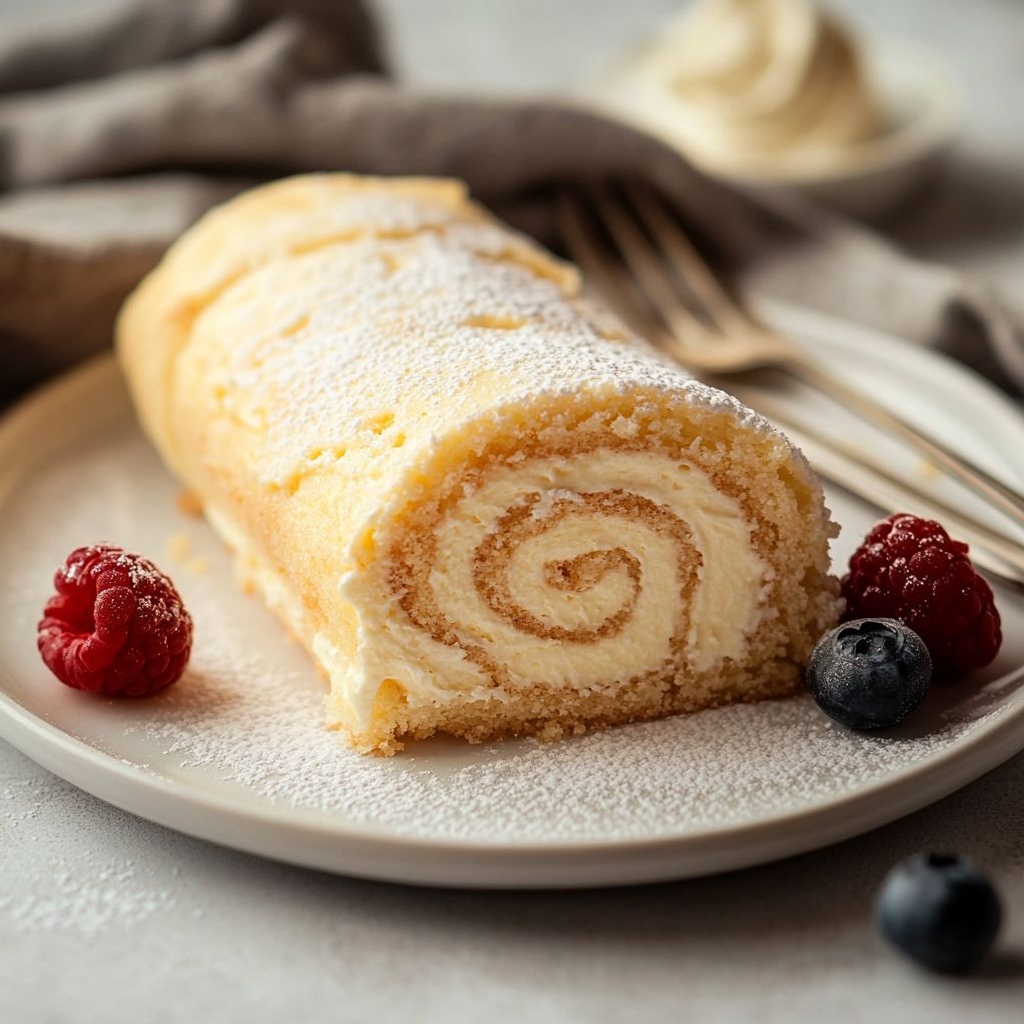
Imagine a dessert that looks like a couture confection but tastes like a soft, cloud-kissed dream. A roulade that unveils a supple ribbon of cheesecake wrapped in a delicate sponge, its edges kissed with citrus brightness and vanilla warmth. Rotolo cheesecake is the kind of showstopper that arrives at the table as if by magic, then settles into your palate with the quiet confidence of a familiar favorite. The cake’s exterior gleams with a satin sheen of glaze or a whisper of powdered sugar, while the inside unfurls into a creamy, tangy center that lingers long after the last bite. This is not just a dessert; it’s an invitation—an edible sculpture that celebrates texture, aroma, and balance in one elegant, rollable package.
What makes this rotolo cheesecake truly special is its harmony of contrasts. The outside sponge is light and airy, almost featherlike, offering a gentle sweetness that plays nicely with the tangy, velvety cheesecake filling inside. The rolling technique reveals surprising layers: a soft crust that yields to a creamy core, a subtle kiss of zest or fruit that brightens without overpowering, and a finish that feels indulgent yet refined. It’s the kind of dessert you can prepare ahead for a celebration or a refined Sunday supper, then slice into dramatic rounds to reveal the perfectly coiled center. The aroma alone—vanilla, citrus, and a hint of dairy sweetness—invites guests to gather round, plates ready, spoons poised, eager to savor the first bite and the next one after that.
Rotolo cheesecake embodies a playful yet sophisticated spirit. It’s a celebration of technique without fuss, of texture without turmoil, and of flavors that feel both timeless and modern. When you slice into it, you’re not just serving dessert—you’re offering an experience: the gentle peel of the sponge, the luxurious melt of the filling, the crisp snap of a lightly dusted crust, and a lingering citrus whisper that lingers on the tongue. It’s the kind of dessert that makes ordinary weeknights feel like a small holiday and turns a simple gathering into a memory you’ll revisit in conversation long after the plates have been cleared.
The Story Behind the Dish
The word “rotolo” in Italian literally means “roll,” and in pastry shops and home kitchens alike, it evokes the art of turning a sheet of batter into a slender, elegant form. The rotolo cake has long enjoyed a place in Italian patisserie as a versatile canvas: spread with jams, creams, or chocolate, then rolled into neat spirals that reveal their secrets only when sliced. The cheesecake version—where a creamy filling is paired with a light sponge—feels like a natural evolution of this tradition, marrying the Italian knack for balance with the universal appeal of cheesecake’s tang and silkiness.
Historically, Italian desserts have thrived on the beauty of a texture contrast and the elegance of simple, high-quality ingredients. The rotolo format is a clever celebration of fold, roll, and reveal: the idea that texture can be layered and that presentation can be both dramatic and accessible. The cheesecake component itself has a storied lineage across the Mediterranean and Europe, evolving from dense, rustic cheese-and-sugar fillings to the smooth, whipped creams and cultured varieties we adore today. When you bring these two ideas together in a rotolo cheesecake, you’re tapping into a heritage of craft and a modern appetite for refined, impressive sweets that still feel homey and comforting.
In many households, a roll is a symbol of care: something you bake with patience, then present with a flourish. The rotolo cheesecake captures that sentiment perfectly. It invites you to practice a bit of technique—the even spread, the careful roll, the precise chill—without demanding a culinary degree. It’s the kind of dessert that says you paid attention to the details, even as you kept the mood light and celebratory. And because the concept is so adaptable, it travels well across cultures and seasons: you can tailor the filling to match seasonal fruit, swap in a different zest or liqueur, or adjust the sweetness to suit your guests. The story of rotolo cheesecake is, at its heart, a narrative of versatility and warmth—the promise that a simple idea, treated with care, can become something memorably elegant.
Why You’ll Love This Recipe
- Impressive presentation with minimal effort: The rolled form creates a dramatic reveal and a professional look that elevates any gathering.
- Creamy indulgence meets light texture: A silky cheesecake filling wrapped in a tender sponge provides a delightful contrast that keeps every bite interesting.
- Versatile fillings and flavor twists: This is a canvas for citrus, berries, chocolate, coffee, or herbs—you can tailor it to your mood or season.
- Make-ahead friendly: Roll, chill, and set the flavors in advance so you can focus on hosting when the moment arrives.
- Kid- and grown-up-friendly: A dessert that appeals to a wide range of palates, easily adjusted for dietary needs with smart substitutions.
- Perfect for celebrations and everyday indulgence: From birthdays to Sunday dinners, it fits both special occasions and a cozy treat.
- Texture and aroma mastery: Fragrant vanilla, citrus zest, and a whisper of cream create a multisensory dessert that lingers in memory.
Flavor Profile & Texture
The rotolo cheesecake brings together a chorus of flavors that play off one another in a harmonious duet. The outer sponge is subtly sweet, with a delicate crumb that yields to the bite without crumbling. It carries faint notes of vanilla, perhaps a touch of almond, and a light, almost chiffon-like tenderness. Inside, the cheesecake filling delivers the signature tang that cheesecakes are famous for, tempered by creaminess and a gentle sweetness that prevent any one note from overpowering the other.
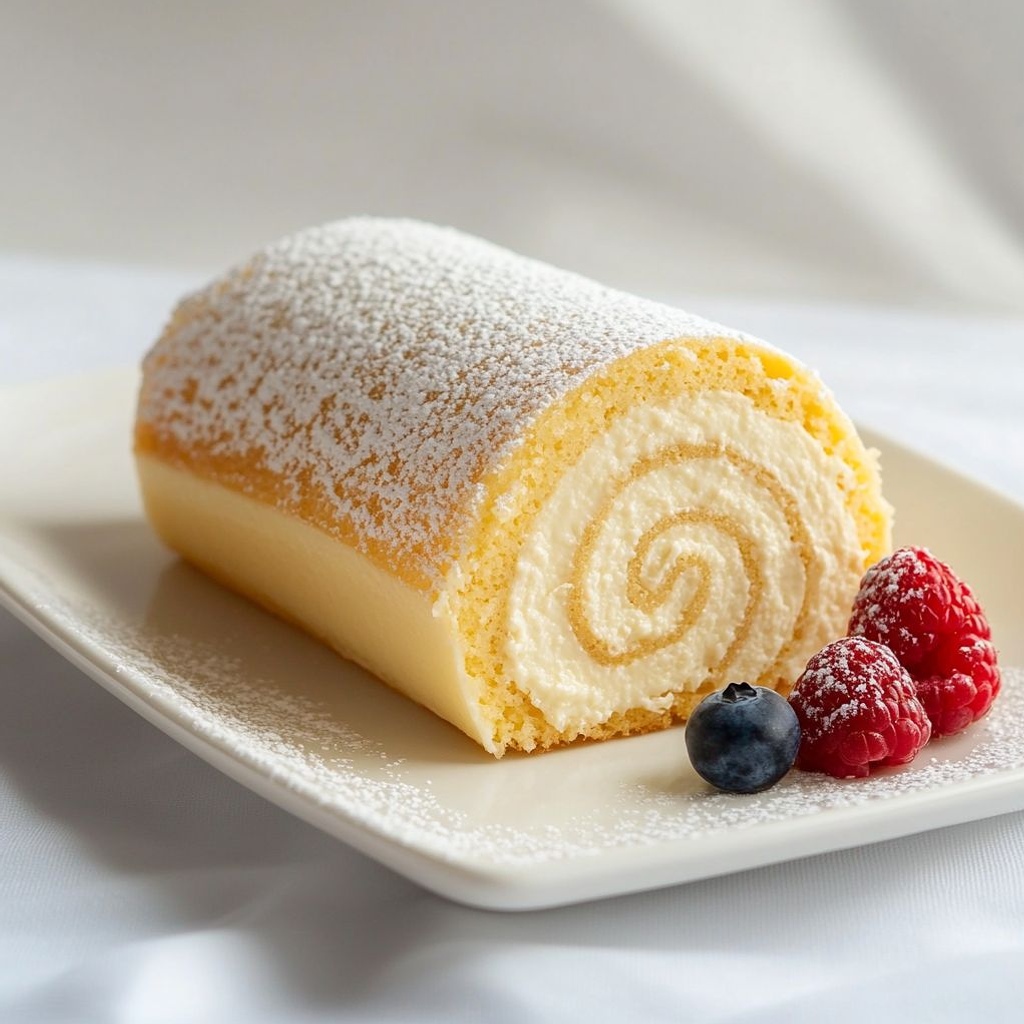
To brighten the experience, many rotolo cheesecakes incorporate citrus zest—lemon, orange, or limoncello-infused aromas—that lift the richness and create a fresh, clean finish on the palate. When a fruit or berry compote is added, it introduces a tart-sweet counterpoint that pops against the richness of the filling, while a dusting of powdered sugar or a glossy glaze adds that final touch of elegance. The textures are what keep this dessert memorable: the sponge’s soft, airy fork-tolerance contrasts with the cheesecake’s dense, creamy center, and a delicate, almost velvety mouthfeel ties everything together. Every slice reveals a neat spiral, a visual reminder of the careful rolling that holds the layers in place and promises a consistent bite from edge to center.
Nose-to-plate sensory notes matter here as well: the aroma of vanilla beams softly, the citrus oils release a zesty perfume, and the dairy sweetness adds warmth that makes the finishing flavors feel cozy and approachable. The balance is precise but approachable, rewarding patient bakers who allow the roll to rest and set so that the layers stay intact when sliced. This is a dessert that invites you to observe textures and aromas as much as to taste them—a complete sensory experience designed to delight the eyes, the nose, and the palate in equal measure.
Occasions & Pairings
Rotolo cheesecake shines in a variety of settings. It’s equally at home gracing a festive holiday dessert table as it is a centerpiece for a weekend family dinner or a celebratory brunch. Its elegant silhouette and refined taste make it a natural choice for special occasions—birthdays, anniversaries, graduations, and intimate weddings—where guests appreciate a dessert that feels sophisticated but not fussy. Because the recipe is adaptable, it also shines on weeknights when you want something memorable without a marathon of steps.
Pairing suggestions to elevate the experience:
- Drinks: A glass of Moscato d’Asti, Prosecco, or a late-harvest Riesling can echo the sweetness and citrus notes, while a small espresso or coffee after-dinner pairing complements the cheesecake’s richness.
- Fruit accents: Fresh berries (strawberries, blueberries, raspberries) or a raspberry coulis can add brightness and a pop of color, while stone fruits in season offer a succulent contrast.
- Side options: A light fruit salad, a lemon-scented yogurt, or a crisp almond biscotti provide textural variety on the plate and balance the creaminess.
- Garnishes: A scatter of finely grated citrus zest, edible flowers, or a drizzle of berry glaze can transform the plate into a visually stunning dessert platter.
Tips, Variations & Substitutions
One of the greatest strengths of the rotolo cheesecake is its adaptability. Here are ideas to tailor the dish to different tastes, dietary needs, or ingredient availabilities, all while keeping the spirit of the roll intact.
Swap in a vegan cream cheese, plant-based butter, and a dairy-free sponge (often using a flax or aquafaba-based whipping technique). Ensure the sponge texture remains light with the right balance of leavening and moisture. A citrus glaze can be made with dairy-free ingredients to finish. Use a gluten-free flour blend or an almond-based sponge for a soft, moist texture that still rolls neatly. The filling remains the same, but check that any glaze or toppings are gluten-free as well. Reduce sugar in the filling slightly and rely on the natural sweetness of citrus and fruit compote. Use a sugar-free fruit topping if desired, or opt for a berry reduction that provides tang and sweetness with fewer refined sugars. For a warm, comforting profile, infuse the cheesecake filling with vanilla bean and a small amount of cardamom or cinnamon. For a bright, modern twist, use lemon or orange zest and a splash of fruit liqueur or a dash of espresso for depth. Introduce a chocolate-cream layer or swirl the filling with melted dark chocolate. A cocoa-spiked sponge adds a decadent contrast that still rolls gracefully. Roll with a tangy berry compote or roasted stone-fruit purée inside for a vibrant layer of color and flavor. Seasonal fruits like figs, peaches, or cherries can offer unique profiles. Consider pistachio or almond paste incorporated into the sponge for a Mediterranean vibe, or a saffron-infused cream for an exotic note. Prepare the sponge and the filling a day ahead. Chill the filling well to maintain its shape when rolling, and roll the cake gently to preserve a clean spiral. This approach reduces stress on the day of serving and improves the texture as flavors meld overnight.
Storage & Make-Ahead Ideas
Rotolo cheesecake can be a wonderful make-ahead dessert if you plan ahead. The secret to a pristine slice lies in proper chilling and careful wrapping to preserve moisture and prevent the roll from drying out.
Storage tips:
- Refrigeration: Once rolled and set, wrap the entire rotolo tightly in plastic wrap and refrigerate for up to 2–3 days. If you’ve added a glaze, keep it refrigerated until just before serving to maintain shine and texture.
- Make-ahead steps: You can prepare the sponge a day ahead, bake and cool completely, roll with the filling, and refrigerate overnight. The next day, give the roll a gentle slice to ensure the spiral still looks neat, and finish with a final dusting or glaze just before serving.
- Freezing: For longer storage, you can freeze the rolled dessert, tightly wrapped, for up to 1–2 months. Thaw in the refrigerator overnight, then re-cover with a light glaze or powder sugar just before serving. Note that the texture of the sponge and filling may adjust slightly after freezing.
Fun Facts & Trivia (Optional)
– The concept of rolling desserts is a global delight, found in many cuisines with local twists, from Swiss roll-inspired treats to Japanese maki-inspired sweets. The rolling technique invites a sense of theater at the table and turns dessert into a mini performance.
– Cheesecake itself has a long history that stretches back to ancient civilizations around the Aegean Sea, where early versions combined soft cheese with flour and honey. Modern cheesecakes, with their smoother textures and refined sugars, came into prominence in the 19th and 20th centuries, evolving into the creamy, velvety creations we now adore. The rotolo format adds a baker’s artistry to this classic, blending a familiar filling with a fluffy, resilient outer shell that holds its shape when sliced.
– The interplay of citrus and dairy is a classic pairing in many culinary traditions, because citrus’ bright acidity cuts through richness, while dairy provides a comforting, mellow base. The rotolo cheesecake embodies this balance beautifully, making it a crowd-pleaser for both citrus lovers and cheesecake enthusiasts.
Ingredients
Rotolo cheesecake
- Crepe Sheets
- 1 1/2 cups all-purpose flour (180 g)
→ The flour forms the base structure of the crepe batter and provides the body for the thin sheets. Sift before measuring to avoid lumps and whisk thoroughly with the wet ingredients. For a gluten-free version, substitute with a 1:1 gluten-free flour blend and a pinch of xanthan gum to mimic elasticity. - 3 large eggs
→ Eggs act as the binding and emulsifying agents, giving the crepes their tender, pliable texture. Bring eggs to room temperature before mixing to help them incorporate smoothly into the batter and prevent curdling. - 1 1/2 cups whole milk
→ Milk hydrates the flour and provides moisture for a soft, delicate crepe. Whole milk yields richer flavor and texture; you can substitute 2% or a plant-based milk, but the batter may be slightly thinner and crepes may be a touch less tender. - 2 tablespoons unsalted butter, melted
→ Butter adds richness and helps the crepes release from the pan. Add the cooled (not hot) melted butter to the batter to avoid cooking the eggs. For dairy-free options, substitute with a neutral oil in the same amount. - 1/4 teaspoon fine sea salt
→ Salt enhances flavor and balances sweetness in the finished crepes. If you use salted butter, reduce additional salt accordingly to avoid oversalting. - 1 tablespoon granulated sugar (optional)
→ A small amount of sugar helps with browning and adds a hint of sweetness. Omit if you want savory crepes; they will pair well with a sweet cheesecake filling without needing extra sugar.
- 1 1/2 cups all-purpose flour (180 g)
- Cheesecake Filling
- 16 oz (450 g) cream cheese, softened
→ The creamy, tangy foundation of the filling. Soften to room temperature so it blends completely and yields a smooth filling without lumps. Beat with sugar until silky, scraping the bowl as needed. For a lighter texture, blend a portion with a little sour cream, but keep the cream cheese as the primary base. - 1/2 cup granulated sugar
→ Provides sweetness and helps achieve a smooth, cohesive filling when beaten with the cream cheese. Ensure the sugar dissolves fully; if the cheese is very soft, a brief, steady whisk will dissolve it without creating air pockets. - 1 teaspoon pure vanilla extract
→ Adds depth and warmth to the filling. Use high-quality pure vanilla for best aroma. If you have vanilla bean, you can substitute with 1/2 teaspoon vanilla paste for a stronger flavor. - Zest of 1 lemon, finely grated
→ Brightens the richness of the cheese and provides a pleasant citrus note that contrasts with the creamy filling. Avoid the white pith; zest first, then fold into the mixture to distribute evenly. - 1/2 cup heavy cream, cold
→ Whipped into soft peaks and folded into the cheese mixture to lighten the filling and create a silky texture. Chill the cream and whip just to soft peaks, then fold gently to maintain volume. If desired, substitute with whipped dessert cream for convenience.
- 16 oz (450 g) cream cheese, softened
- Optional Add-ins
- 1/2 cup mini chocolate chips (optional)
→ Adds pockets of melted chocolate for a decadent touch. Fold in after the cream cheese has been blended to distribute evenly without tearing the crepes. Use mini chips to prevent tearing the delicate sheets.
- 1/2 cup mini chocolate chips (optional)
- Finish & Garnish
- Powdered sugar, for dusting
→ A light dusting enhances presentation and adds a touch of sweetness. Sift evenly over the rolled cake just before serving to avoid clumps and create a neat finish. - 2 tablespoons melted dark chocolate, for drizzle (optional)
→ A decorative drizzle adds visual appeal and a final layer of richness that complements the cheesecake filling. Drizzle while the roll is still slightly warm to help the chocolate adhere; allow to set before slicing. - Fresh mint leaves, for garnish (optional)
→ Mint provides a color contrast and a fresh aroma that pairs nicely with citrusy notes. Use whole or torn leaves as a bright, aromatic finish; rinse and pat dry before garnishing.
- Powdered sugar, for dusting
Instructions
- Bring eggs and milk to room temperature to ensure smooth emulsification and even blending with the flour.
→ Room-temperature ingredients mix more uniformly, preventing curdling and resulting in a tender, pliable crepe that is easy to roll. - Sift the flour with fine sea salt and the optional sugar into a large bowl to aerate the powder and remove lumps.
→ Sifting ensures an ultra-smooth batter and accurate measurement, which helps achieve thin, delicate crepes rather than dense lumps. - Whisk the eggs with the milk and cooled melted butter in a separate bowl until the mixture is completely combined and glossy.
→ Whisking separately helps emulsify fat into liquid, preventing greasy spots and producing a uniform batter. - Pour the wet mixture into the dry ingredients gradually and whisk until you have a smooth, lump-free batter; let it rest for 20–30 minutes.
→ Resting hydrates the flour and relaxes gluten, which yields tender crepes that won’t tear easily when rolled. - Preheat a nonstick skillet or crepe pan over medium heat and brush it lightly with melted butter or neutral oil.
→ Proper preheating creates instant set on contact, while a thin coating prevents sticking without making the crepe heavy. - Ladle a small amount of batter into the hot pan and tilt quickly to form a thin, even circle; cook until the edges are set and the surface looks dry and matte, about 1–2 minutes.
→ A thin, even layer yields pliable sheets that wrap smoothly; avoiding overcooking prevents toughness and tearing. - Flip the crepe with a spatula and cook the opposite side for 15–30 seconds, then transfer to a stack and keep warm between sheets of parchment.
→ Quick, gentle flipping prevents tearing and ensures both sides are lightly colored without browning too much. - Repeat with the remaining batter, stacking crepes with parchment and covering to maintain pliability until all sheets are made.
→ Consistent sheet thickness across all crepes ensures uniform rolling and appearance in the finished roulade. - Soften the cream cheese at room temperature until fully pliable for smooth blending.
→ Soft cheese blends without lumps and yields a silkier filling, which is critical for a refined cheesecake texture. - Beat the cream cheese with granulated sugar at medium speed until smooth and fluffy, scraping the bowl as needed.
→ This creates a cohesive base with no graininess and helps the filling hold together during rolling. - Beat in the pure vanilla extract and finely grated lemon zest until evenly incorporated.
→ Vanilla deepens flavor while lemon zest adds brightness that cuts the richness of the cheese. - In a separate bowl, whip the cold heavy cream to soft peaks; fold the whipped cream into the cheese mixture gently to maintain volume.
→ Soft peaks keep the filling light and airy, preventing it from becoming heavy or dense. - If using mini chocolate chips, fold them in after the cheese and cream are blended to distribute evenly without tearing the crepe.
→ Chips provide pockets of texture and sweetness while preserving a smooth filling across the roll. - Place a crepe on a clean work surface and spread a thin, even layer of filling across, leaving about a 1/2-inch border around the edges.
→ A restrained layer prevents overflow when rolling and creates neat, uniform slices. - Roll the crepe tightly from one long edge into a log, keeping the seam side down to seal, and remove any air pockets as you roll.
→ A tight roll maintains shape and prevents the filling from leaking out; the seam down helps keep the roll intact. - Wrap the log tightly in plastic wrap or parchment and refrigerate for at least 2 hours or overnight to set the filling and firm the roulade.
→ Chilling solidifies the structure, making slicing clean and preventing squishing of the filling. - Unwrap the chilled roulade and dust the surface evenly with powdered sugar just before serving.
→ Powdered sugar provides a delicate, visually pleasing finish and a hint of sweetness without humidifying the surface. - Optionally drizzle melted dark chocolate over the roll while it is still slightly warm so the glaze adheres and sets with a glossy finish.
→ Chocolate drizzle adds depth and a contrasting flavor while enhancing presentation; drizzle must be even and allow it to set before slicing. - Garnish with fresh mint leaves for a fragrant, color-contrast finish.
→ Mint provides a bright aroma and visual pop that complements the citrus note in the filling; rinse and pat dry before placing. - Just before serving, slice the roulade into rounds about 1 inch thick using a sharp knife warmed under hot water and wiped dry between cuts for clean, neat slices.
→ A warmed blade reduces tearing and yields precise, uniform slices that reveal the filling pattern.
Notes
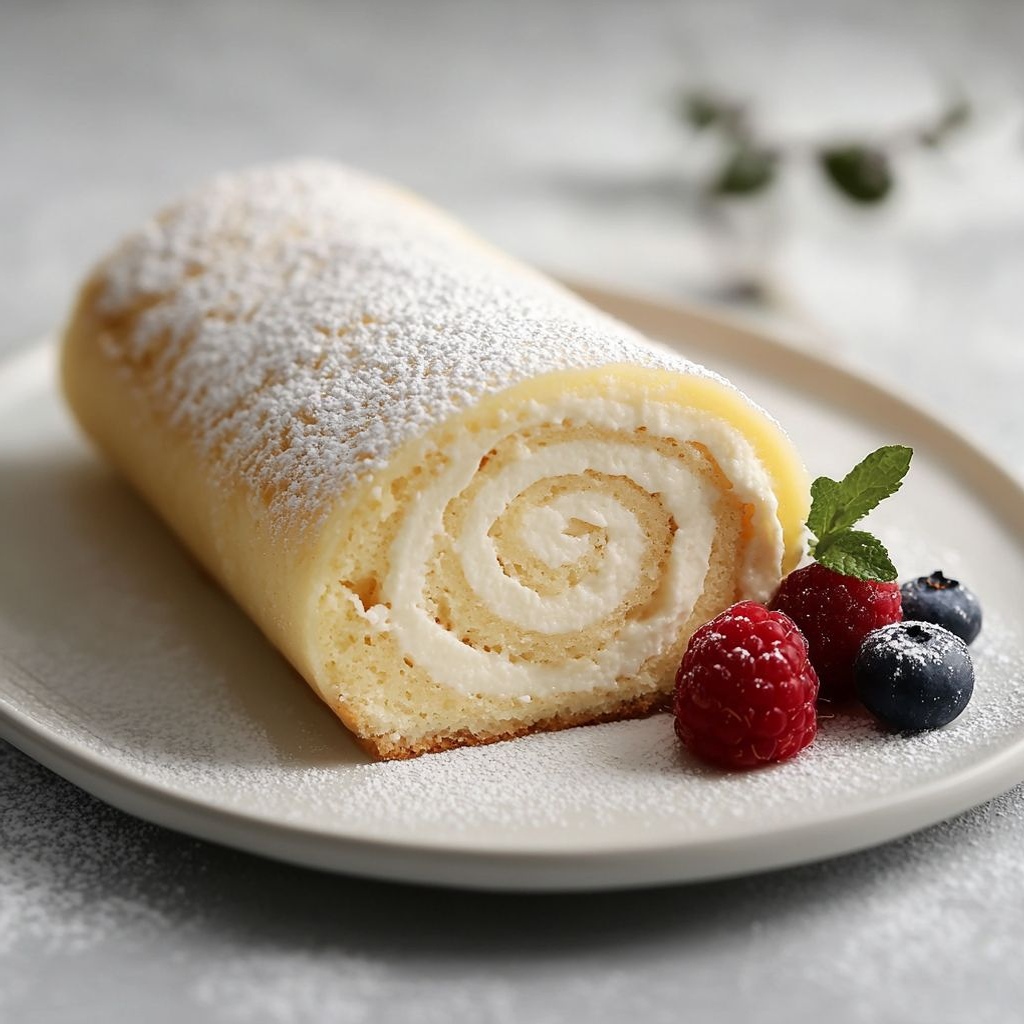
“These rotolo cheesecake notes guide you through building delicate crepe sheets, a silky lemon-vanilla cheesecake filling, and a clean, sliceable roll that looks as impressive as it tastes.”
Crepe sheets: In a bowl, whisk together 1 1/2 cups all-purpose flour (180 g) or a 1:1 gluten-free flour blend with a pinch of xanthan gum, 3 large eggs, 1 1/2 cups whole milk, 2 tablespoons unsalted butter (melted and cooled), 1/4 teaspoon fine sea salt, and 1 tablespoon granulated sugar (optional) until smooth. Let the batter rest 20–30 minutes to relax the gluten and improve texture. Lightly grease a nonstick skillet and cook thin rounds over medium heat, tilting the pan to spread evenly; flip once when the edges lift and cook a few seconds more. Stack the finished crepes with parchment and keep them covered to prevent drying. For a dairy-free option, substitute melted butter with a neutral oil and use a plant-based milk blend.
Cheesecake filling: Beat 16 oz (450 g) cream cheese softened to room temperature with 1/2 cup granulated sugar until very smooth. Mix in 1 teaspoon pure vanilla extract and the zest of 1 lemon for brightness. Fold in 1/2 cup cold heavy cream that has been whipped to soft peaks to lighten the mixture, folding gently to keep the texture airy. Optional add-ins include 1/2 cup mini chocolate chips or a swirl of berry compote for variation.
Finish & assembly: Lay a crepe on a clean surface, spread a thin, even line of filling, roll tightly into a log, and repeat with the remaining crepes. Chill the assembled rotolo for at least 1 hour to help it hold its shape for clean slicing. Just before serving, dust with powdered sugar, and optionally drizzle with melted dark chocolate and garnish with fresh mint or berries for a vibrant plate.
Storage, tips, and gluten-free option: Refrigerate rolled rotolo for up to 3 days; wrap tightly to prevent drying. Freeze individual slices for up to 1 month and thaw in the fridge before serving. For a gluten-free version, ensure crepe batter uses a 1:1 gluten-free flour blend with xanthan gum and consider gluten-free crepe sheets. Always use softened cream cheese and keep ingredients close to room temperature for a smoother filling, and cut slices with a warmed, sharp knife to maintain neat edges.
Tips
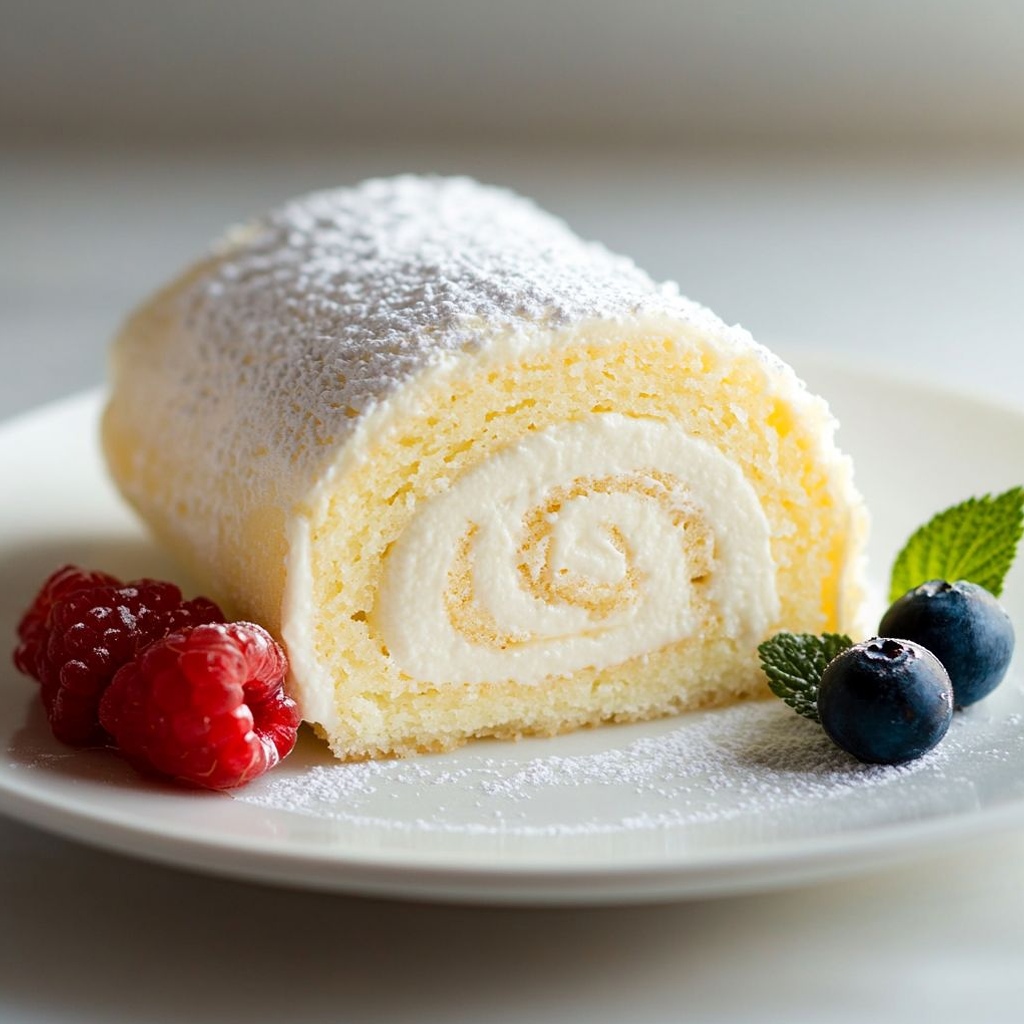
Tips for perfect Rotolo Cheesecake
- Crepe batter consistency: aim for a very thin pancake-like batter. If the batter seems thick, whisk in a little more milk until it flows smoothly in a thin stream. Thin sheets are essential for flexible rolling.
- Batter resting: rest the batter 20–30 minutes at room temperature to hydrate the flour and relax the gluten. If you refrigerate, bring it back to room temperature and whisk briefly before cooking to prevent lumps.
- Gluten-free option: sift the gluten-free flour blend and add a pinch of xanthan gum if your blend lacks elasticity. Resting the batter after mixing helps hydration and tenderness of the crepes.
- Pan prep and fat: use a nonstick skillet or crepe pan, lightly brush with melted butter or neutral oil, and wipe away excess. Keep the pan at medium-low heat for even, delicate browning without scorching.
- Cooking technique: swirl the batter quickly to form a nearly transparent sheet about 1/16 inch thick. If a crepe tears, use the broken piece in the roll or start with a fresh sheet—tears can weaken the roll.
- Stacking crepes: cool on a rack and layer between parchment or plastic wrap to prevent sticking. Stacking while warm can trap moisture and cause tearing later.
- Cheesecake filling texture: soften cream cheese to room temperature and beat until completely smooth. Add sugar gradually and scrape the bowl. For a lighter texture, fold in a portion of whipped cream or sour cream, keeping the cream cheese as the base.
- Whipping cream: chill the mixing bowl and whisk, whip the cream to soft peaks, then fold in gently. Over-whipping or whipping to stiff peaks before folding can deflate the filling.
- Flavor balance: add the lemon zest evenly for brightness; vanilla extract or paste enhances depth. Avoid overmixing to preserve a silky texture without a gummy mouthfeel.
- Add-ins: if using mini chocolate chips, fold them in after the cheese is well blended to prevent tearing the crepes and to distribute evenly.
- Assembling the roll: spread filling in a thin, even layer on each crepe, leaving about a 1 cm margin to seal. Roll tightly using parchment or a clean towel to minimize cracks, then chill 1–2 hours or until firm before slicing.
- Setting and serving: refrigerate the assembled roll until the filling is fully set; longer chilling improves slice cleanliness. Just before serving, dust with powdered sugar and drizzle with melted dark chocolate if desired for a polished look.
- Presentation tips: garnish with fresh mint for a color contrast and fragrant finish. Slice with a warmed knife (dip in hot water, wipe dry) for cleaner cuts.
- Make-ahead and storage: crepes can be prepared a day ahead and kept layered between parchment in the fridge. The filled roll can be wrapped and chilled for up to 2–3 days or frozen for longer storage; thaw overnight in the fridge before slicing.
- Allergen-friendly substitutions: to make dairy-free, use plant-based milk and a dairy-free cream cheese substitute. For gluten-free, follow the crepe guidance above and verify all add-ins are gluten-free.
FAQ
What is Rotolo cheesecake?
Rotolo cheesecake is a rolled dessert that combines a thin sponge cake or pastry sheet with a creamy cheesecake filling. The sheet is rolled around the filling to form a log, then chilled until set. It’s typically finished with a light dusting of sugar or cocoa and can be filled with jam, fruit, or chocolate.
What ingredients do I need for a classic Rotolo cheesecake?
For the cake layer: eggs, sugar, flour (or a flour blend), a bit of butter or oil, and a pinch of salt. For the filling: cream cheese, powdered sugar or granulated sugar, vanilla, and whipped cream or mascarpone. For rolling and decorating: a layer of jam or fruit compote inside, plus optional toppings like powdered sugar, cocoa, or fresh berries.
Can I use store-bought sponge cake instead of making the cake layer?
Yes. A thin, flexible sponge sheet or a very lightweight vanilla sponge works well. If using store-bought, trim to a rectangular sheet and ensure it’s not too thick or dry, so it can roll without cracking.
How do I make the cake layer?
Whisk eggs and sugar until pale and fluffy, then fold in sifted flour (and a pinch of salt) with a gentle motion. Bake in a thin sheet on a parchment-lined tray until just set. While still warm, roll it tightly in a clean kitchen towel to shape, then cool completely.
How do I assemble and roll the Rotolo?
Prepare the cheesecake filling (softened cream cheese, sugar, vanilla, and whipped cream or mascarpone). Unroll the cooled cake sheet, spread a thin layer of filling over the surface, add a layer of jam or fruit compote if desired, leaving a small edge. Roll the sheet tightly using the parchment or towel to help, then wrap and refrigerate until firm.
How long should the Rotolo cheesecake chill?
Chill for at least 3–4 hours, or better overnight, to let it set and make slicing clean. Keep it refrigerated until serving.
How should I store leftovers?
Store the rolled cheesecake in an airtight container or wrapped tightly in plastic in the fridge for up to 2–4 days. For longer storage, you can freeze individual slices wrapped well; thaw in the fridge before serving.
What are some tasty variations I can try?
Try lemon zest and berry jam for a bright flavor, chocolate ganache or Nutella filling for chocolate lovers, or a matcha and white chocolate version. You can also swap the jam for mango, strawberry, or raspberry compotes, and adjust the filling with lemon or vanilla as desired.
Is Rotolo cheesecake gluten-free or suitable for special diets?
You can adapt it by using gluten-free flour in the cake layer and a gluten-free biscuit or sponge. For dairy-free, use dairy-free cream cheese and whipping cream substitutes, though texture may differ. Always check ingredient labels for potential allergens such as eggs, dairy, or nuts.
What common problems should I watch for and how can I avoid them?
Cracks: ensure the cake layer is thin and flexible; roll while warm, or roll after cooling with a towel to set its shape. Soggy filling: don’t over-wet the cake with filling or jam. Dry sponge: avoid overbaking the cake layer. Filling separation: gently fold whipped cream into the cream cheese to keep a light, stable filling. If the roll is hard to slice, chill longer or lightly chill before slicing to help clean cuts.