
Introduction / Hook
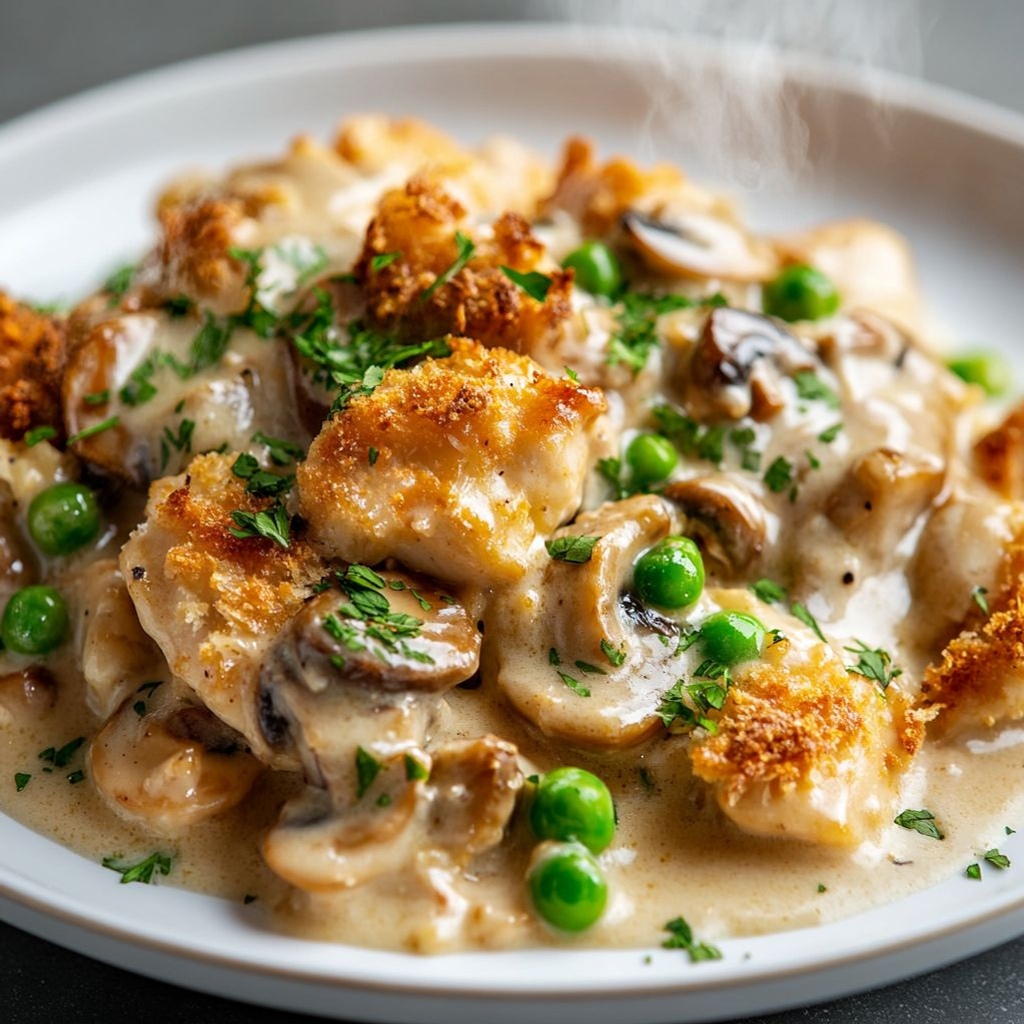
Imagine a dish that feels like a special occasion, yet arrives at your Friday dinner table with the ease of a weeknight staple. The Million Dollar Chicken Casserole is that delightful paradox—a comfort classic wrapped in a glossy, bubbling top that gleams with promise. The moment it emerges from the oven, you’re greeted by a fragrance that mingles warm, savory steam with a hint of melted cheese and caramelized edges. It’s the aroma of home, of family gatherings, of long conversations that started around the table and lingered long after the plates were cleared. This casserole doesn’t just fill a plate; it fills a moment with nostalgia and joy, turning everyday meals into memories you’ll want to recreate again and again.
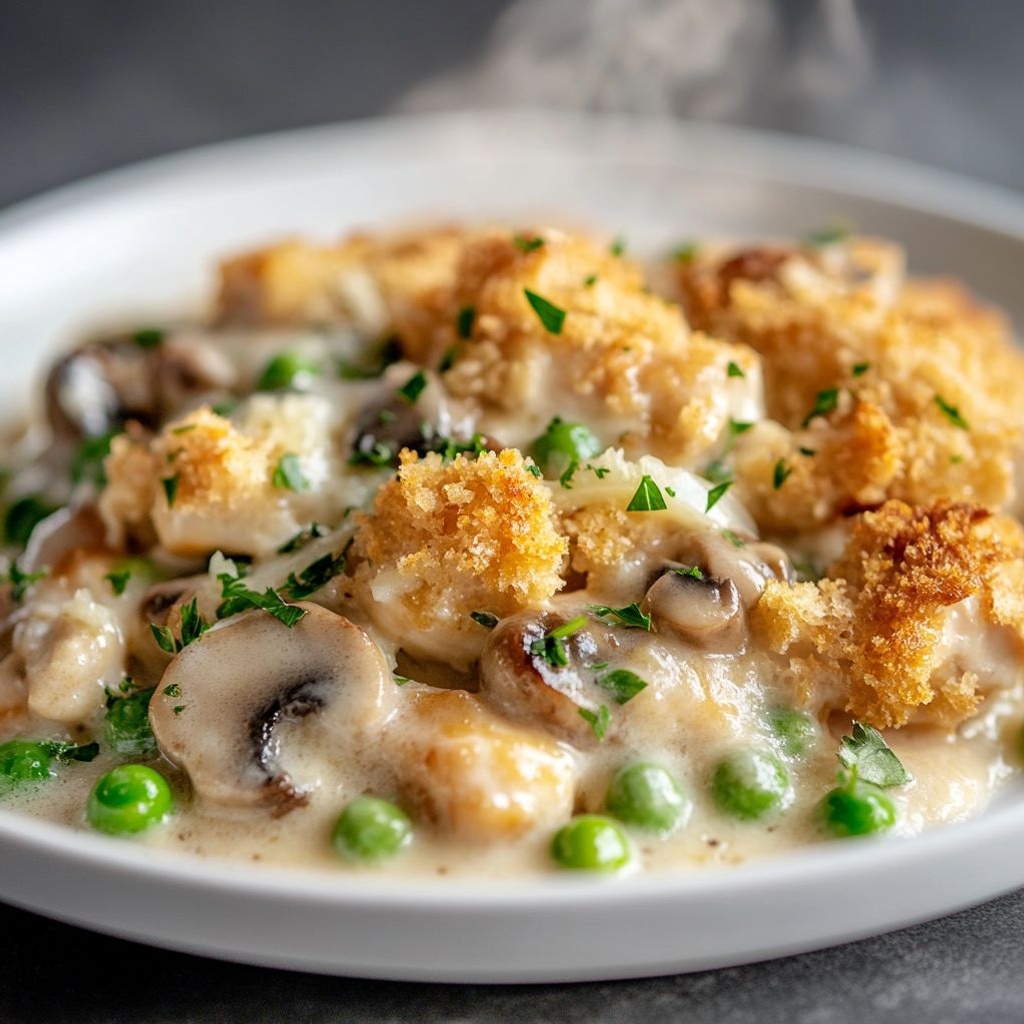
What makes this dish feel like a million dollars without costing a fortune is the way simple, familiar ingredients come together in a way that feels luxurious. It’s less about flashy splurges and more about technique—ensuring each bite delivers a creamy, indulgent center with a crisp, golden crown. The texture contrasts are irresistible: a velvety, saucy interior that clings to tender morsels, a soft, pillowy base beneath, and a top layer that crackles ever so slightly as you cut through. Whether you’re feeding a hungry family after a long day, or hosting a casual gathering with friends, this casserole carries an air of indulgence that’s entirely accessible.
And there’s a certain magic to the way this dish adapts to your kitchen. It loves to be dressed up with a handful of pantry shortcuts or dressed down with a few fresh herbs from the garden. It’s a canvas that invites you to tell a story with your ingredients—whether you keep it classic and creamy or introduce a playful twist that nods to regional flavors or dietary preferences. The Million Dollar Chicken Casserole is more than a recipe; it’s a celebration of comfort, generosity, and the quiet triumph of turning everyday cooking into something memorable.
The Story Behind the Dish
Every great dish carries a story, and the Million Dollar Chicken Casserole is no exception. Born from the tradition of potlucks, church suppers, and family dinners, it’s the kind of recipe that travels through kitchens, gathering whispers of technique and personal touches along the way. In many homes, casseroles were the answer to the question “What can we cook that feeds a crowd with warmth and without fuss?” They were the unsung heroes of busy weeknights and the comforting centerpiece of weekend gatherings. The name itself—Million Dollar—speaks to a time-honored kitchen truth: luxury doesn’t always require a long list of rare ingredients or a chef’s precision. Sometimes, abundance is achieved by layering flavor, using a few smart shortcuts, and cooking with confidence until everything harmonizes in one satisfying bite.
This particular casserole has a way of evolving with the cook’s memory. Some tell of a grandmother who swore by a glossy, custardy center that stayed tender even after a night in the refrigerator; others remember a neighbor who swapped in a splash of tangy dairy product to brighten the depths of the sauce. Over the years, friends and families have added their own touches—herbs from the balcony, a pinch of paprika for a gentle smokiness, a crusty topping that crackles when cut. The beauty of the dish lies not only in its taste but in its adaptability; it’s a recipe that invites storytelling as much as it invites tasting. It becomes a vehicle for hospitality, a way to gather people around a table, share a comforting slice, and relive favorite memories while creating new ones.
From a cultural standpoint, casseroles have long been a practical expression of care. They symbolize nourishment that’s straightforward and sincere—the kind of dish you prepare when you want to say, I’ve got you. The Million Dollar variant leans into that ethos with a sense of abundance ready to be shared. It’s the kind of casserole that travels well to reunions, school bake sales, or casual family reunions, carrying with it the aura of a home-cooked treasure that doesn’t demand a treasure’s price tag. In this sense, the dish is both a tribute to tradition and a testament to modern cooking: comforting, familiar, yet pliable enough to fit contemporary tastes and dietary needs without losing its essential character.
Why You’ll Love This Recipe
- Ultimate comfort with a luxurious feel: creamy centers, a gentle acidity, and a topping that invites a satisfying crackle as you serve it.
- Crowd-pleasing versatility: works beautifully for weeknights, potlucks, or holiday meals when you want one dish to anchor the table.
- Make-ahead friendly: you can assemble earlier in the day and bake when ready, saving time without sacrificing texture or flavor.
- Economical and filling: uses pantry-friendly ingredients and leaves you with generous portions to stretch for leftovers.
- Adaptable to various dietary needs: easily transformed into a lighter version, a dairy-free rendition, or a gluten-conscious option with smart substitutions.
- One-dish simplicity with multiple textures: a creamy interior contrasted by a lightly crisp top, offering depth in every bite.
- Kid-friendly and adult-approved alike: familiar flavors that charm both young palates and grown-up taste buds.
Flavor Profile & Texture
The Million Dollar Chicken Casserole is a symphony of comforting tones and textures. On the first spoonful, you’re greeted by a mellow, savory depth that feels like a warm blanket wrapped around the senses. The interior is lush and velvety, a soft melt of tenderness that clings to each bite with a gentle, almost silky richness. It’s not heavy in a stodgy way; it carries a lightness that makes it feel indulgent without being oppressive. If there’s a hint of brightness, it’s often due to a touch of tang from dairy or a whisper of citrus or herbs that lift the palate just enough to keep the flavors from sinking into sameness.
The exterior offers a complementary contrast. The top layer browns to a delicate, honeyed crust that gives way to a tender, pillow-like center. That slight crackle, just as you cut through, releases a wave of steam and aroma, signaling the moment when the dish yields its warmth fully. The flavors are a balance of comforting richness and subtle, lingering brightness. There’s a backbone of savoriness, a whisper of sweetness from caramelization, and a softness that makes every mouthful feel like a hug. The overall effect is both hearty and soothing, an edible reminder that good food can feel like an embrace after a long day.
Texturally, the dish plays with contrasts. There’s the luxurious, almost satin-like sauce that coats each component, the tender morsels at its core, and the topping that adds a gentle resistance before giving way to the creamy heart beneath. If you close your eyes and imagine the sensation, you’ll feel the way the heat travels through the dish, releasing a chorus of scents that mingle with the steam to create a moment of pure comfort. The flavor profile invites you to savor not just the taste but the memory of comforting meals shared with loved ones—the way someone’s grandmother would sigh contentedly after a perfect bite, or how a family would cheer softly at the table when the last piece disappeared.
As for the aroma, think of warm dairy blends meeting toasty aromatics—an inviting perfume that promises nourishment and togetherness. The aroma lingers, prompting conversation and anticipation. When served, the first forkful reveals a gentle alignment of flavors—savory, creamy, and a touch of golden, toasty sweetness from the crust—before moving into more nuanced notes that make your palate linger for another bite. This is the kind of dish that, once tasted, leaves a desire for another helping not out of heaviness but out of pure satisfaction. It’s a flavor profile that has the power to comfort, celebrate, and unify in a single, satisfying experience.
Occasions & Pairings
This versatile casserole shines across a spectrum of occasions, from weeknights when time is tight to festive gatherings where you want something reliably delicious that doesn’t require a marathon of preparation. On busy weeknights, it’s a one-dish hero that feeds a crowd and leaves room for a simple green salad or a quick vegetable side. For potlucks, it travels well and maintains its creamy appeal, ensuring it remains the center of attention at the table. For holiday dinners, it can be scaled up or down, positioned alongside seasonal sides, and dressed with a few special touches to elevate the overall spread.
When thinking about pairings, you’ll want to complement the dish’s creamy, comforting character with crisp greens, lightly acidic salads, or vegetables that add brightness without overpowering the main star. A simple, refreshing salad with a tangy vinaigrette can cut through the richness and provide balance. For beverages, consider light, chilled options that refresh the palate between indulgent bites; a sparkling water with a squeeze of citrus, a dry white wine, or a light lager all work nicely depending on your preference. For dessert, aim for something that offers a clean finish—fruit-forward tarts, citrusy custards, or a softly sweet crumble can provide a satisfying end without clashing with the casserole’s richness.
Tips, Variations & Substitutions
- Make-ahead method: assemble the casserole, cover tightly, and refrigerate for up to 24 hours. When ready to bake, add 15–20 minutes to the baking time to accommodate the cold start.
- Vegetarian option: replace the chicken with hearty mushrooms or a plant-based protein equivalent. Use a savory, dairy-based sauce to preserve the luxurious texture.
- Gluten-free approach: ensure any thickeners or toppings used are gluten-free. Cornstarch or gluten-free flours can be employed to achieve the same creamy consistency.
- Low-carb or keto-friendly tweak: substitute a portion of the base with cauliflower mash or pureed cauliflower to maintain creaminess while reducing carbohydrates.
- Herb-forward variation: experiment with fresh thyme, chives, tarrant leaves, or a pinch of nutmeg to add aromatic depth that complements the richness.
- Global twists: introduce subtle regional flavors—smoked paprika for a hint of warmth, a touch of curry powder for an exotic lift, or a squeeze of lemon to brighten the dish.
- Cheese choices: while a creamy, melty cheese is classic, you can mix in a sharper cheese for more tang or use a dairy-free cheese alternative to accommodate dietary needs.
- Crunchy topping alternatives: if you want extra texture, add a light breadcrumb or almond crumble on top; bake until the top is golden and crisp.
- Make it lighter: use a lighter dairy option or half-and-half combined with a dairy-free alternative to maintain creaminess with fewer calories per serving.
Storage & Make-Ahead Ideas
Leftovers are often the best part of a casserole, and this dish stores well enough to become a reliable next-day meal. After cooling, transfer portions to airtight containers and refrigerate for up to 3–4 days. The flavors often deepen overnight, giving you a richer bite on day two. To reheat, warm gently in the oven or a covered skillet to preserve moisture and prevent drying. If you’re planning to freeze, consider assembling fully (without baking) and freeze in a casserole dish or freezer-safe container. Freeze for up to 2–3 months. Thaw overnight in the refrigerator before baking, and add a few extra minutes to ensure the center heats evenly. When reheating from frozen, you may need to extend the bake time to ensure the dish is piping hot in the middle.
Practical tips for the best texture include avoiding overbaking, which can dry out the interior. If you notice the top browning too quickly while the center is still warming, loosely cover the dish with foil to shield the topping while the center catches up. Conversely, if you prefer a crisper top, remove the foil for the last 10–15 minutes of baking to encourage a golden, crackly finish. These simple adjustments let you tailor the dish to your oven’s behavior and your texture preferences, ensuring a consistently satisfying result every time.
Fun Facts & Trivia (Optional)
Fun kitchen lore often surrounds casserole classics. Did you know that casseroles became particularly popular in the United States during the mid-20th century as a practical solution for families with busy schedules? The concept—layering ingredients in a single vessel and baking to meld flavors—made weeknight meals feel more indulgent without requiring elaborate cooking sessions. The term “casserole” itself comes from the French word casseroles, meaning a large, deep dish or pan. In many traditions, casseroles are associated with generosity and hospitality—dishes that invite guests to linger, share stories, and savor time together. The Million Dollar Chicken Casserole taps into that legacy, offering a modern twist on a timeless formula: comfort, abundance, and a sense of celebration that you can pull from the pantry with confidence.
Some culinary historians note that the appeal of creamy casseroles aligns with the sensory pleasure of warm dairy and melted cheese—an experience that triggers comforting memories and a sense of safety. While the exact origins of this particular “million-dollar” variant are a bit of kitchen folklore, what remains true is its universal charm: it’s a dish that makes a table feel welcoming, and a weeknight feel special, with little more than a few ingredients and plenty of heart.
Ingredients
Million Dollar Chicken Casserole
- 3 cups cooked chicken, shredded
→ Provides the protein backbone and body to the casserole; shredding helps the sauce cling and distribute evenly in every bite. Use leftovers from a roasted chicken or a pre-cooked rotisserie chicken for convenience. If you use chicken with skin, discard the skin before shredding to keep the filling from greasiness; measure after shredding to ensure the correct amount. - 2 cups broccoli florets, fresh or thawed from frozen
→ Adds color, crunch, and vegetable nutrition. Lightly blanch or steam until bright green and tender-crisp so it holds shape during baking; if using frozen broccoli, thaw and drain thoroughly to avoid extra moisture in the casserole. Cut into bite-sized florets for even cooking. - 1 can condensed cream of chicken soup (10.5 oz)
→ Creates a creamy, cohesive base that coats chicken and broccoli. Choose regular or low-sodium varieties to control salt; for a richer sauce, whisk in a splash of milk or chicken broth. If you prefer, substitute with 1 1/2 cups homemade cream sauce. - 1 cup sour cream
→ Adds tang and moisture while helping emulsify the mixture for a luscious texture. Let sour cream sit at room temperature before mixing to prevent curdling; use full-fat for maximum creaminess, or light sour cream for a lighter version. - 1/2 cup cream cheese, softened
→ Boosts silkiness and thickness of the sauce. Soften to room temperature and whisk into the sour cream and soup to prevent lumps; for a dairy-free option, substitute with a plant-based cream cheese alternative and adjust the broth accordingly. - 1/2 cup chicken broth
→ Adjusts the sauce consistency to your preference; warm the broth before adding so it blends smoothly with the cold dairy mixture and prevents separation. Use low-sodium broth to better control overall salt levels. - 1 cup shredded cheddar cheese
→ Provides melty richness and classic casserole flavor. For best results, shred cheese from a block rather than using pre-shredded to avoid anti-caking agents that can affect melt. Stir a portion into the sauce and reserve some for topping if desired. - 1/2 cup grated parmesan cheese
→ Adds sharp, salty depth to the sauce. Incorporate into the mixture for extra flavor or sprinkle on top with the cheddar for a golden crust. Freshly grated parmesan yields a more vibrant aroma than pre-grated varieties. - 1/2 teaspoon garlic powder
→ Flavor foundation for the creamy mixture; use as a convenient shortcut to fresh garlic. If you prefer, substitute with 1 clove minced garlic sautéed briefly in a little butter before adding, adjusting for taste to avoid overpowering the dish. - 1/2 teaspoon onion powder
→ Adds subtle sweetness and depth that complements garlic and dairy. Use to balance the savoriness; if you like a stronger onion note, you can slightly increase to 3/4 teaspoon. - Salt and pepper to taste
→ Essential for seasoning since canned soups and crackers can be salty. Start with a modest amount, mix well, then taste and adjust. Remember you can always add more but cannot remove excess salt. - 1 cup crushed Ritz crackers
→ Creates a crunchy, golden topping that bakes into a crisp crust. Toss the crumbs with the melted butter to ensure even coating and browning; if needed, substitute with panko breadcrumbs for a lighter crunch. Keep topping separate until the final minutes of baking for extra crunch. - 3 tablespoons unsalted butter, melted
→ Used to toss with the cracker crumbs for a buttery, crisp topping that browns beautifully. If dairy-free, substitute with an equivalent amount of olive oil or a dairy-free margarine alternative. You can add a pinch of paprika for color if desired.
Optional Add-ins
- 1/2 cup sliced mushrooms (optional)
→ Adds earthy depth and umami. If using, sauté mushrooms in a little butter or oil until their moisture evaporates before folding into the casserole to prevent sogginess. Use cremini or white button mushrooms for best texture. - 1/2 cup corn kernels (optional)
→ Adds sweetness and a pop of color. If using canned corn, drain well; if using frozen, thaw and pat dry to minimize extra moisture in the bake. - 2 tablespoons chopped fresh parsley (optional)
→ Finishing touch that brightens the dish and adds a hint of fresh aroma. Stir a little into the casserole before baking or sprinkle on top after cooking for color.
Instructions
- Preheat your oven to 350°F (175°C) and grease a 9×13-inch baking dish with butter or nonstick spray to ensure easy release and clean edges after baking.
→ A steady, moderate heat from the start helps the casserole hydrate evenly and prevents sticking that could tear portions during serving. - Prepare the broccoli florets by washing, trimming, and cutting into bite-sized pieces; if using fresh broccoli, blanch in salted boiling water for 2 minutes until the color is bright green and the texture is tender-crisp, then drain thoroughly and pat dry; if using frozen broccoli, thaw completely and squeeze out excess moisture.
→ Brief blanching preserves vibrant color and crisp-t tender texture, while removing moisture prevents a watery casserole that stews rather than bakes. - If using mushrooms, slice thinly and sauté in a small amount of butter or oil over medium heat until any moisture evaporates and the edges turn golden; cool before folding into the filling.
→ Sautéing draws out moisture and concentrates flavor, preventing soggy bites in the final bake. - If using corn, drain canned corn well or thaw frozen corn and pat dry; this minimizes added water that can dilute the sauce.
→ Dry corn kernels keep the filling from turning watery and maintain a pleasant bite. - Shred 3 cups cooked chicken, discarding skin and bones, and place the shreds in a large bowl; measure after shredding to ensure the correct amount for the filling.
→ Shredded chicken distributes evenly throughout the casserole, creating cohesive bites rather than streaks of meat. - In a large mixing bowl, whisk together the condensed cream of chicken soup, sour cream, softened cream cheese, and warmed chicken broth until smooth and fully integrated; whisk in garlic powder, onion powder, and salt and pepper to taste.
→ Warming the broth helps it blend smoothly with cold dairy, creating a creamy, cohesive base without lumps or separation. - Fold the shredded chicken and broccoli (and any prepared mushrooms or corn) into the sauce, then stir in 1 cup shredded cheddar cheese and 1/2 cup grated parmesan until evenly distributed; mix until the cheese melts into the sauce and coats the vegetables and chicken.
→ Cheese enriches the filling with melt and flavor, binding the components into one luscious casserole. - Pour the filling into the prepared baking dish and spread it into an even layer with a spatula, tapping the dish gently to remove air pockets that could cause uneven heating.
→ An even layer ensures uniform cooking and consistent slices when serving. - Prepare the Ritz cracker topping by crushing crackers into coarse crumbs and tossing with 3 tablespoons melted unsalted butter until the mixture is evenly moistened and clumps slightly; this yields a crisp, golden crust.
→ The butter-coating helps the crumbs brown and stay crunchy as the filling steams beneath. - Sprinkle about half of the buttered cracker topping in an even layer over the casserole to form the initial crust. Reserve the remaining cracker topping for the final baking stage.
→ Layering the topping in two stages creates a protected base crust during the early bake and a crisp, golden finish at the end. - Cover the casserole with foil and bake in the preheated oven at 350°F (175°C) for 20 to 25 minutes, until the casserole is hot throughout and the sauce lightly bubbles; covering prevents the topping from browning too quickly while the center heats through.
→ This step ensures gentle, uniform heat penetration and a creamy interior without scorched edges. - Remove the foil and sprinkle the remaining cracker topping over the hot casserole; return to the oven and bake for an additional 5 to 7 minutes, or until the topping is deeply golden and crisp.
→ The final exposure to heat finishes browning and crisping the crust for a satisfying contrast with the creamy filling. - Test for doneness by inserting a thermometer into the center; it should read 165°F (74°C) and the sauce should be bubbling at the edges; if needed, bake a few more minutes to reach safe internal temperature.
→ Safe internal temperature ensures the chicken is fully cooked while preserving the dish’s texture. - Let the casserole rest for 5 to 10 minutes before serving to allow the filling to set and the sauce to thicken slightly, making portions lift cleanly.
→ Resting helps theStructure settle and enhances cutting and plating quality, reducing runny slices. - If desired, sprinkle chopped fresh parsley over the top just before serving for a bright color and fresh aroma that complements the rich filing.
→ A little fresh herb elevates the dish’s presentation and notes of green contrast with the creamy filling.
Notes
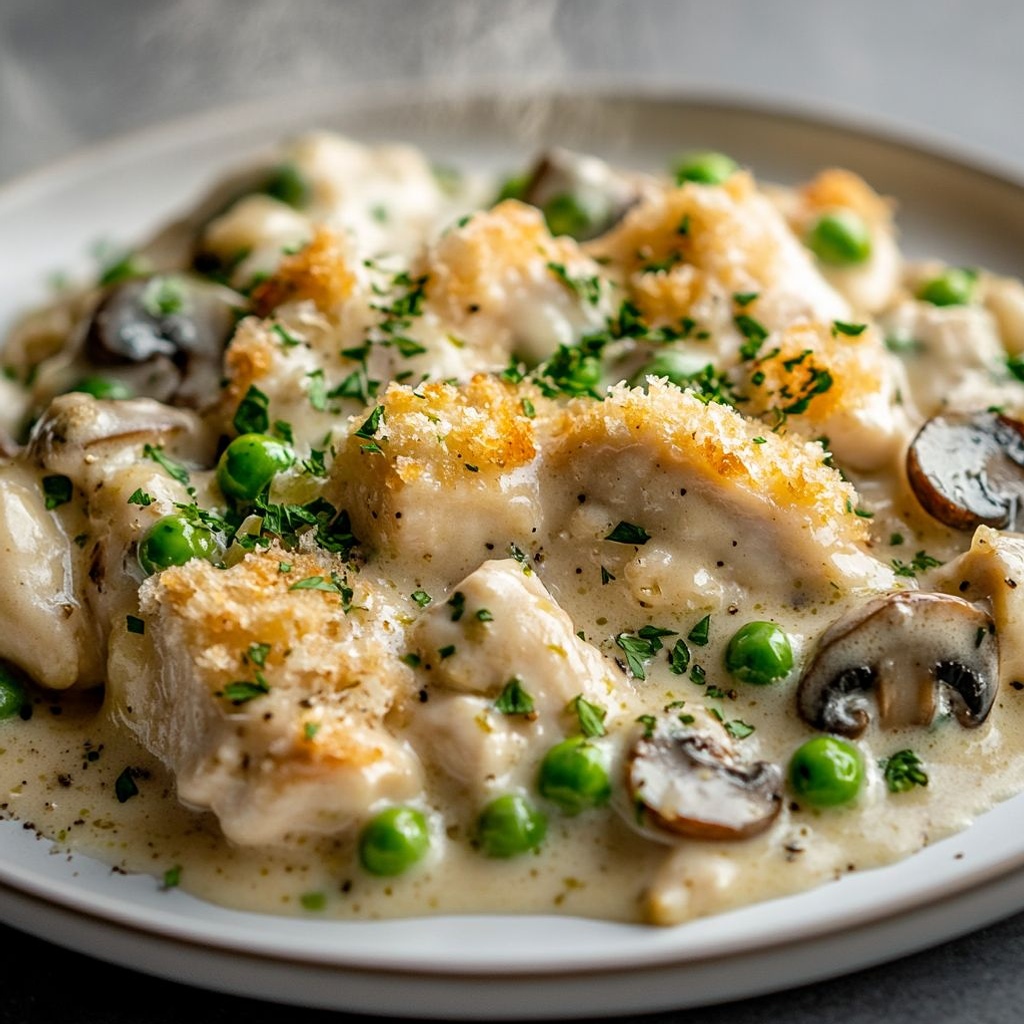
These Million Dollar Chicken Casserole notes provide tips to perfect a creamy, comforting bake featuring shredded chicken, broccoli, and a cheesy sauce topped with a buttery cracker crumble. To customize, stir in optional mushrooms, corn, and chopped fresh parsley for color and brightness. For best texture, lightly blanch the broccoli until bright green and tender-crisp, and let dairy ingredients come to room temperature before mixing to prevent curdling; shred cheddar from a block for smoother melt. Make-ahead: assemble through the topping, cover, and refrigerate up to 24 hours; bake uncovered and add a few extra minutes if starting cold. Storage: refrigerate leftovers in an airtight container for 3-4 days, or freeze baked or unbaked casserole for up to 2-3 months; reheat gently in the oven or microwave. Gluten-free option: substitute gluten-free crackers or crushed gluten-free crackers for the topping, use a gluten-free condensed cream of chicken soup or homemade cream sauce, and ensure broth is gluten-free. For dairy-free or lighter versions, swap sour cream and cream cheese for dairy-free alternatives and use a lighter cheese or omit some butter in the topping; adjust the salt since canned soups vary in sodium. Serve with a crisp salad or steamed vegetables, and offer hot sauce or a dollop of yogurt for added tang.
Tips
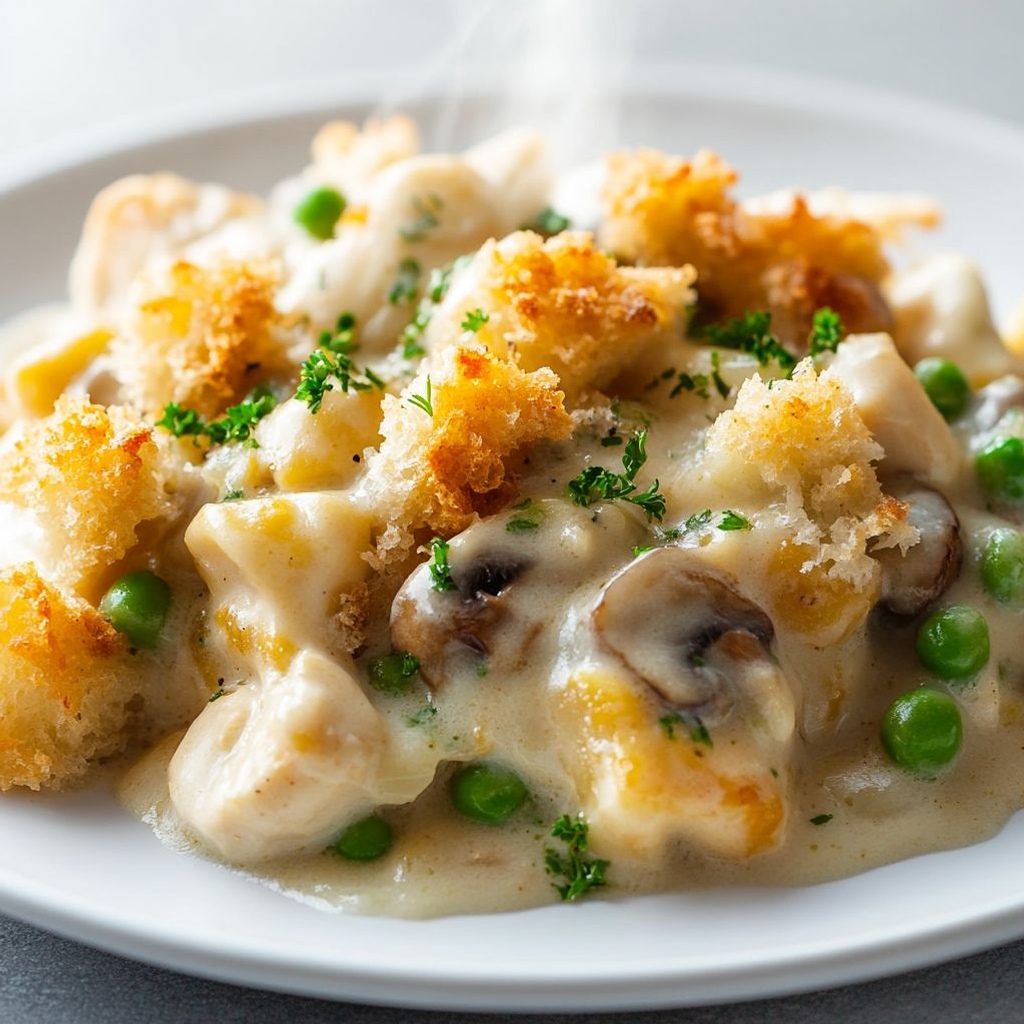
Tips for Million Dollar Chicken Casserole
- Shredded chicken: 3 cups of cooked chicken should be measured after shredding. Use leftovers from roasted chicken or a pre-cooked rotisserie bird for speed. If there’s skin, discard it before shredding to keep the filling from greasiness and to ensure the sauce coats evenly.
- broccoli: Cut into bite-sized florets and aim for tender-crisp texture. Lightly blanch or steam until bright green; if using frozen broccoli, thaw and drain thoroughly to minimize extra moisture that can make the casserole watery.
- Cream of chicken soup: Use regular or low-sodium varieties to control salt. For a richer sauce, whisk in a splash of milk or chicken broth. If you prefer, substitute with 1.5 cups homemade cream sauce.
- Sour cream: Let it come to room temperature before mixing to prevent curdling and ensure a silky texture. Use full-fat for maximum creaminess, or light sour cream for a lighter version.
- Cream cheese: Soften to room temperature and whisk into the sour cream and soup to prevent lumps. This will help create a smooth, cohesive sauce. For a dairy-free option, use a plant-based cream cheese and adjust the broth accordingly.
- Chicken broth: Warm the broth before adding so it blends smoothly with the cold dairy mixture and doesn’t cause separation. Opt for low-sodium broth to better control overall salt.
- Cheddar cheese: Shred from a block for best melt; stir a portion into the sauce and reserve some to sprinkle on top for a cheesy crust.
- Parmesan: Freshly grate for sharper flavor. Integrate some into the sauce or sprinkle on top with the cheddar for extra depth and a golden crust.
- Garlic powder and onion powder: These provide a reliable base flavor. If you prefer fresh garlic, sauté minced garlic briefly in a little butter before adding, but avoid overpowering the dish with too much garlic.
- Salt and pepper: Taste as you go. Canned soups and crackers can be salty, so start modestly and adjust at the end. You can always add more salt, but you can’t remove it once mixed in.
- Crushed Ritz crackers: They create a crunchy, golden topping. Toss the crumbs with melted butter to help even browning; for variation, you can use panko breadcrumbs. Hold the topping until the final minutes of baking for extra crunch.
- Unsalted butter: Used to coat the cracker topping. If dairy-free, substitute with an equivalent amount of olive oil or a dairy-free margarine. A pinch of paprika adds color if desired.
- Optional add-ins: Mushrooms add earthy depth; sauté them first to evaporate moisture so they don’t make the casserole soggy. Corn adds sweetness and color; parsley gives a fresh finish. Use as desired and fold in before baking or sprinkle on top after cooking for a fresh look.
- Assembly notes: Gently fold ingredients to avoid breaking broccoli and to keep the chicken pieces intact. Don’t overmix; you want a creamy, cohesive filling with evenly distributed ingredients.
FAQ
What is Million Dollar Chicken Casserole?
Million Dollar Chicken Casserole is a creamy, hearty bake featuring tender chicken, a rich sauce, and a comforting cheese topping. It’s typically made with chicken, a creamy base (like cream of chicken soup and sour cream or mayo), and a flavorful mix of vegetables and starch (such as broccoli and cooked rice or pasta), topped with cheese and sometimes crispy onions for a final crunch.
What ingredients do I need?
Common base ingredients include:
– 2 cups cooked chicken, shredded or diced
– 1 can (10.5 oz) cream of chicken soup (or a mix of cream of mushroom)
– 1 cup sour cream or Greek yogurt (or a combination)
– 1/2 cup mayonnaise
– 2 cups shredded cheddar cheese, divided
– 2 cups broccoli florets (or your favorite veggies)
– 2 cups cooked rice or pasta
– 1/2 medium onion, diced
– 1 tsp garlic powder, salt, and pepper to taste
Optional toppings: crispy fried onions or crushed crackers/breadcrumbs
Feel free to customize with peas, corn, mushrooms, or different cheeses.
Can I use rice or pasta, and which works best?
Both work well. Rice keeps the dish a bit heartier and looser with sauce, while pasta (lycoprotein-free shapes like penne) yields a cheesier, more indulgent texture. If you use pasta, cook it until al dente and fold it in with the sauce. For rice, use fully cooked, fluffy rice. If the mixture seems dry, add a splash of milk or broth to loosen.
How do I prepare and bake the casserole?
Basic steps:
– Preheat oven to 350°F (175°C).
– In a large mixing bowl, combine chicken, broccoli, cooked rice/pasta, cream soup, sour cream, mayo, half the cheddar, onion, garlic powder, salt, and pepper.
– Stir until evenly mixed and transfer to a greased baking dish.
– Sprinkle the remaining cheese on top. If using toppings, add them now.
– Bake for 25–35 minutes, until bubbly and hot through. If you like a crisper top, bake a few extra minutes or broil for 1–2 minutes at the end.
Can I make this ahead or freeze it?
Yes. You can assemble the casserole up to 24 hours in advance and refrigerate covered. Bake time may increase by 5–10 minutes. For freezing, assemble without baking, wrap tightly, and freeze. Thaw overnight in the fridge before baking, then bake at 350°F for 45–60 minutes or until bubbling and hot in the center. You may need to add a splash of milk to loosen the sauce after thawing.
How can I adapt this for dairy-free or gluten-free diets?
Dairy-free: use dairy-free cream soups, dairy-free sour cream or yogurt, and dairy-free mayo; use dairy-free cheese if desired. Gluten-free: use a gluten-free cream soup (check labels) and gluten-free breadcrumbs or fried onions for topping. Ensure any add-ins (like pasta) are gluten-free if needed.
What toppings give the best crispiness?
Options for a crunchy finish include:
– Crispy fried onions sprinkled on top before baking
– Crushed crackers or gluten-free crackers mixed with a little melted butter
– Panko breadcrumbs tossed with a bit of butter
For extra color, broil for 1–2 minutes at the end, watching closely.
How should I store and reheat leftovers?
Store leftovers in an airtight container in the fridge for 3–4 days. Reheat in the oven at 350°F for 15–20 minutes until hot, or microwave in 1–2 minute bursts, stirring in between until heated through. If the casserole seems dry after reheating, stir in a splash of milk or broth.
Can I use other proteins or add-ins?
Yes. Swap in leftover turkey, rotisserie chicken, or canned chicken. Add-ins like corn, peas, mushrooms, or chopped bell peppers work well. For a seafood twist, cooked shrimp can be folded in, though adjust cooking time to avoid overcooking.
What are some flavor variations I can try?
Try these ideas:
– Swap cheddar for a blend of cheddar and mozzarella
– Add a teaspoon of smoked paprika or a pinch of cayenne for warmth
– Stir in chopped fresh herbs (parsley, thyme) after baking
– Mix in a splash of hot sauce or a teaspoon of Dijon mustard for brightness
– Use ranch dressing in place of part of the mayo for extra tang