Introduzione / Gancio
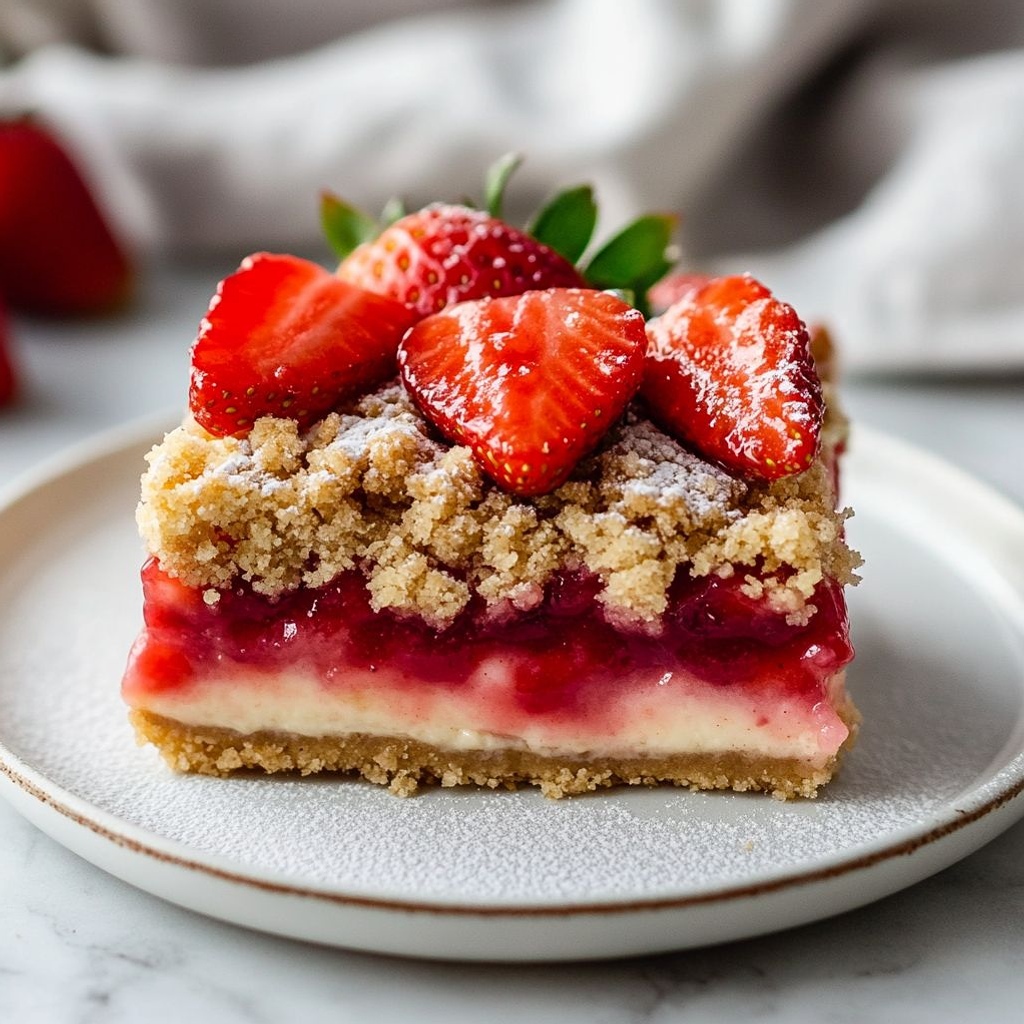
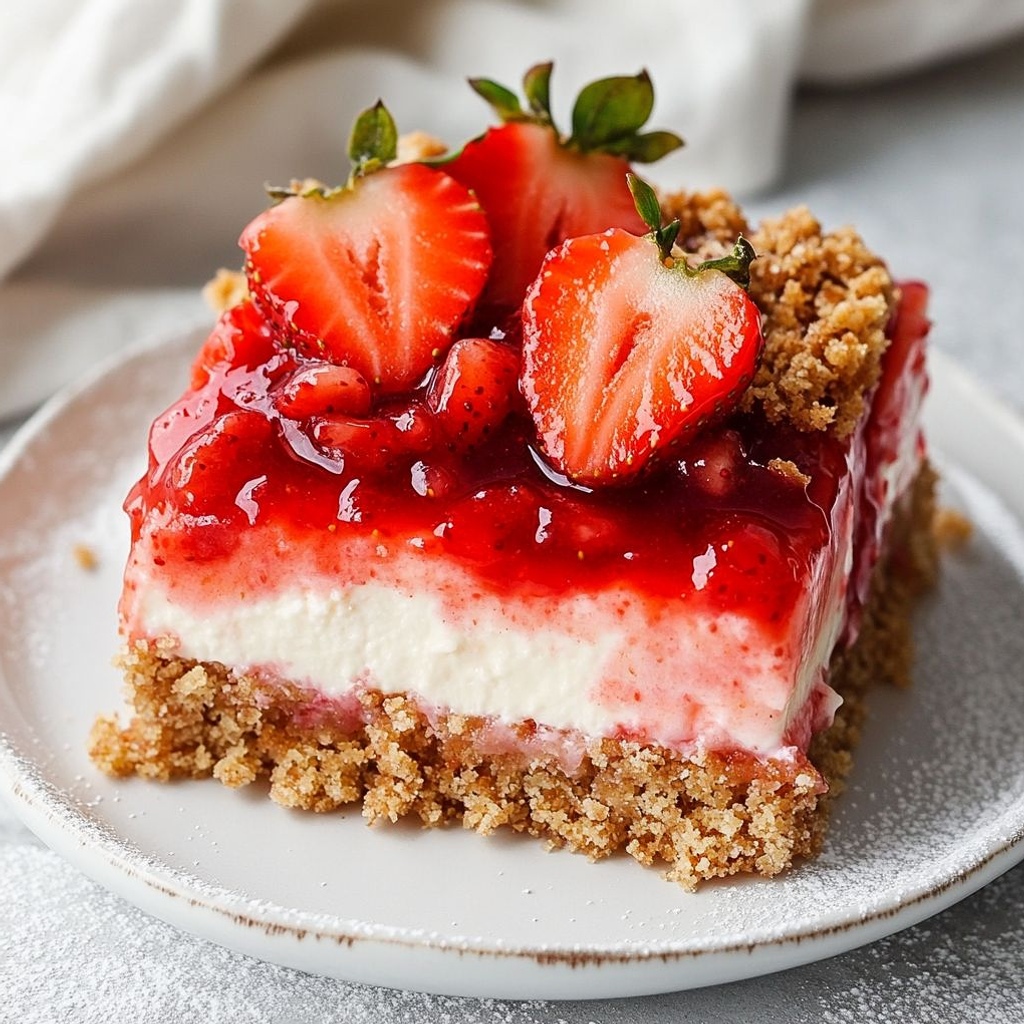
Immagina una dessert che combina la morbidezza vellutata di una cheesecake con la brillante freschezza delle fragole e un irresistibile croccante che arriva a ogni morso come un piccolo applauso: questo è Cheesecake crunch alle fragole. È un dessert che sembra una dichiarazione d’amore per la primavera, ma che funziona in ogni stagione, capace di trasformare una cena ordinaria in un momento di festa. Appena apri il frigorifero, il profumo agrumato della scorza di limone e la dolcezza lattiginosa di una crema al formaggio si mescolano con l’aroma delle fragole mature. Nel primo morso, la crema seducente si fonde con un cuore fruttato e una croccantezza sorprendente che fa scattare una sorta di soddisfazione istantanea. Non è solo una torta; è un viaggio sensoriale che invita a rallentare, a respirare profondamente e a godere di ogni istante della degustazione. Se cerchi un dessert capace di incantare senza sforzo, questa cheesecake con crunch alle fragole è la scelta giusta: elegante quanto semplice, sofisticata quanto familiare, pronta a raccontare una storia di condivisione e di gusto autentico.
La storia del piatto
Cheesecake crunch alle fragole nasce dall’incontro di due mondi dolci: la tradizione della cheesecake, nata ben prima dell’era dei forni moderne, e l’improvvisazione creativa tipica delle cucine contemporanee. In molte culture, la cheesecake è stata reinterpretata per esaltare ingredienti locali e stagionali. Qui, le fragole non sono una semplice decorazione: diventano la protagonista luminosa, in grado di rilasciare il loro profumo inconfondibile, rinforzando la cremosità tipica della crema al formaggio con una nota rinfrescante e leggermente acida che bilancia la dolcezza. La componente crunchy, spesso ispirata a crumble di biscotti, granella di noci o zuccherini caramellati, aggiunge un elemento di sorpresa che ricorda le ricette di famiglia dove il rispetto per la tradizione incontra l’audacia del tocco personale. In alcune versioni, la croccantezza nasce da strati sottili di biscotti croccanti o da una granella di cioccolato bianco e pistacchi, che ricordano i giochi di contrasti presenti in molte tavole italiane: semplicità, eleganza, e una punta di teatralità. La ricetta racconta anche una storia di convivialità: le fragole, facilmente reperibili durante la stagione, hanno da sempre un ruolo centrale nelle grandi tavolate estive italiane, dove si condividono dolci, gelati e sorbetti. In questo piatto, ogni elemento è pensato per restituire quel senso di calore domestico e di festa semplice, dove la tecnica incontra la gioia di cucinare insieme.
Perché amerai questa ricetta
- Equilibrio di consistenze: crema soffice e vellutata, cuore morbido di fragole, e una croccantezza che invita a mordere nuovamente.
- Profilo di sapore luminoso: la dolcezza delicata della crema al formaggio si apre al profumo agrumato e alla freschezza delle fragole, bilanciate da una nota leggermente burrosa della base croccante.
- Versatilità stagionale: perfetta per cene in famiglia, ma anche per occasioni più formali o celebrazioni, grazie all’estetica pulita e al sapore universale.
- Facilità di presentazione: può essere preparata con anticipo e servita in fette ordinate, offrendo un impatto visivo notevole senza richiedere decorazioni complesse.
- Adatta a diverse diete: con piccole varianti, può diventare vegan o gluten-free senza perdere l’anima del dessert.
- Convivialità e condivisione: un dessert che invita a spezzare il pane e a discutere dei ricordi legati al cibo e ai momenti di festa.
Profilo di sapore e consistenze
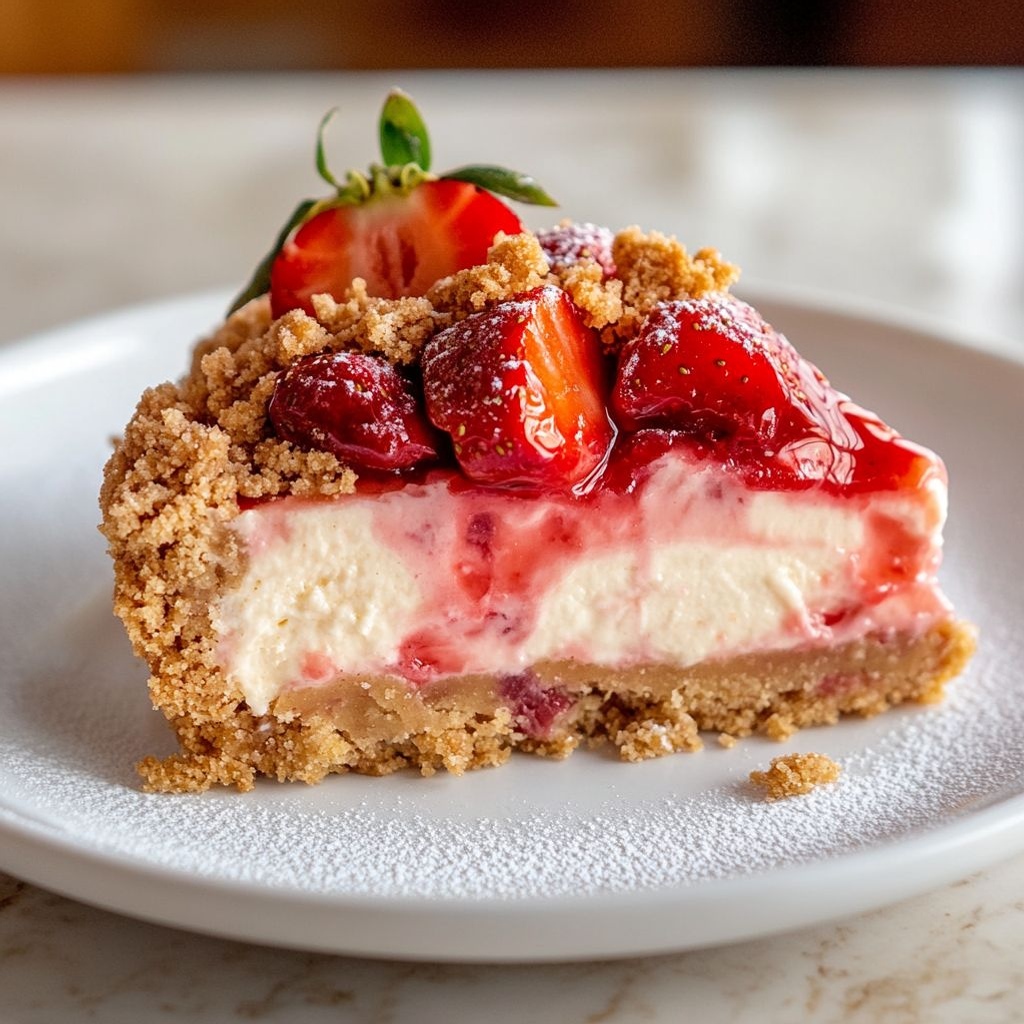
Questo cheesecake è una sinfonia di contrasti piacevoli. La crema al formaggio, che qui si presenta leggera e setosa, offre una base cremosa che avvolge il palato come una nuvola profumata di vaniglia. A contrasto, la parte fruttata delle fragole tenta con note vivaci: dolcezza succosa, un accenno di asprozza tipico della fragola matura, e una leggera freschezza che elimina la sensazione di pesantezza tipica di molti dolci a base di formaggio. La base croccante, che funge da fondale, aggiunge una texture solida e friabile che si rompe al primo morso, rivelando un cuore di fragranza burrosa. Per completare il quadro, una nota di scorza di limone o di arancia apre il profilo aroma, accendendo la dolcezza con una scintilla di agrumi che allontana la pesantezza e rende ogni fetta pulita e rinfrescante. Il tocco finale di crunch può essere paragonato a un sentore di biscotti leggermente caramellati o di granella di nocciole tostate: una spinta croccante che esplode in bocca, offrendo un occhiolino a chi ama la gamma di sapori classici italiani. In termini di equilibrio globale, la dolcezza moderata della crema è sostenuta dall’acidità lieve delle fragole e dalla brillantezza degli aromi agrumati, creando una degustazione armoniosa che rimane leggera e invitante dall’inizio alla fine.
Occasioni & Abbinamenti
Cheesecake crunch alle fragole è una soluzione perfetta per diverse occasioni. È elegante a una cena di gruppo o a una celebrazione, ma sufficiente per chiudere una serata romantica senza essere troppo formale. Può diventare il protagonista di una domenica pomeriggio tra amici, accompagnata da una tazza di caffè o da un bicchiere di vino spumante o Moscato d’Asti per esaltare la freschezza della frutta. Per un abbinamento non alcolico, una tisana fredda al limone o un decoro di foglie di menta fresca completano il quadro senza sovrastare i sapori delicati. In contesti più estivi, si sposa bene con dessert di frutta fresca o con una leggera gelatina di agrumi come chiusura di una cena a tema mediterraneo. Se vuoi renderla ancora più scenografica, servi la torta in porzioni individuali con una sola fragola fresca al centro, adagiata su un velo di coulis di fragola o di lamponi, creando un effetto visivo accattivante e un profumo irresistibile al taglio. Per i momenti di festa, considera l’equilibrio tra dolcezza e freschezza: una spolverata di scorza d’arancia candita o una spruzzata leggera di zucchero a velo può dare un tocco di eleganza finale senza sacrificare la leggerezza del piatto.
Consigli, Varianti & Sostituzioni
La bellezza di Cheesecake crunch alle fragole è la sua versatilità. Ecco come personalizzarla per diverse esigenze e gusti:
Varianti gustative
- Versione al cioccolato: aggiungi una punta di cacao amaro alla crema per un abbinamento classico con fragole, creando un contrasto tra dolcezza cremosa e cacao intenso.
- Crunch di noci e caramello: sostituisci o aggiungi granella di nocciole o mandorle tostate con un leggero sottile strato di caramello per un effetto croccante più marcato.
- Cuore di limone: incorpora una lieve nota di limone nella crema per un tocco di acidità che leviga la dolcezza e illumina il profilo aromatico.
- Versione estiva senza latticini: utilizza una crema a base di latte di mandorla o di soia e una base a base di burro Vegetale per una cheesecake vegana, mantenendo però la texture cremosa tipica del piatto.
Opzioni per diete speciali
- Gluten-free: scegli una base di biscotti senza glutine o utilizza fiocchi di crusca d’avena certificati senza glutine per una croccantezza leggera.
- Vegan: impiega formaggio cremoso a base di piante e una crema di anacardi o anacardi frullati con latte vegetale, cui può essere aggiunto un poco di agar-agar per stabilizzare.
- Zuccheri ridotti: riduci la quantità di zucchero e aggiungi una dolcezza naturale proveniente dalla frutta, equilibrando con un po’ di vaniglia e scorza di agrumi per mantenere la percezione di dolcezza.
Twist regionali o tradizionali
Per una versione italiana con un tocco locale, aggiungi una punta di liquore di fragola o di limoncello al composto prima di raffreddarlo, oppure sostituisci la frutta con lamponi o more selvatiche tipiche delle nostre campagne estive. Un accenno di scorza di limone grattugiata e una spolverata di pistacchi spezzati danno una nota mediterranea in grado di sorprendere anche i palati più tradizionalisti.
Conservazione e Preparazione in anticipo
Una delle grandi virtù di questo dolce è la sua praticità quando si tratta di tempo e organizzazione. Puoi prepararlo con anticipo e servirlo freddo, mantenendo intatta la temperatura e la consistenza. Ecco alcuni consigli utili:
- Raffreddamento: una volta montata e raffreddata, lasciare in frigorifero per diverse ore o durante la notte permette ai sapori di amalgamarsi profondamente e alla crema di stabilizzarsi.
- Porzionamento: taglia porzioni individuali prima di raffreddarli completamente per facilitare la presentazione e l’uso successivo. In alternativa, conserva l’intera torta e taglia al momento di servire.
- Conservazione: copri bene con pellicola o chiudi in contenitore ermetico. Puoi conservare in frigorifero per 2-3 giorni; oltre quel periodo, la consistenza della base potrebbe cominciare a perdere croccantezza.
- Congelamento: se vuoi conservare a lungo, puoi congelare porzioni singole già tagliate. Scongelale lentamente in frigorifero prima di servirle: la crema potrebbe diventare leggermente meno densa, ma la freschezza delle fragole resta molto presente.
- Make-ahead: se prevedi una tavola di festa, realizza la crema e la base separatamente il giorno prima e unisci solo prima di servire per conservare al meglio la croccantezza.
Fun Facts & Trivia (Opzionale)
– Le fragole, famose per la loro dolcezza rinfrescante, sono naturali drappeggi di gioia aromatica: contengono composti che esaltano la percezione del gusto e l’aroma, rendendo ogni boccone più intenso.
– La cheesecake è una torta che, pur avendo molte variazioni in tutto il mondo, trova una versione particolarmente amata nelle cucine mediterranee, dove si uniscono cremosità e frutta in un equilibrio delicato.
– Il Crunch finale può essere interpretato come un omaggio alle tradizioni locali che prediligono texture diverse: in molte regioni italiane, l’uso di croccante, nocciole, mandorle e biscotti spezzati è un modo per rendere ogni dolce qualcosa di unico e memorabile.
– Per chi ama la storia degli alimenti, questa ricetta è una celebrazione di come un dessert internazionale possa trasformarsi in un piatto profondamente radicato nel carattere e nel gusto di casa, in grado di raccontare storie di stagioni, di mercati e di tavole condivise.
In conclusione, Cheesecake crunch alle fragole è molto più di un dessert: è un racconto di sapori, di texture, di ricordi e di convivialità. Ogni fetta porta con sé la freschezza della fragola, la morbidezza seducente della crema e la soddisfazione sonora del croccante. È la promessa di un momento speciale, pronto a trasformare una semplice chiacchierata tra amici in una piccola cerimonia di gusto. Preparala con gioia, servila con un sorriso, e lascia che la tua tavola diventi un luogo dove fragranze, profumi e sorrisi si intrecciano in un unico, indimenticabile morso.
Ingredients
Cheesecake Crust
- 1 1/2 cups graham cracker crumbs (or gluten-free graham crackers, finely crushed)
→ For the crust, finely ground crumbs create an even base that bakes into a tender, crisp layer. If using gluten-free crackers, ensure they are gluten-free certified. Mix with melted butter and sugar until the mixture resembles wet sand, then press firmly into the pan; chilling or pre-baking helps the crust maintain shape during filling. - 4 tablespoons unsalted butter, melted
→ The melted butter binds the crust crumbs into a cohesive, sliceable base. Allow the crust to cool slightly before filling; if the crust is too warm, the filling may not set properly. For a crisper crust, bake the crust for 8–10 minutes at 350°F (175°C) and let cool completely before adding the filling. - 2 tablespoons granulated sugar
→ Optional depending on the sweetness of your crackers; sugar enhances the crust’s flavor and helps give a light caramelization when baked. If crackers are already sweet, reduce or omit. Sprinkle into the crust mixture evenly to achieve uniform sweetness across slices.
Cream Cheese Filling
- 16 oz (450 g) cream cheese, softened to room temperature
→ The filling’s body and tang come from cream cheese. Softening prevents lumps and yields a smooth, creamy texture when beaten with sugar. Use high-fat cream cheese (not “low-fat”) for best texture; avoid overbeating which can incorporate excess air and cause cracks. - 3/4 cup granulated sugar
→ Sugar balances the tang of the cream cheese and helps the filling set properly. Add gradually and beat until smooth and glossy, but stop short of overmixing to keep the texture tender. - 2 large eggs
→ Eggs provide structure and help the filling set as it bakes. Add eggs one at a time on low speed to prevent overmixing; scrape down the bowl between additions for even texture. - 1/2 cup sour cream
→ Adds moisture, silkiness, and a subtle tang that enhances creaminess without making the filling heavy. Use full-fat sour cream; whisk in gently at the end to avoid curdling. - 1 teaspoon vanilla extract
→ Vanilla deepens the cheesecake flavor, warming the tang. Use pure vanilla extract for best aroma; if you have vanilla bean paste, you can substitute with a half the amount for an intensified flavor. - 1 teaspoon lemon juice or zest (optional)
→ A touch of lemon brightens the filling and balances richness. Add zest for fragrance or a small squeeze of juice; taste and adjust to avoid overpowering the cream cheese.
Strawberry Layer
- 2 cups fresh strawberries, hulled and sliced
→ These strawberries provide the fruity center of the dessert. Slice evenly for a uniform layer; if you prefer, macerate with a tablespoon sugar for 10–15 minutes to release juices and create a glossy, saucy layer. If using frozen berries, thaw completely and drain excess liquid. - 2 tablespoons granulated sugar (for macerating)
→ Maceration draws out juice and softens the berries, resulting in a luscious strawberry layer that pairs with creamy cheesecake. Stir gently to avoid breaking berries into mush; adjust amount to taste based on berry sweetness. - 1 teaspoon lemon juice (optional)
→ Brightens the berry layer and helps balance sweetness. Use freshly squeezed lemon juice and add gradually; stop when you reach the desired tartness without compromising the pink color.
Crunch Topping
- 1 cup cornflakes, lightly crushed
→ The crunchy cornflake topping provides a contrasting texture to the creamy filling. Crush to coarse bits rather than powder to retain crunch in every bite. For gluten-free needs, use certified gluten-free cornflakes. - 2 tablespoons unsalted butter, melted
→ Binds the crushed cornflakes into a cohesive, crisp crumble that browns nicely in the oven. Ensure the butter is evenly distributed to prevent clumps; bake until light golden and fragrant. - 2 tablespoons granulated sugar
→ Adds a touch of sweetness and helps caramelization of the topping as it bakes. If your cornflakes are pre-sweetened, you may reduce this; taste the mixture before baking and adjust accordingly.
Garnish and Serving
- Fresh strawberries, hulled and halved or sliced (for topping)
→ Extra fresh berries on top create a vibrant finish and reinforce the strawberry theme. Slice right before serving to preserve shape and avoid juice pooling; arrange decoratively for an appealing presentation. - Fresh mint leaves (optional)
→ A hint of mint adds color and aroma that complements strawberry. Use whole leaves or small sprigs as a final flourish; store unwashed in the fridge and add just before serving to retain freshness.
Instructions
- Preheat your oven to 350°F (175°C) and grease a 9-inch springform pan, then line the bottom with parchment and lightly grease the sides to ensure the crust releases cleanly.
→ A properly prepared pan prevents sticking and ensures clean, even slicing after chilling. - In a bowl, combine 1 1/2 cups graham cracker crumbs, 2 tablespoons granulated sugar, and 4 tablespoons melted unsalted butter until the mixture resembles wet sand; press firmly into the pan with a flat-bottomed glass or measuring cup to form an even, compact crust.
→ A cohesive crust bases the cheesecake and prevents crumbling when sliced; pressing evenly avoids thin or soft spots. - Bake the crust for 8–10 minutes at 350°F (175°C), then remove and cool completely on a rack before filling.
→ Briefly baking sets the crust and keeps it crisp under the moist filling, while cooling prevents the filling from sliding off a warm crust. - While the crust cools, macerate the 2 cups of fresh strawberries by tossing them with 2 tablespoons granulated sugar and optional lemon juice; let them sit 10–15 minutes until juices are released and the berries become glossy.
→ Maceration softens the fruit, draws out juice for a vibrant layer, and balances sweetness with acidity. - In a large mixer bowl, beat 16 oz (450 g) cream cheese on medium speed until smooth and free of lumps; this builds a creamy, stable foundation for the filling.
→ Softened cream cheese ensures a silky texture and prevents gritty lumps in the final cheesecake. - Add 3/4 cup granulated sugar to the cream cheese and beat until the mixture is light, silky, and glossy, scraping the bowl as needed to ensure even sweetness.
→ Gradual addition prevents graininess and helps the filling set properly without dulling the texture. - With the mixer on low, add 2 large eggs one at a time, beating just until incorporated after each addition and scraping the bowl between additions for even texture.
→ Adding eggs slowly builds structure and reduces the risk of incorporating excess air that can cause cracks. - Beat in 1/2 cup sour cream and 1 teaspoon vanilla extract until just combined; if using, whisk in 1 teaspoon lemon juice or zest for brightness; do not overmix.
→ Sour cream adds moisture and silkiness, while vanilla enhances flavor; lemon balances richness without overpowering the tang. - Pour one-third of the filling onto the cooled crust and spread evenly to create a stable base layer for the strawberry filling.
→ A partial base layer anchors the fruit without sinking into the bottom, giving a distinct strawberry layer. - Spoon the macerated strawberry mixture over the first filling layer, spreading it into an even circle and leaving a small margin at the edges to prevent overflow during baking.
→ Even distribution prevents concentrated pockets and ensures a balanced bite with strawberry flavor in every slice. - Pour the remaining cheesecake filling over the strawberry layer, smoothing the top with a spatula and tapping the pan lightly to release any air bubbles.
→ A smooth top ensures uniform bake and an attractive finish once sliced. - Prepare the crunch topping by mixing 1 cup lightly crushed cornflakes, 2 tablespoons melted butter, and 2 tablespoons granulated sugar until the cornflakes are evenly coated; sprinkle this topping in an even layer over the filled cheesecake.
→ The butter-impregnated crumbs crisp as they bake, providing a contrasting texture to the creamy center. - Bake the assembled cheesecake in a water bath: place the springform pan in a larger roasting pan, pour hot water into the outer pan halfway up the sides, and bake at 325°F (165°C) for 50–60 minutes until the edges are set and the center still has a slight jiggle.
→ The water bath stabilizes heat and moisture, preventing cracks and yielding a creamy, custard-like center. - Turn off the oven and let the cheesecake sit in the warm oven with the door ajar for 60 minutes, then transfer to a rack to cool completely before refrigerating for at least 4 hours or overnight.
→ Slow cooling reduces stress cracks and helps the layers set evenly, improving texture and slicing clarity. - Before serving, remove the pan sides and garnish with fresh strawberries and optional mint leaves; serve chilled for best firmness and brightness of strawberry flavors.
→ Fresh garnish enhances color and aroma; chilling ensures clean slices and a refreshing contrast to the creamy filling.
Notes
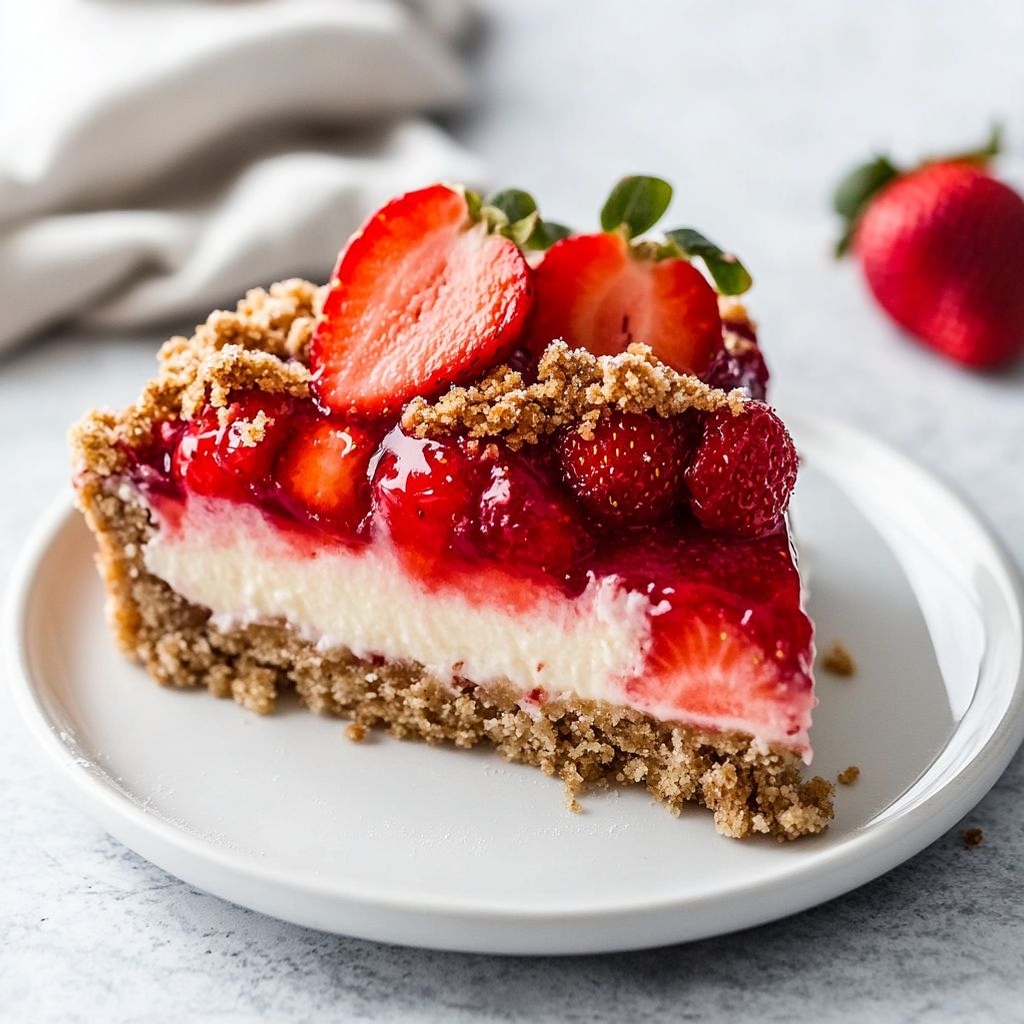
These strawberry cheesecake crunch alle fragole are a show-stopping dessert that pairs a silky, tangy cream cheese filling with a bright strawberry layer and a crunchy cornflake topping. For a gluten-free version, use certified gluten-free graham crackers (or gluten-free cookies) for the crust and ensure the cornflakes are labeled gluten-free; this keeps the dessert accessible to those with gluten intolerance. Make sure the cream cheese is softened to room temperature and use full-fat cream cheese to achieve a smooth, glossy filling; beat until just blended and avoid overmixing to prevent cracks. A quick pre-bake or a good chill of the crust helps it hold shape when the filling is added; if you prefer an extra crisp crust, bake the crust for 8–10 minutes at 350°F (175°C) and cool completely. The strawberry layer benefits from maceration: toss sliced berries with a tablespoon of sugar and a teaspoon of lemon juice, let stand 10–15 minutes for juices to release and a glossy finish; if using fresh berries, slice evenly; if using frozen, thaw completely and drain well. For the crunch topping, lightly crush cornflakes with butter and sugar until crumbly but still chunky, then bake until golden for a crisp, caramelized finish that contrasts the creamy filling. To serve, chill the assembled cheesecake for several hours or overnight, then garnish with extra fresh strawberries and a few mint leaves for color and aroma. Store leftovers in the refrigerator for 3–4 days; for longer storage, freeze individual slices wrapped tightly, and thaw in the fridge before serving.
Tips
Tips for the Cheesecake Crust
- Grind crackers to a fine, even crumb so the crust bakes into a smooth, cohesive base. If using gluten-free crackers, ensure they are certified gluten-free.
- Mix the crumbs with melted butter and sugar until the texture resembles wet sand. This helps the crust press together and bake into a tender, sliceable layer.
- Press the crust firmly into the pan using the flat bottom of a measuring cup or the back of a spoon to avoid air pockets and to achieve an even thickness around the edges.
- Chill the crust before filling, or prebake for 8–10 minutes at 350°F (175°C) for extra firmness. Let it cool completely before adding the filling to prevent slipping.
- If you’re skipping baking entirely, chill the crust well to help it set before filling.
Tips for the Cream Cheese Filling
- Let the cream cheese, eggs, and sour cream come to room temperature before mixing to avoid lumps and ensure a silky texture.
- Beat the cream cheese with sugar until smooth and glossy, then add eggs one at a time on low speed. Scrape down the bowl between additions for even texture.
- Avoid overmixing after adding eggs; too much air can cause cracks as the cheesecake bakes and cools.
- Stir in sour cream gently at the end to add moisture and a subtle tang without curdling. Use full-fat ingredients for best stability and richness.
- To reduce cracking, bake in a water bath (double-wrap the pan in foil and place it in a larger pan filled with hot water) and let the cheesecake cool gradually in the oven with the door ajar.
- If you want a hint of brightness, you can fold in a small amount of lemon zest or a teaspoon of lemon juice, but taste to avoid overpowering the cheesecake.
Tips for the Strawberry Layer
- Slice strawberries evenly for a uniform fruit layer. For a juicier center, macerate with a tablespoon of sugar for 10–15 minutes to release juices.
- If you macerate, drain excess juice before layering to prevent a soggy crust; reserve the juice for brushing or a light glaze if desired.
- A splash of lemon juice brightens the berry layer; add gradually and taste to keep balance with sweetness.
- If using frozen berries, thaw completely and pat dry to minimize extra moisture in the filling.
Tips for the Crunch Topping
- Crush cornflakes to coarse bits rather than a fine powder so they stay crisp after baking.
- Mix in melted butter evenly to avoid clumps; distribute the topping in an even layer for uniform browning.
- Sprinkle sugar to help with caramelization; if your cornflakes are sweetened, reduce sugar accordingly.
- For a gluten-free version, ensure the cornflakes are certified gluten-free and process in a way that avoids cross-contamination.
Tips for Garnish and Serving
- Decorate with fresh strawberries just before serving for a vibrant finish; slice right before plating to prevent juice pooling.
- Add fresh mint leaves as a subtle aroma and color pop. Store mint dry and crisp; add them just before serving.
- Chill the assembled cheesecake for several hours or overnight to let flavors meld and the filling set fully. Run a thin knife around the edge before slicing for clean cuts.
- Store leftovers covered in the refrigerator; you can freeze individual slices for longer storage—wrap well and reassemble gently after thawing in the fridge.
FAQ
Cheesecake crunch alle fragole – FAQ
Che cos’è Cheesecake crunch alle fragole?
Una cheesecake cremosa con una base croccante, rifinita con una salsa di fragole e una “crunch” di biscotti o granella. Può essere preparata al forno o come versione no-bake, ed è perfetta come dessert rinfrescante.
Quali sono gli ingredienti principali?
Base: biscotti (digestive o tipo shortbread) saranno sbriciolati e mescolati con burro fuso. Crema: formaggio cremoso (tipo Philadelphia), zucchero, uova, vaniglia e panna. Fragole: fresche per la salsa o composte. Opzionale per la crunch: granella di biscotti o cereali croccanti. Per la salsa: fragole fresche, zucchero e succo di limone.
Posso fare la versione senza glutine?
Sì. Usa biscotti senza glutine per la base e controlla che il burro e gli altri ingredienti non contengano tracce di glutine. Puoi anche usare una base di noci macinate mescolate a burro fuso.
È meglio una versione al forno o no-bake?
Entrambe le versioni sono valide. Al forno, la crema si rassoda con la cottura e di solito richiede una cottura di circa 45–60 minuti a temperatura contenuta; no-bake si setta in frigorifero per almeno 4 ore o durante una notte. Scegli in base al tempo a disposizione e al risultato desiderato.
Come si prepara la base croccante?
Sbriciola i biscotti e mescolali con burro fuso finché il composto è umido ma sbriciolabile. Premi sul fondo di una teglia a cerniera per formare una base compatta. Per un extra crunch, aggiungi una manciata di granella di biscotti o cereali sulla base prima di farfallare la crema o di cuocere, se necessario.
Come preparo la crema al formaggio?
In una ciotola, ammorbidisci il formaggio cremoso con lo zucchero e la vaniglia fino a ottenere una crema liscia. Aggiungi le uova una alla volta, mescolando delicatamente. Se usi panna, incorporala a poco a poco per una consistenza più vellutata. Cuoci al forno in bagno-maria se si tratta di una versione al forno.
Come si prepara la salsa di fragole?
Taglia le fragole e cuocile dolcemente con un dosso di zucchero e un po’ di succo di limone finché non si addensa leggermente. Puoi passarla al setaccio per una salsa liscia o lasciarla con pezzi per una texture più rusticata. Lascia raffreddare prima di aggiungerla al dolce.
Come si evita che la cheesecake si crepi o rimanga troppo morbida?
Mescola delicatamente gli ingredienti per non incorporare aria. Se fai una versione al forno, usa un bagno-maria, cuoci a bassa temperatura, spegni il forno e lascia raffreddare nel forno con lo sportello leggermente aperto per evitare contrazioni rapide. Assicurati che la crema sia a temperatura ambiente prima di infornare e non cuocere oltre il necessario.
Come conservare gli avanzi?
Raffredda completamente, quindi conserva in frigorifero, coperta o in contenitore ermetico, per 3–4 giorni. Per una conservazione più lunga, congela affettata (senza salsa) avvolta bene in pellicola; lascia scongelare in frigorifero prima di gustarla.
Posso variare la ricetta con altri frutti o gusti?
Assolutamente. Puoi sostituire le fragole con lamponi, mirtilli o frutti di bosco, oppure aggiungere scorza di limone o arancia nella crema per una nota agrumata. Per una versione al cioccolato, aggiungi cacao o cioccolato fondente fuso all’impasto di crema e cambia la salsa di fragole con una salsa al cioccolato.