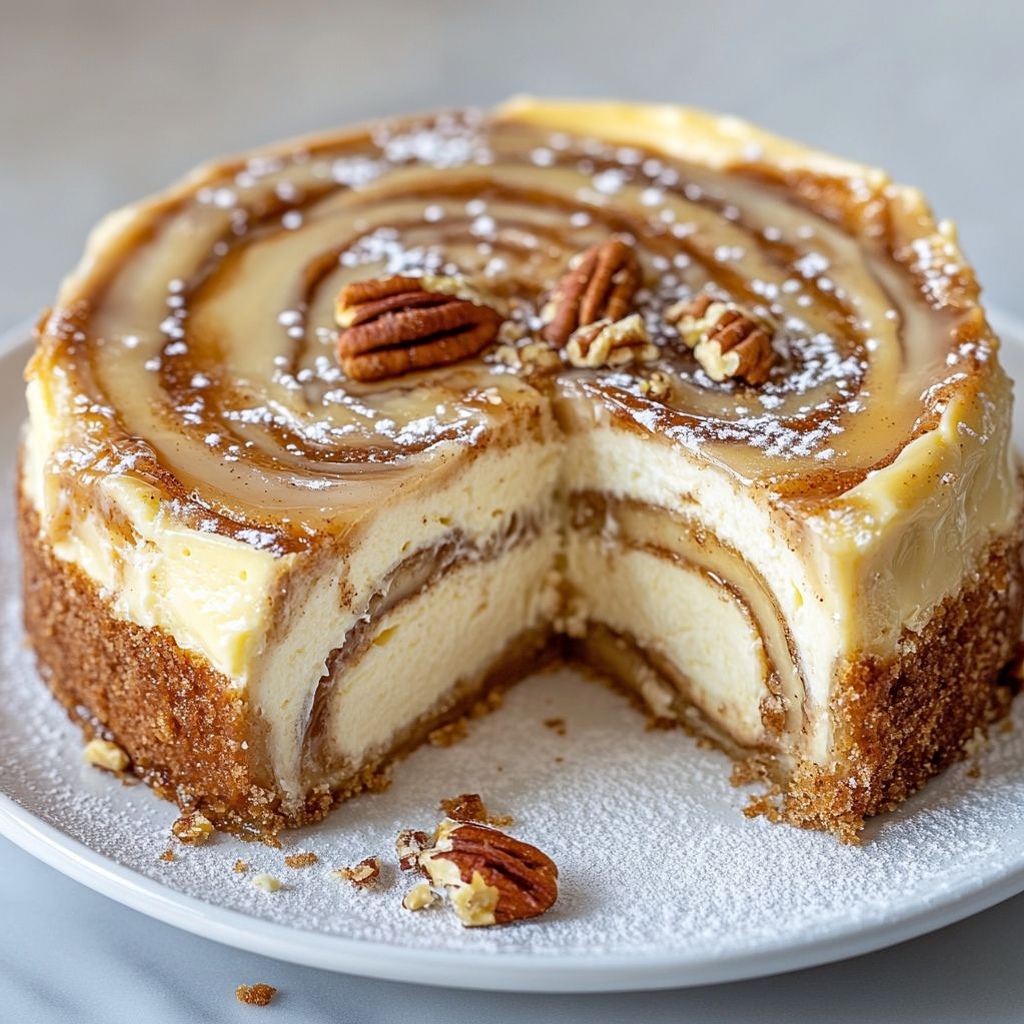
Introduction — A Whisper of Warm Cinnamon and Velvet Cream
Imagine a dessert that greets you with the soft, cozy aroma of cinnamon-sugar swirls, then welcomes your palate with the cool, creamy kiss of cheesecake. Cheesecake al cinnamon roll is where two classics fuse into a single, irresistible indulgence: a cheesecake whose surface carries ribbons of cinnamon roll sweetness, and a crust that offers both crunch and comfort. From the first fragrant inhale to the last lingering spoonful, this dessert feels like a celebration in a single slice—the kind of treat you save for moments that deserve a little grandeur, yet it’s surprisingly approachable enough for a casual weekend gathering. The experience is sensory on every level: the sound of a knife slicing through a glossy, pale surface; the scent of vanilla, butter, and cinnamon rising like a warm wave; and the balance of tangy, velvety cheese with the toasty, caramelly notes of a cinnamon roll. It’s not simply a dessert; it’s a memory in the making, an invitation to linger at the table a little longer, and a shared joy that turns ordinary evenings into something memorable.
The Story Behind the Dish
Cheesecake al cinnamon roll tells a story of culinary conversation—two beloved traditions meeting at a crossroads of texture and aroma. Cheesecake has ancient roots in many cultures, evolving from the dense, rustic versions of the past into the refined, silken modern iterations that glisten with a glossy finish. Cinnamon rolls, on the other hand, owe their warm, comforting personality to generations of bakers who perfected the art of spiraling sweetness—soft dough, pockets of cinnamon-sugar, and a glaze or glaze-like finish that brings a final touch of gloss and indulgence. Blending these two classics is a natural encounter between tangy, creamy smoothness and the cozy, caramelized warmth of cinnamon spice. The result is not merely a flavor mash; it’s a narrative on a plate: the cheesecake speaks of refined, refined elegance, while the cinnamon roll whispers of Sunday mornings, shared stories, and the comforting joy of a kitchen filled with the scent of butter and brown sugar. In many homes, Christmas gatherings and weekend brunches become the perfect stage for this hybrid—it’s a dessert that respects tradition while inviting a playful, contemporary riff. If you close your eyes, you can almost hear the soft whirr of the mixer, the crackle of sugar meeting a hot skillet, and the soft hush of guests savoring the first bite together.
Why You’ll Love This Recipe
- Versatile elegance: It elevates any dessert table without requiring complicated techniques.
- Texture harmony: A crisp, lightly browned crust pairs with a luscious, creamy center and delicate cinnamon swirl ribbons.
- Flavor balance: Tangy cream cheese tempering meets warm, cozy cinnamon-brown sugar notes for a sophisticated yet comforting bite.
- Make-ahead friendliness: The flavors mature with a little time, making it ideal for ahead-of-time planning for gatherings.
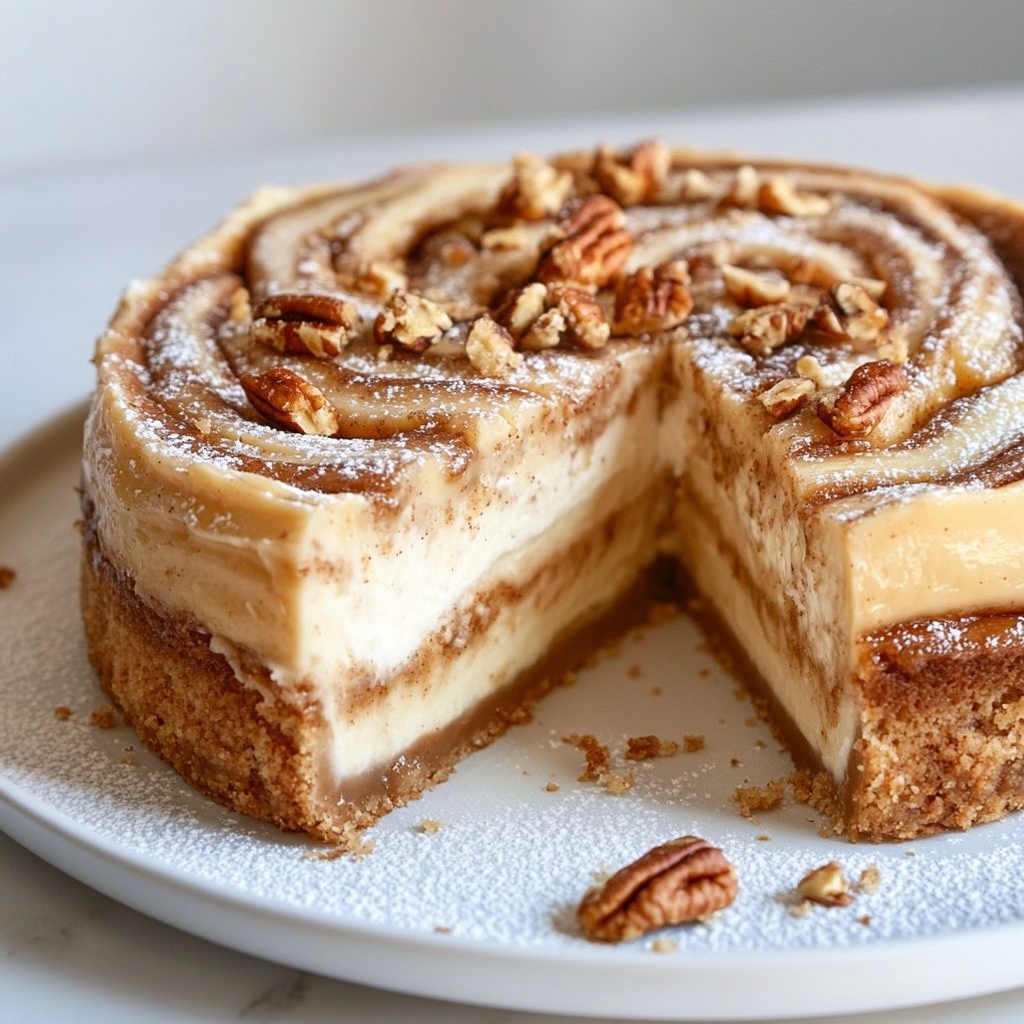
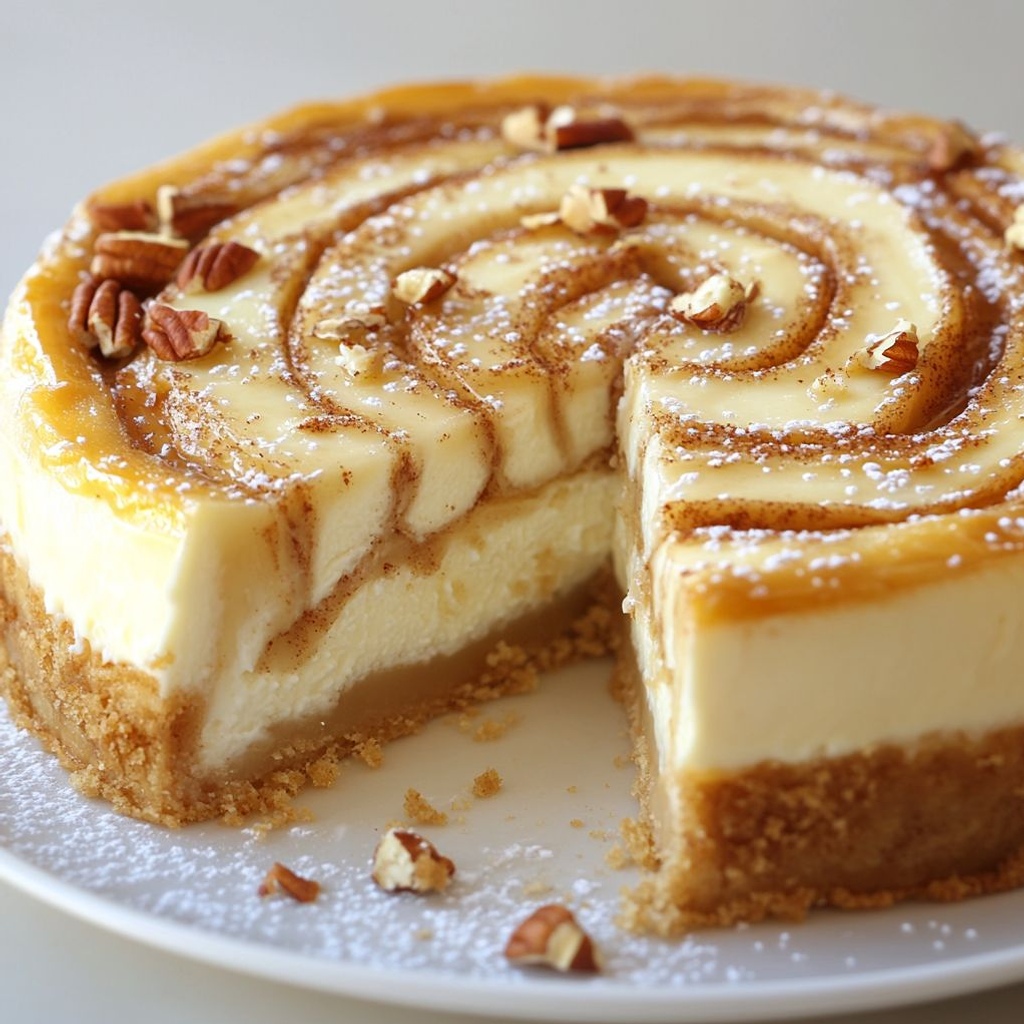
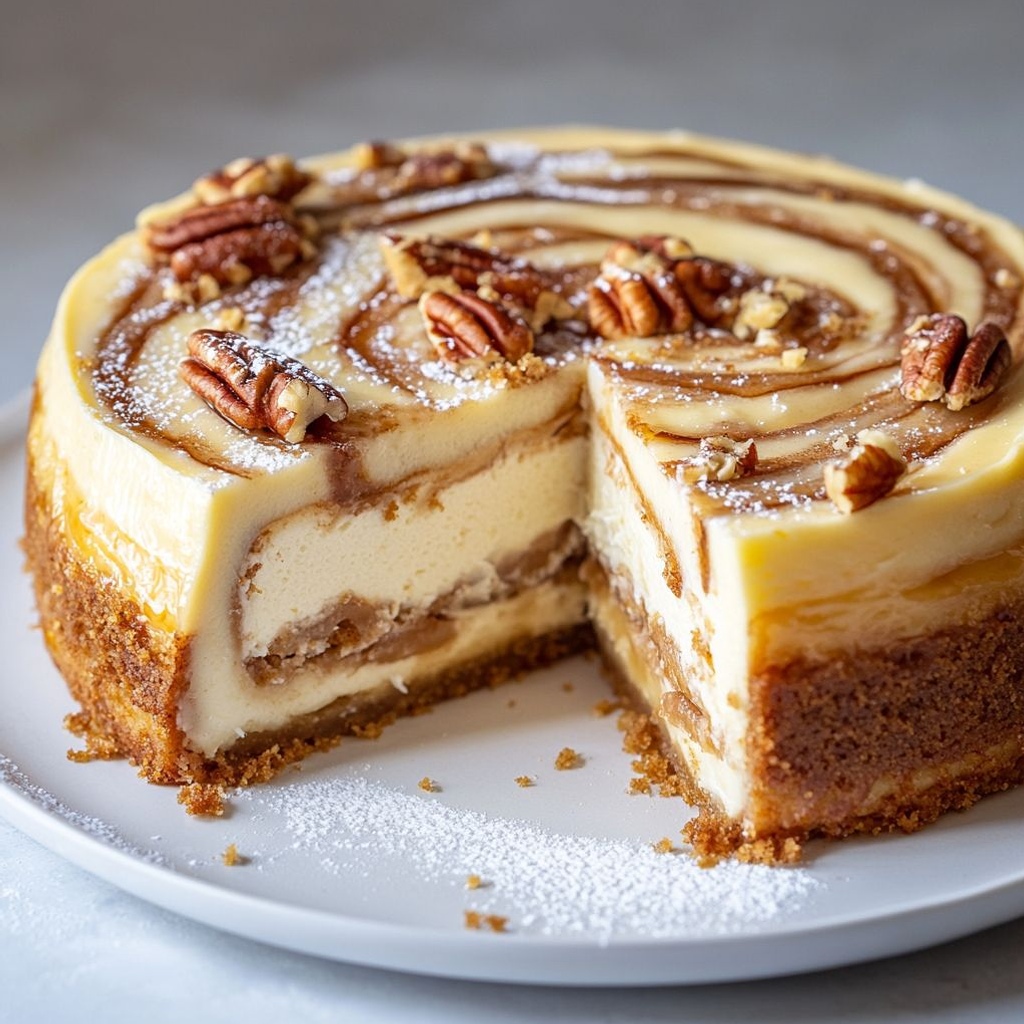
- Visual appeal: The marbled cinnamon swirl across a pale cheesecake creates a stunning, irresistible presentation.
- Adaptable for different diets: The concept easily adapts to gluten-free, dairy-free, or vegan versions with thoughtful substitutions.
- Perfect for many occasions: Brunch, holidays, birthdays, dinner parties, or a simple weeknight dessert that feels special.
Flavor Profile & Texture
The Cheesecake al cinnamon roll offers a layered sensory journey. The base is a crust that provides a gentle, nutty crunch, subtly echoing the texture you might expect from a delicate biscuit or cookie crust without overpowering the filling. The filling itself is a two-layer affair—an exquisitely smooth, velvety cheesecake anchored by a tangy brightness that keeps sweetness honest and lively. Through the center and across the top, ribbons of cinnamon-sugar swirl weave cinnamon-browned pockets of caramelized sugar into the creamy canvas, delivering bursts of warmth with every forkful. The cinnamon notes are not cloying but cozily aromatic, like a favorite sweater that has been worn in just enough to soften its edges. The finish is a gentle, lingering sweetness, lightly echoing notes of vanilla, cream, and a whisper of cloves or nutmeg depending on how you season. The overall texture is a dance: crisp at the edge, wobbly and lush in the middle, with the cinnamon swirls providing little chewy pearls of taste that catch the palate just so. The sensory experience is both comforting and sophisticated, bridging the familiar familiarity of a cinnamon roll with the refined elegance of a cheesecake. It’s dessert that respects both forms and emerges as something greater than the sum of its parts.
Occasions & Pairings
Because of its dual identity, this dessert shines in a variety of settings. It makes a spectacular centerpiece for a holiday dessert table, a show-stopping finish to a celebratory meal, or a refined treat to share after a long week. For weekend gatherings, it pairs beautifully with coffee, espresso, or a velvety hot chocolate. If you’re hosting a brunch, consider serving it alongside fruit compotes, yogurt parfaits, and a light sparkling wine or a gently sweet dessert wine. For a more casual night, a slice alongside a cup of tea can feel like a comforting ritual, a pause in the day to savor something special. In terms of pairings, consider the following ideas:
- Drinks: A robust espresso, a fresh-pulled latte, or a glass of late-harvest Riesling or Moscato for a touch of brightness that complements the cinnamon sweetness.
- Side options: Fresh berries or a light citrus coulis to cut through richness; a dollop of lightly whipped cream or mascarpone for extra creaminess.
- Occasions: Christmas morning, Easter brunch, birthdays, dinner parties, or a celebratory dessert after a comforting family dinner.
Tips, Variations & Substitutions
- Make-ahead note: Cheesecake flavors typically deepen after chilling, so plan to prepare a day ahead for the best flavor integration. Chill overnight in the refrigerator to allow the cinnamon swirls and filling to set fully.
- Texture tweaks: If you prefer a denser cheesecake, opt for a thicker batter and a slightly shorter bake time. For a lighter, souffle-like center, introduce a touch more air by whisking the filling until very smooth and light.
- Vegan option: Use a high-quality vegan cream cheese substitute, full-fat coconut milk or almond milk for creaminess, and a neutral oil or dairy-free butter for the crust. Sweeten with a plant-based sugar and add a touch of almond or vanilla extract for depth.
- Gluten-free version: Replace traditional crust with finely ground almonds, gluten-free cookies, or a gluten-free graham cracker alternative, mixed with butter and a pinch of salt. Ensure all components are certified gluten-free if needed.
- Low-sugar approach: Reduce the cinnamon-sugar swirl by half or swap some of the sugar for a maple or agave note. Add a touch of cooling citrus zest (orange or lemon) to brighten the filling without increasing sweetness.
- Flavor twists: Introduce a hint of vanilla bean paste, orange zest, or even a pinch of cardamom to complement the cinnamon without overpowering the core flavors.
- Regional takes: Use a brown-butter crust for a deeper nutty profile, or fold in finely chopped pecans or walnuts for crunch and a subtle toasty flavor.
- All-in-one swirl technique: For a more dramatic visual, layer a cinnamon-sugar mixture into the middle of the batter before the final swirl, creating a marbled effect that cooks into the center in beautiful ribbons.
- Allergen-conscious options: If dairy is a concern, explore lactose-free cream cheese varieties and dairy-free butter substitutes. For nut allergies, avoid crusts that rely on ground nuts and use a robust gluten-free biscuit alternative instead.
Storage & Make-Ahead Ideas
This cheesecake keeps beautifully when properly stored. If you plan to serve it over a couple of days, cover tightly and refrigerate. The flavors deepen and the texture firms up as it rests in the fridge. For longer storage, this dessert freezes well—wrap slices individually in parchment and place in an airtight container. Thaw in the refrigerator overnight before serving to maintain the creamy texture and prevent condensation from marring the surface. If you prefer to bake in advance and serve chilled the next day, simply allow the cheesecake to cool completely, then refrigerate; the chill time helps set the cinnamon swirls more distinctly, enhancing each bite. When serving, consider warming slices slightly (a few seconds in a microwave or a brief reheat in a low oven) to recapture the soft, bakery-fresh feel of the cinnamon roll while preserving the cheesecake’s creaminess. For parties or buffet settings, pre-slice the cheesecake and arrange the pieces on a platter with a dollop of whipped cream or a light fruit coulis for a polished presentation that’s easy for guests to grab.
Fun Facts & Trivia (Optional)
Cheesecake is a dish with deep historical footprints across various cultures, and cinnamon has traveled with humans for thousands of years as a symbol of warmth and prosperity. The combination of creamy tang and cinnamon sweetness touches on a universal comfort food spectrum—the sort of flavor profile that transcends trends and evokes memories of family kitchens and shared stories. The cinnamon roll itself has a storied path, with roots in Northern Europe and later becoming a staple in Nordic and American bakery traditions. When you bring these two culinary families together, you’re tapping into a cross-cultural dessert that invites interpretation and personalization. Some bakers like to finish the cheesecake with a light glaze or a dusting of powdered sugar, while others prefer to present it as a pure swirl of cinnamon with the cheesecake for a more dramatic, dessert-plate-ready look. The idea is to honor both sides of the dessert’s heritage: the elegant, smooth tang of cheesecake and the nostalgic, cinnamon-kissed warmth of a roll that invites seconds and smiles around the table.
Closing Thoughts: Crafting Comfort with a Twist
Cheesecake al cinnamon roll is more than a recipe; it’s a storytelling dessert. It invites sweetness with a confident, contemporary voice and offers a harmonious bridging of two beloved traditions. In crafting this treat, you’re not just assembling ingredients—you’re curating an experience: the way a knife glides through, the way a spoon coats the tongue with a perfect balance of tang and sweetness, the way the room fills with that unmistakable scent of cinnamon and vanilla that makes every mouthful feel like a warm welcome home. Whether you’re serving it to a crowd or savoring it in quiet company, this dessert stands as a reminder that great flavors don’t have to be complicated to feel special. They simply need to be thoughtful, well-balanced, and offered with a sense of generosity. This is dessert-making at its most generous: a kiss of cinnamon, a whisper of vanilla, and a cheesecake so lush that it lingers in memory long after the last bite. Enjoy the process as much as the result, and let Cheesecake al cinnamon roll become a new tradition in your kitchen—the kind of dish that earns a place on your recipe rotation for years to come.
Ingredients
Crust
- – 1 1/2 cups gluten-free graham cracker crumbs (or gluten-free cinnamon cookies)
→ Crushed to a fine, sand-like texture to form a sturdy base that adheres well to the cheesecake filling. Using gluten-free crumbs keeps the recipe accessible for those with gluten sensitivity. If you desire extra flavor, whisk a pinch of salt and a little extra cinnamon into the crumbs before mixing with butter. - – 1/4 cup granulated sugar
→ Adds a subtle sweetness to the crust and helps the crumb mixture brown slightly during baking. Use fine granulated sugar for even distribution; avoid coarse crystals which can create a gritty crust. - – 1 teaspoon ground cinnamon
→ Infuses the crust with warm cinnamon flavor that echoes the cinnamon roll theme. Evenly combine with crumbs to prevent cinnamon pockets; for a stronger aroma, toast the crumbs lightly with cinnamon in a dry pan before mixing with butter. - – 1/4 cup unsalted butter, melted
→ Binds the crust and contributes richness; the butter should be fully melted and slightly cooled to prevent cooking the crumbs. If the crust seems dry, add a teaspoon of water or a drizzle more melted butter until the mixture clumps together. - – Pinch of salt (optional)
→ Enhances the overall flavor and helps balance sweetness; use a fine salt to avoid a salty crust. If using salted butter, reduce or omit this pinch.
Filling
- – 4 (8 oz) packages cream cheese, softened to room temperature (32 oz total)
→ The creamy, tangy base of the cheesecake; softened cream cheese blends smoothly with sugar and eggs to create a luscious texture. Allow blocks to sit at room temperature for 30-40 minutes before mixing; cut into cubes to speed up softening. - – 1 cup granulated sugar
→ Sweetens the filling and aids in a silky, glossy batter. Mix with the cream cheese on medium speed until completely smooth; avoid whipping too long after the sugar is added to prevent air bubbles. - – 3 large eggs
→ Provide structure and stability to the cheesecake. Use at room temperature and add one at a time, mixing just until incorporated to maintain a creamy texture without overworking the batter. - – 1 cup sour cream
→ Adds moisture, tenderness, and a slight tang that balances richness. Beat in until just combined to keep the batter smooth and prevent it from curdling. - – 1 teaspoon pure vanilla extract
→ Enhances overall flavor with a warm aroma. Use pure vanilla for best depth; if using vanilla bean, scrape in the seeds for extra fragrance. - – 2 tablespoons all-purpose flour (or 1/4 cup cornstarch for gluten-free)
→ Stabilizes the filling and helps prevent cracking while keeping the texture soft. If making GF, cornstarch yields a smoother batter and should be whisked in thoroughly to avoid lumps.
Cinnamon Swirl
- – 1/2 cup light brown sugar
→ Creates a cinnamon-sugar ribbon that mimics a cinnamon roll filling. Pack the sugar gently for a balanced swirl; too much sugar can sink and cause streaks rather than a uniform swirl. - – 1 tablespoon ground cinnamon
→ Delivers the signature cinnamon roll spice. Sift with the brown sugar to remove clumps and ensure an even swirl distribution throughout the batter. - – 2 tablespoons unsalted butter, melted
→ Helps bind the cinnamon-sugar into a paste that can be layered into the filling. Let the butter cool slightly before mixing so it won’t thin the batter prematurely and cause the swirl to disappear during baking.
Glaze (optional topping)
- – 1/2 cup powdered sugar
→ Provides a sweet, glossy drizzle once the cheesecake has cooled. Powdered sugar dissolves smoothly into milk; adjust quantity if you prefer a thicker or thinner glaze. - – 2-3 tablespoons milk (or heavy cream)
→ Adjusts glaze consistency; start with 2 tablespoons and add more as needed to reach a drizzling consistency. For dairy-free, substitute with almond, soy, or coconut milk. - – 1/2 teaspoon vanilla extract
→ Adds aroma and depth to the glaze; use pure vanilla for best flavor. If you like a stronger vanilla presence, increase to 3/4 teaspoon.
Optional Add-ins
- – 1/2 cup chopped walnuts (optional)
→ Adds a crunchy contrast and nutty warmth. Toast walnuts in a dry skillet until fragrant, then chop coarsely and fold into the swirl or sprinkle on top before baking to lock in crunch. - – 1/4 cup mini chocolate chips or chopped pecans (optional)
→ Provides pockets of sweetness and texture; if using chips, fold them with the swirl or scatter on top to prevent sinking during baking.
Instructions
- Preheat your oven to 325°F (163°C) and prepare a 9-inch springform pan by lining the bottom with parchment and greasing the sides well.
→ A steady, moderate bake prevents cracking and ensures easy release of the finished cheesecake from the pan. - In a medium bowl, combine gluten-free graham cracker crumbs (or gluten-free cinnamon cookies), granulated sugar, ground cinnamon, and a pinch of salt if using; whisk until evenly mixed.
→ Even distribution of spices and sugar ensures a uniform crust flavor and prevents cinnamon pockets in the base. - Pour in the melted butter and mix with a spatula or fork until the mixture resembles wet sand and just holds together when pressed.
→ Properly moistened crumbs form a cohesive crust that bakes up firm rather than crumbly, supporting the filling later. - Transfer the crust mixture to the prepared pan and press it into an even, compact layer on the bottom and about 1/2 inch up the sides using the flat bottom of a measuring cup or your fingers.
→ A uniform crust ensures steady support for the filling and prevents cracking at the edges. - Chill the crust in the freezer or refrigerator for 15–20 minutes while you make the filling.
→ Chilling helps the crust set and hold its shape during the hot filling and baking process. - In a large mixer bowl, beat softened cream cheese on medium speed until smooth and free of lumps, about 2–3 minutes.
→ Smoothing the cream cheese creates a silkier filling and helps prevent graininess in the final cake. - Add granulated sugar to the cream cheese and continue to beat on medium speed until completely incorporated and glossy, about 1–2 minutes.
→ Proper sugar incorporation yields a silky, shiny batter and balances tangy dairy notes without gritty texture. - With the mixer on low, add eggs one at a time, mixing just until each is integrated before adding the next.
→ Limited mixing prevents excessive air incorporation, which can cause cracks as the cheesecake bakes and cools. - Beat in sour cream and vanilla extract until the mixture is evenly combined and smooth.
→ Sour cream adds moisture and tenderness; overmixing can cause a runnier batter, so keep mixing gentle. - Sprinkle in the flour (or cornstarch for gluten-free), and mix on low until fully incorporated; the batter should be thick and velvety.
→ The starch stabilizes the cheesecake, helping prevent cracking while keeping a creamy texture. - In a small bowl, stir together light brown sugar, ground cinnamon, and melted butter to form a thick cinnamon swirl paste; let it rest briefly.
→ This paste will create ribboned cinnamon flavor within the cheesecake; a brief rest prevents the swirl from splitting during layering. - Pour the cream cheese batter into the crust and spread into an even layer; drop spoonfuls of the cinnamon swirl across the surface and use a knife to swirl gently to create ripples.
→ Gentle swirls distribute the cinnamon flavor without overmixing, producing an attractive marbled effect. - If using a water bath, wrap the outside of the springform pan with a double layer of heavy-duty foil to seal and prevent water leaks, then set the pan inside a larger roasting pan. Pour hot water into the outer pan to come halfway up the sides of the springform.
→ The water bath provides gentle, even heat that minimizes cracking and helps the cheesecake bake evenly. - Bake in the preheated oven at 325°F (163°C) for 60–75 minutes, or until the center is barely set and the edges are slightly puffed; the center should still have a gentle jiggle.
→ The jiggle indicates a custardy center that will firm up as it cools; overbaking leads to a dry, dense texture. - Turn off the oven and leave the cheesecake inside with the door slightly ajar for 60 minutes to cool gradually; then remove to a rack to cool completely.
→ Slow cooling minimizes sudden temperature changes that can cause cracks and preserves a creamy interior. - Once cooled to room temperature, refrigerate the cheesecake, at minimum 4 hours or preferably overnight, to ensure full set and slicing ease.
→ Chilling firms the texture, making clean, neat slices and intensifying flavors. - If you choose a glaze, whisk powdered sugar with 2–3 tablespoons milk (or heavy cream) and the vanilla until smooth and pourable; adjust thickness with more sugar or milk as needed. Drizzle over the chilled cheesecake just before serving.
→ The glaze adds a touch of sweetness and a glossy finish without overpowering the cinnamon notes. - Optional add-ins: if using chopped walnuts, toast them in a dry skillet until fragrant, then fold into the swirl batter or sprinkle on top before baking for extra crunch.
→ Toasting concentrates flavor and adds textural contrast that complements the creamy filling. - Optional add-ins: if using mini chocolate chips or chopped pecans, fold them into the batter or distribute across the top to create pockets of sweetness or crunch without causing excessive sinking.
→ Small bits provide pops of flavor and texture without compromising the cheesecake’s delicate structure. - To serve, run a warm knife blade (held under hot water and wiped dry) around the inside edge of the pan before unclipping and removing the springform; slice with clean, even strokes.
→ Warming the knife minimizes sticking and yields neat, professional-looking slices. - Store leftover slices in an airtight container in the refrigerator for up to 4–5 days or freeze individual portions for longer storage.
→ Proper refrigeration preserves texture and prevents the crust from softening or the topping from weeping.
Notes
These gluten-free cinnamon roll cheesecake is a decadent dessert that blends the creamy richness of a cheesecake with the warm, swirled flavors of cinnamon rolls. For best texture, ensure all dairy products are at room temperature before mixing: soften the cream cheese for 30-40 minutes, and let sour cream come to room temp as well; beating until completely smooth will help achieve a glossy filling. Add sugar gradually and mix on medium speed until smooth, then incorporate eggs one at a time, mixing just until blended to keep the batter creamy and to avoid cracks. The crust, made from gluten-free graham crackers or gluten-free cinnamon cookies, should be crushed to a fine, sand-like texture and combined with the granulated sugar, ground cinnamon, melted butter and optional pinch of salt; press firmly into the pan and prebake until set for extra sturdiness. For the cinnamon swirl, combine light brown sugar, cinnamon and melted butter into a thick paste so it holds its shape during baking; gently swirl into the filling in layers rather than dumping all of it in one spot to achieve an even ribbon. The filling can be stabilized with 2 tablespoons all-purpose flour or 1/4 cup cornstarch if you prefer a gluten-free option; whisk the starch in thoroughly to avoid lumps. To prevent cracks, bake the cheesecake in a water bath: wrap the pan securely in double foil and place in a larger baking dish with hot water; this also helps maintain moisture in the center. Bake until the edges are set but the center still has a gentle jiggle, then cool gradually at room temperature before chilling in the fridge for at least 4 hours or overnight for clean slices. If using the optional glaze, whisk powdered sugar with milk and vanilla until smooth and drizzle just before serving. Optional add-ins like toasted walnuts or mini chocolate chips can be folded into the swirl or sprinkled on top for extra texture; toast nuts first to maximize flavor. Store leftovers covered in the refrigerator and bring to room temperature for the richest texture before serving. Always verify that your gluten-free ingredients are certified if you have celiac disease or gluten sensitivity.
Tips
Tips for Cheesecake al Cinnamon Roll
- Bring all dairy and eggs to room temperature before mixing. Soft ingredients blend smoothly, reduce lumps, and help the filling set evenly.
- Use a high-quality springform pan and wrap the base with heavy-duty foil to prevent leaks if you’re using a water bath. This also helps keep the crust crisp and the filling uniform.
- Prepare and measure all ingredients before you start. Sift the flour or cornstarch with the sugar in the filling to prevent clumps and ensure a silky batter.
- Avoid overmixing once the sugar is added to the filling. Mix on medium-low just until smooth to prevent air bubbles that can cause cracking or a pale, grainy texture.
- For a traditional cheesecake texture, bake at a steady, moderate heat and avoid opening the oven door frequently. Sudden temperature changes can cause cracks.
- Let the cheesecake cool gradually in the oven with the door slightly open after baking to minimize cracking caused by rapid temperature changes.
- Chill the crust before adding the filling to help it hold together and prevent sogginess.
Crust tips
- If using gluten-free graham cracker crumbs or gluten-free cinnamon cookies, process until a fine, sand-like texture for a sturdy base that adheres well to the filling.
- Toast the crumbs lightly in a dry pan with the cinnamon to boost aroma, then cool before mixing with melted butter for deeper flavor.
- Press the crust firmly into the pan with the flat bottom of a glass or measuring cup to ensure an even, compact base. Chill for 10–15 minutes before filling.
- If the crust feels dry or crumbly, mix in a teaspoon of water or a splash more melted butter until the mixture clumps.
- For extra flavor, you can add a pinch of salt to the crust mixture, especially if using unsalted butter. If you use salted butter, omit the pinch.
Filling tips
- Use cream cheese softened to room temperature. Cut blocks into cubes to speed softening and achieve a smoother batter.
- Beat the cream cheese with sugar on medium speed until completely smooth, then add eggs one at a time, mixing just until incorporated to maintain a creamy texture.
- Beat in sour cream until just combined to keep moisture and tenderness without curdling. Do not overmix after this step.
- Scrape down the sides of the bowl frequently to ensure even mixing and a uniform texture.
- When using flour (or cornstarch for gluten-free), whisk it with the sugar before adding to the batter to prevent lumps and help stabilize the filling.
- Evenly pour the filling over the crust, then drizzle or sprinkle the cinnamon swirl on top in a few lines. Avoid fully blending the swirl into the batter to preserve distinct ribbons.
Cinnamon Swirl tips
- Whisk the light brown sugar with the ground cinnamon and melted butter until smooth. Let it cool slightly so it won’t thin the batter too much when swirled.
- Scatter the swirl in several parallel lines or in a loose zigzag pattern over the filling, then use a knife or skewer to gently swirl in a figure-eight motion. Don’t over-swirl, or the pattern may disappear.
- To prevent the swirl from sinking, keep the swirl thick enough by not adding too much melted butter. If the swirl is too liquid, chill it for 5–10 minutes before using.
- Optional add-ins like chopped nuts can be folded into the swirl for extra texture, but keep them moderate so they don’t sink.
Glaze tips
- Sift powdered sugar for a smooth glaze, then whisk in milk or heavy cream gradually. Adjust the amount to reach your preferred drizzle consistency.
- Add vanilla extract for depth of flavor. If you prefer a stronger vanilla presence, increase to 3/4 teaspoon.
- Let the cheesecake cool completely before glazing to prevent the glaze from melting or sliding off.
Optional add-ins tips
- Toast walnuts in a dry skillet until fragrant, then chop and fold into the swirl or sprinkle on top before baking for extra crunch and warmth.
- If using mini chocolate chips or chopped pecans, toss the chips with a tablespoon of flour to help prevent sinking and even distribution within the swirl.
Make-ahead, storage and serving tips
- Chill the cheesecake for at least 4 hours, preferably overnight, to slice cleanly and develop flavor.
- Run a warm knife (dip and wipe between cuts) to get neat, even slices.
- Store covered in the refrigerator for up to 4–5 days. For longer storage, wrap tightly and freeze for up to 2 months; thaw overnight in the fridge before serving.
FAQ
Cheesecake al cinnamon roll – Domande frequenti
Che cos’è Cheesecake al cinnamon roll?
È una cheesecake cremosa ispirata ai classici cinnamon rolls: una base di biscotti al burro, una crema di formaggio vellutata e un vortice di ripieno cannella che richiama l’aroma dei cinnamon rolls.
Quali ingredienti servono?
Per la base: biscotti Digestive o graham crackers, burro fuso, un pizzico di sale. Per la crema: formaggio cremoso, zucchero, uova, vaniglia, panna acida o yogurt greco. Per il ripieno cannella: burro, zucchero di canna, cannella. Opzionale scorza di limone e un pizzico di sale.
Come si prepara la base?
Sbriciola i biscotti fino a polvere fine, mescola con burro fuso e un pizzico di sale. Pressa uniformemente sul fondo di una tortiera a cerchio apribile foderata con carta forno. Metti in frigorifero mentre prepari la crema.
Come si prepara la crema dal formaggio?
Assicurati che il formaggio sia morbido. Sbatti il formaggio con lo zucchero fino a crema, aggiungi la vaniglia, incorpora le uova una alla volta e poi la panna acida o lo yogurt. Se vuoi, aggiungi scorza di limone. Mescola fino a ottenere una crema liscia senza mescolare troppo.
Come ottenere l’effetto swirl cannella?
Prepara un ripieno di cannella mescolando burro fuso, zucchero di canna e cannella. Distribuisci a cucchiaiate sull’impasto cremoso e con una spatola o uno stuzzicadenti crea delle spirali per richiamare l’aspetto dei cinnamon rolls.
Come si cuoce e si raffredda?
Cuoci in forno preriscaldato a circa 160°C per 50–60 minuti, finché i bordi sono solidi e il centro resta leggermente tremolante. Per evitare crepe, spegni il forno e lascia raffreddare lo sformato dentro con lo sportello leggermente aperto, poi mettilo in frigorifero per almeno 4 ore o tutta la notte. L’uso di un bagno Maria può dare risultati migliori e prevenire crepe.
Posso prepararla in anticipo?
Sì. Si può preparare e raffreddare in frigorifero per 1–2 giorni prima di servire. Puoi anche congelarla ben avvolta per 1–2 mesi; scongelala in frigorifero durante la notte prima di gustarla.
Quali varianti puoi proporre (gluten-free o vegan)?
Per una versione gluten-free, usa biscotti senza glutine o una base di nocciole/macadamia; per una versione vegana, usa formaggio cremoso vegano, panna vegetale, uova o un sostituto come latte vegetale e agar-agar, e burro o olio di cocco per la base. Mantieni cannella e ripieno swirl per il sapore tipico.
Come si conserva e come si serve al meglio?
Conserva in frigorifero, coperto, per 3–4 giorni. Per una consistenza più rigida, servila fredda. Puoi congelarla ben avvolta per 1–2 mesi; scongelala in frigorifero prima di servire. Decorala con zucchero a velo, glassa di formaggio o sciroppo di caramello.
Qualche consiglio finale per un successo assicurato?
Usa ingredienti a temperatura ambiente, evita di mescolare eccessivamente la crema, e preferisci la cottura lenta con bagno Maria per prevenire crepe. Un swirl ben riuscito esalta sia l’aroma che l’aspetto del dolce.