
Introduzione / Hook
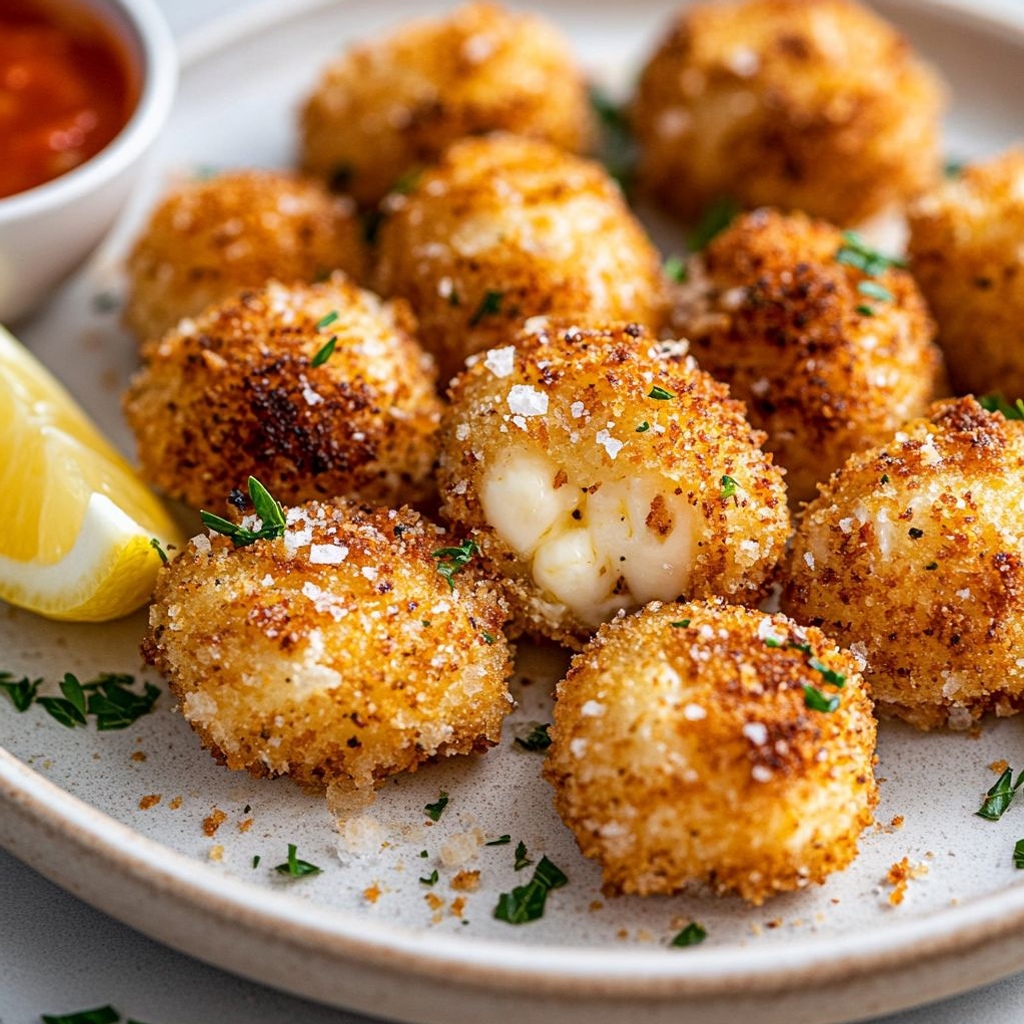
Immagina bocconcini dorati che si dissolvono in bocca, lasciando dietro di sé una nuvola di morbidezza cremosa e una croccantezza irresistibile. Questi Bocconcini croccanti di cottage sono l’emblema dello snack raffinato ma semplice, capace di trasformare un aperitivo qualunque in un momento di festa. L’intenso profumo di formaggio morbido incontra una crosta fragrante, sprigionando un equilibrio di sapori che è sia confortante sia sorprendentemente fresco. La magia sta nella contrapposizione: all’esterno, una scenografia croccante che scintilla sotto la luce, all’interno, un cuore setoso e leggermente acidulo che rilascia una delicatezza cremosa con ogni morso. Sono perfetti per chi cerca una stuzzicheria elegante ma senza troppi fronzoli, per chi ama la cucina casalinga che sa di casa, famiglia, e ricordi di aperitivi condivisi con amici. Se vuoi conquistare al primo assaggio, questa ricetta ti offre una scorciatoia sicura: pochi ingredienti, una preparazione che sembra quasi magie, e un risultato che fa dire a chi assaggia: “Questo sì che è comfort food, ma con stile.” In una parola, una piccola esplosione di sapori che accende l’appetito e invita a servire subito qualcosa di delizioso da condividere.
La storia dietro il piatto
Dietro a ogni antipasto che brilla c’è una storia di viaggi culinari, incontri tra tradizioni e tocchi di innovazione. I Bocconcini croccanti di cottage nascono dall’idea di reinventare due classici intramontabili: la morbidezza cremosa del cottage cheese e la croccantezza invitante di una panatura ben construita. L’ispirazione arriva spesso dalle cucine italiane di mezzogiorno, dove antipasti di formaggio, olive, e sfiziosità croccanti accompagnano affetto e conversazioni. Ma la vera anima di questa ricetta è la sua capacità di attraversare confini: un cuore delicato, una crosta croccante, e aromi che richiamano erbe mediterranee e scorza di limone, elementi universali che parlano a ogni tavola. In molte famiglie, il formaggio fresco è da sempre un simbolo di condivisione: un modo semplice per dare vita a piccoli pezzi di felicità compatti e veloci da preparare. Con questa ricetta, la tradizione si fa gioco, ritmo, e qualche sorpresa. Potrebbe essere apprezzata in una serata estiva sul balcone, in una cena tra amici, o come antipasto rituale durante le festività. E se vuoi aggiungere una nota personale, alcuni sostituiscono o arricchiscono la panatura con spezie, erbe aromatiche o un tocco di scorza di limone grattugiata per dare al piatto una firma unica. È la bellezza di una ricetta che si presta a essere raccontata: ogni boccone è una pagina, ogni crosta una cornice, e ogni tavolo una piccola celebrazione della convivialità.
Perché amerai questa ricetta
- Praticità e velocità: preparazione rapida che non compromette l’eleganza, ideale sia per cene improvvisate sia per aperitivi pianificati.
- Versatilità: si presta a molte varianti, dalle erbe classiche agli aromi audaci, senza mai perdere la sua identità.
- Qualità senza complicazioni: un piatto che mette in risalto la texture, con un cuore morbido e una crosta croccante che soddisfa ogni palato.
- Vegetariano e personalizzabile: perfetto per chi preferisce opzioni senza carne; è facile adattarlo a diete diverse (senza lattosio, gluten-free, ecc.).
- Convivialità immediata: piccoli bocconi da offrire in un buffet o come parte di un aperitivo, stimolano la conversazione e l’interazione tra ospiti.
- Assorbimento di sapori senza rinunciare al comfort: la dolce acidità del formaggio si sposa magnificamente con una crosta aromatica e una spruzzata di limone, offrendo una nota rinfrescante che pulisce il palato.
- Adatta a diverse occasioni: dal brunch domenicale al party serale, dai picnic estivi alle cene su tavoli all’aperto, è sempre una scelta vincente.
Profilo di gusto e Texture
Questo piatto è una sinfonia di contrasti: all’esterno, la crosta croccante è dorata e leggera, grazie a una panatura che grazie a un equilibrio di ingredienti crea una superficie quasi cioccolatata per quanto è lucida sotto la luce. All’interno, il cuore di cottage cheese è cremoso, fresco, leggermente agrumato e pieno di una delicatezza lattiginosa che avvolge il palato. L’intesa tra acidità e dolcezza è bilanciata dai profumi delle erbe aromatiche e dalla scorza di limone, che aggiungono vivacità e freschezza. La texture gioca su tieri: il primo morso è una promessa di croccantezza, seguito da una rivelazione morbida che cede lentamente, lasciando un retrogusto leggermente sapido e limpido. A seconda degli aromi scelti, puoi accompagnare la seconda fase del morso con note di parmigiano o di aglio. In bocca, la composizione è equilibrata: non è pesante, ma è piena di carattere. Il profumo è invitante: zeste di limone che sprigionano una fragranza agrumata, erbe fresche che danno una pennellata di verde, e una nota di burro o olio che rende tutto più avvolgente. È una ricetta che celebra le texture, ma anche l’equilibrio tra consistenze contrastanti: cremosa, croccante, vellutata, leggera e profumata. Ogni boccone offre una nuova sfumatura: a volte una punta di pepe nero che pizzica, altre volte un accenno di aglio arrostito che dona profondità, sempre mantenendo la dolcezza del cottage come timoniere.
Occasioni e Abbinamenti
Questi bocconcini si prestano a una varietà di contesti. Sono perfetti come antipasto sofisticato in una cena tra amici, come aperitivo prima di una serata in cui vuoi sorprendere senza complicarti la vita, o come snack elegante per un picnic o una giornata di festa all’aperto. Puoi proporli su un tagliere con olive, pomodorini e una salsa leggera di yogurt alle erbe, oppure accompagnarli con una salsa rossa al pomodoro leggermente speziata o una maionese aromatizzata al limone. Per creare un effetto “wow” al tavolo, posizionali su un piatto grande, decora con scorze di limone e rametti di rosmarino, e presenta una piccola ciotola di glassa di aceto balsamico o una crema di yogurt all’aglio come dipping sauce. Abbinamenti ideali: spumanti leggeri o bianchi freschi come Prosecco, Pinot Grigio o Vermentino, che accompagnano bene la crema senza sovrastarla; un bianco aromatico può riprodurre l’armonia tra acidità e dolcezza. Se vuoi offrire qualcosa di caldo e confortante, abbinali a una salsa di pomodoro profumata all’origano o a una salsa al basilico. Per un tocco di novità, prova a servire con una chutney di fichi o una glassa agrodolce a base di agrumi. In contesti informali, funzionano anche come finger food per brunch o aperitivi domenicali, dove la gente può gustarli tra una chiacchiera e l’altra. Se vuoi renderli ancora più golosi, puoi combinarli con piccoli formaggi stagionati, prosciutto crudo tagliato a striscioline sottili o pomodori secchi, creando un piccolo mosaico di sapori che stupisce per complessità nonostante la semplicità della preparazione.
Consigli, Varianti & Sostituzioni
La bellezza di questa ricetta risiede nella sua adattabilità. Ecco alcune idee per personalizzarla o per accogliere esigenze dietetiche diverse senza rinunciare al carattere del piatto:
- Versione leggera: utilizza una panatura leggera e controlla la quantità di olio durante la cottura; opta per una cottura al forno o all’aria per un risultato croccante senza fritto eccessivo.
- Varianti aromatiche: aggiungi erbe diverse come prezzemolo, timo, o dragoncello per cambiare l’identità olfattiva del piatto. Una spolverata di paprika affumicata dona una nota affumicata molto intrigante.
- Gusto agrumato: arricchisci con scorza di limone o arancia grattugiata per una freschezza vibrante che esalta la dolcezza del cottage.
- Sostituzioni vegetariane: se vuoi evitare latticini, puoi utilizzare una crema di tofu setoso mescolato con una leggera quantità di lievito alimentare per un tocco sapido e “formaggioso” senza lattosio. Per una versione completamente vegetariana, impiega una base di formaggio vegetale a scelta e una panatura croccante.
- Versione gluten-free: scegli pangrattato senza glutine o una miscela di semi triturati (mandorle, sesamo) per creare una crosta croccante senza glutine.
- Intensità di sapore: aggiungi pepe bianco o pepe di sichuan per una nota speziata delicata; per un tocco piccante, inserisci una punta di peperoncino finissimo nella panatura.
- Abbinamenti internazionali: una spolverata di curry dolce o di paprika affumicata può trasportare questi bocconcini in una scena fusion, rendendoli perfetti per una cena a tema etnico.
Conservazione & Idee per Preparare in Anticipo
Per un risultato sempre perfetto, puoi organizzare la preparazione in due fasi. Prima, forma i bocconcini e lasciali rassodare in frigorifero su un vassoio foderato con carta forno. Una volta che sono ben freddi e compatti, copri e conserva fino a 24 ore. Quando sei pronto per cuocerli, procedi con la panatura e la cottura come indicato, ma con una breve tempistica di cottura se i pezzi sono particolarmente freddi, in modo che la crosta diventi ancora più dorata e uniforme. Se vuoi consolidare i sapori prima di servirli, puoi preparare una piccola salsa di accompagnamento da tenere al fresco; una salsa leggera a base di yogurt, erbe e scorza di limone è una scelta classica che non sovrasta il gusto del formaggio. Realizzare una versione da congelare è possibile: impiatta i bocconcini formandoli, ma non cuocerli. Congelali su una teglia in una sola fila, poi trasferisci i pezzi in un contenitore ermetico. Quando vuoi gustarli, basta passare dal congelato direttamente in forno a una temperatura moderata finché la crosta non diventa croccante e l’interno si riscalda uniformemente. Per quanto riguarda il riscaldamento, evita microonde se vuoi mantenere la croccantezza: preferisci un forno tradizionale o una padella antiaderente leggermente unta per ripristinare la texture esterna.
Curiosità & Trivia (Opzionale)
Sapevi che il termine bocconcini in italiano implica bocconi di piccole dimensioni, perfetti da mordere in un sol morso? È una definizione che si presta bene a una vasta gamma di stuzzichini, ma qui si ottiene una personalità unica: una crosta croccante che scoppietta quando si morde, accompagnata da un cuore morbido che rilascia una nota lattiginosa delicata. Il cottage cheese, spesso apprezzato per la sua leggerezza proteica, è stato a lungo un alleato di diete moderne e tradizioni casalinghe, offrendo una base neutra su cui costruire aromi e texture. In molte cucine regionali, l’arte di creare piccoli bocconi croccanti è una celebrazione della convivialità: piccoli piatti che riuniscono, stimolano conversazioni e permettono a chiunque di assaggiare qualcosa di gustoso senza impegnarsi in preparazioni lunghe. Una curiosità interessante è come la crosta croccante possa agire come veicolo di sapore: i sapori delle erbe, del limone e delle spezie si fissano nella crosta, offrendo una prima impressione aromaticamente intensa, mentre l’interno mantiene la sua morbidezza cremosa. In definitiva, è un esempio felice di come la semplicità possa generare un effetto gourmet: pochi elementi di base trasformati in una piccola esperienza sensoriale che resta impressa sulla lingua e nell’anima della convivialità.
Ingredients
Cottage Cheese Bites
-
– 2 cups full-fat cottage cheese, well drained
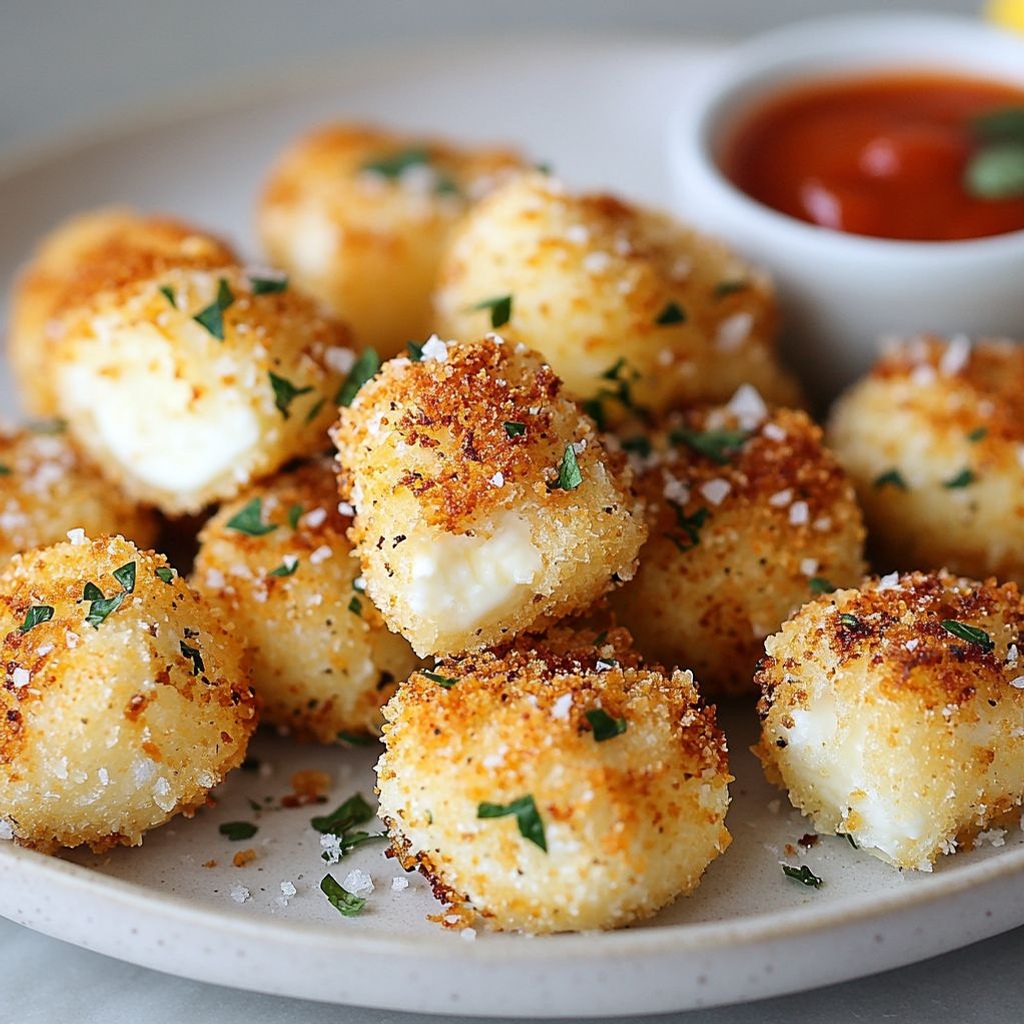
→ The star ingredient; cottage cheese provides a creamy, tender interior when baked or fried. To achieve a cohesive bite, drain thoroughly to remove as much whey as possible. Press the cheese through a fine sieve or wrap in a clean kitchen towel and squeeze gently to extract moisture. The drier the cheese, the better the bites will hold their shape; for very wet cottage cheese, you may blot with paper towels before measuring.
– 1 cup breadcrumbs (panko or gluten-free, depending on dietary needs)
→ Breadcrumbs supply structure and a crispy exterior. Panko yields the crispiest crust, while gluten-free breadcrumbs keep the recipe suitable for gluten-intolerant diets. If mixture seems dry, you can moisten with a teaspoon of water or milk; if too wet, add a few more crumbs until the mixture holds together.
– 1/2 cup grated parmesan cheese
→ Parmesan adds a sharp, savory bite and assists with binding when combined with the egg. Use freshly grated for the best aroma and texture; pre-grated varieties can be drier and less flavorful. For a milder cheese note, substitute part with Pecorino Romano.
– 1 large egg, lightly beaten
→ Acts as the primary binder to keep the bites intact during cooking. Use at room temperature for easier mixing and even binding. If you need a vegan alternative, substitute with 1 tablespoon ground flaxseed mixed with 2.5 tablespoons water (let rest 5 minutes) to create a flax “egg,” though expect a different texture.
– 2 cloves garlic, minced
→ Adds depth and savory aroma; ensure garlic is finely minced to distribute evenly. For a subtler garlic presence, briefly sauté the minced garlic in a teaspoon of olive oil until just fragrant, then cool before adding to the mix to mellow sharp notes.
– 1 teaspoon dried Italian seasoning (or 1/2 teaspoon oregano + 1/2 teaspoon basil)
→ Delivers classic Italian herb character throughout the bites. If using fresh herbs instead, use about 1 tablespoon of minced parsley plus a pinch of oregano and basil and reduce the moisture slightly to maintain texture.
– 1/2 teaspoon salt
→ Seasoning anchor; cheeses and breadcrumbs can vary in saltiness, so adjust after mixing. If using very salty parmesan, begin with 1/4 teaspoon and taste before shaping. Remember that optional dips or sauces may also contribute saltiness to the final dish.
– 1/4 teaspoon black pepper
→ Provides a subtle backdrop that enhances cheese flavor. Freshly ground pepper yields a brighter aroma; adjust to taste and consider a pinch of white pepper if you prefer a milder appearance.
– 1 tablespoon olive oil
→ Adds moisture and helps the mixture bind while lending a tender crumb and better browning. Mix into the batter to improve cohesion; if it looks too dry, add a teaspoon more until the dough just comes together. This oil also aids in crisping the exterior during baking or frying.
– 1 teaspoon lemon zest (optional)
→ Provides a bright citrus lift that counterbalances richness. Use a microplane to finely zest the lemon, avoiding the white pith. If you prefer lemon juice instead, add only a few drops and reduce added liquids elsewhere to maintain proper texture.
– 1–2 tablespoons cornstarch or all-purpose flour (optional, for binding)
→ Helps absorb excess moisture and improve the bites’ ability to hold shape. Start with 1 tablespoon and add more if the mixture seems too loose; cornstarch is a good gluten-free option that lightens the texture slightly.
– 2 tablespoons finely chopped fresh parsley (optional)
→ Adds color and a fresh herbal note; distribute evenly through the mix for a uniform flavor. If using dried parsley instead, reduce to 1/2 teaspoon and consider increasing other herbs to compensate for its milder, dried flavor.
Coating and Finishing
-
– 1/2 cup additional breadcrumbs for coating (optional)
→ An extra crumb coat creates a thicker, crunchier crust when baked or fried. Use gluten-free crumbs if needed. Pat formed bites gently to help the coating adhere, then roll or press bites in the crumbs to ensure an even crust before cooking.
– 2 tablespoons grated parmesan for coating (optional)
→ Adds extra cheesiness to the exterior crust. Mix with the additional breadcrumbs in a shallow dish for rolling the bites. Freshly grated parmesan yields more aroma and a crisper crust than pre-grated varieties.
– Oil spray or 1–2 teaspoons olive oil for brushing (optional)
→ Helps promote browning and a crisp finish on the baked bites. Lightly spray or brush the tops just before baking; avoid over-oiling to prevent soggy surfaces. If frying, use enough oil to shallow-fry the bites until golden and crisp, then drain on paper towels.
– Marinara sauce or garlic aioli for dipping (optional)
→ Provides a complementary dipping sauce that enhances the presentation and flavor. If using marinara, choose a simple, not overly sweet variety; for aioli, a light garlic note works well without overpowering the cheese. Keep sauces separate for dipping and stability of the crust.
Optional Add-ins
-
– 1/4 teaspoon red pepper flakes
→ Adds a gentle kick and warmth without overpowering the cheese. Adjust to taste; omit entirely if you prefer a mild bite. For a more even distribution of heat, whisk into the egg before mixing with the other ingredients.
– 2 tablespoons chopped fresh basil
→ Bright, aromatic herb that pairs beautifully with cheese. Tear or mince leaves finely to release essential oils; fold into the mixture for an even herbal note. If using dried basil, reduce to 1/2 teaspoon and rehydrate briefly in a splash of water to reintroduce flavor.
– 2 tablespoons finely chopped chives
→ Adds a mild onion-like freshness and color. The green flecks look appealing in the final bites. If you don’t have chives, substitute with a tablespoon of finely minced green onions.
– 2 tablespoons finely chopped sun-dried tomatoes (packed in oil, drained)
→ Imparts a rich, tangy tomato flavor with a chewy texture that contrasts nicely with the soft center. Pat dry to remove excess oil before chopping; adjust other liquids slightly to compensate for added moisture from the tomatoes.
Instructions
- Preheat your oven to 350°F (175°C) and line a baking sheet with parchment paper or lightly grease it; this ensures the bites brown evenly, release easily, and do not stick to the pan during baking.
→ A properly heated surface promotes even browning and a crisp exterior, while parchment or light greasing prevents tearing when lifting the bites. - Thoroughly drain the cottage cheese to remove as much whey as possible; place the 2 cups in a fine-mesh sieve over a bowl and press with the back of a spoon, or wrap in a clean kitchen towel and squeeze gently; drying the cheese prevents a loose mixture that would spread or fall apart.
→ Excess moisture weakens binding and results in soft, crumbly bites; drying yields a firmer, cohesive interior that holds its shape when baked or fried. - Transfer the drained cottage cheese to a large mixing bowl and whisk in the lightly beaten egg until the mixture is smooth and evenly combined; breaking up any remaining curds ensures uniform texture throughout the bites.
→ The egg acts as the primary binder, trapping fat and starch to create a cohesive dough that resists crumbling during cooking. - Stir in the minced garlic, 1 teaspoon dried Italian seasoning (or 1/2 teaspoon oregano plus 1/2 teaspoon basil), salt, and black pepper; mix until the seasonings are evenly distributed so every bite tastes uniformly savory.
→ Even distribution prevents pockets of salt or spice that can overpower the cheese and ensures a balanced crust and interior flavor. - Fold in 1 cup breadcrumbs (panko or gluten-free if needed) and 1/2 cup freshly grated parmesan cheese until the mixture begins to hold together; the breadcrumbs provide structure and the parmesan adds savoriness that helps with binding.
→ The combination creates a tender interior with a sturdy matrix that browns nicely and resists crumbling. - Drizzle in 1 tablespoon olive oil and add the lemon zest, then mix thoroughly to incorporate moisture and brightness; the oil improves cohesion and promotes browning while the zest offers a contrasting citrus note.
→ Fat from the oil helps bind the mixture and yields a tender crumb; zest provides a fresh aroma that cuts richness. - If the mixture seems too loose, sprinkle in 1 tablespoon cornstarch or all-purpose flour and fold it in; continue adding a little at a time until the dough holds its shape when gently pressed.
→ A small amount of starch absorbs excess moisture and stabilizes the bites for a crisper crust and firmer interior. - Optionally fold in 2 tablespoons finely chopped fresh parsley to add color and a subtle herbal note, distributing it evenly through the mixture; if using dried parsley, reduce to 1/2 teaspoon and rehydrate briefly in a splash of water.
→ Fresh herbs contribute vibrant aroma and flavor; even distribution prevents concentrated spots of herb intensity. - If you are using optional add-ins, incorporate 1/4 teaspoon red pepper flakes for a gentle kick, and fold in 2 tablespoons chopped fresh basil or 2 tablespoons finely chopped chives, or 2 tablespoons finely chopped sun-dried tomatoes (drained); these enhancements personalize the flavor while maintaining texture.
→ Adds brightness, heat, or a tangy tomato note that harmonizes with the cheese without overpowering the bite. - Chill the mixture covered in the bowl for 15–30 minutes to let the fats set slightly and improve workability when shaping; cold dough holds its shape better during rolling and coating.
→ Chilling firms the mixture, making it easier to form uniform bites and reduces sticking when rolling in crumbs. - In a shallow dish, combine the additional 1/2 cup breadcrumbs with 2 tablespoons grated parmesan for the coating; this extra crumb layer yields a thicker, crunchier crust that contrasts with the creamy interior.
→ A robust crust forms a desirable outer texture and enhances browning during baking or frying. - Scoop or pinch portions of the chilled mixture and roll them into bite-sized balls or ovals about 1 inch in diameter; place them on the prepared sheet about 1 inch apart to prevent sticking as they expand.
→ Uniform sizing ensures even cooking and consistent texture across all bites. - Roll or press each bite in the crumb-parmesan coating until fully coated and the crust adheres; press gently to help the crumbs cling, then return to the baking sheet with the seam side down.
→ A secure crust prevents cracking and yields a crisp exterior that seals in the interior moisture. - Lightly brush or spray the tops with oil to promote even browning and a crisp finish; avoid over-oiling, which can make the crust soggy, especially if you plan to bake for a long time.
→ A touch of oil encourages deeper, uniform browning and a crackly crust while preventing dryness. - Bake in the preheated oven for 15–18 minutes, turning the bites halfway through, until the exterior is deeply golden and crisp and the centers are set; smaller bites brown more quickly, larger ones may need extra minutes.
→ Turning ensures even exposure to heat and uniform coloration on all sides, while checking for a firm, not jiggly center confirms doneness. - Remove from the oven and let the Bocconcini croccanti di cottage rest on the sheet for 2–3 minutes to finish firming and to prevent steam from softening the crust immediately after baking; this also makes handling easier.
→ Resting allows moisture to redistribute and the crust to set, ensuring a crisp after-sizzle when plated. - Serve warm with marinara sauce or garlic aioli for dipping, keeping the sauce separate to maintain crust integrity and ease of dipping; the contrasting acidity or garlic note enhances the cheese’s richness.
→ A separate dipping sauce elevates presentation and provides a complementary flavor balance without soggying the crust. - If making ahead, refrigerate cooled bites in an airtight container for up to 3 days or freeze unbaked bites on a tray and transfer to a bag once frozen; reheat from frozen at 350°F (175°C) for 12–15 minutes until heated through and crisp.
→ Proper storage preserves texture and flavor, and reheating restores the desired crunch and tenderness.
Notes
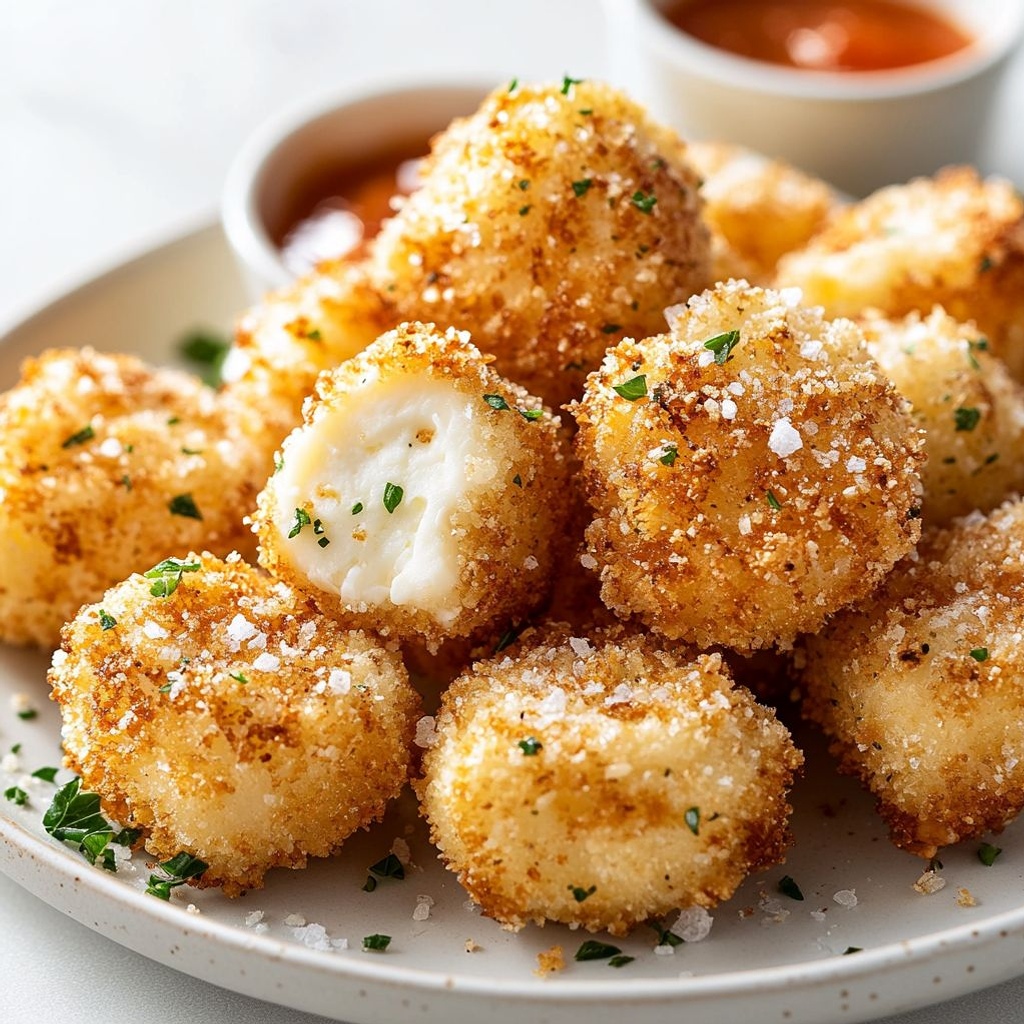
“These crispy Bocconcini cottage cheese bites are savory, protein-rich snacks that can be made gluten-free by using gluten-free breadcrumbs and ensuring the crust stays light and crisp.”
Tips and cooking notes:
- Drain cottage cheese thoroughly to remove whey; press through a fine sieve or wrap in a clean kitchen towel and squeeze. The drier the cheese, the better the bites hold their shape; blot with paper towels if very wet.
- Breadcrumbs provide structure and a crisp crust. If using gluten-free crumbs, ensure they are finely processed for even binding. If mixture seems dry, moisten with a teaspoon of water or milk; if too wet, add more crumbs until it holds together.
- Freshly grated Parmesan yields stronger aroma and helps binding. For a milder cheese character, substitute part with Pecorino Romano.
- Bind with one large egg, at room temperature for easy mixing. For vegan, substitute with 1 tablespoon ground flaxseed + 2.5 tablespoons water (let rest 5 minutes).
- Garlic should be finely minced to distribute evenly; for subtler flavor, sauté the garlic briefly in olive oil until fragrant and cool before adding.
- Herbs: dried Italian seasoning or a mix of oregano and basil add classic character. Fresh herbs will impart more brightness—1 tablespoon minced parsley plus a pinch of oregano and basil; reduce moisture slightly.
- Salt and pepper: start with 1/2 teaspoon salt and 1/4 teaspoon pepper, then adjust after mixing to suit the saltiness of the cheeses and breadcrumbs.
- Olive oil 1 tablespoon adds moisture and helps binding; the mixture should just come together. If too dry, add a touch more oil; if too wet, add a bit more breadcrumbs or cornstarch.
- Lemon zest (optional) adds brightness; zest with a microplane, avoiding the white pith. If using lemon juice instead, add only a few drops and reduce liquids elsewhere.
- Cornstarch or all-purpose flour (1 tablespoon to start) helps absorb moisture and improves binding; gluten-free option is cornstarch.
- Fresh parsley (optional): 2 tablespoons chopped for color and fresh note; dried parsley can be used in smaller amounts (1/2 teaspoon) if needed.
- Coating and finishing: For a thicker, crunchier crust, roll formed bites in 1/2 cup additional breadcrumbs and 2 tablespoons grated Parmesan. Lightly press to adhere.
- Oil spray or brushing with 1–2 teaspoons olive oil helps browning and crispness; avoid oversaturation which can soften surfaces.
- Cooking methods: Bake at 200°C (about 400°F) for 15–18 minutes, turning halfway, until golden and crisp. For extra crispness, finish under the broiler for 1–2 minutes, watching closely. If frying, shallow-fry until golden and drain on paper towels.
- Dipping options: Serve with marinara sauce or garlic aioli on the side; keep sauces separate to maintain crust integrity.
- Optional add-ins: 1/4 teaspoon red pepper flakes for gentle heat; 2 tablespoons chopped fresh basil for brightness; 2 tablespoons finely chopped chives for color and onion-like nuance; 2 tablespoons chopped sun-dried tomatoes (drained) for tangy depth. Pat tomatoes dry to prevent excess moisture.
Make-ahead and storage: You can form the bites and refrigerate up to 24 hours before cooking. They can be frozen before cooking; freeze on a tray, then transfer to a bag and bake from frozen, adding a couple minutes. Reheat leftovers in a moderate oven until warm.
Dietary notes: Use gluten-free breadcrumbs if you need a gluten-free version. For dairy-free or vegan variations, skip Parmesan and use a vegan binder; note texture may change. If cheese content is a concern, consider using aged dairy-free alternatives that melt well.
Tips
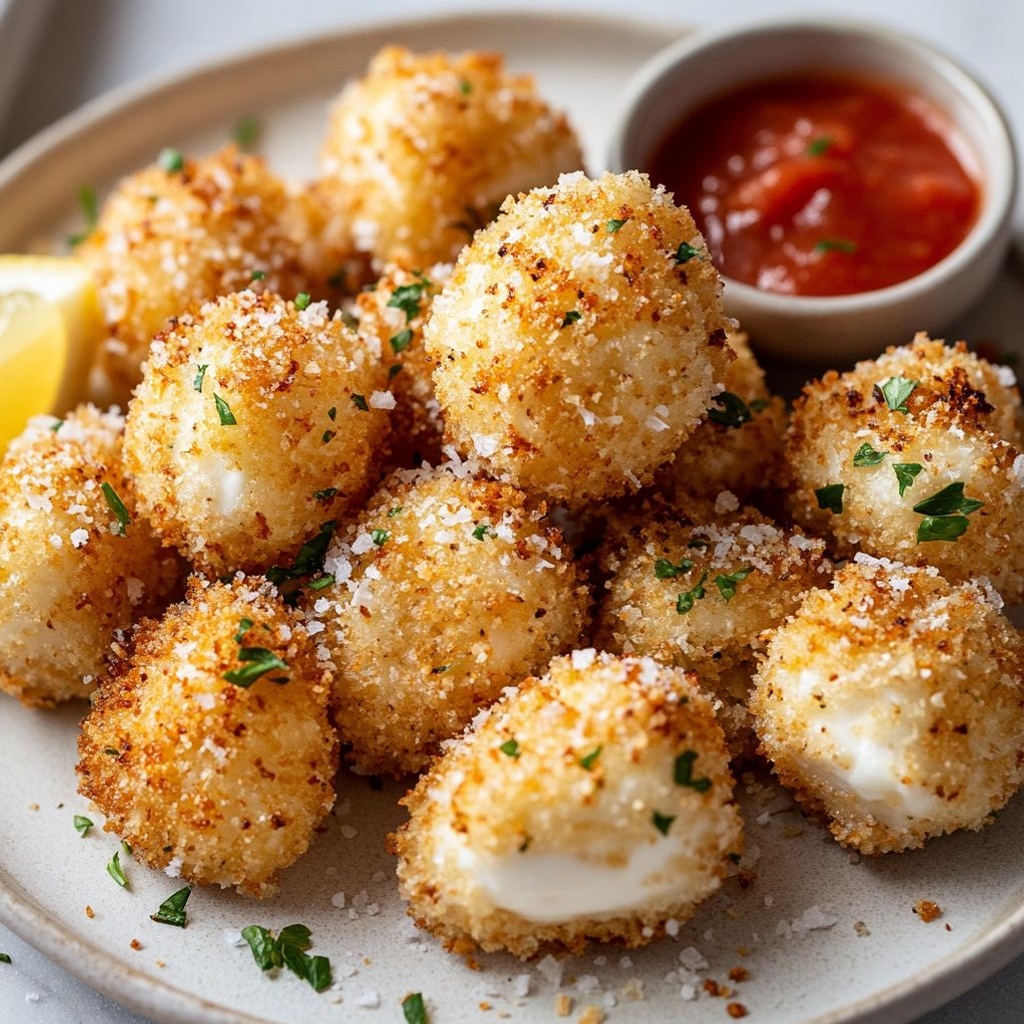
Tips for perfect Bocconcini croccanti di cottage
- Drain and dry the cottage cheese thoroughly. The drier the curds, the better the bites hold their shape. Press through a fine sieve or wrap in a clean towel and squeeze to remove as much whey as possible; blot with paper towels if needed.
- Chill the mixture briefly if it feels too soft or sticky. Cold dough is easier to shape and helps the bites stay compact during cooking.
- Choose your breadcrumbs wisely. Panko yields the cristiest crust; gluten-free breadcrumbs keep the dish suitable for gluten-free diets. If the mixture seems dry, moisten with a teaspoon of water or milk; if too wet, add a few more crumbs until itJust comes together.
- Grate parmesan freshly when possible. Freshly grated cheese melts with a richer aroma and helps with binding. If using pre-grated, you may need a touch more egg or binding to compensate.
- Use a large egg at room temperature for even binding. For a vegan option, substitute with a flax egg (1 Tbsp ground flaxseed + 2.5 Tbsp water, rested 5 minutes) but expect a different texture.
- Minced garlic should be evenly incorporated. For a milder garlic note, sauté the mince in a teaspoon of olive oil until just fragrant, cool, then mix in.
- Herbs add cohesion. If using dried Italian seasoning, it’s fine; with fresh herbs, reduce moisture slightly to maintain texture. Fresh parsley works well as a bright note.
- Season gradually. Start with 1/2 teaspoon salt and adjust after mixing, considering the saltiness of parmesan and any dips you plan to serve.
- Freshly ground black pepper enhances the cheese flavor. Use to taste and consider white pepper for a milder appearance.
- Olive oil in the mix improves moisture and browning. If the dough seems dry, add a little more oil; too much oil can make the bites greasy.
- Optional lemon zest brightens the richness. Zest finely to avoid pith; if using lemon juice instead, add only a few drops to prevent thinning the dough.
- Cornstarch or flour helps with binding. Start with 1 tablespoon and add more if needed to help the bites hold shape without becoming dense.
- Parsley or other greens should be chopped finely and folded evenly for color and flavor distribution. If using dried herbs, use smaller amounts and adjust moisture accordingly.
- For an extra-crunch coating, add a second crumb layer: 1/2 cup additional breadcrumbs plus 2 Tbsp grated parmesan. Pat bites gently so the coating adheres well.
- Oil for coating: a light spray or brushing helps browning in the oven. If frying, use enough oil for shallow frying and drain on paper towels afterward.
- Cooking method: bake at about 425°F (220°C) until golden and set (roughly 12–15 minutes, depending on size). For frying, heat oil to 350°F (175°C) and fry in batches until crisp, then drain.
- Dip wisely. Keep marinara or garlic aioli separate to preserve crust crispness. If using aioli, keep it light so it doesn’t overpower the cheese.
- Make-ahead tips: you can form bites and refrigerate up to 2 hours before cooking. For longer storage, freeze on a tray, then transfer to a bag; reheat from frozen and add a minute or two to the bake time for crispness.
FAQ
Cos’è Bocconcini croccanti di cottage?
Sono piccole palline di formaggio cottage impanate e cotte fino a diventare croccanti all’esterno e morbide all’interno. Perfette come antipasto o stuzzichino sfizioso.
Quali ingredienti servono?
Ingredienti tipici: formaggio cottage, pangrattato (opzionale pangrattato senza glutine), parmigiano grattugiato, uovo, erbe aromatiche (prezzemolo o origano), sale, pepe, olio per friggere o olio extravergine d’oliva per forno. Opzionali: scorza di limone, aglio in polvere, paprika, peperoncino.
Posso usare formaggio diverso se non ho cottage cheese?
Sì. Puoi sostituire con ricotta molto ben scolata mescolata con un po’ di yogurt per legare, o con formaggio spalmabile ben asciutto. Se usi ricotta, aggiungi un po’ di parmigiano per dare sapore e consistenza.
Posso prepararlo in anticipo?
Sì. Puoi preparare le palline, passarle nell’impanatura e conservarle crude in frigorifero per fino a 24 ore. Puoi anche precuocerle al forno o in padella e conservarle cotte in frigorifero per 1-2 giorni, da riscaldare rapidamente.
Come ottenere la croccantezza perfetta?
Per una croccantezza uniforme: scolora bene il cottage cheese, asciuga bene l’impasto, e usa una panatura ben aderente. Cuoci in forno a circa 190°C per 15-20 minuti o friggi in olio caldo fino a doratura. Girali a metà cottura per doratura uniforme.
Quanto tempo ci vuole per prepararli?
Tempo totale approssimativo: 25-35 minuti. Preparazione (modellare e impanare) circa 15 minuti, cottura 10-20 minuti a seconda del metodo (forno o padella).
Quali varianti di sapore posso fare?
Aggiungi erbe come prezzemolo, origano o basilico, e spezie come aglio in polvere, paprika, pepe di Cayenna. Puoi anche aggiungere scorza di limone grattugiata o parmigiano extra all’impanatura per un sapore più intenso.
Posso renderli senza glutine?
Sì. Usa pangrattato senza glutine o impanatura di mais/polenta per una croccantezza diversa. Controlla sempre le etichette per assicurarti che tutti gli ingredienti siano privi di glutine.
Come conservarli e come riscaldarli?
Conservali in frigorifero in un contenitore chiuso per 2-3 giorni. Per riscaldarli, usa forno preriscaldato a 180°C per 5-7 minuti o una padella antiaderente a fuoco medio-basso finché sono caldi e croccanti.
Come servirli?
Servili caldi con una salsa a piacere: salsa allo yogurt, maionese all’aglio, marinara leggera o una salsa al miele e senape. Sono ottimi anche come antipasto accompagnati da insalata fresca o verdure croccanti.