Introduzione / Hook
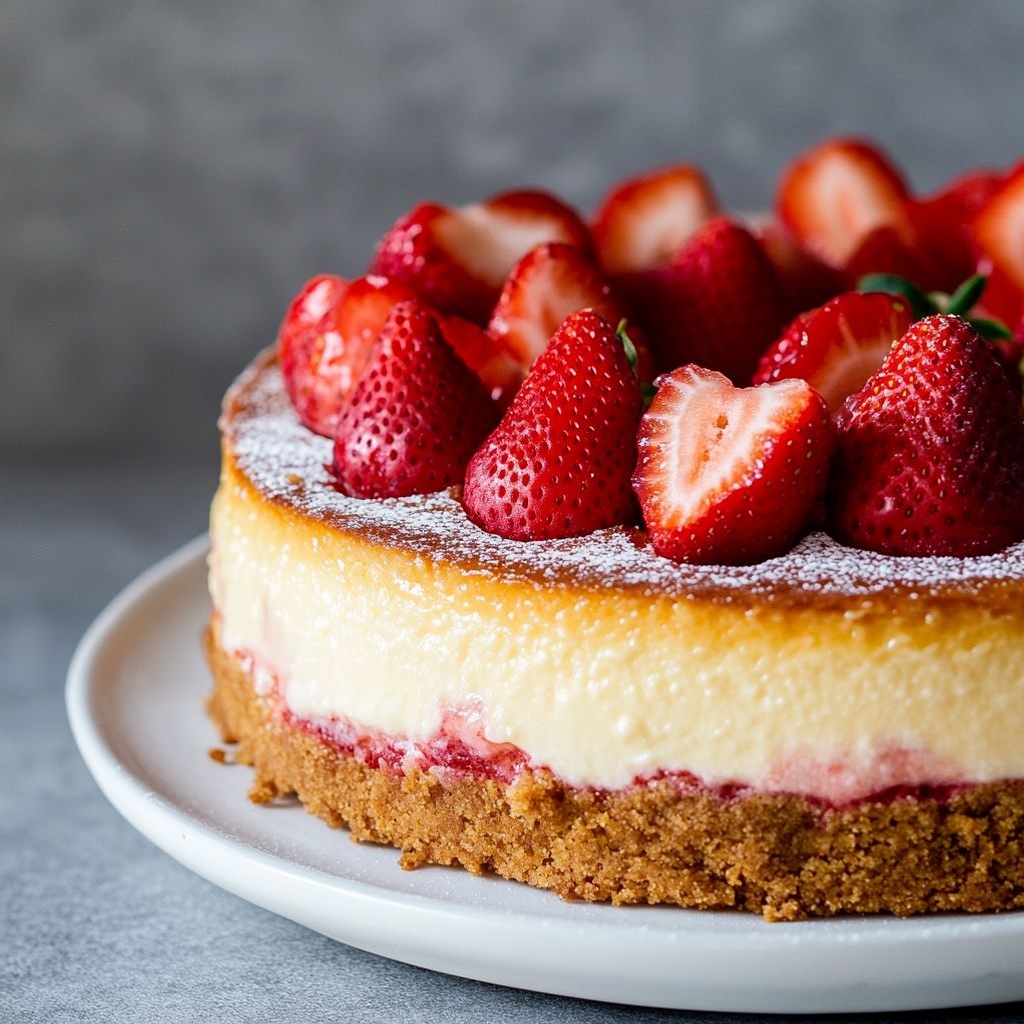
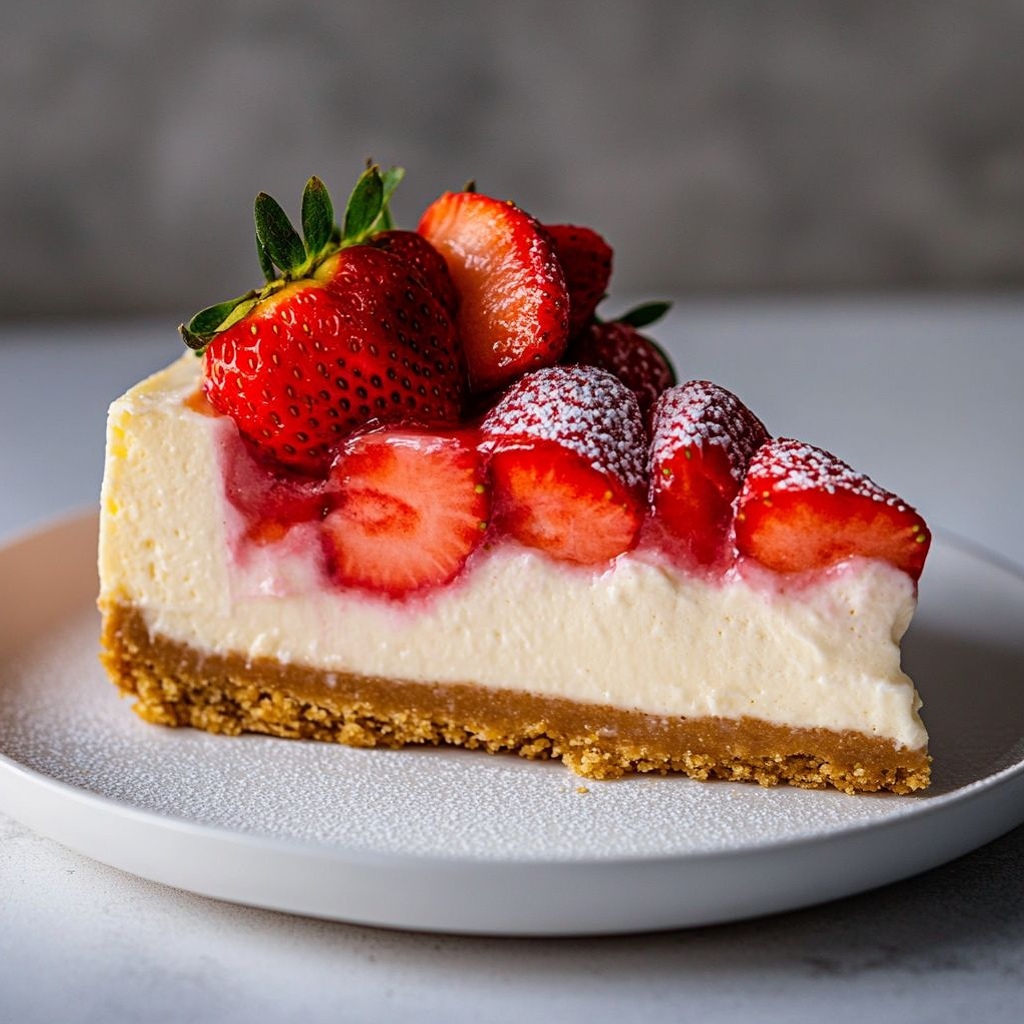
Immagina una tazza di caffè fumante al mattino, il profumo dolce e avvolgente di fragole maturate al sole che riempie la cucina, e una fetta che combina croccantezza e morbidezza in una danza irresistibile. La biscotti cheesecake alle fragole è quel tipo di dessert che sembra un sogno svegliato in una fetta: una base di biscotti fragranti che sostiene una crema setosa al formaggio, accarezzata da un River di purea di fragole lucente e da una nota di vaniglia che pare sussurrare segreti di estate. Non è solo una torta; è un racconto sensoriale in tre atti: croccante, vellutato e fresco. Ogni morso è una piccola celebrazione della semplicità elevata: pochi ingredienti di qualità, una tecnica mirata e tanto amore per la convivialità.
Questo dolce nasce dall’incontro tra due mondi apparentemente distanti ma incredibilmente complementari: la tradizione italiana dei biscotti croccanti e la cremosità delle cheesecakes che hanno conquistato il mondo. Il risultato è una creazione elegante ma accessibile, perfetta per i weekend in famiglia, i pranzi estivi con gli amici o una merenda che diventa un piccolo rito di gioia. Non serve essere esperti di pasticceria: la bellezza di questa ricetta sta nel bilanciare consistenze, sapori e colori in modo armonioso, lasciando che la fragola faccia da guida profumata e che la crema al formaggio abbracci ogni fetta con dolcezza avvolgente.
Lasciati trasportare dall’emozione del primo morso: la croccantezza della base di biscotti si scioglie quasi immediatamente al contatto con una crema setosa, mentre la nota acidula delle fragole incontra la dolcezza neutra della crema al formaggio. È un dessert che soddisfa occhi e palato, capace di conquistare anche chi è abituato a dolci più semplici. Prepararlo è un gesto di cura: si può realizzare in anticipo, si può preparare in porzioni individuali o in una grande teglia da servire in compagnia. È una promessa di felicità che si spezza in una batuffolo di crema al formaggio e una cascata di frutti rossi al primo taglio. Benvenuto in un pezzo di felicità che profuma di casa e di belle cose toccanti.
La storia dietro il piatto
La biscotti cheesecake alle fragole nasce dall’idea di fondere due patrimonio gastronomici molto amati: la tradizione dei biscotti croccanti come base di molti dolci italiani e la cremosità indulgente della cheesecake che ha conquistato il palato di mezzo mondo. In molte regioni italiane, i biscotti al burro o alle mandorle sono già presenti nelle ricette di dessert, spesso ridotti in una crumble elegante o pressati come base per torte e semifreddi freddi. Allo stesso tempo, la cheesecake – sebbene associata a luoghi come New York – ha suscitato nel tempo una versione più delicata e meno pesante, perfetta per essere reinterpretata in chiave mediterranea. L’idea di un dessert che unisce i due universi nasce soprattutto dall’esigenza di offrire qualcosa di raffinato ma al tempo stesso semplice da realizzare, che possa essere condiviso durante una tavolata estiva o un dopocena in compagnia.
Una storia personale spesso racconta di una nonna o di una casa di vacanza dove, al tramonto, si preparavano biscotti fragranti da sgranocchiare con un formaggio cremoso profumato, e dove la fragola fresca veniva trasformata in una glassa o in una salsa che accendeva la tavola. Da queste memorie nascono dettagli come una base di biscotti tritati finemente, miscelati con burro fuso fino a una consistenza che tiene la forma, e una crema al formaggio che diventa morbida, vellutata, capace di sostenere il brigliore di una cascata di fragole. La visita a mercati di frutta di stagione, i colori accesi delle fragole, la lucentezza delle superfici lavate dal sole, hanno ispirato l’idea di una cheesecake che non teme il caldo, bensì lo accoglie come un compagno di viaggio, grazie a una tecnica di raffreddamento e a un equilibrio di ingredienti che non corre rischi di sciogliersi eccessivamente.
In molte cucine regionali italiane, la cucina è una forma di narrazione: ogni pezzo di biscotto, ogni pennellata di crema, ogni goccia di fragola racconta una versiona diversa di estate, di famiglia, di condivisione. La cheesecake alle fragole diventa una tavolozza di colori: il bianco cremoso, il rosso vivo delle fragole, la tonalità dorata della base di biscotti. È una celebrazione di texture: la croccantezza iniziale, la morbidezza della crema, la freschezza vivace della frutta. È, in una parola, un dessert che parla al cuore e all’istinto di socialità che contraddistingue le nostre tavole: si prepara per condividere, si gusta come premio, si conserva per un momento di dolcezza dopo una lunga giornata.
Perché lo amerai / Why You’ll Love This Recipe
- Equilibrio perfetto tra croccante e cremoso: la base di biscotti croccanti sostiene una cheesecake vellutata, creando una contrapposizione di consistenze che si esalta a ogni assaggio.
- Profumo e freschezza: la fragola fresca o una salsa di fragole leggera aggiungono una nota erbacea e fruttata che rincuora e rinvigorisce, con una leggera acidità che completa la dolcezza della crema.
- Versatilità stagionale: perfetta in primavera e in estate, ma degna di una presentazione elegante in qualsiasi stagione, soprattutto quando le fragole sono al loro massimo.
- Allericità e personalizzazioni: è una base che si adatta a molte diete, includendo versioni senza glutine, vegane o senza lattosio, mantenendo comunque la sua eleganza e sapore.
- Facilità di preparazione: non servono tecniche complesse né strumenti speciali; basta seguire una logica semplice: crosta, crema, topping, raffreddamento.
- Ideale per condividere: una torta a strati o in porzioni singole, è pronta per la tavola e invita a brindare insieme, a chiacchierare e a fare foto memorabili per condividere sui social.
- Conservazione rispettosa della freschezza: può essere preparata in anticipo e raffreddata, mantenendo una consistenza ottimale; si presta anche al servizio freddo, che esalta la freschezza della fragola.
Profilo di sapore e consistenza
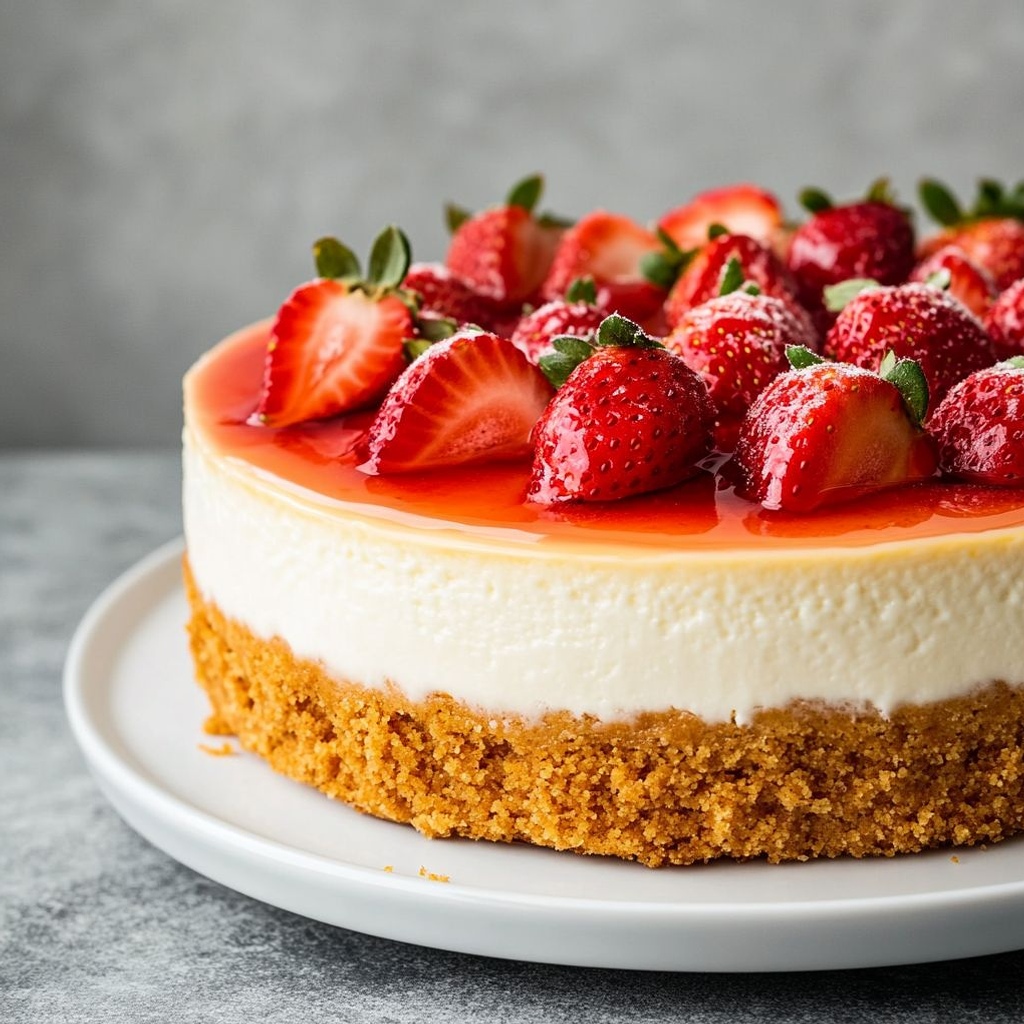
Questo dessert è una sinfonia di sapori complementari. La base di biscotti offre una croccantezza robusta, con una nota burrosa che fa da fondazione solida e confortante. La crema al formaggio, morbida come una nuvola ma sufficientemente densa da tagliare con facilità, regala una dolcezza controllata, arricchita da una puntina di vaniglia o scorza di limone per una freschezza aromatica. La fragola, in seconda linea ma decisiva, introduce una vibrante nota fruttata e leggermente asprigna che equilibra la dolcezza della crema. Se si aggiunge una leggera salsa o una glassa di fragole, il dessert acquista un finish lucente e invitante, come una gemma rossa che brilla al centro della tavola.
Dal punto di vista tattile, la prima impressione è croccante: la base di biscotti si scioglie lentamente, lasciando spazio a una crema setosa. In bocca, si avvertono diverse texture: prima il croccante, poi la morbidezza vellutata della cheesecakes, e infine la freschezza succosa delle fragole. La combinazione è armoniosa: la dolcezza cremosa non è invadente, ma si integra con la leggera acidità delle fragole, creando un equilibrio che resta in memoria. Le note di vaniglia o di scorza di limone donano un profilo aromatico luminoso, che evita la pesantezza tipica di molti dessert a base di formaggio. È una resa elegante ma accessibile, una lezione di cucina domestica che premia la cura dei dettagli senza complicazioni.
Occasioni & Abbinamenti
La biscotti cheesecake alle fragole è un dessert ideale per molte occasioni:
- Pranzi e cene estive: servirlo come dessert di chiusura aggiunge un tocco di raffinatezza senza appesantire.
- Feste di compleanno e celebrazioni: la presentazione a fettine o in porzioni monoporzione è scenografica e facile da porzionare.
- Picnic o aperitivi all’aperto: può essere preparata in anticipo e trasportata comodamente, mantenendo la freschezza se conservata in frigorifero o in una borsa termica.
- Fine settimana coccolosi: un dessert che invita a rallentare, a godersi la tavola insieme alle persone care.
Abbinamenti consigliati:
- Bevande: prosecco ghiacciato, sparkling rosé, коктейl a base di agrumi, oppure un espresso dolce al mattino per bilanciare la dolcezza.
- Contorni: fragole fresche o una salsa di fragole da versare poco prima di servire; una spolverata leggera di scorza d’arancia può aggiungere una nota pungente ma elegante.
- Dessert pairing: una pallina di gelato al limone o al fiordilatte, oppure una fetta di torta leggera di mandorle, per creare contrasti di gusto.
Tips, Variations & Substitutions
Consigli base
Per ottenere una cheesecake perfetta e uniforme, presta attenzione a questi accorgimenti:
- Lascia che la crema al formaggio raggiunga una temperatura ambiente prima di lavorarla: si amalgama meglio e non strata.
- Non mescolare troppo: basta mescolare fino a ottenere una crema omogenea; l’eccesso di aria potrebbe far gonfiare la cheesecake e creare creste durante la cottura o il raffreddamento.
- Raffreddamento lento e costante: una volta assemblata, lascia raffreddare la torta a temperatura ambiente per una oretta, poi trasferiscila in frigorifero per almeno 4 ore (preferibilmente tutta la notte) per fissare la crema.
Varianti e sostituzioni
- Versione vegan: sostituisci la crema al formaggio con una crema a base di anacardi o anacardi e latte di soia, e usa biscotti vegani per la base. Aggiungi un tocco di succo di limone per bilanciare l’acidità.
- Gluten-free: scegli biscotti senza glutine o prepara la base con una miscela di farine alternative (mandorle macinate, cocco grattugiato e fiocchi di riso) per una croccantezza diversa ma gustosa.
- Versione leggera: riduci la quantità di zucchero nella crema e aggiungi yogurt greco per una texture più leggera e una nota di acidità naturale che esalta le fragole.
- Varianti di frutta: pur mantenendo la stessa base cremosa, sostituisci le fragole con lamponi, mirtilli o pesche mature per variare l’aroma e il colore, mantenendo l’effetto fresco e fruttato.
- Finishing touches: una gelatina di fragole leggera o una coulis di fragole per un tocco lucente in superficie; scorza di limone o di arancia grattugiata per un profumo agrumato che alza la nota complessiva.
Conservazione & Idee per anticipare
Questo dolce si presta bene a preparazioni anticipate. Ecco alcuni consigli pratici per conservare al meglio la biscotti cheesecake alle fragole:
- In frigorifero: copri bene con pellicola o poni in contenitore ermetico. Si mantiene fresca per 3-5 giorni. La crema può guadagnare un po’ di densità con il tempo, ma resta gustosa se ben refrigerata.
- In freezer: è adatta al congelamento in singole porzioni o intere, preferibilmente senza la frutta fresca aggiunta in superficie. Avvolgi bene e congela per 2-3 mesi. Per servire, scongela in frigorifero per diverse ore o durante la notte e aggiungi fragole fresche a guarnire se vuoi un tocco di freschezza.
- Make-ahead: la base di biscotti può essere preparata in anticipo e conservata in frigorifero, mentre la crema può essere montata e riposta in frigorifero. Assemblare solo all’ultimo momento è un’opzione comoda per eventi o cene.
- Porzioni singole: taglia le porzioni in anticipo e tienile in frigorifero. È perfetto per buffet o brunch
Curiosità eTrivia
Il viaggio culinario di questo dolce è arricchito da piccole curiosità. La combinazione biscotti e crema in stile cheesecake è un esempio classico di come la pasticceria italiana possa accogliere influenze internazionali senza perdere la propria identità. I biscotti usati come base simboleggiano la convivialità: una base che si spezza sotto la forchetta ma che resta salda come una promessa di condivisione. Le fragole, entrate nel piatto, non sono solo un colore vivace, ma una fondamentale fonte di freschezza: la loro dolcezza naturale è un contrappunto capace di bilanciare la crema cremosa. Inoltre, l’uso di una crema al formaggio in una versione dolce è una modernità che ha fatto il giro del mondo, dimostrando che la cucina casalinga può essere audace, elegante e accessibile allo stesso tempo.
Nel contesto dell’arte culinaria, c’è chi ritiene che la cheesecake sia una forma di viaggio: da una base croccante a una crema soffice, ogni boccone è una tappa che racconta un posto diverso. E quando si aggiunge la fragola, si crea un legame con la stagione estiva italiana: una fragranza che riporta a mercati all’aperto, a giardini rinfrescati dal sole, a chiacchiere tra amici che si prolungano sino a sera. È una storia che nasce in cucina, ma che finisce sulla tavola come una piccola opera d’arte commestibile, pronta a essere condivisa, fotografata, e amata.
Ingredients
Crust
- 1 1/2 cups biscotti crumbs (about 170 g)
→ Crushed biscotti form the crunchy base that supports the creamy cheesecake. Use plain biscotti or choose flavors that complement strawberries; process in a food processor until fine crumbs. After measuring, mix with melted butter and a pinch of salt if desired to create a cohesive crust that bakes to a crisp edge. Press evenly into the pan, then prebake the crust to set before adding the filling for best structure. - 3 tablespoons unsalted butter, melted
→ The fat that binds the biscotti crumbs into a sturdy crust. Ensure the butter is fully melted and still warm when mixing so it coats the crumbs evenly. If the crust seems dry, add a few more drops of melted butter until the mixture holds its shape when pressed. Chill briefly if the mixture feels too loose before pressing into the pan. - 1/4 teaspoon fine salt (optional)
→ Enhances sweetness by providing a subtle counterpoint to the sugar in the crust and biscotti. Use only if your biscotti are very sweet or unsalted; otherwise, you can skip to keep the crust from tasting too salty. Salt helps crust cling to the pan and adds overall balance.
Cheesecake Filling
- 24 oz cream cheese, softened (680 g)
→ The creamy, rich foundation of the cheesecake. Softened to room temperature ensures a smooth, lump-free batter. Beat with sugar until light and fluffy to introduce air for a lighter texture. For best results, use full-fat cream cheese; if using reduced-fat, expect a slightly denser texture and adjust baking time accordingly. - 3/4 cup granulated sugar (150 g)
→ Provides sweetness and helps the filling set with the eggs. If the cream cheese is very tangy, keep an eye on the balance and adjust by a tablespoon or two. For ultra-smooth texture, sift the sugar before adding it to the mixture. - 3 large eggs
→ Structure and moisture; add eggs one at a time on medium speed to prevent curdling and excessive air incorporation, which can cause cracking. After each addition, mix just until incorporated to maintain a creamy, dense texture without overworking the batter. - 1/2 cup sour cream (120 ml)
→ Adds tenderness and a subtle tang that complements strawberry flavors. Use full-fat sour cream for richness; this ingredient also helps create a silkier crumb and prevents the filling from being too heavy. - 1 teaspoon vanilla extract
→ Deepens the flavor and rounds out the tang of the cream cheese. Use pure vanilla extract for the best aroma; if you have vanilla bean paste, you can replace part of the extract for a stronger vanilla presence. - 1 tablespoon lemon juice
→ Brightens the filling and enhances the fruit pairing with strawberries. Fresh lemon juice is preferred for its aroma and cleaner acidity; adjust to taste if you prefer a milder lemon note in the final slice. - 1/2 teaspoon lemon zest (optional)
→ Adds a delicate citrus perfume that complements the berry topping. Grate only the yellow part of the rind, avoiding the bitter white pith. Omit if you dislike citrus notes in the cheesecake.
Strawberry Sauce
- 2 cups strawberries, hulled and sliced (about 300 g)
→ The fruity layer that gives the dessert its signature strawberry sweetness and aroma. Use ripe, fragrant berries for best flavor. If using frozen berries, thaw completely and drain excess liquid to avoid a watery sauce; macerate briefly with a teaspoon of sugar to draw out juices before cooking. - 1/4 cup granulated sugar (50 g)
→ Sweetens the sauce and helps the berries release juice as they cook. Adjust based on the natural sweetness of the berries; if the berries are very ripe and sweet, reduce sugar to 2 tablespoons. Taste as you go to reach your preferred balance. - 1 tablespoon lemon juice (optional)
→ Adds brightness and helps cut sweetness; use fresh juice for best aroma and acidity. Increase or decrease to suit your taste preferences; this also helps preserve the vivid strawberry color. - 1 teaspoon cornstarch dissolved in 1 tablespoon water (optional)
→ Thickens the sauce to a glossy, jam-like consistency that coats the cheesecake nicely. Stir the slurry into the simmering sauce and cook until the sauce thickens; avoid over-thickening to maintain a pourable texture.
Optional Add-ins
- Whipped cream, for serving (optional)
→ Adds a light, airy contrast to the dense cheesecake and fruity sauce. Keep whipped cream cold and consider stabilizing with a pinch of powdered sugar and a few drops of vanilla or a tiny bit of cream of tartar if you plan to serve later to help it hold its shape. - Fresh strawberries, sliced, for garnish (optional)
→ Enhance color and fresh fruit flavor on top of the slice. Slice just before serving to avoid juice pooling; arrange in a decorative pattern around the edge or in the center for a polished presentation. - 1/2 cup chopped almonds or pistachios, toasted (optional)
→ Adds a crunchy contrast and nutty aroma that pairs well with the creaminess of the filling and the fruit sauce. Toast nuts in a dry skillet until fragrant, then cool and finely chop so they distribute evenly without overpowering each bite.
Instructions
- Preheat your oven to 350°F (175°C) and prepare a 9-inch (23 cm) springform pan by lightly greasing the sides and lining the bottom with parchment; this prevents sticking and makes release clean in the final slice.
→ A parchment liner and greased sides create a smooth edge and reduce the risk of the crust tearing when you remove the cheesecake. - Process the biscotti until they form fine crumbs, measuring exactly 1 1/2 cups (about 170 g) for precise crust density; use a food processor in short pulses to avoid dusty flour-like crumbs, then transfer to a bowl to check the weight.
→ Fine crumbs bind evenly with butter to create a cohesive crust that bakes to a crisp edge and supports the creamy filling. - Combine the 1 1/2 cups biscotti crumbs with the 3 tablespoons melted unsalted butter and the optional 1/4 teaspoon fine salt; mix with a fork until the crumbs are evenly moistened and resemble damp sand.
→ The butter acts as the binder, setting the crust when baked and providing flavor balance with a hint of salt if used. - Press the crumb mixture into the bottom and slightly up the sides of the prepared pan using the flat bottom of a glass or a measuring cup, applying firm, even pressure to create a compact, level crust.
→ A uniform, compact crust bakes evenly, doesn’t crumble, and anchors the filling securely. - Chill the crust in the freezer for 10 minutes or refrigerate for 15 minutes to set the butter and firm the crust before blind baking.
→ Cooling locks the shape, preventing sagging and shrinking during the bake. - Bake the crust for about 10 minutes at 350°F (175°C) until the edges look lightly toasted and the crust is fragrant; remove from the oven and let it cool on a rack while you prepare the filling.
→ Partial baking sets the crust structure so the filling sits on a stable base rather than sinking. - Reduce the oven temperature to 325°F (163°C) and prepare the filling by beating the softened cream cheese and granulated sugar on medium speed until the mixture is smooth, fluffy, and free of lumps, about 2 to 4 minutes.
→ Proper aeration yields a creamy, cohesive cheesecake batter that holds its shape after baking. - With the mixer on low, add the eggs one at a time, mixing just until each is incorporated before adding the next; avoid overmixing to prevent excessive air and cracks.
→ Gentle incorporation preserves a dense, creamy texture and minimizes cracking. - Beat in the sour cream, vanilla extract, lemon juice, and the optional lemon zest until just combined; stop as soon as the mixture is homogeneous to avoid forcing air into the batter.
→ Sour cream adds tenderness and tang, while lemon brightness enhances the strawberry pairing. - Pour the filling over the cooled crust, then tap the pan firmly on the counter a few times to release any trapped air; this yields a smooth surface and even baking.
→ Eliminating air pockets prevents pitted or cracked tops and ensures uniform browning. - Bake the cheesecake at 325°F (163°C) for 50 to 60 minutes, or until the edges are set and the center still has a gentle jiggle; avoid overbaking to prevent deep cracks.
→ The center will continue to set as it cools, but excessive heat can dry out the interior and cause cracking. - Turn off the oven, crack the door, and let the cheesecake rest in the oven for 1 hour to cool gradually; this slow transition minimizes surface cracking from a sudden temperature drop.
→ A controlled cooling helps maintain a smooth top and a creamy interior. - Remove the cheesecake from the oven and refrigerate, uncovered if possible, for at least 4 hours or overnight until fully set and chilled; chilling enhances sliceability and flavor development.
→ A well-chilled cheesecake slices cleanly and retains a luxurious, dense texture. - Prepare the strawberry sauce by combining 2 cups hulled and sliced strawberries with 1/4 cup granulated sugar in a saucepan; bring to a gentle simmer over medium heat and stir occasionally.
→ Heating releases the strawberry juices and dissolves the sugar, creating a balanced sauce that complements the cheesecake. - Cook the sauce until the berries break down and the mixture thickens to a glossy, jam-like consistency, about 5 to 10 minutes; if you want extra body, whisk in the optional cornstarch slurry (1 tablespoon cornstarch dissolved in 1 tablespoon water) and simmer for 1 to 2 minutes more.
→ The slurry stabilizes the sauce for coating the cheesecake without becoming runny. - Remove the sauce from heat and cool it to room temperature, then refrigerate until ready to serve; a cooled sauce coats smoothly and maintains vibrant color and aroma.
→ A chilled sauce remains vibrant and prevents the cheesecake from becoming soggy on contact. - When ready to serve, unmold the cheesecake by running a thin knife around the edge, lift the sides of the springform pan, and transfer the cake to a serving platter; this ensures a clean presentation.
→ Releasing the sides prevents sticking and preserves the neatly defined crust edge for slicing. - Spread or spoon the cooled strawberry sauce over the top of the cheesecake, or create a gentle swirl for a decorative marbled appearance; garnish with fresh strawberries or toasted nuts if desired.
→ The bright strawberry sauce adds moisture and a vivid color contrast, while garnishes provide texture and visual appeal. - Optionally, pipe or dollop whipped cream alongside slices and sprinkle chopped almonds or pistachios for added crunch; keep whipped cream stabilized if serving later.
→ The airy cream complements the dense cheesecake, and the nuts introduce a pleasing contrast in texture.
Notes
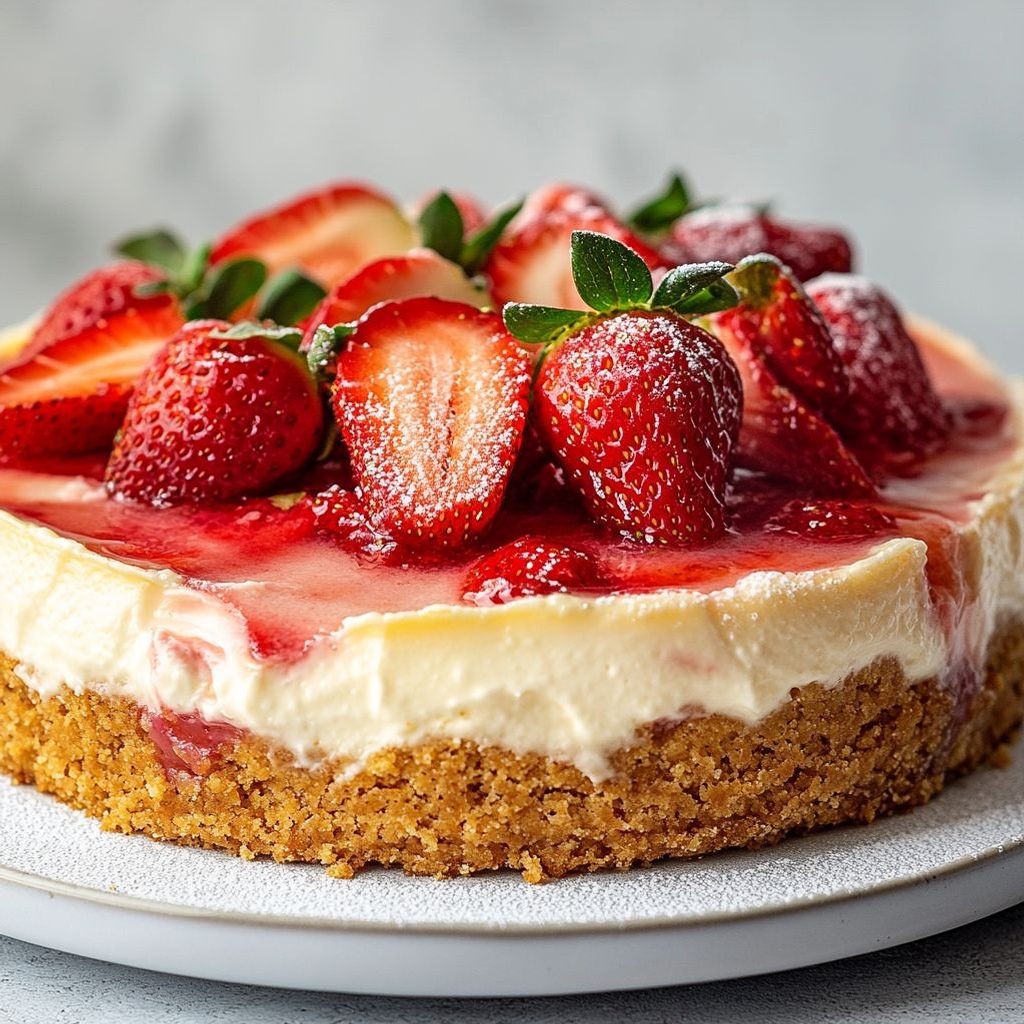
These strawberry biscotti cheesecake alle fragole are a decadent dessert that pairs a crunchy biscotti crust with a velvety cream-cheese filling and a glossy strawberry sauce. To ensure clean slices and a sturdy base, prebake the crust until set and cool completely before filling.
Tips: bring the cream cheese, sour cream, eggs, and lemon juice to room temperature before mixing to achieve a silkier batter and reduce lumps. Beat the cheese with sugar until light and fluffy, then add eggs one at a time on low speed to avoid overmixing. Bake the cheesecake gently, ideally in a water bath, and avoid overbrowning the edges by shielding the pan if the top starts to brown too quickly. If you notice cracking, you can slice or glaze with extra sauce to mask imperfections.
For the strawberry sauce, simmer berries with sugar and lemon juice until they release juice and thicken to a glossy jam-like texture; stir in a cornstarch slurry if you prefer a thicker coat. Let the sauce cool before spooning over chilled slices. Make-ahead: the crust can be prebaked and stored, and the cheesecake can be prepared a day in advance then chilled; the sauce can be made a day ahead and refrigerated. To serve, chill the entire cheesecake thoroughly and garnish with fresh strawberries, whipped cream, or toasted nuts for crunch. If you need a gluten-free version, substitute gluten-free biscotti and ensure all other ingredients are gluten-free; this will yield a dessert with a similar texture and flavor profile. The dessert freezes well: wrap slices individually and freeze up to 1-2 months; thaw in the fridge before serving.
Tips
Tips for Biscotti Cheesecake alle Fragole
Base crust (Crust) tips
- Use room-temperature butter so it coats the biscotti crumbs evenly and helps create a cohesive crust. If the mixture seems dry, add a few more drops of melted butter until it holds its shape when pressed.
- Line the pan well and press the crust evenly into the bottom and a little up the sides for better structure. A parchment round on the bottom can help with release after baking.
- prebake the crust to set before adding the filling. Bake until it is just set and lightly colored (about 8–10 minutes). This helps prevent a soggy crust once the filling is added.
- Crush biscotti to a fine crumb for a uniform texture. If you want a slightly chunkier bite, leave a few larger pieces, but test the pressability so the crust holds together.
Cheesecake filling tips
- Bring cream cheese, sour cream, and eggs to room temperature before mixing to ensure a super-smooth batter with no lumps.
- Beat the cream cheese with the sugar until light and fluffy; this introduces air for a lighter texture. Do not overmix after adding eggs to prevent cracking.
- Add eggs one at a time on medium speed, mixing just until incorporated. Overmixing can incorporate too much air and lead to cracks during baking.
- Use full-fat ingredients for richer flavor and silkier texture. Reduced-fat variants can still work but may require slightly longer chilling and careful baking.
- Fresh lemon juice (and optional zest) brightens the filling. Add gradually and taste to avoid overpowering the cheesecake with citrus.
- For extra tenderness, fold in sour cream gently at the end. This also helps achieve a creamy crumb rather than a dense texture.
- Consider a water bath (bain-marie): wrap the pan securely in foil and bake in a larger pan filled with hot water. This helps prevent surface cracking and keeps the filling very moist.
- Cool gradually after baking. Turn off the oven, crack the door, and let the cheesecake cool in the oven for about an hour before refrigerating to minimize cracks.
Strawberry sauce tips
- Choose ripe, fragrant strawberries for deeper flavor and color. If using frozen berries, fully thaw and drain excess liquid before cooking to avoid a watery sauce.
- Macerate frozen or very underripe berries briefly with a teaspoon of sugar before cooking to help draw out juices and intensify flavor.
- Cook the sauce gently; simmer until berries break down and the mixture thickens to a glossy, pourable consistency. Avoid overcooking to prevent overly thick jam-like sauce.
- Stir in lemon juice gradually to brighten the sauce and help preserve color; adjust to taste as you go.
- If using cornstarch to thicken, dissolve it fully in water and whisk into the simmering sauce. Cook a few minutes more until the sauce coats the back of a spoon.
- Let the sauce cool slightly before serving so it thickens a bit more and sits nicely atop the cheesecake. It can be made ahead and refrigerated; rewarm gently when needed.
Optional add-ins and serving tips
- Whipped cream, stabilized if serving later, adds lightness to each slice. For stability, whip with a pinch of sugar and a drop of vanilla or a touch of cream of tartar.
- Fresh strawberries as a garnish enhance color and aroma. Slice just before serving to avoid juice pooling; arrange in an appealing pattern.
- To add crunch, sprinkle toasted almonds or pistachios on top. Toast the nuts in a dry pan until fragrant, then chop finely for even distribution.
- Make-ahead and storage: refrigerate the assembled cheesecake for at least 4 hours or overnight for best slicing. It can be stored covered in the fridge for 3–4 days, or frozen slices can be wrapped well and frozen for up to 1 month.
FAQ
Cos’è Biscotti cheesecake alle fragole?
È una cheesecake a strati composta da una crosta croccante di biscotti, una crema vellutata al formaggio e una guarnizione o salsa di fragole. Nel titolo “alle fragole” si enfatizza la freschezza della frutta, spesso con pezzi di fragola o una coulis.
Quali sono gli ingredienti principali?
Base: biscotti Digestive o simili, burro fuso. Crema: formaggio cremoso (es. Philadelphia), zucchero, uova, vaniglia, panna acida o yogurt. Guarnizione: fragole fresche e, opzionalmente, una coulis o glassa di fragole.
Posso usare biscotti diversi per la base?
Sì. Puoi usare Oreo, cracker al cioccolato o biscotti integrali. Se i biscotti sono molto dolci, riduci leggermente lo zucchero nella crema. Usa circa 200 g di biscotti e 90–100 g di burro per una teglia standard da 22–24 cm.
È una cheesecake cotta o no-bake?
Questa versione è cotta al forno, tipicamente a bagnomaria per evitare crepe, poi raffreddata in frigorifero. Esistono versioni no-bake, ma richiedono tecniche diverse (gelatina, tempi di riposo più lunghi) e cambiano la consistenza.
Quali sono i tempi e la temperatura di cottura?
Cuocere in forno statico a 160–170°C per circa 60–70 minuti. Il centro deve rimanere leggermente tremolante. Lasciare raffreddare nel forno spento con la porta socchiusa, poi trasferire in frigo per almeno 4 ore (meglio tutta la notte).
Come si prepara la base di biscotti?
Frulla o sminuza i biscotti fino a ottenere una granella fine. Mescola con burro fuso tiepido finché il composto è omogeneo. Premi sulla base di una teglia a cerniera da 22–24 cm, livellando bene. Metti in frigo 15–20 minuti prima di riempire.
Come si prepara la crema al formaggio?
In una ciotola ampia, lavora il formaggio cremoso con lo zucchero finché diventa liscio. Aggiungi le uova una alla volta, incorporando bene dopo ogni aggiunta. Unisci la vaniglia e la panna acida o lo yogurt. Se vuoi, aggiungi pezzi di fragola all’impasto o versa una leggera purea di fragole per un effetto marmorizzato.
Posso usare fragole congelate?
Sì, puoi usare fragole congelate scongelate. Asciuga l’eccesso di liquido prima di aggiungerle all’impasto o alla superfice per mantenere la crema consistente.
Come si conserva e per quanto tempo?
Conserva in frigorifero in contenitore chiuso per 3–4 giorni. Puoi anche tagliarla a porzioni e congelarle fino a 2–3 mesi; lascia scongelare in frigorifero prima di servire. Per una presentazione migliore, aggiungi fragole fresche al momento di servire.
Quali suggerimenti per evitare crepe o difetti di superficie?
Cuoci a temperatura costante e non aprire spesso la porta del forno durante la cottura. Se usi bagno-maria, assicurati che l’acqua non raggiunga la teglia. Raffredda lentamente nel forno spento con la porta socchiusa, quindi trasferisci in frigo. Evita mescolamenti intensi durante l’aggiunta delle uova per prevenire grinze e crepe.