Introduction / Hook
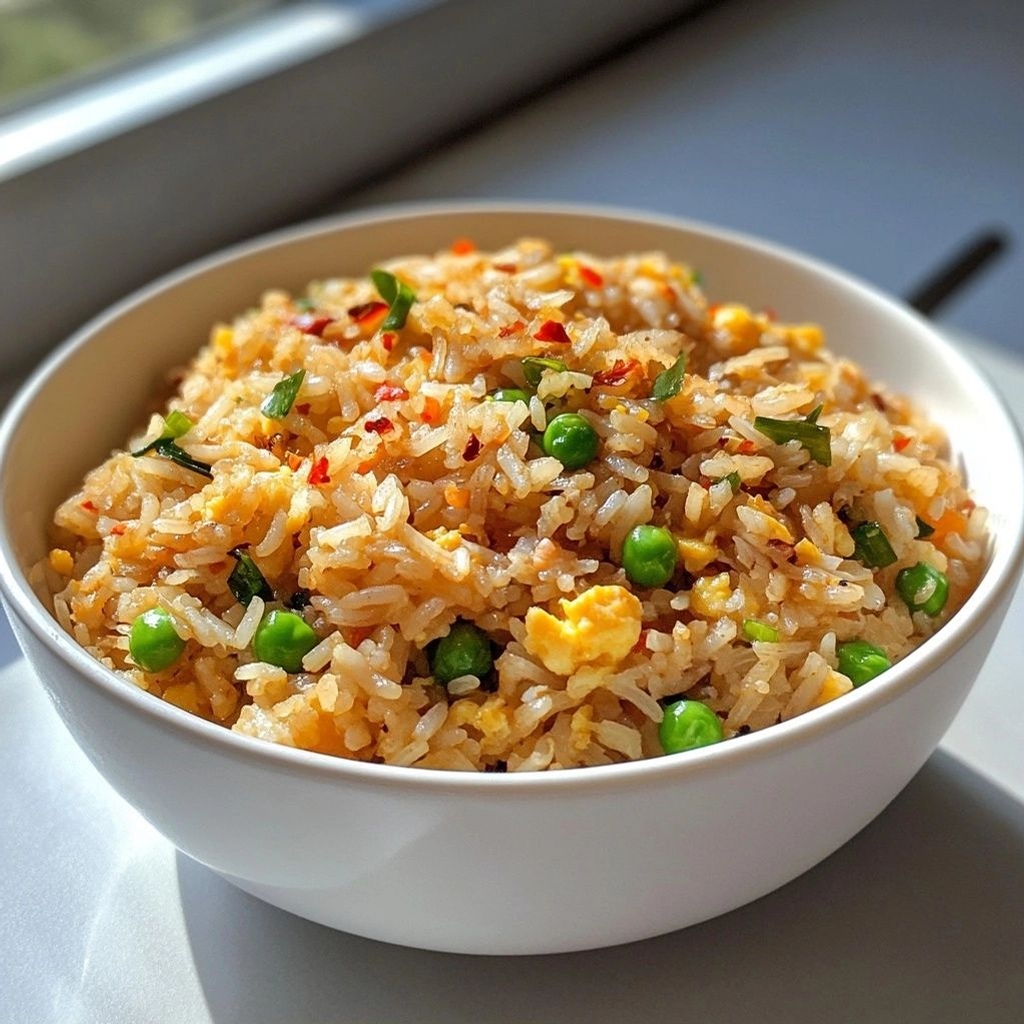
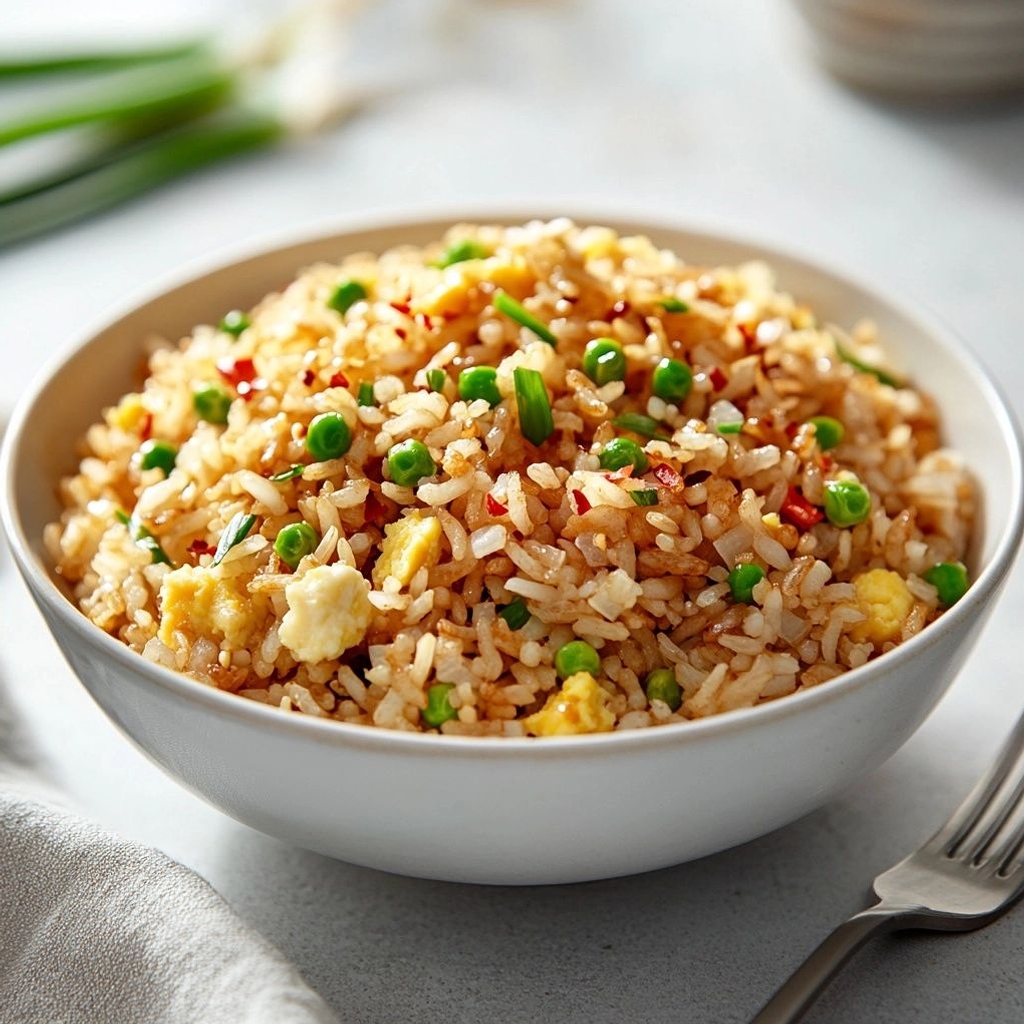
Picture a steaming wok, the sizzle of garlic kissing hot oil, and grains of rice dancing with a bright, fiery kiss of chili. Spicy Garlic Fried Rice is more than a simple weeknight rescue—it’s a celebration of texture, aroma, and instant comfort. Each forkful delivers a chorus of fragrant garlic, a gentle heat that builds without overpowering, and the satisfying chew of perfectly separated grains. It’s the kind of dish that makes you forget you were tired, that turns leftovers into a feast, and that invites you to linger at the table a little longer, savoring every crackle and aroma. The beauty of this fried rice is in its balance: robust garlic, a whisper of soy umami, a sharp echo of chili, and the delicate, toasty notes that come from a well-worked pan. It’s fast enough for a busy weeknight, yet deeply flavorful enough to feel like a weekend treat.
In many kitchens around the world, fried rice is the culinary bridge between simple pantry staples and a guaranteed crowd-pleaser. Spicy Garlic Fried Rice takes that familiar concept and raises it with a nuanced heat, so the dish remains approachable for all palates while still delivering that satisfying kick. The garlic—crisped to a golden bronze—forms the aromatic backbone, while chili oil or crushed chili peppers weave a bright, lingering warmth that lingers long after the last bite. This dish doesn’t just fill the stomach; it fills the room with an irresistible aroma that invites conversation and shared bites among friends and family.
The Story Behind the Dish
Fried rice has deep roots across many Asian cuisines, each culture adding its own twist to transform leftover rice into something shimmering and new. The method likely began as a practical invention—stale rice revived with a handful of seasonings and a hot pan—but it evolved into a canvas for regional flavors. Spicy Garlic Fried Rice, in particular, nods to the universal love affair with garlic in Asian kitchens. Garlic, a pantry hero in countless households, becomes the star here, its aroma blooming as it caramelizes in oil. The heat, sourced from chili—whether through chili flakes, fresh sliced chilies, or chili oil—adds a lively brightness that makes the dish feel both everyday and exciting.
What makes this version special is its balance: high-heat frying to achieve lightly charred, toasty bits, the aromatic foundation of garlic, and a controlled heat that doesn’t mask the rice’s delicate texture. The dish has a flexible spirit—great for using up leftovers, adaptable to different proteins, and forgiving enough for cooks who are still learning the rhythm of a wok or a hot skillet. It’s a plate that carries memory: a home kitchen where the garlic sizzles, a table where friends gather, and a recipe that becomes a familiar, comforting ritual.
Why You’ll Love This Recipe
- Quick and flexible: A weeknight winner that comes together in minutes with pantry staples.
- Layered aroma: The scent of garlic, sesame, and a hint of citrus or soy creates an irresistible perfume in the air.
- Comfort with heat: A gentle, bright spiciness that wakes the palate without overwhelming the dish.
- Textural contrast: Lightly crispy fried rice with tender pieces of egg or protein and crisp vegetables (if you use them).
- Leftover-friendly: A smart way to transform yesterday’s rice into something vibrant and new.
- Adaptable for dietary needs: Easily made vegetarian, vegan, or gluten-free with simple substitutions.
- Family-friendly, yet sophisticated: Appealing to kids with familiar flavors, while offering depth for adults.
Flavor Profile & Texture
Spicy Garlic Fried Rice delivers a symphony of sensations. The first aroma to greet you is the toasty, almost nutty perfume of garlic that has been fried until it takes on a light amber edge. That moment—when garlic releases its fullness and mingles with hot oil—acts as a flavor explosion that sets the stage for everything else. The chili introduces a clean, bright heat that lingers without dulling the other components; its bite is punctuated by a subtle sweetness from the rice itself and any vegetables or proteins you fold in.
The soy or tamari brings a kiss of umami, creating a savory backbone that makes the dish feel substantial even with modest ingredients. Some versions incorporate a touch of brightness with a splash of rice vinegar or a whisper of citrus, which can elevate the dish by balancing fat and heat with acidity. The texture is where the magic happens: individual grains that have been stirred at a blistering heat so they separate rather than clump, with a hint of crisp edges that crackle when you bite into them. If you add egg, you’ll enjoy ribbons of silky richness weaving through the fried rice; if you add vegetables, you’ll experience bursts of color and a satisfying snap.
This dish is not a uniform, uniform bite from first to last. It introduces a sequence of experiences—the initial garlic-laced aroma, the warm glow of chili, the umami kiss of soy, and finally the satisfying chew and slight crispness that comes from strategic stirring and the right pan heat. The result is a well-balanced plate that feels both comforting and lively, capable of feeding a crowd or serving as a personal, satisfying bowl for one.
Occasions & Pairings
Spicy Garlic Fried Rice is remarkably versatile. Here are some ideal occasions and pairing ideas:
- Weeknight staple: A quick, satisfying solution when you want something flavorful without a long ingredient list.
- Casual gatherings: Serve as a main or as a side dish alongside grilled proteins or stir-fried vegetables.
- Meal-prep-friendly: Make a batch ahead and portion into containers for easy lunches during the week.
- Comfort food craving: A warm bowl that welcomes you home after a long day.
- Spice enthusiasts’ delight: Adjust the level of heat to suit your guests’ tolerance, from a gentle warmth to a bold blaze.
Pair it with:
- Protein: Grilled chicken, shrimp, scrambled eggs, or tofu to keep the dish balanced and filling.
- Vegetable sides: Steamed bok choy, sautéed greens, or quick-pickled vegetables add color and acidity.
- Bright beverages: A crisp lager, a light beer, sparkling water with lime, or a citrusy iced tea complement the spice.
- Finishing touches: A drizzle of sesame oil, a scatter of sliced scallions, or a squeeze of lime can lift the dish dramatically.
Tips, Variations & Substitutions
This recipe shines because of its adaptability. Here are practical ways to customize and elevate Spicy Garlic Fried Rice:
- Heat control: For a milder version, reduce the chili or swap with a milder pepper. For extra heat, add a pinch of crushed red pepper flakes or a small amount of chili paste in the final stir.
- Protein options: Use leftover roasted chicken, shrimp, pork, or sautéed tempeh. For a vegetarian version, rely on vegetables and eggs or add scrambled tofu for protein.
- Egg variation: Classic fried rice often includes scrambled eggs stirred through the rice. For a vegan version, omit the eggs or substitute with soft tofu crumble and a touch of nutritional yeast for a cheesy note.
- Vegetable mix-ins: Carrots, peas, corn, bell peppers, onions, and green onions all work well. Slice them thin so they cook quickly and maintain color and texture.
- Umami boosters: A splash of soy sauce or tamari, oyster sauce (if not vegetarian), or a small amount of mushroom soy can deepen the savoriness.
- Aromatics beyond garlic: Ginger, shallots, or a pinch of five-spice powder can add surprising depth when used sparingly.
- Oil choices: Sesame oil adds a toasty aroma, while peanut oil offers a subtle nutty note that pairs beautifully with garlic and chili.
- Gluten-free option: Ensure the soy sauce is gluten-free (look for tamari or certified gluten-free soy sauce).
- Rice considerations: Day-old rice tends to fry better because it’s drier. If you must use fresh rice, spread it out on a tray to cool and reduce moisture before frying.
Storage & Make-Ahead Ideas
Spicy Garlic Fried Rice keeps well enough for next-day meals, and its flavors often deepen with time. Here are practical storage and make-ahead tips:
- Storage: Refrigerate leftovers in an airtight container for up to 3-4 days. Reheat in a hot skillet with a little oil to restore the fried texture and prevent clumping.
- Make-ahead: Prepare rice and chop aromatics in advance. On cooking day, simply fry the aromatics until fragrant, add rice, and finish with your chosen additions for a quick meal.
- Freezing: Fried rice can be frozen in small portions for up to 2 months. Reheat in a skillet with a splash of water or broth to loosen and refresh the grains.
- Texture tips for leftovers: When reheating, drizzle a tiny bit of oil or sesame oil to help revive the gloss and separation of the grains.
Fun Facts & Trivia (Optional)
– A single clove of garlic, when fried to a golden hue, releases a fragrance that can instantly evoke memories of family dinners and warm kitchens. Garlic’s alchemy happens quickly in high heat, transforming from sharp strength to a mellow, caramelized depth.
– Fried rice has military roots in Asia where it was used to feed soldiers with leftover grains, turning scraps into sustenance. This pragmatic origin story evolved into a beloved home-cook tradition worldwide, with countless regional spins that celebrate local ingredients and flavors.
– The heat in fried rice is not just about warmth; it helps to release aroma compounds in garlic and chili, making the entire dish more fragrant and inviting. The sizzling sound you hear is a sign of good technique: a hot pan and careful tossing to avoid sogginess.
– If you’re aiming for a restaurant-like finish, finishing touches like a light drizzle of sesame oil, a spring of scallions, or a dusting of toasted sesame seeds can elevate the dish and provide a luxe aroma that lingers.
Conclusion
Spicy Garlic Fried Rice is more than a recipe; it’s a sensory experience that celebrates simplicity, speed, and heartiness. It invites you to engage with your ingredients, to listen to the rhythm of the pan, and to savor the moment when the garlic crackles, the chili sings, and the rice gleams with glossy, well-separated grains. Whether you’re cooking for a crowded family dinner or a quiet solo meal, this dish delivers warmth, satisfaction, and a little heat that lingers. By embracing flexibility—whether you add protein, tweak the heat, or include a rainbow of vegetables—you invite a personal touch to a classic favorite. So heat up your wok, gather your favorite pantry staples, and let Spicy Garlic Fried Rice turn an ordinary meal into a memorable experience that your taste buds will thank you for.
Ingredients
Spicy Garlic Fried Rice
Rice and Protein
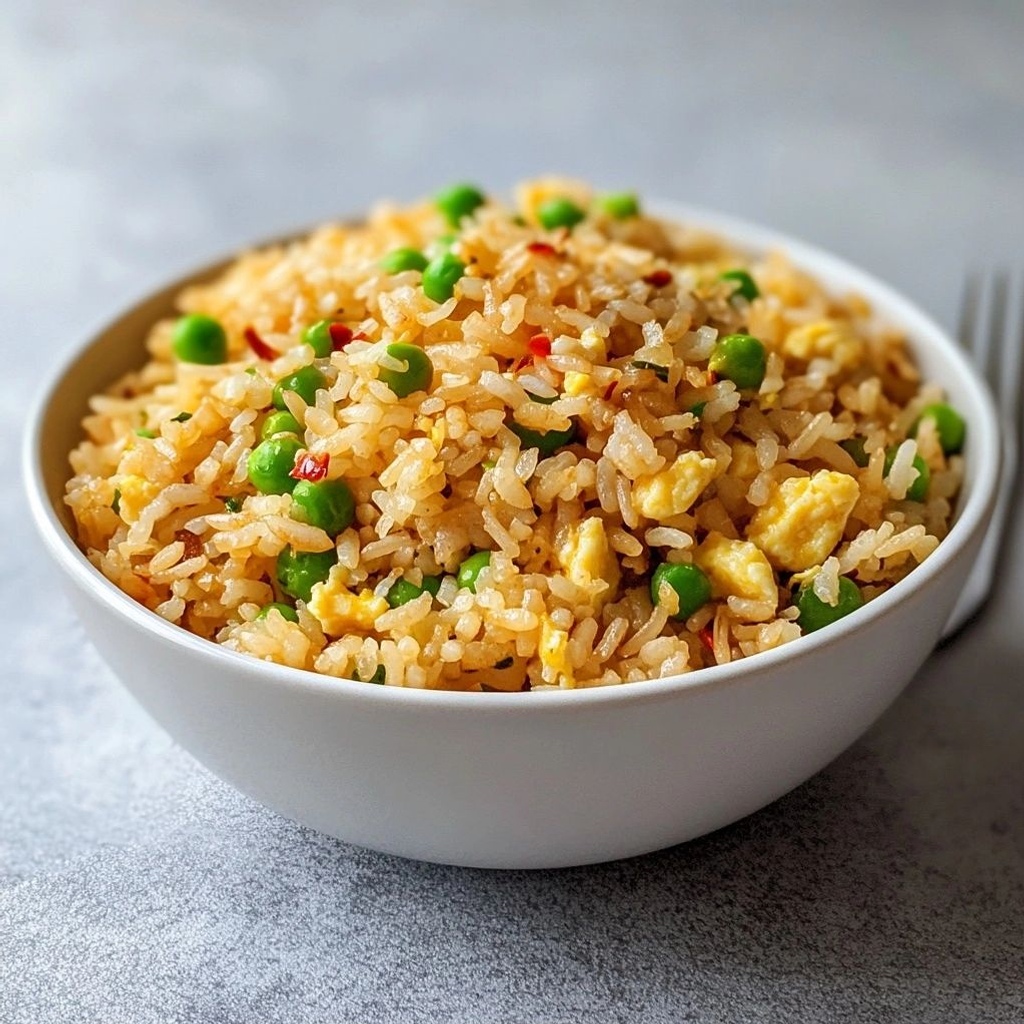
- 2 cups cooked white rice (preferably day-old, refrigerated)
→ Day-old rice is firmer and less likely to become mushy when stir-fried. If using fresh rice, spread it on a tray to cool and dry out for about 15-20 minutes before cooking to improve texture. - 1 cup cooked protein of choice (chicken breast, shrimp, or firm tofu, diced)
→ Protein adds substantial satiety and flavor. If using meat, cook fully before adding to the fry; if using tofu, press to remove excess moisture and pat dry, then briefly sear for texture.
Aromatics and Fats
- 3-4 cloves garlic, minced
→ Garlic is the primary aromatic; mince finely so it distributes evenly and releases aroma quickly without burning. Consider crushing lightly if you prefer stronger bite. - 1 tablespoon neutral oil (vegetable, canola, or light olive oil)
→ Used for initial sauté to prevent sticking and to bloom aromatics. Use a higher smoke-point oil to avoid scorching garlic. - 1 teaspoon sesame oil (optional, for finish)
→ Adds nutty, toasty notes. Use sparingly as a finishing oil to avoid overpowering the dish; drizzle just before serving. - 1 small onion, finely chopped (optional)
→ Adds sweetness and depth. If omitted, ensure enough garlic and peppers to carry flavor. Sauté until translucent before adding rice. - 1 teaspoon freshly grated ginger (optional)
→ Provides bright, peppery warmth; skip if you prefer a plain garlic-forward profile.
Vegetables
- 1 cup mixed vegetables (peas, diced carrots, corn)
→ Classic fried-rry trio adds color, sweetness, and texture. Blanch or lightly steam carrots if very firm to ensure even tenderness during quick stir-fry. - 2-3 scallions (green onions), sliced thinly on the bias
→ Both color and fresh onion-y brightness. Add the white parts early with aromatics and the green parts at the end for crispness.
Sauces and Seasonings
- 2-3 tablespoons soy sauce (light or regular, to taste)
→ Provides salt and savoriness; adjust salt if using salted components. For a gluten-free version, use gluten-free/ tamari. - 1 tablespoon oyster sauce or vegetarian mushroom sauce (optional for deep umami)
→ Builds body and sweetness; if omitting, compensate with a pinch of sugar and extra soy or a splash of vegetarian sauce for balance. - 1-2 teaspoons chili paste or sambal oelek (adjust to heat preference)
→ Imparts heat and a tangy kick. Start with smaller amounts and taste; add more if you enjoy spicier dishes. - 1 teaspoon rice vinegar or mirin (optional)
→ Adds acidity to balance the savory and spicy flavors; mirin adds a touch of sweetness. - 1/2 teaspoon sugar or to taste (optional)
→ Balances acidity and heat; adjust based on the spiciness of your chili paste and saltiness of sauces. - Salt and freshly ground black pepper to taste
→ Essential for layering flavors. Season gradually as sauces may already contain salt. - 1-2 tablespoons water or chicken/vegetable stock (as needed)
→ Helps to deglaze the pan and keep the rice from sticking; use just enough to loosen the bits stuck to the pan. - 1 teaspoon sugar-free fried-onion powder (optional)
→ Adds extra savory depth with minimal moisture; use sparingly to avoid overpowering garlic and chili.
Garnish and Optional Add-ins
- Sesame seeds, for garnish
→ Toast lightly before sprinkling to enhance nuttiness and aroma; they provide a subtle crunch and visual appeal. - Chopped fresh cilantro or parsley (optional)
→ Adds fresh, bright notes that contrast with the heat and savory base. Use as a final touch after cooking. - Fresh lime wedges (optional)
→ A squeeze of lime brightens the dish and helps cut through the richness of the oil and sauces.
Instructions
- Warm a large wok or skillet over high heat and add 1 tablespoon neutral oil, swirling to coat the surface; this creates a hot cooking environment that sears ingredients quickly and prevents sticking.
→ A hot pan promotes rapid browning and preserves the crisp texture of vegetables and protein while preventing sogginess. - Add the minced garlic (and optional grated ginger) to the hot oil, stirring constantly for about 20-30 seconds until fragrant but not browned; this blooms the aromatics and prevents bitterness.
→ Quick bloom releases essential oils and avoids harsh garlic notes from overcooking. - If using onion, add the finely chopped onion now and sauté until translucent, 2-3 minutes, then reduce heat slightly if the pan is becoming too hot; this builds a sweet, savory foundation.
→ Softened onion provides depth and helps evenly coat the rice with flavor. - Push aromatics to the side of the pan and add the cooked protein of your choice, searing it briefly until warmed through or lightly caramelized, about 1-2 minutes, then mix with aromatics; this enhances texture and ensures even seasoning.
→ Quick sear adds flavor and helps distribute heat evenly before mixing with rice. - Add the mixed vegetables and stir-fry for 2-3 minutes until they are vibrant and tender-crisp; if using firmer carrots, consider blanching lightly beforehand for even texture.
→ This ensures color, texture contrast, and that all components finish at the same time. - Spoon in the day-old cooked rice, breaking up any clumps with the back of a spatula; toss vigorously to coat each grain with oil and aromatics, using a folding motion to keep grains separated.
→ Day-old rice yields a firmer texture that fries without turning mushy and helps achieve the classic grain separation in fried rice. - Pour in 2-3 tablespoons soy sauce and 1 tablespoon oyster sauce (or mushroom sauce) evenly over the rice, then stir-fry for 3-4 minutes so the sauces emulsify and the rice absorbs savory flavors; adjust with more sauce if needed.
→ Sauces provide salt, depth, and umami; even distribution ensures consistent flavor with every bite. - Add the chili paste or sambal oelek, then fold in 1 teaspoon rice vinegar or mirin and 1/2 teaspoon sugar, stirring well to balance heat, acidity, and sweetness; taste and adjust with a touch more sugar if the heat dominates.
→ Balancing heat with acidity and a hint of sweetness prevents the dish from tasting flat and helps layers of flavor pop. - If the mixture looks dry, splash in 1-2 tablespoons water or stock to deglaze the pan and loosen any caramelized bits, then stir to reincorporate those flavorful bits into the rice.
→ Deglazing lifts caramelized fond from the pan, enriching the overall taste and ensuring even moisture distribution. - Stir in the sliced scallions, reserving the green parts for garnish if desired, and cook just until the whites soften slightly but the greens stay bright; this adds fresh onion brightness at the finish.
→ The white parts contribute aroma and sweetness, while the green tops provide color and a crisp texture when hot. - Season with salt and black pepper to taste, then remove from heat and drizzle 1 teaspoon sesame oil (optional) over the finished rice for a glossy, nutty finish; toss to distribute.
→ Finishing oil enhances aroma and rounds out the dish; sesame oil is potent, so a light touch prevents overpowering other flavors. - Transfer to a warm serving platter and sprinkle sesame seeds over the top; add chopped cilantro or parsley and fresh lime wedges if desired for bright contrast, then serve immediately.
→ Fresh herbs and citrus contrast with the spicy-savory base, and sesame seeds provide a subtle toasty crunch that elevates presentation and texture.
Notes
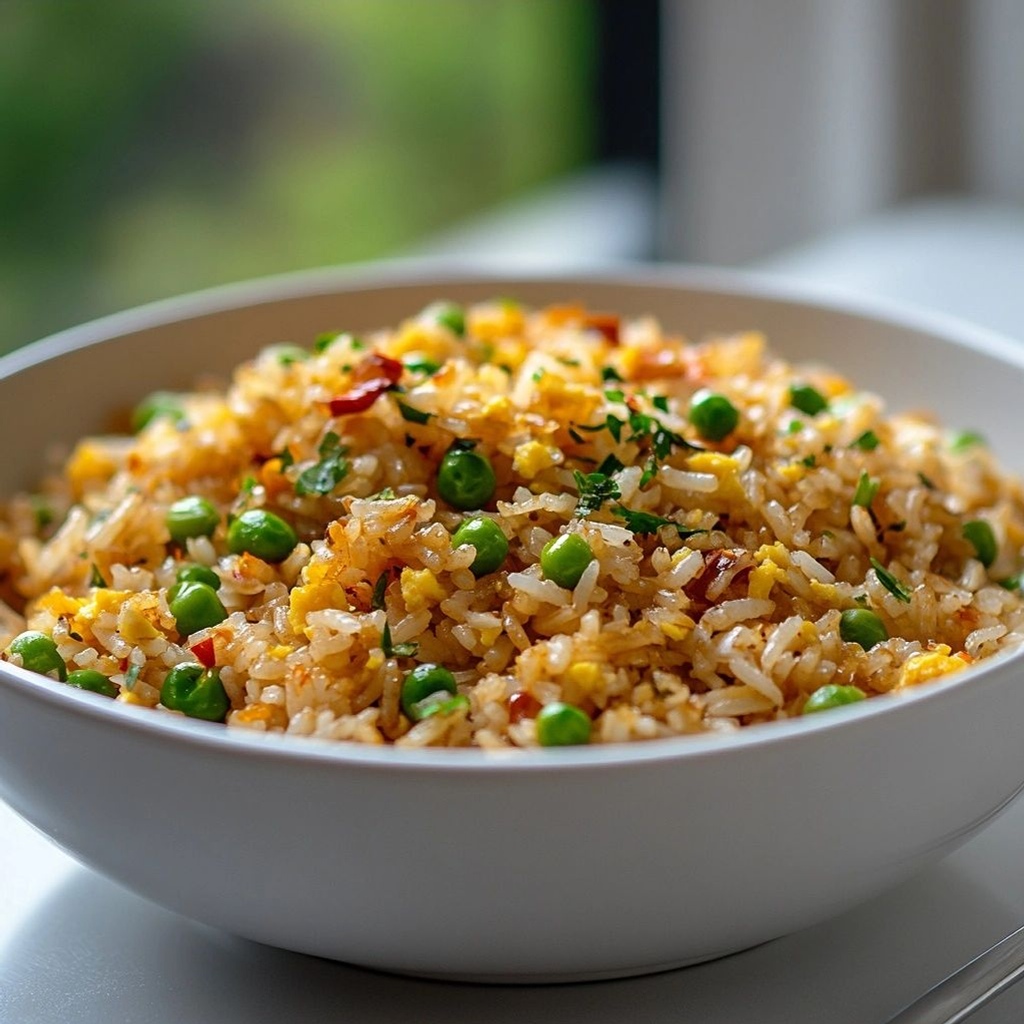
These spicy garlic fried rice is a quick, crowd-pleasing dish that comes together in a sizzling wok or skillet. For best texture, use day-old white rice that’s been chilled; this helps the grains stay separate rather than mushy during stir-frying. If you’re starting with fresh rice, spread it on a tray and let it dry out for 15–20 minutes before cooking to improve the fry.
- Protein: Use cooked chicken, shrimp, or firm tofu. Dice the protein evenly for quick, uniform cooking. If using meat, ensure it’s fully cooked before tossing it into the rice; for tofu, press to remove moisture, pat dry, then sear briefly for a firmer bite.
- Aromatics and fats: mince garlic finely so it distributes evenly and releases aroma quickly without burning. Use a neutral oil with a high smoke point for the initial sauté, and reserve a touch of sesame oil to finish the dish for a nutty aroma. If you like a sharper bite, you can crush garlic lightly to intensify the flavor.
- Onion and ginger: optional onion adds sweetness and depth; if omitted, balance with a bit more garlic and pepper. Fresh ginger provides bright warmth; you can skip it if you prefer a pure garlic-forward profile.
- Vegetables: a mix of peas, diced carrots, and corn adds color and texture. If your carrots are firm, blanch or steam them briefly so they finish tender in the high-heat fry.
- Seasonings: soy sauce provides salt and savoriness; use gluten-free tamari if needed. Oyster sauce or mushroom sauce adds depth—if omitted, compensate with a pinch of sugar and extra soy. Start with 1–2 teaspoons chili paste or sambal and adjust to heat preference. A splash of rice vinegar or mirin brightens the dish; sugar can balance acidity if the chili is very aggressive. Taste as you go and adjust salt gradually, since sauces may already contribute saltiness.
- Liquid for deglazing: keep 1–2 tablespoons of water or stock handy to loosen browned bits from the pan and prevent sticking.
- Garnish: sesame seeds toast quickly in a dry pan for extra aroma and crunch. Fresh cilantro or parsley brightens the dish as a finishing touch, and a squeeze of fresh lime adds a refreshing contrast to the heat and oil.
Storage and reheating: fried rice reheats well in a hot skillet or in a quick 2–3 minute toss over medium-high heat. To preserve texture, store the rice uncovered in the fridge for up to 1–2 days and reheat briefly to avoid sogginess. For a lighter version, reduce the oil and focus on high-heat tossing to mimic restaurant-style wok hei.
Tips
Prep and Rice
- Use day-old rice whenever possible. It’s drier and less likely to clump or become mushy during high-heat stir-frying.
- If you only have fresh rice, spread it on a tray and let it cool and dry for 15–20 minutes before cooking to improve texture.
- Pat protein dry and cut into uniform bite-sized pieces to ensure even cooking and faster stir-frying.
- For tofu, press to remove excess moisture, then pat dry and briefly sear to create a nicer texture that holds up in the wok.
- Keep all ingredients ready before you start—fried rice comes together quickly and you don’t want to search for sauces mid-stir.
Garlic and Aromatics
- Mince garlic finely so it distributes evenly and releases aroma quickly without burning. If you like a stronger bite, crush lightly.
- Cook garlic in hot oil until fragrant but not browned; burnt garlic can taste bitter, so watch the heat and stir frequently.
- Consider adding the optional ginger and onion early to build a layered aroma; if omitting, rely on garlic and chili paste for heat.
Oil and Heat
- Use a neutral oil with a high smoke point (vegetable, canola, or light olive oil) to prevent scorching garlic.
- Finish with a drizzle of sesame oil (optional) at the very end for a nutty aroma—use sparingly to avoid overpowering other flavors.
- Preheat your pan or wok properly; a hot surface will help sear the veggies and proteins without stewing them in liquid.
Vegetables and Texture
- Blanch or lightly steam firmer vegetables like carrots if you’re using whole or chunky pieces to ensure even tenderness during the quick stir-fry.
- Slice scallions thinly on the bias for a more elegant finish and quicker cooking; add white parts early and greens at the end for crunch.
Sauces, Seasonings, and Balance
- Taste as you go; sauces can add salt, sweetness, and heat, so adjust soy, salt, and sugar gradually.
- For gluten-free diets, substitute tamari or gluten-free soy sauce and check labels on oyster sauce or use mushroom sauce for umami.
- Start with 1 tablespoon of chili paste; taste and add more in small increments to reach your desired heat level without overwhelming the dish.
- Acidity helps balance richness—rice vinegar or mirin can brighten the flavors; if using mirin, account for added sweetness.
- Deglaze the pan with a little water or stock to loosen caramelized bits and incorporate delicious fond into the stir-fry.
Rice and Sauce Interaction
- Add the rice in a few batches to avoid overloading the pan; this helps achieve a crisp, fried texture rather than a soft, clumpy outcome.
- Season gradually and taste frequently; salted sauces can sneak up on you, especially with pre-seasoned protein.
- If the mixture seems dry, splash in a small amount of water or stock to rehydrate and loosen the fry without diluting flavor.
Finishing Touches and Garnish
- Toast sesame seeds lightly before sprinkling to boost aroma and crunch.
- Finish with chopped fresh cilantro or parsley for brightness and color contrast against the spicy base.
- Serve with fresh lime wedges; a squeeze of lime brightens the dish and complements the heat.
Make-Ahead and Feeding Variations
- Cooked rice and protein can be prepped ahead; refrigerate separately and combine with aromatics and sauces just before serving for quick weeknight meals.
- Try different proteins (shrimp, chicken, or tofu) to vary texture and flavor profile without changing the core technique.
- Adjust chili paste to suit your crowd—offer extra at the table for those who want a hotter kick.
FAQ
What is Spicy Garlic Fried Rice?
Spicy Garlic Fried Rice is a quick, savory dish made by stir-frying day-old rice with minced garlic, chili peppers or chili sauce, and a few flavorful additions like vegetables, soy sauce, and sometimes eggs or protein. The result is a fragrant, slightly smoky fried rice with a kick of heat.
What ingredients do I need?
Main ingredients: cooked long-grain rice (preferably day-old), garlic, oil, and chili (fresh or chili sauce). Common add-ins include soy sauce, green onions, vegetables (peas, carrots, bell pepper), scrambled eggs, and optional protein (shrimp, chicken, tofu).
Can I use leftover rice?
Yes. Day-old, refrigerated rice works best because it’s drier and fries crispier. Freshly cooked rice tends to be too moist and can clump.
How do I adjust the spice level?
Control heat with the type and amount of chili. Use finely chopped fresh chilies or chili paste for more heat. For milder heat, reduce or omit chili and balance with extra garlic, or add a pinch of sugar to round the flavors.
Can I make this vegan or vegetarian?
Yes. Use a plant-based oil (like sesame or peanut oil) and omit eggs or animal proteins. Use tamari or soy sauce for a gluten-free option and add tofu or tempeh for protein if desired.
What oil is best to use?
Neutral oils with high smoke points work well, such as canola, peanut, or vegetable oil. A small amount of sesame oil at the end adds a fragrant finish, but use it sparingly.
How do I prevent the rice from sticking or turning mushy?
Use cold, day-old rice and spread it on a tray to dry a bit in the fridge before cooking. Cook on high heat, keep the rice moving with a quick, continuous stir, and avoid overcrowding the pan.
Can I add protein like eggs, shrimp, or chicken?
Yes. For eggs, push rice to the side, scramble two eggs in the pan, then mix with the rice. For shrimp or chicken, cook the protein first until done, remove, then add rice and vegetables, and combine at the end.
How long does it take to prepare?
Active cooking time is about 8–12 minutes once the ingredients are prepped. Total time, including prep, is usually 15–20 minutes.
Is this dish gluten-free?
If you use gluten-free soy sauce or tamari and ensure other ingredients are gluten-free, yes. Check labels on sauces and seasonings to avoid hidden gluten.