Introduction / Hook
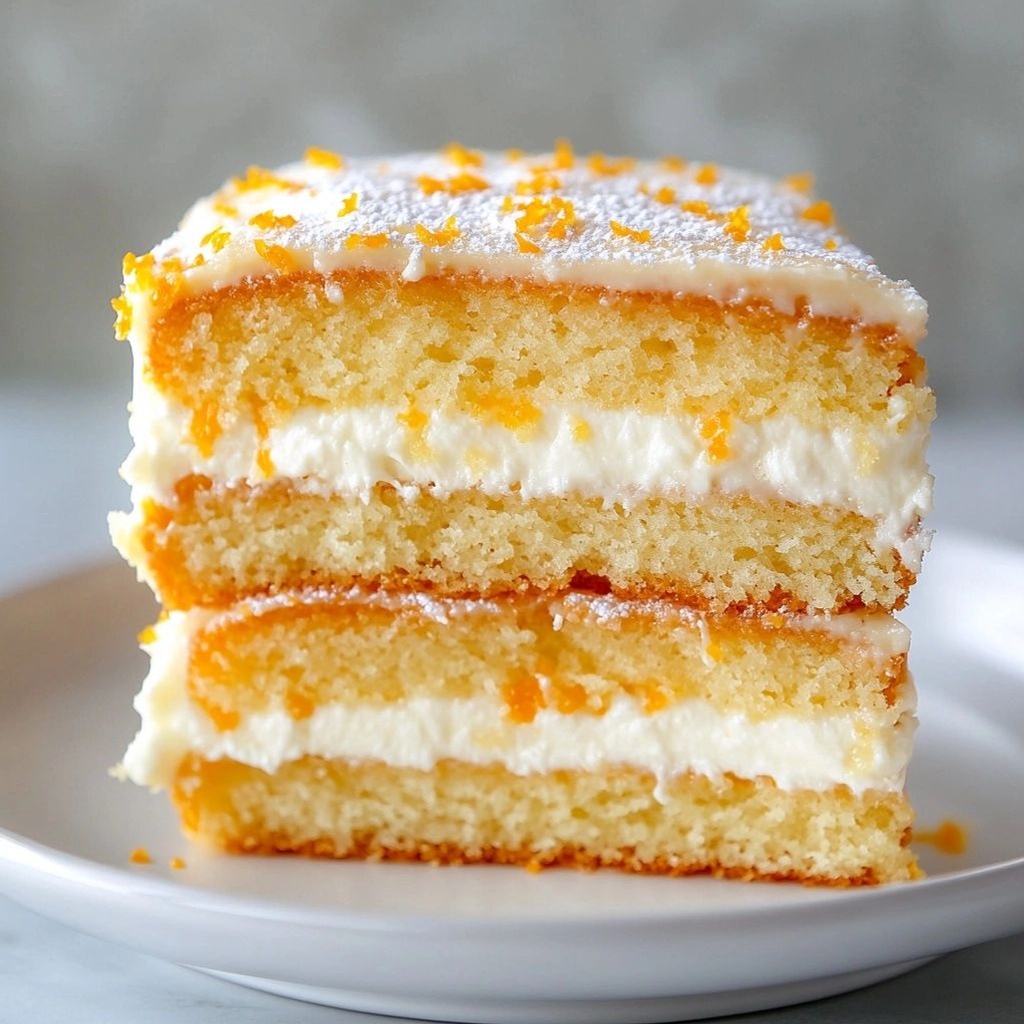
Imagine a slice of sunshine bound by a delicate velvet crumb, perfumed with bright citrus and a whisper of almond sweetness. The Italian Orange Cake is not merely dessert; it is a memory in a crust, a warm hug from a sunlit terrace where lemon and orange groves sway in the breeze and the scent of sugar caramelizes at the edges. Each bite offers a tender, feather-light crumb that dissolves on the palate, releasing a cascade of citrus brightness, almond nuttiness, and a subtle vanilla lullaby. In a single forkful, you’re whisked away from the bustle of daily life to a quiet piazza, where serendipity happens over afternoon tea and conversation lingers longer than the plate. This cake is a celebration of Italian restraint—where simple pantry staples become something unexpectedly luxurious when the balance is just right. If you crave a dessert that feels both timeless and contemporary, that pairs perfectly with coffee or dessert wine, this Italian Orange Cake is your new go-to centerpiece for gatherings, weekends, and moments when you want to savor the small, shimmering joys of life.
The Story Behind the Dish
Italy has a storied relationship with citrus—think of the Amalfi Coast lemons glistening on terraces, the orange trees lining village gates, and the way grandmothers coax the most perfume-laden zest from the fruit to brighten pastries. The Italian Orange Cake finds its roots in the country’s enduring love affair with citrus-forward desserts, where the brightness of the fruit meets the comforting weight of a European-style crumb. Though many regions claim a version of orange cake, the essence remains the same: a celebration of balance, where the orange’s tart-sweet profile is tempered by sugar, butter, and almond undertones. In some families, this cake is a Sunday ritual, a holiday showpiece, or a bake-it-to-bring-your-neighbor-some-love present. Its versatility reflects a broader Italian approach to dessert—simple ingredients, precise technique, and a result that feels both rustic and refined. The recipe we celebrate here is an homage to that tradition: a modern rendering that respects the classics while embracing a touch of contemporary lightness and moisture management. The orange’s aroma carries you through the kitchen before the first slice is even cut—the zest releasing a floral, sun-drenched perfume that instantly transports you to citrus groves and sunlit mornings.
Why You’ll Love This Recipe
- Bright, approachable citrus flavor: The orange infuses both zest and juice, delivering a lively sweetness without overwhelming the cake’s tenderness.
- Feather-light crumb: The cake leans toward a delicate, airy texture that melts on the tongue, making it ideal for pairing with coffee, tea, or a glass of sparkling wine.
- Versatile sweetness: Balanced with a touch of vanilla and almond, the flavor develops beautifully as it rests, making it ideal for make-ahead baking.
- Elegant simplicity: A cake that looks sophisticated on the table yet uses pantry staples, so it’s approachable for both everyday desserts and special occasions.
- Hypo-allergenic-friendly possibilities: With substitutions, it can be made vegan or gluten-light without sacrificing character or moisture.
- Pairing potential: The citrus profile pairs perfectly with herbs (rosemary or thyme), creamy mascarpone, or a dollop of ricotta for a dessert trifecta of harmony.
- Meal-time versatility: Serve with a scoop of citrusy sorbet, a spoonful of lemon curd, or as a refined finish to a pasta or seafood dinner.
Flavor Profile & Texture
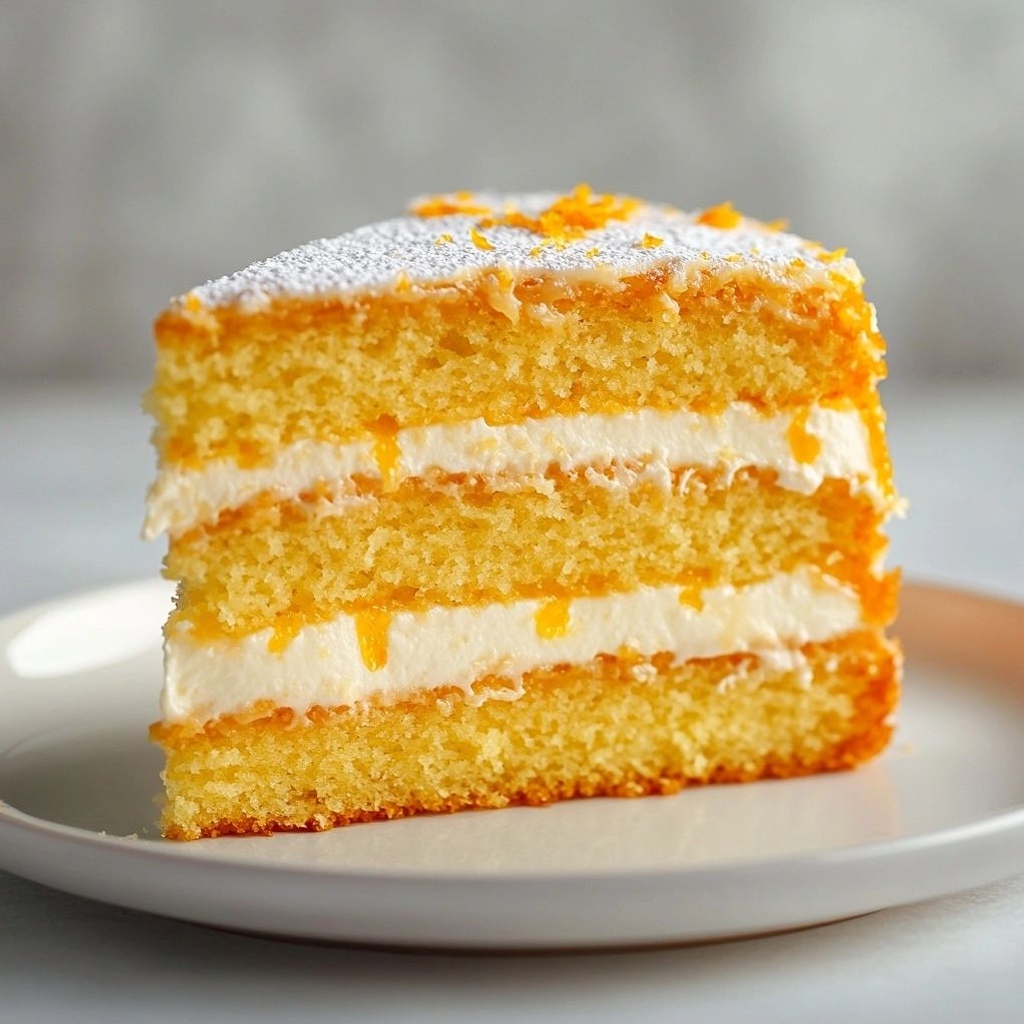
The Italian Orange Cake is an elegant study in contrast and complement. The exterior carries a soft, almost satin finish, with a light glaze or dusting of powdered sugar that hints at what lies within. When you cut into the cake, the crumb reveals itself: ultra-tender, with a subtle crumb structure that holds moisture without being dense. The orange flavor is front and center, bright and crisp, like fresh-squeezed juice brightened with zest. There is a comforting warmth from vanilla and a quiet almond note that lingers in the background, adding depth rather than competing with citrus’s brightness. The almond component may come from ground almonds folded into the batter or a light dusting of toasted almond flour on top, providing a delicate nuttiness that enhances the orange without overpowering it. The balance is key—too much sugar dulls the citrus, too little leaves it austere. The texture harmonizes with the flavors: the crumb is airy and moist, the crust is gently succulent, and the aroma is intoxicating, filling the room with an orange blossom bouquet that makes mouths water before the first bite.
In sensory terms, you’ll notice:
- Fragrance: A citrus perfume that hits your nose as you lift the cake, with hints of vanilla and almond drifting through the air.
- Taste: A lively citrus tang offset by a soft sweetness, a whisper of vanilla, and a subtle almond finish that lingers pleasantly on the palate.
- Texture: A tender crumb that nearly dissolves, a delicate crust that provides a subtle contrast, and a moist interior that stays fresh for days when stored properly.
- Finish: A clean, bright finish that invites another bite and pairs gracefully with a range of accompaniments—from whipped cream to tangy citrus curd to a robust coffee.
Occasions & Pairings
This cake shines in a multitude of settings, from casual afternoons to formal dinners. Its citrus brightness makes it an instant pick-me-up after a rich meal, while its elegance ensures it can stand beside a plated dessert on a dinner party menu. Here are some ideal occasions and pairing ideas:
- Weeknight treat: A quick bake to brighten a routine evening, especially when served with a cup of black tea or a cappuccino.
- Weekend gatherings: Slice and plate with berries, a dollop of mascarpone cream, or a light yogurt topping for a simple, inviting dessert table.
- Holiday dessert: Elevate with a citrus-vanilla glaze and a scant dusting of edible gold leaf for a festive look.
- Tea-time companion: Pair with a pot of Earl Grey or an aromatic green tea; the citrus notes amplify the tea’s own brightness.
- Wine-friendly finish: Serve with a glass of Moscato d’Asti, Prosecco, or a slightly effervescent sparkling wine to lift the citrus.
Suggested pairings to explore beyond the obvious:
- Fruit: Fresh oranges, blood orange segments, or a citrus compote.
- Creamy accents: Whipped cream, mascarpone, or ricotta with a touch of honey.
- Other desserts: A ripple of lemon curd or a spoonful of vanilla yogurt to contrast the cake’s sweetness.
- Herbs and aromatics: A subtle sprig of rosemary or a whisper of thyme can bring an earthy counterpoint to the citrus.
Tips, Variations & Substitutions
Even though this Italian Orange Cake is wonderfully straightforward, here are some ways to tailor it to your pantry, dietary needs, or mood:
- Moisture control: If you notice the batter looks a touch dry, add a tablespoon of milk or orange juice. Conversely, if your batter seems too loose, fold in a little extra almond flour to tighten it up.
- Vegan version: Replace butter with a neutral-tavored oil (like canola or light olive oil) in a 1:1 ratio, and use almond milk or oat milk. Ensure your sugar is vegan if needed; some sugars are processed with bone char in certain regions.
- Gluten-free option: Use a gluten-free all-purpose flour blend that contains xanthan gum or add 1/4 teaspoon xanthan gum per cup of flour to replicate the structure gluten provides.
- Nutty twist: Increase the almond presence by folding in finely ground toasted almonds or almond flour for a more pronounced nutty aroma and a slightly denser crumb.
- Orchard orange: Use a combination of orange and lemon zest to add complexity or intensify with a splash of fresh lemon juice for a brighter finish.
- Glaze variations: A simple glaze of orange juice and powdered sugar; or a lemon-vanilla glaze for a contrasting tang. A light dusting of powdered sugar plus a few citrus zest curls elevates the appearance.
- Herbal accent: A tiny pinch of ground cardamom or a drop of orange blossom water can transport the cake to a more exotic realm while preserving its identity.
- Texture play: For a more picnic-friendly texture, substitute part of the flour with finely ground mandel flour or almond meal for a coarser crumb with pronounced nutty notes.
Storage & Make-Ahead Ideas
The beauty of this cake lies in its resilience and its staying power. Proper storage can extend its life and even improve its flavor as the citrus notes mellow and mingle with the almond and vanilla over time. Here are practical strategies:
- Room temperature storage: Store in an airtight container or wrapped tightly in plastic wrap for up to 3 days. The cake tends to improve in flavor as it rests.
- Refrigeration: If you live in a hot climate or prefer a colder slice, wrap well and refrigerate for up to 5 days. Let it come to room temperature before serving for the best texture and aroma.
- Make-ahead option: Bake the cake a day ahead; cool completely, wrap tightly, and refrigerate. Bring to room temperature, then dust with powdered sugar or glaze just before serving for a fresh, vibrant finish.
- Freezing: This cake freezes well for up to 2 months. Wrap tightly in plastic wrap and then in aluminum foil. Thaw at room temperature and re-glaze or dust with sugar for a pristine finish before serving.
- Freezer-ready batter: If you want to streamline mealtime, you can freeze the batter portion in a lined pan—just remove and bake as soon as you’re ready, reducing prep time on busy days.
Fun Facts & Trivia (Optional)
Delving into the playful side of this dessert reveals a few charming tidbits that may surprise you:
- The concept of citrus-forward cakes has deep roots in Mediterranean baking, where fruit and rainwater-sweetened grains created naturally light textures long before modern leavening methods.
- Orange blossoms are celebrated across the Mediterranean and the Middle East; the fragrance appears in desserts, perfumes, and even in gardens around cities with warm climates.
- Almonds have historically been used in many Italian sweets as a symbol of prosperity and abundance, making the almond note in this cake feel both comforting and uplifting.
- Many families have their own version of citrus cake that is passed down through generations, with small tweaks—like a dash of liqueur, a different citrus, or a distinctive glaze—that mark lineage and personal taste.
- Gaining popularity in modern pastry circles, citrus-forward cakes are celebrated for their ability to adapt to dietary needs while preserving a sense of elegance and timelessness.
Closing Thoughts
The Italian Orange Cake stands as a testament to how a few humble ingredients can come together to create something greater than the sum of its parts. It’s a dessert that invites conversation, that lingers in the kitchen like a pleasant memory, and that leaves you feeling both soothed and delighted. Its citrus brightness cuts through the heaviness of a rich meal, while its tender crumb provides a comforting, familiar finish that every palate recognizes and enjoys. Whether you’re baking for a quiet afternoon with a good book, a lively family gathering, or a formal dinner where you want to offer something with soul and nuance, this cake will rise to the occasion with grace. Let the aroma fill your home, let the first slice set the scene for a moment of shared joy, and let the memory of its citrus glow carry you through the day with a little extra sunshine.
Ingredients
- Cake Base
-
– 2 cups all-purpose flour (sifted)
→ Provides the structure of the cake. Sifting helps incorporate air for a lighter crumb and ensures even mixing with other dry ingredients.
– 1 1/2 cups granulated sugar
→ Sweetness that also helps with browning and moisture retention. Creams with eggs during mixing to create a tender crumb.
– 3 large eggs, room temperature
→ Bind the batter and contribute richness. Room-temperature eggs blend more evenly with fats and liquids, preventing a dense texture.
– 1/2 cup extra-virgin olive oil (or neutral oil)
→ Fat that keeps the cake moist and tender. Olive oil adds fruity notes; use a neutral oil if you don’t want a strong flavor.
– 1/2 cup whole milk, room temperature
→ Adds moisture and helps activate the leavening agents. Use whole milk for a richer crumb; warm it slightly if your eggs are cold to improve emulsion.
– 1/2 cup fresh orange juice
→ Brings substitution of moisture and citrus brightness throughout the crumb. Use fresh juice for the best aroma; avoid bottled store brands with little flavor.
– 2 tablespoons orange zest
→ Intensifies the citrus aroma and flavor. Zest finely to distribute evenly; avoid the white pith, which can be bitter.
– 1 teaspoon vanilla extract
→ Enhances sweetness and depth; complements orange without overpowering it. Use pure vanilla for a cleaner fragrance.
– 1 1/2 teaspoons baking powder
→ Primary leavening that lifts the cake. Make sure it’s fresh for reliable rise; sift with the dry ingredients to distribute evenly.
– 1/2 teaspoon baking soda
→ Works with acids in the batter (orange juice) to promote browning and tenderness. Helps achieve a softer crumb; don’t skip if using acidic citrus.
– 1/4 teaspoon salt
→ Balances sweetness and enhances overall flavor. Salt also strengthens gluten structure just enough to improve moistness without toughness. - Orange & Flavoring
-
– 2 tablespoons orange juice (additional, for adjusting batter consistency if needed)
→ Keeps batter moist and bright; add a little at a time if batter looks too thick after combining dry and wet ingredients.
– 1 teaspoon grated orange zest (additional)
→ Extra citrus aroma; fold in just before pouring batter to preserve zest oils for maximum fragrance. - Glaze
-
– 1 cup confectioners’ sugar
→ Creates a sweet, glossy glaze that complements the citrus notes. Sift to prevent lumps; the glaze should be pourable but thick enough to coat the cake.
– 2-3 tablespoons fresh orange juice
→ Liquid to loosen the glaze to the desired consistency. Start with 2 tablespoons and add a splash more if needed; it should drizzle smoothly. - Optional Add-ins
-
– 1/2 cup sliced almonds, toasted
→ Adds a pleasant crunch and nutty flavor that pairs well with citrus. Toast to deepen aroma; chop uniformly to distribute evenly.
– 1/4 cup chopped candied orange peel
→ Provides chewy citrus pockets and color. Rinse if very sugary to balance sweetness; chop into small pieces so they distribute evenly.
– 1/4 cup dark chocolate chips (optional)
→ Adds a rich contrast to the citrus. Use semisweet chips and fold in gently to avoid over-mixing the batter. - Topping
-
– 2 tablespoons powdered sugar for dusting (optional)
→ Finishing touch that adds a delicate sweetness and a pretty appearance. Dust just before serving for best effect; you can also combine with a pinch of orange zest for extra aroma.
Instructions
- Preheat your oven to 350°F (175°C) and grease a 9-inch round cake pan then line the bottom with parchment for easy release.
→ This ensures the cake bakes evenly and lifts out intact without tearing the crumb or sticking to the pan. - Sift the all-purpose flour, baking powder, baking soda, and salt together in a medium bowl, then whisk to combine.
→ Sifting aerates the flour and distributes leavening agents evenly so the cake rises uniformly and has a light crumb. - In a large mixing bowl, beat the eggs and granulated sugar on medium-high speed until the mixture is pale, thick, and ribbons when the beaters are lifted, about 3 to 5 minutes.
→ This creates a foamy emulsion that traps air for a tender, airy crumb and helps everything blend smoothly with the fats. - With the mixer on low, gradually stream in the olive oil (or neutral oil) in a slow, steady drizzle while continuing to mix until fully incorporated.
→ A gentle, continuous addition prevents the oil from separating and helps maintain a stable emulsion for moistness and a fine crumb. - Whisk in the room-temperature whole milk and fresh orange juice until the mixture is smooth and uniform.
→ The liquids carry flavor and activate the leaveners; warm milk slightly if your eggs are very cold to improve emulsification and even texture. - Fold in the 2 tablespoons orange juice and 1 teaspoon additional orange zest, along with the 1/2 teaspoon salt and 1 teaspoon vanilla extract, until just evenly distributed.
→ Extra zest and vanilla deepen aroma without creating uneven pockets of flavor; do not overmix to preserve the batter’s tenderness. - Add the sifted dry ingredients to the wet ingredients in three stages, alternating with the 1/2 cup of whole milk, beginning and ending with dry ingredients, and mix on low until just combined.
→ Alternating wet and dry prevents flour lumps, promotes even hydration, and avoids overdeveloping gluten which could make the cake tough. - If using optional add-ins, gently fold in the toasted sliced almonds, chopped candied orange peel, and/or dark chocolate chips just until evenly dispersed.
→ Gentle folding distributes texture throughout the batter without deflating the air formed during beating, preserving a light cake. - Pour the batter into the prepared pan and smooth the top with a spatula, tapping the pan once on the counter to release any large air bubbles.
→ This yields a level cake surface and ensures even baking without dome formation or sunken centers. - Bake in the preheated oven for 28 to 32 minutes, or until a toothpick inserted into the center comes out with a few moist crumbs attached.
→ The toothpick test confirms doneness without overbaking; rotate halfway if your oven heats unevenly for even browning. - Cool the cake in the pan for 10 minutes, then invert onto a wire rack and let it cool completely before glazing.
→ Cooling helps the structure set so the glaze adheres properly and prevents a runny glaze from soaking into a warm crumb. - Prepare the glaze by whisking together the confectioners’ sugar and enough fresh orange juice to achieve a smooth, pourable consistency.
→ A balance of sweetness and citrus acidity creates a glossy finish that coats without weighing down the cake. - Drizzle the glaze evenly over the cooled cake, allowing it to set for a few minutes before slicing, and adjust thickness with additional juice or sugar as needed.
→ A properly set glaze adds a citrusy sheen and a subtle sweet contrast; pouring while the cake is still warm can cause sliding, so wait slightly for the glaze to settle. - Optional: dust the top lightly with powdered sugar or a hint of extra orange zest just before serving for a decorative finish.
→ The delicate dusting provides visual appeal and a final citrus aroma when the cake is cut.
Notes
These Italian Orange Cake notes offer practical tips to help you achieve a bright, tender crumb with a glossy citrus glaze. Start with all ingredients at room temperature to ensure smooth emulsification, especially the eggs, milk, and orange juice. If you prefer a lighter texture, whisk the dry ingredients (flour, sugar, baking powder, baking soda, and salt) together thoroughly and sift them to remove any lumps before combining with the wet ingredients.
Flavor and aroma come from the fresh orange. Use fresh-squeezed orange juice and zest to maximize brightness. If you only have bottled juice, the flavor will be less vibrant, so you may want to increase the zest slightly to compensate. For an extra citrus kick, fold in the additional 1 teaspoon orange zest just before pouring the batter into the pan.
Texture tips: the olive oil keeps the crumb moist and tender, but you can swap for a neutral oil if you want a subtler fruit-forward profile. If you’re avoiding dairy, substitute the whole milk with a fortified plant milk (almond, soy, or oat) in equal measure; note that this can slightly alter the tenderness of the crumb.
Mixing technique: combine wet ingredients separately (eggs, oil, milk, orange juice, zest, and vanilla) and whisk until well blended. Whisk dry ingredients (flour, sugar, baking powder, baking soda, salt) in a separate bowl, then gradually add the dry to the wet mixture. Do not overmix; stop as soon as you no longer see dry pockets to keep the cake light and avoid a dense crumb.
Baking and doneness: bake until the center springs back lightly to touch or a toothpick inserted into the center comes out with only a few moist crumbs. Since oven temperatures vary, start checking around the minimum suggested time and rotate the pan halfway through for even browning. If using add-ins like almonds or candied orange peel, fold them in gently after the batter is smooth and before pouring into the pan to ensure even distribution.
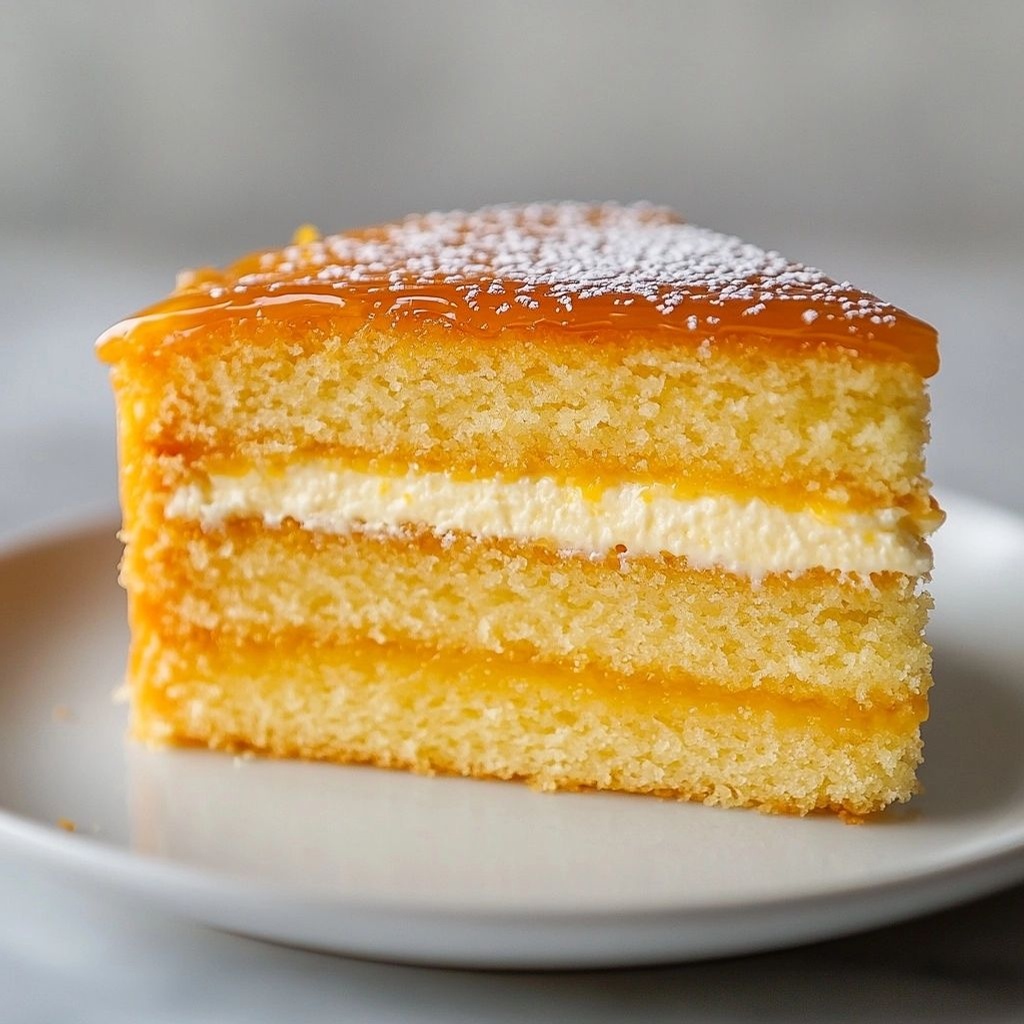
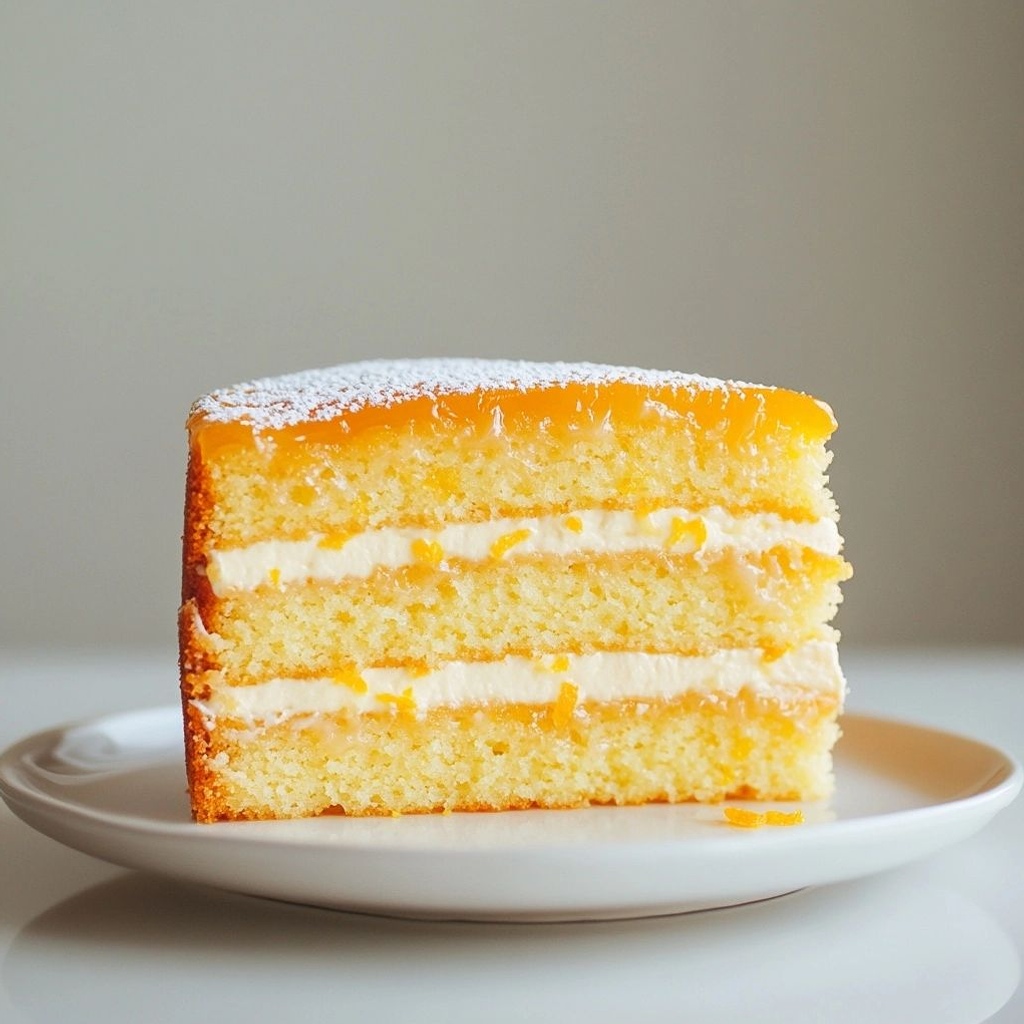
Glaze and finish: sift the confectioners’ sugar to remove lumps and whisk in just enough orange juice to reach a pourable, thick consistency. Drizzle or pour over the cooled cake for a glossy citrus finish. Dust with a touch more orange zest or a light sprinkling of powdered sugar for an elegant look. If you prefer a richer glaze, whisk in a teaspoon of orange liqueur or a splash of vanilla extract.
Storage and make-ahead tips: the cake keeps well covered at room temperature for 2-3 days or refrigerated for up to a week. The glaze is best added just before serving to maintain its glossy finish. If you plan to freeze, wrap the cooled cake tightly and thaw at room temperature; rewarm gently if desired and re-glaze before serving for a fresh look.
Optional adaptations: to make this dessert gluten-free, substitute the all-purpose flour with a 1:1 gluten-free flour blend, add an extra tablespoon of milk or water if the batter seems too thick, and ensure your baking powder is certified gluten-free. For a lighter, oil-free version, substitute the oil with an equal amount of Greek yogurt or applesauce, keeping in mind this will alter texture and moisture slightly.
Tips
Tips for Perfect Italian Orange Cake
- Temperature matters: all ingredients (eggs, milk, orange juice, and zest) should be at room temperature to ensure a smooth, evenly emulsified batter. If you’re short on time, place eggs in warm water for a few minutes to warm them quickly.
- Sifting dry ingredients: since the recipe uses sifted flour, keep sifting and aerating the flour, sugar, baking powder, baking soda, and salt together before mixing with the wet ingredients to prevent clumps and ensure a light crumb.
- Emulsification technique: whisk eggs with sugar thoroughly until pale and fluffy, then slowly stream in the oil in a thin, steady stream while whisking; this creates a creamy emulsion that keeps the cake tender.
- Orange flavor balance: use fresh orange juice and zest as called; avoid zest from bitter oranges. If you want a stronger aroma, briefly warm the orange juice with zest in a small saucepan, then cool to room temp before adding.
- Olive oil choice: if you love a fruity olive oil note, use extra-virgin olive oil; for a milder flavor, switch to a light or neutral oil. Whichever you choose, maintain the same quantity to preserve moisture.
- Batter consistency: start with the base batter, then check thickness after adding the additional orange juice and zest. If it looks very thick, add the extra 2 tablespoons orange juice a little at a time until you reach a thick but pourable batter.
- Leavening freshness: ensure baking powder and baking soda are fresh for optimal rise. If your oven is chilly, consider increasing bake time by a few minutes and testing for doneness with a toothpick (it should come out clean).
- Moisture management: the glaze should be thick enough to coat but not runny. If the glaze is too thin, add a little more confectioners’ sugar; if too thick, whisk in a teaspoon of orange juice at a time until you reach the right pourable consistency.
- Optional add-ins distribution: if using almonds, candied orange, or chocolate, fold them in gently after the batter is just combined to avoid deflating the batter and to ensure even distribution.
- Baking and pan prep: grease and flour or line the pan with parchment to prevent sticking. If using a light-colored pan, bake at the lower end of the suggested range to avoid over-browning; if your oven runs hot, check a few minutes early.
- Storage and texture: allow the cake to cool completely before glazing. Store leftovers covered at room temperature for 1-2 days, or refrigerate for up to 4 days; the flavors deepen when rested.
- Garnish ideas: for an extra citrus aroma, dust with orange zest along with the powdered sugar just before serving, or drizzle a thin glaze of lemon juice and sugar for a bright contrast.
FAQ
What is Italian Orange Cake?
Italian Orange Cake is a citrusy, moist sponge cake infused with fresh orange zest and juice, often lightly perfumed with vanilla and sometimes almond extract, and finished with a simple glaze or dusting of sugar.
What ingredients do I need?
Typical ingredients include all-purpose flour, sugar, baking powder, salt, eggs, butter (or olive oil), milk, fresh orange zest, and fresh orange juice. Optional: vanilla or almond extract and a glaze made from powdered sugar and orange juice.
Can I make this cake dairy-free?
Yes. Use a dairy-free butter substitute or oil (such as olive oil or sunflower oil) in place of butter, and use a dairy-free milk alternative if desired.
Is there a gluten-free version?
You can substitute with a gluten-free all-purpose flour blend. For best results, use a blend that includes xanthan gum or add 1/2 teaspoon if your blend doesn’t contain it.
How do I zest and juice the oranges?
Use fresh, unwaxed oranges. Zest only the colored outer layer (avoid the bitter white pith). Squeeze to extract juice, then strain to remove pulp and seeds if a smoother batter is preferred.
What is the baking time and temperature?
Bake at about 350°F (175°C) for 25–35 minutes, or until a toothpick inserted in the center comes out clean. Oven temps vary, so start checking at 25 minutes.
How can I tell when the cake is done?
The cake should spring back lightly when touched, and a toothpick inserted into the center should come out with a few moist crumbs. The edges may pull slightly away from the pan.
Can I make this as a loaf or sheet cake?
Yes. For a loaf pan, bake at 350°F (175°C) for 45–60 minutes. For a sheet pan, bake at 350°F (175°C) for 15–20 minutes. Adjust based on thickness and oven.
How should I glaze or finish the cake?
A simple glaze of powdered sugar mixed with orange juice or zest works well. You can also dust with powdered sugar or drizzle a light citrus glaze. For extra brightness, brush warm cake with a thin orange syrup.
How should I store leftovers?
Let the cake cool completely, then cover and store at room temperature for 2–3 days, or refrigerate for up to a week. Freeze unfrosted slices wrapped tightly for up to 2–3 months; thaw before serving.