Introduction / Hook
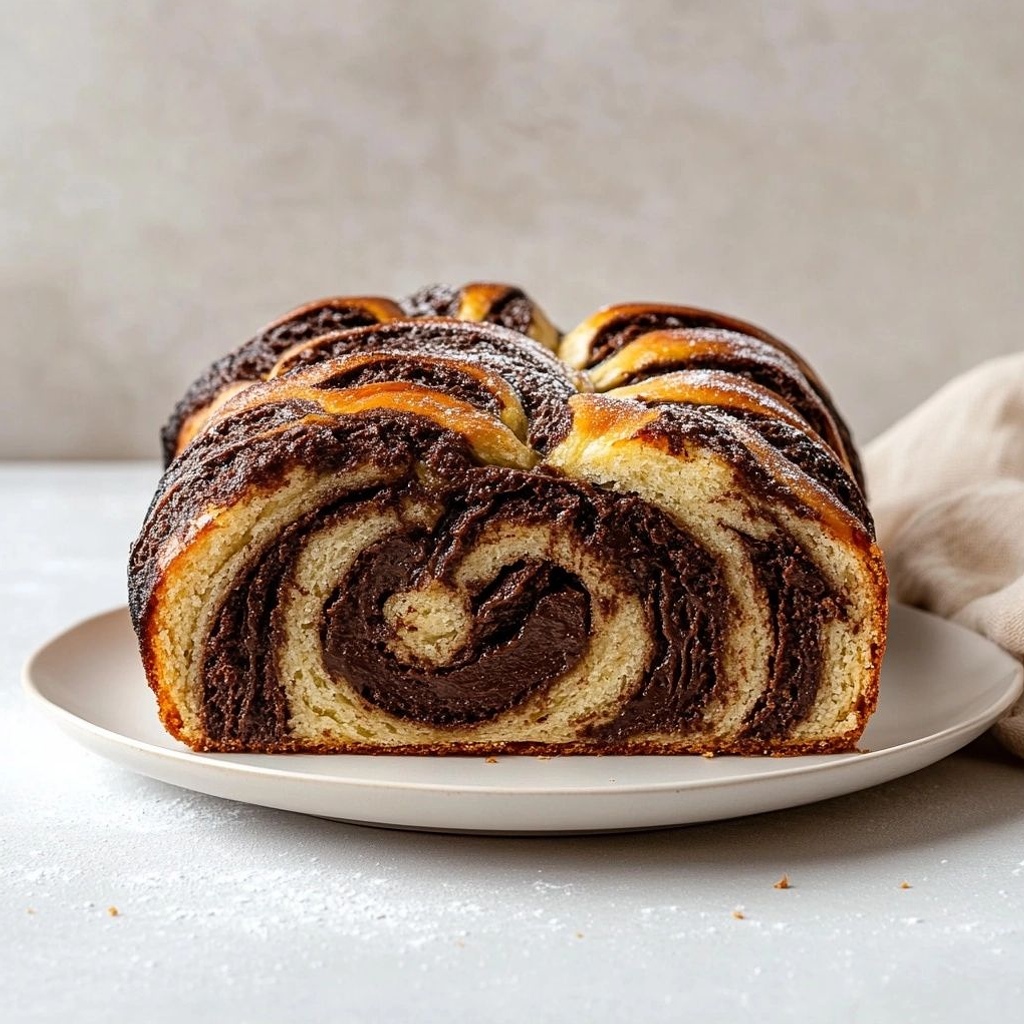
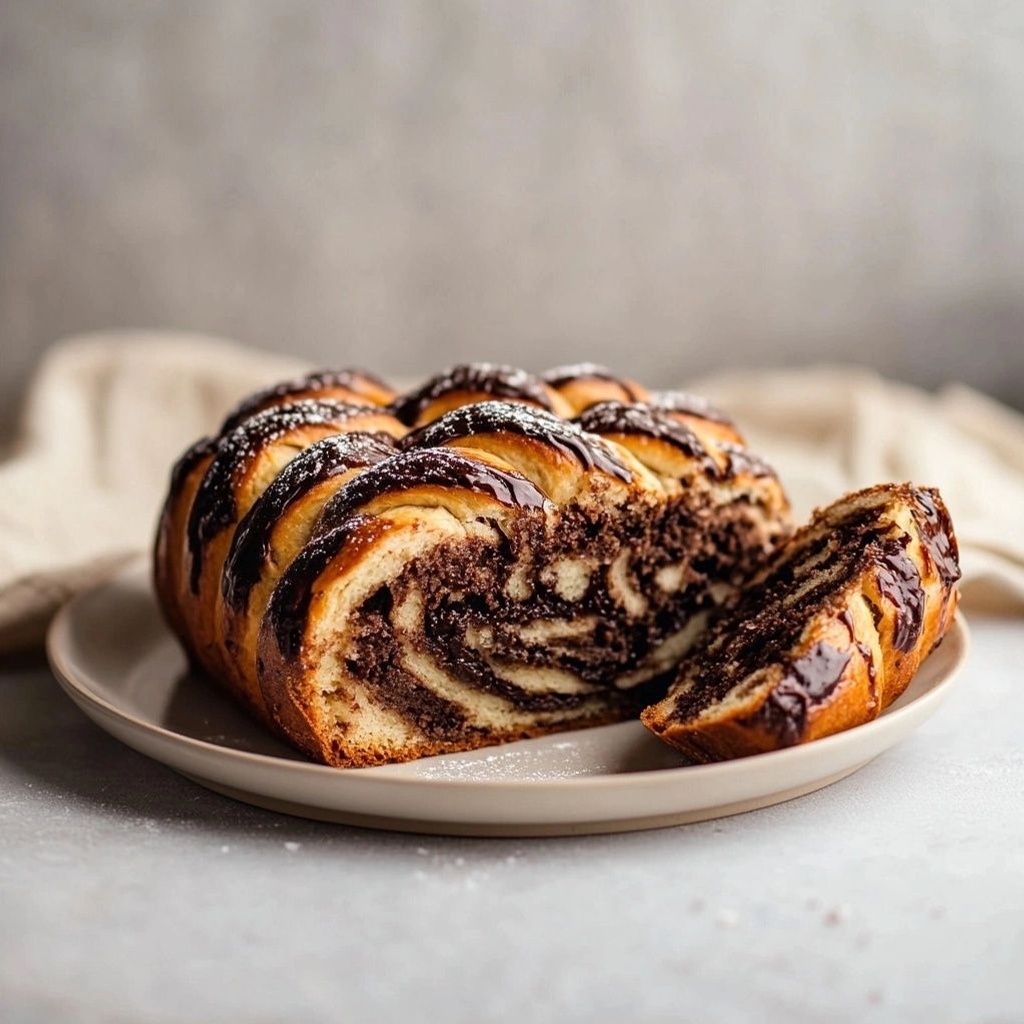
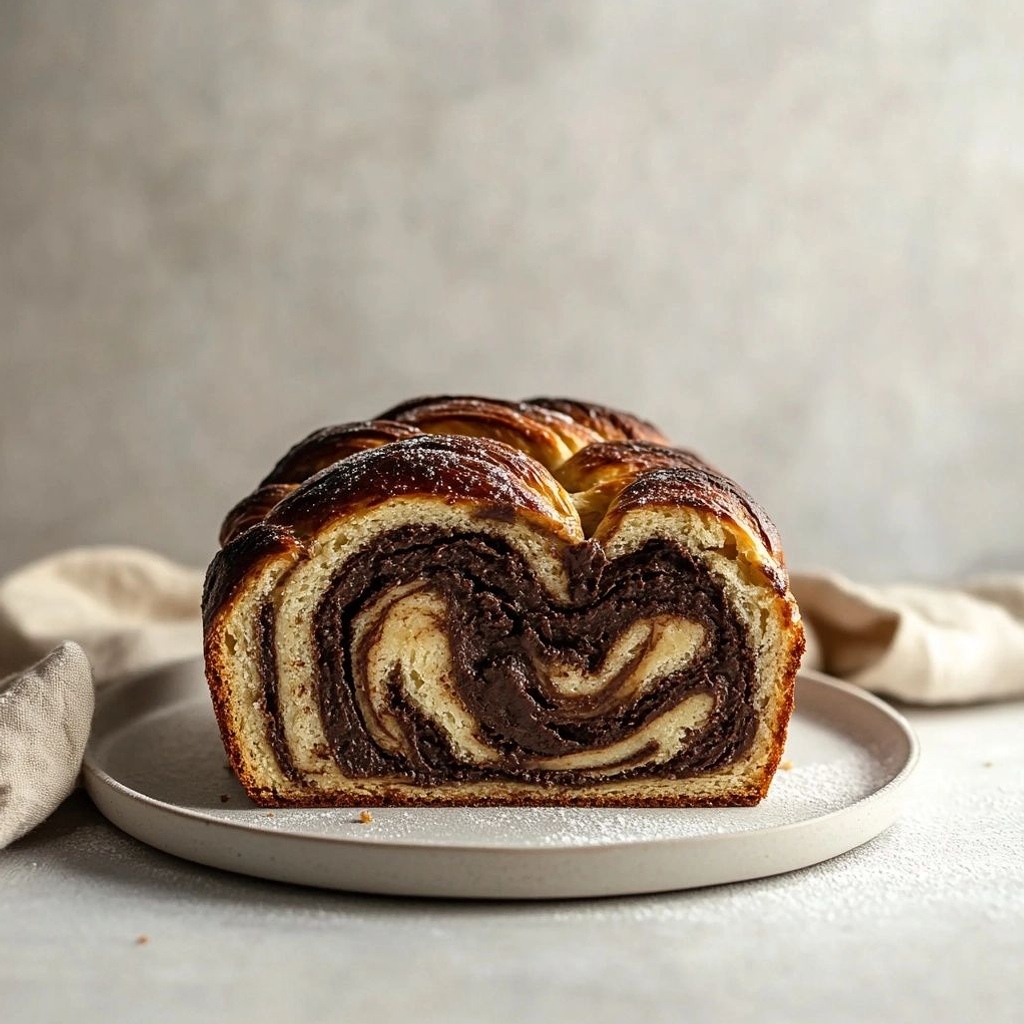
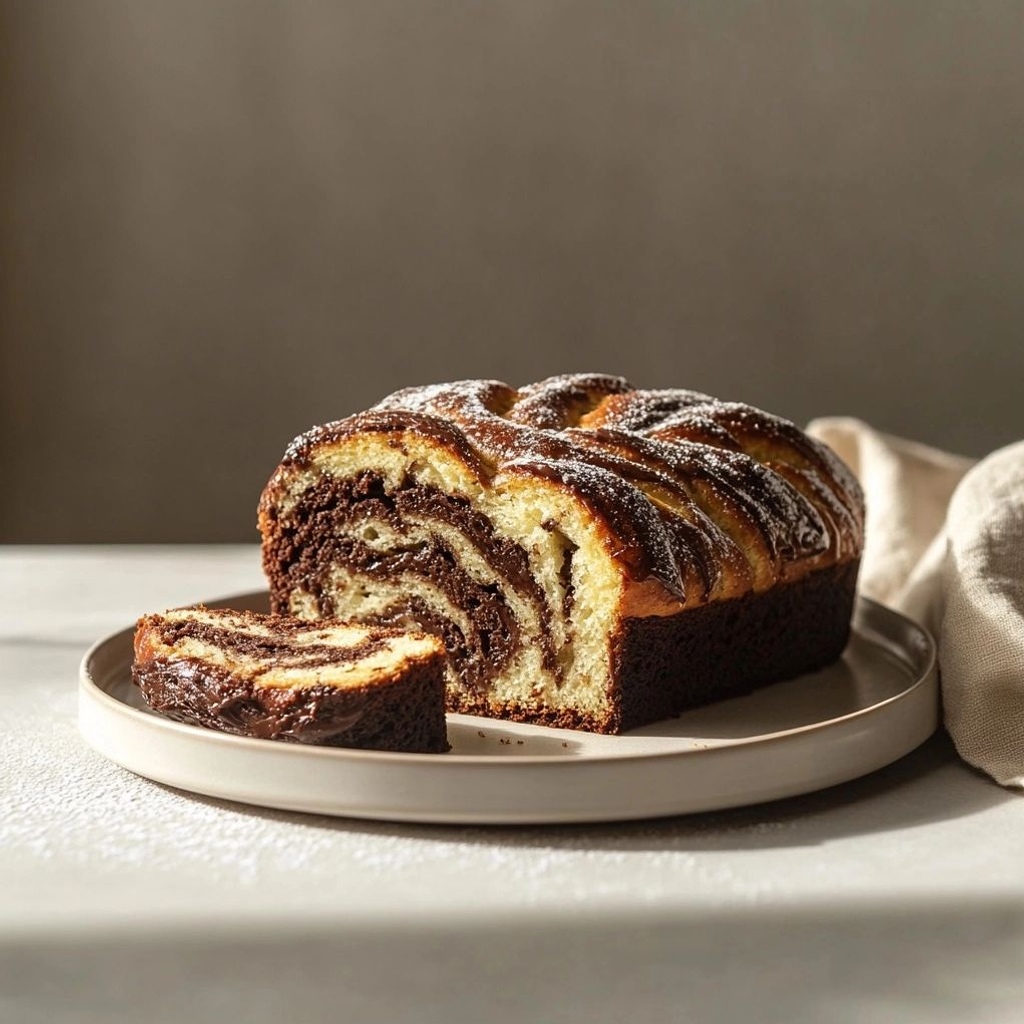
Imagine pulling apart a warm, swirled loaf that exudes a scent of chocolate and cinnamon, the soft crumb yielding to your fork as ribbons of glossy chocolate spiral through the bread like liquid midnight. Chocolate babka is not merely a dessert or a coffeehouse indulgence; it’s a hug in edible form, a ritual in which patience and decadence meet. The surface glazes with a delicate crust that shatters with a satisfying crackle, revealing a moist interior where chocolate pockets glow with glossy, almost molten richness. The aroma alone can transport you to a sunlit European bakery, where the day begins with the comforting ritual of slicing and sharing. This recipe elevates the classic into a practical, every-day treat that can be adapted for weekdays or celebrations, all while staying true to its deep, comforting roots.
In this long, indulgent description, we’ll explore the soulful craft of making chocolate babka—from the tender, yeasty dough to the luxurious, butter-rich filling. You’ll discover how the dough’s balance of sweetness and richness plays with the intense chocolate ribbons, how a whisper of vanilla and zest brightens every bite, and how technique can turn a simple loaf into an experience that feels both intimate and celebratory. If you’ve ever wondered how to coax a bakery-worthy babka from your own kitchen, you’re in the right place. This narrative isn’t just about steps and measurements; it’s about the sensory journey—the glistening chocolate, the soft crumb, the way the loaf gleams after a final egg wash. Prepare to fall in love with a loaf that’s as comforting as a family memory and as refined as a quiet moment of self‑care.
The Story Behind the Dish
Babka has roots that wind through Eastern European kitchens and Jewish communities, a symbol of sweetness, resilience, and shared tables. The word “babka” is derived from the Polish diminutive for grandmother, and many bakers tell stories of beloved grandmothers who swore by this bread as a Sunday staple, a treat that could stretch for days and still taste fresh and indulgent. It’s a dessert that traveled with migrations and migrations with it—adapted with local ingredients, shaped by ovens of varying heat, and finally popularized by the modern bakery scene where the art of folding, rolling, and layering becomes a performance in patience and precision.
In its most classic form, babka is a yeasted dough braided with a swirled filling. The tradition often features chocolate, but it can also be found with cinnamon, nut fillings, or fruit compotes that are folded into the dough to create a striking marbled effect. The chocolate variation, in particular, tells a story of two worlds colliding—European pastry technique married to the unabashed decadence of a rich chocolate center. The result is a loaf that feels both homely and celebratory, a dessert you’d imagine being served on a festive morning or a cozy afternoon with coffee or tea.
The dish is a testament to the magic that happens when patience, technique, and quality ingredients come together. The dough, given time to rise slowly, develops a tender structure that can cradle a robust filling without tearing or collapsing. The filling, typically a combination of dark chocolate, a touch of cocoa, sugar, and butter, creates a whisper of sweetness that becomes a full crescendo as it bakes and caramelizes along the swirled layers. It’s this slow transformation that makes babka feel timeless—an heirloom loaf that has wandered through kitchens and bakeries, picking up personal touches with every generation.
Why You’ll Love This Recipe
- Rich yet balanced: The dough provides a soft, airy crumb while the filling offers a decadent chocolate punch that isn’t cloying.
- Show-stopping yet approachable: The dramatic swirl looks impressive, but the steps are approachable for home bakers with a bit of patience.
- Flexible sweetness: Adjust the sugar in the dough and filling to suit your taste, from a subtle sweetness to a dessert-level indulgence.
- Make-ahead friendly: This loaf can be prepared the day before and baked fresh, making it perfect for weekends, breakfasts, or brunches.
- Fragrance that lingers: The aroma of baking bread with chocolate is irresistible, filling the house with a comforting scent that’s almost nostalgic.
- Versatile serving: Slice warm with a smear of butter, pair with coffee or dessert wine, or toast lightly for a crisp finish.
- Customizable: The basic concept invites variations—peek into nuts, orange zest, espresso, or even a marbled vanilla bean cream cheese swirl for a modern twist.
Flavor Profile & Texture
Chocolate babka delivers a symphony of textures and flavors. The exterior crust is slightly crisp, a caramelized edge that forms as the loaf bakes, catching a touch of sweetness and a hint of toasty depth. When you cut into the loaf, you’re met with a soft, pillowy crumb that remains tender for hours after baking, a testament to a well-rested dough. The filling provides the signature contrast: glossy, dark ribbons of chocolate that melt into a luscious satin as the loaf cools. The chocolate itself is often tempered with a touch of butter, which creates a silky mouthfeel and a nuanced richness that avoids bitterness and dryness.
A gentle kiss of vanilla or citrus zest in the dough or filling can brighten the overall profile, lifting the deep chocolate notes and adding a halo of aroma that elevates each bite. The interplay between the bread’s lightness and the filling’s indulgence is what makes babka so compelling—the bread carries the chocolate without overpowering it, and the chocolate enriches the bread with a brimming sense of comfort and luxury.
The texture is also a study in contrast: the layers form a delicate labyrinth within the loaf, each slice revealing a new arrangement of swirls. When you bite into it, you get a soft crumb, a moment of melt-in-your-mouth chocolate, and a subtle crunch from the caramelized crust. The balance is delicate—too much sugar could make the filling overly heavy, too little might dull the chocolate’s intensity. The art lies in achieving a harmonious distribution of filling with visible, generous swirls that remain intact during baking.
Occasions & Pairings
Chocolate babka is a versatile centerpiece for many moments. It shines on weekend breakfasts when the kitchen is warm and inviting, and the scent of molten chocolate lingers like a quiet celebration. It’s a wonderful dessert for special occasions—birthdays, holiday gatherings, or a brunch with friends—where an extraordinary loaf becomes a conversation starter. Because it holds well, it’s also ideal for gift-giving in a pretty tin or wrapped for a thoughtful hostess present.
Pairing ideas to enhance the experience:
- Drinks: A robust coffee, espresso, or a dark roast coffee pairs beautifully with the chocolate’s intensity. A silky port or a late-harvest dessert wine can offer a complementary sweetness, while a glass of milk or dark chocolate milkshade provides a comforting contrast.
- Accompaniments: Fresh berries, a light dusting of powdered sugar, or a dollop of vanilla cream can elevate the serving without competing with the chocolate depth.
- Side dishes: A simple fruit compote or citrus zest spritz can brighten the plate when serving as a brunch centerpiece.
- Dessert courses: Serve as a chocolate-forward dessert with a scoop of vanilla ice cream or a spoonful of whipped cream that melts into the warmth of the loaf.
Tips, Variations & Substitutions
Every baker has a signature touch, and babka is no exception. Here are thoughtful tips and variations to customize this recipe to your taste and dietary needs.
- Yeast handling: Use active dry yeast or instant yeast as directed. If your kitchen is very cold, a short proof of the yeast in warm milk with a pinch of sugar can help activate the dough before mixing the rest of the ingredients.
- Dough texture: The dough should be supple and slightly tacky. If it’s too sticky, let it rest for a few minutes and then knead a little more, or incorporate a small amount of flour gradually until it’s pliable but not dry.
- Chocolate filling variations: Classic dark chocolate works beautifully, but you can mix in a tablespoon of cocoa powder for a deeper chocolate flavor, or use chopped chocolate chunks for pockets of gooey centers. For a nuttier profile, add finely chopped toasted hazelnuts or walnuts.
- Flavor boosters: A teaspoon of vanilla extract, orange zest, or espresso powder in the filling can elevate the chocolate, giving a more sophisticated aroma and taste.
- Nut-free and dairy-free options: Use dairy-free butter substitutes and a dairy-free chocolate for a vegan version. The texture remains tender if the fat content is well balanced and the dough isn’t overly dry.
- Glaze and finishes: An egg wash gives a glossy finish. For a sweeter finish, drizzle a light chocolate glaze after cooling, or dust with powdered sugar for a festive look.
- Glint of fruit: A thin layer of apricot jam or orange marmalade can be added to the filling for a fruity counterpoint to the chocolate.
- Gluten-free option: A gluten-free bread flour blend can be used, but the dough may require adjustments in hydration and rising time to maintain tenderness and structure.
Storage & Make-Ahead Ideas
Babka is especially well-suited to make-ahead planning. The loaf benefits from a short rest after baking, allowing the flavors to merge. Here are practical tips to store, reheat, and even bake ahead.
- Short-term storage: Store leftover babka in an airtight container or tightly wrapped at room temperature for up to 3 days. If it begins to dry, a light microwave reheat or a quick toaster slice can revive its tenderness, though be mindful not to overheat the chocolate filling.
- Refrigeration: Refrigerating can extend freshness to about a week, but the bread may firm up. Rewarm gently to regain softness.
- Freezing: Freeze baked babka slices or whole loaves (well wrapped) for up to 2–3 months. Thaw at room temperature and refresh in the oven for a few minutes to regain a crusty exterior.
- Make-ahead strategy: You can prepare the dough, refrigerate it during the final rise, and then shape and bake the next day. This is a practical way to ensure a freshly baked loaf with minimal last-minute effort.
- Storing the dough: If you want to combine dough preparation with the filling, you can refrigerate the rolled dough with the filling for up to 24 hours before the final proof and bake, giving you a ready-to-bake loaf when you’re ready to cook.
Fun Facts & Trivia (Optional)
– The name babka often conjures images of grandmotherly warmth; many families have cherished stories about their own matriarchs weaving intelligence, patience, and love into this loaf.
– While chocolate is a modern favorite, traditional babka recipes more commonly feature cinnamon sugar fillings or nut fillings, showing the adaptability of this bake to regional tastes.
– In some cultures, babka is associated with holidays and special occasions, where the loaf is shared as a sign of abundance and hospitality, sometimes baked in the shape of a loaf or braided in decorative patterns for festive displays.
– The technique of layering and rolling a rich filling into a yeasted dough is a hallmark of Central European pastry traditions, a bridge between bread and pastry that’s celebrated in bakeries around the world.
Closing Thoughts
Chocolate babka is more than a recipe; it’s an invitation to slow down, savor the moment, and indulge with abandon—without losing the sense of home. It balances ritual and spontaneity: the patient kneading, the hypnotic swirl of the filling, the oven’s warm glow, and the first crisp bite that yields to a plush, chocolate-rich interior. Whether you’re baking for a quiet morning at home, a brunch with friends, or a festive celebration, this babka promises a sensory experience that lingers in memory long after the last crumb has vanished. Embrace the process, trust the dough, and let the chocolate speak for itself in a language of comfort and joy. Enjoy every slice as if you’re sharing a story—one that begins with flour-dusted hands, continues with the fragrance of chocolate, and ends with a smile around the table.
Ingredients
- All-purpose flour – 4 1/2 to 5 cups
→ The main structure for the babka dough. The flour provides the gluten network that traps air as the dough proofs, giving a soft yet sturdy crumb that will hold the rich chocolate filling without tearing. Use bread flour for extra chew if you prefer a more bakery-like bite. If you use a scale, aim for about 560–640 grams of flour, adjusting by a few tablespoons as needed to reach a smooth, slightly tacky dough. - Warm milk – 1 cup (240 ml)
→ Liquids activate the yeast and hydrate the dough. Milk adds richness and tenderness to the crumb. Use whole milk for best flavor; if lactose-free or dairy-free is needed, substitute with a balanced dairy-free alternative and a touch more butter in the dough to compensate for fat. Ensure the milk is warm (about 110°F/43°C) but not hot to avoid killing the yeast. - Active dry yeast – 2 1/4 teaspoons (1 packet)
→ Leavening that makes the dough rise, creating a light, airy interior even with a rich chocolate filling. Bloom the yeast briefly in a small amount of warm milk with a pinch of sugar before mixing into the dough to ensure it’s alive. If using instant yeast, you can mix it directly with the dry ingredients and reduce rising time. - Eggs – 2 large + 1 additional egg yolk for glaze (optional)
→ Eggs provide structure, richness, and color to the dough. The yolk adds tenderness and gloss, especially if used in the dough or brushed on top as part of the finish. Use room-temperature eggs to help the dough come together smoothly. - Granulated sugar – 1/3 cup (67 g)
→ Feeds the yeast and contributes a balanced sweetness that complements the chocolate. Sugar also helps tenderize the crumb and promotes browning. You can adjust to taste, but keep enough sugar to support a soft, slightly sweet dough. - Unsalted butter – 6 tablespoons (85 g), melted and cooled
→ Adds richness, moisture, and tenderness to the dough. Butter also tightens the crumb and conveys a lovely flavor. Melt and cool the butter before adding to the warm liquids to prevent cooking the eggs. - Salt – 1 teaspoon
→ Enhances overall flavor and tightens the gluten network, improving the dough’s structure. Salt also helps balance the sweetness of the dough and the chocolate filling. Add to the flour before combining with liquids for even distribution. - Vanilla extract – 1 teaspoon (optional)
→ Heightens the chocolate aroma and adds warmth to the dough. Use pure vanilla extract rather than imitation for a more pronounced, fragrant note. If you prefer, you can add a pinch of almond extract for a slightly nutty depth. - Chocolate filling (classic) – 1 cup semisweet chocolate chips or chopped dark chocolate (around 170–200 g) + 1/3 cup brown sugar (67 g) + 1/4 cup unsalted butter (60 g) + 1/4 cup unsweetened cocoa powder (20 g)
→ This creates the rich, ribboned core that characterizes chocolate babka. Melt the butter with the chocolate, then whisk in cocoa powder and sugar for a glossy, spreadable filling. Let cool slightly so it does not melt out of the dough during shaping. For a more intense chocolate flavor, use higher percentage dark chocolate or a mix of chips and chopped chocolate. - Optional chocolate chips or chopped dark chocolate for filling – 1/2 cup (90 g)
→ Extra chocolate pieces provide pockets of gooey, melty chocolate within the swirls. Use a mix of chips and chopped chocolate to maximize melt and texture. Keep pieces small to avoid tearing the dough during rolling. - Cinnamon (optional) – 1/2 teaspoon
→ A warm spice note that complements the chocolate and adds depth to the swirled filling. If using, mix with the cocoa and sugar before spreading onto the dough to ensure even distribution. - Egg wash – 1 egg + 1 tablespoon water (for brushing)
→ Creates a glossy, golden crust during baking. Lightly brush the braided loaf with the wash just before baking to enhance color and shine. Avoid over-brushing, which can saturate the dough surface and prevent browning. - Sugar syrup for glaze – 1/3 cup granulated sugar + 1/3 cup water (optional)
→ A finishing glaze that keeps the exterior moist and adds a touch of sweetness after baking. Simmer sugar and water until dissolved, let cool slightly, then brush over the warm loaf for a subtle sheen and extra moisture. For a richer finish, you can replace part of the water with heavy cream. - Coarse sugar or pearl sugar (optional) – 1–2 tablespoons
→ Sprinkles on top add a decorative crunch and a sparkling finish. If using, sprinkle just before baking so the crystals adhere and don’t melt into the dough. - Milk or cream (for brushing the braided top) – as needed
→ Helps the outer surface of the loaf brown evenly and maintain moisture during bake. Lightly brush with milk or cream after shaping and just before baking to promote a lush, bakery-fresh appearance.
Instructions
- Bloom the active dry yeast by sprinkling it over 1/4 cup of the warm milk with a pinch of sugar; stir gently to dissolve and let it sit 5 to 10 minutes until foamy, which confirms the yeast is alive and active before combining with the flour.
→ This step ensures your dough will rise properly; if there is no foam, discard and start with fresh yeast. - Warm the remaining milk to about 110°F (43°C) and whisk in granulated sugar, then whisk in melted cooled butter and vanilla (if using) until smooth; this creates a balanced sweet-liquid mixture that feeds the dough and prevents a dough that is too stiff or dry.
→ The warm liquids activate the gluten gradually and the fat helps tenderize the crumb. - Combine the flour and salt in a large bowl, whisking to distribute salt evenly and prevent clumping, which ensures a uniform crumb and stronger gluten development during mixing.
→ Salt strengthens gluten structure and enhances flavor; even distribution prevents salt pockets. - Pour the foamy yeast mixture into the dry ingredients along with the eggs; mix with a wooden spoon or stand mixer on low speed until a shaggy dough forms, ensuring the liquid is fully absorbed before kneading.
→ Proper incorporation avoids dry pockets and promotes even gluten development for a supple dough. - Knead the dough for 8 to 10 minutes until it is smooth, elastic, and slightly tacky; if using a mixer, knead with a hook on medium-low speed, scraping down the bowl as needed.
→ A well-kneaded dough develops a strong gluten network that will hold the rich chocolate filling without tearing. - Add the melted and cooled butter gradually in a thin stream while kneading, so the dough absorbs fat evenly and remains cohesive; if using a stand mixer, drizzle in while the mixer runs to prevent greasy pockets.
→ Butter enriches the dough and tightens the crumb when incorporated properly, yielding a tender, flavorful babka. - Transfer the dough to a lightly oiled bowl, cover tightly with plastic wrap or a damp towel, and proof in a warm, draft-free spot until doubled in size, about 1 to 1 1/2 hours depending on room temperature.
→ Proper rising creates volume, soft interior, and helps set the shape for braiding later. - While the dough proofs, prepare the chocolate filling: melt the chocolate with the butter over low heat until smooth, whisk in the cocoa powder and brown sugar until glossy, then remove from heat and let cool slightly so it thickens but remains spreadable.
→ A glossy, cohesive filling that holds its shape when rolled and swirled, producing distinct ribbons in the loaf. - Optionally fold in extra chocolate pieces or chips into the warm filling after it has melted if you want pockets of melty chocolate; ensure pieces are small to prevent tearing the dough during rolling.
→ Small pieces distribute evenly for a balanced bite without tearing the layers. - Once dough has risen, gently punch it down to release gas and turn it onto a lightly floured surface; divide into two equal portions for easier shaping and to maximize height in the final loaf.
→ Dividing helps manage rolling and ensures even braid construction across loaves or a single tall loaf. - Roll one portion into a large rectangle about 12 by 16 inches (30 by 40 cm) with a thickness of roughly 1/4 inch (6 mm); keep the surface lightly floured to prevent sticking and rotate the dough frequently for an even thickness.
→ A consistent thickness ensures uniform filling distribution and clean swirls without gaps or tears. - Spread the cooled chocolate filling evenly over the rolled-out dough, leaving a small margin at the edges; if using cinnamon, sprinkle it evenly with the cocoa-sugar mixture before spreading for a touch of warmth.
→ Uniform coverage prevents dry edges and ensures a cohesive, flavorful swirl throughout the loaf. - Roll the dough tightly lengthwise into a log, then trim the ends so they are neat and compressed; cut the log lengthwise down the center to create two long strips for braiding.
→ This creates the classic chocolate babka swirl when braided, revealing chocolate layers along the surface. - Twist the two strips together to form a tight braid, alternating right and left sections to maintain an even, symmetrical pattern; pinch the ends to seal and prevent the filling from leaking during baking.
→ A well-formed braid holds its shape during proofing and baking, producing attractive horizontal ribbons of chocolate. - Gently transfer the braided loaf to a parchment-lined loaf pan or a well-greased tube pan; repeat the process with the second dough portion if making a double loaf, then cover and let proof until puffed and almost doubled, about 45 to 60 minutes.
→ A second rise helps develop volume and a light crumb; avoid over-proofing which can cause a heavy loaf or a sunken center. - Preheat the oven to 350°F (175°C); whisk together the egg wash and brush the braided tops lightly to promote glossy, golden crust, taking care not to oversaturate the surface.
→ The egg wash creates a professional, shiny finish and helps the crust develop color without drying the interior. - Bake the babka for 30 to 40 minutes, rotating the pan halfway through for even browning and testing doneness by inserting a skewer or toothpick; it should emerge with a few dry crumbs and the filling set but still moist.
→ Proper bake time ensures the interior is cooked through without drying the exterior, while the filling remains glossy and cohesive. - While the loaf bakes, prepare a light sugar syrup or glaze by simmering 1/3 cup sugar with 1/3 cup water until dissolved; brush the warm loaf with the syrup for a subtle sheen and extra moisture if desired.
→ The syrup adds moisture, sheen, and a gentle sweetness that complements the chocolate without making the loaf soggy. - Let the babka cool in the pan for at least 20 minutes, then transfer to a wire rack to cool completely before slicing to avoid a gummy center and to let flavors set.
→ Resting allows the structure to firm, making clean slices easier and preventing the filling from sliding out. - Slice with a sharp serrated knife into thick, even portions and serve slightly warm or at room temperature; store any leftovers wrapped tightly in plastic in the refrigerator for up to 5 days or freeze for longer storage.
→ Proper slicing preserves the crumb and reveals the dramatic chocolate swirls; refrigeration slows staling and keeps the slices tidy for serving.
Notes
Tips
- Choose the right flour: use all-purpose flour for a softer crumb or swap in bread flour (high-protein) for a chewier, bakery-like bite. If you have a scale, aim for roughly 560–640 grams of flour and adjust as needed to reach a smooth, slightly tacky dough.
- Activate the yeast properly: warm milk to about 110°F/43°C and bloom the yeast with a pinch of sugar in a small amount of the warm milk before mixing into the dough. If you’re using instant yeast, you can mix it directly with the dry ingredients and shorten rising time.
- Temperature control for fats and eggs: use room-temperature eggs and cooled, melted butter to prevent cooking the eggs when they hit warm liquids. This keeps the dough cohesive and prevents scrambling.
- Knead and develop gluten: knead until the dough is smooth, elastic, and passes the windowpane test. If the dough is tearing, give it a few more minutes of kneading or let it rest and re-knead briefly to relax the gluten.
- First rise: let the dough double in size in a warm, draft-free spot. If your environment is cool, you can place the bowl in a slightly warm oven (off) or near a 100°F/38°C proofing setting. This can take 1 to 1.5 hours depending on yeast activity and temperature.
- Prepare the filling correctly: melt the butter with the chocolate, then whisk in cocoa powder and brown sugar. Let the mixture cool slightly so it doesn’t melt out of the dough during shaping, and whisk in optional cinnamon for a depth of flavor.
- Roll and fill with care: roll the dough into a rectangle, leaving a small margin at the edges. Spread the filling evenly, scatter optional chocolate pieces, and avoid overfilling to prevent leaks and tearing during shaping.
- Shaping your babka: roll the dough into a tight log, then slice lengthwise to create two ribbons that you braid together. Pinch the ends to seal, and place the loaf seam-side down in a prepared pan to prevent unravelling while it proofs.
- Second rise tips: after shaping, let the loaf rise again until puffy and about 1.5 times its size. Keep an eye on it—over-proofing can cause a coarse crumb and under-proofing can lead to a dense loaf.
- Egg wash and finish: brush the braided top with an egg wash just before baking for a glossy, golden crust. Avoid soaking the dough surface with the wash, which can slow browning.
- Bake smart: bake at 350°F (175°C) until the loaf is deeply golden and a skewer inserted into the center comes out clean, about 40–50 minutes. If the top browns too quickly, tent with foil for the last part of baking.
- Moisture and glaze options: brush a sugar syrup over the warm loaf for a subtle sheen and extra moisture. If you prefer a richer glaze, replace part of the water with heavy cream or brush with a light glaze once cooled.
- Let it rest before slicing: cool the babka completely in the pan on a rack before slicing to prevent squashing the swirls and to ensure clean cuts.
- Storage and make-ahead: once cooled, wrap tightly and store at room temperature for 2–3 days or freeze individual slices for longer storage. Reheat gently to revive the chocolate ribbons.
- Variations to try: add a pinch more cinnamon or a dash of espresso powder to the filling for a mocha twist, or swap in half the chocolate with white chocolate for a marbled look.
- Troubleshooting quick fixes: if the dough feels too sticky, add a tablespoon or two of flour at a time. If the filling leaks, chill it briefly before rolling so it stays in place during shaping.
FAQ
What is chocolate babka?
Chocolate babka is a rich braided yeast bread swirled with a dense, chocolate filling made from cocoa, chocolate, butter, and sugar. It’s typically enriched with eggs and milk, giving a tender crumb and a decadent, marbled interior.
What ingredients do I need to make chocolate babka?
You’ll need flour, sugar, active dry yeast, warm milk, melted butter, eggs, salt, and cocoa powder or finely chopped chocolate for the filling. Optional: vanilla extract and a pinch of cinnamon for extra depth.
Can I make chocolate babka without yeast?
Yes, you can use a quick bread approach with baking powder, but the texture will be more cake-like rather than a true laminated, airy babka. The traditional version uses yeast for a layered, chewy crumb.
How do I achieve the classic babka swirl?
Roll the dough into a rectangle, spread the chocolate filling evenly, then roll it up into a log and coil/braid the log before baking. The swirl happens as you twist and fold the dough with the filling inside.
What if I don’t have cocoa powder—can I use melted chocolate?
Yes. You can substitute with 6–8 ounces of finely chopped dark chocolate or chocolate chips melted with a little butter and sugar. Mix with a bit of coffee or water to thin if needed.
How do I prevent the filling from leaking or oozing?
Ensure the chocolate filling is not too runny. If needed, chill the filling slightly before spreading. Use a light coat of egg wash along the edges of the dough to help seal when shaping.
What spices pair well with chocolate babka?
Cinnamon, vanilla, a pinch of cardamom, or espresso powder all complement the chocolate. These can be added to the dough or filling according to taste.
How should I proof and bake the babka?
Let the dough rise until doubled in a warm, draft-free place (about 1–1.5 hours for the first rise, then a second rise after shaping). Bake until deeply golden and an inserted skewer comes out clean, typically 35–45 minutes, depending on size.
How do I know when the babka is done?
The exterior should be deep golden brown. A thermometer inserted into the center should read around 190–200°F (88–93°C). If the top is browning too quickly, tent with foil and continue baking.
Can I freeze chocolate babka?
Yes. Once cooled, wrap tightly in plastic wrap and foil. It freezes well for up to 2–3 months. Thaw at room temperature or warm gently in a low oven to revive the aroma.
How long does the dough need to rise?
The first rise is usually 1–1.5 hours at room temperature, or longer in a cooler kitchen. The second rise after shaping takes about 30–60 minutes until puffy and light.