
Introduction / Hook
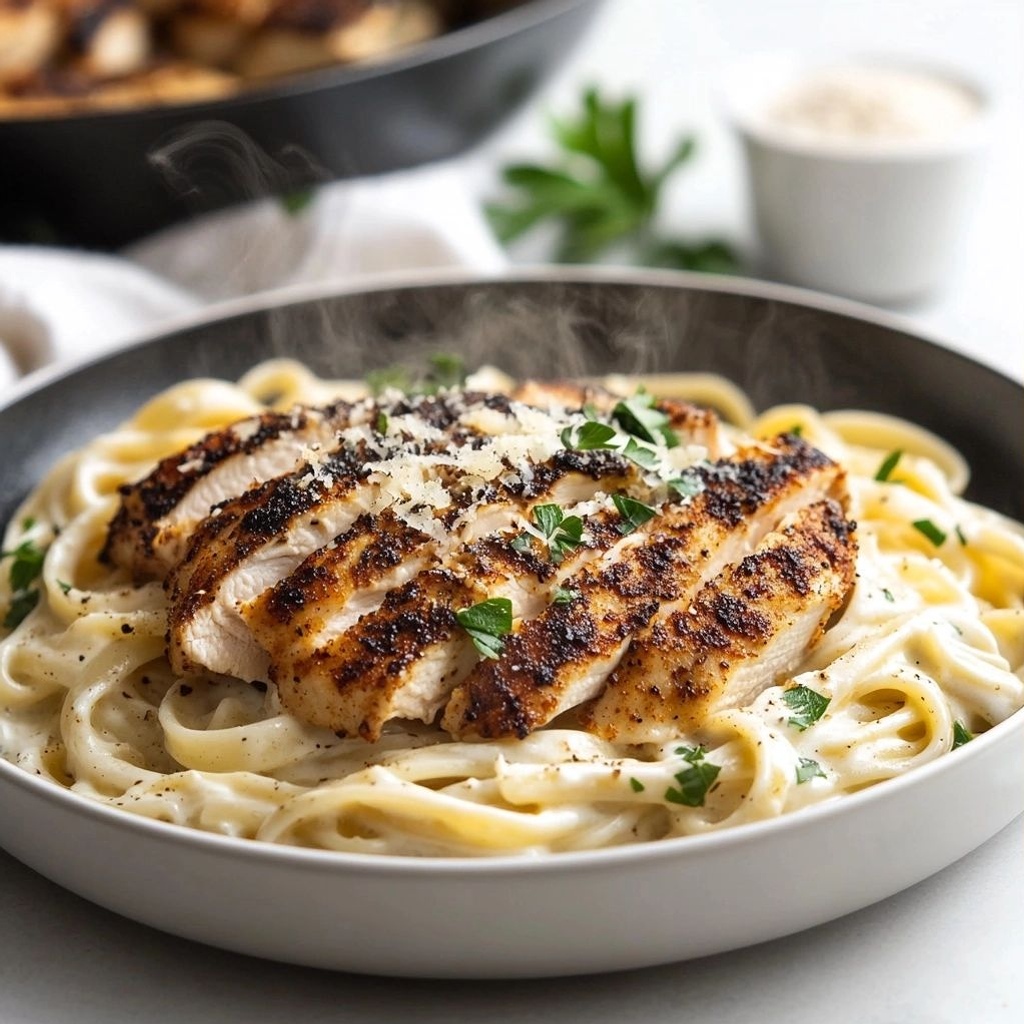
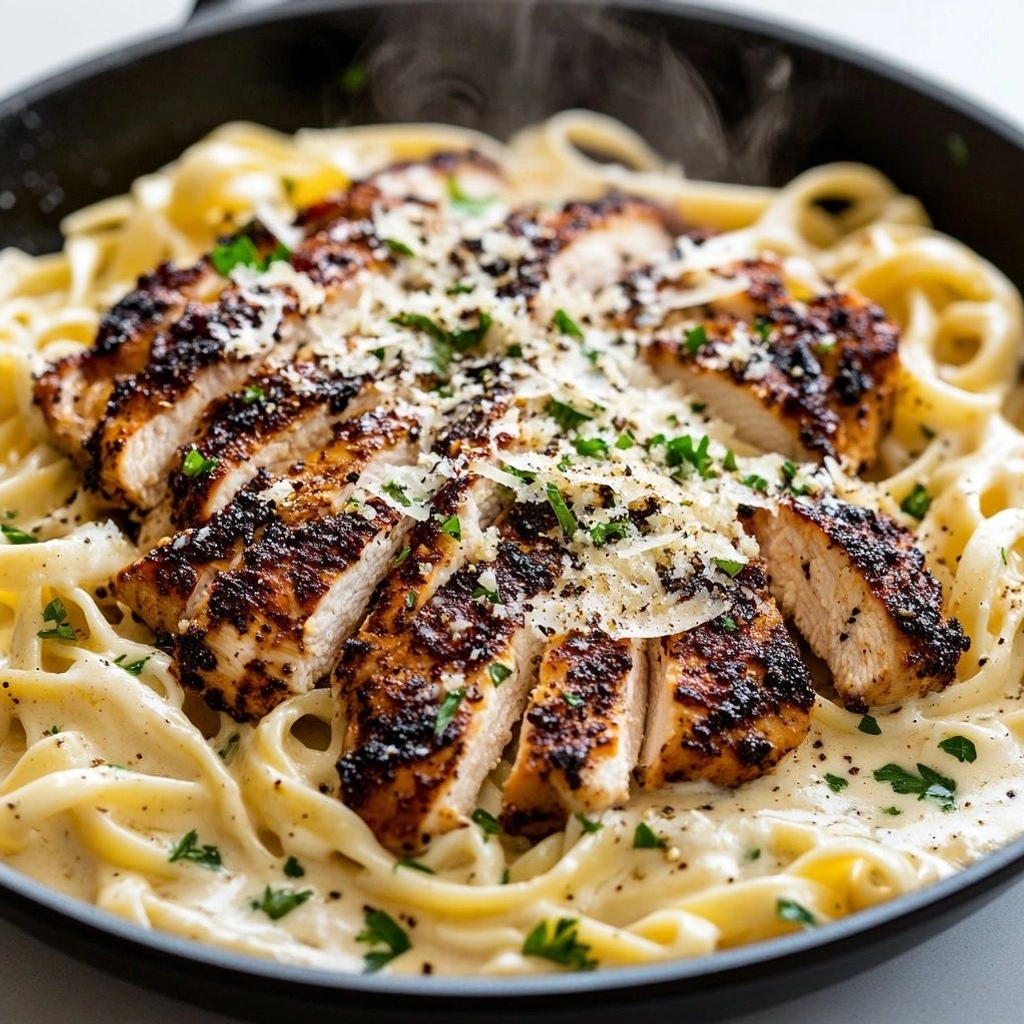
There’s something irresistibly bold about a sizzling pan, a chorus of spice waking from its slumber, and a creamy alchemy that coats every bite with indulgent promise. Blackened Chicken Alfredo is not your everyday pasta night—it’s a thrilling, crowd-pleasing triumph that blends the punch of Cajun-inspired heat with the comforting hush of a velvety Alfredo. Imagine juicy chicken breast seared to a lacquered, smoky crust, its edges caramelized and tasting faintly like the edge of a campfire on a cool evening. Then imagine that chicken sliced and crowned atop ribbons of perfectly al dente fettuccine, all bathed in a lush, buttery Alfredo sauce that glides across the palate like satin. The result is a dish that feels exciting, sophisticated, and warmly familiar all at once—an embrace with a hint of fire and a whisper of sophistication that turns a weeknight dinner into a moment to savor. If you adore a meal that delivers quick-fire flavor without sacrificing comfort, you’ve found your new weeknight hero.
The Story Behind the Dish
Blackened chicken has its roots tangled in the energy of Southern coastal cooking, where bold spices meet open flames and the air fills with a smoky, paprika-charged aroma. The technique of “blackening” was popularized in Louisiana by legendary chefs who discovered that coating tender cuts of meat in a dry spice blend and cooking them hot enough to char the surface could create a dramatic contrast: a crisp, peppery crust encasing a juicy, tender interior. Alfredo sauce, on the other hand, hails from Italian kitchens, where butter, cream, and Parmigiano-Reggiano mingle to smooth the rigors of starch and protein into a simple, luxurious embrace. The magic of this dish lies in the collision of these culinary worlds: the audacious spice crust that awakens the senses, paired with the timeless elegance of a cream-based sauce. The fusion feels both festive and familiar, as if you’ve wandered into a dining room where Latin heat meets classic European comfort. The story is really one of balance—how to fuse intensity with creaminess, how to honor the bone-deep satisfaction of a pasta dish while giving it a punch that makes it feel something new and exciting.
Why You’ll Love This Recipe
- Bold yet approachable: The blackened spice blend provides a spirited kick that’s balanced by a mellow, velvety Alfredo sauce, ensuring it’s not overwhelming for those who prefer milder heat.
- Fast and weeknight-friendly: Searing the chicken to develop flavor and sautéing a few ingredients for the sauce can be completed in under an hour, turning busy evenings into restaurant-worthy dinners at home.
- Comfort with sophistication: The dish delivers creamy richness without heaviness—an indulgence that feels special enough for a dinner party yet simple enough to repeat on a Tuesday.
- One-pan-then-sauce versatility: You can tailor the level of heat, swap proteins, or adjust the sauce to suit dietary needs—gluten-free versions and lighter adaptations are easy to achieve.
- Versatile pairing potential: The dish pairs beautifully with a crisp green salad, garlic bread, roasted vegetables, or a bright citrus salad to cut through the richness.
Flavor Profile & Texture
The flavor profile of Blackened Chicken Alfredo is a study in contrasts that sing in harmony. The chicken crust delivers a savory, slightly peppery heat, with smoky undertones from the high-heat sear. You’ll notice a peppery, paprika-forward aroma, perhaps a hint of thyme, oregano, and garlic—an aromatic punch that bursts forth as soon as the pan hits the flame. When you bite into the chicken, the crust cracks with a satisfying crispness, giving way to a juicy interior that remains moist and flavorful. The fettuccine provides a supple, toothsome bite, perfectly ready to cradle the sauce.
The Alfredo sauce itself is a lush ensemble: butter melting into cream, with a gentle, nutty warmth from the cheese. The texture is satin-smooth, coating each strand of pasta without sliding off. The cheese contributes a savory, umami depth, while a touch of garlic or a hint of lemon zest brightens the sauce, preventing it from feeling too heavy. The result is a balance of velvety richness and peppery brightness—the kind of plate that feels indulgent yet comforting, with layers of taste that reveal themselves on the palate as you savor each bite.
In terms of mouthfeel, expect a pleasing contrast: the exterior crust of the chicken provides a crisp snap, while the interior remains tender and juicy; the pasta offers a luxurious, creamy coat that clings to each strand; and the sauce wraps everything in a glossy, indulgent finish that lingers on the tongue. The combination is not simply about enjoying a meal—it’s about experiencing a journey from heat to comfort, from boldness to warmth, all in a single, satisfying dish.
Occasions & Pairings
This dish is exceptionally versatile—perfect for a weeknight dinner when you want something that feels special but comes together quickly, and equally well-suited for weekend gatherings when you want to impress without exhausting yourself in the kitchen. It’s the kind of dish that shines on a table for guests, yet remains approachable for family dinners.
Pairings to consider:
- Salad: A bright arugula salad with lemon vinaigrette or a peppery baby kale salad to cut through the richness.
- Crostini or Garlic Bread: Toasted bread brushed with garlic butter adds a satisfying crunch and a toasty note to soak up any extra sauce.
- Vegetable sides: Grilled asparagus or roasted broccoli with chili flakes echo the dish’s boldness while keeping the plate balanced.
- Wine: A crisp white with enough body to handle the cream—think Chardonnay with oaky notes or a Viognier; for a red option, a light-to-mid-bodied Pinot Noir could work if you prefer red.
- Non-alcoholic: A sparkling lemon-ginger water or a citrus-forward iced tea complements the dish without overpowering the flavors.
Tips, Variations & Substitutions
Here are practical ideas to tailor Blackened Chicken Alfredo to your kitchen, preferences, and dietary needs:
- Level of heat: Adjust the spice blend by adding or reducing cayenne, paprika, or black pepper. For a milder version, go light on the cayenne or omit it altogether.
- Protein swaps: Use shrimp for a classic surf-and-turf vibe, or opt for thinner chicken cutlets to speed up searing. You can also try turkey or portobello mushrooms for a lighter or vegetarian approach.
- Cheese options: Use a blend of Parmesan with Asiago or Romano for a deeper, nuttier finish; for a milder sauce, increase the cream-to-cheese ratio slightly.
- Gluten-free adaptation: Use gluten-free pasta and ensure the spice mix is gluten-free. The sauce itself is naturally gluten-free if you avoid flour thickeners; whisk in a little cornstarch slurry if you need to adjust thickness.
- Lactose-friendly version: Use lactose-free butter and a lactose-free cream, or substitute with a rich, unsweetened dairy-free cream and vegan butter; nutritional yeast can mimic the cheesy depth.
- Herbal notes: A pinch of dried oregano or thyme can enhance the Cajun-style crust; finish with a handful of chopped parsley for color and freshness.
- Make it ahead flavors-rich: The sauce can be prepared ahead and reheated gently with a splash of milk or cream; searing the chicken in advance and slicing just before serving can save time.
- Regional twists: Add a splash of white wine to the sauce for brightness, or incorporate roasted red peppers for sweetness and depth.
Storage & Make-Ahead Ideas
Leftovers can be a revelation if stored and reheated properly. Here are best practices to maintain texture and flavor:
- Short-term storage: Refrigerate leftovers in an airtight container for up to 2–3 days. Separate the sauce from the pasta/chicken if possible to prevent sogginess.
- Freezing: This dish is best frozen before mixing with pasta. Freeze the sauce and cooked chicken separately in airtight containers for up to 2 months. Thaw overnight in the fridge and reheat gently on the stove with a splash of cream or milk to restore creaminess; cook fresh pasta to mix in for best texture.
- Reheating tips: Reheat on the stove over low heat, whisking frequently to emulsify and prevent splitting. If the sauce appears thick, thin with a little milk or broth. Do not overheat, or the cream may separate.
- Make-ahead strategies: You can season and coat the chicken the night before, keeping it in the fridge, then sear it in the morning or just before serving. Prepare the sauce ahead and keep it warm on low heat, whisking occasionally; rewarm the sauce gently before tossing with freshly cooked pasta.
Flavor Experiments & Fun Facts
Cooking is a playground for exploration, and Blackened Chicken Alfredo invites playful experimentation while maintaining its core allure. Here are ideas to spark creativity and a few tidbits that add depth to your understanding of the dish.
Possible flavor experiments:
- Switch up the spice profile by using a cajun blend with more oregano and thyme for a slightly herbal finish.
- Introduce a citrus note with a whisper of lemon zest or a splash of lemon juice just before serving to brighten the dish.
- Tinker with texture by finishing the dish with a handful of toasted breadcrumbs or crispy fried shallots for a delightful crunch on top.
Fun facts and trivia:
- “Blackening” as a technique is associated with the culinary traditions of Louisiana and was popularized by chefs who wanted to create a dramatic, deeply flavored crust that would char quickly in a high-heat skillet.
- Alfredo sauce has humble beginnings in Rome, where butter, cheese, and pasta were combined into a simple, comforting dish. The version most people know—creamy and rich—evolved as it traveled and adapted across regions and households.
- Combining two iconic culinary concepts—spiced, smoky crusts and creamy, indulgent sauces—reflects a broader trend in modern cooking: reimagining familiar comfort foods with bold, modern twists that honor tradition while inviting novelty.
Final Thoughts & Serving Suggestions
Blackened Chicken Alfredo is a celebration of contrasts that come together in one magnificent plate. It invites a moment of anticipation as the pan crackles, the kitchen fills with a warm, spicy aroma, and the first swirl of sauce around glossy pasta promises a luxurious bite. The dish doesn’t demand perfection; it rewards confidence and a willingness to lean into flavor. If you’re feeding a family, the result feels like a warm welcome: a meal that says you care, without requiring a culinary marathon in the kitchen. If you’re entertaining, it delivers a touch of drama and sophistication that feels special—enough to feel celebratory, yet not so fussy that you’re bound to the stove all evening. The beauty of this recipe lies in its adaptability: you can honor the core idea of a smoky, pepper-kissed crust and a creamy, comforting sauce, while letting your pantry and preferences guide the specifics. It’s a dish that makes a statement without shouting, a dish that comforts the heart as much as it excites the senses. When you plate it, consider a light, fragrant garnish—perhaps chopped parsley or chives—to add a final whisper of color and a fresh herbal lift that brightens the final bite. In short, Blackened Chicken Alfredo is a culinary invitation: a promise of bold flavors meeting comforting cream, a dish that’s both audacious and inviting, and a recipe that you’ll return to again and again.
Ingredients
- Chicken breasts (boneless, skinless, 2 large)
→ The star of the dish. Provides protein and becomes deeply flavorful when seasoned with a traditional blackening spice. Pat the chicken dry before applying the spice to ensure a crisp crust; cook until just done to avoid dryness. For best results, let the seasoned chicken sit for 10–15 minutes at room temperature before cooking to help the spices adhere and to promote even cooking. - Blackening spice blend (paprika, cayenne, garlic powder, onion powder, dried oregano, dried thyme, salt, black pepper)
→ Creates the signature bold, spicy crust on the chicken. Combine just before use to maximize aroma. Adjust cayenne to taste; for a milder version, reduce or omit the cayenne. Use a light dusting on the chicken so the crust forms without overpowering the sauce. - Olive oil (for searing)
→ Provides a high-heat fat that helps form a crust on the chicken and prevents sticking. Use extra-virgin olive oil for flavor; heat the oil in a skillet until shimmering but not smoking before adding the chicken. If your pan is very hot, you can mix the oil with a small amount of butter to increase flavor and browning. - Fettuccine pasta (or linguine) (12 oz / 340 g)
→ The pasta forms the base of the Alfredo sauce. Cook in generously salted water until al dente to maintain structure when tossed with the sauce. Reserve about 1 cup of the pasta water before draining to adjust sauce consistency if needed. - Butter (unsalted) (2 tablespoons)
→ Adds richness and helps create a silky sauce base when combined with garlic and cream. Use unsalted butter to better control salinity. Let it melt gently in the pan to avoid browning too quickly, which can impart a bitter taste. - Garlic (cloves, finely minced) (3 cloves)
→ Aromatics that build the flavor backbone of the Alfredo sauce. Fresh garlic is preferred for its bright, pungent notes. Sauté gently in butter until fragrant, avoiding browning to prevent a burnt, bitter taste. - Heavy cream (adjustable, 1 to 1 1/2 cups)
→ Provides the creamy, luscious texture of Alfredo sauce. Use cold cream to begin, warming gradually with the garlic; simmer gently to reduce and thicken. If you prefer a lighter version, substitute part of the cream with whole milk, but expect a thinner sauce. - Parmesan cheese (freshly grated, 1 cup / 100 g)
→ Adds sharp, salty, nutty depth to the sauce. Grate finely right before adding to ensure it melts smoothly. Avoid pre-grated cheese, which can have anti-caking agents that hinder meltability. If the sauce thickens too much, loosen with a small amount of pasta water. - Pasta water (reserved, as needed)
→ The starchy water helps emulsify the sauce and adjust thickness to coat the pasta evenly. Use a small ladleful at a time to reach the desired consistency. It also helps bind the sauce to the noodles for a glossy finish. - Fresh parsley (flat-leaf, chopped, for garnish)
→ Adds color and a bright, herbal note to finish the dish. Chop just before serving to preserve freshness and vibrant aroma. If you like a bit of bite, sprinkle chopped stems as well for extra aroma. - Optional: creaminess boosters (cream cheese or mascarpone) (2 tablespoons)
→ Optional to enrich the sauce for extra silkiness and body. If using cream cheese, soften to room temperature and whisk in gradually to prevent lumps. Start with a small amount and adjust to taste and texture preference. - Optional: chopped fresh basil or chives (for garnish)
→ Adds a fresh, aromatic finish that pairs well with garlic and parmesan. Tear or snip rather than crumble to maintain bright color and delicate oils. Add just before serving to preserve flavor.
Instructions
- Combine the blackening spice blend just before use to maximize aroma and even distribution on the chicken, then pat the chicken dry with paper towels to remove surface moisture that would prevent a crisp crust, and rub the spice mixture evenly over all sides of the chicken for bold, uniform flavor.
→ Dried surface helps the spices adhere and form a crust during searing, while an even coating ensures consistent heat transfer and spice coverage. - Let the seasoned chicken rest at room temperature for 10 to 15 minutes, uncovered or loosely wrapped, so the spices adhere and the meat warms slightly for more even cooking; this also reduces the temperature drop when it hits the hot pan.
→ Resting promotes better browning and prevents a cold center. - Preheat a heavy skillet (preferably cast iron or stainless steel) over medium-high heat, then add a thin layer of olive oil and heat until the oil shimmers with a faint wave but is not smoking, to create an immediate sear and crust when the chicken goes in.
→ A hot pan ensures rapid crust formation and minimizes sticking, while the oil provides a protective barrier and flavor. - Sear the chicken without crowding, cooking 3 to 5 minutes per side depending on thickness, until the crust is darkened and the internal temperature reaches 165°F (74°C); avoid moving the chicken too much to let a crust form.
→ A proper sear locks in juices and develops the characteristic blackened crust without overcooking the meat. - Transfer the chicken to a resting rack or plate and tent loosely with foil for 5 to 7 minutes to allow juices to redistribute and keep the meat juicy before slicing or slicing after resting.
→ Resting prevents rapid juice loss and yields a juicier bite when portioning for the pasta. - In a large pot, bring generously salted water to a rolling boil and cook the fettuccine or linguine until al dente, then reserve about 1 cup of the starchy pasta water before draining to adjust the sauce later.
→ Salty cooking water seasons the pasta from within, and the reserved water provides starch to emulsify the sauce if it thickens. - While the pasta cooks, melt the unsalted butter in a wide skillet over medium heat and swirl to coat the bottom, allowing the fat to carry the garlic aroma without browning too quickly.
→ Butter provides a rich base for the Alfredo sauce and helps carry the garlic flavor without burning; a gentle melt preserves delicate notes. - Add the finely minced garlic to the warm butter and sauté for about 30 to 60 seconds until fragrant, stirring constantly to prevent scorching, so the garlic flavor infuses the fat without turning bitter.
→ Garlic should perfume the fat; overheating can produce a sharp, burnt taste that spoils the sauce. - Pour in the cold heavy cream gradually, bringing it to a gentle simmer while stirring, then reduce the heat to low and simmer for 3 to 5 minutes to thicken slightly, stirring to prevent a skin from forming and to keep the flavors integrated.
→ Slow reduction yields a smooth, emulsified sauce with a creamy texture that coats pasta evenly. - Stir in the freshly grated Parmesan cheese in small handfuls, off the heat or very low, whisking constantly until melted and smooth, then season with salt and white pepper to taste and adjust thickness with a splash of reserved pasta water if needed.
→ Freshly grated cheese melts better and yields a glossy sauce; adding water gradually helps achieve the right emulsified consistency. - If using a creaminess booster, whisk in the softened cream cheese or mascarpone in small portions until fully incorporated, ensuring the mixture remains smooth and avoiding lumps; this elevates the body and silkiness of the sauce.
→ Adds extra richness; soften dairy and whisk gently to prevent curdling. - Slice the rested blackened chicken into thick medallions, then return the chicken to the sauce or place atop the finished pasta, allowing the meat’s juices to mingle with the Alfredo base for a cohesive dish; gently toss or arrange to keep slices intact.
→ Rested chicken retains moisture and the sliced pieces distribute evenly in every bite. - Toss the drained pasta with the creamy Alfredo, adding small portions of the reserved pasta water as needed to achieve a glossy, clingy coating that knots the sauce to the noodles without pooling, then finish with chopped fresh parsley for color.
→ The starch in the water helps emulsify and loosen the sauce to coat every strand smoothly. - Taste for seasoning and adjust with a pinch more salt or pepper if needed, then plate with an even layer of sauce, the sliced blackened chicken on top, and a final shower of chopped parsley or optional basil or chives for brightness and aroma.
→ Finishing with fresh herbs elevates aroma and color, while balancing richness with a fresh note.
Notes
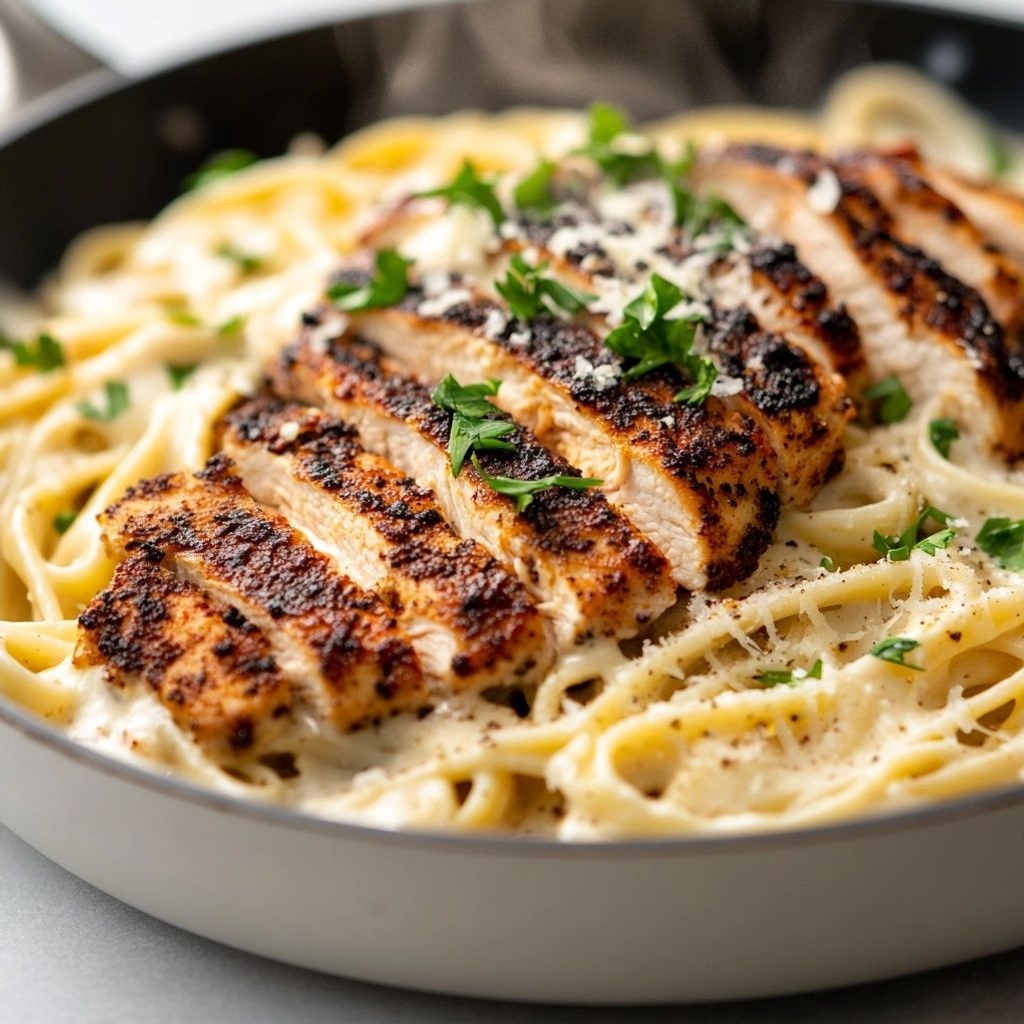
These blackened chicken alfredo is a bold, creamy pasta dish featuring a spicy, deeply flavored crust on chicken paired with a rich, velvety Alfredo sauce. You can customize the level of heat by adjusting the cayenne in the blackening spice, and you can swap in whole-wheat or gluten-free pasta if needed. For a lighter version, use part-skim cream and less cheese, or substitute a portion of the cream with milk. Always pat the chicken dry before seasoning to ensure a crisp crust, and let the seasoned chicken rest for 10–15 minutes at room temperature to promote even cooking and better adherence of the spices.
- Technique tip: Sear the chicken in a hot skillet with a small amount of olive oil until the crust is deeply bronzed and the interior reaches 165°F (74°C). Rest the chicken for a few minutes before slicing to keep it juicy.
- Sauce technique: Start the Alfredo sauce with butter and minced garlic, then whisk in cold heavy cream and freshly grated Parmesan. Simmer gently, stirring frequently, until the sauce coats the back of a spoon. If the sauce seems too thick, loosen with reserved pasta water a little at a time.
- Flavor balance: Use freshly grated Parmesan for the best melt and flavor. Avoid pre-grated cheese, which can clump. If the sauce thickens too much, loosen with a splash of pasta water; if too thin, simmer a bit longer to reduce.
- Texture and consistency: Reserve about 1 cup of the pasta water before draining the pasta to adjust the sauce as needed. The starch in the water helps emulsify the sauce for a glossy finish that clings to every strand of pasta.
- Cheese boosters: Optional creaminess boosters like small amounts of cream cheese or mascarpone can be whisked in at the end for an extra luxurious texture. Soften these ingredients first to avoid lumps.
- Garnish ideas: Fresh parsley adds color and a fresh note; chopped fresh basil or chives offer a lighter aroma if desired. Add garnish just before serving to preserve brightness.
- Make-ahead and storage: Assemble components ahead of time (seasoned chicken, sauce ready, and pasta cooked al dente). Reheat gently in a pan with a splash of pasta water or cream to regain creaminess. Leftovers keep well in the refrigerator for 2–3 days.
- Dietary swaps: For dairy-free, use a thick coconut cream or cashew cream as the base and a dairy-free Parmesan substitute. For gluten-free, use gluten-free pasta and ensure your spice blend contains no added gluten.
Tips
- Pat the chicken dry thoroughly before applying the blackening spice. Any moisture can create steam and prevent a crisp crust.
- Let the seasoned chicken rest at room temperature for 10–15 minutes after applying the spice. This helps the spices adhere and promotes even cooking.
- Mix the blackening spice blend just before use to maximize aroma; store any unused portion in an airtight container away from heat and light.
- When searing, use a skillet that heat evenly (preferably heavy-bottomed) and preheat the oil until it shimmers but does not smoke.
- For an extra-crisp crust, pat the seasoned chicken again lightly before placing it in the hot pan to remove any surface clumps of spice.
- Cook the chicken to just-done (about 165°F / 74°C internal) to avoid dryness; remove from heat and let rest briefly before slicing to keep juices intact.
- Reserve the pasta water before draining. The starchy water is invaluable for loosening the sauce and helping it cling to the pasta.
- Cook the pasta in well-salted water until al dente to maintain bite and structure when tossed with the Alfredo sauce.
- Start the sauce with the butter and gently sauté the garlic in it; avoid browning the garlic to prevent bitterness.
- Whisk in the heavy cream gradually after the garlic, bringing it to a simmer to reduce and thicken the sauce without scorching.
- Grate Parmesan fresh and add it off the heat to prevent clumping; a fine grate helps it melt smoothly into the sauce.
- If the sauce thickens too much, loosen with a small amount of the reserved pasta water and stir until glossy and cohesive.
- For a richer sauce, gradually whisk in optional cream cheese or mascarpone, ensuring it’s softened and incorporated slowly to avoid lumps.
- Finish with a handful of chopped fresh parsley for color and bright aroma; add optional basil or chives just before serving for a fresh lift.
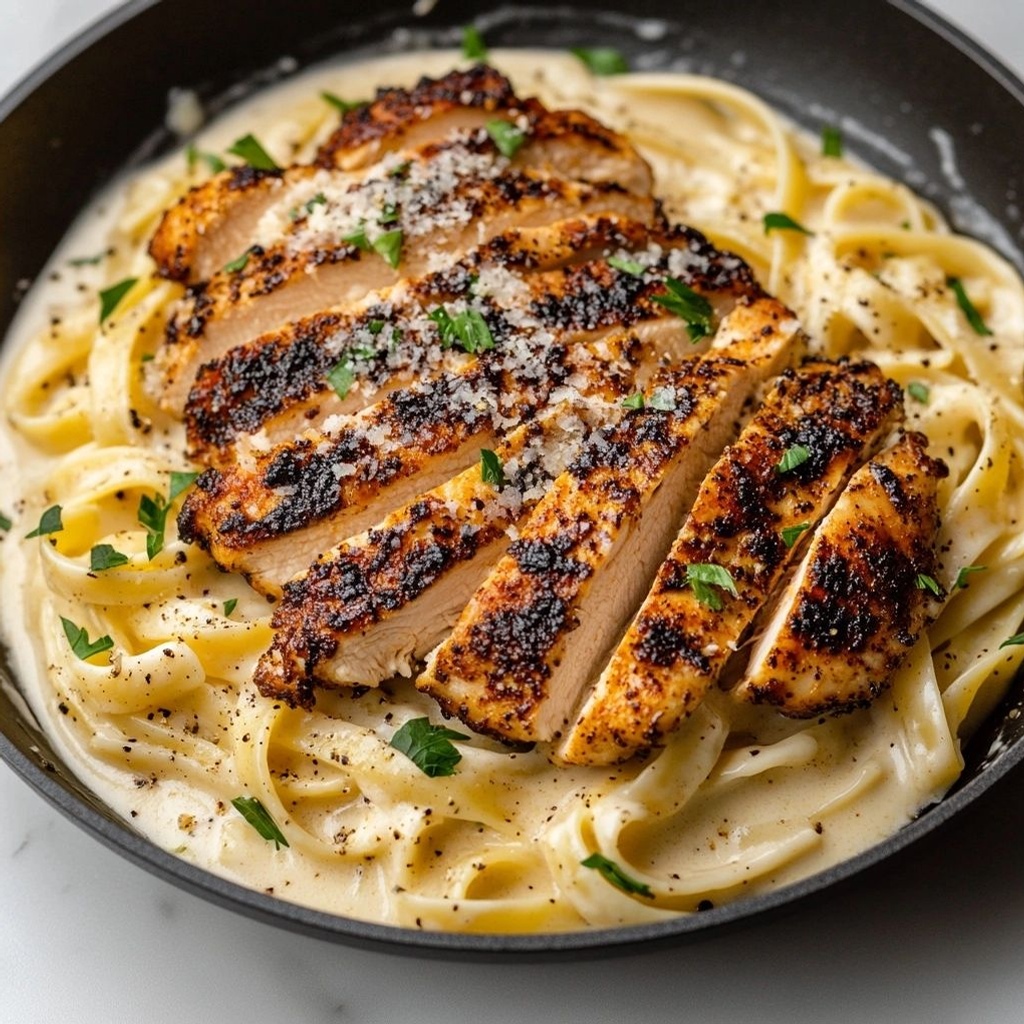
- Slice the chicken crossways into thin, even strips for quick, even heating when tossed with the pasta and sauce.
FAQ
What is Blackened Chicken Alfredo?
A classic Alfredo pasta topped with seasoned, skillet-seared chicken that has a dark, flavorful crust created by a blend of spices and high-heat searing.
What ingredients are needed for Blackened Chicken Alfredo?
Common ingredients include chicken breasts, blackening spice mix (paprika, cayenne, garlic powder, onion powder, thyme, oregano, salt, pepper), olive oil, fettuccine or your pasta of choice, heavy cream, butter, garlic, Parmesan cheese, and optional parsley for garnish.
How do I make blackened chicken?
Coat the chicken with the spice blend, heat a skillet with oil over medium-high heat, and sear the chicken about 3–5 minutes per side until a dark crust forms and the center reaches 165°F (74°C). Let rest briefly before slicing.
Can I use pre-cooked or rotisserie chicken?
Yes. If using pre-cooked chicken, you can slice and quickly reheat it in the pan with a little butter and garlic to add flavor, then mix into the Alfredo sauce.
How can I prevent the chicken from burning or becoming too spicy?
Keep the skillet hot enough for a good crust, but avoid burning by adjusting heat as needed. Use a balanced spice blend and consider reducing cayenne or substituting with smoked paprika for milder heat. Let the pan rest briefly between batches if cooking multiple pieces.
Which pasta works best?
Fettuccine is traditional, but you can use linguine, penne, or gluten-free pasta. Cook to al dente according to package directions and reserve a little pasta water to adjust the sauce.
How do I make the Alfredo sauce?
Sauté minced garlic in butter, whisk in heavy cream, simmer gently, and stir in grated Parmesan until smooth. Season with salt and pepper. A splash of pasta water helps loosen the sauce if needed.
Can I make this dish lighter or gluten-free?
To lighten: use half-and-half or milk with a thickener, and reduce butter. For gluten-free, use gluten-free pasta and ensure the seasoning mix is gluten-free; most spices are, but check labels.
How should I store leftovers?
Store in an airtight container in the refrigerator for up to 3–4 days. Reheat gently on the stove with a splash of milk or broth to loosen the sauce, or reheat in the microwave in short intervals.