Introduction / Hook
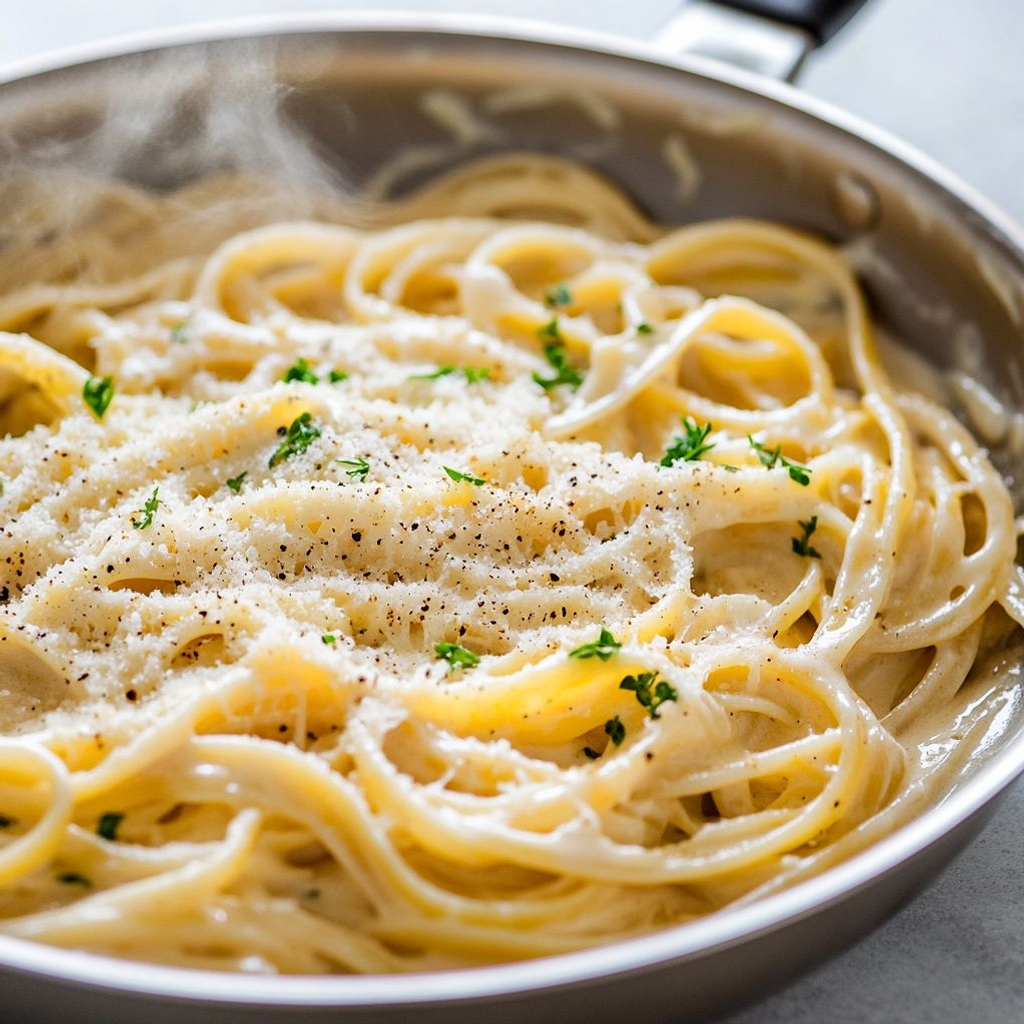
Picture a skillet that does all the heavy lifting for you, steaming softly as garlic sizzles and perfume fills the room. A spoonful of cream, a shower of parmesan, and suddenly a glossy, velvety sauce swirls around every strand of pasta. One pan, minimal fuss, maximum comfort. This is the kind of dish that makes weeknights feel special and weekends feel indulgent—without asking you to compromise on flavor or time. One Pan Creamy Garlic Pasta is the comforting alchemy of pantry staples transformed into a restaurant-worthy centerpiece you can whip up in under the time it takes to boil your water. The magic happens as the ingredients mingle in a single pan, letting the aromatics bloom, the pasta drink in the simmering flavors, and you savor a dish that tastes like you spent hours laboring over it, even though you spent a fraction of that effort. If you love the scent of garlic frying in butter, the way cream coats every curl of pasta, and the satisfaction of a dish that practically cooks itself, you’ve found your new weeknight soulmate.
The Story Behind the Dish
One pan meals have a long, loving history in home kitchens around the world. They emerged as a practical response to busy families who wanted something delicious without a mountain of pots to scrub afterward. The concept is simple: a single pan, a short list of core ingredients, and a method that lets flavors build directly in the cooking vessel. Creamy garlic pasta, in its most comforting form, embodies that philosophy—humble ingredients united by technique and care. Garlic, olive oil or butter, and a splash of liquid—whether stock, milk, or cream—create a foundation that is both familiar and festive. Parmesan or Pecorino gives a nutty, salty kiss that ties everything together. Over time, versions have traveled across kitchens and cultures: some add lemon brightness or herbs for freshness; others fold in proteins or greens for heartiness and color. Yet the heart of this dish remains the same—garlic sizzling in a hot pan, the sauce awakening with each stir, and pasta soaking up every drop of its creamy, garlicky goodness. In many homes, this recipe has become a dependable tradition: a Sunday-night comfort, a weeknight hero, a dish shared with family and friends who know that good food doesn’t need to be complicated to feel special. The beauty of a one-pan approach is that it invites creativity without clutter—you can honor the classics while inviting your own twists to the table.
Why You’ll Love This Recipe
- Quick and effortless: everything cooks in one pan, saving you time, cleanup, and stress—perfect for busy evenings.
- Restaurant-worthy creaminess: a silky sauce that clings to every strand of pasta, delivering comfort in every bite.
- Versatile and adaptable: balances rich dairy with bright notes, but welcomes substitutions and add-ins to suit your pantry or dietary needs.
- Family-friendly and crowd-pleasing: familiar flavors that satisfy both kids and grownups, making it a dependable dinner option for any night of the week.
- Budget-conscious: uses simple, pantry-staple ingredients that stretch into a luxurious-tasting meal without overspending.
- Minimal cleanup: a single pan means less washing up, more time to savor the moment at the table.
- Customizable texture: the starch from the pasta helps emulsify the sauce, creating a glossy, restaurant-like finish you can tailor by cooking the pasta to your preferred chewiness.
- Make-ahead and leftovers-friendly: the sauce can be adjusted to taste and stored for later meals, making this a smart choice for meal prep.
Flavor Profile & Texture
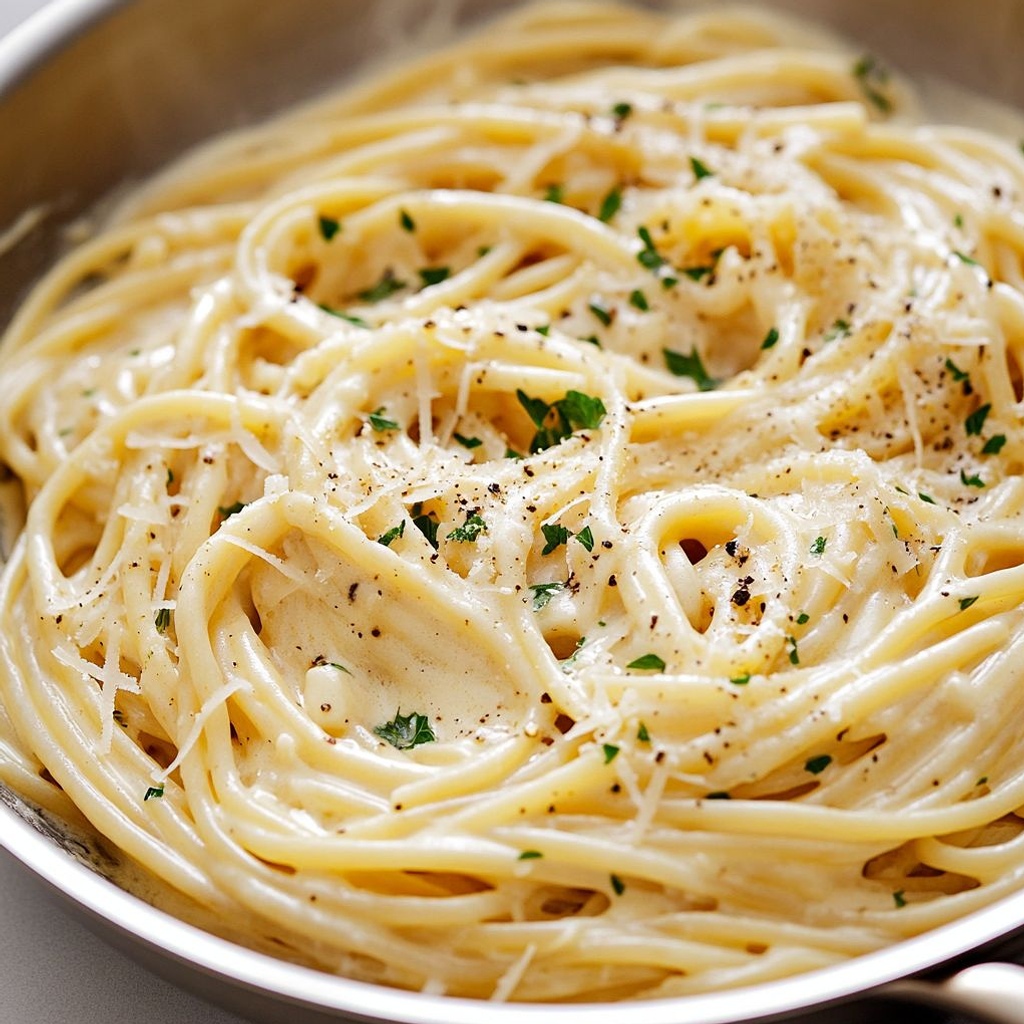
This dish orchestrates a trio of creamy dairy, bright garlic, and the warm, comforting pull of pasta. The first whiff is always garlic—fragrant, slightly nutty, and inviting—softened in butter (or olive oil) until it releases its perfume without turning bitter. Cream enters the scene to temper the garlic, coating each strand with a satin-smooth sheen that gleams like glass in the pan. Parmesan cheese adds a sharp, salty depth that slowly dissolves into the sauce, lending a savory complexity that makes every bite feel indulgent. A touch of starchy pasta water—or a splash of stock—helps emulsify the mixture, so the sauce clings evenly to the noodles, creating that luscious, cohesive mouthfeel you crave. The finish is brightened with freshly ground black pepper, a whisper of lemon zest if you like, and a shower of chopped herbs such as parsley or chives that bring color and a clean aroma to the plate. Texture-wise, you’ll enjoy the kiss of al dente pasta, the satin-silk texture of the sauce coating each piece, and occasional pockets of parmesan that melt into tiny golden notes as you chew. There’s a comforting richness here, balanced by the freshness of garlic and herbs, with a long, lingering aftertaste that invites another forkful and another.
Occasions & Pairings
Occasions
- Weeknight dinners that feel special but come together in a flash.
- Casual date nights when you want a cozy, intimate meal at home.
- Family dinners where picky eaters and vegetable-curious diners can both be satisfied.
- Casual entertaining—serve with a bright salad and crusty bread to balance the richness.
- Comfort-food moments on chilly evenings, when a hug in a pan is exactly what you need.
Pairings
- Side salads with a crisp vinaigrette to cut through the richness, such as arugula with lemon and almonds or a simple tomato-basil salad.
- Crusty bread or garlic bread for mopping up every last bit of sauce.
- Steamed or roasted vegetables like broccoli, asparagus, or zucchini to add color and nutrition.
- Wine suggestions: a light, lemony white such as Sauvignon Blanc or Pinot Grigio to lift the heaviness; or a sparkling wine for celebratory vibes.
- Light proteins like grilled chicken, pan-seared shrimp, or prosciutto accents to add variety without overpowering the dish.
- A simple dessert with citrus to finish, such as lemon sorbet or a light fruit tart.
Tips, Variations & Substitutions
Tips
- Use one pan you love: a wide skillet or sauté pan helps the sauce evaporate evenly and gives you more surface area for emulsification.
- Work with good quality garlic: fresh garlic cloves, minced finely, release the most perfume and sweetness when sautéed gently.
- Starch + fat = emulsion: reserve a little pasta water and add gradually to the sauce to help it emulsify into a glossy, cohesive coating.
- Cheese matters: add parmesan gradually off the heat to avoid clumping and to achieve a smooth, creamy texture.
- Season progressively: salt to taste after the sauce has formed, because cheese and stock can contribute saltiness that changes with reduction.
Variations
- Lemon Garlic Cream: add fresh lemon juice and zest for a bright, zesty note that wakes up the richness.
- Herbaceous Lift: fold in chopped fresh parsley, chives, or tarragon at the end for a punch of color and aroma.
- Protein Boost: stir in cooked chicken, shrimp, or sautéed mushrooms to add texture and make it more substantial.
- Vegetarian/vegan twist: substitute dairy with a creamy cashew sauce or coconut cream, and use vegan parmesan or nutritional yeast for a cheesy flavor.
- Gluten-free option: use gluten-free pasta with the same technique; ensure your stock and cheese are gluten-free if needed.
- Spice note: a pinch of red pepper flakes adds a gentle heat that pairs beautifully with the garlic and cream.
- Greens for balance: add baby spinach or arugula just before finishing to wilt and incorporate color and nutrition without thinning the sauce.
Substitutions
- Butter can be swapped for olive oil for a lighter base, especially if you prefer a dairy-free version (see vegan variation).
- Cream can be replaced with half-and-half for a lighter, less indulgent sauce, though it may be less lush.
- Parmesan can be substituted with Pecorino Romano for a sharper, nuttier bite, or a dairy-free cheese alternative in vegan versions.
Storage & Make-Ahead Ideas
This creamy pasta stores and reheats well, though the texture changes slightly as the sauce thickens with time. Here are practical tips to keep it delicious:
- Leftovers refrigeration: store in an airtight container for up to 3-4 days. Reheat gently on the stovetop with a splash of milk or stock to loosen the sauce and restore creaminess.
- Freezing: the sauce may separate upon freezing; if you plan to freeze, store the sauce and pasta separately. Reheat together with a little extra liquid to bring back creaminess; note that texture may be looser after thawing.
- Make-ahead strategy: you can prep the garlic and cheese in advance, and cook the pasta just before serving to maintain al dente texture. If you anticipate needing a faster sauce, you can pre-mix a garlic-cream base (without cooking the pasta) and finish it with hot pasta when ready to serve.
- Storage container tips: choose a shallow container to cool quickly and evenly, reducing the risk of bacterial growth during the initial cooling phase.
Fun Facts & Trivia (Optional)
Garlic has a long, storied history in global cuisines, valued not only for flavor but for its aroma and cultural symbolism. In ancient times, garlic was believed to impart strength and protection; athletes in ancient Greece reportedly consumed it before games, and it has found a lasting place in both savory and savory-sweet pairings across continents. The tradition of one-pot meals is as old as home cooking itself: a pot, a flame, and a family feeding itself with what’s on hand. Parmesan cheese, a hallmark of this dish, originated in the Emilia-Romagna region of Italy and carries a centuries-old reputation for its ability to enrich sauces with a savory, nutty depth when melted into warm liquids. The simple act of emulsifying sauce with a splash of starchy pasta water is a classic technique in Italian-inspired cooking, ensuring that the sauce adheres to each piece of pasta rather than pooling at the bottom of the pan.
Beyond its comfort factor, this dish demonstrates a culinary principle: big flavor can come from small, well-balanced ingredients working together in harmony. It’s a reminder that weeknight meals can be both quick and deeply satisfying, and that a single pan can be the vehicle for a memorable dining experience. If you pay attention to the scent as the garlic begins to shimmer and the cheese begins to melt, you’ll notice how the kitchen transforms from a simple workspace into a place of warmth and anticipation—the moment when dinner almost feels like a hug in a skillet.
Ingredients
- 8 oz dried pasta (linguine, spaghetti, or fettuccine)
→ Use a long, sturdy pasta that can twirl into the creamy sauce and cook directly in the pan for a true one-pan method. If you prefer gluten-free, choose your favorite gluten-free pasta. Cook the pasta in the pan with the sauce until al dente, reserving a splash of pasta water to adjust the sauce consistency if needed. - 2 tablespoons unsalted butter
→ Butter provides richness and helps create a silky sauce by aiding emulsification with the cream. It also flavors the aromatics as they bloom. For a dairy-free version, substitute with an equal amount of olive oil or a vegan butter alternative; you may need a touch more broth to maintain creaminess. - 3 cloves garlic, minced
→ The primary aromatic that defines the dish’s flavor. Mincing ensures rapid, even release of aroma. Sauté gently in the butter until fragrant but not browned to avoid bitterness; burning garlic will impart a sharp taste in contrast to the creamy sauce. - 1 cup heavy cream (or half-and-half for a lighter version)
→ Provides the velvety body and richness of the sauce. Heavy cream yields a thicker, restaurant-style texture; half-and-half makes the sauce lighter but thinner. For dairy-free, substitute with coconut cream or a thick plant-based cream and adjust with a little more cheese or starch if needed. - 1 cup chicken broth (or vegetable broth for vegetarian option)
→ Acts as the main liquid to cook the pasta in and builds the sauce’s depth of flavor. If you prefer a lighter sauce, increase the broth ratio and reduce the cream slightly. Use low-sodium broth to better control salt; you can always add salt later. - 1/2 cup grated Parmesan cheese (plus more for serving)
→ Adds salty, nutty flavor and helps emulsify the sauce as it melts. Freshly grate for the best texture and aroma. If avoiding dairy, substitute with nutritional yeast or a dairy-free parmesan alternative; adjust salt accordingly. - 2 tablespoons cream cheese (optional)
→ For extra creaminess and a silkier sauce, cream cheese smooths the texture without adding much more liquid. Let it soften at room temperature before whisking into the sauce to prevent lumps; if preferred, substitute with an additional tablespoon or two of cream. - Salt to taste
→ Essential for balancing flavors given the cheese and broth contribute salt. Since pasta water and broth can be salty, start conservative and adjust after the sauce comes together. Always taste near the end before serving. - Freshly ground black pepper to taste
→ Adds subtle heat and depth; grind just before serving for maximum aroma. Adjust to your heat preference, or omit if you prefer a milder dish. - Pinch red pepper flakes (optional)
→ A small kick pairs beautifully with garlic and cream without overpowering the dish. Increase or decrease to suit your heat tolerance; omit if you want a completely mild sauce. - 1 tablespoon olive oil (optional)
→ Helps bloom the garlic and adds a bit of glossy richness to the sauce. Use in combination with butter or as a dairy-free alternative if desired. If using both, keep portions modest to avoid greasiness. - 1 tablespoon chopped fresh parsley (for garnish, optional)
→ Provides color and a fresh contrast to the creamy sauce. Add just before serving to maintain brightness; you can substitute with chives or basil for a different aroma. - 1 teaspoon lemon juice or lemon zest (optional)
→ A bright note that lifts the richness of the sauce. Add lemon juice off the heat to preserve its brightness, or zest before sautéing to release essential oils. Use sparingly to avoid overpowering the garlic and cheese flavor.
- 2 cups fresh spinach (optional)
→ Adds color, nutrients, and a slight earthiness. Stir in at the end to wilt quickly. If using frozen spinach, thaw and squeeze dry to avoid thinning the sauce. - 1 cup sliced mushrooms (optional)
→ Adds umami and texture. Sauté mushrooms in a bit of butter or oil until browned to develop flavor and reduce moisture before adding to the pasta. - 1 cup cooked chicken breast, diced (optional)
→ Increases protein; add after the initial sauce comes together to warm through without overcooking. If using raw chicken, cook it in the pan with the garlic and a touch of oil until fully cooked before proceeding. - 1 cup peeled shrimp, deveined (optional)
→ Quick-cooking protein that pairs well with garlic and cream. Add near the end, cooking just until pink and opaque. Pat dry before adding to reduce excess moisture that could thin the sauce.
Instructions
- Measure and prepare all ingredients and tools before you start cooking, including 8 oz pasta, 2 tablespoons butter, 3 cloves garlic (minced), 1 cup heavy cream, 1 cup broth, 1/2 cup grated Parmesan, 2 tablespoons cream cheese (optional), salt, pepper, red pepper flakes (optional), olive oil (optional), parsley, and lemon (optional).
- Place a large skillet or wide sauté pan over medium heat and add the butter, with olive oil if using, letting it melt and foam gently.
- Add the minced garlic to the pan and sauté just until fragrant and lightly golden, about 30 to 60 seconds, stirring constantly to prevent burning.
- If using mushrooms, add them now and cook until they release moisture and brown, about 4 to 5 minutes, stirring occasionally to promote even browning.
- Pour in the heavy cream and broth, then bring the mixture to a gentle simmer while whisking to combine and prevent scorching on the pan bottom.
- Season the base with a pinch of salt, freshly ground black pepper, and red pepper flakes if you want a hint of heat.
- Stir in the cream cheese (if using) until it fully smooths into the sauce, allowing it to melt and contribute extra silkiness and tang.
- Add the pasta directly into the simmering liquid, nestling the strands under the liquid so they cook evenly and absorb the flavors as they hydrate.
- Maintain a gentle simmer and cook the pasta until it is al dente, about 9 to 11 minutes depending on the shape, stirring occasionally to keep the noodles from clumping and to distribute heat evenly.
- If the sauce thickens too quickly, whisk in a splash of the reserved pasta water to loosen and emulsify the mixture, creating a creamy coating that clings to the pasta.
- Stir in the grated Parmesan cheese, allowing it to melt and emulsify into the sauce for a nutty, salty finish and a cohesive coating around the pasta.
- If using fresh spinach (optional), add it now and cook just until wilted, about 30 to 60 seconds, folding it into the sauce so it retains color and bright flavor.
- If you are adding cooked chicken or shrimp (optional), fold it in now and warm through in the sauce, taking care not to overcook the proteins.
- Taste the sauce and adjust seasoning with additional salt, pepper, or a squeeze of lemon (or a touch of lemon zest) to brighten the richness if desired.
- Turn off the heat, finish with chopped fresh parsley for color, and serve the creamy garlic pasta immediately with an extra dusting of Parmesan for added aroma and bite.
→ Establishing your mise en place ensures a smooth workflow, prevents missing ingredients mid-recipe, and allows you to adjust seasoning with confidence as the sauce comes together.
→ The fat base delivers richness and helps emulsify the sauce; a touch of oil raises the smoke point to prevent the butter from scorching and adds a subtle sheen to the finished dish.
→ Sautéing bloom the garlic flavors the sauce; browning can introduce bitterness, so keep the heat steady and move the garlic around the pan as it cooks.
→ Sautéing mushrooms develops deepen umami and prevents them from soaking up too much liquid later, which could water down the sauce.
→ The cream provides body and silkiness, while the broth introduces body and depth; whisking keeps the emulsion stable for a smooth sauce.
→ Salt enhances the flavors from the cheese and broth, while pepper and chili flakes add balance; season gradually and taste as you go to avoid over-salting.
→ Cream cheese thickens and enriches the texture; soften it at room temperature before adding to prevent lumps, whisking vigorously to achieve a glossy finish.
→ Cooking the pasta in the sauce ensures maximum flavor transfer and creates the classic one-pan finish; pushing the pasta beneath the liquid helps even cooking and prevents sticking.
→ Al dente texture provides a firm bite that holds up to the sauce; frequent stirring prevents scorching and ensures consistent doneness across the pan.
→ The starch in the pasta water helps rebuild the emulsion, giving the sauce a silky sheen without making it greasy or watery.
→ Finishing with Parmesan builds depth and helps the sauce cling to the noodles; grate cheese fresh for the best aroma and texture.
→ Spinach adds color, nutrients, and a gentle earthy note; wilting quickly preserves its vibrant green and texture.
→ Pre-cooked proteins should be heated through to safe temperatures without tightening or becoming chewy; adding them late preserves moisture and tenderness.
→ A final brightness from lemon balances the richness and can elevate the overall flavor; add sparingly to avoid dulling the cheesy profile.
→ Fresh parsley adds a lively contrast and aroma; serving right away ensures the sauce remains glossy and the pasta at its best texture.
Notes
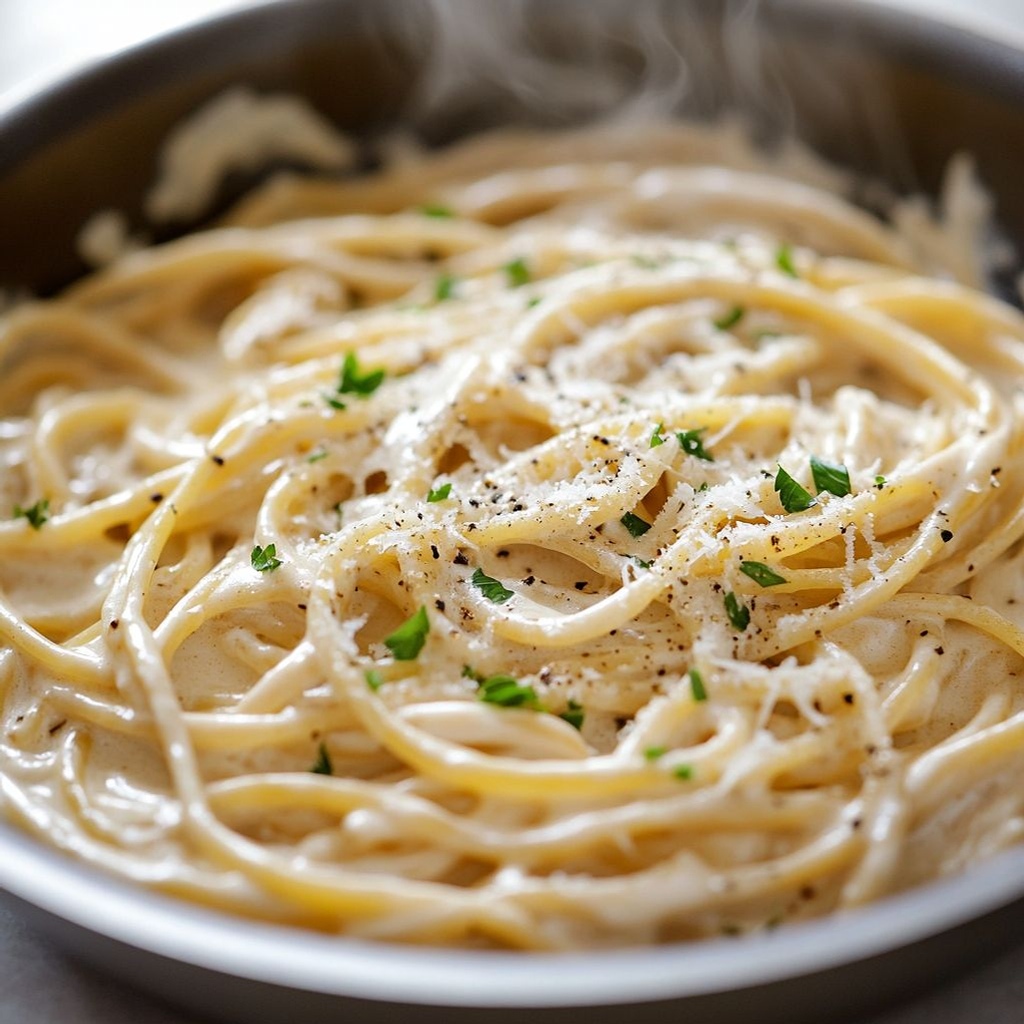
These One Pan Creamy Garlic Pasta notes walk you through a silky, weeknight-friendly dish that cooks entirely in one skillet. Use a long, sturdy pasta and reserve a splash of the pasta water to loosen or finish the sauce, and consider gluten-free pasta if needed. Customize by swapping in dairy-free alternatives (olive oil or vegan butter with a dairy-free cream) and adding extra flavor with lemon zest, parsley, or pepper flakes. For extra richness, keep the cream cheese option in; for lighter versions, use half-and-half or more broth. Sauté the garlic gently in butter to bloom the aroma without browning. Stir in the Parmesan until melted and emulsified for a glossy sauce; adjust with a bit of the reserved pasta water as needed. Add-ins like fresh spinach, mushrooms, cooked chicken, or shrimp should be added toward the end so they stay tender. Leftovers reheat well; add a splash of broth, cream, or water to restore creaminess. Always taste and adjust salt and pepper after the sauce comes together, and check that your broth and cheese are gluten-free if you have gluten intolerance.
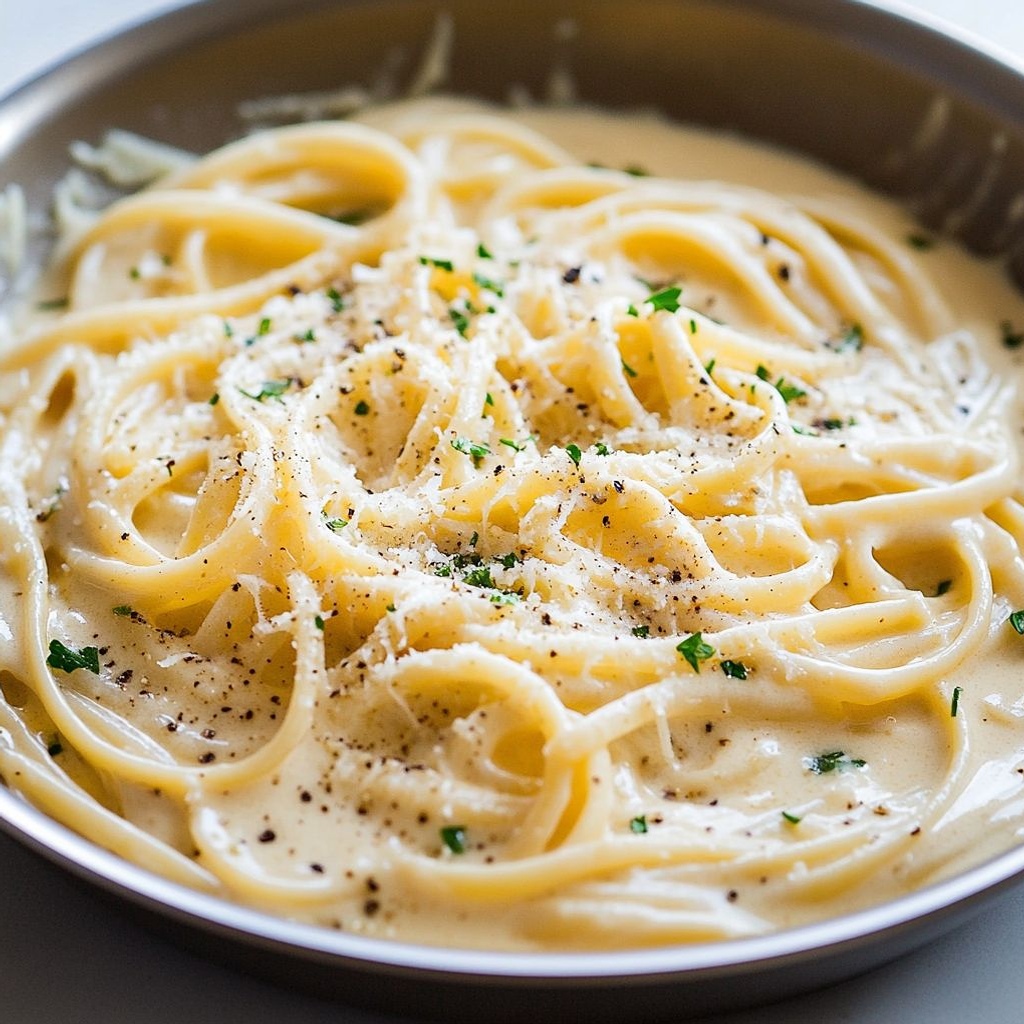
Tips
Tips for Perfect One Pan Creamy Garlic Pasta
- Choose a long, sturdy pasta (linguine, spaghetti, or fettuccine) so it can be twirled and coated by the sauce. This helps the starches release into the cream, creating a silkier finish.
- Cook the pasta directly in the sauce in a wide, deep skillet to keep the dish truly one-pan. If you’re gluten-free, pick a long gluten-free noodle and keep an eye on cooking time as it may differ from regular pasta.
- Reserve a splash of pasta water or additional broth before you start cooking. The starchy liquid helps emulsify the sauce and adjust thickness if it becomes too thick.
- Melt the butter first, then bloom the garlic over medium heat. Don’t let the garlic brown; pale, fragrant garlic develops the aroma without bitterness.
- For a lighter sauce, substitute heavy cream with Half-and-Half. For a dairy-free version, use a thick plant-based cream and a touch more broth or olive oil to maintain richness.
- Keep the liquid at a gentle simmer. A vigorous boil can break emulsions; simmering lets the pasta finish cooking while the sauce thickens evenly.
- Add Parmesan gradually and off the heat to help emulsify the sauce. Freshly grate Parmesan you’ll notice a brighter, nuttier flavor and better texture than pre-grated cheese.
- If using cream cheese, let it soften at room temperature and whisk it in piece by piece off the heat for extra creaminess. If you prefer, you can skip it and rely on the extra cheese and stickier sauce.
- Taste and season gradually. Salt from the cheese, broth, and pasta water adds saltiness, so start modest and adjust near the end after the sauce comes together.
- Optional heat: a pinch of red pepper flakes adds a subtle kick. Increase or decrease to suit your tolerance, or omit entirely for a milder sauce.
- Finish with brightness: a small squeeze of lemon juice or a sprinkle of lemon zest right off the heat enhances the creamy flavors without overpowering them.
- Finishing touches matter: stir in chopped fresh parsley just before serving for color and freshness. You can substitute with chives or basil for a different aroma.
- Optional add-ins timeline:
- Spinach: add 2 cups near the end to wilt quickly.
- Mushrooms: sauté separately until browned to develop flavor before adding to the pasta.
- Chicken: use 1 cup cooked, diced chicken and warm through after the sauce starts to come together.
- Shrimp: add 1 cup peeled, deveined shrimp near the end and cook until pink.
- Pan technique: use a wide, heavy skillet to give the sauce room to reduce without splashing. Stir or toss frequently to prevent sticking and promote even coating.
- If the sauce tightens or separates, whisk vigorously off heat and add a splash of the reserved pasta water or broth to re-emulsify.
- Storage and reheating: store leftovers in the fridge for up to 2 days. Reheat gently on low with a splash of broth and a splash of cream or milk to restore creaminess; whisk as you rewarm.
FAQ
What ingredients do I need for One Pan Creamy Garlic Pasta?
Typical ingredients include: 12 oz (340 g) pasta, 2–3 garlic cloves (minced), 2 tbsp butter, 1 tbsp olive oil, 1 cup chicken stock or vegetable stock, 1/2 to 1 cup heavy cream or half-and-half, 1/2 cup grated Parmesan, salt and pepper to taste. Optional add-ins: red pepper flakes for heat, chopped parsley for freshness, a squeeze of lemon juice for brightness, and extra Parmesan for serving.
What equipment do I need?
You’ll want a large skillet or wide sauté pan with high sides, a wooden spoon or tongs for stirring, a knife and cutting board for garlic, measuring cups/spoons, and a grater for the Parmesan. A lid helps if you’re simmering the pasta in the pan.
How do I make this in one pan step by step?
Follow these general steps:
- In a large skillet, melt butter with olive oil over medium heat and sauté minced garlic until fragrant (about 30-60 seconds).
- Pour in the stock and bring to a gentle simmer.
- Add the pasta, submerging it in the liquid. Cover and cook, stirring occasionally, until the pasta is al dente and most of the liquid is absorbed.
- Stir in the cream and Parmesan. Simmer a few minutes until the sauce thickens to a creamy consistency. If needed, add a splash of pasta water to reach desired sauciness.
- Season with salt and pepper, finish with any extras (parsley, lemon juice), and serve hot.
Can I make this dairy-free or vegan?
Yes. Use olive oil instead of butter and dairy-free cream substitutes (such as coconut cream, cashew cream, or a plant-based cream). Replace Parmesan with a dairy-free cheese or nutritional yeast for cheesy flavor. Use vegetable stock. Note: the sauce may be a touch thinner; you can thicken with a little dairy-free thickener or reduce a bit longer on gentle heat.
Can I use different pasta shapes?
Absolutely. Long shapes like spaghetti or linguine work beautifully, but short shapes such as penne, fusilli, or rigatoni also fit well. Just adjust the cooking time as needed since different shapes absorb liquid at different rates. Ensure there’s enough liquid to submerge the pasta during cooking.
How do I prevent the sauce from separating or becoming too thick?
Tips to keep it smooth:
- Keep the heat medium to medium-low after adding dairy; avoid a vigorous boil with cream.
- Add the cream gradually and stir often.
- Use some reserved pasta water to loosen the sauce if it thickens too much.
- Finish with cheese off the heat to reduce curdling risk.
Can I add protein or vegetables to this dish?
Yes. For protein, add cooked chicken, shrimp, or sausage in the pan after the garlic warms, cooking until warmed through. For vegetables, sauté mushrooms, spinach, or peas with the garlic, or stir in blanched broccoli or cherry tomatoes at the end. If using raw meat, cook it through before adding the pasta and sauce.
How should I store leftovers and reheat?
Store in an airtight container in the fridge for up to 3–4 days. Reheat gently on the stove with a splash of stock or milk to loosen the sauce, or microwave in short bursts, stirring in between. Reheating may soften the sauce; you can re-emulsify with a quick whisk while it warms.
Can I scale this recipe for more servings?
Yes. Multiply ingredients proportionally for more servings. If you scale up, you may need a larger pan and a bit more liquid. Check the pasta as it cooks to ensure it reaches the desired al dente texture and adjust simmering time accordingly.