
Introduction / Hook
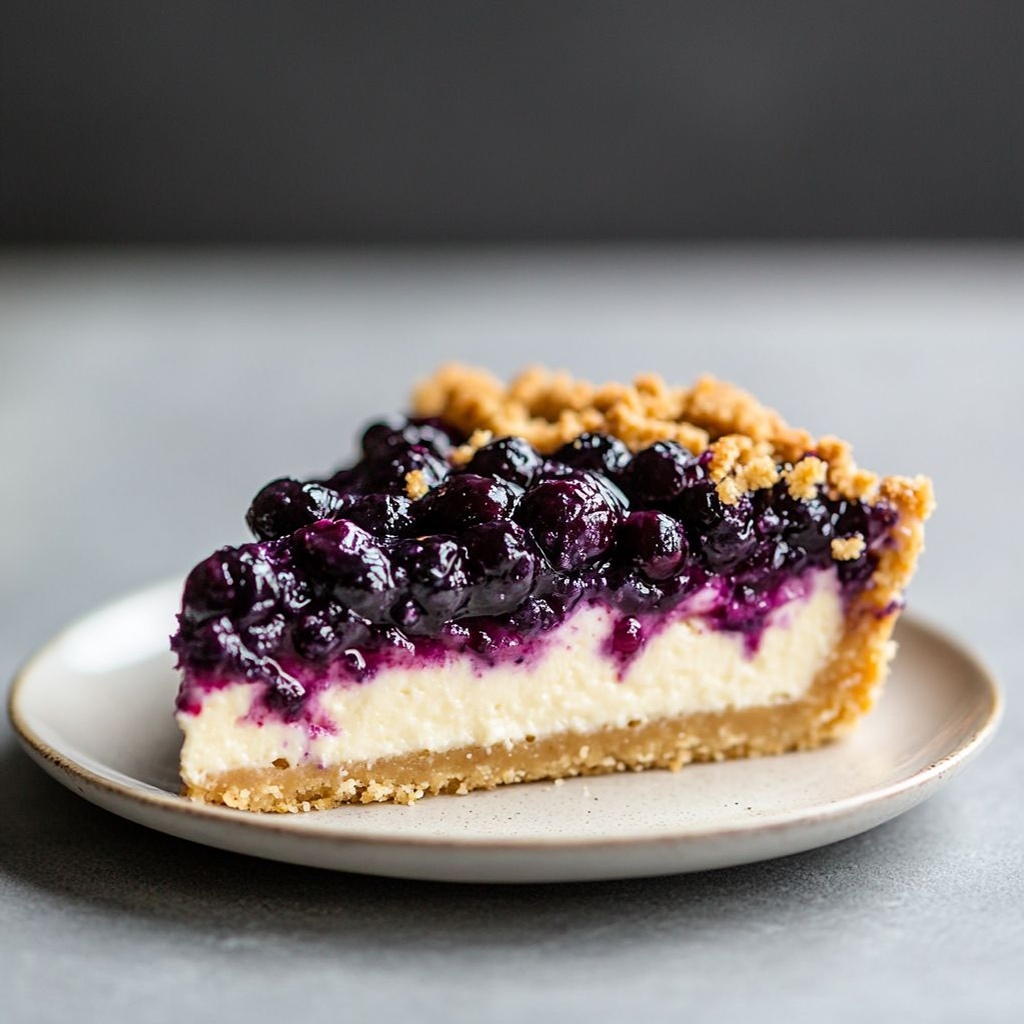
Imagine a slice that feels like summer on a plate: a cloud-soft cheesecake center kissed with bright, tart blueberries, all crowned by a warm, golden crumble that crackles at the first bite. The aroma drifts through the room—the gentle tang of cream cheese mingling with butter, vanilla, and a whisper of lemon—while the crust provides a sturdy, comforting foundation that yields to the luxurious, creamy interior. This Blueberry Cream Cheese Crumble Cheesecake is the kind of dessert that begs to be shared at gatherings, loved on special occasions, and quietly admired on weeknights when you deserve a little celebration in the kitchen. It’s effortless enough for a midweek triumph, yet impressive enough to feel like a showstopper for guests. Each mouthful offers contrast: the silken filling, the fruity juiciness of blueberries, and the satisfying crunch of crumble all playing together in harmony. If you’ve ever wished for a cheesecake that carries the bright cheer of a summer fruit basket and the cozy comfort of crumbly toast, you’ve found it here.
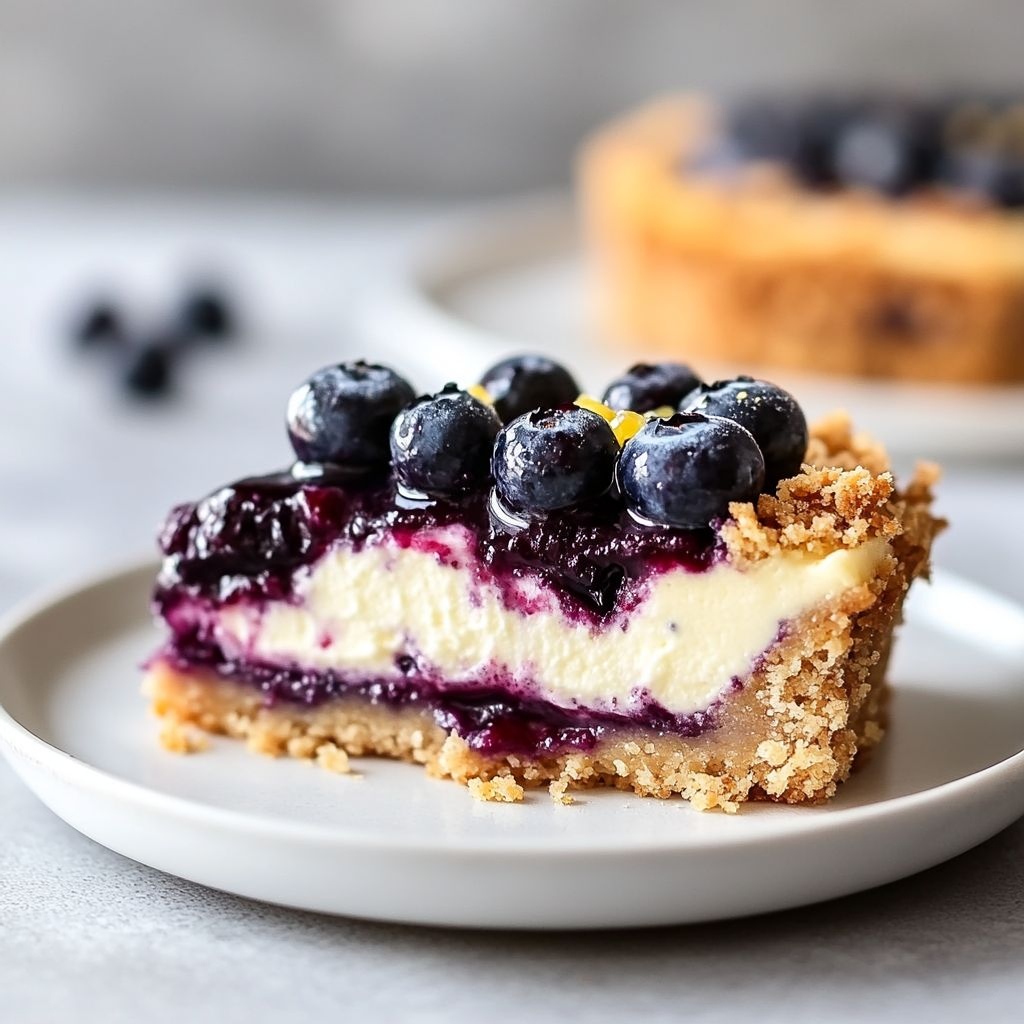
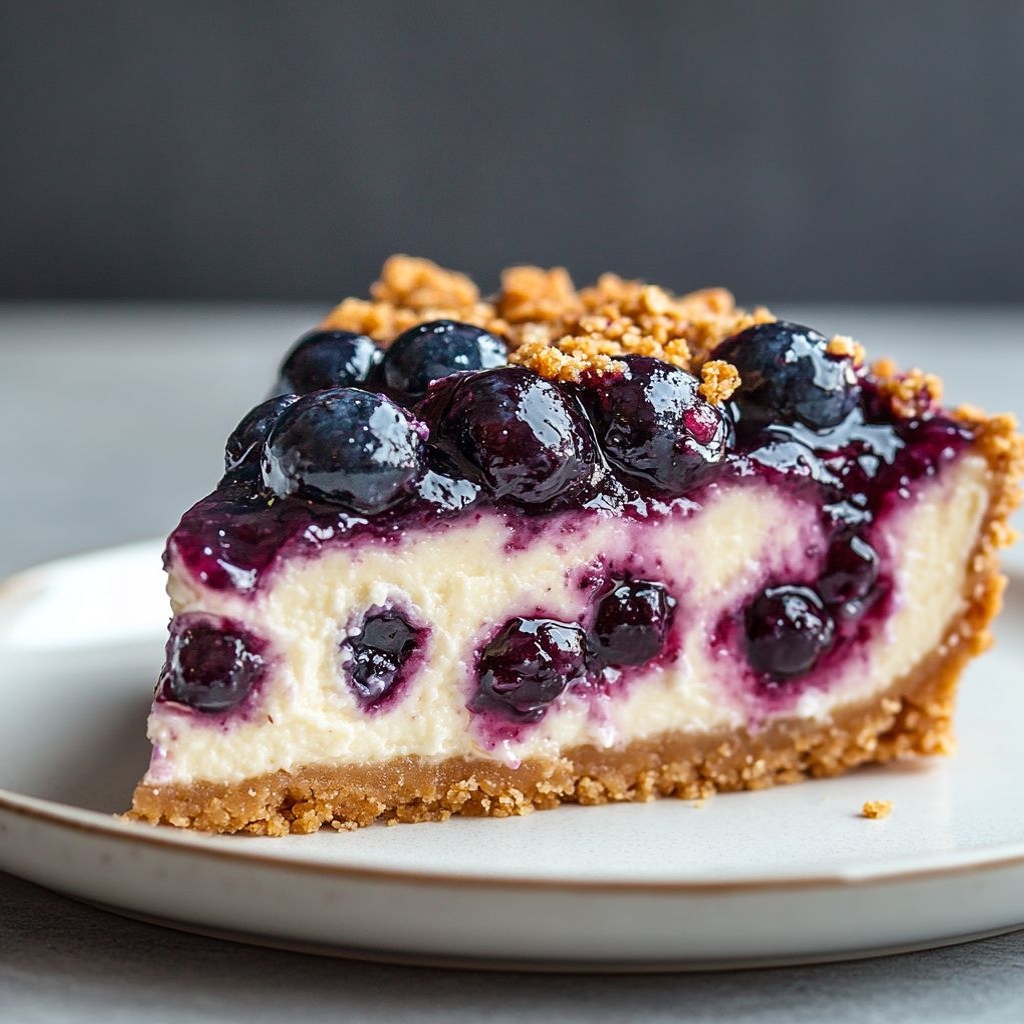
This is more than a dessert; it’s an experience. The moment you cut a slice, you expose a swirl of blueberry ribbons and a pale, velvety interior that glows with a subtle lemon highlight. The top bakes to a delicate crust that provides the kind of texture that makes you pause mid-chew to appreciate the balance between softness and crunch. It’s a recipe that invites you to tailor sweetness to your liking, to swap fruit for seasonal berries, or to adjust the crumble for a crunchier bite. In every bite, you’ll taste the care that went into blending an indulgent cheesecake with the rustic charm of a crumble topping, then draped in the lullaby-soft sweetness of blueberries. It’s comfort food with a bright personality—enough to spark conversation, yet refined enough to serve as an elegant finale.
The Story Behind the Dish
Blueberries have long been a symbol of peak summer in North America, a fruit that seems to glow with the heat of sunlit fields and the cool of a breezy afternoon. They’re a natural companion to cream cheese’s tang, a pairing that has delighted home bakers for generations. The idea of layering a cheesecake with a crumble topping isn’t new, but marrying these elements into a single, cohesive dessert is a modern celebration of two comforting genres: the velvety New York–style cheesecake and the homey, warmer crumble that evokes pies and morning pastries. Think of it as a love letter to both the refined and the rustic—the glossy, smooth center of a cheesecake with the wholesome, golden crunch of streusel, all punctuated by the lively sweetness of blueberries.
Personally, this combination often evokes memories of family gatherings in late-spring kitchens or sun-drenched patios where a tray of cheesecake sits beside a pitcher of lemonade. The crumble topping—made with flour, butter, and a touch of sugar—hums with the same warmth you’d get from a freshly baked muffin or a slice of rustic coffee cake. When blueberries are in season, they lend their natural sweetness and a hint of tartness that cuts through the richness of the filling, brightening every forkful like a little burst of sunshine. The origin of such a dessert could be traced to countless kitchen improvisations: cooks tinkering with a standard cheesecake recipe, then finishing with a streusel that evokes the familiar, comforting aroma of baked goods on a Saturday morning. In this adaptation, the result is a dessert that feels both timeless and contemporary—a cheesecake that tastes like a memory you haven’t yet made but already crave.
Historically, cheesecakes have traveled through time and cultures, absorbing local flavors along the way. The addition of a crumble topping is a nod to bakery-style treats that celebrate texture—an outer crisp that yields to a creamy interior, a combination that’s addictive in the best possible way. Blueberries, with their juicy interiors and deep indigo skins, bring a Sunday-dinner-in-the-lawn vibe to the plate, while lemon zest in the filling adds lift and balance. The narrative of this dessert is thus a tapestry: classic cheesecake technique meets the comforting, homey charm of a crumble, all brightened by summer berries. It’s the kind of dish that invites storytelling as you slice: where did you first taste a bite like this? Whose kitchen memory does the crumble transport you to? The answer, for many, is a shared moment of sweetness that becomes part of your family’s culinary folklore.
Why You’ll Love This Recipe
- Quick-to-impress factor: the cheesecake has a luxe texture and clean flavor, but the crumble topping gives it a rustic, bakery-worthy finish that looks as good as it tastes.
- Bright, balanced flavors: the blueberries provide natural sweetness and a gentle tartness, while vanilla and lemon zest add depth without overpowering the fruit.
- Textural contrast: creamy interior meets a crisp, buttery crumble and a slightly crumbly crust, offering a satisfying bite from start to finish.
- Make-ahead friendly: this dessert can be prepared in advance and chilled, allowing flavors to meld and giving you a stress-free serving plan for parties and holidays.
- Versatile and adaptable: swap in other berries or stone fruits when blueberries aren’t in season, or tailor the crumble to suit dietary needs with simple substitutions.
- Perfect for every occasion: from casual weeknights to festive gatherings, this cheesecake brings a sense of celebration without requiring a complicated toolkit or long kitchen hours.
Flavor Profile & Texture
The flavor profile of the Blueberry Cream Cheese Crumble Cheesecake is a carefully choreographed dance between tang and sweetness, with fruit brightness and dairy richness playing the lead roles. The filling starts with a lush, velvety tang from cream cheese, calmed by cream and a hint of vanilla. There’s a whisper of lemon brightness that lifts the richness without making the filling feel sour or heavy. Blueberries contribute a fruity pop—some bites deliver a juicy, almost jammy sweetness, while others reveal a fresher, slightly tart note. When the crumble topping enters the scene, it introduces a welcome crunch and toasty sweetness that contrasts beautifully with the silkiness of the center.
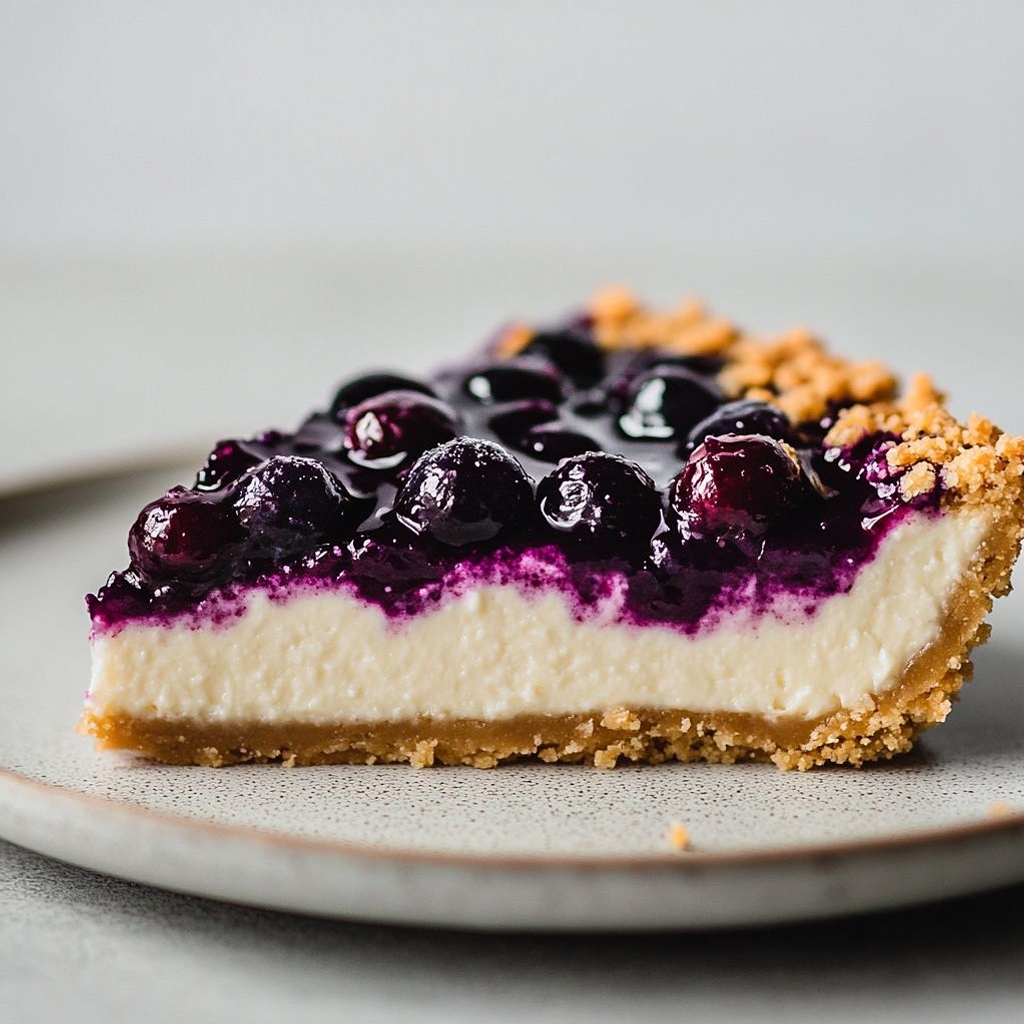
Texture-wise, you’ll notice three distinct layers working in harmony. First, the crust—think a thin, buttery base that provides structural support and a gentle, cookie-like crunch. Second, the creamy cheesecake layer—smooth, rich, and almost cloud-like, with a temperature that makes it feel indulgent but not heavy. Third, the crumble—an inviting, slightly crumbly, golden topping that crackles pleasantly as you bite, offering a toasty, caramelized note that echoes the flavors of a classic coffee cake. The blueberries, fresh or gently cooked, punctuate each slice with bursts of color and moisture, giving a juicy counterpoint to the creamy cheese and the crunchy crust. The overall effect is a dessert that feels luxurious and comforting at once, a familiar favorite elevated by a few textural surprises and a bright fruit finish.
In terms of aroma, the scent is intoxicating in the best way: butter toasting in the crumble, vanilla-soft cheese, a vanilla-lemon perfume washed over by the sweet-tart perfume of blueberries. When served at cool room temperature or slightly chilled, the flavors intensify and the textures become even more pronounced, making every bite as enjoyable as the first. This is a dessert that speaks to both the senses and the memory—comforting, inviting, and endlessly repeatable.
Occasions & Pairings
This blueberry cheesecake is a natural fit for a wide range of occasions, from intimate family dinners to large celebrations. It shines at summer barbecues, weekend brunches, and festive gatherings around holidays when berries are at their peak. Because it’s elegant yet approachable, it works beautifully as a centerpiece dessert or as a crowd-pleasing finale that doesn’t overwhelm the main course. The versatility of the topping and the berry-forward profile make it easy to pair with a variety of accompaniments and drinks.
Suggested pairings to elevate the experience:
- Fresh herbs and citrus: a mint sprig or a light dusting of lemon zest on top adds aromatic brightness that complements the filling.
- Light fruit accompaniments: a little blueberry compote or a dollop of unsweetened whipped cream enhances the fruit’s juiciness without overpowering the cheesecake.
- Cool beverages: a sparkling lemonade, a dry sparkling wine, or a chilled cup of green tea with citrus notes pair nicely with the richness of the cheesecake.
- Side desserts: a simple almond biscotti or a shortbread biscuit can provide a crunchy counterpoint to the creamy slice.
- Seasonal twists: in late summer, fold in a few ripe raspberries or blackberries into the crumble for a deeper berry chorus; in fall, swap blueberries for peaches or blackberries and add a pinch of cinnamon to the crumble for warmth.
Tips, Variations & Substitutions
Crust & Base Variations
- Classic crust alternative: If you prefer a thicker base, simply press a denser mixture into the pan’s bottom and allow it to bake until lightly golden. A graham cracker crust is traditional, but a buttery shortbread base can also create a richer foundation.
- Gluten-free option: Use gluten-free graham crackers or crushed cookies mixed with a touch of melted butter. You can also substitute almond flour for a nutty, gluten-free crumb with a tenderness that complements the filling.
- Nut-free approach: If you’re serving guests with nut allergies, retain the classic crust while avoiding any nut-based ingredients in the topping. You’ll still get the satisfying crunch from the crumble itself.
Flavor Variations
- Berry swap: Substitute blueberries with strawberries, raspberries, blackberries, or a mix of berries for a different fruit-forward profile. For a peach or plum version, choose stone fruits that bring their own natural sweetness and a touch of tartness.
- Zest and spice: Add a touch more lemon zest or even a tiny pinch of ground vanilla bean or cardamom to the filling for a subtle, fragrant twist that remains balanced with the berry flavors.
- Richer crumble: Increase the butter ratio in the crumble for a more pronounced crunch and a deeper toasty flavor. A splash of finely chopped nuts (pecans or walnuts) can add extra texture if tolerated by guests.
Dietary Adaptations
- Vegan-friendly approach: Use a plant-based cream cheese substitute, a non-dairy yogurt or coconut cream base, and a dairy-free butter substitute for the crust and crumble. Ensure the product provides enough structure to hold the slice together.
- Low-sugar option: Reduce sugar in the filling and crumble, relying on the natural sweetness of ripe blueberries. Consider using a sugar substitute that bakes well and won’t alter the texture of the cheesecake.
- Gluten-free by default: The crumble and crust can be tailored to be gluten-free with certified gluten-free ingredients, ensuring the texture remains light and crisp.
Storage & Make-Ahead Ideas
One of the joys of this dessert is that it can be prepared ahead of time, giving you freedom to host and enjoy without the last-minute rush. For best results, keep the cheesecake well covered and stored in the refrigerator. The flavors mellow and meld beautifully as they rest, giving you a perfectly set slice that slices cleanly and remains creamy and luscious.
Make-ahead tips:
- Chill time: Let the cheesecake set in the refrigerator for several hours or overnight. This helps the filling firm up and makes slicing easier, while the crumble remains crisp if kept away from excessive moisture before serving.
- Freezing: You can freeze a fully assembled (unbaked) base or baked cheesecake slices. Wrap tightly in plastic wrap and store for up to 1–2 months. Thaw overnight in the refrigerator before serving to preserve texture and flavor.
- Reheating considerations: If you prefer a warm tinge to your slice, gently warm the serving portion in a low-temperature oven or microwave in short bursts, then finish with a fresh crumble top if you like a crispness on the surface.
Fun Facts & Trivia (Optional)
Did you know blueberries are one of the few fruits that are native to North America and have been harvested for hundreds of years? They’ve earned a reputation not only for their vibrant color but also for their healthful compounds, including antioxidants and vitamins that have made them a beloved fruit across seasons. Cheesecake, on the other hand, has roots that trace back to ancient civilizations, with early versions appearing in Greek history as a celebratory cake for athletes and guests alike. The combination of a cheesecake base with a crumble topping is a modern homage to these traditions—merging the regal smoothness of a classic cheesecake with the rustic charm of a streusel or crumb topping. The blueberry variant adds a fruity brightness that has often been celebrated in summer picnics and family gatherings, turning a simple dessert into a memory-maker. If you’ve ever wondered how a single dish could feel both sophisticated and comforting, this cheesecake answers that question with a precise, delicious kiss of blueberry sweetness and a crumbly, buttery backbone.
In culinary culture, crumb toppings are often associated with warmth, coffee hours, and brunches—moments when a homemade bake invites people to linger a little longer at the table. The blueberry element introduces a seasonal storytelling thread: when blueberries are at their peak, dessert becomes more than a treat; it becomes a celebration of the land’s generosity. This dessert embodies that spirit—an elegant, crowd-pleasing slice that tastes like a thoughtfully crafted indulgence but is surprisingly approachable for home cooks of all levels. It’s the kind of recipe that leaves a lasting impression without imposing a heavy kitchen burden, a rare balance that makes it a beloved addition to any dessert repertoire. Enjoy the story in every bite—the heritage, the harvest, and the sweet memory you’ll create with friends and family around the table.
Ingredients
Crust
-
– 1 1/2 cups graham cracker crumbs (or digestive biscuits)
→ Purpose: forms the sturdy, flavorful base that supports the creamy filling. Prepare by crushing cookies into fine crumbs, then mix with sugar before combining with melted butter to create a cohesive crust. Handling: press evenly into the pan bottom and about 1/2 inch up the sides; chill briefly to set before filling. Tips: use gluten-free crackers if needed for a gluten-free crust.
– 1/4 cup granulated sugar
→ Purpose: lightly sweetens the crust and helps balance the tang of the filling. Handling: whisk with the crumbs before adding the melted butter to ensure even distribution. Tips: adjust to taste; for a less sweet crust, reduce by 1–2 tablespoons.
– 6 tablespoons unsalted butter, melted
→ Purpose: binds crust crumbs into a cohesive base. Preparation: melt and slightly cool before mixing with crumbs. Handling: stir until the mixture clumps when pressed; press into the pan firmly using the back of a spoon or the flat bottom of a glass. Tips: use unsalted butter for consistent salt level; chill the crust after forming before filling.
Cream Cheese Filling
-
– 24 oz (680 g) cream cheese, softened to room temperature
→ Purpose: provides the creamy, decadent body and structure of the cheesecake. Preparation: ensure it’s fully softened to avoid lumps; beat until smooth. Handling: use a mixer on medium-low to prevent incorporate too much air; scrape sides often. Tips: use full-fat blocks rather than imitation for best texture and flavor.
– 1 cup (200 g) granulated sugar
→ Purpose: sweetens the filling and contributes to a silky, melt-in-the-mouth texture. Preparation: add gradually to cream cheese to maintain a smooth batter. Handling: avoid overmixing after sugar is added to prevent cracks; mix just until incorporated. Tips: room-temperature ingredients blend best for a glossy finish.
– 3 large eggs, room temperature
→ Purpose: provide binding and structure to set the filling during baking. Preparation: add eggs one at a time, mixing until just combined. Handling: do not overbeat after eggs are added to minimize air pockets and cracking. Tips: room-temperature eggs prevent shock to the batter and help it set evenly.
– 1/2 cup sour cream, room temperature
→ Purpose: adds tanginess and extra creaminess; helps produce a smooth, rich texture. Preparation: whisk to smooth before folding into the batter. Handling: fold gently to preserve airiness; avoid heating sour cream, which can cause curdling. Tips: full-fat sour cream yields a richer mouthfeel.
– 1/4 cup heavy cream, room temperature
→ Purpose: increases richness and silkiness of the filling; helps achieve a lava-soft center if underbaked slightly. Preparation: add with other liquids and mix until uniform. Handling: incorporate gradually to avoid separation. Tips: if you prefer a lighter texture, substitute with additional sour cream or yogurt, but this will alter flavor and consistency slightly.
– 1 tablespoon lemon zest
→ Purpose: brightens the cheesecake with citrus aromatics complementing the blueberries. Preparation: zest finely, avoiding the white pith. Handling: fold zest in with other wet ingredients just before combining with the cream cheese. Tips: use fresh zest for vibrant flavor; zest before squeezing lemons to maximize essential oils release.
– 1 teaspoon pure vanilla extract
→ Purpose: adds warm sweetness and depth to the filling. Preparation: add with wet ingredients to distribute evenly. Handling: use high-quality vanilla; imitation vanilla can taste flat. Tips: for even better aroma, let batter rest for 10–15 minutes before baking to allow flavors to meld.
– 1/4 teaspoon kosher salt
→ Purpose: enhances overall flavor and heightens the tang of the cream cheese. Preparation: sift into the filling or whisk with dry ingredients before combining. Handling: balance with sweetness and dairy salt content. Tips: adjust if using salted butter or if your cheese is particularly salty.
Blueberry Swirl
-
– 1 cup blueberries (fresh or thawed frozen)
→ Purpose: provides the fruity swirl and natural sweetness in the cheesecake. Preparation: if using frozen, thaw and drain; crush gently to release juice. Handling: fold into batter sparingly to create distinct marbled patterns rather than fully mixing. Tips: choose ripe berries for maximum flavor; wash gently to avoid bruising.
– 2 tablespoons granulated sugar
→ Purpose: sweetens the berry mixture and helps draw out juices for a cohesive swirl. Preparation: mix with berries; toss to coat evenly. Handling: adjust to taste depending on berry sweetness. Tips: macerate berries with a pinch of salt for enhanced flavor if desired.
– 1 teaspoon lemon juice
→ Purpose: brightens berry flavor and helps loosen juices for a vivid swirl. Preparation: add after sugar; stir to combine with berries. Handling: balance tartness with sugar; adds fresh lift to the berry note. Tips: use fresh lemon juice for best aroma and brightness.
– 1 teaspoon cornstarch (optional)
→ Purpose: thickens the blueberry mixture to keep the swirl defined after baking. Preparation: whisk into a small amount of water to form a slurry, then stir into the berries. Handling: cook briefly (if you are cooking the mixture) to activate thickening, or simply mix in raw with berries for a looser swirl. Tips: skip if you prefer a looser, juice-rich swirl; add a little more lemon juice if not using cornstarch.
Crumble Topping
-
– 1/2 cup all-purpose flour
→ Purpose: creates the crumbly, pie-crust-like topping that contrasts with the creamy filling. Preparation: whisk with oats, sugar, cinnamon, and salt; cut in cold butter until mixture resembles coarse crumbs. Handling: keep butter cold to ensure a crisp topping that stays discrete rather than melting into the filling. Tips: gluten-free option: swap in a gluten-free flour blend and adjust texture with extra oats if needed.
– 1/2 cup rolled oats (old-fashioned)
→ Purpose: adds chewy texture and helps form larger crumb clusters that stay crunchy on top. Preparation: mix into dry crumb mixture; toasting oats lightly beforehand enhances nutty flavor. Handling: avoid overhydration with butter; keep chunks for a crisper bite. Tips: ensure oats are certified gluten-free if required by dietary needs.
– 1/3 cup light brown sugar
→ Purpose: contributes moisture, caramel flavor, and helps the crumble set into clumps. Preparation: blend with flour and oats before incorporating butter. Handling: distribute evenly to avoid dense pockets; slightly larger clumps yield a more appealing texture. Tips: darker brown sugar deepens caramel notes nicely.
– 6 tablespoons unsalted butter, cold and cubed
→ Purpose: binds the crumble into crumbly clusters that crisp during baking. Preparation: work into dry ingredients with fingertips or a pastry cutter until pea-sized lumps form. Handling: keep butter cold to maintain structure; chill topping before baking if your pan is hot. Tips: the butter-to-flour ratio can be adjusted for crunch vs. tenderness; smaller cubes create finer crumbles.
– 1/4 teaspoon ground cinnamon
→ Purpose: adds warm spice that complements blueberries and cream cheese. Preparation: evenly distribute through the dry mixture. Handling: adjust to taste; omit for a lighter topping if desired. Tips: bloom cinnamon briefly in a tiny bit of melted butter to intensify flavor.
– Pinch of salt
→ Purpose: enhances sweetness and balances flavors in the topping. Preparation: mix with dry ingredients. Handling: a small pinch goes a long way to round out the topping’s flavor. Tips: adjust if your butter is salted or if you prefer a less sweet finish.
Instructions
- Preheat your oven to 325°F (165°C) and prepare a 9-inch springform pan by lining the bottom with parchment and greasing the sides; wrap the outside with two layers of heavy-duty foil to seal for a water bath if you choose to bake with moisture.
→ This ensures the cheesecake bakes evenly, releases cleanly from the pan, and protects the filling from water contact if using a bath. - In a medium bowl, combine graham cracker crumbs and granulated sugar, then drizzle in the melted butter and mix until the texture resembles damp sand that holds together when pinched.
→ The butter binds the crumbs into a cohesive crust that both supports the filling and delivers a crisp, flavorful base when baked. - Transfer the crust mixture into the prepared pan and press it evenly across the bottom and up the sides to about 1/2 inch; use the flat bottom of a glass or a straight spatula to compress for an even, dense layer. Chill the crust for 15–20 minutes to set before filling.
→ Chilling solidifies the fats, sealing the crust in place so it does not crumble when you add the filling, and helps prevent a soggy bottom. - Fit a stand mixer or hand mixer with a paddle attachment and beat the softened cream cheese on medium-low speed until completely smooth, scraping the bowl as needed. Add the granulated sugar gradually and continue to beat until the mixture is glossy and free of lumps.
→ Beating at medium-low prevents incorporation of too much air, which can cause cracks during baking; gradual sugar addition ensures a silky, uniform batter. - With the mixer on low, add the eggs one at a time, mixing just until each is incorporated before adding the next; avoid overmixing after the eggs are added to minimize air pockets that can lead to cracks.
→ Adding eggs one by one and on low speed ensures a smooth batter without toughness or large air bubbles, which helps the cheesecake set evenly. - In a separate bowl, whisk together the sour cream, heavy cream, lemon zest, vanilla extract, and kosher salt until the mixture is smooth and uniform; then fold or mix gently into the cream cheese batter until just combined.
→ The dairy and aromatics add moisture, tang, and depth; gentle incorporation preserves a creamy, luscious texture without thinning or separating the batter. - In a small bowl, combine 1 cup blueberries with 2 tablespoons granulated sugar and 1 teaspoon lemon juice; if using cornstarch, whisk 1 teaspoon cornstarch with 1 tablespoon water and stir into the berry mixture; let sit for 5–10 minutes to macerate and release juice.
→ Maceration sweetens, perfuses the berries, and produces a juicy swirl that bakes into the cheesecake without sinking as liquid. - Pour the cream cheese filling into the chilled crust, smoothing the top with a spatula; then drop spoonfuls of the blueberry mixture over the surface and use a skewer or knife to gently swirl from the center outward to create distinct marbled ribbons without fully mixing the colors.
→ Marbling gives visual appeal and bursts of blueberry flavor in every bite while maintaining the cheesecake’s smooth texture. - Prepare the crumble topping by whisking together the all-purpose flour, rolled oats, light brown sugar, ground cinnamon, and a pinch of salt; add the cold, cubed butter and cut it in with your fingertips or a pastry cutter until the mixture resembles coarse crumbs and some larger pea-size pieces remain. Chill the mixture for 10 minutes to keep the butter cold.
→ Cold butter yields a crisper, more defined crumble that stays separate from the filling during baking, providing contrasting texture. - Evenly sprinkle the crumble topping over the filled cheesecake, ensuring a thin, even layer that covers the entire surface without clumping; tap the pan gently to settle the topping.
→ A uniform topping bakes into crunchy clusters rather than steam-collapsing into soft, soggy lumps, and masks any gaps around the edge. - Transfer the cheesecake pan to a larger baking dish and pour hot water into the outer dish until it comes halfway up the sides of the springform; bake at 325°F (165°C) until the center jiggles slightly and the edges are set, about 55–70 minutes. If the top begins to brown too quickly, tent loosely with foil.
→ The water bath provides gentle, even heat that prevents cracking and yields a smoother, creamier center, while a protective foil tent prevents over-browning. - Turn off the oven and leave the cheesecake in the oven with the door ajar about 4 inches for 60 minutes to allow a gradual temperature decrease; this slow cooling reduces stress on the filling and helps prevent cracks.
→ Gradual cooling minimizes thermal shock, preserving a creamy texture and smooth surface rather than a network of cracks. - Carefully remove the cheesecake from the water bath, dry the outer pan, and let it cool completely on a rack at room temperature; then refrigerate uncovered for at least 4 hours or overnight to finish setting and develop full flavor.
→ Chilling solidifies the filling for clean slicing and enhances the creamy mouthfeel; overnight chilling often improves flavor integration. - Loosen and remove the springform ring, slice with a warmed (very sharp) knife wiped clean between cuts, and serve the cheesecake chilled; garnish with extra blueberries or lemon zest if desired.
→ Warming the knife reduces sticking and cleanly separates portions; chilling before slicing yields neater pieces and a better texture in each bite.
Notes
These blueberry cream cheese crumble cheesecake notes help you achieve a luscious, creamy filling with a bright blueberry swirl and a buttery, crunchy crumble topping. For best results, ensure your cream cheese and eggs are at room temperature, and bake the cheesecake in a shallow water bath to minimize cracking. You can customize this dessert by using gluten-free crackers for a gluten-free crust, swapping blueberries for other berries, or adding a touch of lemon zest to the filling for extra brightness.
The cheesecake sets best when chilled for several hours or overnight; it will slice more cleanly after cooling. It freezes well—slice before freezing, wrap tightly, and thaw in the refrigerator before serving. Serve with a dollop of whipped cream or a scoop of vanilla yogurt and extra berries for a show-stopping finish.
If you need to adjust sweetness or tang, you can tweak the sugar in the filling or swirl with a little lemon juice; use full-fat cream cheese for best texture. Always ensure your ingredients are properly prepared: cream cheese softened, blueberries drained if frozen, and crumble topping kept cold before baking to maintain crispness.
Tips
Tips for Blueberry Cream Cheese Crumble Cheesecake
Crust tips
- Ensure the graham cracker or digestive biscuit crumbs are fine and evenly distributed. If using coarse crumbs, pulse a bit longer or pass through a sieve to avoid crumbly edges.
- Mix sugar with the crumbs before adding melted butter so the fat coats every crumb for a cohesive crust rather than dry pockets.
- Press the crust firmly into the pan using the back of a spoon or a flat-bottomed glass to create an even base and raised sides. Avoid pressing too hard, which can make the crust tough.
- Chill the pressed crust briefly (15–20 minutes) before filling to prevent it from crumbling or sliding when you add the cheesecake batter.
- If gluten-free is needed, use gluten-free crackers and consider adding a small pinch of salt or a runnier butter to improve binding. You can also add a tablespoon of finely ground almonds for extra structure.
Cream cheese filling tips
- Let cream cheese come to room temperature (1–2 hours) and cut into chunks so it softens evenly, reducing lumps in the batter.
- Beat the cream cheese on medium-low and scrape the bowl frequently to prevent lumps and incorporate air softly; overbeating after adding sugar can introduce cracks later.
- Gradually add sugar in stages to ensure a smooth, glossy batter; stopping as soon as it’s blended helps maintain a silky texture.
- Add eggs one at a time and mix until just combined; avoid prolonged mixing after the eggs go in to minimize air pockets and cracking.
- Whisk sour cream and heavy cream separately to smooth, then fold in gently to preserve a light, creamy texture.
- Stir in lemon zest and vanilla with the wet ingredients to evenly distribute aromatic oils; use fresh zest for the brightest flavor.
- Consider a brief rest of the batter (10–15 minutes) before baking to let flavors meld and reduce the chance of a glossy, over-aerated finish.
- If you notice cracks while baking, a gentle water bath and a slow cooling process will help minimize them; cracks can be filled with a thin layer of sour cream or your blueberry swirl for a pretty finish.
Blueberry swirl tips
- Thaw frozen berries completely and drain well to prevent excess liquid from thinning the batter or thinning the swirl.
- Macerrate the berries with a pinch of salt and sugar, then fold them into the batter sparingly to create distinct marbled streaks rather than fully mixing the filling.
- For a vivid swirl, reserve some berries and dot the top in several places after pouring the batter, then swirl with a knife to create bold patterns.
- If you use cornstarch, whisk it into a small amount of lemon juice or water to form a slurry before stirring into the berries; this helps set the swirl during baking.
- Use fresh lemon juice to brighten the blueberry flavor, but avoid adding too much liquid, which can thin the batter and blur the swirl.
Crumble topping tips
- Keep butter cold and cubed; cold butter creates crumbly, crisp clusters that stay separate from the filling.
- Cut the butter into the dry ingredients with a pastry cutter or fingertips until pea-sized lumps form for a balanced crumble; avoid overworking into a paste.
- Chill the crumble briefly before baking if your pan is hot to help maintain separate clumps and prevent melting into the filling prematurely.
- Toast the oats lightly in a dry pan or in the oven for extra toasty, nutty flavor before mixing with other dry ingredients.
- Season the topping with cinnamon and a pinch of salt to enhance the sweetness and balance the dairy flavors; bloom the cinnamon in a small amount of melted butter for deeper aroma if desired.
- For a gluten-free topping, use a gluten-free flour blend and/or add more oats; ensure you use certified gluten-free oats if needed.
FAQ
What is Blueberry Cream Cheese Crumble Cheesecake?
A rich, creamy cheesecake layered with blueberry swirls and crowned with a crunchy crumble topping. It combines a buttery crust, tangy cream cheese filling, sweet blueberries, and a cinnamon-spiced crumble for a dessert that’s both smooth and texturally interesting.
Can I use a different crust, and is gluten-free option available?
Yes. A traditional crust uses graham crackers or biscuits. For gluten-free, swap in gluten-free crackers, crushed almond flour cookies, or a simple nut-based crust. Bind with melted butter and a touch of sugar. If you’re avoiding gluten, check labels to ensure ingredients are certified gluten-free.
Fresh vs. frozen blueberries—does it matter?
Fresh blueberries give a bright, tangy flavor, while frozen blueberries are convenient year-round. If using frozen, thaw and drain well to reduce extra moisture; you can pat them dry with a towel before mixing into the swirl or topping.
What equipment do I need to bake this cheesecake?
A 9-inch (23 cm) springform pan is ideal. A tall pan helps with even baking. You’ll also want a large roasting pan for a water bath (to prevent cracking) and a few parchment paper strips to help with easy pan removal.
How do I prevent the cheesecake from cracking?
Tips to avoid cracks include: using room-temperature cream cheese, mixing just until smooth, baking in a water bath, baking slowly at a moderate temperature, and letting it cool gradually in the oven with the door slightly ajar. Avoid overmixing the filling or sudden temperature changes.
How is the crumble topping prepared?
Typically, combine flour (or oats for extra crunch), brown sugar, a pinch of cinnamon, and cold cubed butter. Mix until you have crumbly clumps. Sprinkle over the top of the cheesecake before the final bake so it browns and gets crisp during cooling.
How should I swirl the blueberry into the filling?
Fold gently prepared blueberry compote or whole blueberries into a portion of the cream cheese filling, then dollop into the crust and bake. Use a knife or skewer to create a light marbled swirl—don’t overmix, or you’ll lose the pattern.
Can I make this cheesecake in advance?
Yes. It tastes best after a overnight chill. You can bake it ahead and refrigerate for up to 3–4 days. For longer storage, wrap tightly and freeze for up to 1 month; thaw in the fridge before serving.
How should I store and serve leftovers?
Store sliced portions in an airtight container in the fridge for up to 4–5 days. For longer storage, freeze individual slices wrapped tightly. Serve with fresh blueberries, a dollop of whipped cream, or a light blueberry sauce for extra flair.
Can I adapt this recipe for dairy-free or vegan diets?
Yes, with substitutions: use dairy-free cream cheese and a dairy-free sour cream or coconut cream in the filling, and replace butter with a dairy-free margarine or coconut oil. Check that your crust components are also dairy-free or use a vegan-friendly crumb base.