
Introduction / Hook
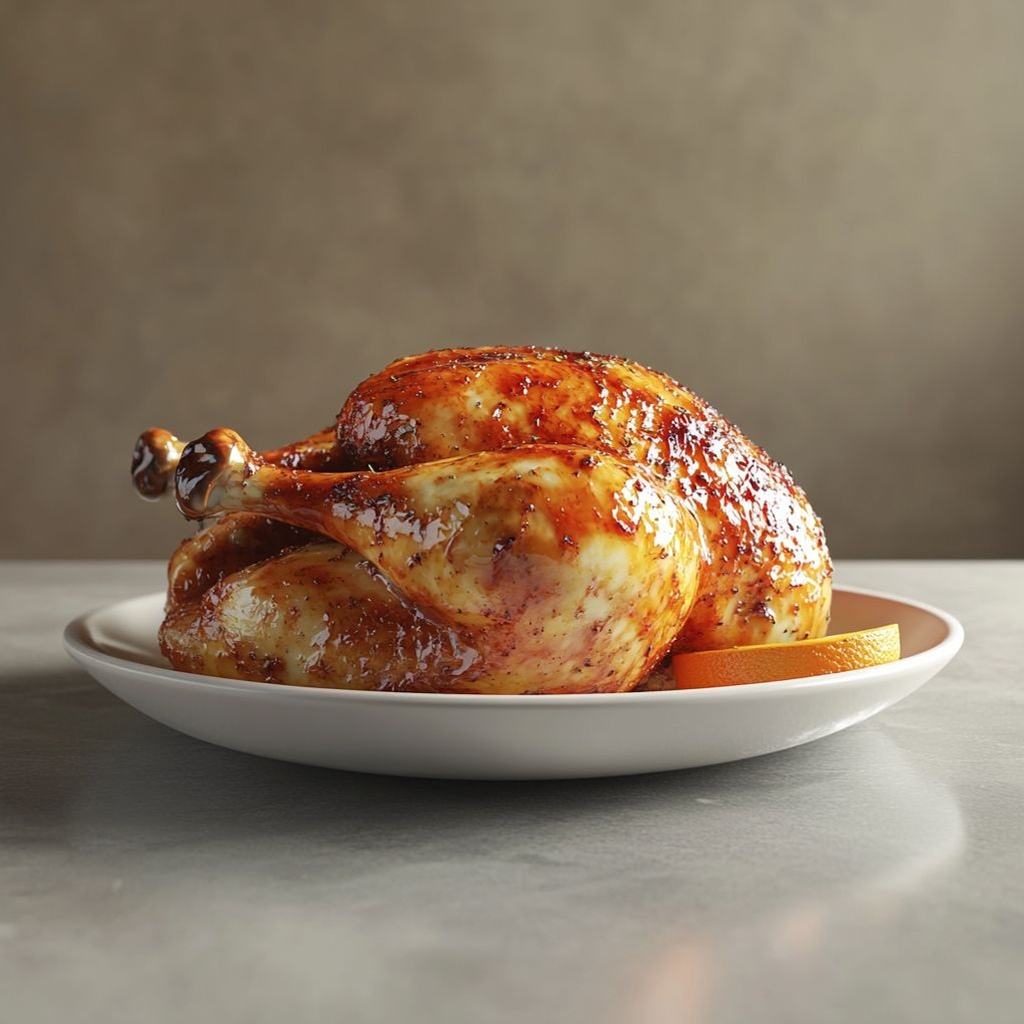
Imagine a kitchen filled with the warm, sunny scent of citrus brightening a savory, golden-brown comfort dish. Oven Roasted Orange Chicken is where everyday weeknight dinner meets a sunlit, celebratory roast. The first crackle of the skin as it meets heat announces that something magical is beginning—a melody of sizzling fat, caramelized sugars, and pop of roasted aromatics. The glaze, lacquered with a glossy sheen, clings to the chicken like a whisper of sweetness and tang, inviting you to take a bite that’s both familiar and instantly transported to a sun-drenched courtyard in late afternoon. This dish is not just dinner; it’s a sensorial experience that makes a simple table feel like a small, intimate feast. The citrus note is the heartbeat—bright, uplifting, and balanced by a savory depth that makes every mouthful feel both comforting and exciting. If you crave a plate that looks as good as it tastes, that delivers a cozy kiss of nostalgia yet feels modern and vibrant, this is the recipe you’ll reach for again and again.
In every kitchen, there’s a dish that seems to capture the essence of home without shouting about it. Oven Roasted Orange Chicken does just that: it takes the familiar, beloved idea of roast chicken and infuses it with citrus luminosity, creating a dish that feels both intimate and uplifting. The technique is deceptively simple—the oven does the work, turning humble chicken pieces into something that looks almost restaurant-worthy while remaining incredibly approachable. It’s the kind of recipe that earns a spot in your rotation because it’s reliable, family-friendly, and capable of feeding a crowd with warmth and character. The aroma alone is enough to spark chatter around the table and pull anyone toward the glowing centerpiece. When you bite in, you’ll discover a harmony of textures: a crisply lacquered skin giving way to succulent, juicy meat, and a glaze that delivers a gentle sweetness tempered by citrus brightness. It’s comfort food with a gleam, a dish that makes ordinary moments feel special.
The Story Behind the Dish
The idea of roasting chicken with citrus is as old as kitchens that celebrate seasonal fruit. In many culinary traditions, oranges and other citrus fruits have long stood alongside savory ingredients to brighten and balance heavier dishes. This particular interpretation—Oven Roasted Orange Chicken—grew out of a simple, everyday instinct: when oranges were plentiful, why not pair their sunshine with the roasty, cozy power of chicken? The result is a dish that feels both rustic and refined, as if it could belong on a family table after a long day and still shine on a holiday plate. The story isn’t about a single origin so much as a convergence of memories: late autumn afternoons when the kitchen windows fogged with warmth, a tray of chicken browning at the edge of the oven, and a glaze swirling with the scent of citrus zest, honeyed sweetness, and a whisper of savory depth. It’s the kind of dish that travels well through kitchens and cultures, picking up little touches along the way while retaining its core identity—a roast chicken that carries a sunlit citrus glow wherever it lands.
In many households, citrus in roast chicken arrives through improvisation: a squeeze of juice here, a hint of zest there, a splash of something that adds brightness to a familiar silhouette. This dish crystallizes that impulse into a cohesive, tested approach that makes it both reliable and special. The result is a skillet-and-oven moment captured in one tray: the high heat browns and seals, the glaze reduces to a silky glaze that clings to every surface, and the kitchen fills with a fragrance that feels like a welcome homecoming. The orange’s sweetness is tempered by a touch of acidity and a savory chorus from herbs and aromatics, and everything comes together in a finish that’s at once glossy and deeply comforting. It’s a dish that says, with every bite, that nourishment can be bright, and that a little citrus can turn the everyday into something worth pausing for.
As families evolved into modern kitchens, this recipe became less about a single tradition and more about a shared language of flavors. It’s the language of bright, clean citrus meeting roasted, savory depth; the language of a sheet pan becoming the centerpiece; the language of a meal that invites seconds and sparks conversation. The orange is the star, but it’s the balance—the way the glaze coats the chicken’s skin, the way the meat retains moisture, the subtle nuance of herbs—that makes the dish feel crafted rather than hurried. It’s a celebration of citrus seasonality and the simple joy of a well-roasted chicken, elevated by a finish that looks as elegant as it tastes and tastes as comforting as a familiar family recipe but with a hint of something new and joyful.
Why You’ll Love This Recipe
- Effortless weeknight wonder: A single roasting tray, minimal fuss, and maximum flavor make this an ideal weeknight dinner that still tastes special.
- Crispy, lacquered skin: The high-heat roasting technique yields a beautifully crisp exterior with a glossy, caramelized glaze that clings to every inch of chicken.
- Bright, balanced citrus profile: The citrus notes lift the dish, cutting through richness and delivering a refreshing contrast that lingers on the palate.
- Juicy, succulent meat: Even without precise measurements, the technique yields chicken that stays moist and tender inside while the outside browns perfectly.
- Versatile and crowd-pleasing: This dish adapts to different palates, from kids who love a little sweetness to adults who appreciate a nuanced, sophisticated finish.
- Economical and practical: Uses pantry-friendly ingredients and cooks on a single tray, reducing cleanup while maximizing flavor per square inch of oven space.
- Printed in memory, perfect for gatherings: It’s the kind of dish that becomes a conversation starter—nostalgic enough to feel comforting, yet special enough to serve at a small celebration.
Flavor Profile & Texture
The flavor profile of Oven Roasted Orange Chicken is a carefully balanced symphony. At first glance, the dish reads as comforting roast chicken, but the citrus nuance elevates it into something brighter and more layered. The glaze offers a gentle sweetness that teases the palate before giving way to a tart, zesty brightness. This citrus brightness acts as a counterpoint to the chicken’s savoriness, brightening what might otherwise be a very familiar flavor and giving it a punchy, mouth-watering finish. The natural richness of the chicken is allowed to shine, while the skin’s crisp, almost lacquer-like texture adds a gratifying contrast with every bite.
Texture is a study in contrasts. The skin achieves a satisfying crackle and then yields to a juicy interior. The glaze forms a thin, glassy coat that glistens as it catches the light—its surface slightly tacky, in the most appealing way, indicative of a glossy finish without being sticky. The meat remains succulent and tender, especially in cuts that retain moisture, making each mouthful a reminder that chicken can be both strong and tender at once. The citrus notes contribute a lively zing that lifts the dish and keeps the palate engaged from the first bite to the last. In the background, there are whispers of savory herbs, a gentle warmth from aromatics, and a subtle, almost smoky edge from the roasting process. It’s a texture and flavor balance that feels both familiar and refreshingly new, a dish you can devour with comfort while still noticing the nuanced finish that lingers pleasantly on the tongue.
The overall impression is one of harmony rather than clash. The sweetness is restrained, and the acidity is bright but not sharp, creating a gentle counterpoint that makes the dish feel rounded and complete. The glaze’s gloss invites you to savor the surface, while the tender meat invites slower, more mindful bites. Together, the textures and flavors create a multifaceted experience—crisp, glossy, juicy, zesty, and deeply satisfying. The citrus acts like a culinary chorus, supporting the chicken’s natural savoriness without overpowering it. It is a dish that rewards quiet, patient preparation and a confident palate that can appreciate a refined yet approachable roast with a sunny twist.
Occasions & Pairings
This dish is extraordinarily versatile, fitting a spectrum of occasions from weeknights to weekend gatherings. It’s a perfect solution for busy families who want something homey but with a touch of celebration. It also works beautifully for guests who arrive with an appetite and leave delighted by the bright, well-balanced flavors. The orange-orange-y brightness makes it feel festive enough for a small dinner party, while the simplicity of the preparation keeps it casual and approachable for a casual weeknight supper.
Pairing ideas span a range of styles. For a classic, comforting dinner, serve alongside creamy mashed potatoes or roasted root vegetables that soak up any extra glaze. A simple green salad with a light vinaigrette provides a refreshing contrast to the dish’s richness. If you’re entertaining, consider a side of fluffy couscous or quinoa to soak up the glaze and a crisp, bright slaw to add texture and palate-cleansing acidity between bites. For beverages, a dry white wine with good acidity—think something like a Sauvignon Blanc or a crisp Chardonnay—pairs gracefully, echoing the citrusy notes while balancing the dish’s richness. If you prefer non-alcoholic pairings, a sparkling water with a splash of citrus or an iced tea with a hint of citrus zest makes a refreshing accompaniment that keeps the meal light and bright.
For holiday-inspired menus, this dish can serve as the centerpiece with a supporting cast of roasted vegetables, a grain or starch that soaks up glaze, and perhaps a light, cranberry-accented sauce or relish that adds a festive pop of color. It’s a flexible canvas—playful enough for casual dinners, elegant enough for small celebrations, and comfortable enough to feel like home on any night of the week.
Tips, Variations & Substitutions
The beauty of Oven Roasted Orange Chicken is that it welcomes personalization without losing its core charm. Here are ideas to tailor the dish to your pantry, dietary needs, or mood for the day:
- Cut and form: You can use bone-in, skin-on chicken parts for maximum flavor and a quicker, more intense browning. For a lighter option, boneless skinless pieces work well, though you may not achieve the same crisp skin. A small whole chicken can also be roasted in the same manner to feed a crowd.
- Protein swaps: If you’re avoiding poultry, you can experiment with firm tofu or cauliflower steaks treated similarly in the roasting process, allowing the glaze to cling and caramelize for a stylish, vegetarian adaptation.
- Glaze and texture variations: While the dish is built on a citrus-forward glaze, you can customize its sweetness and acidity by choosing different fruit accents or sweeteners. A touch of honey or maple can deepen the caramelization, while a splash of acidity from another citrus fruit can add a different tartness profile. If you prefer a smoother glaze, a light cornstarch slurry can create a glossy, uniform coating without altering the flavor balance.
- Herb and spice twists: Traditional iterations lean toward warm, aromatic herbs, but you can shift the backdrop by incorporating different regional notes. A hint of thyme, rosemary, or sage aligns with classic roast profiles, while a pinch of smoky paprika, coriander, or cumin can lend a subtle North African or Middle Eastern warmth—keeping the citrus bright while introducing an earthier finish.
- Gluten-free and dietary options: The dish glazes in a way that can be gluten-free when using gluten-free thickeners or naturally gluten-free ingredients. If using store-bought glazes or sauces, check labels to ensure there are no hidden wheat-derived thickeners or additives. For dairy-free diners, the glaze generally works without dairy; just be mindful of any sweetness adjustments if you’re replacing ingredients.
- Regional twists: You can align the concept with flavors typical to different cuisines—think adding a pinch of saffron for a Mediterranean glow, or finishing with a splash of soy or tamari for a touch of umami that echoes East Asian flavor profiles while keeping the citrus forward.
- Make-ahead ideas: You can prep the citrus components and herbs ahead of time, letting the flavors mingle before the roast. If you preassemble a glaze essence, you can simply brush it on during roasting, reducing hands-on time during a busy evening while preserving the glossy finish you crave.
Storage & Make-Ahead Ideas
Leftovers of Oven Roasted Orange Chicken can be a treasure for next-day lunches or a quick, comforting dinner. Here are practical guidelines to keep flavor intact and textures appealing:
- Storage: Refrigerate leftovers in an airtight container within a couple of hours of cooking to maintain best quality. They will stay fresh for several days and can be reheated to recapture moisture and glossiness on the skin.
- Reheating: Reheat gently to preserve juiciness. A low, steady heat in the oven, or a gentle skillet reheat on the stove, helps retain moisture and prevents the glaze from drying out.
- Freezing: While the texture of roasted chicken can become slightly different after freezing, you can freeze the leftovers with some of the glaze. Thaw in the refrigerator and reheat slowly to minimize moisture loss and maintain flavor.
- Make-ahead strategies: For a particularly smooth week, you can prepare the citrus-based glaze mixture and store it in the fridge, easing assembly on the day you plan to cook. You could also roast the chicken in advance and reheat with a fresh glaze application to bring back the lacquered finish and brightness.
- Leftover ideas: Shred the meat for salads, wraps, or grain bowls, and toss it with a fresh squeeze of citrus to brighten the dish without overpowering the other components of your meal.
Fun Facts & Trivia (Optional)
Here are a few little-known tidbits that add depth to the experience of this dish:
- Citrus in cuisine: Citrus fruits have long been prized not only for their bright flavor but for their ability to tenderize and balance meals. The slight acidity can help brighten meats and mellow fatty richness, which is part of why citrusy glazes feel so bright and nourishing on roasted poultry.
- Caramelization magic: The glossy glaze you see on the chicken is the result of caramelization together with a light reduction, a process that deepens sweetness while intensifying aroma. This is why the surface appears almost lacquered and glossy rather than simply sauced.
- Seasonal symbolism: Oranges, during their peak season, carry a fragrance that evokes sunshine even in the dreariest months. A dish like this uses that warmth to transform a kitchen into a cozy haven, a small ritual that signals comfort and celebration in equal measure.
- Regional resonance: Fast-roasted citrus-glazed poultry resonates across cultures, as many traditions combine fruit sweetness with a savory core to create balanced plates that please a diverse audience without needing a long list of ingredients.
- Texture psychology: Humans often prefer foods with a crisp exterior and juicy interior; this dish leverages that instinct with a crisp skin that gives way to succulent meat, tapping into a fundamental comfort-food pleasure.
Ingredients
Oven Roasted Orange Chicken
Chicken
-
– 4 bone-in, skin-on chicken thighs (about 1.5-2 lb / 680-900 g)
→ Purpose: provides rich flavor and moisture; Preparation: pat dry with paper towels, bring to room temperature before roasting, and rub with a light coat of olive oil; Season generously with salt and pepper for crisp, well-seasoned skin. Tips: roast skin-side up at a high temperature to achieve deeply golden and crispy skin.
– 1 tablespoon olive oil
→ Purpose: helps crisp the skin, prevents sticking, and promotes even browning; Preparation: rub a thin coat over the thighs before roasting; Tips: use extra-virgin olive oil for best flavor and avoid excess oil to prevent greasiness.
– 1/2 teaspoon salt
→ Purpose: enhances flavor and aids in browning; Preparation: sprinkle evenly and rub in; Tips: season to taste but avoid oversalting, as the glaze will also carry salty notes.
– 1/4 teaspoon freshly ground black pepper
→ Purpose: adds a subtle peppery note to complement citrus; Preparation: grind just before using; Tips: fresh pepper has stronger aroma and flavor.
Marinade & Glaze
-
– 1 cup freshly squeezed orange juice
→ Purpose: base sweetness and acidity for the glaze; Preparation: juice oranges until you have 1 cup; Tips: use Valencia or Navel for balanced sweetness; Fresh juice yields a brighter glaze than concentrate. Note: Do not reuse raw-marinated glaze on the chicken unless it has been boiled to safe temperature if you plan to use it as glaze.
– Zest of 1 large orange (about 1-2 tablespoons)
→ Purpose: intensifies citrus aroma and flavor; Preparation: zest before juicing to capture essential oils; Tips: only zest the colored part of the peel, avoiding the white pith which is bitter.
– 2 tablespoons honey or maple syrup
→ Purpose: provides sweetness for caramelization and gloss; Preparation: choose honey for deeper caramelization or maple for a lighter, nuanced sweetness; Tips: warm slightly to help it dissolve into the glaze.
– 2 tablespoons soy sauce or tamari (gluten-free)
→ Purpose: adds umami and salt balance; Preparation: choose tamari if avoiding gluten; Tips: adjust with less salt elsewhere if using tamari.
– 3 cloves garlic, minced
→ Purpose: aromatic foundation for the glaze; Preparation: mince finely; Tips: crush and let sit 5–10 minutes to mellow sharpness before mincing.
– 1 tablespoon grated fresh ginger
→ Purpose: warm, peppery brightness that pairs with citrus; Preparation: grate finely; Tips: use fresh ginger for vibrant flavor; store any leftovers in the freezer for future use.
– 1 tablespoon rice vinegar or white wine vinegar
→ Purpose: acidity to balance sweetness and brighten the glaze; Preparation: choose rice vinegar for a milder tang; Tips: start with 1 tablespoon and adjust to taste.
– 1/4 teaspoon crushed red pepper flakes (optional)
→ Purpose: subtle heat to balance citrus sweetness; Preparation: crush to release aroma; Tips: adjust to taste or omit for a milder dish.
– 1 teaspoon Dijon mustard (optional)
→ Purpose: helps emulsify the glaze and adds a subtle tang; Preparation: whisk into the glaze; Tips: use a small amount to avoid overpowering citrus.
– 1 teaspoon cornstarch (optional, for glaze thickness)
→ Purpose: thickens the glaze to cling to the chicken; Preparation: whisk with an equal amount of cold water to create a slurry before adding to glaze; Tips: simmer until glossy and fully activated; avoid lumps.
– 1-2 tablespoons water (to adjust glaze thickness)
→ Purpose: adjust consistency of glaze; Preparation: add gradually to reach desired thickness; Tips: add in small increments to avoid overly thin glaze.
Garnish / Serving
-
– Fresh orange segments (optional)
→ Adds bright, juicy pops of citrus and color; Preparation: segment over a bowl to catch juices, cutting between membranes; Tips: pat dry briefly to remove excess juice from the plate.
– Chopped fresh parsley or cilantro (optional)
→ Adds color and a fresh aroma; Preparation: chop just before serving; Tips: flat-leaf parsley provides strong color contrast; cilantro adds a bright finish for those who prefer it.
Instructions
- Preheat your oven to 425°F (220°C) and prepare a sheet pan: line with parchment or foil and place a wire rack in the pan to elevate the chicken.
→ Elevating the chicken ensures hot air circulates around the skin, promoting even browning and crispness while the fat renders away from the meat. - Pat the chicken thighs dry with paper towels and allow them to come to room temperature for 15-20 minutes before cooking.
→ Removing surface moisture from the skin improves browning and helps the skin get crisp rather than steam, while room-temperature meat cooks more evenly through the center. - Drizzle a light coat of olive oil over the thighs and rub it evenly into the skin, then season generously with salt and freshly ground black pepper.
→ Oil aids browning and crisping; salt seasons and helps draw moisture to the surface for a crisp skin, while pepper adds a subtle aromatic kick. Use just enough oil to sheen the skin without pooling. - Whisk together the orange juice, orange zest, honey (or maple syrup), soy sauce, minced garlic, grated ginger, rice vinegar (or white wine vinegar), optional crushed red pepper flakes, and optional Dijon mustard to form the glaze.
→ This creates a balanced sweet-tangy glaze with umami depth; whisk until the emulsification is smooth for an even coating. Note: do not reuse any glaze that has contacted raw chicken onto the finished dish unless it has been boiled for at least 1-2 minutes to sanitize. - If using cornstarch for thickness, whisk cornstarch with an equal amount of cold water to make a slurry and set aside.
→ The slurry will thicken the glaze without clumping when heated, allowing the glaze to cling to the chicken for a lacquered finish. - Transfer a portion of the glaze to a small saucepan and bring it to a simmer over medium heat; cook until it lightly coats the back of a spoon and reduces to a glossy glaze, then remove from heat. If you added a cornstarch slurry, whisk it into the simmering glaze and simmer until translucent and thickened.
→ Simmering sanitizes the glaze and concentrates flavors; thickening gives the glaze staying power on the hot chicken without running off. - Roast the chicken in the preheated oven, skin-side up, until the skin is deeply golden and an instant-read thermometer inserted into the thickest part of a thigh reads 165°F (74°C), about 25-30 minutes.
→ Bone-in, skin-on thighs take longer; the high heat renders fat and crisps skin while the meat reaches safe internal temperature. Do not rely on color alone; thermometer accuracy matters for safety and juiciness. - During the final 8-12 minutes of roasting, brush the chicken with the glaze in thin, even coats, returning to the oven for an additional 2-3 minutes after each coat to set the glaze and develop a lacquered finish.
→ Repeated brushing layers the glaze and caramelizes sugars for depth of color; avoid thick globs that could burn, and keep the oven door closed between coats to maintain steady heat. - When the chicken reaches 165°F (74°C) and the glaze is glossy and sticky, remove the pan from the oven and let the thighs rest on the rack for 5-10 minutes.
→ Resting allows the juices to reabsorb and the glaze to set, giving a juicier bite and a clean, sharp glaze when cut. Avoid a rushed carve, which drains juices. - Slice or serve the chicken on a warm platter, arrange fresh orange segments around or atop the pieces, and scatter chopped parsley or cilantro for color and aroma.
→ Orange segments add bright citrus bursts that complement the glaze, while fresh herbs provide aroma, balance, and a vibrant finish to the plate.
Notes
These oven-roasted orange chicken thighs are deeply flavorful with a glossy citrus glaze that caramelizes as they roast. For best results, pat the thighs dry, bring to room temperature, and rub with a light coat of olive oil, salt, and pepper so the skin crisps beautifully when roasted skin-side up at a high temperature.
The glaze uses freshly squeezed orange juice and zest, honey or maple syrup, garlic, ginger, rice vinegar, and a touch of Dijon mustard (optional) to balance sweetness with brightness. Simmer the mixture until it reduces to a lacquer-like glaze that clings to the chicken. If you want a thicker glaze, whisk together cornstarch with cold water to make a slurry and stir it into the glaze, then simmer until glossy. For gluten-free cooking, substitute tamari for soy sauce and keep salt in check; adjust other seasonings if needed.
During the final minutes of roasting, brush or toss the chicken with the glaze so it caramelizes; you can also simmer the glaze separately and spoon over sliced chicken. Optional: a pinch of crushed red pepper flakes provides a gentle heat that complements citrus; omit if you prefer milder flavor. Finish with fresh orange segments and chopped parsley or cilantro for color and brightness; serve with steamed rice or roasted vegetables.
Food safety and make-ahead tips: do not reuse raw marinade on the cooked chicken; if you plan to use any glaze that touched raw chicken, boil it for at least 1-2 minutes to kill any bacteria before reusing. Leftovers store in the fridge for up to 3-4 days and reheat gently with a splash of water to loosen glaze. The glaze can be prepared ahead and kept chilled for up to 2 days; brush on during roasting to save time. If you prefer a crispier skin, finish under a hot broiler for 1-2 minutes, watching closely.
Tips
Tips for Perfect Oven Roasted Orange Chicken
- High heat helps render fat and crisp the skin. Preheat the oven to 425–450°F (220–230°C) and roast the thighs on a rack set over a rimmed sheet pan for even heat circulation.
- Pat the chicken dry thoroughly and let it come to room temperature for 15–30 minutes before roasting. Moisture on the skin will steam rather than crisp.
- Place the chicken skin-side up to encourage golden, crispy skin. If the skin browns too quickly, tent loosely with foil or finish under the broiler for 1–2 minutes, watching closely.
- Season generously with salt and pepper on the skin to promote browning. The salt also helps the glaze cling and enhances flavor.
- Use a light coat of olive oil to aid crispness; extra-virgin olive oil adds flavor but use just enough to coat so the skin doesn’t become greasy.
- When making the glaze, balance sweetness with acidity: orange juice provides sweetness and tang; add rice vinegar or white wine vinegar to brighten the glaze.
- To thicken the glaze, whisk a cornstarch slurry (1 teaspoon cornstarch with 1 teaspoon cold water) into the glaze and simmer until glossy. Add water gradually to reach your desired thickness; avoid lumps.
- Keep an eye on sugar-rich glaze as it can burn. Brush the glaze on during the last 8–10 minutes of roasting, then optionally give a final brush while resting to increase gloss.
- Do not reuse raw glaze that touched the chicken unless it has been boiled first. If you want to re-use, bring to a boil for at least 1–3 minutes to kill any bacteria.
- Check doneness with a thermometer: thickest part of the thighs should reach 165°F (74°C). The bone-in thighs will stay juicier with proper rest.
- Let the chicken rest for 5–10 minutes after roasting to redistribute juices and make carving easier.
- Finish with fresh orange segments and chopped parsley or cilantro for color and brightness, if desired.
- Leftovers store in a covered container in the refrigerator for 3–4 days; reheat gently in a 350°F (175°C) oven or skillet to re-crisp the skin.
FAQ
What is Oven Roasted Orange Chicken?
Oven Roasted Orange Chicken is a sheet-pan dish where chicken pieces are roasted in a hot oven until cooked through, then finished with a bright orange glaze. The glaze typically combines orange juice and zest, garlic, and a touch of honey or brown sugar for a citrusy-sweet glaze that caramelizes on the chicken for a glossy finish.
What ingredients do I need to make this recipe?
Basic ingredients (serves 4):
- 2–3 pounds (900–1350 g) chicken pieces (bone-in thighs or drumsticks are traditional; you can use boneless skin-on breasts as an alternative)
- 1 cup (240 ml) fresh orange juice
- Zest of 1–2 oranges
- 2–3 tablespoons honey or brown sugar
- 1–2 tablespoons soy sauce or tamari (gluten-free option)
- 2–3 cloves garlic, minced
- 1 teaspoon grated fresh ginger (optional)
- Optional for glaze: 1 teaspoon cornstarch mixed with 1 tablespoon water (for thickening)
- Garnish: sliced oranges, sesame seeds, chopped scallions
> Olive oil, salt, and pepper to taste
Can I adjust the sweetness or acidity of the glaze?
Yes. To make it sweeter, add more honey or sugar. To brighten acidity, add a bit more orange juice or a splash of lemon juice. If the glaze is too thick, thin it with a little water or additional orange juice. If it’s too thin, simmer longer or add a cornstarch slurry (1 teaspoon cornstarch with 1 tablespoon water) to thicken.
What temperature and how long should I roast the chicken?
Preheat to 425°F (220°C). Roasting time varies by cut:
- Boneless skin-on breasts or thighs: about 25–30 minutes
- Bone-in thighs or drumsticks: about 35–45 minutes
Check for doneness with a meat thermometer; the internal temperature should reach 165°F (74°C). If your pieces are larger or bone-in, adjust time accordingly and baste once or twice.
How do I make the orange glaze?
In a small saucepan, combine orange juice, orange zest, honey (or sugar), garlic, and soy sauce. Bring to a simmer and cook 5–6 minutes until reduced slightly. For a thicker glaze, whisk in a cornstarch slurry (1 teaspoon cornstarch mixed with 1 tablespoon water) and simmer another minute or two until glossy and thickened. Stir in any optional ginger. Brush glaze on the chicken during the last 5–7 minutes of roasting and reserve some for serving.
Can I use chicken breasts instead of thighs?
Yes, but breasts cook faster and can dry out more easily. If using breasts, consider skin-on, bone-in breasts for juicier results and start checking doneness around 20–25 minutes at 425°F (220°C). If using boneless breasts, baste and watch closely to avoid overcooking. You may also reduce roasting time by a few minutes and finish with glaze under the broiler for a minute or two if needed.
How can I keep the chicken juicy and avoid dryness?
Tips to stay juicy:
- Pat chicken dry before roasting to help browning and reduce steaming.
- Use skin-on pieces when possible; the skin protects the meat and crisps nicely.
- Roast on a rack or spread pieces in a single layer with space between them for even cooking.
- Baste with glaze halfway through and again before serving.
- Let the chicken rest 5 minutes after removing it from the oven before slicing.
How should I store and reheat leftovers?
Store leftovers in an airtight container in the refrigerator for up to 3–4 days. Reheat:
- In the oven: 350°F (175°C) for 10–15 minutes until heated through, then brush with warm glaze for shine.
- In the microwave: 1–2 minutes, stir, then 1–2 minutes more, though the texture may be a bit softer.
You can also freeze cooked chicken with glaze for 2–3 months; thaw in the fridge overnight and reheat gently.
What are good serving suggestions and variations?
Serving ideas:
- Serve over steamed rice, quinoa, or roasted vegetables.
- Garnish with orange slices, sesame seeds, and chopped scallions for color and extra citrus aroma.
Variations:
- Swap honey for maple syrup or brown sugar for a different sweetness note.
- Add a pinch of chili flakes or a dash of hot sauce for heat.
- Try a splash of soy sauce with a bit of rice vinegar for a tangier glaze.
- For a citrusy twist, substitute lemon or lime zest and juice in place of some orange juice.