

Introduction / Hook
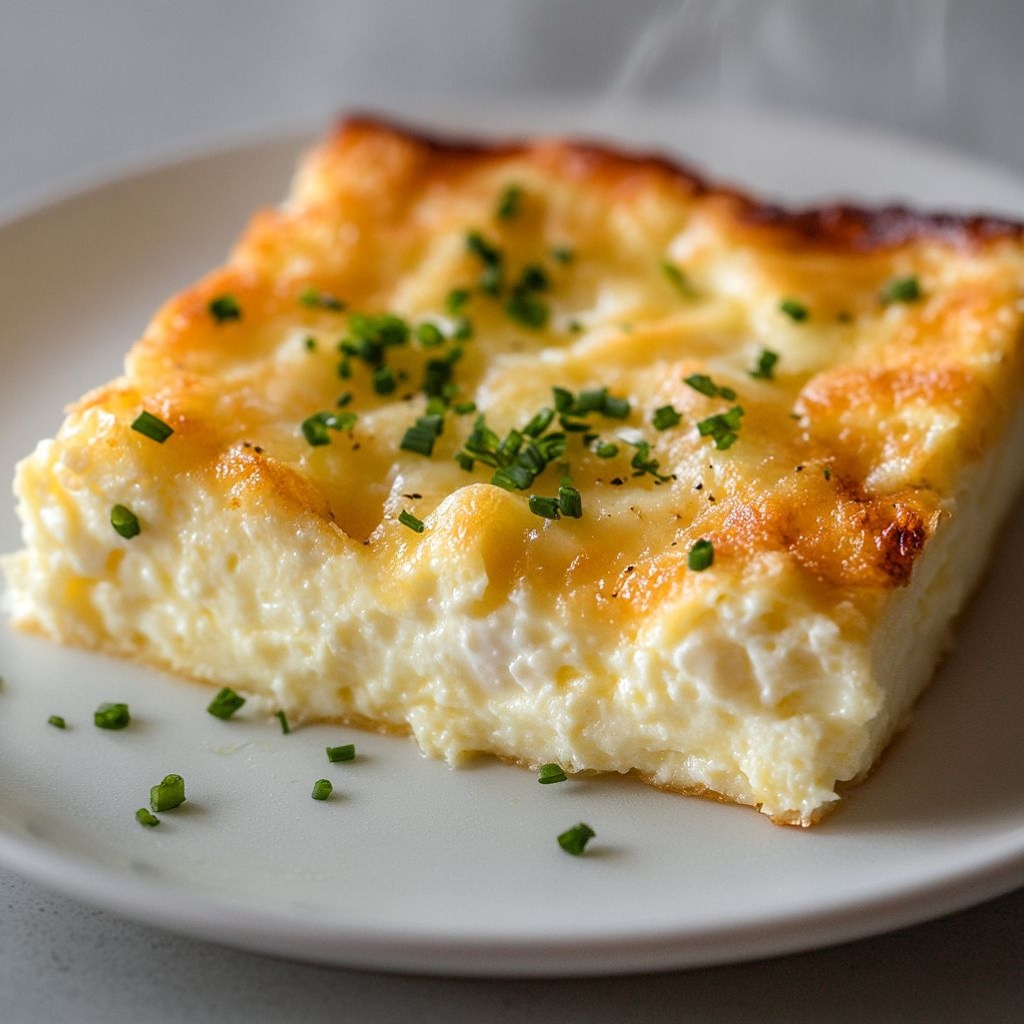
Imagine a warm, sunlit morning where the kitchen perfume drifts through the house like a comforting embrace. A dish that looks unassuming at first glance—soft, pale, and inviting—unfolds into a symphony of textures and flavors as you cut your first slice. This is the Cottage Cheese Egg Bake: a breakfast-forward, supper-ready comfort that feels like a hug in a pan. The moment you lift the lid or crack the first forkful, you’ll be met with a gentle steam rising from a custardy, stone-gold crust, a whisper of sea-salt on your tongue, and the bright lift of herbs that give you a sense of clean mornings and endless possibilities. Creamy cottage cheese folds into airy eggs to form a light, comforting body that somehow manages to be both filling and delicate at the same time. It’s the kind of dish that makes weekend mornings feel intentional, inviting conversation and lingering at the table long after the coffee has cooled.
What makes this bake especially magnetic is its balance: a tender center with a hint of custard, a subtle tang that comes from the cottage cheese, and a golden edge that offers a crisp, almost toasty bite. There’s comfort here, yes, but also a surprising versatility. It’s flexible enough to serve as a nourishing breakfast for a crowd, a savory brunch centerpiece, or a nourishing weeknight dinner when you crave something wholesome without heavy cleanup. And because the ingredients come together in a single pan, there’s a sense of casual sophistication—enough to feel special for a holiday morning, yet straightforward enough for a busy weekday. The aroma alone will pull people toward the kitchen—the gentle perfume of eggs, faint dairy notes, peppery herbs, and a whisper of melted cheese all mingling into a scent that welcomes everyone to the table.
The Story Behind the Dish
There is something timeless about a cottage cheese egg bake: it’s a dish that travels easily from rustic kitchens to modern dining tables, and it carries with it a memory of mornings when time seemed to stretch a little longer and the world felt full of possibilities. Cottage cheese has long played the role of a versatile pantry staple—cool and creamy, it can be stirred into savory fillings, folded into batters, or spooned onto crisp crackers for a quick snack. In many homes, breakfast casseroles and baked eggs are a Sunday ritual, a way to nourish a family after a busy week and welcome the first day of rest with something modestly splendid.
In my own family, this bake became a gentle tradition long before it carried the polished label of a “recipe” in a cookbook. It began as a practical, thrifty solution: a bowl of pantry staples whisked into a satisfying bake that could stretch into leftovers for days and still taste fresh. We learned to season boldly enough to wake the senses—garlic, chives, a crack of black pepper—without overpowering the delicate sweetness of the cottage cheese. Over time, the dish grew into a comforting memory of weekend mornings when the kitchen was filled with the hiss of a hot oven and the soft clink of forks against plates. There’s something deeply reassuring about a dish that requires minimal fuss yet leaves you feeling contented and ready to greet the day.
Today, the Cottage Cheese Egg Bake travels beyond its humble origins. It has found a home in brunch menus, in meal-prep rotations, and in the hearts of people who value protein-rich, easy-to-customize meals that don’t require a long list of ingredients or complicated technique. Its charm lies not only in the ease of preparation but in the way it invites personal expression: fold in your favorite vegetables, adjust the herbs to suit your mood, or tailor the bake to accommodate dietary needs without compromising the comforting essence you love in a morning dish. In essence, this bake captures a spirit of welcoming—an invitation to slow down, savor the moment, and share something nourishing with the people who matter most.
Why You’ll Love This Recipe
- High-protein, satisfying start: Built on eggs and cottage cheese, this bake provides steady energy to power your day without the heaviness of a breakfast that weighs you down.
- Flexible and forgiving: It’s easy to adjust with whatever vegetables or herbs you have on hand, making it a practical solution for busy mornings or last-minute guests.
- One-pan wonder: Mix, bake, and serve from the same dish. Less cleanup means more time around the table with family and friends.
- Make-ahead friendly: It reheats beautifully, so you can cook once and enjoy for several meals—perfect for meal prep or weekend brunches.
- Budget-friendly: Cottage cheese is an affordable, protein-packed option that stretches ingredients without sacrificing flavor or texture.
- Customizable flavor journey: Fresh herbs, spices, vegetables, and even a touch of cheese on top can completely transform the profile from bright and herbaceous to savory and smoky.
- Kid- and crowd-pleasing: Mild, comforting flavors tend to win over picky eaters, while the dish remains elegant enough for entertaining.
Flavor Profile & Texture
The Cottage Cheese Egg Bake is an ode to harmony—soft, custardy interiors enveloped by a delicate, lightly browned crust that offers a satisfying bite. The cottage cheese contributes a gentle tang and a creamy texture that keeps the center lush without weighing down the dish. The eggs provide structure and a mild, comforting flavor that blends seamlessly with dairy, while a careful selection of aromatics—garlic, scallions or chives, pinch of nutmeg or black pepper—create a subtle, rounded depth rather than a sharp bite.
Texture plays a starring role. The outer edges caramelize ever so slightly in the oven, delivering a whisper of crispness that contrasts with the pillowy inner mix. If you love a more sushi-like silkiness, you’ll appreciate how the cottage cheese lends a slightly curdled, creamy mouthfeel that is unique to this ingredient when heated gently. Add-ins like sautéed spinach, roasted peppers, or tender mushrooms bring a tender bite and a pop of color, while fresh herbs—parsley, dill, chives—provide a bright, green note that wakes up the palate. A light dusting of pepper or paprika adds a gentle warmth, and a modest sprinkle of grated cheese on top (if you like) can introduce a bubbly, toasty finish that looks as appealing as it tastes. The end result is a balanced, multi-dimensional dish where comfort and brightness coexist in every forkful.
In terms of flavor impact, think of this bake as a canvas. The base of cottage cheese and eggs offers a mild, slightly milky foundation that invites the character of your additives to shine through. Vegetables bring color and texture; herbs bring aroma and lift; a hint of salt ties everything together. The overall effect is neither too eggy nor too dairy-forward; it’s a clean, well-rounded flavor profile that feels wholesome and satisfying without veering into richness that weighs you down. This makes it suitable for a wide range of palates—from families with kids who prefer gentle flavors to adults who appreciate a nuanced, savory morning dish that still feels approachable.
Occasions & Pairings
- Weekend brunch: A centerpiece that feeds a crowd without requiring a lot of fuss. Serve with a seasonal fruit salad, warm bread or biscuits, and coffee or sparkling water with a splash of citrus.
- Holiday mornings: A comforting dish that can be prepped the night before and finished in the oven as guests arrive, ensuring everyone has a chance to chat and nibble between courses.
- Weeknight dinner: Pair with a crisp green salad, a tangy vinaigrette, and a light roasted vegetable medley for a wholesome, quick meal.
- Potlucks and gatherings: Bake in a disposable pan for easy transport and repurpose leftovers as a breakfast-for-dairly-next-day snack or a lunch option.
- Brunch cocktails or mocktails: Complement with a light, citrusy beverage—perhaps a grapefruit spritz or a cucumber-mint cooler—to keep the meal bright and balanced.
Pairing ideas to elevate the experience include roasted cherry tomatoes with a splash of balsamic, a crisp green salad with lemon-Dijon dressing, or a simple avocado rhythm to add creaminess and color. A small bowl of sautéed mushrooms or spinach can be tucked into slices or plated on the side for extra texture and nutrients. If you crave something extra indulgent, a dollop of Greek yogurt or a few shavings of aged cheese can serenely heighten the savory profile without overpowering the subtle dairy sweetness at the core of the bake.
Tips, Variations & Substitutions
Vegan or dairy-free adaptations
To keep the spirit of a baked egg dish while accommodating dietary needs, consider a vegan scramble base using firm tofu or chickpea flour to mimic the texture of eggs. Blend silken tofu with nutritional yeast, a pinch of turmeric for color, and your favorite dairy-free milk. Fold in chopped vegetables and herbs, then bake in a well-greased dish. Note that flavor depth may shift, so season generously with garlic, onions, and herbs to compensate for the absence of dairy and eggs. A dairy-free cottage cheese alternative can be used if you have access to it, or you can swap in vegan cream cheese for a tangier bite.
Cheese and dairy options
Butter, cream, or a splash of milk can be used to moisten the mixture if you want a richer, more pudding-like texture. If you’re avoiding heavy dairy, a small amount of low-fat milk or a non-dairy option such as almond or oat milk works well without overpowering the dish. For a sharper bite, fold in a handful of grated Swiss or sharp cheddar right before baking, or drizzle a light amount of aged cheese on top before you bake for a bubbly, golden crust.
Vegetable and herb add-ins
Feel free to customize with peppers, onions, spinach, mushrooms, broccoli florets, or sun-dried tomatoes for color and sweetness. Fresh herbs upgrade the aroma dramatically—chives, dill, parsley, and basil all pair beautifully with cottage cheese. For a more robust flavor, a pinch of smoked paprika, cumin, or a dash of chili flakes adds warmth and depth. If you prefer a milder profile, stick with chives and parsley for a clean, bright finish.
Gluten-free and other dietary twists
The beauty of this bake is its naturally gluten-free base—eggs and cottage cheese. If you’re serving gluten-sensitive guests, you’re already in good shape. Add gluten-free toppings like roasted vegetables or a gluten-free bread crumb topping if you want extra texture on the surface. For low-carb or keto-friendly variations, skip starchy add-ins and emphasize high-protein, low-carb vegetables to maintain balance while keeping carbohydrates in check.
Regional twists
In a coastal region, you might fold in fresh dill and lemon zest to evoke a bright, seaside vibe. In a countryside kitchen, you could incorporate sautéed mushrooms and onions with a touch of thyme for an earthy, rustic persona. A Latin-inspired version could feature cilantro, jalapeño, and a small amount of cotija on top for a zesty finish. The key is to maintain the gentle custard-like center while letting your regional flavors take the lead in the aromatic profile.
Storage & Make-Ahead Ideas
This bake shines as a make-ahead hero. You can assemble the mixture a day ahead, refrigerate it, and bake it when ready to serve. The texture remains cohesive, and the flavors deepen slightly as they sit. If you plan to store leftovers, let the dish cool completely, then cover tightly with plastic wrap or transfer to an airtight container. Refrigerate for up to 3 days; reheat gently in the oven or in a microwave, adding a splash of milk or stock to refresh the center if it dries a bit. Freezing is possible but will alter the texture slightly; if you freeze, freeze after baking in single-serving portions and reheat covered in a low oven to prevent the surface from drying out. For optimal texture, consider baking a fresh batch for the actual meal, while preparing components or other dishes in advance that complement the bake’s light, airy character.
Make-ahead strategies to consider:
- Prep chopped vegetables and herbs the day before; store in the fridge so you can mix and match quickly on the day of baking.
- Prepare the egg and cottage cheese mixture in advance and refrigerate, bringing it to near room temperature before baking to ensure even cooking.
- Pre-toast any nuts or seeds you plan to add to the topping; they’ll stay crisp and aroma-filled when sprinkled on top just before serving.
Fun Facts & Trivia (Optional)
– Cottage cheese is one of the oldest known cheeses, with a history dating back thousands of years. Its mild flavor and creamy texture make it incredibly versatile for both sweet and savory dishes.
– Egg bakes and casseroles have been staples in many traditional breakfast menus across diverse cultures, often serving as a practical way to feed a crowd with simple, affordable ingredients.
– The idea of baking eggs with dairy and herbs to create a cohesive dish taps into a long culinary tradition of turning pantry staples into a comforting, shareable meal. It’s a reminder that great flavors often come from simplicity and thoughtful seasoning.
– If you’ve ever baked a custard dessert, you’ll recognize the tender, set texture in this dish—a gentle reminder that eggs, when handled with care, can yield rich, comforting results even in savory applications.
As you explore this Cottage Cheese Egg Bake, you’ll discover that its beauty lies in its adaptability. It invites you to infuse your kitchen with warmth, to gently coax flavors from humble ingredients, and to present something that feels both nourishing and elegantly simple. Whether you’re feeding a crowd on a chilly weekend morning or crafting an easy, wholesome weeknight dinner, this bake offers a dependable foundation that welcomes your personal touch and your favorite seasonal produce. Let it become a dependable staple in your repertoire—one that brings people to the table with a smile and leaves everyone feeling satisfied, not just full.
Ingredients
- Egg Mixture
- 6 large eggs
→ The eggs provide the primary structure and binding for the bake, forming a custard-like matrix that holds the cottage cheese and vegetables together. For the best texture, let the eggs come closer to room temperature before mixing and beat just until combined to avoid a dense texture. - 2 cups cottage cheese (small curd, drained well)
→ Acts as a creamy, high-protein base that lightens the custard and adds moisture without making the bake heavy. Drain thoroughly to prevent watery separation; for an ultra-smooth texture, pulse briefly in a blender or food processor before mixing. - 1/2 cup milk (dairy or unsweetened plant milk)
→ Adds moisture and helps create a custard-like consistency that envelops all ingredients. Adjust the amount depending on how dense you want the bake; use whole milk or a touch of cream for richer results. - 1/2 teaspoon salt
→ Enhances the overall flavor of the dish; since cottage cheese can be salty, start with this amount and adjust after mixing if you’re using salty add-ins like bacon or smoked cheese. - 1/4 teaspoon black pepper
→ Provides savory depth and a hint of bite that balances the mildness of cottage cheese. Freshly ground pepper yields a more pronounced aroma than pre-ground. - 1/2 teaspoon garlic powder or 1 clove garlic, minced
→ Adds a warm, savory aroma that complements the eggs and cheese. Fresh minced garlic distributes more evenly; if using fresh garlic, sauté briefly with the vegetables to mellow its sharpness.
- 6 large eggs
- Vegetables & Aromatics
- 1 cup fresh spinach, chopped
→ Introduces color, iron, and earthy flavor; wilt the greens briefly in a dry pan or sauté with a pinch of salt to remove excess moisture before adding to the mixture, ensuring the bake isn’t soggy. - 1/2 cup onion, finely diced
→ Builds the savory base with sweetness as it cooks. Sautéing onion until translucent helps release its sugars and prevents a raw onion flavor in the finished dish. - 1 cup mushrooms, sliced
→ Contributes umami and bulk. Sauté until browned to evaporate moisture; this step prevents releasing water into the bake and helps achieve a firmer texture. - 2 cloves garlic, minced
→ Intensifies the savory profile; distribute evenly to avoid concentrated bites. If pressed for time, you can add garlic powder as a substitute, but fresh garlic offers a brighter aroma. - 1 tablespoon olive oil
→ Used for sautéing vegetables; choose extra-virgin for better flavor. Heat the oil before adding onions and mushrooms to prevent sogginess and promote browning.
- 1 cup fresh spinach, chopped
- Cheese & Herbs
- 1 cup shredded cheddar cheese (divided)
→ Provides melty, savory richness throughout the bake; reserve a portion to sprinkle on top for a golden crust. For a sharper bite, use sharp cheddar or blend with a bit of Gruyère for depth. - 2 tablespoons chopped fresh parsley or chives
→ Adds bright, herbal notes and a pop of color. Fold into the mixture for even distribution or sprinkle on top after baking for a fresh finish. - 1/4 teaspoon dried oregano (optional)
→ Gives a subtle Mediterranean herbaceous hint that pairs well with eggs and cheese; if used, reduce salt slightly to avoid over-seasoning.
- 1 cup shredded cheddar cheese (divided)
- Optional Add-ins
- 4 slices bacon, cooked and crumbled (optional)
→ Introduces smoky crunch and extra protein; crumble evenly into the mixture or sprinkle on top before baking for a textured bite. If using bacon, reduce added salt elsewhere to prevent excessive saltiness. - 1/2 cup cherry tomatoes, halved (optional)
→ Provides fresh sweetness and a touch of acidity; pat tomatoes dry to minimize extra moisture, which can affect bake texture. Scatter evenly so every slice has a pop of color. - 1/2 cup bell pepper, diced (optional)
→ Adds color, sweetness, and crunch; sauté with onions to soften before mixing to maintain a pleasant texture in the final dish.
- 4 slices bacon, cooked and crumbled (optional)
- Toppings
- 1/4 cup shredded cheddar cheese for topping
→ Creates a bubbly, golden crust on the surface when baked. Sprinkle on the top in the last 10 minutes of baking to prevent burning and ensure a nicely browned finish. - Fresh herbs for garnish (optional)
→ Finishing notes that make the dish look vibrant and lift the aroma just before serving. Use parsley, chives, or dill as you prefer.
- 1/4 cup shredded cheddar cheese for topping
Instructions
- Preheat your oven to 350°F (175°C) and grease a 9×13-inch baking dish or line it with parchment paper so the bake releases cleanly; this initial step ensures even cooking and prevents sticking for easy slicing later.
→ A properly preheated, well-greased pan prevents the custard from sticking, which makes portioning and serving neat and effortless. - Drain the cottage cheese very well and press it briefly in a sieve or through a clean pastry towel to remove excess moisture; this prevents a watery bake and helps the custard set firmly.
→ Excess moisture can lead to a soggy texture; thorough drainage concentrates the cheese flavor and ensures a stable structure. - Place the eggs at room temperature for about 15 minutes and lightly beat them just until the yolks and whites are combined; this yields a smoother custard and helps with even coagulation during baking.
→ Room-temperature eggs blend more uniformly with dairy and cheese, producing a tender, cohesive texture rather than a dense bake. - In a large bowl, whisk the eggs, drained cottage cheese, milk, salt, pepper, and garlic powder (or minced garlic) until just combined and smooth; avoid overmixing to prevent a tough texture.
→ The goal is a silky custard that evenly coats the vegetables and cheese without becoming rubbery from excessive agitation. - Wilt the spinach briefly in a dry skillet over medium heat or sauté with a pinch of salt until just wilted and most of the moisture has evaporated; cool slightly and squeeze out any remaining moisture.
→ Removing moisture from greens prevents water from seeping into the bake and ensures a vibrant color without sogginess. - In the same skillet, heat the olive oil over medium heat and sauté the onion until translucent, about 3–4 minutes; this builds a savory base and releases gentle sweetness.
→ Softened onions mellow sharpness and contribute depth of flavor to the custard without overpowering other ingredients. - Add the sliced mushrooms to the onions and cook, stirring occasionally, until deeply browned and their moisture has evaporated, 5–7 minutes; this concentrates umami flavor and prevents excess liquid in the bake.
→ Browning mushrooms enhances their savoriness and ensures the final texture stays firm rather than watery. - Stir in the minced garlic (or a pinch more garlic powder) and cook for 30 seconds until fragrant, then remove the pan from heat to avoid burning; this keeps a bright, aromatic kick in the dish.
→ Fresh garlic releases its aroma and flavor best when heated briefly but not scorched, distributing evenly throughout the bake. - Fold the cooled spinach into the egg-and-cheese mixture along with the sautéed onions and mushrooms so the vegetables are evenly dispersed; this creates color, texture, and vegetable distribution in every bite.
→ Even distribution prevents pockets of vegetables and ensures all portions have consistent flavor and moisture balance. - Stir in 3/4 cup shredded cheddar into the mixture and fold in 2 tablespoons chopped parsley or chives; reserve 1/4 cup cheddar for topping and, if using, add 1/4 teaspoon dried oregano; these additions build melt, color, and a fresh herbal note.
→ Cheddar throughout the bake provides creamy pockets of cheese; fresh herbs brighten the final dish and oregano adds a subtle, savory warmth. - If you’re using optional add-ins, crumble the cooked bacon evenly into the mixture (or scatter on top later) and/or pat tomatoes dry before adding to prevent extra moisture; these ingredients boost flavor and texture but require moisture management.
→ Pre-cooked bacon adds smoky crunch, while dry tomatoes prevent excess moisture from compromising texture and set of the custard. - Pour the entire egg mixture into the prepared dish and spread it into an even layer; use a spatula to press it gently so it fills corners and there are no thick pockets, which ensures uniform cooking.
→ An even layer guarantees consistent bake time and a uniform texture from edge to center. - Top the surface with the remaining 1/4 cup cheddar cheese and scatter any additional parsley or chives for color and aroma; this creates a golden, bubbly crust as it bakes.
→ The topping cheese melts into a crisp, appetizing crust while the fresh herbs release aroma just before serving. - Bake in the preheated oven for 35–45 minutes, or until the custard is set in the center and the edges are lightly golden; test doneness by inserting a knife or toothpick—it should come out clean with a few moist crumbs.
→ Baking until just set ensures a tender, custardy interior with a stable structure that slices cleanly; avoid overbaking which can dry the bake. - Remove from the oven and let the cottage cheese egg bake rest for 5–10 minutes before slicing; resting allows the custard to finish setting and makes portions neat and easy to lift.
→ Resting helps the interior set fully and prevents crumbling when you cut into the bake. - Cut into portions and garnish with additional fresh parsley or chives if desired; serve warm as a protein-packed breakfast, brunch, or light dinner with a side salad or toast.
→ Finishing with garnish enhances aroma and presentation, signaling freshness and inviting aroma at the table.

Notes
This cottage cheese egg bake is a protein-packed, savory dish that makes a comforting breakfast, brunch, or light dinner. A creamy custard base formed from eggs and small-curd cottage cheese sets into a sliceable bake when combined with sautéed vegetables, garlic, and melty cheddar.
- Customization: swap or add vegetables (spinach, mushrooms, onions, peppers, cherry tomatoes) and herbs; optional add-ins like crumbled bacon or cooked sausage can be folded in or scattered on top. If using bacon, reduce salt elsewhere.
- Texture and moisture: drain cottage cheese well and squeeze out excess moisture from spinach or mushrooms; sauté vegetables until they are just tender to avoid sogginess. For an ultra-smooth custard, briefly pulse the cottage cheese before mixing.
- Cheese and flavor balance: reserve a portion of the cheddar to sprinkle on top for a golden crust; consider a sharper cheddar or a bit of Gruyère for depth; add fresh parsley or chives for brightness.
- Cooking and serving: bake at 350°F (175°C) until the center is set and the edges are lightly golden, about 35-45 minutes depending on dish size. Let stand 5-10 minutes before slicing. This rest time helps the custard firm up and makes serving easier.
- Make-ahead and storage: assemble, refrigerate overnight, and bake the next day for convenience; leftovers keep refrigerated for 3-4 days and reheat well in the microwave or oven. You can freeze baked portions for longer storage; reheat from frozen in a 350°F oven.
- Gluten-free considerations: this dish is naturally gluten-free as written; if you use any processed add-ins or flavorings, check labels to ensure they are gluten-free. Use certified gluten-free cottage cheese and cheddar if you are sensitive to gluten.
Serving ideas: pair with a light salad, avocado slices, or grilled tomatoes for a complete meal.

Tips
Tips for Cottage Cheese Egg Bake
- Let the eggs come to room temperature before mixing. Warmer eggs blend more evenly and help create a light custard texture rather than a dense bake.
- Drain cottage cheese thoroughly. Press it in a sieve or between paper towels to remove excess moisture; for an ultra-smooth texture, pulse briefly in a blender before adding to the mixture.
- Whisk the egg mixture just until combined. Overmixing can tighten the custard and make the bake tougher; a few streaks of egg is fine.
- Sauté vegetables to remove moisture. Spinach should be wilted, mushrooms browned, and onions softened so they don’t release liquid into the bake.
- Pat leafy greens and mushrooms dry after sautéing. Excess moisture is the enemy of a firm, sliceable bake.
- Cook garlic briefly with the vegetables to mellow its sharpness and ensure even distribution in the batter.
- Use olive oil and a hot pan for sautéing. Preheating the pan helps brown the vegetables and prevents sogginess in the final dish.
- Reserve part of the cheddar for topping. A sprinkle of extra cheese on top in the last minutes creates a bubbly, golden crust.
- Season in stages. Cottage cheese can be salty, so taste and adjust salt after mixing. If using salty add-ins like bacon or smoked cheese, start with less salt.
- Fold in fresh herbs gently. Parsley or chives add brightness without overpowering the custard; add some to the batter and some as a garnish if you like.
- Choose add-ins thoughtfully. Bacon adds smoky crunch; tomatoes add brightness but pat dry to prevent extra moisture; peppers add color and sweetness.
- For extra depth of flavor, use a mix of cheddar and a bit of Gruyère or another flavorful cheese.
- Grease the baking dish well and choose a size that gives a 1–2 inch thick bake for even cooking. Center should be set with a barely-golden top.
- Let the bake rest before slicing. A 5–10 minute rest helps the custard firm up, making clean slices and easier serving.
- Make-ahead option: assemble the bake, refrigerate for up to 24 hours, then bake. It saves time and flavors deepen nicely.
FAQ
Cottage Cheese Egg Bake — FAQs
What are the main ingredients in Cottage Cheese Egg Bake?
The classic bake combines eggs, cottage cheese, and some milk or yogurt to keep it creamy. Shredded cheese adds melty pockets, and you can mix in vegetables (like spinach, peppers, onions) and seasonings (salt, pepper, garlic). A typical bake uses about 8 large eggs, 1 cup cottage cheese, 1/2 cup milk, 1 cup shredded cheese, plus vegetables and herbs to taste.
How do I bake Cottage Cheese Egg Bake from start to finish?
Whisk the eggs with milk or yogurt, stir in cottage cheese and seasonings, fold in any vegetables or cooked meats, then pour into a greased baking dish. Top with cheese if desired. Bake at 350°F (175°C) for 35–45 minutes, until the center is set and the edges are lightly golden. Let rest 5–10 minutes before slicing.
Can I make this ahead for meal prep?
Yes. You can assemble the mixture and refrigerate overnight before baking, or bake it now, cool completely, and refrigerate for 3–4 days. Reheat portions as needed.
Can I make a dairy-free or lower-fat version?
Yes. Use dairy-free cottage cheese substitutes (like blended silken tofu with a splash of lemon juice) and non-dairy milk. For lower fat, use part-skim cottage cheese and reduce the cheese amount. The texture may be slightly different, but it still tastes great.
What add-ins are good for this recipe?
Try spinach, chopped bell peppers, mushrooms, onions, zucchini, or broccoli. For extra protein, add cooked sausage, bacon, turkey, or diced ham. Fresh herbs like chives or parsley boost brightness.
How many servings and what are the nutrition estimates?
Yield depends on pan size and how you slice. A typical 8-inch square dish yields about 6–8 servings. Each serving generally has around 180–240 calories, 16–22 g protein, 10–14 g fat, and 3–8 g carbohydrates, not counting added ingredients. For precise numbers, calculate with your exact ingredients.
How should I store leftovers?
Refrigerate leftovers in an airtight container for 3–4 days. For longer storage, you can freeze individual portions for 2–3 months. Label with the date.
How do I reheat without drying it out?
Microwave in 30–60 second bursts until warm, flipping once. Or reheat in a preheated 350°F (175°C) oven for 10–15 minutes, covered with foil, until heated through. Let it rest a minute before serving.
Is Cottage Cheese Egg Bake gluten-free or suitable for allergies?
Eggs and cottage cheese are naturally gluten-free. Check add-ins (like sausages or sauces) for gluten ingredients. If you have dairy allergies, use dairy-free substitutes as described above. Always read labels on packaged ingredients.
What if the bake is too watery or too dry?
If it’s watery, the cottage cheese may be very liquid—drain briefly or use a firmer-curd variety. If it’s dry, whisk in a splash of milk or a bit more cottage cheese. If the center isn’t set, bake a bit longer at 350°F (175°C), covered with foil to prevent over-browning.