
Introduction / Hook
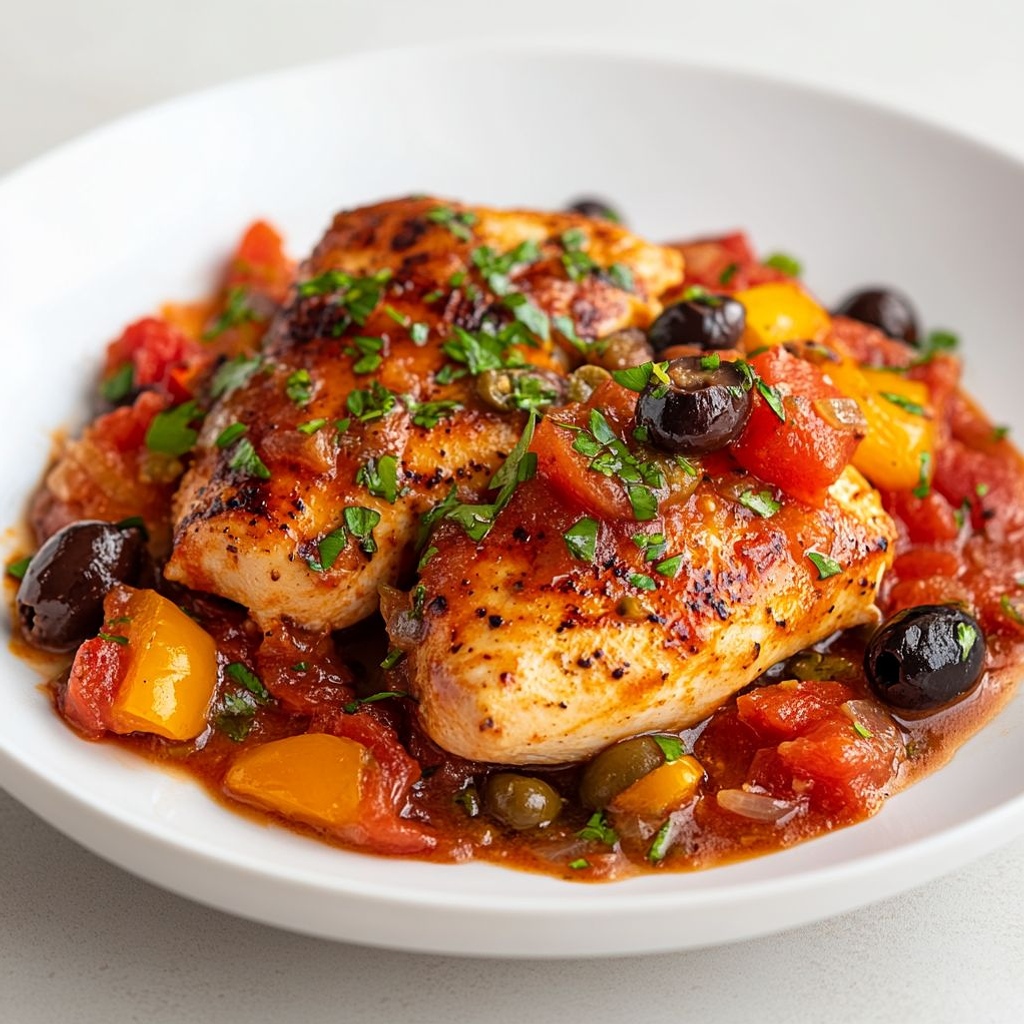
Imagine a kitchen that smells like sun-warmed tomatoes, fresh basil, and the soft kiss of olive oil. A skillet glows with a chorus of colors—ruby-red sauce, pale beige chicken, emerald herbs—and every inhale pulls you closer to a table where family stories are told as loudly as the flavors sing. Chicken Pizzaiola is not just a dish; it’s a memory in the making. This humble, deeply satisfying centerpiece brings the warmth of coastal Italian cooking into your home: lean, succulent chicken braised in a bright, aromatically infused sauce that feels both rustic and refined. As the sauce simmers, you’ll hear the sizzle of the pan, you’ll smell garlic awakening in the heat, and you’ll imagine sunlit shores where citrus groves meet terracotta roofs. When you finally serve it, each bite offers a balance of tenderness, brightness, and a gentle brininess from olives and capers—a comforting, uplifting experience that feels like a hug on a plate.
What makes Chicken Pizzaiola so special isn’t just the way it tastes—though it’s undeniably delicious. It’s the way it invites you to slow down, savor, and share. In a single skillet, you harness the bright acidity of tomatoes, the peppery lift of oregano, and the savory richness that only a good olive oil can deliver. The dish is a celebration of everyday ingredients transformed through a simple method: sear, simmer, and finish with fresh herbs. It’s weeknight-friendly but refined enough for weekend company. It’s bold enough to stand up to crusty bread or a bed of pasta, yet gentle enough to pair with polenta or steamed greens. And because it’s built on pantry-friendly staples, it’s as comforting to cook as it is satisfying to eat. Welcome to a meal that makes the ordinary feel extraordinary, one saucy, tender bite at a time.
The Story Behind the Dish
The name “pizzaiola” echoes the craft of the pizza maker—the skilled pizzaiolo who would often improvise dishes in the heat of a bustling kitchen. In many Italian families, the kitchen is a living museum where food tells stories of place, season, and memory. The tradition of cooking meat in a bright, tomato-forward sauce with a kiss of olives and capers grew out of southern and central regions where tomatoes, garlic, and herbs mingle with a love of bold, expressive flavors. Chicken Pizzaiola embodies that regional spirit: it’s a dish born from practical home cooking, designed to stretch a modest ingredient into something generous and comforting.
Historical threads whisper of trattorias and rural households where a chicken leg or breast would be swiftly seared and then finished in a simmering, aromatically layered sauce. The technique is deceptively simple, but it yields a depth of flavor that feels almost celebratory. Tomatoes, whether in a passata, fresh purée, or a rustic chunk, provide brightness and body. Garlic adds warmth and a subtle bite, while dried oregano and fresh basil echo the sun-drenched herbs of the Mediterranean. Olives and capers bring a briny lift that keeps the dish from tipping too sweet, a reminder of the ocean’s proximity and the farm-to-table sensibilities that define Italian home cooking.
Beyond its culinary roots, Chicken Pizzaiola has traveled with Italian families across continents. Each cook adds a personal touch—maybe a splash of white wine to soften the sauce, a pinch of red pepper flakes for warmth, or a handful of sliced mushrooms for earthiness. The dish becomes a canvas for memory-making: a Sunday supper with cousins who tell old stories, a weeknight dinner after a long day, or a holiday centerpiece that somehow feels both familiar and special. It’s comfort with character, a dish that invites conversation as it invites appetite.
Why You’ll Love This Recipe
- Quick to come together: a single skillet, a handful of minutes to sear, then a gentle simmer that does the rest.
- Effortless elegance: bright tomato flavors, herbaceous aroma, and a silky texture that feels polished.
- Versatile pairing options: works beautifully with crusty bread, creamy polenta, or a bed of al dente pasta.
- Comforting yet vibrant: a balance of heartiness from the chicken and brightness from the tomato-based sauce.
- Family-friendly and crowd-pleasing: simple ingredients, universally appealing flavors that kids and adults enjoy alike.
- Make-ahead friendly: leftovers taste even better as flavors meld, making it ideal for meal prep.
- Customizable to suit dietary needs: adaptable for gluten-free meals when served with appropriate sides; dairy-free variations are easily achievable with smart substitutions.
- Historically rich and culturally grounded: a dish that connects you to Italian cooking traditions while remaining approachable for modern home kitchens.
Flavor Profile & Texture
Picture tender chicken steeped in a sauce that feels bright and comforting at the same time. The first bite delivers the softness of the meat, its natural sweetness coaxed to the surface by a gentle sear. The sauce—rich, slightly thickened, and alive with tomato’s tang—wraps around the chicken like a warm, velvety scarf. Aromatics sneak through in waves: garlic offers a savory warmth that lingers; oregano provides a grassy, sun-kissed note that borrows from the Mediterranean air; and a handful of fresh herbs, such as basil, finish with a lift that feels almost citrusy in its brightness.
The textural harmony is key: the chicken remains succulent and juicy, while the sauce carries a silkiness that clings to every bite. Olives add a satisfying bite and a salty depth that counterbalances the natural sweetness of tomatoes, while capers tuck in pockets of tang and surprise. The overall mouthfeel is cushiony and comforting, with a glistening sheen from olive oil that makes the dish feel luxurious without being heavy. Each element plays its part: the acidity of the tomato brightens the palate, the olive oil yields a glossy richness, and the herbs deliver that final aromatic kiss. The result is a sauce that feels both rustic and refined—picture a home kitchen meeting a trattoria kitchen, where simplicity becomes sophistication through careful balance and calm, unhurried simmering.
Texture also evolves as the dish sits. A brief rest allows the flavors to mingle more deeply, while the edges of the sauce cling to the chicken, creating that satisfying bite where meat, sauce, and a hint of briny bite converge. This is a dish that rewards patience in the pan and generosity at the table: a little more simmering time deepens the sauce’s character, while a quick sear keeps the chicken pleasantly reassuring rather than soggy.
Occasions & Pairings
This dish shines in a variety of settings, from weekday dinners that feel special to weekend gatherings where you want something comforting yet impressive. Consider these occasions and pairing ideas to elevate your experience:
- Weeknight comfort: a cozy, fast dinner after a busy day, paired with crusty bread or a light pasta like spaghetti aglio e olio to soak up the sauce.
- Sunday family meal: serve with creamy polenta or soft mashed potatoes to soak up every last drop of sauce, along with a simple green salad.
- Casual dinner parties: the dish’s uncomplicated beauty makes it a conversation starter as guests admire the glossy sauce and aroma.
- Romantic evenings: pair with a glass of medium-bodied red wine, such as a Chianti or a Grenache, and finish with a light dessert that won’t overwhelm the palate.
- Holiday tables: use it as a comforting centerpiece that contrasts with roasted vegetables, citrusy salads, or a rustic bread assortment.
Suggested pairings to complement the dish:
- Starch options: toasted ciabatta or a serving of polenta creates a comforting bed for the sauce; al dente pasta like fettuccine or pappardelle lets the sauce cling beautifully.
- Greens and veggies: sautéed spinach, sautéed Swiss chard, or roasted peppers provide color and freshness to balance the richness.
- Bread: a slice of rustic sourdough or crusty country bread makes it easy to scoop up the last kiss of sauce.
- Wine pairings: a bright, fruit-forward white could work for lighter versions; otherwise, a medium-bodied red with moderate acidity and soft tannins pairs wonderfully.
- Dessert: a light citrus-forward dessert or a simple almond biscotti to cleanse the palate after the savory richness.
Tips, Variations & Substitutions
Chicken Pizzaiola is wonderfully forgiving and highly adaptable. Here are ideas to tailor it to your preferences, dietary needs, or what’s in your pantry:
- Protein options: you can use chicken thighs for richer flavor and a juicier result, or try boneless, skinless chicken breasts for a leaner version. For a pescatarian adaptation, replace chicken with firm tofu or white fish fillets that hold up to simmering.
- Herb and spice tweaks: fresh basil at the end brightens the dish; a pinch of crushed red pepper adds warmth; for a more Mediterranean vibe, sprinkle a few torn oregano leaves or a bay leaf during simmering.
- Tomato varieties: use high-quality canned tomatoes for a robust base or whole peeled tomatoes for a chunkier texture. If you want a lighter sauce, finish with a splash of cooking water or broth to reach your desired consistency.
- Nutrition and dietary options: to make a gluten-free version, serve over gluten-free pasta, polenta, or steamed vegetables. For a dairy-free version, avoid any butter or cheese as a finishing touch and rely on the olive oil’s natural richness.
- Texture variations: if you prefer a smoother sauce, blend lightly after simmering; for a chunkier sauce, keep the sauce as it is and finish with whole olives and capers.
- Regional twists: substitute anchovies or capers with preserved lemon and olives for a brighter, tangier profile; add a handful of roasted peppers for a sweeter, smoky dimension.
- Make-ahead ideas: this dish reheats beautifully. Prepare in advance up to the point of simmering, refrigerate, and finish simmering just before serving to refresh the flavors.
Storage & Make-Ahead Ideas
leftovers can be a gift, transforming a simple weeknight into a planned-quality meal for another day. Here are practical tips to maximize flavor and texture:
- Refrigeration: store cooled leftovers in airtight containers for up to 3–4 days. The flavors often deepen over time, making the dish even more enjoyable after a day or two.
- Freezing: if you want to freeze, portion the sauce and chicken separately or keep together in a freezer-safe container. It will maintain best quality for about 2–3 months. Thaw in the refrigerator overnight before reheating gently on the stove or in a microwave with a touch of water or broth to revive the sauce.
- Reheating: rewarm slowly in a skillet over medium-low heat, adding a little water or broth to loosen the sauce if needed. A quick simmer will bring back the glossy texture and aroma.
- Make-ahead strategy: for a Sunday meal, prepare the sauce base and sear the chicken in the morning, then simply finish the dish in the afternoon or evening when you’re ready to serve. This allows flavors to meld without overwhelming the kitchen with last-minute steps.
Fun Facts & Trivia (Optional)
– The term pizzaiolo refers to the pizza maker, but the cooking tradition behind pizzaiola extends beyond pizza. It embodies the spirit of Italian home cooking—improvisation, seasonal produce, and quick, flavorful meals that bring people together.
– Tomatoes in Italian cuisine have a storied history in the kitchen, evolving from a late-arriving ingredient in many regions to a central, comforting flavor in everyday cooking. Dishes like Chicken Pizzaiola celebrate tomatoes not as a mere sauce but as a living, vibrant component of a balanced plate.
– Olives and capers—common companions in this dish—are examples of briny elements that many Mediterranean cuisines use to create depth and contrast. They remind us that saltiness, acidity, and savoriness can work in harmony to elevate a dish rather than overpower it.
Chef’s Notes & Final Thoughts
Cooking Chicken Pizzaiola is as much about technique as it is about feeling. A gentle sear is essential to develop color and flavor on the chicken without drying it out. Then, the sauce should simmer low and slow enough to coax the flavors into a comfortable chorus, not a loud shouting match. Taste and adjust as you go—perhaps a pinch more salt if the tomatoes aren’t particularly savory, a splash of wine or broth to loosen the sauce’s body, or a final swirl of fresh herbs to brighten the finish. The beauty of this dish lies in its adaptability: you can tailor the intensity, texture, and accompaniment to fit your mood, your guests, and the season. In the end, Chicken Pizzaiola is about nourishment that tastes like a memory in the making—a plate that invites stories, laughter, and the simple joy of sharing a well-balanced, heartening meal.
Ingredients
- Chicken
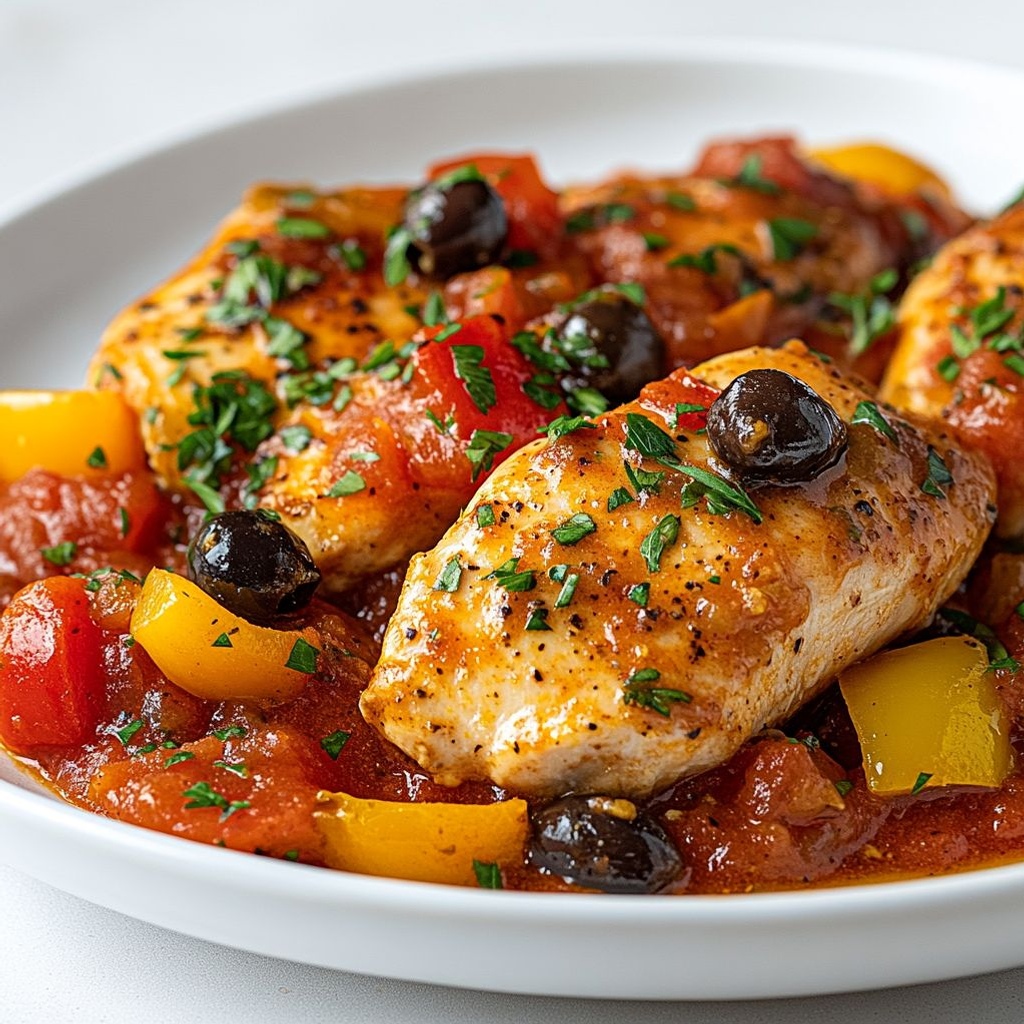
- 4 boneless, skinless chicken thighs (about 1.5 lb / 680 g)
→ Primary protein for the dish; sear to develop a deep golden crust and lock in moisture before simmering in the tomato sauce. Thighs stay juicy, but if using chicken breasts, consider pounding to an even thickness for uniform cooking. Ensure internal temperature reaches 165°F (74°C) before serving. - 1-2 tablespoons olive oil (for searing)
→ Used to brown the chicken and create a flavorful fond in the pan. Heat the oil until shimmering before adding the chicken; avoid overcrowding the pan to achieve proper searing. Save any browned bits for the sauce. - 1/2 teaspoon kosher salt (to taste)
→ Season the chicken so the meat flavors the sauce and to help draw moisture for a better crust. Start with modest amounts and adjust after tasting the sauce. - 1/4 teaspoon freshly ground black pepper (to taste)
→ Adds aroma and a gentle heat; crack pepper just before cooking for maximum aroma. Adjust to your preference. - Sauce
- 2 cups crushed tomatoes or tomato passata (about 28 oz can)
→ The tomato base of the pizzaiola sauce; crushed tomatoes give body and texture. If using whole peeled tomatoes, crush by hand or in the pan as the sauce simmers for a chunkier texture. - 2 garlic cloves, minced
→ Aromatic foundation of the sauce. Fine mincing ensures even distribution and prevents raw garlic bites; sauté briefly with onions if using before adding tomatoes. - 1/2 small onion, finely chopped (optional)
→ Adds sweetness and body to the sauce; cook until translucent to avoid sharp raw flavor in the finished dish. - 1 teaspoon dried oregano (or 1 tablespoon Italian seasoning)
→ Infuses classic Italian herb notes; if using Italian seasoning, keep in mind it often contains other herbs—start with a smaller amount and adjust to taste. - 1/4 teaspoon red pepper flakes (optional)
→ Provides a gentle heat; omit or reduce if you prefer a mild sauce. Remove seeds and membranes if you want less heat. - 1/2 cup dry white wine or chicken broth (optional)
→ Deglazes the pan and adds acidity and depth to the sauce. If omitting alcohol, substitute with extra broth or water; simmer until reduced to concentrate flavors. - 1 tablespoon olive oil (for sauce, optional)
→ Helps emulsify and enrich the sauce, adding a glossy finish. Use extra-virgin olive oil for fruity aroma; drizzle in during simmering. - Finish & Garnish
- 4 oz mozzarella cheese, shredded or sliced (optional)
→ Classic topping that melts over the chicken and sauce. Fresh or whole-milk mozzarella yields the best melt; if using high-moisture cheese, pat dry to reduce sogginess. - Fresh basil leaves, torn or whole for garnish (optional)
→ Bright, peppery aroma to finish the dish; add just before serving to preserve oils and fragrance. - Optional Add-ins
- 1/4 cup black olives, sliced (optional)
→ Briny, savory notes that complement the tomato sauce. Pit and slice evenly so they distribute in each bite; rinse if very salty. - 1 tablespoon capers, drained (optional)
→ Add tangy bite and texture; rinse to remove excess salt before adding to sauce, then scatter evenly. - 1/2 cup bell peppers, sliced (optional)
→ Adds sweetness, color, and texture; sauté with onions if using to build flavor base. Use a mix of colors for visual appeal.
Instructions
- Pat the chicken thighs dry with paper towels and season evenly on both sides with 1/2 teaspoon kosher salt and 1/4 teaspoon freshly ground black pepper to promote thorough browning and flavorful crust.
- Heat 1-2 tablespoons olive oil in a heavy skillet over medium-high heat until the oil shimmers just at the edge of smoking and a faint sizzle appears when the meat is added.
- Add the chicken in batches and sear until a deep golden crust forms on the first side, about 3-4 minutes, then flip and sear the second side for 2-3 minutes more; transfer the browned chicken to a plate and tent loosely with foil.
- Lower the heat to medium in the same pan and add the minced garlic and the optional finely chopped onion; sauté until the onion turns translucent and the garlic is fragrant, about 2-3 minutes, stirring frequently to prevent scorching.
- Stir in 1 teaspoon dried oregano (or 1 tablespoon Italian seasoning) and 1/4 teaspoon red pepper flakes (optional); cook for 30 seconds until the herbs bloom and release their aroma.
- Deglaze the pan with 1/2 cup dry white wine or 1/2 cup chicken broth, scraping up all browned bits from the bottom with a wooden spoon; simmer about 2 minutes to reduce slightly and concentrate the flavor.
- Pour in 2 cups crushed tomatoes or tomato passata (if using whole peeled tomatoes, crush by hand or with the spoon as the sauce simmers for a chunkier texture); stir to combine and bring to a gentle simmer.
- Return the seared chicken to the pan, nestling the pieces into the sauce; spoon sauce over each piece and maintain a gentle simmer, cooking until the chicken registers 165°F (74°C) and the sauce thickens, about 8-12 minutes.
- If using mozzarella, scatter 4 oz of shredded or sliced cheese over the chicken; cover the pan to melt the cheese, about 2-3 minutes, or transfer to a broiler-safe dish and broil 1-3 minutes until melted and bubbling.
- Stir in optional olives, capers, and bell peppers and simmer 2-3 minutes to heat through and distribute their briny, sweet, and crunchy notes evenly in the sauce.
- Finish the dish with torn fresh basil leaves, then taste and adjust seasoning with more salt or pepper as needed; remove from heat just before serving to preserve the basil’s bright aroma.
- To serve, spoon the chicken and sauce over cooked pasta or accompany with crusty bread; if serving with pasta, you may toss a portion of pasta with a little sauce to coat it before topping with the chicken and cheese.
→ Dry surfaces brown more evenly, creating a rich crust; salt enhances flavor from the outside in and helps draw moisture to the surface for better searing.
→ A hot pan ensures rapid Maillard browning, which develops deep flavor; overcrowding will cause steaming, so sear in batches.
→ Searing creates texture and locking in juices; resting the meat after searing prevents carryover cooking and helps maintain a juicy interior.
→ Building a fragrant aromatics base adds depth; onions caramelize gently to avoid sharp raw flavors, and garlic should be added after onions to prevent quick burning.
→ Blooming dried herbs unlocks essential oils, intensifying the sauce’s character; red pepper flakes add gentle heat if desired.
→ Deglazing lifts flavor-rich fond into the sauce; if using alcohol-free, broth brings body while preserving brightness.
→ The tomato base defines the pizzaiola; crushing whole tomatoes helps integrate texture, while passata provides a smooth, uniform sauce.
→ Safe internal temperature ensures doneness and safety; gentle simmer keeps the meat moist while allowing the flavors to meld with the sauce.
→ Melting cheese creates a classic pizzaiola finish; covering or brief broiling prevents dryness and achieves a smooth, glossy melt.
→ These add complexity and color; balance saltiness by tasting before serving and adjust if needed.
→ Fresh basil adds peppery, aromatic brightness; heat can dull fragrance, so add at the end for maximum aroma.
→ Pasta or bread provides a wholesome vehicle for the tomato-sauce richness; proper balance ensures the sauce coats rather than pools.
Notes
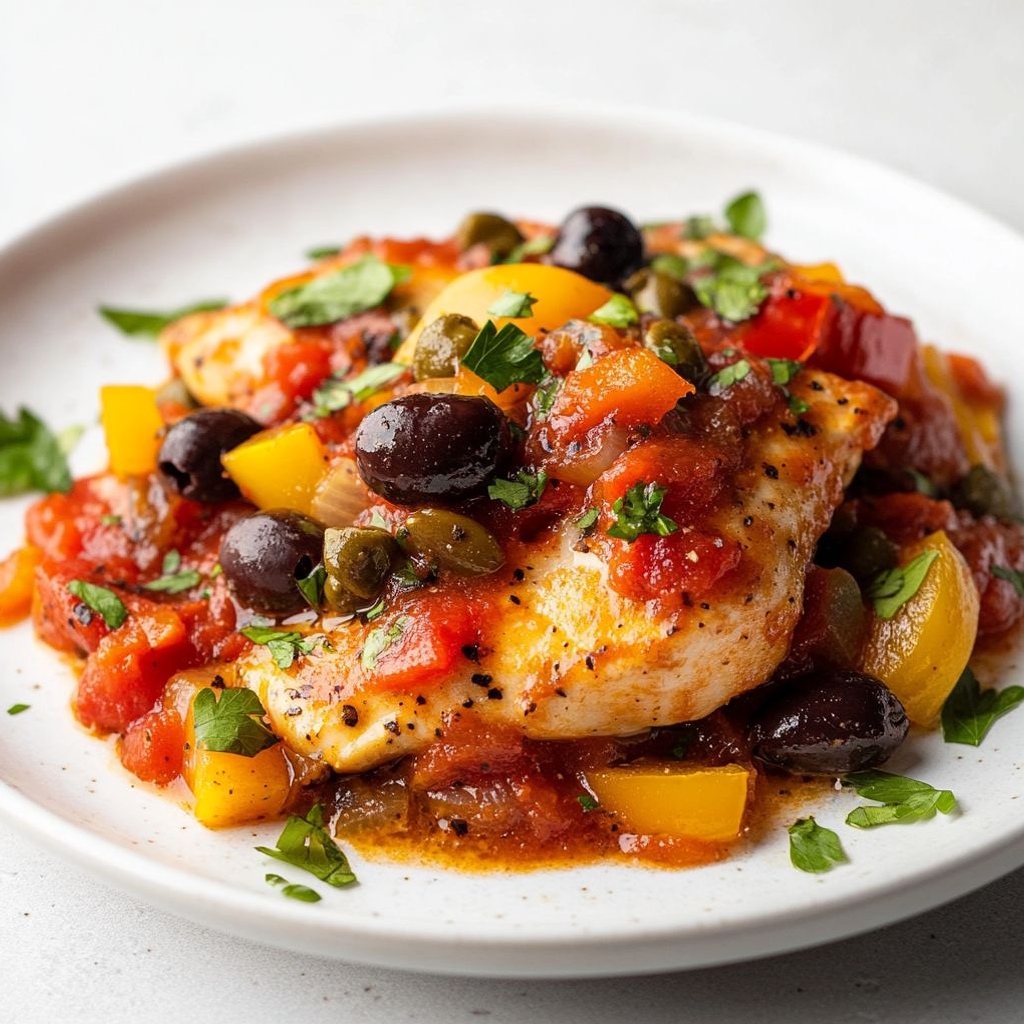
These Chicken Pizzaiola notes provide practical guidance to achieve a deeply flavored, weeknight-friendly Italian dish. Sear the chicken first to develop a rich, golden crust and secure moisture, then simmer it gently in a bright, garlicky tomato sauce for tender, juicy meat with a glossy finish.
Choose boneless, skinless chicken thighs for the most reliable juiciness; if you prefer breasts, flatten to an even thickness and monitor closely so they stay moist. Season the meat with kosher salt and freshly ground black pepper before searing to help the meat build flavor that carries into the sauce.
For the sauce, sauté minced garlic (and a finely chopped onion if using) to build a flavorful base, then stir in crushed tomatoes or tomato passata. Add oregano (or Italian seasoning) and, if you like a subtle heat, red pepper flakes. Deglaze the pan with dry white wine or chicken broth to lift the fond and deepen acidity; simmer until the sauce thickens slightly and the flavors concentrate. A splash of extra olive oil during simmering can create a silky, cohesive sauce.
Finish with mozzarella for a melty, comforting top, and scatter fresh basil just before serving to preserve its bright aroma. Optional add-ins such as olives, capers, and bell peppers bring briny, tangy, and sweet notes—add them during the simmer so their flavors meld without overpowering the sauce.
Serving and storage tips: serve over pasta, polenta, or with crusty bread to soak up the sauce. The dish stores well in the refrigerator for 3–4 days; the sauce can also be frozen (reheat gently and pool in a little water or broth if needed). Reheat leftovers slowly on the stove or in a gentle oven to maintain moisture in the chicken. For best results, taste and adjust salt after the sauce has simmered, since tomato richness and any add-ins can alter the seasoning balance.
Tips
Tips for Searing the Chicken
- Pat the chicken thighs dry with paper towels before seasoning to promote a deep, golden crust. Excess moisture creates steam and inhibits browning.
- Season with kosher salt (as listed) and a fresh grind of black pepper. A light salting early helps draw moisture for a juicy interior and a flavorful crust.
- Use a heavy skillet (preferably cast iron or stainless) and heat olive oil until just shimmering. Do not overcrowd the pan—cook in batches if needed to achieve proper searing.
- Resist the urge to move the chicken too soon. Let one side form a crust before flipping, about 3–4 minutes per side, until the exterior is deeply golden.
- After searing, transfer the chicken to a plate and leave the fond in the pan. Those browned bits are the base of a flavorful sauce.
Tips for Building the Pizzaiola Sauce
- Choose crushed tomatoes for a balanced body and texture; if you use whole peeled tomatoes, crush them by hand or with a spoon as the sauce simmers for a chunkier texture.
- Minced garlic should be added early but not browned; sauté until fragrant to avoid a raw garlic bite in the finished sauce.
- Optional onion adds sweetness and body—cook until translucent to avoid sharp raw flavors.
- Season with oregano (or Italian seasoning). If using Italian seasoning, start with a smaller amount and adjust to taste since blends vary.
- Red pepper flakes provide gentle heat—omit or reduce for a milder sauce. Remove seeds and membranes if you want less heat.
- Deglaze the pan with dry white wine or chicken broth to lift the fond and introduce acidity and depth. If skipping alcohol, increase the broth slightly and simmer to concentrate flavors.
- About 1 tablespoon olive oil added to the sauce (optional) helps emulsify and gives a glossy finish; swirl in toward the end of simmering.
- Let the sauce simmer to meld flavors—15–20 minutes is a good baseline. If it tastes flat, a pinch of salt or a splash more wine/broth can wake it up.
Finish & Garnish Details
- 4 oz mozzarella cheese melts beautifully atop the sauce. If using high-moisture mozzarella, pat dry to reduce sogginess and help it melt evenly.
- For best aroma, add fresh basil just before serving. Tear leaves by hand to release essential oils rather than crushing them.
Optional Add-Ins and How to Use Them
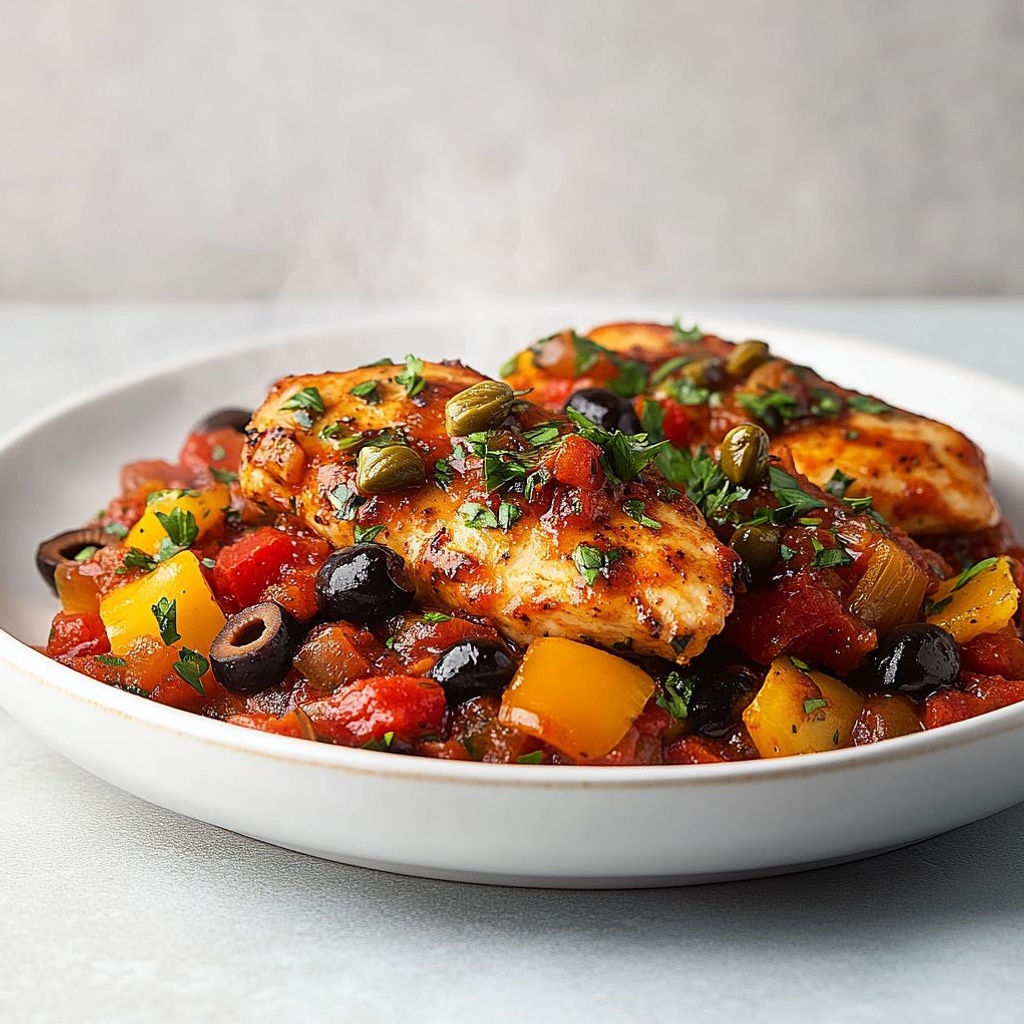
- Olives: slice and add 1/4 cup for briny depth. Rinse if very salty and distribute evenly so every bite has a touch of tang.
- Capers: drain and scatter 1 tablespoon for a tangy bite; rinse to remove excess salt before adding to the sauce.
- Bell peppers: slice and sauté with onions for color, sweetness, and texture. Use a mix of colors for visual appeal.
Make-Ahead, Storage, and Reheating
- The sauce can be made ahead and stored in the refrigerator for up to 3–4 days; reheat gently on low with a splash of broth to loosen if needed.
- Cooked chicken can be kept refrigerated for 3–4 days. Reheat gently in a skillet with a small amount of sauce to keep the meat moist.
- For freezing, freeze the sauce separate from the chicken. Thaw overnight in the fridge and reheat with a little extra liquid.
Serving Suggestions
- Serve over al dente pasta, polenta, or toasted crusty bread to soak up the sauce.
- Additional fresh basil or a light drizzle of olive oil at the end enhances aroma and shine.
Common Troubleshooting
- If the sauce tastes too acidic, balance with a pinch of sugar or a splash more tomatoes. Let it simmer a bit longer after adjustment.
- If the sauce seems too thick, loosen with a splash of broth or water and simmer until desired consistency.
- If the mozzarella sinks or makes the sauce watery, add the cheese in stages and keep the heat gentle; consider finishing under a quick broil to set the top layer.
- If the chicken finishes cooking before the sauce thickens, keep the chicken warm covered and let the sauce reduce a bit longer in the pan without the lid.
FAQ
What is Chicken Pizzaiola?
Chicken Pizzaiola is a classic Italian-American dish where chicken (breasts or thighs) is braised in a bright tomato sauce with garlic, oregano, and olive oil. It often includes onions, peppers, and sometimes capers, olives, or cheese, creating a flavorful, pizza-inspired sauce that pairs well with pasta, bread, or polenta.
What ingredients do I need?
Main ingredients: chicken (breasts or thighs), olive oil, garlic, onion (optional), canned crushed tomatoes or tomato sauce, dried oregano, salt, and pepper. Optional additions include bell peppers, capers, olives, fresh basil or parsley, mozzarella or provolone. For extra depth, a splash of white wine or chicken stock can be used to deglaze.
Can I use chicken breasts or thighs? How do I choose?
Both work well. Chicken breasts are lean and cook quickly but can dry out if overcooked. Chicken thighs stay tender and flavor-rich but are higher in fat. For a balanced result, you can use boneless, skinless thighs or a mix of breasts and thighs. Adjust cooking time: breasts about 6–8 minutes per side to brown, thighs may require a bit more time to finish in sauce.
Should I sauté the vegetables first, or just simmer?
For best flavor, sauté diced onion (and bell peppers, if using) in olive oil until softened, then add minced garlic. Deglaze with a splash of wine or stock if desired, and stir in tomatoes and seasoning. This creates a richer sauce before returning the chicken to simmer in the pot.
How do I cook Chicken Pizzaiola step by step?
1) Season the chicken with salt and pepper. 2) Brown the chicken in olive oil on both sides in a large skillet. Remove and set aside. 3) Sauté onion and peppers (if using) until softened. 4) Add garlic and cook 30–60 seconds. 5) Pour in crushed tomatoes/tomato sauce, oregano, and other seasonings; simmer briefly. 6) Return chicken to the pan and simmer gently until cooked through and sauce thickens (about 15–20 minutes for breasts, a bit longer for thighs). 7) Stir in fresh herbs and, if desired, melt a bit of mozzarella or provolone on top just before serving.
How long does it take to cook?
Prep time is typically 10–15 minutes, with a 25–30 minute simmer for chicken to cook through. Total time is usually around 40–45 minutes, depending on the cut of chicken and your stove.
Can I make it ahead or freeze leftovers?
You can refrigerate cooked Chicken Pizzaiola for up to 3–4 days. For longer storage, freeze the cooked dish (without fresh mozzarella) for up to 2–3 months. Thaw in the fridge overnight and reheat gently on the stove or in the microwave, adding a splash of water or stock if needed to loosen the sauce.
What are good variations or substitutions?
Variations: add sliced mushrooms, capers, or Kalamata olives for extra brininess. Use fresh basil at the end, or a pinch of red pepper flakes for heat. Substitutions: skip cheese for a dairy-free version, use crushed tomatoes with a little tomato paste for a thicker sauce, or swap chicken with turkey cutlets. You can also swap oregano for Italian seasoning blend.
What should I serve it with?
Popular options include spaghetti, linguine, or penne tossed with the sauce, creamy polenta, mashed or roasted potatoes, or crusty bread to soak up the sauce. A simple side salad or sautéed greens pairs nicely to balance the meal.
Is Chicken Pizzaiola spicy or how can I adjust the heat?
The base recipe is mild. To add heat, include red pepper flakes or finely minced hot peppers, and adjust to taste. If you prefer milder flavor, skip the heat and rely on garlic and oregano for aroma instead.