
Introduction / Hook
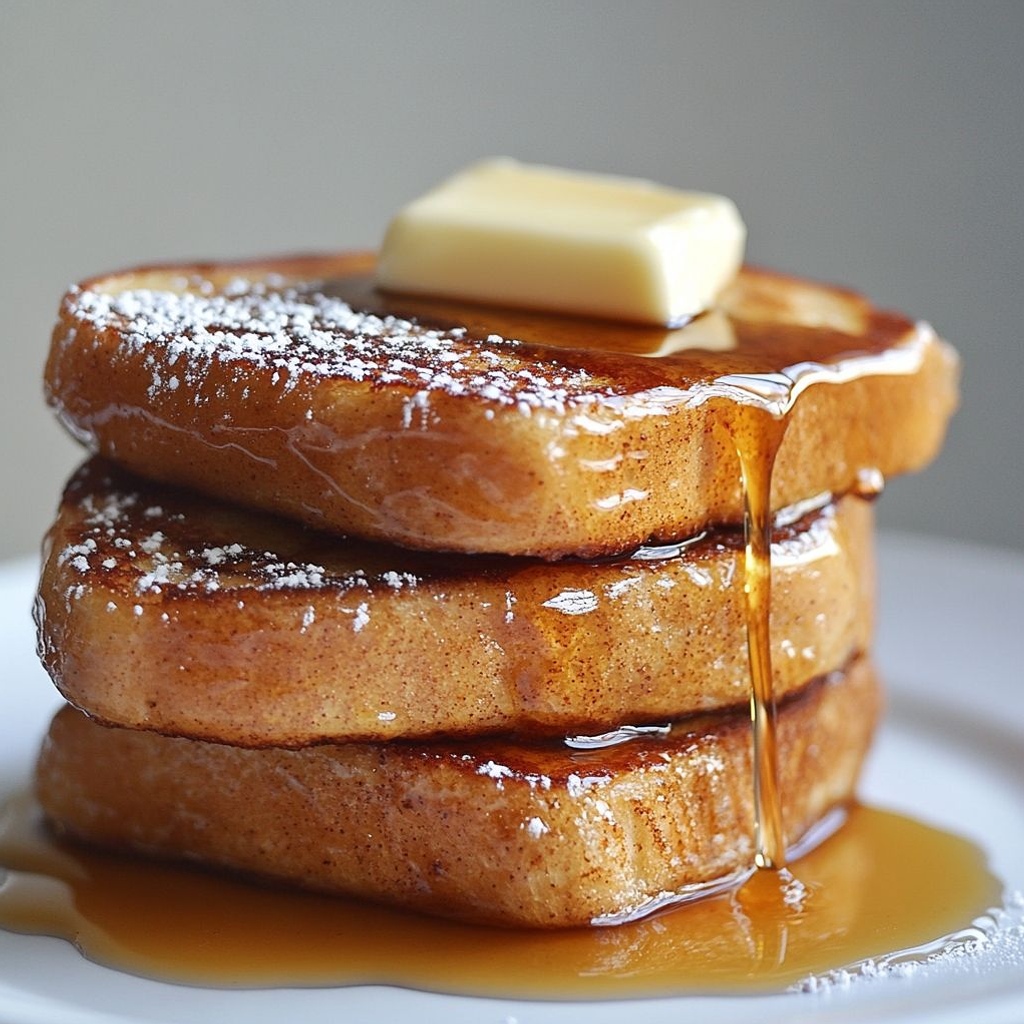
There’s something irresistibly warm about classic French toast—the way a slice of bread, treated with a whisper of vanilla and a kiss of cinnamon, becomes a soft, custardy treasure that crackles at the edges with browned butter bliss. The scent alone can coax a smile from sleepy mornings, drawing you into a cozy kitchen where time seems to slow down just enough for you to savor the moment. Classic French toast is not merely a breakfast; it’s a hug you can eat, a comforting ritual that invites you to press pause on the daily rush and settle into the simple pleasure of a plate that tastes like Sunday morning, season after season. It’s the dish that makes your ordinary weekend feel like a celebration, and it does so with an unpretentious elegance that both home cooks and guests instantly recognize and love.
The Story Behind the Dish
French toast is a dish with a long, winding history that crosses borders and centuries. In its most traditional form, it is known as pain perdu, which translates from French as “lost bread” or “forgotten bread.” The name tells a practical tale: stale or day-old bread, which might otherwise be wasted, is revived by soaking it in a rich custard and cooking it until it turns luscious and golden. This story of turning a humble ingredient into something indulgent is a thread that runs through kitchens around the world, reminding us that improvisation can yield comfort and delight in equal measure.
Historical references to a similar technique appear in medieval Europe, where bakers and homemakers alike would rescue leftover bread by soaking and cooking it to render it palatable again. Over time, the recipe evolved with regional flavors and ingredients. In France, pain perdu has been celebrated as a way to transform stale brioche or rustic bread into a breakfast or dessert fit for special occasions, often perfumed with vanilla, citrus zest, or a dusting of sugar. In other cultures, you’ll find equivalents with different names and twists: Spain’s torrijas, Italy’s indulgent fette biscottate variations, and beyond. In English-speaking countries, the preparation blossomed into a beloved weekend staple, often made with soft, rich breads like brioche or challah to accentuate the custard’s tenderness. The dish’s universal appeal lies in its generosity—humble bread elevated by a silky, eggy embrace—and its ability to adapt to local tastes and pantry staples.
What began as a practical solution to reduce waste has become a symbol of homey indulgence. The method—gently soaking slices and cooking until the exterior shimmers with caramelized color—translates across generations. The result is a dish that feels both timeless and modern, a blank canvas for breakfast artistry that welcomes a wide range of flavors, textures, and toppings. If you’ve ever wondered why French toast feels so comforting, the answer lies in its mix of soft interior, crisp edges, and the aromatic chorus of butter, vanilla, and warm spices—an invitation to linger at the table a little longer.
Why You’ll Love This Recipe
- Fast and forgiving: French toast is about balance and timing rather than precision, making it perfect for busy mornings and leisurely brunches alike.
- Comforting texture: a custardy center enveloped in a lightly crisp, caramelized exterior delivers a satisfying contrast in every bite.
- Versatile and crowd-pleasing: easily adapted for kids, adults, and guests with different dietary needs or flavor preferences.
- Economical and practical: uses readily available ingredients and can turn day-old bread into a star dish—no waste, just flavor.
- Luxurious yet simple: even when made with everyday pantry staples, it tastes like a treat worthy of celebration.
- Brunch-friendly centerpiece: pairs beautifully with a range of accompaniments, from fruit and yogurt to bacon and maple syrup, making it ideal for intimate gatherings or family feasts.
Flavor Profile & Texture
Classic French toast delivers a layered sensory experience. The core is a softly set custard—eggs tempered with milk (or a plant-based alternative), vanilla, and a gentle hint of spice—that infuses the bread with richness without becoming heavy. When the bread is cooked, the sugars in the surface caramelize, forming a delicate, light crust that crackles under a gentle press of the fork. The interior remains tender and airy, like a cloud kissed with custard, so each bite dissolves with a whisper of sweetness and a hint of vanilla.
The flavor bouquet leans warm and comforting: a kiss of cinnamon or nutmeg, a touch of citrus zest for brightness, and the unmistakable richness of browned butter if you choose to finish in the skillet. The bread itself, especially when a soft, egg-rich variety like brioche or challah is used, plays a starring role. The result is a dish that feels indulgent but approachable, with the sweetness balanced by the subtle savoriness of the toasted edges and the creamy, dairy-sweet profile beneath the surface. Toppings—pure maple syrup, fresh berries, yogurt, a dusting of powdered sugar, or a dollop of whipped cream—pull the flavors into a seasonal chorus, inviting you to tailor the experience to your mood and the day’s mood lighting.
Occasions & Pairings
There are few breakfasts as adaptable as French toast. It shines on weekend mornings when you’re slow to rise and ready to linger over a long, leisurely meal. It also makes an unexpected star on holiday mornings, where its rich aroma can set the tone for family gatherings and celebrations. The dish is equally at home as a brunch centerpiece for a small gathering, paired with a fresh fruit compote and a sparkling citrus beverage, or as a comforting weeknight treat when you want something comforting yet quick to bring to the table.
Pairings that elevate the experience include:
- Sweet and bright toppings: maple syrup, honey, berry compote, sliced strawberries, blueberries, or peach slices.
- Creamy accents: a dollop of whipped cream or a spoonful of yogurt to add tang and richness.
- Crunchy contrasts: a sprinkle of toasted nuts (walnuts, pecans) or a light dusting of cinnamon sugar for texture.
- Savory counterpoints: crisp bacon or savory sausage for a heartier plate, or a herb-scented yogurt dip as a refreshing contrast.
- Drinks: a strong cup of coffee, a cold brew, or a glass of sparkling apple cider or orange juice to brighten the plate.
Seasonal variations can stretch the dish’s appeal—from a fall twist with spiced apples and cinnamon to a spring revamp with citrus zest and vanilla bean. The beauty of classic French toast is that its essence remains the same even as the accompaniments shift, making it a trusty option for almost any occasion.
Tips, Variations & Substitutions
- Bread choices: brioche and challah yield the most luxurious texture due to their eggs and butter; day-old sandwich bread can work in a pinch, but a softer loaf with a bit more richness makes a noticeably nicer French toast.
- Vegan option: use a plant-based milk (almond, soy, oat) with a flax or chia egg substitute, and a neutral oil or vegan butter for cooking. For extra richness, add a splash of almond extract or a whisper of maple syrup to the batter substitute.
- Gluten-free option: choose a sturdy gluten-free bread that can hold up to soaking; texture may be lighter, so pairing with a creamy topping helps balance it.
- Flavor boosters: vanilla bean seeds, a pinch of orange zest, or a dash of cardamom can lift the aroma and add dimension without overpowering the classic profile.
- Heritage twists: swirl in a little cinnamon sugar to the surface as you finish cooking, or top with roasted fruit compotes for a deeper, caramelized sweetness.
- Texture tricks: cook in a well-seasoned nonstick skillet or cast-iron pan for even browning and a crisp exterior; finish with a small pat of butter to maximize gloss and flavor on the surface.
- Make-ahead variations: you can prepare a batch of soaked bread slices and refrigerate them for a few hours before cooking, or create a batch of the custard base ahead of time and dip as needed—just ensure you don’t let the bread become soggy for too long.
- Healthy-ish angles: reduce sugar on top and opt for fresh fruit instead of sugary syrups; use low-fat dairy or a plant-based alternative for a lighter version, balancing with spices and citrus.
- Texture-focused tip: use slightly thicker slices to help them hold the custard longer during soaking, which yields a more luxurious interior after cooking.
Storage & Make-Ahead Ideas
Leftovers of classic French toast, when stored properly, can still be enjoyable. A plate can be reheated gently to recapture some of that comforting crispness, though the texture may soften a bit after refrigeration. Here are practical ideas to help you plan ahead and reduce waste:
- Make-ahead: prepare a batch of soaked bread slices and refrigerate them for a few hours or overnight, then cook them when you’re ready. This is ideal for brunch plans where guests arrive at varying times.
- Short-term storage: refrigerate leftover French toast in an airtight container for up to 2 days. Reheat in a moderate oven or toaster oven to help restore some crust and warmth.
- Freezing: freeze fully cooked French toast in a single layer, then transfer to a bag for longer storage. Reheat in the oven to revive some texture. Alternatively, freeze un-cooked soaked slices and cook after thawing if you prefer freshly prepared toast.
- Topping strategy: consider keeping toppings separate—fruit compotes, yogurt, and nuts—so you can reassemble fresh for each serving and preserve texture and brightness.
- Toasting tips: when rewarming, avoid microwaving if possible, as it can soften the crust. A brief revisit in a hot skillet or oven helps recreate a pleasant exterior.
Fun Facts & Trivia
Delightful morsels of trivia can add a dash of whimsy to your table:
- Pain perdu’s name reflects its roots as a rescue recipe for stale bread, illustrating how sustainability and indulgence often walk hand in hand at the table.
- The term “French toast” appears in English cookbooks as early as the 17th and 18th centuries, but almost every culture has its own version of reviving bread with eggs and milk, underscoring the universal appeal of transforming simple ingredients into something special.
- While many people associate French toast with breakfast, it has historically appeared on menus as a dessert or a brunch indulgence, depending on toppings and regional traditions.
- Using brioche or challah as the bread leads to a richer, more decadent toast due to their buttery dough and soft crumb—an indulgent touch that still feels homestyle at heart.
- Some regions pair French toast with savory toppings—things like herbs, spices, or mild cheeses—to create a balanced, late-mallet morning dish that straddles breakfast and lunch.
- French toast has inspired variants such as stuffed French toast (where fillings like cream cheese, fruit purée, or chocolate are used between slices) and “French toast sticks” that make dipping and sharing extra fun for kids.
Classic French toast remains a timeless canvas for creativity while honoring its humble origins. It’s a dish that invites you to slow down, savor the aroma of butter and vanilla, and enjoy the simple pleasure of transforming ordinary bread into something memorable. Whether you’re feeding a crowded weekend brunch, a quiet weekday morning, or a holiday morning with loved ones, this comforting staple offers warmth, texture, and a touch of nostalgia in every bite.
Ingredients
Bread
- 6 to 8 thick-sliced bread slices (ciabatta, brioche, or challah; preferably day-old)
→ The bread is the canvas for the custard. Day-old, sturdy bread absorbs custard evenly without getting mushy. Cut into slices about 3/4 to 1 inch thick; thicker slices hold up better when cooked.
Egg & Dairy Custard
- 4 large eggs
→ Eggs provide structure and binding to the custard, creating a creamy interior as the bread cooks. Use room-temperature eggs for easier whisking and a smoother mixture. Whisk thoroughly to blend yolks and whites without introducing air pockets. - 1 cup whole milk
→ The liquid forms the custard base, imparting moisture and tenderness. Whole milk yields a balanced, creamy texture; for a lighter version, you can substitute 2% milk, but avoid skim if possible. For dairy-free options, use a thick plant milk like almond or oat milk with a splash of melted dairy-free butter or oil to mimic richness. - 1/2 teaspoon vanilla extract
→ Vanilla enhances sweetness and aroma in the custard. Use pure vanilla extract for the best flavor; if you have a vanilla bean, scrape the seeds into the mixture for deeper notes. - 2 tablespoons granulated sugar
→ Sugar sweetens the custard and contributes to browning when fried. Adjust to taste or substitute with brown sugar for a caramel accent. If your toppings are very sweet, you can reduce this slightly. - 1/2 teaspoon ground cinnamon
→ Cinnamon provides warm spice that is iconic to classic French toast. Freshly ground is preferred for a stronger, fresher aroma. You can adjust to 1 teaspoon for a stronger flavor or omit entirely for a milder version. - 1/4 teaspoon ground nutmeg (optional)
→ Nutmeg adds a subtle, nutty warmth that complements cinnamon. Use sparingly; grated fresh nutmeg has more aroma than pre-ground. If using, keep to a pinch to avoid overpowering the custard. - Pinch of salt
→ Salt heightens the flavors and balances sweetness. A small pinch is enough; if you’re using salted butter in the pan, you may want to reduce or omit this.
Cooking Fat
- 2 tablespoons unsalted butter (for frying)
→ Butter delivers flavor and helps achieve a rich, golden-crisp exterior. Use medium heat to prevent browning from burning. You can alternate with a light neutral oil if you prefer a higher smoke point, or add more butter between batches for flavor.
Toppings & Syrup
- Maple syrup for serving
→ The classic finishing touch that adds sweetness and a maple aroma. Warm the syrup slightly for easy pouring and a smoother texture over hot toasts. - Fresh berries or sliced fruit (optional)
→ Fresh fruit adds brightness and contrast to the rich toast. Wash and slice just before serving. If fruit releases a lot of juice, serve it on the side to prevent sogginess. - Powdered sugar for dusting (optional)
→ A light sprinkle of powdered sugar creates an appealing finish and a touch more sweetness. Sift evenly over the plates right before serving to avoid clumping. - Butter pats for serving (optional)
→ A small pat of extra butter on warm French toast melts into the bread, enriching flavor and texture. Choose unsalted butter to better control overall saltiness, especially when serving with salted syrup or toppings.
Instructions
- Preheat your griddle or a heavy skillet over medium heat (325-350°F / 165-175°C) and lightly grease with unsalted butter or a neutral oil; ensure the surface is uniformly coated before the first slice hits the pan.
→ A properly preheated, greased surface promotes immediate sizzling, even browning, and prevents sticking so you can flip without tearing the bread. - In a mixing bowl, whisk together 4 large eggs, 1 cup whole milk, 1/2 teaspoon vanilla extract, 2 tablespoons granulated sugar, 1/2 teaspoon ground cinnamon, 1/4 teaspoon ground nutmeg (if using), and a pinch of salt until the mixture is completely smooth and homogeneous.
→ Thorough whisking emulsifies the yolks and whites, dissolves sugar, and distributes spices evenly for a creamy custard that coats the bread uniformly. - Set up a shallow dish or wide rimmed plate and pour the custard into it so you can easily dip each bread slice; arrange the bread slices close at hand so you can work efficiently.
→ A broad, shallow surface allows quick, even absorption of custard without over-saturation, which helps maintain structure during frying. - Dip each 3/4 to 1 inch thick bread slice (ciabatta, brioche, or challah) into the custard for 20-30 seconds per side, turning once and pressing lightly to ensure the crusty exterior absorbs the custard without collapsing.
→ Proper soaking yields a creamy interior once cooked while preserving a sturdy crust; overly long soaking can make the bread fall apart or become mushy. - Set the dipped slices on a rack or plate for 1 minute to drain any excess custard before frying; this helps prevent soggy edges and uneven browning.
→ Draining excess custard ensures a crisp crust rather than a soggy exterior, and leads to balanced texture across the toast. - Melt 2 tablespoons unsalted butter in the preheated pan and swirl to coat the surface evenly, maintaining a steady medium heat; if the butter foams excessively or begins to brown quickly, reduce the heat slightly.
→ Butter adds rich flavor and promotes a golden crust; controlling heat prevents burning and keeps browning even. - Carefully place as many custard-soaked slices as will fit without crowding into the pan and cook until the bottoms are deeply golden and crisp, about 2 to 3 minutes; adjust the heat if the butter starts to brown too quickly.
→ Adequate contact with the hot surface creates the Maillard reaction, developing flavor and color while the interior cooks through. - Flip each slice with a wide spatula and cook the second side for another 2 to 3 minutes until the custard is set and the exterior is uniformly golden; if slices are particularly thick, extend to 3-4 minutes per side.
→ Consistent flipping ensures even cooking, prevents soggy centers, and yields a balanced crust on both sides. - Transfer cooked French toast to a warm oven (about 200°F / 95°C) or onto a rack to keep warm while finishing the remaining slices; re-apply a small amount of butter to the pan for subsequent batches as needed.
→ Keeping toast warm prevents condensation from softening the crust, and additional butter maintains flavor and browning across batches. - Repeat frying in batches until all slices are cooked, adjusting the pan heat as needed to maintain a steady sizzle and even browning; do not crowd the pan to ensure crisp edges.
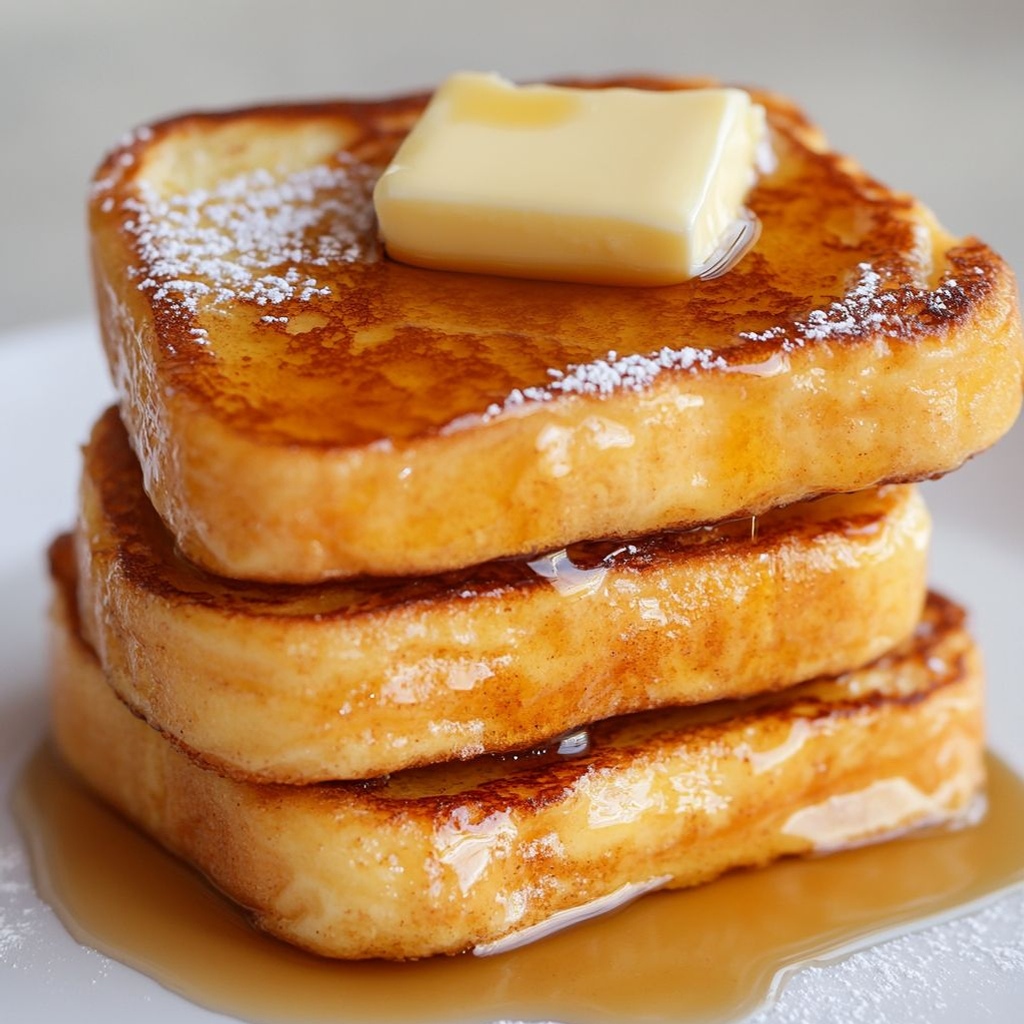
→ Consistent batch cooking gives you evenly browned toast with a creamy interior for every slice. - To serve, arrange the slices on plates and generously drizzle warm maple syrup over each piece; dust with powdered sugar if desired and garnish with fresh berries or sliced fruit for brightness and contrast.
→ Warm syrup coats the hot toast smoothly and enhances aroma, while fruit provides a refreshing counterpoint to the richness of the custard. - Offer optional pats of butter at the table to melt into the toast as you eat, emphasizing the classic texture by allowing a little extra richness to bloom with each bite.
→ A final touch of butter enriches mouthfeel and reinforces the indulgent French toast experience.

Notes
These classic French toast slices are comforting and crowd-pleasing, made by soaking day-old bread in a creamy vanilla-cinnamon custard and frying until golden. You can customize them by choosing ciabatta, brioche, or challah and by using dairy-free milk with a splash of neutral oil or dairy-free butter for a lighter or vegan version. Whisk together 4 large eggs, 1 cup whole milk, 1/2 teaspoon vanilla extract, 2 tablespoons granulated sugar, 1/2 teaspoon ground cinnamon, 1/4 teaspoon ground nutmeg (optional), and a pinch of salt until smooth. Soak the bread slices briefly in the custard on both sides, then fry in 2 tablespoons unsalted butter over medium heat until deeply golden on each side. Serve with warm maple syrup, fresh berries or sliced fruit, a light dusting of powdered sugar, and a pat of butter if desired. The dish can be prepared ahead by soaking the bread and cooking in batches; rewarm in a skillet to refresh the crust. For gluten intolerance, use certified gluten-free bread and verify all toppings. For extra flavor, consider adding a splash of vanilla bean, orange zest, or swapping brown sugar for a caramel note.
Tips
Tips for Classic French Toast
- Bread and soaking
- Choose day-old, sturdy bread (ciabatta, brioche, or challah) to soak up custard without becoming soggy.
- Slice thickness about 3/4 to 1 inch. Thicker slices hold up better when fried.
- If bread is very fresh, toast lightly or air-dry the slices for 10–15 minutes to improve absorption and reduce sogginess.
- Dip each slice into the custard just long enough to saturate the surface; you want evenly moistened bread, not a pool of liquid.
- Egg & Dairy Custard
- Use room-temperature eggs for easier whisking and a smoother custard; whisk yolks and whites until fully blended with no visible lumps.
- Whole milk provides moisture and tenderness; for dairy-free options, substitute a thick plant milk (almond/oat) with a splash of melted dairy-free butter or oil to mimic richness.
- Pure vanilla extract yields the best aroma; if you have a vanilla bean, scrape seeds into the mixture for deeper flavor.
- Sugar helps browning and sweetness. Adjust to taste and consider brown sugar for a caramel note.
- Ground cinnamon adds warmth; fresh grind is preferred. Nutmeg is optional and should be used sparingly.
- Pinch of salt enhances flavor; if using salted butter in the pan, you may reduce or omit this.
- Cooking Fat and Frying
- Use 2 tablespoons unsalted butter for frying; medium heat helps achieve a golden crust without burning.
- Optionally mix in a small amount of neutral oil to raise the pan’s smoke point while keeping butter flavor.
- Cook in batches without crowding the pan; 2–3 minutes per side or until deeply golden and crisp around the edges.
- Re-butter the pan between batches to maintain nonstick surface and flavor.
- Keep finished toasts warm in a low oven (around 200°F/90°C) while you cook the rest.
- Toppings & Syrup
- Warm maple syrup slightly for easier pouring and a smoother coating on hot toast.
- Fresh berries or sliced fruit add brightness; wash and prep just before serving. If fruit releases a lot of juice, serve on the side to prevent sogginess.
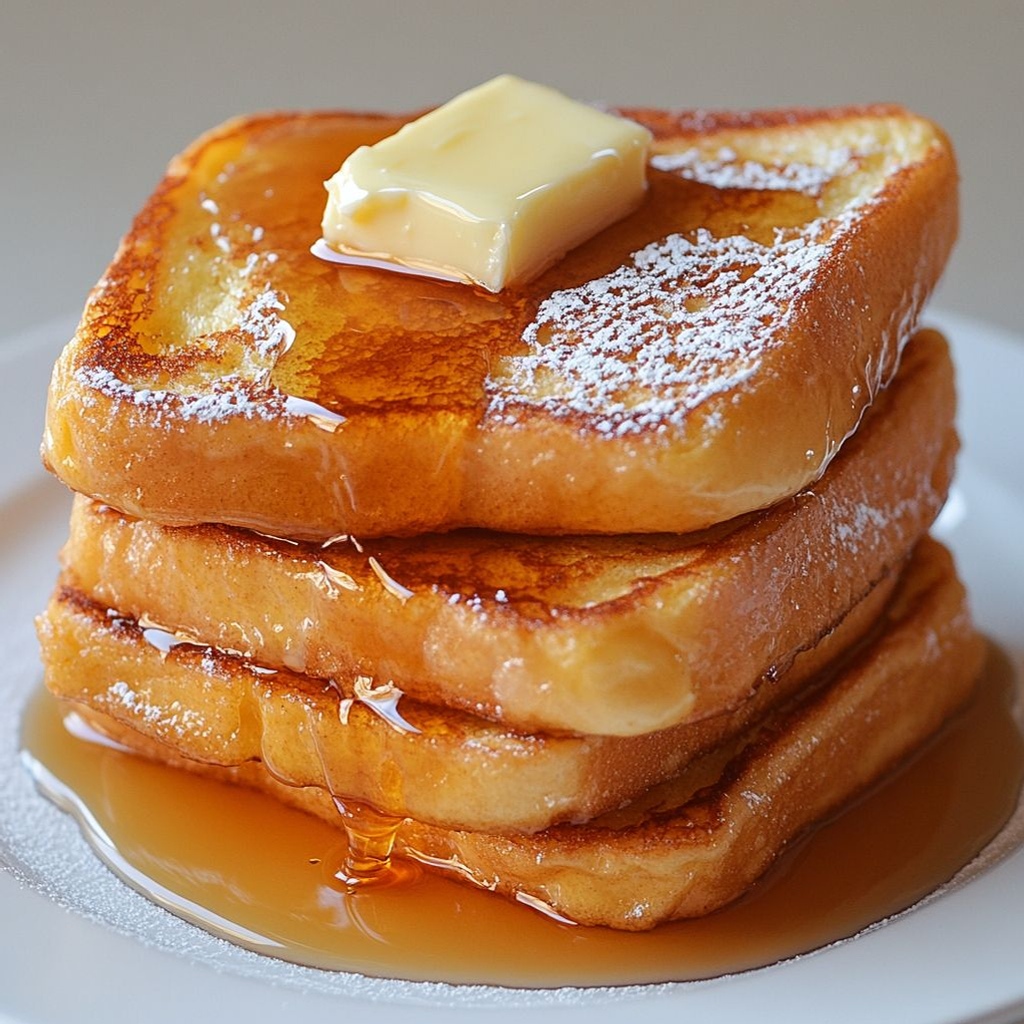
- Dust with powdered sugar right before serving for a light, decorative finish.
- Finish with a pat of butter on the hot toast to melt in and enrich the texture and flavor.
FAQ
Classic French Toast — Frequently Asked Questions
What is Classic French Toast?
Classic French Toast is slices of bread dipped in a custard made from eggs, milk, vanilla, and spices, then fried in a skillet until golden brown. It’s a comforting, lightly sweet breakfast that’s great with syrup and toppings.
What bread works best for French toast?
Thick-sliced, day-old bread yields the best texture. Favorites include brioche, challah, Texas toast, or sturdy white bread. The bread should be a bit dry so it soaks up the custard without falling apart.
What ingredients do I need for the batter?
Basic batter ingredients:
- 4 large eggs
- 1 cup milk (dairy or dairy-free alternatives like almond, soy, or oat)
- 1 teaspoon vanilla extract
- 1/2 teaspoon ground cinnamon
- Pinch of salt
- 1–2 tablespoons sugar (optional)
Optional additions: a pinch of nutmeg, a little orange zest, or 1 tablespoon cream for extra richness.
What is the recommended egg-to-milk ratio?
A good starting point is 2 eggs with 1/2 cup milk for about 4 slices. For larger batches, scale up to 4 eggs with 1 cup milk for 8 slices. Adjust to your preferred richness.
How long should I soak the bread in the batter?
Dip the bread slices and soak for about 20–60 seconds per side. Thick, sturdy bread can absorb more, but don’t soak so long that it falls apart. If using very dry bread, you can soak a bit longer, but handle gently.
What pan and heat should I use?
Cook on a heavy skillet or griddle over medium heat (about 325–350°F / 160–175°C if you can measure). Use melted butter or neutral oil to prevent sticking and add a touch of richness. Preheat the pan before adding the batter-coated bread.
How can I tell when French toast is done cooking?
Cook until the underside is deep golden brown, then flip and cook the other side until also golden and the center is set. It should feel firm to the touch and not overly custardy in the middle. If using a thermometer, aim for around 160°F (71°C) in the center.
What toppings pair well with Classic French Toast?
Popular toppings include:
- Maple syrup or honey
- Powdered sugar
- Fresh berries, sliced bananas, or fruit compote
- Butter, whipped cream, or yogurt
- Peanut butter or almond butter for a savory-sweet twist
How should I store and reheat leftovers?
Store cooled French toast in an airtight container in the refrigerator for 2–3 days. Reheat in a skillet over medium heat until crisp, in a 350°F (175°C) oven for 5–10 minutes, or in a toaster oven. To restore some crispness, reheat briefly in a dry pan with a small amount of butter.
Can I make dairy-free, gluten-free, or keto versions?
Yes. For dairy-free, use plant-based milk (almond, soy, oat) and dairy-free butter if desired. For gluten-free, use a sturdy gluten-free bread; ensure the batter components are gluten-free. For low-carb options, use a low-carb bread or alternative batter, understanding texture will differ from classic.
Can I make French toast in advance or freeze it?
French toast is best fresh, but you can soak the bread in the batter and refrigerate for up to 24 hours before cooking. For freezing, freeze cooked slices on a sheet tray, then transfer to a bag. Reheat in a 350°F (175°C) oven until warmed through and crisp.