Introduction / Hook
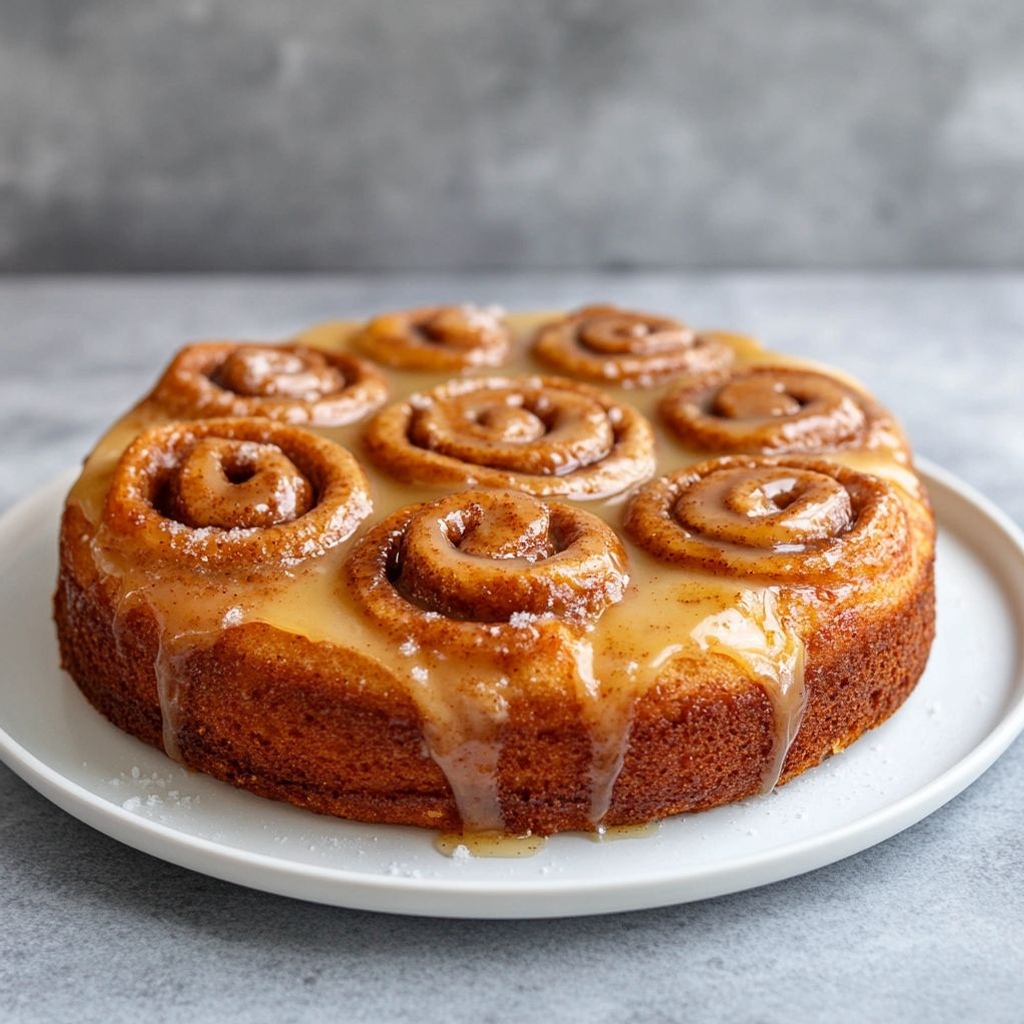
The moment you cut into a Cinnamon Roll Cake, you’re met with a warm, fragrant storm of cinnamon-sugar ribbons that melt into a tender, cloud-soft crumb. It’s a dessert that wears its comfort front and center: a fluffy cake kissed with brown-sugared swirls, finished with a glossy, creamy frosting that tastes like the best of both worlds—classic cinnamon rolls and a cozy sheet cake rolled into one. Picture a Sunday brunch where the house smells like a bakery, a holiday morning where the table is dressed in golden slices you can share, and a quiet afternoon when you just want something wholesome and indulgent at the same time. The cinnamon fills the air with nostalgia—the familiar scent that signals “home,” while the cake texture persists with the lightness of a dream. This Cinnamon Roll Cake isn’t merely dessert; it’s an edible hug, a playful twist on a beloved pastry, and an invitation to savor a moment that’s sweet, comforting, and irresistibly shareable.
The Story Behind the Dish
Cinnamon rolls have a storied lineage that winds through many kitchens and cultures. The idea of a yeast-raised roll studded with cinnamon and brown sugar traces back to Northern European pastry traditions, where spices traveled along ancient trade routes and found their way into everything from morning breads to festive desserts. The classic “kanelbulle” in Sweden and other Nordic traditions celebrate cinnamon in spirals of dough that cradle warmth and fragrance. In the United States, cinnamon rolls evolved into indulgent, generous pastries—soft, pillowy, and draped in thick cream cheese icing—that became staples at breakfast spots, bakeries, and family gatherings. The Cinnamon Roll Cake is a delicious evolution of that story: it takes the bold, comforting flavors of a roll and folds them into a cake format that’s easier to portion, quicker to serve, and wonderfully suited for celebrations of every kind. It’s the kind of recipe that nods to heritage while embracing practicality, turning a beloved pastry into a dessert that can anchor a brunch, a potluck, or a Sunday family ritual.
In many households, cinnamon rolls symbolize cozy rituals: the early morning kitchen hum, the scent of butter and spice wafting through the house, the anticipation of sharing something warm with loved ones. The Cinnamon Roll Cake captures that same essence, but in a form that invites more people to partake in the ritual. It’s the kind of dish that evokes memory while inviting new experiences—crisp edges giving way to an airy interior, each slice carrying ribbons of cinnamon-sugar that echo the swirl of a classic roll, and a generous cream cheese glaze that lingers on the palate like a soft kiss of sweetness. This dish also travels well beyond the breakfast table; it stands confidently at brunch buffets, holiday dessert spreads, or a casual afternoon gathering where a pan of slices can be offered instead of individual hand-held pieces. The cake format makes it accessible, the flavors remain deeply comforting, and the result is a show-stopping centerpiece that still feels homey and approachable.
Why You’ll Love This Recipe
- Universal appeal: familiar cinnamon, butter, and brown sugar flavors that feel both nostalgic and fancy.
- One-dish magic: a moist, tender cake with cinnamon swirl pockets celebrates the best of a cinnamon roll without requiring separate rounds of dough.
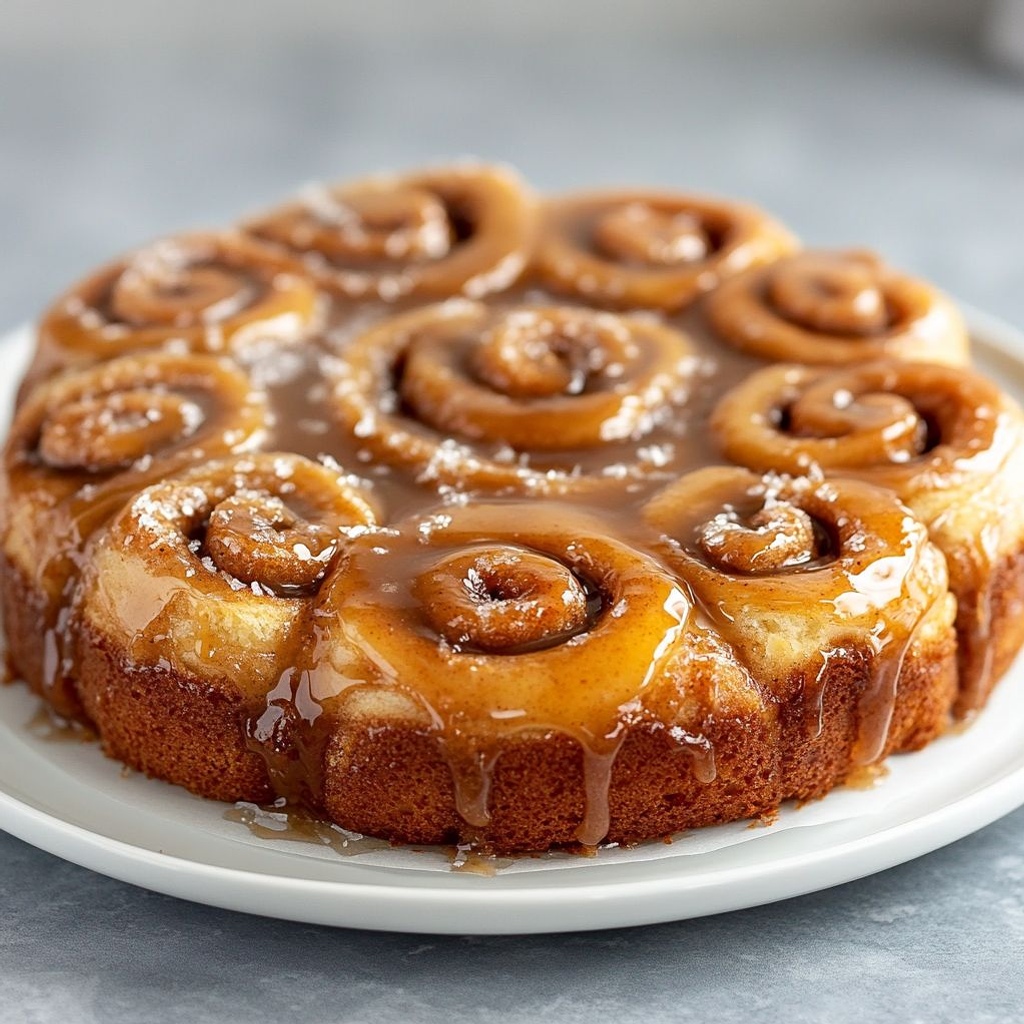
- Gorgeous presentation: caramel-tinted swirls and a glossy frosting make it look bakery-worthy even when you’re not.
- Versatile serving: perfect for brunch, birthdays, holidays, or a comforting weekend treat.
- Make-ahead friendly: bake ahead day or two and glaze just before serving for easy entertaining.
- Adaptable: easily tailored to your dietary needs or flavor preferences with simple substitutions and variations.
Flavor Profile & Texture
Every bite delivers a layered experience. The base cake is soft and airy, with a delicate crumb that hints at vanilla and butter. Within its tender interior lie ribbons of cinnamon-sugar, swirled so you catch the spicy warmth in every mouthful. The cinnamon notes are rich but not overpowering, tempered by brown sugar caramelization that lends a subtle toffee-like depth. The frosting—cream cheese with a whisper of vanilla or a touch of lemon zest—adds tangy creaminess that balances the sweetness and lightens the overall profile. The texture contrasts are what make this dish so gratifying: the cake has a gentle spring, the cinnamon swirls offer a slightly chewy bite, and the glaze provides a silky counterpoint that clings to the crumb without weighing it down. When warm, you experience a comforting steam rising from the plate, carrying the scent of melted butter and cinnamon into the room; when cooled, the frosting firms into a satin sheath that keeps the slices luscious and easy to gather on a fork. It’s a dessert that makes you slow down just enough to savor the evolving layers—soft cake, cinnamon-rich pockets, and a creamy finish that lingers on the palate.
Occasions & Pairings
This Cinnamon Roll Cake is at home in a multitude of settings. Here are some ideal moments to bring it to the table and how to pair it for a complete sensory experience:
- Weekday brunches: pair with coffee, a vanilla latte, or a cinnamon-spiced chai for a comforting morning ritual.
- Holiday gatherings: place at the center of the dessert spread with a few extra slices ready to go; it complements mulled wines and spiced cider.
- Birthday celebrations: serve as a showpiece cake—decorate with a simple dusting of powdered sugar, caramel drizzle, or toasted pecans for added texture.
- Tea time or coffee breaks: light, sweet, and perfect with a cup of black tea or an almond-cocoa beverage.
- Potlucks and family dinners: easy to slice into generous portions and easy to transport in a covered pan.
Pairing suggestions to elevate the experience:
- Drinks: robust coffee, espresso, cinnamon-spiced lattes, hot chocolate with a pinch of chili, or a dessert wine like late-harvest Riesling.
- Side dishes: a simple fruit compote (apple-pear or sliced stone fruit) to cut through the richness, or a light yogurt-based dip for a tangy contrast.
- Desserts: a dollop of whipped cream or vanilla bean ice cream to melt over warm slices, or a tart berry coulis to add brightness.
Tips, Variations & Substitutions
Tips for Success
To get the best texture and flavor, focus on balance: don’t let the cinnamon-sugar layer overwhelm the cake’s tenderness, and don’t overwork the batter so the crumb stays soft. If you’re mixing the batter by hand, fold gently and evenly to preserve a light, airy crumb. Brown sugar caramelization in the cinnamon swirl will contribute depth, so aim for a swirl that’s visible but not dense. When glazing, aim for a glossy finish that’s thick enough to cling to the knife as it moves through the slice, but thin enough to set into a satin sheen after a few minutes of rest.
Variations
- Vegan option: use a plant-based butter, dairy-free cream cheese, and a dairy-free milk alternative. Replace the frosting with a vegan cream cheese frosting and a touch of lemon zest or vanilla to keep brightness.
- Gluten-free option: use a high-quality gluten-free all-purpose flour blend that yields a tender crumb; be mindful of leavening adjustments according to the blend’s instructions.
- Pumpkin spice twist: incorporate pumpkin puree into the cake batter and swap in pumpkin pie spice for a seasonal variation that’s perfect for autumn gatherings.
- Cardamom-orange note: add a pinch of ground cardamom to the cinnamon-sugar swirl and a splash of orange zest to the frosting for a fragrant citrus-woody lift.
- Nutty crunch: sprinkle toasted pecans or walnuts into the swirl or over the top for textural contrast and a toasty flavor.
- Salted caramel glaze: finish with a light drizzle of salted caramel over the frosting for an additional layer of sweetness and contrast.
- Butter: use a high-quality unsalted butter or a dairy-free substitute with similar fat content for consistent texture.
- Cream cheese frosting: if avoiding dairy, opt for a plant-based cream cheese and a non-dairy milk to reach the right consistency; adjust sweetness as dairy-free products can vary.
- Sugar: white granulated sugar can be replaced with an organic cane sugar or a coconut sugar for a deeper flavor, keeping in mind the color impact on the swirl.
Storage & Make-Ahead Ideas
Make-ahead convenience is part of the charm here. You can bake the cake in advance and finish with the frosting close to serving time, or even bake the entire dessert a day ahead and slice just before serving. Here are practical tips to keep everything delicious and fresh:
- Storage: once cooled, store the cake tightly covered at room temperature for up to 2 days. For longer storage, refrigerate for up to 4 days. Bring to room temperature or rewarm gently to revive softness before serving.
- Make-ahead: bake the cake base up to 1 day ahead. Cover and refrigerate. When ready to serve, warm slightly or let sit at room temperature, then spread frosting and finish with final glaze or drizzle.
- Freezing: the baked cake (without frosting) freezes well for up to 2 months. Thaw completely before frosting for best texture. The frosting can be frozen separately and thawed to re-emulsify with a whisk if needed.
- Reheating: if slices feel a little stiff, reheat gently in a low oven (about 300°F/150°C) for a few minutes or microwave in short bursts until just warm.
Fun Facts & Trivia (Optional)
Did you know that cinnamon has a history as a treasured spice dating back thousands of years, once so valuable that it was used as a form of currency in ancient civilizations? The warm, aromatic notes of cinnamon were often associated with hospitality and festivity, making cinnamon rolls a natural celebratory treat. The idea of weaving cinnamon into a cake—rather than into a standalone roll—melts those associations into a versatile dessert that travels across meals and occasions. In many households, the ritual of slicing a cinnamon-themed dish and sharing it is a quiet language of affection; it’s a way to say, “We’re in this together, savoring the moment.” The Cinnamon Roll Cake embodies that sentiment: a modern reinterpretation that honors tradition while offering effortless indulgence for all who gather around the table.
Regional twists are common in cinnamon-based desserts too. For example, in some cultures, you’ll find a hint of citrus zest or almond extract that brightens the spice, while in others, a swirl of brown sugar becomes a caramel-scented ribbon that stretches through every bite. The beauty of a Cinnamon Roll Cake is that it invites exploration—whether you’re staying rooted in the classic, leaning into a seasonal variation, or letting it be the canvas for your own culinary experiments. It’s a dish that tells a story with every slice, one that invites shared moments and a sense of delight that lingers long after the last bite.
Ingredients
- 3 cups all-purpose flour
→ Provides the primary structure for the cake crumb. When combined with the leaveners (baking powder and baking soda) and salt, it creates a tender yet sturdy batter that can hold the cinnamon swirl. Sift or whisk the dry ingredients together to ensure even distribution and a smooth bake. If you want a lighter crumb, you can substitute up to 1/2 cup with cake flour, keeping total flour the same. - 1 1/2 cups granulated sugar
→ Adds sweetness, helps with browning, and assists in creaming with the butter to trap air for a light, tender crumb. For a less sweet version, reduce by up to 1/4 cup, but keep in mind this will affect moisture and browning. Ensure butter is at room temperature for smooth creaming. - 1 tablespoon baking powder
→ The primary chemical leavener that gives the cake its rise and light texture. Use fresh baking powder for best lift; avoid overmixing after adding dry ingredients to maintain the airy crumb. - 1/2 teaspoon baking soda
→ Works with the dairy (or acidic components) to activate additional leavening and tenderize the crumb. Pairing with buttermilk or a cultured dairy helps achieve a higher, softer lift. Do not skip if using buttermilk; otherwise the cake may feel a touch denser. - 1/2 teaspoon salt
→ Enhances overall flavor and helps balance the sweetness. Use fine table salt or fine sea salt to distribute evenly throughout the batter. Salt is especially important when using rich dairy and fat in a cake batter. - 1 cup unsalted butter, softened
→ Creaming butter with sugar introduces air into the batter, giving a moist, tender crumb and rich flavor. Avoid melted butter; it can lead to a denser crumb. Let butter come to room temperature (about 60–65°F / 15–18°C) for easiest creaming and even texture. - 4 large eggs
→ Bind and enrich the batter, contributing structure and moisture. Room-temperature eggs mix more smoothly and help emulsify the batter for even rise. For best results, lightly beat eggs before adding them to the batter. - 1 1/4 cups whole milk or buttermilk
→ Provides moisture and tenderness; buttermilk adds acidity that pairs with the leaveners for a lighter crumb and subtle tang. If using regular milk, consider adding 1–2 tablespoons lemon juice or white vinegar to sour it slightly and mimic buttermilk. Use at room temperature for best incorporation. - 2 teaspoons vanilla extract
→ Infuses the cake with warm, vanilla aroma. Use pure vanilla extract for the best flavor; if you have a vanilla bean, you can scrape in seeds for extra depth. Ensure it’s evenly mixed into the batter for uniform aroma.
- 3/4 cup light brown sugar, packed
→ Creates the moist, caramelized sweetness that defines the cinnamon swirl. Packing the sugar ensures a stronger, more visible swirl when baked. For a milder swirl, you can reduce to 1/2 cup, but the swirl will be less pronounced. - 2 1/2 tablespoons ground cinnamon
→ Delivers the signature cinnamon flavor. Use fresh ground cinnamon when possible and consider lightly warming it in a dry skillet for 10–15 seconds to bloom the aroma before mixing with sugar. Too much can overpower the cake; adjust to taste. - 4 tablespoons unsalted butter, melted
→ Used to bind the brown sugar and cinnamon into a paste that swirls evenly through the batter. Let the mixture cool for a moment so it won’t melt entirely into the batter; a slightly cooled swirl helps retain distinct ribbons in the cake.
- 8 ounces cream cheese, softened
→ The tangy backbone of the frosting that balances the sweetness of the cake. Soften fully to avoid lumps; beat until smooth for a glossy finish. If the frosting seems runny, refrigerate briefly to help it set before spreading. - 1/2 cup unsalted butter, softened
→ Adds creaminess and lightens the frosting. Ensure butter is soft to avoid gritty texture; beat with the cream cheese until fluffy and fully incorporated for a silky look and feel. - 2–3 cups powdered sugar, sifted
→ Determines the sweetness and thickness of the frosting. Start with 2 cups and add more gradually to reach your desired consistency. Sifting prevents gritty lumps and yields a smoother glaze-like finish when spread. - 2 teaspoons vanilla extract
→ Adds depth to the frosting’s flavor. Use pure vanilla for best results; for a subtler, more complex profile, substitute a maple or almond extract in small amounts with caution. - 1/8 teaspoon fine salt
→ Balances sweetness and enhances the cream cheese tang. A small amount of salt makes the frosting taste more rounded and prevents it from tasting flat.
- 1/2 cup powdered sugar
→ Lightens the glaze and provides a gentle sweetness that can drizzle over the frosting. Adjust by adding more sugar for thicker glaze or less for a thinner drizzle. - 2–3 tablespoons milk or heavy cream
→ Liquid to reach desired glaze consistency. Start with 2 tablespoons and add more gradually until it coats the cake nicely; use heavy cream for a richer, silkier glaze and milk for a lighter finish. - 1/2 teaspoon vanilla extract
→ Subtle vanilla flavor in the glaze; optional but recommended for extra depth. If avoiding vanilla, a small pinch of almond extract can pair well with cinnamon.
- 1/2 cup chopped pecans or walnuts (optional)
→ Adds a toasty, crunchy contrast to the soft cake. Toast nuts in a dry skillet for 3–5 minutes or in a 350°F (175°C) oven until fragrant to heighten flavor. Chop into small, even pieces to distribute evenly in the batter or sprinkle on top of the frosting for texture.
- 2 tablespoons unsalted butter, melted, for greasing the pan
→ Creates a nonstick surface and helps the cake release cleanly after baking. Brush evenly on the bottom and sides; let cool briefly before pouring batter to prevent it from running off the sides. - Parchment paper, for lining the baking sheet
→ Optional but highly recommended for easy removal and clean edges. Cut to fit the pan and lay a sheet along the bottom; you can also crumple a sheet slightly and press into corners for easier lifting once baked. If you don’t have parchment, a well-greased pan with a light dusting of flour works too.
Instructions
- Preheat your oven to 350°F (175°C) and prepare a 9×13-inch baking pan by melting 2 tablespoons of unsalted butter and brushing it evenly across the bottom and up the sides, then line the pan with parchment paper or powder lightly with flour for an extra nonstick layer.
→ This creates a smooth, nonsticky surface so the cake releases cleanly after baking and allows for neat edges when sliced. - Sift or whisk together the dry cake base ingredients: 3 cups all-purpose flour, 1 tablespoon baking powder, 1/2 teaspoon baking soda, and 1/2 teaspoon salt in a large bowl until well combined and aerated.
→ Sifting distributes leaveners and salt evenly, prevents clumps, and gives you a uniform crumb that rises evenly during baking. - Cream 1 cup unsalted butter with 1 1/2 cups granulated sugar on medium speed until the mixture is pale, fluffy, and light‑yellow in color, about 3 to 5 minutes; scrape the bowl halfway through to incorporate all the sugar.
→ Proper creaming infuses air into the batter, which helps produce a moist, tender crumb and a generous lift. - Add 4 large eggs one at a time, beating well after each addition until the mixture is smooth and glossy; scrape the bowl between additions to maintain even emulsion.
→ One‑by‑one incorporation ensures stable emulsion and prevents curdling, yielding a uniform batter and even rise. - Beat in 2 teaspoons vanilla extract until fully dispersed through the batter, about 15 seconds; ensure no streaks remain for a consistent vanilla aroma.
→ Uniform vanilla distribution ensures every slice carries the same flavor intensity rather than concentrated pockets. - In a separate bowl, whisk together 1 1/4 cups whole milk or buttermilk and, if using regular milk, consider adding 1–2 tablespoons lemon juice or white vinegar to mimic cultured dairy; keep the liquid at room temperature for optimal incorporation.
→ The warmer, slightly acidic dairy interacts with the leaveners and fat to create a lighter, more tender crumb and better emulsification during mixing. - With the mixer on low speed, add the dry ingredients and the dairy in alternating additions, beginning and ending with the dry, in three dry additions and two wet additions; mix just until each addition is incorporated and stop as soon as the batter comes together.
→ Alternating dry and wet ingredients prevents overdevelopment of gluten, maintaining tenderness and moisture without a dense texture. - Prepare the cinnamon swirl filling by combining 3/4 cup light brown sugar (packed), 2 1/2 tablespoons ground cinnamon, and 4 tablespoons melted unsalted butter in a bowl; stir until a thick, cohesive paste forms and cool slightly so it does not fully liquefy into the batter.
→ A cohesive paste ensures distinct ribbons of cinnamon in the cake and prevents the swirl from dispersing into a puddle during baking. - Spoon and spread about two‑thirds of the batter into the prepared pan, then dollop half of the cinnamon swirl over the batter; use a knife to swirl in a figure‑eight or gentle back‑and‑forth motion to create even ribbons, then top with the remaining batter and finish with more swirl on the surface.
→ Layering and swirling distribute the cinnamon flavor evenly and create the classic cinnamon‑roll appearance without overwhelming the batter in any single region. - Bake in the preheated oven until the center tests clean with a skewer or toothpick and the edges are lightly golden, approximately 30–40 minutes; rotate the pan halfway through for even browning.
→ Proper bake time yields a set crumb with a moist interior; rotating ensures uniform heat exposure and prevents hot spots from causing uneven browning. - Let the cake cool in the pan on a wire rack for 15–20 minutes, then transfer to the rack to finish cooling completely before frosting; this prevents the frosting from sliding and helps the cake slice neatly.
→ A partially cooled cake firms enough to handle, while still warm enough to accept the frosting without tearing the surface. - For the cream cheese frosting, beat 8 ounces softened cream cheese and 1/2 cup softened unsalted butter on medium speed until smooth and fluffy, 2–3 minutes; scrape the bowl as needed to ensure even texture.
→ Fully creamed cream cheese and butter create a glossy, spreadable frosting without lumps or graininess. - Gradually add 2–3 cups sifted powdered sugar to the frosting, beating until smooth and creamy; mix in 2 teaspoons vanilla extract and 1/8 teaspoon fine salt, adjusting thickness with a splash of milk if needed.
→ Incremental sugar incorporation avoids gritty texture and allows you to reach a spreadable consistency that holds its shape on the cake. - If the frosting is too thick, blend in 1–2 teaspoons milk or heavy cream; if too thin, add more powdered sugar a little at a time until it holds its shape when spread; aim for a silky, creamy texture that spreads evenly without tearing the cake.
→ Texture control ensures a smooth, durable frosting that layers cleanly over the cooled cake. - Spread the cream cheese frosting in an even layer over the cooled cake; optionally scatter 1/2 cup chopped pecans or walnuts that have been toasted in a dry skillet or oven for 3–5 minutes to deepen their flavor and provide a contrasting crunch.
→ The frosting acts as a luscious, tangy counterpoint to sweetness, while toasted nuts add toasty aroma and a textural contrast. - To make the optional glaze, whisk together 1/2 cup powdered sugar, 2–3 tablespoons milk or heavy cream, and 1/2 teaspoon vanilla extract until smooth; drizzle in thin lines or a light lattice over the frosting for a glossy finish.
→ The glaze provides a delicate sweetness and a pretty finish that complements the cinnamon notes without overpowering the frosting. - Demonstrate optional add-ins by toasting 1/2 cup chopped pecans or walnuts until fragrant, then folding a portion into the remaining batter or scattering on top of the frosting for texture; ensure pieces are evenly sized for uniform texture.
→ Toasting intensifies flavor, while even sizing ensures consistent crunch in every bite. - Allow the frosting and glaze to set for about 15 minutes at room temperature, then slice the cake into portions and serve; refrigerate any leftovers to keep the frosting from softening excessively.
→ A brief set helps maintain clean edges when slicing and preserves the frosting’s structure for storing.
Notes
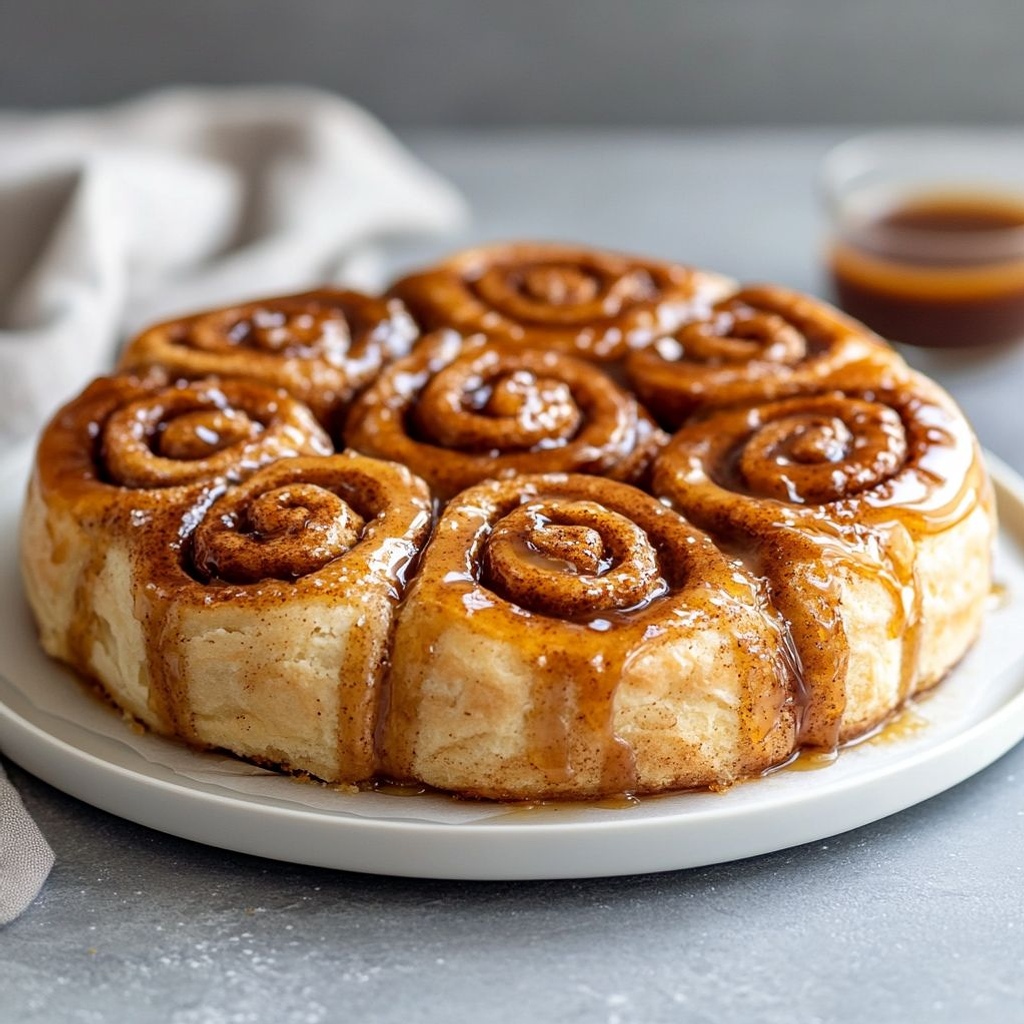
These cinnamon roll cake notes guide you through baking a tender, spice-kissed cake with a generous cinnamon swirl and creamy cream cheese frosting. To achieve a light, even crumb, whisk the dry ingredients (flour, baking powder, baking soda, and salt) separately from the wet ingredients, then fold just until combined. Be careful not to overmix once the dry ingredients enter the batter. For a more pronounced swirl, prep the filling while the batter rests and gently spoon ribbons of the cinnamon mixture into the batter in a few layers before baking. Let the melted butter cool slightly before swirling to prevent it from dissolving into the batter. Soften the cream cheese and butter for the frosting until smooth, then beat with powdered sugar and vanilla until glossy. If you prefer a thinner glaze, add a splash of milk; for a thicker frosting, chill the frosting briefly before spreading. The cake can be stored at room temperature for a day or refrigerated for up to 5 days; rewarm slices briefly before serving for the best texture. This cake also freezes well—slice and wrap tightly; thaw at room temperature and re-glaze if desired. Optional add-ins like chopped nuts or a caramel drizzle can add texture and depth. Always use fresh leaveners and ensure dairy is at room temperature to promote even mixing and rise.
Tips
- Allow all refrigerated ingredients (butter, eggs, milk) to come to room temperature before mixing to ensure a smooth, lump-free batter and an even rise.
- Measure ingredients accurately. For flour, spoon into the cup and level off for a precise amount; consider weighing flour for consistency in different environments.
- Preheat your oven fully before the bake to ensure consistent heat distribution and even browning around the edges and in the center.
- To keep the crumb tender, avoid overmixing after adding the dry ingredients. Stir just until incorporated and evenly combined.
- If you want a lighter crumb, substitute up to 1/2 cup of all-purpose flour with cake flour, keeping the total flour the same. Sift the dry ingredients together to help distribute leaveners evenly.
- For best lift, make sure baking powder is fresh (check the “best by” date) and avoid overmixing after adding dry ingredients to preserve the airy crumb.
- Let the melted butter cool slightly before mixing with the brown sugar and cinnamon; a hot swirl can melt into the batter and blur the ribbon effect.
- Bloom the cinnamon by warming it briefly in a dry skillet for 10–15 seconds to intensify aroma before mixing with sugar.
- To achieve pronounced ribbons, drizzle the filling across the batter in even lines and use a knife or skewer to gently swirl, not mix, through the batter.
- Soften cream cheese and butter fully to avoid lumps; beat until smooth and glossy before adding sugar.
- Start with 2 cups powdered sugar and add more gradually to reach your desired thickness. Sift sugar to prevent gritty texture.
- If frosting seems too soft, refrigerate briefly to firm up before spreading. If it looks stiff, whisk in a tiny splash of milk or vanilla to loosen.
- Adjust glaze consistency by varying the amount of milk or cream: for a drizzly glaze, use 2 tablespoons; for a thicker glaze, add a bit more powdered sugar or reduce liquid.
- Combine glaze with vanilla for a classic finish; if avoiding vanilla, a tiny pinch of almond extract pairs well with cinnamon.
- Drizzle glaze once the frosting has set slightly to create a pretty, touchable finish without running off the sides.
- Toast nuts (pecans or walnuts) in a dry skillet for 3–5 minutes or in a 350°F (175°C) oven until fragrant to heighten flavor; chop into small, even pieces for even distribution.
- For extra texture, sprinkle chopped nuts on top of the frosting just before it sets.
- If adding raisins or dried cranberries, soak briefly in a teaspoon of lemon juice to rehydrate and brighten their sweetness.
- Grease the pan well with melted butter and line with parchment for easy release; ensure parchment lines the bottom and a bit up the sides for clean edges.
- If you don’t have parchment, a well-greased pan with a light dusting of flour can work, but parchment provides the cleanest cut and neat edges.
- Allow the cooled baked cake to rest in the pan for about 10–15 minutes before removing to prevent breakage; then transfer to a rack to cool completely before frosting.
FAQ
What is Cinnamon Roll Cake?
A cinnamon roll cake is a soft vanilla cake swirled with a cinnamon-sugar filling, baked until fluffy, and finished with a creamy cream cheese frosting. It captures the cozy flavors of cinnamon rolls in a cake form, making it easier to serve for gatherings.
What ingredients do I need?
For the cake: all-purpose flour, granulated sugar, baking powder, salt, eggs, milk, melted butter, and vanilla extract. For the cinnamon swirl: light brown sugar, ground cinnamon, and a little melted butter. For the frosting: cream cheese, unsalted butter, powdered sugar, vanilla extract, and a pinch of salt.
How do I make the cinnamon swirl?
Mix brown sugar with cinnamon and melted butter to form a thick, fragrant paste. After you mix the cake batter, drizzle or spoon the swirl in ribbons over the batter and use a knife or skewer to swirl it in gently, creating the cinnamon roll look without overmixing.
What pan should I bake it in and how big is the cake?
Use a 9×13-inch (33×23 cm) baking pan for a classic, serve‑friendly slab cake. This yields about 12 servings. If you use a different pan, the bake time may change, so keep an eye on it.
What temperature and how long should I bake it?
Bake at 350°F (175°C) for about 25–35 minutes, or until a toothpick inserted into the center comes out with a few moist crumbs. If you’re using a dark or nonstick pan, start checking a little earlier.
How do I know when it’s done?
The cake should be set in the center, lightly golden around the edges, and a toothpick inserted into the center should come out with a few moist crumbs. If there’s wet batter on the toothpick, bake a few minutes longer and recheck.
How should I store leftovers?
Let the cake cool completely, then cover tightly or store in an airtight container in the refrigerator for up to 3–4 days. You can also wrap individual slices for easy grab-and-go snacking.
Can I make dairy-free and/or gluten-free versions?
Yes. For dairy-free: substitute milk with a plant-based milk (almond, soy, oat) and use plant-based butter or margarine in both the cake and frosting. For gluten-free: use a high-quality gluten-free all-purpose flour blend with xanthan gum (if your blend doesn’t include it) and follow the same ratios. The texture may be slightly different, but the flavor remains delicious.
Can I make this ahead or freeze it?
Yes. You can assemble and swirl the filling up to one day ahead, then cover and refrigerate before baking. You can also bake the cake, cool completely, wrap well, and refrigerate for up to 2 days before frosting. For freezing, freeze baked slices (frosting optional; you can frost after thawing) wrapped tightly for up to 1–2 months. To thaw, refrigerate overnight and bring to room temperature before serving; you can refresh the frosting if needed.