Introduction / Hook
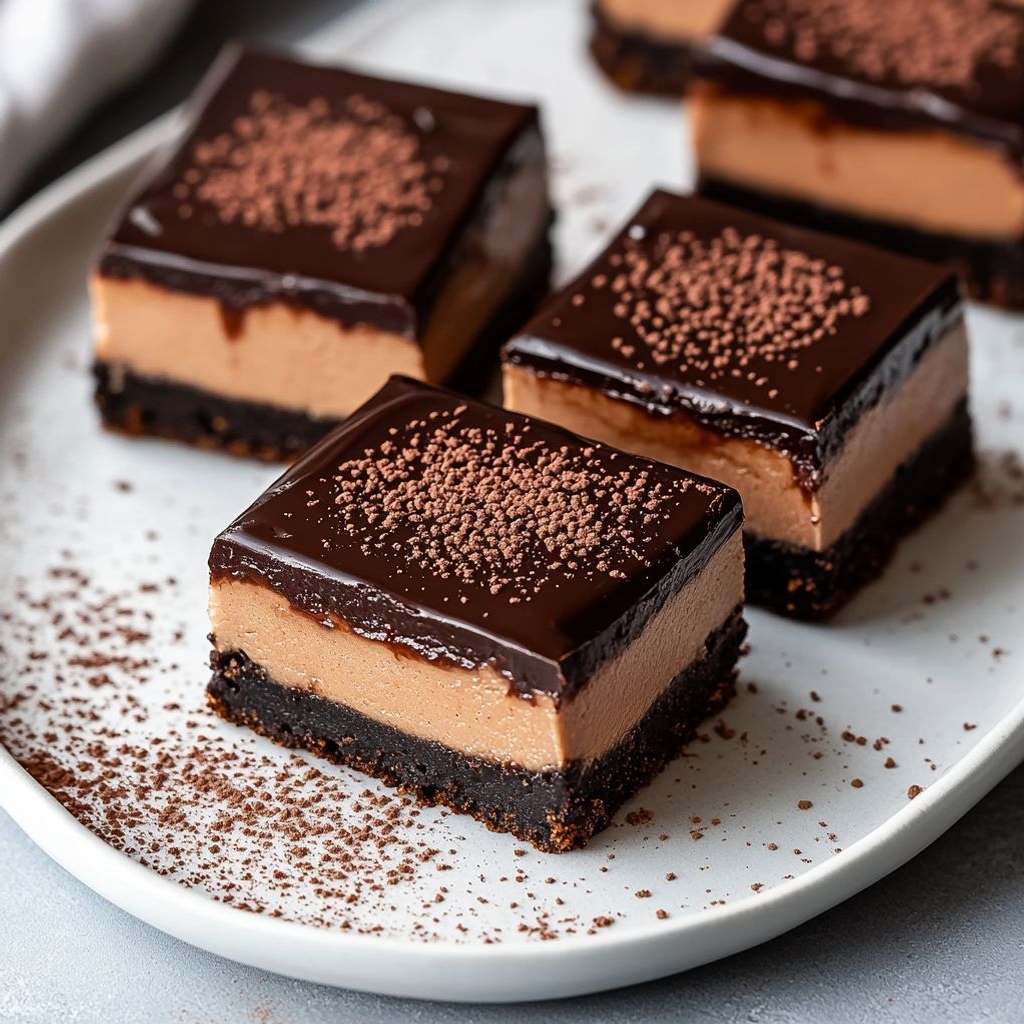
Imagine a tray of bars that captures the best of two worlds: the lush, airy tang of cheesecake and the deep, sultry kiss of chocolate. Chocolate Cheesecake Bars aren’t just a dessert; they’re a portable indulgence, a dessert that travels with you, yet never compromises on the elegance and creaminess you crave from a proper cheesecake. The crust offers a gentle snap, like a confident hello, before you dive into a filling that glides across the palate with the smoothness of satin. Each bite reveals a subtle coffee-tinged undertone, a whisper of vanilla, and the rich sweetness of dark cocoa that lingers like a fond memory. The surface gleams with a glossy finish, a visual promise of decadence, while the interior stays luxuriously creamy and almost pillowy—enough structure to hold its shape when cut, but soft enough to melt on your tongue.
This dessert is designed to be both iconic and approachable: no fuss, just balance. The crust anchors the richness, providing a dependable foundation that stays crisp even as the filling stays irresistibly smooth. It’s the kind of treat that makes moments feel special—a weekday reward, a weekend celebration, or a thoughtful gift tucked into a tin to share with friends and neighbors. The aroma alone—chocolate warming with notes of vanilla and a touch of butter—can transport you to a kitchen filled with warmth and possibility. And because chocolate has a universal language, these bars speak to every palate: those who crave a classic cheesecake, those who want a dessert with a bold, comforting chocolate edge, and anyone who loves a dessert that’s as handsome as it is delicious.
But the beauty of Chocolate Cheesecake Bars goes beyond their taste. They’re versatile in how they fit into your life: make-ahead friendly, easy to portion for gatherings, and forgiving enough to adapt to your pantry. They refuse to be a single-occasion treat; they’re the kind of dessert you reach for when you want something celebratory yet simple, refined yet unfussy. The result is a dessert that holds a memory—one you’ll want to recreate again and again, each time with the same reassuring loving ease.
The Story Behind the Dish
Every beloved recipe carries a hint of memory and a trace of place. Chocolate Cheesecake Bars began as a clandestine experiment in a sunlit kitchen where a host of flavor possibilities collided: velvet cream cheese, dark chocolate shards, a crumbly crust that whisperingly recalled childhood cookies, and a splash of something silky that made the whole thing shimmer with potential. The tub of cream cheese sat on the counter like a white, creamy moon, patiently waiting for its moment to shine. A few splashes of vanilla introduced the memory of a confectionery counter long gone, while a dusting of cocoa dusted across the surface seemed to nod toward a late-night stroll through a neighborhood bakery.
The origins of bars versus a full cake are practical as much as nostalgic. Cheesecake, in its classic form, is a celebration of texture and balance: the tang of cultured dairy meets the sweetness of sugar, suspended within a tender crust. Translating that into bars makes it portable, shareable, and perfectly portioned—an ideal form for gatherings, picnics, school events, and spontaneous chocolate cravings. The chocolate version adds an indulgent depth: the bitterness of cocoa, the complexity of melted chocolate, and the way alignment of flavors can turn a simple square into a memory-making bite. Over the years, cooks and home bakers turned to the bar format to maintain that luxury of cheesecake in a more casual, accessible way. It’s a nod to the fact that joy often lies in the easily shareable, in a treat that makes ordinary moments feel a little extraordinary.
A note of personal history often surfaces in the kitchen—like a grandmother’s handwriting on a recipe card or a friend’s whispered technique for achieving a perfect crust. Some home bakers pair the bars with a pinch of espresso or coffee liqueur, while others rely on the natural cocoa to bring out a gentle roasted note. The narrative of these bars is a tapestry woven from memories of warm kitchens, friends gathered around a dessert, and the universal delight of chocolate that doesn’t overwhelm but rather harmonizes with the creamy, tangy center.
Why You’ll Love This Recipe
- Reliable, crowd-pleasing flavor: a classic cheesecake base elevated by deep, luscious chocolate that isn’t overpowering but deeply satisfying.
- Balanced textures: a crisp, buttery crust that holds up to a creamy, smooth filling with a subtle airiness that makes each bite melt on the tongue.
- Make-ahead friendly: you can prepare these bars in advance, allowing flavors to meld and the slices to chill into neat, shareable portions.
- Versatile for occasions: perfect for holidays, potlucks, kids’ parties, or a simple after-dinner treat with coffee.
- Inclusive adaptation potential: easily transformed into dairy-free, gluten-free, or lower-sugar versions without sacrificing the essence of the dessert.
- Portability and portion control: bars travel well, making them ideal for picnics, lunchbox treats, or a dessert to package for friends and neighbors.
- Elegant presentation: the glossy top and clean cut edges look as impressive on a platter as any fancy cake, with minimal effort.
- Rich aroma that fills the room: chocolate and vanilla together create an irresistible scent that greets you as soon as you open the fridge or dessert cabinet.
Flavor Profile & Texture
The flavor of Chocolate Cheesecake Bars is a masterclass in contrast and harmony. The crust introduces a gentle, toasty sweetness with a hint of butter and a whisper of salt that acts as a counterpoint to the deep chocolate filling. When you bite into the first layer, you’ll experience a delicate crunch that yields to a creamy, velvety center. The filling carries the signature tang of cheesecake, courtesy of cultured dairy or a cultured dairy substitute, which beautifully offsets the richness of the chocolate. The chocolate itself is layered and nuanced — not cloying or overly sweet — and contributes a sophisticated depth with every mouthful. There’s a subtle vanilla note that threads through the filling, making the chocolate feel rounder and more luxurious rather than sharp or bitter.
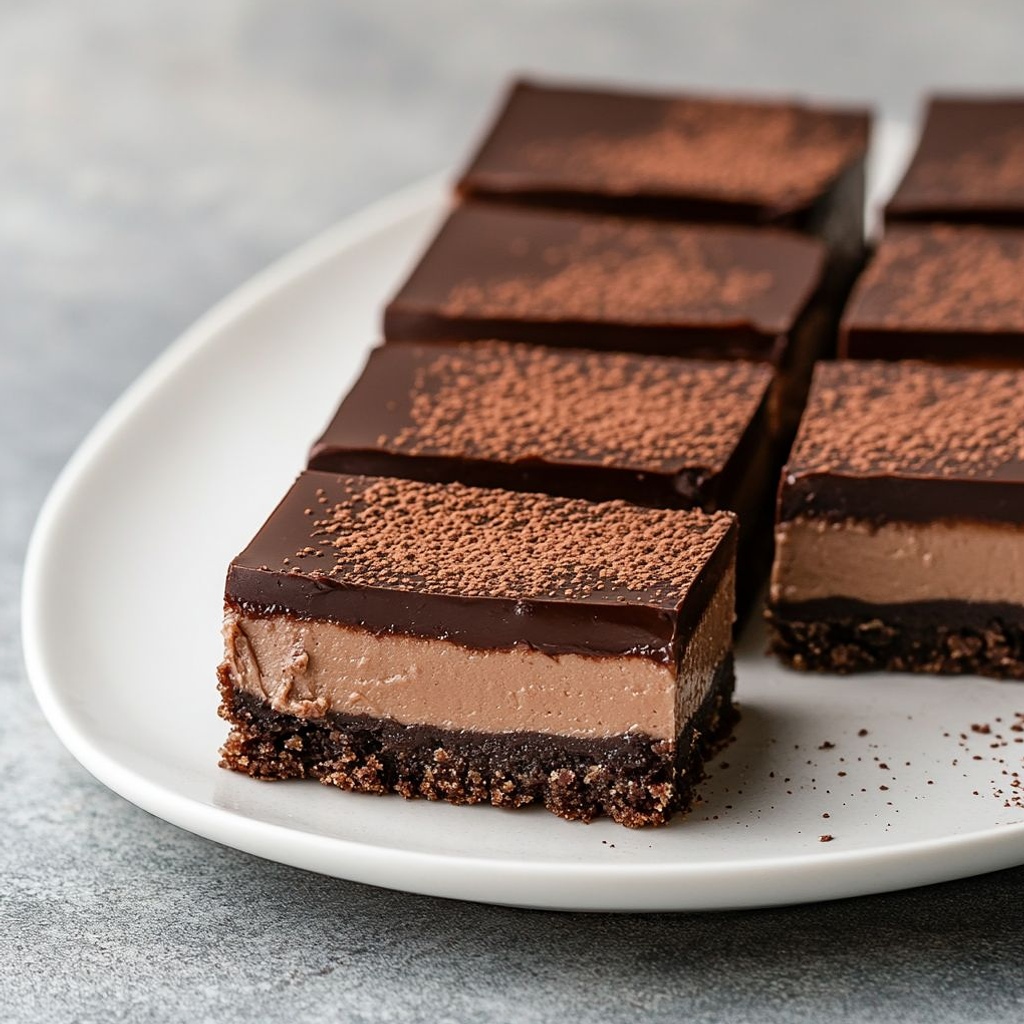
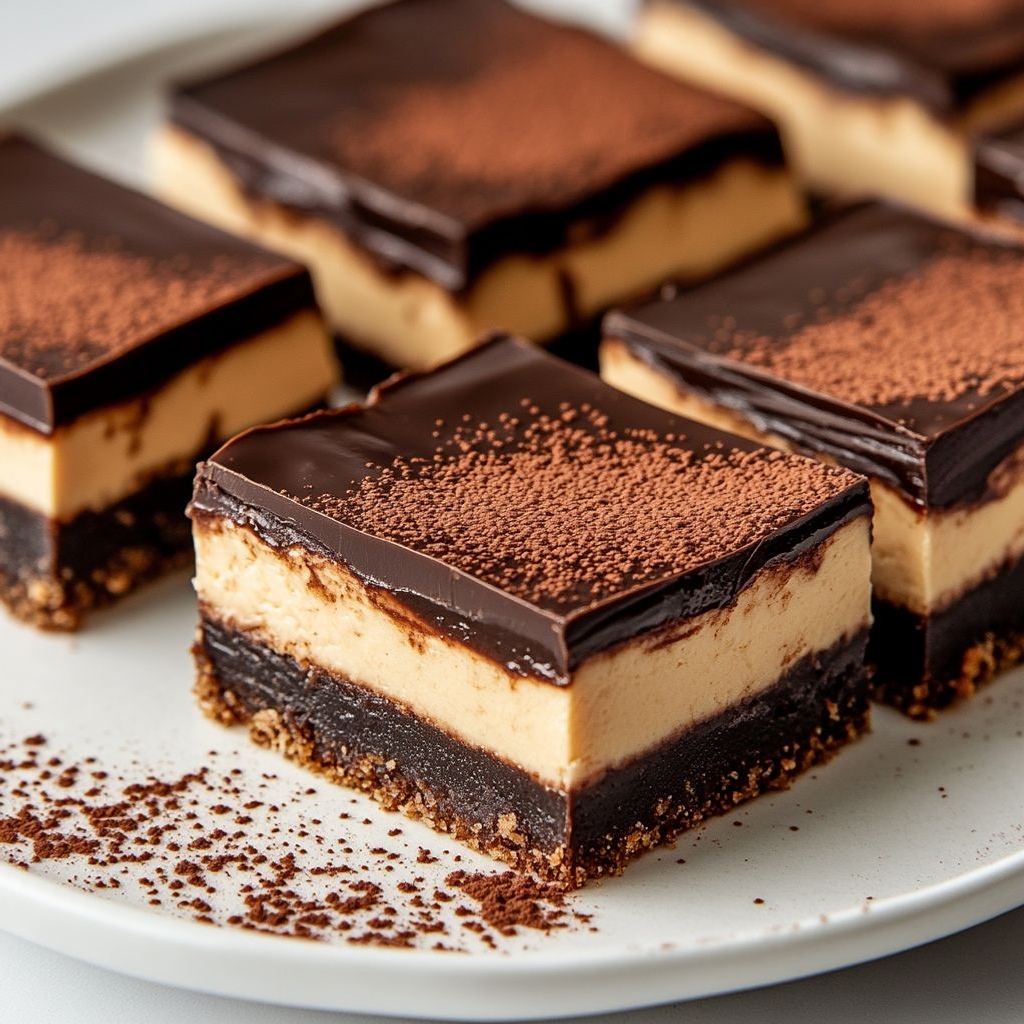
Texture-wise, imagine a two-tier structure: a sturdy, yet not crumbly crust that offers a satisfying bite and holds its shape when cut, and a filling that is lush and smooth, with a slight airiness that makes it feel light despite its decadence. The top can be described as glossy and sleek, a mirror-like surface that reflects the care put into the bake. The surface also acts as a gentle shield, keeping the luscious interior protected while the edges maintain a crisp, inviting bite. In essence, these bars give you both the “cake-like” dream and the “cheesecake” tang in one elegantly manageable format.
If you’re curious about flavor layering, consider the possibility of micro-tonality: a touch of espresso or coffee powder can be twined into the filling or dusted over the top for a subtle, adult-friendly lift. You might also experiment with a hint of sea salt on the crust’s edge to heighten the chocolate notes, or a drizzle of dark chocolate sauce to intensify the surface gloss and add a final flourish to each cut piece.
Occasions & Pairings
Chocolate Cheesecake Bars are the kind of dessert that fits almost any moment. For holidays, they offer a refined yet comforting option that doesn’t overwhelm the palate after heavy courses. For casual weeknights, they present a quick-win dessert that looks special without requiring extra stress in the kitchen. For gatherings and parties, they are inherently shareable—easy to cut into uniform portions and easy to watch disappear as guests smile and reach for another square.
Pairings can elevate the experience. A strong, cold brew or a robust espresso complements the chocolate without muting the cheesecake tang. A late-night glass of milk or a small dessert wine can offer a delicate contrast, while a bright fruit compote or a tangy citrus zest can provide a refreshing counterpoint to the richness. If you’re serving these as part of a dessert bar, consider offering a dollop of lightly whipped cream or a dusting of cocoa powder and a few fresh raspberries for a pop of color and a tart counterpoint to the sweetness.
Tips, Variations & Substitutions
One of the joys of this recipe is its adaptability. Here are ideas to make the bars fit your pantry, dietary needs, or mood:
- Dairy-free option: Use a full-fat coconut cream or almond-based cream cheese substitute for the filling, with a dairy-free butter substitute in the crust. The result should maintain a rich, creamy texture and a similar melt-in-your-mouth feel.
- Gluten-free crust: Choose a gluten-free digestive biscuit or almond flour crust base, ensuring you still achieve that delicate crush and butteriness. If using almond flour, add a touch of cornstarch to help with binding.
- Vegan version: Pair vegan cream cheese with a plant-based butter in the crust. You can add a splash of vanilla and a pinch of salt to preserve the balance of flavors without sacrificing texture.
- Dark chocolate intensity: Increase cocoa content or incorporate finely chopped dark chocolate into the filling for a more intense experience. A 70% or higher chocolate can heighten the chocolate profile without making the filling overly sweet.
- Salted caramel ribbon: For a decadent twist, swirl a thin line of salted caramel through the filling before chilling, or drizzle lightly on top just before serving.
- Espresso-kissed variation: Add a teaspoon of espresso powder to the filling for a subtle mocha profile that deepens the chocolate’s flavor.
- Bright counterpoint: Fold in a small amount of orange zest or use a citrus glaze for a citrus-chocolate contrast that brightens the dish.
- Make-ahead tips: Prepare the crust and the filling in separate steps and refrigerate until you’re ready to assemble and bake. Chill time helps the bars set more firmly and makes slicing cleaner.
- Texture tweaks: For a more custardy filling, add a touch more cream cheese and a hint of sour cream or yogurt in the filling (if your dietary needs allow), which enriches tang and creaminess.
Storage & Make-Ahead Ideas
These bars are wonderfully forgiving when it comes to storage and planning. After chilling, they can be stored in an airtight container in the refrigerator for up to five days. If you’re planning ahead for a party or a week of lunches, you can freeze individual portions for up to two to three months. Wrap each bar tightly in plastic wrap and place in a freezer-safe container to prevent freezer burn. When you’re ready to enjoy, thaw overnight in the refrigerator or for a few hours at room temperature before serving to restore the soft, creamy center.
If you want to streamline a dessert service for guests, slice the bars into evenly sized squares while they’re cold; the knife cuts more cleanly when the bars are chilled. For a quick, elegant presentation, dust with a light shower of cocoa powder or a few delicate chocolate curls just before serving. Pair with fresh berries or a dollop of whipped cream for a touch of contrast and color.
Make-ahead strategy can be as simple as preparing the crust and the filling a day or two in advance. Keep the crust mixture tightly wrapped in the refrigerator, and the filling in a covered bowl. When you’re ready to bake, bring them to room temperature briefly, press the crust into the pan, spoon in the filling, and bake as usual. The resting time in the fridge or freezer can actually help intensify the flavors as they settle, making the final result more cohesive and luxurious.
Fun Facts & Trivia (Optional)
– Chocolate, as we know it, has a heritage that stretches back thousands of years to Mesoamerica, where cacao beans were revered and used in ceremonial drinks long before they appeared in modern desserts. The richness of a chocolate cheesecake bar is, in a sense, carrying forward that ancient fascination with cacao in a format that suits contemporary life.
– The cheesecake itself has a long tradition as a symbol of hospitality and celebration in many cultures. Bars like these transform that tradition into a more portable form, allowing people to share the joy without needing slicing equipment or delicate presentation.
– The crackly top that often forms on chocolate cheesecake bars is a hallmark of good balance: a little structure on the surface shows that the filling has set well and retained moisture beneath, while the glossy interior remains irresistibly creamy.
– For some bakers, adding a pinch of salt to the crust heightens the chocolate’s sweetness and depth, a simple trick that makes the bars feel more sophisticated without requiring any special technique.
– The concept of “bar desserts” has surged in popularity because of their practical appeal: easy to transport, simple to portion, and adaptable to a wide range of tastes and dietary needs. These bars are a perfect example of how a classic dessert can evolve into a modern, shareable treat without losing its soul.
Ingredients
Crust
- – 1 3/4 cups chocolate cookie crumbs (about 13–15 cookies), finely crushed (including the filling)
→ The crust forms the base and provides structure for the bars. Finely crushed cookies ensure an even, dense crust that slices neatly. Using cookies with filling (like chocolate sandwich cookies) helps with binding and adds flavor; if you want a less sweet crust, you can scrape out some filling before crushing. - – 6 tablespoons unsalted butter, melted
→ The butter binds the crumbs into a cohesive crust. Drizzle the warm melted butter over the crumbs and mix until the consistency resembles wet sand. Press firmly into the pan bottom in an even layer. Chill for 15 minutes or bake 8–10 minutes to set before filling for a crisper crust. - – 2 tablespoons granulated sugar (optional)
→ Adds a touch of sweetness and helps the crust bake up a touch crisper. Omit if using very sweet cookies or if you prefer a more understated crust. If your cookies are dry, a touch more butter can help binding instead of extra sugar.
Cheesecake Filling
- – 24 oz (680 g) cream cheese, softened to room temperature
→ The creamy base of the cheesecake; softening prevents lumps and yields a silky batter. Beat on medium-low speed until smooth, scraping the bowl as needed. Use full-fat cream cheese for best texture and flavor; avoid low-fat versions which can lead to a drier filling. - – 3/4 cup granulated sugar
→ Provides the necessary sweetness while balancing the tang of the cream cheese. If you prefer less sweetness, reduce slightly; keep in mind that too little sugar can affect texture and shelf life. Add gradually and taste before baking. - – 1/2 cup sour cream, room temperature
→ Adds moisture, tenderness, and a subtle tang that keeps the filling silky rather than dense. Room temperature prevents curdling and ensures smooth incorporation; you can substitute Greek yogurt (full-fat) if needed, but it will alter tang slightly. - – 3 large eggs, room temperature
→ Provide structure and richness to the filling. Add eggs one at a time and mix just until combined to avoid incorporating too much air, which can cause cracking. Room temperature eggs blend more evenly into a smooth batter. - – 1 teaspoon pure vanilla extract
→ Enhances overall flavor, boosting both chocolate and cheese notes. Use real vanilla for depth; if you have a vanilla bean, scrape the seeds for extra aroma. - – 1/4 cup unsweetened cocoa powder, sifted
→ Infuses the batter with rich chocolate flavor and color. Sifting prevents lumps and ensures a smooth batter; for a deeper chocolate note, you can add a pinch of espresso powder or melt and whisk in a small amount of dark chocolate (cooled) along with the cocoa, but keep balance so the batter doesn’t become too heavy. - – 1/4 teaspoon salt
→ Balances sweetness and enhances chocolate flavor. If using salted butter, adjust by reducing or omitting additional salt.
Optional Add-ins
- – 1/2 cup semisweet chocolate chips, optional
→ Creates pockets of melted chocolate within the cheesecake for bursts of richness. Fold chips into the batter at the very end to distribute evenly without sinking too much; if your chips are cold, slightly warm them to room temperature to promote even distribution. - – 1/2 cup dark chocolate chunks, optional
→ Adds depth and textural contrast. Chop into small pieces so they stay intact during baking; fold in gently to avoid breaking up the batter too much.
Ganache Topping
- – 1/2 cup semisweet chocolate chips
→ Used to create a glossy ganache that coats the cooled bars. Melt with warm cream and whisk until smooth and shiny; for added richness, whisk in a little butter after the ganache has melted to achieve a mirror finish. - – 1/4 cup heavy cream
→ The ganache base; heat until just simmering and pour over the chocolate chips to melt. Stir until smooth and glossy. Do not boil the cream to avoid scorching and seizing the chocolate. - – 1 tablespoon unsalted butter, optional
→ Adds extra sheen and richness to the ganache. Whisk in after the ganache is smooth for a silky finish; if refrigerating the bars, the butter helps the glaze set with a glossy surface.
Instructions
- Preheat your oven to 350°F (175°C) and line a 9×13-inch baking pan with parchment paper, leaving overhang on the long sides for easy lifting of the bars.
→ This ensures the crust bakes evenly and can be removed in one piece for neat slicing. - Place chocolate cookies (including filling) into a food processor and pulse until finely ground to yield about 1 3/4 cups of crumbs, or seal them in a zippered bag and crush with a rolling pin until powdery.
→ Finely ground crumbs create a dense, uniform crust that binds well with the butter and slices cleanly. - Transfer the cookie crumbs to a medium bowl, sprinkle the optional 2 tablespoons granulated sugar over them, then drizzle the melted butter evenly over the crumbs and mix with a fork until the mixture resembles wet sand with no dry pockets.
→ The butter acts as the binder; evenly moistened crumbs form a cohesive crust that holds its shape during baking and slicing. - Pour the crust mixture into the prepared pan and press firmly into an even, compact layer across the bottom and about 1/4 inch (6 mm) up the sides using the flat bottom of a measuring cup or a small glass.
→ A tightly packed crust prevents crumbling and yields a uniform base that supports the creamy filling. - Chill the pressed crust for 15 minutes to set, or bake in the preheated oven at 350°F (175°C) for 8–10 minutes to develop a crisper crust; cool completely before filling if you bake it.
→ Chilling helps the crust bind and hold its shape; a brief bake adds structure and flavor that complements the cheesecake filling. - Increase the mixer speed to medium-low and beat the softened cream cheese in a large bowl until smooth and creamy, about 2–3 minutes, stopping to scrape the bowl once or twice.
→ Properly softened cream cheese prevents lumps and yields a silky filling; scraping ensures an even texture throughout. - Add the granulated sugar (3/4 cup) in three additions, beating on medium-low after each addition until fully incorporated and the mixture is light and free of visible sugar granules.
→ Gradual incorporation avoids graininess and ensures uniform sweetness that blends with the tang of the cheese. - Beat in the sour cream (room temperature) until just combined and smooth, about 30 seconds, scraping the bowl as needed.
→ Sour cream adds moisture, tenderness, and a subtle tang that keeps the filling silky rather than dense; room temperature prevents curdling and ensures smooth incorporation. - With the mixer on low, add the eggs one at a time, mixing just until each is incorporated before adding the next; avoid overmixing to minimize air pockets that could cause cracks.
→ Eggs provide structure; adding them one by one prevents curdling and keeps the batter dense and creamy rather than airy. - Stir in the vanilla extract, sifted cocoa powder, and salt, mixing on low speed until the batter is uniformly smooth and evenly colored.
→ Vanilla enhances flavor, cocoa deepens the chocolate note, and salt balances sweetness; sifting prevents lumps that could streak the batter. - If using chocolate chips or chunks, fold in the half cup of semisweet chips or the half cup of dark chocolate chunks gently at the very end with a spatula to distribute without sinking.
→ Folding at the end avoids breaking up the batter and helps keep chips suspended for pockets of molten chocolate in every bite. - Pour the filling over the crust and smooth the top with an offset spatula; if desired, set the pan in a larger baking dish and add hot water halfway up the sides for a water bath to reduce cracking.
→ A water bath provides gentle, even heat and helps prevent cracks by maintaining a stable temperature around the bars while baking. - Bake at 350°F (175°C) for 25–30 minutes, or until the edges are set and the center still wobbles slightly when the pan is gently shaken; the center will firm up as it cools.
→ Avoid overbaking, which yields a dry texture and cracks; slight jiggle indicates a creamy center that sets with cooling. - Remove the pan from the oven and let it cool on a rack for 1 hour, then refrigerate for at least 4 hours or overnight until completely chilled and fully firm.
→ Chilling solidifies the filling, makes it sliceable, and enhances flavor as the fats firm up and the proteins set completely. - Prepare the ganache by placing 1/2 cup semisweet chocolate chips in a heatproof bowl and bringing 1/4 cup heavy cream to a gentle simmer until bubbles appear around the edges.
→ Heating the cream just to a simmer allows the chocolate to melt evenly without scorching, creating a glossy, smooth ganache. - Pour the hot cream over the chocolate chips, let stand 2 minutes, then whisk until smooth and glossy; whisk in the optional 1 tablespoon butter until fully incorporated.
→ This creates a shiny, velvety glaze that coats the chilled bars; butter adds richness and helps the ganache set with a mirror finish. - Spread the ganache over the chilled bars with a spatula to form a thin, even layer and let it rest at room temperature briefly to set before refrigerating until firm.
→ A smooth, even coating ensures a professional finish and prevents thick glazes that crack as they cool. - Refrigerate the ganache-coated bars until the glaze is completely firm, at least 1 hour, then lift the bars from the pan using the parchment overhang and cut into neat bars with a warm, sharp knife.
→ A warm blade prevents dragging the chocolate and cheese; chilling between cuts helps maintain clean edges for eyecatching bars.
Notes
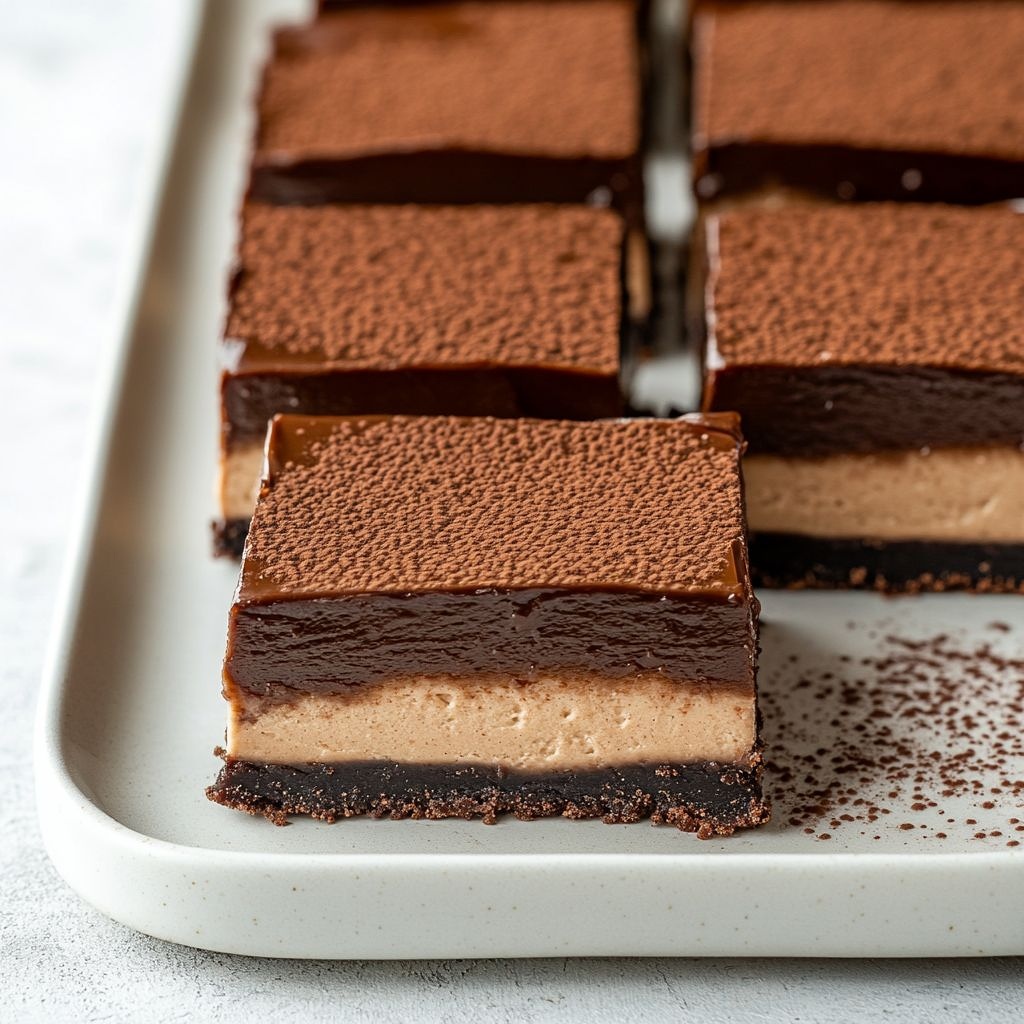
These Chocolate Cheesecake Bars are rich, velvety, and chocolatey, with a buttery crust that provides a sturdy foundation for the creamy filling. For best texture, have all ingredients at room temperature and beat the filling on low to medium speed until smooth, scraping as needed to avoid lumps; avoid overmixing to prevent cracks. You can customize them by swirling in peanut butter, chocolate ganache, raspberries, or a ribbon of salted caramel; add-ins like mini chocolate chips can be folded in at the end. They refrigerate well, making them easy to prep ahead; chill the bars in the pan until fully set, then slice cleanly with a warm knife. If you’d like a glossier finish, pour a thin ganache over cooled bars and let it set. For a gluten-free option, substitute the crust cookies with gluten-free chocolate cookies and ensure any add-ins are gluten-free. They keep for up to a week in the fridge or can be frozen for 2–3 months; thaw overnight in the fridge and slice before serving.
Tips
Tips for Chocolate Cheesecake Bars
- Use room-temperature ingredients for a silky batter. Take the cream cheese, sour cream, and eggs out about 60 minutes before mixing. Softened ingredients blend smoothly and reduce the risk of lumps and dense pockets in the filling.
- Crust prep for slicing perfection. Finely crush cookies (including any filling) to avoid gritty texture. Pulse briefly, press firmly into the pan bottom in an even layer, and chill 15 minutes or bake 8–10 minutes to set before filling. For a crisper crust, bake a bit longer until the edges are firm.
- Keep crust from crumbling. If crumbs feel dry or bouncy, mix in a touch more melted butter or a teaspoon or two of water to help bind. Don’t skip chilling, which helps the crust hold its shape when you cut into bars.
- Bloom and balance the chocolate flavor. Sift the cocoa and, if you like, whisk a small amount of espresso powder or hot water with the cocoa to deepen the chocolate note. This improves flavor without making the batter heavy or gritty.
- Minimize air in the filling. Beat the cream cheese mixture on low to medium-low and scrape the bowl often. Add eggs one at a time, mixing just until combined to prevent a light, airy batter that can crack during baking.
- Taste and adjust sweetness thoughtfully. The filling provides the base sweetness, but remember it will taste less sweet after chilling. Add sugar gradually and taste before pouring into the crust.
- Fold-ins should be even. If using chocolate chips or chunks, fold them in at the very end and keep them at or near room temperature for even distribution. Tossing chips with a little flour helps prevent them from sinking excessively.
- Bake to a gentle center jiggle. The bars should be set at the edges with a slight wobble in the center. They will firm up as they cool. Avoid overbaking to prevent cracks and a dry texture.
- Cool gradually to avoid cracks. Let the pan cool on a rack for about an hour, then refrigerate at least 2 hours or overnight. Sudden temperature changes can cause cracks.
- Ganache timing for a glossy finish. Heat the cream to just a simmer and pour over the chocolate chips. Whisk until smooth; if you want extra shine, whisk in the butter after the ganache is smooth. Let it cool slightly before pouring so it coats evenly without sliding off.
- Pour and spread ganache evenly. Pour in a thin, even layer and tilt the pan to cover the edges. If the ganache thickens, rewarm gently or whisk in a splash more cream. Allow the ganache to set at room temperature or refrigerate for a faster, glossy finish.
- Storage and make-ahead tips. Once set, these bars keep well in the refrigerator for up to 5 days or can be frozen for 2–3 months. Wrap tightly to prevent odors and moisture loss. For clean slices, chill fully before cutting and wipe the knife between cuts.
- Serving suggestions. Let slices reach near room temperature for creamier texture, or serve chilled for a firmer bite. A light sprinkle of flaky salt on the ganache can enhance the chocolate flavor.
FAQ
Chocolate Cheesecake Bars
What ingredients do I need for Chocolate Cheesecake Bars?
Crust:
- 1 1/2 cups (150 g) graham cracker crumbs or chocolate wafer crumbs
- 3 tablespoons (42 g) melted butter
Filling:
- 8 oz (226 g) cream cheese, softened
- 1/2 cup (100 g) granulated sugar
- 2 large eggs
- 1/2 cup (120 g) sour cream
- 1 teaspoon vanilla extract
- 2 tablespoons (14 g) unsweetened cocoa powder
- 4 oz (115 g) melted semisweet chocolate
- Pinch of salt
- Optional: 1/2 cup (90 g) dark chocolate chips
Can I make these gluten-free?
Yes. Use gluten-free graham cracker crumbs or certified gluten-free chocolate wafers for the crust. Check labels on any add-ins to ensure they’re gluten-free.
What pan size should I use and how do I bake them?
Use a 9×9 inch (23×23 cm) square pan lined with parchment paper or foil. Bake at 325°F (165°C) for about 38–45 minutes, until the center is just-set and the edges are set. Allow to cool on a rack, then chill.
Do I need a water bath for these bars?
A water bath is optional. It can help prevent cracking and promote even texture. If you use one, wrap the pan tightly in foil and place it in a larger pan with hot water halfway up the sides. Remove the outer pan after baking and cool as directed.
How can I tell when the bars are done?
The center should be set but still slightly jiggly. The edges will be firm and pulling away from the sides of the pan. Don’t overbake, or the bars may crack or dry out.
How should I chill and store the bars?
Chill in the refrigerator for at least 2–4 hours, or overnight, to let the filling firm up. Store covered in the fridge for up to 5 days. You can cut into bars before storing or chilled but uncut and cut just before serving.
Can I freeze Chocolate Cheesecake Bars?
Yes. Cut into bars, wrap individually, and freeze for up to 2–3 months. Thaw in the refrigerator before serving. For best texture, you can freeze a baked bar for up to 1 month and then finish thawing in the fridge.
Can I customize the flavor or toppings?
Absolutely. Options include:
- Swirl in peanut butter or dulce de leche before baking
- Add espresso powder for mocha flavor
- Top with a ganache layer or whipped cream
- Sprinkle sea salt or cocoa powder on top
Are these bars dairy-free or vegan-friendly?
To make dairy-free, substitute dairy-free cream cheese and dairy-free butter for the crust. Keep in mind that texture and flavor may vary. For a vegan version, you would need egg substitutes and a dairy-free cream cheese alternative; results may differ from the classic version.
How many bars does this recipe yield?
From a 9×9 inch pan, you can typically cut about 16 bars, depending on how large you cut them.