Introduction / Hook
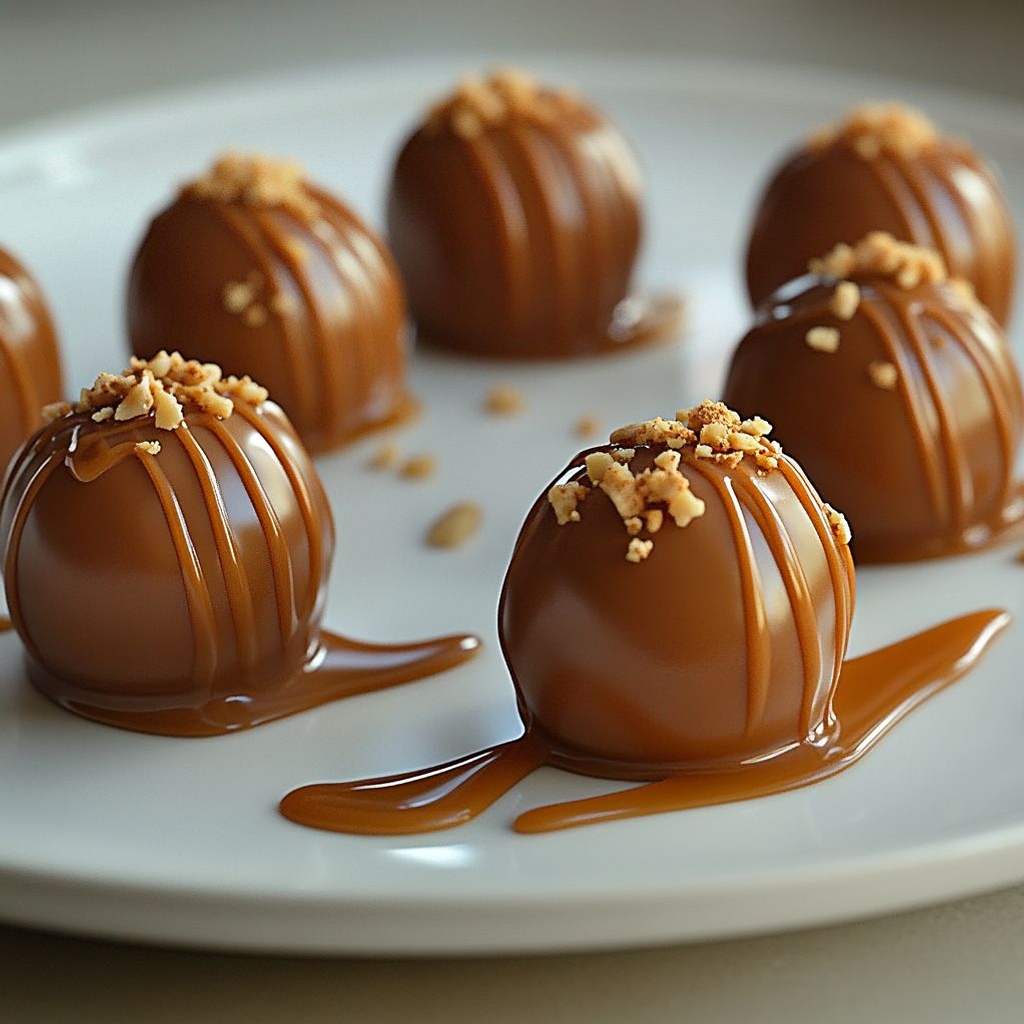
Imagine a bite-sized orchestra of sweetness and silk, a glossy chocolate envelope hiding a warm, sunlit core. The shell, crisp and velvety, gives way to a caramel heart that glows with butter and brown sugar, wrapped in a kiss of vanilla and salt. Each Caramel Truffle is a tiny celebration—a portable, hand-finished indulgence that invites you to pause, savor, and share. The moment you set one on your tongue, you’re treated to a crackle of chocolate, a molten whisper of caramel, and a soft, almost luxurious melt that lingers long after the last bite. These truffles are not merely sweets; they’re a sensory ritual—an invitation to slow down, light a candle, pour a coffee, and watch the laughter bubble up around a plate of little round treasures. If you’ve ever wanted to capture the quiet magic of a patisserie in your own kitchen, this is your doorway. The caramel’s amber glow contrasts with the deepest cocoa, the sea salt a tiny bright note, and the finish—long, creamy, with a hint of caramelized sugar—leaves you planning the next bite before you even finish the first.
Caramel Truffles are the kind of confection that feels both timeless and personal. They carry the romance of chocolate making, the comfort of a cozy kitchen, and the delight of gifting a handmade crumb of happiness. There’s a tactile pleasure to rolling a ribbed sphere between your palms, dusting it with cocoa, or rolling it in crushed pistachios, to creating little edible works of art that look as exquisite as they taste. The beauty lies not only in the final bite but in the care you put into each one—the patience, the selection of chocolate, the balance of salt, and the joy of sharing something you’ve created with your own hands. And because they are adaptable, you can tailor them to your mood, season, or occasion—sprinkling flaky sea salt for a midnight decadence, dusting with espresso powder for a grown-up note, or glazing with a touch of toasted white chocolate for a delicate contrast.
In this introduction, you’ll walk through a world where chocolate and caramel meet in a dance that’s both classic and modern. The technique is simple, the flavors approachable, and the results irresistibly show-stopping. Whether you’re seeking a refined dessert for a dinner party, a thoughtful homemade gift, or a treasury of bite-sized treats for a holiday tray, Caramel Truffles deliver. They are the kind of treat that tastes like a gesture—an edible hello from your kitchen to the heart of whoever receives them. Read on to uncover the story, the textures, and the best ways to enjoy these delectable morsels, plus ideas for customizing them so they’re your own personal emblem of indulgence.
The Story Behind the Dish
Truffles in the world of chocolate are a modern classic, and the term itself evokes something luxe, earthy, and indulgent. The name—drawn from the rare and prized underground mushrooms—calls to mind the idea of discovery and treasure: a hidden gem coated in a shimmery shell. Chocolate truffles rose to prominence as pastry chefs searched for ways to transform rich ganache into something both elegant and portable, something that could travel from kitchen to table as a perfect little package. The texture of a truffle, with its smooth ganache center and a soft, often slightly grainy exterior, became a canvas for a wide range of coatings—cocoa powder, chopped nuts, crystallized sugar, and more. Caramel, with its golden glow and irresistible pull, naturally found a home inside or around truffles, offering a warm, buttery counterpoint to the dark chocolate shell.
This particular variation—Caramel Truffles—pulls together two iconic flavors: chocolate and caramel. The caramel center can be whispered with a touch of salt to echo the sea breeze of a caramel holiday confection, or enriched with a splash of cream to yield a center that glides across the palate with a silken, almost creamy richness. In many homes and kitchens around the world, caramels have been reimagined into bite-sized treasures that can be shaped by hand and finished with a flourish. The result is a dessert that feels both intimate and impressive—the kind of treat you can gift to a friend, savor at a quiet moment with a cup of coffee, or plate as a refined finish to a celebratory meal.
Beyond the sweetness, there is a cultural warmth embedded in these bites. Caramel truffles echo the universal appeal of a well-tempered chocolate dessert—an accessible luxury that doesn’t require a formal pastry kitchen or elaborate equipment. The process can be as simple as blending a few pantry staples into something that feels couture, or as refined as layering flavors, textures, and finishes to create a gallery-worthy plate. The versatility is part of the story: from festive red-and-gold wrappers for holiday gatherings to rustic, unscripted treats for a casual weekend, Caramel Truffles carry the spirit of shared moments, warm conversations, and the pleasure of giving someone a little piece of edible art.
There is also a personal thread that often colors these treats. For many home cooks, making caramels and turning them into truffles becomes a memory-making ritual—a way to connect with family, to teach children the patience of patience-chasing repetition, or to recreate the comforting nostalgia of a favorite childhood candy with a grown-up twist. The act of coating, dusting, and presenting transforms ordinary ingredients into something meaningful: a tangible expression of care, time, and affection. In this sense, Caramel Truffles are more than confections; they are small, edible memories—crystal-clear moments of sweetness that can be shared again and again.
Why You’ll Love This Recipe
- Elegant yet approachable: A darling treat that looks professionally crafted but relies on simple ingredients and intuitive technique.
- Versatile finish: Coatings range from cocoa powder and finely chopped nuts to crushed cookies or tempered chocolate, allowing for endless customization.
- Make-ahead friendly: These truffles can be prepared in stages and stored, making them perfect for gifting or party prep.
- Balanced flavor: Rich chocolate shell, luscious caramel center, and a nuanced hint of salt strike a harmonious, crowd-pleasing balance.
- Small-bite indulgence: Portion-controlled sweets encourage mindful savoring and prevent overindulgence while delivering big flavor.
- Gift-worthy: A homemade confection with a luxe presentation makes a thoughtful, impressive present for holidays, birthdays, or a host gift.
- Adaptable for dietary needs: With careful ingredient choices, you can tailor them to vegan, gluten-free, or dairy-free diets without sacrificing taste or texture.
Beyond the surface glamour, these truffles offer practical joys: they are forgiving for home cooks who don’t own a full pastry kit, and they reward careful selecting of ingredients—think high-quality chocolate, a good vanilla note, and a pinch of sea salt that punctuates the sweetness. The caramel’s warmth invites the senses to linger, while the dark chocolate’s depth provides a satisfying contrast. It’s a balance that feels both classic and modern, a dessert that can anchor a sophisticated dinner or appear as a heartfelt treat for friends and family.
Flavor Profile & Texture
The first thing you notice about a Caramel Truffle is the appearance: a perfectly rounded orb that gleams under light, often dusted with a fine veil of cocoa or a crumb of finely chopped nuts. When you bite, the shell—thin yet sturdy—cracks crisply, releasing a perfume of cocoa and perhaps a whisper of vanilla. Then comes the caramel—soft, buttery, and deeply fragrant—carrying flavors of brown sugar, cream, and a hint of butter that gives it a luxurious, velvety mouthfeel. The caramel tends to melt into a luscious pool on the tongue, creating an unmistakable contrast with the chocolate shell’s chill and gloss. If the truffle is salted, that saltiness punctuates the sweetness, like a tiny spark that elevates the entire experience, turning the bite into a sequence of small revelations.
Textures play the starring role here. The outer shell offers a gentle snap; it is not brittle but firm enough to yield immediately to warmth in your mouth. The interior is a soft, almost molten center that sits at the cusp between fudge and ganache—creaminess that slides smoothly, leaving a lingering, cushioned sweetness. Depending on the coating you choose, you can add a crunchy counterpoint: chopped toasted nuts provide a friendly, nutty bite; cocoa powder delivers a dry, mellow finish; a sugar glaze or crushed cookies can add a textural sparkle. In the best versions, there’s a delicate tension among texture, aroma, and flavor that invites you to take another moment, another small bite, and another, until the plate is nearly empty and your palate begs for more.
Flavor-wise, the caramel can lean toward a more buttery, café-style sweetness, with notes of vanilla and light dairy. The chocolate flavor anchors the truffle in a world of fondant-like richness and deep cacao. When salt is added, it enhances every flavor note—the caramel’s sweetness, the chocolate’s intensity, and the vanilla’s warmth—allowing the truffle to feel both comforting and sophisticated. If you crave a hint of spice, a touch of espresso powder or a pinch of smoked sea salt can be used as a finishing flourish. The result is a balanced, inviting flavor profile that’s simultaneously luxurious and approachable, ideal for both intimate moments and larger gatherings.
Occasions & Pairings
Caramel Truffles pair beautifully with a wide range of occasions, lending an air of distinction to everyday moments and elevating celebrations alike. They’re ideal for holiday boxes, wedding favors, baby showers, or a refined dessert course at a dinner party. They also shine as a thoughtful gift, packaged in a pretty box with a handwritten note, a small ribbon, or a crowd-pleasing assortment tray. For quiet evenings, a few beside a mug of coffee or a glass of dessert wine create pure indulgence without feeling overdone. The little round sweets invite conversation and sharing, turning a simple plate into a social centerpiece.
Suggested pairings to complement Caramel Truffles:
- Liquid pairings: A dark, robust coffee, a velvety dessert wine, a glass of aged tawny port, or a late-blooming Madeira.
- Side bites: Light, airy shortbread, nutty biscotti, or almond cookies that echo the nutty dimensions of the coating.
- Fresh accents: A few raspberries or sliced pears can provide a bright contrast to the deep sweetness.
- Seasonal twists: For winter gatherings, serve with cinnamon-spiced tea or hot chocolate; for spring, pair with a light sparkling wine or a citrusy white wine.
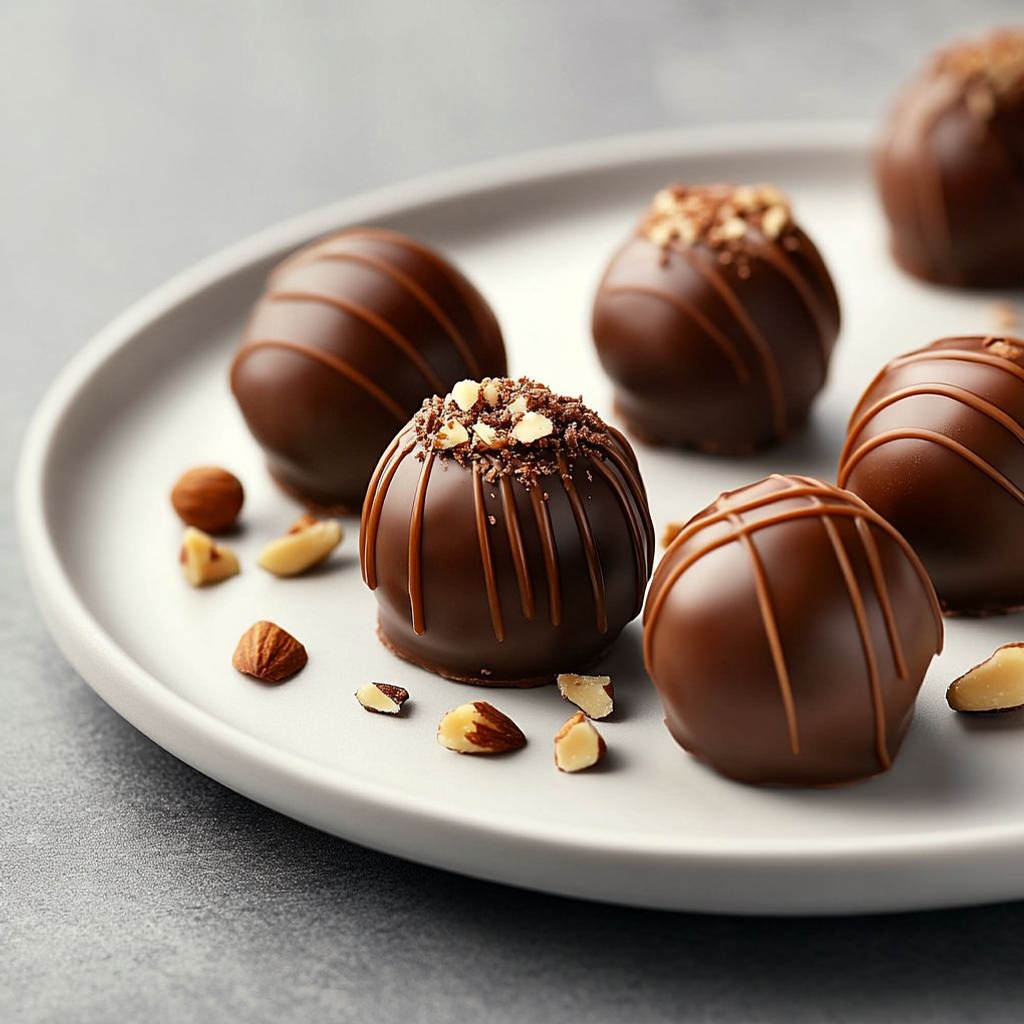
When presenting, vary the coatings to create a visually appealing assortment. A plate of dusted cocoa, a handful rolled in crushed pistachios, and a few lightly glazed with a sheen of tempered chocolate offer a spectrum of textures and flavors, inviting guests to explore and decide their favorites. The beauty of Caramel Truffles lies in their adaptability—perfect for an intimate, quiet night or a dynamic, floating-table dessert that narrates the evening’s mood.
Tips, Variations & Substitutions
- Quality matters: Start with good chocolate—dark, milk, or a blend that you love. The chocolate will define the final impression, so choose bars with a pure cacao flavor and a smooth finish.
- Caramel balance: If you desire a deeper caramel note, consider using a touch of dark muscovado sugar or a tiny splash of cream to enrich the center’s flavor.
- Salt as a brightener: A pinch of flaky sea salt at the end of coating or within the center can elevate the overall sweetness and add a glamorous edge.
- Coating variations:
- Classic: Rich cocoa powder for a traditional look and a dry finish.
- Nutty: Finely chopped toasted almonds, hazelnuts, or pistachios for crunch and aroma.
- Gleaming: A light drizzle of tempered chocolate or a dusting of edible gold to feel festive.
- Candied crunch: Crushed shortbread or cookies for a chewy, crumbly contrast.
- Fruit-forward: Crushed dried fruit or coconut for a fruity or tropical twist.
- Diet-friendly options:
- Vegan: Use dairy-free chocolate and a plant-based cream (like coconut cream) to achieve a smooth center.
- Gluten-free: Ensure coatings and any inclusions are gluten-free; most dry coatings naturally are, but always check labels.
- Low dairy: Opt for dark chocolate with a high cocoa content and a light creamy component, or skip dairy entirely by using plant-based creams.
- Flavor twists: Add espresso powder to the center for a mocha-theme bite; try a splash of vanilla or even a tiny amount of maple for a maple-caramel variation; cinnamon or cardamom can provide a warm spice note.
- Texture experiments: For a crisp snap, dust the shell with cocoa powder or cocoa nibs; for a smoother finish, wipe or polish the surface with a spatula to remove fingerprints before coating.
Storage & Make-Ahead Ideas
Caramel Truffles are well suited to advance preparation, making them perfect for gifting or event planning. They can be stored in several ways to preserve texture and freshness, depending on how far in advance you’d like to prepare them.
Storage ideas:
- Refrigeration: Finished truffles can be stored in an airtight container in the refrigerator for up to two weeks. Keep them separated with parchment to prevent sticking, and allow them to come to room temperature for about 15-20 minutes before serving for the best flavor and texture.
- Freezing: For longer storage, you can freeze uncoated centers (or fully coated truffles) in a single layer on a baking sheet, then transfer to an airtight freezer-safe container. They’ll keep well for up to 1-2 months. Thaw slowly in the fridge before bringing to room temperature for serving.
- Make-ahead steps: You can prepare the centers in advance, refrigerate until firm, and then coat them just before serving. This allows you to host a party with minimal last-minute prep while still delivering a fresh, glossy finish.
- Gifting prep: If you’re gifting, wrap truffles individually in mini parchment cups or place them in a decorative box lined with tissue. A light dusting of cocoa powder in the box can help prevent sticking and keep them looking pristine.
Fun Facts & Trivia (Optional)
Did you know that the term “truffle” in chocolate is inspired by edible fungi that grow underground? The name evokes both mystery and luxury, and chocolatiers have long leaned into that imagery to conjure a sense of indulgence. The glossy shell of a well-made truffle, whether plain or coated, is a testament to tempering—a technique that ensures the chocolate shines, cracks satisfyingly, and melts smoothly on the tongue. Caramel itself has a long, storied history, with caramelized sugar appearing in various forms across different centuries and cultures. The combination of caramel and chocolate is a classic duet, favored for its harmonious balance of bitter and sweet, depth and softness, resonance and restraint. And of course, the act of making truffles—kneading ganache, shaping it by hand, rolling, and coating—feels almost ceremonial, a small ritual that can be turned into a shared, joyful event in any kitchen.
Ingredients
Caramel Filling
-
– 1 cup granulated sugar
→ Purpose: forms the caramel center’s base and provides the rich, toffee-like sweetness that defines caramel truffles. Preparation: use the wet caramel method—combine sugar with 1/4 cup water in a heavy-bottom saucepan and swirl until the sugar dissolves, then stop stirring and cook until the syrup turns a deep amber color. Off the heat, slowly whisk in warm heavy cream, then whisk in the cubed butter, vanilla, and a pinch of flaky sea salt until smooth. Once the mixture reaches a thick, scoopable consistency, transfer to a parchment-lined tray and let cool to a pliable state before rolling into small balls. Tips: keep the heat medium-low to avoid scorching; monitor color closely; temperature and timing determine the final texture of the centers.
– 1/4 cup heavy cream
→ Purpose: contributes to the caramel’s creaminess, softness, and balance of sweetness. Preparation: warm the cream until steaming (do not boil) and gradually whisk into the caramel once the sugar has darkened; be careful of splatter. Tips: if the caramel thickens too much after adding cream, rewarm gently or add a splash more cream to reach scoopable consistency.
– 4 tablespoons unsalted butter, cubed
→ Purpose: enriches texture, aids emulsification, and adds gloss to the filling. Preparation: add off the heat after the cream is incorporated and stir until melted and fully integrated; chill slightly if needed to firm up before rolling. Tips: use cold butter for controlled thickening; unsalted is important for precise salt balance.
– 1/2 teaspoon pure vanilla extract
→ Purpose: enhances flavor and rounds the caramel notes. Preparation: stir in after removing from heat to preserve aroma. Tips: use pure vanilla extract for best depth; if using vanilla bean paste, reduce the amount accordingly.
– Pinch flaky sea salt
→ Purpose: amps up caramel flavor and balances sweetness. Preparation: mix into the caramel while warm or sprinkle lightly into centers after setting. Tips: flaky salt provides a pleasant crunch and burst of savory contrast; adjust to taste.
Coating
-
– 8 ounces dark chocolate (70% cacao), finely chopped
→ Purpose: forms the glossy outer shell that encases the caramel centers and provides a rich chocolate flavor. Preparation: melt slowly using a double boiler or microwave in short bursts, stirring until smooth; if tempering, follow proper temperature guidelines for a glossy, snap-y finish. Tips: choose high-quality chocolate; ensure no water spills into the chocolate; melt gradually to avoid scorching.
– 1 tablespoon neutral oil (grapeseed or light olive oil)
→ Purpose: helps thin the melted chocolate for dipping and yields a smooth, even, glossy coat. Preparation: whisk into melted chocolate gradually until dipping consistency is reached. Tips: use sparingly; too much oil can make the coating thin or greasy; omit if you prefer a thicker shell.
– Pinch fine sea salt
→ Purpose: enhances chocolate flavor and subtly echoes the salted caramel. Preparation: sprinkle into the melted chocolate or over finished truffles as a finishing touch. Tips: coarse flakes add texture; use sparingly to avoid overpowering the chocolate.
Optional Toppings
-
– Cocoa powder for dusting
→ Purpose: classic finish that adds a velvety surface and extra chocolate aroma. Preparation: after dipping and allowing a short set, roll or dust truffles in cocoa powder. Tips: dust just before serving to prevent clumping; store in a cool, dry place to maintain a clean powdery coat.
– Chopped toasted nuts (e.g., hazelnuts, almonds, pistachios)
→ Purpose: introduces crunch and a toasty, nutty contrast to the creamy center. Preparation: toast nuts lightly (about 5–7 minutes at 350°F/175°C) and coarsely chop. Tips: spread evenly so they adhere well to the chocolate; store nuts airtight to preserve crunchiness.
– Sea salt flakes
→ Purpose: finishing salt to provide a final pop that amplifies sweetness and caramel notes. Preparation: sprinkle a tiny pinch on top of finished truffles. Tips: coarse flakes look attractive and provide texture; avoid over-salting.
Instructions
- Combine 1 cup granulated sugar with 1/4 cup water in a heavy-bottom saucepan over medium-low heat and swirl gently until the sugar dissolves; do not stir after it starts simmering to prevent crystallization, then continue cooking until the syrup turns a deep amber color.
- Remove the pan from heat and slowly whisk in 1/4 cup warm heavy cream until the mixture forms a smooth emulsion; keep caution for steam and splatter while whisking to avoid scorching or separation.
- Whisk in 4 tablespoons unsalted butter, cubed, then add 1/2 teaspoon pure vanilla extract and a pinch of flaky sea salt; continue whisking until the mixture is glossy and fully integrated.
- Transfer the caramel to a parchment-lined tray and let it cool at room temperature until it reaches a thick, scoopable state, then refrigerate briefly if needed to firm enough for easy rolling.
- Using a small spoon or 1-teaspoon scoop, portion the caramel and roll into small balls between lightly oiled hands to create smooth, uniform centers; place on parchment and refrigerate until firm enough to coat.
- Return the centers to the refrigerator or freezer for 15–20 minutes to ensure they are firm and chilled; this helps the chocolate shell set quickly and reduces center deformity during dipping.
- Prepare the coating by finely chopping 8 ounces dark chocolate (70% cacao) and setting the pieces in a heatproof bowl; have a clean, dry surface nearby to finish and temper if desired.
- Melt the chocolate slowly using a double boiler or microwave in short bursts (20–30 seconds), stirring between intervals until smooth and glossy; keep moisture and steam away from the chocolate to avoid seizing.
- Whisk in 1 tablespoon neutral oil gradually into the melted chocolate until it reaches a fluid dipping consistency; the oil helps create a thin, even shell that coats smoothly without streaks.
- Optionally temper the chocolate for a sharper snap and longer shelf life by heating to 115–120°F (46–49°C), cooling to 82–83°F (28–29°C), then reheating to 88–90°F (31–32°C); this step is recommended for a showroom finish but not required for homemade results.
- Using a dipping fork or two forks, dip each frozen caramel ball into the melted chocolate, rolling to coat completely and tapping to remove excess; keep the centers on parchment as you work to prevent sticking.
- Place the coated truffles on a parchment-lined sheet and immediately finish with toppings if desired: a light dusting of cocoa powder, or press chopped toasted nuts into the still-wet chocolate, or sprinkle a pinch of sea salt flakes.
- Allow the chocolate to set completely at room temperature in a cool, draft-free area or refrigerate briefly (10–20 minutes) until the coating is firm and glossy; avoid stacking while wet to prevent sticking or smudging the finish.
- Store finished caramel truffles in an airtight container in the refrigerator for up to 2 weeks, or at room temperature in a cool place for 3–5 days; before serving, let them sit at room temperature for about 15–20 minutes to enhance aroma and texture.
→ This wet caramel method yields a smooth, glassy base and prevents gritty texture; use low heat and watch color closely so the caramel develops rich flavor without burning.
→ Adding warm cream gradually helps integrate fat and liquid without seizing; this step creates the creamy balance characteristic of caramel fillings.
→ Butter enriches texture and shine, the vanilla brightens depth, and salt sharpens caramel sweetness; off-heat incorporation prevents separation and ensures a smooth finish.
→ Proper cooling produces a scoopable center that holds its shape during coating; cooling too little leads to runny centers, while overcooling can make rolling difficult.
→ Rolling with minimal oil prevents sticking and yields consistently sized centers; firm centers coat more evenly and prevent smearing when dipped.
→ Chilled centers create cleaner shells and prevent center collapse when submerged in warm chocolate.
→ Uniformly chopped chocolate melts evenly for a smooth coating; water-free surfaces prevent seizing and dull finishes.
→ Gentle melting preserves the chocolate’s flavor and sheen; abrupt heat or water exposure causes graininess or pale streaks.
→ Add oil sparingly; too much can thin the coating excessively or leave a greasy finish, but a small amount yields a professional, glossy shell.
→ Tempering stabilizes the cocoa butter crystals for a glossy appearance and firm bite; following precise temperatures yields the best shell.
→ Proper coating seals the caramel and creates a uniform shell; draining excess chocolate prevents thick, uneven caps and incomplete set.
→ Toppings add texture and complementary flavors; apply while the shell is tacky so they adhere properly and don’t fall off as the chocolate sets.
→ A proper setting period yields crisp shells and clean, attractive truffles; premature stacking can ruin the shell and transfer fingerprints or smudges.
→ Chilled storage maintains center softness and shell integrity; warming slightly before serving awakens the chocolate scent and makes the bite more inviting.
Notes
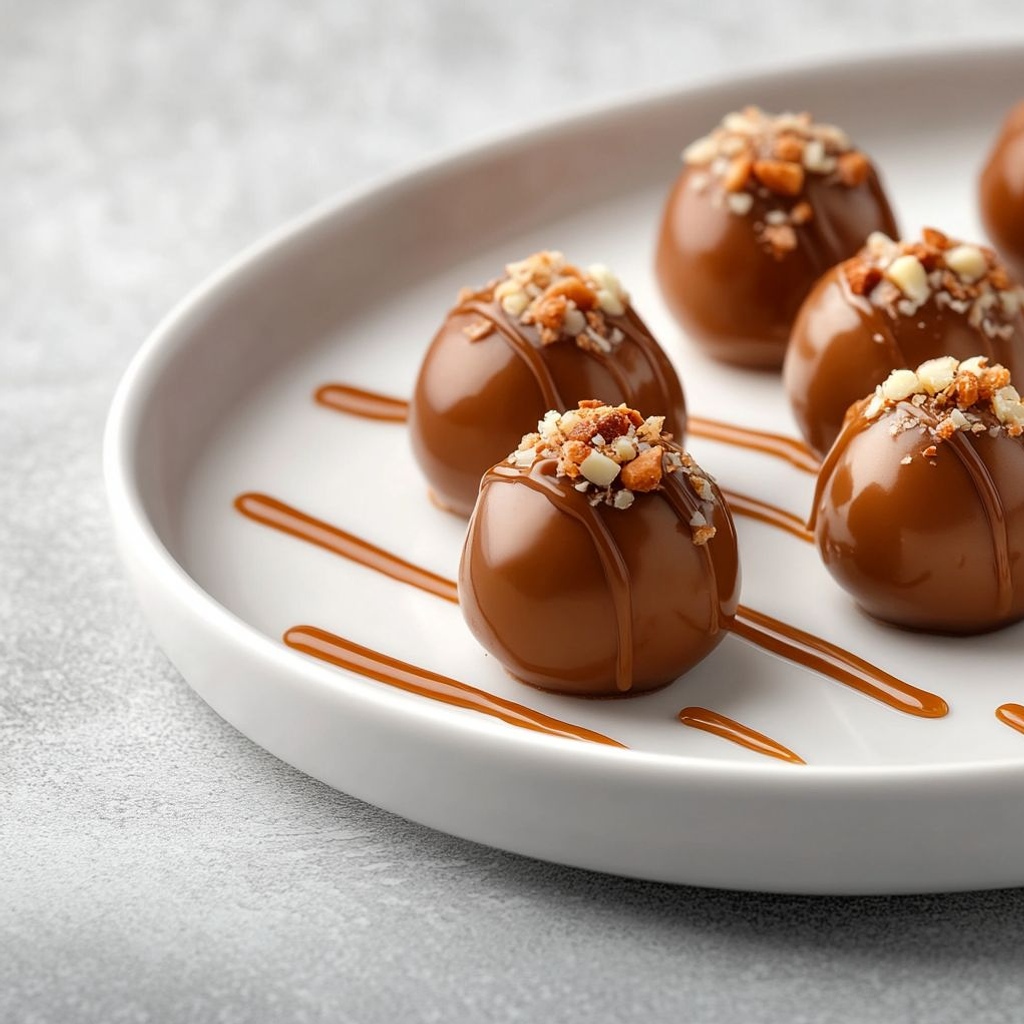
These caramel truffles are rich, velvety, and luxurious, featuring a soft caramel center and a glossy chocolate shell. You can customize them by rolling the centers in chopped toasted nuts, coating in cocoa powder, or finishing with a light sprinkle of flaky sea salt for a balanced sweet-salty bite. They freeze well: chill the caramel centers until scoopable, then roll and store in an airtight container between parchment layers for easy portioning. For dairy-free or vegan adaptations, substitute coconut cream for the heavy cream and use dairy-free chocolate and butter, ensuring all ingredients are gluten-free if you have gluten intolerance. Important technique notes: cook the caramel on medium-low and monitor color closely, adding warm cream off the heat to avoid scorching; once the centers are formed, chill briefly before rolling to keep them from spreading. When coating, melt chocolate slowly and add a small amount of neutral oil to achieve a smooth dipping consistency; tempering yields a superior shine and snap. After dipping, let the truffles set completely in a cool, dry place; dust with cocoa or add toppings after a short set. Storage: keep in an airtight container in the refrigerator for up to 2 weeks or freeze for up to 3 months. Serve with coffee or dessert wine for an indulgent finish.

Tips
Caramel Filling – expert tips
- Temperature control and method: Use a heavy-bottom saucepan and a candy or instant-read thermometer. Cook the wet caramel until the sugar turns a deep amber. Remove from heat before it darkens further; whisk in warm cream gradually to avoid splatter, then whisk in butter, vanilla, and salt until smooth. The goal is a scoopable, pliable center; texture will depend on timing and temperature.
- Prevent sugar crystallization: Do not stir once the sugar has dissolved and started coloring; swirl the pan instead to promote even dissolution and color. Use fresh, clean utensils to avoid introducing crystals.
- Texture adjustment: If the caramel becomes too thick after adding cream, rewarm gently or whisk in a splash more cream until you reach a scoopable consistency. If it’s too soft, chill slightly longer; if too firm, warm briefly in a water bath or add a touch more cream.
- Butter and salt balance: Off the heat, whisk in cubed cold butter to emulsify and gloss the filling; add flaky salt to taste early or sprinkle later for a salt-kissed finish. Vanilla should be added after heat to preserve aroma.
- Shaping and chilling: Once smooth, transfer to a parchment-lined tray and chill until the center is pliable enough to roll into balls. Lightly oil your hands or wear gloves to prevent sticking.
Coating – expert tips
- Chocolate choice and handling: Use high-quality dark chocolate (70% cacao). Melt slowly using a double boiler or microwave in short bursts, stirring to smooth. If tempering, follow a proper two-step process to achieve a glossy finish and snap. Ensure no water enters the chocolate at any point.
- Oil in chocolate: Stir in neutral oil gradually; it helps create a thin, even coat that dries smoothly. Too much oil can cause a greasy finish; stop when dipping consistency is achieved.
- Temperature control for dipping: The chocolate should be smooth and about dipping consistency. If it thickens, gently rewarm or add a few drops of oil; if it thickens too much, slightly warm water bath or short bursts in microwave with stirring.
- Finishing touches: For a sparkly, even shell, dip the centers and chill between coats. A second thin coat improves shell strength and shine. Sprinkle salt or toppings after the final coat if desired.
Optional toppings – tips
- Cocoa powder: Dust the finished truffles just before serving to maintain a velvety surface. Store in a cool, dry place to avoid clumping and grease from rising chocolate.
- Chopped toasted nuts: Toast nuts lightly (about 5–7 minutes at 350°F/175°C) to deepen flavor; cool completely, then press into the still-wet chocolate so they adhere. Store finished truffles in airtight containers to preserve crunch.
- Sea salt flakes: A light sprinkle on the finished surface can elevate the caramel flavor; use sparingly to avoid overpowering the chocolate. A tiny pinch per truffle is usually perfect.
FAQ
What are caramel truffles?
Caramel truffles are bite-sized confections with a soft, gooey caramel center coated in chocolate. They’re rich, creamy, and easy to customize with toppings or flavors.
What ingredients do I need?
For the centers: sugar, unsalted butter, heavy cream, a pinch of salt, and vanilla. For coating: high-quality chocolate (dark, milk, or white). Optional coatings: cocoa powder, chopped nuts, sanding sugar, sea salt, or crushed cookies. Equipment: saucepan, spatula, parchment paper, and a baking sheet. Optional: candy thermometer.
How do I make the caramel center?
Make a classic caramel: melt sugar until amber, whisk in butter, then slowly add cream and a pinch of salt. Simmer until thick and glossy, remove from heat, stir in vanilla, then cool and chill until firm enough to scoop.
How do I coat the truffles with chocolate?
Line a tray with parchment. Scoop small portions of caramel, roll into balls, and refrigerate until firm. Melt chocolate gently (tempering yields the best shine). Dip the centers in melted chocolate, tap off excess, and chill until set. Optionally roll in cocoa or toppings.
How long do caramel truffles last?
Store in an airtight container. At room temperature, they keep about 1 week to 10 days. In the refrigerator, about 2–3 weeks. For longer storage, freeze up to 3 months and thaw in the fridge before serving.
Can I freeze them?
Yes. Freeze the assembled truffles on a lined tray, then transfer to an airtight container or freezer bag. They’ll keep up to 3 months. Thaw slowly in the fridge before serving.
Can I make them dairy-free or vegan?
Yes. Use dairy-free chocolate and a vegan caramel made with coconut cream or another dairy-free milk. Use dairy-free butter or coconut oil. Ensure any additions (like flavorings or toppings) are vegan if needed. Texture may vary slightly.
What chocolate should I use for coating?
Choose chocolate based on your preferred sweetness: dark, milk, or white chocolate. For a glossy, snap-y coating, temper the chocolate. If you’re short on time, you can melt and coat without tempering, but the finish may be less glossy.
Why is my caramel center too soft or sticky?
Common causes: undercooking caramel (not reaching the proper temperature), too much liquid, insufficient chilling, or warm room temperature. Remedy: cook to about 245–250°F (118–121°C), let the caramel cool and chill fully before shaping, and store in a cool place.
How can I customize flavors or add toppings?
Try adding sea salt, espresso powder, vanilla bean, cinnamon, chili, or a splash of liqueur to the caramel. Roll finished truffles in cocoa powder, finely chopped nuts, crushed cookies, or nibs, and consider drizzling with white or dark chocolate for extra flair.