Introduction / Hook
Imagine a cake that feels like a hug from a beloved aunt — tender, light, and endlessly comforting — yet deceptively clever in its simplicity. This Low Carb Cottage Cake is exactly that: a jewel-toned dessert that pairs the bright, tangy personality of cottage cheese with the warm, toasty goodness of almond flour, all wrapped in a soft, cloud-like crumb. The moment it comes out of the oven, the kitchen fills with a fragrance that might remind you of lemon zest kissed by vanilla, a whisper of butter, and the faint nutty aroma of toasted almonds. It’s a cake that doesn’t shout for attention; it invites you to lean in, take a bite, and let the flavors unfold in slow, satisfying layers. Best of all, it fits neatly into modern dietary choices—low carb, gluten-free, and naturally dairy-friendly—so you can enjoy a slice without the usual post-dessert hesitation. Picture a slice plated with a dollop of unsweetened whipped cream, or a handful of fresh berries glimmering in their own juice, and you’ve got a moment of pure, wholesome indulgence. This cake is not just a dessert; it’s a reminder that soulful bakery vibes can exist in a recipe that respects your nutrition goals and your taste buds alike.
The Story Behind the Dish
Every family has a version of a simple cake that tastes like childhood and feels like home. For many cooks across Central and Eastern Europe, the humble cottage cheese—or “tvaroh” as it’s known in Czech and Slovak kitchens, “túró” in Hungarian, and “tvaroh” again in other Slavic languages—has long been a canvas for gentle, comforting desserts. Cottage cheese brings a delicate tang and a creamy body that behaves like a secret weapon in baked goods: it lightens the texture, lends moisture without heaviness, and adds an extra measure of protein that everyday desserts often lack. In traditional cottage cheeses tarts and crumb cakes, cooks relied on simple pantry staples, a few eggs, a hint of citrus, and some sugar to coax shy flavors into something memorable.
This Low Carb Cottage Cake is a love letter to that lineage, reimagined with modern dietary priorities in mind. It honors the rustic charm of a farmhouse bake while embracing almond flour, a touch of yogurt or cream cheese, and a restrained sweetness that won’t derail a low-carbohydrate plan. The result is a cake that nods to its heritage—soft, slightly custardy in the center, with a gently nutty crust on the outside—while proving that tradition can evolve without losing its soul. In many kitchens, a cake like this would be shared after Sunday lunch or enjoyed with afternoon tea, a quiet moment of togetherness that becomes the reason to gather again. The story here is simple: comfort can be conscious. Nostalgia can be nimble. And a well-made cottage cake can bridge generations of flavors without demanding indulgence beyond measure.
Why You’ll Love This Recipe
- Low carb, high comfort: A cake that respects your carbohydrate goals without sacrificing the warm, homey essence of a classic dessert.
- Protein-rich cloud: Cottage cheese provides protein and moisture, giving the cake a tender crumb that stays moist for hours.
- Gluten-free-friendly: With almond flour as the base, you get a gentle, crumbly bite that’s naturally gluten-free.
- Versatile sweetness: A delicate balance of sweetness that’s easy to adjust with your preferred sweetener, without overpowering the tang of the cheese.
- Low-fuss, high-reward: A straightforward batter, minimal mixing, and a hands-off bake that fills your kitchen with irresistible aroma.
- Adaptable to many diets: Dairy-friendly as written, with clear notes for dairy-free, vegan, or other dietary tweaks if you’d like to experiment.
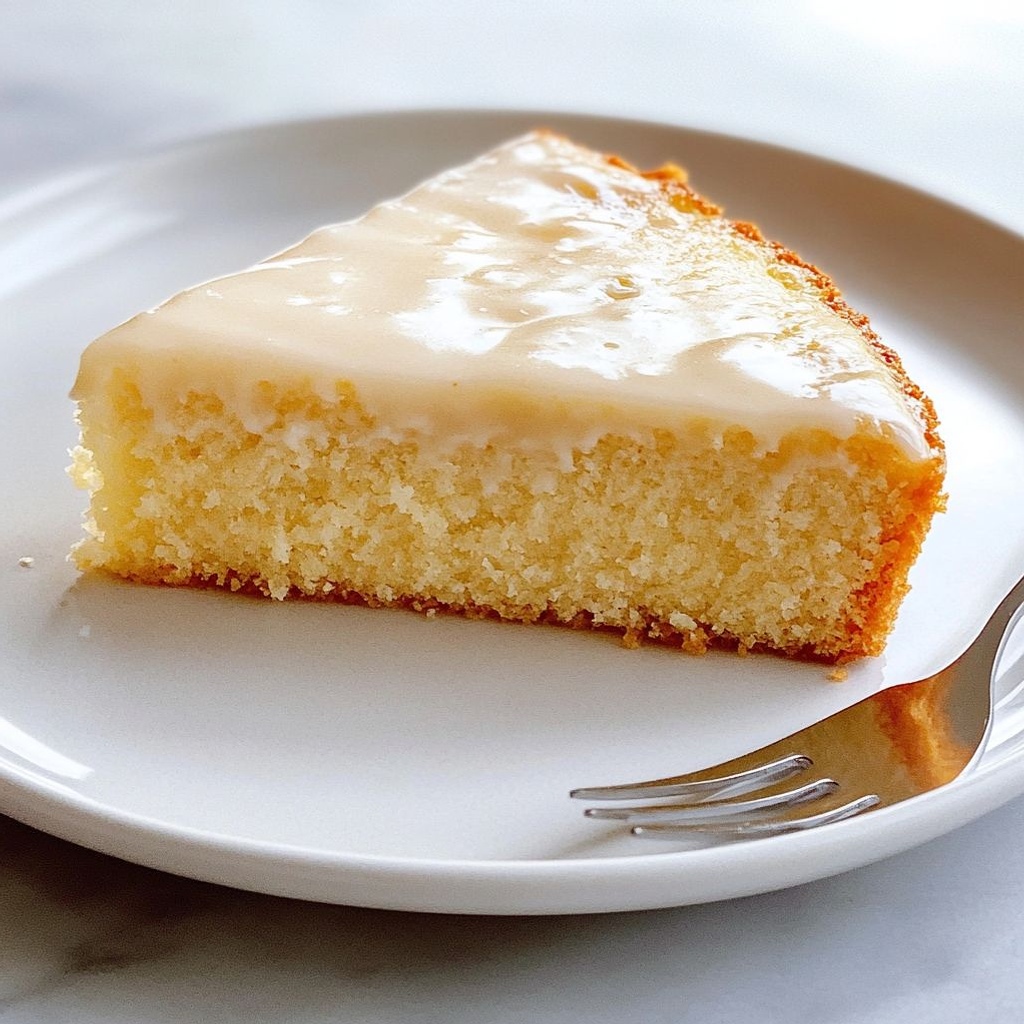
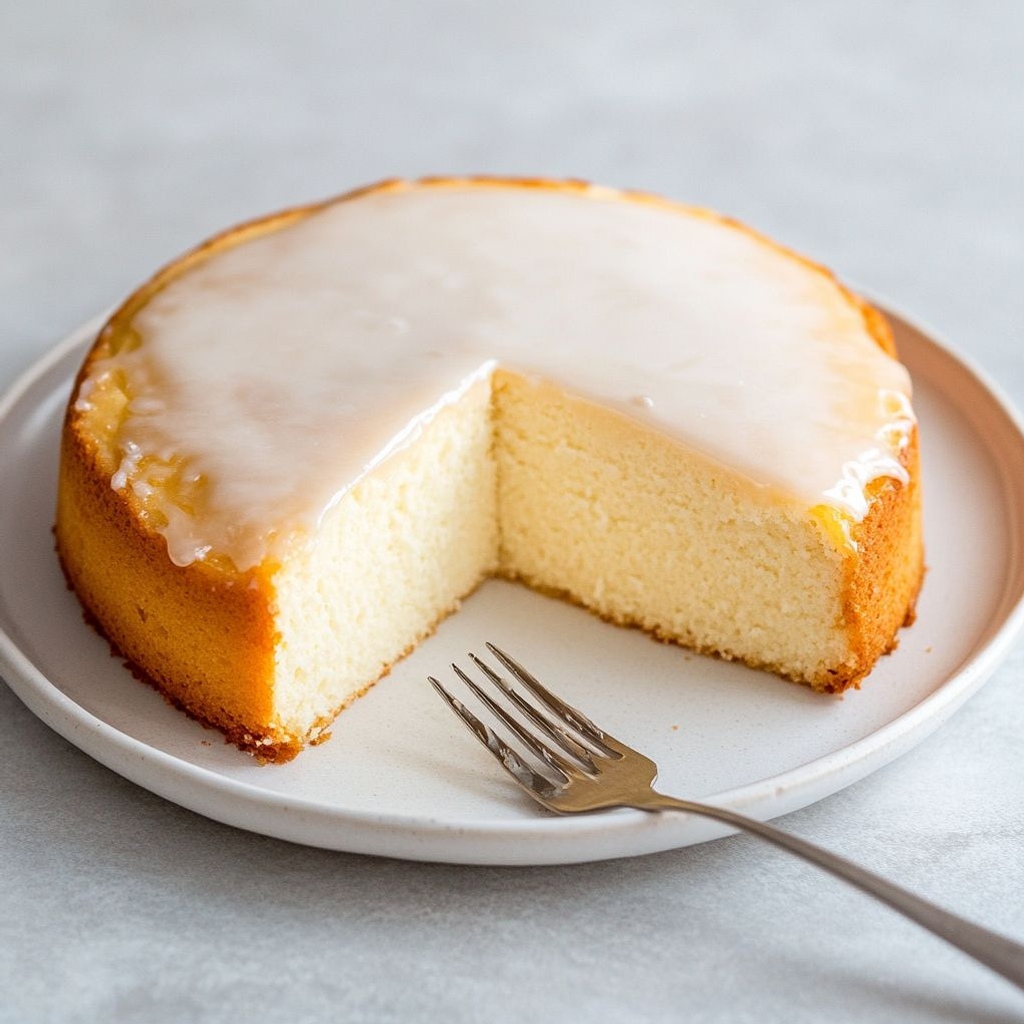
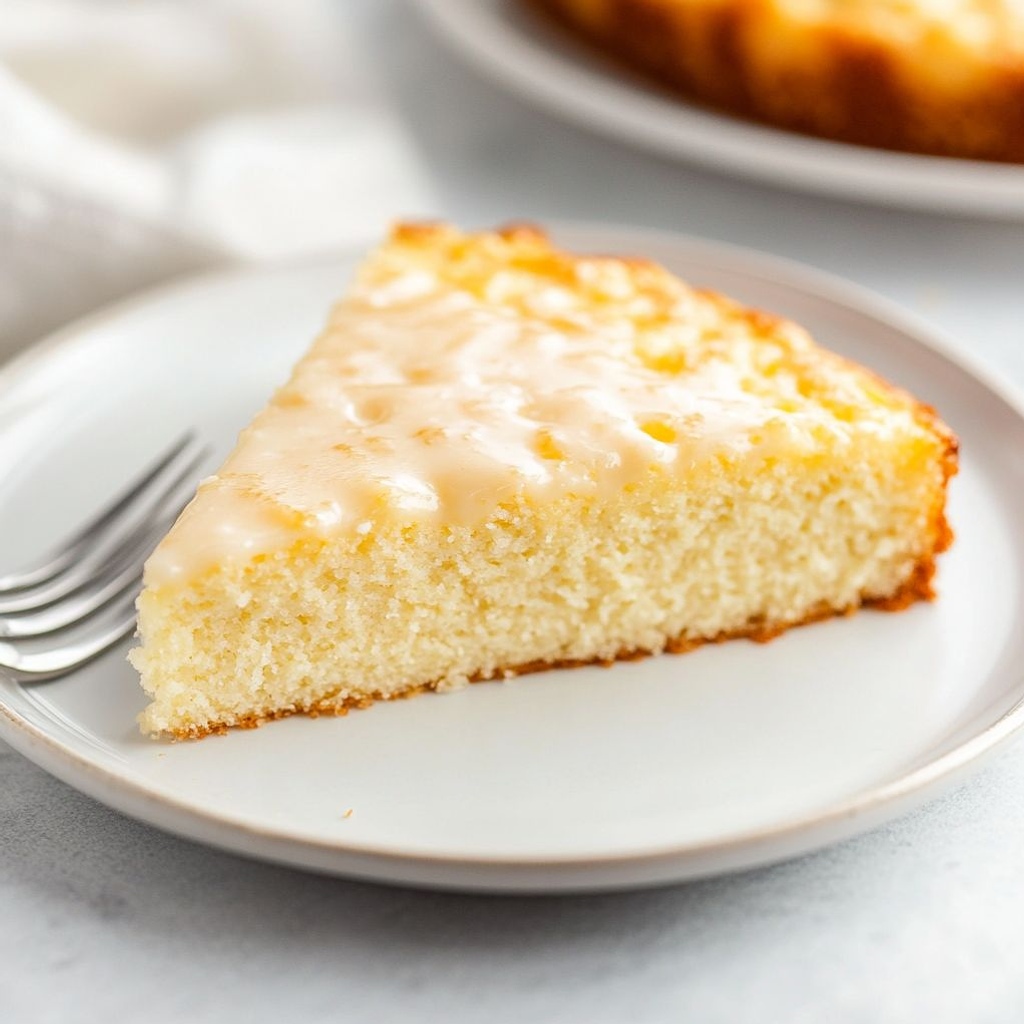
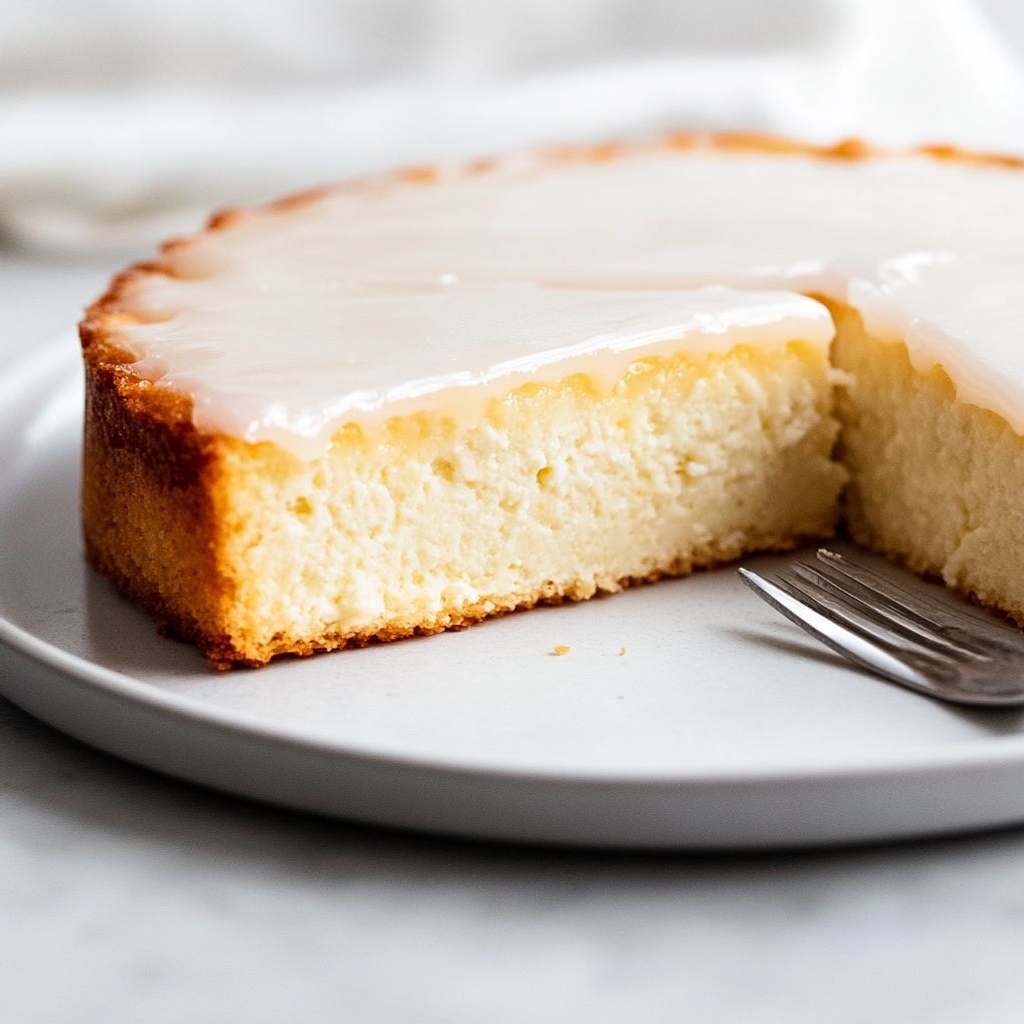
- Beautifully presentable: Slice after slice reveals a pale, sunlit interior with a subtle golden crust; it’s as photogenic as it is delicious.
- Great for make-ahead: You can prepare portions in advance and bake when you’re ready, or bake, cool, and refrigerate for a ready-to-serve dessert later in the week.
- Pairs well with simple fixings: A dollop of unsweetened whipped cream, a scattering of berries, or a light dusting of citrus zest elevates the experience.
Flavor Profile & Texture
This cake is all about balance. The interior is softly custardy, with a gentle tang from the cottage cheese that keeps the sweetness from feeling cloying. Vanilla provides a creamy vanilla-latte note that lingers on the palate, while lemon or orange zest lifts the flavor, lending a sunny brightness that makes every bite feel fresh and inviting. The almond flour-based crust or edges impart a delicate toasty nuttiness, a subtle contrast to the center that adds depth rather than bite. The texture dances between airy and substantial: not as airy as a mousse, not as dense as a traditional sponge, but with enough structure to hold its shape when sliced. This is a cake that feels elegant in its simplicity—the kind of dessert that invites conversation rather than shouting for attention.
The aroma is a big part of the experience. As it bakes, you’ll notice a warm, sweet fragrance in the air, with notes of vanilla, lemon zest, and roasted almond, mingling with the soft dairy scent from the cottage cheese. When it’s warm from the oven, a light steam escapes, carrying with it a gentle tang from the cheese that perks up the senses. As it cools, the flavors become a touch more nuanced: the lemon zest brightens without souring, the vanilla folds into the custard-like center, and the almond flour gives a finish that’s faintly nutty and pleasantly savory, ensuring the cake remains satisfying even after several hours of tasting.
Occasions & Pairings
This cake is remarkably versatile, making it a superb choice for a range of occasions and moments. Here are some ideas to help you envision when and how to serve it:
- Weeknight treat: A gentle dessert after dinner with a cup of tea; it won’t weigh you down, but it will satisfy a sweet craving.
- Brunch option: Serve alongside yogurt, fresh fruit, and a drizzle of sugar-free berry coulis for a light, satisfying weekend brunch.
- Holiday dessert: A refined, low-carb option that won’t derail festive menus; pair with a splash of sparkling wine or a cup of espresso after the meal.
- Tea party centerpiece: Elegant on a cake stand with a few berries and mint leaves, perfect for a quiet afternoon with friends.
- Breakfast or coffee cake: A slice with a smear of cream cheese and coffee is a comforting way to begin the day.
Pairings to consider, depending on your mood and occasion:
- Fresh berries (strawberries, blueberries, raspberries) to add a pop of color and bright acidity.
- Unsweetened whipped cream or a light yogurt-based topping for extra creaminess.
- A dusting of lemon or orange zest to intensify citrus aroma.
- A small wedge of dark chocolate sugar-free (70%+ cacao) for a touch of indulgence without excess sweetness.
- Pairing beverages like a bold espresso, a green tea, or a light dessert wine for a more refined finish.
Tips, Variations & Substitutions
Cooking is a playground, especially with a cake that invites adaptation. Here are practical ideas to customize this Low Carb Cottage Cake to suit your pantry, dietary needs, or flavor preferences. Each idea preserves the spirit of the dish while offering different experiences.
Dairy & Protein Variations
- Dairy-friendly version: Use full-fat cottage cheese blended smooth for an ultra-silky center, or whisk in a little cream cheese to intensify creaminess.
- Dairy-free option: Replace cottage cheese with a thick, plain dairy-free yogurt or a soft silken tofu blended with a little dairy-free cream to mimic the creamy texture. For the tang, a splash of lemon juice can help replicate the bite of dairy.
- Richer texture alternative: A small amount of ricotta can be folded in to amplify creaminess, with mindful adjustment of sweetener to maintain balance.
Gluten-free & Nutty Foundations
- Base flour choices: Almond flour is traditional here, imparting a delicate nuttiness. You can experiment with a blend of almond flour and sunflower seed flour for a light, pale crumb, or increase a touch of coconut flour if you’re aiming for a drier, crumbly edge (note: coconut flour absorbs more moisture, so balance the batter).
- Nut-free option: Use finely ground chia or flaxseed meal in combination with a gluten-free all-purpose flour blend to approximate the texture while keeping carbs in check.
Sweeteners & Flavor Enhancers
- Sweetener choices: Erythritol, xylitol, monk fruit, or a blend of these work well. Start with a conservative amount and adjust to taste because some sweeteners finish sweeter or cooler on the palate.
- Flavor twists: Swap lemon zest for orange zest for a warmer citrus note; add a hint of almond extract to deepen the nutty aroma; or stir in a pinch of ground cardamom for a café-style finish.
- Fruit additions: Lightly fold in crushed berries (not too wet) or a few raspberries to complement the tangy cheese with bursts of bright fruit flavor.
Texture & Structure Tweaks
- Texture control: If you prefer a firmer slice, add an extra yolk or a touch more almond flour to coax a slightly denser crumb. For a lighter center, introduce a whisked egg white folded in at the end to lift the batter.
- Crunch accents: Toasted almond slivers or a light crumble topping—made from almond flour, butter, and a pinch of sweetener—can provide a delightful contrast to the soft center.
Regional Twists
- Eastern European homage: A whisper of poppy seeds spread through the batter or stirred into the top as a swirl adds nostalgia and texture.
- Mediterranean note: A splash of lemon blossom water or a few drops of orange blossom water can lift the aroma into a floral, summery space.
Storage & Make-Ahead Ideas
This cake is friendly to make-ahead planning, which makes it especially convenient for gatherings, meal prep, or a last-minute dessert that still feels special. Here are practical storage and make-ahead strategies to keep your cake tasting its best.
- Refrigeration: Once cooled completely, store slices in an airtight container in the refrigerator for up to 3–4 days. If you’re worried about drying, place a small piece of wax paper between slices to prevent sticking and maintain moisture.
- Freezing: You can freeze baked slices for up to 1–2 months. Wrap individual slices tightly in plastic wrap and seal in a freezer bag. Thaw in the refrigerator or at room temperature, then rewarm gently in the microwave or a warm oven for best texture.
- Make-ahead batter: For an easier bake on a busy day, prepare the batter up to a day in advance, cover, and refrigerate. Bring to room temperature before baking; the flavors will meld and deepen with time.
- Meal prep tip: If you’re hosting a brunch, bake this cake the night before, slice early in the morning, and arrange on a platter with fresh berries. A light dusting of zest or a cool dollop of whipped cream will transform it from day-old to showpiece with minimal effort.
Fun Facts & Trivia (Optional)
Delightful tidbits that add a little extra flavor to your cooking knowledge:
- Cottage cheese has a long history as a staple in many European kitchens due to its availability, affordability, and versatility. It’s known for its mild flavor and moisture-retaining properties, which make it ideal for comforting desserts and creamy fillings alike.
- Low-carb desserts often rely on almond flour not only for texture but also for a pleasant, nutty aroma that signals a dessert with depth rather than a simple sugar fix.
- The term “cottage cake” evokes a sense of homestead baking—recipes that were historically made with pantry staples, a little creativity, and a desire to turn simple ingredients into something celebratory.
- When you think of dessert texture, this cake demonstrates a classic principle: moisture + light structure + restrained sweetness yields a satisfying bite that doesn’t overwhelm the palate.
- This recipe can serve as a gentle introduction to dairy-friendly, low-carb baking for people accustomed to traditional wheat-flour cakes, offering a bridge between old-world comfort and modern nutrition norms.
In summary, the Low Carb Cottage Cake is a delicious embodiment of old-world charm with new-world priorities. It honors the memory of rustic cottage cheese desserts while embracing almond flour as a sturdy, flavorful base that keeps the cake light and approachable. It’s a dessert you can proudly serve to guests who follow low-carb or gluten-free diets, all without sacrificing the cozy, nostalgic feeling that only a well-made cake can deliver. Whether you’re craving something that pairs beautifully with coffee in the morning, a refined finish to a holiday meal, or a gentle, family-friendly treat on a Sunday afternoon, this cake delivers a quiet, convincing promise: comfort, elevated by thoughtful ingredients and a touch of culinary history. Enjoy the journey—from the first whiff of citrus and vanilla to the last lingering bite—and savor how a single, thoughtful recipe can bring warmth, flavor, and a sense of everyday celebration to your table.
Ingredients
Low Carb Cottage Cake Base
- – 1 1/2 cups cottage cheese (full-fat)
→ Cottage cheese provides the creamy, protein-rich base that keeps the cake moist and sliceable while keeping carbs low. Use full-fat for better mouthfeel and flavor, and blend until completely smooth to avoid any grainy texture. If your cottage cheese is very watery, drain briefly or blot with a paper towel before blending to achieve a firm, sliceable batter. For best results, choose a brand without added thickeners or fillers. - – 3 large eggs (room temperature)
→ Eggs contribute structure, moisture, and lift. The batter relies on the proteins in the eggs to trap air and set during baking. Use room-temperature eggs for better emulsification and even mixing. Beat lightly with the cottage cheese mixture or whisk with the vanilla before combining to avoid curdling; do not overmix once the dry ingredients are added to keep the cake tender. - – 1/2 cup almond flour (finely ground, blanched)
→ Almond flour provides moisture, fat, and a tender, crumbly texture that is typical in low-carb baking. It helps replace gluten’s structure. Use finely ground, blanched almond flour for a lighter crumb. Sift before measuring to avoid clumps; spoon-and-sweep to maintain accurate quantity and a uniform batter. - – 2 tablespoons coconut flour
→ Coconut flour is highly absorbent and will firm the batter, balancing the moisture from the cottage cheese and eggs. It also adds a subtle sweetness and a fine crumb. Because it soaks up liquid, start with a small amount and whisk well; if the batter seems too thick, loosen with a splash of milk or water. If you’re sensitive to coconut flavor, you can reduce to 1 tablespoon and adjust with extra almond flour. - – 1/2 cup granulated erythritol (or your preferred low-carb sweetener, powdered if possible)
→ This sugar-free sweetener provides sweetness without adding net carbs. Powdered forms dissolve more smoothly in the batter; if you only have granulated erythritol, grind it briefly in a spice mill or blender to a powder. Start with 1/2 cup and adjust to taste; note that some erythritol can have a cooling sensation for some palates—use a blend if preferred. - – 1 tablespoon lemon zest (optional)
→ Lemon zest adds a bright citrus note that complements the tang of cottage cheese. Zest the outer colorful layer, avoiding the white pith. Fold in toward the end of mixing to preserve aroma. If you don’t have lemon, orange zest can work as a substitute for a milder citrus profile. - – 1 teaspoon vanilla extract
→ Vanilla enhances the overall aroma and sweetens the tang of dairy. Use pure vanilla extract for the richest flavor; avoid imitation that can leave a chemical aftertaste. Add with the eggs to ensure even distribution throughout the batter. - – 1 teaspoon baking powder (gluten-free, aluminum-free)
→ Baking powder provides lift and a light crumb in gluten-free baking. Use a fresh, aluminum-free brand to avoid metallic notes. Sift with the dry ingredients to ensure even distribution and prevent lumps, which helps the cake rise uniformly during baking. - – 1/4 teaspoon salt
→ Salt enhances sweetness and heightens the dairy flavors. Use fine sea salt or kosher salt; distribute evenly to avoid a salty bite in any single bite. If your butter is salted, reduce additional salt accordingly. - – 2 tablespoons melted butter (or coconut oil)
→ The fat adds moisture, richness, and tenderness to the crumb. Melted butter yields a classic, buttery flavor; coconut oil is a dairy-free alternative with a subtle tropical note. Add when the batter is warm but not hot to prevent cooking the eggs and to maintain emulsification.
Optional Add-ins
- – 1/2 cup fresh berries (blueberries or raspberries) (optional)
→ Berries introduce color and a touch of natural sweetness without significantly increasing carbs. Use fresh for best texture; if using frozen, thaw completely and pat dry to avoid extra moisture. To keep berries from sinking, toss them with a teaspoon of almond flour before folding into the batter. - – 1/4 cup chopped nuts (walnuts or almonds) (optional)
→ Nuts add crunch, flavor, and healthy fats. Chop into small, even pieces so they distribute evenly. Toast lightly beforehand to intensify aroma, then fold in gently to preserve some crunch after baking. - – 2 tablespoons unsweetened shredded coconut (optional)
→ Coconut adds texture and a subtle tropical note. If the coconut is very dry, rehydrate with a teaspoon of warm water before mixing to help it hydrate evenly in the batter. Reduce if you prefer a milder coconut presence.
Toppings
- – 1 cup heavy cream
→ Heavy cream is whipped into a light topping to complement the rich cake. Chill the cream before whipping and beat until soft to medium peaks for a fluffy result that holds its shape. For a dairy-free option, substitute with well-chilled coconut cream and whip similarly. - – 2-3 tablespoons powdered erythritol (or to taste)
→ Powdered sugar substitutes dissolve smoothly into whipped cream, avoiding grittiness. Start with 2 tablespoons and adjust to preferred sweetness. If you prefer not to use erythritol, a small amount of vanilla extract or a tiny pinch of stevia can be mixed in instead to taste. - – 1/2 teaspoon vanilla extract
→ A touch of vanilla in the whipped cream rounds the flavors and echoes the cake’s aroma. Add after the cream begins thickening to ensure even distribution without over-whipping. If using vanilla in the batter separately, you can omit a second addition here.
Instructions
- Preheat your oven to 350°F (175°C) and lightly grease a 9-inch round cake pan and line the bottom with parchment paper to ensure clean release and even browning.
→ Proper pan preparation prevents sticking, helps you remove the cake in one piece, and promotes even heat distribution for uniform rise. - Drain the cottage cheese briefly if it seems watery and blend it until completely smooth to remove graininess and achieve a creamy, sliceable batter.
→ A smooth base yields a uniform texture without lumps, which is essential for a cake that relies on dairy proteins for structure instead of gluten. - In a separate bowl, whisk the eggs at room temperature with the vanilla (and lemon zest if using) until the mixture is light and homogeneous.
→ Room-temperature eggs emulsify more readily, giving a stable batter that traps air for a tender crumb. - Combine the cottage cheese with the beaten eggs by whisking or pulsing briefly in a blender until evenly incorporated and silky.
→ Blending the wet components together ensures a cohesive batter with even texture and improves lift during baking. - In a medium bowl, whisk together the almond flour, coconut flour, baking powder, salt, and the lemon zest (if using) then sift to distribute evenly and remove any lumps.
→ Sifting and whisking promote uniformity of the dry mix, preventing pockets of dry ingredients that could weigh down the batter and cause uneven rise. - Stir the dry ingredients into the wet cottage cheese mixture in 2–3 additions, using a spatula and folding just until combined; stop as soon as you see no visible dry streaks.
→ Overmixing gluten-free batters can make them dense; gentle folding preserves a light, tender crumb and traps gentle air pockets for lift. - Pour in the melted butter and fold it through the batter until evenly distributed and glossy; ensure the butter is cooled slightly to prevent cooking the eggs.
→ The fat adds moisture, richness, and tenderness, and tempering it prevents curdling while helping the batter emulsify for a smooth texture. - If using optional add-ins, toss berries with 1 teaspoon almond flour to prevent sinking, then fold them gently into the batter just until distributed.
→ Coating berries with a bit of almond flour reduces moisture transfer to the batter and helps them stay suspended for an appealing speckled appearance. - Transfer the batter into the prepared pan, smooth the surface with a spatula, and lightly tap the pan on the counter to release air bubbles and settle the batter for an even bake.
→ Level batter and eliminate air pockets ensures uniform rise and prevents towering domes in parts of the cake. - Bake in the preheated oven for about 28–34 minutes, until the top is lightly golden and a toothpick inserted into the center comes out with only a few moist crumbs.
→ This indicates the cake is set but not dry; oven times vary with pan type and moisture content, so start checking at 28 minutes. - Let the cake cool in the pan for 10–15 minutes, then invert onto a wire rack and cool completely before topping.
→ Cooling makes the crumb firm enough to slice cleanly and prevents the whipped cream from melting into a warm surface. - Chill the heavy cream, beaters, and a chilled bowl, then whip the cream to soft to medium peaks; gradually beat in the powdered erythritol and vanilla until the cream holds its shape but remains smooth.
→ Proper chilling and gentle whipping yield a fluffy, stable topping that holds its shape without overbeating into butter. - Spread or pipe the whipped cream over the cooled cake, smoothing into an even layer or decorative dollops, and dust with a light sprinkle of additional erythritol if desired.
→ A generous, glossy whipped cream topping provides contrast to the tender, low-carb cake and complements the dairy richness. - Slice and serve promptly for best texture, or refrigerate the leftovers in an airtight container for up to 3–4 days; re-whip a portion of cream if needed before serving again.
→ Freshly whipped topping tastes best and refrigeration helps the cake maintain its shape while keeping the dairy components safe.
Notes
These low‑carb cottage cake notes help you achieve a moist, sliceable cake built on cottage cheese while keeping carbs in check. For best results, blend the cottage cheese until completely smooth to avoid any graininess, and if it’s very watery, drain briefly or blot with a paper towel before blending. Use room‑temperature eggs to improve emulsification and lift, and avoid overmixing once the dry ingredients are added to keep the crumb tender. Sift the almond flour, coconut flour, baking powder, and salt with the dry ingredients to ensure even distribution and a uniform rise.
- To keep the batter light, fold in lemon zest or vanilla gently toward the end of mixing and only until just combined.
- Optional add‑ins like berries should be tossed with a teaspoon of almond flour to prevent sinking and moisture release; nuts should be lightly toasted for extra aroma before folding in.
- Because coconut flour is very absorbent, the batter may thicken; if needed, loosen with a splash of milk or water, but avoid adding too much liquid to preserve structure.
- Ensure your baking powder is gluten‑free and aluminum‑free for a clean, lift without metallic notes; a fresh mix helps the cake rise evenly.
- When baking, check the cake for doneness with a toothpick in the center—aim for a few moist crumbs but not wet batter; if the top browns too quickly, tent with foil.
- Storage: refrigerate leftovers in an airtight container for up to 4–5 days; the cake also freezes well for longer storage. Slice before freezing for easier portion control.
- Toppings: a dollop of whipped heavy cream or a light spoon of mascarpone pairs beautifully, especially with a slight drizzle of vanilla or a dusting of powdered erythritol for extra sweetness.
- Flavor boosters: a teaspoon of vanilla extract and a pinch of salt enhance the dairy tang; keep the butter or coconut oil melted and cooled before mixing to maintain emulsification.
Tips
Tips for achieving a moist, sliceable low‑carb cottage cake
- Prepare the cottage cheese well: blend until completely smooth to avoid a grainy texture. If your cottage cheese is watery, briefly drain or blot with a paper towel before blending to help the batter set firmly when baked. Choose a brand without added thickeners or fillers for best results.
- Use room-temperature eggs for better emulsification and a smoother batter. Lightly whisk the eggs with the vanilla before adding to the cottage cheese mixture, and avoid overmixing after the dry ingredients are added to prevent toughness.
- Measure and handle almond flour correctly: use finely ground, blanched almond flour and sift before measuring. Spoon the flour into the measuring cup and level off for accuracy to ensure a tender crumb.
- Balance moisture with coconut flour carefully: coconut flour is highly absorbent. If the batter seems too thick after adding coconut flour, whisk in a splash of milk or water. If you’re sensitive to coconut flavor, reduce coconut flour to 1 tablespoon and compensate with extra almond flour.
- Sweetener considerations: powdered erythritol dissolves more smoothly than granulated. If you only have granulated erythritol, grind it to a powder first. Start with 1/2 cup and adjust to taste, keeping in mind that some people notice a cooling sensation with erythritol.
- A citrus note is optional but recommended: lemon zest adds brightness that complements the tang of cottage cheese. Fold zest in toward the end of mixing to preserve aroma. Orange zest is a milder substitute if preferred.
- Fresh vanilla enhances aroma: use pure vanilla extract and add with the eggs to ensure even distribution. If you blend vanilla into the cottage cheese mixture, you can skip a second addition in toppings later.
- Leavening and structure: use fresh, aluminum-free baking powder and sift it with the dry ingredients to ensure even distribution for a light, even crumb. Don’t skip the leavening step, as it helps the cake rise without gluten.
- Salt matters: evenly distributed salt heightens sweetness and dairy flavors. If your butter is salted, reduce additional salt to avoid a salty bite.
- Fat choices matter for texture: melted butter yields a classic, rich crumb, while coconut oil adds dairy-free moisture with a slight tropical note. Add fat when the batter is warm but not hot to protect the eggs’ emulsion.
- Optional add-ins that behave well: toss fresh berries with a teaspoon of almond flour before folding to prevent sinking; lightly toast chopped nuts for aroma and crunch; if using shredded coconut, rehydrate with a teaspoon of warm water and adjust to taste.
- Handling berries and add-ins: fold most of the add-ins in last to preserve texture; reserve a few to scatter on top for a speckled finish and extra presentation.
- Baking vessel and doneness: bake in a greased or parchment-lined pan large enough to give the batter space to rise (e.g., 8×8 inch / 20×20 cm square). Bake until the center is set and a toothpick inserted comes out with a few moist crumbs; avoid over-baking which can dry the cake.
- Cooling is important: allow the cake to cool completely in the pan or on a rack before slicing. A fully cooled cake slices more cleanly and holds together better for layers or toppings.
- Toppings that hold up: whip heavy cream that is well-chilled to soft/medium peaks; add powdered sweetener and vanilla after the cream begins to thicken. For a dairy-free option, use well-chilled coconut cream and whip similarly. Keep toppings refrigerated until serving to maintain stability.
- Make-ahead and storage: the cake keeps well in the fridge for 3–4 days; you can freeze individual slices for longer storage. Thaw in the fridge or at room temperature and re-whip the topping if needed before serving.
- Troubleshooting quick fixes: if the cake is dense, ensure you haven’t overmixed after adding dry ingredients or overbaked; if it sinks in the center, check that the eggs were at room temperature and that the leavening was evenly distributed.
FAQ
What is Low Carb Cottage Cake?
Low Carb Cottage Cake is a moist, protein-rich cake made primarily with cottage cheese, pantry-friendly low-carb ingredients, and a sweetener substitute. It’s naturally gluten-free (when using gluten-free baking powder) and provides a creamy texture similar to cheesecake in cake form, with significantly fewer net carbs than a traditional cake.
What ingredients do I need?
Core ingredients (one 8-inch cake):
- 1 cup (250 g) cottage cheese, blended until smooth
- 3 eggs
- 1/2 cup (60 g) almond flour
- 1/4 cup (50 g) low-carb sweetener (erythritol, monk fruit, or allulose)
- 1 teaspoon vanilla extract
- 1 teaspoon baking powder (gluten-free if needed)
- Optional: zest of 1 lemon or 1/2 teaspoon cinnamon
- Optional: 1–2 tablespoons melted butter or coconut oil for richness
How do I bake this cake (oven temp and time)?
Preheat to 350°F (175°C). Grease an 8-inch pan or line with parchment. Beat the cottage cheese until very smooth, then whisk in eggs, sweetener, and vanilla. Stir in almond flour, baking powder, and optional zest/spices. Pour into the prepared pan and bake for about 25–35 minutes, until the top is lightly golden and a toothpick comes out clean. Let cool completely before slicing.
How many net carbs are in a slice?
Carbs vary with exact ingredients and slice size, but a typical 8-slice cake with cottage cheese and almond flour runs about 3–6 net carbs per slice. If you cut into 12 slices, the per-slice carbs will be correspondingly lower. Use the nutrition labels of your ingredients to calculate precisely.
Can I make this dairy-free or gluten-free?
It is naturally gluten-free if you use gluten-free baking powder. For dairy-free, substitute cottage cheese with blended silken tofu or a dairy-free cream cheese substitute plus plant-based milk. Note that texture and sweetness may vary slightly.
How should I store leftovers and how long do they keep?
Store leftovers covered in the refrigerator for 4–5 days. For longer storage, wrap slices or the whole cake and refrigerate up to a week, or freeze for longer storage (see freezing tips below).
Can I freeze this cake?
Yes. Freeze cooled slices or the whole cake wrapped tightly in plastic wrap and placed in an airtight container. Freeze for up to 2–3 months. Thaw in the refrigerator or at room temperature before serving; texture stays creamy but may be slightly denser after freezing.
How can I customize the flavor?
Flavor ideas include:
- Bright citrus: lemon or orange zest with a handful of berries
- Chocolate version: add 1–2 tablespoons cocoa powder or unsweetened cacao and a pinch more sweetener
- Warm spice: cinnamon or vanilla- pronounced flavor
- Nutty twist: fold in chopped almonds or pecans
My cake is dense or sinks in the middle. What did I do wrong?
Common fixes: Ensure baking powder is fresh and evenly mixed; avoid overmixing the batter to prevent a dense texture; bake until the toothpick comes out clean; if your oven runs cool, extend bake time by 5–10 minutes and cover the top with foil if it browns too quickly; blend cottage cheese until completely smooth to avoid a grainy texture.
Can I bake this as cupcakes or mini loaves?
Yes. For cupcakes, bake at 350°F (175°C) for 18–22 minutes until a toothpick tests clean. For mini loaves, bake at 350°F (175°C) for 28–34 minutes. Adjust bake times as needed and test with a toothpick.