Introduction / Hook
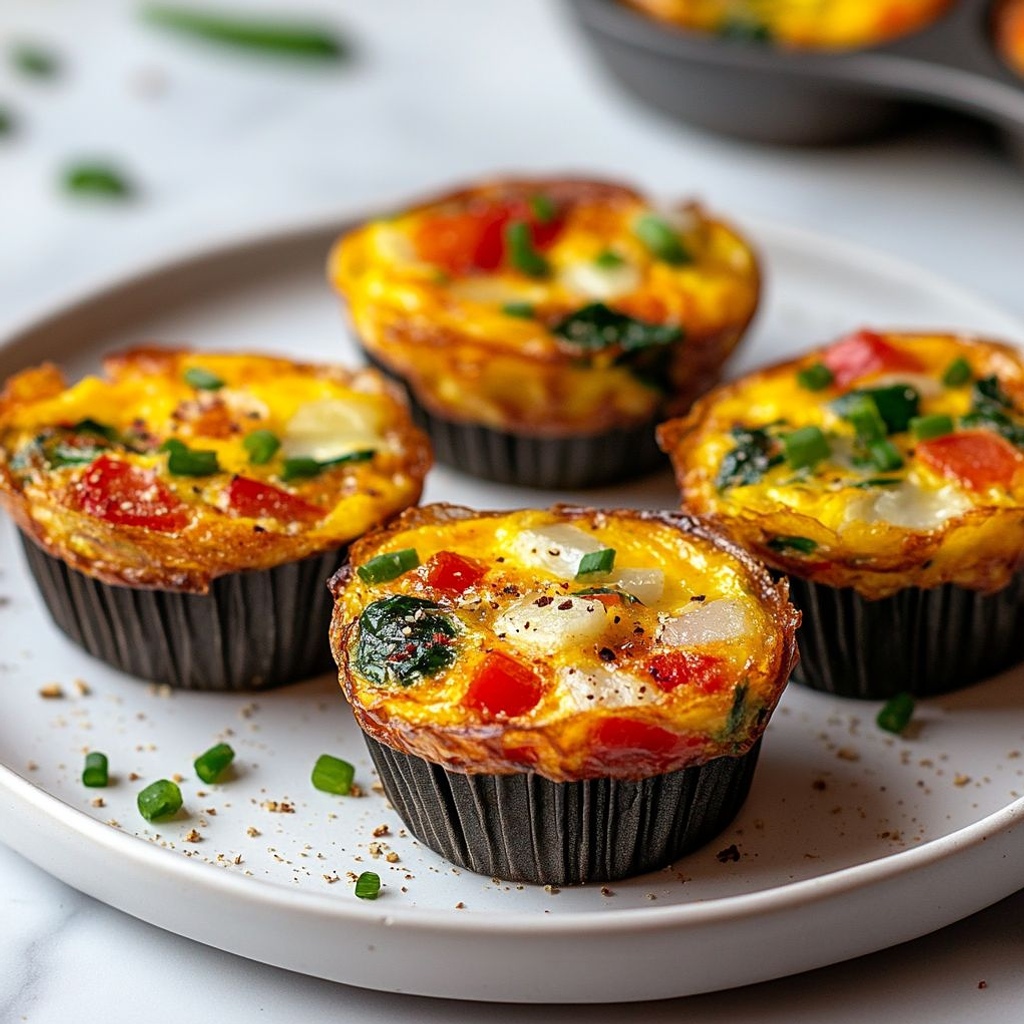
There is something magical about a breakfast that feels both cozy and clever at the same time. The Breakfast Muffin Frittata is designed to be your morning ally: a warm, handheld delight that tastes like a brunch party in a single bite. It’s the kind of dish that makes dawn feel friendlier, inviting you to savor the first light with a plate that promises comfort without sacrificing speed. Picture a muffin cup that holds the soul of a classic frittata—soft, custardy on the inside, with just a kiss of caramelized edges around the rim—ready to travel with you from kitchen counter to commuting car, from crowd-filled brunch to a quiet weekend picnic. The experience begins the moment you lift the warm, steam-laden top and take that first inhale of eggy aroma, melted cheese whispering hello, and the gentle crunch of vegetables offering a bright counterpoint. It’s not just breakfast; it’s a small, joyful ritual that turns a busy morning into something you look forward to for the rest of the day.
What makes this recipe truly special is its balance between familiarity and novelty. It borrows the comforting, savory depth of a traditional frittata—the way eggs set into a tender, cohesive mass—while presenting it in a format that’s perfectly portioned, portable, and quick to assemble. This isn’t a dish you need to slave over; it’s a streamlined, make-ahead marvel that grants you flexibility. You can bake a batch on a Sunday and have a week’s worth of easy grab-and-go breakfasts, or you can set a pan to glow in the oven as guests arrive for a lazy weekend brunch. The texture is a revelation: the center remains pillowy and delicate, a gentle custard that yields to a lightly crisp exterior, while pockets of melted cheese and tangy notes play across the bite. It’s comfort food with an upgraded, modern twist, ideal for anyone who loves the ritual of a warm, savory breakfast that fits into a busy life.
Beyond the taste and texture, this dish invites experimentation. Its form invites you to play with colors, temperatures, and textures—soft greens from herbs, ribbons of pepper or zucchini for a light sweetness, a hint of onion for depth, and a cheese that strings just enough to feel indulgent without overwhelming the palate. There’s a confidence baked into the idea: you don’t need to be a professional chef to create something stunning, something that looks as good as it tastes, and something that makes those first meals of the day feel special. Whether you’re feeding a family, entertaining friends, or simply treating yourself, the Breakfast Muffin Frittata is ready to adapt, to welcome, and to satisfy with warmth and sincerity.
As you read on, allow the imagery to anchor you in the sensory world of the dish—steam curling through the air, the gentle sizzle of a pan, the aroma that hints at nutty cheese and garden-fresh vegetables, and the comforting sight of golden muffin cups rising like tiny morning suns. This description is your invitation to slow down just a touch, to imagine the first bite, and to feel a sense of nourishment blooming from a simple, practical idea—elevating breakfast into an occasion worth savoring every day.
The Story Behind the Dish
The concept of a muffin-sized frittata grew from a love of two breakfast classics that never fail to put a smile on a tired morning: the hearty, savory appeal of a frittata and the convenience and portability of muffins. The idea traveled through kitchens of many believers in “grab-and-go” mornings, where time often wins over elaborate cooking yet flavor and satisfaction remain nonnegotiable. In a sense, this dish is a culinary bridge between Sunday brunch and weekday hustle—a hybrid born from necessity and creativity. It’s the kind of recipe that family cooks share across generations, each tweak a small footprint of memory: the addition of a pepper here to brighten the color, a dash of herbs there to lift the aroma, a note of warmth from a mild spice that makes the dish feel personal and welcoming.
There’s a tiny anecdote tucked into the origin story of this recipe: in a sunlit kitchen crowded with early-morning chatter, someone forgot to start the coffee nearly in time, but the oven was already preheating for a different project. A quick brainstorm led to a playful experiment—pouring an eggs-and-dairy-based batter into muffin cups, stirring in whatever vegetables and cheese were available, and letting the oven do the heavy lifting. When the timer rang, the kitchen smelled like a celebration: nutty cheese, herbs awakening the air, and vegetables lending color and brightness. The result was not only delicious feed for the morning crowd but also a clever technique—an elegant, simplified approach to feeding many mouths with minimal fuss. Since then, many kitchens have adopted this method, keeping the spirit of that impromptu experiment alive: embrace simplicity, celebrate flavor, and trust that a well-made dish can feel special without being complicated.
Today, the Breakfast Muffin Frittata carries that same spirit. It’s a testament to the idea that great mornings come from thoughtful, efficient cooking—where a handful of pantry-friendly ingredients, a trusty muffin tin, and a little trust in technique can create something that tastes both comforting and exciting. The dish has traveled through households with a shared understanding: breakfast can be nourishing, quick, and stylish all at once. It’s a small emblem of hospitality—the kind that says, “I prepared this for you with care,” even when time is tight. And while the story is rooted in tradition, the real charm lies in its versatility: a simple canvas that invites you to paint with seasonal produce, herbs, and regional flair, turning every batch into a story of its own.
Why You’ll Love This Recipe
- Fast and forgiving: Batter comes together quickly, and the muffin-tin format bakes evenly, producing consistent results with minimal hands-on time.
- Make-ahead mastery: Bake a batch on the weekend, refrigerate or freeze portions, and reheat for a quick, protein-rich breakfast during busy weekdays.
- Portability and portion control: Individual muffin cups make it easy to grab-and-go, perfect for busy mornings, office breakfasts, or school lunchboxes.
- Comfort meets versatility: The dish embodies the cozy, savory warmth of a frittata while welcoming a spectrum of add-ins and flavors to suit any season or preference.
- Kid-friendly and crowd-pleasing: The familiar, gentle flavors appeal to picky eaters while still offering a satisfying, grown-up depth for adults.
- One-pan convenience with endless customization: Bake in muffin cups for easy cleanup or in a larger pan for a dramatic brunch centerpiece, then tailor each cup to different dietary needs.
Flavor Profile & Texture
The Breakfast Muffin Frittata delivers a symphony of textures and flavors that compliment one another in every bite. The exterior presents a delicate, almost pastry-like crust that develops a gentle, pleasing crisp—enough to provide a subtle crackle when you bite into it. Inside, the center is luxuriously tender, with a custard-like mouthfeel that melts slowly on the tongue. This contrast between a slightly crisp edge and a silkier interior creates a dynamic eating experience that keeps the palate engaged from the first bite to the last crumb.
Flavors are balanced and soulful. A sunny, egg-based base offers mouthfeel and richness without heaviness, while a kiss of melted cheese threads through the cups, lending a creamy, savory backdrop. Mild herbs add brightness and aroma, cutting through the richness with a fresh lift. If the recipe includes vegetables, you’ll encounter a gentle sweetness and crisp-tender texture that adds color and vitality to each bite. The overall flavor profile is comforting and familiar, yet elevated—like a favorite morning hymn sung with a modern, accessible arrangement. The dish harmonizes with a touch of salt for seasoning, a hint of pepper for warmth, and a whisper of dairy that rounds everything out without ever tipping into heaviness. The result is a breakfast that feels indulgent without being indulgent in spirit—a nourishing, flavorful start to the day that satisfies, while also inviting you to experiment and personalize with your own preferred accents.
Occasions & Pairings
This versatile dish suits a wide range of occasions, from hurried weekday breakfasts to leisurely weekend gatherings. It travels well, making it a fantastic option for potlucks, brunches, camping trips, or a family breakfast that stretches across a longer morning. Its compact, individual portions also make it ideal for school lunches or quick post-workout meals when you want something savory and satisfying without fuss.
Pairings enhance the experience without overshadowing the stars of the dish. Consider these ideas to complete the meal:
- Bright fruit sides: citrus segments, berries, or a small bowl of melon offer a refreshing contrast to the savory cups.
- Creamy dairy accents: a dollop of yogurt or a light drizzle of sour cream can add tang and creaminess to a plate.
- Fresh greens: a simple arugula or spinach salad dressed with lemon can balance the richness with a crisp, peppery bite.
- Morning beverages: a smooth cup of coffee, a lightly roasted tea, or a glass of cold-pressed juice pairs beautifully with the savory bite.
- Why not celebration drinks: a splash of sparkling water with a twist of citrus or a lightbellini-style mocktail can elevate a brunch gathering?
Tips, Variations & Substitutions
Make-Ahead & Storage Tips
One of the biggest strengths of this dish is its adaptability for advance planning. Bake a batch on Sunday, then refrigerate or freeze portions for the week. To reheat, simply warm in a microwave in short intervals or finish with a quick reheat in a 350°F (175°C) oven until warmed through and the edges regain a touch of crisp. If freezing, allow the cups to cool completely, then place them in an airtight container or freezer-safe bag. They will keep well for up to one month. Reheat straight from the freezer for a fast breakfast, or thaw overnight for more even reheating. For best results, avoid overcooking during the initial bake; you want a tender center that doesn’t become dense when reheated.
Want to streamline mornings even more? Prepare a batch of components ahead of time: pre-chop vegetables, grate cheese, and whisk the egg mixture the night before (or even keep a pre-mixed batter pouch ready). In the morning, you’ll simply combine the components and bake, turning a potential time crunch into a seamless routine.
Dietary Swaps
The beauty of this concept is that dietary needs can be accommodated without sacrificing flavor. For gluten-free preferences, ensure the batter uses a gluten-free mix or naturally gluten-free ingredients. For dairy-free or vegan variations, substitute with a plant-based egg substitute where appropriate and use dairy-free cheese or nutritional yeast to achieve a savory, cheesy note. You can also experiment with almond flour or a gluten-free blend in the base to change texture slightly—keeping the eggs as the binding agent helps maintain the fudgy, custard-like interior in most versions. For a lower-carb twist, you can include more vegetables and a smaller amount of dairy in the batter, or use a cauliflower-based crust alternative as a frame—though that would edge away from the classic frittata texture. Always consider texture and binding, ensuring the substitution still creates a cohesive bite rather than a crumbly result.
Flavor Twists
Herbs lift the aroma and taste without adding heaviness. Try fresh chives for a mild onion note, dill for brightness, or parsley for a classic green whisper. For a bolder flavor, swap in roasted peppers, caramelized onions, or mushrooms to introduce earthy or sweet notes. A touch of smoked paprika or a pinch of garlic powder can lend a subtle depth, while a sprinkle of nutmeg or black pepper at the finish can elevate the savory profile. If you want a Mediterranean vibe, incorporate olives, sun-dried tomatoes, and feta cheese—keeping in mind the overall salt balance. For a more breakfast-brunch hybrid, a light drizzle of olive oil on top just before serving adds a finishing gloss and aroma that complements the baked cups beautifully.
Storage & Make-Ahead Ideas
Beyond basic refrigeration and freezing, consider setting up a mini routine: bake, cool, wrap, and stack. The individual cups refrigerate neatly and reheat without drying out, which makes them an excellent vehicle for weekly breakfasts. If you’re entertaining guests, you can bake a full dozen cups and arrange them on a platter for a visually appealing “muffin bar” that invites guests to select their preferred flavors. For a handful of extras, you can keep a tray of the batter chilled in the fridge for up to 24 hours and bake portions as needed—this approach gives you the best of both worlds: almost-instant servings without sacrificing the joy of fresh-baked scent.
When storing, aim to use an airtight container to protect the delicate exterior from absorbing aromas in the fridge. Reheating in a moderate oven (not too hot) preserves the texture more effectively than microwaving, which can make the surface less crispy and the interior less tender. If you must reheat in the microwave, do so in short intervals, flitting between 50-60 seconds at a time, to maintain moisture and avoid rubbery textures. These cups are forgiving and resilient, returning to their comforting self with a brief warm-up and a quick re-crisp if you desire.
Fun Facts & Trivia (Optional)
- The concept of combining the egg-based baked texture of a frittata with the convenience of muffins is a modern culinary hybrid that has gained popularity with meal-prep trends and busy schedules.
- Mini muffins have long been a casual, shareable format for gatherings, but their savory cousins—like this frittata-inspired version—offer a playful, heartier alternative for breakfast and brunch.
- Cheese, in its melted form, acts as a flavor conveyor, carrying umami notes through the dish while also helping to keep the interior tender and cohesive.
- Herbs can dramatically shift the perception of the dish, transforming it from a simple morning meal into a signature dish of a kitchen—one that reflects seasonal produce and personal taste.
- Leftover cups can be repurposed in creative ways, such as crumbling and adding to a breakfast bowl with grains, greens, and a drizzle of sauce or hot sauce for a satisfying make-ahead meal prep.

Ingredients
Muffin Base
- 8 large eggs
→ The eggs provide the primary binding and structure for the muffin-style frittata. They set the texture and hold the chopped vegetables and proteins together as the dish bakes. Use room-temperature eggs for even mixing, whisking until completely combined with the milk and cheese. If you prefer a firmer slice, you can add a touch more eggs; if you want a lighter, softer texture, back off to 6–7 eggs and add a little extra milk. This base is versatile and can be scaled to fit your muffin tin size or desired serving count. - 1/2 cup whole milk (or 2% or dairy-free alternative)
→ Milk provides moisture and helps create a smooth, cohesive batter with the eggs. It also helps carry the dissolved salt and spices so every bite is seasoned evenly. You can substitute a dairy-free milk such as almond or oat milk; if using a non-dairy option, consider a slightly thicker milk (or add an extra tablespoon of cheese) to maintain creaminess. For richer flavor, use half-and-half or a splash of cream instead of milk. - 1 cup shredded cheddar cheese (or cheese blend)
→ Cheese adds melt, richness, and aroma, binding the batter with its fats as it liquefies during baking. Use a sharp or medium cheddar for a bold bite, or mix with mozzarella for extra stretch. For dairy-free versions, substitute with a meltable vegan cheese and adjust salt to taste. Grate the cheese just before mixing to maximize melt and flavor. - 2 tablespoons all-purpose flour (or 2 tablespoons almond flour for gluten-free)
- 1/2 teaspoon fine sea salt
→ Salt is essential to balance the richness of the eggs and cheese and to enhance the flavors of vegetables and meat. Taste the batter after mixing; if your add-ins are particularly salty (like browned bacon or ham), you may reduce this slightly. If using salted butter, decrease salt accordingly. - 1/4 teaspoon black pepper
→ Black pepper adds a gentle heat that complements eggs and cheese. For more depth, you can add a pinch of paprika or a tiny splash of hot sauce to the batter. Freshly ground pepper is recommended for aroma and flavor. - 1/2 teaspoon garlic powder (optional)
→ Garlic powder gives a quick, even garlic note throughout the batter without needing minced garlic. If you prefer a more pronounced garlic flavor, sauté a minced garlic clove with the vegetables and fold the cooled mixture into the eggs to avoid raw bite. - 1 tablespoon olive oil or melted butter (for greasing muffin cups or thinning the batter slightly)
→ The flour helps provide structure and binding so the batter sets into compact, muffin-sized pieces rather than remaining overly loose. If you skip flour, the texture will be looser and the frittatas may not hold their shape as well, especially with a lot of vegetables. For gluten-free versions, almond flour or a gluten-free blend works well and preserves tenderness. If dairy-free, you can omit flour and rely on extra eggs and cheese, though texture may be looser.
→ A little fat helps prevent sticking in the muffin cups and keeps the frittatas moist. Grease the pan well or line with silicone liners, and you can whisk the butter into the egg mixture for extra richness if desired. If you skip oil, ensure accurate greasing to avoid tearing when removing baked portions.
Vegetables & Aromatics
- 1/2 cup onion, finely diced
→ Onion adds sweetness and depth to the base. Sauté the diced onion with a bit of oil until translucent and lightly caramelized to maximize flavor, then fold into the batter. Raw onion can add sharpness and extra moisture; cooking it first balances flavor and helps soften other vegetables later. - 1 cup bell pepper, diced (red, yellow, or mixed)
→ Bell peppers contribute color, crunch, and a subtle sweetness. Sauté briefly until just tender to reduce raw crunch and moisture, which helps the muffins set evenly. Chop small enough to distribute in each bite for even flavor. - 1 cup mushrooms, sliced
→ Mushrooms add earthiness and moisture. Cook them until their moisture evaporates and they brown lightly; this concentrates their flavor and prevents soggy muffins. Slice evenly for uniform cooking and fold in after sautéing. - 2 cups fresh spinach, roughly chopped
→ Spinach adds green color and nutrition without overpowering the batter. Sauté briefly to wilt and remove excess moisture, or finely chop and fold raw if you prefer a sturdier texture. Ensure the leaves are well drained before mixing. - 1 garlic clove, minced (optional)
→ Garlic enhances aroma and depth. Mince finely and add to the vegetable sauté, cooking just until fragrant. If you’d rather skip the sauté step, you can fold minced garlic directly into the egg mixture, but it may be less evenly distributed and can burn if sautéed too long. - 1/2 cup cherry tomatoes, halved (optional)
→ Tomatoes provide bright bursts of acidity and sweetness. Halve the tomatoes to distribute flavor and reduce excess moisture; pat lightly with paper towel if they seem juicy. Add them after the batter is mixed to prevent soggy pockets in the muffins.
Protein (Optional)
- 6 slices bacon, cooked and crumbled
→ Bacon adds smoky, savory notes and extra crunch. Cook until very crisp, drain on paper towels to remove excess fat, and crumble finely. If you prefer a leaner option, substitute with cooked turkey bacon or use ham pieces instead. Fold into the batter or sprinkle on top before baking for visible pieces in each muffin. - 1 cup fully cooked sausage, crumbled
→ Sausage brings additional heartiness and seasoning. Choose mild or seasoned breakfast sausage and crumble after cooking. Cook to render fat and develop flavor, then drain before mixing into the batter to avoid greasiness. For a spicy kick, use chorizo or breakfast sausage with herbs. - 1/2 cup diced ham
→ Ham contributes a savory, salty bite and works well with eggs. Use fully cooked, diced ham; pat dry any excess moisture before mixing to keep the batter from becoming watery. Ham pairs nicely with cheddar and spinach for a classic breakfast combo.
Herbs & Finishes
- 2 tablespoons chopped fresh parsley or chives
→ Fresh herbs brighten the dish and add a fresh contrast to the rich eggs and cheese. Fold them into the batter or sprinkle on top after baking as a vibrant garnish. For the most aroma, add just before serving; you can also mix in dill or basil for different flavor profiles. - 1/4 cup extra shredded cheese for topping (optional)
→ A final sprinkle of cheese on top creates a golden crust and extra melty top. Add just before the last few minutes of bake to get a nice bubbled layer, or sprinkle after baking for visual contrast. If you’re avoiding extra dairy, skip this step.
Optional Add-ins
- 1/4 cup sun-dried tomatoes, chopped
→ Sun-dried tomatoes contribute intense sweetness and a chewy texture. Rehydrate briefly if using oil-packed versions by patting them dry before chopping; they pair well with spinach and feta for a Mediterranean twist. - 1/4 cup black olives, sliced
→ Olives introduce a briny, savory bite that offsets the richness of the eggs and cheese. Pit and slice evenly to ensure consistent flavor in every bite. Consider red or Kalamata olives for stronger flavor; drain well to avoid excess moisture. - 1/4 cup feta cheese, crumbled (optional)
→ Feta adds tang and creaminess with a lighter texture than cheddar. Crumble, then fold gently into the batter or place on top for a tangy finish. If using, reduce the salt slightly in the base to prevent it from becoming too salty.
Instructions
- Preheat your oven to 350°F (175°C) and line a 12-c cup muffin tin with paper liners or grease it well with oil or melted butter to prevent sticking and ensure easy release after baking.
→ A properly greased or lined tin prevents the frittata muffins from tearing or sticking to the cups, making removal clean and intact. - Bring the eggs to room temperature if they are cold, then crack them into a large mixing bowl and whisk vigorously until completely homogeneous and slightly frothy, about 20–30 seconds; whisk in the 1/2 cup of milk until fully incorporated and smooth. Add 2 tablespoons of flour and whisk just until no lumps remain, then fold in 1 cup shredded cheddar cheese and 1/2 teaspoon fine sea salt and 1/4 teaspoon black pepper; finish with 1/2 teaspoon garlic powder if using.
→ Room-temperature eggs emulsify more evenly with the milk, while whisking with flour builds a gentle structure that helps the muffins set; fully incorporated cheese distributes melt and flavor throughout the batter for uniform texture in every bite. - If you are using olive oil or melted butter, whisk in 1 tablespoon into the batter now to add richness and help create a tender crumb that still holds together when baked.
→ A small amount of fat in the batter improves moisture, improves binding with the flour, and aids in releasing the muffins from the cups after baking. - Prepare the vegetables: finely dice the onion, dice the bell pepper, and slice the mushrooms; then mince the optional garlic clove. Sauté the onion and pepper in 1 teaspoon oil over medium heat until translucent and just starting to caramelize, about 4–5 minutes; add the mushrooms and cook until their moisture evaporates and they brown lightly, 4–6 minutes; finally add the spinach and garlic, cooking just until the spinach wilts and any excess moisture cooks away, 1–2 minutes; remove from heat and let cool slightly.
→ Sautéing releases sweetness, concentrates flavor, and reduces moisture that could soggy the muffins; cooling stops carryover heat from cooking the eggs when you mix everything together. - If using optional proteins, cook any raw components: crisp 6 slices bacon until very crisp and crumble, or crumble fully cooked sausage or diced ham; pat dry with paper towels to remove excess fat and prevent greasiness in the batter; set aside.
→ Fully cooked proteins render fats and develop flavor; patting dry prevents excess moisture from diluting the egg mixture and keeps muffins cohesive. - Fold the cooled vegetables and proteins into the batter along with any optional add-ins such as sun-dried tomatoes, black olives, or feta cheese; fold gently until distributed, then stir in 2 tablespoons chopped fresh parsley or chives for a bright herbaceous note. Reserve 1/2 cup of cheddar to sprinkle on top if you desire a more golden crust.
→ Gentle folding distributes add-ins without deflating air bubbles, ensuring even texture and flavor in each muffin; herbs brighten the dish and the reserved cheese creates a delicious crust on top. - Spoon the batter into the prepared muffin cups, filling each about three-quarters full to allow room for expansion as the eggs set; if desired, sprinkle the reserved cheddar over the tops for a bubbly, golden crust.
→ Filling cups to three-quarters prevents overflow and ensures even baking; a final cheese topping promotes a crisp, appealing crust when baked. - Bake in the preheated oven for 18–22 minutes, or until the edges are set and the centers no longer wobble; test doneness by inserting a toothpick into the center of a muffin— it should come out with just a few moist crumbs, not wet batter.
→ Proper bake time ensures a firm center with a tender crumb; the toothpick test confirms internal doneness without overbaking, which can dry the muffins. - Remove the muffin tin from the oven and let the frittata muffins rest in the pan for 5 minutes; then transfer to a wire rack to cool slightly before removing and serving to prevent breakage and to finish setting by residual heat.
→ Resting allows the structure to stabilize so the muffins slice cleanly and hold together when lifted from the cups. - Serve warm or at room temperature with a squeeze of fresh herb garnish if desired; store leftovers tightly covered in the refrigerator for up to 4 days or freeze for longer storage, reheating in a 350°F (175°C) oven or a quick 30–40 second microwave burst per muffin.
→ Storing properly maintains moisture and flavor, while reheating preserves the soft interior and the melty cheese top for a satisfying bite.
Notes
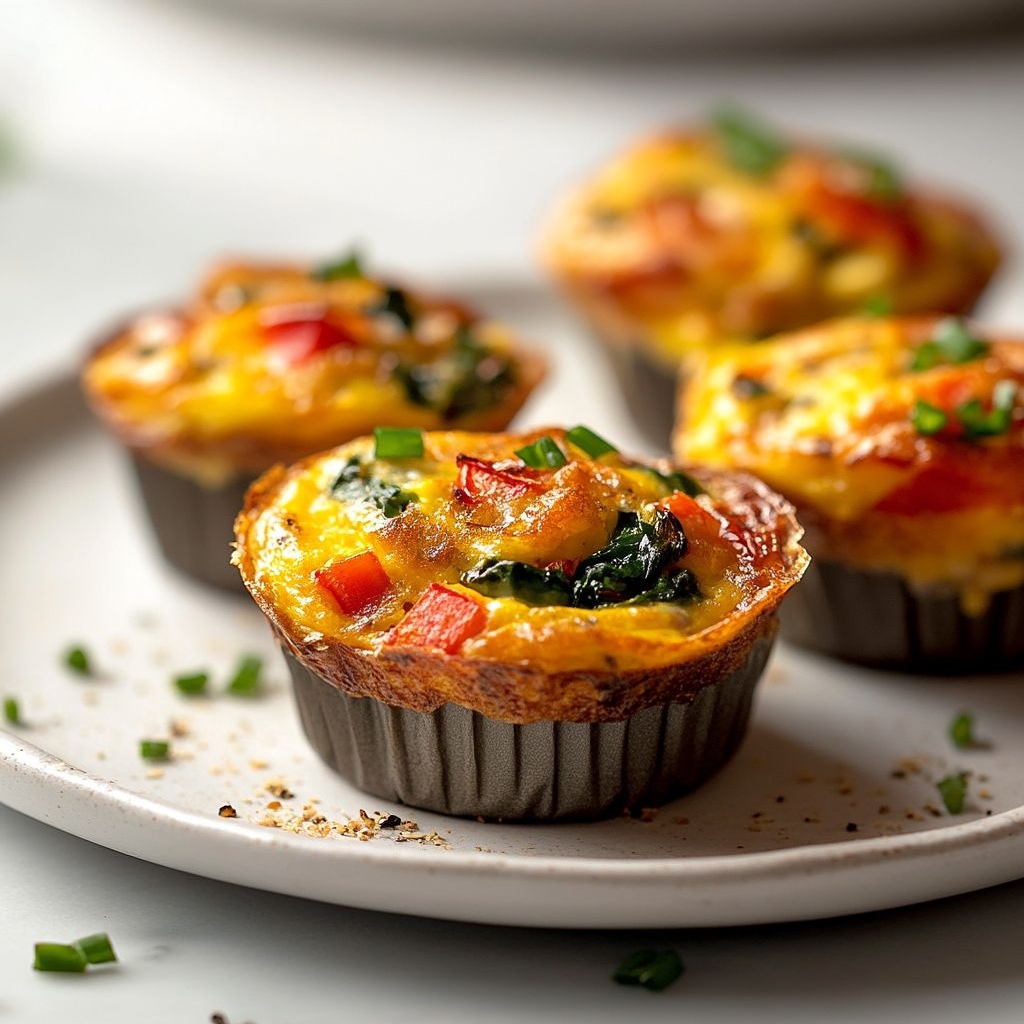
These breakfast muffin frittatas are a protein-packed, portable way to start the day, built on a fluffy egg-based base with cheese and sautéed vegetables, and you can fold in optional meats for extra savor. You can customize them by swapping in your favorite vegetables (onions, peppers, mushrooms, spinach, tomatoes), swapping or adding proteins (bacon, sausage, ham), and finishing with fresh herbs for brightness. They refrigerate well and freeze beautifully—cool completely, store in airtight containers or bags, and reheat in a microwave or oven until just set and the cheese is melted. For even portions, bake in a muffin tin or bake in a larger pan and cut into squares. To keep the dish gluten-free, use almond flour or a certified gluten-free all-purpose blend in place of all-purpose flour, and choose gluten-free meat options if needed; dairy-free variations can be made by omitting cheese and using a dairy-free milk and a meltable vegan cheese. If you like extra richness, whisk a splash of cream into the egg mixture or use half-and-half, and consider adding a pinch more salt or pepper to balance flavors after you’ve chosen add-ins. Always grease muffin cups well or line with silicone liners and let the baked frittatas rest briefly before removing to maintain clean, neat portions.

Tips
General tips for best results
- Use eggs at room temperature for easier emulsification with the milk and cheese. If starting from cold eggs, let them sit at room temp for 15–20 minutes or warm briefly in warm water.
- Whisk the eggs with the milk until completely combined and smooth. This helps create a cohesive batter that sets cleanly in muffins.
- Grate cheddar or cheese blends just before mixing to maximize melt and flavor and avoid clumps.
- Prepare all add-ins (vegetables, meats, herbs) ahead of time so the batter remains smooth and the bake time stays consistent.
Batter structure, texture and substitutions
- The flour provides structure. If you skip flour, the muffins may be looser; for gluten-free versions, use almond flour or a gluten-free blend and expect a slightly different texture.
- For dairy-free versions, use a thicker plant-based milk (like oat or almond) and consider a dairy-free cheese substitute to help maintain creaminess and binding.
- Seasoning can be adjusted after mixing in add-ins—taste the batter and compensate for salty meats like bacon or ham by reducing salt slightly.
Vegetables, aromatics and moisture control
- Sauté onions until translucent and lightly caramelized to deepen sweetness and depth of flavor.
- Cook peppers and mushrooms until just tender and their moisture has evaporated to prevent soggy muffins.
- Spinach should be wilted and well drained; squeeze or pat dry to remove excess moisture before mixing.
- Tomatoes (if using) should be halved and patted dry to reduce moisture and prevent soggy spots; add after batter is mixed.
Meats and optional proteins
- Bacon should be cooked until very crisp and crumbled; drain well to avoid greasiness in muffins.
- Sausage should be fully cooked and crumbled; drain fat before mixing to keep the batter from becoming greasy.
- Ham should be fully cooked and thoroughly patted dry before folding into the batter for best texture.
Herbs, finishes and toppings
- Fresh parsley or chives add brightness. Fold them into the batter or sprinkle on top after baking for a pop of color and aroma; add near serving time for maximum aroma.
- A final sprinkle of extra cheese on top creates a golden, bubbly crust; add during the last few minutes of baking for best results. If avoiding dairy, skip this step.
Baking tips and doneness
- Grease muffin cups well or use silicone liners; a light brush of olive oil or melted butter helps with easy release.
- Fill cups about 3/4 full to leave room for the batter to rise without overflow.
- Bake until set and lightly golden; center should be just firm to the touch. If using a standard muffin tin, consider 350°F (180°C) as a reference and start checking around 20–25 minutes, adjusting based on muffin size.
- Allow baked muffins to rest in the pan for 5 minutes before transferring to a rack to prevent breaking.
Makes ahead, storage and reheating
- Store baked muffins in the refrigerator for up to 4 days; reheat gently in a microwave or toaster oven to restore moisture and warmth.
- Freeze baked muffins individually for longer storage (2–3 months); reheat in the oven or toaster oven to keep the crust crisp.
- Ahead tip: you can sauté vegetables and crumble proteins in advance, then mix with the eggs and cheese when you’re ready to bake.
Flavor variations to try
- Spinach, feta, and sun-dried tomatoes for a Mediterranean twist; reduce salt if using feta.
- Basil or dill with cherry tomatoes for a fresh, herb-forward version—use dairy-free cheese if needed.
- Bacon, mushroom, and cheddar with chopped chives for a classic, robust breakfast bite.
FAQ
What is Breakfast Muffin Frittata?
Breakfast Muffin Frittata is a portable, egg-based bake made in a muffin tin. Whisk eggs with a splash of milk, mix in cheese and your favorite vegetables and optional protein, then bake until set. Each muffin is a convenient, grab-and-go breakfast bite.
What equipment do I need?
You’ll need a standard 12‑cup muffin tin, nonstick spray or paper/foil liners, a mixing bowl, and a whisk or fork. A spatula helps for scooping fillings into the cups.
What temperature and bake time should I use?
Preheat to 350°F (175°C). Fill muffin cups about 3/4 full and bake for 18–22 minutes, until the centers are set and the tops are lightly golden. Let them rest for a few minutes before removing.
What ingredients are in the basic recipe?
Basic components: eggs (8–10), a splash of milk or cream (2–4 tablespoons), shredded cheese (1/2–1 cup), chopped vegetables (e.g., bell peppers, spinach, onions, mushrooms), and optional cooked meat (ham, bacon, sausage). Season with salt, pepper, and your favorite herbs.
Can I make this dairy-free or vegetarian?
Yes. For dairy-free, omit the cheese or use a dairy-free cheese alternative and a dairy-free milk. For a vegetarian version, simply keep the cheese or use a plant-based cheese substitute. You can also add extra vegetables for color and flavor.
Can I make them ahead of time?
Yes. You can whisk the eggs and refrigerate the mixture up to 24 hours before baking. If you want an even quicker morning, you can prep the fillings in advance and mix with eggs just before baking.
How should I store and reheat leftovers?
Store refrigerated in an airtight container for 3–4 days. For longer storage, freeze the baked muffins (up to 2–3 months) and reheat directly from frozen. Reheat in the microwave (30–45 seconds per muffin) or in a 350°F (175°C) oven for 5–10 minutes until warm.
How many muffins does this yield?
Typically yields 12 standard-size muffins, depending on how full you fill each cup. You can reduce or increase the batch by adjusting the egg-to-fillings ratio, but keep an eye on bake time if you adjust the quantity.
What are some tasty filling ideas for variations?
Try combinations like spinach, feta, and sun-dried tomatoes; peppers, onions, and cheddar; turkey and mushroom; or broccoli with cheddar. Herbs such as chives, parsley, or thyme pairs well. Not a fan of meat? add extra veggies for a heartier veggie muffin.
Are there allergen considerations to note?
These muffins contain eggs and dairy (unless you adapt). If you have gluten or other allergies, use a gluten-free cheese and ensure any add-ins are gluten-free. Always check ingredient labels for hidden allergens.
How can I customize the texture and flavor?
For a firmer texture, reduce the milk slightly and bake a bit longer. For a lighter texture, whisk the eggs a bit longer and add a bit more milk. Mix-ins adjust flavor—try robust herbs, hot sauce, or a pinch of smoked paprika for depth.