Introduction / Hook
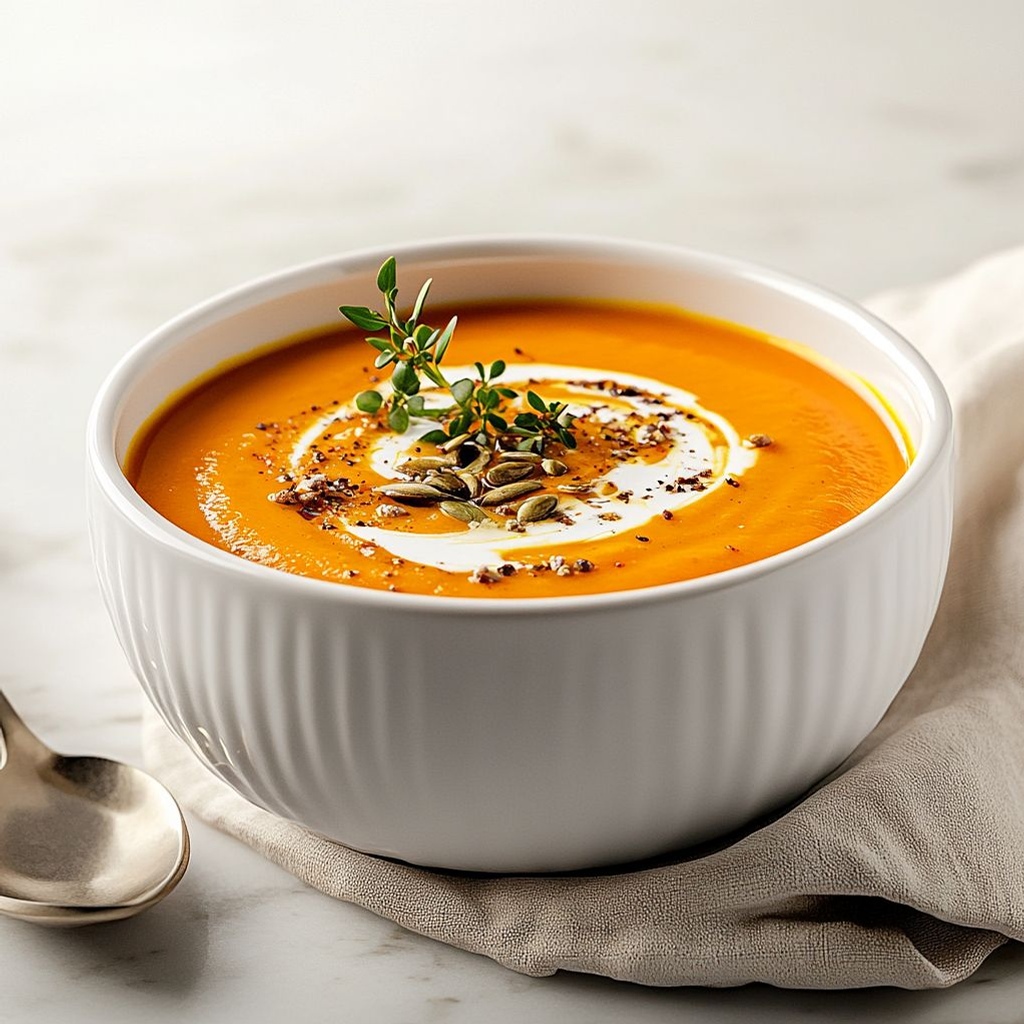
A bowl of Zuppa di zucca butternut is autumn made edible—silky, amber-colored, and whispering of harvest. Picture this: a spoon gliding through a velvet-orange pool that glows like sunset, its surface kissed with a drizzle of olive oil and a hint of nutmeg that makes your senses lean in for more. The aroma is a warm embrace—the sweet caramelization of squash meeting the savory chorus of onions, garlic, and a touch of stock. It’s the kind of soup that makes a weeknight feel like a cozy festival, a meal that turns a simple pantry into a passport to a sunlit trattoria. Each spoonful carries the memory of roasted squash’s edge-of-fall sweetness—like a caramel-backed lullaby—and a subtle peppery finish that lingers, inviting another sip. This dish is not just sustenance; it’s a ritual of comfort, a slow-blooming joy that pairs simplicity with a touch of elegance. If you’ve ever longed for a soup that is both nourishing and indulgent, this Zuppa di zucca butternut delivers in spades: it is creamy without being heavy, bright without being brash, and homey enough to evoke family Sundays and new memories all at once.
The Story Behind the Dish
Soups made from squash share a long, comforting lineage in many culinary traditions, but the specific pairing of butternut squash with the airier, Italian-inflected style of zuppa offers a modern twist on a time-honored idea. In Italian cucina povera—the “cuisine of the poor”—recipes were born from humble, staple ingredients transformed with patience, intuition, and a little ingenuity. On countless autumn evenings, families would gather around a simmering pot, coaxing sweetness from the squash while balancing it with pantry staples like onions, garlic, olive oil, and a splash of stock. The result was a nourishing, affordable dish that could bring warmth to a table regardless of the season, yet truly comes alive when the days turn cooler and the night air carries a hint of woodsmoke.
Butternut squash, with its creamy texture and natural sweetness, has become a beloved canvas for soups in kitchens around the world. Though not traditionally Italian in the strict sense, its presence in modern Italian-inspired soups is a natural evolution—an homage to seasonal produce, a nod to the idea that great flavor often grows from simple ingredients treated well. The name Zuppa di zucca simply means “pumpkin soup,” but in this version, the butternut’s nutty notes and velvety body are highlighted by the technique of roasting or sweating the aromatics, producing a soup that feels both rustic and refined. In many homes, this dish has a gentle origin story: a late-afternoon harvest, a family-sized pot on the stove, the comforting aroma that lures everyone to the kitchen, and the first spoonful that tastes like a welcome home.
If there’s a personal touch to this dish, it’s the way you can tailor it to your table’s mood. Some families swirl in a splash of cream for extra silk; others opt for coconut milk for a dairy-free velvet; many prefer a dusting of toasted seeds or a whisper of sage oil to finish. It’s a dish that embodies the spirit of autumn—an edible celebration of harvest, warmth, and the simple pleasure of gathering around a steaming bowl with good bread and good company.
Why You’ll Love This Recipe
- Quick to prepare: a weeknight-friendly soup that comes together with pantry staples and minimal hands-on time.
- Balanced creaminess: naturally silky from roasted butternut, with optional dairy or dairy-free finishes to suit preferences.
- Seasonal versatility: highlights autumn squash at its peak, but adaptable to any winter squash you have on hand.
- Comforting without heaviness: a comforting bowl that feels luxurious while staying light enough to enjoy for dinner and beyond.
- Versatile finish: finish with a drizzle of olive oil, a swirl of cream or coconut milk, roasted seeds, or a hint of herbs for a customized touch.
- Family-friendly and crowd-pleasing: a universal favorite that pairs with a wide range of breads, salads, and sides.
- Make-ahead friendly: the flavors deepen as it rests, and it stores beautifully for future quick meals.
Flavor Profile & Texture
The soup presents a harmonious balance of sweetness and savoriness. The butternut squash provides a natural, caramel-like sweetness that is tempered by onions and a touch of olive oil or butter, which adds a gentle savoriness. Garlic lends a warm, aromatic backdrop, while vegetable stock or chicken stock introduces a subtle depth that makes the soup feel substantial without heaviness. Depending on your finish, you might encounter a whisper of nutmeg or cinnamon, which enhances the squash’s sweetness with a sunlit spice note. A splash of cream or coconut milk can turn the texture into a satin-like luster, coating the palate with a luxurious mouthfeel that lingers pleasantly after each spoonful. The texture itself is smooth and spoonable, yet never overly thin—like a silken cloud that clings just enough to your lips before lazily cascading into the bowl.
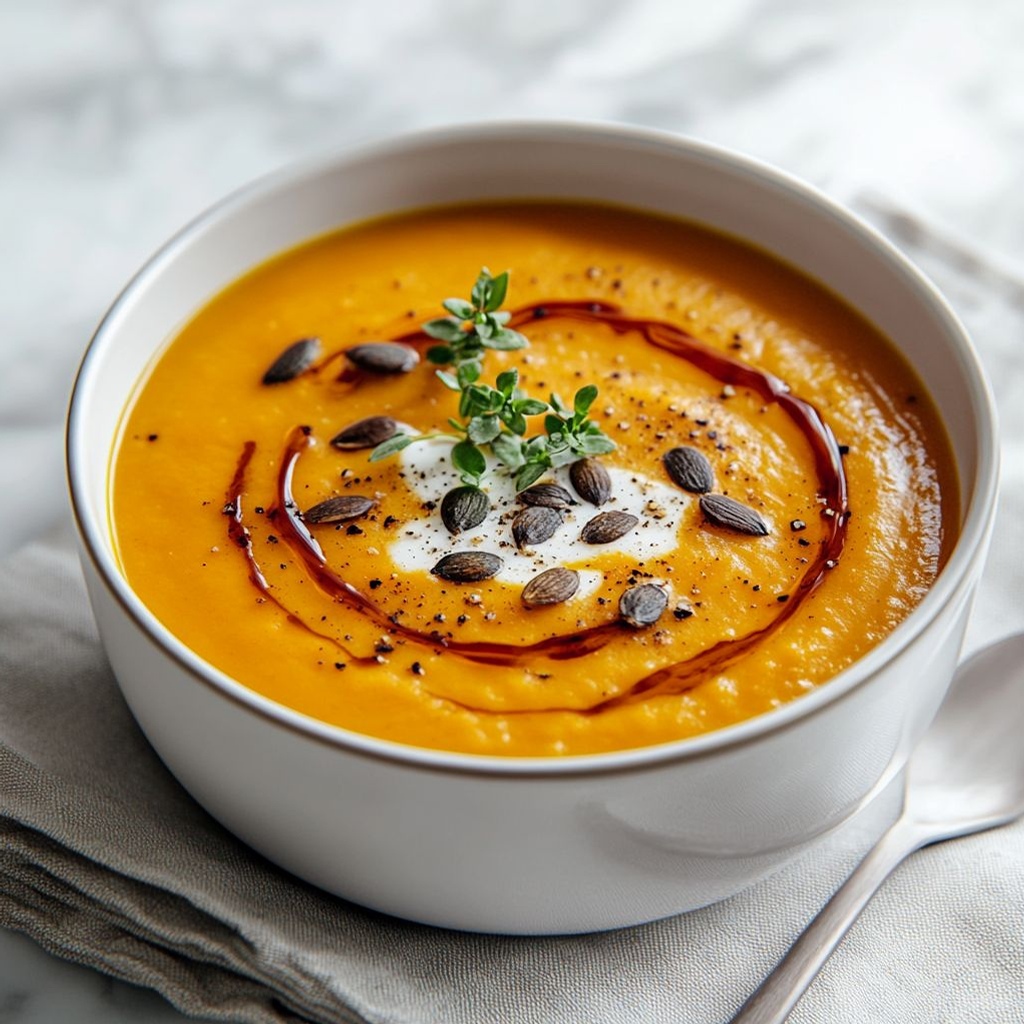
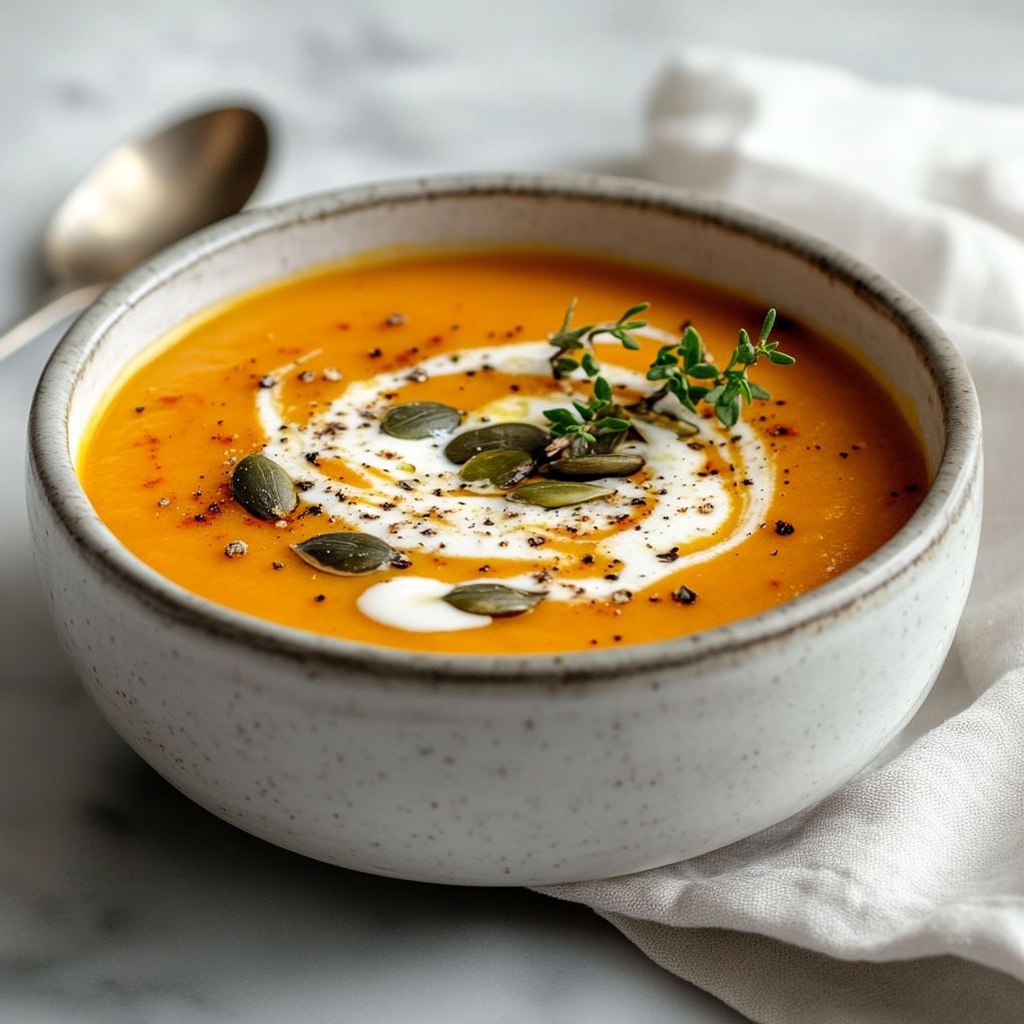
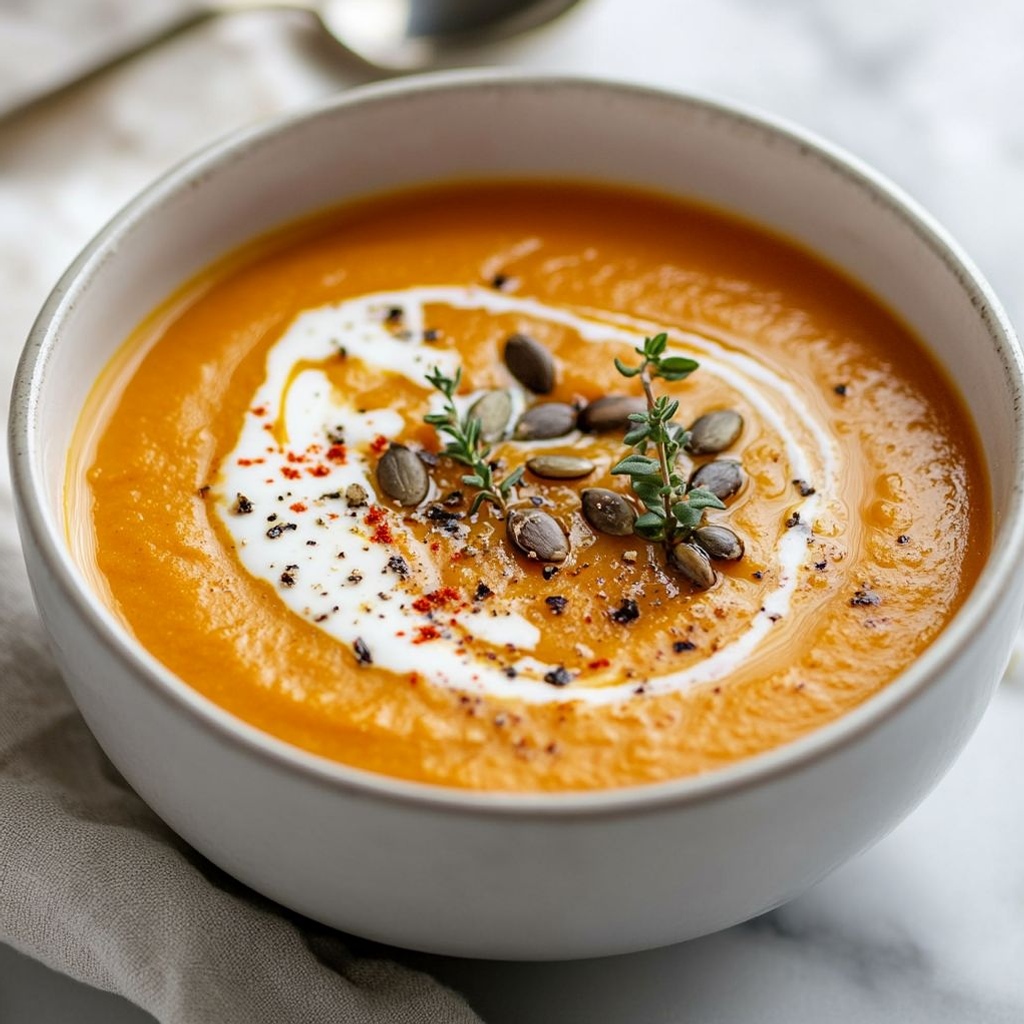
Topping and finishing choices further shape the experience. A drizzle of extra-virgin olive oil adds a fruity note and a glossy sheen, while crushed roasted seeds (pumpkin seeds, sunflower seeds, or almonds) provide a welcome crunch and a toasty, nutty counterpoint. A scattering of crispy sage leaves or a pinch of smoked paprika can introduce an earthy contrast that makes the flavors feel layered rather than single-note. If you prefer a more rustic texture, you can blend the soup less, leaving a few small squash chunks that yield a pleasant bite and chunkier mouthfeel. The result is a soup that can comfort the soul with a simple spoonful, yet invite you to linger as you refine toppings and finishing touches to suit the moment or the company at your table.
Occasions & Pairings
Zuppa di zucca butternut shines in the autumn and winter months, when the days grow shorter and the table becomes a welcoming focal point for family, friends, and cozy evenings. It’s perfect as a starter for a celebratory fall dinner, a comforting weeknight supper after a busy day, or a warming course before a heartier main. The soup also pairs beautifully with seasonal moments like Thanksgiving or a casual Sunday meal after a day spent outdoors, perhaps raking leaves or gathering pumpkins at a local farm stand.
Pairings that elevate the experience include:
- Crusty bread, rustic sourdough, or toasted baguette slices for dipping and texture contrast.
- Salty toppings like crispy pancetta, prosciutto, or a light sprinkle of grated parmesan for a savory counterpoint.
- Herby or citrusy notes: a squeeze of lemon, a pinch of fresh thyme or sage, or a delicate herb oil to brighten the finish.
- Wine and beverages: a crisp white like Pinot Grigio or a light, fragrant Vermentino pairs nicely; for non-alcoholic options, a sparkling apple cider or a herb-infused water complements the soup’s sweetness.
- Side dishes: a simple green salad with a sharp vinaigrette, roasted vegetables, or a fruit-forward chutney can create a balanced, complete meal.
Tips, Variations & Substitutions
- Roasting the squash before simmering intensifies sweetness and adds a gentle caramel edge. If you’re short on time, you can skip roasting and simply sauté the cubed squash with onions until tender, then proceed with the recipe as usual.
- Make it dairy-free: use coconut milk or almond milk for creaminess. If you want a richer texture without dairy, use a small amount of olive oil and a splash of coconut milk at the end.
- Vegan and gluten-free friendly: the base (squash, onions, garlic, stock) is naturally vegan and gluten-free; ensure your stock is labeled gluten-free if needed.
- Flavor boosters: add a pinch of nutmeg, cinnamon, or a touch of curry powder for a warm, aromatic twist. A teaspoon of smoked paprika or a few drops of lemon juice can lift the flavors in a refreshing way.
- Texture variations: for a chunkier result, reserve a cup of roasted squash and some onions, then blend the rest for a smooth base and fold the chunks back in for contrast.
- Finishing touches: a swirl of cream or coconut milk, a drizzle of high-quality olive oil, roasted pumpkin seeds, or a handful of microgreens can elevate the presentation and flavor.
- Regional twists: incorporate a small amount of pancetta rendered until crisp, then use the rendered fat to sauté onions for a savory, umami-forward version.
- Make it heartier: fold in cooked quinoa, barley, or roasted chickpeas to add protein and texture, turning the soup into a satisfying one-pot meal.
Storage & Make-Ahead Ideas
This soup stores well and often tastes even better the next day as the flavors meld. For make-ahead and storage:
- Refrigeration: store in an airtight container for up to 4 days. Reheat gently on the stovetop or in the microwave, adjusting thickness with a splash of stock or water as needed.
- Freezing: freeze for up to 3 months. Thaw overnight in the fridge, then reheat gently. If the soup seems thick after thawing, whisk in a little hot stock or water to reach your desired consistency.
- Make-ahead strategy: prepare the base (sautéed onions and garlic with squash) up to the point of simmering, refrigerate, and finish with stock and simmering when you’re ready to serve. This approach reduces active cooking time while preserving rich flavor.
- Storage tips for toppings: store any toppings separately (roasted seeds, herbs, or a drizzle of olive oil) and add just before serving to preserve texture and color.
Fun Facts & Trivia
Here are a few morsels of bite-sized history and curiosity about this autumn favorite:
- Butternut squash is a winter squash variety, prized for its dense, creamy flesh and naturally sweet flavor that intensifies with roasting and slow cooking.
- “Zuppa” in Italian simply means soup, but the texture and technique of zuppas can range from thin broths to thick, creamy creations like this one.
- Autumn soups like this one are a staple in many cultures because they make the most of fall harvests, turning a bundle of vegetables into a comforting, nourishing meal that can stretch across days.
- Toasted seeds sprinkled on top are not just a garnish—they bring a toasty crunch and a nutty contrast that complements the soup’s sweet-sqrt notes beautifully.
- Tempus and taste: the beauty of a squash-based soup lies in its ability to be both simply delicious and richly layered, depending on finishing techniques and toppings, which is why it’s a favorite in homes and bistros alike.
Ingredients
Zuppa Base
- 1 medium butternut squash (about 2-3 pounds), peeled, seeds removed, and cubed
→ The squash is the star of this soup, providing the creamy body and natural sweetness. Peel and seed the squash, then cut into uniform cubes so they cook evenly. For a deeper, roasted flavor, toss the cubes with a little olive oil and roast on a parchment-lined sheet at 425°F (220°C) for 20–25 minutes until the edges caramelize; the roasted flesh can be scooped into the pot to enhance sweetness and complexity. - 1 tablespoon extra-virgin olive oil
→ Used to sauté the onions and garlic at the start. Olive oil adds a smooth foundation and helps carry aromatics. If roasting the squash, the oil can also be used to coat the pieces before roasting for even browning. Choose high-quality EVOO for the best flavor; avoid overheating beyond the smoke point to prevent bitterness. - 1 medium yellow onion, chopped
→ Provides the savory base and sweetness as it cooks. Chopping evenly promotes uniform cooking; sauté till translucent and lightly golden to develop flavor. If you have time, sweating the onion slowly over medium heat yields a sweeter, deeper result. - 2 cloves garlic, minced
→ Garlic contributes aromatic depth and a hint of warmth. Mince finely so it disperses through the soup; add after the onions have warmed to protect against bitter notes from burnt garlic. For a milder profile, crush rather than finely mince and add a touch earlier. - 2 medium carrots, diced
→ Carrots add natural sweetness, color, and body. Dice into small, even pieces so they soften at the same rate as squash; you can mash a portion at the end for extra creaminess if you desire a thicker texture. - 2 celery stalks, diced
→ Celery contributes subtle earthy notes and a gentle crunch when not fully blended; dice fine so it cooks down and blends with the squash, adding depth to the broth. - 4 cups vegetable broth (low-sodium)
→ The primary liquid that carries the squash flavor. Low-sodium broth helps you control salt; warm it before adding so the soup maintains a gentle simmer rather than a hard boil, which can dull flavors. - 1 cup water
→ Used to adjust the soup’s thickness to your liking. Start with less and add in increments if the soup seems too thick after blending; this keeps the final texture silky without diluting the squash flavor. - 1/2 cup coconut milk or heavy cream (optional)
→ Adds luxurious creaminess and a smoother mouthfeel. Coconut milk keeps the soup dairy-free; stir in after blending or at the end on low heat to avoid splitting. If using dairy cream, add gradually off the boil and whisk gently to incorporate. - 1/2 teaspoon ground cumin (optional)
→ Brings warm, earthy notes that pair beautifully with squash. To bloom its aroma, briefly toast the cumin in the pot with the onions for 20–30 seconds before adding squash, then proceed with the recipe. - 1/4 teaspoon ground coriander (optional)
→ Adds a subtle citrusy brightness that complements the squash’s sweetness. Toast briefly with the onions to release aroma; use sparingly to avoid overpowering the squash flavor. - Pinch of nutmeg or cinnamon (optional)
→ A light dust of fall spice enhances the autumn vibe of the soup. Nutmeg is classic with butternut; cinnamon can work too, but keep it minimal to avoid clashing with other flavors. - Salt to taste
→ Essential for bringing forward flavors; add gradually during cooking and adjust at the end after any reductions or reductions in volume. Taste frequently as you dilute or concentrate the soup. - Freshly ground black pepper to taste
→ Adds a gentle kick and balances sweetness; pepper is best added toward the end to preserve its aroma and heat level. Grind just before serving for maximum punch. - 1 tablespoon dry white wine or dry vermouth (optional)
→ Deglazes the pot after sautéing to lift browned bits and introduce brightness. Allow the alcohol to cook off for a minute or two before simmering; the resulting depth complements the squash without overpowering it. - 1/4 teaspoon smoked paprika (optional)
→ Imparts a subtle smoky sweetness that pairs nicely with roasted squash. Use sparingly to avoid overwhelming the squash’s natural flavor; adjust to taste.
Optional Add-ins
- 1/4 cup roasted pumpkin seeds (pepitas), toasted and lightly salted (optional)
→ Adds a satisfying crunch and nutty flavor that contrasts the smooth soup. Toast seeds in a dry skillet over medium heat, stirring often, until they pop and turn golden; season lightly with salt while warm, and sprinkle on top just before serving for best texture. - 2 tablespoons chopped fresh parsley or sage leaves (optional)
→ Fresh herbs brighten the bowl; choose parsley for a clean, grassy note or sage for a warm, aromatic accent. Chop just before serving and scatter over the soup for color and fragrance. - Gluten-free croutons or toasted bread cubes (optional)
→ For textural contrast and heartiness; if serving as GF, use gluten-free bread and toast until crisp. Toss with a little olive oil and salt if desired. - 1/4 teaspoon crushed red pepper flakes (optional)
→ If you like a bit of heat, sprinkle a small amount to taste; adjust after tasting the soup to keep the focus on squash sweetness.
Toppings
- 1 tablespoon extra-virgin olive oil for finishing (optional)
→ A drizzle at service adds a glossy finish and rich aroma. Finish bowls with a light drizzle rather than pouring heavily; use quality EVOO for the best flavor. - 1 tablespoon fresh lemon juice (optional)
→ A bright, acidic contrast that lifts the sweetness; add a small amount and taste, since lemon can quickly overpower. Alternatively skip if you’re using coconut milk which provides creaminess. - Grated Parmesan cheese or vegan parmesan (optional)
→ Adds a salty, umami note on top; if using dairy cheese, grate finely and sprinkle just before serving. For vegan, use a plant-based alternative.
Instructions
- Prepare the squash for the base by choosing your pathway: roast the squash to deepen sweetness or cook it raw directly in the pot. If roasting, preheat to 425°F (220°C) and line a sheet pan with parchment; toss 1 medium butternut squash (peeled, seeds removed, and cubed) with 1 tablespoon extra-virgin olive oil and a pinch of salt and pepper; arrange in a single layer and roast 20–25 minutes until edges caramelize and flesh is tender; allow to cool briefly, then scoop the roasted flesh into a large heavy pot.
→ Roasting concentrates sugars and creates a richer, toasty flavor; scooping the roasted flesh into the pot ensures the squash blends smoothly with fewer raw flavors. If you skip roasting, simply add fresh cubes to the pot with the broth later. - Warm the olive oil in a large heavy-bottomed pot over medium heat and sauté the onion with a pinch of salt until it becomes translucent and lightly golden, 5–7 minutes; this builds a savory foundation and helps release the onion’s sweetness; stir occasionally and avoid browning too aggressively to keep the flavor balanced.
→ Sautéing slowly draws out moisture and flavor; salting early helps draw out moisture and flavors; keep heat moderate to prevent scorching. - Add minced garlic and, if using, the ground cumin and coriander; cook for 20–30 seconds until fragrant but not browned; this blooms the spices and releases their essential oils, ensuring a layered aroma rather than a harsh raw garlic taste.
→ Blooming spices awakens their warm notes; overcooking can lead to bitter and burnt notes, so keep it short and watchful. - Add the diced carrots and celery; sauté 5–7 minutes until they begin to soften and their edges start to glaze slightly; this builds texture and sweetness that will meld with the squash later.
→ Small dice ensure uniform cooking, avoiding crunchy bits while the squash softens; stirring helps release moisture and prevents sticking. - If you roasted the squash, add the roasted flesh to the pot now, scraping in any caramelized bits from the sheet pan with a spatula; if you did not roast, add the raw cubed squash to the pot instead and stir to coat with the aromatics; this step integrates the squash with the flavor base and helps it begin releasing its starches.
→ Incorporating roast residue (fond) adds depth; ensure any excess liquid from roasting is not splashing; use a spatula to scrape fond into the pot for maximum flavor. - Pour in 1/4 cup dry white wine or dry vermouth (if using) and simmer 1–2 minutes to evaporate alcohol and lift browned bits from the bottom, scraping with a wooden spoon to dissolve any fond; this deglazes and adds brightness.
→ Alcohol carries aromatics and removes the browned bits from the pan, enriching the soup with a clean acidity; cook until the liquid reduces slightly. - Stir in 4 cups low-sodium vegetable broth and 1 cup water; warm the liquids separately if possible to prevent temperature shock, then bring the pot to a gentle simmer over medium heat; this provides the cooking liquor for the vegetables and sets the stage for uniform softening.
→ Using warm broth maintains steady simmering; too hot broth can raise the temperature quickly and cause uneven cooking; keep at a gentle simmer for even flavors. - Simmer the soup gently for 20–25 minutes, or until the squash, carrots, and celery are very tender when pierced with a fork; this allows starches to release and the flavors to meld; keep the pot partially covered to reduce splashing and maintain a steady simmer.
→ Tender vegetables ensure a creamy, smooth blend; if the mixture seems too thick, add a splash more broth or water. - Blend the soup until velvety smooth using an immersion blender right in the pot, or carefully puree in batches in a blender; ensure you vent the blender lid to let steam escape and hold the lid down with a kitchen towel to prevent splatters; return the blended soup to the pot if using a communal blender.
→ A silky texture is the hallmark of zuppa di zucca; blending hot liquids requires caution to prevent burns and pressure buildup; work in batches if needed. - Stir in 1/2 cup coconut milk or heavy cream (if using) off the heat or on very low heat; whisk gently to combine and prevent curdling; adjust the soup’s body by adding more water or broth if needed to reach your desired consistency; do not bring to a vigorous boil after adding dairy.
→ Dairy or coconut milk adds a luxurious mouthfeel and balances sweetness; heating gently preserves creaminess and prevents separation. - Season the soup with salt and freshly ground black pepper to taste; taste again after any dairy is added, as fat can heighten perception of salt; if you desire, grate in a pinch of nutmeg or cinnamon for a warm, autumnal note.
→ Proper seasoning is essential to bring forward squash sweetness and round out the flavors; small increments prevent oversalting. - If you choose to use the optional crushed red pepper flakes, stir in 1/4 teaspoon and taste; adjust by adding more sparingly if you want more heat, ensuring the pepper does not overpower the squash’s sweetness.
→ A touch of heat can enhance contrast and balance the dish; add gradually to avoid overwhelming the sweetness. - Prepare optional add-ins for texture and brightness: toast 1/4 cup pumpkin seeds (pepitas) in a dry skillet over medium heat until golden and popping, then lightly salt while warm; set aside for topping later.
→ Toasting seeds develops nutty aroma and crunch; salt when warm adheres best and elevates the final texture. - Chop 2 tablespoons fresh parsley or sage leaves; measure and set aside to scatter over the soup just before serving; this adds fresh aroma and color.
→ Fresh herbs brighten the bowl and provide a contrast to the creamy base; chop just before serving to preserve volatile oils. - If making gluten-free croutons, toss small bread cubes with a little olive oil and salt, then toast on a sheet pan at 375°F (190°C) until crisp; set aside to serve as a crunchy topping.
→ Toasted bread provides texture and acts as a vehicle for scooping the soup; ensures even browning for uniform crunch. - Just before serving, finish each bowl with a light drizzle of 1 tablespoon extra-virgin olive oil and a squeeze of 1 tablespoon fresh lemon juice, if desired, to add sheen and a bright contrast; taste and adjust acidity to balance sweetness.
→ A little acid wakes the palate and lifts the soup’s sweetness; drizzle sparingly and adjust after tasting. - Finish with a dusting of grated Parmesan cheese or a vegan parmesan alternative on top of each bowl to provide a salty, savory finish; offer additional pepper if desired.
→ Parmesan adds umami and a finishing salt; re-emulsify with the surface fat for a glossy presentation.
Notes
This Zuppa di zucca butternut is a creamy, comforting soup that celebrates the natural sweetness of roasted butternut squash. For a deeper, caramelized flavor, roast the squash cubes at 425°F (220°C) until the edges brown, then scoop the flesh into the pot. Sauté the onion in extra-virgin olive oil until translucent and lightly golden, then add the minced garlic to bloom its aroma without browning. Carrots and celery join the pot for natural sweetness and body, followed by warm vegetable broth and water for the perfect creamy texture when blended.
Flavor boosters and texture tricks: to bloom warm notes, toast 1/2 teaspoon ground cumin and 1/4 teaspoon ground coriander with the onions for 20–30 seconds before adding squash. A pinch of nutmeg or cinnamon enhances the autumn vibe, used sparingly. Season with salt and freshly ground black pepper to taste, and brighten the bowl with 1 tablespoon fresh lemon juice or a drizzle of extra-virgin olive oil at service. Optional deglazing with 1 tablespoon dry white wine or dry vermouth adds brightness; let the alcohol cook off before simmering to keep the squash flavor clean.
- Roasted pumpkin seeds (pepitas), toasted and lightly salted for crunch on top.
- Fresh parsley or sage leaves for color and aroma.
- Gluten-free croutons or toasted gluten-free bread cubes for texture.
- Crushed red pepper flakes if you like a gentle heat.
To finish and serve, a drizzle of extra-virgin olive oil and a squeeze of lemon brighten the bowl; grated Parmesan or a vegan parmesan adds a salty, savory note. If using coconut milk, stir in at the end on low heat for a dairy-free creaminess that won’t curdle; for a dairy-rich version, whisk in heavy cream off the boil.
- Storage: Refrigerate leftovers in an airtight container for up to 3–4 days. Freeze for up to 3 months. Reheat gently on the stove, adding more broth or water to reach the desired consistency.
- Make-ahead tip: roast the squash in advance and refrigerate; reheat with broth to reassemble the soup’s body for a quicker weeknight meal.
- Allergen and dietary notes: naturally gluten-free if you use gluten-free broth and avoid gluten-containing croutons. To keep it dairy-free, omit dairy and use coconut milk instead; adjust seasoning accordingly.
Tips
Tips for Perfect Zuppa di Zucca Butternut
- Roast for depth: to build deeper caramelized flavor, roast the cubed squash at 425°F (220°C) until the edges are golden, then scoop the flesh into the pot for extra sweetness and complexity.
- Aromatics timing: sauté onions first until translucent, then add garlic. Bloom spices like cumin, coriander, or smoked paprika for 20–30 seconds with the onions to wake their aroma before adding squash.
- Keep the simmer gentle: avoid a vigorous boil. A light simmer helps preserve the squash’s sweetness and prevents the soup from muting in flavor.
- Texture control: for a silky soup, blend completely until ultra-smooth. For a chunkier texture, blend partially or mash a portion of the softened vegetables and stir back in.
- Creaminess choice: choose coconut milk for a dairy-free version, or dairy cream if you prefer a richer mouthfeel. Add dairy at the end off the boil to prevent separation; stir coconut milk in off the heat as well.
- Thickening with liquids: start with less water and broth, adding more gradually after blending if you want a thicker soup. Warm broth before adding to keep the simmer steady.
- Season gradually: season with salt in stages and re-taste after any reduction or addition of liquids. Remember that roasted squash can be naturally sweet and requires careful balancing of salt and acid.
- Finish with brightness: a splash of fresh lemon juice brightens the sweetness; add a little at a time and taste. If using coconut milk, lemon can be optional.
- Spice balance: if using alliums and squash, keep additional spices light to avoid overpowering the squash’s natural flavor. Nutmeg or cinnamon can be used sparingly for autumnal warmth.
- Crunch and contrast: top with toasted pepitas (pumpkin seeds) for a pleasant crunch, plus optional herbs like parsley or sage for aroma and color. Gluten-free croutons or toasted bread cubes also enhance texture.
- Make-ahead and storage: the soup keeps well in the fridge for 3–4 days and freezes nicely. Cool completely before storing; reheat gently and adjust seasoning as needed.
- Equipment tips: an immersion blender makes it easy to reach a smooth texture in the pot; if using a countertop blender, blend in batches and vent the lid to release steam. For ultra-smooth results, strain through a fine sieve after blending to remove any fibrous bits.
FAQ
What ingredients do I need for Zuppa di zucca butternut?
Common ingredients: 1 medium butternut squash (peeled and cubed), 1 onion (chopped), 2 cloves garlic (minced), 1-2 carrots (optional, chopped), 1 celery stalk (optional), 2 tablespoons olive oil or butter, 3-4 cups vegetable stock (or chicken stock), ¼ cup cream or coconut milk (optional for richness), salt, pepper, a pinch of nutmeg, fresh thyme or sage. Optional toppings include a swirl of cream, chili flakes, toasted pumpkin seeds, croutons, or a drizzle of olive oil.
How do I make Zuppa di zucca butternut?
Sauté onion (and aromatics like garlic, celery, carrots) in olive oil or butter until soft. Add cubed butternut squash and cook a few minutes. Add stock, bring to a boil, then simmer 20-25 minutes until squash is tender. Blend until smooth using an immersion blender or stand blender. Stir in cream if using, season with salt, pepper, and a pinch of nutmeg. Serve hot with your chosen toppings.
How long does it take from start to finish?
Prep time is about 10-15 minutes. Simmering takes around 20-25 minutes. Total time is typically 35-45 minutes, depending on your prep speed and the squash size.
Is this soup vegan or vegetarian-friendly?
It can be vegan or vegetarian if you use vegetable stock and omit dairy. For a creamy finish, use coconut milk or a plant-based cream. If you want a dairy version, use cream or milk as desired.
How should I store and reheat leftovers?
Store cooled soup in airtight containers in the refrigerator for up to 3-4 days. For longer storage, freeze for up to 3 months. Reheat gently on the stove or in the microwave, stirring until heated through; adjust seasoning as needed.
What are good flavor variations or add-ins?
Try warming spices like curry powder, ginger, or a touch of cinnamon for varying notes. Add roasted apples for sweetness, a splash of lime or lemon juice for brightness, or a pinch of smoked paprika for depth. A swirl of coconut milk, almond cream, or yogurt also changes the texture and richness. Top with roasted pumpkin seeds or croutons for crunch.
Can I make substitutions for a different diet or ingredients?
Yes. Use vegetable stock or water if you’re low on stock. For dairy-free, skip the cream or use coconut milk. You can substitute olive oil with butter or a neutral oil. If you don’t have butternut squash, you can use other squash varieties or pumpkin puree, adjusting cooking time accordingly.
What toppings go well with this soup?
Popular toppings include a swirl of cream or yogurt, a drizzle of extra virgin olive oil, toasted pumpkin seeds, chopped fresh herbs (thyme, parsley), croutons, chili flakes, or a pinch of grated nutmeg.
Is the soup gluten-free and kid-friendly?
Yes, when made with gluten-free stock and without any gluten-containing add-ins. It’s typically mild and naturally sweet, making it kid-friendly; you can adjust salt and spice levels to suit children.