Introduction / Hook
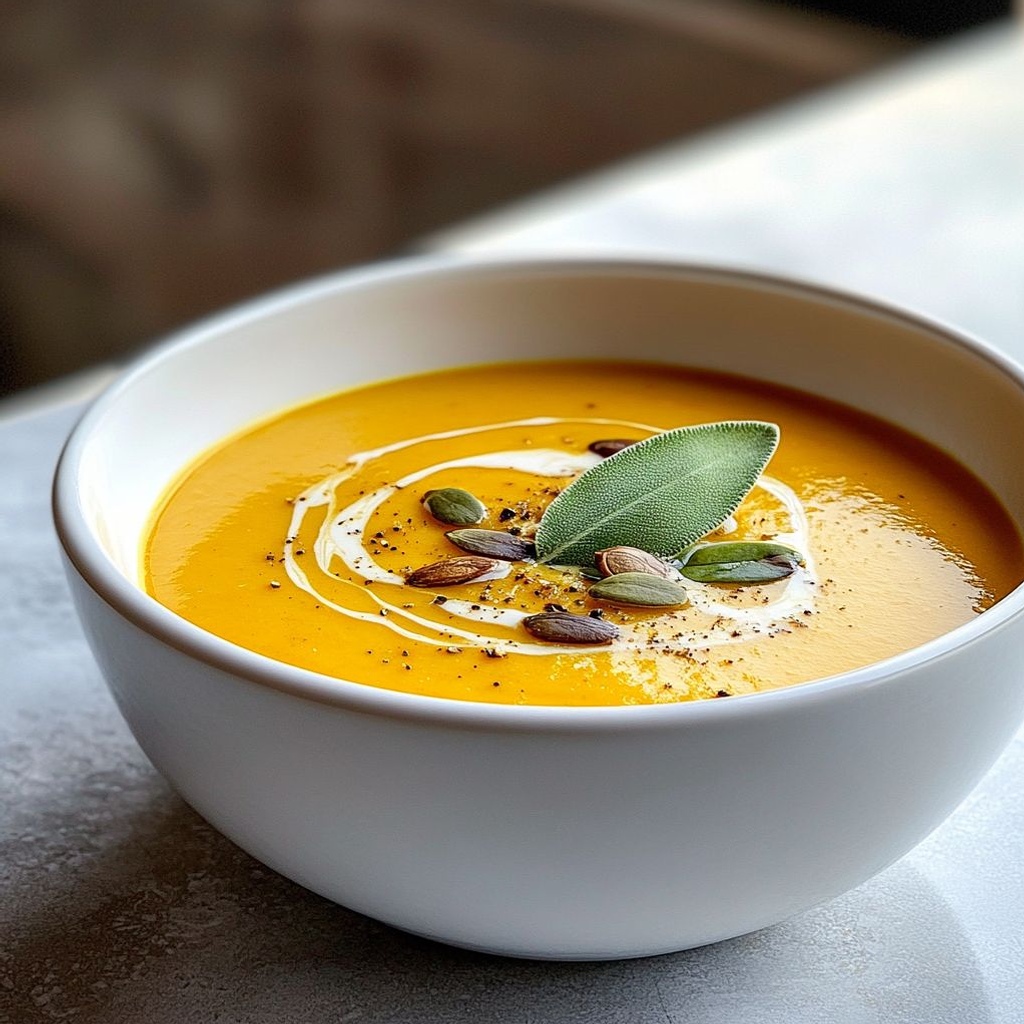
Imagine a bowl glowing with sunset-orange color, its surface kissed by a delicate swirl of cream and a dusting of toasted spices. The aroma alone signals that autumn has arrived: the sweet, honeyed scent of pumpkin caramelized at the edges, mingling with garlic, onions, and a hint of smoky warmth. Zuppa di zucca arrosto is more than a soup; it’s a comforting embrace in a bowl, a dish that invites lingering at the table as the day winds down and the chill settles in. Each spoonful delivers a velvety, almost silken texture that glides across the palate, revealing layers of roasted depth that you can only coax from caramelized pumpkin. It is the kind of soup that makes you close your eyes and smile, not because it’s showy, but because it feels just right—like a familiar childhood blanket, rewritten for grown-up tastes with a touch of refinement and generosity.
The magic of this recipe lies in the simple act of roasting pumpkin to concentrate its sweetness and deepen its color, transforming a humble fall ingredient into something almost magical. When the pieces hit the heat, their edges brown and caramelize, releasing a gentle nuttiness that lingers long after the first spoonful. Then, as everything comes together in the pot, the soup takes on a creamy, uplifting aroma that evokes cozy kitchens, late harvest markets, and family gatherings where stories flow as freely as the conversation. It’s a dish that invites you to slow down, savor the moment, and share a meal that speaks of seasonality, home, and a little bit of culinary poetry.
Whether you’re cooking for a weeknight supper or a weekend gathering, zuppa di zucca arrosto offers a balance of simplicity and sophistication that can feel almost luxurious without being complicated. It pairs the rustic charm of a farmers’ market staple with the refined comfort of a well-made soup, making it perfect for entertaining friends or feeding a hungry crowd after a long day. The approach is forgiving, too: you can adjust the creaminess, the spice level, or the intensity of the roast to suit your mood or your pantry, while still delivering a dish that tastes serenely cohesive and deeply satisfying. In short, this roasted pumpkin soup is a celebration of autumn’s bounty—an edible homage to the season’s glow that nourishes both body and soul.
The Story Behind the Dish
Soup has always held a special place in Italian homes, where simmering pots of broth and seasonal vegetables bring families together around the table. Zuppe, in Italian cuisine, are often less about fancy technique and more about balance, warmth, and the way a few well-chosen ingredients can evoke a memory or a region’s landscape. Zuppa di zucca arrosto—roasted pumpkin soup—belongs to a family of dishes that celebrate the squash’s natural sweetness and the autumn harvest’s generosity. The idea of roasting pumpkin before pureeing it is a modern echo of ancient methods that maximize flavor through time and heat. By giving the pumpkin a chance to caramelize at high heat, cooks coax out its inherent depth and a whisper of smoke that adds complexity without overpowering the natural sweetness.
Across Italy, pumpkins and squashes harvest in abundance, wearing autumn colors that range from pale ivory to deep orange. In many households, the pumpkin is roasted with a light touch of olive oil, garlic, and sometimes a hint of rosemary or sage. The result is a luscious puree that forms the foundation of a comforting soup, often enriched with a touch of cream or a swirl of olive oil, and sometimes finished with a sprinkle of toasted seeds or croutons for texture. Zuppa di zucca arrosto captures this spirit by spotlighting the roasted pumpkin as the star, allowing its flavor to shine while the other components—savory aromatics, a hint of spice, and a creamy backdrop—play supportive roles to create harmony on the tongue.
Personally, there’s something timeless about a dish that can feel both rustic and refined at the same time. My grandmother would roast pumpkin as the days grew shorter, letting the oven’s warmth fill the kitchen as evening settled in. She’d scoop the tender flesh, blend it with onion and a whisper of nutmeg, and finish the bowl with a ribbon of cream and a drizzle of olive oil. The result was not just sustenance but a memory—a ritual that marked the turning of the season and the simple joy of sharing food with those you love. This recipe honors that spirit: a modern interpretation that respects tradition, promotes accessibility, and invites home cooks to put a personal stamp on the dish through small, thoughtful adjustments.
Why You’ll Love This Recipe
- Seasonal comfort: A celebration of autumn’s harvest that feels both luxurious and approachable.
- Deep, roasted flavor: The caramelization of pumpkin lends a natural sweetness tempered by savory aromatics, yielding a balanced, comforting profile.
- Silky texture: A smooth, velvety soup that glides across the palate with gentle richness.
- Versatile base: Rich enough for a standalone bowl, yet adaptable for dairy-free or lighter renditions with plant-based milks or pureed vegetables.
- One-pot approach: Simple to assemble, with clean up that won’t overshadow the joy of the meal.
- Family-friendly and crowd-pleasing: A dish that appeals to kids and adults alike, easy to customize for varying tastes.
- Perfect for entertaining: Elegant enough to serve at modest dinner parties or autumn gatherings, especially when finished with a finishing touch like croutons, seeds, or a swirl of cream.
- Make-ahead potential: Great for meal planning, as the flavors deepen when stored and reheated with care.
Flavor Profile & Texture
Zuppa di zucca arrosto unfolds with a layered palate that feels both soft and bright. The roasted pumpkin provides a natural, honeyed sweetness that sits at the heart of the soup, but it’s never cloying. Subtle savory notes—onion, garlic, and perhaps a hint of herb—brighten the sweetness and create a well-rounded backbone. The texture is the star: a creamy, spoon-coating body that remains light enough to drink at a steady pace, with occasional pockets of roasted pumpkin flesh that add bursts of concentrated flavor. If you choose to finish with a touch of cream or a drizzle of olive oil, you’ll experience a luxurious mouthfeel that enhances the soup’s natural silkiness rather than masking it.
Texture contrasts can elevate the experience: a crostini or a handful of toasted seeds sprinkled on top bring a welcome crunch, while a swirl of cream or yogurt can temper the sweetness and lend a glossy, restaurant-like finish. The aroma is equally engrossing—the scent of caramelized edges, warm spice, and herbaceous notes wafts through the kitchen as the soup rests, inviting lingering at the table. In many ways, the flavor profile of this dish mirrors the season itself: soft, comforting, and gently layered, with a bright finish that leaves you eager for another bite.
Occasions & Pairings
This roasted pumpkin soup shines in a variety of settings, from casual weeknights to more deliberate entertaining. It is instantly comforting on a chilly evening, yet refined enough to grace a modest holiday table or a wine-and-chat gathering with friends. Here are some ideas to make the most of it:
- Weeknight warmth: A quick, satisfying starter or main when paired with a rustic bread and a simple green salad.
- Autumn gatherings: Serve as an elegant first course at a dinner party, followed by hearty mains that echo the season’s produce.
- Holiday menus: A lighter, seasonal option that pairs well with roasted meats or a cheese course, offering balance without overwhelming guests.
- Pairings to consider (flavors that complement the soup):
- Crusty bread or toasted baguette slices with a touch of olive oil.
- Herb-infused croutons or pumpkin seeds for a crunchy finish.
- A dollop of cream, yogurt, or a fragrant drizzle of olive oil to enhance richness.
- Fresh herbs like sage or thyme to lift the aroma and add a subtle piney note.
- A glass of dry white wine (think Pinot Grigio or Verdicchio) to harmonize with the soup’s sweetness and balance the meal.
Tips, Variations & Substitutions
- Roasting tips: For the deepest flavor, cut the pumpkin into uniform pieces, toss with a light amount of olive oil, salt, and a few whole garlic cloves, and roast until the edges are deeply golden and the flesh is tender. The caramelized edges are what give the soup its characteristic sweetness and aroma.
- Texture options: If you prefer a chunkier soup, reserve a portion of roasted pumpkin before blending and fold it back in after puréeing; this will create a smooth base with tender lumps for added bite.
- Creaminess: The traditional version often includes a touch of cream or a swirl of milk to enrich the texture. To keep this dairy-light, finish the soup with a splash of unsweetened plant-based milk (such as almond or oat) or a drizzle of high-quality extra virgin olive oil for a glossy finish.
- Vegan and dairy-free variation: Use a plant-based milk or just olive oil to maintain a silky texture without dairy. If you crave a savory lift, a small amount of miso paste or nutritional yeast can lend depth without dairy.
- Herbal and spice twists: A pinch of cinnamon, nutmeg, or smoked paprika can add warmth and complexity. If you like a hint of heat, a tiny pinch of chili flakes can wake up the flavor without overpowering the pumpkin’s natural sweetness.
- Regional touches: A subtle spoonful of chestnut puree or a few toasted pine nuts can evoke autumn forests and bring a pleasing earthy note to the dish.
- Non-bread pairings: For a gluten-free option, serve with crisp vegetable crisps or roasted chickpeas, which provide texture and contrast to the smooth soup.
Storage & Make-Ahead Ideas
One of the joys of a well-made soup is how well it keeps and how easily flavors deepen after resting. Zuppa di zucca arrosto shines in the fridge or freezer if stored properly:
- Refrigeration: Allow the soup to cool completely, then refrigerate in an airtight container for up to 3–4 days. Reheat gently on the stovetop or in a microwave, stirring to restore a uniform temperature and texture. If the soup thickens as it sits, whisk in a little water, stock, or milk to loosen it to your desired consistency.
- Freezing: This soup freezes beautifully. Freeze in portion-sized containers for convenient meals, or in a freezer-safe bag laid flat for rapid thawing. It keeps well for up to 3 months. Thaw overnight in the refrigerator before warming slowly on the stove or in a gentle pot, adding a splash of liquid if needed to reach the right consistency.
- Make-ahead tips: If you plan to serve this soup at a gathering, consider roasting the pumpkin a day ahead, then refrigerating. On the day of service, simply reheat, blend to your preferred smoothness, and finish with your chosen toppings or accompaniments to save time without sacrificing flavor.
Fun Facts & Trivia (Optional)
– The word zucca in Italian means both “pumpkin” and “squid,” a reminder of how language sometimes plays with images and sounds in delicious ways. In culinary usage, though, zucca is comforting and autumnal rather than nautical.
– Pumpkins are incredibly versatile in Italian cooking, appearing in savory soups, risottos, breads, and even tortelli. The autumn harvest invites cooks to experiment with textures and sweetness, often balancing them with salty cheeses, toasted seeds, and herbaceous finishes.
– Roasting is not just about flavor; it also enhances the emulsification of fats in the soup, helping to create that characteristic silkiness when blended with a little liquid and, if desired, dairy or dairy substitutes.
Final Thoughts
Zuppa di zucca arrosto is more than a recipe—it’s a seasonal ritual that invites you to slow down, savor the present, and celebrate the generous flavors of autumn. It speaks to the heart of home cooking: uncomplicated ingredients, a gentle cooking process, and a final presentation that feels special enough for guests but easy enough for a weekday evening. With its comforting texture, balanced sweetness, and aromatic finish, this soup can become a signature of your kitchen, a dish you return to as soon as the leaves begin to turn and the temperature dips. May every spoonful remind you of the warmth of shared meals and the simple pleasure of nourishing those you care about with food that is honest, flavorful, and rooted in seasonality.
Ingredients
Zuppa di zucca arrosto
Roasted Pumpkin Base
- – 2 pounds (900 g) pumpkin or butternut squash, peeled, seeded, and cut into 1-inch (2.5 cm) cubes
→ This is the soup’s star ingredient, providing natural sweetness, body, and a smooth texture once puréed. Choose a dense winter squash (butternut or sugar pumpkin). Cutting into even cubes ensures uniform roasting for consistent flavor. Roasting concentrates sugars and yields caramelized edges that deepen the final soup. If you cannot roast, you can simmer the cubes in stock until tender, but roasting is preferred for maximum depth. - – 2 tablespoons extra-virgin olive oil
→ Used to toss the squash for roasting and to sauté the onion and garlic. Olive oil helps with browning and flavor transfer. For best results, preheat your oven to about 425°F (220°C) and roast the seasoned squash until the edges are caramelized and tender. Reserve a small drizzle for finishing the soup if desired, but it is optional. - – 1 medium onion, finely chopped
→ Provides the aromatic, sweet base for the soup. Sauté in olive oil until soft and lightly golden to release its natural sweetness and create a flavor foundation before adding garlic and pumpkin. Use yellow or white onions for balanced sweetness. - – 2 garlic cloves, minced
→ Delivers a warming, savory aroma. Add after the onion to prevent burning; minced garlic disperses more evenly than sliced. If you love a more pungent garlic presence, crush the cloves or mince very finely and sauté a bit longer, watching closely so it does not scorch. - – 3 cups vegetable broth (unsalted)
→ Forms the main cooking liquid and provides salt and depth. Using unsalted broth lets you control the final seasoning accurately. You can substitute with chicken broth for a richer backbone, but note it will subtly alter the flavor. Adjust thickness with the optional water if needed. - – 1 cup water (optional, to adjust thickness)
→ Use to reach your desired soup consistency after blending. Start with 1 cup and add more hot water if you prefer a lighter, more broth-forward soup. Hot water helps maintain simmer temperature and blending smoothness. - – 1/2 cup heavy cream or full-fat coconut milk (for dairy-free)
→ Adds silkiness, richness, and a velvety mouthfeel. If dairy-free, coconut milk gives a coconut note that pairs well with pumpkin. You can swirl in at the end or blend directly with the soup for extra body. For a lighter version, omit or use a smaller amount and compensate with more broth. - – 1 tablespoon dry white wine (optional)
→ A brief deglazing liquid that lifts browned bits from the pan, adds acidity, and deepens flavor. Allow the wine to reduce by about half before adding the broth to keep the soup bright and not alcoholic-tasting. If omitting, substitute with a teaspoon of lemon juice for brightness. - – 1/2 teaspoon kosher salt, or to taste
→ Essential for balancing sweetness and enhancing pumpkin flavor. Because broths vary in salinity, start with this amount and adjust after blending. If you added salty roasted seeds later, you might reduce this a touch. - – 1/4 teaspoon freshly ground black pepper, or to taste
→ Adds a subtle peppery warmth that complements the pumpkin’s sweetness. Grind fresh for the strongest aroma and adjust after tasting post-blend, since the other ingredients contribute salt and acidity. - – 1/4 teaspoon ground nutmeg (optional)
→ A classic pairing with pumpkin, delivering a gentle warm spice note. Use freshly grated nutmeg if possible; start with a small pinch and increase to taste. Avoid overpowering the pumpkin’s sweetness. - – 1 tablespoon fresh lemon juice (or 1 teaspoon lemon zest, to taste)
→ Brightens the soup and counteracts richness. Add lemon juice toward the end after blending and tasting. If using zest, add a small amount during cooking to release oils, then adjust with juice to avoid bitterness.
Optional Add-ins
- – 1/2 cup roasted pumpkin seeds (pepitas)
→ Provides a crunchy contrast and nutty flavor. Toast the seeds in a dry skillet over medium heat until golden and fragrant, then sprinkle over the soup just before serving for texture and color. Lightly salt if desired for extra bite. - – Fresh parsley or chives, chopped (for garnish)
→ Adds a fresh, bright contrast to the creamy soup. Finely chop and sprinkle on top right before serving. Herbs like thyme or dill can be used as alternatives depending on your pantry. - – Drizzle of extra-virgin olive oil (for finishing)
→ A small finishing drizzle enhances gloss and fruity aroma, elevating the overall perception of flavor. Apply just before serving to preserve brightness and prevent the soup from becoming heavy. - – Optional swirl of cream or coconut milk (for serving)
→ If you want an extra luxurious presentation, swirl a spoonful on each bowl. This adds visual appeal and richness; swirl rather than fully mix to maintain a marbled effect.
Instructions
- Preheat your oven to 425°F (220°C) and line a large rimmed baking sheet with parchment paper or lightly oil it to prevent sticking.
→ A hot, well-prepped roasting surface encourages even browning and caramelization of the squash; parchment prevents sticking and makes cleanup easier. - Tumble the 2 pounds (900 g) pumpkin or butternut squash cubes with 2 tablespoons extra-virgin olive oil and a pinch of kosher salt, then spread them in a single layer on the prepared sheet.
→ Even coating with oil promotes browning and flavor transfer; keeping them in a single layer avoids steaming and ensures caramelized edges. - Roast the squash in the hot oven for 25 to 35 minutes, flipping once halfway, until the edges are deeply caramelized and the centers are tender.
→ Caramelization concentrates sugars and yields a richer sweetness; flipping ensures even browning on all sides. - While the squash roasts, heat 1 tablespoon extra-virgin olive oil in a heavy-bottomed pot over medium heat and add the finely chopped medium onion, cooking until soft, translucent, and lightly golden after about 6 to 8 minutes.
→ Sweat the onions to release their sweetness and create a flavor base; browning gently develops deeper aromatics without harsh bite. - Add the minced garlic to the onion and sauté for 30 to 60 seconds until fragrant, then lower heat slightly to prevent scorching.
→ Garlic releases essential oils quickly; overcooking can become bitter, so keep heat moderate and stir frequently for even cooking. - If using, pour in 1 tablespoon dry white wine to deglaze the pot, scraping up any browned bits with a wooden spoon and simmer until reduced by about half before proceeding.
→ Deglazing lifts fond from the pan, enriching the soup with acidity and depth; reducing prevents a raw alcohol note in the final soup. - When the roasted pumpkin is ready, transfer it to the pot with the onion and garlic, then add 3 cups unsalted vegetable broth (and up to 1 cup water to adjust thickness) and bring to a gentle simmer.
→ The pumpkin pieces thaw in the simmer; broth provides body and salt balance, while water helps you reach the desired consistency. - Simmer the mixture for 15 to 20 minutes, until the pumpkin is fully tender and the flavors have melded; taste once or twice during to gauge thickness and seasoning.
→ Gentle simmer allows flavors to emulsify and the squash to break down for a silky texture; tasting helps decide if more salt or liquid is needed. - Use an immersion blender to purée the soup directly in the pot until completely smooth, or carefully blend in batches in a countertop blender, then return to the pot; ensure venting and avoid pressure buildup by blending in batches if using a blender.
→ A smooth purée is essential for a velvety pumpkin soup; blending technique prevents scorching and ensures a uniform texture with no fibrous bits. - Stir in 1/2 cup heavy cream or full-fat coconut milk, then heat gently just to a warm state; do not boil once dairy or coconut milk is added to preserve creaminess and prevent separation.
→ The dairy or dairy-free alternative adds richness and a glossy mouthfeel; overheating can cause separation or curdling. - Season the soup with 1/2 teaspoon kosher salt, 1/4 teaspoon freshly ground black pepper, and 1/4 teaspoon ground nutmeg, then stir in 1 tablespoon fresh lemon juice and adjust to balance sweetness and acidity.
→ Salt and pepper heighten pumpkin flavor; nutmeg adds warmth; lemon brightens the richness; adjust after tasting for perfect balance. - If the soup is too thick, whisk in hot water or additional warm broth a few tablespoons at a time until you reach your desired consistency, keeping the heat gentle to prevent separation.
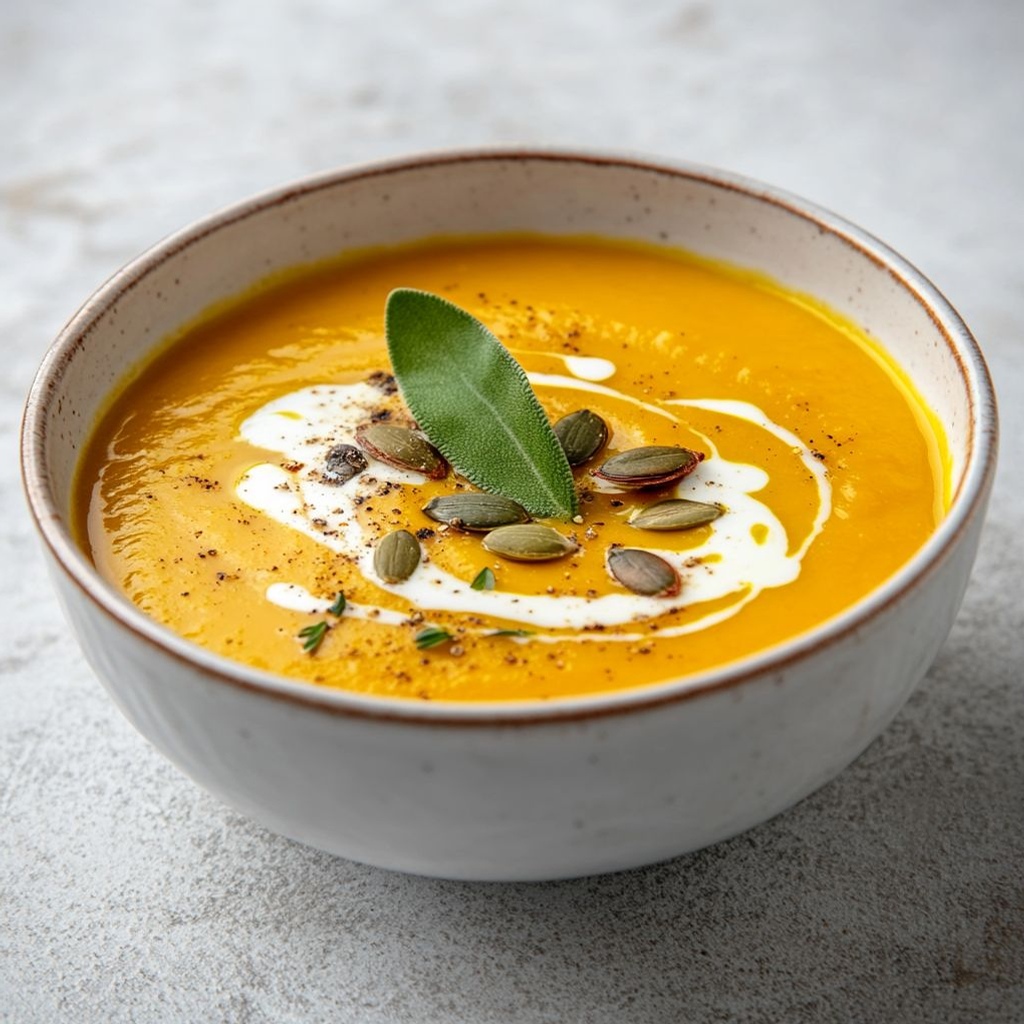
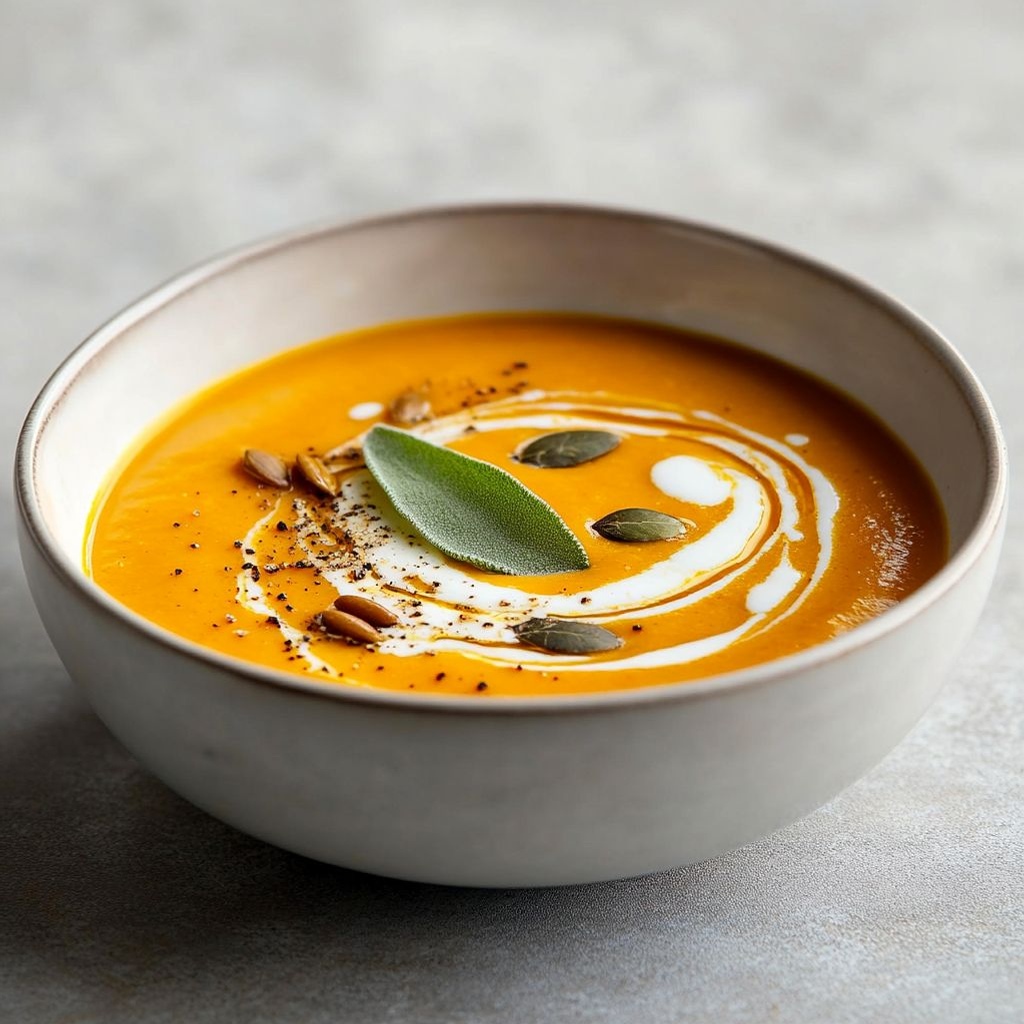
→ You can customize the body of the soup without diluting flavor; add gradually to preserve balance. - Finish with a drizzle of extra-virgin olive oil or a swirl of cream or coconut milk upon serving, and optionally scatter roasted pumpkin seeds and chopped parsley for aroma, texture, and color.
→ Finishing oils and garnishes elevate aroma and mouthfeel; seeds provide a crunchy counterpoint to the creamy soup. - Optional step: Toast 1/2 cup pumpkin seeds (pepitas) in a dry skillet over medium heat until golden and fragrant, about 3 to 5 minutes, shaking occasionally; season lightly with salt if desired.
→ Toasting concentrates the seeds’ nutty flavor and adds a crunchy counterpoint when sprinkled on the soup just before serving.
Notes
These roasted pumpkin soup notes provide a cozy, flexible approach to Zuppa di zucca arrosto. Roasting dense pumpkin like butternut or sugar pumpkin concentrates sweetness and yields a velvety purée; start by cutting into even 1-inch cubes, toss with 2 tablespoons olive oil, kosher salt, and a pinch of pepper, then roast at 425°F (220°C) until the edges caramelize and the flesh is tender. In a heavy pot, sauté 1 finely chopped onion in a little olive oil until soft and lightly golden, then add 2 garlic cloves minced and cook briefly until fragrant. Deglaze with 1 tablespoon dry white wine (optional) and reduce by half to lift browned bits; then stir in the roasted pumpkin, 3 cups unsalted vegetable broth and 1 cup water (adjust to reach your desired thickness). Simmer 10–15 minutes, then blend until smooth using an immersion blender or in batches. Stir in 1/2 cup heavy cream or full-fat coconut milk for a silkier texture; season with 1/2 teaspoon kosher salt, 1/4 teaspoon freshly ground black pepper, 1/4 teaspoon freshly grated nutmeg (optional), and a few squeezes of lemon juice or 1 teaspoon lemon zest to brighten. Taste and adjust. For serving, finish with a drizzle of extra-virgin olive oil and, if you like, a handful of roasted pumpkin seeds and chopped parsley for color and crunch. These notes assume gluten-free broth; ensure your stock is gluten-free if you’re cooking for celiac or gluten-sensitive guests. The soup keeps well in the fridge for 3–4 days and freezes beautifully; reheat gently and adjust thickness with a splash of hot water or stock as needed. You can customize by swapping coconut milk for dairy, or stirring in a pinch of chili flakes or smoked paprika for an autumnal twist. Optional add-ins include 1/2 cup roasted pumpkin seeds for crunch, and fresh herbs like parsley or chives to brighten the finish.
Tips
Tips for perfect Zuppa di zucca arrosto
- Roast the pumpkin in a single layer on a parchment-lined sheet, spaced apart so the edges caramelize evenly. Cut the squash into uniform 1-inch cubes to ensure consistent browning and texture.
- Toss the pumpkin with 1–2 tablespoons extra-virgin olive oil and a pinch of salt before roasting. Roast at about 425°F (220°C) until the edges are deeply caramelized and the flesh is tender, 25–35 minutes depending on size.
- While the pumpkin roasts, sauté the onion in olive oil over medium-low heat until soft and lightly golden to develop sweetness. Add the garlic in the last 30–60 seconds to release aroma without burning.
- Deglaze the pan with 1 tablespoon dry white wine after sautéing the onion and garlic. Let it reduce by about half to lift browned bits; this adds acidity and depth without lingering alcohol.
- Use unsalted vegetable broth as the base; it gives you control over seasoning. If you prefer richer flavor, you can substitute a portion with low-sodium chicken broth, but adjust salt accordingly later.
- To reach your desired soup thickness, start with 3 cups broth and 1 cup water (or less water if you want a thicker soup). Add more hot water later if the soup is too thick after blending.
- For silkier texture, blend the soup until completely smooth using an immersion blender directly in the pot, or carefully in batches in a countertop blender. If you crave ultra-smooth soup, strain through a fine-mesh sieve after blending.
- Stir in 1/2 cup heavy cream or full-fat coconut milk after blending for richness. If dairy-free, adjust with more coconut milk or broth. You can also swirl in a bit at the end for a marbled presentation rather than fully mixing.
- Season gradually: taste after blending and adjust salt. Freshly ground black pepper should be added to taste, and a pinch of freshly grated nutmeg adds a gentle warm note. If using nutmeg, start with a small pinch and add to taste.
- Finish with brightness: add 1 tablespoon fresh lemon juice (or a bit of lemon zest added during cooking) toward the end to counterbalance the richness. Adjust to taste so the citrus notes don’t overpower the pumpkin.
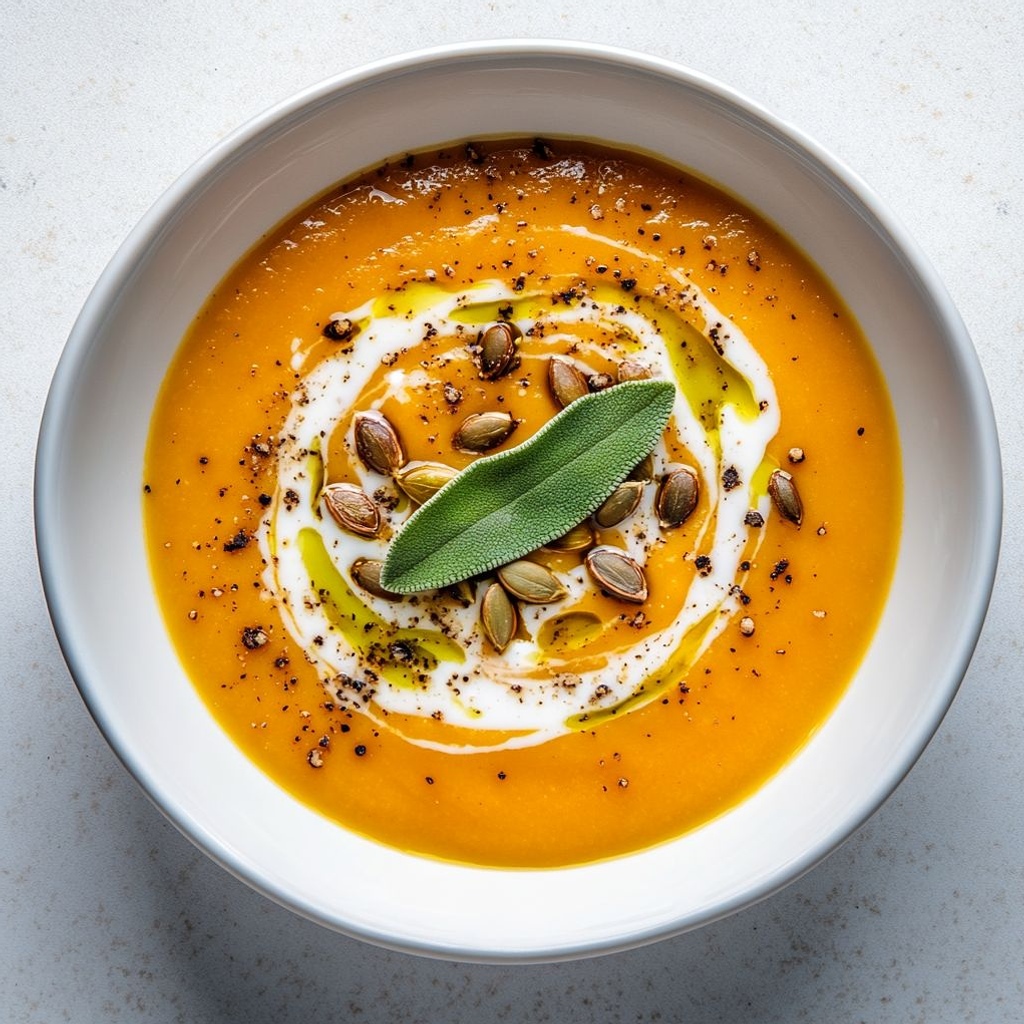
- Finish and garnish: a drizzle of extra-virgin olive oil, toasted pumpkin seeds (pepitas), and chopped parsley or chives make the presentation vibrant and add texture. Serve with crusty bread for dipping.
- Make-ahead tip: roast the pumpkin up to 1–2 days in advance and refrigerate. Rewarm gently with a splash of broth, then blend and finish as you would fresh. The soup stores well in the fridge for 3–4 days and can be frozen for longer keeping.
- Storage notes: keep leftovers in an airtight container in the fridge for a few days; reheat slowly on the stove over low heat, whisking to prevent separation. Frozen soup will keep for several months; thaw before reheating.
- Optional adjustments: If you find the soup too sweet, add a touch more lemon juice or a splash of acidity from white wine, and balance with a pinch more salt. If you prefer a smokier profile, a tiny pinch of smoked paprika can be added with the spices, but test to ensure it enhances rather than overwhelms the pumpkin sweetness.
FAQ
Che cos’è Zuppa di zucca arrosto?
È una zuppa cremosa realizzata con zucca arrostita, cipolla, aglio, brodo e, a seconda della ricetta, latte o panna. È tipica dell’autunno e dell’inverno, con un sapore dolce-terroso e una consistenza vellutata.
Come si prepara la zucca prima di arrostirla?
Preriscalda il forno a 200°C. Taglia la zucca a cubetti o spicchi, elimina i semi, asciuga bene. Condisci con olio d’oliva, sale e pepe. Cuoci in teglia per 25–35 minuti finché morbida e leggermente caramellata. Lascia intiepidire prima di frullare.
Quali ingredienti servono?
- Zucca matura (circa 1 kg, tagliata a pezzi)
- Cipolla
- Aglio
- Olio extravergine d’oliva
- Brodo vegetale o di pollo
- Latte, panna fresca o latte di cocco (opzionale)
- Sale e pepe
- Noce moscata, rosmarino o salvia
- Opzionale: parmigiano o yogurt per servire
Si può rendere questa zuppa senza latticini?
Sì. Sostituisci la panna o il latte con latte di cocco, latte di mandorle o altra crema vegetale. Aggiungi un filo di olio extravergine per cremosità e, se vuoi, una spolverata di noce moscata o pepe. Servila calda.
Come si ottiene una consistenza cremosa?
Frulla la zuppa con un frullatore a immersione direttamente nella pentola o usa un frullatore tradizionale, finché diventa liscia. Per una texture ultra vellutata, passa la crema attraverso un setaccio finissimo. Regola la densità con brodo o acqua se necessario.
Quanto tempo richiede la ricetta?
Circa 60 minuti in totale: circa 10–15 minuti di preparazione, 25–35 minuti di cottura arrostendo la zucca, e 10–15 minuti per soffriggere, frullare e regolare la consistenza.
Quali varianti posso provare per dare sapore diverso?
- Aggiungere zenzero fresco o cannella per una nota speziata
- Paprika affumicata, pepe di Cayenne o curry in polvere
- Rosmarino o salvia durante la cottura
- Una spolverata di parmigiano o parmigiano vegano al momento di servire
- Un filo di succo di limone o lime per un tocco acido
Come conservare e riscaldare?
Lascia raffreddare completamente, trasferisci in contenitore ermetico. In frigorifero si conserva 3–4 giorni; puoi congelarla fino a 3 mesi. Per riscaldarla, scalda a fuoco basso aggiungendo brodo o latte per regolare la consistenza e mescola spesso.
Come servire la zuppa?
Servila calda con crostini di pane tostato, semi di zucca tostati, un filo di olio extravergine e, se desideri, una spolverata di formaggio grattugiato o yogurt. Puoi accompagnarla con un’insalata leggera o pane rustico.
Quali errori comuni evitare?
Non arrostire abbastanza la zucca; evitare di frullare troppo poco o troppo; se la zuppa risulta troppo densa, aggiungi brodo o acqua calda. Non salare troppo presto se usi brodo già salato. Controlla la consistenza durante la lavorazione per ottenere una crema liscia.